Search Result
Results for "
CB2+receptor
" in MedChemExpress (MCE) Product Catalog:
1
Biochemical Assay Reagents
6
Isotope-Labeled Compounds
| Cat. No. |
Product Name |
Target |
Research Areas |
Chemical Structure |
-
- HY-N1415
-
-
-
- HY-13439
-
-
-
- HY-13505
-
-
-
- HY-103332
-
|
NA-Gly
|
GlyT
Endogenous Metabolite
|
Inflammation/Immunology
|
|
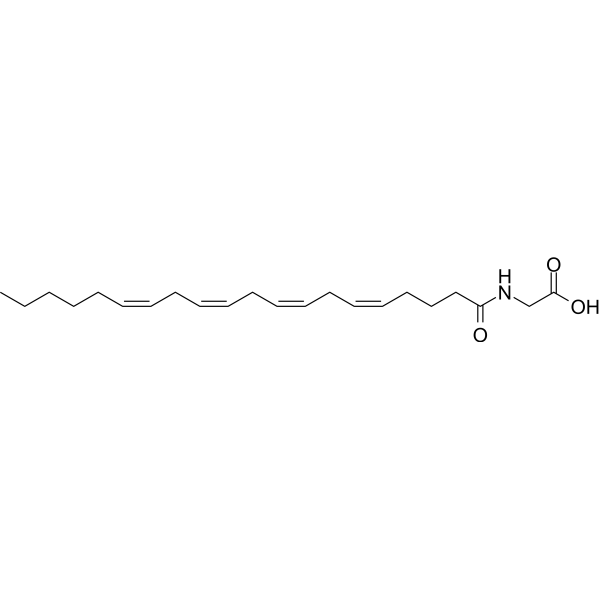
N-Arachidonylglycine (NA-Gly), a carboxylic analog of the endocannabinoid anandamide (AEA), is a GPR18 agonist (EC50 = 44.5 nM). Unlike AEA, N-Arachidonylglycine has no activity at either CB1 or CB2 receptors. N-Arachidonylglycine inhibits GLYT2 (IC50 = 5.1 μM). N-Arachidonylglycine also is an effective activator of endometrial cell migration [2].
|
-
-
- HY-10871
-
|
CP-945598
|
Cannabinoid Receptor
|
Metabolic Disease
|
|
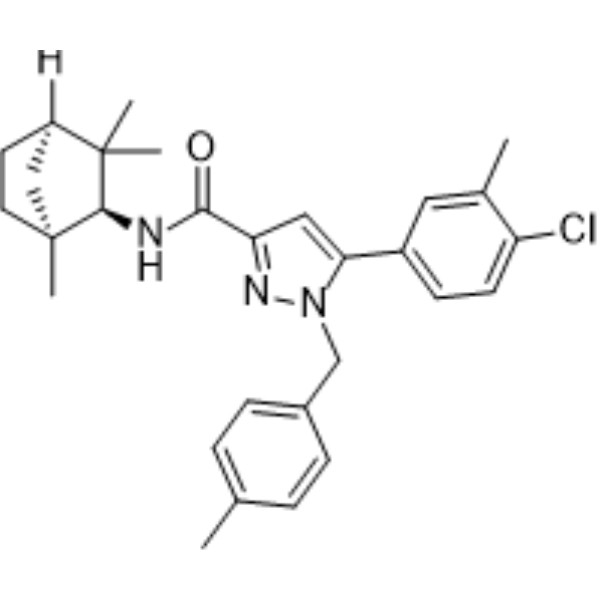
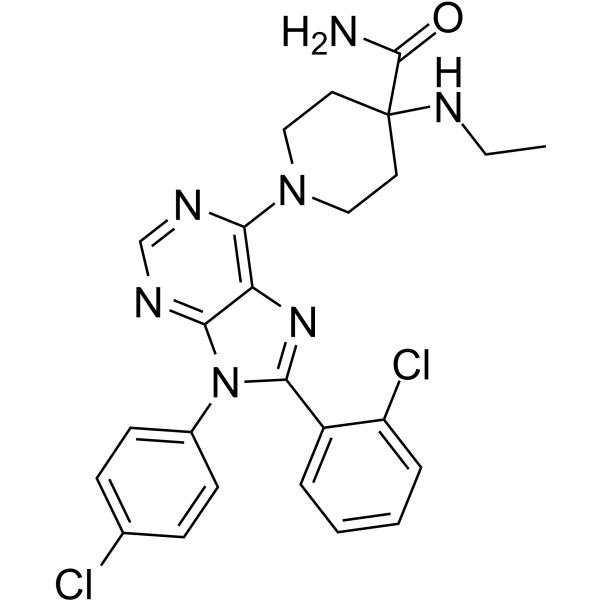
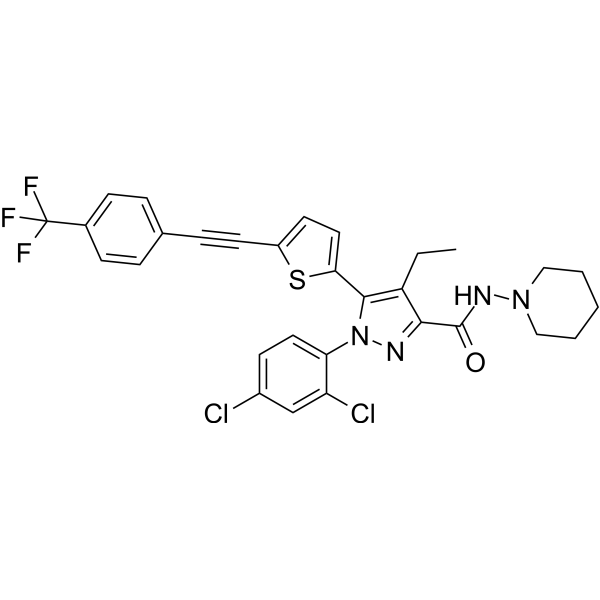
Otenabant is a potent and selective cannabinoid receptor CB1 antagonist with Ki of 0.7 nM, exhibits 10,000-fold greater selectivity against human CB2 receptor.
|
-
-
- HY-103325
-
|
|
Cannabinoid Receptor
TRP Channel
Interleukin Related
ANGPTL
VEGFR
|
Metabolic Disease
Inflammation/Immunology
|
|
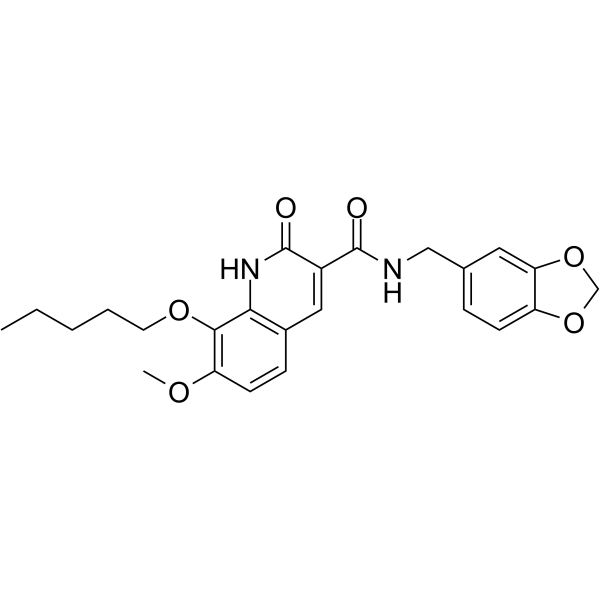
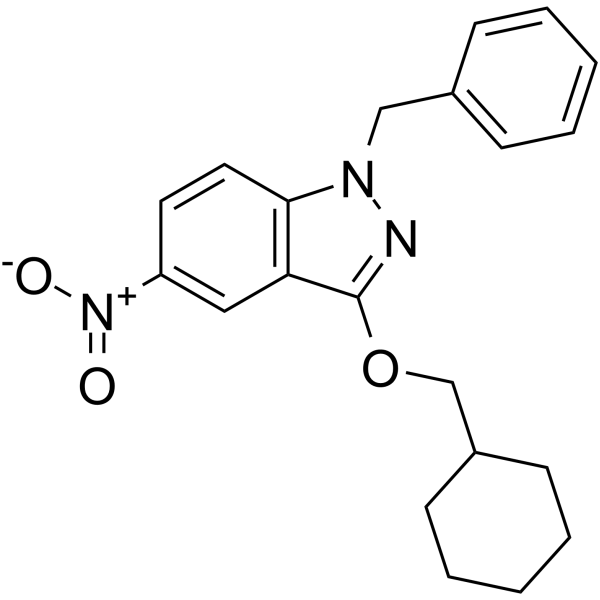
JTE-907 is a selective and orally active cannabinoid CB2 receptor inverse agonist and exerts anti-inflammatory effects. JTE-907 upregulates IL-6, MCP-1, IL-1β, VEGF, ANGPTL4, and TRPV1 in mature adipocytes. JTE-907 downregulates CB1, MCP-1, and IL-1β in preadipocytes. JTE-907 inhibits ear swelling in mice. JTE-907 reverses the protective effects of CB2 agonists and Anandamide (HY-10863) against cytokine-evoked colonic mucosal damage. JTE-907 can be used for the research of allergic dermatitis, obesity, and colitis [2] .
|
-
-
- HY-100488
-
|
|
Cannabinoid Receptor
|
Cancer
|
|
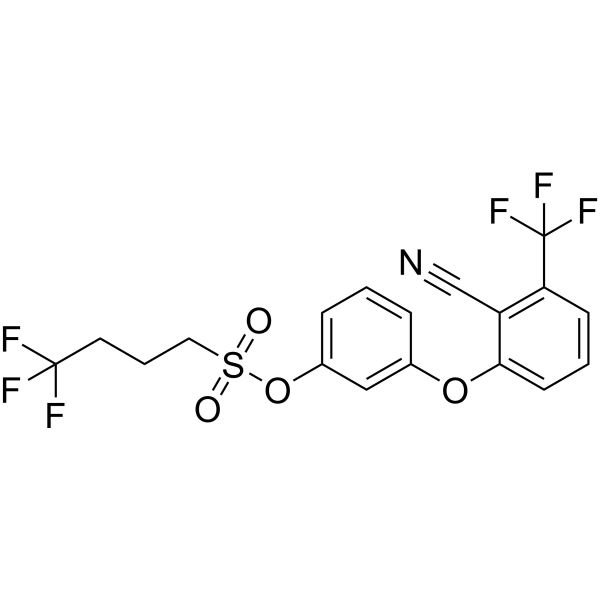
Bay 59-3074 is a selective cannabinoid CB1/CB2 receptor partial agonist with Ki values of 48.3 and 45.5 nM at human CB1 and CB2 receptors, respectively. Bay 59-3074 has analgesic properties .
|
-
-
- HY-15420
-
|
Indomethacin morpholinylamide; IMMA
|
Cannabinoid Receptor
|
Cancer
|
|
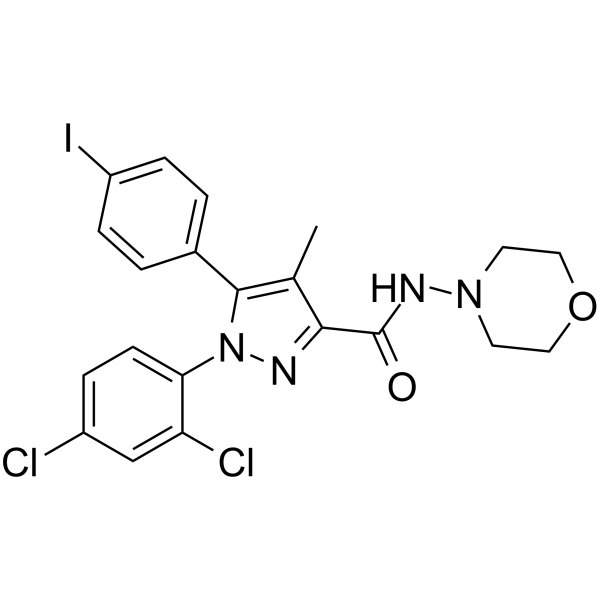
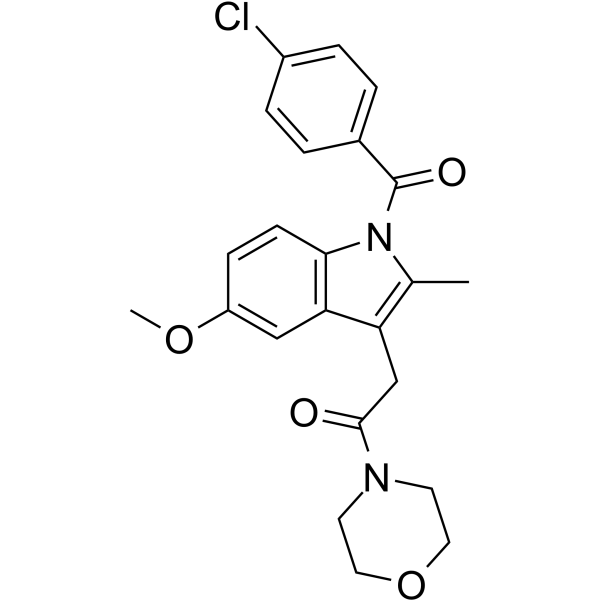
BML-190(IMMA) is a potent and selective CB2 receptor ligand (Ki values are 435 nM and > 2 μM for CB2 and CB1 respectively).
|
-
-
- HY-112340
-
|
|
Cannabinoid Receptor
|
Neurological Disease
Metabolic Disease
|
|
CB1 antagonist 4 (compound 8) is a selective cannabinoid receptor 1 (CB1) inverse agonist with an IC50 of 8.5 nM for human CB1. CB1 antagonist 4 shows selective for CB1 over CB2 receptors (IC50 of 604.9 nM). CB1 antagonist 4 inhibits GTP binding to CB1-overexpressing cell membranes with an EC50 of 18.5 nM .
|
-
-
- HY-132217
-
|
|
Cannabinoid Receptor
|
Neurological Disease
|
|
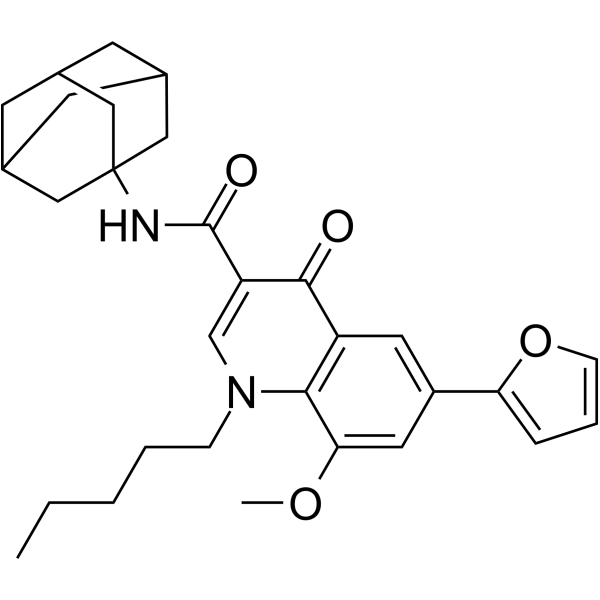
CB2 receptor agonist 2 is a potent and selective agonist for the CB2 (cannabinoid type 2) receptor with a Ki of 8.5 nM. CB2 receptor agonist 2 has high affinity and selectivity for CB2 .
|
-
-
- HY-N1415S
-
-
-
- HY-113070
-
-

-
- HY-119104
-
AZD1940
1 Publications Verification
|
Cannabinoid Receptor
|
Neurological Disease
|
|
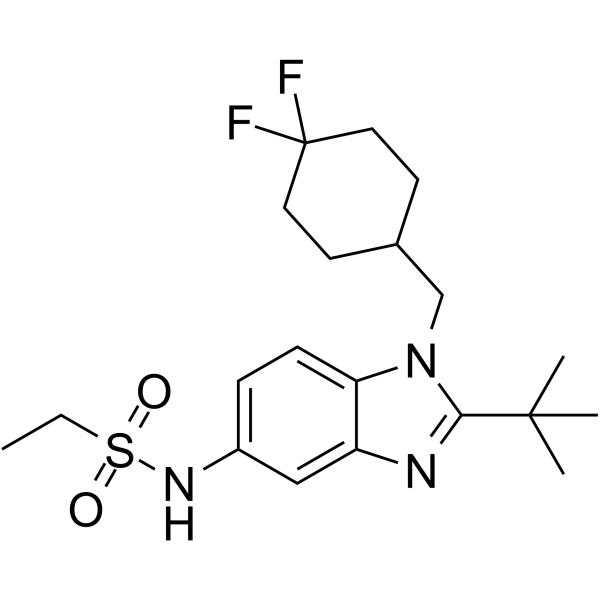
AZD1940 is an orally active, high affinity cannabinoid CB1/CB2 receptor agonist with pKi values of 7.93 and 9.06 for human CB1R and CB2R, respectively. AZD1940 shows a robust analgesia action [2].
|
-
-
- HY-146134
-
|
|
Cannabinoid Receptor
|
Neurological Disease
Inflammation/Immunology
|
|
PGN36 is a selective cannabinoid CB2 receptor (CB2R) antagonist with Kis of 0.09 µM and >40 µM for CB2R and CB1R, respectively. PGN36 abolishes the increase in collagen type I gene expression by the inducer of bone activity. PGN36 is able to cross the blood-brain barrier. PGN36 can be used for the study of frontotemporal dementia (FTD) [2].
|
-
-
- HY-113421
-
|
Linoleic acid monoethanolamide
|
Cannabinoid Receptor
|
Neurological Disease
|
|
Linoleoyl ethanolamide (Linoleic acid monoethanolamide) is classified as a fatty acid ethanolamide. Linoleoyl ethanolamide only weakly binds G-protein-coupled cannabinoid receptors of type-1(CB1)and CB2 receptors, and inhibits the binding of [3H]CP-55,940 with Kis of 10 and 25 μM, respectively. Linoleoyl ethanolamide is 4-fold less potent than anandamide at causing catalepsy in mice and it does not prolong sleep time [2].
|
-

-
- HY-124283A
-
|
|
Cannabinoid Receptor
|
Neurological Disease
|
|
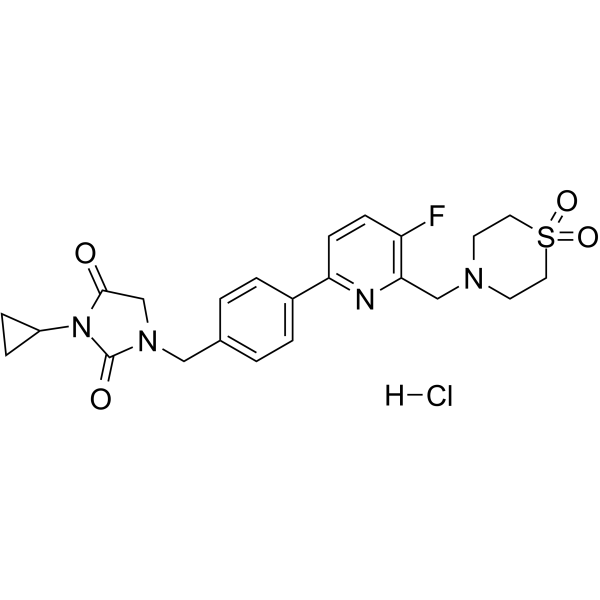
LEI-101 is a potent, selective, and orally bioavailable cannabinoid CB2 receptor agonist, with a pEC50 of 8 for hCB2, and a pKi of less than 4 for hERG. LEI-101 is ~100-fold more potent in binding to CB2 receptors than to CB1 receptors [2].
|
-
-
- HY-N1415R
-
-
-
- HY-128872
-
|
EHP-101; VCE-004.8
|
PPAR
Cannabinoid Receptor
HIF/HIF Prolyl-Hydroxylase
|
Metabolic Disease
Inflammation/Immunology
|
|
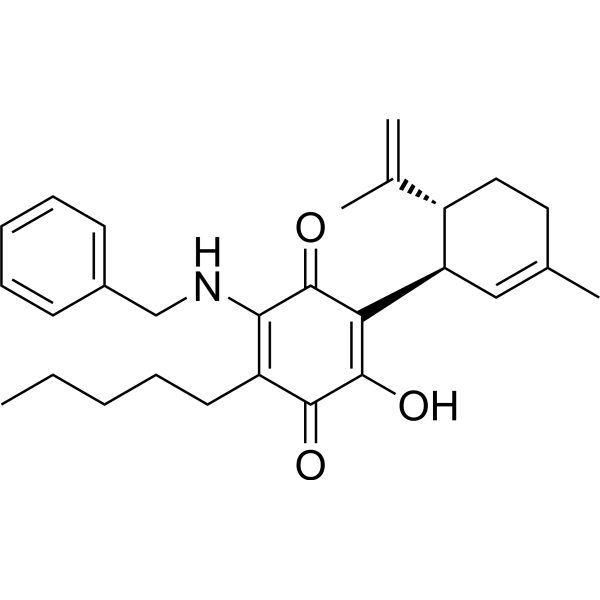
Etrinabdione (EHP-101; VCE-004.8) is an orally active, specific PPARγ and CB2 receptor dual agonist. Etrinabdione inhibits prolyl-hydroxylases (PHDs) and activates the HIF pathway. Etrinabdione, a semi-synthetic multitarget cannabinoquinoid, has potent anti-inflammatory activity. Etrinabdione attenuates adipogenesis and prevents diet-induced obesity [2].
|
-
-
- HY-122964
-
|
|
Cannabinoid Receptor
|
Metabolic Disease
|
|
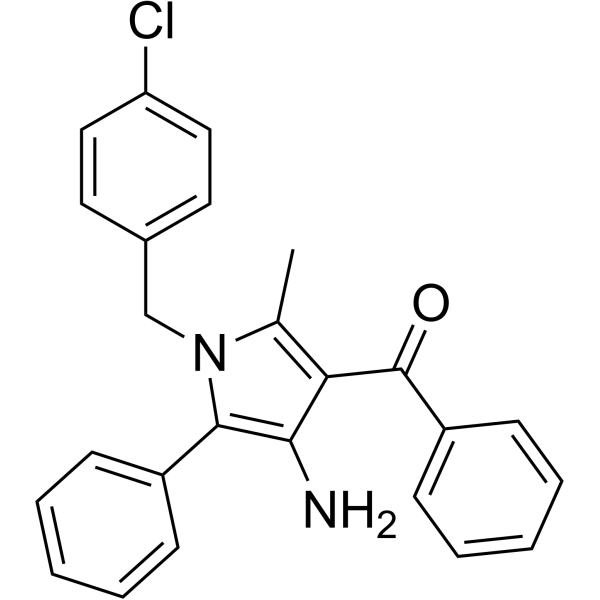
URB447 is a peripherally restricted CB1 cannabinoid antagonist (IC50: 313 nM and 41 nM for rat CB1 and human CB2 receptor respectively ). URB447 lowers food intake and body-weight gain in mice without entering the brain or antagonizing central CB1-dependent responses. URB447 can be used for research of obesity .
|
-
-
- HY-12761
-
|
|
Cannabinoid Receptor
|
Cardiovascular Disease
Others
Neurological Disease
Metabolic Disease
Inflammation/Immunology
Cancer
|
|
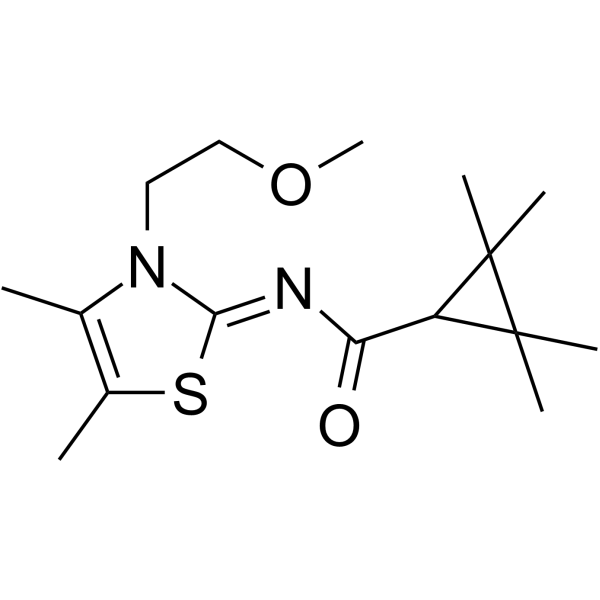
A-836339 is a selective CB2 receptor agonist, with Ki values of 0.4 nM and 0.8 nM in humans and rats, respectively. A-836339 exhibits multiple effects such as analgesia, gastric protection, anti-inflammation, and antioxidant activity. A-836339 produces antinociceptive and analgesic activities by activating CB2 receptors in the dorsal root ganglia and spinal cord. A-836339 can also exert gastric protective effects through anti-inflammatory mechanisms (reducing TNF-α and IL-1β) and antioxidant mechanisms (enhancing the activities of CAT and SOD, and reducing H2O2). Radioactively labeled A-836339 can serve as a CB2-specific radioligand for autoradiography and PET imaging. A-836339 can be used in research on inflammatory pain, neuropathic pain, gastric ulcers, cerebral ischemia, etc [2] .
|
-
-
- HY-113591
-
|
|
Cannabinoid Receptor
|
Others
|
|
CB2 receptor agonist 10 is a CB2 receptor agonist with a Ki of 3.7 nM for hCB2, a Ki of 110 nM for hCB1, and an EC50 of 0.52 nM for hCB2 .
|
-

-
- HY-N1415S1
-
-
-
- HY-124089
-
|
|
Cannabinoid Receptor
|
Metabolic Disease
|
|
Eicosapentaenoyl ethanolamide, an omega-3 fatty acid, is one of N-acylethanolamines (NAEs). Eicosapentaenoyl ethanolamide is cannabinoid CB1/CB2 receptor agonist. Eicosapentaenoyl ethanolamide acts as a metabolic signal. Eicosapentaenoyl ethanolamide inhibits dietary restriction (DR)-induced lifespan extension in wild type animals and suppresses lifespan extension in a TOR pathway mutant [2].
|
-

-
- HY-159161
-
|
|
Orphan GPCR
|
Inflammation/Immunology
Cancer
|
|
PSB-CB-27 is a potent and selective GPR18 inhibitor with an IC50 of 0.65 μM. PSB-CB-27 shows selectivity over Human GPR55, Human CB1 receptor, and Human CB2 receptor. PSB-CB-27 leads to a complete blockade of Δ9-Tetrahydrocannabinol (THC)-induced GPR18 activation. PSB-CB-27 can be used for inflammatory diseases and cancer immunotherapy research .
|
-

-
- HY-113421S
-
|
|
Isotope-Labeled Compounds
Cannabinoid Receptor
|
Neurological Disease
|
|
Linoleoyl ethanolamide-d4 is a deuterated labeled Linoleoyl ethanolamide . Linoleoyl ethanolamide (Linoleic acid monoethanolamide) is classified as a fatty acid ethanolamide. Linoleoyl ethanolamide only weakly binds G-protein-coupled cannabinoid receptors of type-1(CB1)and CB2 receptors, and inhibits the binding of [3H]CP-55,940 with Kis of 10 and 25 μM, respectively. Linoleoyl ethanolamide is 4-fold less potent than anandamide at causing catalepsy in mice and it does not prolong sleep time [2] .
|
-

-
- HY-10871A
-
|
CP 945598 Hydrochloride
|
Cannabinoid Receptor
|
Metabolic Disease
|
|
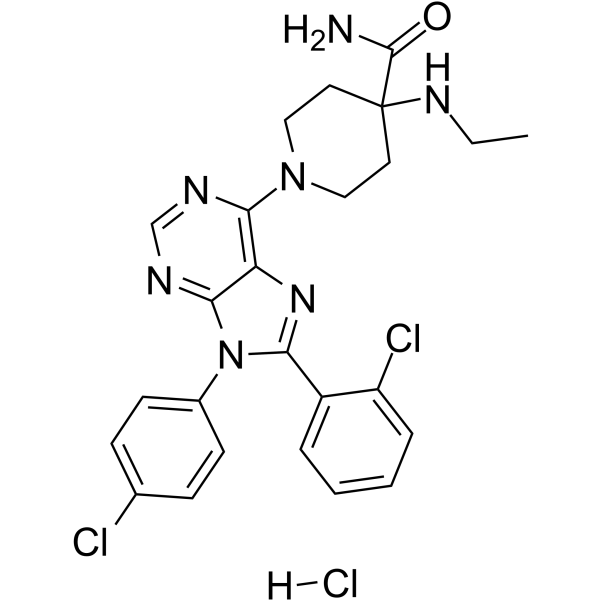
Otenabant Hydrochloride is a potent and selective cannabinoid receptor CB1 antagonist with Ki of 0.7 nM, exhibits 10,000-fold greater selectivity against human CB2 receptor.
|
-
-
- HY-110065
-
|
|
Cannabinoid Receptor
|
Neurological Disease
|
|
SER-601 is a potent and selective peripheral cannabinoid (CB2) receptor agonist with a Ki of 6.3 nM. SER-601 has analgesic and antidiabetic properties and can be used for relevant research .
|
-

-
- HY-178943
-
|
|
Cholinesterase (ChE)
Cannabinoid Receptor
Aldehyde Dehydrogenase (ALDH)
Caspase
Apoptosis
|
Neurological Disease
|
|
Neuroprotective agent 15 (Compound 3e) is a neuroprotective agent. Neuroprotective agent 15 is a selective butyrylcholinesterase (BChE) inhibitor, with IC50 values of 2.6 and 114.3 μM for BChE and AChE respectively. Neuroprotective agent 15 has cannabinoid CB2 receptor (CB2 receptor) agonistic activity. Neuroprotective agent 15 can reduce cell death, LDH release and Caspase-3/7 activity, and inhibit apoptosis. Neuroprotective agent 15 can reduce the formation of superoxide free radicals, maintain cell morphology, and significantly lower oxidative stress levels. Neuroprotective agent 15 can be used in the research of neurodegenerative diseases, such as Alzheimer's disease and Parkinson's disease .
|
-

-
- HY-110194
-
|
|
Endogenous Metabolite
Cannabinoid Receptor
|
Neurological Disease
|
|
Virodhamine TFA is an endocannabinoid, it regulates neurotransmission by activating the cannabinoid (CB) receptors. Virodhamine is an antagonist of CB1 receptor and an agonist of CB2 receptor. Virodhamine TFA induces megakaryocytic differentiation by triggering MAPK signaling and ROS production. Virodhamine TFA can be used for the research of various neurological disorders such as Alzheimer's and Parkinson's diseases [2].
|
-

-
- HY-168734
-
|
|
Cannabinoid Receptor
|
Inflammation/Immunology
|
|
CB2 receptor agonist 9 (Compound 33) is an orally active agonist for cannabinoid receptor 2 (CB2 receptor) with an EC50 of 16.2 nM. CB2 receptor agonist 9 inhibits the expression of TNF-α, IL-1β and IL-6, exhibits anti-inflammatory efficacy in DDS (HY-116282)-induced mouse acute colitis model .
|
-

-
- HY-W127407
-
|
|
Biochemical Assay Reagents
|
Others
|
|
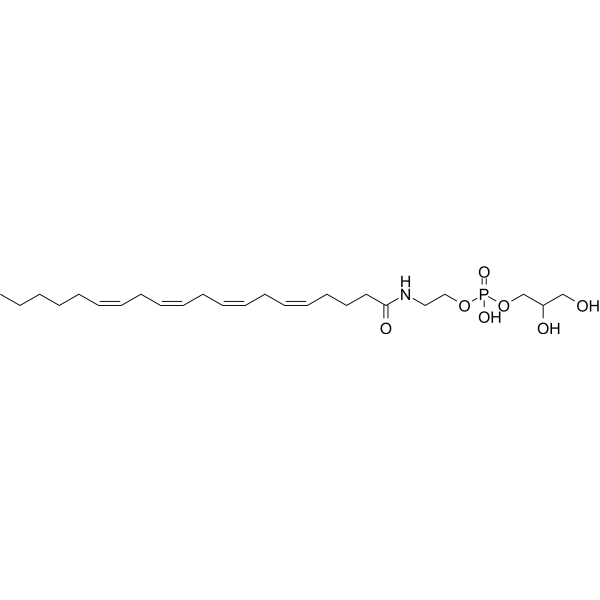
Glycerophospho-N-Arachidonoyl Ethanolamine is a N-acylated ethanolamines (NAEs). Most NAEs are naturally occurring lipids with diverse biological activities. Different types of NAE can be derived from glycerophosphate-linked precursors through the activity of glycerophosphodiesterase 1 (GDE1). Glycerophosphate-N-Arachidonoyl Ethanolamine is the precursor of Anandamide (AEA), also known as Anandamide. AEA is an endocannabinoid neurotransmitter that binds to central cannabinoid (CB1) and peripheral cannabinoid (CB2) receptors. It inhibits the specific binding of [3H]-HU-243 to synaptosomal membranes with a Ki value of 52 nM compared to 46 nM for δ9-THC.
|
-
-
- HY-173083
-
|
|
Cannabinoid Receptor
|
Neurological Disease
|
|
MDA7 is the selective agonist for cannabinoid receptor 2 with EC50 of 128 nM and 67.4 nM in human CB2 receptor and rat CB2 receptor. MDA7 exhibits good affinity to human CB2 receptor and rat CB2 receptor with Ki of 422 nM and 238 nM. MDA7 exhibits analgesic activity in rats models .
|
-

-
- HY-W751734
-
-

-
- HY-128040
-
-
-
- HY-133533
-
|
|
Cannabinoid Receptor
|
Neurological Disease
|
|
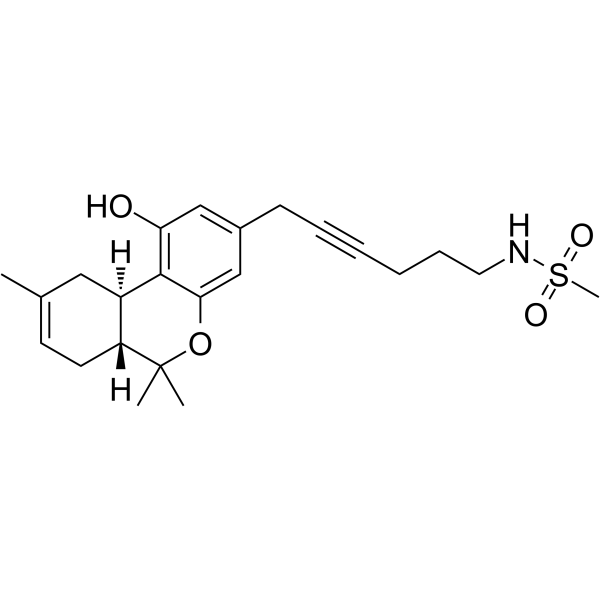
O-2050 is a high affinity cannabinoid CB1 receptor antagonist with a Ki of 2.5 nM. O-2050 inhibits cannabinoid CB2 receptor (Ki=0.2 nM). O-2050 can cause locomotor stimulation in mice .
|
-
-
- HY-163825
-
-

-
- HY-123410
-
|
|
Cannabinoid Receptor
|
Cancer
|
|
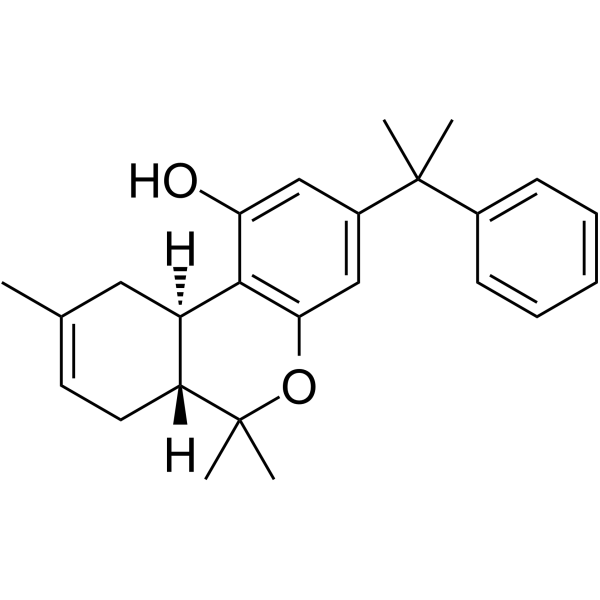
KM-233 is a classical cannabinoid with good blood brain barrier penetration. KM-233 possesses a selective affinity for the CB2 receptors relative to THC. KM-233 is effective at reducing U87 glioma tumor burden, and can be used for glioma research .
|
-
-
- HY-116380
-
-
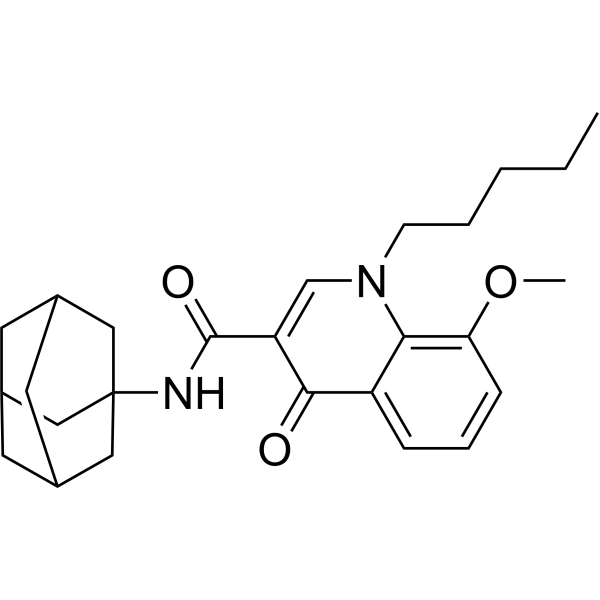
-
- HY-14160
-
-

-
- HY-168338
-
|
|
Cannabinoid Receptor
Caspase
|
Cancer
|
|
CB2 receptor agonist 8 (Compound 17) is an agonist for cannabinoid receptor 2 (CB2 receptor). CB2 receptor agonist 8 exhibits cytotoxicity in cells U87, RPMI 8226, HL-60, and L929 with IC50s of 91.03, 16.29, 23.51 and 564.6 μM, respectively. CB2 receptor agonist 8 activates caspase 3/7, increases the expressions of pro-apoptotic genes BAX, BAD, BIM and tumor suppressor genes p53, and induces apoptosis in U87. CB2 receptor agonist 8 inhibits the migration of U87 .
|
-

-
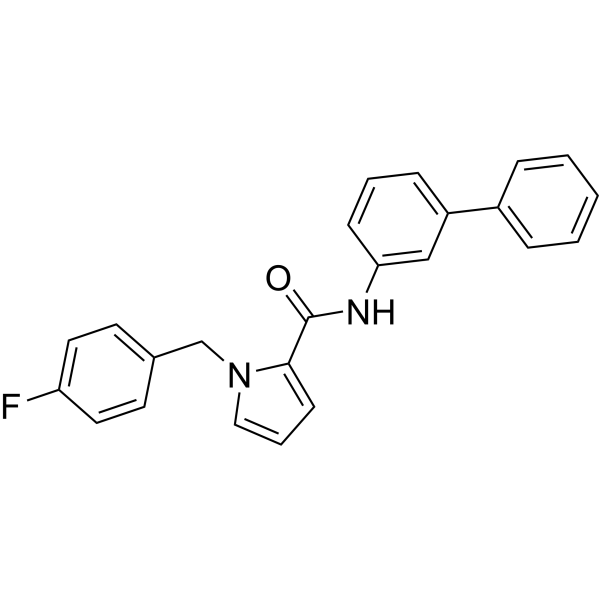
- HY-163394
-
|
|
Cannabinoid Receptor
|
Neurological Disease
Inflammation/Immunology
|
|
CB2 receptor agonist 6 (compound 70) is an agonist of CB2R, with EC50 of 162 nM. The IC50 values of CB2 receptor agonist 6 are 4.83 μM for CB1R and 0.88 μM for CB2R.
CB2 receptor agonist 6 is a neuroprotective agent that can be used for the reseach of neurological disease .
|
-
-
- HY-155481
-
|
|
Cannabinoid Receptor
|
Neurological Disease
|
|
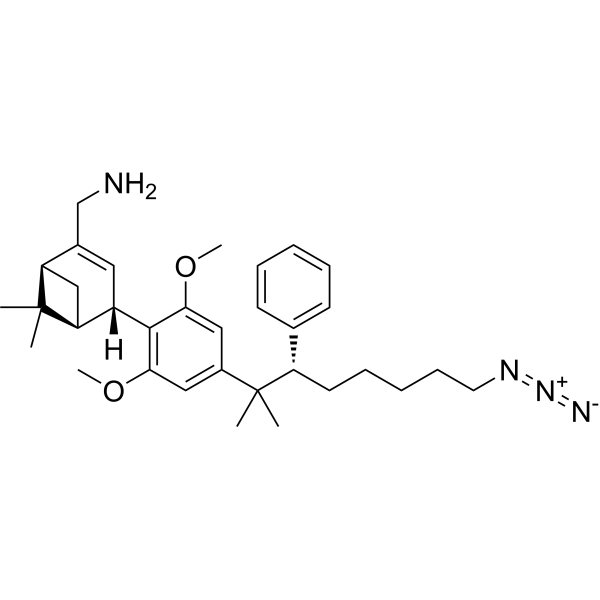
CB2 receptor antagonist 3 (compound (S)-1) is an inverse agonist of the cannabinoid receptor CB2R with Kd=39 nM. CB2 receptor antagonist 3 can be used as a tool to synthesize a variety of CB2R probes .
|
-
-
- HY-149645
-
|
|
Cannabinoid Receptor
|
Others
|
|
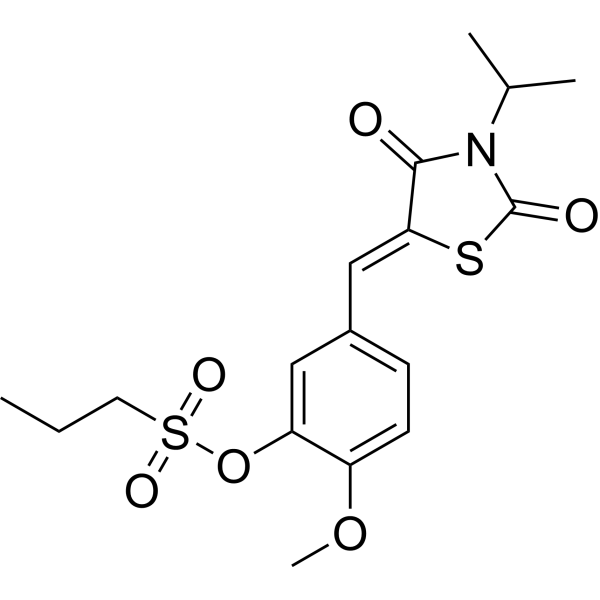
CB2 receptor antagonist 2 (compound 39) is a potent antagonist of CB2 with an IC50 value of 0.33 μM. CB2 receptor antagonist 2 has strong interactions with L17, W6.48, V6.51, and C7.42 .
|
-
-
- HY-155481A
-
|
|
Cannabinoid Receptor
|
Others
|
|
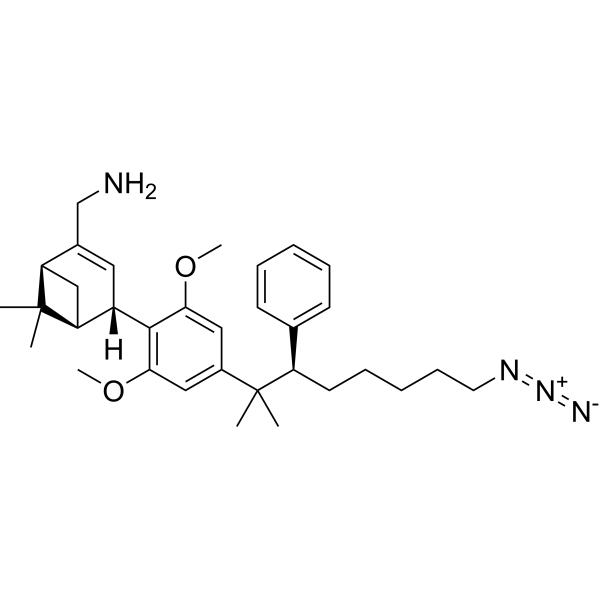
CB2 receptor antagonist 4 (compound (R)-1) is a CB2R-selective inverse agonist with a Kd value of 39 nM .
|
-
-
- HY-107471
-
|
GP2a
|
Cannabinoid Receptor
|
Cancer
|
|
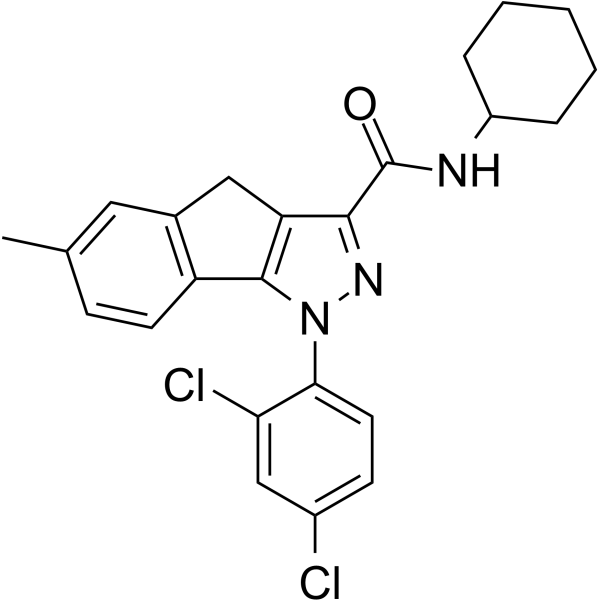
CB2 receptor agonist 3 is a robust and selective CB2 cannabinoid agonist with Kis of 7.6 and 900 nM for CB2 and CB1, respectively. CB2 receptor agonist 3 significantly increases P-ERK 1/2 expression in HL-60 cells .
|
-
-
- HY-147707
-
|
|
Cannabinoid Receptor
|
Others
|
|
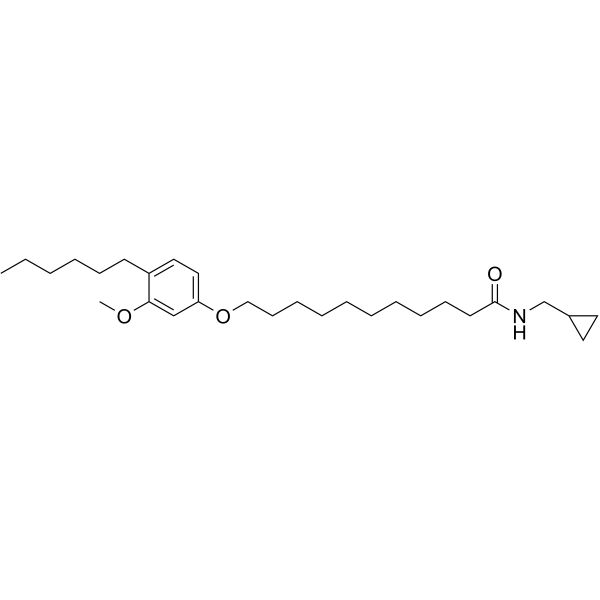
Hexyl resorcinol derivative 29 has been proved to be a CB2 selective competitive antagonist / reverse agonist with good potency. Olivanol and 5- (2-methyloctane-2-yl) resorcinol derivatives 23 and 24 showed significant antinociceptive activity. Compound 24 was shown to activate cannabinoid and TRPV1 receptors.
|
-
-
- HY-119744
-
|
|
Cannabinoid Receptor
|
Neurological Disease
|
|
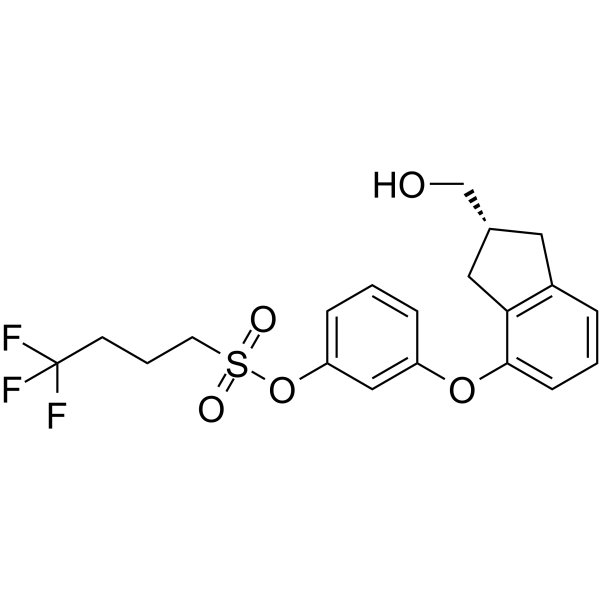
BAY 38-7271 is selective and highly potent and cannabinoid CB1/CB2 receptor agonist, with Kis of 1.85 nM and 5.96 nM for recombinant human CB1 receptor and CB2 receptor, respectively. BAY 38-7271 has strong neuroprotective properties .
|
-
-
- HY-100328
-
-
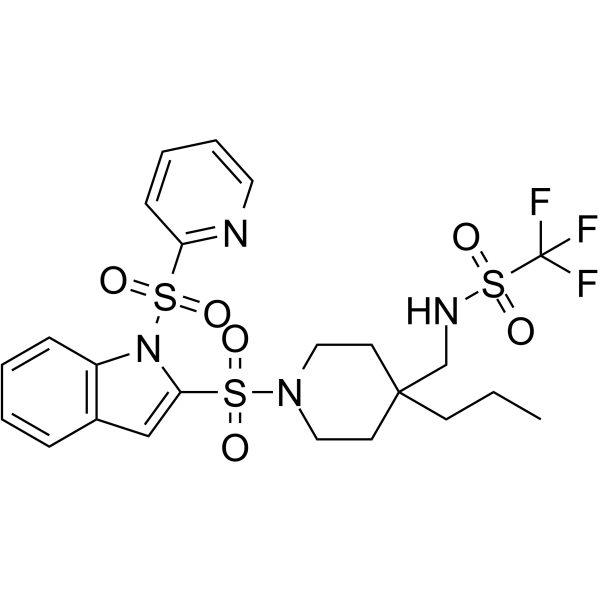
-
- HY-108067
-
-

-
- HY-110041
-
|
|
Cannabinoid Receptor
|
Inflammation/Immunology
|
|
L-759656 is a selective cannabinoid CB2 receptor agonist, with the Ki of 11.8 nM for the human CB2 receptor. L-759656 potently inhibits Forskolin (HY-15371)-stimulated cyclic AMP production in Chinese Hamster Ovary (CHO) cells, with an EC50 of 3.1 nM. L-759656 can be used for the study of immune-related diseases and inflammatory diseases .
|
-

- HY-117403
-
|
|
Cannabinoid Receptor
Potassium Channel
|
|
|
AB-FUBICA (Compound 13) is a CB1 and CB2 receptor agonist that activates G-protein coupled inwardly rectifying potassium channels (GIRK) by binding to CB1 and CB2 receptors, displaying notable cannabinoid-like activity. AB-FUBICA has EC50 values of 21 nM for CB1 and 15 nM for CB2. AB-FUBICA may be suitable for studying pain management, neurodegenerative diseases, and inflammation-related mechanisms .
|
-

- HY-129787
-
|
|
Cannabinoid Receptor
|
Neurological Disease
|
|
PF-03550096 is an orally active synthetic cannabinoid (CB) that selectively targets peripheral CB2 receptors with a Ki value of 7.9 nM. PF-03550096 has analgesic activity .
|
-
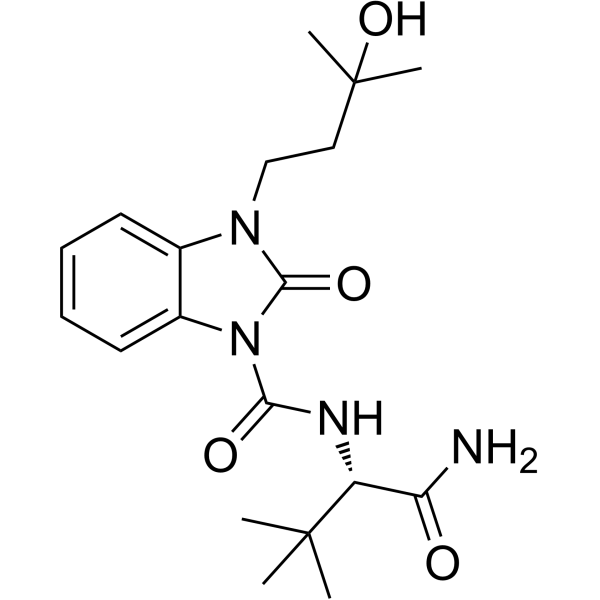
- HY-176544
-
-

- HY-110040
-
-

- HY-13505R
-
|
|
Cannabinoid Receptor
|
Neurological Disease
|
|
AM281 (Standard) is the analytical standard of AM281. This product is intended for research and analytical applications. AM281 is a selective CB1 receptor antagonist with an IC50 of 9.91 nM. AM281 inhibits CB2 receptor with an IC50 of 13000 nM .
|
-

- HY-110048
-
|
|
Cannabinoid Receptor
|
Neurological Disease
|
|
O-2545 hydrochloride is a highly potent, water-soluble CB1/CB2 receptor agonist (with Ki values of 1.5 and 0.32 nM for CB1 and CB2 respectively), can be used for epilepsy, pain, multiple sclerosis research .
|
-

- HY-103331
-
-
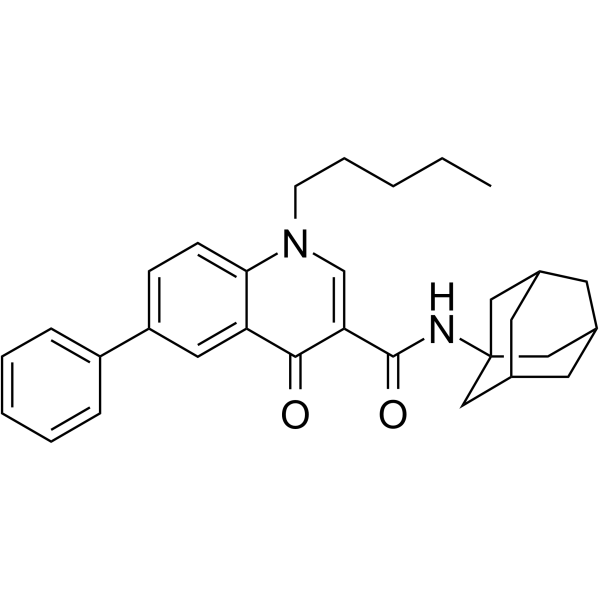
- HY-135280
-
|
CB1 inverse agonist 1
|
Cannabinoid Receptor
|
Metabolic Disease
|
|
MRL-650 (CB1 inverse agonist 1), a chemical probe, is a highly potent, orally active, and specific inverse agonist of CB1 receptor with IC50s of 7.5 nM and 4100 nM for CB1 and CB2 receptors, respectively. Anorexigenic effects .
|
-
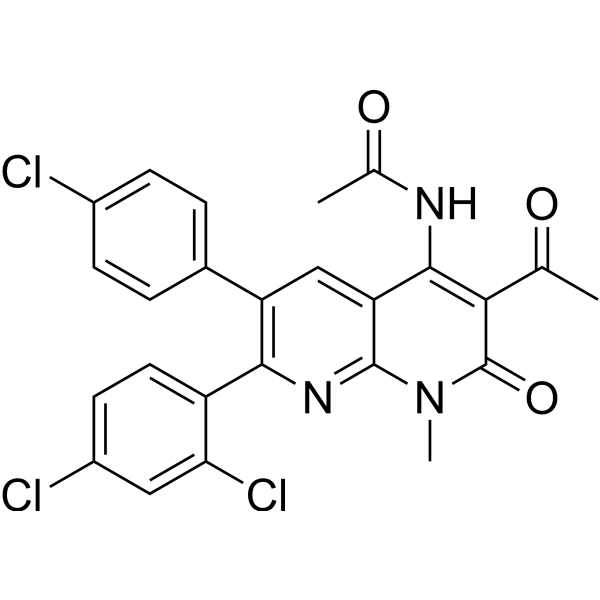
- HY-168355
-
-

- HY-153693
-
|
|
Cannabinoid Receptor
|
Neurological Disease
Inflammation/Immunology
|
|
CB2 receptor agonist 4 (Compound 8) is a highly selective cannabinoid receptor type 2 (CB2 Receptor) agonist with an EC50 of 13.99 nM. CB2 receptor agonist 4 shows no significant activity against cannabinoid receptor type 1. CB2 receptor agonist 4 can be used for the research of pain and immune-related diseases .
|
-

- HY-164913
-
|
|
Cannabinoid Receptor
|
Metabolic Disease
Cancer
|
|
PSB-SB-1203 (Compound 25b) is a dual CB1/CB2 ligand that blocks CB1 but activates CB2 receptors (CB1 Ki 0.244 μM; CB2 Ki 0.210 μM, EC50 0.054 μM). PSB-SB-1203 is promising for research of obesity and cancers .
|
-

- HY-134110
-
|
|
Endogenous Metabolite
|
Metabolic Disease
|
|
Anandamide (AEA) is an endogenous cannabinoid that binds to both central cannabinoid (CB1) and peripheral cannabinoid (CB2) receptors. The biological actions of AEA are terminated by cellular uptake and hydrolysis of the amide bond by the enzyme fatty acid amide hydrolase. Arachidonoyl-N-methyl amide is an analog of anandamide that binds to the human central cannabinoid (CB1) receptor with a Ki of 60 nM. It inhibits rat glial gap junction cell-cell communication 100% at a concentration of 50 μM.
|
-

- HY-N15177
-
|
Δ9-Tetrahydrocannabutol
|
Cannabinoid Receptor
|
Neurological Disease
Inflammation/Immunology
|
|
Δ9-THCB (Δ9-Tetrahydrocannabutol) has a high affinity for human CB1 and CB2 receptors with the Ki values of 15 nM and 51 nM, respectively. Δ9-THCB (Δ9-Tetrahydrocannabutol) has analgesic and anti-inflammatory activities and plays partial agonistic effects on CB1 receptor in mice .
|
-

- HY-134055
-
|
Arachidonic acid-N,N-dimethyl amide
|
Cannabinoid Receptor
|
Metabolic Disease
|
|
Anandamide (AEA) is an endogenous cannabinoid that binds to both central cannabinoid (CB1) and peripheral cannabinoid (CB2) receptors. The biological actions of AEA are terminated by cellular uptake and hydrolysis of the amide bond by the enzyme fatty acid amide hydrolase. Arachidonoyl-N,N-dimethyl amide is an analog of anandamide that exhibits weak or no binding to the human central cannabinoid (CB1) receptor (Ki >1 μM). It inhibits rat glial gap junction cell-cell communication 100% at a concentration of 50 μM.
|
-

- HY-124089S
-
|
|
Isotope-Labeled Compounds
Cannabinoid Receptor
|
Metabolic Disease
|
|
Eicosapentaenoyl ethanolamide-d4 is the deuterium labeled Eicosapentaenoyl ethanolamide. Eicosapentaenoyl ethanolamide, an omega-3 fatty acid, is one of N-acylethanolamines (NAEs). Eicosapentaenoyl ethanolamide is cannabinoid CB1/CB2 receptor agonist. Eicosapentaenoyl ethanolamide acts as a metabolic signal. Eicosapentaenoyl ethanolamide inhibits dietary restriction (DR)-induced lifespan extension in wild type animals and suppresses lifespan extension in a TOR pathway mutant [2].
|
-

- HY-103332S
-
|
NA-Gly-d8
|
Isotope-Labeled Compounds
Endogenous Metabolite
GlyT
|
Inflammation/Immunology
|
|
N-Arachidonylglycine-d8 is a deuterated labeled N-Arachidonylglycine . N-Arachidonylglycine (NA-Gly), a carboxylic analog of the endocannabinoid anandamide (AEA), is a GPR18 agonist (EC50 = 44.5 nM). Unlike AEA, N-Arachidonylglycine has no activity at either CB1 or CB2 receptors. N-Arachidonylglycine inhibits GLYT2 (IC50 = 5.1 μM). N-Arachidonylglycine also is an effective activator of endometrial cell migration [2] .
|
-

- HY-174848
-
|
|
TRP Channel
Cannabinoid Receptor
|
Neurological Disease
Inflammation/Immunology
|
|
PQM-244 (Compound 5c) is an orally active and multi-target modulator of TRPV1 and CB1 and CB2 receptors. PQM-244 has significant peripheral antinociceptive effects on both neurogenic and inflammatory phases. PQM-244 also has potential antioxidant activity with an IC50 of 14.15 µM for radical scavenging DPPH. PQM-244 can be used for chronic pain and inflammatory disease research, such as diabetes, atherosclerosis and Alzheimer’s disease .
|
-

- HY-107471R
-
|
GP2a (Standard)
|
Reference Standards
Cannabinoid Receptor
|
Cancer
|
|
CB2 receptor agonist 3 (Standard) is the analytical standard of CB2 receptor agonist 3 (HY-107471). This product is intended for research and analytical applications. CB2 receptor agonist 3 is a robust and selective CB2 cannabinoid agonist with Kis of 7.6 and 900 nM for CB2 and CB1, respectively. CB2 receptor agonist 3 significantly increases P-ERK 1/2 expression in HL-60 cells .
|
-

- HY-162083
-
|
|
Cannabinoid Receptor
5-HT Receptor
|
Neurological Disease
|
|
CB2R/5-HT1AR agonist 1 (Compound 2o) is an orally active partial agonist of the CB2 receptor (EC50=479.6 nM). CB2R/5-HT1AR agonist 1 is a full agonist of 5-HT1A receptor (EC50=2.7 μM). CB2R/5-HT1AR agonist 1 exhibits anti-anxiety and anti-depressive effects. CB2R/5-HT1AR agonist 1 possesses favorable pharmacokinetic properties .
|
-
- HY-W770198
-
|
2-Monolinolein-d5; 2-Monolinoleoylglycerol-d5
|
Isotope-Labeled Compounds
Cannabinoid Receptor
|
Neurological Disease
|
|
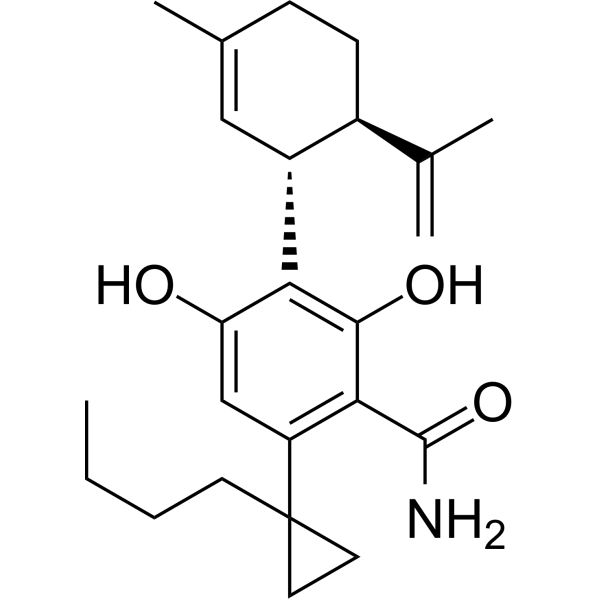
2-Linoleoyl glycerol-d5 (2-Monolinolein-d5; 2-Monolinoleoylglycerol-d5) is the deuterium labeled 2-Linoleoyl glycerol (HY-130311). 2-Linoleoyl glycerol (2-Monolinolein; 2-Monolinoleoylglycerol) is a monoacylglycerol that is an antagonist and partial agonist at the type 1 cannabinoid CB1 receptor. The potency of 2-Linoleoyl glycerol can be enhanced by JZL195 (HY-15250), an inhibitor of FAAH and MAGL, and inhibited by the CB1 antagonist AM251 (HY-15443) and Cannabidiol. As a CB1 antagonist, 2-Linoleoyl glycerol does not enhance, but only attenuates, the activity of the CB1/CB2 receptor ligands cannabinoids (AEA) and 2-arachidonoylglycerol (2-AG) [2].
|
-

- HY-124283
-
|
|
Endogenous Metabolite
|
Inflammation/Immunology
|
|
LEI-101 free base is a selective and orally bioavailable CB2 receptor agonist with the potential to inhibit diseases associated with inflammation and/or oxidative stress. LEI-101 free base has a binding potency to CB2 receptors that is approximately 100 times higher than that to CB1 receptors. Its pEC50 value on CB2 receptors is 8, while its pKi value on hERG is less than 4. LEI-101 may have an inhibitory effect on conditions such as kidney disease .
|
-

- HY-175099
-
|
|
Drug Intermediate
|
Neurological Disease
|
|
AB-ICA is a precursor of AB-FUBICA (HY-117403). AB-FUBICA (Compound 13) is a CB1 and CB2 receptor agonist that activates G-protein coupled inwardly rectifying potassium channels (GIRK) by binding to CB1 and CB2 receptors, displaying notable cannabinoid-like activity .
|
-

- HY-10871R
-
|
CP-945598 (Standard)
|
Reference Standards
Cannabinoid Receptor
|
Metabolic Disease
|
|
Otenabant (Standard) is the analytical standard of Otenabant (HY-10871). This product is intended for research and analytical applications. Otenabant is a potent and selective cannabinoid receptor CB1 antagonist with Ki of 0.7 nM, exhibits 10,000-fold greater selectivity against human CB2 receptor.
|
-

- HY-163825A
-
|
|
Drug Isomer
Cannabinoid Receptor
|
Endocrinology
|
|
(E)-RNB-61 is the E configuration of RNB-61 (HY-163825). RNB-61 is an orally active cannabinoid CB2 receptor (CB2R) agonist with a Ki range of 0.13 nM to 1.81 nM. RNB-61 has renal protective and/or anti-fibrotic effects .
|
-

- HY-179436
-
|
9β,10β-EHHC; 9β,10β-epoxy HHC
|
Cannabinoid Receptor
|
Neurological Disease
|
|
9β,10β-epoxy Hexahydrocannabinol is a cannabinoid receptor 1 (CB1) and CB2 receptor ligand with a binding affinity of 224 nM for CB1 and 335 nM for CB2. 9β,10β-epoxy Hexahydrocannabinol reduces locomotor activity, induces catalepsy, lowers body temperature, and produces antinociceptive effects in mice. 9β,10β-epoxy Hexahydrocannabinol can be used for the study of nervous system diseases .
|
-

| Cat. No. |
Product Name |
Type |
-
- HY-W127407
-
|
|
Biochemical Assay Reagents
|
|
Glycerophospho-N-Arachidonoyl Ethanolamine is a N-acylated ethanolamines (NAEs). Most NAEs are naturally occurring lipids with diverse biological activities. Different types of NAE can be derived from glycerophosphate-linked precursors through the activity of glycerophosphodiesterase 1 (GDE1). Glycerophosphate-N-Arachidonoyl Ethanolamine is the precursor of Anandamide (AEA), also known as Anandamide. AEA is an endocannabinoid neurotransmitter that binds to central cannabinoid (CB1) and peripheral cannabinoid (CB2) receptors. It inhibits the specific binding of [3H]-HU-243 to synaptosomal membranes with a Ki value of 52 nM compared to 46 nM for δ9-THC.
|
| Cat. No. |
Product Name |
Category |
Target |
Chemical Structure |
| Cat. No. |
Product Name |
Chemical Structure |
-
- HY-N1415S
-
|
|
|
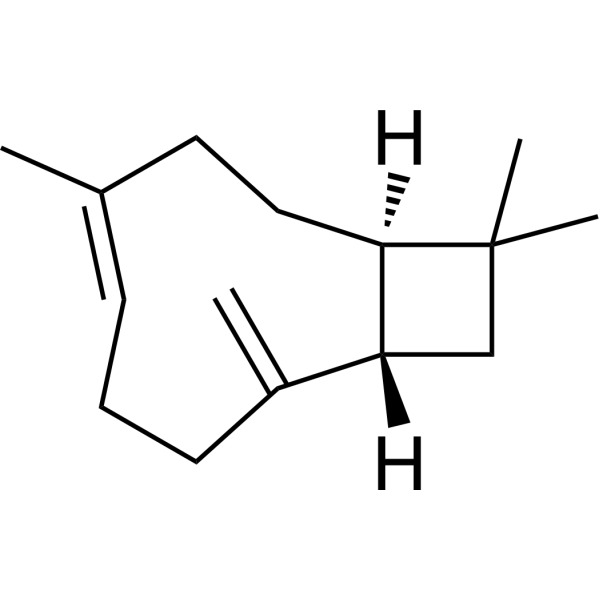
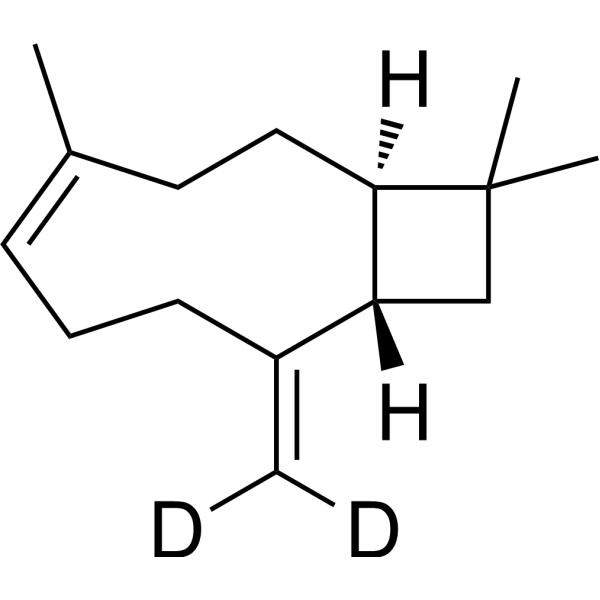
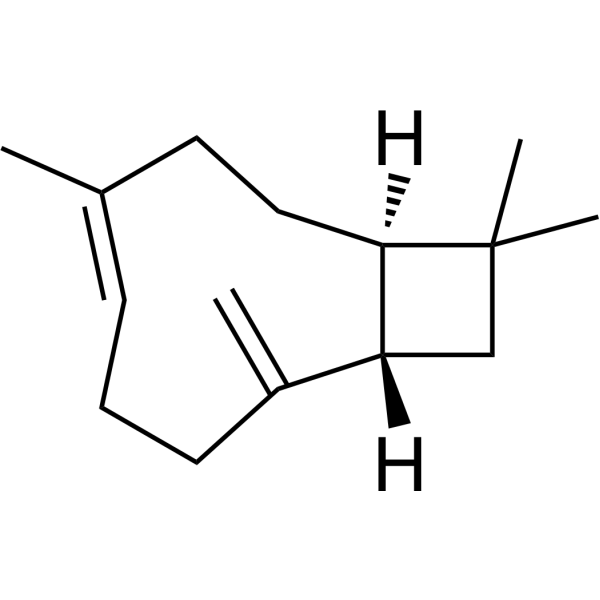
β-Caryophyllene-d2 is deuterium labeled β-Caryophyllene. β-Caryophyllene is a CB2 receptor agonist.
|
-
-
- HY-N1415S1
-
|
|
|
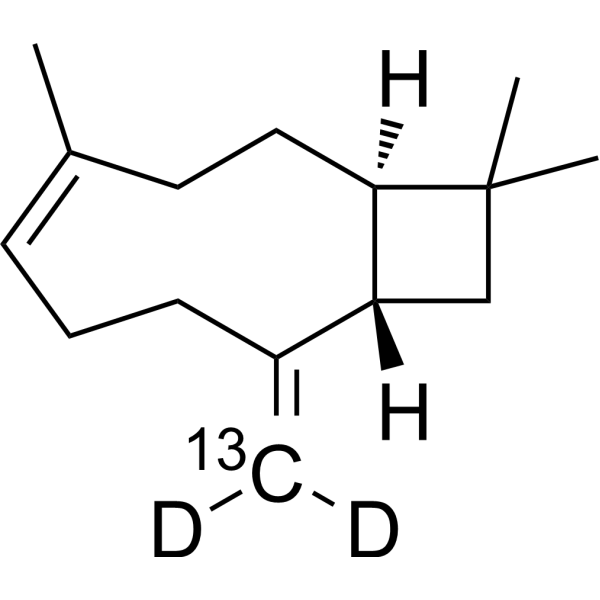
β-Caryophyllene- 13C,d2 is 13C and deuterated labeled β-Caryophyllene (HY-N1415). β-Caryophyllene is a CB2 receptor agonist .
|
-
-
- HY-113421S
-
|
|
|
Linoleoyl ethanolamide-d4 is a deuterated labeled Linoleoyl ethanolamide . Linoleoyl ethanolamide (Linoleic acid monoethanolamide) is classified as a fatty acid ethanolamide. Linoleoyl ethanolamide only weakly binds G-protein-coupled cannabinoid receptors of type-1(CB1)and CB2 receptors, and inhibits the binding of [3H]CP-55,940 with Kis of 10 and 25 μM, respectively. Linoleoyl ethanolamide is 4-fold less potent than anandamide at causing catalepsy in mice and it does not prolong sleep time [2] .
|
-
-
- HY-124089S
-
|
|
|
Eicosapentaenoyl ethanolamide-d4 is the deuterium labeled Eicosapentaenoyl ethanolamide. Eicosapentaenoyl ethanolamide, an omega-3 fatty acid, is one of N-acylethanolamines (NAEs). Eicosapentaenoyl ethanolamide is cannabinoid CB1/CB2 receptor agonist. Eicosapentaenoyl ethanolamide acts as a metabolic signal. Eicosapentaenoyl ethanolamide inhibits dietary restriction (DR)-induced lifespan extension in wild type animals and suppresses lifespan extension in a TOR pathway mutant [2].
|
-
-
- HY-103332S
-
|
|
|
N-Arachidonylglycine-d8 is a deuterated labeled N-Arachidonylglycine . N-Arachidonylglycine (NA-Gly), a carboxylic analog of the endocannabinoid anandamide (AEA), is a GPR18 agonist (EC50 = 44.5 nM). Unlike AEA, N-Arachidonylglycine has no activity at either CB1 or CB2 receptors. N-Arachidonylglycine inhibits GLYT2 (IC50 = 5.1 μM). N-Arachidonylglycine also is an effective activator of endometrial cell migration [2] .
|
-
-
- HY-W770198
-
|
|
|
2-Linoleoyl glycerol-d5 (2-Monolinolein-d5; 2-Monolinoleoylglycerol-d5) is the deuterium labeled 2-Linoleoyl glycerol (HY-130311). 2-Linoleoyl glycerol (2-Monolinolein; 2-Monolinoleoylglycerol) is a monoacylglycerol that is an antagonist and partial agonist at the type 1 cannabinoid CB1 receptor. The potency of 2-Linoleoyl glycerol can be enhanced by JZL195 (HY-15250), an inhibitor of FAAH and MAGL, and inhibited by the CB1 antagonist AM251 (HY-15443) and Cannabidiol. As a CB1 antagonist, 2-Linoleoyl glycerol does not enhance, but only attenuates, the activity of the CB1/CB2 receptor ligands cannabinoids (AEA) and 2-arachidonoylglycerol (2-AG) [2].
|
-
| Cat. No. |
Product Name |
|
Classification |
-
- HY-155481
-
|
|
|
Azide
|
|
CB2 receptor antagonist 3 (compound (S)-1) is an inverse agonist of the cannabinoid receptor CB2R with Kd=39 nM. CB2 receptor antagonist 3 can be used as a tool to synthesize a variety of CB2R probes .
|
-
- HY-155481A
-
|
|
|
Azide
|
|
CB2 receptor antagonist 4 (compound (R)-1) is a CB2R-selective inverse agonist with a Kd value of 39 nM .
|
Your information is safe with us. * Required Fields.
Inquiry Information
- Product Name:
- Cat. No.:
- Quantity:
- MCE Japan Authorized Agent:








