Search Result
Results for "
Chemical reagent
" in MedChemExpress (MCE) Product Catalog:
39
Biochemical Assay Reagents
2
Isotope-Labeled Compounds
| Cat. No. |
Product Name |
Target |
Research Areas |
Chemical Structure |
-
- HY-15915
-
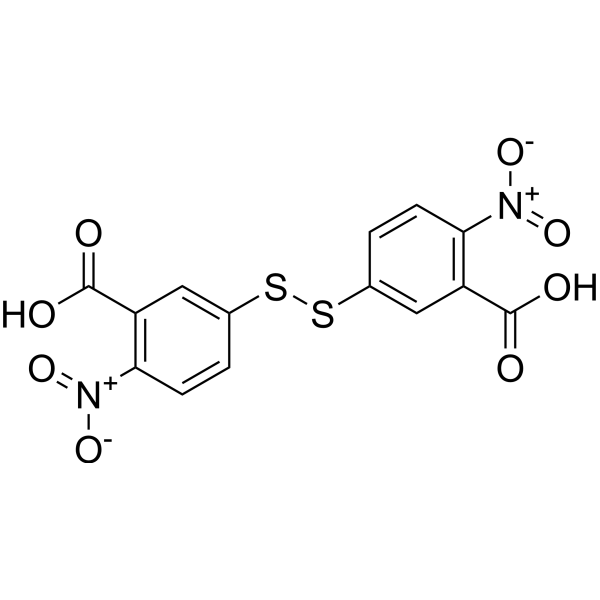
DTNB
Maximum Cited Publications
14 Publications Verification
Ellman’s reagent
|
Biochemical Assay Reagents
|
Others
|
|
DTNB (Ellman’s Reagent) is a chemical used to quantify the number or concentration of thiol groups .
|
-
-
- HY-Y0316
-
|
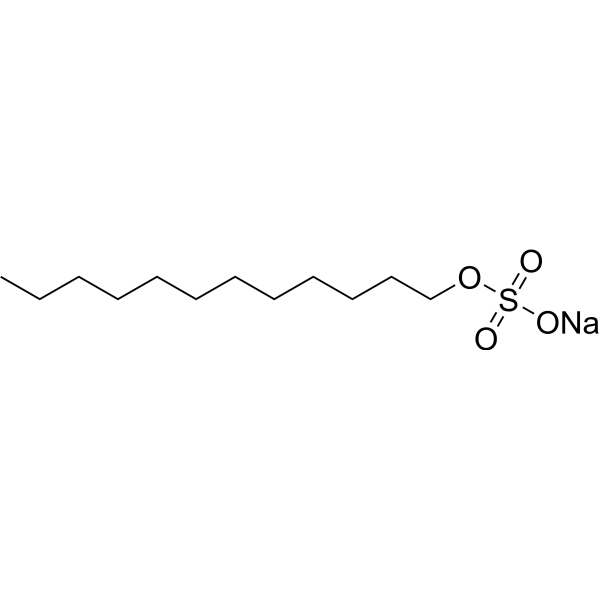
Sodium lauryl sulfate; Laurylsulfuric acid sodium salt
|
Environmental Pollutants
Biochemical Assay Reagents
|
Others
|
|
Sodium dodecyl sulfate is an anionic surfactant commonly used as a detergent, emulsifier, and protein denaturant in various industrial processes, especially in the production of personal care products, cleaners, and laboratory reagents. Sodium dodecyl sulfate has unique chemical properties that make it an effective ingredient in many applications, helping to reduce surface tension and enhance cleaning power.
|
-
-
- HY-D0227F
-
|
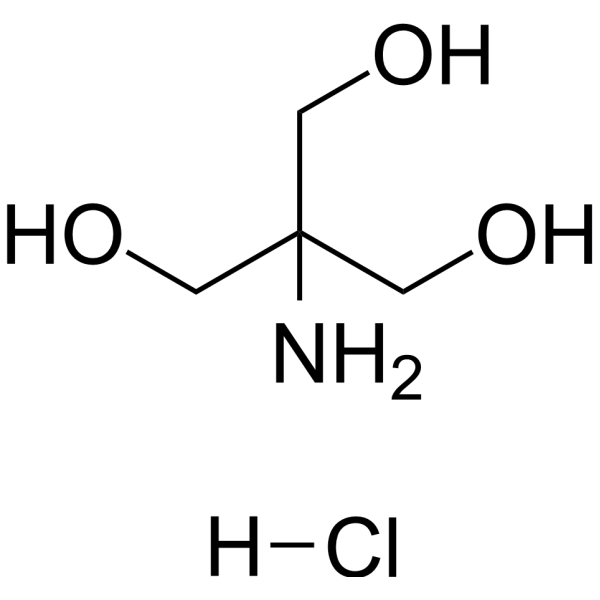
Tris HCl (≥99%, reagent grade); Tris hydrochloride (≥99%, reagent grade)
|
Biochemical Assay Reagents
|
Others
|
|
THAM hydrochloride (≥99%, reagent grade), also known as Tris-HCl, is a buffer commonly used in various biochemical and molecular biology applications to maintain a stable pH environment. Tris-HCl has unique chemical properties that allow it to resist changes in pH when acidic or basic substances are added, which makes it useful for stabilizing biological samples or reagents. It is commonly used in electrophoresis and protein purification procedures.
|
-
-
- HY-19725
-
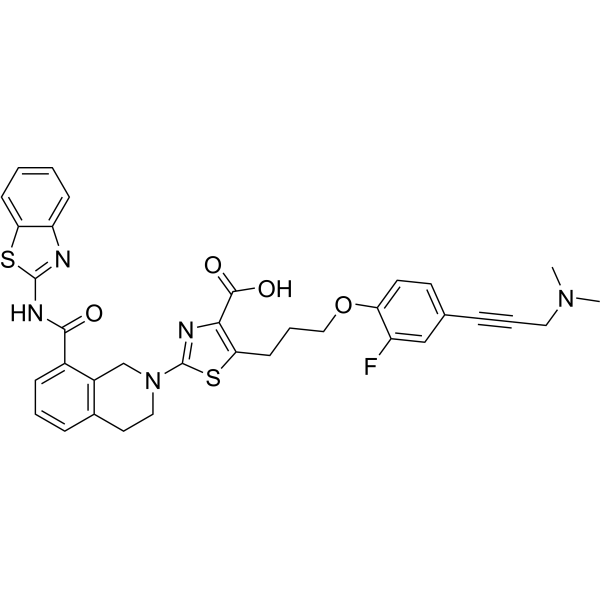
A-1155463
Maximum Cited Publications
23 Publications Verification
|
Bcl-2 Family
|
Cancer
|
|
A-1155463, a chemical probe, is a highly potent and selective BCL-XL inhibitor with an EC50 of 70 nM in Molt-4 cell. A-1155463 is a click chemistry reagent, it contains an Alkyne group and can undergo copper-catalyzed azide-alkyne cycloaddition (CuAAc) with molecules containing Azide groups.
|
-
-
- HY-Y0308
-
|
|
Environmental Pollutants
Biochemical Assay Reagents
|
Others
|
|
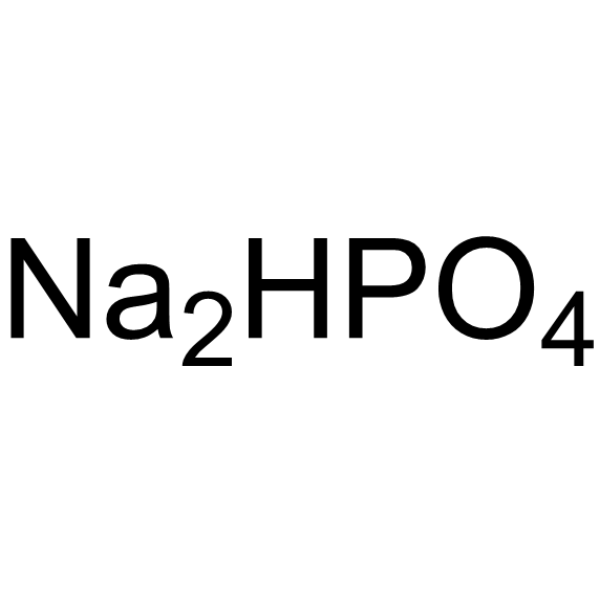
Disodium phosphate is commonly used as a food additive, buffer and laboratory reagent. Disodium phosphate has unique chemical properties that make it an important ingredient in the manufacture of fertilizers, detergents and water treatment products. Additionally, it is used in various medical applications such as osmotic laxatives and electrolyte replacement solutions.
|
-
-
- HY-W004563
-
|
|
Biochemical Assay Reagents
|
Others
|
|
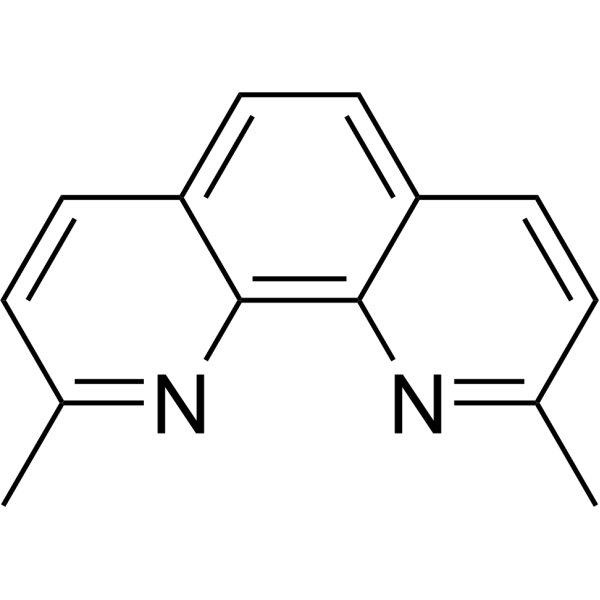
Neocuproine is an organic compound commonly used as a complexing reagent and copper ion detector. It can form stable complexes with copper ions, and can play a catalytic role in certain chemical reactions and analytical methods. In addition, this compound is also widely used in some biomedical fields, such as in the study of copper metabolism disorders and neurodegenerative diseases
|
-
-
- HY-W048205
-
|
|
Amino Acid Derivatives
|
Others
|
|
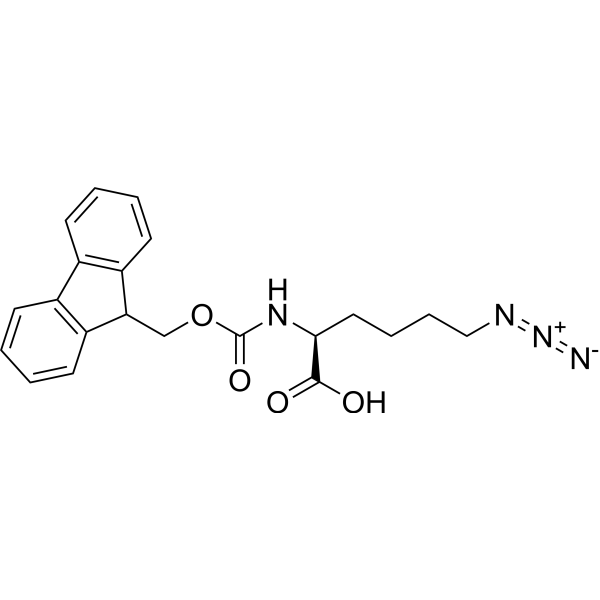
N6-Diazo-L-Fmoc-lysine is an active compand and can be used in a variety of chemical studies. N6-Diazo-L-Fmoc-lysine is a click chemistry reagent, it contains an Azide group and can undergo copper-catalyzed azide-alkyne cycloaddition reaction (CuAAc) with molecules containing Alkyne groups. It can also undergo strain-promoted alkyne-azide cycloaddition (SPAAC) reactions with molecules containing DBCO or BCN groups.
|
-
-
- HY-Y1332
-
|
L-Tartaric acid potassium sodium salt tetrahydrate; Potassium sodium tartrate tetrahydrate; Sodium potassium tartrate tetrahydrate
|
Biochemical Assay Reagents
|
Others
|
|
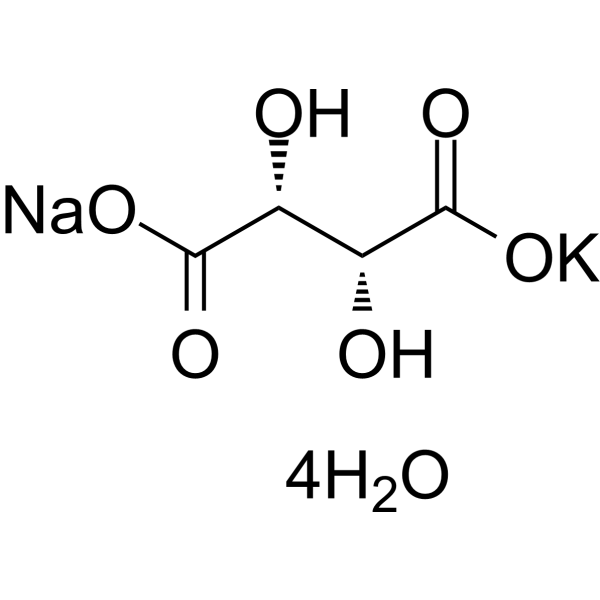
Rochelle salt is an organic-inorganic compound commonly used as a catalyst and complexing reagent. It can be used to catalyze or promote certain chemical reactions, and is widely used in batteries, pharmaceuticals and food industries. In addition, this compound is also used as a substrate or intermediate in some biochemical reactions.
|
-
-
- HY-Y0971
-
|
TBAF
|
Biochemical Assay Reagents
|
Others
|
|
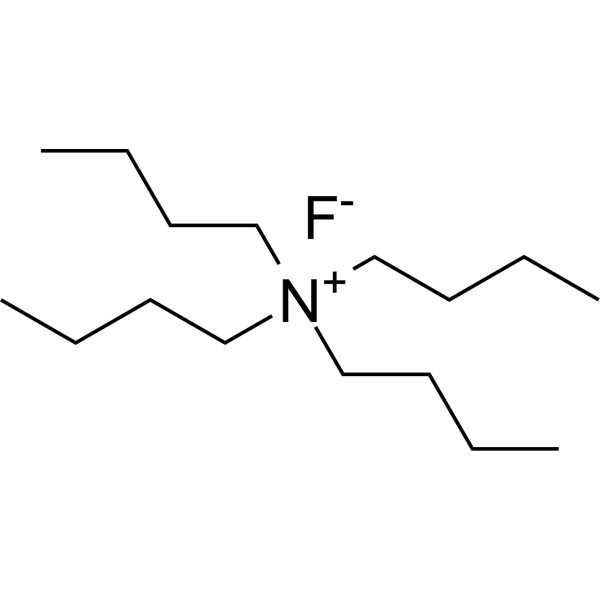
Tetrabutylammonium fluoride is an organic compound containing both ammonium and fluorine functional groups. It is commonly used as a reagent in various chemical synthesis applications, especially as a source of fluoride ions for nucleophilic reactions. Tetrabutylammonium fluoride has several properties that make it suitable for these applications, including its high solubility in polar solvents and its ability to selectively activate certain chemical bonds. In addition, it can be used as a catalyst for organic reactions and as an electrolyte for batteries.
|
-
-
- HY-132301
-
|
MCT4-IN-1
|
Monocarboxylate Transporter
|
Cancer
|
|
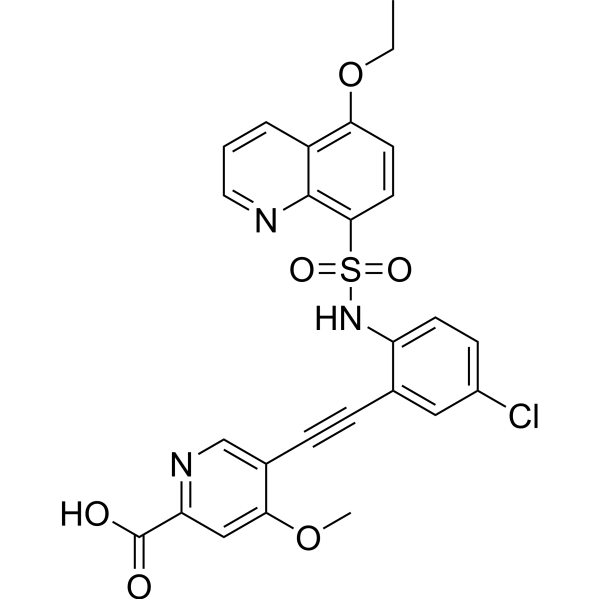
MSC-4381 (MCT4-IN-1), a chemical probe, is an orally active and selective monocarboxylate transporter 4 (MCT4/SLC16A3) inhibitor with an IC50 of 77 nM and a Ki of 11 nM. MSC-4381 targets to the cytosolic domain of MCT4. MSC-4381 results in lactate efflux inhibition and reduction of cellular viability in MCT4 high expressing cells. MSC-4381 has the potential for MCT4 transporter inhibition research . MSC-4381 is a click chemistry reagent, it contains an Alkyne group and can undergo copper-catalyzed azide-alkyne cycloaddition (CuAAc) with molecules containing Azide groups.
|
-
-
- HY-Y1045
-
|
TBAHS-MB
|
Biochemical Assay Reagents
|
Others
|
|
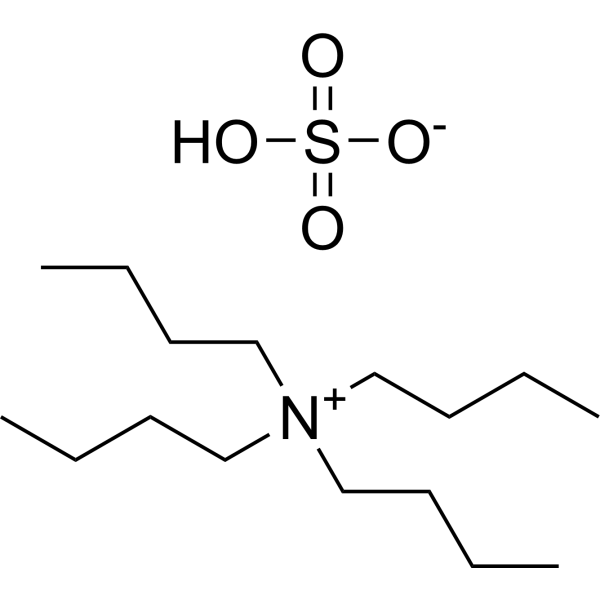
Tetrabutylammonium hydrosulfate is a quaternary ammonium salt that is commonly used as a phase transfer catalyst, acid catalyst and reagent in various chemical reactions, especially in organic synthesis. Tetrabutylammonium hydrosulfate has unique chemical properties that allow it to facilitate the transfer of ions or molecules from one phase to another, making it an important ingredient in a variety of industrial processes.
|
-
-
- HY-34717
-
|
Tetra-n-butylammonium tetrafluoroborate
|
Biochemical Assay Reagents
|
Others
|
|
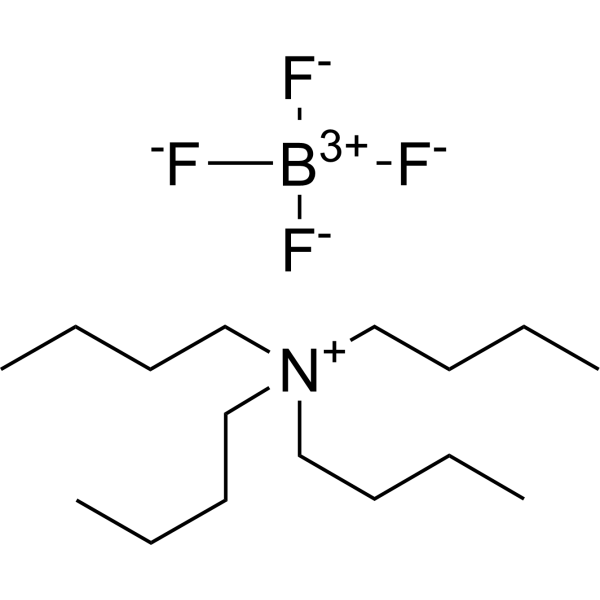
Tetrabutylammonium tetrafluoroborate is an inorganic salt commonly used in organic synthesis reactions and electrochemical applications. It is usually used as a catalyst or reagent, and is widely used in the field of organic synthesis, such as fluorination reaction, olefin addition and cyclization reaction, etc. In addition, it can also be used in electrochemical deposition and electroplating, and plays an important role in some electronic devices. Although it has no direct application in the medical field, it plays an important role in chemical research and industrial production.
|
-
-
- HY-Y1298
-
|
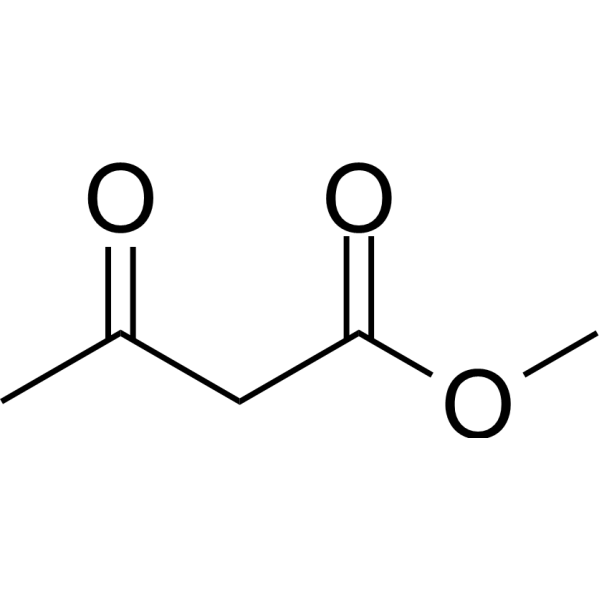
Acetoacetate methyl ester; Methyl 3-oxobutanoate; Methyl acetoacetate
|
Endogenous Metabolite
|
Metabolic Disease
Inflammation/Immunology
|
|
Methyl acetylacetate is a chemical reagent used in the synthesis of pharmaceuticals for the synthesis of α-substituted acetoacetate and cyclic compounds such as pyrazole, pyrimidine, and coumarin derivatives. Methyl acetoacetate can be used in the study of inflammatory diseases .
|
-
-
- HY-Y0699
-
|
|
Environmental Pollutants
Fluorescent Dye
|
Others
|
|
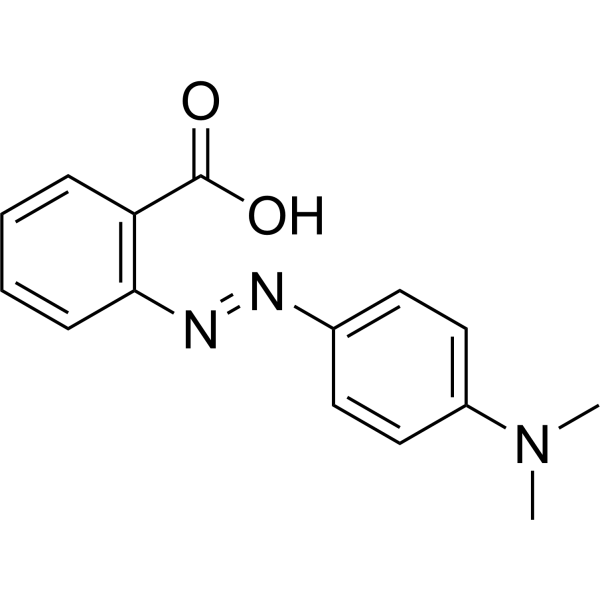
Methyl red is a pH-sensitive acid-base indicator and colorimetric reagent with a pKa of 5.1. Methyl red achieves visual judgment of the titration endpoint through reversible structural changes of protonation (red, pH <4.4) and deprotonation (yellow, pH >6.2). Methyl red is widely used in acid-base titration in chemical analysis and buffer pH monitoring in biochemistry .
|
-
-
- HY-Y0121
-
|
|
Environmental Pollutants
Apoptosis
Parasite
VEGFR
|
Cardiovascular Disease
Cancer
|
|
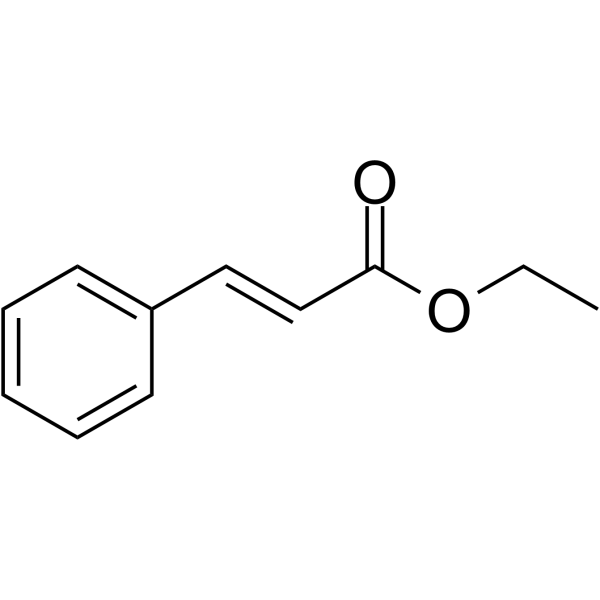
Ethyl cinnamate, an orally active chemical constituent of the rhizome of Kaempferia galanga, exhibits anti-cancer, nematocidal, sedative and vasorelaxant activities. Ethyl cinnamate is a fragrance ingredient used as a food flavor and additive for cosmetic products. Ethyl cinnamate is also an excellent clearing reagent for mammalian tissues. Ethyl cinnamate suppresses tumor growth through anti-angiogenesis by attenuating VEGFR2 signal pathway in colorectal cancer. Ethyl cinnamate inhibits the tonic contractions induced by high K+ and phenylephrine (PE) with respective IC50 values of 0.30 mM and 0.38 mM in rat aorta .
|
-
-
- HY-W015936
-
|
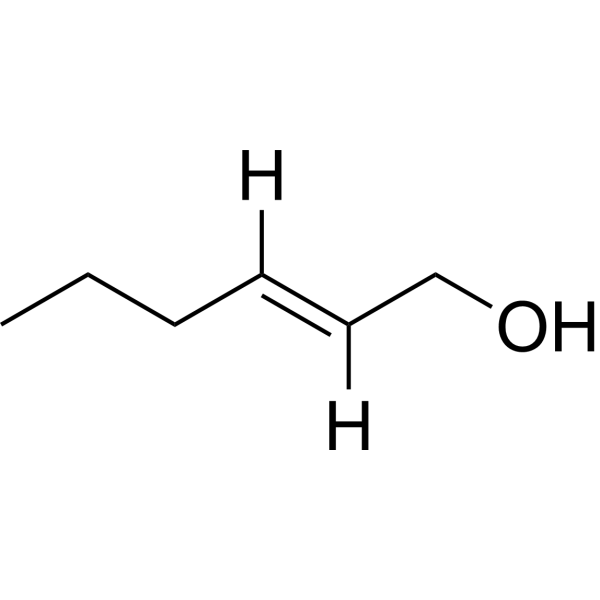
trans-Hex-2-en-1-ol
|
Environmental Pollutants
Biochemical Assay Reagents
|
Others
|
|
(E)-Hex-2-en-1-ol belongs to the class of unsaturated alcohols consisting of a six-carbon chain with a double bond between carbon atoms 2 and 3 and a hydroxyl group attached to carbon atom 1. The compound has a grassy or herbaceous smell and is commonly used as a flavoring in foods such as baked goods, candy and beverages. It can also be used as a fragrance ingredient in personal care products and as a starting material for the synthesis of other organic compounds. Furthermore, (E)-hex-2-en-1-ol can be used as a solvent or reagent in various chemical reactions.
|
-
-
- HY-170528
-
|
|
PROTAC Linkers
|
Others
|
|
DBCO-PEG3-NHS is a biochemical assay reagent, that can be used to chemically modify proteins and antibodies with an alkynyl (DBCO) or N-hydroxysuccinimide (NHS) ester group. DBCO-PEG3-NHS can be used as a linker in PROTAC synthesis or for drug delivery and the development of biosensors and diagnostic reagents .
|
-

-
- HY-32951
-
|
|
Drug Intermediate
|
Others
|
|
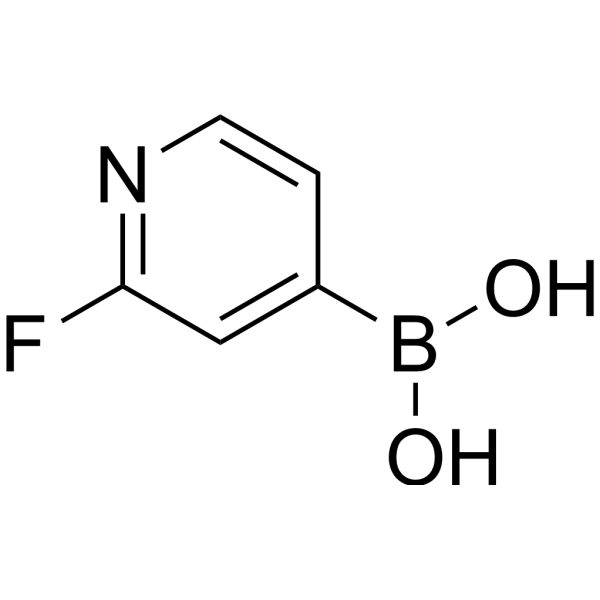
2-Fluoropyridine-4-boronic acid is a coupling reagent and chemical intermediate. 2-Fluoropyridine-4-boronic acid facilitates the synthesis of Rho kinase (ROCK) inhibitor Compound 37 .
|
-
-
- HY-P10943
-
|
|
Fluorescent Dye
|
Inflammation/Immunology
Cancer
|
|
APO-15 is a phosphatidylserine-binding fluorescent probe and apoptosis imaging reagent. APO-15 exhibits high chemical stability under proteolytic and oxidative conditions, enables quantification and imaging of drug-induced apoptosis in preclinical mouse models, and is applicable to fixed tissue samples and multiple in vivo administration routes (Ex = 488 nm; Em = 525 nm). APO-15 can be used in studies related to acute lung injury and breast cancer .
|
-

-
- HY-W012184
-
|
|
Biochemical Assay Reagents
|
Inflammation/Immunology
|
|
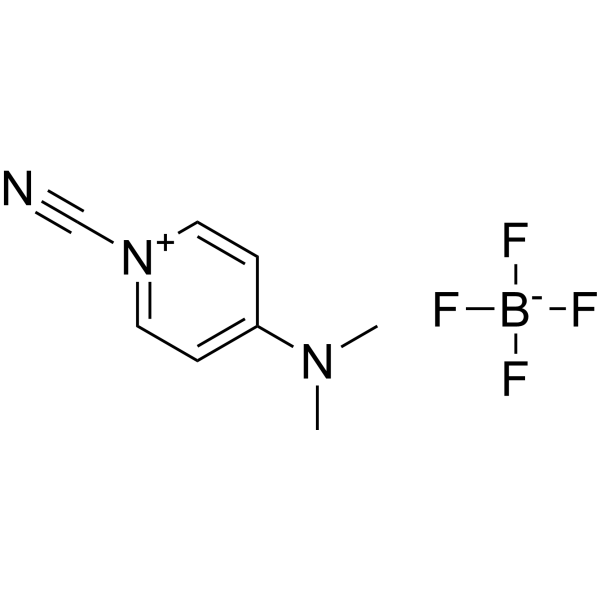
CDAP is an organic cyanylating reagent that can be used for preparation of solid phase affinity reagents, modification of protein thiols and nucleotide delivery. CDAP also activates polysaccharides with a variety of chemical properties. CDAP can be used to prepare conjugate vaccines and other immune reagents .
|
-
-
- HY-Y1374
-
|
|
Biochemical Assay Reagents
|
Others
|
|
Benzoic anhydride is a catalyst that can be used for organic synthesis reactions. Benzoic anhydride is used as a chemical titration reagent for selective quantification and deactivation of phenolic hydroxyl groups on the surface of carbon nanotubes .
|
-

-
- HY-W784557
-
|
|
Phosphoramidites
Biochemical Assay Reagents
|
Others
|
|
O-DMT-2,2-di(ethoxycarbonyl)propan-1,3-diol is a chemical phosphorylation reagent used for the synthesis of 5'-phosphorylated oligonucleotides. It contains the chemical protective group DMT in its structure, which allows for purification through C18 columns or reversed-phase chromatography .
|
-

-
- HY-W032014
-
|
n-Octylamine
|
Biochemical Assay Reagents
|
Others
|
|
Octylamine (n-Octylamine) is a chemical reagent featuring a primary amine and a saturated C8 tail. The primary amine is a versatile substrate which can be used to build a wide variety of bonds. Compounds such as this may be used as intermediates in building lipids for use in lipid nanoparticles.
|
-

-
- HY-145016
-
|
|
Potassium Channel
|
Neurological Disease
|
|
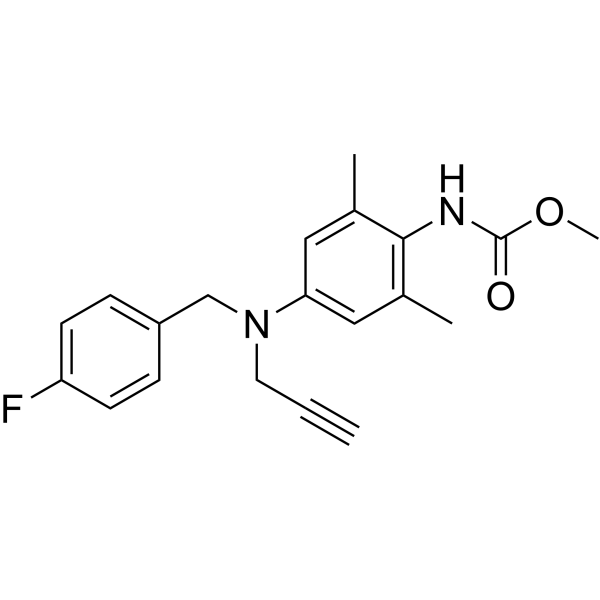
HN37 as a potent and chemically stable antiepileptic agent candidate, with an EC50 of 37 nM for KCNQ2 . HN37 is a click chemistry reagent, it contains an Alkyne group and can undergo copper-catalyzed azide-alkyne cycloaddition (CuAAc) with molecules containing Azide groups.
|
-
-
- HY-W014408
-
|
TEA bromide
|
Biochemical Assay Reagents
|
Others
|
|
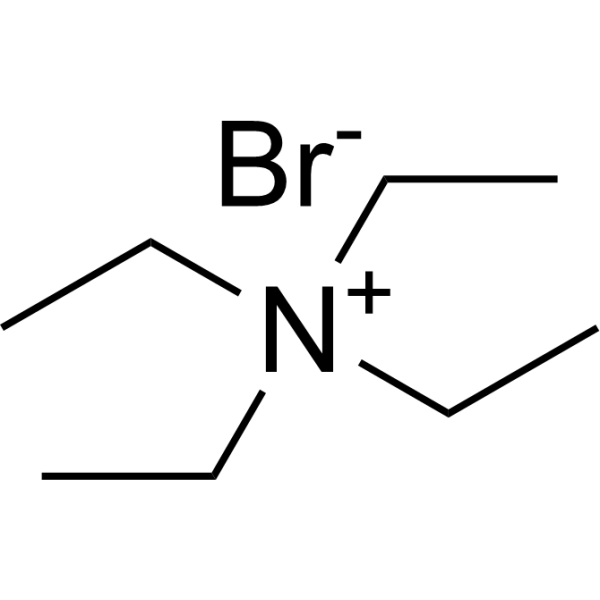
Tetraethylammonium bromide is a quaternary ammonium salt consisting of a positively charged tetraethylammonium cation and a negatively charged bromide anion. This compound is commonly used as a phase transfer catalyst in organic chemical reactions, facilitating the transfer of reactants between immiscible phases. It can also be used as a reagent for the synthesis of various organic compounds, an electrolyte in electrochemical experiments, and a source of tetraethylammonium ions in biochemical and pharmacological research.
|
-
-
- HY-W014106
-
|
N,N,N-Triethylethanaminium tetrafluoroborate
|
Biochemical Assay Reagents
|
Others
|
|
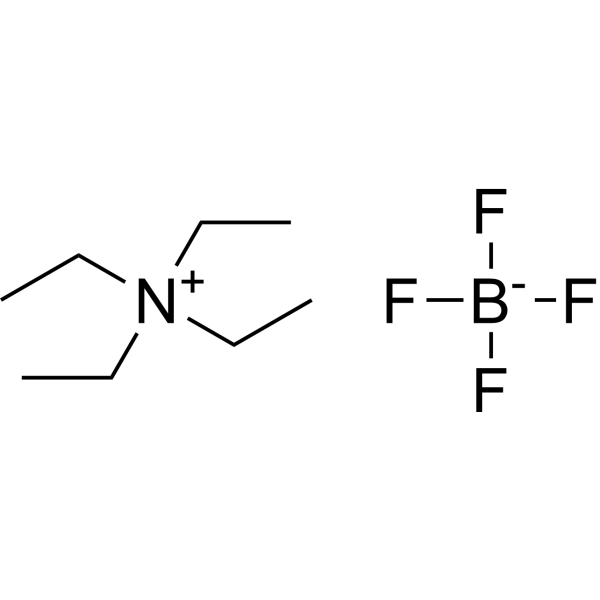
Tetraethylammonium tetrafluoroborate is a quaternary ammonium salt consisting of a positively charged tetraethylammonium cation and a negatively charged tetrafluoroborate anion. This compound is commonly used as a phase transfer catalyst in organic chemical reactions, facilitating the transfer of reactants between immiscible phases. It can also be used as a reagent for the synthesis of various organic compounds, an electrolyte in electrochemical experiments, and a source of tetraethylammonium ions in biochemical and pharmacological research.
|
-
-
- HY-59303
-
|
|
Biochemical Assay Reagents
|
Others
|
|
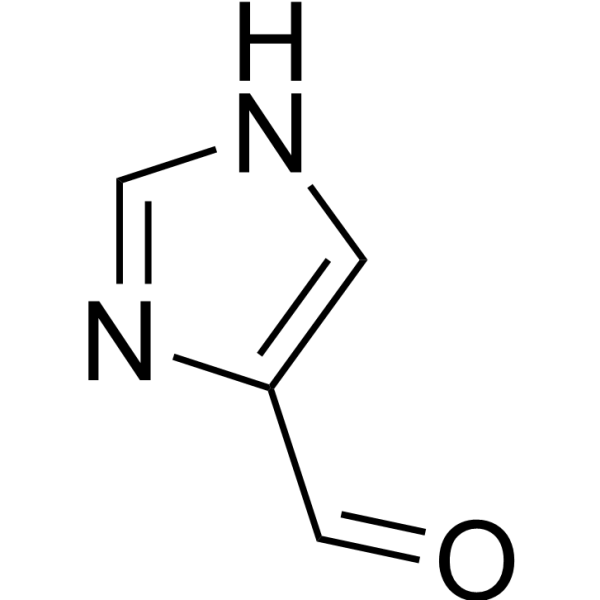
1H-Imidazole-5-carboxaldehyde can be used as a chemical reagent in organic synthesis reactions. 1H-Imidazole-5-carboxaldehyde can be used to prepare other imidazole compounds, such as imidazole pyrimidine and imidazolone. 1H-Imidazole-5-carboxaldehyde can also be used as biochemical dyes and fluorescent probes.
|
-
-
- HY-148254
-
|
|
Deubiquitinase
|
Cancer
|
|
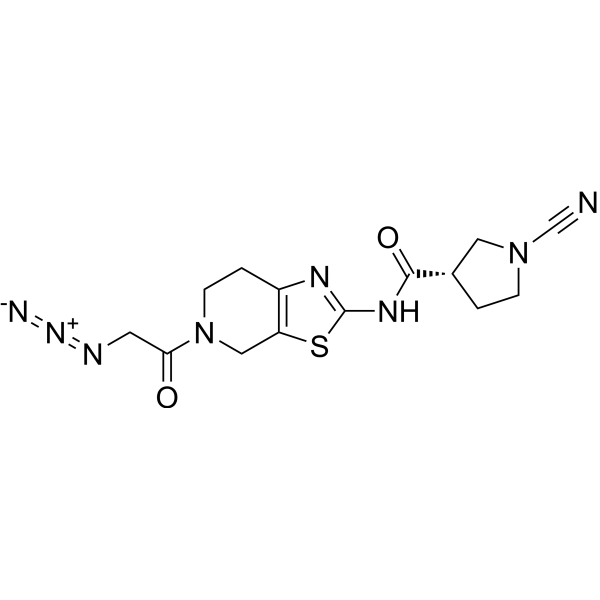
8RK64, a chemical probe, is a covalent UCHL1 inhibitor (IC50: 0.32 μM) . 8RK64 is a click chemistry reagent, it contains an Azide group and can undergo copper-catalyzed azide-alkyne cycloaddition reaction (CuAAc) with molecules containing Alkyne groups. It can also undergo strain-promoted alkyne-azide cycloaddition (SPAAC) reactions with molecules containing DBCO or BCN groups.
|
-
-
- HY-151473
-
|
|
PIKfyve
|
Infection
Cancer
|
|
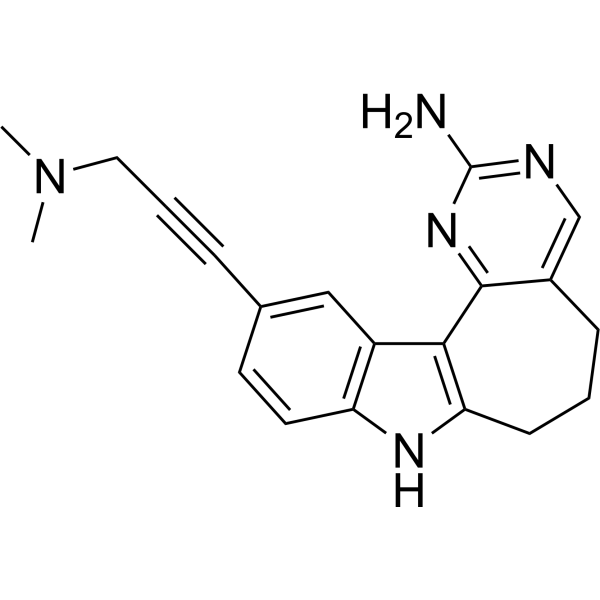
PIKfyve-IN-1 is a highly potent and cell-active chemical probe that inhibits phosphatidylinositol-3phosphate 5-kinase (PIKfyve) with IC50 value of 6.9 nM. PIKfyve-IN-1 can be used for the research of PIKfyve in virology . PIKfyve-IN-1 is a click chemistry reagent, it contains an Alkyne group and can undergo copper-catalyzed azide-alkyne cycloaddition (CuAAc) with molecules containing Azide groups.
|
-
-
- HY-109116
-
|
Leukomethylene blue
|
Biochemical Assay Reagents
|
Others
|
|
Hydromethylthionine (Leukomethylene blue) has a very active photochemically active reagent, especially in its interaction with dissolved oxygen. The photochemical activity of Hydromethylthionine is mainly regulated by the reaction of its triplet state with dissolved oxygen, which reacts with dissolved oxygen to form Methylene Blue (HY-14536) and hydronium ions under ultraviolet light. Hydromethylthionine can be used for the photodegradation of model pollutants in semiconductor photocatalysis and for the study of indicators in chemical analysis .
|
-

-
- HY-113803
-
|
4-HNE alkyne
|
Biochemical Assay Reagents
|
Cancer
|
|
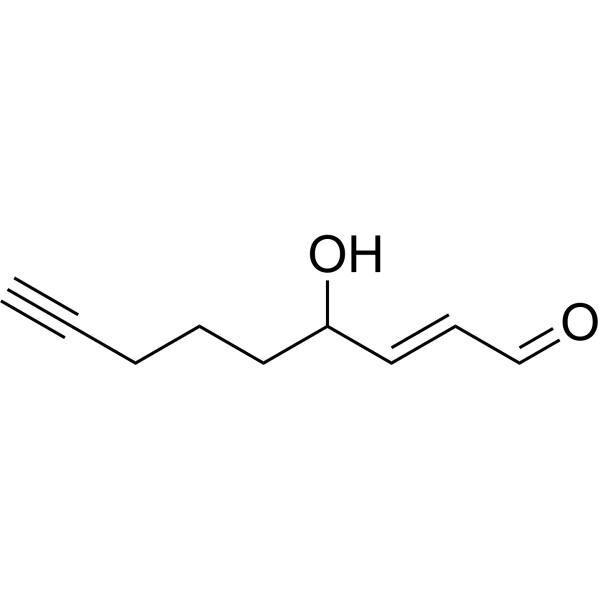
4-Hydroxynonenal alkyne (4-HNE alkyne) is a click chemical reagent containing alkynes. 4-Hydroxynonenal alkyne induces heme oxygenase and cell apoptosis in colon cancer (RKO) cells .
|
-
-
- HY-34419
-
|
Di-n-octylamine
|
Biochemical Assay Reagents
|
Others
|
|
Dioctylamine (Di-n-octylamine) is a chemical reagent featuring a secondary amine linked to two saturated C8 tails. The secondary amine is a versatile substrate which can be used to build a wide variety of bonds. Compounds such as this may be used as intermediates in building lipids for use in lipid nanoparticles.
|
-

-
- HY-W010394
-
|
|
Biochemical Assay Reagents
|
Others
|
|
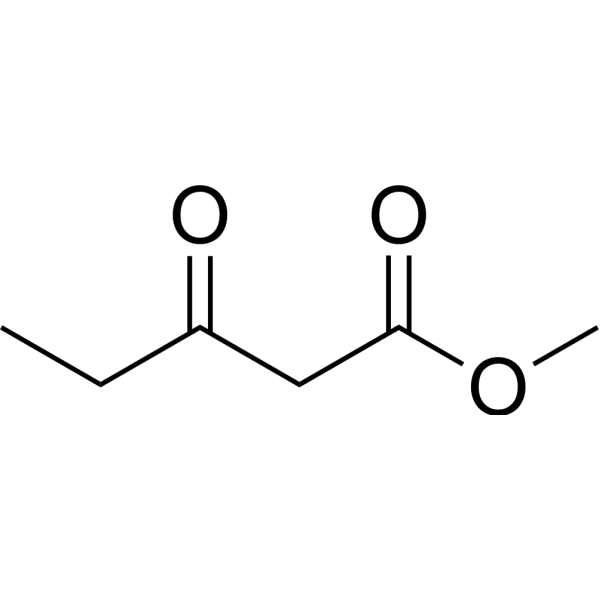
Methyl 3-oxopentanoate, which is also known as diethyl acetylmalonate or MEAM, Methyl 3-oxopentanoate is commonly used as a building block for the synthesis of various organic compounds, including pharmaceuticals, agrochemicals, and flavorings, and it can also Used as a reagent in organic chemical reactions, especially the formation of carbon-carbon bonds through malonate synthesis, the researchers also investigated the potential use of Methyl 3-oxopentanoate in the development of chiral auxiliaries that can aid in the selection of Controlling the stereochemistry of chemical reactions.
|
-
-
- HY-W012450
-
|
Phenyltrimethylammonium bromide
|
Biochemical Assay Reagents
|
Others
|
|
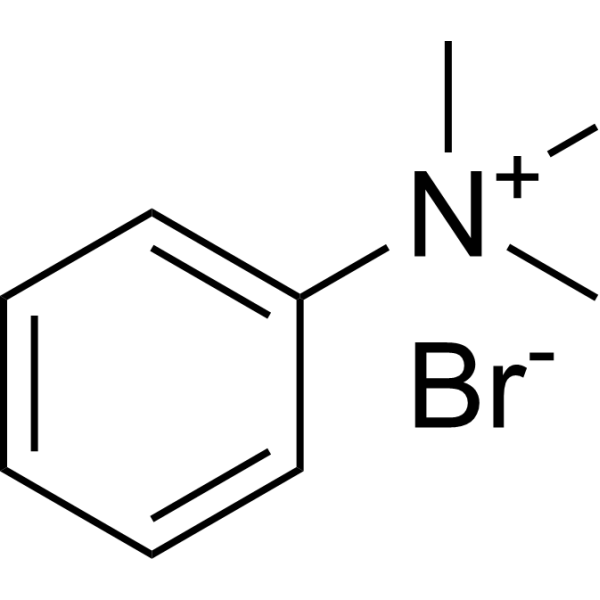
Trimethylphenylammonium bromide is a quaternary ammonium salt consisting of a positively charged N,N,N-trimethylanilinium cation and a negatively charged bromide anion. This compound is commonly used as a phase transfer catalyst in organic chemical reactions, facilitating the transfer of reactants between immiscible phases. It can also be used as a reagent in the synthesis of various organic compounds and in some applications as a surfactant or corrosion inhibitor.
|
-
-
- HY-W111461
-
|
|
Biochemical Assay Reagents
|
Others
|
|
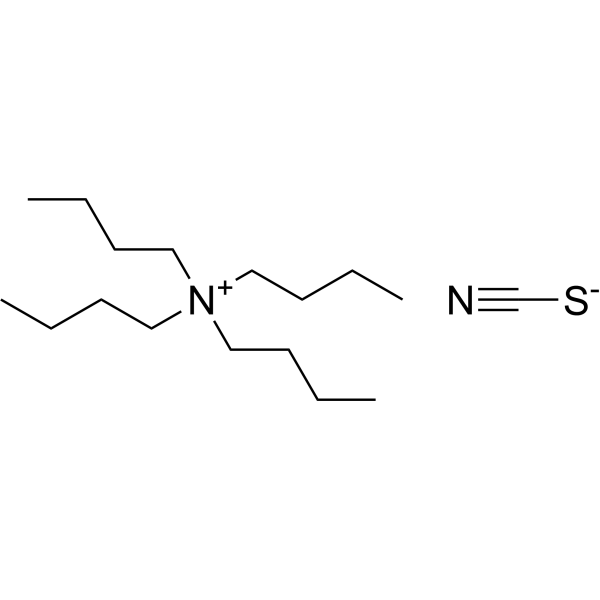
Tetrabutylammonium thiocyanateIt is a quaternary ammonium salt and belongs to the category of alkyl ammonium salts. This compound is widely used as a reagent in organic chemistry, especially for the synthesis of various organic compounds, including pharmaceuticals and agrochemicals. also, Tetrabutylammonium thiocyanateIt can also be used as an electrolyte in electrochemical devices and as a phase transfer catalyst in organic synthesis. Its unique chemical properties make it an important ingredient in a variety of industrial processes, including petrochemical refining and materials science.
|
-
-
- HY-W004547
-
|
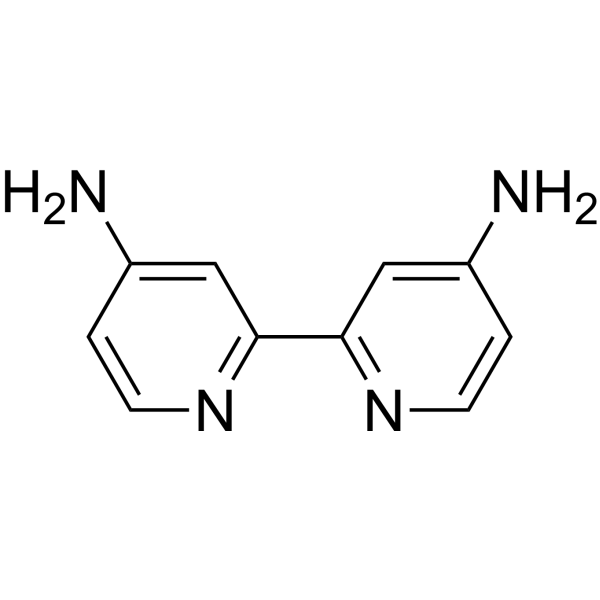
4,4'-Diamino-2,2'-bipyridine
|
Biochemical Assay Reagents
|
Others
|
|
(NH2)2bpy (4,4'-Diamino-2,2'-bipyridine) is an organic compound commonly used as a catalyst and complexing reagent. It can form complexes with other metal ions or organic molecules, and can play a catalytic role in some organic synthesis reactions. In addition, this compound is also widely used in some chemical analysis and detection methods, such as in biological analysis and electrochemical analysis
|
-
-
- HY-W588717
-
|
|
Biochemical Assay Reagents
|
Others
|
|
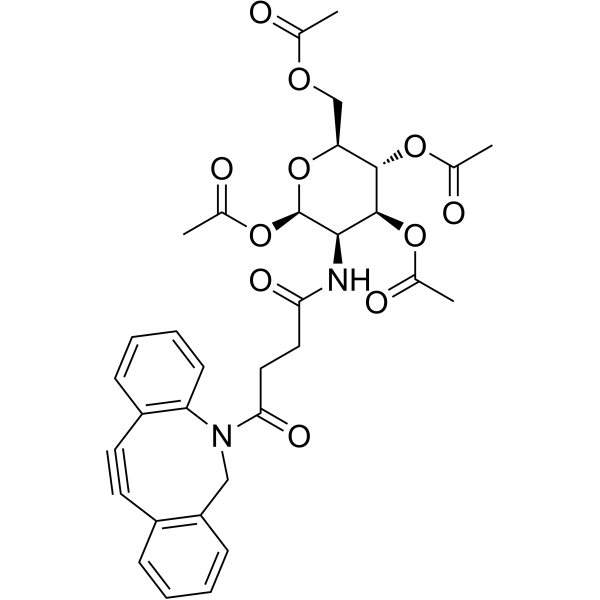
DBCO-Tetraacetyl mannosamine is an organic compound commonly used for chemical alteration and modification in biological research. It can be used to modify glycoproteins, cell surface molecules, and other biomolecules, and is widely used in biomarking and purification techniques. In addition, this compound is used as a carrier for drugs in certain drug controlled release systems. DBCO-Tetraacetyl mannosamine is a click chemistry reagent, it contains a DBCO group that can undergo strain-promoted alkyne-azide cycloaddition (SPAAC) with molecules containing Azide groups.
|
-
-
- HY-Y0319B3
-
|
|
Biochemical Assay Reagents
|
Others
|
|
Potassium acetate meets analytical specification of Ph. Eur. BP E261, and can be used as food additives, medicine and cosmetics raw materials .
|
-

-
- HY-W591393
-
|
|
Biochemical Assay Reagents
|
Cancer
|
|
Biotin Azide Plus is an oxazolidine reagent that integrates azide-biotin click chemistry and a photocleavable linker arm. Biotin Azide Plus not only reacts with biotin thioether to form stable sulfinimide products, but also enables bioconjugation of proteins and DNA through biotin redox-activated chemical labeling technology. Taking advantage of the streptavidin capture and photo-release properties, Biotin Azide Plus effectively facilitates the isolation of lipid-derived electrophile-protein adducts, thus finding wide application in scientific research related to fields such as SKBR3 cancer .
|
-

-
- HY-W005176
-
|
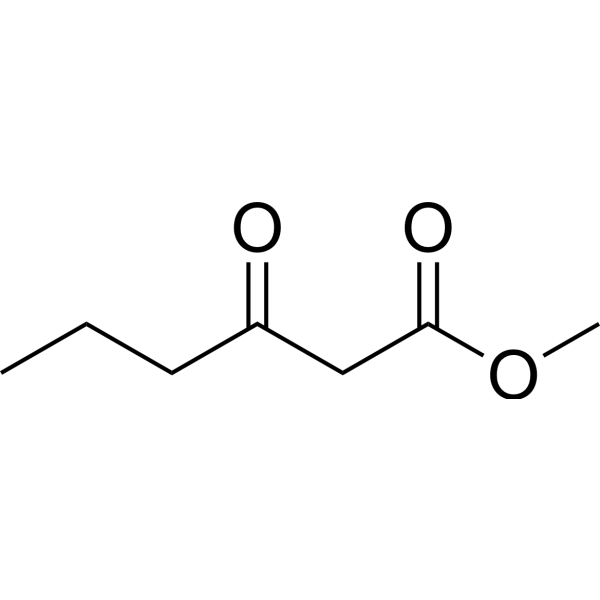
Methyl Butyrylacetate; Methyl 3-oxohexanoate
|
Biochemical Assay Reagents
|
Others
|
|
Methyl 3-oxohexanoate (Methyl Butyrylacetate) is an organic compound commonly used in the manufacture of fragrances, drugs, and other chemicals. It can be used as a condensation reagent, a diazotization reagent and an addition reagent, and it plays a catalytic role in some organic synthesis reactions, and can also play a role in some drug synthesis. In addition, the compound is widely used in the food industry, for example in products such as juices, beer and confectionery.
|
-
-
- HY-151771
-
|
|
ADC Linker
|
Others
|
|
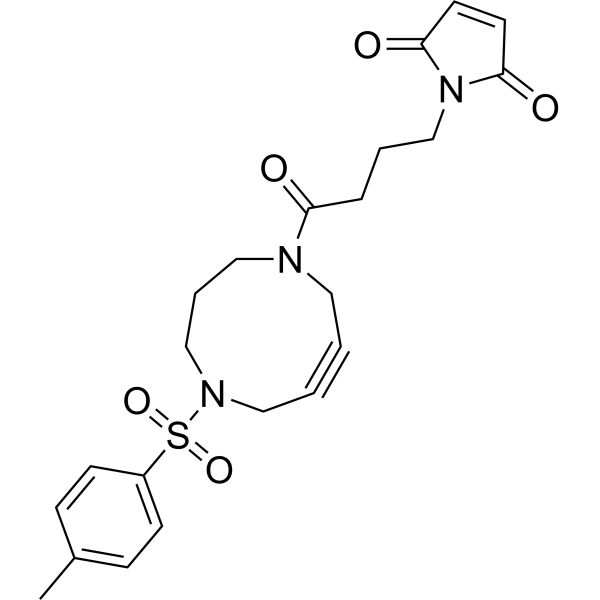
DACN(Tos,Mal) is a click chemistry reagent containing an azide. DACN(Tos,Mal) possess high thermal and chemical stability along with comparable click reactivity .
|
-
-
- HY-21626
-
|
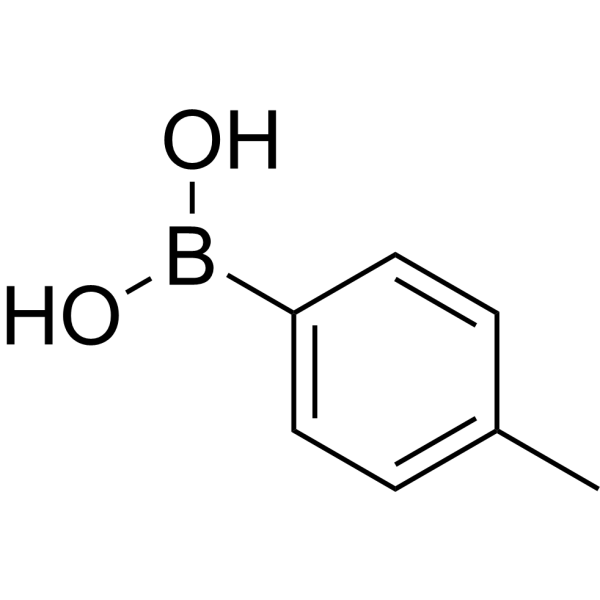
p-Tolylboronic acid
|
Biochemical Assay Reagents
|
Others
|
|
4-Tolylboronic acid is an organoboron compound with important chemical applications. It can be used as an important intermediate in organic synthesis for the synthesis of organic compounds such as drugs, pesticides, and cosmetics, as well as for the research of coordination chemistry and material science. Due to its high chemical reactivity, 4-Tolylboronic acid has become a widely used reagent in organic synthesis.
|
-
-
- HY-W111436
-
|
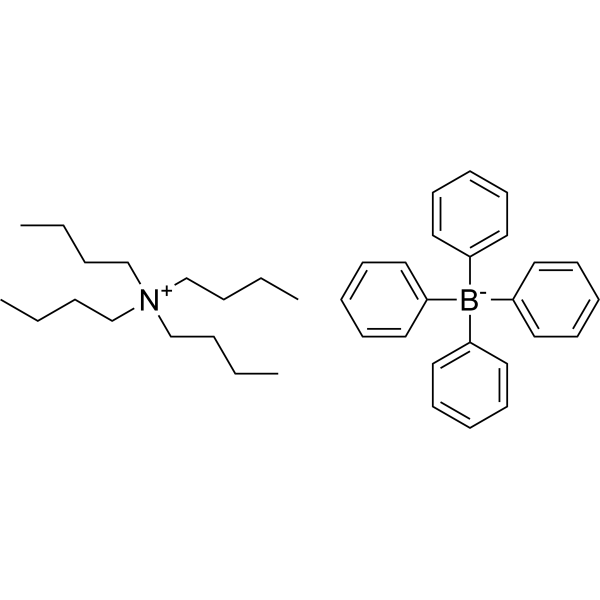
N,N,N-tributylbutan-1-aminium tetraphenylborate(1-)
|
Biochemical Assay Reagents
|
Others
|
|
Tetrabutylammonium tetraphenylborate is a quaternary ammonium salt belonging to the class of alkylammonium salts. This compound is commonly used as an ion-pairing reagent in chromatography and analytical chemistry, facilitating the separation and identification of various organic compounds. Its unique chemical properties make it an important ingredient in a variety of scientific applications, including pharmaceuticals, agrochemicals, and materials science products.
|
-
-
- HY-W013231
-
|
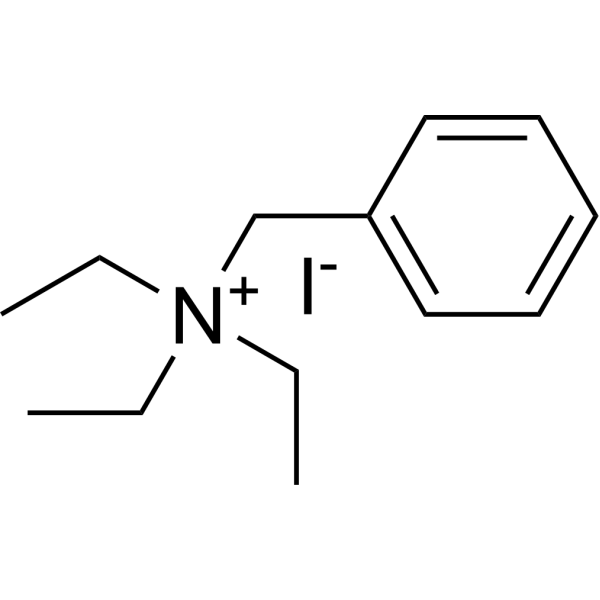
Benzyltriethylammonium iodide
|
Biochemical Assay Reagents
|
Others
|
|
N-Benzyl-N,N-diethylethanaminium iodide is a quaternary ammonium salt consisting of a positively charged N-benzyl-N,N-diethylethylamine cation and a negatively charged iodide anion. This compound is commonly used as a phase transfer catalyst in organic chemical reactions, facilitating the transfer of reactants between immiscible phases. It can also be used as a reagent for the synthesis of various organic compounds, and as a surfactant or emulsifier in industrial and personal care products.
|
-
-
- HY-151823
-
|
|
ADC Linker
|
Others
|
|
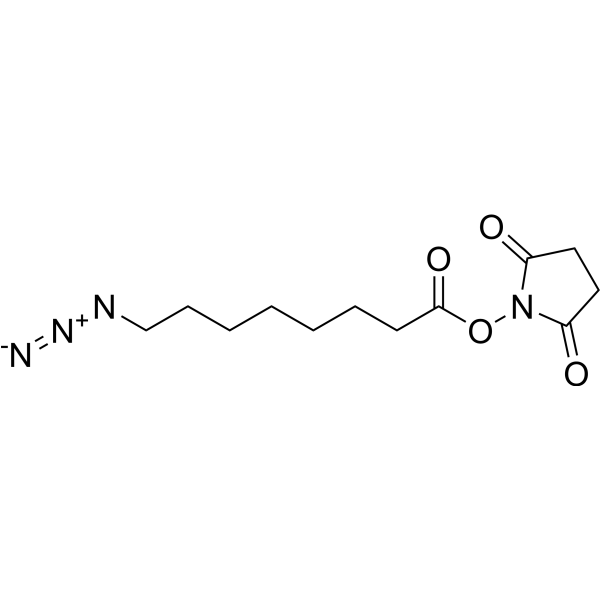
8-Azido-octanoyl-OSu is a click chemistry reagent containing an azide group. Used as a building block to introduce 8-azidooctanoic acid (CAS 217180-76-2) fragment. This fragment is used for further modifications using Click-chemistry (CuAAC), as a protected aminogroup or is used in physico-chemical investigations . It contains an azide group and can undergo copper-catalyzed azide-alkyne cycloaddition (CuAAc) with molecules containing alkyne groups. It can also undergo ring strain-promoted alkyne-azide cycloaddition (SPAAC) with molecules containing DBCO or BCN groups.
|
-
-
- HY-151794
-
|
|
ADC Linker
|
Others
|
|
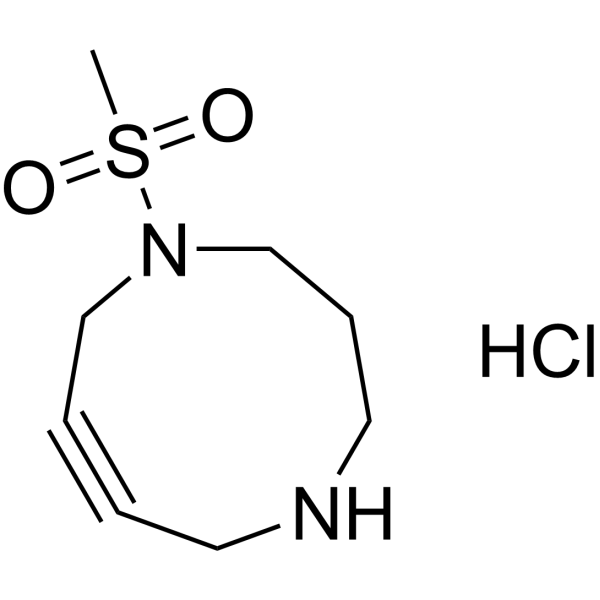
DACN(Ms) hydrochloride (compound 1ba) is a click chemistry reagent containing cyclononyne alkyne. DCN(Ms) hydrochloride has high thermal stability, chemical stability, water solubility, and high reactivity for cycloaddition reactions .
|
-
-
- HY-Y0689
-
|
|
MOFs
|
Others
|
|
Thiocarbonyldiimidazole is a synthetic chemical reagent that serves as a nitrogen-containing MOF ligand for synthetic applications. Thiocarbonyldiimidazole enables the preparation of thiocarbonyl imidazolides from alcohols, and is used in the Barton-McCombie deoxygenation reaction and natural product synthesis .
|
-

-
- HY-W127342
-
|
Decanoic acid chloride
|
Biochemical Assay Reagents
|
Others
|
|
Decanoyl chloride is an organic compound belonging to the class of acid chlorides. It is a colorless liquid with a pungent odor and is commonly used as a reagent in various organic chemical reactions, especially in the synthesis of esters, amides and fatty acids. Decanoyl chloride has numerous applications in synthetic organic chemistry, especially in the production of pharmaceuticals, agrochemicals and specialty chemicals. In addition, it can be used as a precursor for the synthesis of surfactants and detergents.
|
-

-
- HY-W686605
-
|
|
Endogenous Metabolite
Biochemical Assay Reagents
|
|
|
Iodoacetic anhydride is a bioactive compound with enzyme inhibitory properties. Iodoacetic anhydride can participate in protein modification and is widely used in biochemical research and compound development. Iodoacetic anhydride is also used to synthesize various bioactive molecules, showing its diversity as a chemical reagent.
|
-

-
- HY-151745
-
|
|
ADC Linker
|
Others
|
|
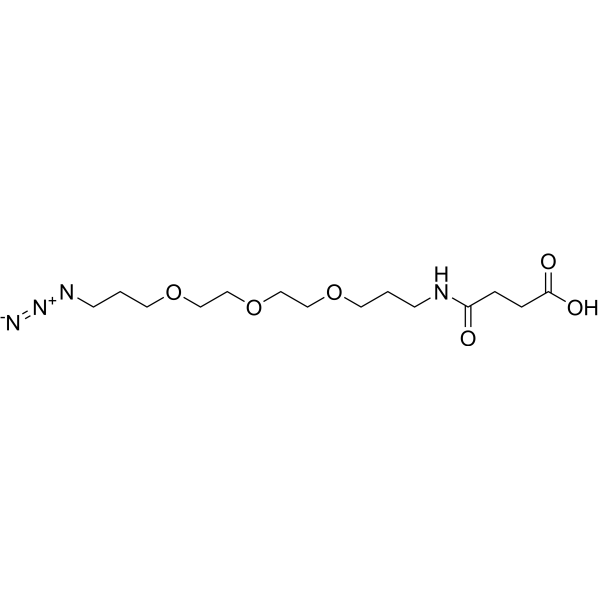
N3-TOTA-Suc is a click chemistry reagent containing an azide group. Click chemistry is a powerful chemical reaction with excellent bioorthogonality features: biocompatible, rapid and highly specific in biological environments . N3-TOTA-Suc is a click chemistry reagent, it contains an Azide group and can undergo copper-catalyzed azide-alkyne cycloaddition reaction (CuAAc) with molecules containing Alkyne groups. It can also undergo strain-promoted alkyne-azide cycloaddition (SPAAC) reactions with molecules containing DBCO or BCN groups.
|
-
- HY-177767
-
|
|
Biochemical Assay Reagents
|
Others
|
EY-CBS is a synthetic and rigid cross linker. EY-CBS reacts selectively with cysteines in a-helices, to stabilize the connecting helix. EY-CBS can be used for the study of the structural stability of protein polypeptides .
|
-

- HY-151749
-
|
|
ADC Linker
|
Others
|
|
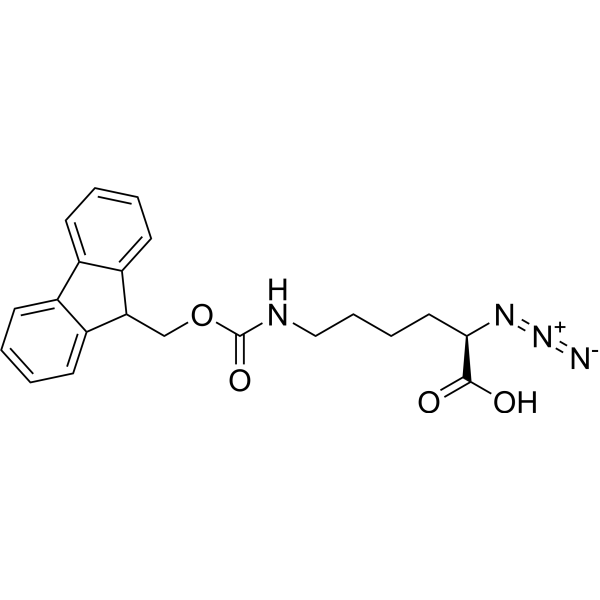
N3-D-Lys(Fmoc)-OH is a click chemistry reagent containing an azide group. Click chemistry is a powerful chemical reaction with excellent bioorthogonality features: biocompatible, rapid and highly specific in biological environments . N3-D-Lys(Fmoc)-OH is a click chemistry reagent, it contains an Azide group and can undergo copper-catalyzed azide-alkyne cycloaddition reaction (CuAAc) with molecules containing Alkyne groups. It can also undergo strain-promoted alkyne-azide cycloaddition (SPAAC) reactions with molecules containing DBCO or BCN groups.
|
-
- HY-151736
-
|
|
ADC Linker
|
Others
|
|
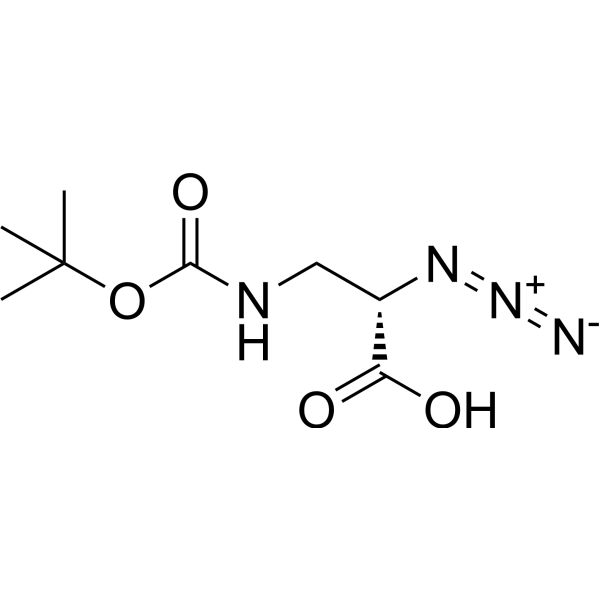
N3-L-Dap(Boc)-OH is a click chemistry reagent containing an azide group. Click chemistry is a powerful chemical reaction with excellent bioorthogonality features: biocompatible, rapid and highly specific in biological environments . N3-L-Dap(Boc)-OH is a click chemistry reagent, it contains an Azide group and can undergo copper-catalyzed azide-alkyne cycloaddition reaction (CuAAc) with molecules containing Alkyne groups. It can also undergo strain-promoted alkyne-azide cycloaddition (SPAAC) reactions with molecules containing DBCO or BCN groups.
|
-
- HY-151795
-
|
|
ADC Linker
|
Others
|
|
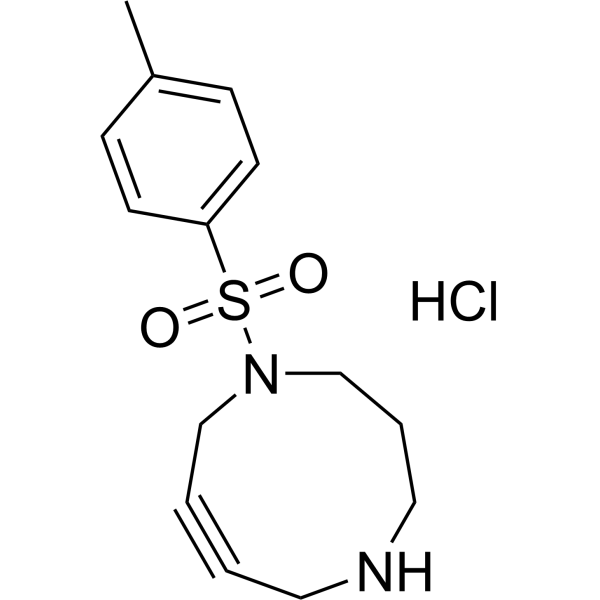
DACN(Tos) hydrochloride is a click chemistry reagent containing a cycloalkyne group. The alkyne moiety within the ring has a unique bent structure and high reactivity toward cycloaddition reactions, such strain-promoted azide-alkyne cycloadditions (SPAAC) by using cycloalkynes. DACNs possesses high thermal and chemical stability along with comparable click reactivity. DACN(Tos) hydrochloride can be used for the research of molecular conjugation .
|
-
- HY-W612372
-
|
Fluorosulfonylbenzyl bromide
|
Biochemical Assay Reagents
Endogenous Metabolite
|
|
|
4-(Bromomethyl)benzenesulfonyl fluoride (Fluorosulfonylbenzyl bromide) is an important chemical reagent with good biological activity. 4-(Bromomethyl)benzenesulfonyl fluoride can be used to prepare various bioactive molecules, especially in the process of compound discovery and synthesis, showing excellent reactivity. 4-(Bromomethyl)benzenesulfonyl fluoride is often used in the development of new biological agents, promoting the research progress of organic chemistry and biochemistry.
|
-

- HY-176846
-
|
|
Biochemical Assay Reagents
|
Others
|
|
HIPS probe-1 (Compound 1) is a click chemistry reagent containing a alkyne group. HIPS probe-1 can undergo copper-catalyzed azide-alkyne cycloaddition (CuAAc) with molecules containing Azide groups. HIPS probe-1 can be used as a chemical probe to specifically recognize and label aldehyde functional groups in DNA, especially abasic sites (AP sites) for DNA damage research .
|
-

- HY-W200545
-
-
- HY-15905
-
|
N-Ethyl-N-sulfopropylaniline sodium salt
|
Fluorescent Dye
|
Others
|
|
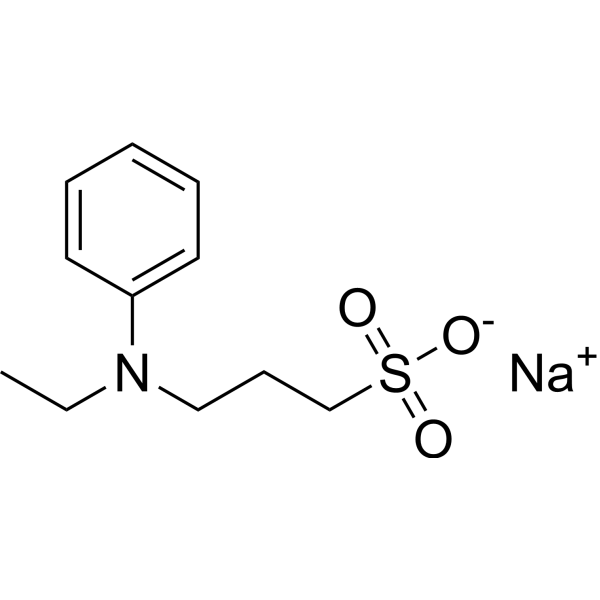
ALPS(N-Ethyl-N-sulfopropylaniline sodium salt) is a bio-chemical reagents/chromogenic reagent.
|
-
- HY-W127471
-
|
Margaroyl chloride
|
Biochemical Assay Reagents
|
Others
|
|
Heptadecanoyl chlorideIt is an organic compound belonging to the category of acid chlorides. It reacts with heptadecanoic acid and thionyl chloride to produce a colorless transparent liquid with a pungent odor. Heptadecanoyl chlorideIt has various applications in the chemical and pharmaceutical industries, especially as an intermediate in the synthesis of various chemicals and drugs. In addition, it can be used in organic chemical reactions as a reagent for introducing heptadecanoyl groups into various molecules.
|
-

- HY-129655
-
|
|
ADC Linker
|
Cancer
|
|
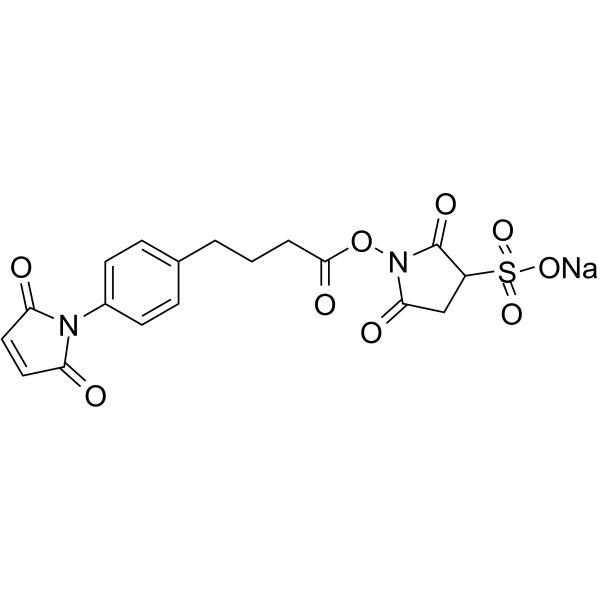
Sulfo-SMPB sodium is a non-cleavable, heterobifunctional chemical cross-linking reagent which contains N-hydroxysuccinimide (NHS) ester and maleimide groups, allowing covalent conjugation of amine- and sulfhydryl-containing molecules .
|
-
- HY-122426
-
|
n-Undecyl bromide
|
Biochemical Assay Reagents
|
Others
|
|
1-Bromoundecane (n-Undecyl bromide) is a chemical reagent featuring a bromide along a saturated C11 chain. Bromide is easily displaced by nucleophiles such as alcohols or amines. Compounds such as this may be used as intermediates in building lipids for use in lipid nanoparticles.
|
-

- HY-135639
-
|
|
Fluorescent Dye
|
Others
|
|
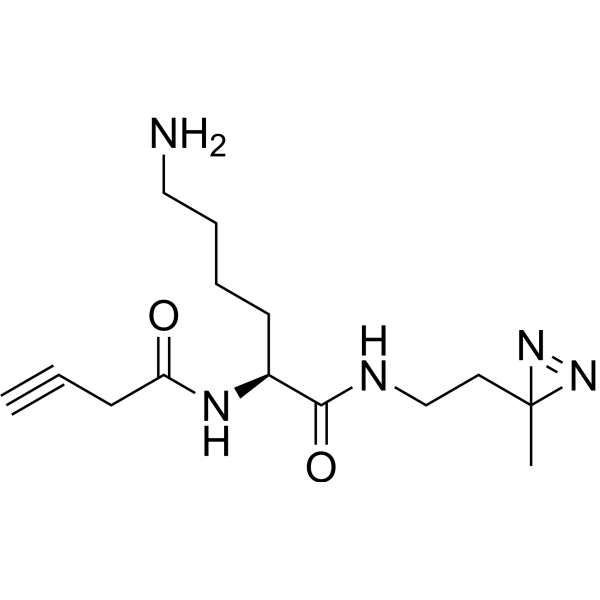
Alkyne-probe 1 is usually used as a Alkyne-labeled chemical or fluorescent probe. Alkyne-probe 1 is a click chemistry reagent, it contains an Alkyne group and can undergo copper-catalyzed azide-alkyne cycloaddition (CuAAc) with molecules containing Azide groups.
|
-
- HY-W142525
-
|
N-Dodecyldodecan-1-amine
|
Biochemical Assay Reagents
|
Others
|
|
Didodecylamine (N-Dodecyldodecan-1-amine) is a chemical reagent featuring a secondary amine linked to two saturated C12 tails. The secondary amine is a versatile substrate which can be used to build a wide variety of bonds. Compounds such as this may be used as intermediates in building lipids for use in lipid nanoparticles.
|
-

- HY-W127344
-
|
|
Biochemical Assay Reagents
|
Others
|
|
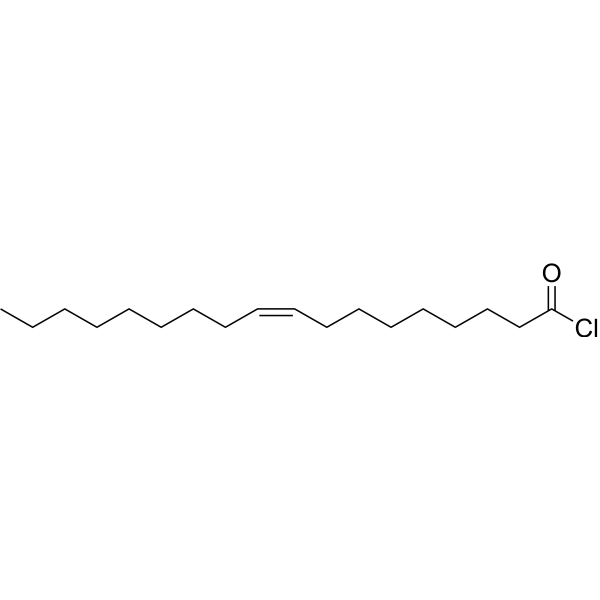
Oleoyl chloride A pungent-smelling liquid commonly used as a reagent in organic synthesis, especially for the production of a variety of organic compounds, including pharmaceuticals and agrochemicals. In addition, it can also be used as a cross-linking agent or surfactant in polymer chemistry. Its unique chemical properties make it an important ingredient in a variety of industrial processes, including petrochemical refining and materials science.
|
-
- HY-W108867
-
|
|
Drug Intermediate
|
|
|
N-Fmoc-ethylenediamine hydrobromide is an important chemical reagent with the activity of promoting organic synthesis reactions. N-Fmoc-ethylenediamine hydrobromide is often used in the synthesis of peptides and other amino compounds in the field of biochemistry because it can effectively protect the amino group and provide good reactivity. The application of N-Fmoc-ethylenediamine hydrobromide helps to improve the efficiency and selectivity of synthesis and becomes a key component in organic synthesis.
|
-

- HY-W088188
-
|
Cobalt(II) acetylacetonate
|
Biochemical Assay Reagents
|
Others
|
|
Co (acac)2 is an organometallic compound with catalytic activity, in which the central cobalt ion is chelated with acetylacetonate ligands. Co (acac)2 can serve as a precursor for thin films and nanomaterials, and is applicable to researches in organic synthesis, materials science, industrial applications, and other fields .
|
-

- HY-W099790
-
|
1-Butyl-1-methylpiperidinium Bromide
|
Biochemical Assay Reagents
|
Others
|
|
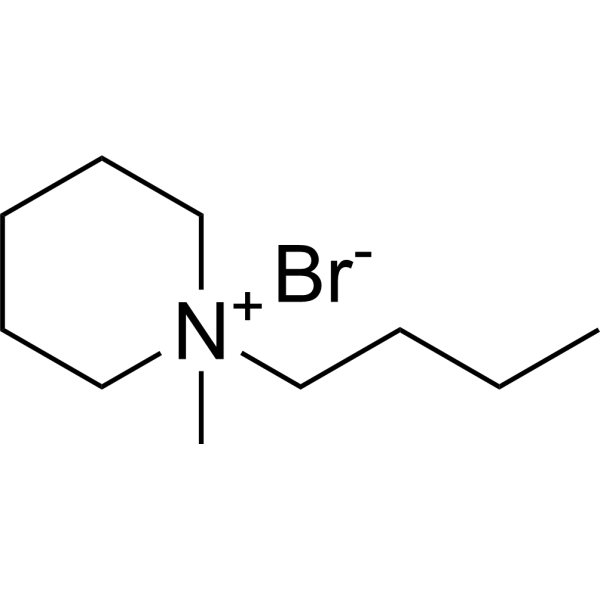
N-butyl-N-methyl-piperidinium bromide is a quaternary ammonium compound belonging to the class of piperidinium salts. N-butyl-N-methyl-piperidinium bromide is commonly used as a phase transfer catalyst in organic synthesis to transfer reactants between immiscible phases. It can also be used as a surfactant, corrosion inhibitor and antibacterial agent. Its unique chemical properties make it an important reagent in many different industries, including pharmaceuticals, agrochemicals, and materials science.
|
-
- HY-151766
-
|
|
ADC Linker
|
Others
|
|
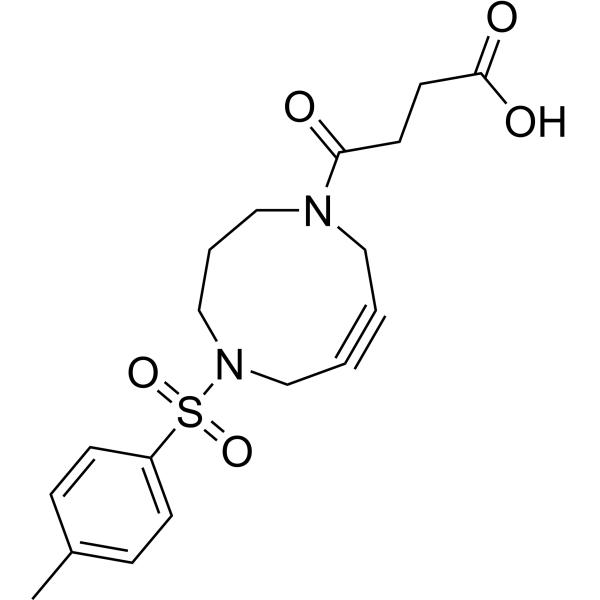
DACN(Tos,Suc-OH) is a click chemistry reagent containing a cycloalkyne group. The alkyne moiety within the ring has a unique bent structure and high reactivity toward cycloaddition reactions. Such strain-promoted azide-alkyne cycloadditions (SPAAC) using cycloalkynes have served for reliable molecular conjugation in a broad range of fields. The nitrogens are used as connection points for a variety of functional units. DACNs possess high thermal and chemical stability along with comparable click reactivity .
|
-
- HY-W105639A
-
|
Calcium lactate pentahydrate, meets USP testing specifications
|
Biochemical Assay Reagents
|
Others
|
|
Calcium L-lactate pentahydrate, meets USP testing specifications (Calcium lactate pentahydrate, meets USP testing specifications) is a biochemical reagent and serves as one of the important sources of calcium. Compared to other organic calcium salts, Calcium L-lactate pentahydrate, meets USP testing specifications exhibits excellent solubility and bioavailability. Calcium L-lactate pentahydrate, meets USP testing specifications possesses remarkable moisture resistance, thermal stability, and chemical stability and can be used in medical implants and drug delivery systems .
|
-

- HY-W540926
-
|
Biacetyl dioxime sodium hydrate
|
Biochemical Assay Reagents
|
Others
|
|
Dimethylglyoxime (sodium hydrate) (Biacetyl dioxime (sodium hydrate)) is a biochemical reagent used for biochemical analysis and as a basic chemical raw material. Dimethylglyoxime (sodium hydrate) is a kind of biological materials or organic compounds that are widely used in life science research .
|
-

- HY-157918
-
|
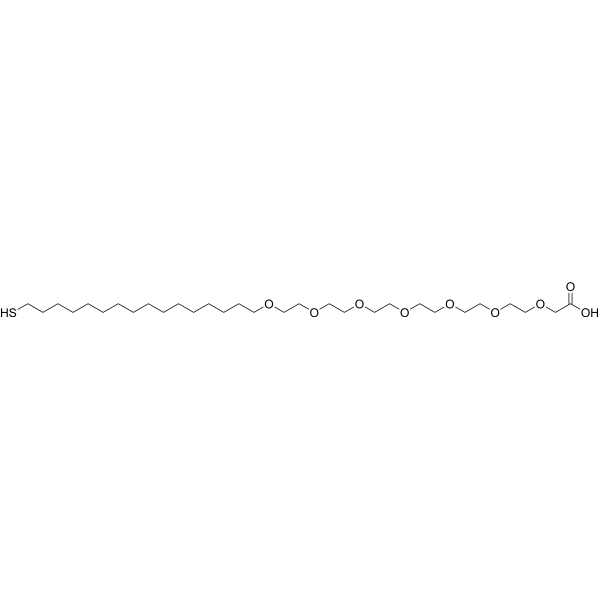
20-(16-Mercaptohexadecanyloxy)-3,6,9,12,15,18-hexaoxaeicosanoic acid
|
Biochemical Assay Reagents
|
Others
|
|
Carboxy-EG6-hexadecanethiol is a biochemical assay reagent and can be used for chemical synthesis .
|
-
- HY-W048546
-
|
Methyl-(2,3,4-tri-O-acetyl-a-D-glucopyranosyl)uronate
|
Biochemical Assay Reagents
|
|
|
2,3,4-Tri-O-acetyl-α-D-glucuronic acid methyl ester is a Biochemical Assay Reagent, and can be used for chemical synthesis .
|
-

- HY-W127692
-
|
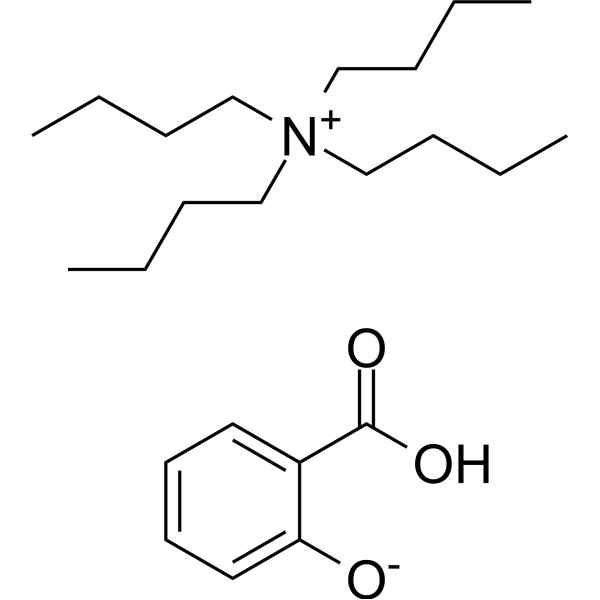
Tetra-n-butylammonium salicylate
|
Biochemical Assay Reagents
|
Others
|
|
Tetrabutylammonium salicylate is an organic-inorganic compound commonly used as a catalyst and chemical reagent. It can be used to catalyze or promote certain chemical reactions, and is widely used in medicine, cosmetics and surfactants. In addition, this compound is also used as a substrate or intermediate in some biochemical reactions.
|
-
- HY-W036734
-
|
|
Biochemical Assay Reagents
|
Others
|
|
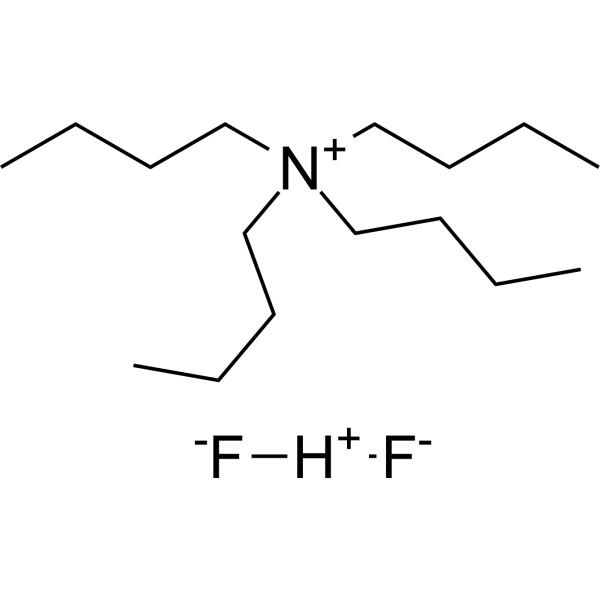
Tetrabutylammonium (hydrogen difluoride) is a quaternary ammonium salt containing fluoride ions. It is a highly active and effective reagent, often used in organic synthesis reactions, especially for the modification of organic molecules with fluorine atoms. Tetrabutylammonium (hydrogen difluoride) is also used as a catalyst for various chemical reactions such as esterification and transesterification. Additionally, it is used in the production of specialty chemicals such as surfactants and detergents.
|
-
- HY-157924
-
|
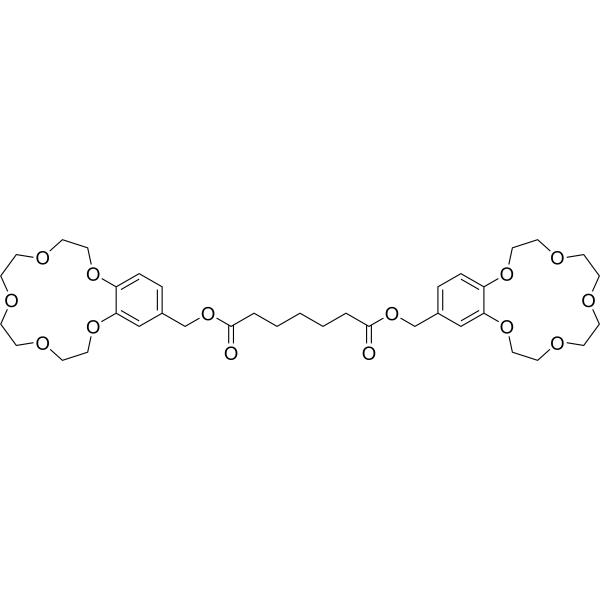
Bis[(benzo-15-crowN-5)-4-methyl]pimelate
|
Biochemical Assay Reagents
|
Others
|
|
Bis(benzo-15-crown-5) (Bis[(benzo-15-crowN-5)-4-methyl]pimelate) is a biochemical assay reagent, and can be used for chemical synthesis .
|
-
- HY-135636
-
|
|
Fluorescent Dye
|
Others
|
|
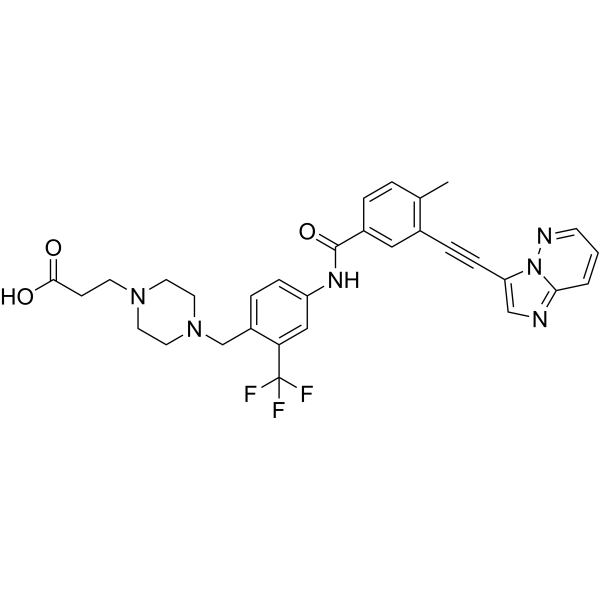
Ponatinib Acid, an analogue of Ponatinib, is usually used as a labeled chemical or fluorescent probe. Ponatinib Acid is a click chemistry reagent, it contains an Alkyne group and can undergo copper-catalyzed azide-alkyne cycloaddition (CuAAc) with molecules containing Azide groups.
|
-
- HY-W112005
-
|
|
Biochemical Assay Reagents
|
Others
|
|
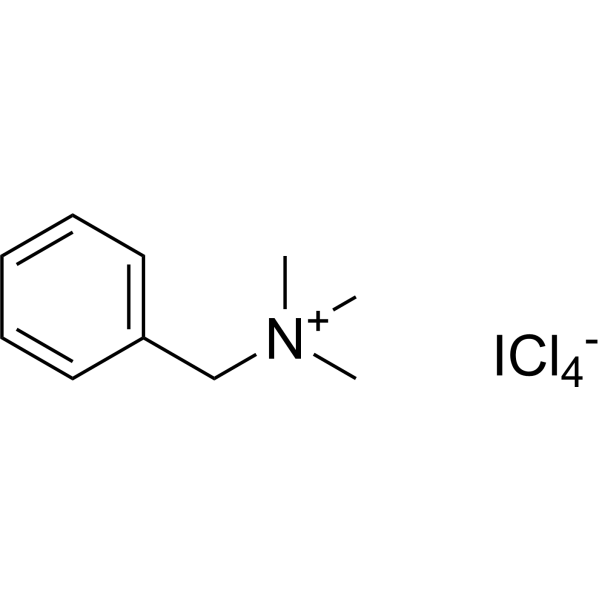
Benzyltrimethylammonium tetrachloroiodate is a quaternary ammonium salt belonging to the class of alkylammonium salts. The compound is used as a reagent in organic synthesis, especially in the oxidation of alkenes and alcohols. Its unique chemical properties make it an important ingredient in a variety of industrial processes, including pharmaceuticals and agrochemicals.
|
-
- HY-156316
-
|
|
ADC Linker
|
Cancer
|
|
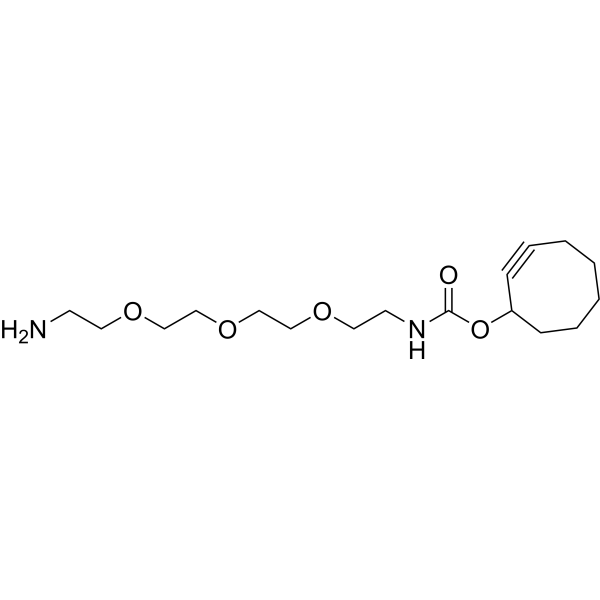
SCO-PEG3-NH2 is a cleavable ADC Linker containing 3 PEG units. SCO-PEG3-NH2 can be used as a copper-free click chemical reagent for catalyst-free click reactions.
|
-
- HY-156315
-
|
|
ADC Linker
|
Cancer
|
|
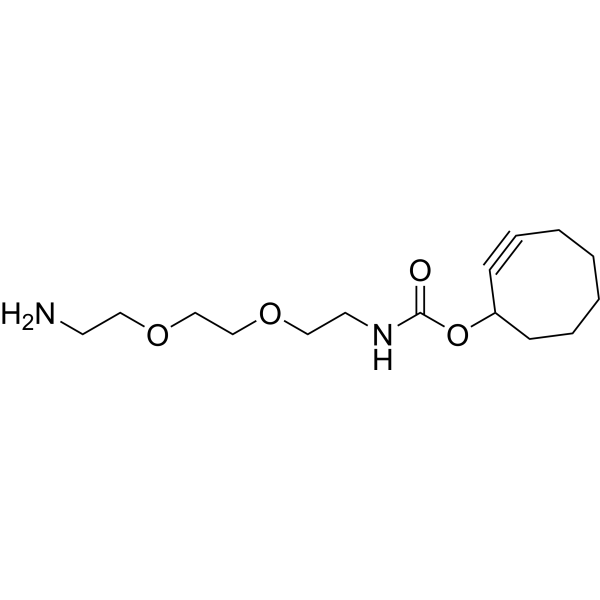
SCO-PEG2-NH2 is a cleavable ADC Linker containing 2 PEG units. SCO-PEG2-NH2 can be used as a copper-free click chemical reagent for catalyst-free click reactions.
|
-
- HY-156315A
-
|
|
ADC Linker
|
Cancer
|
|
SCO-PEG2-NH2 formate is a cleavable ADC Linker containing 2 PEG units. SCO-PEG2-NH2 formate can be used as a copper-free click chemical reagent for catalyst-free click reactions.
|
-

- HY-W440809
-
|
|
Biochemical Assay Reagents
|
Others
|
|
Nonyl 8-bromooctanoate is a chemical reagent featuring a bromide linked to a larger ester chain consisting of a C8 ester coupled to a C9 chain. Bromide is easily displaced by nucleophiles in substitution reactions.Nonyl 8-bromooctanoate can be used as an intermediate in building lipids for use in lipid nanoparticles.
|
-

- HY-W344380
-
|
|
Biochemical Assay Reagents
|
|
|
Tetrahydro-2,5-dioxo-3-furansulfonic acid, sodium is a chemical reagent with excellent water determination activity. Tetrahydro-2,5-dioxo-3-furansulfonic acid, sodium is widely used as a titrant in Karl Fischer titration to determine the water content in various samples. Tetrahydro-2,5-dioxo-3-furansulfonic acid, sodium has important application value in chemical analysis.
|
-

- HY-156316A
-
|
|
ADC Linker
|
Cancer
|
|
SCO-PEG3-NH2 formate is a cleavable ADC Linker containing 3 PEG units. SCO-PEG3-NH2 formate can be used as a copper-free click chemical reagent for catalyst-free click reactions .
|
-

- HY-Y1374R
-
|
|
Biochemical Assay Reagents
Reference Standards
|
Others
|
|
Benzoic anhydride (Standard) is the analytical standard of Benzoic anhydride. This product is intended for research and analytical applications. Benzoic anhydride is a catalyst that can be used for organic synthesis reactions. Benzoic anhydride is used as a chemical titration reagent for selective quantification and deactivation of phenolic hydroxyl groups on the surface of carbon nanotubes .
|
-

- HY-W221508
-
|
|
Biochemical Assay Reagents
|
|
|
4-Azidoaniline hydrochloride is a chemical reagent with important activities in biomarkers and compound discovery. 4-Azidoaniline hydrochloride is often used as an efficient tool for synthesizing diverse compounds in click chemistry reactions. 4-Azidoaniline hydrochloride also plays a key role in bioimaging and research, as it can react specifically with biomolecules through its properties.
|
-

- HY-Y1332R
-
|
L-Tartaric acid potassium sodium salt tetrahydrate (Standard); Potassium sodium tartrate tetrahydrate (Standard); Sodium potassium tartrate tetrahydrate (Standard)
|
Biochemical Assay Reagents
Reference Standards
|
Others
|
|
Rochelle salt (Standard) is the analytical standard of Rochelle salt. This product is intended for research and analytical applications. Rochelle salt is an organic-inorganic compound commonly used as a catalyst and complexing reagent. It can be used to catalyze or promote certain chemical reactions, and is widely used in batteries, pharmaceuticals and food industries. In addition, this compound is also used as a substrate or intermediate in some biochemical reactions.
|
-

- HY-W540192
-
|
|
ADC Linker
|
Cancer
|
|
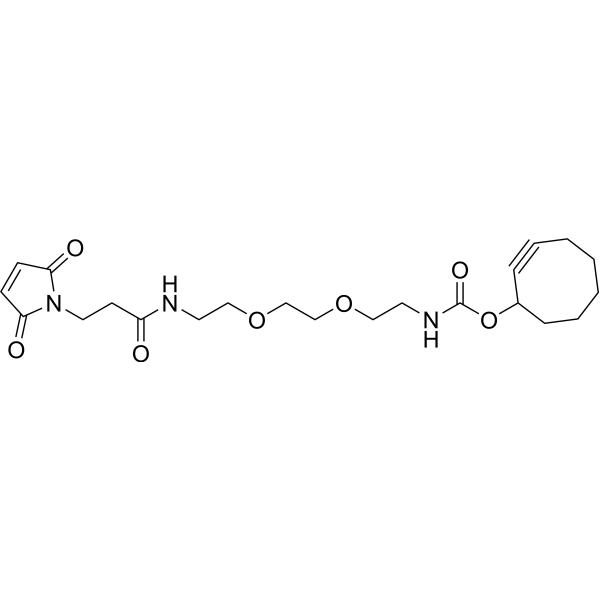
SCO-PEG2-Maleimide is an ADC Linker containing 3 PEG units. SCO-PEG2-Maleimide can be used as a copper-free click chemical reagent for catalyst-free click reactions. Its maleimide group (-Maleimide) degrades in aqueous media and has been used in drug delivery studies.
|
-
- HY-156318
-
|
|
ADC Linker
|
Cancer
|
|
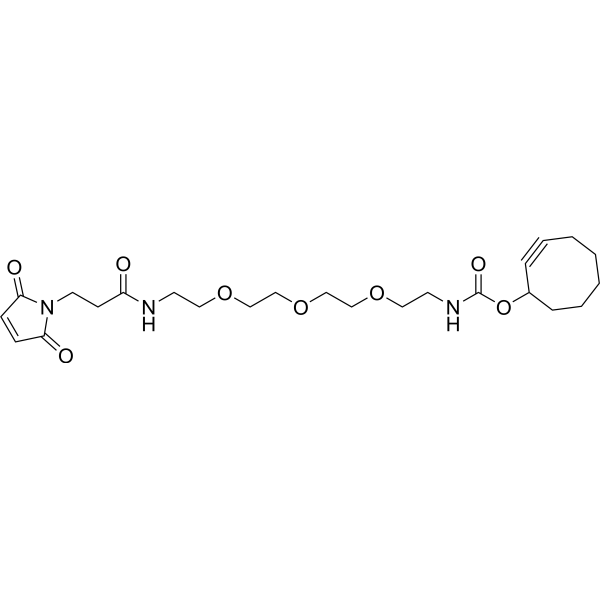
SCO-PEG3-Maleimide is a cleavable ADC Linker containing 3 PEG units. SCO-PEG3-Maleimide can be used as a copper-free click chemical reagent for catalyst-free click reactions. Its maleimide group (-Maleimide) degrades in aqueous media and has been used in drug delivery studies.
|
-
- HY-156321
-
|
|
ADC Linker
|
Cancer
|
|
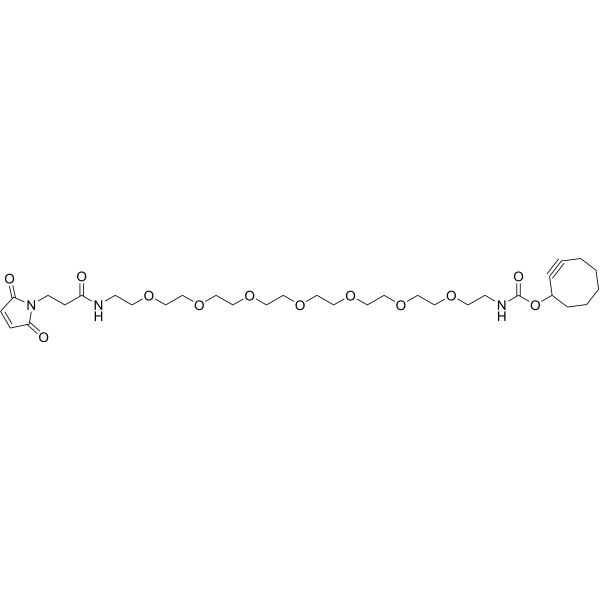
SCO-PEG7-Maleimide is a cleavable ADC Linker containing 3 PEG units. SCO-PEG7-Maleimide can be used as a copper-free click chemical reagent for catalyst-free click reactions. Its maleimide group (-Maleimide) degrades in aqueous media and has been used in drug delivery studies.
|
-
- HY-114814A
-
|
|
Adrenergic Receptor
|
Others
|
|
(+)-ORM-10921 Free base is a compound that exhibits significant biological activity, particularly in the context of chemical synthesis studies and the preparation of pyrido [1,2-b] isoquinoline derivatives. (+)-ORM-10921 Free base is utilized as an active reagent in multi-component reactions involving alkynes and isoquinolinium ylides. (+)-ORM-10921 Free base plays a crucial role in the advancement of synthetic organic chemistry by enabling the formation of complex molecular structures.
|
-

- HY-W099929
-
|
|
Biochemical Assay Reagents
|
Others
|
|
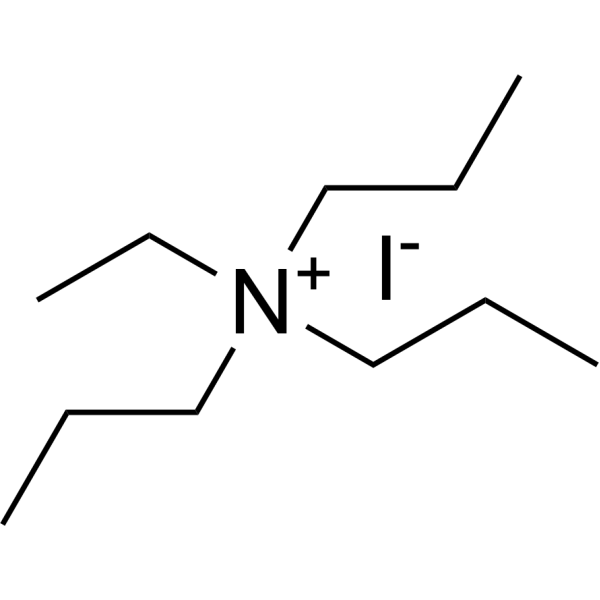
N-Ethyl-N,N-dipropylpropan-1-aminium iodide is a quaternary ammonium compound belonging to the class of alkylammonium salts. N-Ethyl-N,N-dipropylpropan-1-aminium (iodide) is commonly used as a phase transfer catalyst in organic synthesis to transfer reactants between immiscible phases. It can also be used as a surfactant, antimicrobial or corrosion inhibitor. Its unique chemical properties make it an essential reagent in many different industrial applications, including pharmaceuticals, agrochemicals, and materials science.
|
-
- HY-W724370
-
|
TEA bromide-d20
|
Isotope-Labeled Compounds
Biochemical Assay Reagents
|
Others
|
|
Tetraethylammonium bromide-d20 (TEA bromide-d20) is the deuterium labeled Tetraethylammonium bromide (HY-W014408). Tetraethylammonium bromide is a quaternary ammonium salt consisting of a positively charged tetraethylammonium cation and a negatively charged bromide anion. This compound is commonly used as a phase transfer catalyst in organic chemical reactions, facilitating the transfer of reactants between immiscible phases. It can also be used as a reagent for the synthesis of various organic compounds, an electrolyte in electrochemical experiments, and a source of tetraethylammonium ions in biochemical and pharmacological research.
|
-

- HY-151754
-
|
|
ADC Linker
|
Others
|
|
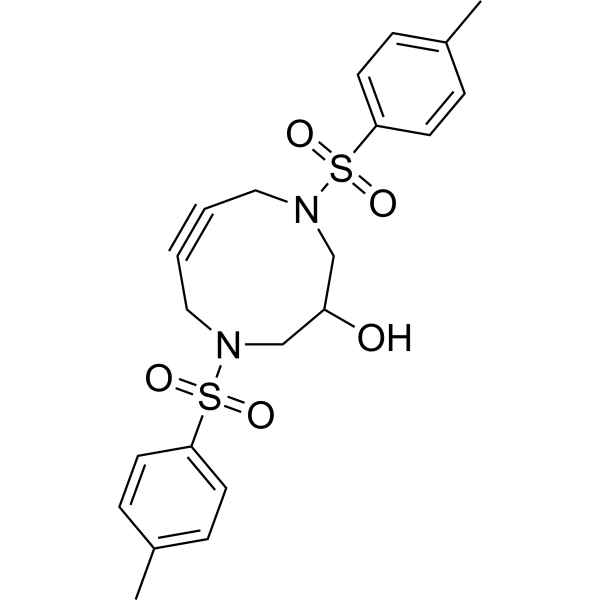
DACN(Tos2,6-OH) is a click chemistry reagent containing an Azide. The alkyne moiety within the ring has a unique bent structure and high reactivity toward cycloaddition reactions. The reactivity of an alkyne heavily depends on the electronic and steric characteristics of the substituents as well as structural strain. In comparison to nonbent acyclic alkynes, cyclononyne alkynes show remarkably high reactivity. Such strain-promoted azide-alkyne cycloadditions (SPAAC) using cycloalkynes have served for reliable molecular conjugation in a broad range of fields. The nitrogens are used as connection points for a variety of functional units. In comparison to cyclooctynes, DACNs possess high thermal and chemical stability along with comparable click reactivity . DACN(Tos2,6-OH) is a click chemistry reagent, it contains an Alkyne group and can undergo copper-catalyzed azide-alkyne cycloaddition (CuAAc) with molecules containing Azide groups.
|
-
- HY-103300
-
|
|
Endogenous Metabolite
|
Infection
|
|
NPE-caged-proton is a reagent that releases protons under UV light and has the activity of activating the fusion protein GP64 under weak acidic conditions. NPE-caged-proton can promote the binding of enveloped viruses to liposome membranes with acidic phospholipids in an environment of pH 4.0 to 5.5, thereby initiating membrane fusion. The ultraviolet unblocking effect of NPE-caged-proton can lower the environmental pH, thereby triggering the process of viral membrane fusion. When studying the interaction between viruses and cell membranes, NPE-caged-proton provides a valuable tool for revealing the subtle behaviors of viruses in different chemical and biochemical environments .
|
-

- HY-Y0121S1
-
|
|
Isotope-Labeled Compounds
|
Others
|
|
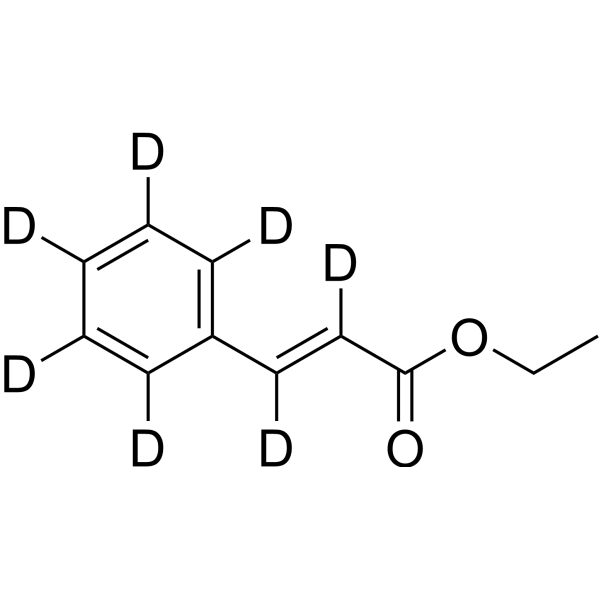
Ethyl cinnamate-d7 is deuterated labeled Ethyl cinnamate (HY-Y0121). Ethyl cinnamate, an orally active chemical constituent of the rhizome of Kaempferia galanga, exhibits anti-cancer, nematocidal, sedative and vasorelaxant activities. Ethyl cinnamate is a fragrance ingredient used as a food flavor and additive for cosmetic products. Ethyl cinnamate is also an excellent clearing reagent for mammalian tissues. Ethyl cinnamate suppresses tumor growth through anti-angiogenesis by attenuating VEGFR2 signal pathway in colorectal cancer. Ethyl cinnamate inhibits the tonic contractions induced by high K+ and phenylephrine (PE) with respective IC50 values of 0.30 mM and 0.38 mM in rat aorta .
|
-
- HY-W800650
-
|
|
Biochemical Assay Reagents
|
Others
|
|
Aminooxy-PEG1-amine is a chemical reagent containing an aminooxy group and a primary amine. The aminooxy group is reactive with an aldehyde to form an oxime bond. If a reductant is used, it will form a hydroxylamine linkage. The amino group is reactive withactivated NHS esters, or carboxylic acid in the presence of coupling reagent EDC. Aminooxy compounds are very reactive and sensitive; they cannot be stored for long term.
|
-

- HY-W800743
-
|
|
Biochemical Assay Reagents
|
Others
|
|
Heptyl 6-bromohexanoate is a chemical reagent featuring a bromide linked to a larger ester chain consisting of a C6 ester coupled to a C7 alcohol. Bromide is easily displaced by nucleophiles in substitution reactions. Compounds such as this may be used as intermediates in building lipids for use in lipid nanoparticles.
|
-

- HY-W401062
-
|
1,2-Epoxytridecane
|
Biochemical Assay Reagents
|
Others
|
|
2-Undecyloxirane (1,2-Epoxytridecane) is a chemical reagent featuring an epoxy group on a C11 chain. The epoxy group undergoes ring opening in the presence of nucleophiles to form a branched structure containing a secondary alcohol. Compounds such as this may be used as intermediates in building lipids for use in lipid nanoparticles.
|
-

- HY-W800742
-
|
|
Biochemical Assay Reagents
|
Others
|
|
Heptadecan-9-yl 6-bromohexanoate is a chemical reagent featuring a bromide linked to a larger ester chain consisting of a C6 ester coupled to the central position of a C17 chain. Bromide is easily displaced by nucleophiles in substitution reactions. Compounds such as this may be used as intermediates in building lipids for use in lipid nanoparticles.
|
-

- HY-182885
-
|
EPEMA
|
Drug Intermediate
Biochemical Assay Reagents
|
Metabolic Disease
|
|
2-(Ethyl (propyl) amino) ethyl methacrylate (EPEMA) is an acid-responsive reagent and chemical intermediate. 2-(Ethyl (propyl) amino) ethyl methacrylate can be used for the synthesis of pDMA-pEPEMA. The protonation of 2-(Ethyl (propyl) amino) ethyl methacrylate in pDMA-pEPEMA under acidic conditions triggers the responsive release of Cortistatin. 2-(Ethyl (propyl) amino) ethyl methacrylate can be used in the research of diabetic ulcers .
|
-

- HY-Y0121R
-
|
|
Reference Standards
Parasite
VEGFR
Apoptosis
|
Cardiovascular Disease
Cancer
|
|
Ethyl cinnamate (Standard) is the analytical standard of Ethyl cinnamate. This product is intended for research and analytical applications. Ethyl cinnamate, an orally active chemical constituent of the rhizome of Kaempferia galanga, exhibits anti-cancer, nematocidal, sedative and vasorelaxant activities. Ethyl cinnamate is a fragrance ingredient used as a food flavor and additive for cosmetic products. Ethyl cinnamate is also an excellent clearing reagent for mammalian tissues. Ethyl cinnamate suppresses tumor growth through anti-angiogenesis by attenuating VEGFR2 signal pathway in colorectal cancer. Ethyl cinnamate inhibits the tonic contractions induced by high K+ and phenylephrine (PE) with respective IC50 values of 0.30 mM and 0.38 mM in rat aorta .
|
-

- HY-145149
-
|
|
ADC Payload
|
Cancer
|
|
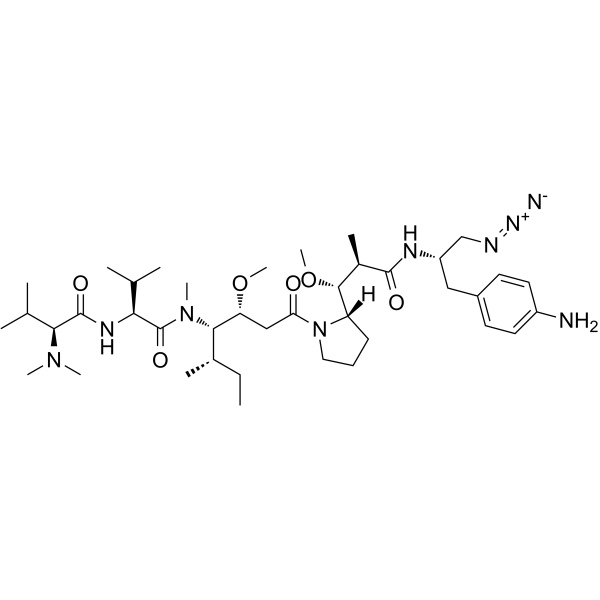
Duostatin 5 is a ADC Cytotoxin designed based on MMAF (HY-15579) and can be used to synthesize ADCs. The preparation of Duostatin 5 has the advantages of fewer synthetic steps, simple operation, less difficulty in quality control, and more stable chemical synthesis process. Duostatin 5 can be linked to the antibody targeting 5T4 (ZV05) by cross-linking with interchain cysteines through a disubstituted C-Lock linker. Duostatin 5 is a click chemistry reagent. It contains an azide group and can undergo copper-catalyzed azide-alkyne cycloaddition (CuAAc) with molecules containing alkyne groups. It can also undergo ring strain-driven alkyne-azide cycloaddition (SPAAC) with molecules containing DBCO or BCN groups[1][2].
|
-
- HY-155882
-
|
mPEG750-NH2
|
Biochemical Assay Reagents
|
Cancer
|
|
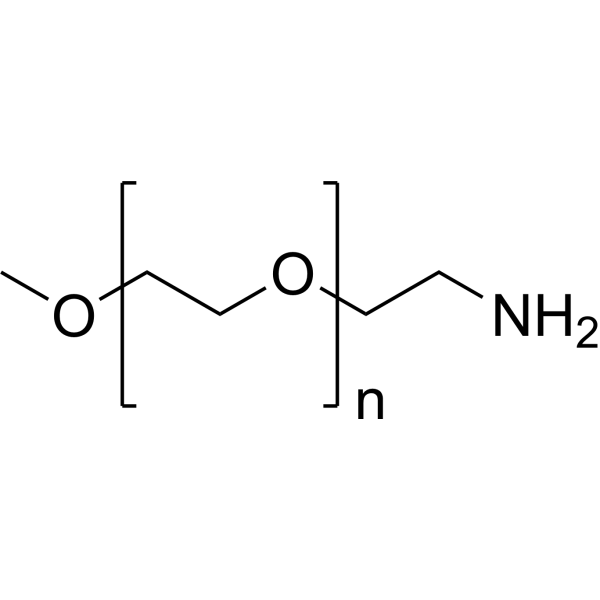
mPEG750-amine (mPEG750-NH2) is a chemical modification reagent for nanoparticles, capable of covalently binding to Ad-PVA to form Ad-PVA-PEG polymers. mPEG750-amine stabilizes gene delivery complexes by providing steric hindrance, reducing particle aggregation, while enhancing the water solubility and serum stability of the complex, reducing carrier cytotoxicity, and assisting in the efficient condensation of pDNA by cationic components to form nanoparticles that can be endocytosed by cells. mPEG750-amine can also be used to synthesize folate-conjugated polymer micelles for encapsulating the anticancer agent Camptothecin (HY-16560). Folate-conjugated polymer micelles are effective carriers for poorly soluble anticancer drugs, capable of avoiding macrophages and acting through folate receptor (FR)-mediated endocytosis to target tumor cells. mPEG750-amine can be applied to research in the field of non-viral gene delivery, as a component of gene delivery vectors, facilitating the safe and efficient delivery of nucleic acid drugs to target cells .
|
-
- HY-164899
-
|
2-aminopyridine-3-carboxylic acid imidazolide
|
Transmembrane Glycoprotein
|
Cancer
|
|
2A3 (2-aminopyridine-3-carboxylic acid imidazolide) is a T cell activator that specifically binds to CEACAM6 and CEACAM5. 2A3 exhibits enzymatic activity that catalyzes the glucuronidation of specific substrates (e.g., 1-naphthol), and possesses significant cytotoxic activity. When integrated into CAR T cells or used alone, 2A3 acts by inducing cytokine release, degranulation, and direct cytotoxicity. 2A3 kills pancreatic and breast cancer cells with high target antigen expression in vitro, and significantly inhibits the growth of pancreatic cancer xenografts in vivo. 2A3 broadly targets malignant tumors with overexpressed CEACAM5, CEACAM6, or co-expressed both, and shows high expression mainly in tissues such as the liver and colon. 2A3 serves as an important research tool for the immunotherapy of pancreatic and breast cancer . 2A3 is a novel SHAPE reagent, which can be used for the analysis of RNA structure both in vitro and in vivo . 2A3 is an electrophilic chemical probe that acylates the 2'-OH in the RNA backbone. 2A3 can be used for RNA SHAPE-MaP experiments and is capable of analyzing the RNA secondary structures at single nucleotide resolution.
|
-

-
-
HY-L063
-
|
|
281 compounds
|
|
Chemical probes are simply reagents with high potency, selectivity and cell-permeability which play important roles in both fundamental and applied biological research. In their most common application, chemical probes can establish the tractability of a specific target. They are used to interrogate the relationship between a target and its phenotype (biological tractability) as well as an ability to modulate that phenotype using a small molecule. Otherwise, chemical probes also have had a major impact in enabling and accelerating discoveries along the path to pioneer medicines. They have helped to improve the understanding of targets and pathways and have created opportunities for proprietary drug discovery efforts to an extent that would not have been possible otherwise.
MCE provides a unique collection of 281 chemical probes with high potency (at least 100 nM potency), selectivity (at least 10-fold selectivity against any other target) and cell-permeability (at least 10 μM potency). MCE Chemical probe library is a useful tool for target identification and mechanism research.
|
-
-
HY-L022M
-
|
|
3,220 compounds
|
|
New drug development is a time-consuming and high-cost process. Drug repurposing (also called drug repositioning, reprofiling or re‑tasking) offers various advantages over developing an entirely new drug for a given indication. First, the risk of failure is lower. Second, the time frame for drug development can be reduced. Third, less investment is needed. Approved drugs have identified bioactivities, good pharmacokinetic characteristics and safety which are suitable for drug repurposing.
MCE owns a unique collection of 3,220 approved compounds which have been completed extensive preclinical and clinical studies and have well-characterized bioactivities, safety and bioavailability properties. The package of this library is 96-well microplate with peelable foil seal, which makes the screening process easier and faster.
|
| Cat. No. |
Product Name |
Type |
-
- HY-109116
-
|
Leukomethylene blue
|
Fluorescent Dyes
|
|
Hydromethylthionine (Leukomethylene blue) has a very active photochemically active reagent, especially in its interaction with dissolved oxygen. The photochemical activity of Hydromethylthionine is mainly regulated by the reaction of its triplet state with dissolved oxygen, which reacts with dissolved oxygen to form Methylene Blue (HY-14536) and hydronium ions under ultraviolet light. Hydromethylthionine can be used for the photodegradation of model pollutants in semiconductor photocatalysis and for the study of indicators in chemical analysis .
|
-
- HY-W591393
-
|
|
Fluorescent Dyes
|
|
Biotin Azide Plus is an oxazolidine reagent that integrates azide-biotin click chemistry and a photocleavable linker arm. Biotin Azide Plus not only reacts with biotin thioether to form stable sulfinimide products, but also enables bioconjugation of proteins and DNA through biotin redox-activated chemical labeling technology. Taking advantage of the streptavidin capture and photo-release properties, Biotin Azide Plus effectively facilitates the isolation of lipid-derived electrophile-protein adducts, thus finding wide application in scientific research related to fields such as SKBR3 cancer .
|
-
- HY-135639
-
|
|
Fluorescent Dyes
|
|
Alkyne-probe 1 is usually used as a Alkyne-labeled chemical or fluorescent probe. Alkyne-probe 1 is a click chemistry reagent, it contains an Alkyne group and can undergo copper-catalyzed azide-alkyne cycloaddition (CuAAc) with molecules containing Azide groups.
|
-
- HY-135636
-
|
|
Fluorescent Dyes
|
|
Ponatinib Acid, an analogue of Ponatinib, is usually used as a labeled chemical or fluorescent probe. Ponatinib Acid is a click chemistry reagent, it contains an Alkyne group and can undergo copper-catalyzed azide-alkyne cycloaddition (CuAAc) with molecules containing Azide groups.
|
| Cat. No. |
Product Name |
Type |
-
- HY-15915
-
DTNB
Maximum Cited Publications
14 Publications Verification
Ellman’s reagent
|
Biochemical Assay Reagents
|
|
DTNB (Ellman’s Reagent) is a chemical used to quantify the number or concentration of thiol groups .
|
-
- HY-D0227F
-
|
Tris HCl (≥99%, reagent grade); Tris hydrochloride (≥99%, reagent grade)
|
Biochemical Assay Reagents
|
|
THAM hydrochloride (≥99%, reagent grade), also known as Tris-HCl, is a buffer commonly used in various biochemical and molecular biology applications to maintain a stable pH environment. Tris-HCl has unique chemical properties that allow it to resist changes in pH when acidic or basic substances are added, which makes it useful for stabilizing biological samples or reagents. It is commonly used in electrophoresis and protein purification procedures.
|
-
- HY-W004563
-
|
|
Biochemical Assay Reagents
|
|
Neocuproine is an organic compound commonly used as a complexing reagent and copper ion detector. It can form stable complexes with copper ions, and can play a catalytic role in certain chemical reactions and analytical methods. In addition, this compound is also widely used in some biomedical fields, such as in the study of copper metabolism disorders and neurodegenerative diseases
|
-
- HY-Y1332
-
|
L-Tartaric acid potassium sodium salt tetrahydrate; Potassium sodium tartrate tetrahydrate; Sodium potassium tartrate tetrahydrate
|
Biochemical Assay Reagents
|
|
Rochelle salt is an organic-inorganic compound commonly used as a catalyst and complexing reagent. It can be used to catalyze or promote certain chemical reactions, and is widely used in batteries, pharmaceuticals and food industries. In addition, this compound is also used as a substrate or intermediate in some biochemical reactions.
|
-
- HY-Y0971
-
|
TBAF
|
Biochemical Assay Reagents
|
|
Tetrabutylammonium fluoride is an organic compound containing both ammonium and fluorine functional groups. It is commonly used as a reagent in various chemical synthesis applications, especially as a source of fluoride ions for nucleophilic reactions. Tetrabutylammonium fluoride has several properties that make it suitable for these applications, including its high solubility in polar solvents and its ability to selectively activate certain chemical bonds. In addition, it can be used as a catalyst for organic reactions and as an electrolyte for batteries.
|
-
- HY-155882
-
|
mPEG750-NH2
|
Biochemical Assay Reagents
|
|
mPEG750-amine (mPEG750-NH2) is a chemical modification reagent for nanoparticles, capable of covalently binding to Ad-PVA to form Ad-PVA-PEG polymers. mPEG750-amine stabilizes gene delivery complexes by providing steric hindrance, reducing particle aggregation, while enhancing the water solubility and serum stability of the complex, reducing carrier cytotoxicity, and assisting in the efficient condensation of pDNA by cationic components to form nanoparticles that can be endocytosed by cells. mPEG750-amine can also be used to synthesize folate-conjugated polymer micelles for encapsulating the anticancer agent Camptothecin (HY-16560). Folate-conjugated polymer micelles are effective carriers for poorly soluble anticancer drugs, capable of avoiding macrophages and acting through folate receptor (FR)-mediated endocytosis to target tumor cells. mPEG750-amine can be applied to research in the field of non-viral gene delivery, as a component of gene delivery vectors, facilitating the safe and efficient delivery of nucleic acid drugs to target cells .
|
-
- HY-Y1045
-
|
TBAHS-MB
|
Biochemical Assay Reagents
|
|
Tetrabutylammonium hydrosulfate is a quaternary ammonium salt that is commonly used as a phase transfer catalyst, acid catalyst and reagent in various chemical reactions, especially in organic synthesis. Tetrabutylammonium hydrosulfate has unique chemical properties that allow it to facilitate the transfer of ions or molecules from one phase to another, making it an important ingredient in a variety of industrial processes.
|
-
- HY-34717
-
|
Tetra-n-butylammonium tetrafluoroborate
|
Biochemical Assay Reagents
|
|
Tetrabutylammonium tetrafluoroborate is an inorganic salt commonly used in organic synthesis reactions and electrochemical applications. It is usually used as a catalyst or reagent, and is widely used in the field of organic synthesis, such as fluorination reaction, olefin addition and cyclization reaction, etc. In addition, it can also be used in electrochemical deposition and electroplating, and plays an important role in some electronic devices. Although it has no direct application in the medical field, it plays an important role in chemical research and industrial production.
|
-
- HY-Y0699
-
|
|
Biochemical Assay Reagents
|
|
Methyl red is a pH-sensitive acid-base indicator and colorimetric reagent with a pKa of 5.1. Methyl red achieves visual judgment of the titration endpoint through reversible structural changes of protonation (red, pH <4.4) and deprotonation (yellow, pH >6.2). Methyl red is widely used in acid-base titration in chemical analysis and buffer pH monitoring in biochemistry .
|
-
- HY-W015936
-
|
trans-Hex-2-en-1-ol
|
Biochemical Assay Reagents
|
|
(E)-Hex-2-en-1-ol belongs to the class of unsaturated alcohols consisting of a six-carbon chain with a double bond between carbon atoms 2 and 3 and a hydroxyl group attached to carbon atom 1. The compound has a grassy or herbaceous smell and is commonly used as a flavoring in foods such as baked goods, candy and beverages. It can also be used as a fragrance ingredient in personal care products and as a starting material for the synthesis of other organic compounds. Furthermore, (E)-hex-2-en-1-ol can be used as a solvent or reagent in various chemical reactions.
|
-
- HY-32951
-
|
|
Biochemical Assay Reagents
|
|
2-Fluoropyridine-4-boronic acid is a coupling reagent and chemical intermediate. 2-Fluoropyridine-4-boronic acid facilitates the synthesis of Rho kinase (ROCK) inhibitor Compound 37 .
|
-
- HY-W012184
-
|
|
Biochemical Assay Reagents
|
|
CDAP is an organic cyanylating reagent that can be used for preparation of solid phase affinity reagents, modification of protein thiols and nucleotide delivery. CDAP also activates polysaccharides with a variety of chemical properties. CDAP can be used to prepare conjugate vaccines and other immune reagents .
|
-
- HY-W014408
-
|
TEA bromide
|
Biochemical Assay Reagents
|
|
Tetraethylammonium bromide is a quaternary ammonium salt consisting of a positively charged tetraethylammonium cation and a negatively charged bromide anion. This compound is commonly used as a phase transfer catalyst in organic chemical reactions, facilitating the transfer of reactants between immiscible phases. It can also be used as a reagent for the synthesis of various organic compounds, an electrolyte in electrochemical experiments, and a source of tetraethylammonium ions in biochemical and pharmacological research.
|
-
- HY-W014106
-
|
N,N,N-Triethylethanaminium tetrafluoroborate
|
Biochemical Assay Reagents
|
|
Tetraethylammonium tetrafluoroborate is a quaternary ammonium salt consisting of a positively charged tetraethylammonium cation and a negatively charged tetrafluoroborate anion. This compound is commonly used as a phase transfer catalyst in organic chemical reactions, facilitating the transfer of reactants between immiscible phases. It can also be used as a reagent for the synthesis of various organic compounds, an electrolyte in electrochemical experiments, and a source of tetraethylammonium ions in biochemical and pharmacological research.
|
-
- HY-59303
-
|
|
Biochemical Assay Reagents
|
|
1H-Imidazole-5-carboxaldehyde can be used as a chemical reagent in organic synthesis reactions. 1H-Imidazole-5-carboxaldehyde can be used to prepare other imidazole compounds, such as imidazole pyrimidine and imidazolone. 1H-Imidazole-5-carboxaldehyde can also be used as biochemical dyes and fluorescent probes.
|
-
- HY-W010394
-
|
|
Biochemical Assay Reagents
|
|
Methyl 3-oxopentanoate, which is also known as diethyl acetylmalonate or MEAM, Methyl 3-oxopentanoate is commonly used as a building block for the synthesis of various organic compounds, including pharmaceuticals, agrochemicals, and flavorings, and it can also Used as a reagent in organic chemical reactions, especially the formation of carbon-carbon bonds through malonate synthesis, the researchers also investigated the potential use of Methyl 3-oxopentanoate in the development of chiral auxiliaries that can aid in the selection of Controlling the stereochemistry of chemical reactions.
|
-
- HY-W012450
-
|
Phenyltrimethylammonium bromide
|
Biochemical Assay Reagents
|
|
Trimethylphenylammonium bromide is a quaternary ammonium salt consisting of a positively charged N,N,N-trimethylanilinium cation and a negatively charged bromide anion. This compound is commonly used as a phase transfer catalyst in organic chemical reactions, facilitating the transfer of reactants between immiscible phases. It can also be used as a reagent in the synthesis of various organic compounds and in some applications as a surfactant or corrosion inhibitor.
|
-
- HY-W111461
-
|
|
Biochemical Assay Reagents
|
|
Tetrabutylammonium thiocyanateIt is a quaternary ammonium salt and belongs to the category of alkyl ammonium salts. This compound is widely used as a reagent in organic chemistry, especially for the synthesis of various organic compounds, including pharmaceuticals and agrochemicals. also, Tetrabutylammonium thiocyanateIt can also be used as an electrolyte in electrochemical devices and as a phase transfer catalyst in organic synthesis. Its unique chemical properties make it an important ingredient in a variety of industrial processes, including petrochemical refining and materials science.
|
-
- HY-W004547
-
|
4,4'-Diamino-2,2'-bipyridine
|
Biochemical Assay Reagents
|
|
(NH2)2bpy (4,4'-Diamino-2,2'-bipyridine) is an organic compound commonly used as a catalyst and complexing reagent. It can form complexes with other metal ions or organic molecules, and can play a catalytic role in some organic synthesis reactions. In addition, this compound is also widely used in some chemical analysis and detection methods, such as in biological analysis and electrochemical analysis
|
-
- HY-W588717
-
|
|
Biochemical Assay Reagents
|
|
DBCO-Tetraacetyl mannosamine is an organic compound commonly used for chemical alteration and modification in biological research. It can be used to modify glycoproteins, cell surface molecules, and other biomolecules, and is widely used in biomarking and purification techniques. In addition, this compound is used as a carrier for drugs in certain drug controlled release systems. DBCO-Tetraacetyl mannosamine is a click chemistry reagent, it contains a DBCO group that can undergo strain-promoted alkyne-azide cycloaddition (SPAAC) with molecules containing Azide groups.
|
-
- HY-Y0319B3
-
|
|
Biochemical Assay Reagents
|
|
Potassium acetate meets analytical specification of Ph. Eur. BP E261, and can be used as food additives, medicine and cosmetics raw materials .
|
-
- HY-W005176
-
|
Methyl Butyrylacetate; Methyl 3-oxohexanoate
|
Biochemical Assay Reagents
|
|
Methyl 3-oxohexanoate (Methyl Butyrylacetate) is an organic compound commonly used in the manufacture of fragrances, drugs, and other chemicals. It can be used as a condensation reagent, a diazotization reagent and an addition reagent, and it plays a catalytic role in some organic synthesis reactions, and can also play a role in some drug synthesis. In addition, the compound is widely used in the food industry, for example in products such as juices, beer and confectionery.
|
-
- HY-21626
-
|
p-Tolylboronic acid
|
Biochemical Assay Reagents
|
|
4-Tolylboronic acid is an organoboron compound with important chemical applications. It can be used as an important intermediate in organic synthesis for the synthesis of organic compounds such as drugs, pesticides, and cosmetics, as well as for the research of coordination chemistry and material science. Due to its high chemical reactivity, 4-Tolylboronic acid has become a widely used reagent in organic synthesis.
|
-
- HY-W111436
-
|
N,N,N-tributylbutan-1-aminium tetraphenylborate(1-)
|
Biochemical Assay Reagents
|
|
Tetrabutylammonium tetraphenylborate is a quaternary ammonium salt belonging to the class of alkylammonium salts. This compound is commonly used as an ion-pairing reagent in chromatography and analytical chemistry, facilitating the separation and identification of various organic compounds. Its unique chemical properties make it an important ingredient in a variety of scientific applications, including pharmaceuticals, agrochemicals, and materials science products.
|
-
- HY-W013231
-
|
Benzyltriethylammonium iodide
|
Biochemical Assay Reagents
|
|
N-Benzyl-N,N-diethylethanaminium iodide is a quaternary ammonium salt consisting of a positively charged N-benzyl-N,N-diethylethylamine cation and a negatively charged iodide anion. This compound is commonly used as a phase transfer catalyst in organic chemical reactions, facilitating the transfer of reactants between immiscible phases. It can also be used as a reagent for the synthesis of various organic compounds, and as a surfactant or emulsifier in industrial and personal care products.
|
-
- HY-15905
-
|
N-Ethyl-N-sulfopropylaniline sodium salt
|
Biochemical Assay Reagents
|
|
ALPS(N-Ethyl-N-sulfopropylaniline sodium salt) is a bio-chemical reagents/chromogenic reagent.
|
-
- HY-W127344
-
|
|
Biochemical Assay Reagents
|
|
Oleoyl chloride A pungent-smelling liquid commonly used as a reagent in organic synthesis, especially for the production of a variety of organic compounds, including pharmaceuticals and agrochemicals. In addition, it can also be used as a cross-linking agent or surfactant in polymer chemistry. Its unique chemical properties make it an important ingredient in a variety of industrial processes, including petrochemical refining and materials science.
|
-
- HY-W099790
-
|
1-Butyl-1-methylpiperidinium Bromide
|
Biochemical Assay Reagents
|
|
N-butyl-N-methyl-piperidinium bromide is a quaternary ammonium compound belonging to the class of piperidinium salts. N-butyl-N-methyl-piperidinium bromide is commonly used as a phase transfer catalyst in organic synthesis to transfer reactants between immiscible phases. It can also be used as a surfactant, corrosion inhibitor and antibacterial agent. Its unique chemical properties make it an important reagent in many different industries, including pharmaceuticals, agrochemicals, and materials science.
|
-
- HY-W105639A
-
|
Calcium lactate pentahydrate, meets USP testing specifications
|
Biochemical Assay Reagents
|
|
Calcium L-lactate pentahydrate, meets USP testing specifications (Calcium lactate pentahydrate, meets USP testing specifications) is a biochemical reagent and serves as one of the important sources of calcium. Compared to other organic calcium salts, Calcium L-lactate pentahydrate, meets USP testing specifications exhibits excellent solubility and bioavailability. Calcium L-lactate pentahydrate, meets USP testing specifications possesses remarkable moisture resistance, thermal stability, and chemical stability and can be used in medical implants and drug delivery systems .
|
-
- HY-W540926
-
|
Biacetyl dioxime sodium hydrate
|
Biochemical Assay Reagents
|
|
Dimethylglyoxime (sodium hydrate) (Biacetyl dioxime (sodium hydrate)) is a biochemical reagent used for biochemical analysis and as a basic chemical raw material. Dimethylglyoxime (sodium hydrate) is a kind of biological materials or organic compounds that are widely used in life science research .
|
-
- HY-157918
-
|
20-(16-Mercaptohexadecanyloxy)-3,6,9,12,15,18-hexaoxaeicosanoic acid
|
Biochemical Assay Reagents
|
|
Carboxy-EG6-hexadecanethiol is a biochemical assay reagent and can be used for chemical synthesis .
|
-
- HY-W048546
-
|
Methyl-(2,3,4-tri-O-acetyl-a-D-glucopyranosyl)uronate
|
Biochemical Assay Reagents
|
|
2,3,4-Tri-O-acetyl-α-D-glucuronic acid methyl ester is a Biochemical Assay Reagent, and can be used for chemical synthesis .
|
-
- HY-W127692
-
|
Tetra-n-butylammonium salicylate
|
Biochemical Assay Reagents
|
|
Tetrabutylammonium salicylate is an organic-inorganic compound commonly used as a catalyst and chemical reagent. It can be used to catalyze or promote certain chemical reactions, and is widely used in medicine, cosmetics and surfactants. In addition, this compound is also used as a substrate or intermediate in some biochemical reactions.
|
-
- HY-W036734
-
|
|
Biochemical Assay Reagents
|
|
Tetrabutylammonium (hydrogen difluoride) is a quaternary ammonium salt containing fluoride ions. It is a highly active and effective reagent, often used in organic synthesis reactions, especially for the modification of organic molecules with fluorine atoms. Tetrabutylammonium (hydrogen difluoride) is also used as a catalyst for various chemical reactions such as esterification and transesterification. Additionally, it is used in the production of specialty chemicals such as surfactants and detergents.
|
-
- HY-157924
-
|
Bis[(benzo-15-crowN-5)-4-methyl]pimelate
|
Biochemical Assay Reagents
|
|
Bis(benzo-15-crown-5) (Bis[(benzo-15-crowN-5)-4-methyl]pimelate) is a biochemical assay reagent, and can be used for chemical synthesis .
|
-
- HY-W112005
-
|
|
Biochemical Assay Reagents
|
|
Benzyltrimethylammonium tetrachloroiodate is a quaternary ammonium salt belonging to the class of alkylammonium salts. The compound is used as a reagent in organic synthesis, especially in the oxidation of alkenes and alcohols. Its unique chemical properties make it an important ingredient in a variety of industrial processes, including pharmaceuticals and agrochemicals.
|
-
- HY-W344380
-
|
|
Biochemical Assay Reagents
|
|
Tetrahydro-2,5-dioxo-3-furansulfonic acid, sodium is a chemical reagent with excellent water determination activity. Tetrahydro-2,5-dioxo-3-furansulfonic acid, sodium is widely used as a titrant in Karl Fischer titration to determine the water content in various samples. Tetrahydro-2,5-dioxo-3-furansulfonic acid, sodium has important application value in chemical analysis.
|
-
- HY-Y1332R
-
|
L-Tartaric acid potassium sodium salt tetrahydrate (Standard); Potassium sodium tartrate tetrahydrate (Standard); Sodium potassium tartrate tetrahydrate (Standard)
|
Biochemical Assay Reagents
|
|
Rochelle salt (Standard) is the analytical standard of Rochelle salt. This product is intended for research and analytical applications. Rochelle salt is an organic-inorganic compound commonly used as a catalyst and complexing reagent. It can be used to catalyze or promote certain chemical reactions, and is widely used in batteries, pharmaceuticals and food industries. In addition, this compound is also used as a substrate or intermediate in some biochemical reactions.
|
-
- HY-W099929
-
|
|
Biochemical Assay Reagents
|
|
N-Ethyl-N,N-dipropylpropan-1-aminium iodide is a quaternary ammonium compound belonging to the class of alkylammonium salts. N-Ethyl-N,N-dipropylpropan-1-aminium (iodide) is commonly used as a phase transfer catalyst in organic synthesis to transfer reactants between immiscible phases. It can also be used as a surfactant, antimicrobial or corrosion inhibitor. Its unique chemical properties make it an essential reagent in many different industrial applications, including pharmaceuticals, agrochemicals, and materials science.
|
| Cat. No. |
Product Name |
Target |
Research Area |
-
- HY-W048205
-
|
|
Amino Acid Derivatives
|
Others
|
|
N6-Diazo-L-Fmoc-lysine is an active compand and can be used in a variety of chemical studies. N6-Diazo-L-Fmoc-lysine is a click chemistry reagent, it contains an Azide group and can undergo copper-catalyzed azide-alkyne cycloaddition reaction (CuAAc) with molecules containing Alkyne groups. It can also undergo strain-promoted alkyne-azide cycloaddition (SPAAC) reactions with molecules containing DBCO or BCN groups.
|
-
- HY-P10943
-
|
|
Fluorescent Dye
|
Inflammation/Immunology
Cancer
|
|
APO-15 is a phosphatidylserine-binding fluorescent probe and apoptosis imaging reagent. APO-15 exhibits high chemical stability under proteolytic and oxidative conditions, enables quantification and imaging of drug-induced apoptosis in preclinical mouse models, and is applicable to fixed tissue samples and multiple in vivo administration routes (Ex = 488 nm; Em = 525 nm). APO-15 can be used in studies related to acute lung injury and breast cancer .
|
-
- HY-K0225
-
2 Publications Verification
|
|
MCE Carboxyl Magnetic beads (200 nm, 10 mg/mL) are characterized by superparamagnetism, fast magnetic response, abundant carboxyl functional groups, monodispersity, and submicron scale particle size. Biological ligands (proteins, peptides, oligonucleotides, drug molecules, etc.) can be covalently coupled to the surface of microspheres under the action of special chemical reagents (such as EDC).
|
| Cat. No. |
Product Name |
Category |
Target |
Chemical Structure |
-
- HY-Y1298
-
-
-
- HY-Y0121
-
-
-
- HY-W015936
-
|
trans-Hex-2-en-1-ol
|
Source Classification
|
Environmental Pollutants
Biochemical Assay Reagents
|
|
(E)-Hex-2-en-1-ol belongs to the class of unsaturated alcohols consisting of a six-carbon chain with a double bond between carbon atoms 2 and 3 and a hydroxyl group attached to carbon atom 1. The compound has a grassy or herbaceous smell and is commonly used as a flavoring in foods such as baked goods, candy and beverages. It can also be used as a fragrance ingredient in personal care products and as a starting material for the synthesis of other organic compounds. Furthermore, (E)-hex-2-en-1-ol can be used as a solvent or reagent in various chemical reactions.
|
-
-
- HY-Y0121R
-
|
|
Structural Classification
Kaempferia galanga L.
Microorganisms
Other Phenylpropanoids
Phenylpropanoids
Plants
Source Classification
Zingiberaceae
|
Reference Standards
Parasite
VEGFR
Apoptosis
|
|
Ethyl cinnamate (Standard) is the analytical standard of Ethyl cinnamate. This product is intended for research and analytical applications. Ethyl cinnamate, an orally active chemical constituent of the rhizome of Kaempferia galanga, exhibits anti-cancer, nematocidal, sedative and vasorelaxant activities. Ethyl cinnamate is a fragrance ingredient used as a food flavor and additive for cosmetic products. Ethyl cinnamate is also an excellent clearing reagent for mammalian tissues. Ethyl cinnamate suppresses tumor growth through anti-angiogenesis by attenuating VEGFR2 signal pathway in colorectal cancer. Ethyl cinnamate inhibits the tonic contractions induced by high K+ and phenylephrine (PE) with respective IC50 values of 0.30 mM and 0.38 mM in rat aorta .
|
-
| Cat. No. |
Product Name |
Chemical Structure |
-
- HY-W724370
-
|
|
|
Tetraethylammonium bromide-d20 (TEA bromide-d20) is the deuterium labeled Tetraethylammonium bromide (HY-W014408). Tetraethylammonium bromide is a quaternary ammonium salt consisting of a positively charged tetraethylammonium cation and a negatively charged bromide anion. This compound is commonly used as a phase transfer catalyst in organic chemical reactions, facilitating the transfer of reactants between immiscible phases. It can also be used as a reagent for the synthesis of various organic compounds, an electrolyte in electrochemical experiments, and a source of tetraethylammonium ions in biochemical and pharmacological research.
|
-
-
- HY-Y0121S1
-
|
|
|
Ethyl cinnamate-d7 is deuterated labeled Ethyl cinnamate (HY-Y0121). Ethyl cinnamate, an orally active chemical constituent of the rhizome of Kaempferia galanga, exhibits anti-cancer, nematocidal, sedative and vasorelaxant activities. Ethyl cinnamate is a fragrance ingredient used as a food flavor and additive for cosmetic products. Ethyl cinnamate is also an excellent clearing reagent for mammalian tissues. Ethyl cinnamate suppresses tumor growth through anti-angiogenesis by attenuating VEGFR2 signal pathway in colorectal cancer. Ethyl cinnamate inhibits the tonic contractions induced by high K+ and phenylephrine (PE) with respective IC50 values of 0.30 mM and 0.38 mM in rat aorta .
|
-
| Cat. No. |
Product Name |
|
Classification |
-
- HY-W048205
-
|
|
|
Azide
|
|
N6-Diazo-L-Fmoc-lysine is an active compand and can be used in a variety of chemical studies. N6-Diazo-L-Fmoc-lysine is a click chemistry reagent, it contains an Azide group and can undergo copper-catalyzed azide-alkyne cycloaddition reaction (CuAAc) with molecules containing Alkyne groups. It can also undergo strain-promoted alkyne-azide cycloaddition (SPAAC) reactions with molecules containing DBCO or BCN groups.
|
-
- HY-145149
-
|
|
|
Azide
ADC Synthesis
|
|
Duostatin 5 is a ADC Cytotoxin designed based on MMAF (HY-15579) and can be used to synthesize ADCs. The preparation of Duostatin 5 has the advantages of fewer synthetic steps, simple operation, less difficulty in quality control, and more stable chemical synthesis process. Duostatin 5 can be linked to the antibody targeting 5T4 (ZV05) by cross-linking with interchain cysteines through a disubstituted C-Lock linker. Duostatin 5 is a click chemistry reagent. It contains an azide group and can undergo copper-catalyzed azide-alkyne cycloaddition (CuAAc) with molecules containing alkyne groups. It can also undergo ring strain-driven alkyne-azide cycloaddition (SPAAC) with molecules containing DBCO or BCN groups[1][2].
|
-
- HY-170528
-
|
|
|
DBCO
|
|
DBCO-PEG3-NHS is a biochemical assay reagent, that can be used to chemically modify proteins and antibodies with an alkynyl (DBCO) or N-hydroxysuccinimide (NHS) ester group. DBCO-PEG3-NHS can be used as a linker in PROTAC synthesis or for drug delivery and the development of biosensors and diagnostic reagents .
|
-
- HY-145016
-
|
|
|
Alkynes
|
|
HN37 as a potent and chemically stable antiepileptic agent candidate, with an EC50 of 37 nM for KCNQ2 . HN37 is a click chemistry reagent, it contains an Alkyne group and can undergo copper-catalyzed azide-alkyne cycloaddition (CuAAc) with molecules containing Azide groups.
|
-
- HY-148254
-
|
|
|
Azide
|
|
8RK64, a chemical probe, is a covalent UCHL1 inhibitor (IC50: 0.32 μM) . 8RK64 is a click chemistry reagent, it contains an Azide group and can undergo copper-catalyzed azide-alkyne cycloaddition reaction (CuAAc) with molecules containing Alkyne groups. It can also undergo strain-promoted alkyne-azide cycloaddition (SPAAC) reactions with molecules containing DBCO or BCN groups.
|
-
- HY-113803
-
|
4-HNE alkyne
|
|
Alkynes
|
|
4-Hydroxynonenal alkyne (4-HNE alkyne) is a click chemical reagent containing alkynes. 4-Hydroxynonenal alkyne induces heme oxygenase and cell apoptosis in colon cancer (RKO) cells .
|
-
- HY-W588717
-
|
|
|
DBCO
|
|
DBCO-Tetraacetyl mannosamine is an organic compound commonly used for chemical alteration and modification in biological research. It can be used to modify glycoproteins, cell surface molecules, and other biomolecules, and is widely used in biomarking and purification techniques. In addition, this compound is used as a carrier for drugs in certain drug controlled release systems. DBCO-Tetraacetyl mannosamine is a click chemistry reagent, it contains a DBCO group that can undergo strain-promoted alkyne-azide cycloaddition (SPAAC) with molecules containing Azide groups.
|
-
- HY-151823
-
|
|
|
Azide
|
|
8-Azido-octanoyl-OSu is a click chemistry reagent containing an azide group. Used as a building block to introduce 8-azidooctanoic acid (CAS 217180-76-2) fragment. This fragment is used for further modifications using Click-chemistry (CuAAC), as a protected aminogroup or is used in physico-chemical investigations . It contains an azide group and can undergo copper-catalyzed azide-alkyne cycloaddition (CuAAc) with molecules containing alkyne groups. It can also undergo ring strain-promoted alkyne-azide cycloaddition (SPAAC) with molecules containing DBCO or BCN groups.
|
-
- HY-151745
-
|
|
|
Azide
|
|
N3-TOTA-Suc is a click chemistry reagent containing an azide group. Click chemistry is a powerful chemical reaction with excellent bioorthogonality features: biocompatible, rapid and highly specific in biological environments . N3-TOTA-Suc is a click chemistry reagent, it contains an Azide group and can undergo copper-catalyzed azide-alkyne cycloaddition reaction (CuAAc) with molecules containing Alkyne groups. It can also undergo strain-promoted alkyne-azide cycloaddition (SPAAC) reactions with molecules containing DBCO or BCN groups.
|
-
- HY-151749
-
|
|
|
Azide
|
|
N3-D-Lys(Fmoc)-OH is a click chemistry reagent containing an azide group. Click chemistry is a powerful chemical reaction with excellent bioorthogonality features: biocompatible, rapid and highly specific in biological environments . N3-D-Lys(Fmoc)-OH is a click chemistry reagent, it contains an Azide group and can undergo copper-catalyzed azide-alkyne cycloaddition reaction (CuAAc) with molecules containing Alkyne groups. It can also undergo strain-promoted alkyne-azide cycloaddition (SPAAC) reactions with molecules containing DBCO or BCN groups.
|
-
- HY-151736
-
|
|
|
Azide
|
|
N3-L-Dap(Boc)-OH is a click chemistry reagent containing an azide group. Click chemistry is a powerful chemical reaction with excellent bioorthogonality features: biocompatible, rapid and highly specific in biological environments . N3-L-Dap(Boc)-OH is a click chemistry reagent, it contains an Azide group and can undergo copper-catalyzed azide-alkyne cycloaddition reaction (CuAAc) with molecules containing Alkyne groups. It can also undergo strain-promoted alkyne-azide cycloaddition (SPAAC) reactions with molecules containing DBCO or BCN groups.
|
-
- HY-176846
-
|
|
|
Alkynes
|
|
HIPS probe-1 (Compound 1) is a click chemistry reagent containing a alkyne group. HIPS probe-1 can undergo copper-catalyzed azide-alkyne cycloaddition (CuAAc) with molecules containing Azide groups. HIPS probe-1 can be used as a chemical probe to specifically recognize and label aldehyde functional groups in DNA, especially abasic sites (AP sites) for DNA damage research .
|
-
- HY-135639
-
|
|
|
Labeling and Fluorescence Imaging
Alkynes
|
|
Alkyne-probe 1 is usually used as a Alkyne-labeled chemical or fluorescent probe. Alkyne-probe 1 is a click chemistry reagent, it contains an Alkyne group and can undergo copper-catalyzed azide-alkyne cycloaddition (CuAAc) with molecules containing Azide groups.
|
| Cat. No. |
Product Name |
|
Classification |
-
- HY-Y0316
-
|
Sodium lauryl sulfate; Laurylsulfuric acid sodium salt
|
|
Emulsifiers
Surfactants
|
|
Sodium dodecyl sulfate is an anionic surfactant commonly used as a detergent, emulsifier, and protein denaturant in various industrial processes, especially in the production of personal care products, cleaners, and laboratory reagents. Sodium dodecyl sulfate has unique chemical properties that make it an effective ingredient in many applications, helping to reduce surface tension and enhance cleaning power.
|
-
- HY-Y0308
-
|
|
|
Chelating Agents
pH Modifiers
|
|
Disodium phosphate is commonly used as a food additive, buffer and laboratory reagent. Disodium phosphate has unique chemical properties that make it an important ingredient in the manufacture of fertilizers, detergents and water treatment products. Additionally, it is used in various medical applications such as osmotic laxatives and electrolyte replacement solutions.
|
-
- HY-155882
-
|
mPEG750-NH2
|
|
Polymers
|
|
mPEG750-amine (mPEG750-NH2) is a chemical modification reagent for nanoparticles, capable of covalently binding to Ad-PVA to form Ad-PVA-PEG polymers. mPEG750-amine stabilizes gene delivery complexes by providing steric hindrance, reducing particle aggregation, while enhancing the water solubility and serum stability of the complex, reducing carrier cytotoxicity, and assisting in the efficient condensation of pDNA by cationic components to form nanoparticles that can be endocytosed by cells. mPEG750-amine can also be used to synthesize folate-conjugated polymer micelles for encapsulating the anticancer agent Camptothecin (HY-16560). Folate-conjugated polymer micelles are effective carriers for poorly soluble anticancer drugs, capable of avoiding macrophages and acting through folate receptor (FR)-mediated endocytosis to target tumor cells. mPEG750-amine can be applied to research in the field of non-viral gene delivery, as a component of gene delivery vectors, facilitating the safe and efficient delivery of nucleic acid drugs to target cells .
|
-
- HY-W784557
-
|
|
|
Phosphoramidites
Other Phosphoramidite
|
|
O-DMT-2,2-di(ethoxycarbonyl)propan-1,3-diol is a chemical phosphorylation reagent used for the synthesis of 5'-phosphorylated oligonucleotides. It contains the chemical protective group DMT in its structure, which allows for purification through C18 columns or reversed-phase chromatography .
|
Your information is safe with us. * Required Fields.
Inquiry Information
- Product Name:
- Cat. No.:
- Quantity:
- MCE Japan Authorized Agent:








