Search Result
Results for "
Defensins
" in MedChemExpress (MCE) Product Catalog:
4
Isotope-Labeled Compounds
| Cat. No. |
Product Name |
Target |
Research Areas |
Chemical Structure |
-
- HY-P2310
-
|
|
Bacterial
Parasite
Apoptosis
HIV
HSV
CMV
TNF Receptor
NOD-like Receptor (NLR)
DNA/RNA Synthesis
Influenza Virus
|
Cardiovascular Disease
Infection
|
|
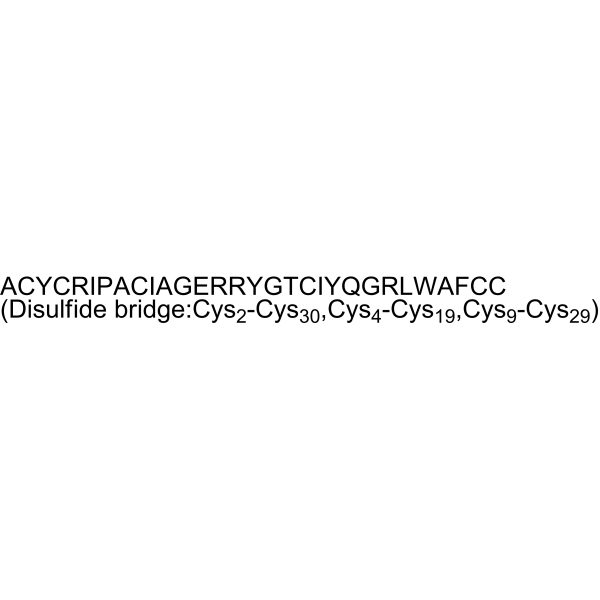
Defensin HNP-1 human is a type of human neutrophil peptide (HNPs). Defensin HNP-1 human possesses immunomodulatory functions and can delay the apoptosis of neutrophils. Defensin HNP-1 human inhibits DNA/RNA/protein synthesis and interferes with metabolic pathways, thus exhibiting broad antibacterial activity. Defensin HNP-1 human has direct inactivation effects on HIV, HSV-1, HSV-2, CMV, influenza virus, etc. Defensin HNP-1 human has antileishmanial activity. Defensin HNP-1 human is involved in endothelial cell dysfunction during the early development of atherosclerosis .
|
-
-
- HY-N7057
-
|
Pelargonic acid
|
Environmental Pollutants
Endogenous Metabolite
Bacterial
|
Infection
|
|
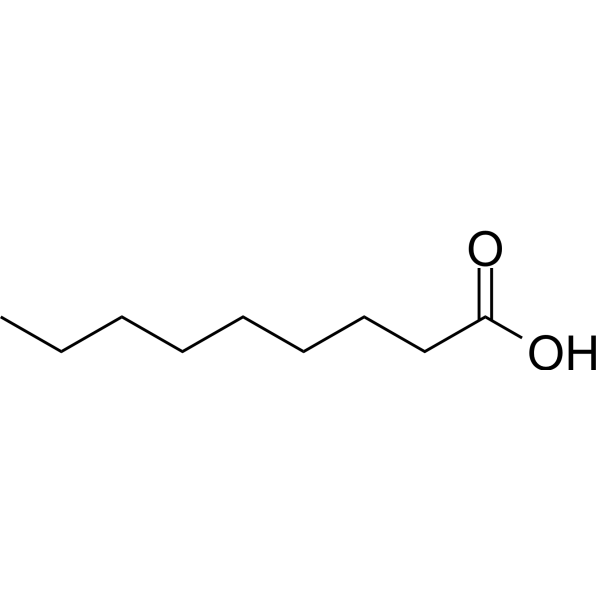
Nonanoic acid (Pelargonic acid) is a naturally-occurring saturated fatty acid with nine carbon atoms. Nonanoic acid significantly reduces bacterial translocation, enhances antibacterial activity, and remarkably increases the secretion of porcine β-defensins 1 (pBD-1) and pBD-2 .
|
-
-
- HY-19892A
-
|
PMX 30063 tetrahydrochloride
|
Bacterial
Antibiotic
|
Infection
Cancer
|
|
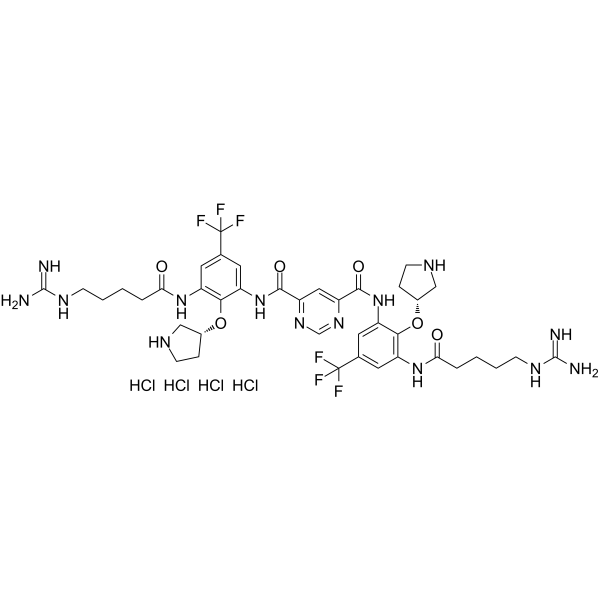
Brilacidin tetrahydrochloride (PMX 30063 tetrahydrochloride) is an anti-infective antimicrobial with MIC90s of 1 and 8 μg/mL for Gram-positive bacteria Streptococcus pneumonia and Streptococcus viridans, and MIC90 of 8 and 4 μg/mL for Gram-negative bacteria Haemophilus influenza and Pseudomonas aeruginosa. Brilacidin tetrahydrochloride is a defensin mimetic antibiotic compound .
|
-
-
- HY-P2310A
-
|
|
Bacterial
Parasite
Apoptosis
HIV
HSV
CMV
TNF Receptor
Interleukin Related
NOD-like Receptor (NLR)
DNA/RNA Synthesis
Influenza Virus
|
Cardiovascular Disease
Infection
|
|
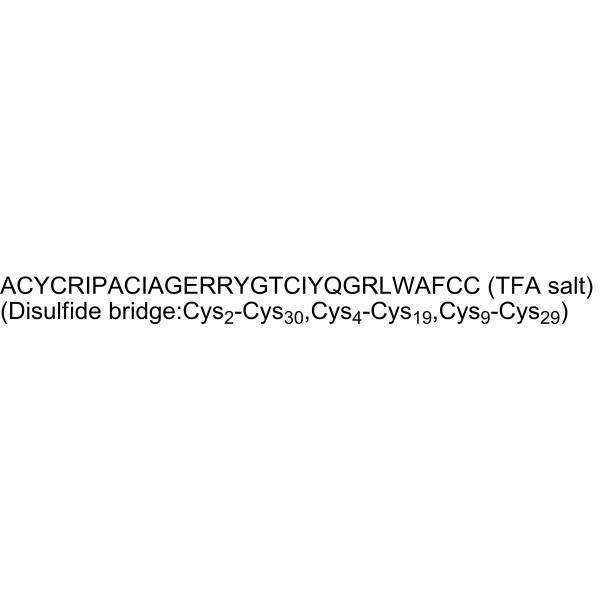
Defensin HNP-1 human TFA is a type of human neutrophil peptide (HNPs). Defensin HNP-1 human TFA possesses immunomodulatory functions and can delay the apoptosis of neutrophils. Defensin HNP-1 human TFA inhibits DNA/RNA/protein synthesis and interferes with metabolic pathways, thus exhibiting broad antibacterial activity. Defensin HNP-1 human TFA has direct inactivation effects on HIV, HSV-1, HSV-2, CMV, influenza virus, etc. Defensin HNP-1 human TFA has antileishmanial activity. Defensin HNP-1 human TFA is involved in endothelial cell dysfunction during the early development of atherosclerosis .
|
-
-
- HY-P2315
-
|
HβD-1
|
Antibiotic
Bacterial
|
Infection
|
|
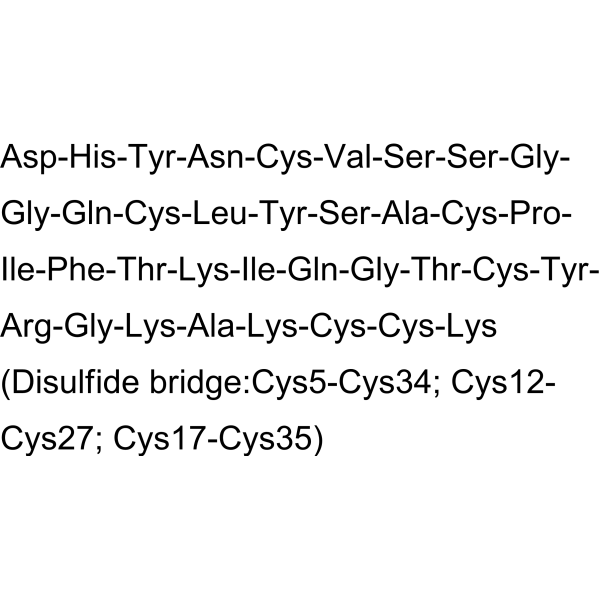
Human β-defensin-1 (HβD-1) is a cysteine-rich cationic skin-antimicrobial peptide (SAP) produced by all epithelial surfaces, but also by circulatory cells and cells of the reproductive tract. Human β-defensin-1 has antimicrobial activities against a broad-sperm bacteria .
|
-
-
- HY-Y0603
-
|
m-Hydroxyacetophenone
|
Drug Intermediate
Fungal
|
Others
|
|
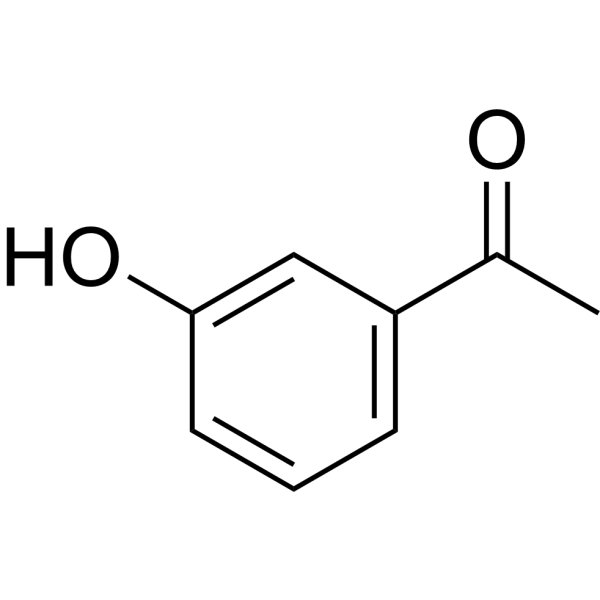
3-Hydroxyacetophenone (m-Hydroxyacetophenone) is a hydroxy-substituted alkyl phenyl ketone and also a plant defensin in carnations. 3-Hydroxyacetophenone has antifusarium activity. In addition, 3-Hydroxyacetophenone can be used to synthesize Rivastigmine (HY-17368) .
|
-
-
- HY-P2302
-
|
|
Antibiotic
Bacterial
Fungal
|
Infection
Inflammation/Immunology
Cancer
|
|
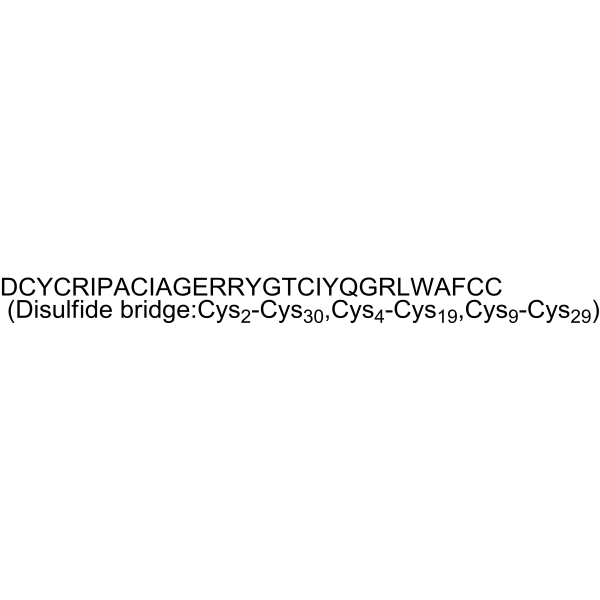
Defensin HNP-3 human is an α-defensin stored in the azurophilic granules of human neutrophils. Defensin HNP-3 human exerts broad-spectrum bactericidal, antifungal and antiviral activities mainly by forming bacterial membrane pores, and acts as a chemoattractant for monocytes and T cells. Defensin HNP-3 human maintains epithelial integrity to support periodontal tissue homeostasis, and exerts concentration-dependent effects on epithelial cell proliferation, adhesion and bacterial adhesion. Defensin HNP-3 human targets solid tumors and leukemia by inducing single-strand DNA breaks and membrane permeabilization in tumor cells via electrostatic binding and pore formation. Defensin HNP-3 human is abundant in human tongue squamous cell carcinoma and neutrophils infiltrating oral squamous cell carcinoma. Defensin HNP-3 human can be applied to research related to periodontitis and human tongue squamous cell carcinoma .
|
-
-
- HY-N7057S2
-
|
Pelargonic acid-d4
|
Isotope-Labeled Compounds
Bacterial
|
Infection
|
|
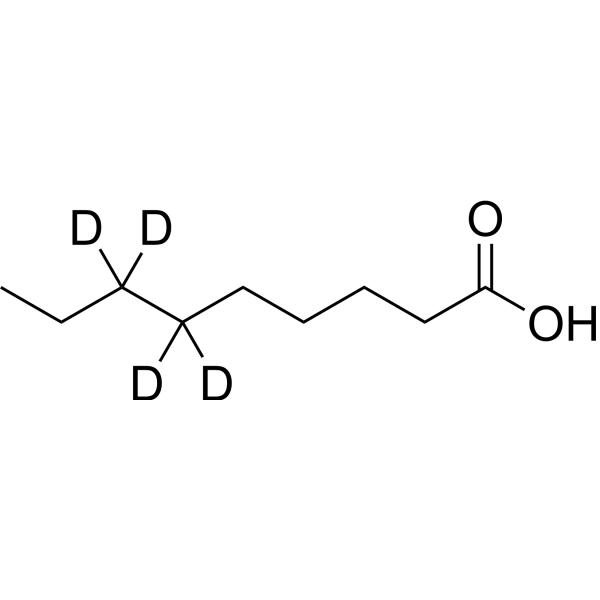
Nonanoic acid (Pelargonic acid)-d4 is the deuterium labeled Nonanoic acid (HY-N7057). Nonanoic acid is a naturally-occurring saturated fatty acid with nine carbon atoms. Nonanoic acid significantly reduces bacterial translocation, enhances antibacterial activity, and remarkably increases the secretion of porcine β-defensins 1 (pBD-1) and pBD-2 .
|
-
-
- HY-N7057S
-
|
Pelargonic acid-d17
|
Isotope-Labeled Compounds
Bacterial
|
Infection
|
|
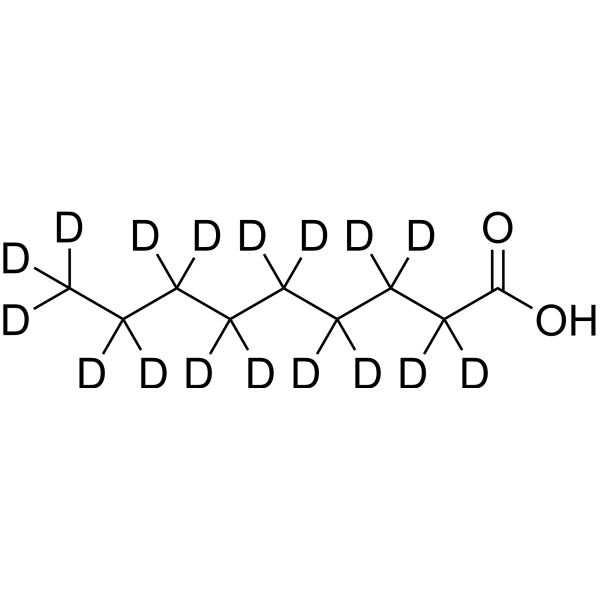
Nonanoic acid (Pelargonic acid)-d17 is the deuterium labeled Nonanoic acid (HY-N7057). Nonanoic acid is a naturally-occurring saturated fatty acid with nine carbon atoms. Nonanoic acid significantly reduces bacterial translocation, enhances antibacterial activity, and remarkably increases the secretion of porcine β-defensins 1 (pBD-1) and pBD-2 .
|
-
-
- HY-P5694
-
|
|
HPV
Parasite
|
Infection
|
|
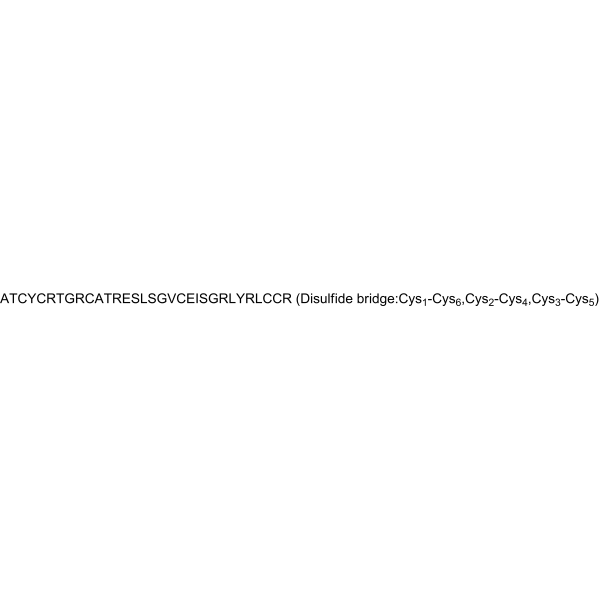
Human α-defensin 5 is an antiviral peptide. Human α-defensin 5 blocks infection of non-enveloped viruses, including AdV, HPV, and polyomaviruses (IC50: 0.6-1.25 μM for HPV16). Human α-defensin 5 can bind to the viral capsid and blocks escape of the virus from the endosome. Human α-defensin 5 increases HIV binding to the cell surface. Human α-defensin 5 also has parasiticidal activity .
|
-
-
- HY-P5681
-
|
|
Bacterial
|
Infection
Inflammation/Immunology
|
|
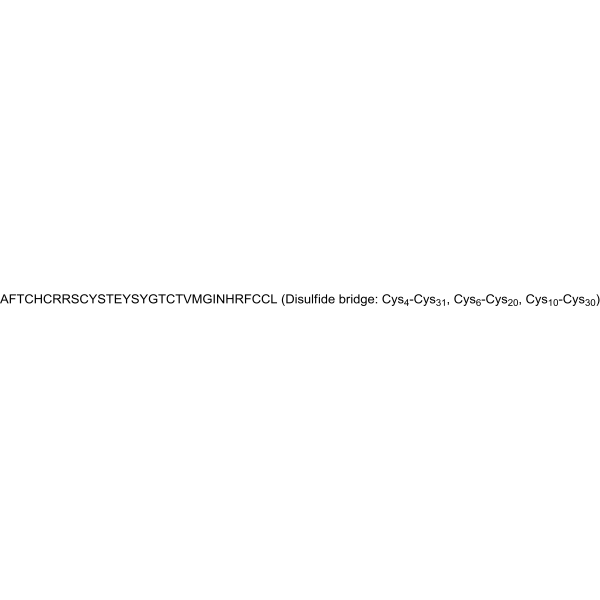
Human α-Defensin 6, a 32-residue cysteine-rich peptide, can inhibit bacterial invasion and contribute to the mucosal immunity. Human α-Defensin 6 forms ordered self-assembly fibrils and nanonets that surround and entangle bacteria after stochastic binding to bacterial surface proteins. Human α-Defensin 6 also inhibits C. albicans biofilm formation .
|
-
-
- HY-P3979
-
|
HNP 4
|
Bacterial
Melanocortin Receptor
|
Infection
|
|
Defensin HNP 4 (HNP 4) is a host-defense peptide that has antimicrobial activity against Gram-negative bacteria. Defensin HNP 4 inhibits ACTH stimulated synthesis of Corticosterone (HY-B1618) in rat adrenal cell suspensions .
|
-

-
- HY-P2311
-
-

-
- HY-P10400
-
|
|
Phytohormone
|
Inflammation/Immunology
|
|
AtPep1 is a plant elicitor peptide. AtPep1 activates transcription of the defensive gene defensin (PDF1.2) and activates the synthesis of H2O2, which are components of the innate immune response against pathogens. AtPep1 can be isolated from extracts of Arabidopsis leaves .
|
-

-
- HY-N7057S3
-
|
Pelargonic acid-d2; Pelargonic acid-d2 (n-Nonanoic acid, C9 )
|
Isotope-Labeled Compounds
Bacterial
|
Infection
|
|
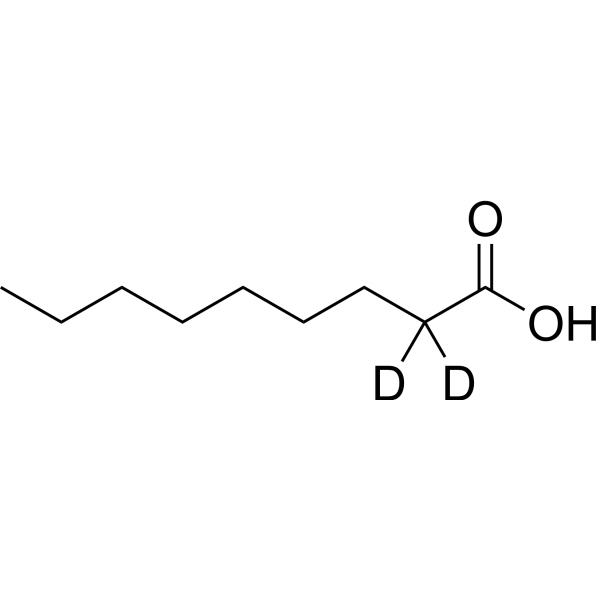
Nonanoic acid (Pelargonic acid)-d2 is the deuterium labeled Nonanoic acid (HY-N7057) . Nonanoic acid is a naturally-occurring saturated fatty acid with nine carbon atoms. Nonanoic acid significantly reduces bacterial translocation, enhances antibacterial activity, and remarkably increases the secretion of porcine β-defensins 1 (pBD-1) and pBD-2 .
|
-
-
- HY-N7057S1
-
|
Pelargonic acid-d3
|
Isotope-Labeled Compounds
Bacterial
|
Infection
|
|
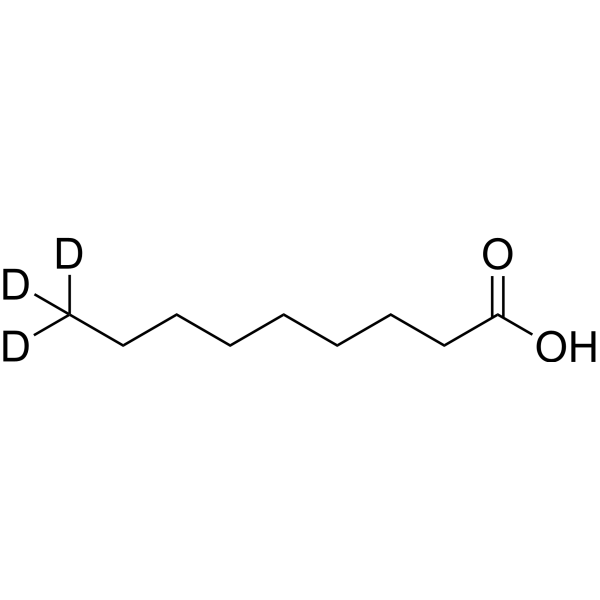
Nonanoic acid (Pelargonic acid)-d3 is the deuterium labeled Nonanoic acid (HY-N7057). Nonanoic acid is a naturally-occurring saturated fatty acid with nine carbon atoms. Nonanoic acid significantly reduces bacterial translocation, enhances antibacterial activity, and remarkably increases the secretion of porcine β-defensins 1 (pBD-1) and pBD-2 .
|
-
-
- HY-P4902
-
|
|
P-glycoprotein
HIV
|
Infection
|
|
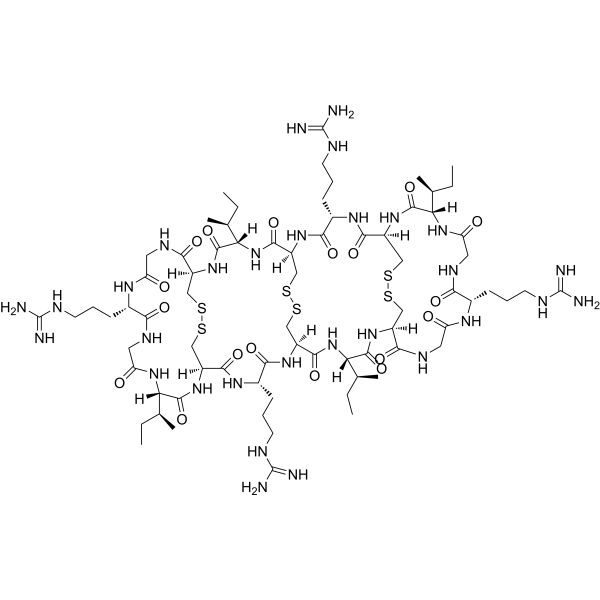
Retrocyclin-1 is a kind of Theta-defensin. Retrocyclin-1 recognizes and binds to carbohydrate-containing surface molecules, to protect cells from HIV-1 infection. Retrocyclin-1 exhibits high affinity to fetuin, gp120 (Kd=35.4 nM), CD4 (Kd=31 nM), and galactosylceramide (Kd=24.1 nM) .
|
-
-
- HY-P3981
-
-
-
- HY-P2313
-
|
HβD-2
|
Antibiotic
Bacterial
|
Infection
|
|
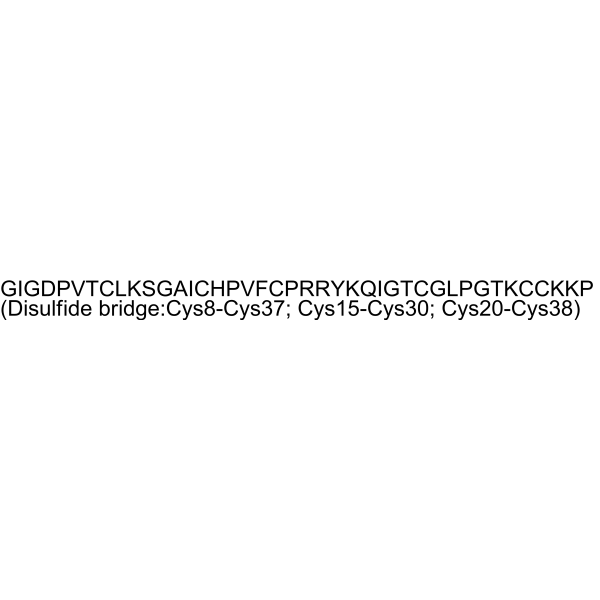
Human β-defensin-2 (HβD-2) is a small cysteine-rich cationic skin-antimicrobial peptide (SAP) produced by a number of epithelial cells.Human β-defensin-2 has antimicrobial activity against gram-negative bacteria and Candida, but not gram-positive Staphylococcus aureus . Human β-defensin-2 can be used for the study of colitis .
|
-
-
- HY-19892
-
|
PMX 30063
|
Bacterial
Antibiotic
|
Infection
Cancer
|
|
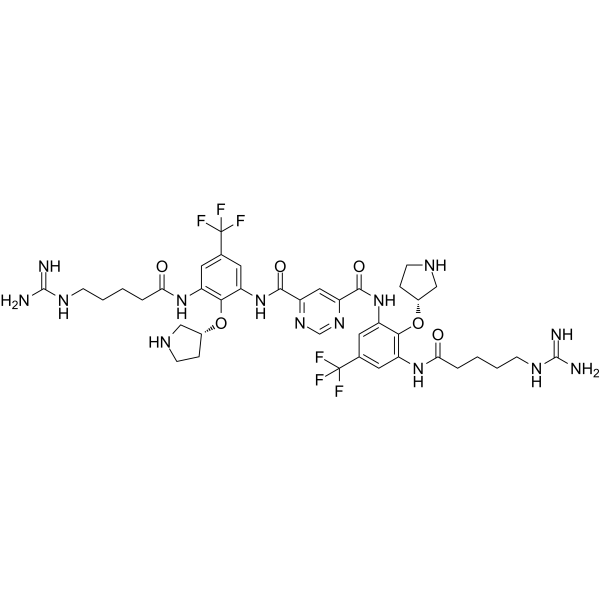
Brilacidin (PMX 30063) is an anti-infective antimicrobial with MIC90s of 1 and 8 μg/mL for Gram-positive bacteria Streptococcus pneumonia and Streptococcus viridans, and MIC90 of 8 and 4 μg/mL for Gram-negative bacteria Haemophilus influenza and Pseudomonas aeruginosa. Brilacidin is a defensin mimetic antibiotic compound .
|
-
-
- HY-P10462
-
|
Synthetic anti-inflammatory peptide 15
|
HDAC
NF-κB
|
Inflammation/Immunology
|
|
SAP15 (Synthetic anti-inflammatory peptide 15) is a synthetic anti-inflammatory peptide consisting of 15 amino acids designed from human beta-defensin 3. SAP15 has the ability to penetrate cells and is able to induce downregulation of intracellular inflammation. SAP15 inhibits inflammation by inhibiting the phosphorylation of HDAC5 and thereby reducing the phosphorylation of NF-κB p65. SAP15 inhibits HDAC5 and NF-κB p65 phosphorylation in LPS (HY-D1056)-induced macrophages. SAP15 increases the expression of aggrecan and type II collagen and decreases the expression of osteocalcin in LPS-induced chondrocytes. SAP15 can be used in the study of inflammation regulation and anti-inflammatory therapy of biomaterials .
|
-

-
- HY-P10400A
-
|
|
Phytohormone
|
Infection
|
|
AtPep1 TFA is an endogenous inducer of innate immune responses. AtPep1 TFA can be isolated from Arabidopsis thaliana leaves. AtPep1 TFA activates the transcription of defensin (PDF1.2), the expression of PROPEP1, the synthesis of hydrogen peroxide (H2O2) near leaf veins, and the alkalization of Arabidopsis suspension cell culture medium. AtPep1 TFA induces the expression of genes encoding defensins and PR-1. AtPep1 TFA is applicable to studies related to Pythium irregulare infection and pathogen infection .
|
-

-
- HY-P11158
-
|
|
Fungal
HIV
Reverse Transcriptase
|
Infection
Cancer
|
|
Gymnin is a defensin-like antifungal peptide. Gymnin has significant antifungal activities against phytopathogenic and mycotoxigenic fungi. Gymnin inhibits HIV-1 reverse transcriptase with an IC50 of 200 μM and the proliferation of tumor cells. Gymnin has a weak mitogenic activity toward murine splenocytes. Gymnin can be used for plant disease treatments research .
|
-

-
- HY-P5642
-
-
-
- HY-P10462A
-
|
Synthetic anti-inflammatory peptide 15 acetate
|
HDAC
NF-κB
|
Inflammation/Immunology
|
|
SAP15 (Synthetic anti-inflammatory peptide 15) acetate is a synthetic anti-inflammatory peptide consisting of 15 amino acids designed from human beta-defensin 3. SAP15 acetate has the ability to penetrate cells and is able to induce downregulation of intracellular inflammation. SAP15 acetate inhibits inflammation by inhibiting the phosphorylation of HDAC5 and thereby reducing the phosphorylation of NF-κB p65. SAP15 acetate inhibits HDAC5 and NF-κB p65 phosphorylation in LPS (HY-D1056)-induced macrophages. SAP15 acetate increases the expression of aggrecan and type II collagen and decreases the expression of osteocalcin in LPS-induced chondrocytes. SAP15 acetate can be used in the study of inflammation regulation and anti-inflammatory therapy of biomaterials .
|
-

-
- HY-P11149
-
|
|
Bacterial
|
Infection
Metabolic Disease
|
|
Human Defensin-5 (1-9) is an orally active antimicrobial peptide. Human Defensin-5 (1-9) can inhibit metabolic disorders induced by Western-style diet (WSD) or Western-style diet with fructose (WSDF). Human Defensin-5 (1-9) enhances intestinal barrier function by upregulating the gene expression of ileal tight junction protein and mucins. Human Defensin-5 (1-9) can be used for the study of obesity and related metabolic diseases .
|
-

-
- HY-P2656
-
|
hBD-4
|
Bacterial
|
Infection
|
|
β-Defensin-4 human is an inducible peptide with a specific salt-sensitive spectrum of antimicrobial activity .
|
-

-
- HY-P5625
-
|
|
Bacterial
|
Infection
|
|
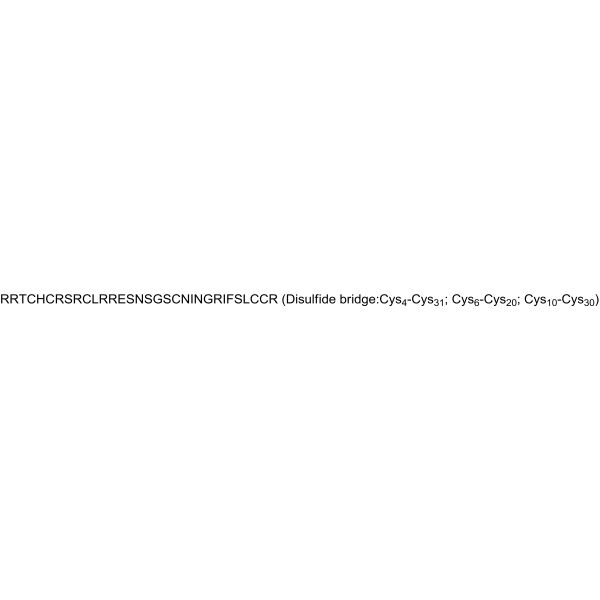
ROAD-1 is an oral mucosal α-defensin of Rhesus Macaque. ROAD-1 is active against S. aureus, E. coli, and C. albicans .
|
-
-
- HY-P5603
-
|
BNBD-12
|
Bacterial
|
Infection
|
|
Bovine neutrophil beta-defensin 12 is an antimicrobial peptide derived from bovine neutrophils, which has antibacterial activity against Escherichia coli and Staphylococcus aureus .
|
-

-
- HY-P2291
-
|
|
Bacterial
|
Inflammation/Immunology
|
|
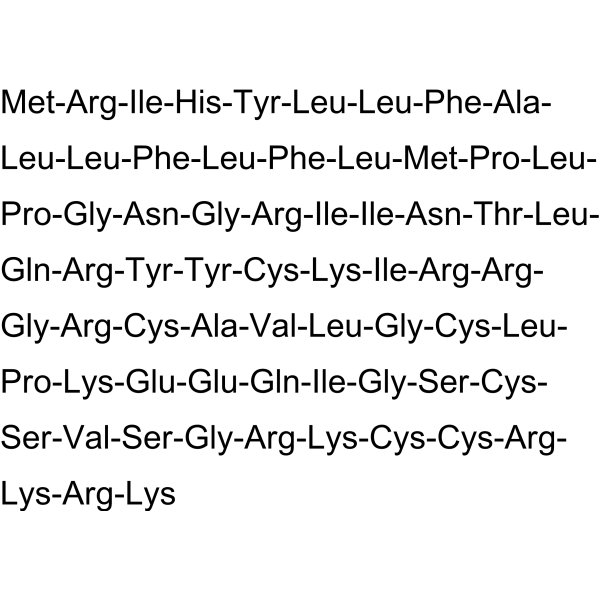
Beta-defensin 103 isoform X1, pig is an antimicrobial peptide found in different living organisms, involved in the first line of defense in their innate immune response against pathogens .
|
-
-
- HY-P2291A
-
|
|
Bacterial
|
Inflammation/Immunology
|
|
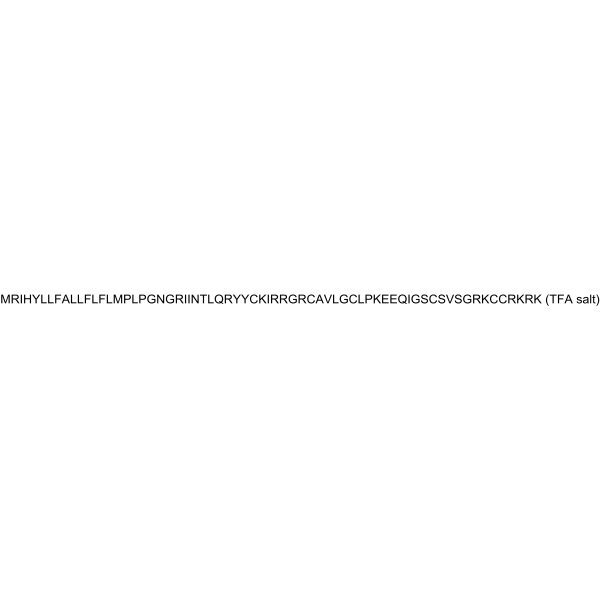
Beta-defensin 103 isoform X1, pig TFA is an antimicrobial peptide found in different living organisms, involved in the first line of defense in their innate immune response against pathogens .
|
-
-
- HY-P5461
-
|
|
Bacterial
|
Others
|
|
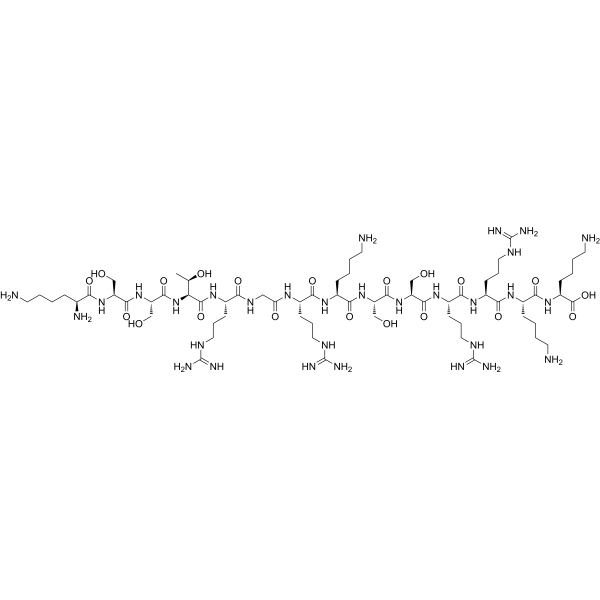
CHRG01 is a biological active peptide. (CHRG01 is derived from human b-defensin 3 (hBD3) C-terminal amino acids 54 to 67, with all Cys residues substituted with Ser. This substitution removes all disulfide bond linkages within the sequence. CHRG01, like hBD3, displays electrostatic-dependent antimicrobial properties.)
|
-
-
- HY-N7057R
-
|
Pelargonic acid (Standard)
|
Reference Standards
Bacterial
|
Infection
|
|
Nonanoic acid (Pelargonic acid) (Standard) is the analytical standard of Nonanoic acid (HY-N7057). This product is intended for research and analytical applications. Nonanoic acid is a naturally-occurring saturated fatty acid with nine carbon atoms. Nonanoic acid significantly reduces bacterial translocation, enhances antibacterial activity, and remarkably increases the secretion of porcine β-defensins 1 (pBD-1) and pBD-2 .
|
-

-
- HY-P991849
-
|
|
Bacterial
|
Inflammation/Immunology
|
|
Anti-Defensin-5 Antibody (8C8) reacts with the human defensin-5 (HD5). Anti-Defensin-5 Antibody (8C8) recognizes the HD5 propeptide. Recommend Isotype Controls: Mouse IgG2b kappa, Isotype Control (HY-P99982) .
|
-

-
- HY-N7057A
-
|
Pelargonic acid ammonium
|
Bacterial
|
Infection
|
|
Nonanoic acid (Pelargonic acid) ammonium is a naturally-occurring saturated fatty acid with nine carbon atoms. Nonanoic acid significantly reduces bacterial translocation, enhances antibacterial activity, and remarkably increases the secretion of porcine β-defensins 1 (pBD-1) and pBD-2 .
|
-

-
- HY-Y0603R
-
|
|
Drug Intermediate
Fungal
Reference Standards
|
Others
|
|
3-Hydroxyacetophenone (Standard) is the analytical standard of 3-Hydroxyacetophenone (HY-Y0603). This product is intended for research and analytical applications. 3-Hydroxyacetophenone (m-Hydroxyacetophenone) is a hydroxy-substituted alkyl phenyl ketone and also a plant defensin in carnations. 3-Hydroxyacetophenone has antifusarium activity. In addition, 3-Hydroxyacetophenone can be used to synthesize Rivastigmine (HY-17368) .
|
-

-
- HY-P11767
-
|
|
Ferroptosis
|
Infection
|
|
NCR247 is a defensin-like nodule cysteine-rich (NCR) peptide and haem sequesterer. NCR247 forms 6:6 haem:NCR247 hexamers and higher-order complexes to render haem and bound iron biologically inaccessible, induces iron-starvation response in Sinorhizobium meliloti and Medicago truncatula, and supports nitrogenase activity.NCR247 is critical for establishing nitrogen-fixing symbiosis between Sinorhizobium meliloti and Medicago truncatula, and is inactive against cytochrome haem.NCR247’s D-enantiomer binds and sequesters haem equivalently to its L-enantiomer.NCR247 can be used for the research of infections, periodontal disease, toxoplasmosis .
|
-

-
- HY-P5642A
-
|
RC-101 TFA
|
HIV
SARS-CoV
Influenza Virus
Flavivirus
HSV
Bacterial
Fungal
Toll-like Receptor (TLR)
Ser/Thr Protease
|
Infection
Inflammation/Immunology
|
|
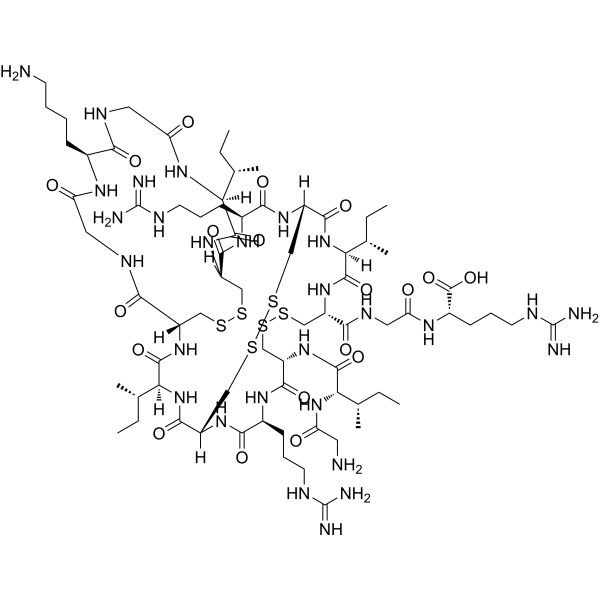
Retrocyclin-101 (RC-101) TFA is an artificially synthesized, cyclic-structured θ-defensin, a broad-spectrum agent with antimicrobial (covering viruses, bacteria, and fungi) activity and anti-inflammatory activity. Retrocyclin-101 TFA can inhibit the serine protease activity of ZIKV NS2B-NS3, with an IC50 of 7.20 μM. Retrocyclin-101 TFA has significant inhibitory activity against HIV, SARS-CoV-2, flaviviruses, influenza viruses, HSV-1/2, Staphylococcus aureus, etc. Retrocyclin-101 TFA inhibits the signal transduction mediated by TLR4 and TLR2, reducing the expression of pro-inflammatory cytokines .
|
-

| Cat. No. |
Product Name |
Target |
Research Area |
-
- HY-P2310
-
|
|
Bacterial
Parasite
Apoptosis
HIV
HSV
CMV
TNF Receptor
NOD-like Receptor (NLR)
DNA/RNA Synthesis
Influenza Virus
|
Cardiovascular Disease
Infection
|
|
Defensin HNP-1 human is a type of human neutrophil peptide (HNPs). Defensin HNP-1 human possesses immunomodulatory functions and can delay the apoptosis of neutrophils. Defensin HNP-1 human inhibits DNA/RNA/protein synthesis and interferes with metabolic pathways, thus exhibiting broad antibacterial activity. Defensin HNP-1 human has direct inactivation effects on HIV, HSV-1, HSV-2, CMV, influenza virus, etc. Defensin HNP-1 human has antileishmanial activity. Defensin HNP-1 human is involved in endothelial cell dysfunction during the early development of atherosclerosis .
|
-
- HY-P2310A
-
|
|
Bacterial
Parasite
Apoptosis
HIV
HSV
CMV
TNF Receptor
Interleukin Related
NOD-like Receptor (NLR)
DNA/RNA Synthesis
Influenza Virus
|
Cardiovascular Disease
Infection
|
|
Defensin HNP-1 human TFA is a type of human neutrophil peptide (HNPs). Defensin HNP-1 human TFA possesses immunomodulatory functions and can delay the apoptosis of neutrophils. Defensin HNP-1 human TFA inhibits DNA/RNA/protein synthesis and interferes with metabolic pathways, thus exhibiting broad antibacterial activity. Defensin HNP-1 human TFA has direct inactivation effects on HIV, HSV-1, HSV-2, CMV, influenza virus, etc. Defensin HNP-1 human TFA has antileishmanial activity. Defensin HNP-1 human TFA is involved in endothelial cell dysfunction during the early development of atherosclerosis .
|
-
- HY-P2315
-
|
HβD-1
|
Antibiotic
Bacterial
|
Infection
|
|
Human β-defensin-1 (HβD-1) is a cysteine-rich cationic skin-antimicrobial peptide (SAP) produced by all epithelial surfaces, but also by circulatory cells and cells of the reproductive tract. Human β-defensin-1 has antimicrobial activities against a broad-sperm bacteria .
|
-
- HY-P2302
-
|
|
Antibiotic
Bacterial
Fungal
|
Infection
Inflammation/Immunology
Cancer
|
|
Defensin HNP-3 human is an α-defensin stored in the azurophilic granules of human neutrophils. Defensin HNP-3 human exerts broad-spectrum bactericidal, antifungal and antiviral activities mainly by forming bacterial membrane pores, and acts as a chemoattractant for monocytes and T cells. Defensin HNP-3 human maintains epithelial integrity to support periodontal tissue homeostasis, and exerts concentration-dependent effects on epithelial cell proliferation, adhesion and bacterial adhesion. Defensin HNP-3 human targets solid tumors and leukemia by inducing single-strand DNA breaks and membrane permeabilization in tumor cells via electrostatic binding and pore formation. Defensin HNP-3 human is abundant in human tongue squamous cell carcinoma and neutrophils infiltrating oral squamous cell carcinoma. Defensin HNP-3 human can be applied to research related to periodontitis and human tongue squamous cell carcinoma .
|
-
- HY-P5694
-
|
|
HPV
Parasite
|
Infection
|
|
Human α-defensin 5 is an antiviral peptide. Human α-defensin 5 blocks infection of non-enveloped viruses, including AdV, HPV, and polyomaviruses (IC50: 0.6-1.25 μM for HPV16). Human α-defensin 5 can bind to the viral capsid and blocks escape of the virus from the endosome. Human α-defensin 5 increases HIV binding to the cell surface. Human α-defensin 5 also has parasiticidal activity .
|
-
- HY-P5681
-
|
|
Bacterial
|
Infection
Inflammation/Immunology
|
|
Human α-Defensin 6, a 32-residue cysteine-rich peptide, can inhibit bacterial invasion and contribute to the mucosal immunity. Human α-Defensin 6 forms ordered self-assembly fibrils and nanonets that surround and entangle bacteria after stochastic binding to bacterial surface proteins. Human α-Defensin 6 also inhibits C. albicans biofilm formation .
|
-
- HY-P3979
-
|
HNP 4
|
Bacterial
Melanocortin Receptor
|
Infection
|
|
Defensin HNP 4 (HNP 4) is a host-defense peptide that has antimicrobial activity against Gram-negative bacteria. Defensin HNP 4 inhibits ACTH stimulated synthesis of Corticosterone (HY-B1618) in rat adrenal cell suspensions .
|
-
- HY-P2311
-
-
- HY-P10400
-
|
|
Phytohormone
|
Inflammation/Immunology
|
|
AtPep1 is a plant elicitor peptide. AtPep1 activates transcription of the defensive gene defensin (PDF1.2) and activates the synthesis of H2O2, which are components of the innate immune response against pathogens. AtPep1 can be isolated from extracts of Arabidopsis leaves .
|
-
- HY-P4902
-
|
|
P-glycoprotein
HIV
|
Infection
|
|
Retrocyclin-1 is a kind of Theta-defensin. Retrocyclin-1 recognizes and binds to carbohydrate-containing surface molecules, to protect cells from HIV-1 infection. Retrocyclin-1 exhibits high affinity to fetuin, gp120 (Kd=35.4 nM), CD4 (Kd=31 nM), and galactosylceramide (Kd=24.1 nM) .
|
-
- HY-P3981
-
-
- HY-P2313
-
|
HβD-2
|
Antibiotic
Bacterial
|
Infection
|
|
Human β-defensin-2 (HβD-2) is a small cysteine-rich cationic skin-antimicrobial peptide (SAP) produced by a number of epithelial cells.Human β-defensin-2 has antimicrobial activity against gram-negative bacteria and Candida, but not gram-positive Staphylococcus aureus . Human β-defensin-2 can be used for the study of colitis .
|
-
- HY-P10462
-
|
Synthetic anti-inflammatory peptide 15
|
HDAC
NF-κB
|
Inflammation/Immunology
|
|
SAP15 (Synthetic anti-inflammatory peptide 15) is a synthetic anti-inflammatory peptide consisting of 15 amino acids designed from human beta-defensin 3. SAP15 has the ability to penetrate cells and is able to induce downregulation of intracellular inflammation. SAP15 inhibits inflammation by inhibiting the phosphorylation of HDAC5 and thereby reducing the phosphorylation of NF-κB p65. SAP15 inhibits HDAC5 and NF-κB p65 phosphorylation in LPS (HY-D1056)-induced macrophages. SAP15 increases the expression of aggrecan and type II collagen and decreases the expression of osteocalcin in LPS-induced chondrocytes. SAP15 can be used in the study of inflammation regulation and anti-inflammatory therapy of biomaterials .
|
-
- HY-P10400A
-
|
|
Phytohormone
|
Infection
|
|
AtPep1 TFA is an endogenous inducer of innate immune responses. AtPep1 TFA can be isolated from Arabidopsis thaliana leaves. AtPep1 TFA activates the transcription of defensin (PDF1.2), the expression of PROPEP1, the synthesis of hydrogen peroxide (H2O2) near leaf veins, and the alkalization of Arabidopsis suspension cell culture medium. AtPep1 TFA induces the expression of genes encoding defensins and PR-1. AtPep1 TFA is applicable to studies related to Pythium irregulare infection and pathogen infection .
|
-
- HY-P11158
-
|
|
Fungal
HIV
Reverse Transcriptase
|
Infection
Cancer
|
|
Gymnin is a defensin-like antifungal peptide. Gymnin has significant antifungal activities against phytopathogenic and mycotoxigenic fungi. Gymnin inhibits HIV-1 reverse transcriptase with an IC50 of 200 μM and the proliferation of tumor cells. Gymnin has a weak mitogenic activity toward murine splenocytes. Gymnin can be used for plant disease treatments research .
|
-
- HY-P5642
-
-
- HY-P10462A
-
|
Synthetic anti-inflammatory peptide 15 acetate
|
HDAC
NF-κB
|
Inflammation/Immunology
|
|
SAP15 (Synthetic anti-inflammatory peptide 15) acetate is a synthetic anti-inflammatory peptide consisting of 15 amino acids designed from human beta-defensin 3. SAP15 acetate has the ability to penetrate cells and is able to induce downregulation of intracellular inflammation. SAP15 acetate inhibits inflammation by inhibiting the phosphorylation of HDAC5 and thereby reducing the phosphorylation of NF-κB p65. SAP15 acetate inhibits HDAC5 and NF-κB p65 phosphorylation in LPS (HY-D1056)-induced macrophages. SAP15 acetate increases the expression of aggrecan and type II collagen and decreases the expression of osteocalcin in LPS-induced chondrocytes. SAP15 acetate can be used in the study of inflammation regulation and anti-inflammatory therapy of biomaterials .
|
-
- HY-P11149
-
|
|
Bacterial
|
Infection
Metabolic Disease
|
|
Human Defensin-5 (1-9) is an orally active antimicrobial peptide. Human Defensin-5 (1-9) can inhibit metabolic disorders induced by Western-style diet (WSD) or Western-style diet with fructose (WSDF). Human Defensin-5 (1-9) enhances intestinal barrier function by upregulating the gene expression of ileal tight junction protein and mucins. Human Defensin-5 (1-9) can be used for the study of obesity and related metabolic diseases .
|
-
- HY-P2656
-
|
hBD-4
|
Bacterial
|
Infection
|
|
β-Defensin-4 human is an inducible peptide with a specific salt-sensitive spectrum of antimicrobial activity .
|
-
- HY-P5625
-
|
|
Bacterial
|
Infection
|
|
ROAD-1 is an oral mucosal α-defensin of Rhesus Macaque. ROAD-1 is active against S. aureus, E. coli, and C. albicans .
|
-
- HY-P5603
-
|
BNBD-12
|
Bacterial
|
Infection
|
|
Bovine neutrophil beta-defensin 12 is an antimicrobial peptide derived from bovine neutrophils, which has antibacterial activity against Escherichia coli and Staphylococcus aureus .
|
-
- HY-P2291
-
|
|
Bacterial
|
Inflammation/Immunology
|
|
Beta-defensin 103 isoform X1, pig is an antimicrobial peptide found in different living organisms, involved in the first line of defense in their innate immune response against pathogens .
|
-
- HY-P2291A
-
|
|
Bacterial
|
Inflammation/Immunology
|
|
Beta-defensin 103 isoform X1, pig TFA is an antimicrobial peptide found in different living organisms, involved in the first line of defense in their innate immune response against pathogens .
|
-
- HY-P5461
-
|
|
Bacterial
|
Others
|
|
CHRG01 is a biological active peptide. (CHRG01 is derived from human b-defensin 3 (hBD3) C-terminal amino acids 54 to 67, with all Cys residues substituted with Ser. This substitution removes all disulfide bond linkages within the sequence. CHRG01, like hBD3, displays electrostatic-dependent antimicrobial properties.)
|
-
- HY-P11767
-
|
|
Ferroptosis
|
Infection
|
|
NCR247 is a defensin-like nodule cysteine-rich (NCR) peptide and haem sequesterer. NCR247 forms 6:6 haem:NCR247 hexamers and higher-order complexes to render haem and bound iron biologically inaccessible, induces iron-starvation response in Sinorhizobium meliloti and Medicago truncatula, and supports nitrogenase activity.NCR247 is critical for establishing nitrogen-fixing symbiosis between Sinorhizobium meliloti and Medicago truncatula, and is inactive against cytochrome haem.NCR247’s D-enantiomer binds and sequesters haem equivalently to its L-enantiomer.NCR247 can be used for the research of infections, periodontal disease, toxoplasmosis .
|
-
- HY-P5642A
-
|
RC-101 TFA
|
HIV
SARS-CoV
Influenza Virus
Flavivirus
HSV
Bacterial
Fungal
Toll-like Receptor (TLR)
Ser/Thr Protease
|
Infection
Inflammation/Immunology
|
|
Retrocyclin-101 (RC-101) TFA is an artificially synthesized, cyclic-structured θ-defensin, a broad-spectrum agent with antimicrobial (covering viruses, bacteria, and fungi) activity and anti-inflammatory activity. Retrocyclin-101 TFA can inhibit the serine protease activity of ZIKV NS2B-NS3, with an IC50 of 7.20 μM. Retrocyclin-101 TFA has significant inhibitory activity against HIV, SARS-CoV-2, flaviviruses, influenza viruses, HSV-1/2, Staphylococcus aureus, etc. Retrocyclin-101 TFA inhibits the signal transduction mediated by TLR4 and TLR2, reducing the expression of pro-inflammatory cytokines .
|
| Cat. No. |
Product Name |
Target |
Research Area |
Image |
-
- HY-P991849
-
|
|
Bacterial
|
Inflammation/Immunology
|
|
Anti-Defensin-5 Antibody (8C8) reacts with the human defensin-5 (HD5). Anti-Defensin-5 Antibody (8C8) recognizes the HD5 propeptide. Recommend Isotype Controls: Mouse IgG2b kappa, Isotype Control (HY-P99982) .
|
-

(5)
| Cat. No. |
Product Name |
Category |
Target |
Chemical Structure |
| Cat. No. |
Product Name |
Chemical Structure |
-
- HY-N7057S2
-
|
|
|
Nonanoic acid (Pelargonic acid)-d4 is the deuterium labeled Nonanoic acid (HY-N7057). Nonanoic acid is a naturally-occurring saturated fatty acid with nine carbon atoms. Nonanoic acid significantly reduces bacterial translocation, enhances antibacterial activity, and remarkably increases the secretion of porcine β-defensins 1 (pBD-1) and pBD-2 .
|
-
-
- HY-N7057S
-
|
|
|
Nonanoic acid (Pelargonic acid)-d17 is the deuterium labeled Nonanoic acid (HY-N7057). Nonanoic acid is a naturally-occurring saturated fatty acid with nine carbon atoms. Nonanoic acid significantly reduces bacterial translocation, enhances antibacterial activity, and remarkably increases the secretion of porcine β-defensins 1 (pBD-1) and pBD-2 .
|
-
-
- HY-N7057S3
-
|
|
|
Nonanoic acid (Pelargonic acid)-d2 is the deuterium labeled Nonanoic acid (HY-N7057) . Nonanoic acid is a naturally-occurring saturated fatty acid with nine carbon atoms. Nonanoic acid significantly reduces bacterial translocation, enhances antibacterial activity, and remarkably increases the secretion of porcine β-defensins 1 (pBD-1) and pBD-2 .
|
-
-
- HY-N7057S1
-
|
|
|
Nonanoic acid (Pelargonic acid)-d3 is the deuterium labeled Nonanoic acid (HY-N7057). Nonanoic acid is a naturally-occurring saturated fatty acid with nine carbon atoms. Nonanoic acid significantly reduces bacterial translocation, enhances antibacterial activity, and remarkably increases the secretion of porcine β-defensins 1 (pBD-1) and pBD-2 .
|
-
Your information is safe with us. * Required Fields.
Inquiry Information
- Product Name:
- Cat. No.:
- Quantity:
- MCE Japan Authorized Agent:








