Search Result
Results for "
Fmoc-L-Lys[Oct-(OtBu)-Glu-(OtBu)-AEEA-AEEA]-OH
" in MedChemExpress (MCE) Product Catalog:
1
Isotope-Labeled Compounds
| Cat. No. |
Product Name |
Target |
Research Areas |
Chemical Structure |
-
- HY-114118
-
Semaglutide
Maximum Cited Publications
35 Publications Verification
|
GLP Receptor
Insulin Receptor
α-synuclein
Apoptosis
p38 MAPK
Autophagy
Bcl-2 Family
|
Neurological Disease
Metabolic Disease
Cancer
|
|
Semaglutide is a long-acting, selective, competitive GLP-1R agonist that can penetrate the blood-brain barrier. After activating GLP-1R, Semaglutide promotes insulin secretion, inhibits gastric emptying and appetite, and at the same time enhances autophagy, inhibits oxidative stress and apoptosis. Semaglutide also regulates mitochondrial function and lipid metabolism (such as reducing de novo lipogenesis in the liver). Semaglutide has activities such as lowering blood sugar, reducing weight, neuroprotection (such as improving motor function in Parkinson's disease models, reducing α-synuclein aggregation) and improving hepatic steatosis. Semaglutide can be used for the study of neurodegenerative diseases and liver diseases such as type 2 diabetes, obesity, Parkinson's disease, metabolic associated fatty liver disease (MASLD), and cancer .
|
-

-
- HY-P3506
-
|
LY3437943
|
GCGR
GLP Receptor
|
Metabolic Disease
|
|
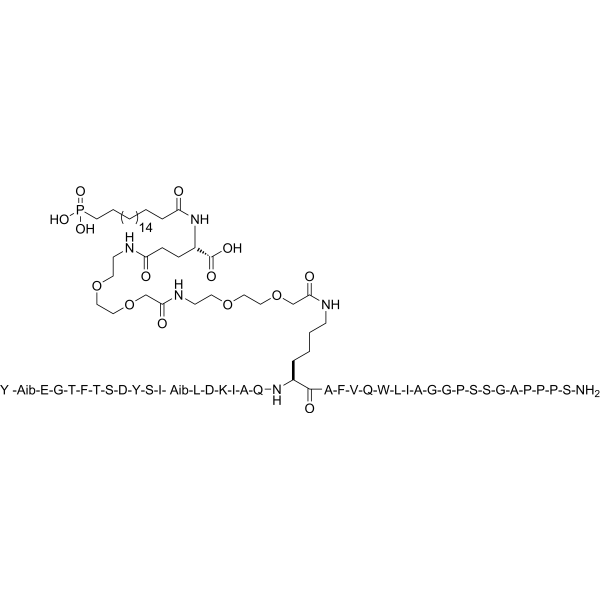
Retatrutide (LY3437943) is a triple agonist peptide of the glucagon receptor (GCGR), glucosedependent insulinotropic polypeptide receptor (GIPR), and glucagon-like peptide-1 receptor (GLP-1R). Retatrutide binds human GCGR, GIPR, and GLP-1R with EC50 values of 5.79, 0.0643 and 0.775 nM, respectively. Retatrutide can be used for the research of obesity .
|
-

-
- HY-W615153
-
|
|
Amino Acid Derivatives
|
Others
|
|
Fmoc-L-Lys[Oct-(OtBu)-Glu-(OtBu)-AEEA-AEEA]-OH is an L-Lys (an amino acid) derivative. Fmoc protects amino acids, ensuring their accurate peptide synthesis .
|
-
![Fmoc-L-Lys[Oct-(OtBu)-Glu-(OtBu)-AEEA-AEEA]-OH](//file.medchemexpress.com/product_pic/hy-w615153.gif)
-
- HY-P3375
-
|
IBI-362; LY-3305677; OXM-3
|
GCGR
GLP Receptor
|
Metabolic Disease
|
|
Mazdutide (IBI-362; LY-3305677) is a long-acting synthetic oxyntomodulin analog. Mazdutide is also a co-agonist of glucagon-like peptide (GLP-1R) and glucagon receptor (GCGR). Mazdutide binds human and mouse GCGR (Ki: 17.7 nM and 15.9 nM, respectively) and GLP-1R (Ki: 28.6 nM and 25.1 nM, respectively) and stimulates insulin secretion from mouse islets (EC50: 5.2 nM). Mazdutide is used in studies of obesity and type 2 diabetes (T2D) .
|
-

-
- HY-41189
-
|
|
ADC Linker
|
Cancer
|
|
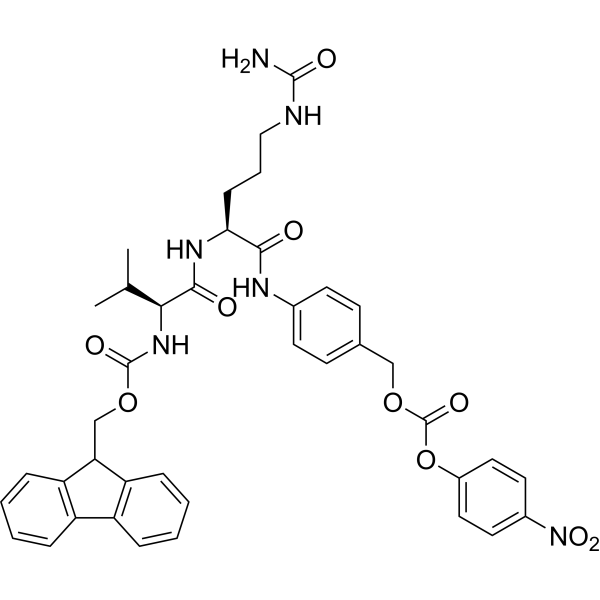
Fmoc-Val-Cit-PAB-PNP is a cleavable ADC linker used in the synthesis of antibody-drug conjugates (ADCs). Fmoc-Val-Cit-PAB-PNP has superior plasma stability comparable to that of non-cleavable linkers .
|
-
-
- HY-13673A
-
|
ICI-118630 acetate
|
GnRH Receptor
Apoptosis
|
Endocrinology
Cancer
|
|
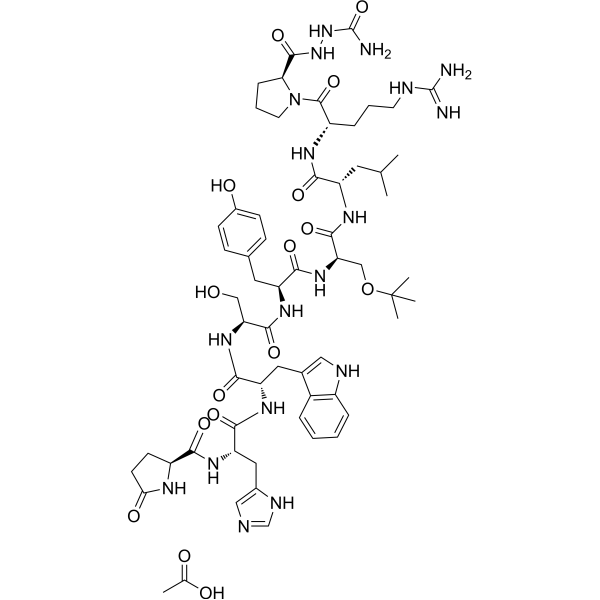
Goserelin acetate (ICI-118630 acetate), a decapeptide analogue of gonadotropin-releasing hormone (GnRH/LHRH), functions as a GnRH agonist. Goserelin acetate can be used for the research of breast cancer, epithelial ovarian cancer and prostate cancer .
|
-
-
- HY-114118B
-
|
|
GLP Receptor
Insulin Receptor
α-synuclein
Apoptosis
p38 MAPK
Autophagy
Bcl-2 Family
|
Neurological Disease
Metabolic Disease
Cancer
|
|
Semaglutide acetate is a long-acting, selective, competitive GLP-1R agonist that can penetrate the blood-brain barrier. After activating GLP-1R, Semaglutide acetate promotes insulin secretion, inhibits gastric emptying and appetite, and at the same time enhances autophagy, inhibits oxidative stress and apoptosis. Semaglutide acetate also regulates mitochondrial function and lipid metabolism (such as reducing de novo lipogenesis in the liver). Semaglutide acetate has activities such as lowering blood sugar, reducing weight, neuroprotection (such as improving motor function in Parkinson's disease models, reducing α-synuclein aggregation) and improving hepatic steatosis. Semaglutide acetate can be used for the study of neurodegenerative diseases and liver diseases such as type 2 diabetes, obesity, Parkinson's disease, metabolic associated fatty liver disease (MASLD), and cancer .
|
-

-
- HY-114118A
-
|
|
GLP Receptor
Insulin Receptor
α-synuclein
Apoptosis
p38 MAPK
Autophagy
Bcl-2 Family
|
Neurological Disease
Metabolic Disease
Cancer
|
|
Semaglutide TFA is a long-acting, selective, competitive GLP-1R agonist that can penetrate the blood-brain barrier. After activating GLP-1R, Semaglutide TFA promotes insulin secretion, inhibits gastric emptying and appetite, and at the same time enhances autophagy, inhibits oxidative stress and apoptosis. Semaglutide TFA also regulates mitochondrial function and lipid metabolism (such as reducing de novo lipogenesis in the liver). Semaglutide TFA has activities such as lowering blood sugar, reducing weight, neuroprotection (such as improving motor function in Parkinson's disease models, reducing α-synuclein aggregation) and improving hepatic steatosis. Semaglutide TFA can be used for the study of neurodegenerative diseases and liver diseases such as type 2 diabetes, obesity, Parkinson's disease, metabolic associated fatty liver disease (MASLD), and cancer .
|
-

-
- HY-P3366
-
|
XW003
|
GCGR
|
Metabolic Disease
|
|
Ecnoglutide (XW003) is a long-acting, cAMP-biased glucagon-like peptide 1 (GLP-1) receptor agonist. Ecnoglutide can be used for research of T2DM and obesity .
|
-

-
- HY-P11274A
-
|
Amycretin sodium; NN 9487 sodium
|
Amylin Receptor
Insulin Receptor
GCGR
|
Metabolic Disease
|
Zenagamtide (Amycretin; NN 9487) sodium is an orally active, blood-brain barrier permeable triple agonist that targets GLP-1, amylin (Amylin Receptor) and calcitonin receptor (Calcitonin Receptor). Zenagamtide sodium is a single peptide consisting of 68 amino acids that can target brain regions regulating food intake, significantly suppress appetite and reduce energy intake. Therefore, Zenagamtide sodium improves body weight, waist circumference, glycated hemoglobin and lipid profile, and also alleviates the histological features of metabolic dysfunction-associated steatotic liver disease (MASLD) and enhances insulin sensitivity. Zenagamtide sodium may cause transient increases in heart rate and fluctuations in serum calcium levels, but it is an important compound for the study of overweight, obesity, insulin resistance and related metabolic diseases .
|
-

-
- HY-114118CP
-
|
|
GLP Receptor
Insulin Receptor
α-synuclein
Apoptosis
p38 MAPK
Autophagy
Bcl-2 Family
|
Neurological Disease
Metabolic Disease
Cancer
|
|
Semaglutide (crude) is the crude form of Semaglutide (HY-114118). Semaglutide is a long-acting, selective, competitive GLP-1R agonist that can penetrate the blood-brain barrier. After activating GLP-1R, Semaglutide promotes insulin secretion, inhibits gastric emptying and appetite, and at the same time enhances Autophagy, inhibits oxidative stress and Apoptosis. Semaglutide also regulates mitochondrial function and lipid metabolism (such as reducing de novo lipogenesis in the liver). Semaglutide has activities such as lowering blood sugar, reducing weight, neuroprotection (such as improving motor function in Parkinson's disease models, reducing α-synuclein aggregation) and improving hepatic steatosis. Semaglutide can be used for the study of neurodegenerative diseases and liver diseases such as type 2 diabetes, obesity, Parkinson's disease, metabolic associated fatty liver disease (MASLD), and cancer .
|
-

-
- HY-114118S3
-
|
|
Isotope-Labeled Compounds
GLP Receptor
Insulin Receptor
α-synuclein
Apoptosis
p38 MAPK
Autophagy
Bcl-2 Family
|
Metabolic Disease
|
|
Semaglutide- 13C6, 15N TFA is the 13C- and 15N-labeled Semaglutide TFA (HY-114118A). Semaglutide TFA is a long-acting, selective, competitive GLP-1R agonist that can penetrate the blood-brain barrier. After activating GLP-1R, Semaglutide TFA promotes insulin secretion, inhibits gastric emptying and appetite, and at the same time enhances autophagy, inhibits oxidative stress and apoptosis. Semaglutide TFA also regulates mitochondrial function and lipid metabolism (such as reducing de novo lipogenesis in the liver). Semaglutide TFA has activities such as lowering blood sugar, reducing weight, neuroprotection (such as improving motor function in Parkinson's disease models, reducing α-synuclein aggregation) and improving hepatic steatosis. Semaglutide TFA can be used for the study of neurodegenerative diseases and liver diseases such as type 2 diabetes, obesity, Parkinson's disease, metabolic associated fatty liver disease (MASLD), and cancer .
|
-

-
- HY-P3506A
-
|
LY3437943 TFA
|
GLP Receptor
GCGR
|
Metabolic Disease
|
|
Retatrutide (LY3437943) TFA is a triple agonist peptide of the glucagon receptor (GCGR), glucosedependent insulinotropic polypeptide receptor (GIPR), and glucagon-like peptide-1 receptor (GLP-1R). Retatrutide TFA binds human GCGR, GIPR, and GLP-1R with EC50 values of 5.79, 0.0643 and 0.775 nM, respectively. Retatrutide TFA can be used for the research of obesity .
|
-

-
- HY-P10956
-
|
LY3541105
|
Amylin Receptor
CGRP Receptor
|
Metabolic Disease
|
|
Colulintide (LY3541105) is an amylin-calcitonin dual receptor agonist with Amylin as its scaffold. Colulintide is applicable to research related to type 2 diabetes and obesity .
|
-

-
- HY-P10959
-
|
LY3532226
|
Insulin Receptor
|
Metabolic Disease
|
|
Macupatide is a glucose-dependent insulinotropic polypeptide (GIP) receptor agonist. Macupatide improves insulin secretion responses and insulin sensitivity.Macupatide can be used for the research of type 2 diabetes .
|
-

-
- HY-P11274
-
|
Amycretin; NN 9487
|
Amylin Receptor
GCGR
Insulin Receptor
|
Metabolic Disease
|
Zenagamtide (Amycretin; NN 9487) is an orally active, blood-brain barrier permeable triple agonist that targets GLP-1, amylin (Amylin Receptor) and calcitonin receptor (Calcitonin Receptor). Zenagamtide is a single peptide consisting of 68 amino acids that can target brain regions regulating food intake, significantly suppress appetite and reduce energy intake. Therefore, Zenagamtide improves body weight, waist circumference, glycated hemoglobin and lipid profile, and also alleviates the histological features of metabolic dysfunction-associated steatotic liver disease (MASLD) and enhances insulin sensitivity. Zenagamtide may cause transient increases in heart rate and fluctuations in serum calcium levels, but it is an important compound for the study of overweight, obesity, insulin resistance and related metabolic diseases .
|
-

-
- HY-P3375A
-
|
IBI-362 TFA; LY-3305677 TFA; OXM-3 TFA
|
GCGR
GLP Receptor
|
Metabolic Disease
|
|
Mazdutide (IBI-362; LY-3305677) TFA is a long-acting synthetic oxyntomodulin analog. Mazdutide is also a co-agonist of glucagon-like peptide (GLP-1R) and glucagon receptor (GCGR). Mazdutide TFA binds human and mouse GCGR (Ki: 17.7 nM and 15.9 nM, respectively) and GLP-1R (Ki: 28.6 nM and 25.1 nM, respectively) and stimulates insulin secretion from mouse islets (EC50: 5.2 nM). Mazdutide TFA is used in studies of obesity and type 2 diabetes (T2D) .
|
-

-
- HY-P11285A
-
|
Long acting GIPRA-1 TFA
|
Insulin Receptor
|
Metabolic Disease
|
|
LAGIPRA peptide TFA is a long-acting GIP1R agonist. LAGIPRA peptide TFA enhances insulin sensitivity by augmenting glucose disposal and reduces branched-chain amino acids (BCAAs) and ketoacids. LAGIPRA peptide TFA has the potential for the research of type 2 diabetes .
|
-

-
- HY-P11271
-
-

-
- HY-P10302A
-
|
|
GLP Receptor
|
Metabolic Disease
Inflammation/Immunology
|
|
GLP-1R/GIPR agonist-1 sodium is a dual GLP-1/GIP receptor agonist, with an EC50 of 0.57 nM for GLP-1R and an EC50 of 0.75 nM for GIPR. GLP-1R/GIPR agonist-1 sodium reduces food intake, inhibits weight gain, repairs islet damage, improves glucose tolerance, regulates serum lipid and liver enzyme levels, ameliorates hepatic vacuolization, reduces hepatic fat accumulation, delays the progression of hepatic fibrosis, and exhibits long-lasting hypoglycemic activity. GLP-1R/GIPR agonist-1 sodium can be used in research related to type 2 diabetes, obesity, and non-alcoholic steatohepatitis .
|
-

-
- HY-P10269
-
|
GZR18
|
GLP Receptor
|
Metabolic Disease
|
|
Bofanglutide (GZR18) is an analog of glucagon-like peptide-1 (GLP-1), which exhibits agonistic activity for GLP-1 receptor, with an EC50 of 0.677 nM. GZR18 ameliorates type 2 diabetes .
|
-

-
- HY-P10377
-
|
|
Neuropeptide FF Receptor
|
Metabolic Disease
|
|
GUB03385 is a long-acting PrRP31 analogue. GUB03385 is a potent dual agonist for GPR10 (full agonist, EC50: 0.4 nM) and NPFF2R (partial agonist, EC50: 20 nM). GUB03385 has anti-obesity effect .
|
-

-
- HY-P11285
-
|
Long acting GIPRA-1
|
Insulin Receptor
|
Metabolic Disease
|
|
LAGIPRA peptide is a long-acting GIP1R agonist. LAGIPRA peptide enhances insulin sensitivity by augmenting glucose disposal and reduces branched-chain amino acids (BCAAs) and ketoacids. LAGIPRA peptide has the potential for the research of type 2 diabetes .
|
-

-
- HY-153476A
-
|
|
GLP Receptor
GCGR
|
Inflammation/Immunology
|
|
GIP/GLP-1 dual receptor agonist-1 sodium is a GIP/GLP-1 dual receptor agonist. GIP/GLP-1 dual receptor agonist-1 sodium is used in the research of metabolic disorders and fatty liver diseases, including non-alcoholic steatohepatitis (NASH) and non-alcoholic fatty liver disease (NAFLD) .
|
-

-
- HY-153476
-
|
|
GCGR
GLP Receptor
|
Inflammation/Immunology
|
|
GIP/GLP-1 dual receptor agonist-1 is a GIP/GLP-1 dual receptor agonist. GIP/GLP-1 dual receptor agonist-1 is used in the research of metabolic disorders and fatty liver diseases, including non-alcoholic steatohepatitis (NASH) and non-alcoholic fatty liver disease (NAFLD) .
|
-
-
- HY-13673
-
|
ICI 118630
|
GnRH Receptor
Apoptosis
|
Endocrinology
Cancer
|
|
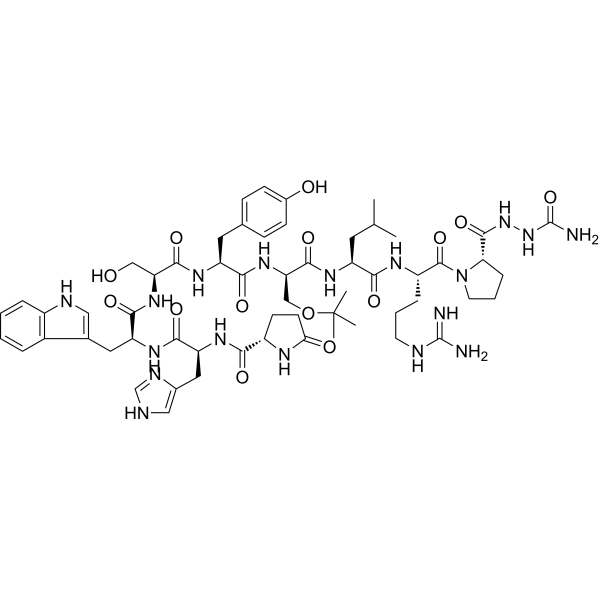
Goserelin (ICI 118630), a decapeptide analogue of gonadotropin-releasing hormone (GnRH/LHRH), functions as a GnRH agonist. Goserelin can be used for the research of breast cancer, epithelial ovarian cancer and prostate cancer .
|
-
-
- HY-P10959A
-
|
LY3532226 acetate
|
Insulin Receptor
|
Metabolic Disease
|
|
Macupatide acetate is a glucose-dependent insulinotropic polypeptide (GIP) receptor agonist. Macupatide acetate improves insulin secretion responses and insulin sensitivity.Macupatide acetate can be used for the research of type 2 diabetes .
|
-

-
- HY-P11295
-
|
|
ADC Linker
|
Cancer
|
|
Fmoc-GGFG-PAB-PNP is an ADC linker used in the synthesis of antibody-drug conjugates (ADC) .
|
-

-
- HY-P11271A
-
-

-
- HY-P10591
-
|
Olatorepatidum
|
Insulin Receptor
GLP Receptor
|
Metabolic Disease
|
|
Olatorepatide (Olatorepatidum) is a dual gastric inhibitory polypeptide (GIP) receptor and glucagon like peptide 1 (GLP-1) receptor agonist, with antidiabetic effect .
|
-

-
- HY-P3506B
-
|
LY3437943 acetate
|
GCGR
GLP Receptor
|
Metabolic Disease
|
|
Retatrutide (LY3437943) acetate is a triple agonist peptide of the glucagon receptor (GCGR), glucosedependent insulinotropic polypeptide receptor (GIPR), and glucagon-like peptide-1 receptor (GLP-1R). Retatrutide acetate inhibits human GCGR, GIPR, and GLP-1R with EC50 values of 5.79, 0.0643 and 0.775 nM, respectively. Retatrutide acetate can be used for the research of obesity .
|
-

-
- HY-P10965
-
|
ZT002
|
GLP Receptor
|
Metabolic Disease
|
|
Zovaglutide (ZT002) is a long-acting, selective GLP-1 receptor agonist. Zovaglutide enhances albumin binding capacity via dual fatty acid chain modification. Zovaglutide exerts metabolic effects through central and peripheral GLP-1 pathways, thereby promoting satiety, reducing caloric intake and enhancing glucose-dependent insulin secretion, with no activity against GIP or glucagon receptors. Zovaglutide can be used in research on type 2 diabetes or obesity .
|
-

-
- HY-P10302
-
|
|
GLP Receptor
Insulin Receptor
|
Metabolic Disease
|
|
GLP-1R/GIPR AgonIST-1 is a double-receptor agonist for GLP-1 (glucagon-like peptide-1) and GIP (glucose-dependent insulin releasing peptide). GLP-1R/GIPR agonist-1 lowers blood sugar by mimicking the action of endogenous hormones GLP-1 and GIP, enhancing insulin secretion while inhibiting glucagon secretion. GLP-1R/GIPR agonist-1 can be used in the study of metabolic diseases such as diabetes, obesity, and non-alcoholic steatohepatitis (NASH) .
|
-

-
- HY-W019682
-
|
|
Biochemical Assay Reagents
|
Cancer
|
|
Fmoc-FF is a building block. Fmoc-FF-prepared hydrogels and nanogels selectively deliver Dexamethasone (HY-14648) to leukemia cells .
|
-

-
- HY-P2399
-
-
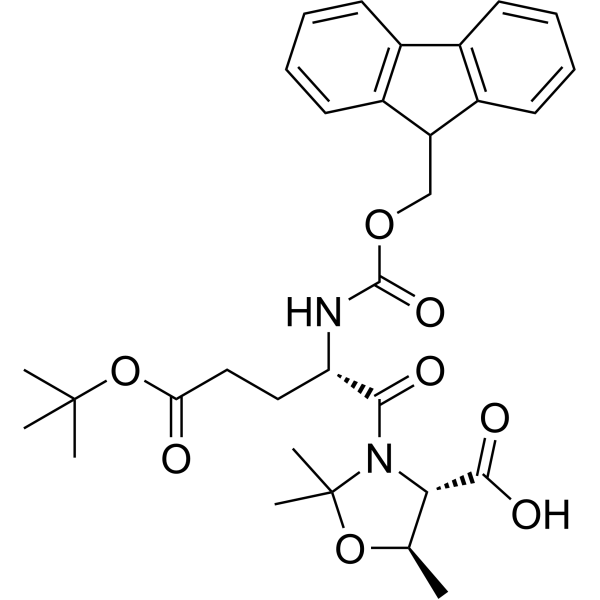
-
- HY-175323
-
|
|
Integrin
PD-1/PD-L1
|
Cancer
|
|
NOTA-IMB-RGD is a dual molecular probe targeting integrin αvβ3 and programmed death ligand-1 (PD-L1). NOTA-IMB-RGD blocks the PD-1/PD-L1 signaling pathway and integrin αvβ3-overexpressing tumor vasculature. NOTA-IMB-RGD is promising for research of solid tumors co-expressing PD-L1 and αvβ3 (e.g., glioma, breast cancer) .
|
-

-
- HY-P11237
-
|
CT-388
|
GCGR
Insulin Receptor
|
Metabolic Disease
|
|
Enicepatide is a dual gastric inhibitory polypeptide (GIP) and glucagon-like peptide 1 (GLP-1) receptor agonist. Enicepatide can be studied in antidiabetic research .
|
-

-
- HY-P10910
-
|
|
GLP Receptor
|
Metabolic Disease
|
|
Vensemaglutide is the agonist for glucagon-like peptide 1 (GLP-1) receptor. Vensemaglutide can be used in research of diabetes or other metabolic disorders .
|
-

-
- HY-P11262
-
|
|
GLP Receptor
|
Metabolic Disease
|
|
GUB021794 is a potent and highly selective glucagon-like peptide-1 receptor (GLP-1R) agonist developed using the streaMLine platform with an EC50 value of 18 pM. GUB021794 has a very weak activity against SCTR, with an EC50 value of 190 nM. GUB021794 can significantly reduce the body weight, food intake, and total fat mass of mice in a diet-induced obesity (DIO) model. GUB021794 can be used for research on obesity/diabetes .
|
-

-
- HY-P5045
-
-
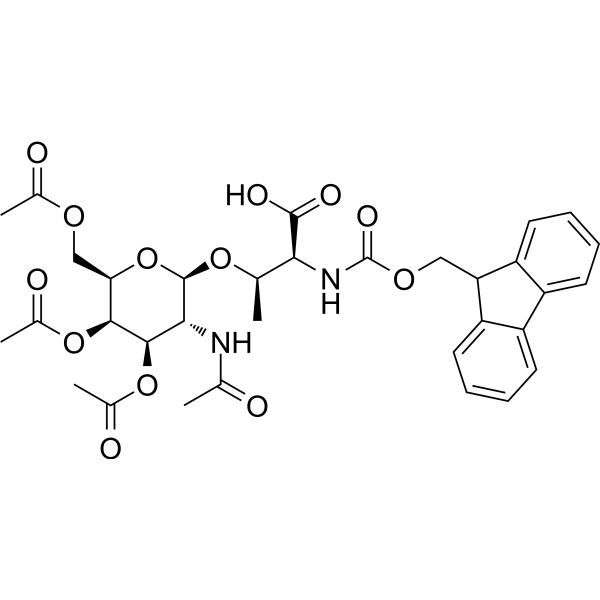
-
- HY-P10327
-
|
|
GLP Receptor
|
Metabolic Disease
|
|
PP18 is a novel OXM-based dual GLP-1 and glucagon receptor agonist with EC50 values of 0.487 nM target hGLP-1R and 0.188 nM target hGcgR .
|
-

-
- HY-P10312
-
|
|
GLP Receptor
|
Metabolic Disease
|
|
SPN009 (Sequence 3) is a GLP-1 Receptor agonist, with EC50 of 2.84 nM. SPN009 attenuates the type II diabetes in DB/DB mice models .
|
-

-
- HY-P2669
-
-

-
- HY-W1050525
-
|
|
ADC Linker
|
Cancer
|
|
Fmoc-Val-Ala-Gly (compound 58a) is a cleavable ADC linker, can be conjugated to the antibody Trastuzumab (HY-P9907) to form an antibody-drug conjugate (ADC) .
|
-

-
- HY-P11275
-
|
|
GLP Receptor
GCGR
Neuropeptide Y Receptor
|
Metabolic Disease
|
TC4 is a highly balanced single-molecule quadruple agonist that can respectively activate GIPR, GLP-1R, GcgR, and Y2R with IC50 values of 0.95, 31, 81, and 1100 nM respectively. TC4 exhibits extremely strong signal bias on GLP-1R and has very low recruitment efficacy for β-inhibitor protein 2 (βArr2) and this strong cAMP preference is believed to maximize metabolic benefits (such as weight loss and hypoglycemia) while possibly minimizing side effects mediated by β-inhibitor protein recruitment (such as receptor desensitization). TC4 can be used for research on obesity and diabetes .
|
-

-
- HY-P11810
-
|
|
GnRH Receptor
Neuropeptide FF Receptor
|
Metabolic Disease
|
|
GUB08248 is a full GPR10 agonist and a partial NPFF2R agonist, with EC50 values of 0.5 nM and 2.5 nM, respectively. GUB08248 inhibits food intake and induces sustained weight loss. GUB08248 can be used in obesity-related research .
|
-

-
- HY-P11811
-
-

-
- HY-P11664
-
-

-
- HY-P11629
-
|
|
Amylin Receptor
CGRP Receptor
|
Neurological Disease
Metabolic Disease
Inflammation/Immunology
|
|
KBP-336 is a dual amylin and calcitonin receptor agonist (DACRA). KBP-336 exhibits antidiabetic and insulin-sensitizing properties, improves glucose levels, spatial learning, and memory in diabetic rats, and reduces blood glucose. KBP-336 also alleviates pain-like symptoms in osteoarthritis rats. KBP-336 also promotes weight and fat reduction. KBP-336 is useful for research on diabetes, obesity, and arthritis .
|
-

-
- HY-P11672
-
|
HDM1005
|
GLP Receptor
|
Metabolic Disease
|
|
Poterepatide (HDM1005) is a long-acting GLP-1R/GIPR peptide dual agonist. Poterepatide exhibits potent activity on both GLP-1 and GIP receptors. Poterepatide can be used for the study of obesity and type 2 diabetes .
|
-

- HY-P11674
-
|
|
GLP Receptor
|
Metabolic Disease
|
|
Zantrutide is a glucagon, gastric inhibitory polypeptide (GIP) and glucagon-like peptide 1 (GLP-1) receptor agonist. Zantrutide can be used for the study of metabolic diseases .
|
-

- HY-P11675
-
-

- HY-P11667
-
|
|
GLP Receptor
|
Metabolic Disease
|
|
Erzemdutide is a glucagon and glucagon-like peptide 1 (GLP-1) receptor agonist. Erzemdutide can be used for the study of obesity .
|
-

- HY-P11666
-
|
LY-3537031
|
GLP Receptor
|
Metabolic Disease
|
|
Brenipatide (LY-3537031) is a dual glucagon-like peptide-1 (GLP-1) and gastric inhibitory polypeptide (GIP) receptor agonist. Brenipatide can be used for the study of metabolic disorders, obesity and diabetes .
|
-

- HY-P11504
-
|
|
Biochemical Assay Reagents
|
Others
|
|
Fmoc-Lys-Gly-Dopa-OH is a tripeptide. Fmoc-Lys-Gly-Dopa-OH forms coacervates in aqueous solution via phase separation. Fmoc-Lys-Gly-Dopa-OH coacervates, with the assistance of Fe 3+, provide a viable material to engineer the surface of mammalian cells .
|
-

- HY-114118C
-
|
|
GLP Receptor
Insulin Receptor
α-synuclein
Apoptosis
p38 MAPK
Autophagy
Bcl-2 Family
|
Neurological Disease
Metabolic Disease
Cancer
|
|
Semaglutide sodium is a long-acting, selective, competitive GLP-1R agonist that can penetrate the blood-brain barrier. After activating GLP-1R, Semaglutide sodium promotes insulin secretion, inhibits gastric emptying and appetite, and at the same time enhances autophagy, inhibits oxidative stress and apoptosis. Semaglutide sodium also regulates mitochondrial function and lipid metabolism (such as reducing de novo lipogenesis in the liver). Semaglutide sodium has activities such as lowering blood sugar, reducing weight, neuroprotection (such as improving motor function in Parkinson's disease models, reducing α-synuclein aggregation) and improving hepatic steatosis. Semaglutide sodium can be used for the study of neurodegenerative diseases and liver diseases such as type 2 diabetes, obesity, Parkinson's disease, metabolic associated fatty liver disease (MASLD), and cancer .
|
-

- HY-114118F4
-
|
SemaGlutide-Lys(FITC)
|
Fluorescent Dye
GLP Receptor
|
Metabolic Disease
|
|
Semaglutide-FITC (Semaglutide-Lys(FITC)) is a FITC-labeled Semaglutide (a GLP-1R agonist) (HY-114118). Semaglutide-FITC can be used to directly track the distribution, cellular uptake, and transmembrane transport process of vesicles through techniques such as fluorescence imaging and flow cytometry. Semaglutide-FITC can be employed to study the movement and penetration ability of mixed vesicles in porcine intestinal mucus in vitro .
|
-

- HY-114118F5
-
-

- HY-P4613
-
|
|
Drug Derivative
Drug Intermediate
|
Others
|
|
Fmoc-D-allo-Thr-OH is a derivative of D-allothreonine (HY-W001959), which is commonly used as a building block in solid-phase peptide synthesis (SPPS) .
|
-

| Cat. No. |
Product Name |
Target |
Research Area |
-
- HY-114118
-
Semaglutide
Maximum Cited Publications
35 Publications Verification
|
GLP Receptor
Insulin Receptor
α-synuclein
Apoptosis
p38 MAPK
Autophagy
Bcl-2 Family
|
Neurological Disease
Metabolic Disease
Cancer
|
|
Semaglutide is a long-acting, selective, competitive GLP-1R agonist that can penetrate the blood-brain barrier. After activating GLP-1R, Semaglutide promotes insulin secretion, inhibits gastric emptying and appetite, and at the same time enhances autophagy, inhibits oxidative stress and apoptosis. Semaglutide also regulates mitochondrial function and lipid metabolism (such as reducing de novo lipogenesis in the liver). Semaglutide has activities such as lowering blood sugar, reducing weight, neuroprotection (such as improving motor function in Parkinson's disease models, reducing α-synuclein aggregation) and improving hepatic steatosis. Semaglutide can be used for the study of neurodegenerative diseases and liver diseases such as type 2 diabetes, obesity, Parkinson's disease, metabolic associated fatty liver disease (MASLD), and cancer .
|
-
- HY-P3506
-
|
LY3437943
|
GCGR
GLP Receptor
|
Metabolic Disease
|
|
Retatrutide (LY3437943) is a triple agonist peptide of the glucagon receptor (GCGR), glucosedependent insulinotropic polypeptide receptor (GIPR), and glucagon-like peptide-1 receptor (GLP-1R). Retatrutide binds human GCGR, GIPR, and GLP-1R with EC50 values of 5.79, 0.0643 and 0.775 nM, respectively. Retatrutide can be used for the research of obesity .
|
-
- HY-P3375
-
|
IBI-362; LY-3305677; OXM-3
|
GCGR
GLP Receptor
|
Metabolic Disease
|
|
Mazdutide (IBI-362; LY-3305677) is a long-acting synthetic oxyntomodulin analog. Mazdutide is also a co-agonist of glucagon-like peptide (GLP-1R) and glucagon receptor (GCGR). Mazdutide binds human and mouse GCGR (Ki: 17.7 nM and 15.9 nM, respectively) and GLP-1R (Ki: 28.6 nM and 25.1 nM, respectively) and stimulates insulin secretion from mouse islets (EC50: 5.2 nM). Mazdutide is used in studies of obesity and type 2 diabetes (T2D) .
|
-
- HY-13673A
-
|
ICI-118630 acetate
|
GnRH Receptor
Apoptosis
|
Endocrinology
Cancer
|
|
Goserelin acetate (ICI-118630 acetate), a decapeptide analogue of gonadotropin-releasing hormone (GnRH/LHRH), functions as a GnRH agonist. Goserelin acetate can be used for the research of breast cancer, epithelial ovarian cancer and prostate cancer .
|
-
- HY-114118B
-
|
|
GLP Receptor
Insulin Receptor
α-synuclein
Apoptosis
p38 MAPK
Autophagy
Bcl-2 Family
|
Neurological Disease
Metabolic Disease
Cancer
|
|
Semaglutide acetate is a long-acting, selective, competitive GLP-1R agonist that can penetrate the blood-brain barrier. After activating GLP-1R, Semaglutide acetate promotes insulin secretion, inhibits gastric emptying and appetite, and at the same time enhances autophagy, inhibits oxidative stress and apoptosis. Semaglutide acetate also regulates mitochondrial function and lipid metabolism (such as reducing de novo lipogenesis in the liver). Semaglutide acetate has activities such as lowering blood sugar, reducing weight, neuroprotection (such as improving motor function in Parkinson's disease models, reducing α-synuclein aggregation) and improving hepatic steatosis. Semaglutide acetate can be used for the study of neurodegenerative diseases and liver diseases such as type 2 diabetes, obesity, Parkinson's disease, metabolic associated fatty liver disease (MASLD), and cancer .
|
-
- HY-114118A
-
|
|
GLP Receptor
Insulin Receptor
α-synuclein
Apoptosis
p38 MAPK
Autophagy
Bcl-2 Family
|
Neurological Disease
Metabolic Disease
Cancer
|
|
Semaglutide TFA is a long-acting, selective, competitive GLP-1R agonist that can penetrate the blood-brain barrier. After activating GLP-1R, Semaglutide TFA promotes insulin secretion, inhibits gastric emptying and appetite, and at the same time enhances autophagy, inhibits oxidative stress and apoptosis. Semaglutide TFA also regulates mitochondrial function and lipid metabolism (such as reducing de novo lipogenesis in the liver). Semaglutide TFA has activities such as lowering blood sugar, reducing weight, neuroprotection (such as improving motor function in Parkinson's disease models, reducing α-synuclein aggregation) and improving hepatic steatosis. Semaglutide TFA can be used for the study of neurodegenerative diseases and liver diseases such as type 2 diabetes, obesity, Parkinson's disease, metabolic associated fatty liver disease (MASLD), and cancer .
|
-
- HY-P3366
-
|
XW003
|
GCGR
|
Metabolic Disease
|
|
Ecnoglutide (XW003) is a long-acting, cAMP-biased glucagon-like peptide 1 (GLP-1) receptor agonist. Ecnoglutide can be used for research of T2DM and obesity .
|
-
- HY-P11274A
-
|
Amycretin sodium; NN 9487 sodium
|
Amylin Receptor
Insulin Receptor
GCGR
|
Metabolic Disease
|
Zenagamtide (Amycretin; NN 9487) sodium is an orally active, blood-brain barrier permeable triple agonist that targets GLP-1, amylin (Amylin Receptor) and calcitonin receptor (Calcitonin Receptor). Zenagamtide sodium is a single peptide consisting of 68 amino acids that can target brain regions regulating food intake, significantly suppress appetite and reduce energy intake. Therefore, Zenagamtide sodium improves body weight, waist circumference, glycated hemoglobin and lipid profile, and also alleviates the histological features of metabolic dysfunction-associated steatotic liver disease (MASLD) and enhances insulin sensitivity. Zenagamtide sodium may cause transient increases in heart rate and fluctuations in serum calcium levels, but it is an important compound for the study of overweight, obesity, insulin resistance and related metabolic diseases .
|
-
- HY-114118CP
-
|
|
GLP Receptor
Insulin Receptor
α-synuclein
Apoptosis
p38 MAPK
Autophagy
Bcl-2 Family
|
Neurological Disease
Metabolic Disease
Cancer
|
|
Semaglutide (crude) is the crude form of Semaglutide (HY-114118). Semaglutide is a long-acting, selective, competitive GLP-1R agonist that can penetrate the blood-brain barrier. After activating GLP-1R, Semaglutide promotes insulin secretion, inhibits gastric emptying and appetite, and at the same time enhances Autophagy, inhibits oxidative stress and Apoptosis. Semaglutide also regulates mitochondrial function and lipid metabolism (such as reducing de novo lipogenesis in the liver). Semaglutide has activities such as lowering blood sugar, reducing weight, neuroprotection (such as improving motor function in Parkinson's disease models, reducing α-synuclein aggregation) and improving hepatic steatosis. Semaglutide can be used for the study of neurodegenerative diseases and liver diseases such as type 2 diabetes, obesity, Parkinson's disease, metabolic associated fatty liver disease (MASLD), and cancer .
|
-
- HY-P3506A
-
|
LY3437943 TFA
|
GLP Receptor
GCGR
|
Metabolic Disease
|
|
Retatrutide (LY3437943) TFA is a triple agonist peptide of the glucagon receptor (GCGR), glucosedependent insulinotropic polypeptide receptor (GIPR), and glucagon-like peptide-1 receptor (GLP-1R). Retatrutide TFA binds human GCGR, GIPR, and GLP-1R with EC50 values of 5.79, 0.0643 and 0.775 nM, respectively. Retatrutide TFA can be used for the research of obesity .
|
-
- HY-P10956
-
|
LY3541105
|
Amylin Receptor
CGRP Receptor
|
Metabolic Disease
|
|
Colulintide (LY3541105) is an amylin-calcitonin dual receptor agonist with Amylin as its scaffold. Colulintide is applicable to research related to type 2 diabetes and obesity .
|
-
- HY-P10959
-
|
LY3532226
|
Insulin Receptor
|
Metabolic Disease
|
|
Macupatide is a glucose-dependent insulinotropic polypeptide (GIP) receptor agonist. Macupatide improves insulin secretion responses and insulin sensitivity.Macupatide can be used for the research of type 2 diabetes .
|
-
- HY-P11274
-
|
Amycretin; NN 9487
|
Amylin Receptor
GCGR
Insulin Receptor
|
Metabolic Disease
|
Zenagamtide (Amycretin; NN 9487) is an orally active, blood-brain barrier permeable triple agonist that targets GLP-1, amylin (Amylin Receptor) and calcitonin receptor (Calcitonin Receptor). Zenagamtide is a single peptide consisting of 68 amino acids that can target brain regions regulating food intake, significantly suppress appetite and reduce energy intake. Therefore, Zenagamtide improves body weight, waist circumference, glycated hemoglobin and lipid profile, and also alleviates the histological features of metabolic dysfunction-associated steatotic liver disease (MASLD) and enhances insulin sensitivity. Zenagamtide may cause transient increases in heart rate and fluctuations in serum calcium levels, but it is an important compound for the study of overweight, obesity, insulin resistance and related metabolic diseases .
|
-
- HY-P3375A
-
|
IBI-362 TFA; LY-3305677 TFA; OXM-3 TFA
|
GCGR
GLP Receptor
|
Metabolic Disease
|
|
Mazdutide (IBI-362; LY-3305677) TFA is a long-acting synthetic oxyntomodulin analog. Mazdutide is also a co-agonist of glucagon-like peptide (GLP-1R) and glucagon receptor (GCGR). Mazdutide TFA binds human and mouse GCGR (Ki: 17.7 nM and 15.9 nM, respectively) and GLP-1R (Ki: 28.6 nM and 25.1 nM, respectively) and stimulates insulin secretion from mouse islets (EC50: 5.2 nM). Mazdutide TFA is used in studies of obesity and type 2 diabetes (T2D) .
|
-
- HY-P11285A
-
|
Long acting GIPRA-1 TFA
|
Insulin Receptor
|
Metabolic Disease
|
|
LAGIPRA peptide TFA is a long-acting GIP1R agonist. LAGIPRA peptide TFA enhances insulin sensitivity by augmenting glucose disposal and reduces branched-chain amino acids (BCAAs) and ketoacids. LAGIPRA peptide TFA has the potential for the research of type 2 diabetes .
|
-
- HY-P11271
-
-
- HY-P10302A
-
|
|
GLP Receptor
|
Metabolic Disease
Inflammation/Immunology
|
|
GLP-1R/GIPR agonist-1 sodium is a dual GLP-1/GIP receptor agonist, with an EC50 of 0.57 nM for GLP-1R and an EC50 of 0.75 nM for GIPR. GLP-1R/GIPR agonist-1 sodium reduces food intake, inhibits weight gain, repairs islet damage, improves glucose tolerance, regulates serum lipid and liver enzyme levels, ameliorates hepatic vacuolization, reduces hepatic fat accumulation, delays the progression of hepatic fibrosis, and exhibits long-lasting hypoglycemic activity. GLP-1R/GIPR agonist-1 sodium can be used in research related to type 2 diabetes, obesity, and non-alcoholic steatohepatitis .
|
-
- HY-P10269
-
|
GZR18
|
GLP Receptor
|
Metabolic Disease
|
|
Bofanglutide (GZR18) is an analog of glucagon-like peptide-1 (GLP-1), which exhibits agonistic activity for GLP-1 receptor, with an EC50 of 0.677 nM. GZR18 ameliorates type 2 diabetes .
|
-
- HY-P10377
-
|
|
Neuropeptide FF Receptor
|
Metabolic Disease
|
|
GUB03385 is a long-acting PrRP31 analogue. GUB03385 is a potent dual agonist for GPR10 (full agonist, EC50: 0.4 nM) and NPFF2R (partial agonist, EC50: 20 nM). GUB03385 has anti-obesity effect .
|
-
- HY-P11285
-
|
Long acting GIPRA-1
|
Insulin Receptor
|
Metabolic Disease
|
|
LAGIPRA peptide is a long-acting GIP1R agonist. LAGIPRA peptide enhances insulin sensitivity by augmenting glucose disposal and reduces branched-chain amino acids (BCAAs) and ketoacids. LAGIPRA peptide has the potential for the research of type 2 diabetes .
|
-
- HY-153476A
-
|
|
GLP Receptor
GCGR
|
Inflammation/Immunology
|
|
GIP/GLP-1 dual receptor agonist-1 sodium is a GIP/GLP-1 dual receptor agonist. GIP/GLP-1 dual receptor agonist-1 sodium is used in the research of metabolic disorders and fatty liver diseases, including non-alcoholic steatohepatitis (NASH) and non-alcoholic fatty liver disease (NAFLD) .
|
-
- HY-153476
-
|
|
GCGR
GLP Receptor
|
Inflammation/Immunology
|
|
GIP/GLP-1 dual receptor agonist-1 is a GIP/GLP-1 dual receptor agonist. GIP/GLP-1 dual receptor agonist-1 is used in the research of metabolic disorders and fatty liver diseases, including non-alcoholic steatohepatitis (NASH) and non-alcoholic fatty liver disease (NAFLD) .
|
-
- HY-13673
-
|
ICI 118630
|
GnRH Receptor
Apoptosis
|
Endocrinology
Cancer
|
|
Goserelin (ICI 118630), a decapeptide analogue of gonadotropin-releasing hormone (GnRH/LHRH), functions as a GnRH agonist. Goserelin can be used for the research of breast cancer, epithelial ovarian cancer and prostate cancer .
|
-
- HY-P10959A
-
|
LY3532226 acetate
|
Insulin Receptor
|
Metabolic Disease
|
|
Macupatide acetate is a glucose-dependent insulinotropic polypeptide (GIP) receptor agonist. Macupatide acetate improves insulin secretion responses and insulin sensitivity.Macupatide acetate can be used for the research of type 2 diabetes .
|
-
- HY-P11295
-
|
|
ADC Linker
|
Cancer
|
|
Fmoc-GGFG-PAB-PNP is an ADC linker used in the synthesis of antibody-drug conjugates (ADC) .
|
-
- HY-P11271A
-
-
- HY-P10591
-
|
Olatorepatidum
|
Insulin Receptor
GLP Receptor
|
Metabolic Disease
|
|
Olatorepatide (Olatorepatidum) is a dual gastric inhibitory polypeptide (GIP) receptor and glucagon like peptide 1 (GLP-1) receptor agonist, with antidiabetic effect .
|
-
- HY-P3506B
-
|
LY3437943 acetate
|
GCGR
GLP Receptor
|
Metabolic Disease
|
|
Retatrutide (LY3437943) acetate is a triple agonist peptide of the glucagon receptor (GCGR), glucosedependent insulinotropic polypeptide receptor (GIPR), and glucagon-like peptide-1 receptor (GLP-1R). Retatrutide acetate inhibits human GCGR, GIPR, and GLP-1R with EC50 values of 5.79, 0.0643 and 0.775 nM, respectively. Retatrutide acetate can be used for the research of obesity .
|
-
- HY-P10965
-
|
ZT002
|
GLP Receptor
|
Metabolic Disease
|
|
Zovaglutide (ZT002) is a long-acting, selective GLP-1 receptor agonist. Zovaglutide enhances albumin binding capacity via dual fatty acid chain modification. Zovaglutide exerts metabolic effects through central and peripheral GLP-1 pathways, thereby promoting satiety, reducing caloric intake and enhancing glucose-dependent insulin secretion, with no activity against GIP or glucagon receptors. Zovaglutide can be used in research on type 2 diabetes or obesity .
|
-
- HY-P10302
-
|
|
GLP Receptor
Insulin Receptor
|
Metabolic Disease
|
|
GLP-1R/GIPR AgonIST-1 is a double-receptor agonist for GLP-1 (glucagon-like peptide-1) and GIP (glucose-dependent insulin releasing peptide). GLP-1R/GIPR agonist-1 lowers blood sugar by mimicking the action of endogenous hormones GLP-1 and GIP, enhancing insulin secretion while inhibiting glucagon secretion. GLP-1R/GIPR agonist-1 can be used in the study of metabolic diseases such as diabetes, obesity, and non-alcoholic steatohepatitis (NASH) .
|
-
- HY-W019682
-
|
|
Biochemical Assay Reagents
|
Cancer
|
|
Fmoc-FF is a building block. Fmoc-FF-prepared hydrogels and nanogels selectively deliver Dexamethasone (HY-14648) to leukemia cells .
|
-
- HY-P2399
-
-
- HY-175323
-
|
|
Integrin
PD-1/PD-L1
|
Cancer
|
|
NOTA-IMB-RGD is a dual molecular probe targeting integrin αvβ3 and programmed death ligand-1 (PD-L1). NOTA-IMB-RGD blocks the PD-1/PD-L1 signaling pathway and integrin αvβ3-overexpressing tumor vasculature. NOTA-IMB-RGD is promising for research of solid tumors co-expressing PD-L1 and αvβ3 (e.g., glioma, breast cancer) .
|
-
- HY-P11237
-
|
CT-388
|
GCGR
Insulin Receptor
|
Metabolic Disease
|
|
Enicepatide is a dual gastric inhibitory polypeptide (GIP) and glucagon-like peptide 1 (GLP-1) receptor agonist. Enicepatide can be studied in antidiabetic research .
|
-
- HY-P5962
-
|
|
Peptides
|
Others
|
|
Fmoc-Gly-Pro-Hyp(OtBu)-OH (TFA) is a tripeptide that can be used in peptide synthesis .
|
-
- HY-P10910
-
|
|
GLP Receptor
|
Metabolic Disease
|
|
Vensemaglutide is the agonist for glucagon-like peptide 1 (GLP-1) receptor. Vensemaglutide can be used in research of diabetes or other metabolic disorders .
|
-
- HY-P5037
-
|
|
Peptides
|
Others
|
|
Fmoc-Gly-Pro-Hyp-OH is a tripeptide that can be used in peptide synthesis .
|
-
- HY-P11262
-
|
|
GLP Receptor
|
Metabolic Disease
|
|
GUB021794 is a potent and highly selective glucagon-like peptide-1 receptor (GLP-1R) agonist developed using the streaMLine platform with an EC50 value of 18 pM. GUB021794 has a very weak activity against SCTR, with an EC50 value of 190 nM. GUB021794 can significantly reduce the body weight, food intake, and total fat mass of mice in a diet-induced obesity (DIO) model. GUB021794 can be used for research on obesity/diabetes .
|
-
- HY-P5045
-
-
- HY-P10327
-
|
|
GLP Receptor
|
Metabolic Disease
|
|
PP18 is a novel OXM-based dual GLP-1 and glucagon receptor agonist with EC50 values of 0.487 nM target hGLP-1R and 0.188 nM target hGcgR .
|
-
- HY-P10312
-
|
|
GLP Receptor
|
Metabolic Disease
|
|
SPN009 (Sequence 3) is a GLP-1 Receptor agonist, with EC50 of 2.84 nM. SPN009 attenuates the type II diabetes in DB/DB mice models .
|
-
- HY-P2669
-
-
- HY-W1050525
-
|
|
ADC Linker
|
Cancer
|
|
Fmoc-Val-Ala-Gly (compound 58a) is a cleavable ADC linker, can be conjugated to the antibody Trastuzumab (HY-P9907) to form an antibody-drug conjugate (ADC) .
|
-
- HY-P11275
-
|
|
GLP Receptor
GCGR
Neuropeptide Y Receptor
|
Metabolic Disease
|
TC4 is a highly balanced single-molecule quadruple agonist that can respectively activate GIPR, GLP-1R, GcgR, and Y2R with IC50 values of 0.95, 31, 81, and 1100 nM respectively. TC4 exhibits extremely strong signal bias on GLP-1R and has very low recruitment efficacy for β-inhibitor protein 2 (βArr2) and this strong cAMP preference is believed to maximize metabolic benefits (such as weight loss and hypoglycemia) while possibly minimizing side effects mediated by β-inhibitor protein recruitment (such as receptor desensitization). TC4 can be used for research on obesity and diabetes .
|
-
- HY-P5037A
-
|
|
Peptides
|
Others
|
|
Fmoc-Gly-Pro-Hyp-OH TFA is a tripeptide that can be used in peptide synthesis .
|
-
- HY-P11810
-
|
|
GnRH Receptor
Neuropeptide FF Receptor
|
Metabolic Disease
|
|
GUB08248 is a full GPR10 agonist and a partial NPFF2R agonist, with EC50 values of 0.5 nM and 2.5 nM, respectively. GUB08248 inhibits food intake and induces sustained weight loss. GUB08248 can be used in obesity-related research .
|
-
- HY-P11811
-
-
- HY-P11664
-
-
- HY-P11629
-
|
|
Amylin Receptor
CGRP Receptor
|
Neurological Disease
Metabolic Disease
Inflammation/Immunology
|
|
KBP-336 is a dual amylin and calcitonin receptor agonist (DACRA). KBP-336 exhibits antidiabetic and insulin-sensitizing properties, improves glucose levels, spatial learning, and memory in diabetic rats, and reduces blood glucose. KBP-336 also alleviates pain-like symptoms in osteoarthritis rats. KBP-336 also promotes weight and fat reduction. KBP-336 is useful for research on diabetes, obesity, and arthritis .
|
-
- HY-P11672
-
|
HDM1005
|
GLP Receptor
|
Metabolic Disease
|
|
Poterepatide (HDM1005) is a long-acting GLP-1R/GIPR peptide dual agonist. Poterepatide exhibits potent activity on both GLP-1 and GIP receptors. Poterepatide can be used for the study of obesity and type 2 diabetes .
|
- HY-P11674
-
|
|
GLP Receptor
|
Metabolic Disease
|
|
Zantrutide is a glucagon, gastric inhibitory polypeptide (GIP) and glucagon-like peptide 1 (GLP-1) receptor agonist. Zantrutide can be used for the study of metabolic diseases .
|
- HY-P11675
-
- HY-P11667
-
|
|
GLP Receptor
|
Metabolic Disease
|
|
Erzemdutide is a glucagon and glucagon-like peptide 1 (GLP-1) receptor agonist. Erzemdutide can be used for the study of obesity .
|
- HY-P11666
-
|
LY-3537031
|
GLP Receptor
|
Metabolic Disease
|
|
Brenipatide (LY-3537031) is a dual glucagon-like peptide-1 (GLP-1) and gastric inhibitory polypeptide (GIP) receptor agonist. Brenipatide can be used for the study of metabolic disorders, obesity and diabetes .
|
- HY-P11504
-
|
|
Biochemical Assay Reagents
|
Others
|
|
Fmoc-Lys-Gly-Dopa-OH is a tripeptide. Fmoc-Lys-Gly-Dopa-OH forms coacervates in aqueous solution via phase separation. Fmoc-Lys-Gly-Dopa-OH coacervates, with the assistance of Fe 3+, provide a viable material to engineer the surface of mammalian cells .
|
- HY-114118C
-
|
|
GLP Receptor
Insulin Receptor
α-synuclein
Apoptosis
p38 MAPK
Autophagy
Bcl-2 Family
|
Neurological Disease
Metabolic Disease
Cancer
|
|
Semaglutide sodium is a long-acting, selective, competitive GLP-1R agonist that can penetrate the blood-brain barrier. After activating GLP-1R, Semaglutide sodium promotes insulin secretion, inhibits gastric emptying and appetite, and at the same time enhances autophagy, inhibits oxidative stress and apoptosis. Semaglutide sodium also regulates mitochondrial function and lipid metabolism (such as reducing de novo lipogenesis in the liver). Semaglutide sodium has activities such as lowering blood sugar, reducing weight, neuroprotection (such as improving motor function in Parkinson's disease models, reducing α-synuclein aggregation) and improving hepatic steatosis. Semaglutide sodium can be used for the study of neurodegenerative diseases and liver diseases such as type 2 diabetes, obesity, Parkinson's disease, metabolic associated fatty liver disease (MASLD), and cancer .
|
- HY-114118F4
-
|
SemaGlutide-Lys(FITC)
|
Fluorescent Dye
GLP Receptor
|
Metabolic Disease
|
|
Semaglutide-FITC (Semaglutide-Lys(FITC)) is a FITC-labeled Semaglutide (a GLP-1R agonist) (HY-114118). Semaglutide-FITC can be used to directly track the distribution, cellular uptake, and transmembrane transport process of vesicles through techniques such as fluorescence imaging and flow cytometry. Semaglutide-FITC can be employed to study the movement and penetration ability of mixed vesicles in porcine intestinal mucus in vitro .
|
- HY-114118F5
-
- HY-P4613
-
|
|
Drug Derivative
Drug Intermediate
|
Others
|
|
Fmoc-D-allo-Thr-OH is a derivative of D-allothreonine (HY-W001959), which is commonly used as a building block in solid-phase peptide synthesis (SPPS) .
|
| Cat. No. |
Product Name |
Chemical Structure |
-
- HY-114118S3
-
|
|
|
Semaglutide- 13C6, 15N TFA is the 13C- and 15N-labeled Semaglutide TFA (HY-114118A). Semaglutide TFA is a long-acting, selective, competitive GLP-1R agonist that can penetrate the blood-brain barrier. After activating GLP-1R, Semaglutide TFA promotes insulin secretion, inhibits gastric emptying and appetite, and at the same time enhances autophagy, inhibits oxidative stress and apoptosis. Semaglutide TFA also regulates mitochondrial function and lipid metabolism (such as reducing de novo lipogenesis in the liver). Semaglutide TFA has activities such as lowering blood sugar, reducing weight, neuroprotection (such as improving motor function in Parkinson's disease models, reducing α-synuclein aggregation) and improving hepatic steatosis. Semaglutide TFA can be used for the study of neurodegenerative diseases and liver diseases such as type 2 diabetes, obesity, Parkinson's disease, metabolic associated fatty liver disease (MASLD), and cancer .
|
-
Your information is safe with us. * Required Fields.
Inquiry Information
- Product Name:
- Cat. No.:
- Quantity:
- MCE Japan Authorized Agent:





![Fmoc-L-Lys[Oct-(OtBu)-Glu-(OtBu)-AEEA-AEEA]-OH](http://file.medchemexpress.com/product_pic/hy-w615153.gif)





