1. Search Result
Search Result
Results for "

G2+phase

" in MedChemExpress (MCE) Product Catalog:

36

Inhibitors & Agonists

1

Natural
Products

Cat. No. Product Name Target Research Areas Chemical Structure
  • HY-157913

    Pyruvate Kinase Apoptosis Cancer
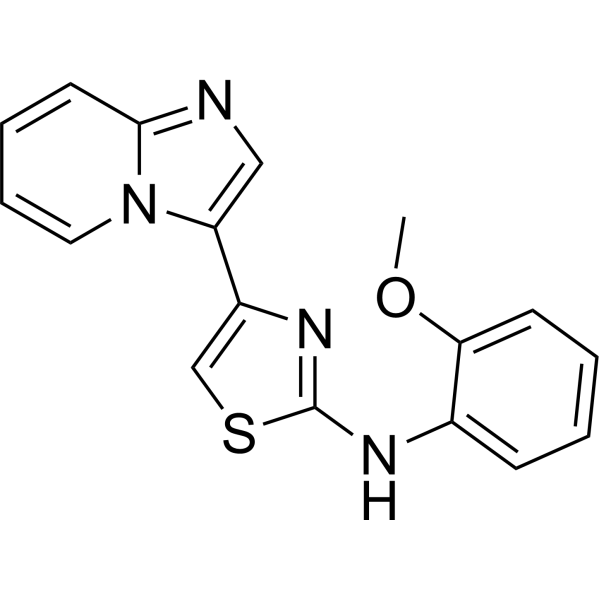
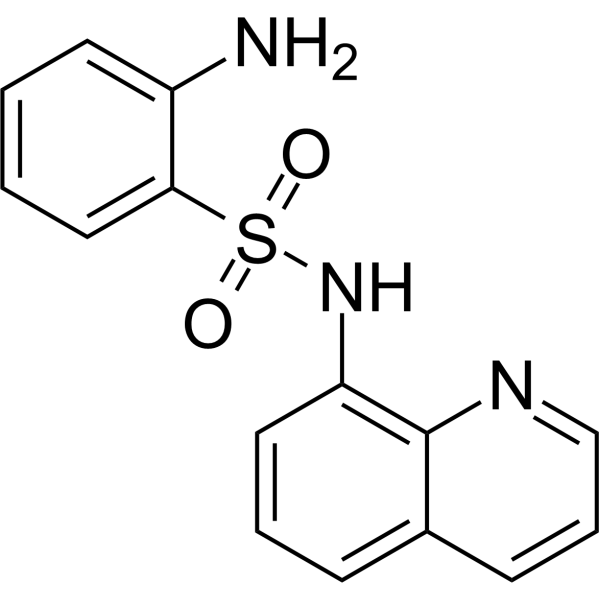
    PKM2-IN-6 (compound 7d) is a potent and orally active PKM2 inhibitor with an IC50 value of 23 nM. PKM2-IN-6 induces apoptosis and cell cycle arrest at G2 phase. PKM2-IN-6 reduces the level of PKM1 and PKM2 at the mRNA level. PKM2-IN-6 shows anticancer activity and has the potential for the research of triple-negative breast cancer .
    PKM2-IN-6
  • HY-148712

    Apoptosis Sirtuin Cancer
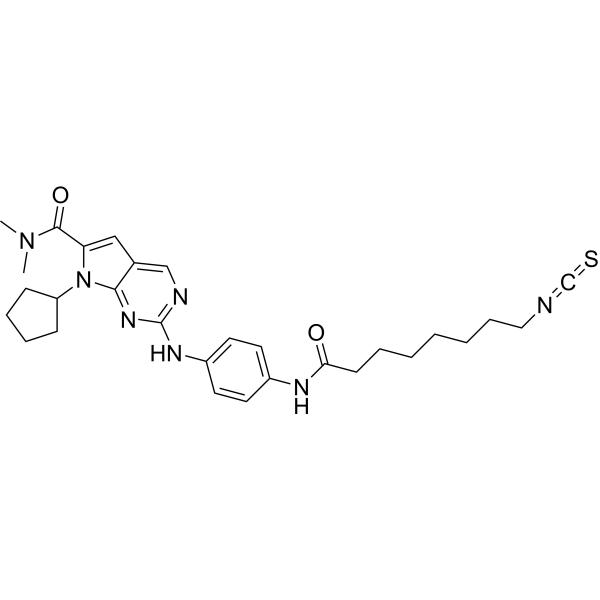
    SIRT6 activator 12q is potent, selective and orally active SIRT6 activator with IC50 values of 171.20, >200, >200, >200, 0.58 μM for SIRT1, SIRT2, SIRT3, SIRT5, SIRT6, respectively. SIRT6 activator 12q inhibits cell growth and migration. SIRT6 activator 12q induces Apoptosis and cell cycle arrest at G2 phase. SIRT6 activator 12q shows anticancer activity .
    SIRT6 activator 12q
  • HY-125677

    Caspase Reactive Oxygen Species (ROS) Apoptosis Cancer
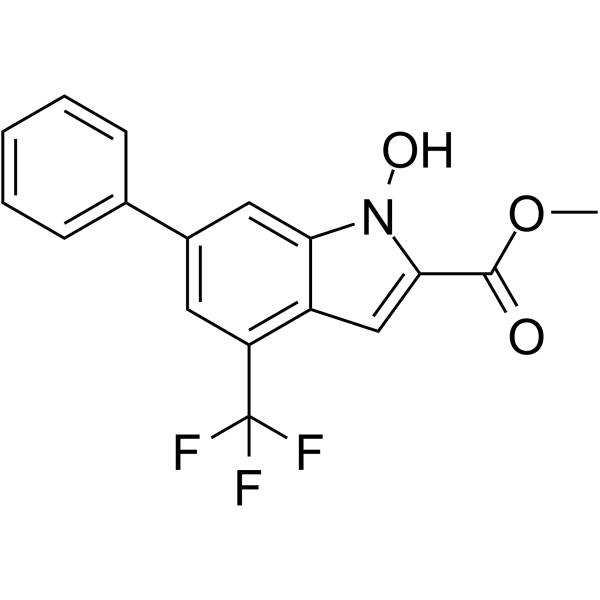
    SHetA2 is a derivative of heteroarotinoid, that exhibits cytotoxicity in cancer cells with IC50 of 0.37–4.6 μM. SHetA2 regulates cancer cells differentiation, induces apoptosis through the intrinsic mitochondrial pathway, and arrest cell cycle at G2 phase. SHetA2 exhibits good pharmacokinetic characteristics and antitumor efficacy in mice. SHetA2 is orally active [2].
    SHetA2
  • HY-124309

    Lactate Dehydrogenase Apoptosis Cancer
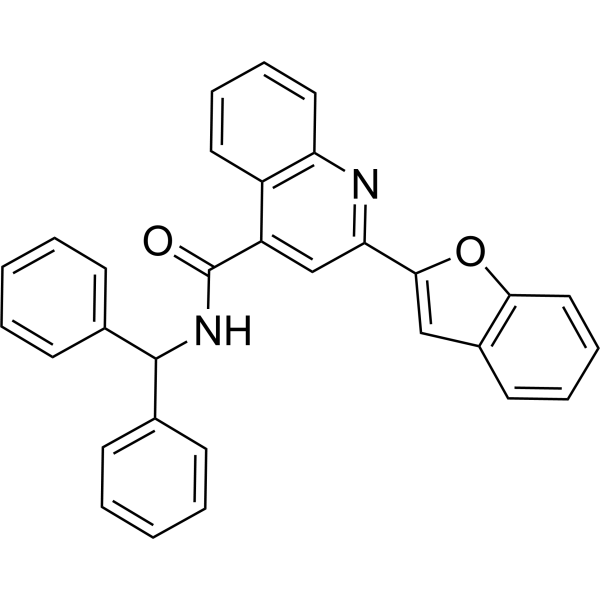
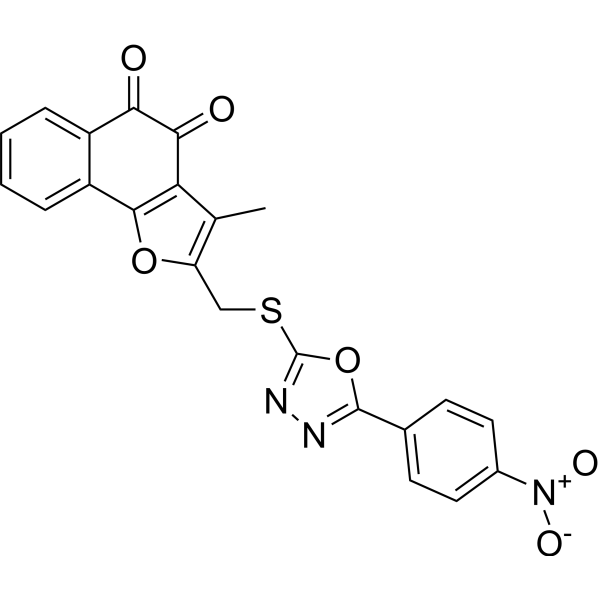
    NHI-2 is a lactate dehydrogenase A (LDHA) inhibitor with an IC50 of 14.7 µM. NHI-2 shows selective for LDHA over LDHB (IC50 = 55.8 µM). NHI-2 is an efficient anti-glycolytic agent. NHI-2 enhances apoptosis, induces cell cycle arrest at S and G2 phases. NHI-2 has a broad spectrum anti-proliferative activity in cancer cells. NHI-2 affects extracellular acidification rate and ATP production. NHI-2 suppresses tumor growth in murine B78 melanoma tumor model [2].
    NHI-2
  • HY-149912

    Polo-like Kinase (PLK) Trk Receptor Apoptosis Cancer
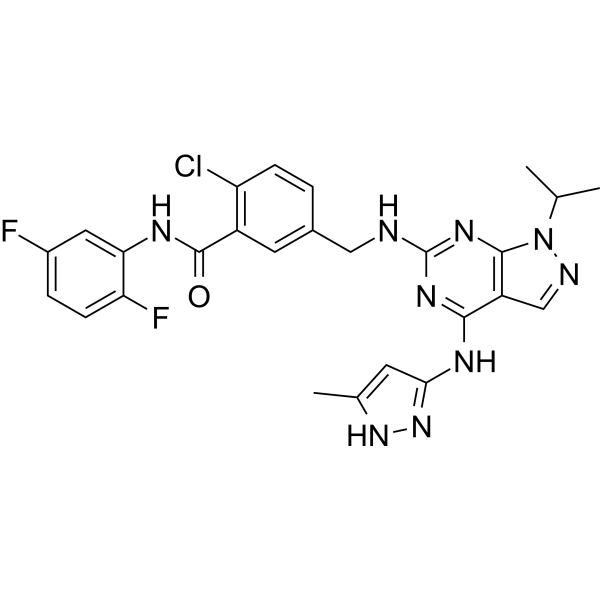
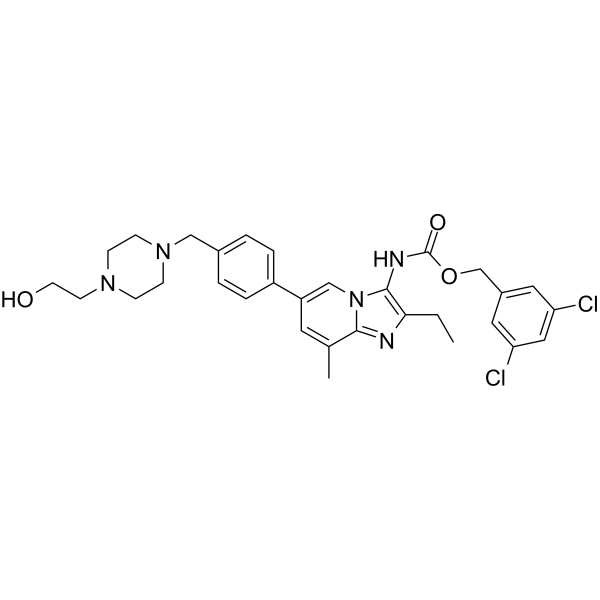
    CZS-241 is an orally active and selective inhibitor of Polo-like Kinase (PLK) 4 (IC50=2.6 nM). CZS-241 inhibits TRKA with an IC50 value of 2.74 μM. CZS-241 induces apoptosis and arrests cell cycle at S/G2 phase. CZS-241 shows highly potent antiproliferative activity against leukemia cell lines, and exhibits safety against normal cell lines .
    CZS-241
  • HY-115683

    Apoptosis Cancer
    NUN82647 is a potent cytotoxic compound that inhibits cell cycle at G2 phase and induces apoptosis. NUN82647 can be used for the study of leukemia .
    NUN82647
  • HY-126251

    CDK Apoptosis Cancer
    CDK9-IN-7 (compound 21e) is a selective, highly potent, and orally active CDK9/cyclin T inhibitor (IC50=11 nM), which exhibits more potent over other CDKs (CDK4/cyclinD=148 nM; CDK6/cyclinD=145 nM). CDK9-IN-7 shows antitumor activity without obvious toxicity. CDK9-IN-7 induces NSCLC cell apoptosis, arrests the cell cycle in the G2 phase, and suppresses the stemness properties of NSCLC .
    CDK9-IN-7
  • HY-15882

    Endogenous Metabolite Cancer
    GNE-783 is a selective CHK1 inhibitor that enhances the activity of gemcitabine. GNE-783 improves the efficacy of anti-metabolite DNA damage drugs by inactivating S-phase and G2-phase cell cycle checkpoints following DNA damage. GNE-783 selectively enhances the chemical synergy of certain drugs in different tumor types, for example, enhancing the activity of temozolomide only in melanoma cell lines .
    GNE-783
  • HY-18626

    Topoisomerase Cancer
    NK 314 is an inhibitor for topoisomerase IIα, which generates the break of DNA double-strand. NK 314 arrests the cell cycle at G2 phase in human acute myeloid leukemia cells, inhibits the proliferation of CEM with IC90 of 55 nM .
    NK 314
  • HY-175265

    c-Myc Ras Apoptosis Cancer
    PQ32 is an antitumor agent that targets c-MYC Pu27 and KRAS G-quadruplexes. PQ32 inhibits tumor cell proliferation, arrests the cell cycle at the G2 phase, and induces apoptosis. PQ32 inhibits the expression of c-MYC and KRAS genes. PQ32 can inhibit tumor growth in mice and is used in the study of lymphoma, breast cancer, lung cancer, hepatocellular carcinoma, colorectal cancer, and other cancers .
    PQ32
  • HY-149912A

    Polo-like Kinase (PLK) Trk Receptor Apoptosis Cancer
    CZS-241 hydrochloride is an orally active and selective inhibitor of Polo-like Kinase 4 (PLK4) (IC50=2.6 nM). CZS-241 hydrochloride inhibits TRKA with an IC50 value of 2.74 μM. CZS-241 hydrochloride induces apoptosis and arrests cell cycle at S/G2 phase. CZS-241 hydrochloride shows highly potent antiproliferative activity against leukemia cell lines, and exhibits safety against normal cell lines .
    CZS-241 hydrochloride
  • HY-173212

    Polo-like Kinase (PLK) c-Myc Apoptosis Cancer
    PLK1-IN-13 is a selective and orally active PLK1 inhibitor (IC50: 0.27 nM). PLK1-IN-13 also inhibits PLK2 (IC50: 12.72 nM) and PLK3 (IC50: 4.12 nM). PLK1-IN-13 arrests cell at G2 phase, induces apoptosis and down-regulates the transcription of the proliferation-related oncogene c-MYC. PLK1-IN-13 inhibits tumor growth, and can be used for research of acute myeloid leukemia (AML) .
    PLK1-IN-13
  • HY-178939

    EGFR Akt PERK Apoptosis Neurological Disease Cancer
    EGFR-IN-181 is an orally active, potent, brain-penetrant EGFRL858R/T790M/C797S triple mutations inhibitor (IC50 = 1.32 nM). EGFR-IN-181 can inhibit EGFR phosphorylation (p-EGFR) and phosphorylation of its downstream signaling proteins AKT (p-AKT) and ERK (p-ERK). EGFR-IN-181 can induce apoptosis and cause G2 phase arrest. EGFR-IN-181 can be used for the study of non-small cell lung cancer (NSCLC) and brain metastases .
    EGFR-IN-181
  • HY-117688

    HDAC Topoisomerase Apoptosis Cancer
    WJ35435 is a dual-targeted anticancer hybrid that induces anti-HDAC (in particular HDAC1 and HDAC6) and anti-topoisomerase I activities that causes DNA damage associated with a low DNA repair capability and induces cell cycle arrest at G1- and G2-phase to apoptosis. WJ35435 induces histone H3 acetylation and phosphorylation, α-tubulin acetylation and γ-H2AX formation to achieve anti-HDAC effect. WJ35435 is promising for research of cancer .
    WJ35435
  • HY-133838

    BM41440

    Parasite PKC Infection Cancer
    Ilmofosine (BM41440) is a potent and selective protein kinase C inhibitor. Ilmofosine induces cell cycle arrest at the G2 phase. Ilmofosine also is an anti-leishmanial agent [2].
    Ilmofosine
  • HY-161046

    Polo-like Kinase (PLK) Cancer
    PLK1-IN-8 (compound TE6) is a PLK1 inhibitor, and inhibits cell proliferation by blocking the cell cycle at G2 phase. PLK1-IN-8 shows anticancer activity in vivo .
    PLK1-IN-8
  • HY-161339

    Apoptosis Sirtuin Cancer
    SIRT2-IN-13 (compound 7c) is an inhibitor of SIRT2 and induces apoptosis. SIRT2-IN-13 selectively inhibits colon cancer and leukemia cells and arrests the cell cycle in the G2 phase .
    SIRT2-IN-13
  • HY-144766

    Apoptosis Cancer
    ATX inhibitor 13 (10c) is an orally active and potent ATX inhibitor, with an IC50 of 3.4 nM. ATX inhibitor 13 inhibits proliferation and migration, and induces apoptosis and G2 phase arrest in RAW264.7 cells. ATX inhibitor 13 suppresses tumor cell colony formation .
    ATX inhibitor 13
  • HY-162580

    SphK Cancer
    SphK2-IN-3 (compound 12q) is a selective active sphingosine kinase-2 inhibitor. SphK2-IN-3 has anti-proliferative activity against various cancer cells, inducing G2 phase arrest and apoptosis in liver cancer cells HepG2 .
    SphK2-IN-3
  • HY-156279

    Apoptosis HDAC Cancer
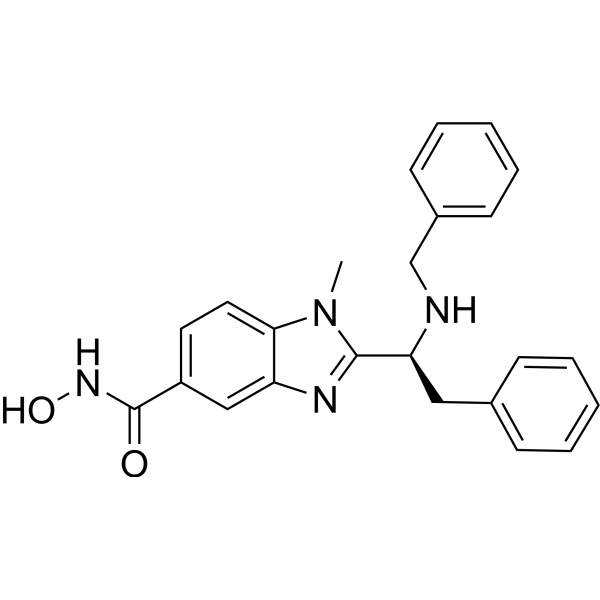
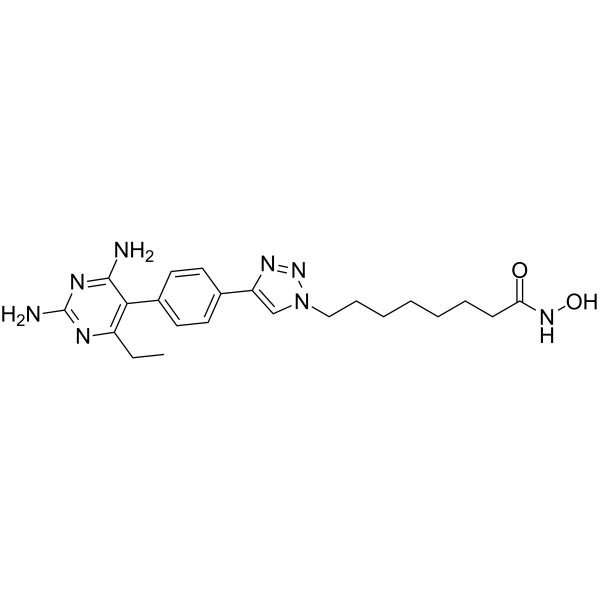
    HDAC6-IN-22 (compound 30) is a inhibitor of HDAC6, with the IC50 of 4.63 nM. HDAC6-IN-22 has antiproliferative effects in vitro and in vivo towards multiple myeloma. HDAC6-IN-22 induces cell cycle arrest in the G2 phase and promotes apoptosis through the mitochondrial pathway .
    HDAC6-IN-22
  • HY-149371

    HDAC Apoptosis Cancer
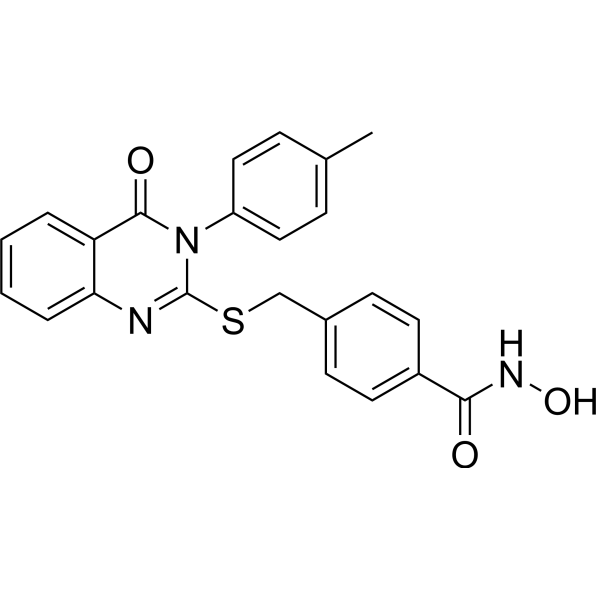
    HDAC6-IN-16 (compound 5c) is a histone deacetylase 6 (HDAC6) inhibitor, based on Quinazolin-4(3H)-One. HDAC6-IN-16 exhibits anticancer effect, inhibits colony-forming. And HDAC6-IN-16 arrests cell cycle at G2 phase and induces apoptosis .
    HDAC6-IN-16
  • HY-146316

    Topoisomerase Cancer
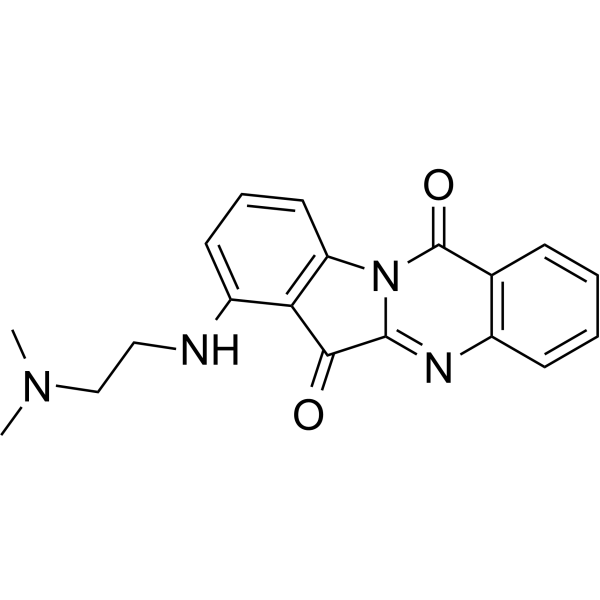
    Topoisomerase II inhibitor 6 (Compound 5), a tryptanthrin derivative, is a potent and selective inhibitor of topoisomerase II. Topoisomerase II inhibitor 6 exhibits antiproliferative activity on different tumor cell lines. Topoisomerase II inhibitor 6 blocks the cell cycle of CCRF-CEM in the G2 phase and induces DNA DSB. Topoisomerase II inhibitor 6 has the potential for the research of cancer diseases .
    Topoisomerase II inhibitor 6
  • HY-161868

    PARP HDAC Apoptosis Cancer
    DLC-50 is a dual inhibitor for PARP-1 and HDAC-1 with IC50 of 1.2 nM and 31 nM. DLC-50 inhibits the proliferation of cancer cells MDA-MB-436, MDA-MB-231, and MCF-7 with IC50 of 0.3, 2.7 and 2.41 μM. DLC-50 induces apoptosis in MDA-MB-231, arrests the cell cycle at G2 phase .
    DLC-50
  • HY-151155

    Anaplastic lymphoma kinase (ALK) Cancer
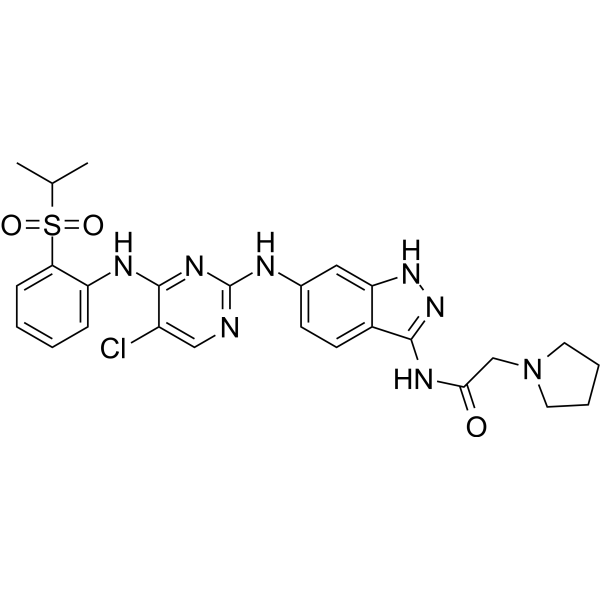
    ALK-IN-23 is a potent ALK inhibitor with IC50 values of 1.6 nM, 0.71 nM and 1.3 nM for ALK WT, ALK L1196M and ALK G1202R. ALK-IN-23 can block cell cycle in G2 phase and induce apoptosis. ALK-IN-23 inhibits cancer cell migration and colony formation in vitro. ALK-IN-23 exhibits antitumor activity in H2228 xenograft nude mice model with hypotoxicity .
    ALK-IN-23
  • HY-150597

    HDAC Apoptosis Cancer
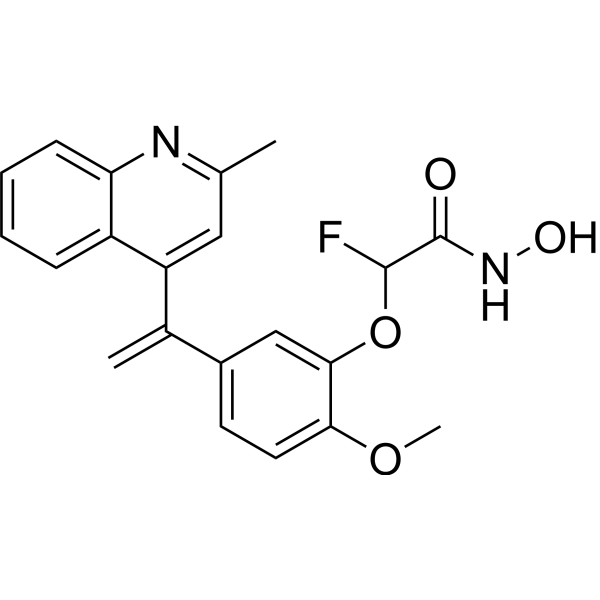
    HDAC-IN-46 (compound 12c) is a potent HDAC inhibitor with an IC50 value of 0.21 μM and 0.021 μM for HDAC1 and HDAC6, respectively. HDAC-IN-46 upregulates p-p38, and downregulates Bcl-xL and cyclin D1 in MDA-MB-231 cells. HDAC-IN-46 induces significant G2 phase arrest and apoptosis. HDAC-IN-46 can be used for researching triple-negative breast cancer (TNBC) .
    HDAC-IN-46
  • HY-159936

    HDAC PPAR Apoptosis Cancer
    CS4 is a selective HDAC inhibitor with the IC50 values of 38 nM, 12 nM, 5.8 μM, 19 μM and 61 μM against of HDAC1, HDAC6, HDAC8, HDAC4 and HDAC11, respectively. CS4 promotes α-tubulin and histone 3 acetylation. CS4 activates PPARγ and blocks glycolysis. CS4 induces cell cycle arrest at G2 phase and apoptosis, and shows anticancer effect both in vivo and in vitro .
    CS4
  • HY-149630

    VEGFR HDAC Apoptosis Cancer
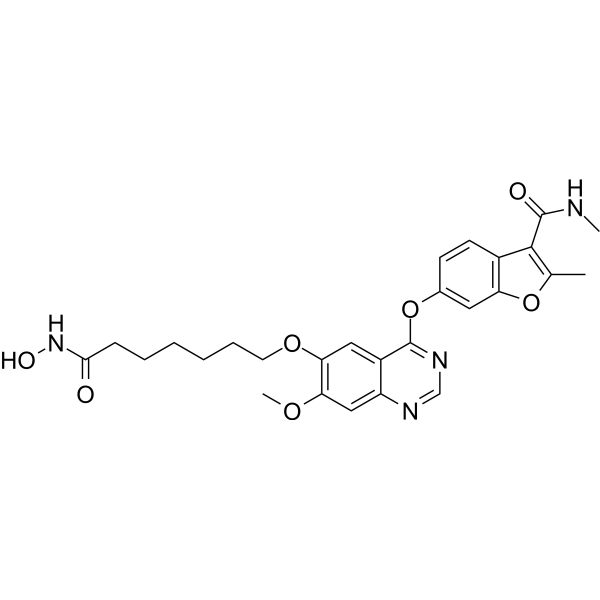
    VEGFR2/HDAC1-IN-1 (compound 13) is a potent VEGFR-2/HDAC dual inhibitor, with IC50s of 57.83 nM and 9.82 nM, respectively. VEGFR2/HDAC1-IN-1 arrests the cell cycle at the S and G2 phases, and induces apoptosis in HeLa cells. VEGFR2/HDAC1-IN-1 exhibits anti-angiogenic effect .
    VEGFR2/HDAC1-IN-1
  • HY-155523

    Microtubule/Tubulin HDAC Apoptosis Cancer
    Tubulin/HDAC-IN-2 (Compound II-19k) is a dual inhibitor of Tubulin and HDAC, with an IC50 of 0.403 μM, 0.591μM, 3.552μM, 0.459μM for HDAC1/2/3/6. Tubulin/HDAC-IN-2 blocks cell cycle arrest at G2 phase, induces cell apoptosis. Tubulin/HDAC-IN-2 inhibits the growth of hematoma and solid tumor cells, reduces tumor metastasis, and also inhibits tumor growth in a liver tumor allograft mouse model .
    Tubulin/HDAC-IN-2
  • HY-164374

    PAK Cancer
    AK963/40708899 is a potent PAK1 inhibitor. AK963/40708899 suppresses the proliferation of human gastric cancer cells by downregulation of PAK1-NF-κB-cyclinB1 pathway. AK963/40708899 induces cell cycle arrest at G2 phase and reduces the migration and invasion. AK963/40708899 inhibits the formation of filopodia and promots cell adhesion which in turn inhibits invasive potential of gastric cells by negatively regulating PAK1-LIMKl-cofilin and PAK1-ERK-FAK pathways .
    AK963/40708899
  • HY-119736

    Others Others
    Leptolstatin is an inhibitor of the progression of G1 and G2 phases of the mammalian cell cycle. Leptolstatin can be extracted from the fermentation broth of Streptomyces sp. SAM1595 .
    Leptolstatin
  • HY-169882

    Microtubule/Tubulin Cancer
    Tubulin inhibitor 49 (Compound 18) is an inhibitor for tubulin polymerization with an IC50 of 48 μM. Tubulin inhibitor 49 disrupts the cell microtubule network, arrests the cell cycle at G2 phase, and exhibits cytotoxicity (IC50=8.8 μM in HeLa cell). Tubulin inhibitor 49 can be used in the research of cervical cancer .
    Tubulin inhibitor 49
  • HY-169882A

    Microtubule/Tubulin Cancer
    Tubulin inhibitor 49 (Compound 18) hydrobromide is an inhibitor for tubulin polymerization with an IC50 of 48 μM. Tubulin inhibitor 49 hydrobromide disrupts the cell microtubule network, arrests the cell cycle at G2 phase, and exhibits cytotoxicity (IC50=8.8 μM in HeLa cell). Tubulin inhibitor 49 hydrobromide can be used in the research of cervical cancer .
    Tubulin inhibitor 49 hydrobromide
  • HY-180838

    Deubiquitinase Apoptosis Cancer
    WW-104 is a selective USP10 inhibitor with an IC50 of 16.75 μM, a Kd of 237 nM. WW-104 induces the G2 phase arrest and cell Apoptosis. WW-104 exhibits significant anti-proliferative effects across USP10-overexpressing cell lines. WW-104 has anti-cancer effects against hepatocellular carcinoma .
    WW-104
  • HY-179103

    Polo-like Kinase (PLK) Apoptosis Cancer
    PLK4-IN-5 (compound 5f) is a PLK4 (IC50 = 0.8 nM) inhibitor. PLK4-IN-5 can inhibit MCF-7 cell clone formation, induce cell cycle arrest (S/G2 phase), and apoptosis. PLK4-IN-5 has anti proliferative activity against MCF-7 cells (IC50 = 0.48 μM). PLK4-IN-5 can be used in the research of cancer such as breast cancer .
    PLK4-IN-5
  • HY-181051

    Polo-like Kinase (PLK) Apoptosis Cancer
    PLK1-IN-16 is a selective polo-like kinase 1 (PLK1) inhibitor with an IC50 of 0.25 nM. PLK1-IN-16 exhibits lower inhibitory potency against PLK2 and PLK3, induces G2 phase cell cycle arrest, induces apoptosis, and exhibits antiproliferative activity against tumor cells. PLK1-IN-16 can be stable under simulated gastric acid environmental conditions, and acceptable CYP 450 inhibition. PLK1-IN-16 can be used for the study of triple-negative breast cancer (TNBC), breast cancer, leukemia .
    PLK1-IN-16
  • HY-183373

    EGFR PARP Cancer
    EGFR/PARP-1-IN-1 is a dual EGFR and PARP-1 inhibitor with IC50 values of 64 nM and 12 nM, respectively. EGFR/PARP-1-IN-1 binds to the ATP-binding pocket of EGFR and interacts with the catalytic domain of PARP-1, inhibiting kinase and enzymatic activity via hydrogen bond formation with key residues in both targets. EGFR/PARP-1-IN-1 induces apoptosis through the endogenous mitochondrial pathway, arrests the cell cycle at the G2 phase, and inhibits cell proliferation. EGFR/PARP-1-IN-1 can be used for research on triple-negative breast cancer .
    EGFR/PARP-1-IN-1

Inquiry Online

Your information is safe with us. * Required Fields.

Salutation


Country or Region *

Applicant Name *


Organization Name *

Department *


Email Address *


Product Name *

Cat. No.


Requested quantity *

Phone Number *


Remarks

Inquiry Online

Inquiry Information

Product Name:
Cat. No.:
Quantity:
MCE Japan Authorized Agent: