1. Search Result
Search Result
Pathways Recommended: Membrane Transporter/Ion Channel
Results for "

KATP channel inhibitor

" in MedChemExpress (MCE) Product Catalog:

43

Inhibitors & Agonists

1

Peptides

8

Natural
Products

10

Isotope-Labeled Compounds

Cat. No. Product Name Target Research Areas Chemical Structure
  • HY-15206
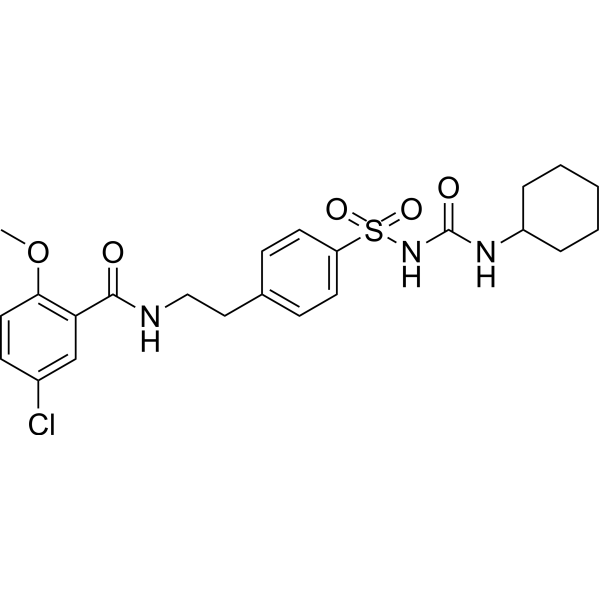
    Glibenclamide
    Maximum Cited Publications
    27 Publications Verification

    Glyburide

    Potassium Channel Mitochondrial Metabolism Autophagy CFTR P-glycoprotein Metabolic Disease
    Glibenclamide (Glyburide) is an orally active ATP-sensitive K + channel (KATP) inhibitor and can be used for the research of diabetes and obesity . Glibenclamide inhibits P-glycoprotein. Glibenclamide directly binds and blocks the SUR1 subunits of KATP and inhibits the cystic fibrosis transmembrane conductance regulator protein (CFTR) . Glibenclamide interferes with mitochondrial bioenergetics by inducing changes on membrane ion permeability . Glibenclamide can induce autophagy .
    Glibenclamide
  • HY-B0112
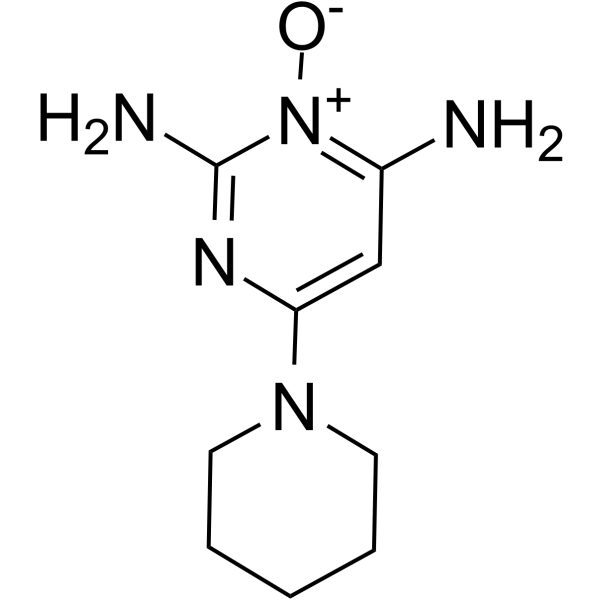
    Minoxidil
    Maximum Cited Publications
    11 Publications Verification

    U10858

    Potassium Channel Endogenous Metabolite Cardiovascular Disease Cancer
    Minoxidil (U10858) is an ATP-sensitive potassium (KATP) channel opener, a potent oral antihypertensive agent and a peripheral vasodilator that promotes vasodilation also affects hair growth. Minoxidil is also a potent inhibitor of soybean lipoxygenaseare with an IC50 of 20 μM .
    Minoxidil
  • HY-113147
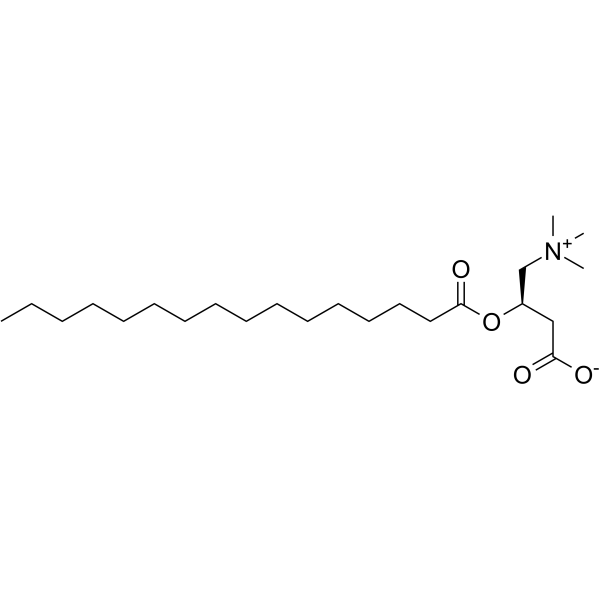
    L-Palmitoylcarnitine
    2 Publications Verification

    Potassium Channel Endogenous Metabolite Cardiovascular Disease Metabolic Disease
    L-Palmitoylcarnitine, a long-chain acylcarnitine and a fatty acid metabolite, accumulates in the sarcolemma and deranges the membrane lipid environment during ischaemia. L-Palmitoylcarnitine inhibits KATP channel activity, without affecting the single channel conductance, through interaction with Kir6.2 .
    L-Palmitoylcarnitine
  • HY-N0466

    Glycosidase HMG-CoA Reductase (HMGCR) Fatty Acid Synthase (FASN) LDLR Others
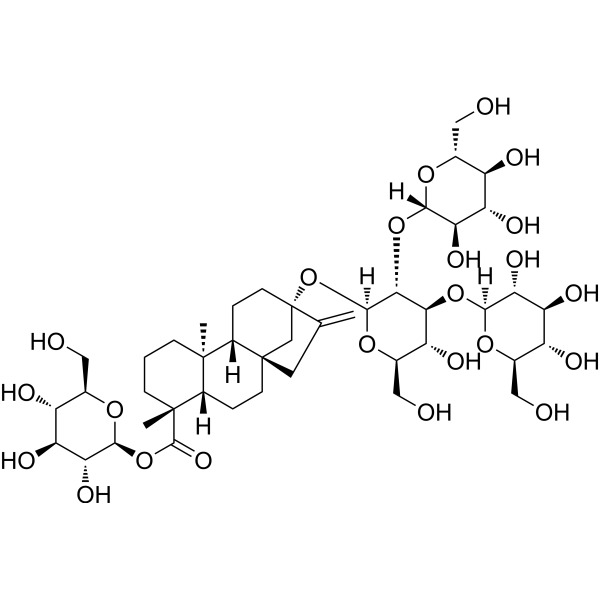
    Rebaudioside A is an orally effective steviol glycoside with high sweetness. Rebaudioside A acts as an inhibitor of α-glucosidase with an IC50 value of 35.01 μg/mL. Rebaudioside A increases the ATP/ADP ratio in β cells in a glucose-dependent manner, thereby inhibiting KATP channels, leading to membrane depolarization, calcium influx, and ultimately stimulating insulin secretion. Rebaudioside A activates the SREBP signaling pathway by inhibiting HMGCR, the rate-limiting enzyme in cholesterol synthesis, resulting in increased expression of LDLR on the cell surface, thus promoting the uptake of LDL-C in the blood. Rebaudioside A can be used for studies on blood glucose and lipid regulation as well as anti-obesity .
    Rebaudioside A
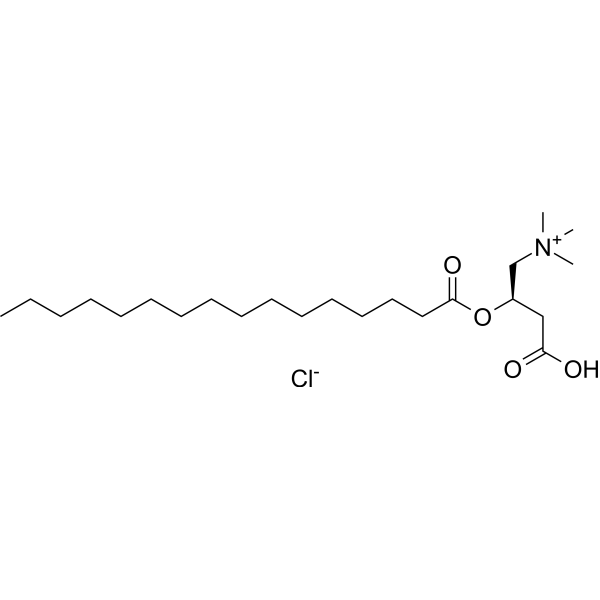
  • HY-113147A
    L-Palmitoylcarnitine chloride
    2 Publications Verification

    Potassium Channel Endogenous Metabolite Cardiovascular Disease Metabolic Disease
    L-Palmitoylcarnitine chloride, a long-chain acylcarnitine and a fatty acid metabolite, accumulates in the sarcolemma and deranges the membrane lipid environment during ischaemia. L-Palmitoylcarnitine chloride inhibits KATP channel activity, without affecting the single channel conductance, through interaction with Kir6.2 .
    L-Palmitoylcarnitine chloride
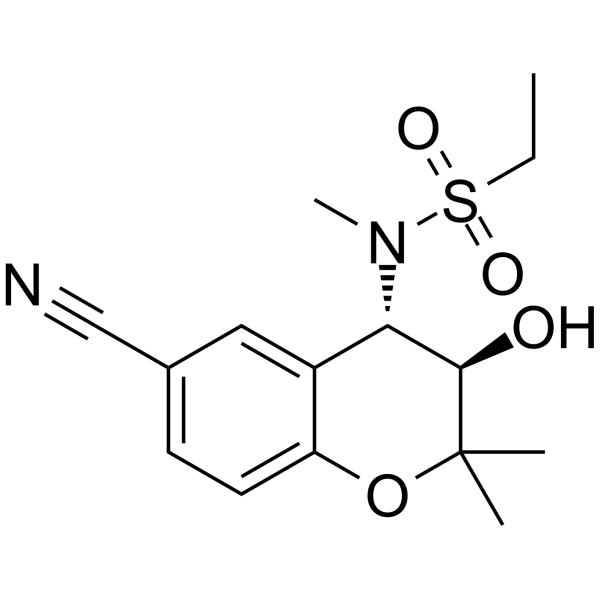
  • HY-108575
    Chromanol 293B
    1 Publications Verification

    Potassium Channel CFTR Cardiovascular Disease
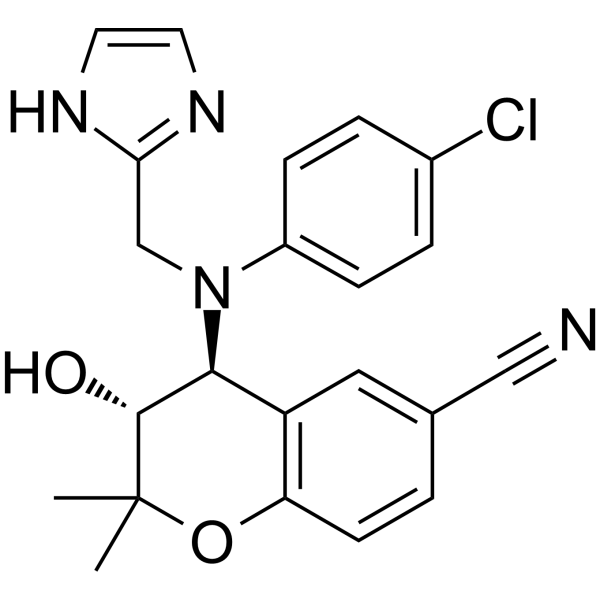
    Chromanol 293B is a selective blocker of the slow delayed rectifier K + current (IKs) with IC50 of 1-10 μM and a weak inhibitor of KATP channel. Chromanol 293B also blocks the CFTR chloride current with an IC50 of 19 μM .
    Chromanol 293B
  • HY-113147AS

    Potassium Channel Endogenous Metabolite Cardiovascular Disease Metabolic Disease
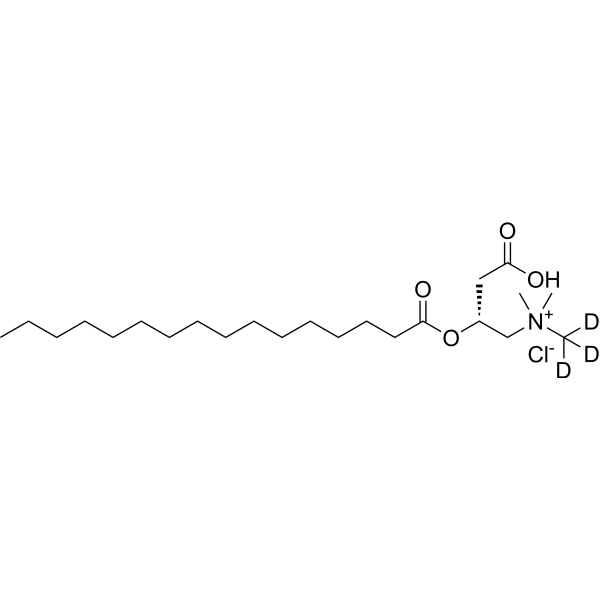
    L-Palmitoylcarnitine-d3 hydrochloride is the deuterium labeled L-Palmitoylcarnitine hydrochloride. L-Palmitoylcarnitine hydrochloride, a long-chain acylcarnitine and a fatty acid metabolite, accumulates in the sarcolemma and deranges the membrane lipid environment during ischaemia. L-Palmitoylcarnitine hydrochloride inhibits KATP channel activity, without affecting the single channel conductance, through interaction with Kir6.2 .
    L-Palmitoylcarnitine-d3 hydrochloride
  • HY-B0327
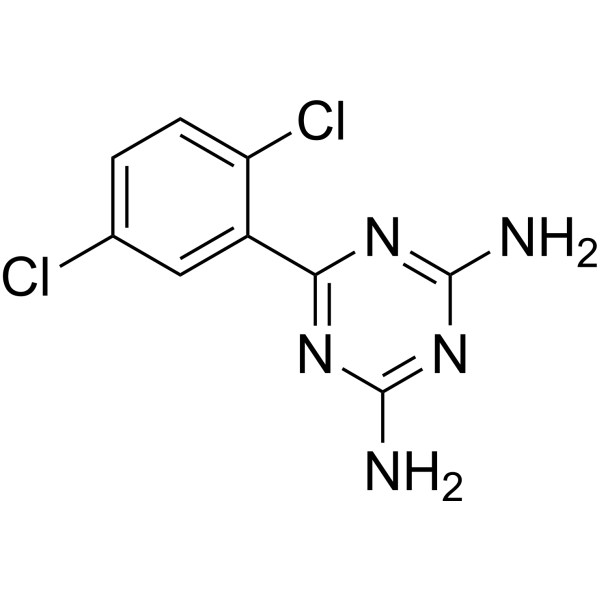
    Irsogladine
    3 Publications Verification

    Dicloguamine

    Phosphodiesterase (PDE) NF-κB AP-1 TRP Channel Interleukin Related Inflammation/Immunology Cancer
    Irsogladine (Dicloguamine) is an orally active gastric mucosal protective agent. Irsogladine inhibits breast cancer recurrence and lung metastasis in nude mice . Irsogladine inhibits the transcriptional activities of NF-κB and AP-1, suppresses the activities of PDE and PDE4 to elevate intracellular cAMP levels, and activates TRPV1 and KATP channels. Irsogladine enhances iNOS expression, NO production, and the activation of cAMP-responsive elements. Irsogladine inhibits the development and progression of intestinal polyps in Apc-mutant mice. Irsogladine alleviates oxidative stress, increases gastric mucosal blood flow, and stimulates the production of endogenous prostaglandins. Irsogladine promotes insulin secretion in MIN6 cells. Irsogladine inhibits tumor angiogenesis, cancer cell proliferation, and the production of proinflammatory cytokines. Irsogladine exerts protective effects on astrocytes in ethanol/hydrochloric acid-induced gastric ulcers in mice. Irsogladine prevents colitis in IL-10 gene-deficient mice by reducing the production of IL-12 and IL-23. Irsogladine upregulates gap junction intercellular communication in pancreatic cancer cells via the PKA pathway. Irsogladine is applicable to research related to breast cancer, intestinal polyposis, gastric ulcer, spontaneous colitis, glioma, liver cancer, and pancreatic cancer [5][6] .
    Irsogladine
  • HY-103309
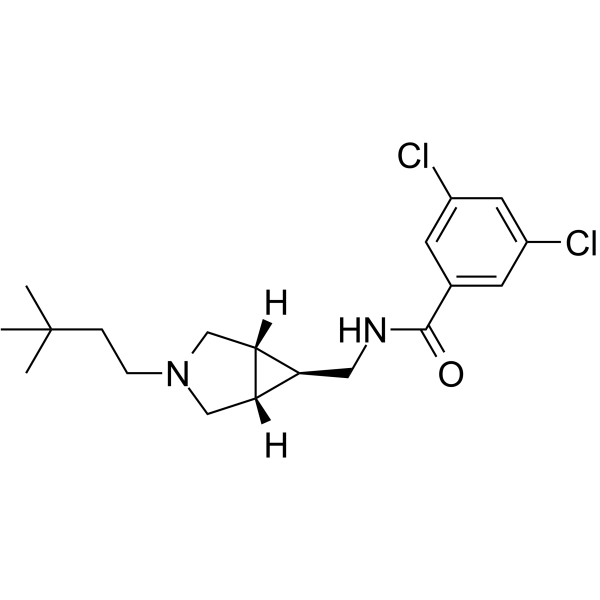
    ML218
    2 Publications Verification

    Calcium Channel Neurological Disease
    ML218 is a potent, selective and orally active T-type Ca 2+ channels (Cav3.1, Cav3.2, Cav3.3) inhibitor with IC50s of 310 nM and 270 nM for Cav3.2 and Cav3.3, respectively. ML218 inhibits the burst activity in subthalamic nucleus (STN) neurons. ML218 has no significant inhibition of L- or N-type calcium channels, KATP or hERG potassium channels. ML218 can penetrate the blood-brain barrier .
    ML218
  • HY-15206S1

    Glyburide-d3

    Potassium Channel Mitochondrial Metabolism Autophagy CFTR P-glycoprotein Metabolic Disease
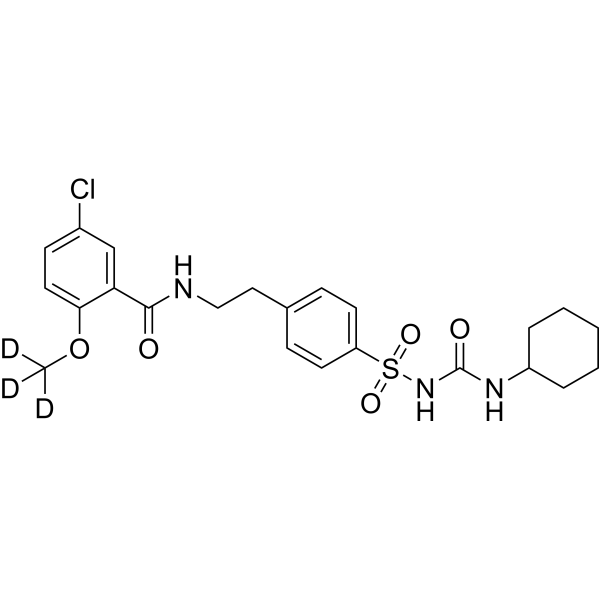
    Glyburide-d3 is the deuterium labeled Glibenclamide. Glibenclamide (Glyburide) is an orally active ATP-sensitive K+ channel (KATP) inhibitor and can be used for the research of diabetes and obesity[1]. Glibenclamide inhibits P-glycoprotein. Glibenclamide directly binds and blocks the SUR1 subunits of KATP and inhibits the cystic fibrosis transmembrane conductance regulator protein (CFTR)[3]. Glibenclamide interferes with mitochondrial bioenergetics by inducing changes on membrane ion permeability[4]. Glibenclamide can induce autophagy[5].
    Glyburide-d3
  • HY-B0112R

    U10858 (Standard)

    Reference Standards Potassium Channel Endogenous Metabolite Cardiovascular Disease Cancer
    Minoxidil (Standard) is the analytical standard of Minoxidil. This product is intended for research and analytical applications. Minoxidil (U10858) is an ATP-sensitive potassium (KATP) channel opener, a potent oral antihypertensive agent and a peripheral vasodilator that promotes vasodilation also affects hair growth. Minoxidil is also a potent inhibitor of soybean lipoxygenaseare with an IC50 of 20 μM .
    Minoxidil (Standard)
  • HY-162322

    Potassium Channel Cardiovascular Disease
    VU0542270 is a selective vascular Kir6.1/SUR2B KATP channel inhibitor with an IC50 value of 100 nM. VU0542270 has an IC50 > 30 μM for the other nine members of the Kir channel family. VU0542270 can be used in the study of cardiovascular disease .
    VU0542270
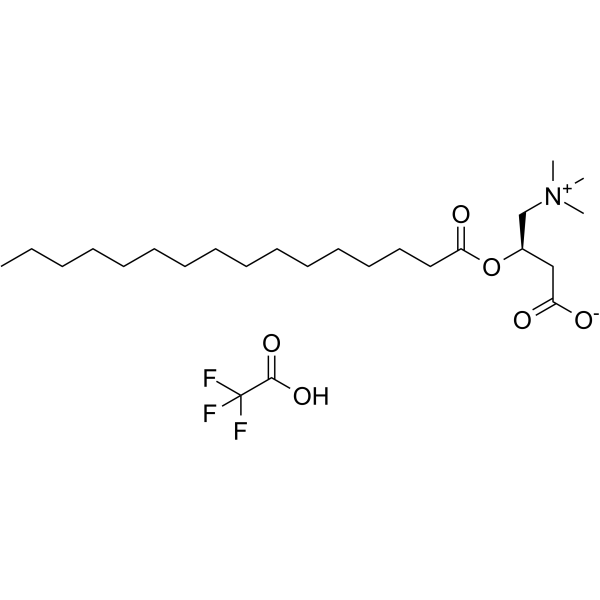
  • HY-113147B
    L-Palmitoylcarnitine TFA
    2 Publications Verification

    Endogenous Metabolite Potassium Channel Cardiovascular Disease Metabolic Disease
    L-Palmitoylcarnitine TFA, a long-chain acylcarnitine and a fatty acid metabolite, accumulates in the sarcolemma and deranges the membrane lipid environment during ischaemia. L-Palmitoylcarnitine TFA inhibits KATP channel activity, without affecting the single channel conductance, through interaction with Kir6.2 .
    L-Palmitoylcarnitine TFA
  • HY-15206S

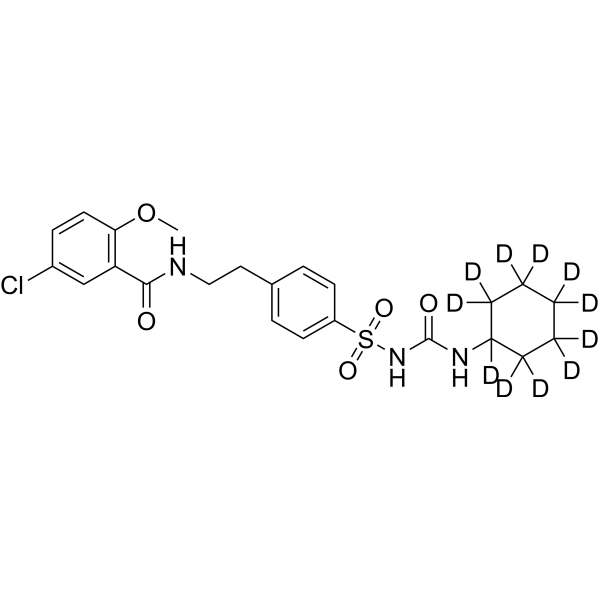
    Isotope-Labeled Compounds Potassium Channel Mitochondrial Metabolism Autophagy CFTR P-glycoprotein Metabolic Disease
    Glyburide-d11 is the deuterium labeled Glibenclamide. Glibenclamide (Glyburide) is an orally active ATP-sensitive K+ channel (KATP) inhibitor and can be used for the research of diabetes and obesity . Glibenclamide inhibits P-glycoprotein. Glibenclamide directly binds and blocks the SUR1 subunits of KATP and inhibits the cystic fibrosis transmembrane conductance regulator protein (CFTR) . Glibenclamide interferes with mitochondrial bioenergetics by inducing changes on membrane ion permeability . Glibenclamide can induce autophagy .
    Glyburide-d11
  • HY-23196S

    Potassium Channel Neurological Disease
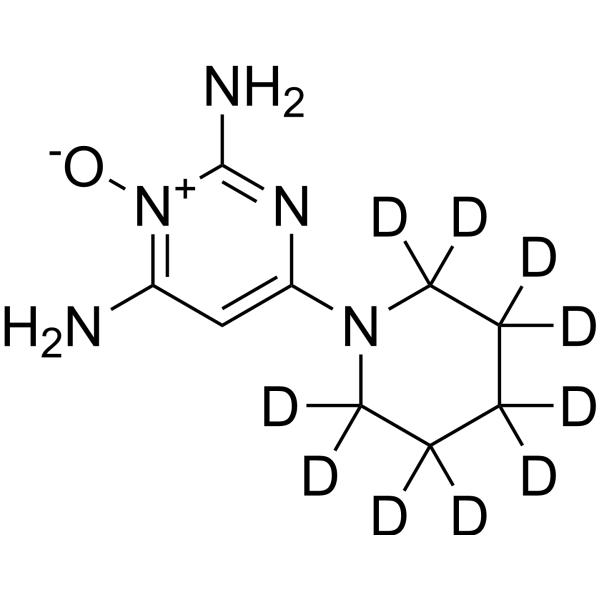
    Minoxidil-d10 (U10858-d10) is the deuterium labeled Minoxidil. Minoxidil (U10858) is an ATP-sensitive potassium (KATP) channel opener, a potent oral antihypertensive agent and a peripheral vasodilator that promotes vasodilation also affects hair growth. Minoxidil is also a potent inhibitor of soybean lipoxygenaseare with an IC50 of 20 μM[1][2][3].
    Minoxidil-d10
  • HY-106577

    Cifenline; Ro 22-7796

    Potassium Channel Cardiovascular Disease Metabolic Disease
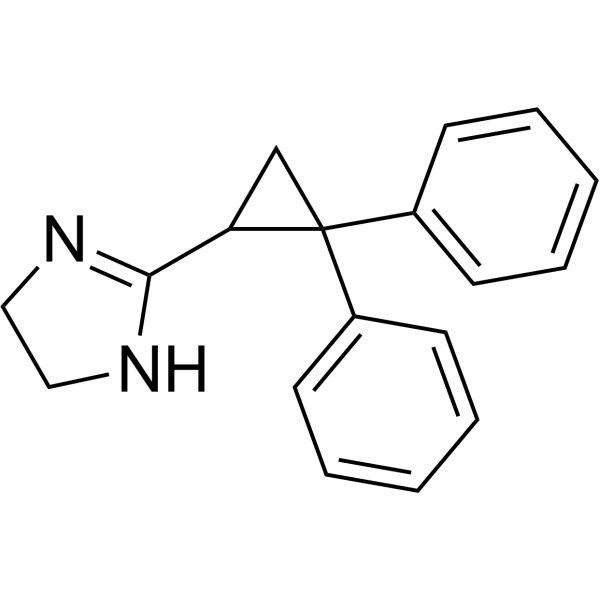
    Cibenzoline is a class Ia antiarrhythmic active molecule with low anticholinergic activity. Cibenzoline is a KATP channel inhibitor, acting through the pore forming subunit Kir6.2, with an IC50 of 22.2 μM. Cibenzoline inhibits IKr and IKs currents with IC50 values of 8.8 μM and 12.3 μM, respectively. Cibenzoline is used in the study of cardiac diseases. In addition, Cibenzoline can induce hypoglycemia .
    Cibenzoline
  • HY-W017387
    Sodium α-ketoisocaproate
    1 Publications Verification

    Sodium 4-methyl-2-oxopentanoate; 2-Ketoisocaproic acid sodium salt

    Branched Chain Amino Acid Transaminase (BCAT) Potassium Channel Na+/Ca2+ Exchanger Metabolic Disease
    Sodium α-ketoisocaproate (Sodium 4-methyl-2-oxopentanoate) is an insulin secretagogue. Sodium α-ketoisocaproate undergoes transamination catalyzed by BCAT and BCATm to produce α-ketoglutarate and leucine; it also binds to the SUR1 site to inhibit KATP channel activity, but does not directly affect the Kir6.2 subunit. Sodium α-ketoisocaproate regulates Ca 2+ influx. Sodium α-ketoisocaproate exerts insulinotropic activity in pancreatic islets and intact mouse pancreata with sufficient BCATm expression. Sodium α-ketoisocaproate can be used in research related to type 2 diabetes .
    Sodium α-ketoisocaproate
  • HY-14256
    BMS-191095
    1 Publications Verification

    Potassium Channel Cardiovascular Disease Neurological Disease
    BMS-191095 is a selective activator of mitochondrial ATP-sensitive potassium (mitoKATP) channels. BMS-191095 inhibits human platelet aggregation by opening mitochondrial K(ATP) channels .
    BMS-191095
  • HY-169249

    Z1620764636

    Potassium Channel Metabolic Disease
    Aekatperone is a reversible KATP channel inhibitor, with an IC50 of 9 μM. Aekatperone can be used for the research of congenital hyperinsulinism (CHI) .
    Aekatperone
  • HY-15206R

    Glyburide (Standard)

    Mitochondrial Metabolism Autophagy CFTR P-glycoprotein Potassium Channel Reference Standards Metabolic Disease
    Glibenclamide (Standard) is the analytical standard of Glibenclamide. This product is intended for research and analytical applications. Glibenclamide (Glyburide) is an orally active ATP-sensitive K + channel (KATP) inhibitor and can be used for the research of diabetes and obesity . Glibenclamide inhibits P-glycoprotein. Glibenclamide directly binds and blocks the SUR1 subunits of KATP and inhibits the cystic fibrosis transmembrane conductance regulator protein (CFTR) . Glibenclamide interferes with mitochondrial bioenergetics by inducing changes on membrane ion permeability . Glibenclamide can induce autophagy .
    Glibenclamide (Standard)
  • HY-W037817

    Dimethyl glutamate

    Potassium Channel Bacterial Infection Metabolic Disease
    Dimethyl L-glutamate (Dimethyl glutamate), a membrane-permeable analog of Glutamate, can stimulate insulin release induced by Glucose. Dimethyl L-glutamate suppresses the KATP channel activities. Dimethyl L-glutamate inhibits E. gracilis growth and causes abnormal cell division. Dimethyl L-glutamate can be used in the research of diabetes, glucose transport, phosphorylation, and further metabolism .
    Dimethyl L-glutamate
  • HY-115606

    NKCC Endogenous Metabolite Neurological Disease
    ML007 is a selective antagonist targeting the neuron-specific potassium-chloride co-transporter 2 (KCC2) with an IC50 for KCC2 is 537 nM, while its inhibitory activity on KCC1 is extremely weak (IC50 > 50 μM). ML077 inhibits the chloride ion excretion function of KCC2, increasing the intracellular chloride ion concentration, thereby enhancing the depolarization mediated by chloride ion channels. ML007 can promote glucose-stimulated insulin secretion (GSIS) without relying on KATP channels. ML007 can be used to study the functions related to pain, epilepsy, and insulin secretion .
    ML077
  • HY-N0466R

    Reference Standards Glycosidase HMG-CoA Reductase (HMGCR) Fatty Acid Synthase (FASN) LDLR Others
    Rebaudioside A (Standard) is the analytical standard of Rebaudioside A. This product is intended for research and analytical applications. Rebaudioside A is an orally effective steviol glycoside with high sweetness. Rebaudioside A acts as an inhibitor of α-glucosidase with an IC50 value of 35.01 μg/mL. Rebaudioside A increases the ATP/ADP ratio in β cells in a glucose-dependent manner, thereby inhibiting KATP channels, leading to membrane depolarization, calcium influx, and ultimately stimulating insulin secretion. Rebaudioside A activates the SREBP signaling pathway by inhibiting HMGCR, the rate-limiting enzyme in cholesterol synthesis, resulting in increased expression of LDLR on the cell surface, thus promoting the uptake of LDL-C in the blood. Rebaudioside A can be used for studies on blood glucose and lipid regulation as well as anti-obesity.
    Rebaudioside A (Standard)
  • HY-121183

    RP 52891

    Potassium Channel Cardiovascular Disease
    Aprikalim (RP 52891), a potassium channel opener (KCO), activates ATP-sensitive K+ (KATP) channels in guinea pig ventricular myocytes. Using patch-clamp techniques, it was found that aprikalim enhances KATP channel activity more effectively in Mg-NDP solution compared to standard solutions. In Mg-NDP solution, aprikalim reduced the sensitivity of KATP channels to ATP, increasing the concentration of ATP required to inhibit channel activity by half (K1) from 56 μM to 180 μM. However, this effect diminished over time. Aprikalim's ability to activate KATP channels in Mg-NDP solution suggests potential therapeutic implications in modulating cardiac excitability and may relate to changes in channel protein enzymatic activity under experimental conditions .
    Aprikalim
  • HY-120158

    Potassium Channel Neurological Disease
    ZD0947 is an ATP-sensitive potassium channel activator with relatively effective activation of smooth muscle KATP channels (SUR2B/Kir6.1 and SUR2B/Kir6.2). ZD0947 partially antagonizes pancreatic KATP channels (SUR1/Kir6.2) and cardiac KATP channels (SUR2A/Kir6.2). ZD0947 is potentially used to inhibit overactive bladder (OAB) .
    ZD0947
  • HY-117255

    Potassium Channel Others
    ZM260384 is a KATP channel opener that accelerates metabolism and inhibits the decline of guinea pig isolated diaphragm function, thereby affecting muscle contraction. ZM260384 can be used to study muscle function under hypoxic conditions .
    ZM260384
  • HY-113147S1

    Isotope-Labeled Compounds Potassium Channel Endogenous Metabolite Cardiovascular Disease Metabolic Disease
    L-Palmitoylcarnitine-d9 is deuterium labeled L-Palmitoylcarnitine. L-Palmitoylcarnitine, a long-chain acylcarnitine and a fatty acid metabolite, accumulates in the sarcolemma and deranges the membrane lipid environment during ischaemia. L-Palmitoylcarnitine inhibits KATP channel activity, without affecting the single channel conductance, through interaction with Kir6.2 .
    L-Palmitoylcarnitine-d9
  • HY-113147AR

    Reference Standards Potassium Channel Endogenous Metabolite Cardiovascular Disease Metabolic Disease
    L-Palmitoylcarnitine (chloride) (Standard) is the analytical standard of L-Palmitoylcarnitine (chloride). This product is intended for research and analytical applications. L-Palmitoylcarnitine chloride, a long-chain acylcarnitine and a fatty acid metabolite, accumulates in the sarcolemma and deranges the membrane lipid environment during ischaemia. L-Palmitoylcarnitine chloride inhibits KATP channel activity, without affecting the single channel conductance, through interaction with Kir6.2[1].
    L-Palmitoylcarnitine chloride (Standard)
  • HY-152013S

    Isotope-Labeled Compounds Endogenous Metabolite Potassium Channel Cardiovascular Disease
    L-Palmitoylcarnitine-d3-1 (hydrochloride) is deuterium labeled L-Palmitoylcarnitine (chloride). L-Palmitoylcarnitine chloride, a long-chain acylcarnitine and a fatty acid metabolite, accumulates in the sarcolemma and deranges the membrane lipid environment during ischaemia. L-Palmitoylcarnitine chloride inhibits KATP channel activity, without affecting the single channel conductance, through interaction with Kir6.2 .
    L-Palmitoylcarnitine-d3-1 hydrochloride
  • HY-15206S2

    Glyburide-13C6

    Isotope-Labeled Compounds Autophagy Mitochondrial Metabolism Potassium Channel CFTR P-glycoprotein Metabolic Disease
    Glibenclamide- 13C6 (Glyburide- 13C6) is 13C labeled Glibenclamide. Glibenclamide (Glyburide) is an orally active ATP-sensitive K + channel (KATP) inhibitor and can be used for the research of diabetes and obesity . Glibenclamide inhibits P-glycoprotein. Glibenclamide directly binds and blocks the SUR1 subunits of KATP and inhibits the cystic fibrosis transmembrane conductance regulator protein (CFTR) . Glibenclamide interferes with mitochondrial bioenergetics by inducing changes on membrane ion permeability . Glibenclamide can induce autophagy .
    Glibenclamide-13C6
  • HY-103309A

    Calcium Channel Neurological Disease
    ML218 hydrochloride is a potent, selective and orally active T-type Ca 2+ channels (Cav3.1, Cav3.2, Cav3.3) inhibitor with IC50s of 310 nM and 270 nM for Cav3.2 and Cav3.3, respectively. ML218 hydrochloride inhibits the burst activity in subthalamic nucleus (STN) neurons. ML218 hydrochloride has no significant inhibition of L- or N-type calcium channels, KATP or hERG potassium channels. ML218 hydrochloride can penetrate the blood-brain barrier .
    ML218 hydrochloride
  • HY-19244

    Potassium Channel Cardiovascular Disease
    JTV-506 is a potent ATP-sensitive potassium channel opener. JTV-506 inhibits Histamine (HY-B1204)-induced contraction of tracheal smooth muscle by activation of KATP channels. JTV-506 attenuates pulmonary vascular tone through its direct action on vascular smooth muscle cells. JTV-506 can be used for pulmonary hypertension research .
    JTV-506
  • HY-115014

    Cifenline succinate; Ro 22-7796 succinate

    Potassium Channel Cardiovascular Disease Metabolic Disease
    Cibenzoline succinate (Cifenline succinate) is the succinate form of Cibenzoline (HY-106577). Cibenzoline succinate is an inhibitor for ATP-sensitive potassium (KATP) channel by affecting the pore-forming Kir6.2 subunit with IC50 of 22.2 µM. Cibenzoline succinate affects insulin secretion and exhibits antiarrhythmic and antidiabetic activities .
    Cibenzoline succinate
  • HY-103309S

    Calcium Channel Neurological Disease
    ML218-d9 is the deuterium labeled ML218. ML218 is a potent, selective and orally active T-type Ca2+ channels (Cav3.1, Cav3.2, Cav3.3) inhibitor with IC50s of 310 nM and 270 nM for Cav3.2 and Cav3.3, respectively. ML218 inhibits the burst activity in subthalamic nucleus (STN) neurons. ML218 has no significant inhibition of L- or N-type calcium channels, KATP or hERG potassium channels. ML218 can penetrate the blood-brain barrier .
    ML218-d9
  • HY-119322R

    NN414 (Standard)

    Potassium Channel Reference Standards Metabolic Disease
    Tifenazoxide (Standard) is the analytical standard of Tifenazoxide. This product is intended for research and analytical applications. Tifenazoxide (NN414) is a potent, orally active and SUR1/Kir6.2 selective KATP channels opener. Tifenazoxide has antidiabetic effect, can inhibit glucose stimulated insulin release in vitro and in vivo, and has a beneficial effect on glucose homeostasis .
    Tifenazoxide (Standard)
  • HY-126704

    KC-8857

    Potassium Channel Cardiovascular Disease
    Tedisamil (KC-8857) is an antiarrhythmic compound with important biological activities. Tedisamil exhibits a significant slowing effect on heart rate, which is achieved by inhibiting the transient outward potassium current (I(to)) in the atrium. Tedisamil inhibits multiple potassium currents, including IK, K(ATP), and PKA-activated chloride channels, thereby prolonging the cardiac action potential and QT interval, and increasing cardiac reentry. Tedisamil has antiarrhythmic effects on ventricular arrhythmias and atrial flutter in animal models .
    Tedisamil
  • HY-106577R

    Cifenline (Standard); Ro 22-7796 (Standard)

    Reference Standards Potassium Channel Cardiovascular Disease Metabolic Disease
    Cibenzoline (Standard) is the analytical standard of Cibenzoline. This product is intended for research and analytical applications. Cibenzoline is a class Ia antiarrhythmic active molecule with low anticholinergic activity. Cibenzoline is a KATP channel inhibitor, acting through the pore forming subunit Kir6.2, with an IC50 of 22.2 μM. Cibenzoline inhibits IKr and IKs currents with IC50 values of 8.8 μM and 12.3 μM, respectively. Cibenzoline is used in the study of cardiac diseases. In addition, Cibenzoline can induce hypoglycemia .
    Cibenzoline (Standard)
  • HY-106577S

    Cifenline-d4; Ro 22-7796-d4

    Isotope-Labeled Compounds Potassium Channel Cardiovascular Disease Metabolic Disease
    Cibenzoline-d4 (Cifenline-d4) is deuterium labeled Cibenzoline. Cibenzoline is a class Ia antiarrhythmic active molecule with low anticholinergic activity. Cibenzoline is a KATP channel inhibitor, acting through the pore forming subunit Kir6.2, with an IC50 of 22.2 μM. Cibenzoline inhibits IKr and IKs currents with IC50 values of 8.8 μM and 12.3 μM, respectively. Cibenzoline is used in the study of cardiac diseases. In addition, Cibenzoline can induce hypoglycemia .
    Cibenzoline-d4
  • HY-15210

    Potassium Channel Metabolic Disease
    Meglitinide is an ATP-sensitive potassium (KATP) channel inhibitor. Meglitinide exhibits IC50 values of 0.26 μM, 0.53 μM and 1.6 μM against KATP channels containing SUR1, SUR2A and SUR2B, respectively, with a Kd value of 7 μM for both SUR1 and SUR2A, and a Kd value of 8 μM for SUR2B. Meglitinide binds to the SUR1, SUR2A and SUR2B subunits with high affinity to close KATP channels, acting on a binding site shared by all SUR subtypes, and its interaction with SUR1 carrying the S1237Y mutation remains unchanged. Meglitinide is applicable to research related to type 2 diabetes .
    Meglitinide
  • HY-B0112A

    U10858 hydrochloride

    Potassium Channel Endogenous Metabolite Cardiovascular Disease
    Minoxidil (U10858) hydrochloride is an ATP-sensitive potassium (KATP) channel opener, a potent oral antihypertensive agent and a peripheral vasodilator that promotes vasodilation also affects hair growth. Minoxidil hydrochloride is also a potent inhibitor of soybean lipoxygenaseare with an IC50 of 20 μM .
    Minoxidil hydrochloride
  • HY-103309R

    Reference Standards Calcium Channel Neurological Disease
    ML218 (Standard) is the analytical standard of ML218 (HY-103309). This product is intended for research and analytical applications. ML218 is a potent, selective and orally active T-type Ca2+ channels (Cav3.1, Cav3.2, Cav3.3) inhibitor with IC50s of 310 nM and 270 nM for Cav3.2 and Cav3.3, respectively. ML218 inhibits the burst activity in subthalamic nucleus (STN) neurons. ML218 has no significant inhibition of L- or N-type calcium channels, KATP or hERG potassium channels. ML218 can penetrate the blood-brain barrier .
    ML218 (Standard)
  • HY-126704A

    KC-8857 dihydrochloride

    Potassium Channel Cardiovascular Disease
    Tedisamil (KC-8857) dihydrochloride is an antiarrhythmic compound with important biological activities. Tedisamil dihydrochloride exhibits a significant slowing effect on heart rate, which is achieved by inhibiting the transient outward potassium current (I(to)) in the atrium. Tedisamil dihydrochloride inhibits multiple potassium currents, including IK, K(ATP), and PKA-activated chloride channels, thereby prolonging the cardiac action potential and QT interval, and increasing cardiac reentry. Tedisamil dihydrochloride has antiarrhythmic effects on ventricular arrhythmias and atrial flutter in animal models .
    Tedisamil dihydrochloride
  • HY-106577S1

    Cifenline-d5; Ro 22-7796-d5

    Isotope-Labeled Compounds Cardiovascular Disease Metabolic Disease
    Cibenzoline-d5 (Cifenline-d5) is deuterium labeled Cibenzoline. Cibenzoline is a class Ia antiarrhythmic active molecule with low anticholinergic activity. Cibenzoline is a KATP channel inhibitor, acting through the pore forming subunit Kir6.2, with an IC50 of 22.2 μM. Cibenzoline inhibits IKr and IKs currents with IC50 values of 8.8 μM and 12.3 μM, respectively. Cibenzoline is used in the study of cardiac diseases. In addition, Cibenzoline can induce hypoglycemia .
    Cibenzoline-d5

Inquiry Online

Your information is safe with us. * Required Fields.

Salutation


Country or Region *

Applicant Name *


Organization Name *

Department *


Email Address *


Product Name *

Cat. No.


Requested quantity *

Phone Number *


Remarks

Inquiry Online

Inquiry Information

Product Name:
Cat. No.:
Quantity:
MCE Japan Authorized Agent:

