Search Result
Results for "
NPs
" in MedChemExpress (MCE) Product Catalog:
3
Biochemical Assay Reagents
2
Isotope-Labeled Compounds
| Cat. No. |
Product Name |
Target |
Research Areas |
Chemical Structure |
-
- HY-10007
-
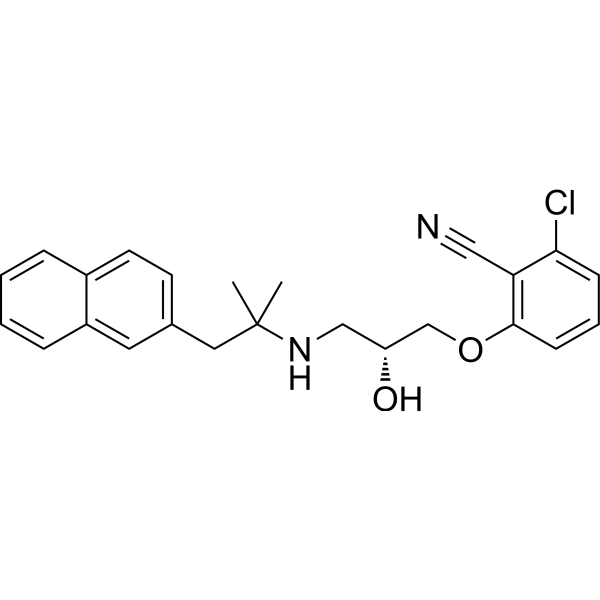
NPS-2143
Maximum Cited Publications
29 Publications Verification
SB-262470A
|
CaSR
|
Metabolic Disease
|
|
NPS-2143 (SB-262470A), an orally active calcilytic agent, is a selective and potent calcium ion-sensing receptor (CaSR) antagonist. NPS-2143 (SB-262470A) blocks increases in cytoplasmic Ca 2+ concentrations (IC50=43 nM) elicited by activating the Ca 2+ receptor in HEK 293 cells expressing the human Ca 2+ receptor .
|
-
-
- HY-152229
-
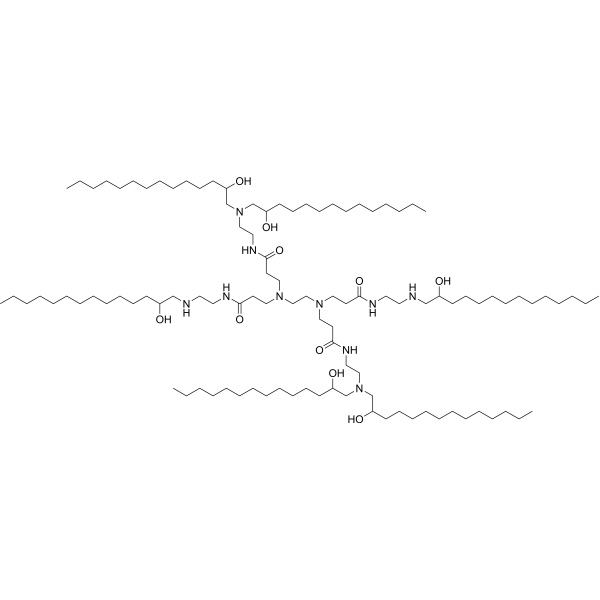
G0-C14
2 Publications Verification
|
Liposome
|
Cancer
|
|
G0-C14 is a cationic lipid-like compound alkyl-modified polyamidoamine (PAMAM) dendrimer. G0-C14 involves in the preparation of a series of macrophage-targeted nanoparticles (NPs). NPs can be used for agent and vaccine delivery .
|
-
-
- HY-10171
-
|
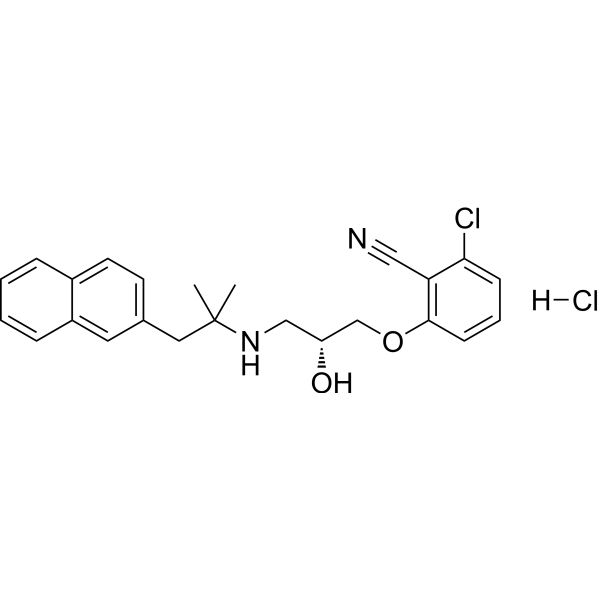
SB-262470A hydrochloride
|
CaSR
|
Metabolic Disease
|
|
NPS-2143 hydrochloride (SB-262470A hydrochloride), an orally active calcilytic agent, is a selective and potent calcium ion-sensing receptor (CaSR) antagonist. NPS-2143 hydrochloride (SB-262470A hydrochloride) blocks increases in cytoplasmic Ca 2+ concentrations (IC50=43 nM) elicited by activating the Ca 2+ receptor in HEK 293 cells expressing the human Ca 2+ receptor .
|
-
-
- HY-10167A
-
|
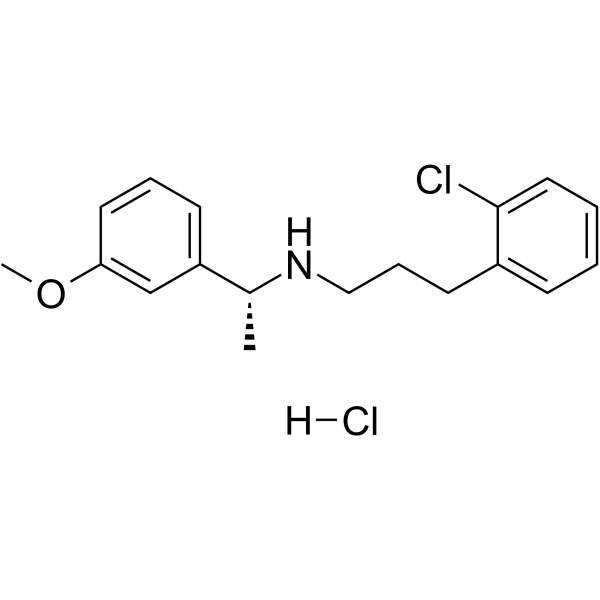
R-568 hydrochloride; NPs R-568
|
CaSR
|
Others
|
|
Tecalcet Hydrochloride (R 568 Hydrochloride), an orally active calcimimetic compound, allosterically and positively modulates the calcium-sensing receptor (CaSR). Tecalcet Hydrochloride (R 568 Hydrochloride) increases the sensitivity to activation by extracellular Ca 2+ .
|
-
-
- HY-P10646
-
|
|
Biochemical Assay Reagents
|
Neurological Disease
|
|
Muscle homing peptide M12 can preferentially bind to surface protein of muscle cells. Muscle homing peptide M12 mediates enhanced cellular uptake of nanoparticles (NPs) in myoblasts in vitro. Muscle homing peptide M12 is covalently conjugated to PLGA-PEG NPs via the N-terminal α-amino groups of peptides using the N-hydroxysuccinimide ester reaction .
|
-

-
- HY-108626
-
|
NCGC84
|
Neuropeptide S Receptor
|
Neurological Disease
|
|
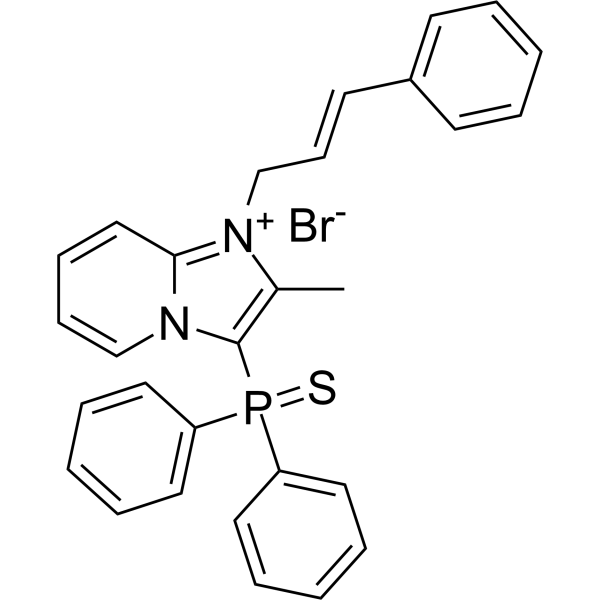
ML154 (NCGC84) is a selective, brain-penetrant and non-peptide neuropeptide S receptor (NPSR) antagonist with a pA2 of 9.98. ML154 potently inhibits NPS-stimulated cellular calcium, cAMP, and ERK phosphorylation responses with IC50 values of 36.5 nM, 22.1 nM, and 9.3 nM, respectively .
|
-
-
- HY-D0917
-
|
|
DNA Stain
|
Cancer
|
|
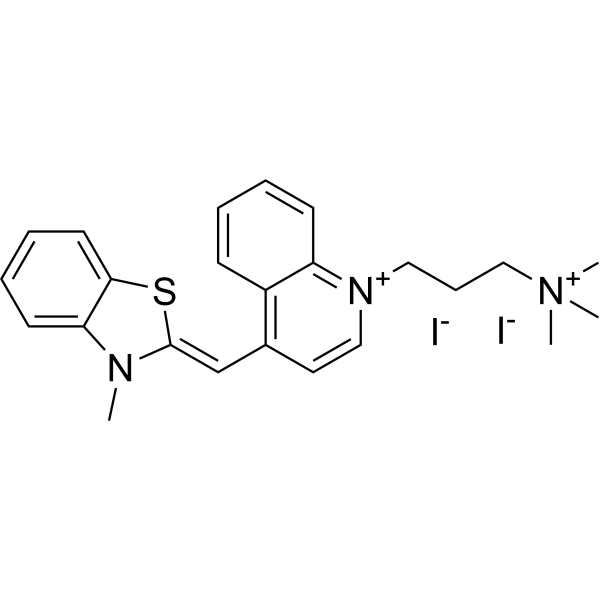
NIR-Red Dead Cell-1 Dye is a DNA-binding fluorescent dye for non-living cells (Ex/Em=515 nm/531 nm). NIR-Red Dead Cell-1 Dye can intercalate into base pairs of double-stranded DNA and produce stronger fluorescence. NIR-Red Dead Cell-1 Dye is suitable for necrotic cells or late apoptotic cells with damaged cell membranes, showing green fluorescence under fluorescence microscopy or flow cytometry. NIR-Red Dead Cell-1 Dye can be used to distinguish live cells from dead cells and distinguish cell membrane integrity. NIR-Red Dead Cell-1 Dye can be attached to the surface of Feraheme (FH) nanoparticles (NPs) to obtain fluorescent dye-functionalized NPs for drug delivery studies .
|
-
-
- HY-100509
-
-
-
- HY-113469
-
|
|
Endogenous Metabolite
|
Infection
Cardiovascular Disease
Inflammation/Immunology
|
|
Cyclic GMP (cGMP), an important second messenger, is a major intracellular mediator of extracellular signals such as nitric oxide (NO) and natriuretic peptides (NPs). Effects of Cyclic GMP occur through three main groups of cellular targets: cGMP-dependent protein kinases (PKGs), cGMP-gated cation channels, and PDEs. Cyclic GMP can inhibit both platelet adhesion and aggregation. cGAMP (Cyclic-GMP-AMP) (HY-12512), a conjugate of Cyclic GMP and AMP, can induce IRF3 phosphorylation and nuclear translocation, enhancing antiviral immune responses .
|
-

-
- HY-11095
-
|
|
mGluR
CaSR
PI3K
Akt
mTOR
Autophagy
Apoptosis
Bcl-2 Family
Caspase
|
Cardiovascular Disease
Neurological Disease
|
|
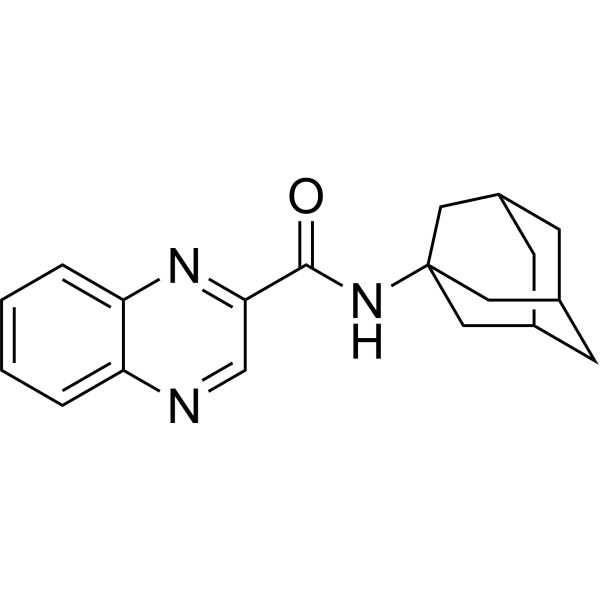
NPS 2390 is an allosteric antagonist of calcium-sensing receptor (CaSR) and mGluR1/5. NPS 2390 inhibits the PI3K/Akt/mTOR signaling pathway, reduces hypoxia-induced intracellular calcium elevation, decreases the expression of autophagy (autophagy) proteins, regulates the expression of phenotypic marker proteins, and inhibits the proliferation of pulmonary artery smooth muscle cells. NPS 2390 attenuates the endogenous apoptosis (apoptosis) pathway, increases the expression level of Bcl-2, downregulates the expression levels of Bax, cytochrome c and caspase-3, alleviates cerebral edema and improves neurological function in rat models. NPS 2390 can be used in studies related to hypoxic pulmonary hypertension, traumatic brain injury, stroke and pain .
|
-
-
- HY-W075770
-
|
Nickel monoxide
|
Environmental Pollutants
Apoptosis
Reactive Oxygen Species (ROS)
Caspase
TGF-beta/Smad
p38 MAPK
Akt
PI3K
|
Infection
Metabolic Disease
Cancer
|
|
Nickel(II) oxide (nickel monoxide) is a chemical warfare agent that can enter the body through the respiratory tract and other routes, distributing to organs such as the lungs and testes. The nanoparticle form of nickel(II) oxide (NiO NPs) exhibits antibacterial, anti-leishmanial, anti-diabetic, and anti-cancer activities. NiO NPs can be activated by ultraviolet and visible light, generating reactive oxygen species (ROS). Nickel(II) oxide induces oxidative stress by generating reactive oxygen species, activating the TGF-β1-mediated MAPK and PI3K/AKT pathways, disrupting the MMPs/TIMPs balance, and upregulating the expression of inflammatory factors (IL-1β, IL-6) and apoptosis-related molecules (Bax, caspase-3, p53), while inhibiting the activity of the anti-apoptotic molecule Bcl-2. Nickel(II) oxide induces cytotoxicity, promotes fibrosis, triggers inflammatory responses, and causes apoptosis. Nickel(II) oxide can be applied in research on the safety assessment of nanomaterials, such as in the context of pulmonary fibrosis and reproductive system toxicity .
|
-

-
- HY-D1724
-
|
|
Fluorescent Dye
|
Cancer
|
|
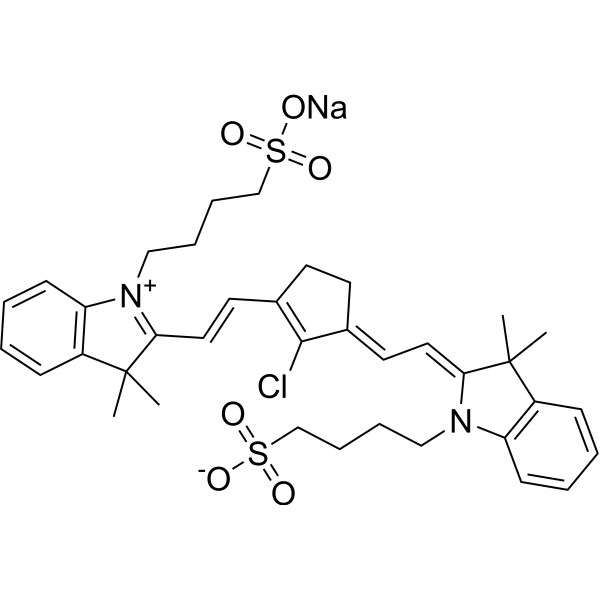
IR-806 is a near-infrared cyanine liquid crystal dye. IR-806 can be used as a molecular antenna to synthesized nanoprobes (NPs). IR-806 can be used for in vivo imaging studies .
|
-
-
- HY-113469A
-
|
|
Endogenous Metabolite
|
Infection
Cardiovascular Disease
Inflammation/Immunology
|
|
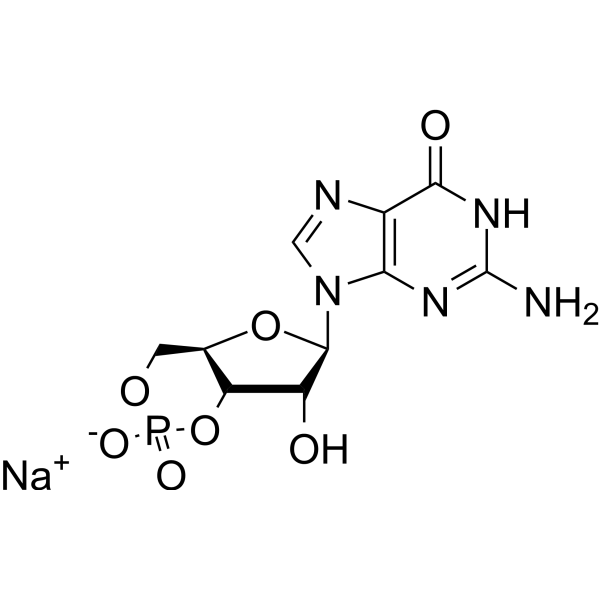
Cyclic GMP (cGMP) sodium, an important second messenger, is a major intracellular mediator of extracellular signals such as nitric oxide (NO) and natriuretic peptides (NPs). Effects of Cyclic GMP sodium occur through three main groups of cellular targets: cGMP-dependent protein kinases (PKGs), cGMP-gated cation channels, and PDEs. Cyclic GMP can inhibit both platelet adhesion and aggregation. cGAMP (Cyclic-GMP-AMP) (HY-12512), a conjugate of Cyclic GMP and AMP, can induce IRF3 phosphorylation and nuclear translocation, enhancing antiviral immune responses .
|
-
-
- HY-P2491
-
|
|
Fluorescent Dye
|
Cardiovascular Disease
Endocrinology
|
|
Atrial Natriuretic Peptide (1-28), human, porcine, Biotin-labeled, one of three mammalian natriuretic peptides (NPs), has endocrine effects on fluid homeostasis and blood pressure. Atrial Natriuretic Peptide has the potential for cardiovascular diseases research .
|
-

-
- HY-P4582
-
|
Suc-FAAF-pNA
|
Ser/Thr Protease
|
Others
|
|
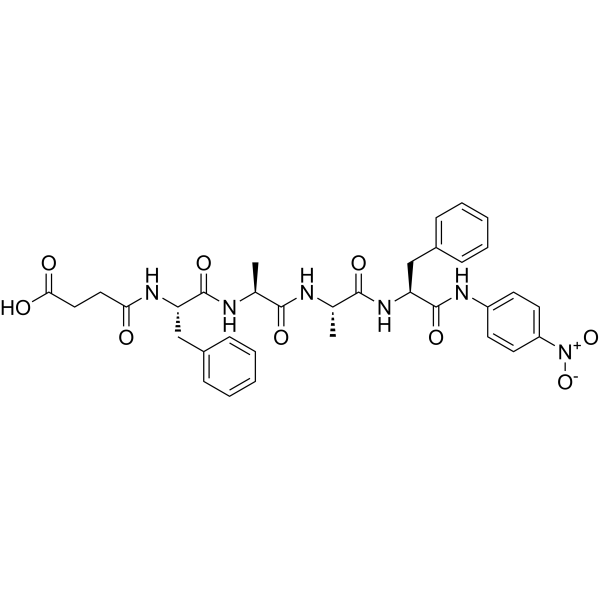
Suc-Phe-Ala-Ala-Phe-pNA (Suc-FAAF-pNA) is a chromogenic polypeptide substrate that can be used for the quantitative activity assay of intracellular subtilisin (ISP) and neutral metalloprotease (NPS) derived from Saccharomonospora canescens. Suc-Phe-Ala-Ala-Phe-pNA is hydrolyzed by the catalytic triad of mature proteases to release the chromophore pNA. Suc-Phe-Ala-Ala-Phe-pNA is applicable to enzymological studies .
|
-
-
- HY-W440913
-
|
|
Liposome
Fluorescent Dye
|
Cancer
|
|
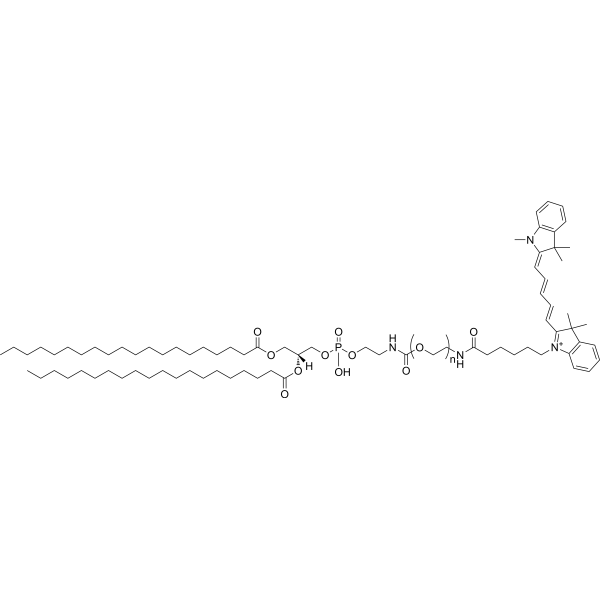
DSPE-PEG-Cy5, MW 5000 is a fluorescently labeled PEGylated phospholipid with a molecular weight of 5000 Da. After intravenous injection, DSPE-PEG-Cy5, MW 5000 shows only extremely low fluorescence accumulation at tumor sites in orthotopic tumor-bearing mice, and can be used as a negative control for evaluating tumor accumulation of nanoparticles. DSPE-PEG-Cy5, MW 5000 can serve as a fluorescent marker to prepare Cy5-labeled NPs-DPPA and NPs-DPPA (C3F8) for pharmacokinetic and biodistribution studies in mice. DSPE-PEG-Cy5, MW 5000 is widely applicable to research in fields related to triple-negative breast cancer, hepatocellular carcinoma and so on .
|
-
-
- HY-178078
-
|
|
Drug Intermediate
|
Cancer
|
|
PTX-SS-COOH is the proform that can be grafted to the sulfhydryl modified gelatin to form the redox sensitive amphiphilic polymer. The nanoparticle (BSA/Gel-SS-PTX/PTX-SS-COOH NPs) demonstrates an excellent anticancer efficiency. PTX-SS-COOH can be applied in the research of targeted delivery for solid tumors (such as breast cancer and melanoma) by utilizing the unique characteristics of the tumor microenvironment (high GSH level) .
|
-

-
- HY-113469B
-
|
|
Endogenous Metabolite
|
Infection
Cardiovascular Disease
Inflammation/Immunology
|
|
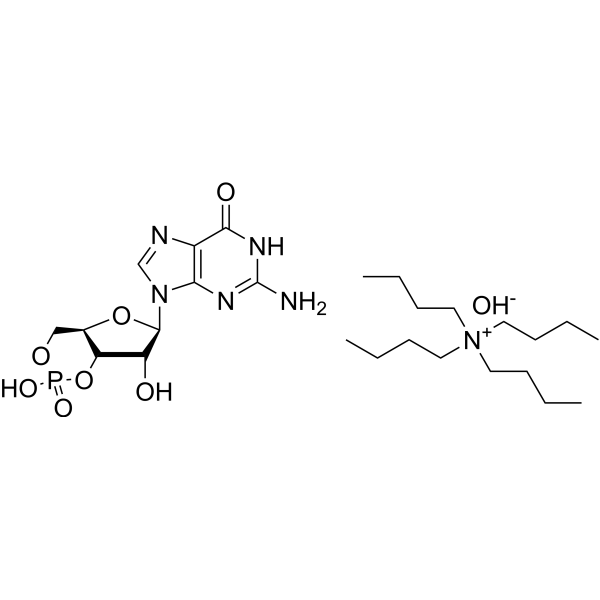
Cyclic GMP (cGMP) TBAOH, an important second messenger, is a major intracellular mediator of extracellular signals such as nitric oxide (NO) and natriuretic peptides (NPs). Effects of Cyclic GMP TBAOH occur through three main groups of cellular targets: cGMP-dependent protein kinases (PKGs), cGMP-gated cation channels, and PDEs. Cyclic GMP can inhibit both platelet adhesion and aggregation. cGAMP (Cyclic-GMP-AMP) (HY-12512), a conjugate of Cyclic GMP and AMP, can induce IRF3 phosphorylation and nuclear translocation, enhancing antiviral immune responses .
|
-
-
- HY-113469R
-
|
|
Endogenous Metabolite
Reference Standards
|
Infection
Cardiovascular Disease
Inflammation/Immunology
|
|
Cyclic GMP (Standard) is the analytical standard of Cyclic GMP (HY-113469). This product is intended for research and analytical applications. Cyclic GMP (cGMP), an important second messenger, is a major intracellular mediator of extracellular signals such as nitric oxide (NO) and natriuretic peptides (NPs). Effects of Cyclic GMP occur through three main groups of cellular targets: cGMP-dependent protein kinases (PKGs), cGMP-gated cation channels, and PDEs. Cyclic GMP can inhibit both platelet adhesion and aggregation. cGAMP (Cyclic-GMP-AMP) (HY-12512), a conjugate of Cyclic GMP and AMP, can induce IRF3 phosphorylation and nuclear translocation, enhancing antiviral immune responses .
|
-

-
- HY-121870A
-
|
Larocaine hydrochloride
|
Dopamine Receptor
|
Neurological Disease
|
|
Dimethocaine (Larocaine) hydrochloride is distributed and consumed as "new psychoactive substance" (NPS) without any safety testing
|
-

-
- HY-158220C
-
|
HAMA (MW 50000)
|
Biochemical Assay Reagents
|
Others
|
|
Hyaluronic acid methacryloyl (HAMA) (MW 50000) is a methacrylate-modified hyaluronic acid that serves as a hydrogel former, hydrolysis-resistant material, photocrosslinkable hydrogel scaffold, and drug delivery carrier for tissue engineering. Hyaluronic acid methacryloyl (MW 50000) forms hydrogels via photocrosslinking; when combined with AuMA NPs through a one-step photocrosslinking method, its effective swelling ratio increases, and the mechanical reinforcement effect of Au NPs compensates for the impact caused by reduced crosslinking density. Hyaluronic acid methacryloyl (MW 50000) can be combined with AuMA NPs via a one-step photocrosslinking method, enabling non-invasive monitoring of hydrogel degradation with contrast-enhanced micro-CT .
|
-

-
- HY-17633
-
|
NPs-005; SJP-0035
|
PPAR
|
Neurological Disease
|
|
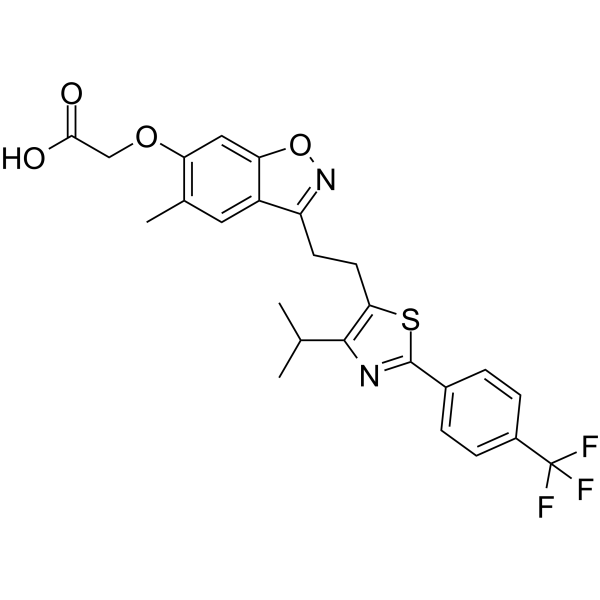
Fonadelpar is a PPARδ agonist, used in the research of neuroparalytic keratopathy.
|
-
-
- HY-10167
-
|
R-568; NPs R-568 free base
|
CaSR
|
Others
|
|
Tecalcet (R 568), an orally active calcimimetic compound, allosterically and positively modulates the calcium-sensing receptor (CaSR). Tecalcet (R 568) increases the sensitivity to activation by extracellular Ca 2+ .
|
-

-
- HY-178794
-
|
|
PGE synthase
|
Inflammation/Immunology
|
|
AGU661 is a Microsomal prostaglandin E2 synthase 1 (mPGES-1) inhibitor with an IC50 of 0.22 nM. AGU661 lowers PGE2 formation in human pro-inflammatory M1 macrophages and activated monocytes without affecting other lipid mediator pathways. AGU661 has unfavorable physicochemical properties with poor metabolic stability and strong plasma protein binding tendencies. AGU661 into PLGA-based NPs significantly enhances its bioactivity. AGU661 can be used for inflammatory disorders research .
|
-

-
- HY-170310
-
|
|
Opioid Receptor
|
Neurological Disease
|
|
AP-238 is a a new synthetic opioid (NSO), and acts as an agonist for μ-opioid receptor (MOR) with an EC50 of 248 nM. AP-238 exhibits analgesic activity .
|
-

-
- HY-P1438
-
|
|
Neuropeptide Y Receptor
|
Neurological Disease
|
|
Neuropeptide S (Rat) is an endogenous ligand of a previously orphan G-protein-coupled receptor now named NPS receptor. Neuropeptide S (Rat) can be used for the research of nervous system disease .
|
-

-
- HY-W423643
-
|
|
Drug Derivative
|
Neurological Disease
|
|
Benzedrone is a synthetic drug derivative. Benzedrone can increase the levels of neurotransmitters such as dopamine, serotonin and norepinephrine in the brain, thus producing a stimulant effect. Benzedrone can be used in the research of new psychoactive substances (NPS) .
|
-

-
- HY-W767865
-
|
|
Isotope-Labeled Compounds
Endogenous Metabolite
|
Infection
Cardiovascular Disease
Inflammation/Immunology
|
|
Cyclic GMP sodium- 13C5 is the 13C-labeled Cyclic GMP sodium (HY-113469A). Cyclic GMP (cGMP) sodium, an important second messenger, is a major intracellular mediator of extracellular signals such as nitric oxide (NO) and natriuretic peptides (NPs). Effects of Cyclic GMP sodium occur through three main groups of cellular targets: cGMP-dependent protein kinases (PKGs), cGMP-gated cation channels, and PDEs. Cyclic GMP can inhibit both platelet adhesion and aggregation. cGAMP (Cyclic-GMP-AMP) (HY-12512), a conjugate of Cyclic GMP and AMP, can induce IRF3 phosphorylation and nuclear translocation, enhancing antiviral immune responses .
|
-

-
- HY-RS09502
-
|
|
Small Interfering RNA (siRNA)
|
Others
|
|
NPS Human Pre-designed siRNA Set A contains three designed siRNAs for NPS gene (Human), as well as a negative control, a positive control, and a FAM-labeled negative control.
|
-
NPS Human Pre-designed siRNA Set A
NPS Human Pre-designed siRNA Set A
-
- HY-P991886
-
|
|
Complement System
|
Neurological Disease
|
|
ANX-M1 is a blood-brain barrier-permeable anti-C1q antibody. ANX-M1 can slow down the progression of retinal degeneration following photo-oxidative damage. ANX-M1 has been incorporated into nanocarriers to evaluate its brain delivery efficacy in a mouse model of Alzheimer's disease. ANX-M1 is applicable for research on age-related macular degeneration and Alzheimer's disease [1] .
|
-

-
- HY-138232
-
|
LTNAM
|
Aminopeptidase
|
Neurological Disease
|
|
Lys-psi(CH2NH)-Trp(Nps)-OMe is a lysine-tryptophan (Nps) pseudodipeptide analog. It is obtained by replacing the peptide bond in the Lys-Trp(Nps) molecule with an aminomethylene bond and has analgesic activity. Lys-psi(CH2NH)-Trp(Nps)-OMe induces a dose-dependent and naloxone-reversible analgesia after intracerebroventricular administration in mice, and its analgesic effect lasts longer than that of the original compound. It protects methionine enkephalin from degradation in rat striatal slices and binds to low-dose opioid peptides to produce analgesia. Lys-psi(CH2NH)-Trp(Nps)-OMe effectively inhibits brain aminopeptidase activity both in vitro and in vivo. The enhanced resistance of this pseudodipeptide to proteolysis may explain its prolonged analgesic activity.
|
-

-
- HY-103090A
-
|
|
5-HT Receptor
|
Neurological Disease
|
|
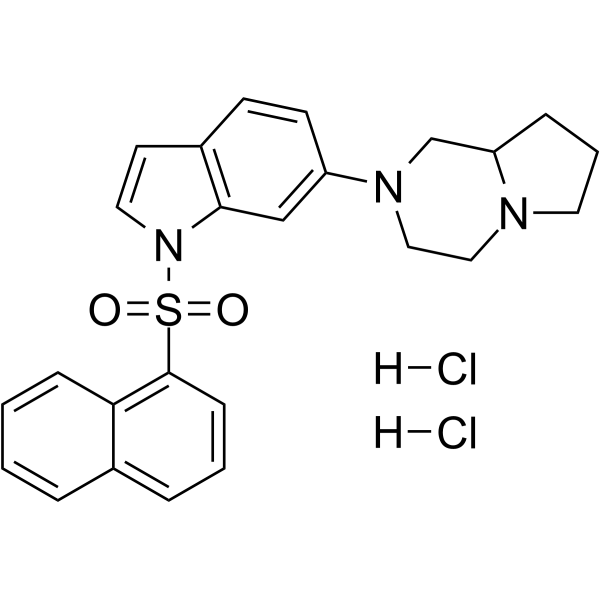
NPS ALX Compound 4a dihydrochloride is a potent and selective 5-hydroxytryptamine6 (5-HT6) receptor antagonist, with an IC50 of 7.2 nM and a Ki of 0.2 nM .
|
-
-
- HY-103090
-
|
|
5-HT Receptor
|
Neurological Disease
|
|
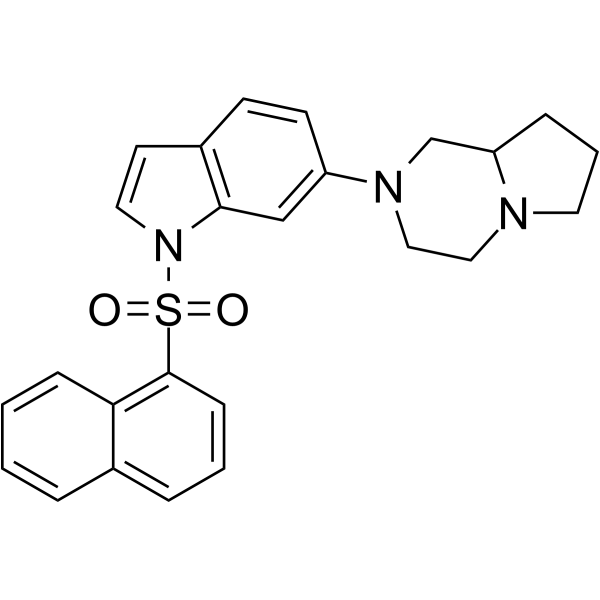
NPS ALX Compound 4a is a potent and selective 5-hydroxytryptamine6 (5-HT6) receptor antagonist, with an IC50 of 7.2 nM and a Ki of 0.2 nM .
|
-
-
- HY-106397
-
-

-
- HY-106397A
-
-

-
- HY-W010713
-
|
Fimaporfin free base
|
Photosensitizer
|
Cancer
|
|
Meso-tetraphenylchlorin (TPCS2a) is a photosensitizer with poor water solubility, which limits its use in the blood circulation. However, TPCS2a@NPs nanoparticles can be prepared based on polylactic-co-polyethylene glycol acid (PLGA) polymer core loaded with TPCS2. Such nanoparticles can be coated with mesenchymal stem cell-derived plasma membranes (mMSCs) to form mMSC-TPCS2a@NPs, which prolongs blood circulation time and improves tumor targeting ability. Compared with uncoated TPCS2a@NPs, mMSC-TPCS2a@NPs can reduce macrophage uptake by 54% to 70% under different conditions. Both nanoparticle forms are effectively accumulated in MCF7 and MDA-MB-231 breast cancer cells, while uptake in normal breast epithelial cells MCF10A is significantly lower .
|
-

-
- HY-D2314
-
|
|
Liposome
|
Others
|
|
Cyanine 7-amine (chloride hydrochloride) can be used to label cationic nanoparticles (NPs) or to NP conjugates (NPCs). It can track the residence time and clearance of nanoparticles in the body .
|
-

-
- HY-182543
-
|
|
CaSR
|
Others
|
|
NPS-467 is a calcium-sensing receptor (CaR) activator and stereospecific agent with only its R-enantiomer active. NPS-467 increases the sensitivity of the CaR to activation by extracellular calcium. NPS-467 stimulates stanniocalcin (STC) secretion in trout and induces inhibition of gill calcium transport in trout. NPS-467 has no effect on serum calcitonin levels in trout .
|
-

-
- HY-100509R
-
|
|
TAM Receptor
Reference Standards
c-Met/HGFR
Apoptosis
|
Cancer
|
|
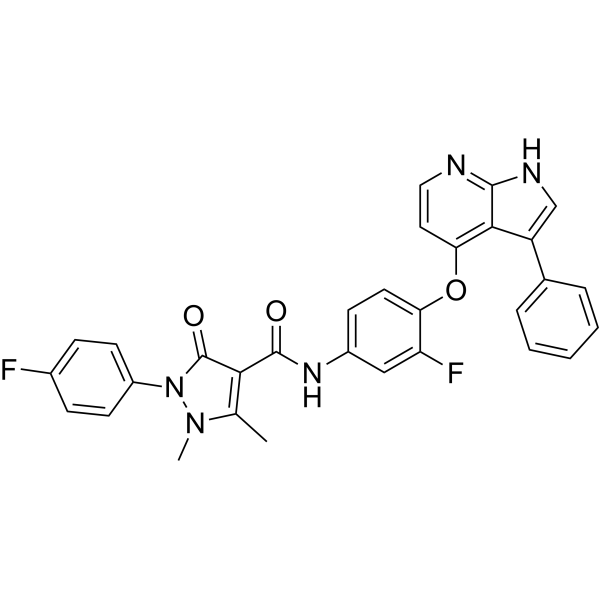
NPS-1034 (Standard) is the analytical standard of NPS-1034 (HY-100509). This product is intended for research and analytical applications. NPS-1034 is a dual inhibitor of AXL and MET with IC50s of 10.3 and 48 nM, respectively.
|
-

-
- HY-169434
-
|
Lon-TK-BMS-1
|
PD-1/PD-L1
|
Cancer
|
|
LTB is a prodrug formed by coupling glycolysis inhibitor (Lonidamine (HY-B0486)) with PD1/PDL1 blocker (BMS-1 (HY-19991)) by thioketal linkage. LTB can further encapsulate photosensitizer chlorine e6 (Ce6) (HY-13594) to construct a co-delivery photodynamic nanoplatform (LTB-6 NPs) by self-assembly .
|
-

-
- HY-W654000
-
|
Guanosine 3',5'-cyclic-13C,15N2 monophosphate
|
Isotope-Labeled Compounds
Endogenous Metabolite
|
Infection
Cardiovascular Disease
Inflammation/Immunology
|
|
Cyclic GMP- 13C, 15N2 is 13C and 15N labeled Cyclic GMP (HY-113469). Cyclic GMP (cGMP), an important second messenger, is a major intracellular mediator of extracellular signals such as nitric oxide (NO) and natriuretic peptides (NPs). Effects of Cyclic GMP occur through three main groups of cellular targets: cGMP-dependent protein kinases (PKGs), cGMP-gated cation channels, and PDEs. Cyclic GMP can inhibit both platelet adhesion and aggregation. cGAMP (Cyclic-GMP-AMP) (HY-12512), a conjugate of Cyclic GMP and AMP, can induce IRF3 phosphorylation and nuclear translocation, enhancing antiviral immune responses .
|
-

-
- HY-113469AR
-
|
|
Reference Standards
Endogenous Metabolite
|
Infection
Cardiovascular Disease
Inflammation/Immunology
|
|
Cyclic GMP sodium (Standard) is the analytical standard of Cyclic GMP sodium (HY-113469A). This product is intended for research and analytical applications. Cyclic GMP (cGMP) sodium, an important second messenger, is a major intracellular mediator of extracellular signals such as nitric oxide (NO) and natriuretic peptides (NPs). Effects of Cyclic GMP sodium occur through three main groups of cellular targets: cGMP-dependent protein kinases (PKGs), cGMP-gated cation channels, and PDEs. Cyclic GMP can inhibit both platelet adhesion and aggregation. cGAMP (Cyclic-GMP-AMP) (HY-12512), a conjugate of Cyclic GMP and AMP, can induce IRF3 phosphorylation and nuclear translocation, enhancing antiviral immune responses .
|
-

-
- HY-10007R
-
|
SB-262470A (Standard)
|
CaSR
Reference Standards
|
Metabolic Disease
|
|
NPS-2143 (Standard) is the analytical standard of NPS-2143 (HY-10007). This product is intended for research and analytical applications. NPS-2143 (SB-262470A), an orally active calcilytic agent, is a selective and potent calcium ion-sensing receptor (CaSR) antagonist. NPS-2143 (SB-262470A) blocks increases in cytoplasmic Ca2+ concentrations (IC50=43 nM) elicited by activating the Ca2+ receptor in HEK 293 cells expressing the human Ca2+ receptor .
|
-

-
- HY-RS24034
-
|
|
Small Interfering RNA (siRNA)
|
Others
|
|
Nps Rat Pre-designed siRNA Set A contains three designed siRNAs for Nps gene (Rat), as well as a negative control, a positive control, and a FAM-labeled negative control.
|
-
Nps Rat Pre-designed siRNA Set A
Nps Rat Pre-designed siRNA Set A
-
- HY-RS17574
-
|
|
Small Interfering RNA (siRNA)
|
Others
|
|
Nps Mouse Pre-designed siRNA Set A contains three designed siRNAs for Nps gene (Mouse), as well as a negative control, a positive control, and a FAM-labeled negative control.
|
-
Nps Mouse Pre-designed siRNA Set A
Nps Mouse Pre-designed siRNA Set A
-
- HY-176913
-
|
|
Fluorescent Dye
|
Others
|
|
TA is an anthracene derivative with ultrasound-activated luminescence properties. TA can be activated by ultrasound and emit fluorescence. TA is generally not used directly but can be used to construct TA-NP nanoparticles. The ultrasound-activated luminescence of TA-NPs is mainly concentrated in the wavelength range of 600~650 nm, exhibiting good penetration ability into biological tissues, making it suitable for in vivo imaging .
|
-

-
-
HY-L107
-
|
|
1,911 compounds
|
|
With features of enormous scaffold diversity and structural complexity, natural products (NPs) are the main sources of lead compounds and new drugs and play a highly significant role in the drug discovery and development process, especially for cancer and infectious diseases. A large number of natural products have been proven to have potential anti-tumor effects, mainly from plants, animals, Marine organisms and microorganisms. At present, derived than 60% of anti-tumor drugs come from natural sources, and they are widely used in breast, prostate and colon cancers.
MCE offers a unique collection of 1,911 natural products with validated anti-cancer activity. MCE anti-cancer natural product library is a useful tool for anti-tumor drugs screening and other related research.
|
| Cat. No. |
Product Name |
Type |
-
- HY-D0917
-
|
|
Fluorescent Dye
|
|
NIR-Red Dead Cell-1 Dye is a DNA-binding fluorescent dye for non-living cells (Ex/Em=515 nm/531 nm). NIR-Red Dead Cell-1 Dye can intercalate into base pairs of double-stranded DNA and produce stronger fluorescence. NIR-Red Dead Cell-1 Dye is suitable for necrotic cells or late apoptotic cells with damaged cell membranes, showing green fluorescence under fluorescence microscopy or flow cytometry. NIR-Red Dead Cell-1 Dye can be used to distinguish live cells from dead cells and distinguish cell membrane integrity. NIR-Red Dead Cell-1 Dye can be attached to the surface of Feraheme (FH) nanoparticles (NPs) to obtain fluorescent dye-functionalized NPs for drug delivery studies .
|
-
- HY-D2314
-
|
|
Fluorescent Dye
|
|
Cyanine 7-amine (chloride hydrochloride) can be used to label cationic nanoparticles (NPs) or to NP conjugates (NPCs). It can track the residence time and clearance of nanoparticles in the body .
|
| Cat. No. |
Product Name |
Type |
-
- HY-152229
-
G0-C14
2 Publications Verification
|
Biochemical Assay Reagents
|
|
G0-C14 is a cationic lipid-like compound alkyl-modified polyamidoamine (PAMAM) dendrimer. G0-C14 involves in the preparation of a series of macrophage-targeted nanoparticles (NPs). NPs can be used for agent and vaccine delivery .
|
-
- HY-W440913
-
|
|
Biochemical Assay Reagents
|
|
DSPE-PEG-Cy5, MW 5000 is a fluorescently labeled PEGylated phospholipid with a molecular weight of 5000 Da. After intravenous injection, DSPE-PEG-Cy5, MW 5000 shows only extremely low fluorescence accumulation at tumor sites in orthotopic tumor-bearing mice, and can be used as a negative control for evaluating tumor accumulation of nanoparticles. DSPE-PEG-Cy5, MW 5000 can serve as a fluorescent marker to prepare Cy5-labeled NPs-DPPA and NPs-DPPA (C3F8) for pharmacokinetic and biodistribution studies in mice. DSPE-PEG-Cy5, MW 5000 is widely applicable to research in fields related to triple-negative breast cancer, hepatocellular carcinoma and so on .
|
-
- HY-158220C
-
|
HAMA (MW 50000)
|
Biochemical Assay Reagents
|
|
Hyaluronic acid methacryloyl (HAMA) (MW 50000) is a methacrylate-modified hyaluronic acid that serves as a hydrogel former, hydrolysis-resistant material, photocrosslinkable hydrogel scaffold, and drug delivery carrier for tissue engineering. Hyaluronic acid methacryloyl (MW 50000) forms hydrogels via photocrosslinking; when combined with AuMA NPs through a one-step photocrosslinking method, its effective swelling ratio increases, and the mechanical reinforcement effect of Au NPs compensates for the impact caused by reduced crosslinking density. Hyaluronic acid methacryloyl (MW 50000) can be combined with AuMA NPs via a one-step photocrosslinking method, enabling non-invasive monitoring of hydrogel degradation with contrast-enhanced micro-CT .
|
| Cat. No. |
Product Name |
Target |
Research Area |
-
- HY-P10646
-
|
|
Biochemical Assay Reagents
|
Neurological Disease
|
|
Muscle homing peptide M12 can preferentially bind to surface protein of muscle cells. Muscle homing peptide M12 mediates enhanced cellular uptake of nanoparticles (NPs) in myoblasts in vitro. Muscle homing peptide M12 is covalently conjugated to PLGA-PEG NPs via the N-terminal α-amino groups of peptides using the N-hydroxysuccinimide ester reaction .
|
-
- HY-P2491
-
|
|
Fluorescent Dye
|
Cardiovascular Disease
Endocrinology
|
|
Atrial Natriuretic Peptide (1-28), human, porcine, Biotin-labeled, one of three mammalian natriuretic peptides (NPs), has endocrine effects on fluid homeostasis and blood pressure. Atrial Natriuretic Peptide has the potential for cardiovascular diseases research .
|
-
- HY-P4582
-
|
Suc-FAAF-pNA
|
Ser/Thr Protease
|
Others
|
|
Suc-Phe-Ala-Ala-Phe-pNA (Suc-FAAF-pNA) is a chromogenic polypeptide substrate that can be used for the quantitative activity assay of intracellular subtilisin (ISP) and neutral metalloprotease (NPS) derived from Saccharomonospora canescens. Suc-Phe-Ala-Ala-Phe-pNA is hydrolyzed by the catalytic triad of mature proteases to release the chromophore pNA. Suc-Phe-Ala-Ala-Phe-pNA is applicable to enzymological studies .
|
-
- HY-P1438
-
|
|
Neuropeptide Y Receptor
|
Neurological Disease
|
|
Neuropeptide S (Rat) is an endogenous ligand of a previously orphan G-protein-coupled receptor now named NPS receptor. Neuropeptide S (Rat) can be used for the research of nervous system disease .
|
| Cat. No. |
Product Name |
Target |
Research Area |
Image |
-
- HY-P991886
-
|
|
Complement System
|
Neurological Disease
|
|
ANX-M1 is a blood-brain barrier-permeable anti-C1q antibody. ANX-M1 can slow down the progression of retinal degeneration following photo-oxidative damage. ANX-M1 has been incorporated into nanocarriers to evaluate its brain delivery efficacy in a mouse model of Alzheimer's disease. ANX-M1 is applicable for research on age-related macular degeneration and Alzheimer's disease [1] .
|
-

(5)
| Cat. No. |
Product Name |
Category |
Target |
Chemical Structure |
-
- HY-113469
-
|
|
Natural Products
Human Gut Microbiota Metabolites
Microorganisms
Endogenous metabolite
Source Classification
|
Endogenous Metabolite
|
|
Cyclic GMP (cGMP), an important second messenger, is a major intracellular mediator of extracellular signals such as nitric oxide (NO) and natriuretic peptides (NPs). Effects of Cyclic GMP occur through three main groups of cellular targets: cGMP-dependent protein kinases (PKGs), cGMP-gated cation channels, and PDEs. Cyclic GMP can inhibit both platelet adhesion and aggregation. cGAMP (Cyclic-GMP-AMP) (HY-12512), a conjugate of Cyclic GMP and AMP, can induce IRF3 phosphorylation and nuclear translocation, enhancing antiviral immune responses .
|
-
-
- HY-113469A
-
-
-
- HY-113469R
-
|
|
Structural Classification
Natural Products
Human Gut Microbiota Metabolites
Microorganisms
Endogenous metabolite
Source Classification
|
Endogenous Metabolite
Reference Standards
|
|
Cyclic GMP (Standard) is the analytical standard of Cyclic GMP (HY-113469). This product is intended for research and analytical applications. Cyclic GMP (cGMP), an important second messenger, is a major intracellular mediator of extracellular signals such as nitric oxide (NO) and natriuretic peptides (NPs). Effects of Cyclic GMP occur through three main groups of cellular targets: cGMP-dependent protein kinases (PKGs), cGMP-gated cation channels, and PDEs. Cyclic GMP can inhibit both platelet adhesion and aggregation. cGAMP (Cyclic-GMP-AMP) (HY-12512), a conjugate of Cyclic GMP and AMP, can induce IRF3 phosphorylation and nuclear translocation, enhancing antiviral immune responses .
|
-
-
- HY-113469AR
-
|
|
Structural Classification
Natural Products
Endogenous metabolite
Source Classification
|
Reference Standards
Endogenous Metabolite
|
|
Cyclic GMP sodium (Standard) is the analytical standard of Cyclic GMP sodium (HY-113469A). This product is intended for research and analytical applications. Cyclic GMP (cGMP) sodium, an important second messenger, is a major intracellular mediator of extracellular signals such as nitric oxide (NO) and natriuretic peptides (NPs). Effects of Cyclic GMP sodium occur through three main groups of cellular targets: cGMP-dependent protein kinases (PKGs), cGMP-gated cation channels, and PDEs. Cyclic GMP can inhibit both platelet adhesion and aggregation. cGAMP (Cyclic-GMP-AMP) (HY-12512), a conjugate of Cyclic GMP and AMP, can induce IRF3 phosphorylation and nuclear translocation, enhancing antiviral immune responses .
|
-
| Cat. No. |
Product Name |
Chemical Structure |
-
- HY-W767865
-
|
|
|
Cyclic GMP sodium- 13C5 is the 13C-labeled Cyclic GMP sodium (HY-113469A). Cyclic GMP (cGMP) sodium, an important second messenger, is a major intracellular mediator of extracellular signals such as nitric oxide (NO) and natriuretic peptides (NPs). Effects of Cyclic GMP sodium occur through three main groups of cellular targets: cGMP-dependent protein kinases (PKGs), cGMP-gated cation channels, and PDEs. Cyclic GMP can inhibit both platelet adhesion and aggregation. cGAMP (Cyclic-GMP-AMP) (HY-12512), a conjugate of Cyclic GMP and AMP, can induce IRF3 phosphorylation and nuclear translocation, enhancing antiviral immune responses .
|
-
-
- HY-W654000
-
|
|
|
Cyclic GMP- 13C, 15N2 is 13C and 15N labeled Cyclic GMP (HY-113469). Cyclic GMP (cGMP), an important second messenger, is a major intracellular mediator of extracellular signals such as nitric oxide (NO) and natriuretic peptides (NPs). Effects of Cyclic GMP occur through three main groups of cellular targets: cGMP-dependent protein kinases (PKGs), cGMP-gated cation channels, and PDEs. Cyclic GMP can inhibit both platelet adhesion and aggregation. cGAMP (Cyclic-GMP-AMP) (HY-12512), a conjugate of Cyclic GMP and AMP, can induce IRF3 phosphorylation and nuclear translocation, enhancing antiviral immune responses .
|
-
| Cat. No. |
Product Name |
|
Classification |
-
- HY-152229
-
G0-C14
2 Publications Verification
|
|
Cationic Lipids
|
|
G0-C14 is a cationic lipid-like compound alkyl-modified polyamidoamine (PAMAM) dendrimer. G0-C14 involves in the preparation of a series of macrophage-targeted nanoparticles (NPs). NPs can be used for agent and vaccine delivery .
|
-
- HY-W440913
-
|
|
|
Pegylated Lipids
Fluorescent Lipids
|
|
DSPE-PEG-Cy5, MW 5000 is a fluorescently labeled PEGylated phospholipid with a molecular weight of 5000 Da. After intravenous injection, DSPE-PEG-Cy5, MW 5000 shows only extremely low fluorescence accumulation at tumor sites in orthotopic tumor-bearing mice, and can be used as a negative control for evaluating tumor accumulation of nanoparticles. DSPE-PEG-Cy5, MW 5000 can serve as a fluorescent marker to prepare Cy5-labeled NPs-DPPA and NPs-DPPA (C3F8) for pharmacokinetic and biodistribution studies in mice. DSPE-PEG-Cy5, MW 5000 is widely applicable to research in fields related to triple-negative breast cancer, hepatocellular carcinoma and so on .
|
-
- HY-RS09502
-
|
|
|
siRNAs
Human Pre-designed siRNA Sets
|
|
NPS Human Pre-designed siRNA Set A contains three designed siRNAs for NPS gene (Human), as well as a negative control, a positive control, and a FAM-labeled negative control.
|
-
- HY-RS24034
-
|
|
|
siRNAs
Rat Pre-designed siRNA Sets
|
|
Nps Rat Pre-designed siRNA Set A contains three designed siRNAs for Nps gene (Rat), as well as a negative control, a positive control, and a FAM-labeled negative control.
|
-
- HY-RS17574
-
|
|
|
siRNAs
Mouse Pre-designed siRNA Sets
|
|
Nps Mouse Pre-designed siRNA Set A contains three designed siRNAs for Nps gene (Mouse), as well as a negative control, a positive control, and a FAM-labeled negative control.
|
Your information is safe with us. * Required Fields.
Inquiry Information
- Product Name:
- Cat. No.:
- Quantity:
- MCE Japan Authorized Agent:








