



Cyclic GMP (Standard)

Based on 1 Customer Validation
Cyclic GMP (Standard) is the analytical standard of Cyclic GMP (HY-113469). This product is intended for research and analytical applications. Cyclic GMP (cGMP), an important second messenger, is a major intracellular mediator of extracellular signals such as nitric oxide (NO) and natriuretic peptides (NPs). Effects of Cyclic GMP occur through three main groups of cellular targets: cGMP-dependent protein kinases (PKGs), cGMP-gated cation channels, and PDEs. Cyclic GMP can inhibit both platelet adhesion and aggregation. cGAMP (Cyclic-GMP-AMP) (HY-12512), a conjugate of Cyclic GMP and AMP, can induce IRF3 phosphorylation and nuclear translocation, enhancing antiviral immune responses.
For research use only. We do not sell to patients.
- Purity : 99.54%
- CAS No.: 7665-99-8
- Formula: C10H12N5O7P
- Molecular Weight:345.21
-
Storage:
Please store the product under the recommended conditions in the Certificate of Analysis.


To place orders, for customer services and technical support, please contact: MedChemExpress USA
Tel: 609-228-6898 E-mail: [email protected] [email protected]


-
 Product Information
-
Chemical Information
- Purity & Documentation
-
 Help & FAQs


-

HY-B1511R
Cyclic AMP (Standard)Second Messenger -

HY-113469
Cyclic GMPSecond Messenger -
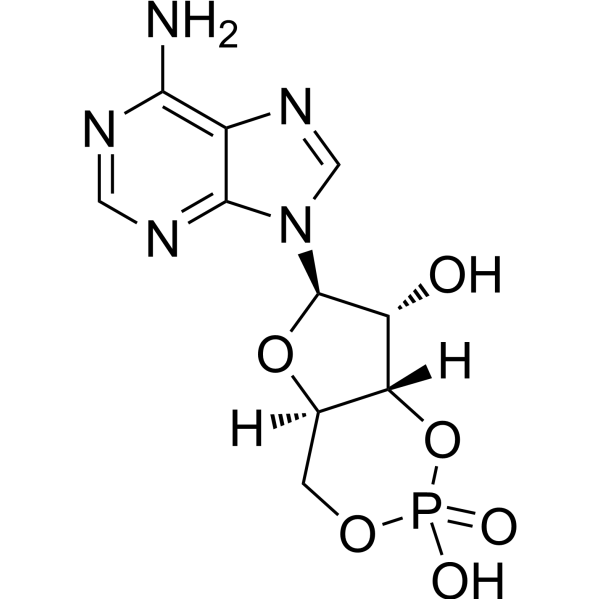
HY-B1511
Cyclic AMPSecond Messenger -
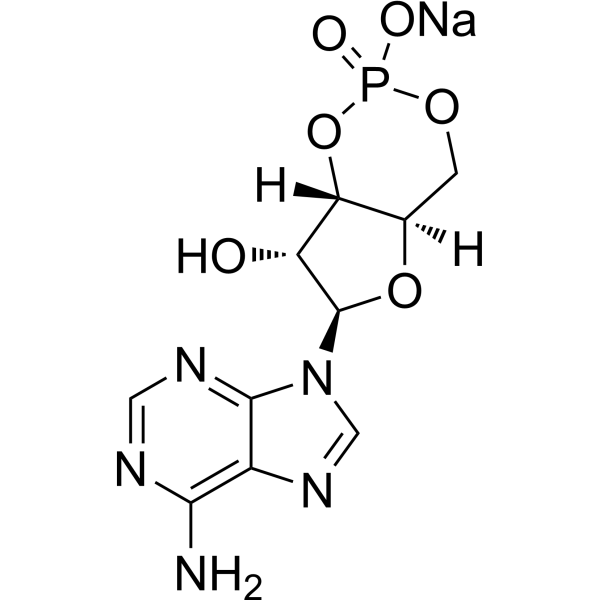
HY-B1511A
Cyclic AMP sodiumSecond Messenger -
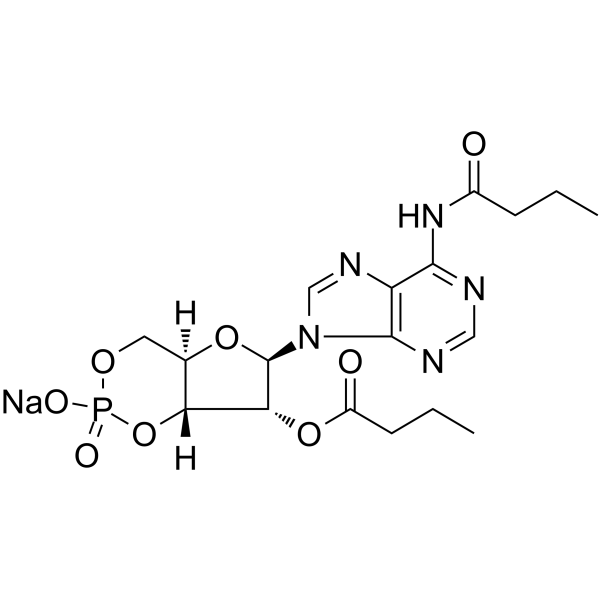
HY-B0764
Bucladesine sodiumcAMP Analog -
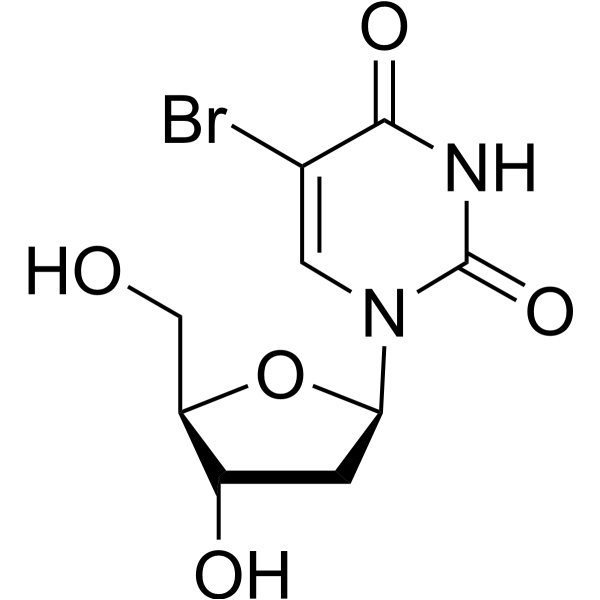
HY-15910
5-BrdUThymidine Analog -
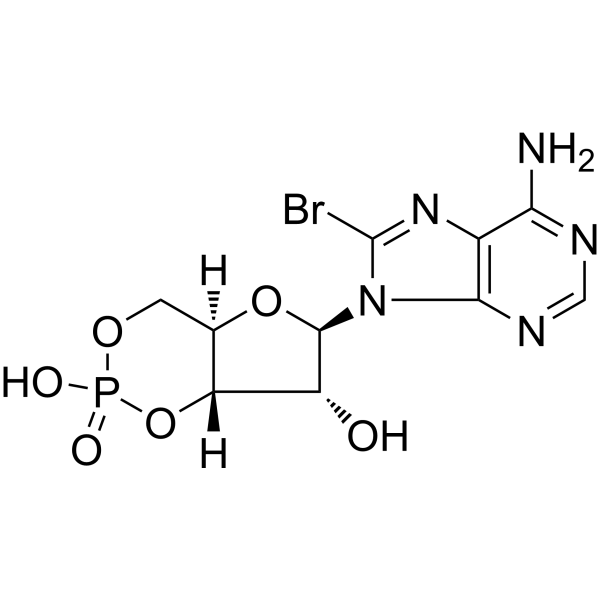
HY-12306A
8-Bromo-cAMPPKA Activator -
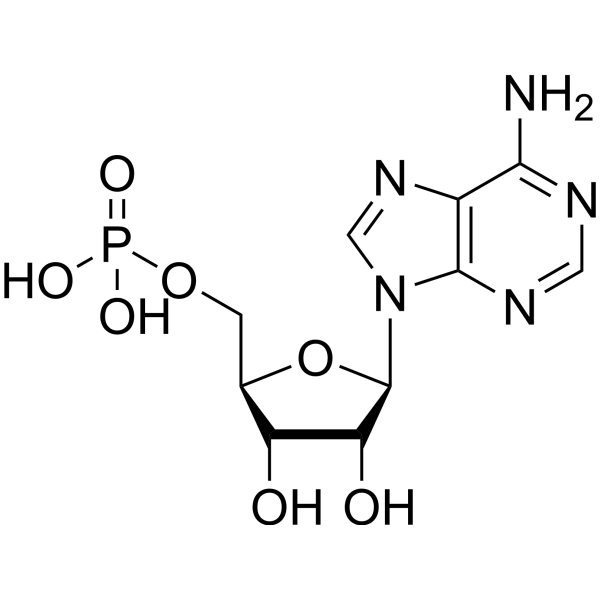
HY-A0181
Adenosine monophosphateAdenosine A1 Receptor Agonist -
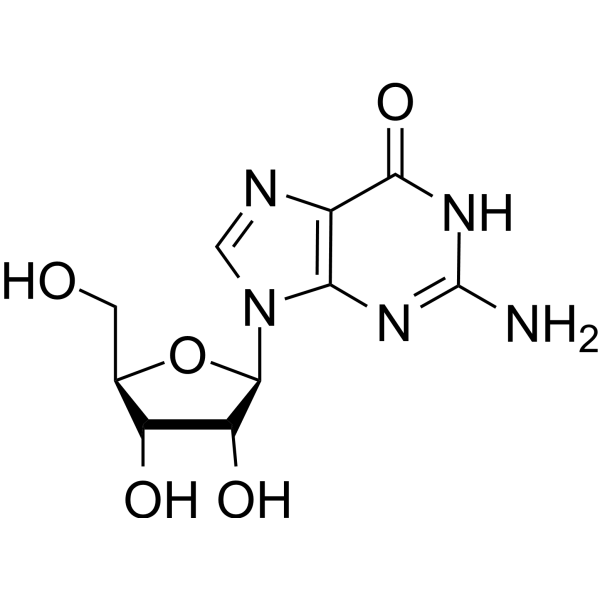
HY-N0097
GuanosineHSV Inhibitor -
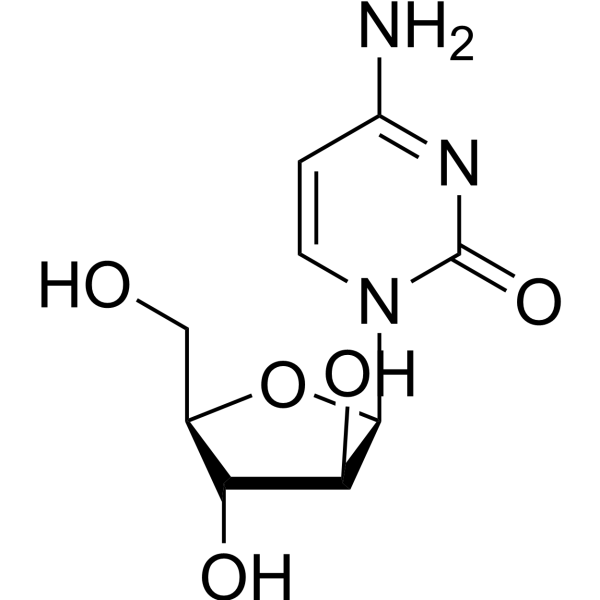
HY-13605
CytarabineDNA Synthesis Inhibitor -
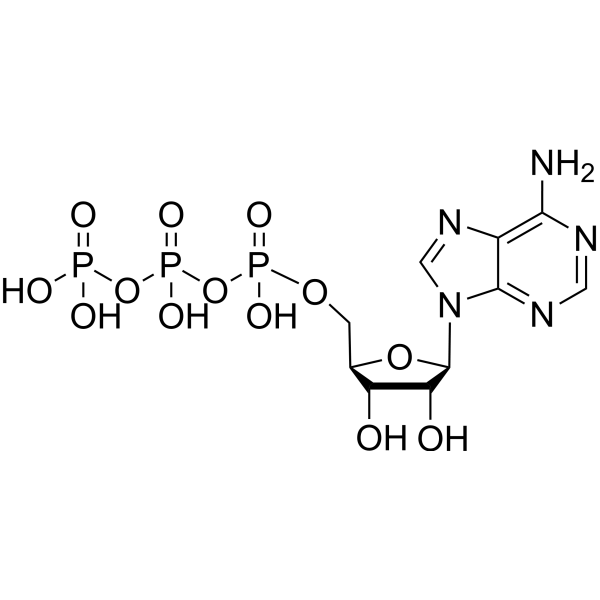
HY-B2176
ATPEndogenous Metabolite -
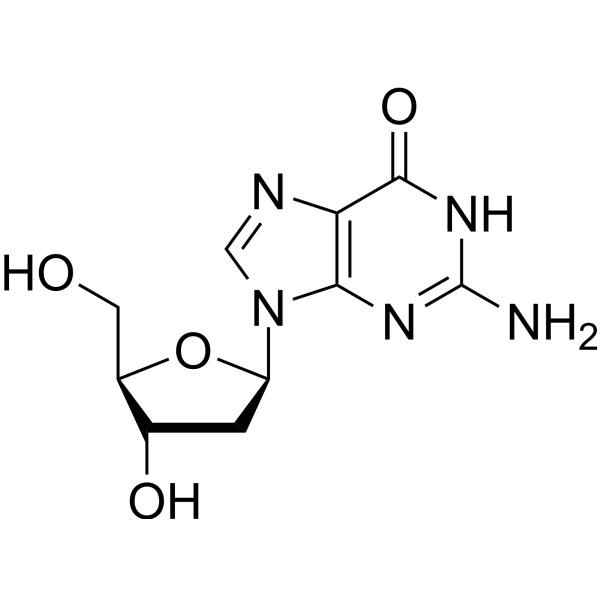
HY-17563
2'-DeoxyguanosineEndogenous Metabolite


Product Information
Information
Application
The compound is the grade of analytical standard, which is the reference standard supplied assay. It is commonly used in qualitative, quantitative and methodological research experiments in HPLC, GC and MS.


Chemical Information
-
CAS No. 7665-99-8
-
Appearance Solid
-
Molecular Weight 345.21
-
Formula C10H12N5O7P
-
Color White to off-white
-
SMILES
O[C@@H]([C@H](N1C=NC2=C1N=C(N)NC2=O)O[C@@H]3CO4)[C@@H]3OP4(O)=O
-
Structure Classification
-
Initial Source
-
Shipping
Room temperature in continental US; may vary elsewhere.
-
Storage
Please store the product under the recommended conditions in the Certificate of Analysis.


Purity & Documentation
References
[1]. Wu J, et al. Cyclic GMP-AMP is an endogenous second messenger in innate immune signaling by cytosolic DNA. Science. 2013 Feb 15;339(6121):826-30. [Content Brief]
[2]. Ablasser A, et al. Cell intrinsic immunity spreads to bystander cells via the intercellular transfer of cGAMP. Nature. 2013 Nov 28;503(7477):530-4. [Content Brief]

Calculators
Concentration (start) × Volume (start) = Concentration (final) × Volume (final)


Cyclic GMP (Standard) Related Classifications
HY-113469R Related Classifications
 Powered by Bioz