1. Search Result
Search Result
Results for "

Rapid metabolism

" in MedChemExpress (MCE) Product Catalog:

34

Inhibitors & Agonists

3

Screening-Bibliotheken

1

Fluorescent Dyes

2

Natural
Products

2

Isotope-Labeled Compounds

Targets Recommended:
Art. -Nr. Produktname Target Forschungsgebiete Chemical Structure
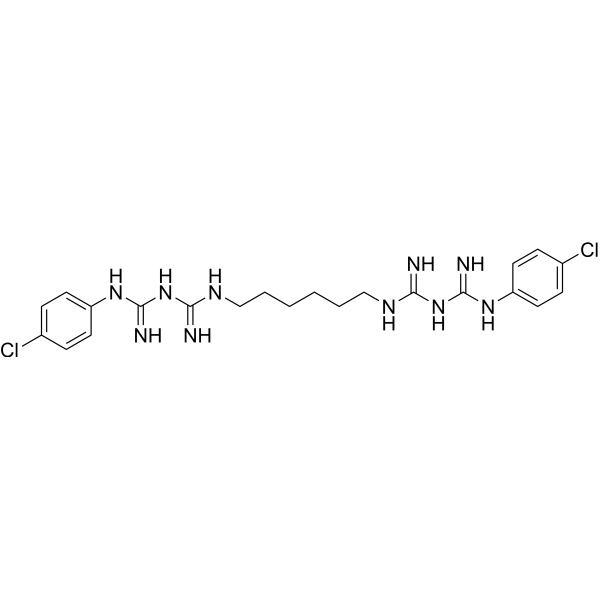
  • HY-B1248
    Chlorhexidine
    Maximum Cited Publications
    13 Publications Verification

    Environmental Pollutants Antibiotic Necroptosis Bacterial Apoptosis Infection
    Chlorhexidine is a orally active cationic antimicrobial agent that targets microbial cell membranes. Chlorhexidine binds to cell membrane phospholipids non-specifically, destroys membrane structure and induces leakage of cell contents. Chlorhexidine has broad-spectrum bactericidal activity against both Gram-positive and Gram-negative bacteria. Chlorhexidine can interfere with membrane permeability, cause protein precipitation and energy metabolism disorders, such as rapid inhibition of microbial growth and induction of cell death (necrosis or apoptosis) .
    Chlorhexidine
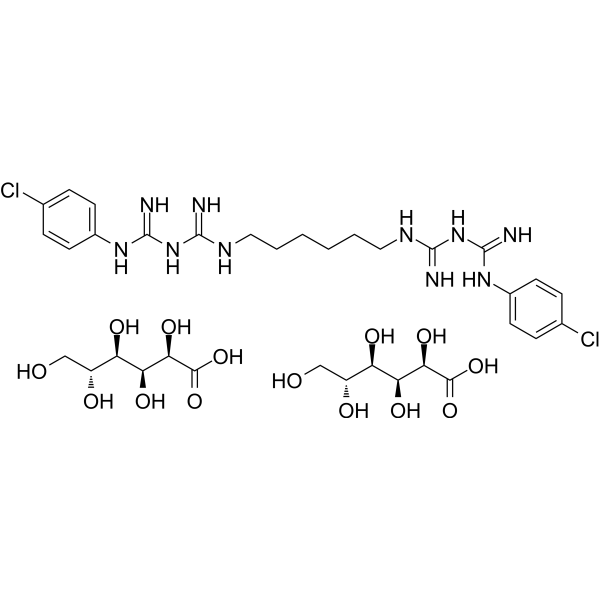
  • HY-B0608
    Chlorhexidine digluconate (20% in water)
    Maximum Cited Publications
    13 Publications Verification

    Environmental Pollutants Antibiotic Bacterial Necroptosis Apoptosis Infection
    Chlorhexidine digluconate (20% in water) is a orally active cationic antimicrobial agent that targets microbial cell membranes. Chlorhexidine digluconate (20% in water) binds to cell membrane phospholipids non-specifically, destroys membrane structure and induces leakage of cell contents. Chlorhexidine digluconate (20% in water) has broad-spectrum bactericidal activity against both Gram-positive and Gram-negative bacteria. Chlorhexidine digluconate (20% in water) can interfere with membrane permeability, cause protein precipitation and energy metabolism disorders, such as rapid inhibition of microbial growth and induction of cell death (necrosis or apoptosis) .
    Chlorhexidine digluconate (20% in water)
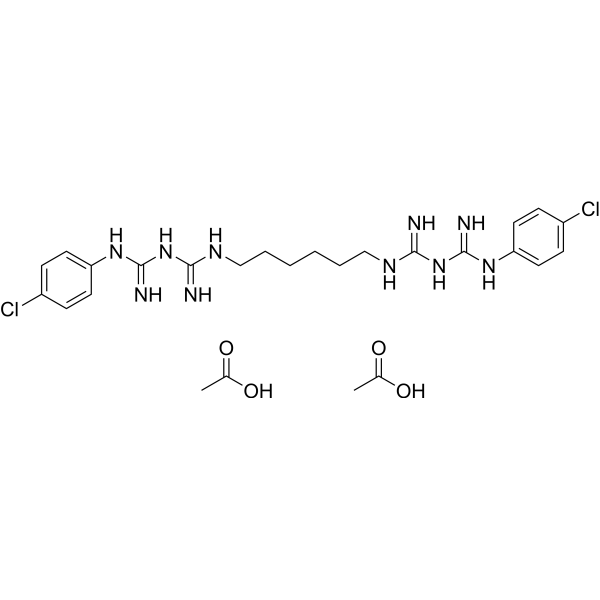
  • HY-W013699
    Chlorhexidine diacetate
    Maximum Cited Publications
    13 Publications Verification

    Environmental Pollutants Antibiotic Necroptosis Bacterial Apoptosis Infection
    Chlorhexidine diacetate is a orally active cationic antimicrobial agent that targets microbial cell membranes. Chlorhexidine diacetate binds to cell membrane phospholipids non-specifically, destroys membrane structure and induces leakage of cell contents. Chlorhexidine diacetate has broad-spectrum bactericidal activity against both Gram-positive and Gram-negative bacteria. Chlorhexidine diacetate can interfere with membrane permeability, cause protein precipitation and energy metabolism disorders, such as rapid inhibition of microbial growth and induction of cell death (necrosis or apoptosis) .
    Chlorhexidine diacetate
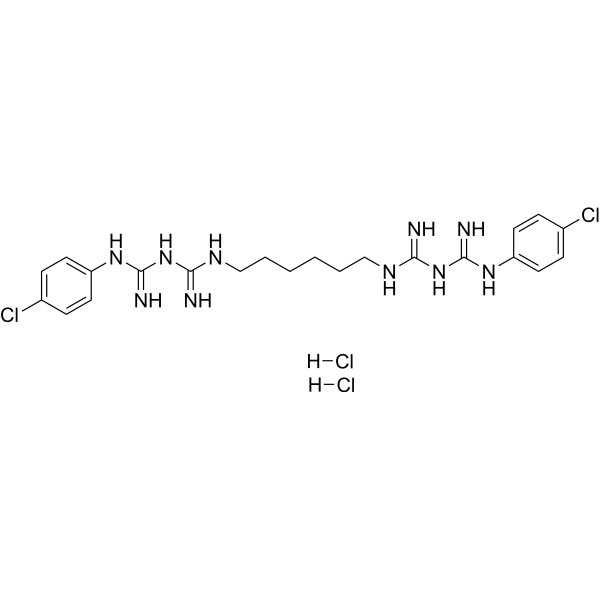
  • HY-B1145
    Chlorhexidine dihydrochloride
    Maximum Cited Publications
    13 Publications Verification

    Environmental Pollutants Antibiotic Apoptosis Bacterial Necroptosis Infection
    Chlorhexidine dihydrochloride is a orally active cationic antimicrobial agent that targets microbial cell membranes. Chlorhexidine dihydrochloride binds to cell membrane phospholipids non-specifically, destroys membrane structure and induces leakage of cell contents. Chlorhexidine dihydrochloride has broad-spectrum bactericidal activity against both Gram-positive and Gram-negative bacteria. Chlorhexidine dihydrochloride can interfere with membrane permeability, cause protein precipitation and energy metabolism disorders, such as rapid inhibition of microbial growth and induction of cell death (necrosis or apoptosis) .
    Chlorhexidine dihydrochloride
  • HY-108251
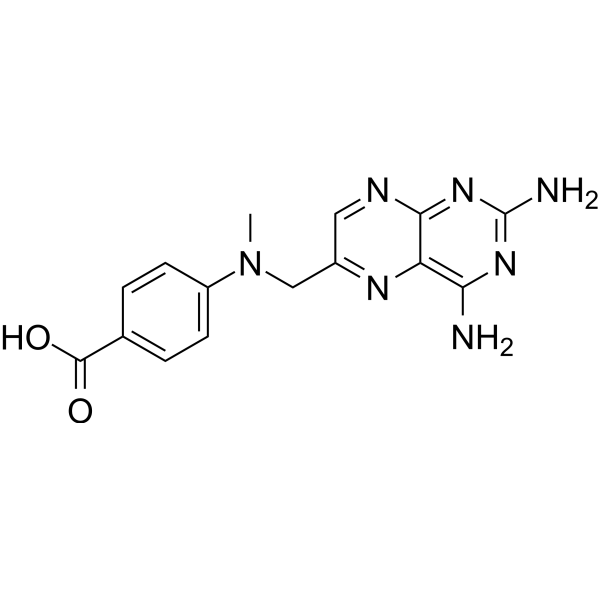
    Methotrexate metabolite
    1 Publications Verification

    DAMPA

    Antifolate Drug Metabolite Dihydrofolate reductase (DHFR) Parasite Infection Inflammation/Immunology
    Methotrexate metabolite (DAMPA) is an active metabolite of Methotrexate. Methotrexate is a Folic acid (HY-16637) antagonist, widely used as an immunosuppressant. Methotrexate metabolite is an antimalarial agent that inhibits parasite growth under physiological folic acid conditions, with IC50 values of 446 nM and 812 nM against folic acid-sensitive strains and highly resistant strains, respectively. Methotrexate metabolite exhibits pharmacokinetic characteristics of rapid clearance and extensive metabolism, with a mean clearance rate of 1.9 l/kg/h and a mean terminal half-life of 51 minutes. Methotrexate metabolite is promising for research in the field of inflammation .
    Methotrexate metabolite
  • HY-12853
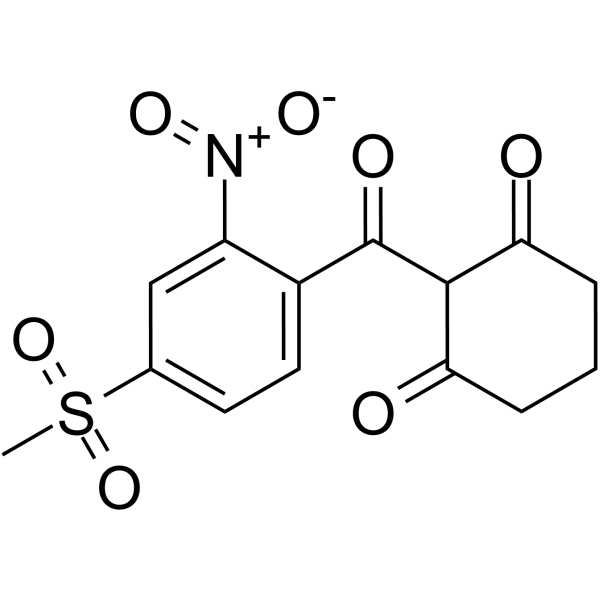
    Mesotrione
    2 Publications Verification

    Environmental Pollutants Reactive Oxygen Species (ROS) Others
    Mesotrione is a herbicide belongs to the benzoylcyclohexanedione family. Mesotrione is a potent and competitive and reversible inhibitor of HPPD enzyme. Mesotrione is selective to maize due to rapid metabolism and relative high tolerance by the susceptible crop plant .
    Mesotrione
  • HY-112179
    GSK180
    2 Publications Verification

    KMO Inflammation/Immunology
    GSK180 is a selective, competitive, and potent inhibitor of kynurenine-3-monooxygenase (KMO), a key enzyme of tryptophan metabolism (IC50, ~6 nM), but shows negligible activity against other enzymes on the tryptophan pathway. GSK180 rapidly changes levels of kynurenine pathway metabolites, and acts as a useful tool to probe the therapeutic potential of KMO inhibition .
    GSK180
  • HY-113440
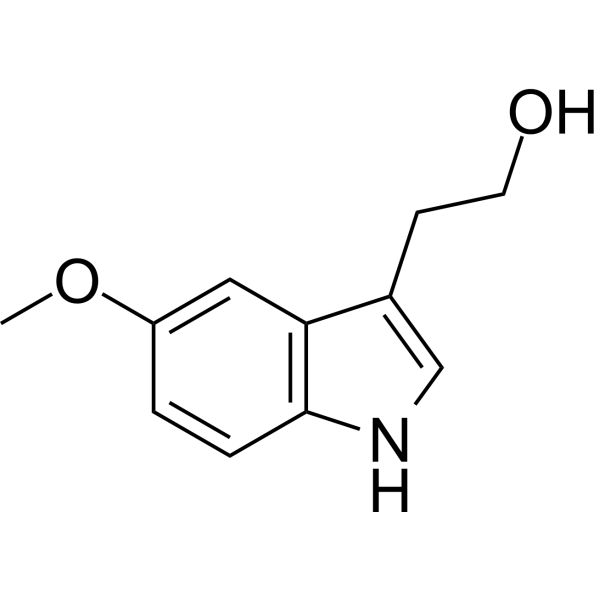
    5-Methoxytryptophol
    1 Publications Verification

    Melatonin Receptor ERK TNF Receptor Interleukin Related MMP Endogenous Metabolite Neurological Disease Metabolic Disease Inflammation/Immunology
    5-Methoxytryptophol is a 5-methoxyindole alcohol structurally homologous to Melatonin (HY-B0075). It is secreted by the mammalian pineal gland and exhibits an inverse circadian rhythm. 5-Methoxytryptophol regulates bone metabolism by activating the ERK1/2 pathway. It reduces the levels of pro-inflammatory cytokines TNF-α and IL-1β, as well as proteolytic enzymes MMP-1 and MMP-2, in serum and dental pulp tissues, thereby ameliorating acute pulpitis. 5-Methoxytryptophol induces rapid sleep in mice, while high doses cause respiratory depression and death. 5-Methoxytryptophol. 5-Methoxytryptophol can be used in studies related to acute pulpitis, hypnosis, and bone metabolism .
    5-Methoxytryptophol
  • HY-156685

    PI4K Parasite Infection Metabolic Disease Cancer
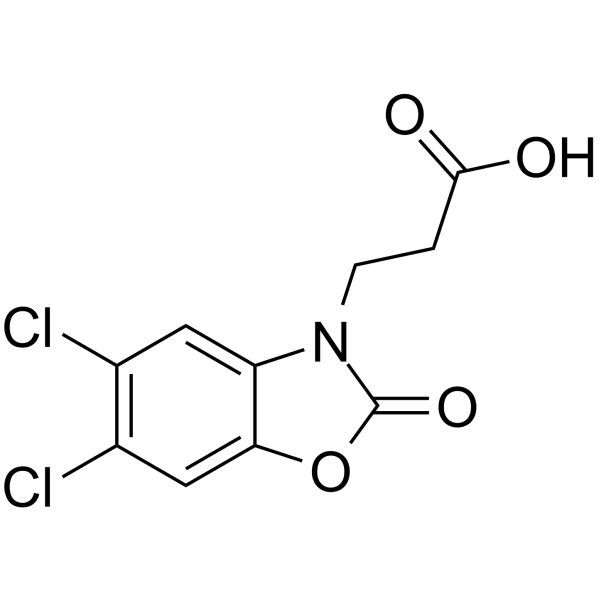
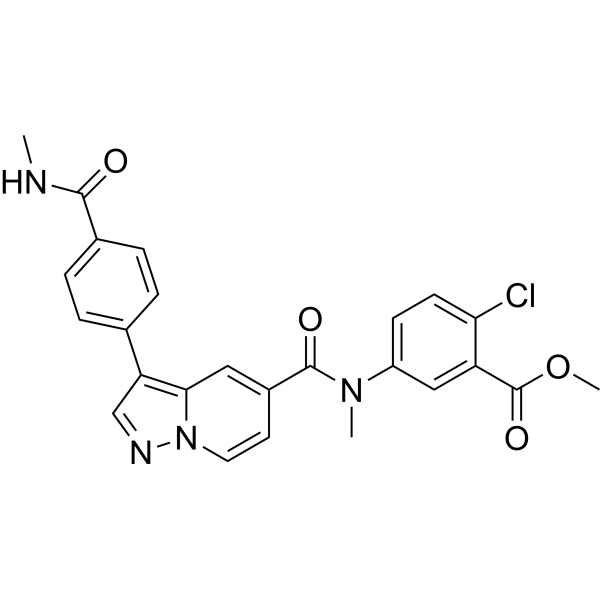
    EDI048 is an orally active, gut-restricted parasiticidal agent. EDI048 specifically binds to the ATP-binding site of Cryptosporidium phosphatidylinositol 4-kinase (CpPI (4) K), blocks parasite membrane biogenesis, arrests the pathogen at the schizont stage, and thus irreversibly clears the infection. EDI048 is rapidly converted to an inactive carboxylic acid metabolite via hepatic first-pass metabolism, with extremely low systemic exposure, good safety profile, and no cardiotoxicity, genotoxicity or off-target effects. EDI048 is used in studies of intestinal cryptosporidiosis in children .
    EDI048
  • HY-W267897

    7-BFC

    Cytochrome P450 Others
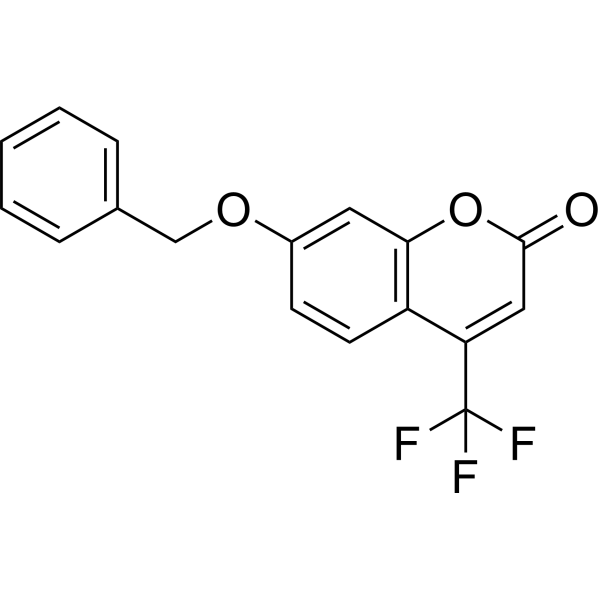
    7-Benzyloxy-4-(trifluoromethyl)coumarin (7-BFC) is a coumarin fluorescent substrate. 7-Benzyloxy-4-(trifluoromethyl)coumarin is a substrate for cDNA-expressed CYP1A2 and CYP3A4 and is metabolized to 7-hydroxy-4-trifluoromethylcoumarin (HFC). 7-Benzyloxy-4-(trifluoromethyl)coumarin is used for rapid CYP isoform metabolism and inhibition screening studies .
    7-Benzyloxy-4-(trifluoromethyl)coumarin
  • HY-17484
    Ampiroxicam
    2 Publications Verification

    CP 65703

    Drug Derivative Inflammation/Immunology
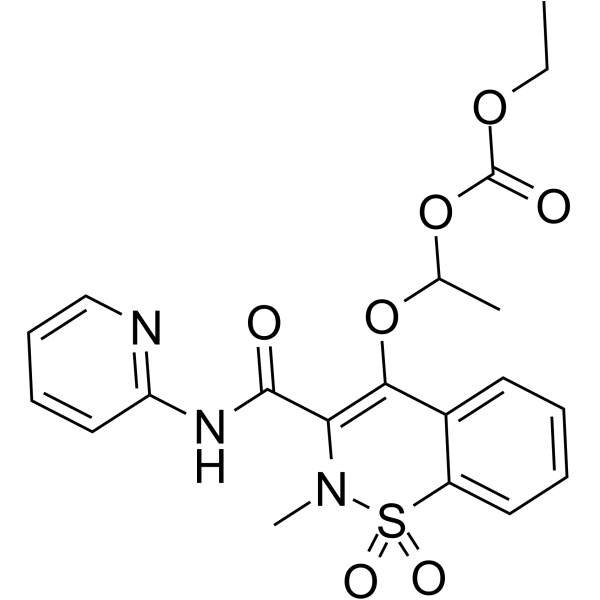
    Ampiroxicam is an orally active prodrug of non-steroidal anti-inflammatory drug (NSAID). Ampiroxicam inhibits paw swelling in adjuvant-induced arthritis and acute inflammation models, and suppresses phenylbenzoquinone-induced stretching responses in mice. Ampiroxicam is rapidly and completely converted to Piroxicam (HY-B0253) via non-specific esterases and first-pass metabolism. Ampiroxicam induces contact hypersensitivity and photosensitivity reactions through photoproducts generated by UVA. Ampiroxicam can be used in research related to photosensitivity, adjuvant-induced arthritis, rheumatism, osteoarthritis and other inflammatory diseases .
    Ampiroxicam
  • HY-146453

    G protein-coupled Bile Acid Receptor 1 Metabolic Disease
    TGR5 Receptor Agonist 3 (Compound 19) is a soft-agent G-protein-coupled bile acid receptor 1 (GPBAR1, TGR5) agonist with reduced gallbladder-filling effects (favorable gallbladder safety), with EC50s of 16.4 and 209 nM for hTGR5 and mTGR5, respectively.
    TGR5 Receptor Agonist 3
  • HY-B1145S

    Isotope-Labeled Compounds Antibiotic Bacterial Necroptosis Apoptosis Infection
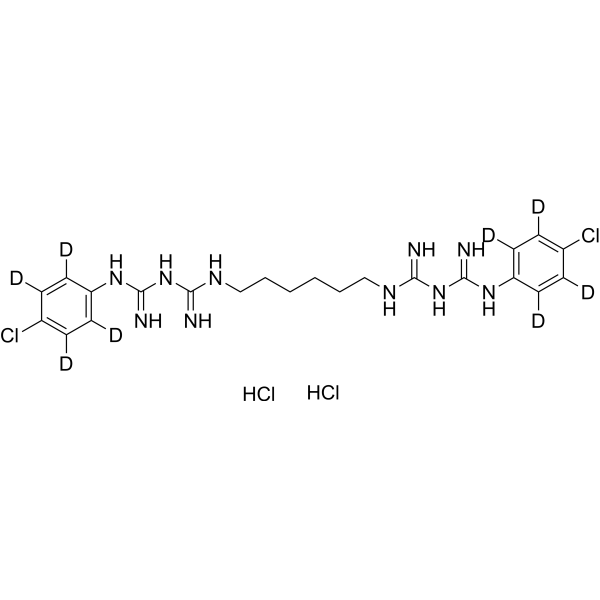
    Chlorhexidine-d8 (dihydrochloride) is the deuterium labeled Chlorhexidine dihydrochloride (HY-B1145). Chlorhexidine dihydrochloride is a orally active cationic antimicrobial agent that targets microbial cell membranes. Chlorhexidine dihydrochloride binds to cell membrane phospholipids non-specifically, destroys membrane structure and induces leakage of cell contents. Chlorhexidine dihydrochloride has broad-spectrum bactericidal activity against both Gram-positive and Gram-negative bacteria. Chlorhexidine dihydrochloride can interfere with membrane permeability, cause protein precipitation and energy metabolism disorders, such as rapid inhibition of microbial growth and induction of cell death (necrosis or apoptosis) .
    Chlorhexidine-d8 dihydrochloride
  • HY-B1248R

    Reference Standards Antibiotic Bacterial Necroptosis Apoptosis Infection
    Chlorhexidine (Standard) is the analytical standard of Chlorhexidine (HY-B1248). This product is intended for research and analytical applications. Chlorhexidine is a orally active cationic antimicrobial agent that targets microbial cell membranes. Chlorhexidine binds to cell membrane phospholipids non-specifically, destroys membrane structure and induces leakage of cell contents. Chlorhexidine has broad-spectrum bactericidal activity against both Gram-positive and Gram-negative bacteria. Chlorhexidine can interfere with membrane permeability, cause protein precipitation and energy metabolism disorders, such as rapid inhibition of microbial growth and induction of cell death (necrosis or apoptosis) .
    Chlorhexidine (Standard)
  • HY-159638

    HIV Protease Infection
    Elunonavir (GS-1156) is a HIV protease inhibitor with a high barrier to resistance and excellent metabolic stability. Elunonavir is able to overcome rapid CYP-mediated metabolism, resulting in a significantly prolonged half-life and the potential to reduce dosing frequency without the need for pharmacokinetic enhancers .
    Elunonavir
  • HY-112621

    LTA4 methyl ester

    Biochemical Assay Reagents Inflammation/Immunology
    Leukotriene A4 methyl ester (LTA4 methyl ester) is synthesized in mast cells, eosinophils, and neutrophils from arachidonic acid by 5-lipoxygenase (5-LO), which exhibits both lipoxygenase and LTA4 synthase activities. LTA4 is rapidly metabolized by LTA4 hydrolase or LTC4 synthase to LTB4 or LTC4, respectively. LTA4, from leukocytes, is known to undergo transcellular metabolism in platelets, erythrocytes, and endothelial cells. Further metabolism of LTA4 by 15-LO leads to lipoxin biosynthesis. LTA4 as a free acid is highly unstable. The methyl ester is stable and can be readily hydrolyzed to the free acid as needed.
    Leukotriene A4 methyl ester
  • HY-B1248A

    Antibiotic Bacterial Necroptosis Apoptosis Infection
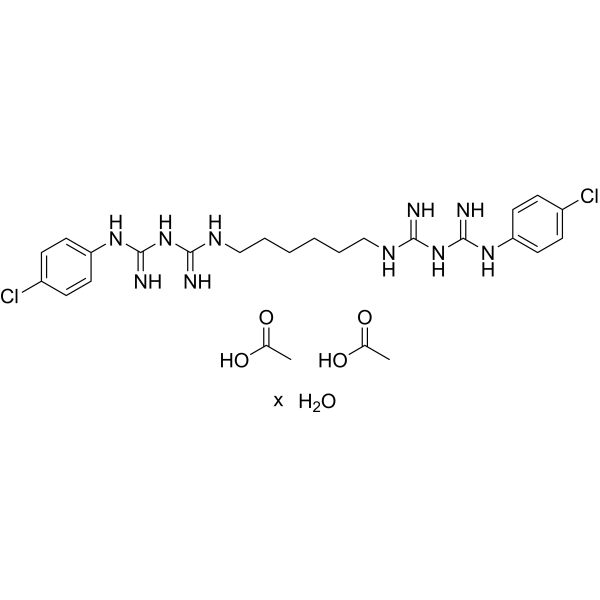
    Chlorhexidine acetate hydrate is a orally active cationic antimicrobial agent that targets microbial cell membranes. Chlorhexidine acetate hydrate binds to cell membrane phospholipids non-specifically, destroys membrane structure and induces leakage of cell contents. Chlorhexidine acetate hydrate has broad-spectrum bactericidal activity against both Gram-positive and Gram-negative bacteria. Chlorhexidine acetate hydrate can interfere with membrane permeability, cause protein precipitation and energy metabolism disorders, such as rapid inhibition of microbial growth and induction of cell death (necrosis or apoptosis) .
    Chlorhexidine acetate hydrate
  • HY-W013699R

    Reference Standards Antibiotic Bacterial Necroptosis Apoptosis Infection
    Chlorhexidine diacetate (Standard) is the analytical standard of Chlorhexidine diacetate (HY-W013699). This product is intended for research and analytical applications. Chlorhexidine diacetate is a orally active cationic antimicrobial agent that targets microbial cell membranes. Chlorhexidine diacetate binds to cell membrane phospholipids non-specifically, destroys membrane structure and induces leakage of cell contents. Chlorhexidine diacetate has broad-spectrum bactericidal activity against both Gram-positive and Gram-negative bacteria. Chlorhexidine diacetate can interfere with membrane permeability, cause protein precipitation and energy metabolism disorders, such as rapid inhibition of microbial growth and induction of cell death (necrosis or apoptosis) .
    Chlorhexidine diacetate (Standard)
  • HY-14795

    ZT-1

    Cholinesterase (ChE) Neurological Disease
    Mimopezil (ZT-1) is an cholinesterase (ChE) inhibitor that rapidly degrades into the active metabolite Huperzine A (HY-17388) in water or aqueous organic solvents. After oral administration, Mimopezil is rapidly absorbed but has low bioavailability (0.37%) in rats. However, after metabolism, it is converted into Huperzine A, which accumulates in the blood and exhibits strong activity. Following intravenous administration, Mimopezil reaches higher blood concentrations and is also rapidly metabolized into Huperzine A .
    Mimopezil
  • HY-107010A

    Adrenergic Receptor Cardiovascular Disease
    Esprolol hydrochloride is an orally active and potent β-adrenergic receptor antagonist. Esprolol hydrochloride undergoes rapid metabolism by blood and tissue esterases to form an active metabolite, amoxolol. Esprolol hydrochloride is promising for research of exertional angina .
    Esprolol hydrochloride
  • HY-142820

    Raf Cancer
    B-Raf IN 5 (compound 3b) is a potent inhibitor of protein kinase B-Raf with an IC50 of 2.0 nM. B-Raf IN 5 is devoid of binding to the secondary target PXR and resists rapid metabolism. B-Raf IN 6 has the potential for the research of cancer disease .
    B-Raf IN 5
  • HY-12853R

    Reference Standards Reactive Oxygen Species (ROS) Others
    Mesotrione (Standard) is the analytical standard of Mesotrione. This product is intended for research and analytical applications. Mesotrione is a herbicide belongs to the benzoylcyclohexanedione family. Mesotrione is a potent and competitive and reversible inhibitor of HPPD enzyme. Mesotrione is selective to maize due to rapid metabolism and relative high tolerance by the susceptible crop plant .
    Mesotrione (Standard)
  • HY-142830

    Raf Cancer
    B-Raf IN 6 (compound 2c) is a potent inhibitor of protein kinase B-Raf with an IC50 of 1.7 nM. B-Raf IN 6 is devoid of binding to the secondary target PXR and resists rapid metabolism. B-Raf IN 6 has the potential for the research of cancer disease .
    B-Raf IN 6
  • HY-124950

    GR114297A

    Adrenergic Receptor Others
    Picumeterol (GR114297A) is a potent and selective β2-adrenoceptor agonist with bronchodilator and anti-bronchoconstrictor effects. Picumeterol produces long-lasting relaxation of airways smooth muscle both in vitro and in vivo. Picumeterol is cleared from plasma through a rapid and extensive hepatic metabolism. Picumeterol is proming for rasearch of asthma and related diseases .
    Picumeterol
  • HY-163672

    Glucocorticoid Receptor Metabolic Disease Inflammation/Immunology
    Glucocorticoid receptor modulator 3 (Payload 6) is a thioester-containing glucocorticoid receptor modulator (IC50=0.6 nM). Glucocorticoid receptor modulator 3 is designed to inactivate unconjugated payloads rapidly through liver metabolism, thereby minimizing systemic exposure. Glucocorticoid receptor modulator 3 can be utilized in the development of antibody-drug conjugates (ADCs) targeting autoimmune diseases .
    Glucocorticoid receptor modulator 3
  • HY-W040235

    Endogenous Metabolite Others
    Fluazuron is an insect growth regulator with activity against larvae of Amblyomma sculptum. Fluazuron exhibits 100% efficacy by interfering with the molting process. Fluazuron has shown rapid absorption and slow metabolism in experiments. The use of Fluazuron offers a potential preventive measure for the control of Brazilian spotted fever. The results of Fluazuron offer good prospects for the development of feed products containing FLU to control ticks in free-living capybaras .
    Fluazuron
  • HY-179011

    Cytochrome P450 Metabolic Disease
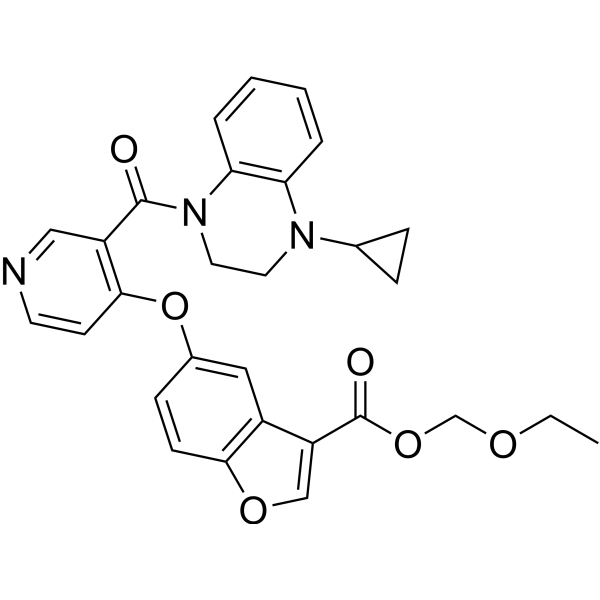
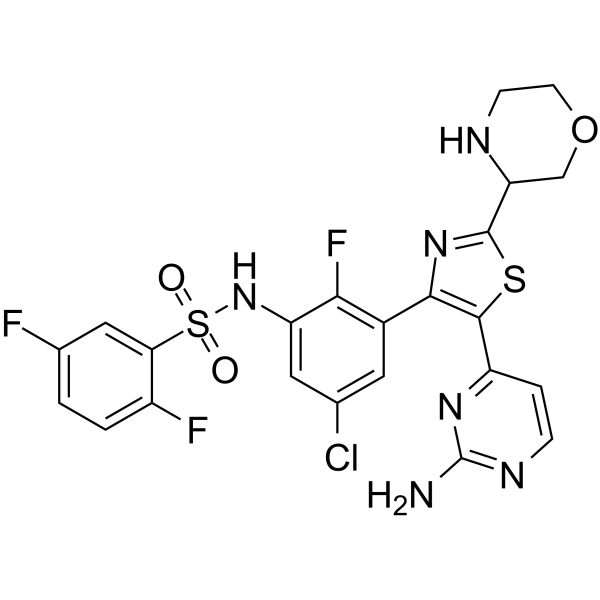
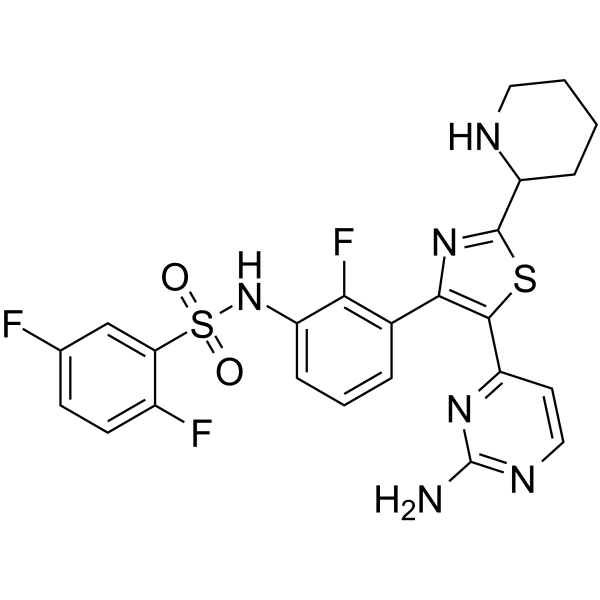
    CYP3A4-IN-6 (Compound 8a) is a CYP3A4 inhibitor with tissue-selective metabolism. CYP3A4-IN-6 remains stable in the intestinal S9 component but is rapidly metabolized in the liver S9 component, forming a less active metabolite. CYP3A4-IN-6 can be used for intestinal selectivity studies .
    CYP3A4-IN-6
  • HY-115004

    FAAH Neurological Disease
    MM-433593 is a potent and selective inhibitor of fatty acid amide hydrolase-1 (FAAH-1) that is orally administered to inhibit pain, inflammation, and related disorders. Pharmacokinetic studies of MM-433593 in macaques revealed a biphasic elimination profile with a rapid distribution phase and a slower elimination phase, with a systemic clearance of 8-11 mL/min/kg. MM-433593 exhibits moderate oral bioavailability (14-21%) and its metabolism primarily involves oxidation of the methyl group on the indole ring, resulting in a variety of sulfate, glucuronide, or glutathione-conjugated metabolites .
    MM-433593
  • HY-B1145R

    Reference Standards Antibiotic Bacterial Necroptosis Apoptosis Infection
    Chlorhexidine dihydrochloride (Standard) is the analytical standard of Chlorhexidine dihydrochloride (HY-B1145). This product is intended for research and analytical applications. Chlorhexidine dihydrochloride is a orally active cationic antimicrobial agent that targets microbial cell membranes. Chlorhexidine dihydrochloride binds to cell membrane phospholipids non-specifically, destroys membrane structure and induces leakage of cell contents. Chlorhexidine dihydrochloride has broad-spectrum bactericidal activity against both Gram-positive and Gram-negative bacteria. Chlorhexidine dihydrochloride can interfere with membrane permeability, cause protein precipitation and energy metabolism disorders, such as rapid inhibition of microbial growth and induction of cell death (necrosis or apoptosis) .
    Chlorhexidine dihydrochloride (Standard)
  • HY-W738281

    Isotope-Labeled Compounds Antibiotic Bacterial Necroptosis Apoptosis Infection
    Chlorhexidine-d8 is deuterium-labeled Chlorhexidine (HY-B1248) . Chlorhexidine is a orally active cationic antimicrobial agent that targets microbial cell membranes. Chlorhexidine binds to cell membrane phospholipids non-specifically, destroys membrane structure and induces leakage of cell contents. Chlorhexidine has broad-spectrum bactericidal activity against both Gram-positive and Gram-negative bacteria. Chlorhexidine can interfere with membrane permeability, cause protein precipitation and energy metabolism disorders, such as rapid inhibition of microbial growth and induction of cell death (necrosis or apoptosis) .
    Chlorhexidine-d8
  • HY-17484R

    CP 65703 (Standard)

    Reference Standards Inflammation/Immunology
    Ampiroxicam (Standard) is the analytical standard of Ampiroxicam. This product is intended for research and analytical applications. Ampiroxicam is an orally active prodrug of non-steroidal anti-inflammatory drug (NSAID). Ampiroxicam inhibits paw swelling in adjuvant-induced arthritis and acute inflammation models, and suppresses phenylbenzoquinone-induced stretching responses in mice. Ampiroxicam is rapidly and completely converted to Piroxicam (HY-B0253) via non-specific esterases and first-pass metabolism. Ampiroxicam induces contact hypersensitivity and photosensitivity reactions through photoproducts generated by UVA. Ampiroxicam can be used in research related to photosensitivity, adjuvant-induced arthritis, rheumatism, osteoarthritis and other inflammatory diseases.
    Ampiroxicam (Standard)
  • HY-181525

    Reactive Oxygen Species (ROS) Apoptosis Mitochondrial Metabolism Cancer
    Mito-DHH chloride is a mitochondria-targeted catechol-type diphenylhexatriene. Mito-DHH chloride rapidly accumulates in mitochondria and undergoes auto-oxidation in the alkaline mitochondrial matrix to generate ROS. Mito-DHH chloride triggers ROS-dependent reduction of ATP levels via dual inhibition of mitochondrial oxidative phosphorylation and glycolytic metabolism, and induces selective apoptosis in cancer cells. Mito-DHH chloride can be used in research related to lung cancer, liver cancer, malignant melanoma, and colon cancer .
    Mito-DHH chloride
  • HY-113440R

    Reference Standards Interleukin Related Endogenous Metabolite Melatonin Receptor TNF Receptor ERK MMP Neurological Disease Metabolic Disease Inflammation/Immunology
    5-Methoxytryptophol (Standard) is the analytical standard of 5-Methoxytryptophol. This product is intended for research and analytical applications. 5-Methoxytryptophol is a 5-methoxyindole alcohol structurally homologous to Melatonin (HY-B0075). It is secreted by the mammalian pineal gland and exhibits an inverse circadian rhythm. 5-Methoxytryptophol regulates bone metabolism by activating the ERK1/2 pathway. It reduces the levels of pro-inflammatory cytokines TNF-α and IL-1β, as well as proteolytic enzymes MMP-1 and MMP-2, in serum and dental pulp tissues, thereby ameliorating acute pulpitis. 5-Methoxytryptophol induces rapid sleep in mice, while high doses cause respiratory depression and death. 5-Methoxytryptophol. 5-Methoxytryptophol can be used in studies related to acute pulpitis, hypnosis, and bone metabolism.
    5-Methoxytryptophol (Standard)
  • HY-D3391

    Bacterial Infection
    RMR-Tre is a fluorescent probe targeting the mycobacterial acyltransferase Ag85. Under the catalysis of Ag85, RMR-Tre undergoes 6-position mycoloylation and anchors to the mycobacterial membrane, while achieving fluorescence activation by inhibiting the intramolecular twisted charge transfer state transition. RMR-Tre can distinguish live mycobacteria from dead ones through metabolism-driven labeling, enabling rapid, wash-free, low-background detection of viable bacteria. RMR-Tre reports the drug resistance of Mycobacterium tuberculosis via the trehalose catalytic shift activity readout associated with TreS. In addition, RMR-Tre can be combined with flow cytometry or high-content imaging techniques to visualize and quantitatively analyze the metabolic heterogeneity of Mycobacterium tuberculosis related to persistence and drug resistance. RMR-Tre is widely used in tuberculosis-related research .
    RMR-Tre

Online-Anfrage

Your information is safe with us. * Required Fields.

Anrede


Country or Region *

Name des Antragstellers *


Name der Organisation *

Department *


E-Mail-Addresse *


Produktname *

Art. -Nr.


Requested quantity *

Telefonnummer *


Bemerkungen

Online-Anfrage

Inquiry Information

Produktname:
Art. -Nr.:
Menge:
MCE Japan Authorized Agent: