1. Search Result
Search Result
Results for "

Somatostatin+Receptor

" in MedChemExpress (MCE) Product Catalog:

80

Inhibitors & Agonists

4

Biochemical Assay Reagents

44

Peptides

3

Recombinant Proteins

4

Isotope-Labeled Compounds

8

Antibodies

1

Click Chemistry

4

Oligonucleotides

Cat. No. Nombre del producto Target Áreas de investigación Chemical Structure
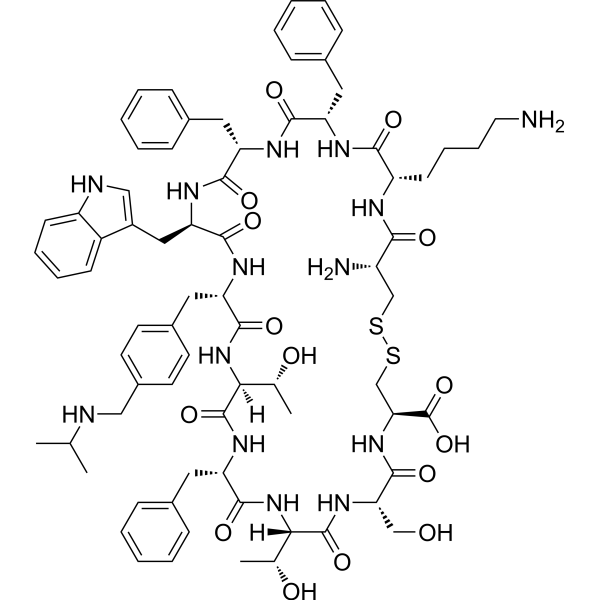
  • HY-P0036
    Octreotide
    Maximum Cited Publications
    16 Publications Verification
    SMS 201-995

    Somatostatin Receptor Apoptosis Cardiovascular Disease Inflammation/Immunology Endocrinology Cancer

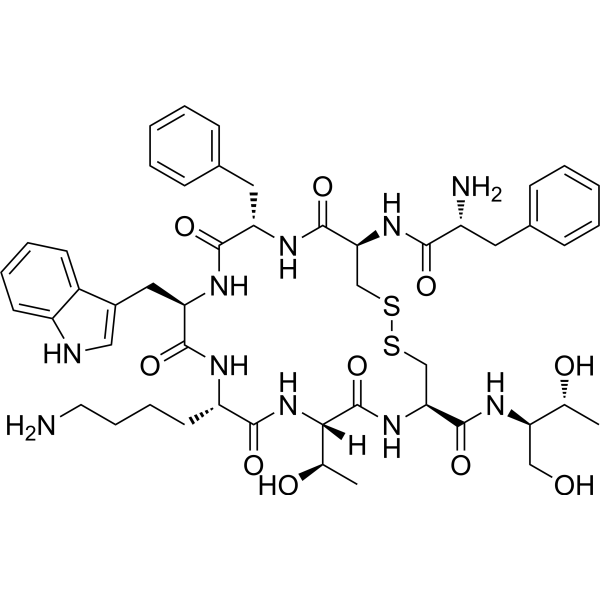
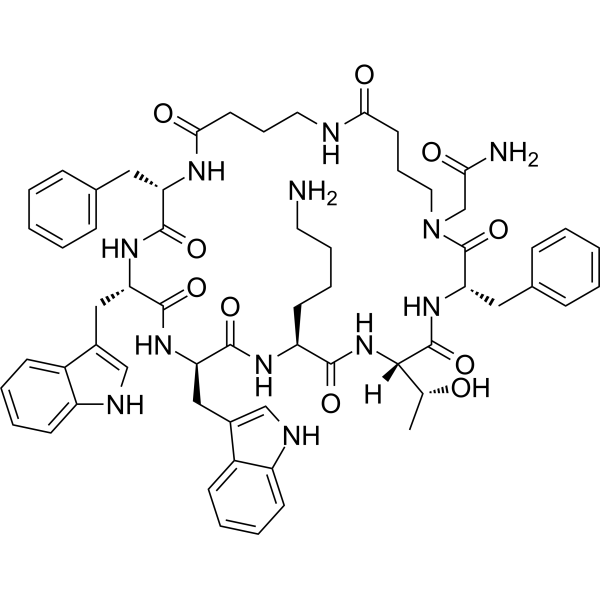
    Octreotide (SMS 201-995) is a somatostatin receptor agonist and synthetic octapeptide endogenous somatostatin analogue. Octreotide (SMS 201-995) can bind to the somatostatin receptor and mainly subtypes 2, 3, and 5, increases Gi activity, and reduces intracellular cAMP production. Octreotide (SMS 201-995) has antitumor activity, mediates apoptosis and may also be used in disease studies in acromegaly .
    Octreotide
  • HY-P1932

    Somatostatin Receptor Neurological Disease Inflammation/Immunology Endocrinology
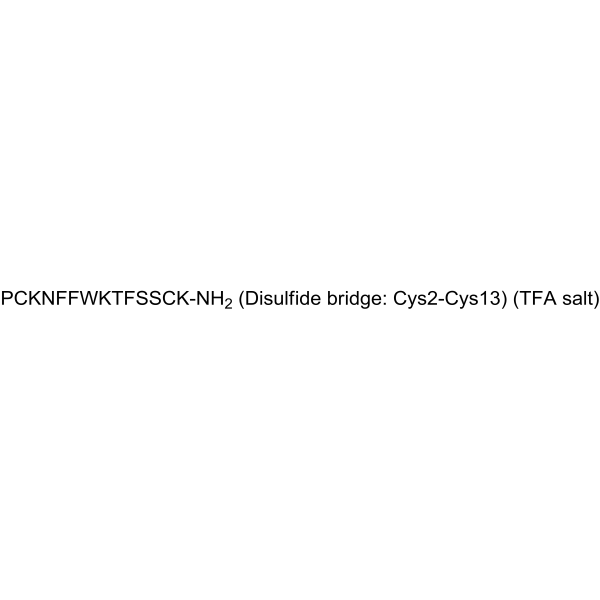
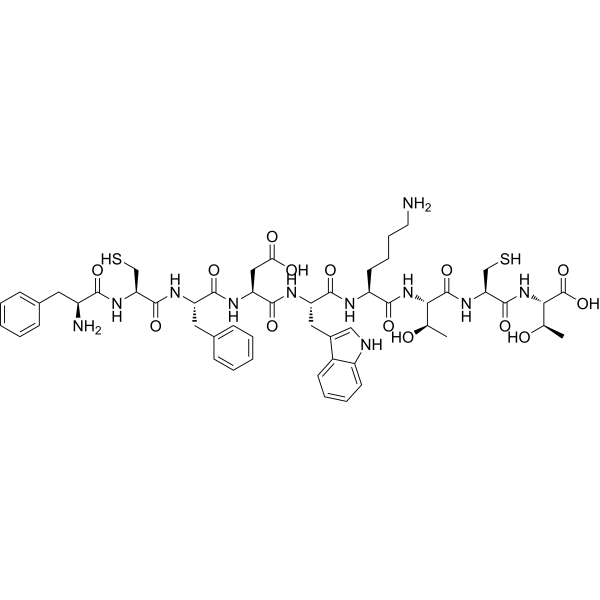
    Cortistatin-14 is a neuropeptide that shares structural similarities with somatostatin, working by binding to somatostatin receptors (sst1-sst5). Cortistatin-14 (TFA) has anticonvulsant, neuroprotective effects, and significant anti-inflammatory properties .
    Cortistatin-14
  • HY-111615A

    Somatostatin Receptor Neurological Disease Inflammation/Immunology
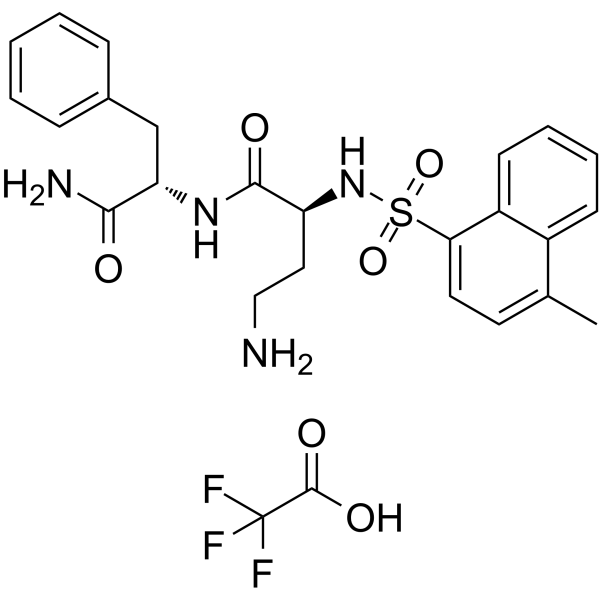
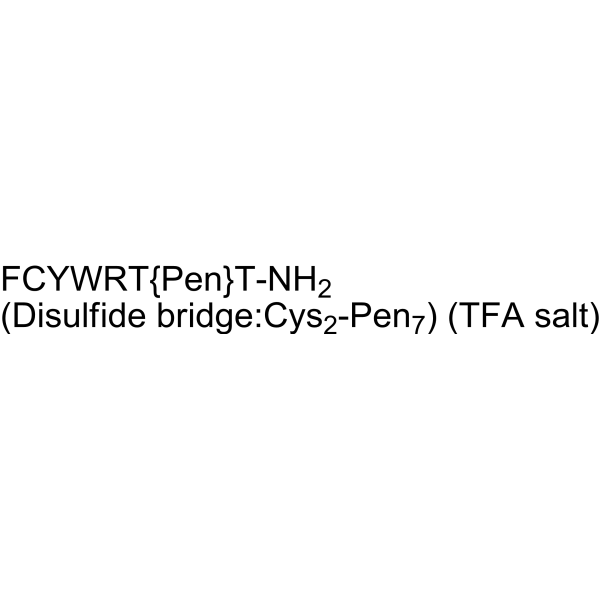
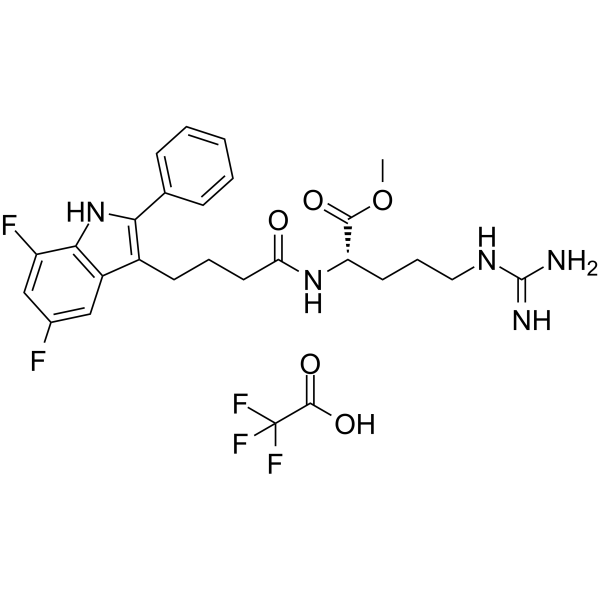
    J-2156 TFA is a high potent, selective somatostatin receptor type 4 (SST4 receptor) agonist with IC50s of 0.05 nM and 0.07 nM for human and rat SST4 receptors, respectively. J-2156 TFA has anti-inflammatory activity and it is used for the relief of mechanical allodynia and mechanical hyperalgesia in the ipsilateral hindpaws in rats .
    J-2156 TFA
  • HY-16381
    Pasireotide
    5+ Cited Publications

    SOM230

    Somatostatin Receptor Endocrinology Cancer
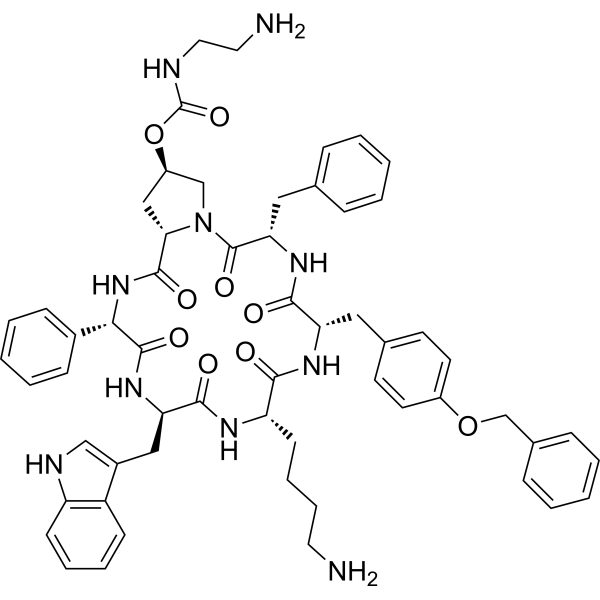
    Pasireotide (SOM230), a long-acting cyclohexapeptide somatostatin analogue, can improve agonist activity at somatostatin receptors (subtypes sst1/2/3/4/5, pKi=8.2/9.0/9.1/<7.0/9.9, respectively). Pasireotide can suppress GH, IGF-I and ACTH secretion, indicating potential efficacy in acromegaly and Cushing's disease. Pasireotide also exhibits antisecretory, antiproliferative, and proapoptotic activity .
    Pasireotide
  • HY-P10920

    Drug Derivative Cancer
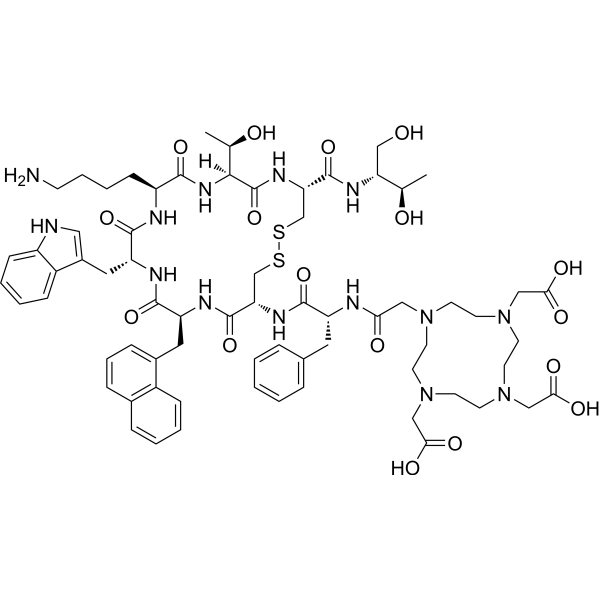
    DOTAMTATE is a somatostatin analogue. DOTAMTATE marked 212Pb is promising for research of somatostatin receptor positive neuroendocrine tumors .
    DOTAMTATE
  • HY-P5128
    DOTA-JR11
    1 Publications Verification

    Satoreotide tetraxetan

    Radionuclide-Drug Conjugates (RDCs) Somatostatin Receptor Cancer
    DOTA-JR11 is a somatostatin receptor 2 (SSTR2)antagonist. DOTA-JR11 can be labeled by 68Ga, used for paired imaging in neuroendocrine tumors (NETs) research . DOTA-JR11 can be used for the synthesis/research of Radionuclide-Drug Conjugates (RDCs).
    DOTA-JR11
  • HY-P1335
    CTAP
    2 Publications Verification

    Opioid Receptor Neurological Disease
    CTAP is a potent, highly selective, and BBB penetrant μ opioid receptor antagonist, with an IC50 of 3.5 nM. CTAP displays over 1200-fold selectivity over δ opioid (IC50=4500 nM) and somatostatin receptors. CTAP can be used for the study of L-DOPA-induced dyskinesia (LID) and opiate overdose or addiction .
    CTAP
  • HY-P3954

    Somatostatin Receptor Metabolic Disease
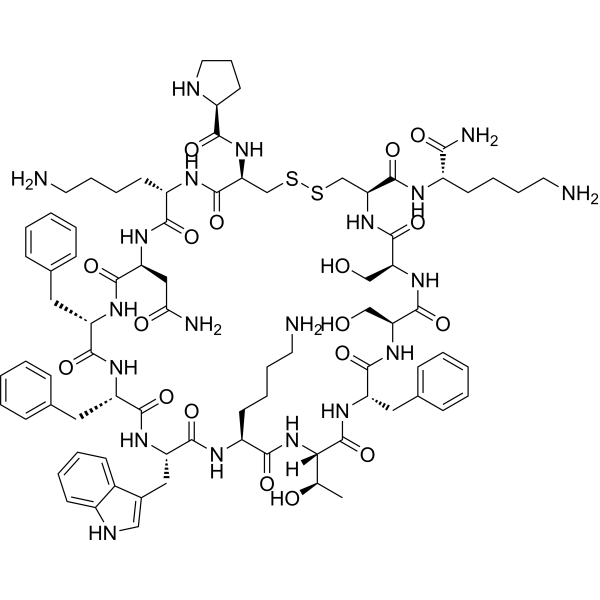
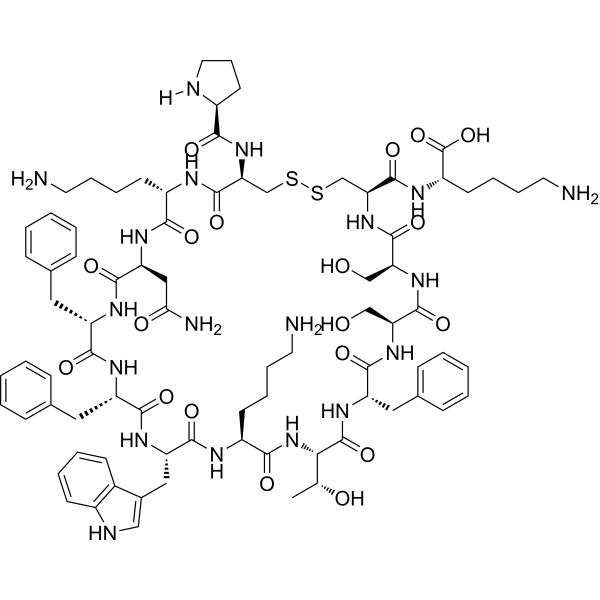
    Somatostatin-28 (sheep, human rat mouse) is a biologically active polypeptide, synthesised in the proximal intestinal epithelial cells. Somatostatin-28 (sheep, human rat mouse) suppresses glucose-stimulated insulin secretion without affecting circulating basal insulin concentration. Somatostatin-28 (sheep, human rat mouse) also targets to somatostatin receptor subtype 5 (SSTR5) to regulate GLP-1 secretion .
    Somatostatin-28 (sheep, human rat mouse)
  • HY-P5126
    DOTA-LM3
    2 Publications Verification

    Radionuclide-Drug Conjugates (RDCs) Somatostatin Receptor Cancer
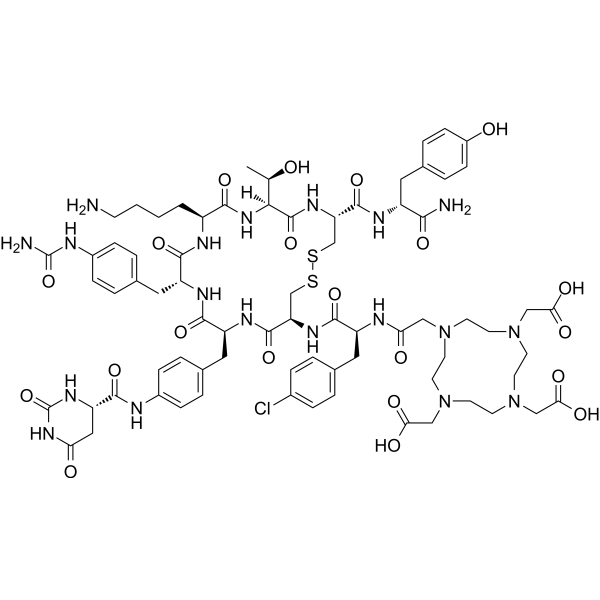
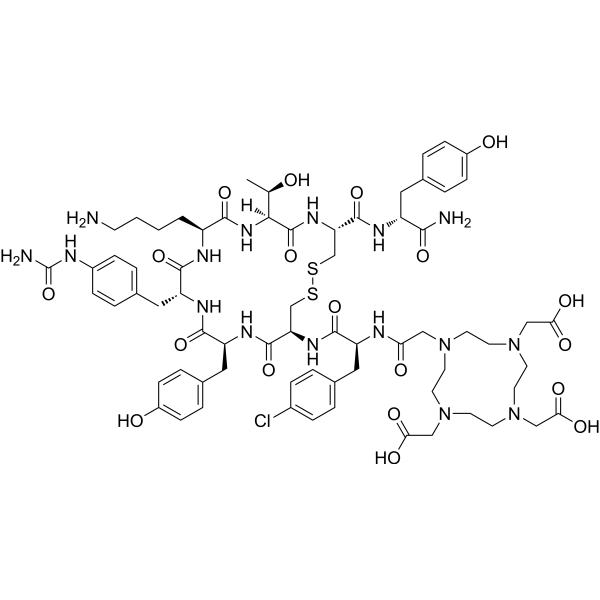
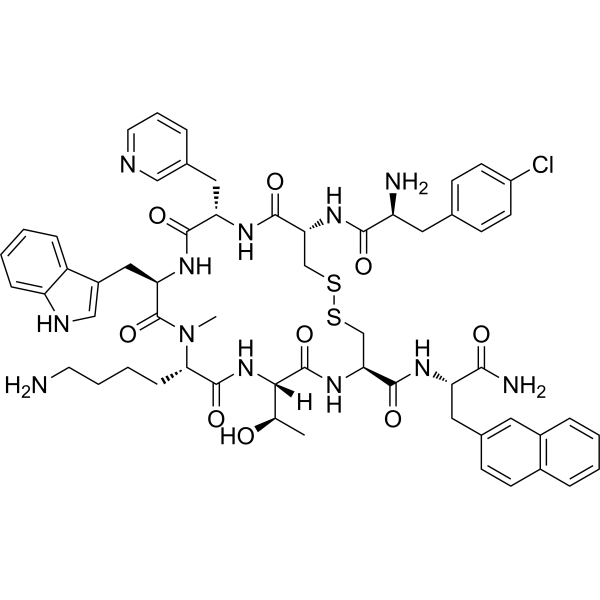
    DOTA-LM3 is a somatostatin receptor (SSTR) antagonist. LM3 refers to p-Cl-Phe- cyclo(D-Cys-Tyr-D-4-amino-Phe(carbamoyl)-Lys-Thr-Cys)D-Tyr- NH2, as well as a somatostatin antagonist. DOTA-LM3 is often isotopically labeled for tracing tumors in vivo, such as 177Lu-DOTA-LM3 and 68 Ga-DOTA-LM3. 68 Ga-DOTA-LM3 shows favorable biodistribution, high tumor uptake, good tumor retention, and few safety concerns. 177Lu-DOTA-LM3 can be used for research in DOTATOC-negative liver metastases, such as pancreatic NET and extensive tumor thrombosis . DOTA-LM3 can be used for the synthesis/research of Radionuclide-Drug Conjugates (RDCs).
    DOTA-LM3
  • HY-139347

    LY3556050; CNTX-0290

    Somatostatin Receptor Neurological Disease
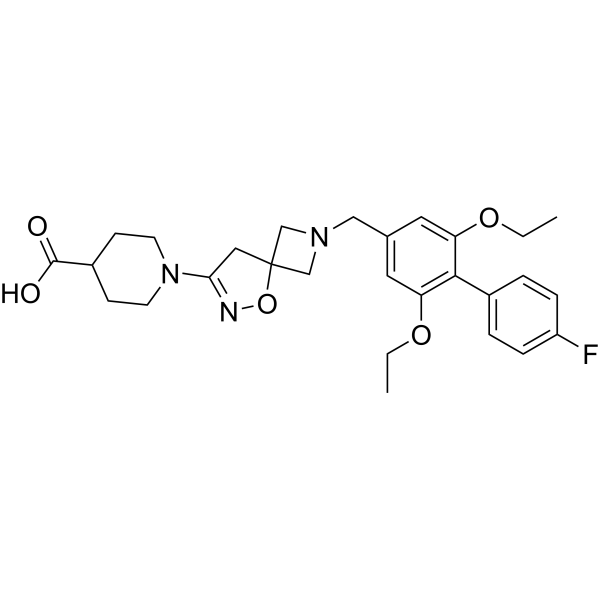
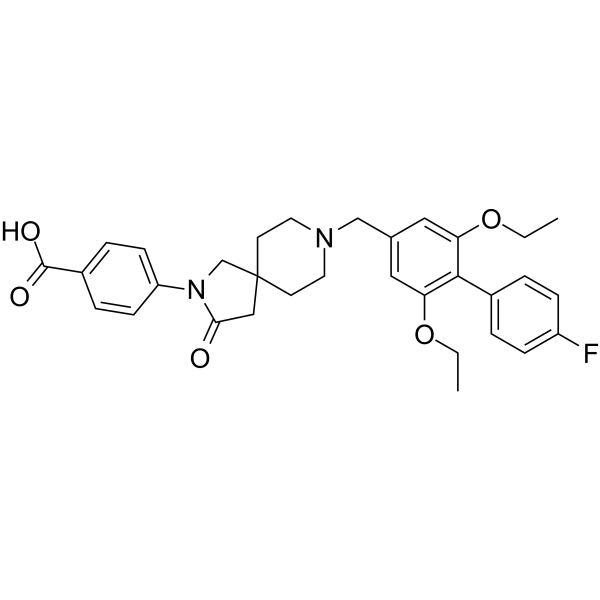
    Mazisotine (CNTX-0290) is an orally active, non-opioid somatostatin receptor 4 (SSTR4) agonist with an EC50 of 4.7 nM. Mazisotine exerts significant analgesic effects in various nociceptive (inflammatory, osteoarthritic) and neuropathic pain models. Mazisotine can be used for pain research .
    Mazisotine
  • HY-111615

    Somatostatin Receptor Neurological Disease
    J-2156 is a high potent, selective somatostatin receptor type 4 (SST4 receptor) agonist with IC50s of 0.05 nM and 0.07 nM for human and rat SST4 receptors, respectively. J-2156 is used for the relief of mechanical allodynia and mechanical hyperalgesia in the ipsilateral hindpaws in rats .
    J-2156
  • HY-16381A
    Pasireotide acetate
    2 Publications Verification

    SOM230 acetate

    Somatostatin Receptor Endocrinology Cancer
    Pasireotide (SOM230) acetate, a long-acting cyclohexapeptide somatostatin analogue, can improve agonist activity at somatostatin receptors (subtypes sst1/2/3/4/5, pKi=8.2/9.0/9.1/<7.0/9.9, respectively). Pasireotide acetate can suppress GH, IGF-I and ACTH secretion, indicating potential efficacy in acromegaly and Cushing's disease. Pasireotide acetate also exhibits antisecretory, antiproliferative, and proapoptotic activity .
    Pasireotide acetate
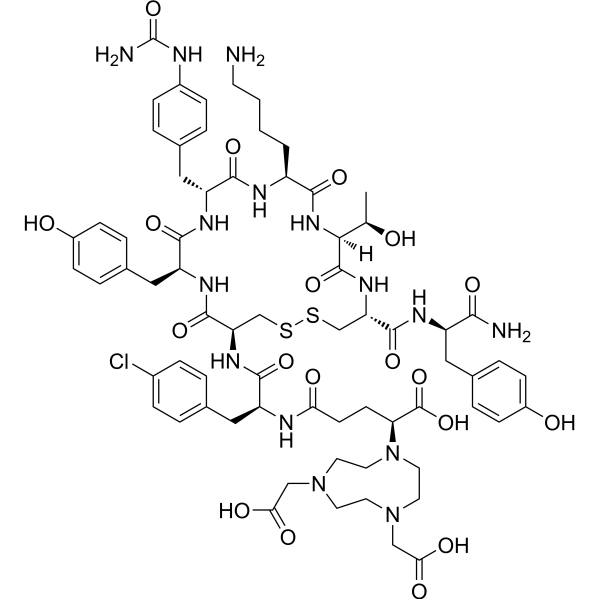
  • HY-P5362

    Radionuclide-Drug Conjugates (RDCs) Somatostatin Receptor Neurological Disease Cancer
    NODAGA-LM3 is a ligand that can cross the blood-brain barrier and targets somatostatin receptor SSTR2 with high affinity (IC50 = 1.3 nM). NODAGA-LM3 does not trigger the internalization of SSTR2 and can inhibit agonist-induced internalization processes. NODAGA-LM3 shows low uptake in normal tissues such as the liver and spleen, but high uptake in the lungs and blood pool. 68Ga-labeled NODAGA-LM3 can serve as a PET imaging agent for well-differentiated neuroendocrine tumors, and is applied in studies related to small cell lung cancer and well-differentiated neuroendocrine tumors .
    NODAGA-LM3
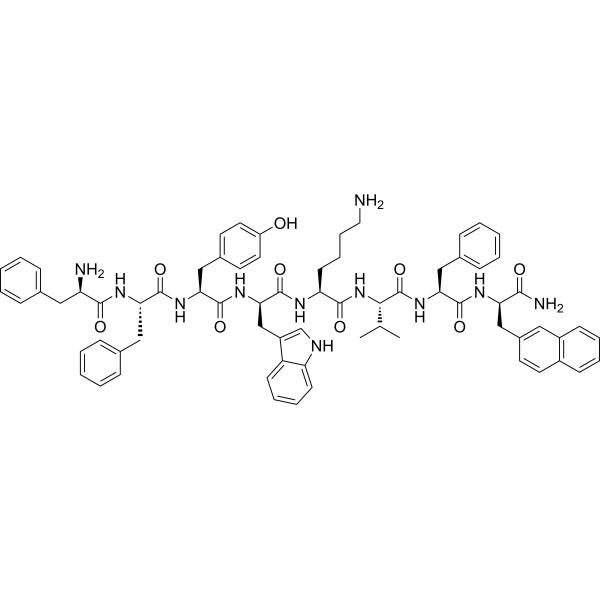
  • HY-P1203

    Somatostatin Receptor Neurological Disease
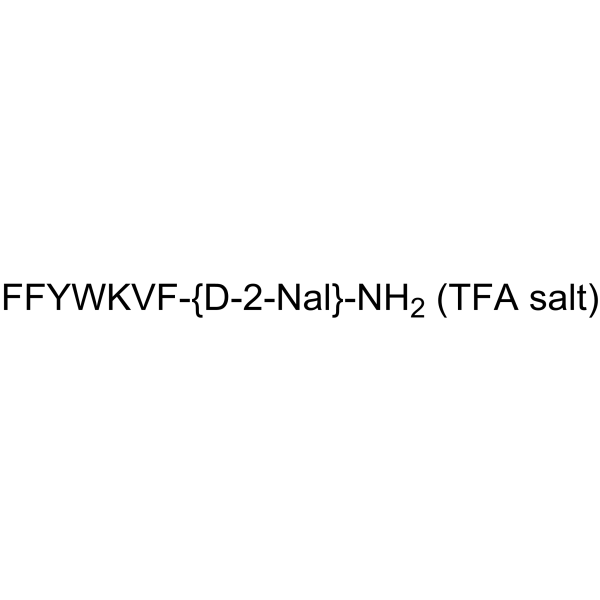
    BIM 23056, a linear octapeptide, is a potent sst3 and sst5 somatostatin receptor antagonist with Ki values of 10.8, 5.7, respectively .
    BIM-23056
  • HY-102037

    Somatostatin Receptor Metabolic Disease Endocrinology
    SSTR5 antagonist 1 (compound 25a) is a selective and orally available somatostatin receptor subtype 5 (SSTR5) antagonist with IC50s of 9.6 and 57 nM for hSSTR5 and mSSTR5, respectively .
    SSTR5 antagonist 1
  • HY-P1201
    Cyclosomatostatin
    1 Publications Verification

    Somatostatin Receptor Cancer
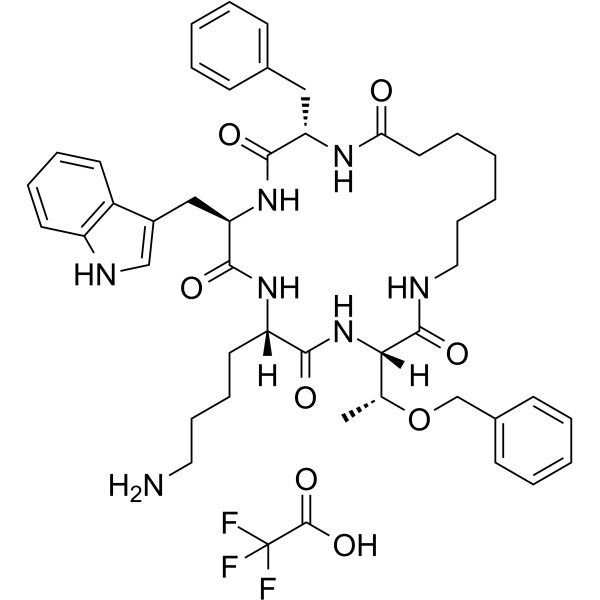
    Cyclosomatostatin is a potent somatostatin (SST) receptor antagonist. Cyclosomatostatin can inhibit somatostatin receptor type 1 (SSTR1) signaling and decreases cell proliferation, ALDH+ cell population size and sphere-formation in colorectal cancer (CRC) cells .
    Cyclosomatostatin
  • HY-P2112

    DOTA-Nal3-octreotide

    Radionuclide-Drug Conjugates (RDCs) Somatostatin Receptor Others
    DOTA-NOC (DOTA-Nal3-octreotide) is a high-affinity ligand of somatostatin receptor subtypes 2, 3 and 5. DOTA-NOC can be used for labeling with various radiometals, and development of radiopeptide imaging . DOTA-NOC can be used for the synthesis/research of Radionuclide-Drug Conjugates (RDCs).
    DOTA-NOC
  • HY-108497

    Somatostatin Receptor Neurological Disease Cancer
    L-803087 is a potent and selective somatostatin sst4 receptor agonist with a Ki of 0.7 nM. L-803087 is >280-fold higher than other somatostatin receptors. L-803087 facilitates AMPA-mediated hippocampal synaptic responses in vitro and increases kainate-induced seizures in mice .
    L-803087
  • HY-P1206
    CH 275
    1 Publications Verification

    Somatostatin Receptor Neurological Disease
    CH 275 is a peptide analog of somatostatin and binds preferably to somatostatin receptor 1 (sst1) with a Ki of 52 nM . CH 275 acts as a potent and selective sst1 agonist (IC50=30.9 nM) and also displays IC50 values of 345 nM, >1 μM, >10 μM, >10 μM for human sst3, sst4, sst2 and sst5, respectively . CH 275 can be used for the research of alzheimer’s disease .
    CH 275
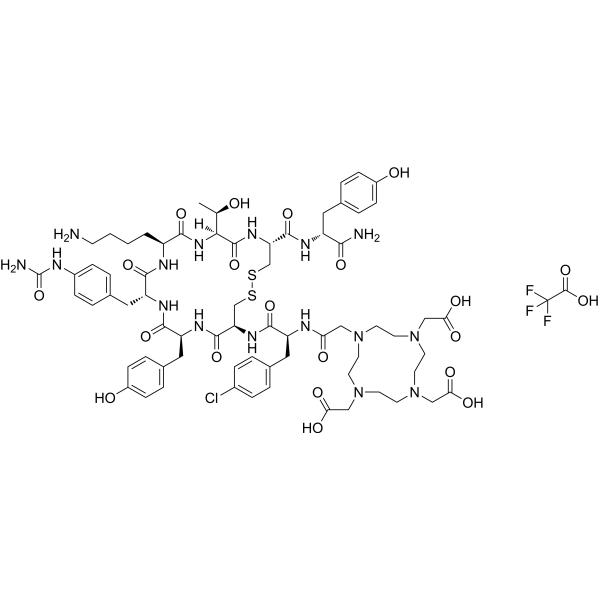
  • HY-P5126A
    DOTA-LM3 TFA
    2 Publications Verification

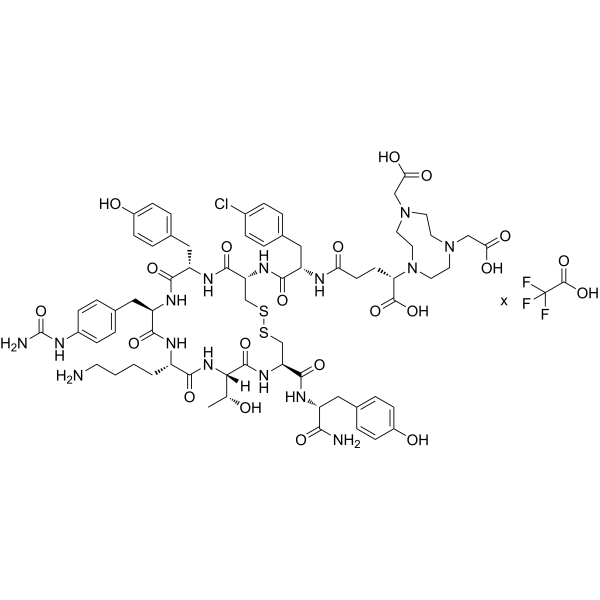
    Radionuclide-Drug Conjugates (RDCs) Somatostatin Receptor Cancer
    DOTA-LM3 TFA is a somatostatin receptor (SSTR) antagonist. LM3 refers to p-Cl-Phe- cyclo(D-Cys-Tyr-D-4-amino-Phe(carbamoyl)-Lys-Thr-Cys)D-Tyr- NH2, as well as a somatostatin antagonist. DOTA-LM3 TFA is often isotopically labeled for tracing tumors in vivo, such as 177Lu-DOTA-LM3 TFA and 68 Ga-DOTA-LM3 TFA. 68 Ga-DOTA-LM3 TFA shows favorable biodistribution, high tumor uptake, good tumor retention, and few safety concerns. 177Lu-DOTA-LM3 TFA can be used for research in DOTATOC-negative liver metastases, such as pancreatic NET and extensive tumor thrombosis . DOTA-LM3 (TFA) can be used for the synthesis/research of Radionuclide-Drug Conjugates (RDCs).
    DOTA-LM3 TFA
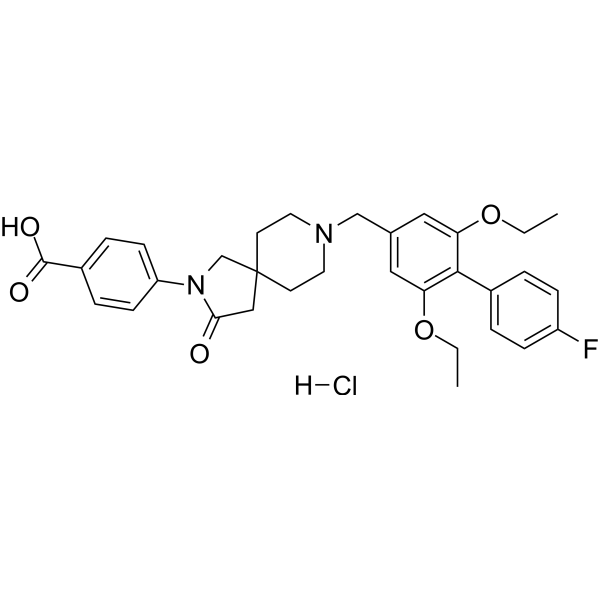
  • HY-114191B

    Somatostatin Receptor Metabolic Disease Endocrinology
    SSTR5 antagonist 2 hydrochloride is a highly potent, oral active and selective somatostatin (receptor) subtype 5 (SSTR5) antagonist and has potential for the research of type 2 diabetes mellitus (T2DM) .
    SSTR5 antagonist 2 hydrochloride
  • HY-P1212

    CST-14 (mouse, rat)

    Somatostatin Receptor Neurological Disease
    Cortistatin 14, mouse, rat (CST-14, human, rat), a neuropeptide with neuronal depressant and sleep modulating properties, can bind to all five cloned somatostatin receptors (SSTRs) and ghrelin receptor to exert its biological activities and co-exists with GABA within the cortex and hippocampus .
    Cortistatin 14 (mouse, rat)
  • HY-106103

    MK-678; L-363586

    Somatostatin Receptor Cardiovascular Disease Neurological Disease Metabolic Disease
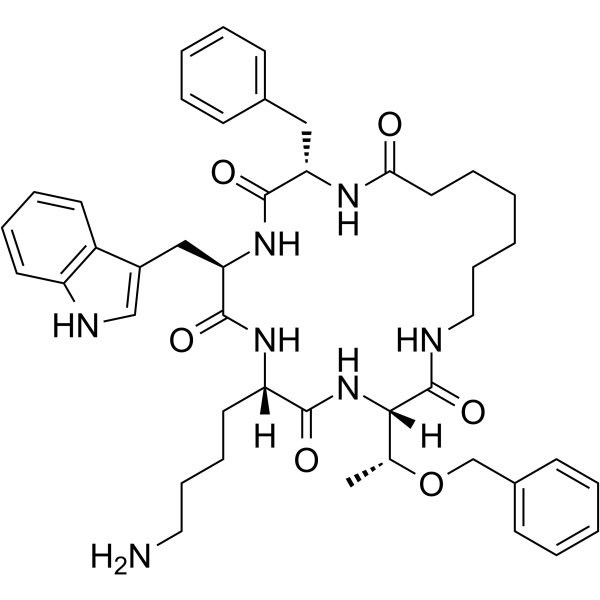
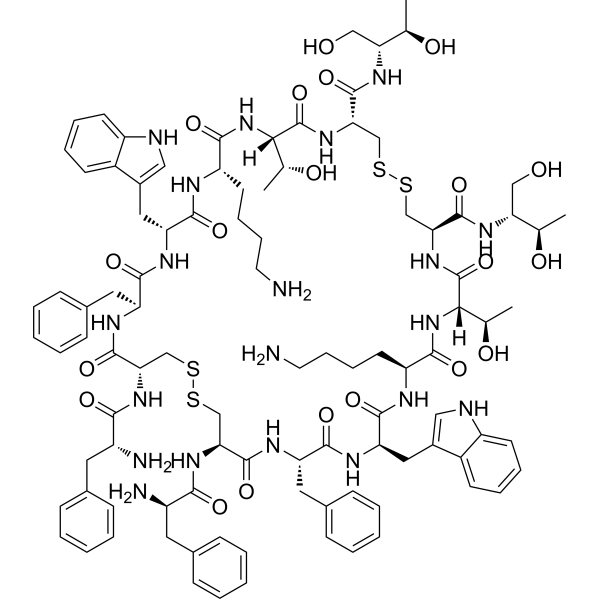
    Seglitide (MK-678) is a potent, orally active somatostatin receptor 2 (SSTR2) agonist, and also a competitive antagonist of SSTR14, SSTR25, and SSTR28. Seglitide has antihypertensive effects and can inhibit plasma glucagon and growth hormone. Seglitide can be used for research on diabetes .
    Seglitide
  • HY-79135
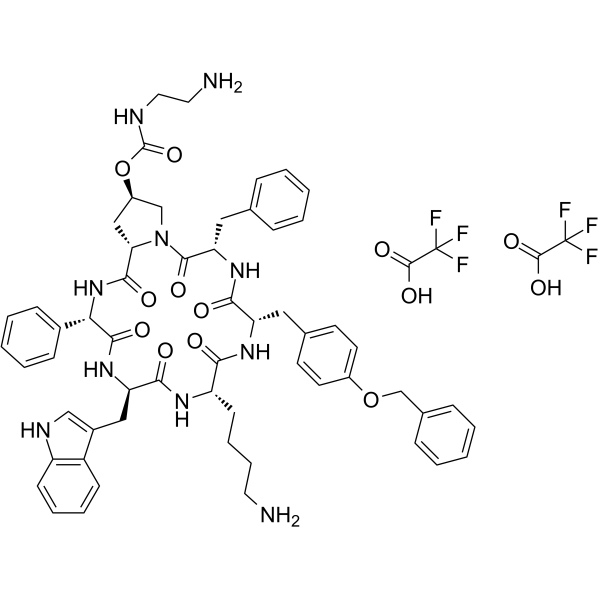
    Pasireotide ditrifluoroacetate
    5+ Cited Publications

    SOM230 ditrifluoroacetate; Pasireotide TFA salt

    Somatostatin Receptor Endocrinology Cancer
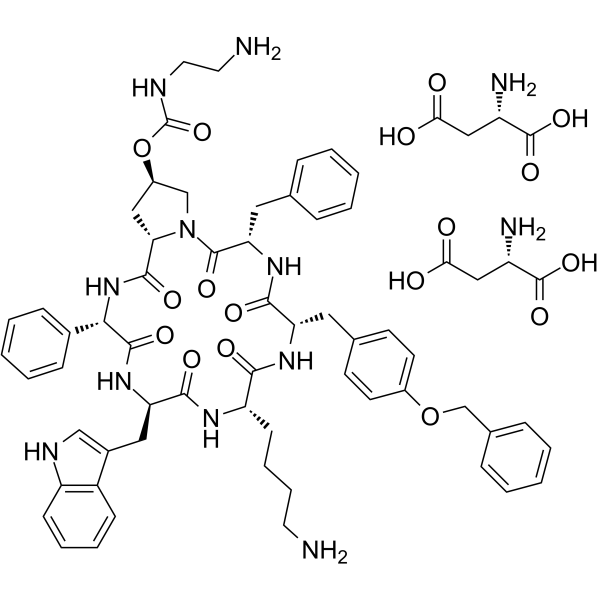
    Pasireotide (SOM230) ditrifluoroacetate, a long-acting cyclohexapeptide somatostatin analogue, can improve agonist activity at somatostatin receptors (subtypes sst1/2/3/4/5, pKi=8.2/9.0/9.1/<7.0/9.9, respectively). Pasireotide ditrifluoroacetate exhibits antisecretory, antiproliferative, and proapoptotic activity .
    Pasireotide ditrifluoroacetate
  • HY-79136
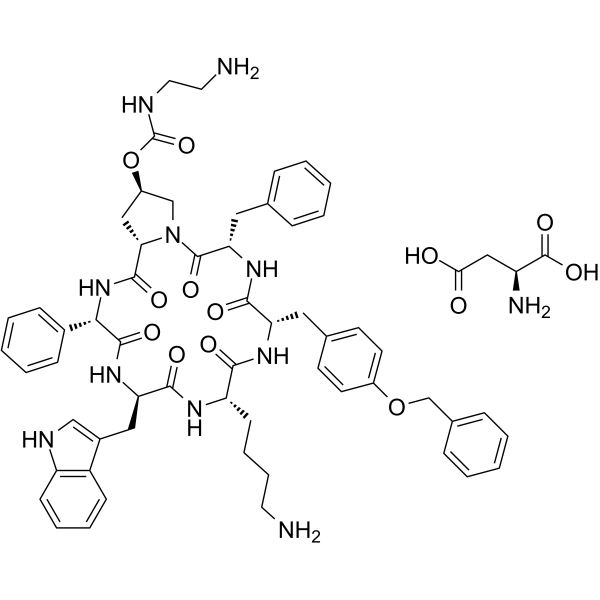
    Pasireotide L-aspartate salt
    5+ Cited Publications

    SOM230 L-aspartate

    Somatostatin Receptor Endocrinology Cancer
    Pasireotide (SOM230) L-aspartate salt, a long-acting cyclohexapeptide somatostatin analogue, can improve agonist activity at somatostatin receptors (subtypes sst1/2/3/4/5, pKi=8.2/9.0/9.1/<7.0/9.9, respectively). Pasireotide L-aspartate salt exhibits antisecretory, antiproliferative, and proapoptotic activity .
    Pasireotide L-aspartate salt
  • HY-P10239

    Somatostatin Receptor Radionuclide-Drug Conjugates (RDCs) Cancer
    Tyr3-Octreotate is a ligand for somatostatin receptor subtype 2 (sst2), with an IC50 value of 1.3 nM against sst2 when labeled with [ 111In-DTPA], and an IC50 value of 1.6 nM against sst2 when labeled with [ 90Y-DOTA]. Radiolabeled Tyr3-Octreotate generates cell-associated radioactivity, and acts as both a tumor growth inhibitor and a tumor cytotoxic agent. When radiolabeled with 177Lu or 90Y, Tyr3-Octreotate serves as a peptide receptor radionuclide therapy (PRRT) analog. Tyr3-Octreotate can be used in studies related to pancreatic tumors .
    Tyr3-Octreotate
  • HY-108498

    Somatostatin Receptor Endocrinology
    L-817818 is a potent and subtype-selective agonist of the somatostatin receptor. L-817818 provides a direct approach to defining somatostatin receptor physiological functions
    L-817818
  • HY-P10758

    Somatostatin Receptor Cardiovascular Disease Inflammation/Immunology Endocrinology Cancer
    Alkyne-βAG-TOCA, an octreotide derivative, targets somatostatin receptor type 2 (SST2) . Alkyne-βAG-TOCA can be used for the synthesis/research of Radionuclide-Drug Conjugates (RDCs).
    Alkyne-βAG-TOCA
  • HY-163317A

    Somatostatin Receptor Cancer
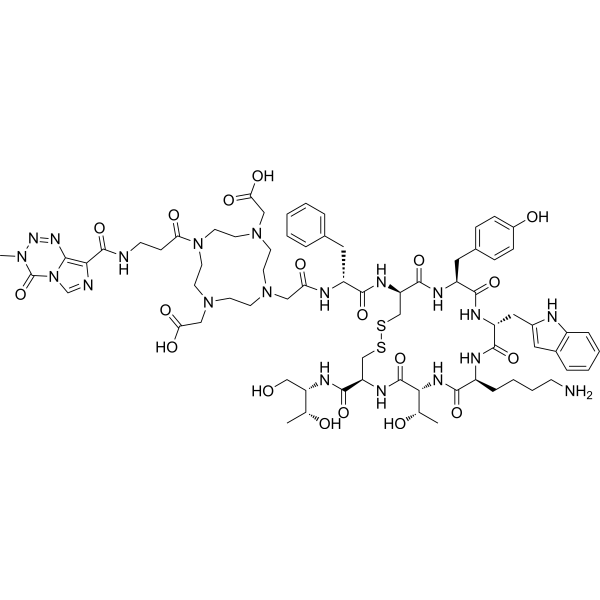
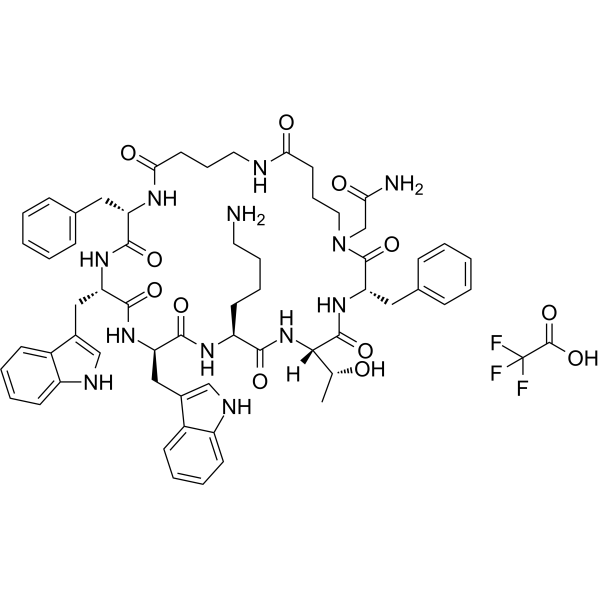
    MMC(TMZ)-TOC TFA has high binding affinity and selectivity for somatostatin receptor subtype-2 (SSTR2). MMC(TMZ)-TOC TFA targets delivery of TMZ to SSTR2-positive tumor cells. MMC(TMZ)-TOC TFA can be used for the research of cancer .
    MMC(TMZ)-TOC TFA
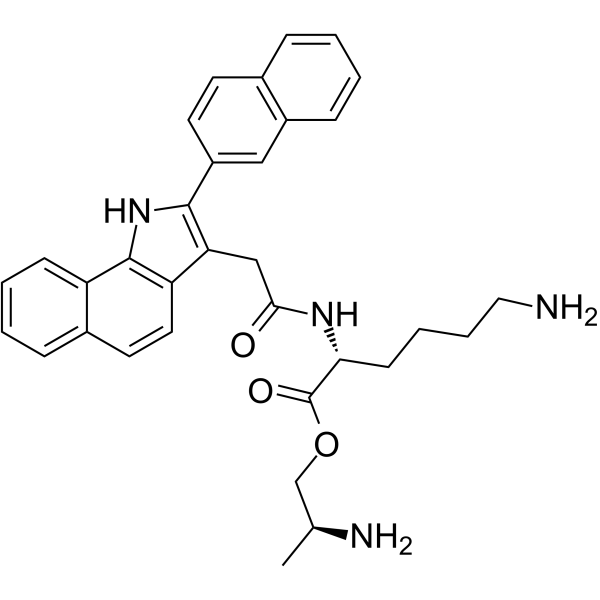
  • HY-142699

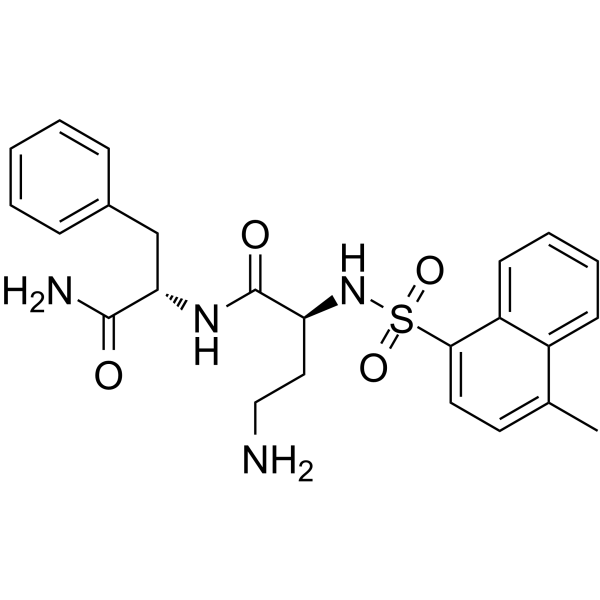
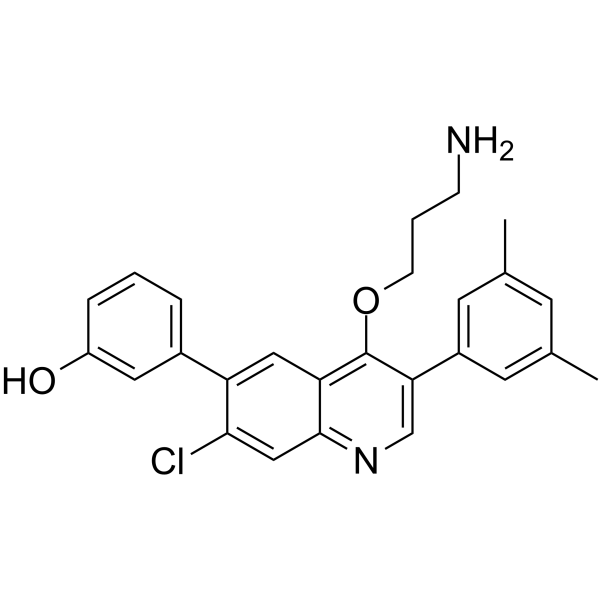
    Somatostatin Receptor Inflammation/Immunology
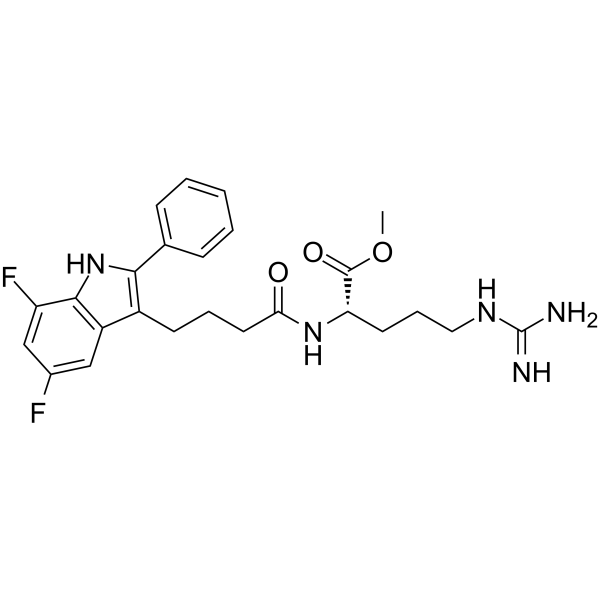
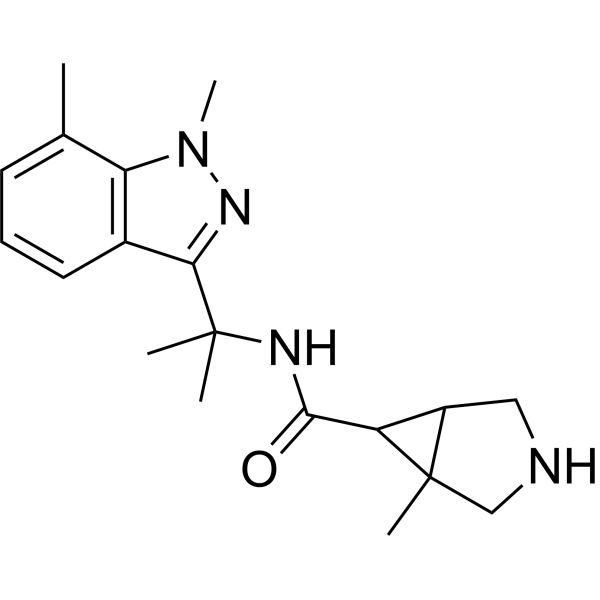
    SSTR4 agonist 2 is a potent agonist of somatostatin receptor subtype 4 (SSTR4). SSTR4 pathway inhibits nociceptive and inflammatory processes. SSTR4 agonist 2 has the potential for the research of medical disorders related to SSTR4 (extracted from patent WO2014184275A1, compound 107) .
    SSTR4 agonist 2
  • HY-P1335A
    CTAP TFA
    2 Publications Verification

    Opioid Receptor Neurological Disease
    CTAP TFA is a potent, highly selective, and BBB penetrant μ opioid receptor antagonist, with an IC50 of 3.5 nM. CTAP TFA displays over 1200-fold selectivity over δ opioid (IC50=4500 nM) and somatostatin receptors. CTAP TFA can be used for the study of L-DOPA-induced dyskinesia (LID) and opiate overdose or addiction .
    CTAP TFA
  • HY-P0039

    Bombesin Receptor Cancer
    BIM-26226 is a selective gastrin-releasing peptide receptor (GRPR) (IC50 = 6 nM) and bombesin receptor (BN receptor) antagonist. BIM-26226 antagonizes BN- or GRP-stimulated amylase release with IC50 values of 0.3 nM and 0.2 nM, respectively. BIM-26226 is specific for the GRP-preferring BN receptor subtype with no interference with GRP receptor system. BIM-26226 can induce the synthesis of somatostatin receptor but has no significant effect on tumor growth .
    BIM-26226
  • HY-P0036A

    SMS 201-995 dihydrochloride

    Somatostatin Receptor Apoptosis Inflammation/Immunology Endocrinology Cancer
    Octreotide (SMS 201-995) hydrochloride is a somatostatin receptor agonist and synthetic octapeptide endogenous somatostatin analogue. Octreotide hydrochloride can bind to the somatostatin receptors which are mainly subtypes 2, 3 and 5. Octreotide hydrochloride increases Gi activity and reduces intracellular cAMP production. Octreotide hydrochloride has antitumor activity, mediates apoptosis and may also be used in disease studies in acromegaly .
    Octreotide dihydrochloride
  • HY-142701

    Somatostatin Receptor Neurological Disease
    SSTR4 agonist 4 is a somatostatin receptor 4 (SSTR4) agonist. SSTR4 agonist 4 functionally activates SSTR4. SSTR4 agonist 4 has the potential for the research of pain .
    SSTR4 agonist 4
  • HY-P2022

    Radionuclide-Drug Conjugates (RDCs) Cancer
    Pentetreotide is a diethylenetriaminopentaacetic (DTPA) conjugate of Octreotide (HY-P0036). Pentetreotide is a somatostatin analog that, when labeled with 111In, can be used for nuclear medicine imaging. Somatostatin receptor scintigraphy with Pentetreotide is effective in visualizing neuroendocrine tumors, and its metastasis .
    Pentetreotide
  • HY-P0024A

    DG3173 TFA; PTR-3173 TFA

    Somatostatin Receptor Endocrinology Cancer
    Veldoreotide (DG3173) TFA a somatostatin analogue, binds to and activate the somatostatin receptors (SSTR) 2, 4, and 5. Veldoreotide TFA inhibits growth hormone (GH) secretion in adenomas compared with Octreotide (HY-P0036). Veldoreotide has the potential to be used as pain modulating agent
    Veldoreotide TFA
  • HY-106103A

    MK 678 acetate; L 36358 acetate

    Somatostatin Receptor Cardiovascular Disease Neurological Disease Metabolic Disease
    Seglitide acetate (MK 678; L 36358 acetate) is a potent, orally active somatostatin receptor 2 (SSTR2) agonist, and also a competitive antagonist of SSTR14, SSTR25, and SSTR28. Seglitide acetate has antihypertensive effects and can inhibit plasma glucagon and growth hormone. Seglitide acetate can be used for research on diabetes .
    Seglitide acetate
  • HY-P1932A

    Somatostatin Receptor Neurological Disease Inflammation/Immunology Endocrinology
    Cortistatin-14 (TFA), a neuropeptide have structural similarity to somatostatin-14, binds and exerts its function via the somatostatin receptors (sst1-sst5). Cortistatin-14 (TFA) shows anticonvulsive, neuroprotective effect and remarkable anti-inflammatory properties .
    Cortistatin-14 TFA
  • HY-P4469

    Somatostatin Receptor Urotensin Receptor Cardiovascular Disease
    PRL 3195 is a somatostatin receptor antagonist with Kis of 6, 17, 66, 1000 and 1000 nM for human somatostatin receptors (sst5, sst2, sst3, sst1 and sst4, respectively) .
    PRL 3195
  • HY-P1207

    Somatostatin Receptor Neurological Disease
    BIM 23052 is a somatostatin receptor 5 agonist. BIM 23052 can induce gastric emptying .
    BIM 23052
  • HY-P0024

    DG3173; PTR-3173

    Somatostatin Receptor Endocrinology Cancer
    Veldoreotide (DG3173) a somatostatin analogue, binds to and activate the somatostatin receptors (SSTR) 2, 4, and 5. Veldoreotide inhibits growth hormone (GH) secretion in adenomas compared withOctreotide (HY-P0036). Veldoreotide has the potential to be used as pain modulating agent
    Veldoreotide
  • HY-108768
    Pasireotide pamoate
    5+ Cited Publications

    SOM230 pamoate

    Somatostatin Receptor Endocrinology Cancer
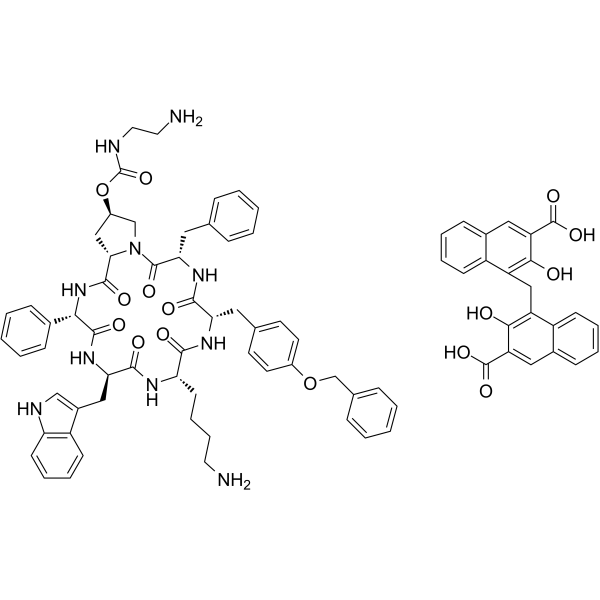
    Pasireotide (SOM230) pamoate, a long-acting cyclohexapeptide somatostatin analogue, can improve agonist activity at somatostatin receptors (subtypes sst1/2/3/4/5, pKi=8.2/9.0/9.1/<7.0/9.9, respectively). Pasireotide pamoate exhibits antisecretory, antiproliferative, and proapoptotic activity .
    Pasireotide pamoate
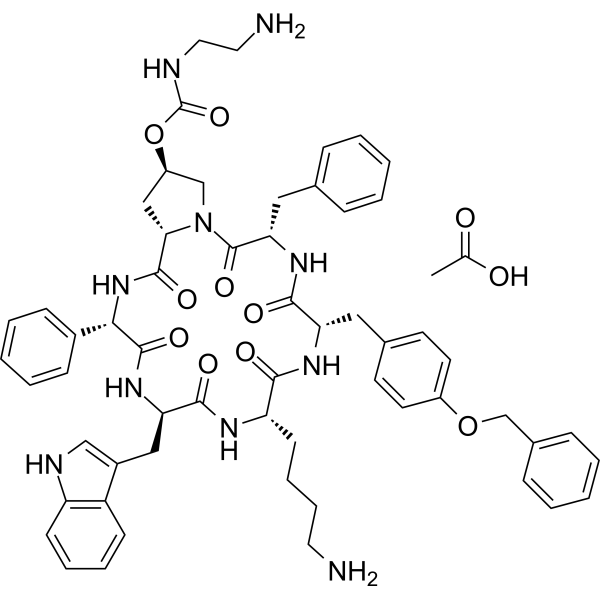
  • HY-159825

    Somatostatin Receptor Endocrinology
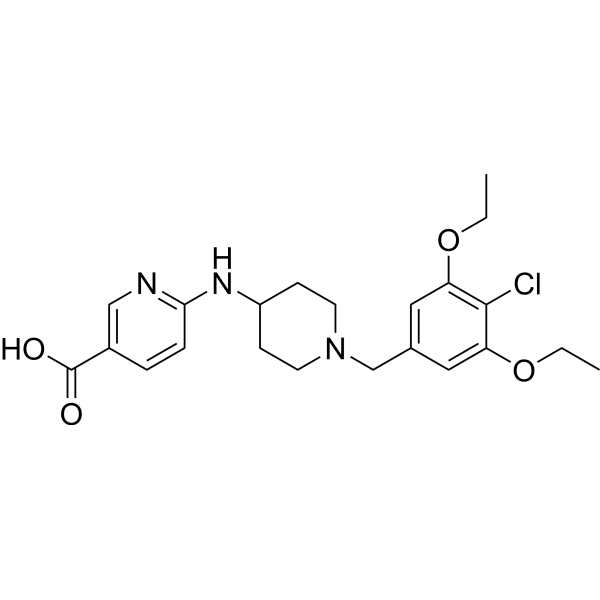
    Branosotine (compound 1-1) is a potent agonist of somatostatin receptor (SSTR2), with the EC50 of <0.1 nM .
    Branosotine
  • HY-P0036B

    SMS 201-995 pamoate

    Somatostatin Receptor Apoptosis Cardiovascular Disease Inflammation/Immunology Endocrinology Cancer
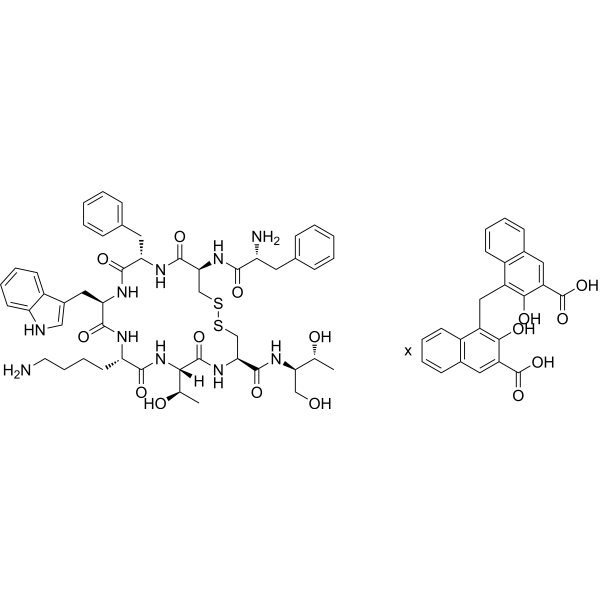
    Octreotide (SMS 201-995) pamoate is a somatostatin receptor agonist and synthetic octapeptide endogenous somatostatin analogue. Octreotide pamoate can bind to the somatostatin receptors which are mainly subtypes 2, 3 and 5. Octreotide pamoate increases Gi activity and reduces intracellular cAMP production. Octreotide pamoate has antitumor activity, mediates apoptosis and may also be used in disease studies in acromegaly .
    Octreotide pamoate
  • HY-P0036S4

    SMS 201-995-d8 acetate

    Isotope-Labeled Compounds Cardiovascular Disease Inflammation/Immunology Endocrinology Cancer
    Octreotide-d8 (acetate) (SMS 201-995-d8 (acetate)) is deuterium labeled Octreotide. Octreotide (SMS 201-995) is a somatostatin receptor agonist and synthetic octapeptide endogenous somatostatin analogue. Octreotide (SMS 201-995) can bind to the somatostatin receptor and mainly subtypes 2, 3, and 5, increases Gi activity, and reduces intracellular cAMP production. Octreotide (SMS 201-995) has antitumor activity, mediates apoptosis and may also be used in disease studies in acromegaly .
    Octreotide-d8 acetate
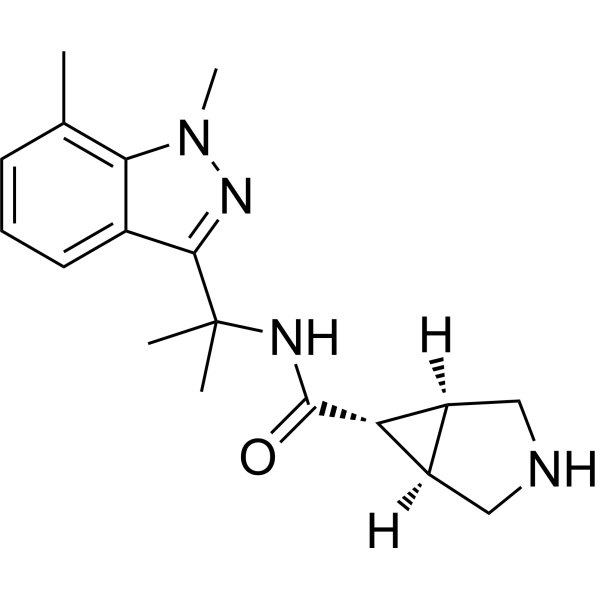
  • HY-164040

    Somatostatin Receptor Metabolic Disease
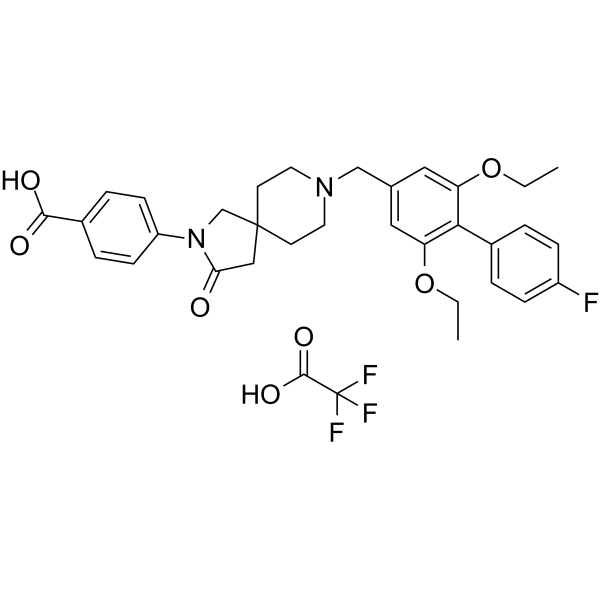
    Zavolosotine (Compound 1) is an orally active agonist for somatostatin receptor type 5 (SST5) with EC50 <1 nM. Zavolosotine inhibits insulin and glucagon secretion, increases levels of glucagon in blood in rat model .
    Zavolosotine
  • HY-160176

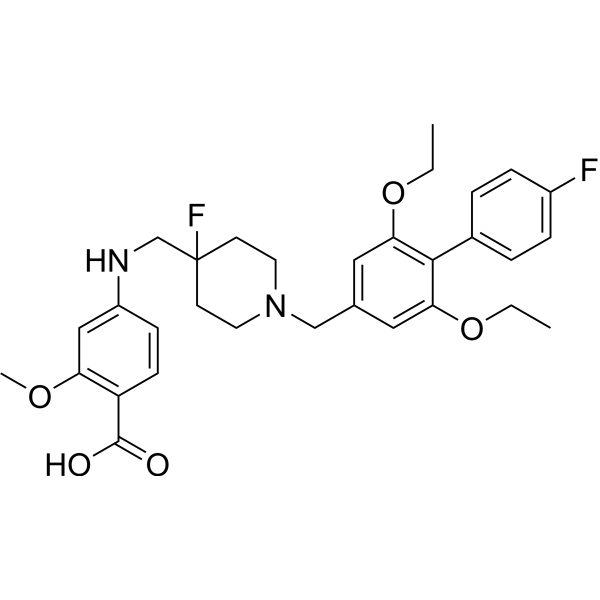
    Somatostatin Receptor Metabolic Disease
    SSTR5 antagonist 6 is an orally active somatostatin receptor subtype 5 (SSTR5) antagonist with an IC50 of 24 nM. SSTR5 antagonist 6 can be used in the study of type 2 diabetes .
    SSTR5 antagonist 6
  • HY-177282

    Somatostatin Receptor Cardiovascular Disease Neurological Disease Inflammation/Immunology Cancer
    SST1 receptor antagonist-2 (Example 2) is a piperazine derivative and a somatostatin receptor 1 (SST1) antagonist. SST1 receptor antagonist-2 can be used in the research of psychiatric diseases, neurodegenerative diseases, tumors, as well as vascular disorders and immunological diseases .
    SST1 receptor antagonist-2
  • HY-172147

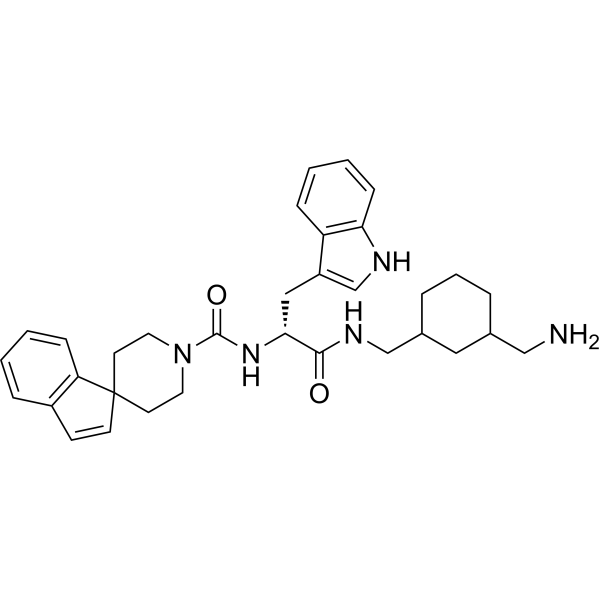
    Somatostatin Receptor Neurological Disease
    SSTR4 agonist 5 (Compound 5) is the orally active agonist for somatostatin receptor 4 (SSTR4) with an EC50 of 0.228 nM. SSTR4 agonist 5 exhibits good stability in human/rat liver microsomes. SSTR4 agonist 5 inhibits mechanical hyperalgesia in rat models .
    SSTR4 agonist 5
  • HY-120287

    Somatostatin Receptor Endocrinology
    L-054522 is an agonist for somatostatin receptor subtype 2 with Kd of 0.01 nM. L-054522 inhibits growth hormone release from rat primary pituitary cell (IC50=0.05 nM) and glucagon and insulin release from isolated mouse pancreatic islet cell (IC50=0.05 nM and 12 nM) .
    L-054522

Consulta en línea

Your information is safe with us. * Required Fields.

Saludo


Country or Region *

Nombre del solicitante *


Nombre de la Organizaciòn *

Department *


Direcciòn del E-mail *


Nombre del producto *

Cat. No.


Requested quantity *

Número de teléfono *


Observaciones

Consulta en línea

Inquiry Information

Nombre del producto:
Cat. No.:
Cantidad:
MCE Japan Authorized Agent: