From 11:00 pm to 12:00 pm EST ( 8:00 pm to 9:00 pm PST ) on January 6th, the website will be under maintenance. We are sorry for the inconvenience. Please arrange your schedule properly.
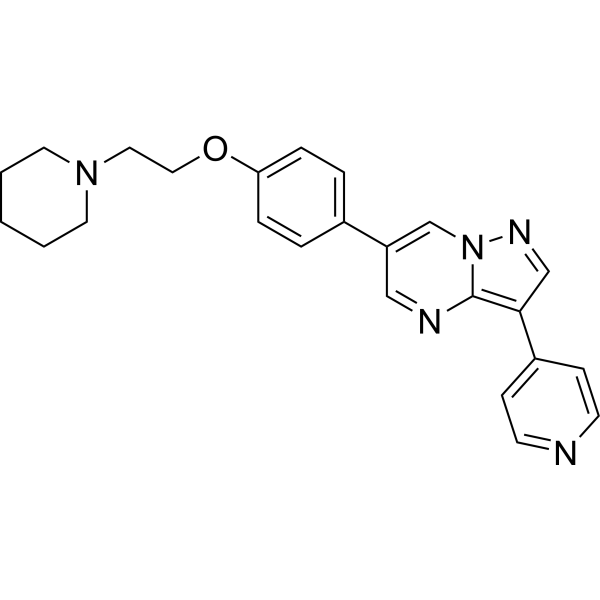
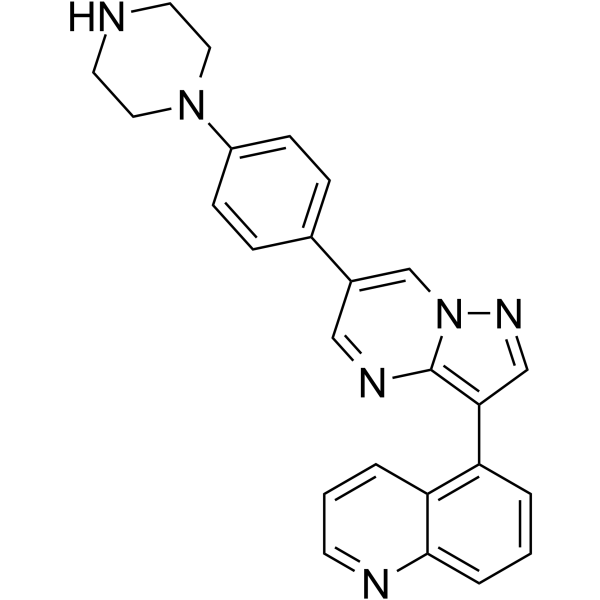
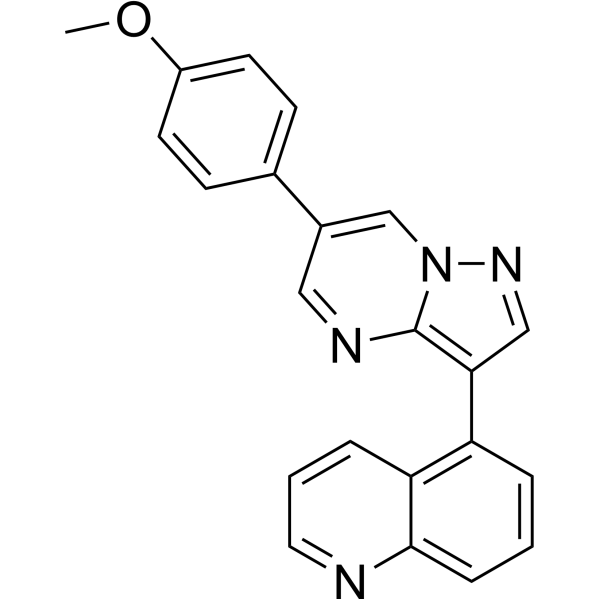
Dorsomorphin (Compound C) is a selective and ATP-competitive AMPK inhibitor (Ki=109 nM in the absence of AMP). Dorsomorphin (BML-275) selectively inhibits BMP type I receptors ALK2, ALK3, and ALK6. Dorsomorphin can reverse autophagy activation and anti-inflammatory effect of Urolithin A (HY-100599) [2].
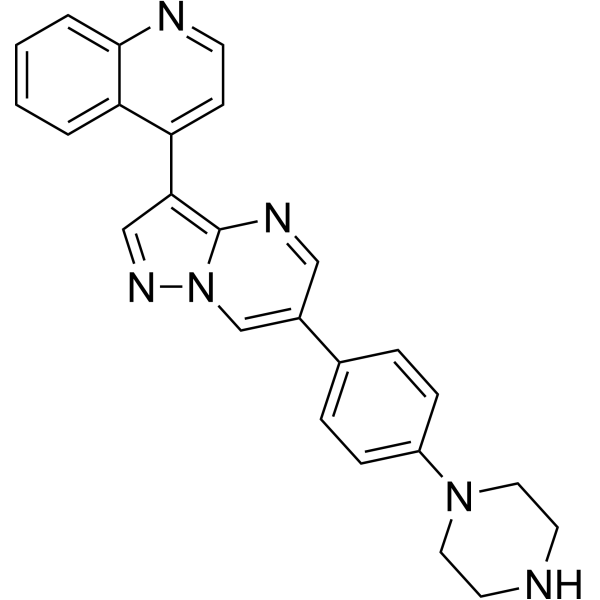
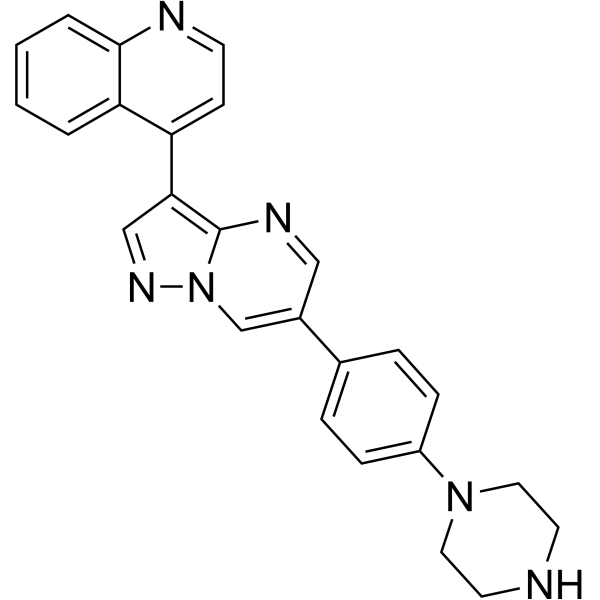
LDN193189 (DM-3189) is a potent selective BMP type I receptor (BMP I) inhibitor. LDN193189 efficiently inhibits transcriptional activity of the BMP type I receptors ALK2 and ALK3 with IC50 values of 5 nM and 30 nM, respectively. LDN193189 can be used for the research of bone morphogenetic protein signalling, such as fibrodysplasia ossificans progressiva [2] .
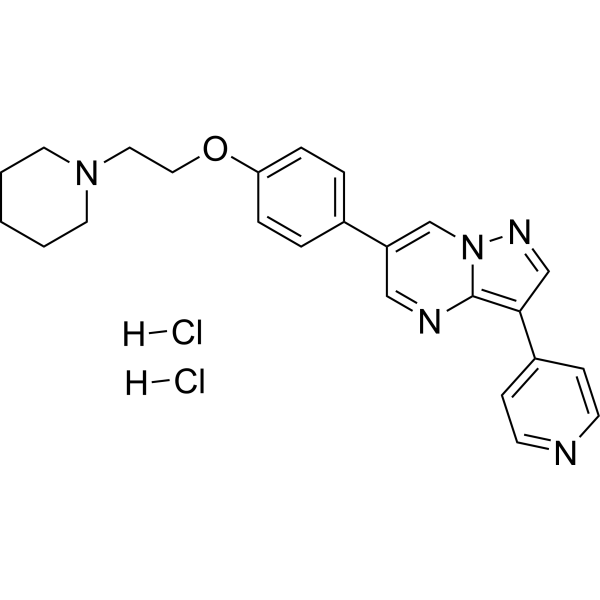
Dorsomorphin (Compound C) dihydrochloride is a potent, selective and ATP-competitive AMPK inhibitor, with a Ki of 109 nM. Dorsomorphin dihydrochloride inhibits BMP pathway by targeting the type I receptors ALK2, ALK3, and ALK6. Dorsomorphin dihydrochloride can reverse autophagy activation and anti-inflammatory effect of Urolithin A (HY-100599).
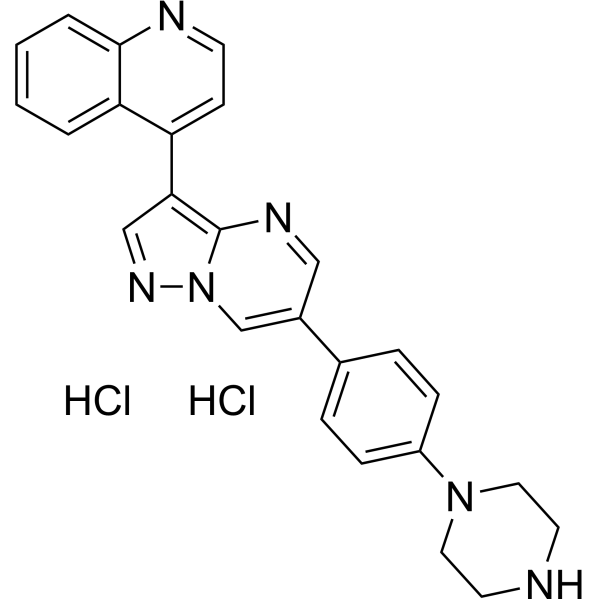
LDN193189 (DM-3189) dihydrochloride is a potent selective BMP type I receptor (BMP I) inhibitor. LDN193189 efficiently inhibits transcriptional activity of the BMP type I receptors ALK2 and ALK3 with IC50 values of 5 nM and 30 nM, respectively. LDN193189 can be used for the research of bone morphogenetic protein signalling, such as fibrodysplasia ossificans progressiva [2] .
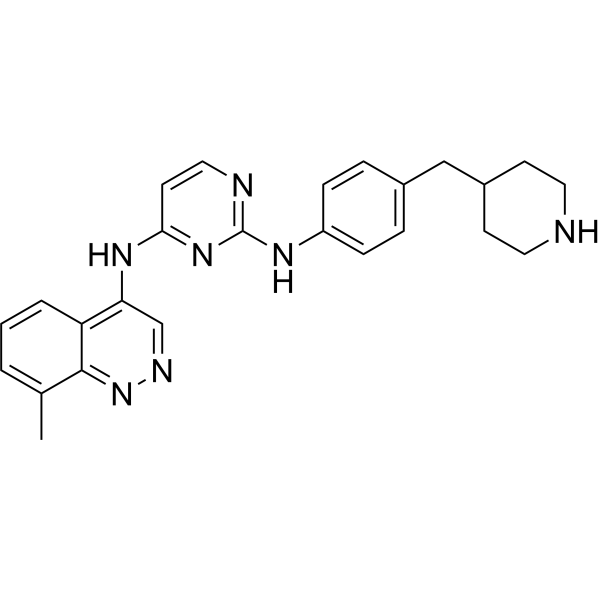
Vactosertib (EW-7197) is a potent, orally active and ATP-competitive activin receptor-like kinase 5 (ALK5) inhibitor with an IC50 of 12.9 nM. Vactosertib also inhibits ALK2 and ALK4 (IC50 of 17.3 nM) at nanomolar concentrations. Vactosertib has potently antimetastatic activity and anticancer effect [2].
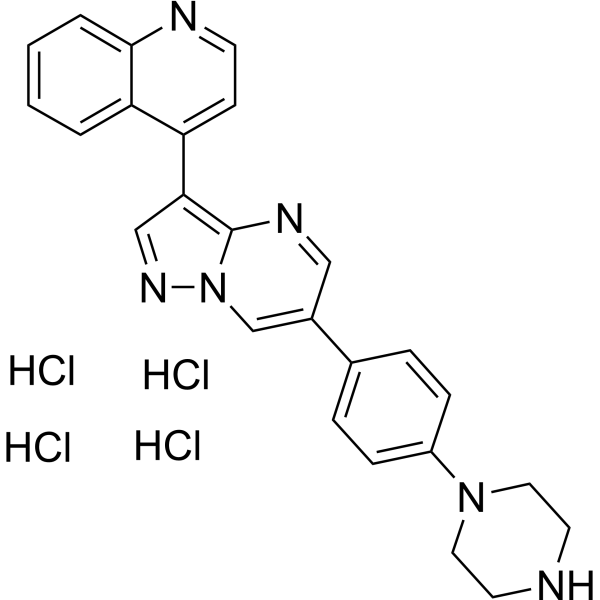
LDN193189 (DM-3189) Tetrahydrochloride is a potent selective BMP type I receptor (BMP I) inhibitor. LDN193189 efficiently inhibits transcriptional activity of the BMP type I receptors ALK2 and ALK3 with IC50 values of 5 nM and 30 nM, respectively. LDN193189 can be used for the research of bone morphogenetic protein signalling, such as fibrodysplasia ossificans progressiva [2] .
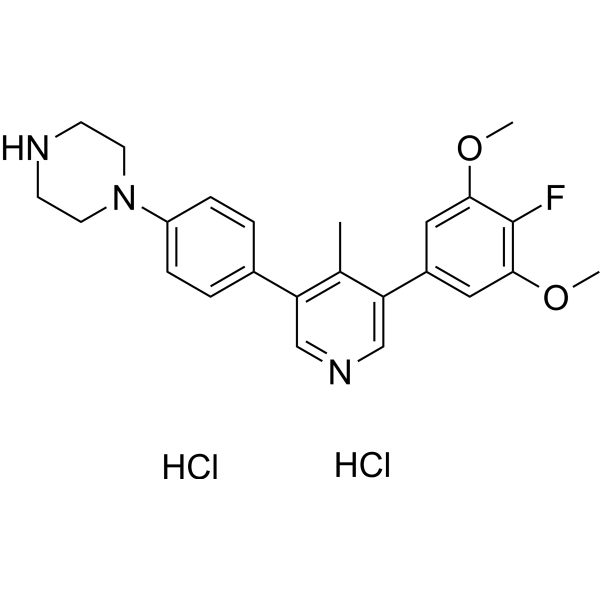
LDN-214117 is an orally active ALK2 inhibitor with well-tolerated and good brain penetration. LDN-214117 has a high selectivity and low cytotoxicity for ALK2 with an IC50 value of 24 nM. LDN-214117 also is a specific bone morphogenetic proteins (BMPs) signaling inhibitor and has relatively selective inhibition for BMP6 with an IC50 value of 100 nM. LDN-214117 can be used for the research of fibrodysplasia ossificans progressiva (FOP), diffuse intrinsic pontine glioma (DIPG) [2].
K02288 is a potent bone morphogenetic protein (BMP) type I receptor inhibitor with IC50s of 1.8, 1.1, 6.4 nM for ALK1, ALK2 and ALK6, respectively. K02288 shows slightly weaker inhibition against ALK3 and ALK6 with IC50s of of 5-34 nM.
LDN-212854 is a bone morphogenetic protein (BMP) inhibitor that potently inhibits ALK2 (IC50: 1.3 nM). LDN-212854 also inhibits ALK1 (IC50: 2.40 nM). LDN-212854 can be used in the research of fibrodysplasia ossificans progressive and cancers, such as hepatocellular carcinoma (HCC) [2].
Vactosertib Hydrochloride (EW-7197 Hydrochloride) is a potent, orally active and ATP-competitive activin receptor-like kinase 5 (ALK5) inhibitor with an IC50 of 12.9 nM. Vactosertib Hydrochloride also inhibits ALK2 and ALK4 (IC50 of 17.3 nM) at nanomolar concentrations. Vactosertib Hydrochloride has potently antimetastatic activity and anticancer effect [2].
LDN193189 GMP is LDN193189 (HY-12071) produced by using GMP guidelines. GMP small molecules works appropriately as an auxiliary reagent for cell therapy manufacture. LDN193189 (DM-3189) is a potent selective BMP type I receptor (BMP I) inhibitor. LDN193189 efficiently inhibits transcriptional activity of the BMP type I receptors ALK2 and ALK3 with IC50 values of 5 nM and 30 nM, respectively. LDN193189 can be used for the research of bone morphogenetic protein signalling, such as fibrodysplasia ossificans progressiva [2] .
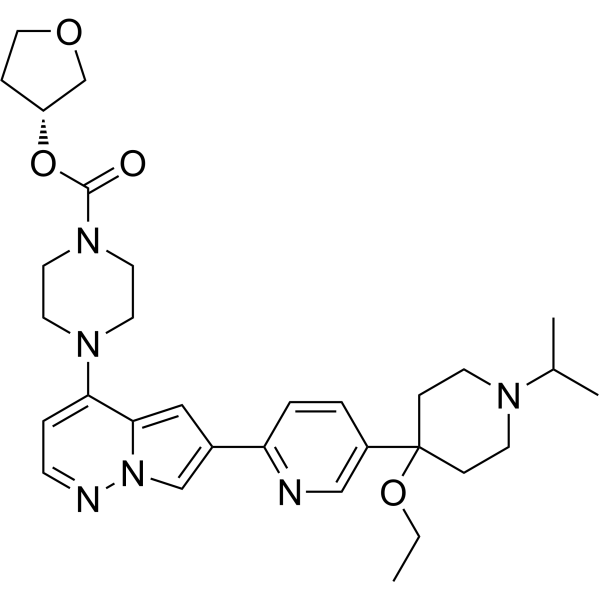
Fidrisertib (BLU-782) is the orally active inhibitor for activin receptor-like kinase 2(ALK2) that inhibits ALK2R206H, ALK2, ALK1, ALK6, ALK3, ALK4, TGFβR2 and ALK5 with IC50s of 0.2, 0.6, 3, 24, 45, 65, 67 and 155 nM, respectively [2].
ML347 (LDN193719) is a highly selective ALK1/ALK2 inhibitor. ML347 has IC50 values of 46 and 32 nM against ALK1 and ALK2, respectively, >300-fold selective over ALK3. ML347 block the phosphorylation of Smad1/5 by TGF-β1 [2].
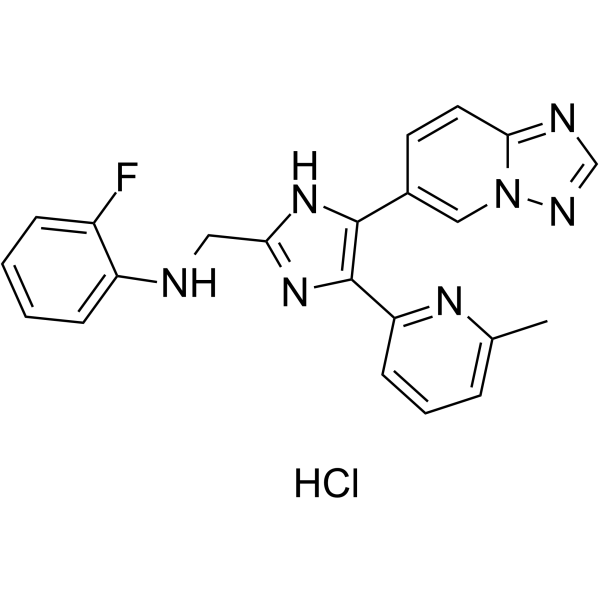
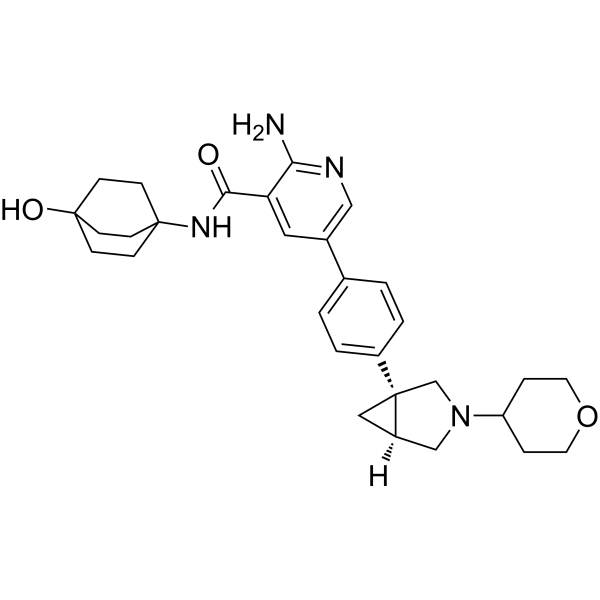
Zilurgisertib (INCB-000928; NBU-928) is a selective ALK2 inhibitor with an IC50 value of 15 nM. Zilurgisertib inhibits SMAD1/5 phosphorylation with an IC50 value of 63 nM. Zilurgisertib inhibits hepcidin production and improve anemia. Zilurgisertib can be used in melanoma research [2].
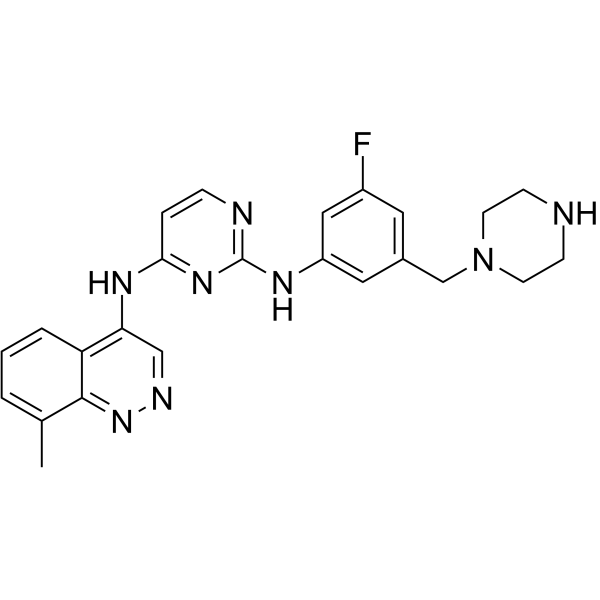
M4K2234, a chemical probe, is an orally active, highly selective inhibitor of ALK1 and ALK2 with IC50 values of 7 nM and 14 nM, respectively. M4K2234 specifically blocks BMP signaling by inhibiting the phosphorylation of SMAD1/5/8. M4K2234 inhibits BMP7-stimulated reporter gene activity (IC50 = 16 nM). M4K2234 can be used for the investigation of ALK1/2-mediated biological processes and related diseases such as diffuse midline glioma (DMG) and fibrodysplasia ossificans progressiva (FOP) .
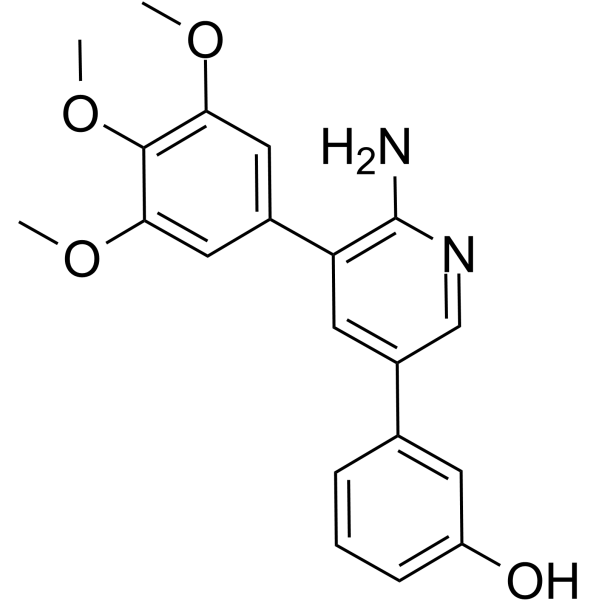
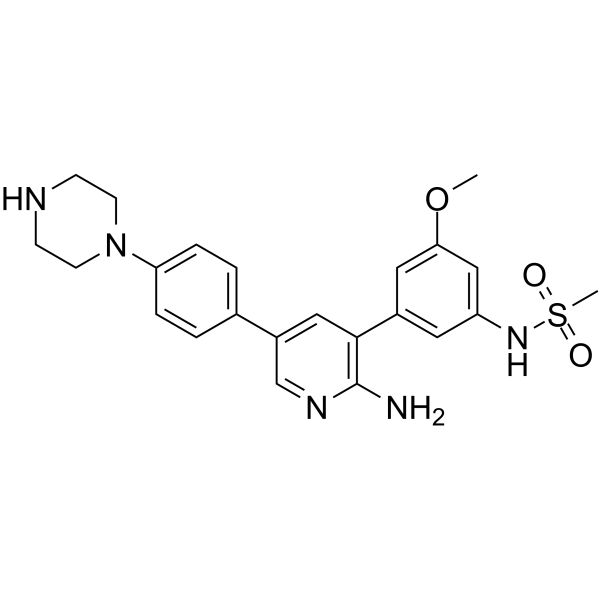
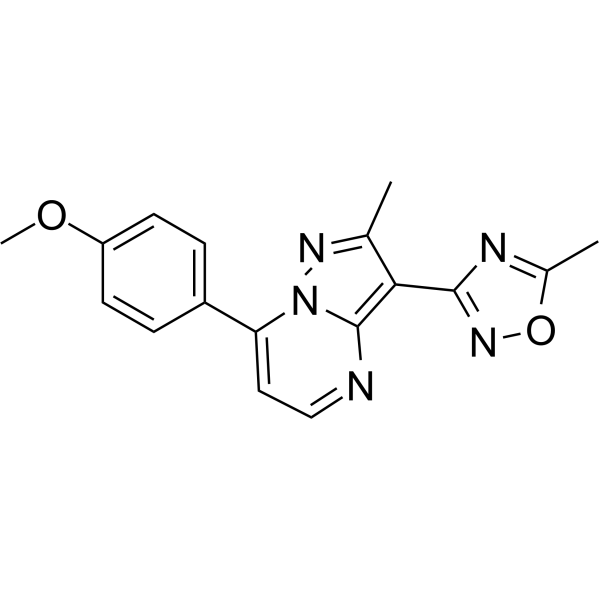
ALK2-IN-2 is an orally active and selective inhibitor of ALK2 (ACVR1), with an IC50 value of 9 nM, and over 700-fold selectivity against ALK3. ALK2-IN-2 can inhibit oxidative stress and protect endothelial cells [2].
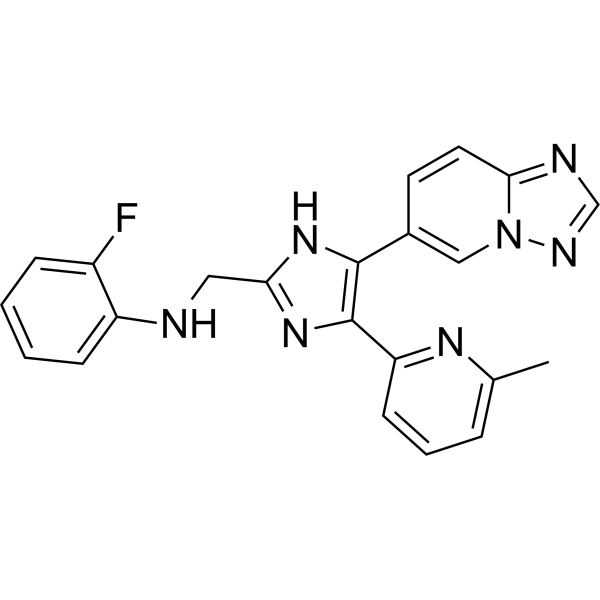
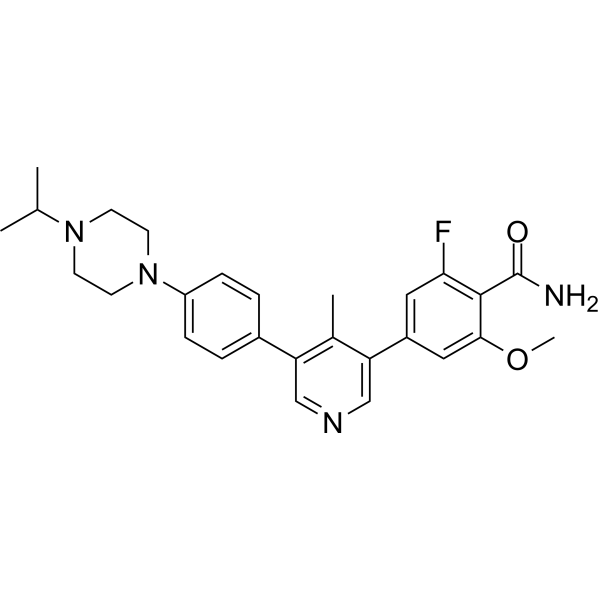
KER047 (ALK2-IN-4) is a potent activin receptor-like kinase-2 (ALK2) inhibitor. KER047 can be used for the research of metabolic disease, such as fibrodysplasia ossificans progressiva (FOP).
LDN193189 (DM-3189) hydrochloride is a potent selective BMP type I receptor (BMP I) inhibitor. LDN193189 efficiently inhibits transcriptional activity of the BMP type I receptors ALK2 and ALK3 with IC50 values of 5 nM and 30 nM, respectively. LDN193189 can be used for the research of bone morphogenetic protein signalling, such as fibrodysplasia ossificans progressiva [2] .
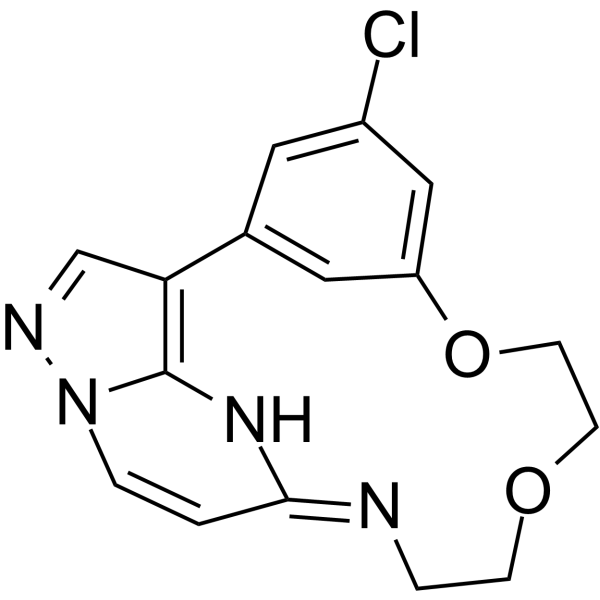
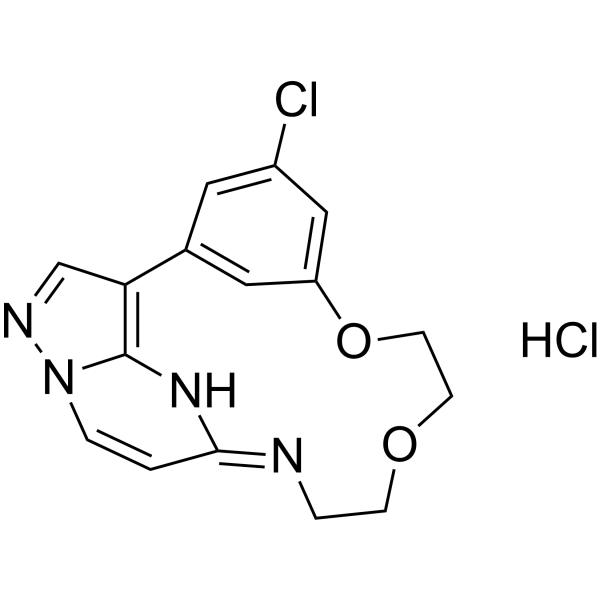
OD36 is a RIPK2 inhibitor with an IC50 of 5.3 nM. OD36 is a macrocyclic inhibitor with potent binding to the ALK2 kinase ATP pocket. OD36 shows ALK2-directed activity with KDs of 37 nM [2].
M4K-2009 is an orally bioactive ALK2 inhibitor with an IC50 of 13 nM. M4K-2009 exerts comparable inhibitory potency against wild-type and mutant ALK2G328V, ALK2R206H, and ALK2R258G. M4K-2009 exhibits moderate off-target inhibitory activity against hERG potassium channels. M4K-2009 can be used in studies related to diffuse intrinsic pontine glioma [2] .
CDD-2789 is a potent and selective ALK2 inhibitor with an IC50 0.54 μM and a Kd of 2.1 nM, respectively.CDD-2789 exhibits >120-fold selectivity over ALK3/5/6. CDD-2789 reduces activin A- and BMP2-induced SMAD1/5 phosphorylation in fibroblasts. CDD-2789 can be used for ALK2-related cancer research .
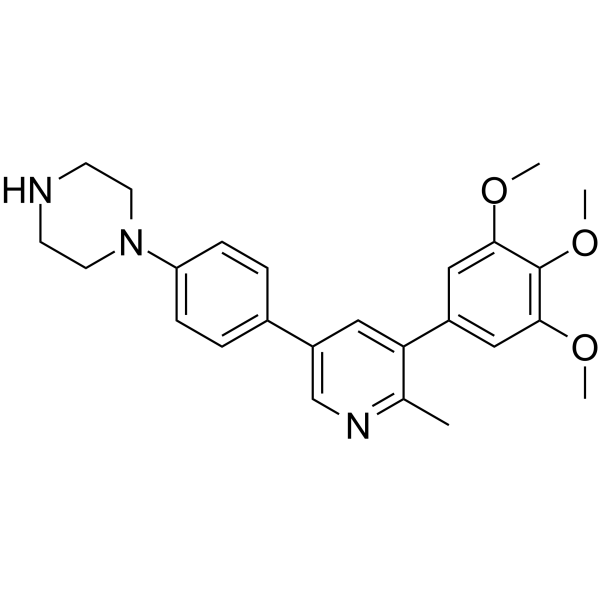
DMH-1 (Standard) is the analytical standard of DMH-1. DMH-1 is a potent and selective BMP inhibitor with IC50s of 27/107.9/<5/47.6 nM for ALK1/ALK2/ALK3/ALK6, respectively.
ALK5-IN-34 is an selective orally active activin receptor-like kinase (ALK) inhibitor. ALK5-IN-34 can inhibit the activity of ALK5-IN-34 with an IC50 value of ≤10 nM. ALK5-IN-34 also has inhibitory of tumor growth and can be used for the research of proliferative diseases, such as cancer .
DMH-1 (GMP) is GMP grade DMH-1 (HY-12273). DMH-1 (GMP) is a selective BMP inhibitor. DMH-1 (GMP) upregulates the expression of SOX1. DMH-1 (GMP) increases cardiomyocyte progenitor cells and promotes the differentiation of mouse embryonic stem cells into cardiomyocytes. DMH-1 (GMP) induces the differentiation of hiPSC-derived neural progenitor cells into β3-tubulin-positive neurons [2].
M4K2163 dihydrochloride is a potent, selective, blood-brain barrier (BBB) permeable activin receptor-like kinase-2(ALK2) inhibitor, with an IC50 of 19 nM. M4K2163 dihydrochloride can be used in the research of diffuse intrinsic pontine glioma (DIPG) [2].
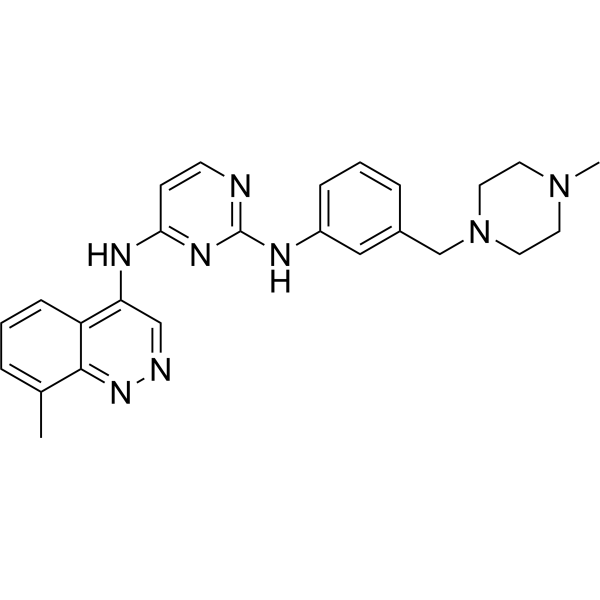
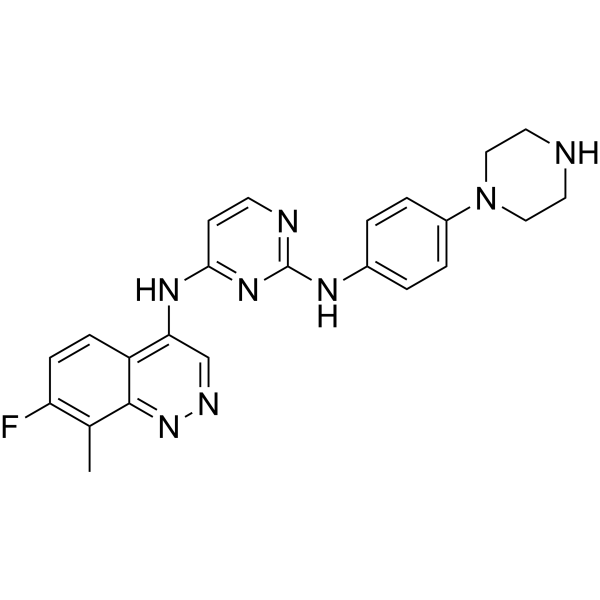
ALK2-IN-6 (Compound 14a) is a selective ALK2 inhibitor, with an IC50 of 9 nM. ALK2-IN-6 can be used in the research of diffuse intrinsic pontine glioma .
Prafnosbart (DS-6016A) is an IgG1-kappa, anti-ACVR1 (activin A receptor type 1, ACVRLK2, ALK2, ACVR1A, SKR1) humanized monoclonal antibody. Prafnosbart can be used for bone metabolism disorders research .
OD36hydrochloride is a RIPK2 inhibitor with an IC50 of 5.3 nM. OD36 hydrochloride is a macrocyclic inhibitor with potent binding to the ALK2 kinase ATP pocket. OD36 hydrochloride shows ALK2-directed activity with KDs of 37 nM [2].
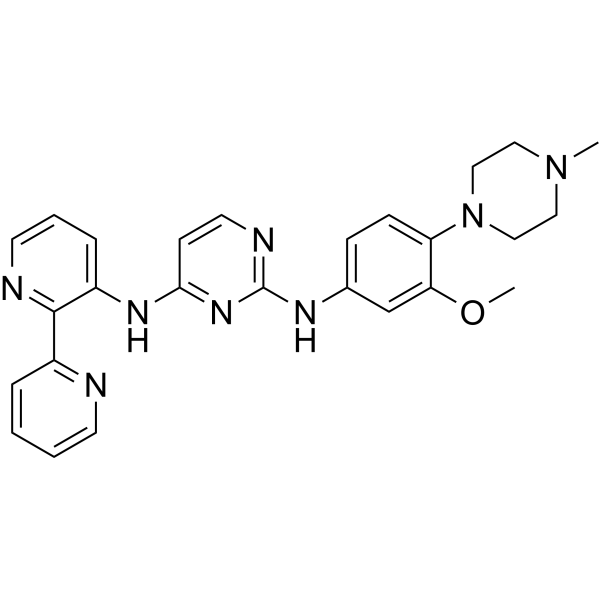
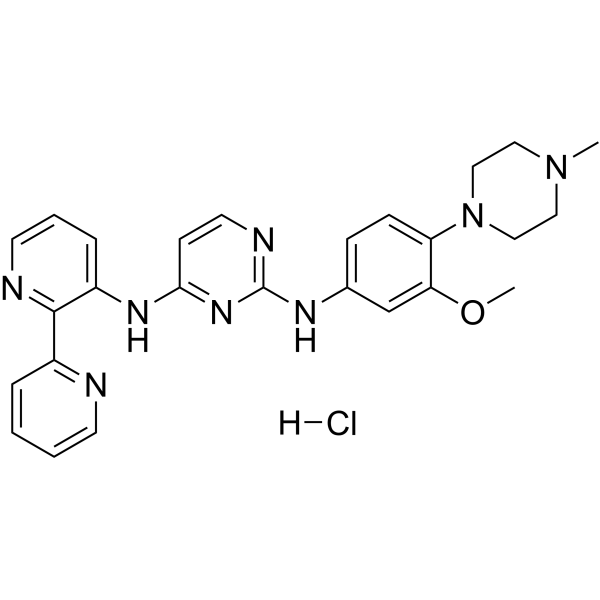
RIPK2-IN-1 (compound 18f) is a potent RIPK2 inhibitor with an IC50 of 51 nM. RIPK2-IN-1 inhibits ALK2 with an IC50 of 5 nM. RIPK2-IN-1 has an IC50 of 390 nM on RIPK2/NOD2 in cell assay .
ALK5-IN-28 (Compound Ex-05) is a selective ALK-5 inhibitor (IC50 ≤ 10 nM) that inhibits TGF-β-induced SMAD signaling. ALK5-IN-28 has the potential to inhibit tumor growth in vivo. ALK5-IN-28 can be used in the research of proliferative diseases such as cancer [2].
THR-123 is an orally active ALK3 peptide agonist. THR-123 has a relatively weak binding to ALK2, but does not bind to ALK6. THR-123 suppresses inflammation, apoptosis and the epithelial-to-mesenchymal transition program and reverses established fibrosis in five mouse models of acute and chronic renal injury. THR-123 can be used for the study of kidney fibrosis .
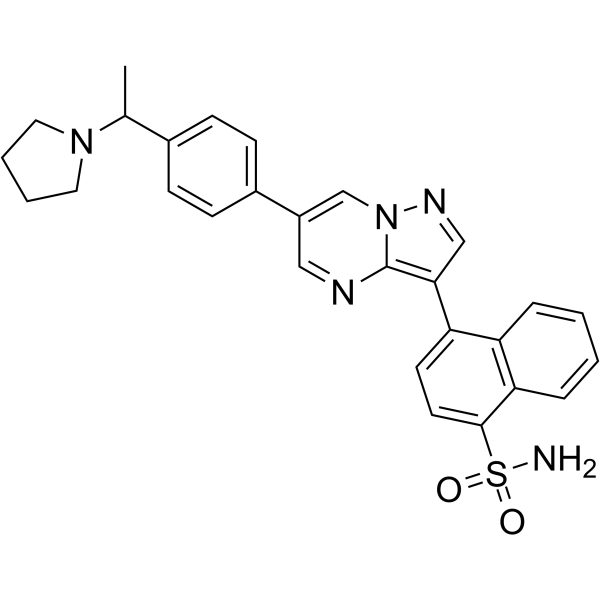
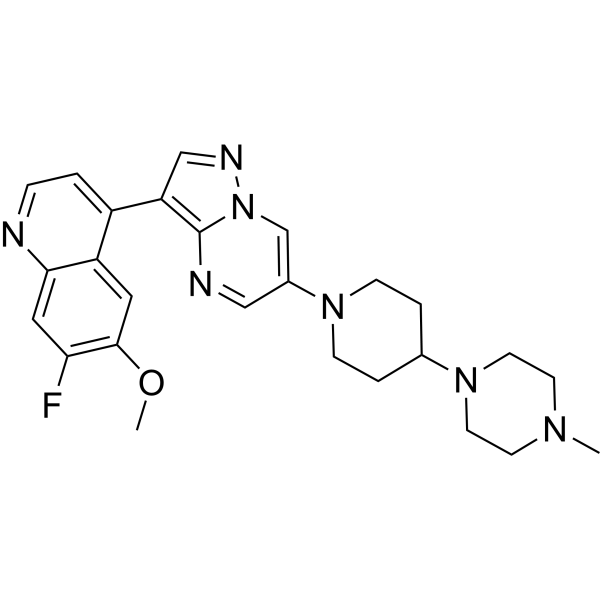
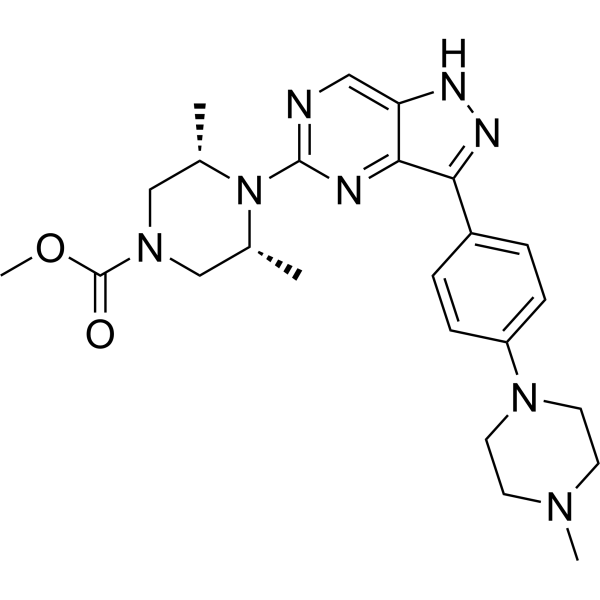
ALK2-IN-5, pyrazolopyrimidine compound, is an ALK2 inhibitor. ALK2-IN-5 can inhibit ALK2 activity and FGFR activity. ALK2-IN-5 can be used for the research of disorders associated with ALK2 activity and/or FGFR activity, such as cancer .
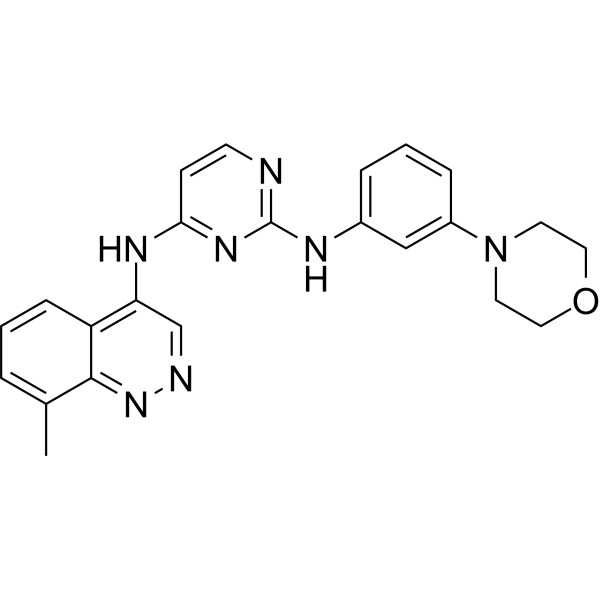
Multi-kinase-IN-6 (compound 10e) is a multikinase inhibitor that shows good enzyme inhibitory activity against TrkA, ALK2, c-KIT, EGFR, PIM1, CK2α, CHK1, and CDK2. Multi-kinase-IN-6 reveals antiproliferative activity against MCF7, HCT116 and EKVX with IC50 values of 3.36 μM, 1.40 μM and 3.49 μM, respectively. Multi-kinase-IN-6 shows cell cycle arrest at the G1/S phase and G1 phase in MCF7 and HCT116 cells with good apoptotic effect .
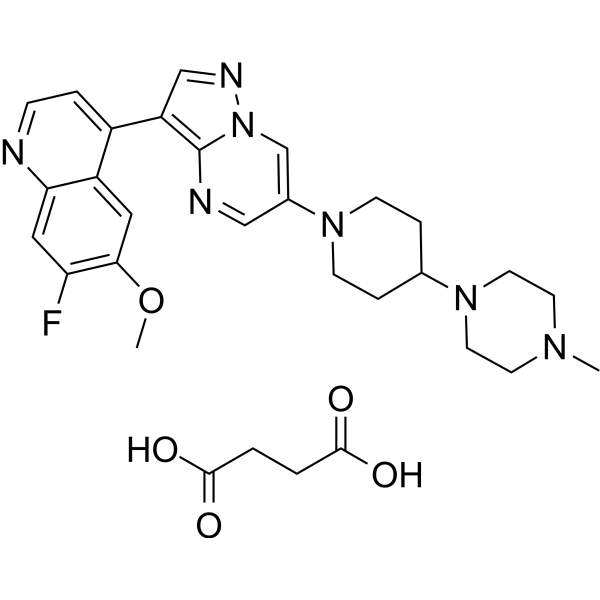
KER047 succinate (ALK2-IN-4 succinate) is a potent activin receptor-like kinase-2 (ALK2) inhibitor. KER047 succinate can be used for the research of metabolic disease, such as fibrodysplasia ossificans progressiva (FOP).
THR-123 TFA is an orally active ALK3 peptide agonist. THR-123 TFA has a relatively weak binding to ALK2, but does not bind to ALK6. THR-123 TFA suppresses inflammation, Apoptosis and the epithelial-to-mesenchymal transition program and reverses established fibrosis in five mouse models of acute and chronic renal injury. THR-123 TFA can be used for the study of kidney fibrosis .
LDN193189 (DM-3189) dihydrochloride (Standard) is the analytical standard of LDN193189 dihydrochloride (HY-12071B). This product is intended for research and analytical applications. LDN193189 (DM-3189) dihydrochloride is a potent selective BMP type I receptor (BMP I) inhibitor. LDN193189 efficiently inhibits transcriptional activity of the BMP type I receptors ALK2 and ALK3 with IC50 values of 5 nM and 30 nM, respectively. LDN193189 can be used for the research of bone morphogenetic protein signalling, such as fibrodysplasia ossificans progressiva [2] .
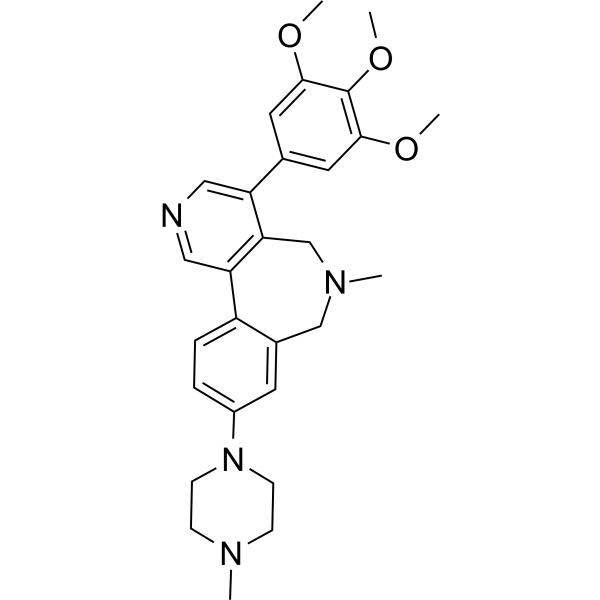
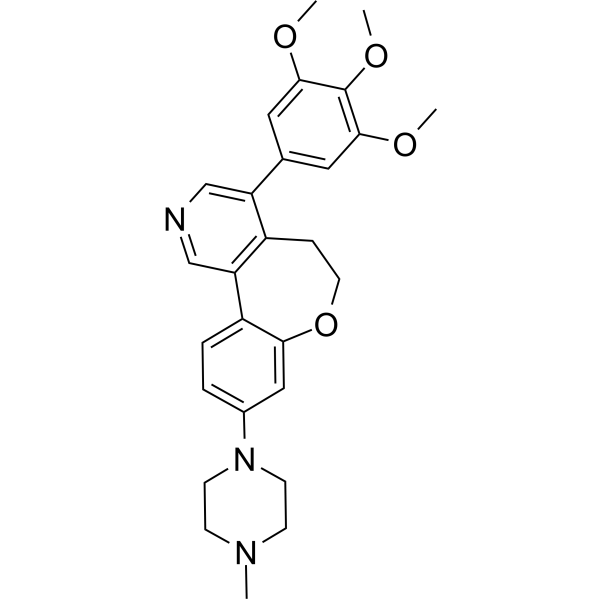
M4K2308 is a selective ether-linked inhibitor of ALK2 with an IC50 of 2 nM. M4K2308 exhibits exceptional selectivity for ALK2 over ALK5 (IC50 of 224 nM). M4K2308 has the potential for the study of diffuse intrinsic pontine glioma (DIPG) research .
ALK5-IN-25 (compound EX-02) is a potent ALK-5 inhibitor with an IC50 ≤10 nM.ALK5-IN-25 also inhibits ALK-2 (selectivity ALK2/ALK5≤10). ALK5-IN-25 can be used for the research of cancer .
M4K2306 is a selective inhibitor for activin receptor-like kinase-2(ALK2) with an IC50 of 7 nM. M4K2306 is blood brain permeable with a brain to plasma ratio of 75.6 .
Depiperazine-DM3189 is a derivative of LDN193189 (HY-12071). LDN193189 is a potent selective BMP type I receptor (BMP I) inhibitor. LDN-193189 efficiently inhibits transcriptional activity of the BMP type I receptors ALK2 and ALK3 with IC50 values of 5 nM and 30 nM, respectively. LDN-193189 can be used for the research of bone morphogenetic protein signalling, such as fibrodysplasia ossificans progressiva [2] .
M4K2281 is a selecitve inhibitor for activin receptor-like kinase-2(ALK2) with an IC50 of 2 nM. M4K2281 exhibits a moderate blood brain permeability with a brain to plasma ratio of 3.7 at 4h .
Dorsomorphin (dihydrochloride) (Standard) is the analytical standard of Dorsomorphin (dihydrochloride). This product is intended for research and analytical applications. Dorsomorphin (Compound C) dihydrochloride is a potent, selective and ATP-competitive AMPK inhibitor, with a Ki of 109 nM. Dorsomorphin dihydrochloride inhibits BMP pathway by targeting the type I receptors ALK2, ALK3, and ALK6. Dorsomorphin dihydrochloride can reverse autophagy activation and anti-inflammatory effect of Urolithin A (HY-100599).
LDN193189 (DM-3189) Tetrahydrochloride (Standard) is the analytical standard of LDN193189 Tetrahydrochloride (HY-12071A). This product is intended for research and analytical applications. LDN193189 (DM-3189) Tetrahydrochloride is a potent selective BMP type I receptor (BMP I) inhibitor. LDN193189 efficiently inhibits transcriptional activity of the BMP type I receptors ALK2 and ALK3 with IC50 values of 5 nM and 30 nM, respectively. LDN193189 can be used for the research of bone morphogenetic protein signalling, such as fibrodysplasia ossificans progressiva [2] .
M4K3233 is a selective ALK2 PROTAC degrader with a pDC50 of 7.3 and a pIC50 of 6.6. M4K3233 recruits CRBN to form a ternary complex with ALK2, mediating ALK2 degradation via the proteasomal and lysosomal pathways. M4K3233 induces moderate downregulation of RIPK2 and significant downregulation of SIK3 in mammalian cells. M4K3233 is applicable to research related to glioblastoma .
LDN-193688 (Compound 26) is a ALK2 inhibitor, with IC₅₀ values of 104, 18, 235, 1530, and 1080 nM against ALK1, ALK2, ALK3, ALK4, and ALK5, respectively. LDN-193688 inhibits bone morphogenetic protein 4 (BMP4)-induced phosphorylation of SMAD1/5/8, with an IC₅₀ of 2.6 μM [2].
M4K3250 is a selective ALK2 PROTAC degrader with a pDC50 of 7.9. M4K3250 induces the formation of a ternary complex between ALK2 and the E3 ubiquitin ligase CRBN, thereby causing ALK2 degradation and inhibiting ALK2 activity. M4K3250 exhibits cytotoxicity in glioblastoma cells. M4K3250 can be used in studies related to glioblastoma .
RKER-216 is a human monoclonal IgG antibody inhibitor targeting ALK2 with a KD of 58.7 pM. RKER-216 reduces hepcidin transcription in Hep3B.RKER-216 competes with BMP ligands for binding to the extracellular domain of ALK2, thereby inhibiting BMP-SMAD signal. RKER-216 mobilizes tissue iron effectively in inflammatory conditions. RKER-216 improves microcytic anemia in a dose-dependent manner by inhibiting SMAD signaling to reduce hepcidin and promote iron absorption and utilization in vivo. RKER-216 can be used for research on anemia of inflammation [2].
Acvr1 Mouse Pre-designed siRNA Set A contains three designed siRNAs for Acvr1 gene (Mouse), as well as a negative control, a positive control, and a FAM-labeled negative control.
ACVR1 Human Pre-designed siRNA Set A contains three designed siRNAs for ACVR1 gene (Human), as well as a negative control, a positive control, and a FAM-labeled negative control.
ALK5-IN-29 is an selective activin receptor-like kinase (ALK) inhibitor. ALK5-IN-29 can inhibit the activity of ALK5 with an IC50 value of ≤10 nM. ALK5-IN-29 also has inhibitory of tumor growth and can be used for the research of proliferative diseases, such as cancer .
K02288 (GMP) is K02288 (HY-12278) produced by using GMP guidelines. GMP small molecules works appropriately as an auxiliary reagent for cell therapy manufacture. K02288 is a potent bone morphogenetic protein (BMP) type I receptor inhibitor with IC50s of 1.8, 1.1, 6.4 nM for ALK1, ALK2 and ALK6, respectively. K02288 shows slightly weaker inhibition against ALK3 and ALK6 with IC50s of of 5-34 nM.
LDN193189 GMP is LDN193189 (HY-12071) produced by using GMP guidelines. GMP small molecules works appropriately as an auxiliary reagent for cell therapy manufacture. LDN193189 (DM-3189) is a potent selective BMP type I receptor (BMP I) inhibitor. LDN193189 efficiently inhibits transcriptional activity of the BMP type I receptors ALK2 and ALK3 with IC50 values of 5 nM and 30 nM, respectively. LDN193189 can be used for the research of bone morphogenetic protein signalling, such as fibrodysplasia ossificans progressiva [2] .
DMH-1 (GMP) is GMP grade DMH-1 (HY-12273). DMH-1 (GMP) is a selective BMP inhibitor. DMH-1 (GMP) upregulates the expression of SOX1. DMH-1 (GMP) increases cardiomyocyte progenitor cells and promotes the differentiation of mouse embryonic stem cells into cardiomyocytes. DMH-1 (GMP) induces the differentiation of hiPSC-derived neural progenitor cells into β3-tubulin-positive neurons [2].
K02288 (GMP) is K02288 (HY-12278) produced by using GMP guidelines. GMP small molecules works appropriately as an auxiliary reagent for cell therapy manufacture. K02288 is a potent bone morphogenetic protein (BMP) type I receptor inhibitor with IC50s of 1.8, 1.1, 6.4 nM for ALK1, ALK2 and ALK6, respectively. K02288 shows slightly weaker inhibition against ALK3 and ALK6 with IC50s of of 5-34 nM.
LDN193189 GMP is LDN193189 (HY-12071) produced by using GMP guidelines. GMP small molecules works appropriately as an auxiliary reagent for cell therapy manufacture. LDN193189 (DM-3189) is a potent selective BMP type I receptor (BMP I) inhibitor. LDN193189 efficiently inhibits transcriptional activity of the BMP type I receptors ALK2 and ALK3 with IC50 values of 5 nM and 30 nM, respectively. LDN193189 can be used for the research of bone morphogenetic protein signalling, such as fibrodysplasia ossificans progressiva [2] .
LDN193189 (DM-3189) hydrochloride is a potent selective BMP type I receptor (BMP I) inhibitor. LDN193189 efficiently inhibits transcriptional activity of the BMP type I receptors ALK2 and ALK3 with IC50 values of 5 nM and 30 nM, respectively. LDN193189 can be used for the research of bone morphogenetic protein signalling, such as fibrodysplasia ossificans progressiva [2] .
DMH-1 (GMP) is GMP grade DMH-1 (HY-12273). DMH-1 (GMP) is a selective BMP inhibitor. DMH-1 (GMP) upregulates the expression of SOX1. DMH-1 (GMP) increases cardiomyocyte progenitor cells and promotes the differentiation of mouse embryonic stem cells into cardiomyocytes. DMH-1 (GMP) induces the differentiation of hiPSC-derived neural progenitor cells into β3-tubulin-positive neurons [2].
K02288 (GMP) is K02288 (HY-12278) produced by using GMP guidelines. GMP small molecules works appropriately as an auxiliary reagent for cell therapy manufacture. K02288 is a potent bone morphogenetic protein (BMP) type I receptor inhibitor with IC50s of 1.8, 1.1, 6.4 nM for ALK1, ALK2 and ALK6, respectively. K02288 shows slightly weaker inhibition against ALK3 and ALK6 with IC50s of of 5-34 nM.
THR-123 is an orally active ALK3 peptide agonist. THR-123 has a relatively weak binding to ALK2, but does not bind to ALK6. THR-123 suppresses inflammation, apoptosis and the epithelial-to-mesenchymal transition program and reverses established fibrosis in five mouse models of acute and chronic renal injury. THR-123 can be used for the study of kidney fibrosis .
THR-123 TFA is an orally active ALK3 peptide agonist. THR-123 TFA has a relatively weak binding to ALK2, but does not bind to ALK6. THR-123 TFA suppresses inflammation, Apoptosis and the epithelial-to-mesenchymal transition program and reverses established fibrosis in five mouse models of acute and chronic renal injury. THR-123 TFA can be used for the study of kidney fibrosis .
Prafnosbart (DS-6016A) is an IgG1-kappa, anti-ACVR1 (activin A receptor type 1, ACVRLK2, ALK2, ACVR1A, SKR1) humanized monoclonal antibody. Prafnosbart can be used for bone metabolism disorders research .
RKER-216 is a human monoclonal IgG antibody inhibitor targeting ALK2 with a KD of 58.7 pM. RKER-216 reduces hepcidin transcription in Hep3B.RKER-216 competes with BMP ligands for binding to the extracellular domain of ALK2, thereby inhibiting BMP-SMAD signal. RKER-216 mobilizes tissue iron effectively in inflammatory conditions. RKER-216 improves microcytic anemia in a dose-dependent manner by inhibiting SMAD signaling to reduce hepcidin and promote iron absorption and utilization in vivo. RKER-216 can be used for research on anemia of inflammation [2].
Activin A receptor, type I (ACVR1), also known as ALK-2, is a bone morphogenetic protein (BMP) type I receptor. ACVR1 is involved in a wide variety of biological processes, including bone, heart, cartilage, nervous, and reproductive system development and regulation. Activin RIA Protein, Human (HEK293, His) is produced in HEK293 cells with six C-Terminal His-tags. It consists of 104 amino acids (M21-V124).
Activin A receptor, type I (ACVR1), also known as ALK-2, is a bone morphogenetic protein (BMP) type I receptor. ACVR1 is involved in a wide variety of biological processes, including bone, heart, cartilage, nervous, and reproductive system development and regulation. Activin RIA Protein, Human (HEK293, His-Fc) is produced in HEK293 cells with a C-Terminal His-tag and a C-Terminal Fc-tag . It consists of 124 amino acids (M1-V124).
Activin A receptor, type I (ACVR1), also known as ALK-2, is a bone morphogenetic protein (BMP) type I receptor. ACVR1 is involved in a wide variety of biological processes, including bone, heart, cartilage, nervous, and reproductive system development and regulation. Activin RIA Protein, Human (HEK293, Fc) is produced in HEK293 cells with a C-Terminal Fc-tag. It consists of 102 amino acids (D23-V124).
Acvr1 Mouse Pre-designed siRNA Set A contains three designed siRNAs for Acvr1 gene (Mouse), as well as a negative control, a positive control, and a FAM-labeled negative control.
ACVR1 Human Pre-designed siRNA Set A contains three designed siRNAs for ACVR1 gene (Human), as well as a negative control, a positive control, and a FAM-labeled negative control.
LDN193189 GMP is LDN193189 (HY-12071) produced by using GMP guidelines. GMP small molecules works appropriately as an auxiliary reagent for cell therapy manufacture. LDN193189 (DM-3189) is a potent selective BMP type I receptor (BMP I) inhibitor. LDN193189 efficiently inhibits transcriptional activity of the BMP type I receptors ALK2 and ALK3 with IC50 values of 5 nM and 30 nM, respectively. LDN193189 can be used for the research of bone morphogenetic protein signalling, such as fibrodysplasia ossificans progressiva [2] .
K02288 (GMP) is K02288 (HY-12278) produced by using GMP guidelines. GMP small molecules works appropriately as an auxiliary reagent for cell therapy manufacture. K02288 is a potent bone morphogenetic protein (BMP) type I receptor inhibitor with IC50s of 1.8, 1.1, 6.4 nM for ALK1, ALK2 and ALK6, respectively. K02288 shows slightly weaker inhibition against ALK3 and ALK6 with IC50s of of 5-34 nM.
DMH-1 (GMP) is GMP grade DMH-1 (HY-12273). DMH-1 (GMP) is a selective BMP inhibitor. DMH-1 (GMP) upregulates the expression of SOX1. DMH-1 (GMP) increases cardiomyocyte progenitor cells and promotes the differentiation of mouse embryonic stem cells into cardiomyocytes. DMH-1 (GMP) induces the differentiation of hiPSC-derived neural progenitor cells into β3-tubulin-positive neurons [2].
Inquiry Online
Your information is safe with us. * Required Fields.
Western blot analysis of extracts from THP-1(lane 2(20μg), Jurkat (lane 3(20μg) and NIH3T3(lane 4(20μg) using FOXO1A (HY-P80132) Rabbit mAb. Proteins were transferred
to a PVDF membrane and blocked with 5% non-fat milk in TBST for 2 hour at room temperature. The primary antibody (1/1000) and Loading control antibody (Beta Actin, HY-P80438, 1/10000) was
used in 5% non-fat milk in TBST at 4°C overnight. Goat Anti-Mouse/Rabbit IgG-HRP Secondary Antibody (1/10000) was used for 1 hour at room temperature.
Western blot analysis of extracts from THP-1(lane 2(20μg), Jurkat (lane 3(20μg) and NIH3T3(lane 4(20μg) using FOXO1A (HY-P80132) Rabbit mAb. Proteins were transferred
to a PVDF membrane and blocked with 5% non-fat milk in TBST for 2 hour at room temperature. The primary antibody (1/1000) and Loading control antibody (Beta Actin, HY-P80438, 1/10000) was
used in 5% non-fat milk in TBST at 4°C overnight. Goat Anti-Mouse/Rabbit IgG-HRP Secondary Antibody (1/10000) was used for 1 hour at room temperature.
Western blot analysis of extracts from THP-1(lane 2(20μg), Jurkat (lane 3(20μg) and NIH3T3(lane 4(20μg) using FOXO1A (HY-P80132) Rabbit mAb. Proteins were transferred
to a PVDF membrane and blocked with 5% non-fat milk in TBST for 2 hour at room temperature. The primary antibody (1/1000) and Loading control antibody (Beta Actin, HY-P80438, 1/10000) was
used in 5% non-fat milk in TBST at 4°C overnight. Goat Anti-Mouse/Rabbit IgG-HRP Secondary Antibody (1/10000) was used for 1 hour at room temperature.
Western blot analysis of extracts from THP-1(lane 2(20μg), Jurkat (lane 3(20μg) and NIH3T3(lane 4(20μg) using FOXO1A (HY-P80132) Rabbit mAb. Proteins were transferred
to a PVDF membrane and blocked with 5% non-fat milk in TBST for 2 hour at room temperature. The primary antibody (1/1000) and Loading control antibody (Beta Actin, HY-P80438, 1/10000) was
MedchemExpress Validation 03
Western blot analysis of extracts from THP-1(lane 2(20μg), Jurkat (lane 3(20μg) and NIH3T3(lane 4(20μg) using FOXO1A (HY-P80132) Rabbit mAb. Proteins were transferred
MedchemExpress Validation 04
Western blot analysis of extracts from THP-1(lane 2(20μg), Jurkat (lane 3(20μg) and NIH3T3(lane 4(20μg) using FOXO1A (HY-P80132) Rabbit mAb. Proteins were transferred
to a PVDF membrane and blocked with 5% non-fat milk in TBST for 2 hour at room temperature. The primary antibody (1/1000) and Loading control antibody (Beta Actin, HY-P80438, 1/10000) was
used in 5% non-fat milk in TBST at 4°C overnight. Goat Anti-Mouse/Rabbit IgG-HRP Secondary Antibody (1/10000) was used for 1 hour at room temperature.
MedchemExpress Validation
Western blot analysis of extracts from THP-1(lane 2(20μg), Jurkat (lane 3(20μg) and NIH3T3(lane 4(20μg) using FOXO1A (HY-P80132) Rabbit mAb. Proteins were transferred
to a PVDF membrane and blocked with 5% non-fat milk in TBST for 2 hour at room temperature. The primary antibody (1/1000) and Loading control antibody (Beta Actin, HY-P80438, 1/10000) was
used in 5% non-fat milk in TBST at 4°C overnight. Goat Anti-Mouse/Rabbit IgG-HRP Secondary Antibody (1/10000) was used for 1 hour at room temperature.
Western blot analysis of extracts from THP-1(lane 2(20μg), Jurkat (lane 3(20μg) and NIH3T3(lane 4(20μg) using FOXO1A (HY-P80132) Rabbit mAb. Proteins were transferred
to a PVDF membrane and blocked with 5% non-fat milk in TBST for 2 hour at room temperature. The primary antibody (1/1000) and Loading control antibody (Beta Actin, HY-P80438, 1/10000) was
used in 5% non-fat milk in TBST at 4°C overnight. Goat Anti-Mouse/Rabbit IgG-HRP Secondary Antibody (1/10000) was used for 1 hour at room temperature.
MedchemExpress Validation
Western blot analysis of extracts from THP-1(lane 2(20μg), Jurkat (lane 3(20μg) and NIH3T3(lane 4(20μg) using FOXO1A (HY-P80132) Rabbit mAb. Proteins were transferred
to a PVDF membrane and blocked with 5% non-fat milk in TBST for 2 hour at room temperature. The primary antibody (1/1000) and Loading control antibody (Beta Actin, HY-P80438, 1/10000) was
used in 5% non-fat milk in TBST at 4°C overnight. Goat Anti-Mouse/Rabbit IgG-HRP Secondary Antibody (1/10000) was used for 1 hour at room temperature.
MedchemExpress Validation
Western blot analysis of extracts from THP-1(lane 2(20μg), Jurkat (lane 3(20μg) and NIH3T3(lane 4(20μg) using FOXO1A (HY-P80132) Rabbit mAb. Proteins were transferred
to a PVDF membrane and blocked with 5% non-fat milk in TBST for 2 hour at room temperature. The primary antibody (1/1000) and Loading control antibody (Beta Actin, HY-P80438, 1/10000) was
used in 5% non-fat milk in TBST at 4°C overnight. Goat Anti-Mouse/Rabbit IgG-HRP Secondary Antibody (1/10000) was used for 1 hour at room temperature.
MedchemExpress Validation
Western blot analysis of extracts from THP-1(lane 2(20μg), Jurkat (lane 3(20μg) and NIH3T3(lane 4(20μg) using FOXO1A (HY-P80132) Rabbit mAb. Proteins were transferred
to a PVDF membrane and blocked with 5% non-fat milk in TBST for 2 hour at room temperature. The primary antibody (1/1000) and Loading control antibody (Beta Actin, HY-P80438, 1/10000) was
used in 5% non-fat milk in TBST at 4°C overnight. Goat Anti-Mouse/Rabbit IgG-HRP Secondary Antibody (1/10000) was used for 1 hour at room temperature.
MedchemExpress Validation
Western blot analysis of extracts from THP-1(lane 2(20μg), Jurkat (lane 3(20μg) and NIH3T3(lane 4(20μg) using FOXO1A (HY-P80132) Rabbit mAb. Proteins were transferred
to a PVDF membrane and blocked with 5% non-fat milk in TBST for 2 hour at room temperature. The primary antibody (1/1000) and Loading control antibody (Beta Actin, HY-P80438, 1/10000) was
used in 5% non-fat milk in TBST at 4°C overnight. Goat Anti-Mouse/Rabbit IgG-HRP Secondary Antibody (1/10000) was used for 1 hour at room temperature.
MedchemExpress Validation
Western blot analysis of extracts from THP-1(lane 2(20μg), Jurkat (lane 3(20μg) and NIH3T3(lane 4(20μg) using FOXO1A (HY-P80132) Rabbit mAb. Proteins were transferred
to a PVDF membrane and blocked with 5% non-fat milk in TBST for 2 hour at room temperature. The primary antibody (1/1000) and Loading control antibody (Beta Actin, HY-P80438, 1/10000) was
used in 5% non-fat milk in TBST at 4°C overnight. Goat Anti-Mouse/Rabbit IgG-HRP Secondary Antibody (1/10000) was used for 1 hour at room temperature.
MedchemExpress Validation
Western blot analysis of extracts from THP-1(lane 2(20μg), Jurkat (lane 3(20μg) and NIH3T3(lane 4(20μg) using FOXO1A (HY-P80132) Rabbit mAb. Proteins were transferred
to a PVDF membrane and blocked with 5% non-fat milk in TBST for 2 hour at room temperature. The primary antibody (1/1000) and Loading control antibody (Beta Actin, HY-P80438, 1/10000) was
used in 5% non-fat milk in TBST at 4°C overnight. Goat Anti-Mouse/Rabbit IgG-HRP Secondary Antibody (1/10000) was used for 1 hour at room temperature.
MedChemExpress values your privacy and your trust is important to us. We use cookies to enhance your website experience. Some cookies are necessary to run the website.
Privacy and Cookie Policy