



1. Search Result
Search Result
Results for "

atherosclerotic plaque

" in MedChemExpress (MCE) Product Catalog:

40

Inhibitors & Agonists

5

Fluorescent Dyes

4

Biochemical Assay Reagents

5

Peptides

6

Natural
Products

1

Isotope-Labeled Compounds

6

Oligonucleotides

Cat. No. Nombre del producto Target Áreas de investigación Chemical Structure
  • HY-146245
    ODN 1826
    5+ Cited Publications

    CpG 1826

    Toll-like Receptor (TLR) Apoptosis NO Synthase Cardiovascular Disease Inflammation/Immunology Cancer
    ODN 1826 is a class B CpG ODN (oligodeoxynucleotide) and TLR9 agonist. ODN 1826 induces NO and iNOS production and enhances Apoptosis. ODN 1826 enhances immune surveillance. ODN 1826 increases aortic atherosclerotic plaque size. ODN 1826 has antitumor activity against lung cancer, glioma and melanoma .
    ODN 1826
  • HY-113342
    7-Ketocholesterol
    5 Publications Verification

    Endogenous Metabolite p38 MAPK Cardiovascular Disease Metabolic Disease
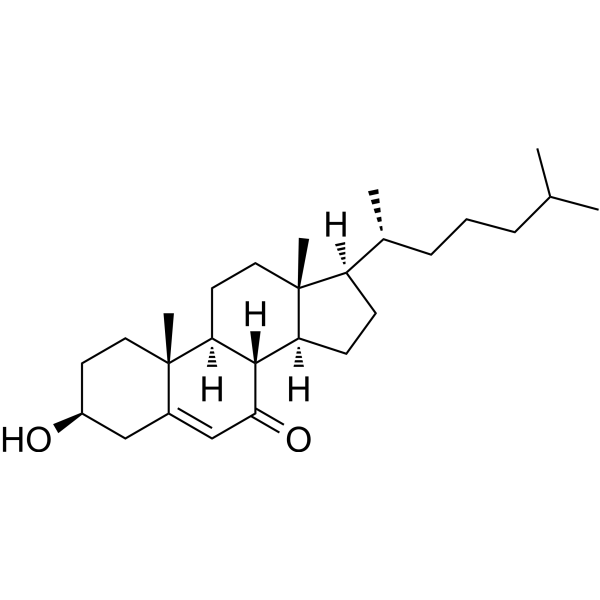
    7-Ketocholesterol is an oxidation product of cholesterol, widely present in atherosclerotic plaques, and has a stronger atherogenic effect than cholesterol. 7-Ketocholesterol can inhibit the rate-limiting enzymes involved in bile acid and cholesterol synthesis, such as cholesterol 7α-hydroxylase and HMG-CoA reductase. 7-Ketocholesterol exhibits pro-inflammatory effects both in vivo and in vitro and can induce cell apoptosis (apoptosis) .
    7-Ketocholesterol
  • HY-146245C
    ODN 1826 sodium
    5+ Cited Publications

    CpG 1826 sodium

    Toll-like Receptor (TLR) Apoptosis NO Synthase Cardiovascular Disease Inflammation/Immunology Cancer
    ODN 1826 sodium is a class B CpG ODN (oligodeoxynucleotide) and TLR9 agonist. ODN 1826 sodium induces NO and iNOS production and enhances Apoptosis. ODN 1826 sodium enhances immune surveillance. ODN 1826 sodium increases aortic atherosclerotic plaque size. ODN 1826 sodium has antitumor activity against lung cancer, glioma and melanoma .
    ODN 1826 sodium
  • HY-122266

    Biochemical Assay Reagents Metabolic Disease
    Orcein is an irreversible stain that specifically targets elastic fibers and can interact hydrophobically with the protein components in elastic fibers. Orcein makes elastic fibers in tissues appear purple or purple-red. Orcein can be used for morphological studies of Drosophila polytene chromosomes and for qualitative and quantitative analysis of elastic fibers, collagen fibers and other components in atherosclerotic plaques .
    Orcein
  • HY-14744A
    Levamlodipine besylate
    2 Publications Verification

    (S)-Amlodipine besylate; Levoamlodipine besylate

    Calcium Channel MMP Cardiovascular Disease
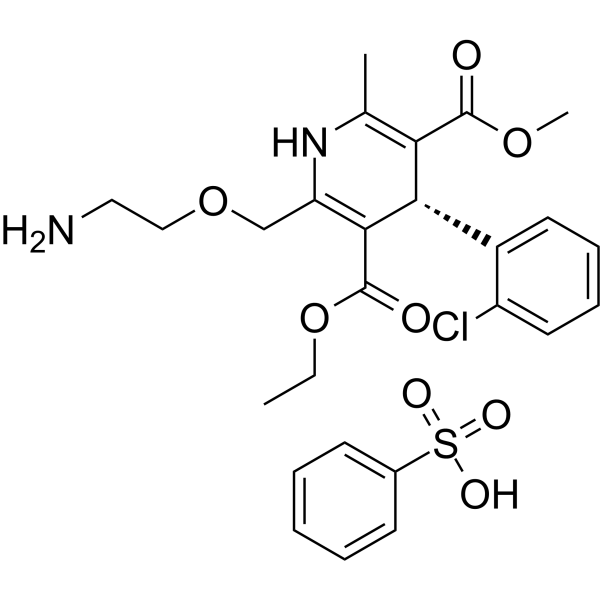
    Levamlodipine ((S)-Amlodipine; Levoamlodipin) besylate is an orally active L-type calcium channel blocker and MMP-9 modulator with high permeability and retention properties. Levamlodipine besylate significantly enhances plaque stability and improves lipid profiles by reducing blood pressure, decreasing systolic blood pressure variability, and inhibiting MMP-9 expression in atherosclerotic plaques. Levamlodipine besylate not only alleviates cardiac and aortic hypertrophy and prevents renal atrophy, but also produces synergistic effects in blood pressure reduction and organ protection when combined with bisoprolol (HY-129029). Levamlodipine besylate exerts no significant inhibitory effect on abdominal aortic intimal hyperplasia. When excessively accumulated in the epidermis, Levamlodipine besylate may induce changes in keratin structure, impair the skin barrier and trigger inflammation; long-term use further exacerbates skin irritation caused by local administration. Levamlodipine besylate can be used in research related to hypertension and atherosclerosis .
    Levamlodipine besylate
  • HY-10835
    DG-041
    3 Publications Verification

    Prostaglandin Receptor Cardiovascular Disease
    DG-041 is a potent, high affinity and selective EP3 receptor antagonist with IC50s of 4.6 nM and 8.1 nM in the binding and FLIPR assay, respectively. DG-041 inhibits PGE2 facilitation of platelet aggregation. DG-041 crosses the blood-brain barrier .
    DG-041
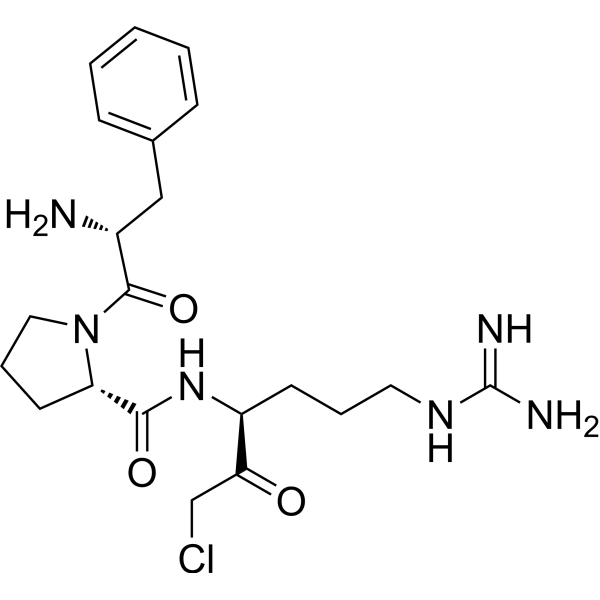
  • HY-122542

    PAI-1 Thrombin Inflammation/Immunology
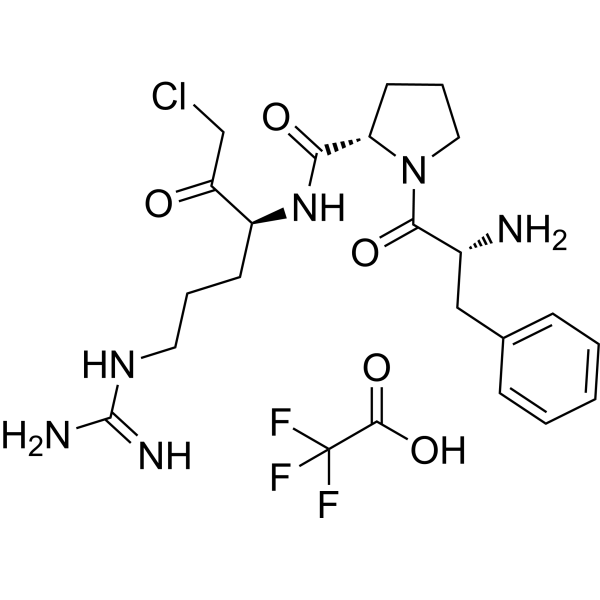
    PPACK is a potent, peptidic inhibitor targeting thrombin and granzyme GZMK. PPACK specifically blocks the activities of thrombin and GZMK, thereby inhibiting thrombin-mediated PAR-1 cleavage, as well as downstream inflammatory and procoagulant signaling pathways. Through stabilizing IκB proteins, blocking NF-κB activation and reducing systemic levels of proinflammatory/procoagulant biomarkers, PPACK exerts multiple effects including anti-inflammatory, antithrombotic, barrier repair, and inhibition of atherosclerotic plaque progression. PPACK binds to platelets without interference from kininogen, effectively limiting acute thrombus growth and reducing eosinophil infiltration and goblet cell hyperplasia in asthma models. PPACK is an important tool molecule for investigating the mechanisms of atherosclerosis, asthma and related thromboinflammatory diseases .
    PPACK
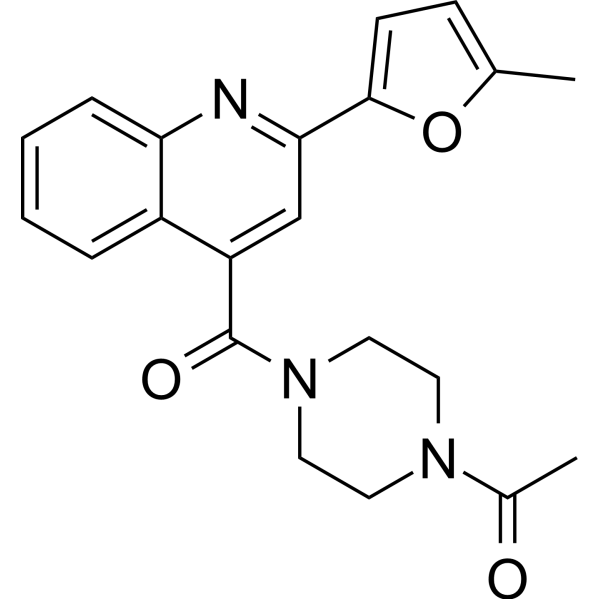
  • HY-117006
    E1231
    1 Publications Verification

    1-{4-[2-(5-Methylfuran-2-yl)quinoline-4-carbonyl]piperazin-1-yl}ethan-1-one

    Sirtuin Cardiovascular Disease
    E1231 is an orally active activator of Sirtuin 1 (SIRT1) (EC50=0.83 μM), to modulate cholesterol and lipid metabolism. E1231 interactes with SIRT1 (KD=9.61 μM) and deacetylated liver X receptor-alpha (LXRα), and increases ATP-binding cassette transporter A1 (ABCA1) expression. E1231 also reduces atherosclerotic plaque development in ApoE -/- mice model. E1231 can be used for research in cholesterol and lipid disorder-related diseases .
    E1231
  • HY-14744
    Levamlodipine
    2 Publications Verification

    (S)-Amlodipine; Levoamlodipine

    Calcium Channel MMP Cardiovascular Disease Neurological Disease
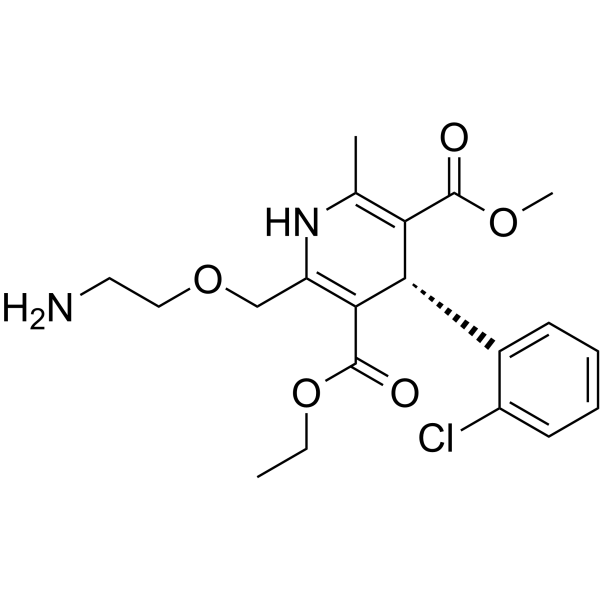
    Levamlodipine ((S)-Amlodipine; Levoamlodipin) is an orally active L-type calcium channel blocker and MMP-9 modulator with high permeability and retention properties. Levamlodipine significantly enhances plaque stability and improves lipid profiles by reducing blood pressure, decreasing systolic blood pressure variability, and inhibiting MMP-9 expression in atherosclerotic plaques. Levamlodipine not only alleviates cardiac and aortic hypertrophy and prevents renal atrophy, but also produces synergistic effects in blood pressure reduction and organ protection when combined with bisoprolol (HY-129029). Levamlodipine exerts no significant inhibitory effect on abdominal aortic intimal hyperplasia. When excessively accumulated in the epidermis, Levamlodipine may induce changes in keratin structure, impair the skin barrier and trigger inflammation; long-term use further exacerbates skin irritation caused by local administration. Levamlodipine can be used in research related to hypertension and atherosclerosis .
    Levamlodipine
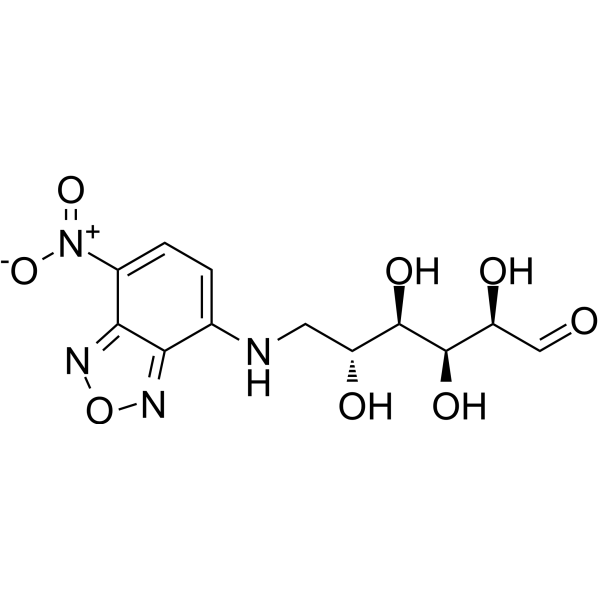
  • HY-113870

    Fluorescent Dye Others
    6-NBDG is a fluorescent glucose analogue, it can be used for fluorescence imaging and monitoring glucose transport and uptake. 6-NBDG can be used as a fluorescent probe for detecting macrophage-rich atherosclerotic plaques .
    6-NBDG
  • HY-152221

    PCSK9 Cardiovascular Disease Metabolic Disease
    PCSK9-IN-10 is a potent and orally active PCSK9 inhibitor with an IC50 value of 6.4 µM. PCSK9-IN-10 increases the expression of LDLR protein and decreases the expression of PCSK9. PCSK9-IN-10 reduces atherosclerosis progression. PCSK9-IN-10 has the potential for the research of hyperlipidemia .
    PCSK9-IN-10
  • HY-E70127

    Brasan; Dasen

    Ser/Thr Protease COX Bacterial Prostaglandin Receptor Interleukin Related Cardiovascular Disease Infection Neurological Disease Inflammation/Immunology Cancer
    Serratiopeptidase (Brasan; Dasen) is an orally active zinc-containing metalloprotease belonging to the serralysin family. Serratiopeptidase reduces the release of inflammatory mediators such as prostaglandins, thromboxanes and interleukins by inhibiting COX, thereby relieving pain, swelling and redness. Serratiopeptidase exhibits antibiofilm, mucolytic and wound-healing activities. As a serine protease, Serratiopeptidase has the ability to dissolve blood clots, fibrin and atherosclerotic plaques. Serratiopeptidase degrades amyloid fibrils and has potential anti-Alzheimer's effects. Serratiopeptidase shows cytotoxicity against colon cancer cells .
    Serratiopeptidase
  • HY-N13250

    Apoptosis AMPK Elastase Bcl-2 Family Interleukin Related Caspase PI3K Akt SOD Cardiovascular Disease
    Hawthorn Extract is an orally active hawthorn extract. Hawthorn Extract decreases Bax expression and increases Bcl-2 expression in the aorta. Hawthorn Extract regulates the AMPK signaling pathway, induces apoptosis, enhances the hepatic antioxidant system, and ameliorates symptoms of liver injury, inflammation and cancer. Hawthorn Extract reduces plasma levels of pro-inflammatory factors, increases plasma levels of anti-inflammatory adiponectin, and alleviates atherosclerotic plaque lesions in the aorta. Hawthorn Extract improves symptoms associated with chronic heart failure . Hawthorn Extract inhibits FMLP-induced superoxide anion production, Elastase release, ILB4 generation and calcium signaling in neutrophils, and also reduces LPS-induced cytokine production in neutrophils. Hawthorn Extract induces autophagy and inhibits the proliferation of intestinal stem cells. Hawthorn Extract can be used in research related to atherosclerosis, hepatitis, alcoholic liver disease, non-alcoholic fatty liver disease, hepatocellular carcinoma, chronic heart failure and hypotension .
    Hawthorn Extract
  • HY-135517

    RXP-470

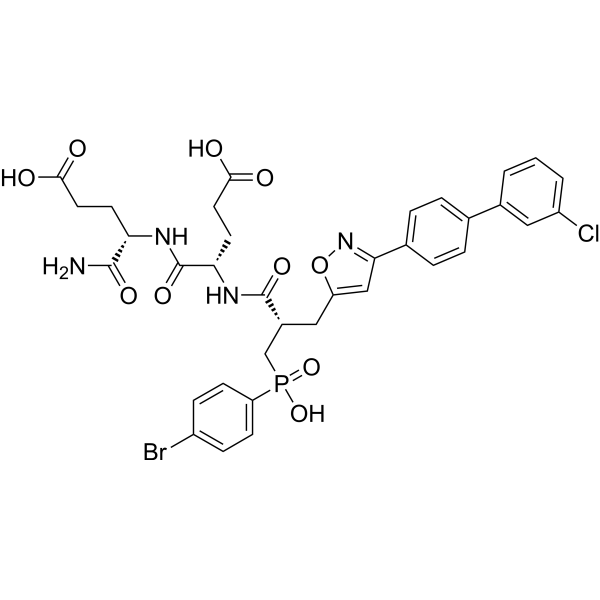
    MMP Cardiovascular Disease
    RXP470.1 (RXP-470) is a potent, selective MMP-12 inhibitor with a Ki of 0.2 nM against human MMP-12. RXP470.1 is 2 to 4 orders of magnitude less potent against other MMPs. RXP470.1 significantly reduces atherosclerotic plaque cross-sectional area in mouse. RXP470.1 results in less complex plaques with increased smooth muscle cell:macrophage ratio, less macrophage apoptosis, increased cap thickness, smaller necrotic cores, and decreased incidence of calcification .
    RXP470.1
  • HY-118824A

    (E/Z)-Moschamine

    Calcium Channel PDGFR ERK Cardiovascular Disease Inflammation/Immunology
    N-Feruloylserotonin ((E/Z)-Moschamine) is a serotonin hydroxycinnamic acid amide. It can be isolated from a variety of plants, particularly the seeds of safflower (Carthamus tinctorius L.). N-Feruloylserotonin inhibits KCl- and 5-HT-induced elevation of intracellular [Ca 2+]i. It suppresses PDGF-BB-induced phosphorylation of PDGFRβ and ERK1/2. N-Feruloylserotonin exerts anti-inflammatory effects on aortic endothelial cells. It inhibits atherosclerotic plaque formation in apolipoprotein E-deficient mice .
    N-Feruloylserotonin
  • HY-107637

    MMP Cardiovascular Disease
    ONO-4817 is a potent inhibitor of matrix metalloproteinase (MMP). Inhibition of matrix metalloproteinases (MMPs) is expected to suppress atherosclerotic neointimal proliferation and thus limits atheromatous plaque progression. ONO-4817 suppresses the development of aortic intimal hyperplasia in experimental hyperlipidemic rabbit .
    ONO-4817
  • HY-N2673

    5-n-Heptadecylresorcinol; AR-C17

    Sirtuin Cardiovascular Disease Metabolic Disease
    5-Heptadecylresorcinol (AR-C17), a phenolic lipid component, is also an orally active mitochondrial protector. 5-Heptadecylresorcinol improves mitochondrial function via sirtuin3 signaling pathway, thus alleviates endothelial cell damage and apoptosis. 5-Heptadecylresorcinol induces sirtuin3-mediated autophagy. 5-Heptadecylresorcinol reduces the atherosclerotic plaques in the aortic root region of mice heart. 5-Heptadecylresorcinol can be used for research of atherosclerosis prevention and obesity .
    5-Heptadecylresorcinol
  • HY-W996116

    Glutathione Peroxidase Cardiovascular Disease Neurological Disease Inflammation/Immunology
    AZM198 is an orally active myeloperoxidase (MPO) inhibitor. AZM198 irreversibly inactivates MPO (IC50=0.015 μM) via covalent binding to the heme prosthetic group, preferentially targets extracellular MPO activity, and reduces neutrophil extracellular trap formation, reactive oxygen species production and degranulation. AZM198 increases the fibrous cap thickness of atherosclerotic plaques, reduces lesion area, ameliorates hepatic steatosis and fibrosis in non-alcoholic steatohepatitis, and alleviates proteinuria and inflammatory infiltration associated with glomerulonephritis. AZM198 also decreases circulating levels of high-sensitivity Cardiac Troponin I and IL-1β, and mitigates endothelial cell injury. Therefore, AZM198 is suitable for research on various MPO-related diseases, including atherosclerotic cardiovascular disease, myocardial infarction, ischemic stroke, non-alcoholic steatohepatitis and crescentic glomerulonephritis .
    AZM198
  • HY-P11447

    Collagen Cardiovascular Disease
    COLIV-peptide is a type of specific binding peptide that can recognize and bind to Collagen Ⅳ, a key non-cellular component in atherosclerotic plaques. COLIV-peptide can be used for the study of atherosclerotic .
    COLIV-peptide
  • HY-P11289

    Apoptosis Cardiovascular Disease
    Intermedin1-53 (Human) is a 53-aa human calcitonin family peptide that reduces the vulnerability of atherosclerotic plaques by inhibiting CHOP-mediated macrophage apoptosis and inflammasome .
    Intermedin1-53 (Human)
  • HY-N2673R

    5-n-Heptadecylresorcinol (Standard); AR-C17 (Standard)

    Reference Standards Sirtuin Cardiovascular Disease Metabolic Disease
    5-Heptadecylresorcinol (AR-C17), a phenolic lipid component, is also an orally active mitochondrial protector. 5-Heptadecylresorcinol improves mitochondrial function via sirtuin3 signaling pathway, thus alleviates endothelial cell damage and apoptosis. 5-Heptadecylresorcinol induces sirtuin3-mediated autophagy. 5-Heptadecylresorcinol reduces the atherosclerotic plaques in the aortic root region of mice heart. 5-Heptadecylresorcinol can be used for research of atherosclerosis prevention and obesity .
    5-Heptadecylresorcinol (Standard)
  • HY-14744D

    Calcium Channel MMP Cardiovascular Disease Neurological Disease
    Levamlodipine besylate Hemipentahydrate is an orally active L-type calcium channel blocker and MMP-9 modulator with high permeability and retention properties. Levamlodipine besylate Hemipentahydrate significantly enhances plaque stability and improves lipid profiles by reducing blood pressure, decreasing systolic blood pressure variability, and inhibiting MMP-9 expression in atherosclerotic plaques. Levamlodipine besylate Hemipentahydrate not only alleviates cardiac and aortic hypertrophy and prevents renal atrophy, but also produces synergistic effects in blood pressure reduction and organ protection when combined with bisoprolol (HY-129029). Levamlodipine besylate Hemipentahydrate exerts no significant inhibitory effect on abdominal aortic intimal hyperplasia. When excessively accumulated in the epidermis, Levamlodipine besylate Hemipentahydrate may induce changes in keratin structure, impair the skin barrier and trigger inflammation; long-term use further exacerbates skin irritation caused by local administration. Levamlodipine besylate Hemipentahydrate can be used in research related to hypertension and atherosclerosis .
    Levamlodipine besylate Hemipentahydrate
  • HY-159001

    Biochemical Assay Reagents Others
    ZCDD083 can be used as a positron emission tomography (PET) tracer for atherosclerotic plaques imagination, when labeled with 18F isotope .
    ZCDD083
  • HY-E70559

    PGE synthase Cardiovascular Disease Cancer
    Prostaglandin D synthase is a biomarker for meningioma cells and coronary artery disease. Lipocalin-type Prostaglandin D synthase (L-PGDS) is present in the atherosclerotic plaque of the human coronary artery and can be detectable in human serum .
    Prostaglandin D synthase
  • HY-P11143

    Interleukin Related Cardiovascular Disease
    IL4RPep-1 is a peptide that can specifically target atherosclerotic plaque, and its target is IL-4 receptor. IL4RPep-1 exhibits good plaque targeting and is not enriched in normal tissues. IL4RPep-1 has potential application as a targeting delivery system or molecular imaging probe for atherosclerosis research .
    IL4RPep-1
  • HY-172708A

    Liposome Neurological Disease
    DSPE-PEG3400-PP1 is a PEG compound which composed of DSPE and a PP1 peptide. PP1 peptide targets the inflammatory atherosclerotic plaque. DSPE-PEG3400-PP1 can be used for drug delivery .
    DSPE-PEG3400-PP1
  • HY-172708

    Liposome Neurological Disease
    DSPE-PEG2000-PP1 is a PEG compound which composed of DSPE and a PP1 peptide. PP1 peptide targets the inflammatory atherosclerotic plaque. DSPE-PEG2000-PP1 can be used for drug delivery .
    DSPE-PEG2000-PP1
  • HY-113342R

    Endogenous Metabolite p38 MAPK Reference Standards Cardiovascular Disease Metabolic Disease
    7-Ketocholesterol (Standard) is the analytical standard of 7-Ketocholesterol. This product is intended for research and analytical applications. 7-Ketocholesterol is an oxidation product of cholesterol, widely present in atherosclerotic plaques, and has a stronger atherogenic effect than cholesterol. 7-Ketocholesterol can inhibit the rate-limiting enzymes involved in bile acid and cholesterol synthesis, such as cholesterol 7α-hydroxylase and HMG-CoA reductase. 7-Ketocholesterol exhibits pro-inflammatory effects both in vivo and in vitro and can induce cell apoptosis (apoptosis) .
    7-Ketocholesterol (Standard)
  • HY-14744B

    (S)-Amlodipine hydrochloride; Levoamlodipine hydrochloride

    Calcium Channel MMP Cardiovascular Disease
    Levamlodipine ((S)-Amlodipine; Levoamlodipin) hydrochloride is an orally active L-type calcium channel blocker and MMP-9 modulator with high permeability and retention properties. Levamlodipine hydrochloride significantly enhances plaque stability and improves lipid profiles by reducing blood pressure, decreasing systolic blood pressure variability, and inhibiting MMP-9 expression in atherosclerotic plaques. Levamlodipine hydrochloride not only alleviates cardiac and aortic hypertrophy and prevents renal atrophy, but also produces synergistic effects in blood pressure reduction and organ protection when combined with bisoprolol (HY-129029). Levamlodipine hydrochloride exerts no significant inhibitory effect on abdominal aortic intimal hyperplasia. When excessively accumulated in the epidermis, Levamlodipine hydrochloride may induce changes in keratin structure, impair the skin barrier and trigger inflammation; long-term use further exacerbates skin irritation caused by local administration. Levamlodipine hydrochloride can be used in research related to hypertension and atherosclerosis .
    Levamlodipine hydrochloride
  • HY-14744S

    (S)-Amlodipine-d4; Levoamlodipine-d4

    Isotope-Labeled Compounds Calcium Channel MMP Others
    Levamlodipine-d4 is the deuterium labeled Levamlodipine. Levamlodipine ((S)-Amlodipine; Levoamlodipin) is an orally active L-type calcium channel blocker and MMP-9 modulator with high permeability and retention properties. Levamlodipine significantly enhances plaque stability and improves lipid profiles by reducing blood pressure, decreasing systolic blood pressure variability, and inhibiting MMP-9 expression in atherosclerotic plaques. Levamlodipine not only alleviates cardiac and aortic hypertrophy and prevents renal atrophy, but also produces synergistic effects in blood pressure reduction and organ protection when combined with bisoprolol (HY-129029). Levamlodipine exerts no significant inhibitory effect on abdominal aortic intimal hyperplasia. When excessively accumulated in the epidermis, Levamlodipine may induce changes in keratin structure, impair the skin barrier and trigger inflammation; long-term use further exacerbates skin irritation caused by local administration. Levamlodipine can be used in research related to hypertension and atherosclerosis .
    Levamlodipine-d4
  • HY-14744C

    (S)-Amlodipine hydrobromide; Levoamlodipine hydrobromide

    Calcium Channel MMP Cardiovascular Disease Others
    Levamlodipine ((S)-Amlodipine; Levoamlodipin) hydrobromide is an orally active L-type calcium channel blocker and MMP-9 modulator with high permeability and retention properties. Levamlodipine hydrobromide significantly enhances plaque stability and improves lipid profiles by reducing blood pressure, decreasing systolic blood pressure variability, and inhibiting MMP-9 expression in atherosclerotic plaques. Levamlodipine hydrobromide not only alleviates cardiac and aortic hypertrophy and prevents renal atrophy, but also produces synergistic effects in blood pressure reduction and organ protection when combined with bisoprolol (HY-129029). Levamlodipine hydrobromide exerts no significant inhibitory effect on abdominal aortic intimal hyperplasia. When excessively accumulated in the epidermis, Levamlodipine hydrobromide may induce changes in keratin structure, impair the skin barrier and trigger inflammation; long-term use further exacerbates skin irritation caused by local administration. Levamlodipine hydrobromide can be used in research related to hypertension and atherosclerosis .
    Levamlodipine hydrobromide
  • HY-108292R

    Reference Standards PAI-1 Thrombin Cancer
    Propacetamol (hydrochloride) (Standard) is the analytical standard of Propacetamol (hydrochloride). This product is intended for research and analytical applications. Propacetamol hydrochloride is a potent, peptidic inhibitor targeting thrombin and granzyme GZMK. Propacetamol hydrochloride specifically blocks the activities of thrombin and GZMK, thereby inhibiting thrombin-mediated PAR-1 cleavage, as well as downstream inflammatory and procoagulant signaling pathways. Through stabilizing IκB proteins, blocking NF-κB activation and reducing systemic levels of proinflammatory/procoagulant biomarkers, Propacetamol hydrochloride exerts multiple effects including anti-inflammatory, antithrombotic, barrier repair, and inhibition of atherosclerotic plaque progression. Propacetamol hydrochloride binds to platelets without interference from kininogen, effectively limiting acute thrombus growth and reducing eosinophil infiltration and goblet cell hyperplasia in asthma models. Propacetamol hydrochloride is an important tool molecule for investigating the mechanisms of atherosclerosis, asthma and related thromboinflammatory diseases .
    Propacetamol hydrochloride (Standard)
  • HY-D3170

    Fluorescent Dye γ-Glutamyl Transferase (GGT) Inflammation/Immunology
    C-HBrO-GGT is a sequence-activated two-photon fluorescent probe. C-HBrO-GGT exhibits sequential fluorescence activation properties: it generates fluorescence in response to hypobromous acid only after being hydrolytically activated by γ-glutamyl transpeptidase. C-HBrO-GGT enables verification of the voltage-gated chloride channel (CLC-1)-HBrO-catalase (CAT)-GGT signaling pathway at the cellular level. C-HBrO-GGT can serve as a tool to indicate the precise location of mature atherosclerotic plaques and provide early warning of plaque formation. C-HBrO-GGT is applicable to relevant research on atherosclerosis .
    C-HBrO-GGT
  • HY-D3197

    Fluorescent Dye Inflammation/Immunology
    CDg16 is a selective fluorescent dye targeting SLC18B1 (λabsem=458/544 nm) that is actively transported into lysosomal vesicles of activated macrophages independent of the endocytic pathway. CDg16 enables highly specific vesicle localization in live cells. CDg16 exhibits no cytotoxicity and accurately distinguishes activated M1 and M2 subsets from different origins. CDg16 shows low background staining in non-activated cells and normal organs, making it suitable for time-lapse imaging. In preclinical animal models of inflammatory sites, atherosclerotic plaques and liver inflammation, CDg16 allows visualization of activated macrophages. CDg16 can be used to study inflammation-related diseases and atherosclerosis .
    CDg16
  • HY-D2976

    Fluorescent Dye Cardiovascular Disease
    CN-N2 is a visible light fluorescent probe. CN-N2 has high selectivity, rapid penetration, good biocompatibility, and imaging effects. CN-N2 is suitable for intraoperative rapid imaging of atherosclerotic plaque .
    CN-N2
  • HY-172709

    Liposome Neurological Disease
    DSPE-PEG5000-PP1 is a PEG compound which composed of DSPE and a PP1 peptide. PP1 peptide targets the inflammatory atherosclerotic plaque. DSPE-PEG5000-PP1 can be used for drug delivery .
    DSPE-PEG5000-PP1
  • HY-172707

    Liposome Neurological Disease
    DSPE-PEG1000-PP1 is a PEG compound which composed of DSPE and a PP1 peptide. PP1 peptide targets the inflammatory atherosclerotic plaque. DSPE-PEG1000-PP1 can be used for drug delivery .
    DSPE-PEG1000-PP1
  • HY-10835R

    Reference Standards Prostaglandin Receptor Cardiovascular Disease
    DG-041 (Standard) is the analytical standard of DG-041 (HY-10835). This product is intended for research and analytical applications. DG-041 is a potent, high affinity and selective EP3 receptor antagonist with IC50s of 4.6 nM and 8.1 nM in the binding and FLIPR assay, respectively. DG-041 inhibits PGE2 facilitation of platelet aggregation. DG-041 crosses the blood-brain barrier .
    DG-041 (Standard)
  • HY-181654

    Epigenetic Reader Domain CXCR MMP Inflammation/Immunology
    Snail IN-1 is an orally active Snail inhibitor with a Ka of 0.36 μM.Snail IN-1 disrupts Snail-CBP interaction, accelerates Snail protein degradation, reduces Snail acetylation, increases Snail polyubiquitination, and selectively downregulates Snail protein without altering other EMT transcription factors.Snail IN-1 reduces atherosclerotic plaque burden, modulates inflammation and plaque stability factors, downregulates CCL5, CXCL10, MMP2, and MMP9, and upregulates α-smooth muscle actin.Snail IN-1 exerts anti-inflammatory and plaque-stabilizing properties.Snail IN-1 can be used for the research of atherosclerosis .
    Snail IN-1
  • HY-P2997B

    Biochemical Assay Reagents Cardiovascular Disease Neurological Disease Inflammation/Immunology Cancer
    γ-glutamyltransferase, Human (HEK293) is a γ-glutamyltransferase expressed in HEK293 cells. γ-glutamyltransferase participates in glutathione metabolism. Serum γ-glutamyltransferase activity is identified as a predictor of atherosclerotic complications, and has prognostic value for cardiovascular diseases and stroke. γ-glutamyltransferase also serves as a biomarker for carcinogenesis and tumor progression .
    γ-glutamyltransferase, Human (HEK293)

Consulta en línea

Your information is safe with us. * Required Fields.

Saludo


Country or Region *

Nombre del solicitante *


Nombre de la Organizaciòn *

Department *


Direcciòn del E-mail *


Nombre del producto *

Cat. No.


Requested quantity *

Número de teléfono *


Observaciones

Consulta en línea

Inquiry Information

Nombre del producto:
Cat. No.:
Cantidad:
MCE Japan Authorized Agent:

