1. Search Result
Search Result
Results for "

cross-linking compound

" in MedChemExpress (MCE) Product Catalog:

44

Inhibitors & Agonists

2

Screening Libraries

12

Biochemical Assay Reagents

1

Peptides

4

Natural
Products

3

Isotope-Labeled Compounds

5

Click Chemistry

Cat. No. Product Name Target Research Areas Chemical Structure
  • HY-W074785

    Biochemical Assay Reagents Others
    Carboxyl diazirine alkyne is a protein cross-linking compound. Carboxyl diazirine alkyne plays a crucial role in the research on the inhibition and labeling of FTO protein by fluorescein derivatives .
    Carboxyl diazirine alkyne
  • HY-P2890

    Denilite IIS

    Endogenous Metabolite Others
    Laccase, Microorganisms (Denilite IIS) is a multi-copper oxidase (MCOs), which widely exists in microorganisms, plants and fungi, and can catalyze the oxidation of one electron of various phenolic compounds. Laccase can promote the oxidative coupling of single lignin, which plays an important role in the formation and biodegradation of lignin, and also has the potential to cross-link food polymers .
    Laccase, Microorganisms
  • HY-112624J

    Dextran 4; Dextran D4; Dextran T4(MW 3200-4800)

    Bacterial Others
    Dextran 4,000 is a mucus rheology modifier. The dextran molecules in Dextran 4,000 can reduce the cross-link density of mucus through osmotic effects and hydrogen bond substitution, and reduce viscoelasticity and improve the mucociliary/cough clearance index by destroying the DNA-mucin network structure in mucus. Dextran 4,000 has the ability to improve the rheological properties and clearance ability of cystic fibrosis (CF) sputum, and can be used in the study of inhalation therapy or aerosol delivery of mucostatic respiratory diseases. The Dextran series of compounds are also natural polysaccharide drug carriers that can be connected to drugs through covalent bonding methods such as ester bonds, amide bonds or click chemistry, or self-assembled to form carriers such as nanoparticles and hydrogels. Dextran is biodegradable and biocompatible, and can achieve targeted delivery and controlled release of drugs. Dextran derivatives can prolong the half-life of drugs, increase local concentrations, and reduce the activity of immune clearance .
    Dextran T4 (MW 4,000)
  • HY-107004A
    Amotosalen hydrochloride
    1 Publications Verification

    S-59

    DNA/RNA Synthesis Parasite Inflammation/Immunology
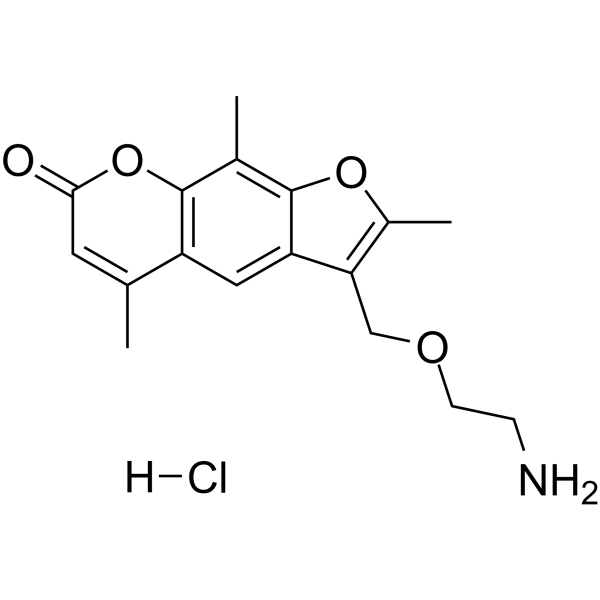
    Amotosalen hydrochloride (S-59) is a light-activated, DNA-, RNA-crosslinking psoralen compound, which is used to neutralise pathogens. Light-activated Amotosalen binds and permanently crosslinks DNA, preventing replication and thus stopping proliferation of donor T cells. Amotosalen can be used for the study of blood system pathogen reduction technology and graft-versus-host disease (GVHD) .
    Amotosalen hydrochloride
  • HY-148424

    ADC Payload DNA Alkylator/Crosslinker Cancer
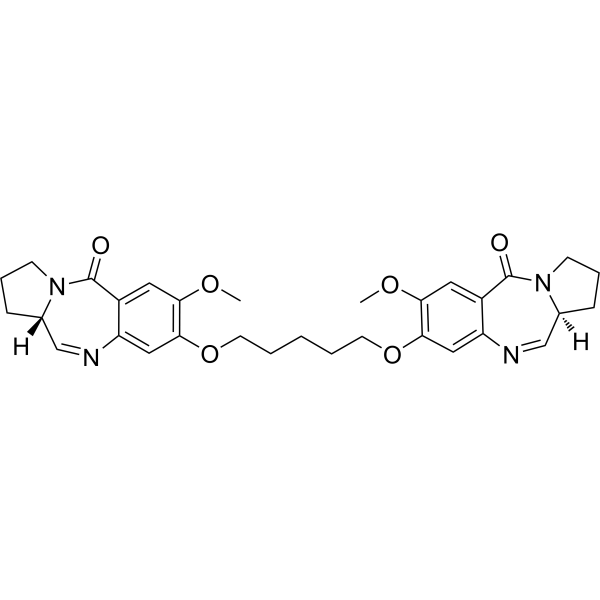
    PBD dimer-2 (compound 2c) is a C8-linked pyrrolobenzodiazepine dimer. PBD dimer-2 can span an extra base pair and cross-link the 5′-Pu-GA(T/A)TC-Py sequence. PBD dimer-2 can be used as a payload for antibody–agent conjugates (ADCs), and it can be used for the research of cancer .
    PBD dimer-2
  • HY-N4170
    Chebulic acid
    2 Publications Verification

    Keap1-Nrf2 Reactive Oxygen Species (ROS) Metabolic Disease
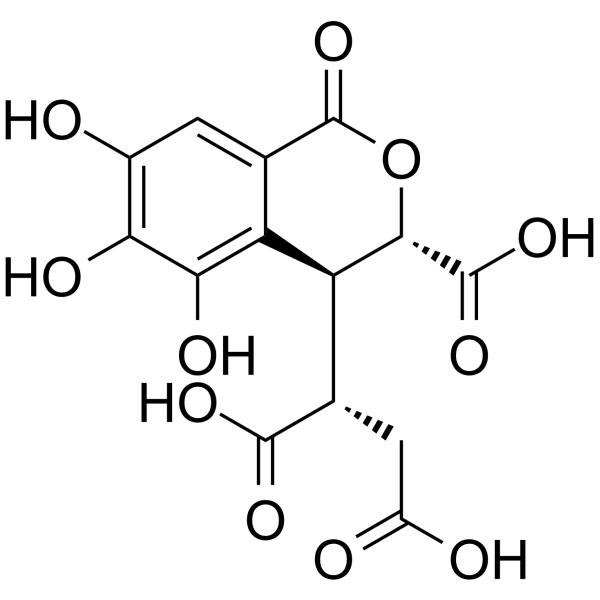
    Chebulic acid is a phenolic acid compound isolated from Terminalia chebula with strong antioxidant activity, which breaks protein cross-links induced by advanced glycation end products (AGEs) and inhibits the formation of AGEs. Chebulic acid is effective in controlling elevated metabolic parameters, oxidative stress, and liver damage, supporting its beneficial role in asthma, diabetes, and liver protection .
    Chebulic acid
  • HY-W250309

    Biochemical Assay Reagents Others
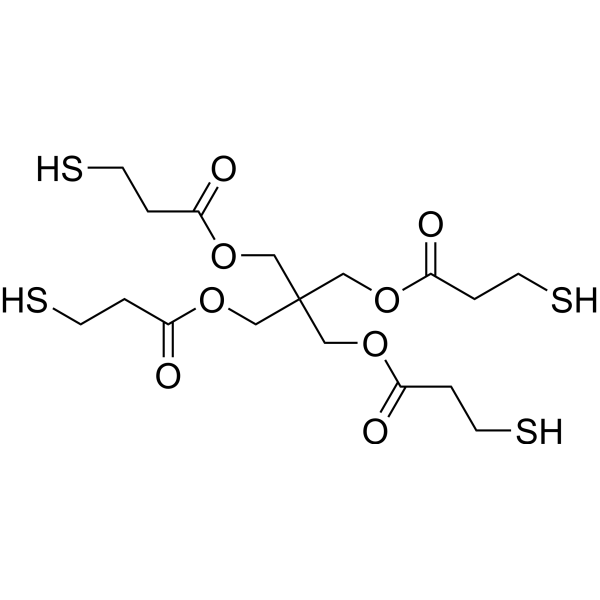
    Pentaerythritol tetra(3-mercaptopropionate)It is a class of organic compounds containing both pentaerythritol and mercaptopropionate groups. It is commonly used as a stabilizer and crosslinking agent in various chemical and industrial applications. Pentaerythritol tetra(3-mercaptopropionate)Has a variety of properties that make it suitable for these applications, including the ability to increase the mechanical strength, thermal stability and weatherability of polymers and coatings. Additionally, it can be used as a feedstock for the production of other specialty chemicals and materials.
    Pentaerythritol tetra3-mercaptopropionate
  • HY-138638

    Biochemical Assay Reagents Others
    Cross-linked dextran LH 20 could be used for the isolation and purification of natural compounds and foods, such as red wine, pigments, and flavonoids .
    Cross-linked dextran LH 20
  • HY-W100491

    Drug Derivative Cancer
    Trimethylbenzoquinone (Compound 5) is a methylated benzoquinone. Trimethylbenzoquinone exhibits moderate cytotoxicity against K562 cells, with its IC50 being 0.75 μM. Trimethylbenzoquinone is completely unable to cause inter-strand DNA cross-linking and cannot alkylate DNA guanines. Trimethylbenzoquinone can be used to study the relationship between the nitrogen heterocyclic group and DNA cross-linking .
    Trimethylbenzoquinone
  • HY-134853

    Biochemical Assay Reagents Cancer
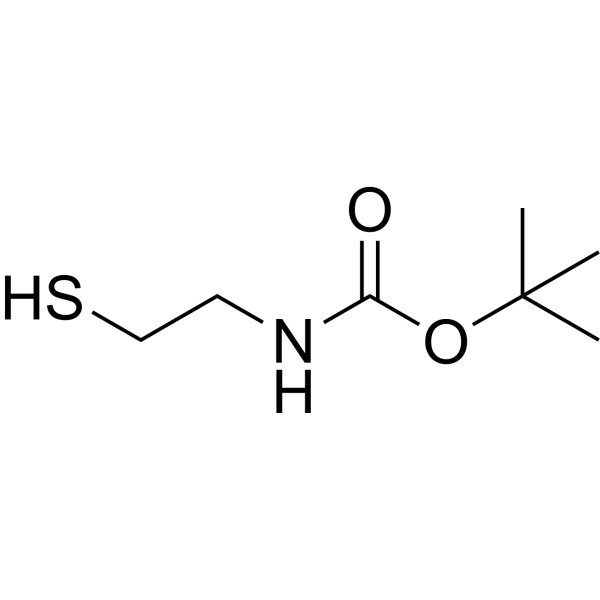
    2-(Boc-amino)ethanethiol (compound 35) is a bifunctional cross-linker that can be used in the synthesis of bifunctional azobenzene glycoconjugates .
    2-(Boc-amino)ethanethiol
  • HY-163213
    Psoralen-triethylene glycol azide
    1 Publications Verification

    Biochemical Assay Reagents Others
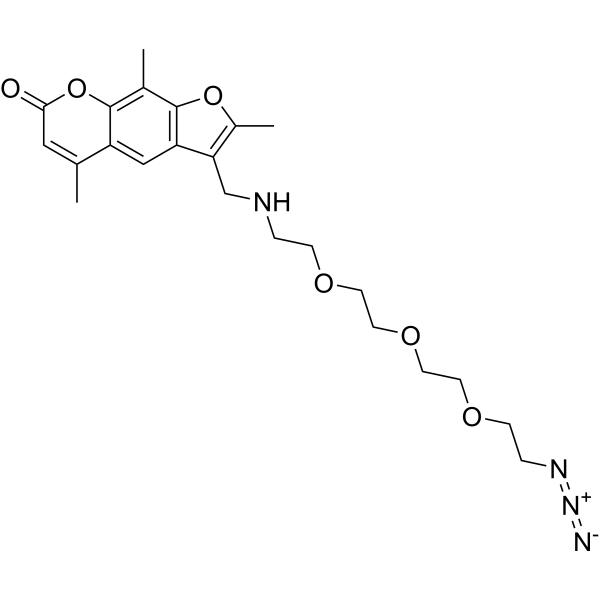
    Psoralen-triepthylene glycol azide is a compound used to probe the structure and conformation of RNA in living cells, using matching RNA crosslinking and deep sequencing or comradery methods .
    Psoralen-triethylene glycol azide
  • HY-W000887

    Biochemical Assay Reagents Others
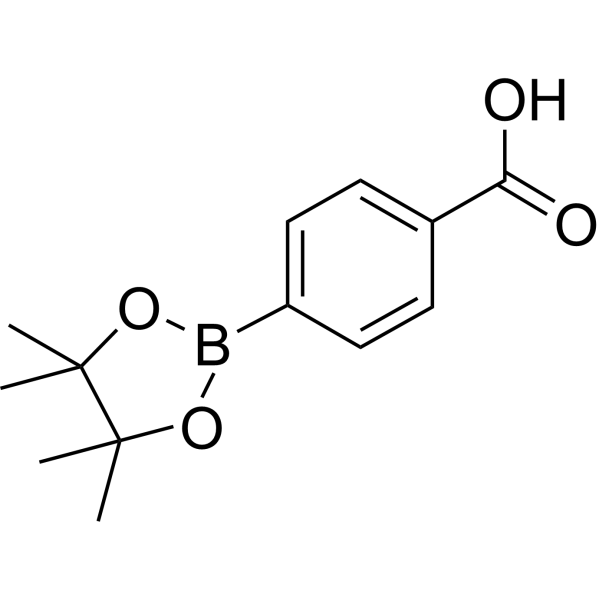
    4-Carboxyphenylboronic acid pinacol ester can be used as a starting material for N-(2-acryloylamino-ethyl)-4-(4,4,5,5-tetramethyl-[1,3,2]dioxaborolan-2-yl)-benzamide (AEBB). 4-Carboxyphenylboronic acid pinacol ester can be used to crosslink epoxidized natural rubber (ENR) to silica. 4-Carboxyphenylboronic acid pinacol ester is a biochemical reagent that can be used as a biological material or organic compound for life science related research .
    4-Carboxyphenylboronic acid pinacol ester
  • HY-402091

    ADC Payload Others
    SJG-136 intermediate-1 (compound 19) is an intermediate for synthesizing SJG-136. SJG-136 is a DNA cross-linking agent, with an XL50 of 45 nM for pBR322 DNA .
    SJG-136 intermediate-1
  • HY-W190766

    S-Acetyl-dPEG(R)8-NHS ester

    Biochemical Assay Reagents
    dPEG(R)8-SATA (S-Acetyl-dPEG(R)8-NHS ester) is a bioconjugation reagent with excellent biocompatibility and high selectivity. dPEG(R)8-SATA can be used to label and cross-link biomolecules and promote the interaction between biomolecules. dPEG(R)8-SATA plays an important role in bioimaging and compound delivery systems.
    dPEG(R)8-SATA
  • HY-154840

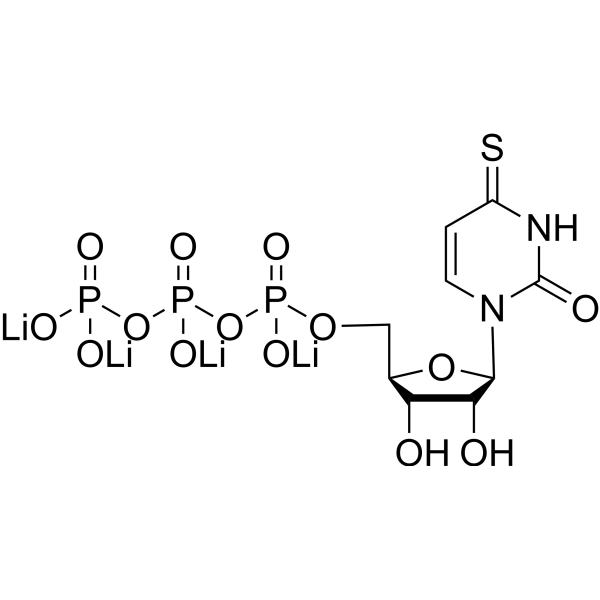
    4-Thio-UTP tetralithium

    P2Y Receptor Inflammation/Immunology
    4-Thiouridine 5′-triphosphate (4-Thio-UTP) tetrasodium (Compound 15) is a UTP analog and potent P2Y2 and P2Y4 agonist with EC50 values of 35 and 350 nM for hP2Y2 and hP2Y4, respectively. 4-Thiouridine 5′-triphosphate tetrasodium can be used in cross-linking experiments and transcriptional complex labeling studies .
    4-Thiouridine 5′-triphosphate tetralithium
  • HY-172354

    Biochemical Assay Reagents Others
    Acrylate-PEG2000-NHS is a photosensitive PEG compound that can be cross-linked when exposed to ultraviolet light and is used to synthesize PEG hydrogels .
    Acrylate-PEG2000-NHS
  • HY-Y0425

    Drug Intermediate Biochemical Assay Reagents Others
    Terephthalaldehyde is a crosslinking agent. Terephthalaldehyde forms a crosslinked structure inside the gelatin matrix by forming Schiff base imines with the amino groups of gelatin, thereby constructing a three-dimensional network. Terephthalaldehyde improves the hydrophobicity of the gelatin matrix, delays water vapor penetration and enhances the liquid water resistance of gelatin films. Terephthalaldehyde can be used as a crosslinking agent to prepare crosslinked chitosan hydrogel (CAAT) via ultrasound-induced synthesis. Terephthalaldehyde helps CAAT hydrogels selectively adsorb anionic dyes from aqueous media, including multi-component systems containing cationic dyes. Terephthalaldehyde serves as a starting material for the synthesis of bis-heterocyclic compounds (including bis-thiazole and bis-triazolopyrimidine compounds) .
    Terephthalaldehyde
  • HY-W051391

    Me3TACN

    Biochemical Assay Reagents Others
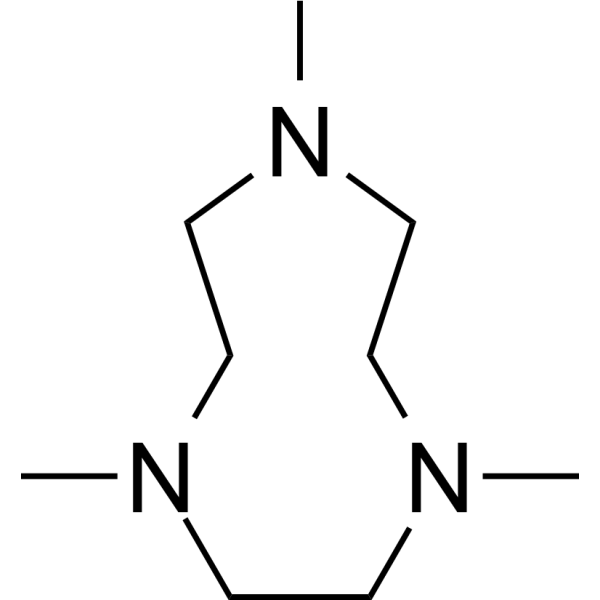
    1,4,7-Trimethyl-1,4,7-triazonane, also known as TMT or trimethylenetris(aziridine), is a cyclic organic compound. TMT is commonly used as a crosslinking agent and a precursor for polymer and resin synthesis. In addition, it is used as a stabilizer in the production of polyurethane foam and as a curing agent for epoxy resins. Due to its high reactivity and stability, TMT is considered to be a versatile and efficient reagent in various applications.
    1,4,7-Trimethyl-1,4,7-triazonane
  • HY-175004

    ADC Payload DNA Alkylator/Crosslinker Cancer
    PBD dimer-4 (Compound 7) is a C1-subsitituted PBD dimer. PBD dimer-4 has high DNA-binding affinity, DNA cross-linking ability and potent cytotoxicity against MDA-MB-231 cells (IC50: 236 nM). PBD dimer-4 can be used as a payload of ADC Loncastuximab tesirine (HY-P99349) to treat several different cancer types .
    PBD dimer-4
  • HY-172354A

    Biochemical Assay Reagents Others
    Acrylate-PEG3500-NHS is a photosensitive PEG compound that can be cross-linked when exposed to ultraviolet light and is used to synthesize PEG hydrogels .
    Acrylate-PEG3500-NHS
  • HY-D0200

    Adipodihydrazide

    Bacterial Drug Intermediate Biochemical Assay Reagents Infection
    Adipic acid dihydrazide (Adipodihydrazide) is an antibacterial agent and crosslinking agent. Adipic acid dihydrazide can be used for the preparation of hydrogels. Adipic acid dihydrazide exhibits antibacterial activity against both Gram-positive and Gram-negative bacteria, such as Enterobacter aerogenes (MIC: 0.081 mg/mL) and Salmonella enterica (MIC: 0.99 mg/mL). Adipic acid dihydrazide is also an important intermediate that can be utilized in the synthesis of other active compounds .
    Adipic acid dihydrazide
  • HY-W127344

    Biochemical Assay Reagents Others
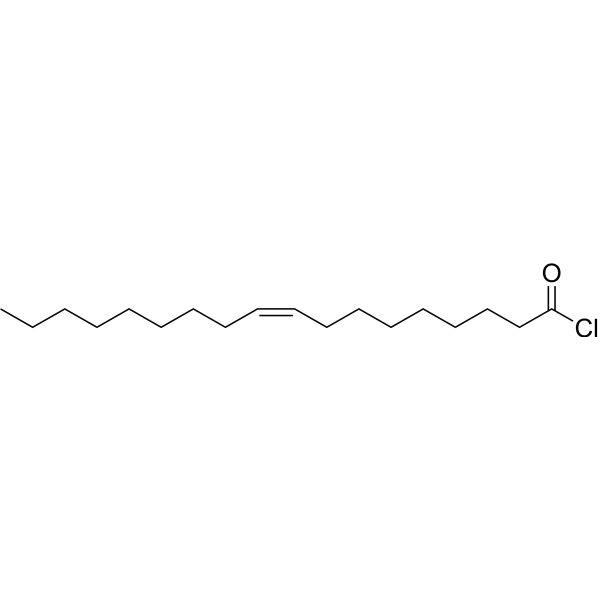
    Oleoyl chloride A pungent-smelling liquid commonly used as a reagent in organic synthesis, especially for the production of a variety of organic compounds, including pharmaceuticals and agrochemicals. In addition, it can also be used as a cross-linking agent or surfactant in polymer chemistry. Its unique chemical properties make it an important ingredient in a variety of industrial processes, including petrochemical refining and materials science.
    Oleoyl Chloride
  • HY-154840A

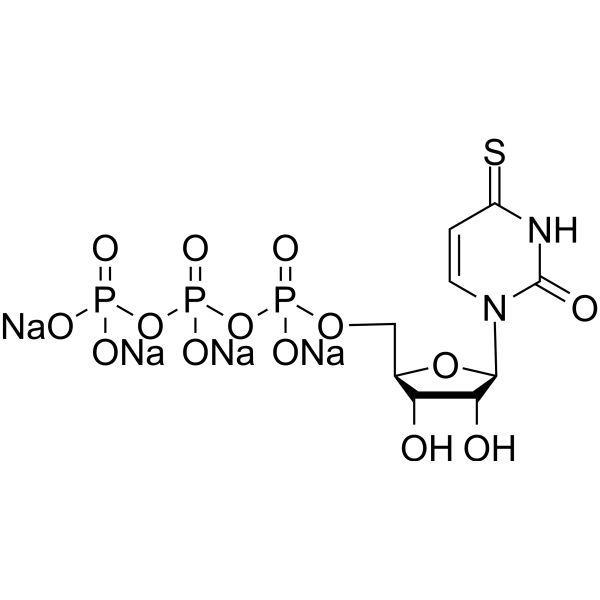
    4-Thio-UTP tetrasodium

    P2Y Receptor Inflammation/Immunology
    4-Thiouridine 5′-triphosphate (4-Thio-UTP) tetralithium (Compound 15) is a UTP analog and potent P2Y2 and P2Y4 agonist with EC50 values of 35 and 350 nM for hP2Y2 and hP2Y4, respectively. 4-Thiouridine 5′-triphosphate tetralithium can be used in cross-linking experiments and transcriptional complex labeling studies .
    4-Thiouridine 5′-triphosphate tetrasodium
  • HY-151744

    ADC Linker Others
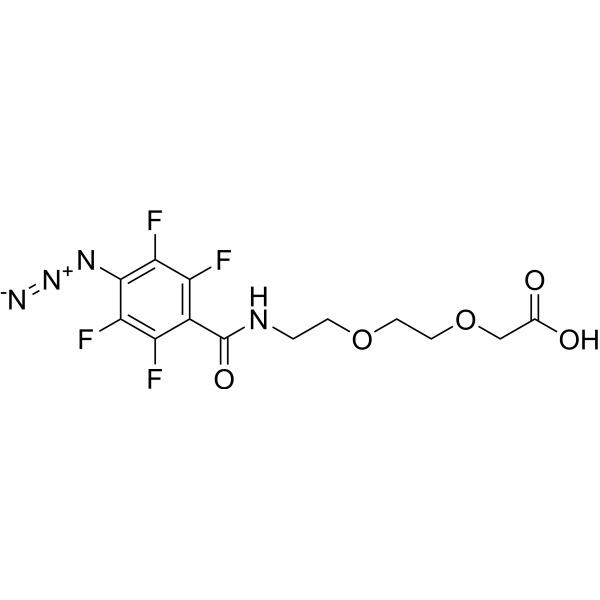
    N3-TFBA-O2Oc is a click chemistry reagent containing an azide group and an aryl group. Aryl azides are well-known precursors of nitrenes and have been introduced by Fleet et al. as versatile photoaffinity labeling agents to probe biological receptors. This type of compounds has been used as photo-cross linkermax=258 nm) in estrogen receptor studies and for direct surface coating of carbon and organic based polymers . N3-TFBA-O2Oc is a click chemistry reagent, it contains an Azide group and can undergo copper-catalyzed azide-alkyne cycloaddition reaction (CuAAc) with molecules containing Alkyne groups. It can also undergo strain-promoted alkyne-azide cycloaddition (SPAAC) reactions with molecules containing DBCO or BCN groups.
    N3-TFBA-O2Oc
  • HY-P10428

    HPV Infection
    E6AP-mimicking peptide (compound 13) is a high-affinity, selective, irreversible and potent peptide-based covalent HPV16 E6 inhibitor targeting the 16E6 oncoprotein using a cysteine-reactive acrylamide warhead. E6AP-mimicking peptide has a Ki of 17 nM. E6AP-mimicking peptide targets all residues appearing in the binding pocket of E6 to disrupt the binding interface of 16E6 and E6AP. E6AP-mimicking peptide selectively binds and crosslinks to MBP-16E6 in PBS or a protein mixture .
    E6AP-mimicking peptide
  • HY-151738

    ADC Linker Others
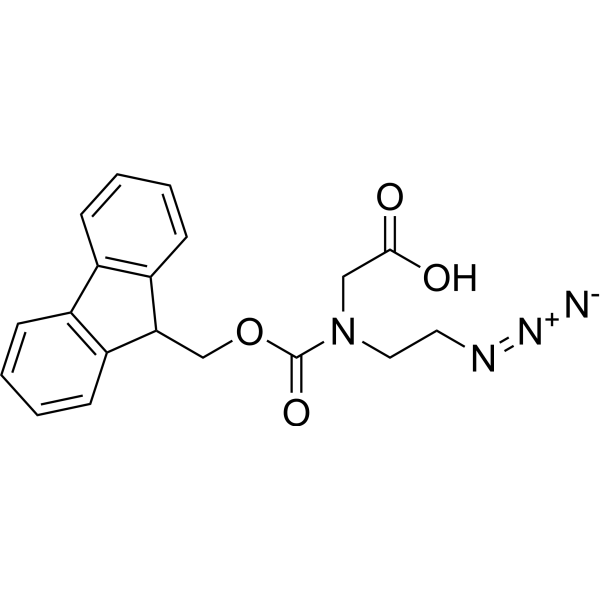
    Fmoc-Aeg(N3)-OH is a click chemistry reagent containing an Azide. Alkylating the Nitrogen of an amide bond results in peptoid structures, which leads to conformational restrains, like N-methylation and allows backbone derivatisation. Altering cytotoxicity, bacterial cell selectivity and receptor pharmacology through formation of peptoid derivatives have been published for Cilengitide, Piscidin 1, and MC3, MC4 and MC5 receptor agonist. This building block enables design of macrocycles through intermolecular crosslinking or backbone stabilization through intermolecular ring-closure. This compound is a potential building block for the construction of (customized) peptide nucleic acids (PNAs) and for peptoid synthesis . Fmoc-Aeg(N3)-OH is a click chemistry reagent, it contains an Azide group and can undergo copper-catalyzed azide-alkyne cycloaddition reaction (CuAAc) with molecules containing Alkyne groups. It can also undergo strain-promoted alkyne-azide cycloaddition (SPAAC) reactions with molecules containing DBCO or BCN groups.
    Fmoc-Aeg(N3)-OH
  • HY-W106487

    Biochemical Assay Reagents Others
    (+)-N,N'-Diallyl-L-tartardiamide is a cross-linking agent used in the preparation of hydrogels. (+)-N,N'-Diallyl-L-tartardiamide is a kind of biological materials or organic compounds that are widely used in life science research .
    (+)-N,N'-Diallyl-L-tartardiamide
  • HY-402090

    ADC Payload Others
    SJG-136 intermediate-2 (compound 141) is an intermediate for synthesizing SJG-136. SJG-136 is a DNA cross-linking agent, with an XL50 of 45 nM for pBR322 DNA .
    SJG-136 intermediate-2
  • HY-W127719

    Biochemical Assay Reagents Others
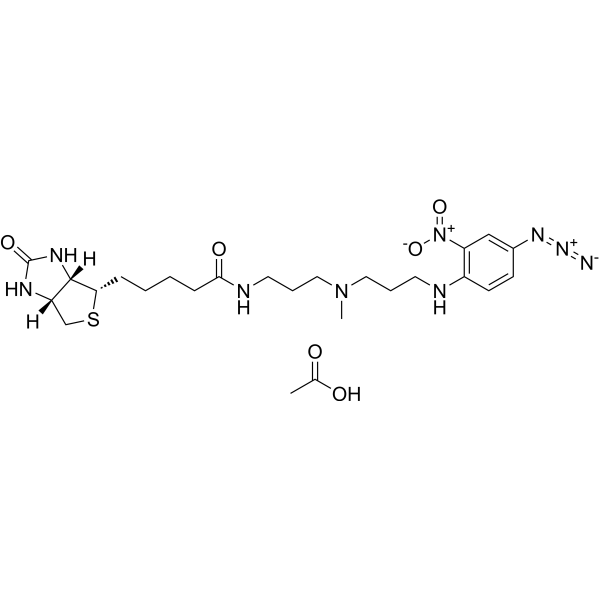
    Photobiotin (acetate)It is a biological probe used to study biochemical processes such as protein interactions and enzymatic reactions. It is a molecule containing a photosensitive group, which can be combined with specific target molecules (such as proteins, nucleic acids, etc.) through photochemical cross-linking technology, so as to realize the labeling and detection of these molecules. During the photosensitive crosslinking process, Photobiotin (acetate)Can participate in the formation of covalent bonds and form stable compounds. In addition, the compound also has high biocompatibility and biological activity, so it is widely used in the field of biomedical research, such as enzymatic research, proteomics, western blotting and other aspects. Photobiotin (acetate) is a click chemistry reagent, it contains an Azide group and can undergo copper-catalyzed azide-alkyne cycloaddition reaction (CuAAc) with molecules containing Alkyne groups. It can also undergo strain-promoted alkyne-azide cycloaddition (SPAAC) reactions with molecules containing DBCO or BCN groups.
    Photobiotin acetate
  • HY-172354B

    Biochemical Assay Reagents Others
    Acrylate-PEG5000-NHS is a photosensitive PEG compound that can be cross-linked when exposed to ultraviolet light and is used to synthesize PEG hydrogels .
    Acrylate-PEG5000-NHS
  • HY-N15254

    Endogenous Metabolite Others
    2-S-Cysteinyldopa is a cross-linking compound that can be isolated from the byssal threads of P. canaliculus. 2-S-Cysteinyldopa also can be formed by oxidation of pcfp-1 in vitro using mushroom tyrosinase .
    2-S-Cysteinyldopa
  • HY-107004

    S-59 free base

    DNA/RNA Synthesis Parasite Inflammation/Immunology
    Amotosalen (S-59 (free base)) is a light-activated, DNA and RNA-crosslinking psoralen compound, which is used to neutralise pathogens. Light-activated Amotosalen binds and permanently crosslinks DNA, preventing replication and thus stopping proliferation of donor T cells. Amotosalen can be used for the study of blood system pathogen reduction technology and graft-versus-host disease (GVHD) .
    Amotosalen
  • HY-160839

    Fluorescent Dye Others
    SPB-PEG4-AAD (compound 6) is a BFPX probe. SPB-PEG4-AAD shows significant crosslinking of the Nkx2.5/DNA complex or p53/DNA complex while displaying little effect on the DNA alone .
    SPB-PEG4-AAD
  • HY-W848341

    NSC 338947; CIEtSoSo

    DNA Alkylator/Crosslinker Cancer
    Clomesone (NSC 338947) is a compound with antitumor activity. Clomesone induces the formation of cross-links between DNA strands in cell lines. Clomesone is inactive against most human colorectal cancer solid tumor cell lines in vitro, has no significant activity against mouse tumors in vivo, and is accompanied by bone marrow suppression. Its pharmacokinetic behavior indicates that it cannot reach effective concentrations at the tumor site.
    Clomesone
  • HY-W011188S

    Isotope-Labeled Compounds Biochemical Assay Reagents Others
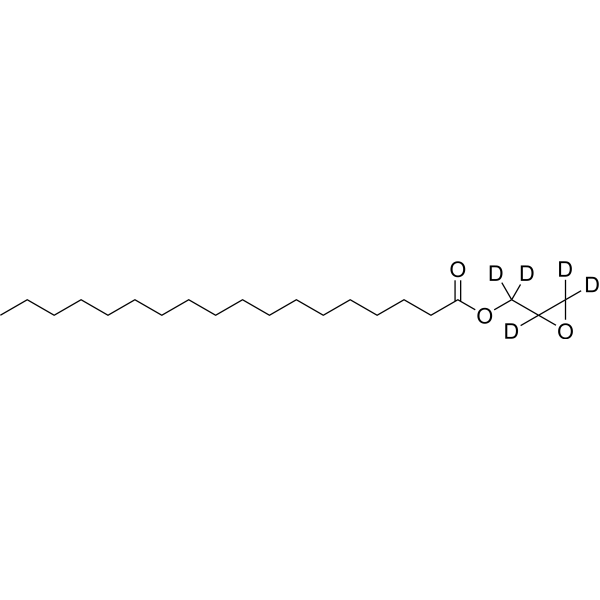
    Glycidyl stearate-d5 is a deuterium labeled Glycidyl stearate (HY-W011188). Oxiran-2-ylmethyl stearate is a compound belonging to the class of esters. It contains reactive oxirane or epoxy groups that give the molecule its unique properties. Oxiran-2-ylmethyl stearate is derived from stearic acid and epichlorohydrin, which are naturally occurring substances. Glycidyl stearate is commonly used in various industrial applications such as the production of coatings, adhesives and surfactants. It can also be used as a crosslinking agent in the manufacture of polymers and resins.
    Glycidyl stearate-d5
  • HY-W747639

    Isotope-Labeled Compounds Biochemical Assay Reagents Others
    Glycidyl Stearate- 13C3 is 13C labeled Glycidyl stearate. Oxiran-2-ylmethyl stearate is a compound belonging to the class of esters. It contains reactive oxirane or epoxy groups that give the molecule its unique properties. Oxiran-2-ylmethyl stearate is derived from stearic acid and epichlorohydrin, which are naturally occurring substances. Glycidyl stearate is commonly used in various industrial applications such as the production of coatings, adhesives and surfactants. It can also be used as a crosslinking agent in the manufacture of polymers and resins .
    Glycidyl Stearate-13C3
  • HY-W701446

    Isotope-Labeled Compounds Biochemical Assay Reagents Others
    Oxiran-2-ylmethyl octadecanoate-d35 is the deuterium labeled Glycidyl stearate (HY-W011188). Oxiran-2-ylmethyl stearate is a compound belonging to the class of esters. It contains reactive oxirane or epoxy groups that give the molecule its unique properties. Oxiran-2-ylmethyl stearate is derived from stearic acid and epichlorohydrin, which are naturally occurring substances. Glycidyl stearate is commonly used in various industrial applications such as the production of coatings, adhesives and surfactants. It can also be used as a crosslinking agent in the manufacture of polymers and resins.
    Oxiran-2-ylmethyl octadecanoate-d35
  • HY-122144

    Teroxirone

    Endogenous Metabolite Cancer
    α-Triglycidyl isocyanurate (Teroxirone) is an antitumor compound with activity to inhibit DNA replication. α-Triglycidyl isocyanurate exerts its anticancer effect by alkylating and cross-linking DNA. α-Triglycidyl isocyanurate is relatively stable in fresh human plasma and whole blood, showing good biocompatibility. The metabolism of α-Triglycidyl isocyanurate mainly occurs in rat liver and is metabolized through an NADPH-independent pathway. The cytotoxicity of α-Triglycidyl isocyanurate can be partially restored under specific conditions, suggesting the complexity of its metabolic pathway .
    α-Triglycidyl isocyanurate
  • HY-180581

    Monoamine Oxidase Guanylate Cyclase Cardiovascular Disease
    LOXL2/sGC modulator-1 (Compound 11k) is a LOXL2 inhibitor (IC₅₀ = 0.13 μM) and an sGC activator. LOXL2/sGC modulator-1 shows good selectivity for LOX (IC₅₀ > 45.9 μM) and LOXL3 (IC₅₀ = 1.30 μM). LOXL2/sGC modulator-1 significantly increases intracellular cGMP levels in the presence of the gGC inhibitor ODQ (HY-101255). LOXL2/sGC modulator-1 significantly inhibits hypoxia-induced collagen deposition and cross-linking, while promoting vasodilation. LOXL2/sGC modulator-1 can be used for the study of pulmonary arterial hypertension .
    LOXL2/sGC modulator-1
  • HY-18704

    (+)-Cyslabdan

    Others Infection
    Cyslabdan ((+)-Cyslabdan) is a novel compound with the potential to enhance the activity of imipenem against methicillin-resistant Staphylococcus aureus. Cyslabdan exerts its antibacterial effect by inhibiting the synthesis of pentapeptide cross-links .
    Cyslabdan
  • HY-107004AR

    S-59 (Standard)

    Reference Standards DNA/RNA Synthesis Parasite Inflammation/Immunology
    Amotosalen hydrochloride (Standard) (S-59 (Standard)) is the analytical standard of Amotosalen (hydrochloride) (HY-107004A). This product is intended for research and analytical applications. Amotosalen hydrochloride (S-59) is a light-activated, DNA-, RNA-crosslinKing psoralen compound, which is used to neutralise pathogens. Light-activated Amotosalen binds and permanently crosslinks DNA, preventing replication and thus stopping proliferation of donor T cells. Amotosalen can be used for the study of blood system pathogen reduction technology and graft-versus-host disease (GVHD) .
    Amotosalen hydrochloride (Standard)
  • HY-79587

    Biochemical Assay Reagents Others
    Benzil is a 1,2-diketone compound with multiple functions including photo-peroxidation initiator, crosslinking initiator and pattern-forming agent, and is commonly used as a precursor for photodegradable network crosslinkers. In oxygen-purged polymer films or glassy matrices, Benzil reacts with molecular oxygen under illumination at wavelengths greater than 370 nm or 400 nm, and converts to benzoyl peroxide in nearly quantitative yield. Subsequently, the generated benzoyl peroxide groups produce free radicals via thermal or photochemical decomposition, thereby enabling crosslinking of polymer chains, grafting of new monomers, and preparation of patterned polymers on solid surfaces using mask irradiation. Benzil also induces crosslinking of photodegradable poly (phenyl vinyl ketone) to form a stable photodegradable polymer network .
    Benzil
  • HY-182759

    DNA Alkylator/Crosslinker Topoisomerase Caspase Bcl-2 Family Apoptosis Cancer
    MN33-47 is a multi-target anti-tumor compound with broad-spectrum anti-proliferative activity. MN33-47 relieves the inhibition of the mitochondrial apoptosis pathway by downregulating the anti-apoptotic protein Bcl-2, while activating caspase-3 and inhibiting Topoisomerase I activity, thereby promoting its degradation through the ubiquitin-proteasome and autophagy-lysosome pathways. MN33-47 can also induce DNA cross-linking and G2/M cell cycle arrest, inhibit cancer cell migration and activate the mitochondrial apoptosis pathway, thus exerting potent anti-tumor effects. MN33-47 can improve the water solubility of SN-38 (HY-13704), and exhibits dose-dependent tumor growth inhibition effects in CT26 tumor-bearing mouse models without obvious toxic and side effects. MN33-47 can be used in related studies on colorectal adenocarcinoma, cervical adenocarcinoma, hepatocellular carcinoma, alveolar basal epithelial adenocarcinoma, gastric cancer and colon cancer .
    MN33-47
  • HY-N4170R

    Reference Standards Keap1-Nrf2 Reactive Oxygen Species (ROS) Metabolic Disease
    Chebulic acid (Standard) is the analytical standard of Chebulic acid (HY-N4170). This product is intended for research and analytical applications. Chebulic acid is a phenolic acid compound isolated from Terminalia chebula with strong antioxidant activity, which breaks protein cross-links induced by advanced glycation end products (AGEs) and inhibits the formation of AGEs. Chebulic acid is effective in controlling elevated metabolic parameters, oxidative stress, and liver damage, supporting its beneficial role in asthma, diabetes, and liver protection .
    Chebulic acid (Standard)

Inquiry Online

Your information is safe with us. * Required Fields.

Salutation


Country or Region *

Applicant Name *


Organization Name *

Department *


Email Address *


Product Name *

Cat. No.


Requested quantity *

Phone Number *


Remarks

Inquiry Online

Inquiry Information

Product Name:
Cat. No.:
Quantity:
MCE Japan Authorized Agent: