Search Result
Results for "
drug-resistant bacterial infections
" in MedChemExpress (MCE) Product Catalog:
1
Biochemical Assay Reagents
| Cat. No. |
Product Name |
Target |
Research Areas |
Chemical Structure |
-
- HY-B1228
-
|
Vistamycin sulfate
|
Antibiotic
PDI
|
Infection
|
|
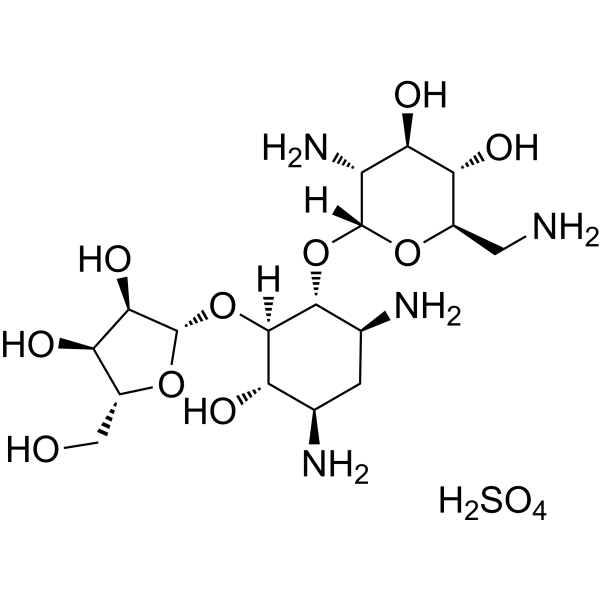
Ribostamycin sulfate (Vistamycin sulfate) is a broad-spectrum aminoglycoside Antibiotic with bactericidal activity against Gram-positive cocci, Gram-negative cocci, bacilli, and drug-resistant strains. Ribostamycin sulfate also acts as an inhibitor of protein disulfide isomerase (PDI), with a binding constant KD of 319 μM for bovine PDI. Ribostamycin sulfate targets bacterial 16S ribosomal RNA and the 30S ribosomal subunit, causing translational misreading and thereby inhibiting bacterial protein synthesis. Ribostamycin sulfate disrupts the integrity of bacterial cell membranes, induces membrane pore formation, and leads to bacterial death. Ribostamycin sulfate can be used in studies related to bacterial infections .
|
-
-
- HY-146331
-
|
|
Bacterial
|
Infection
|
|
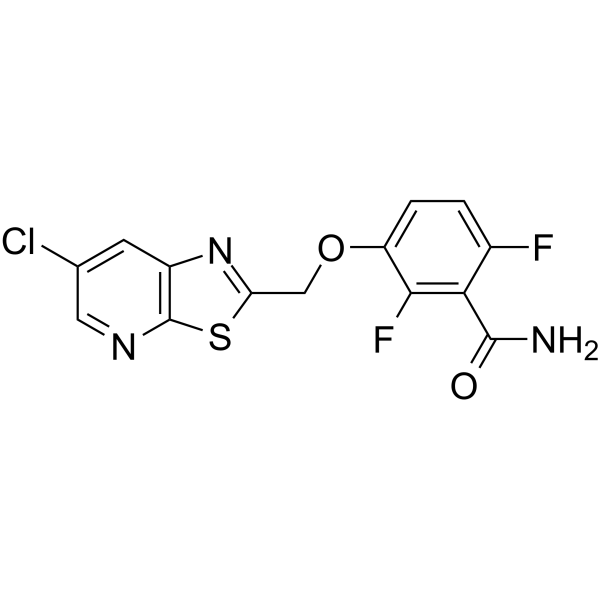
PC190723 is a bacterial cell division protein FtsZ inhibitor (IC50 = 55 nM). PC 190723 prevents cell division. PC190723 has potent and selective bactericidal activity against staphylococci, including methicillin- and multi-drug-resistant Staphylococcus aureus. PC190723 induces nucleated assembly of Bs-FtsZ into single-stranded coiled protofilaments and polymorphic condensates. PC190723 can be studied in anti-bacterial infection research .
|
-
-
- HY-12638
-
|
DDM
|
Environmental Pollutants
Fungal
Parasite
Bacterial
|
Infection
|
|
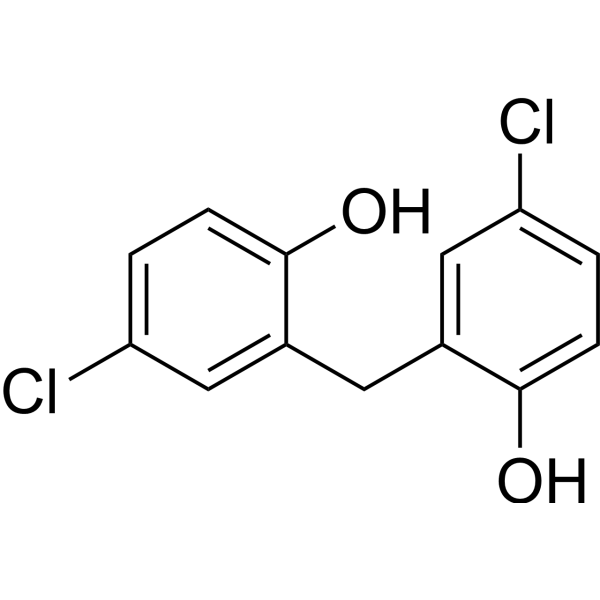
Dichlorophen is a chlorophenol antimicrobial agent that can destroy the integrity of microbial cell membranes and interfere with the activity of metabolic enzymes. Dichlorophen can covalently bind to the thiol groups of microbial proteins and has broad-spectrum antibacterial, antifungal and anthelmintic activity. Dichlorophen can be used as an antimicrobial agent in the study of drug-resistant bacterial infections .
|
-
-
- HY-P2460
-
|
|
Bacterial
Fungal
Interleukin Related
TNF Receptor
|
Infection
Inflammation/Immunology
|
|
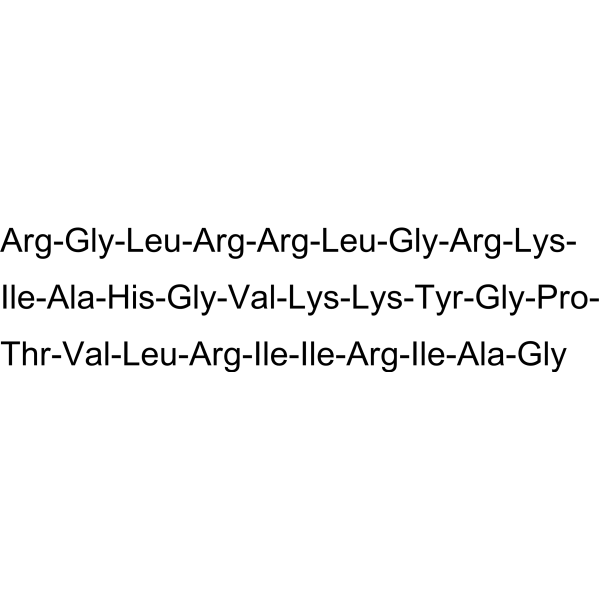
SMAP‑29 is a cathelicidin antimicrobial peptide with LPS‑binding and anti‑inflammatory properties. SMAP‑29 exerts broad‑spectrum antimicrobial activity against bacteria, fungi and multidrug‑resistant isolates. SMAP‑29 kills pathogens by permeabilizing bacterial membranes, inducing depolarization and cell lysis, and also inhibits inflammatory cytokines while reducing lethality in septic shock and pneumonia models. SMAP-29 can be used for research on bacterial infections, drug-resistant infections, septic shock .
|
-
-
- HY-19487
-
|
|
Bacterial
|
Infection
|
|
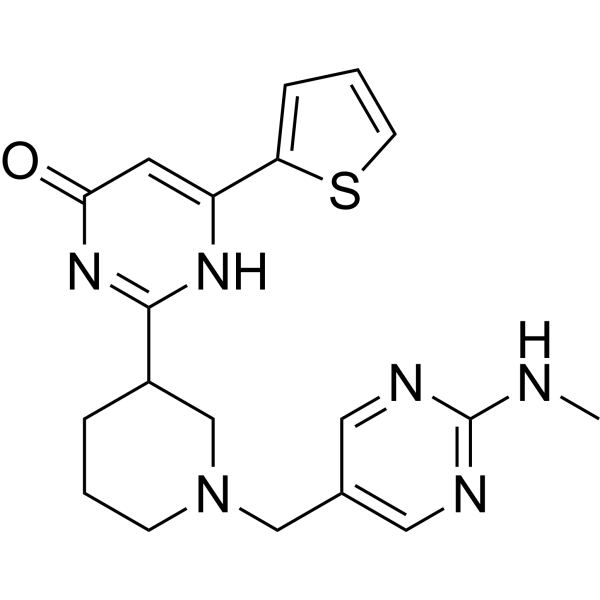
Ribocil is a selective inhibitor targeting the bacterial FMN riboswitch, regulating the bacterial riboflavin riboswitch. Ribocil competitively binds to the FMN binding site, mimicking the natural ligand FMN to induce conformational changes in the riboswitch, inhibiting ribB gene expression, reducing riboflavin synthesis, and thus inhibiting bacterial growth. Ribocil strongly inhibits GFP expression (EC50=0.3 μM). Ribocil exhibits in vivo antibacterial activity in a mouse model and can be used to study antibacterial drugs related to drug-resistant bacterial infections and bacterial riboflavin metabolic pathways[1][2].
|
-
-
- HY-P10233A
-
|
|
Bacterial
|
Infection
|
|
SAAP 148 TFA is a synthetic antimicrobial peptide (bacteria) that interacts with and disrupts the lipid bilayer of bacterial cytoplasmic membranes, thereby inducing changes in membrane permeability and bacterial death. SAAP 148 TFA kills drug-resistant, multidrug-resistant and persister bacterial strains, inhibits biofilm formation, eliminates established biofilms, and blocks bacterial colonization on implant surfaces. SAAP 148 TFA retains its activity after modification or immobilization, exhibits variable cytotoxicity in different human cell models, and shows reduced efficacy in protein-rich environments. SAAP 148 TFA can be used in infection-related research .
|
-

-
- HY-W984782
-
|
|
GLUT
Bacterial
Fungal
AMPK
PPAR
Reactive Oxygen Species (ROS)
Apoptosis
SOD
|
Infection
Metabolic Disease
Cancer
|
|
Flindersine is an alkaloid with multiple activities including antibacterial, antifungal, antitumor, and antidiabetic properties. Flindersine increases the activity of antioxidant enzymes, restores the levels of renal biomarkers, and reduces blood glucose, blood lipid, and insulin levels in diabetic rats. Flindersine inhibits the growth of Gram-positive bacteria, Gram-negative bacteria, drug-resistant bacteria, as well as dermatophytes, filamentous fungi, and yeasts. Flindersine reduces the viability of cancer cells and induces apoptosis. Flindersine can be used in research related to breast cancer, type 2 diabetes, bacterial infections, and fungal infections .
|
-

-
- HY-P10233
-
|
|
Bacterial
|
Infection
|
|
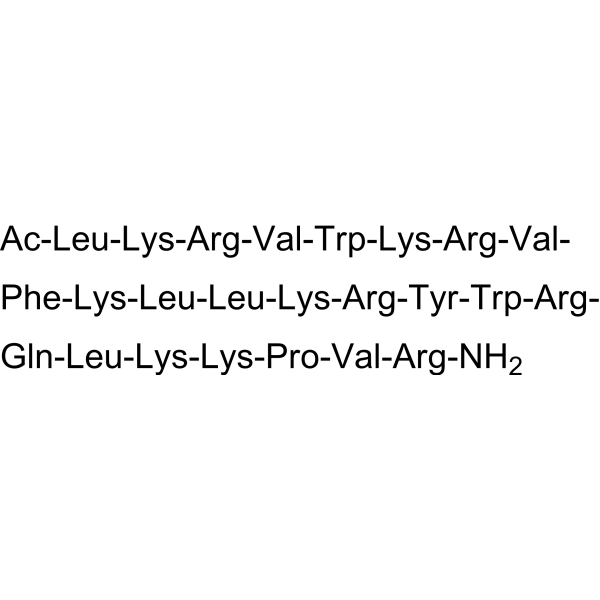
SAAP 148 is a synthetic antimicrobial peptide (bacteria) that interacts with and disrupts the lipid bilayer of bacterial cytoplasmic membranes, thereby inducing changes in membrane permeability and bacterial death. SAAP 148 kills drug-resistant, multidrug-resistant and persister bacterial strains, inhibits biofilm formation, eliminates established biofilms, and blocks bacterial colonization on implant surfaces. SAAP 148 retains its activity after modification or immobilization, exhibits variable cytotoxicity in different human cell models, and shows reduced efficacy in protein-rich environments. SAAP 148 can be used in infection-related research .
|
-
-
- HY-172734
-
|
|
Bacterial
|
Infection
|
|
FG-2101 is a selective and orally active non-hydroxamate LpxC inhibitor with an IC50 of ~1 nM. FG-2101 exhibits exquisite selectivity over other bacterial and human metalloenzymes. FG-2101 can be used for the study of Gram-negative bacteria infections including drug-resistant strains .
|
-

-
- HY-125356
-
|
|
Beta-lactamase
|
Infection
|
|
ETX0282 is an orally active prodrug, with its active form being ETX1317. ETX0282 and ETX1317 are β-lactamase inhibitors of the dioxolane-dibenzo-p-heptane (DBO) type. ETX0282 exhibits high stability during intestinal absorption and can be efficiently converted into ETX1317 in the liver. ETX0282 alone has no bactericidal activity, but in a mouse model of neutropenic thigh infection, it can significantly reduce bacterial load when used in combination with Cefpodoxime Proxetil (HY-N7101). ETX0282 can be used for the study of infections caused by drug-resistant Gram-negative bacteria .
|
-

-
- HY-155283
-
|
|
Beta-lactamase
Bacterial
|
Infection
|
|
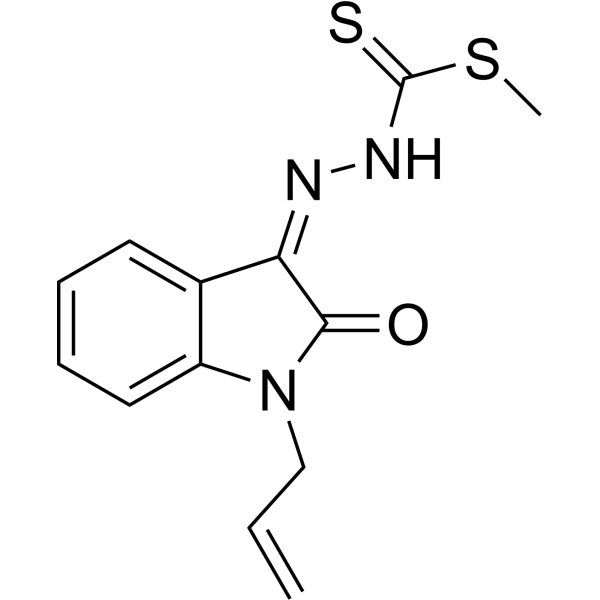
Zndm19 is a New Delhi Metallo-β-lactamase-1 (NDM-1) inhibitor. Zndm19 can be used for the research of drug-resistant bacterial infections .
|
-
-
- HY-173478
-
|
|
Topoisomerase
Bacterial
Antibiotic
|
Infection
|
|
OSUAB-0284 is a bacterial topoisomerase inhibitor. OSUAB-0284 has significant anti-staphylococcal activity, especially against methicillin-resistant Staphylococcus aureus (MRSA). OSUAB-0284 exerts its antibacterial effect by inhibiting bacterial topoisomerase. OSUAB-0284 can be used to study infections caused by drug-resistant bacteria such as MRSA .
|
-

-
- HY-178504
-
|
|
Bacterial
|
Infection
|
|
Lug-15 is a rapid bactericidal agent. Lug-15 exhibits strong antibacterial activity against both Gram-positive and Gram-negative bacteria, including drug-resistant strains. Lug-15 rapidly kills bacteria primarily through membrane disruption and had a very low propensity to induce bacterial resistance. Lug-15 demonstrates low hemolytic toxicity and significant therapeutic potential in various infection models. Lug-15 can be used for research on combating infections caused by multi-drug resistant bacteria .
|
-

-
- HY-105048A
-
|
|
Bacterial
|
Infection
|
|
Omiganan pentahydrochloride is a cationic peptide compound with a broad antibacterial profile. Omiganan pentahydrochloride is capable of inhibiting a variety of bacteria, including yeast, and is active against both gram-positive and gram-negative bacteria. Omiganan pentahydrochloride is able to interact with the bacterial cell membrane, causing the destruction of the cell membrane and the death of the bacteria. Omiganan pentahydrochloride can be used for the study of antimicrobial activity against pathogens commonly associated with catheter-associated infections, including strains with drug-resistant phenotypes .
|
-

-
- HY-P11027
-
|
|
Bacterial
Antibiotic
|
Infection
|
|
Thiazoplanomicin (Compound 1) is a thiazolyl peptide antibiotic. Thiazoplanomicin can be isolated from the leaf-litter actinomycete Actinoplanes sp. MM794L-181F6. Thiazoplanomicin has potent antimicrobial activities against gonococcal strains (especially drug-resistant strains) and Gram-positive bacterium with MICs of 31.2-125 and 0.5-15.6 ng/mL, respectively. Thiazoplanomicin has no antibacterial activity against E.coli. Thiazoplanomicin can be used for bacterial infections research .
|
-

-
- HY-178952
-
|
|
Bacterial
|
Infection
|
|
Anti-infective agent 12 (Compound A09) is a competitive inhibitor of type I signal peptidease (SPase I), with an IC50 of 4.475 μM and a Kd of 16.3 μM. Anti-infective agent 12 has the ability to disrupt bacterial membranes and remove biofilms. Anti-infective agent 12 exhibits potent bactericidal activity against Gram-positive bacteria, with MIC values of 4, 4, 8, and 8 μg/mL for Staphylococcus aureus, Enterococcus faecalis, Enterococcus faecium, and Streptococcus suis, respectively. Anti-infective agent 12 remains effective against multi-drug resistant strains, but has weaker activity against Gram-negative bacteria (such as Escherichia coli and Salmonella), with MIC values > 64 μg/mL. Anti-infective agent 12 has low hemolytic activity and shows significant efficacy in mouse skin infection models .
|
-

-
- HY-P991273
-
|
|
Antibiotic
Bacterial
|
Infection
|
|
MP196 is a cationic hexapeptide antibiotic targeting the bacterial cytoplasmic membrane, which exerts rapid bactericidal activity by disrupting membrane integrity, inhibiting cell respiration and cell wall synthesis. MP196 is promising for research of drug-resistant bacterial infections .
|
-

-
- HY-P10526
-
|
|
Bacterial
|
Infection
|
|
CRAMP (1-39) is an antimicrobial peptide. CRAMP (1-39) has shown potent bactericidal effects against multiple strains of Neisseria meningitidis in vitro. CRAMP (1-39) can be used to study drug-resistant bacterial infections .
|
-

-
- HY-D2988
-
|
|
Fluorescent Dye
Bacterial
|
Infection
|
|
BIN-3 is a novel near-infrared fluorescent probe. BIN-3 has excellent biocompatibility, no cytotoxicity, and no hemolysis. BIN-3 can be used for highly sensitive and selective imaging of drug-resistant bacterial infections expressing β-lactam enzymes in live mice .
|
-

-
- HY-115693
-
|
|
Bacterial
|
Infection
|
|
CAP 3 is a cholic acid-peptide conjugate (CAP) antimicrobial agent. CAP 3 effectively inhibits Gram-negative bacteria, with MIC99 (minimum inhibitory concentration for 99% bacterial killing) values of 8 μM, 16 μM, and 16 μM against E. coli, Klebsiella pneumoniae and Acinetobacter baumannii, respectively. CAP 3 exerts its antibacterial effects by disrupting the structural integrity of the bacterial lipopolysaccharide (LPS) outer membrane. CAP 3 rapidly kills bacteria, inhibits biofilm formation, and effectively combats drug-resistant strains and persistent bacterial infections .
|
-

-
- HY-12638R
-
|
DDM (Standard)
|
Reference Standards
Bacterial
Fungal
Parasite
|
Infection
|
|
Dichlorophen (Standard) is the analytical standard of Dichlorophen (HY-12638). This product is intended for research and analytical applications. Dichlorophen is a chlorophenol antimicrobial agent that can destroy the integrity of microbial cell membranes and interfere with the activity of metabolic enzymes. Dichlorophen can covalently bind to the thiol groups of microbial proteins and has broad-spectrum antibacterial, antifungal and anthelmintic activity. Dichlorophen can be used as an antimicrobial agent in the study of drug-resistant bacterial infections .
|
-

-
- HY-B0368C
-
|
epi-D-SQ 14225
|
Beta-lactamase
|
Infection
|
|
epi-D-Captopril (epi-D-SQ 14225) is a stereoisomer of Captopril (HY-B0368) and an inhibitor of metallo-β-lactamases (MBLs). The IC50 values of epi-D-Captopril against NDM-1, IMP-1, and VIM-2 are 64 μM, 173 μM, and 5.5 μM, respectively. epi-D-Captopril is expected to be used in the research of diseases caused by MBLs-related drug-resistant bacterial infections .
|
-

-
- HY-184296
-
|
|
Bacterial
DNA/RNA Synthesis
|
Infection
|
|
CPO 4 is a DNA-targeting antibacterial agent. CPO 4 intercalates into DNA to form a CPO 4-DNA complex, thereby blocking DNA replication. CPO 4 disrupts the metabolic activity of bacteria. CPO 4 induces intracellular protein leakage in bacteria. CPO 4 can be used for the research of drug-resistant bacterial infections .
|
-

-
- HY-184325
-
|
|
Bacterial
IKK
|
Infection
|
|
NDM-622 is a Colistin (HY-113678) adjuvant. NDM-622 weakly inhibits IKKβ with an IC50 of 20.40 μM. NDM-622 reduces the minimum inhibitory concentration of colistin against colistin-highly-resistant Acinetobacter baumannii and Klebsiella pneumoniae. NDM-622 decreases bacterial colony-forming units in a mouse peritonitis model infected with colistin-highly-resistant Klebsiella pneumoniae. NDM-622 does not modify bacterial lipid A, induce reactive oxygen species production, or increase bacterial membrane permeability. NDM-622 can be used in the research of extensively drug-resistant Gram-negative bacterial infections, colistin-resistant Acinetobacter baumannii infections, and Klebsiella pneumoniae infections .
|
-

-
- HY-106852A
-
|
|
Bacterial
|
Infection
|
|
KP 736 sodium is a broad-spectrum antibacterial agent. KP 736 sodium exhibits excellent broad-spectrum anti Gram negative bacterial activity in vitro, especially effective against Pseudomonas aeruginosa and multiple drug-resistant bacteria. KP 736 sodium can be used for research on bacterial infections .
|
-

-
- HY-41091
-
|
|
Bacterial
|
Infection
|
|
(+)-trans-Limonene oxide is an antimicrobial essential oil component with activity against Staphylococcus aureus. (+)-trans-Limonene oxide acts as a selective agent for drug-resistant bacterial mutants without increasing the mutation frequency of Staphylococcus aureus USA300. (+)-trans-Limonene oxide can be used in studies of Staphylococcus aureus infection .
|
-

-
- HY-181075
-
|
|
Bacterial
Reactive Oxygen Species (ROS)
|
Infection
|
|
Antibacterial agent 318 is an antibacterial agent that binds to bacterial DNA, blocks its replication, and forms supramolecular complexes. Antibacterial agent 318 acts as an oxidative stress inducer, elevating intracellular reactive oxygen species (ROS) levels, oxidizing glutathione (GSH) to glutathione disulfide (GSSG), depleting cellular GSH reserves, and inducing bacterial cell death through oxidative damage. Antibacterial agent 318 disrupts the bacterial cell membrane and reduces bacterial metabolic activity. Antibacterial agent 318 exhibits rapid bactericidal activity, inhibits bacterial biofilm formation, and displays minimal cytotoxicity toward non-cancerous mammalian cells. Antibacterial agent 318 is applicable in research on drug-resistant bacterial infections .
|
-

-
- HY-183851
-
|
|
Bacterial
mRNA
|
Infection
|
|
KKL-55 is a broad-spectrum antibacterial agent that inhibits the trans-translation pathway and the ClpXP protease. KKL-55 suppresses trans-translation of non-stop mRNA, interferes with the binding of EF-Tu to tmRNA, and inhibits the proteolysis of substrates by ClpXP. KKL-55 blocks spore germination of Bacillus anthracis and protects macrophages from damage induced by anthrax toxin. By virtue of its inhibitory effect on ClpXP, KKL-55 synergistically enhances the antibacterial activity of antibiotics against drug-resistant Staphylococcus aureus. KKL-55 can be used in studies related to bacterial infections .
|
-

-
- HY-W154247
-
|
|
Bacterial
|
Infection
|
IP6C is a specific inhibitor and phage sensitizer targeting type II Thoeris systems. IP6C competitively binds to histidine in the catalytic pocket of ThsB, blocks the production of the His-ADPR alarm signal and inhibits ThsA activation, thereby relieving bacterial stasis of phage replication. IP6C selectively resensitizes drug-resistant bacteria carrying type II Thoeris systems (such as Pseudomonas aeruginosa) to phage lysis, without affecting other bacteria, and shows no toxicity to mice and human cell lines. IP6C significantly improves the survival rate of infected mice, and can be used to overcome bacterial phage defense mechanisms and study Pseudomonas aeruginosa infections .
Thoeris system: (named after the Egyptian goddess of fertility and protection), is a widespread anti-phage immune defense system in bacteria and archaea. Thoeris system belongs to the "Abortion Infection (Abi)" mechanism of bacteria: when an individual bacterium detects phage invasion, it initiates a suicide program and dies, thereby blocking phage replication and spread, and protecting the surrounding bacterial population from infection.
|
-

-
- HY-69174
-
|
|
Bacterial
|
|
|
1-Amino-2,5-anhydro-1-deoxy-D-mannitol is a potent antibacterial compound with antibacterial activity against a variety of Gram-positive bacteria, including methicillin-resistant Staphylococcus aureus (MRSA) and vancomycin-resistant Enterococci (VRE). The application potential of 1-Amino-2,5-anhydro-1-deoxy-D-mannitol lies in its ability to effectively combat common drug-resistant bacterial infections. 1-Amino-2,5-anhydro-1-deoxy-D-mannitol may become an emerging antibacterial agent in clinical inhibition.
|
-

-
- HY-N10342
-
|
|
Apoptosis
Bcl-2 Family
Caspase
PARP
Reactive Oxygen Species (ROS)
Bacterial
PI3K
Akt
NF-κB
P-glycoprotein
|
Infection
Cancer
|
|
Cajanol is an isoflavanone that can be isolated from the roots of Cajanus cajan (L.) Millsp. . Cajanol inhibits cancer cell proliferation and induces cancer cell apoptosis. Cajanol promotes the expression of Bax, inhibits the expression of Bcl-2, activates caspase-9 and caspase-3, induces PARP cleavage, arrests the cell cycle at the G2/M phase, generates ROS, disrupts mitochondrial membrane potential and triggers cytochrome c release. Cajanol induces bacterial DNA damage, disrupts bacterial cell membranes, and exerts antibacterial activity in vitro. Cajanol reduces the expression of PI3K, inhibits the phosphorylation of Akt and NF-κB, downregulates the expression and transport function of P-gp, restores the sensitivity of drug-resistant cancer cells to Paclitaxel, and inhibits the growth of Paclitaxel-resistant metastatic ovarian tumors. Cajanol is applicable to research related to breast cancer, ovarian cancer and bacterial infections .
|
-

-
- HY-181286
-
|
|
Cytochrome P450
|
Infection
|
|
ETX1975-3 is an orally active inhibitor and bactericide targeting the bd cytochrome oxidase of Mycobacterium tuberculosis. ETX1975-3 disrupts electron transfer between the b-heme centers of the target enzyme, and in combination with Q203 (HY-101040), exerts bactericidal activity against both replicating and non-replicating Mycobacterium tuberculosis, and reduces bacterial loads in acute mouse models. ETX1975-3 retains activity against clinical isolates of multidrug-resistant/extensively drug-resistant Mycobacterium tuberculosis and non-tuberculous mycobacteria, while possessing favorable preclinical ADMET properties. ETX1975-3 can be used in studies related to tuberculosis and non-tuberculous mycobacterial infections .
|
-

-
- HY-179637
-
|
|
Bacterial
DNA/RNA Synthesis
|
Infection
|
|
RNAP-σ interaction-IN-4 (Compound 3a) is an inhibitor of the RNA polymerase-sigma factor interaction (RNAP-σ) with MIC values against S. pneumoniae and S. aureus of 1 μg/mL and 2 μg/mL, respectively. RNAP-σ interaction-IN-4 exhibits strong bactericidal properties by interfering with the interaction of β′CH−σ and disrupting the transcription of bacteria. RNAP-IN-2 shows significant efficacy in sepsis models. RNAP-σ interaction-IN-4 can be used to study Gram-positive bacterial infections caused by multi-drug resistant strains .
|
-

| Cat. No. |
Product Name |
Type |
-
- HY-D2988
-
|
|
Fluorescent Dyes
|
|
BIN-3 is a novel near-infrared fluorescent probe. BIN-3 has excellent biocompatibility, no cytotoxicity, and no hemolysis. BIN-3 can be used for highly sensitive and selective imaging of drug-resistant bacterial infections expressing β-lactam enzymes in live mice .
|
| Cat. No. |
Product Name |
Type |
-
- HY-69174
-
|
|
Biochemical Assay Reagents
|
|
1-Amino-2,5-anhydro-1-deoxy-D-mannitol is a potent antibacterial compound with antibacterial activity against a variety of Gram-positive bacteria, including methicillin-resistant Staphylococcus aureus (MRSA) and vancomycin-resistant Enterococci (VRE). The application potential of 1-Amino-2,5-anhydro-1-deoxy-D-mannitol lies in its ability to effectively combat common drug-resistant bacterial infections. 1-Amino-2,5-anhydro-1-deoxy-D-mannitol may become an emerging antibacterial agent in clinical inhibition.
|
| Cat. No. |
Product Name |
Target |
Research Area |
-
- HY-P2460
-
|
|
Bacterial
Fungal
Interleukin Related
TNF Receptor
|
Infection
Inflammation/Immunology
|
|
SMAP‑29 is a cathelicidin antimicrobial peptide with LPS‑binding and anti‑inflammatory properties. SMAP‑29 exerts broad‑spectrum antimicrobial activity against bacteria, fungi and multidrug‑resistant isolates. SMAP‑29 kills pathogens by permeabilizing bacterial membranes, inducing depolarization and cell lysis, and also inhibits inflammatory cytokines while reducing lethality in septic shock and pneumonia models. SMAP-29 can be used for research on bacterial infections, drug-resistant infections, septic shock .
|
-
- HY-P10233A
-
|
|
Bacterial
|
Infection
|
|
SAAP 148 TFA is a synthetic antimicrobial peptide (bacteria) that interacts with and disrupts the lipid bilayer of bacterial cytoplasmic membranes, thereby inducing changes in membrane permeability and bacterial death. SAAP 148 TFA kills drug-resistant, multidrug-resistant and persister bacterial strains, inhibits biofilm formation, eliminates established biofilms, and blocks bacterial colonization on implant surfaces. SAAP 148 TFA retains its activity after modification or immobilization, exhibits variable cytotoxicity in different human cell models, and shows reduced efficacy in protein-rich environments. SAAP 148 TFA can be used in infection-related research .
|
-
- HY-P10233
-
|
|
Bacterial
|
Infection
|
|
SAAP 148 is a synthetic antimicrobial peptide (bacteria) that interacts with and disrupts the lipid bilayer of bacterial cytoplasmic membranes, thereby inducing changes in membrane permeability and bacterial death. SAAP 148 kills drug-resistant, multidrug-resistant and persister bacterial strains, inhibits biofilm formation, eliminates established biofilms, and blocks bacterial colonization on implant surfaces. SAAP 148 retains its activity after modification or immobilization, exhibits variable cytotoxicity in different human cell models, and shows reduced efficacy in protein-rich environments. SAAP 148 can be used in infection-related research .
|
-
- HY-105048A
-
|
|
Bacterial
|
Infection
|
|
Omiganan pentahydrochloride is a cationic peptide compound with a broad antibacterial profile. Omiganan pentahydrochloride is capable of inhibiting a variety of bacteria, including yeast, and is active against both gram-positive and gram-negative bacteria. Omiganan pentahydrochloride is able to interact with the bacterial cell membrane, causing the destruction of the cell membrane and the death of the bacteria. Omiganan pentahydrochloride can be used for the study of antimicrobial activity against pathogens commonly associated with catheter-associated infections, including strains with drug-resistant phenotypes .
|
-
- HY-P11027
-
|
|
Bacterial
Antibiotic
|
Infection
|
|
Thiazoplanomicin (Compound 1) is a thiazolyl peptide antibiotic. Thiazoplanomicin can be isolated from the leaf-litter actinomycete Actinoplanes sp. MM794L-181F6. Thiazoplanomicin has potent antimicrobial activities against gonococcal strains (especially drug-resistant strains) and Gram-positive bacterium with MICs of 31.2-125 and 0.5-15.6 ng/mL, respectively. Thiazoplanomicin has no antibacterial activity against E.coli. Thiazoplanomicin can be used for bacterial infections research .
|
-
- HY-P10526
-
|
|
Bacterial
|
Infection
|
|
CRAMP (1-39) is an antimicrobial peptide. CRAMP (1-39) has shown potent bactericidal effects against multiple strains of Neisseria meningitidis in vitro. CRAMP (1-39) can be used to study drug-resistant bacterial infections .
|
| Cat. No. |
Product Name |
Target |
Research Area |
Image |
-
- HY-P991273
-
|
|
Antibiotic
Bacterial
|
Infection
|
|
MP196 is a cationic hexapeptide antibiotic targeting the bacterial cytoplasmic membrane, which exerts rapid bactericidal activity by disrupting membrane integrity, inhibiting cell respiration and cell wall synthesis. MP196 is promising for research of drug-resistant bacterial infections .
|
-

(5)
| Cat. No. |
Product Name |
Category |
Target |
Chemical Structure |
-
- HY-B1228
-
-
-
- HY-W984782
-
|
|
Structural Classification
Alkaloids
Rutaceae
Quinoline Alkaloids
Plants
Haplophyllum tuberculatum (Forssk.) A.Juss.
Source Classification
|
GLUT
Bacterial
Fungal
AMPK
PPAR
Reactive Oxygen Species (ROS)
Apoptosis
SOD
|
|
Flindersine is an alkaloid with multiple activities including antibacterial, antifungal, antitumor, and antidiabetic properties. Flindersine increases the activity of antioxidant enzymes, restores the levels of renal biomarkers, and reduces blood glucose, blood lipid, and insulin levels in diabetic rats. Flindersine inhibits the growth of Gram-positive bacteria, Gram-negative bacteria, drug-resistant bacteria, as well as dermatophytes, filamentous fungi, and yeasts. Flindersine reduces the viability of cancer cells and induces apoptosis. Flindersine can be used in research related to breast cancer, type 2 diabetes, bacterial infections, and fungal infections .
|
-
-
- HY-N10342
-
|
|
Structural Classification
Flavonoids
Leguminosae
Phenols
Polyphenols
Plants
Isoflavones
Cajanus cajan (L.) Millsp.
Source Classification
|
Apoptosis
Bcl-2 Family
Caspase
PARP
Reactive Oxygen Species (ROS)
Bacterial
PI3K
Akt
NF-κB
P-glycoprotein
|
|
Cajanol is an isoflavanone that can be isolated from the roots of Cajanus cajan (L.) Millsp. . Cajanol inhibits cancer cell proliferation and induces cancer cell apoptosis. Cajanol promotes the expression of Bax, inhibits the expression of Bcl-2, activates caspase-9 and caspase-3, induces PARP cleavage, arrests the cell cycle at the G2/M phase, generates ROS, disrupts mitochondrial membrane potential and triggers cytochrome c release. Cajanol induces bacterial DNA damage, disrupts bacterial cell membranes, and exerts antibacterial activity in vitro. Cajanol reduces the expression of PI3K, inhibits the phosphorylation of Akt and NF-κB, downregulates the expression and transport function of P-gp, restores the sensitivity of drug-resistant cancer cells to Paclitaxel, and inhibits the growth of Paclitaxel-resistant metastatic ovarian tumors. Cajanol is applicable to research related to breast cancer, ovarian cancer and bacterial infections .
|
-
Your information is safe with us. * Required Fields.
Inquiry Information
- Product Name:
- Cat. No.:
- Quantity:
- MCE Japan Authorized Agent:








