Search Result
Results for "
glycopeptides
" in MedChemExpress (MCE) Product Catalog:
7
Biochemical Assay Reagents
| Cat. No. |
Product Name |
Target |
Research Areas |
Chemical Structure |
-
- HY-A0097
-
|
Antibiotic MDL-507; MDL-507
|
Bacterial
Antibiotic
|
Infection
|
|
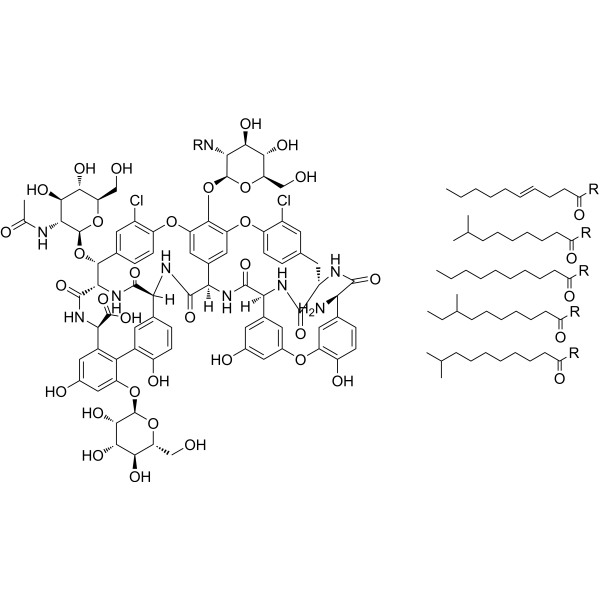
Teicoplanin is a glycopeptide antibiotic indicated for use in serious infections caused by Gram-positive bacteria, including Methicillin-resistant Staphylococcus aureus and Enterococcus aureus.Teicoplanin shows antiviral activity for HIV-1, SARS-CoV1 and SARS-CoV2. Teicoplanin sodium shows anti-MRSA activity .
|
-
-
- HY-N10470
-
|
Pingyangmycin
|
Antibiotic
DNA/RNA Synthesis
Apoptosis
Dynamin
PINK1/Parkin
Mitophagy
|
Infection
Cancer
|
|
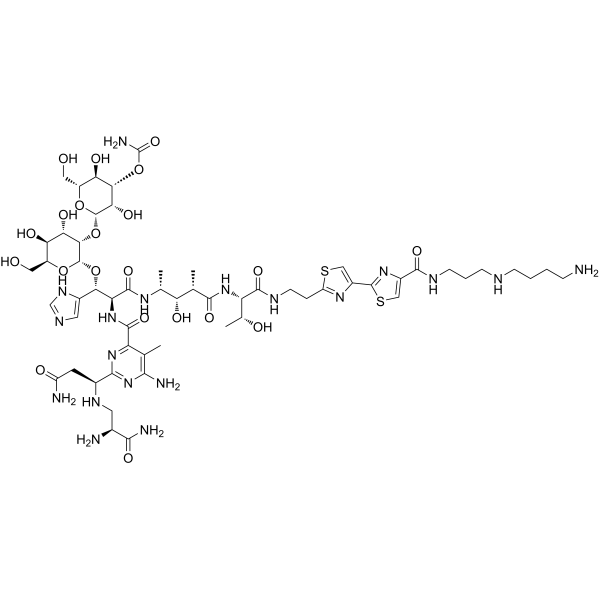
Bleomycin A5 (Pingyangmycin) is a glycopeptide antibiotic with multiple biological activities, which can be isolated from Streptomyces. Bleomycin A5 exerts cytotoxic effects by binding to Fe 2+ to form a complex, inducing single-strand and double-strand DNA breaks, and inhibiting DNA replication. Bleomycin A5 inhibits Drp1-mediated mitochondrial fission and suppresses PINK1/Parkin pathway-mediated mitophagy, ultimately triggering mitochondria-mediated cellular apoptosis. Bleomycin A5 can be used in cancer research .
|
-
-
- HY-126490
-
|
|
Bacterial
Antibiotic
DNA/RNA Synthesis
|
Infection
Cancer
|
|
Phleomycin is a copper-dependent DNA damaging agent and antibiotic with antitumor activity. Phleomycin binds to DNA and produces ROS in the presence of reducing agents (such as dithiothreitol and glutathione), inducing single-strand and double-strand breaks in DNA. Phleomycin can induce cell apoptosis or mutation and is widely used in cancer inhibition, microbial genetic transformation (as a screening marker to improve fungal transformation efficiency) and DNA repair mechanism research .
|
-

-
- HY-B1831A
-
|
LY333328 diphosphate
|
Bacterial
Antibiotic
|
Infection
Inflammation/Immunology
|
|
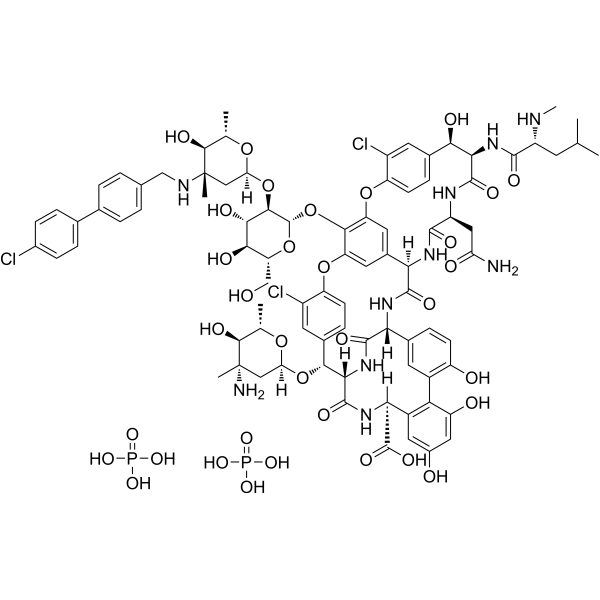
Oritavancin diphosphate (LY333328 diphosphate), a semisynthetic derivative of Vancomycin (HY-B0671), is an orally active glycopeptide antibiotic with bactericidal activity against gram-positive organisms. Oritavancin diphosphate shows antibacterial effect against B. anthracis, such as Ames strain with a MIC value of 0.015 g/mL. Oritavancin diphosphate inhibits cell wall synthesis and disrupts the membrane potential. Oritavancin diphosphate inhibits ArlS kinase activity thereby interfering the signal transduction. Oritavancin diphosphate enters cells by adsorptive endocytosis, which drives it to lysosomes, where it exerts antibiotic activity .
|
-
-
- HY-E70097
-
|
|
Endogenous Metabolite
|
Others
|
|
Sialidase (α2-3-6-8-9) is a broadly specific sialidase that cuts linear and branched non-reducing terminal sialic acid residues from glycoproteins, glycopeptides, and oligosaccharides. Sialidase (α2-3-6-8-9) can be used for in vitro and in vivo polysaccharide analysis and characterization as well as complete glycoprotein remodeling .
|
-
-
- HY-108345
-
|
|
Antibiotic
|
Cancer
|
|
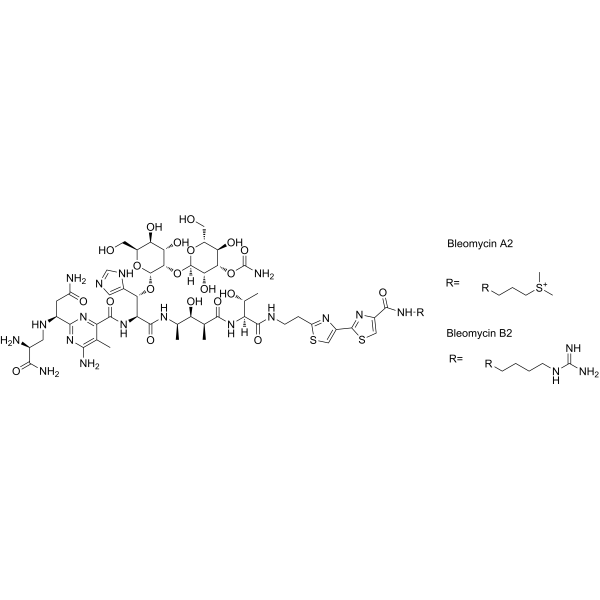
Bleomycin is a glycopeptide antibiotic. Bleomycin has potent antitumour activities against a range of lymphomas, head and neck cancers and germ-cell tumours. Bleomycin can be used for the research of cancer and chemotherapy .
|
-
-
- HY-E70133
-
|
Endo F2
|
Others
|
Metabolic Disease
|
|
Endo-β-N-acetylglucosaminidase F2 (Endo F2), a highly specific endoglycosidase, cleaves within the chitobiose core of asparagine-linked complex biantennary and high mannose oligosaccharides from glycoproteins and glycopeptides. Endo F2 cleaves biantennary glycans at a rate approximately 20 times greater than high mannose glycans. The activity of Endo F2 is identical on biantennary structures with and without core fucosylation. Endo F2 is not active on hybrid or tri- and tetra-antennary oligosaccharides .
|
-
-
- HY-138053
-
|
Ristomycin III
|
Antibiotic
|
Cardiovascular Disease
Infection
|
|
Ristocetin A sulfate (Ristomycin III) is a glycopeptide antibiotic that binds to von Willebrand factor (VWF) and bacterial cell wall components. Ristocetin A sulfate interferes with the biosynthesis of bacterial peptidoglycan by inhibiting transpeptidation. As an inducer of platelet adhesion and aggregation, Ristocetin A sulfate drives conformational changes by binding to the A1 domain of VWF, thereby activating downstream signaling pathways and promoting cytoskeletal rearrangement. Ristocetin A sulfate not only enhances platelet adhesion and spreading on immobilized VWF, but also induces the formation of asymmetric dimers with anticooperativity between platelets and plasma VWF. Ristocetin A sulfate is widely used in studies related to thromboembolic diseases and bacterial infections .
|
-

-
- HY-111428
-
|
PLM D1
|
Antibiotic
|
Infection
|
|
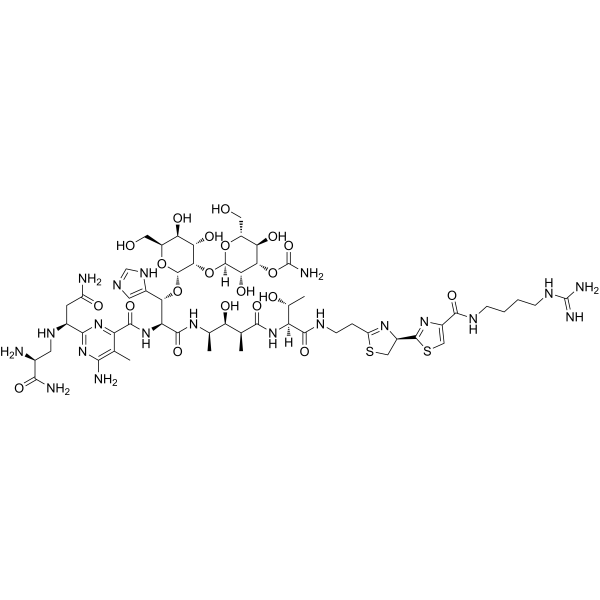
Phleomycin D1 (PLM D1), a glycopeptide antibiotic, is a member of the Bleomycin/Phleomycin family. Phleomycin D1 causes cell death by binding and cleaving DNA. Phleomycin D1 induces cell cycle arrest at S phase .
|
-
-
- HY-138560
-
|
|
Biochemical Assay Reagents
|
Others
|
|
Cross-linked dextran G 50 is a gel filtration medium. Cross-linked dextran G 50 can be used in gel permeation chromatography for fractionation of the glycopeptide mixture (Sphere protein separation range: 1.5K-30K Da; Polysaccharide separation range: 500-10K Da) .
|
-

-
- HY-E70555
-
|
|
Glycosidase
|
Others
|
|
PNGase A is a β-aspartylglucosaminidase and N-glycan-releasing enzyme. PNGase A catalyzes hydrolysis reactions to release the N-glycan moiety from glycoproteins or glycopeptides. PNGase A releases N-linked oligosaccharides containing core α-1,3 fucose from glycopeptides. PNGase A undergoes self-deglycosylation, which may cause contamination of endogenous glycan structures in N-glycan analysis. PNGase A cannot be heterologously expressed in recombinant expression systems; it can be extracted and purified from almond seeds .
|
-

-
- HY-P0066
-
|
|
Neurotensin Receptor
|
Neurological Disease
|
|
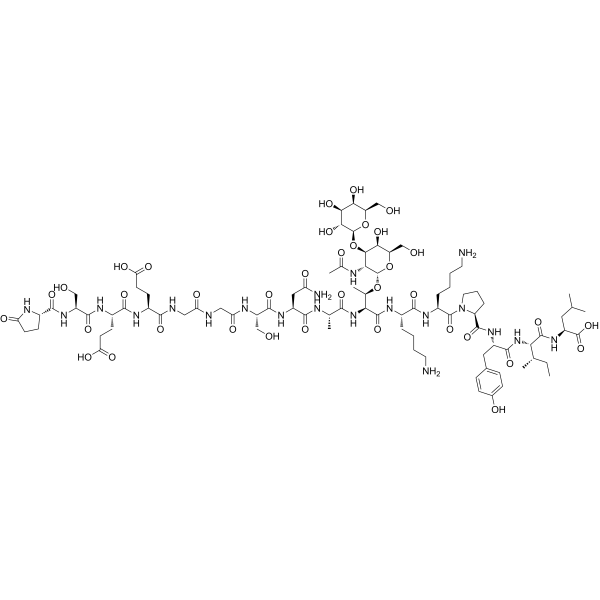
Contulakin G is an O-glycosylated invertebrate neurotensin. Contulakin-G is a weaker agonist for the neurotensin receptor. Contulakin G is also a potent antinociceptive agent .
|
-
-
- HY-P3302
-
|
|
Bacterial
|
Infection
|
|
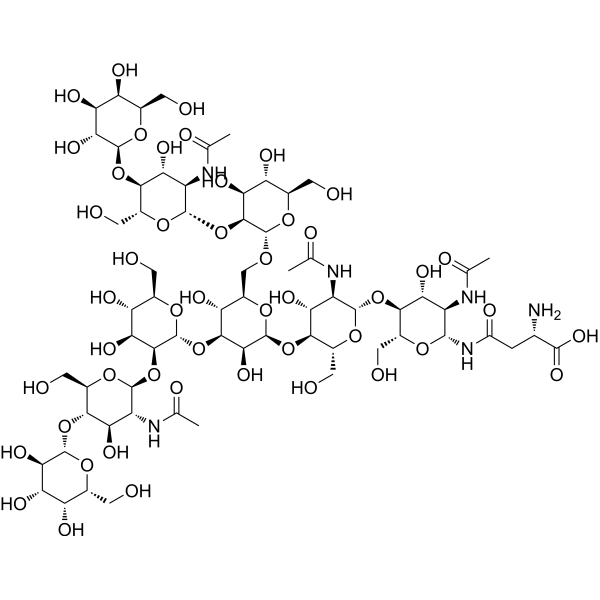
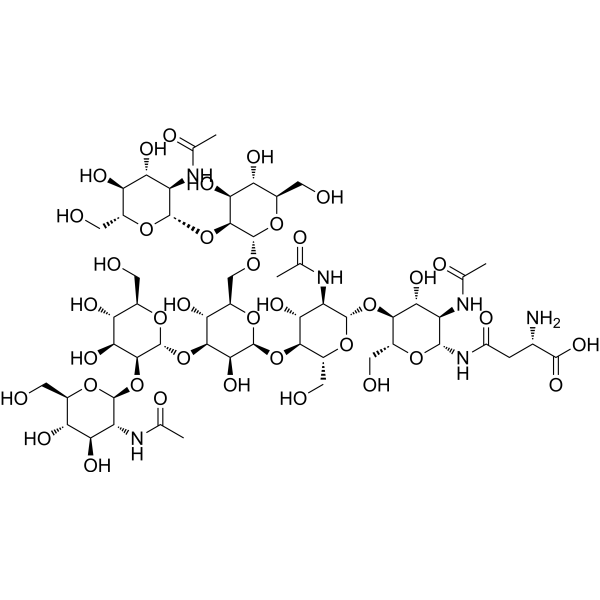
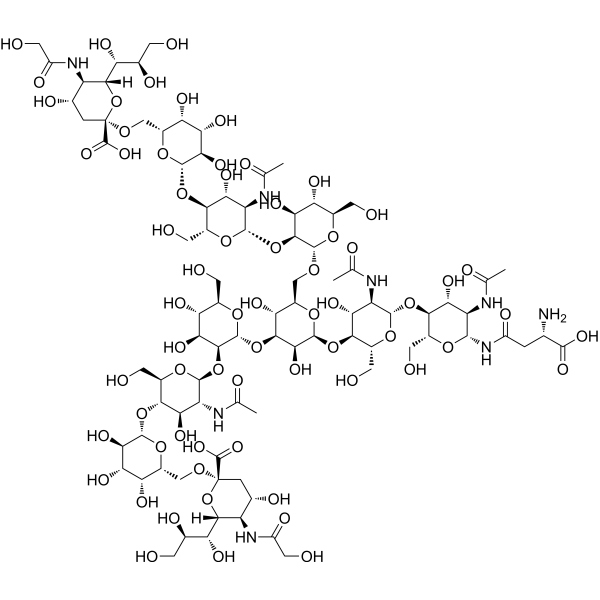
Sialylglycopeptide is an orally active glycopeptide found in egg yolk. Sialylglycopeptide inhibits the binding of Salmonella enteritidis and Escherichia coli to intestinal cells, and protects mice from Salmonella infection. Sialylglycopeptide can be used in the research of Salmonella infection .
|
-

-
- HY-148390
-
-
-
- HY-107833
-
|
|
Antibiotic
Bacterial
|
Infection
|
|
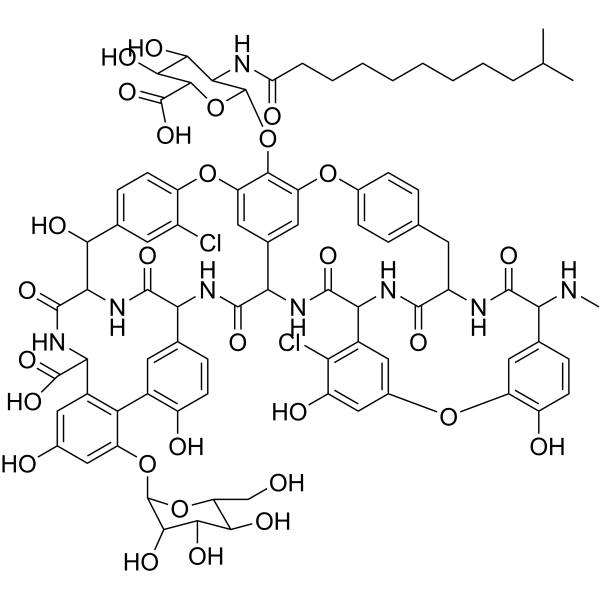
A40926 is a glycopeptide antibiotic that targets the bacterial cell wall peptidoglycan precursor D-alanyl-D-alanine (D-Ala-D-Ala). A40926 irreversibly inhibits cell wall synthesis by competitively binding to this target, and has high bactericidal activity against Gram-positive bacteria (such as Staphylococcus, Streptococcus) and Neisseria gonorrhoeae, with MIC=0.06-2 μg/mL, and is also effective against penicillin-resistant strains. A40926 blocks peptidoglycan cross-linking, destroys cell wall integrity, and causes bacterial lysis and death. A40926 has a fat-soluble fatty acid structure, which can increase serum concentrations and prolong the duration of action (e.g., the terminal half-life in rats is 61.22 h) .
|
-
-
- HY-125918
-
|
Pingyangmycin hydrochloride
|
Antibiotic
DNA/RNA Synthesis
Apoptosis
Dynamin
PINK1/Parkin
Mitophagy
|
Infection
Cancer
|
|
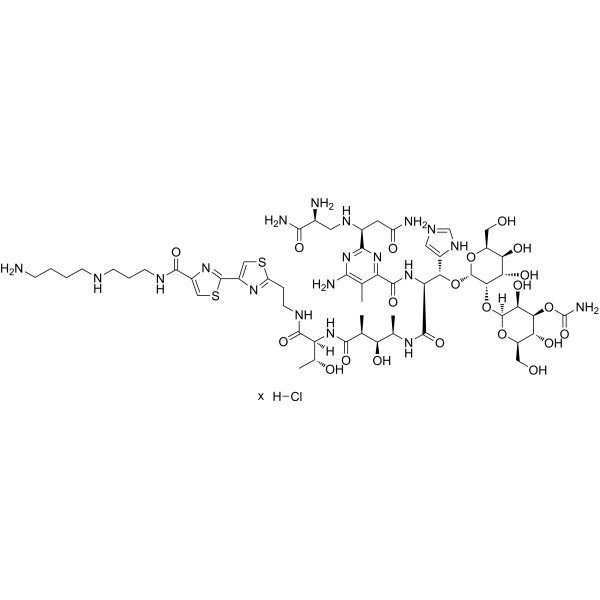
Bleomycin A5 (Pingyangmycin) hydrochloride is a glycopeptide antibiotic with multiple biological activities, which can be isolated from Streptomyces. Bleomycin A5 hydrochloride exerts cytotoxic effects by binding to Fe 2+ to form a complex, inducing single-strand and double-strand DNA breaks, and inhibiting DNA replication. Bleomycin A5 hydrochloride inhibits Drp1-mediated mitochondrial fission and suppresses PINK1/Parkin pathway-mediated mitophagy, ultimately triggering mitochondria-mediated cellular apoptosis. Bleomycin A5 hydrochloride can be used in cancer research .
|
-
-
- HY-N13150A
-
|
N-Demethylvancomycin hydrochloride; NVCM hydrochloride
|
Antibiotic
Bacterial
|
Infection
|
|
Norvancomycin hydrochloride is a glycopeptide antibiotic which can be found in Nocardia orientalis and active against several strains of S. aureus and S. epidermidis. Norvancomycin hydrochloride can be used for infection research .
|
-

-
- HY-16304
-
|
|
Endogenous Metabolite
|
Metabolic Disease
|
|
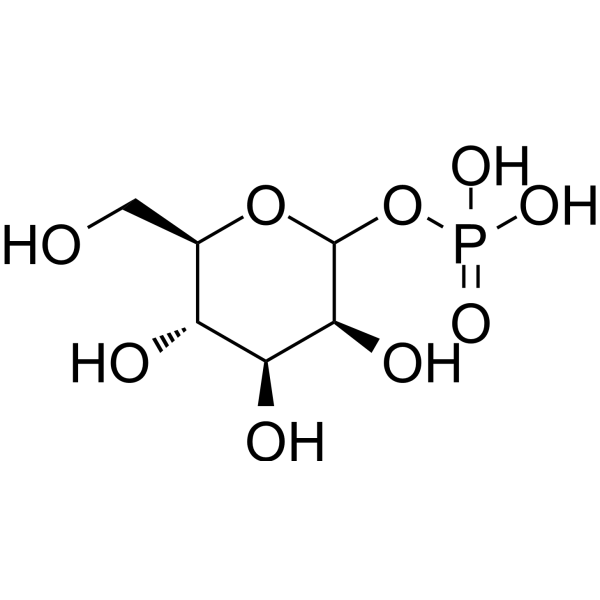
Mannose 1-phosphate is a phosphorylated mannose that serves as a precursor of GDP-mannose, a constituent unit of glycosylation biosynthetic pathways. Mannose 1-phosphate increases intracellular GDP-mannose concentration, promotes normalization of lipid-linked oligosaccharide structures, and enhances the formation of mature N-glycans on cellular proteins. Mannose 1-phosphate can be used in studies related to glycosylation disorders .
|
-
-
- HY-148393
-
-
-
- HY-E70070
-
|
|
Bacterial
|
Others
|
|
Endo-β-N-acetylglucosaminidase (Endo A) is an Endo-β-N-acetylglucosaminidases (ENGases) from Arthrobacter protophormiae. Endo-β-N-acetylglucosaminidase (Endo A) can transfer a high-mannose type oligosaccharide to monosaccharides such as N-acetylglucosamine (GlcNAc) and glucose to form a new oligosaccharide. Endo-β-N-acetylglucosaminidase (Endo A) catalyzes glycopeptide synthesis by using Man3GlcNAc-oxazoline .
|
-
-
- HY-P2929B
-
|
|
Glycosidase
|
Others
|
PNGase F (Immobilized, Microspin) is a resin in which PNGase F (peptide N-glycosidase F) is covalently coupled to agarose beads, and it is used to remove N-glycans from antibodies, fusion proteins and other N-glycosylated proteins. The enzyme is recombinantly expressed in Escherichia coli, with its sequence derived from Flavobacterium meningsepticum .
|
-

-
- HY-E70879
-
|
EndoM N175Q
|
Glycosidase
|
Others
|
|
Endoglycosidase M (N175Q mutant) (EndoM N175Q) can transfer natural N-glycans or oxazoline N-glycans to any peptide or protein with a GlcNAc residue to form a β1-4-glycosidic linkage. Endoglycosidase M (N175Q mutant) is a useful tool in the synthesis of homogeneous glycopeptides and glycoproteins .
|
-

-
- HY-E70054
-
|
|
Others
|
Others
|
|
beta-1,3-Galactosyltransferase (WbgO) (CgtB) acts on N-glycan substrates. beta-1,3-Galactosyltransferase (WbgO) catalyzes the formation of type 1 chains on oligosaccharide, glycopeptide, and glycoprotein substrates, including itself .
|
-

-
- HY-P5309
-
|
|
Biochemical Assay Reagents
|
Inflammation/Immunology
|
|
IgA1 Peptide GN5 is a synthetic glycopeptide and can be used for detection of gender difference and epitope specificity of IgG antibody activity against IgA1 hinge portion in IgA nephropathy patients .
|
-
-
- HY-W039917
-
|
|
Biochemical Assay Reagents
|
Others
|
|
2-Azido-2-deoxy-D-galactose, 98% can be applied in glycobiology, can be glycosylated by glycopeptides, and can be used for the synthesis of glycoconjugates.
|
-

-
- HY-P10701
-
|
|
Biochemical Assay Reagents
|
Inflammation/Immunology
Cancer
|
|
Q11 peptide is a β-sheet-forming peptide that plays an important role in self-assembly and targeted applications. As a scaffold peptide, Q11 peptide can display immunogenic epitopes and is widely used in peptide-based immune vaccine research. Additionally, Q11 peptide can be conjugated with MUC1 glycopeptides for the study of self-assembling, adjuvant-free MUC1 glycopeptide vaccines. Q11 peptide holds great potential for research in the field of cancer immunology .
|
-

-
- HY-105282
-
|
MM 45289; A 82846A
|
Antibiotic
Bacterial
|
Infection
|
|
Eremomycin (MM 45289) is a potent glycopeptide antibiotic closely related to Vancomycin (HY-B0671). Eremomycin shows antibacterial activity in Staphylococcus spp. and Bacillus subtilis ATCC6633, with the MIC values of 0.03-1.6 μg/mL .
|
-

-
- HY-130613
-
|
|
Bacterial
|
Infection
|
|
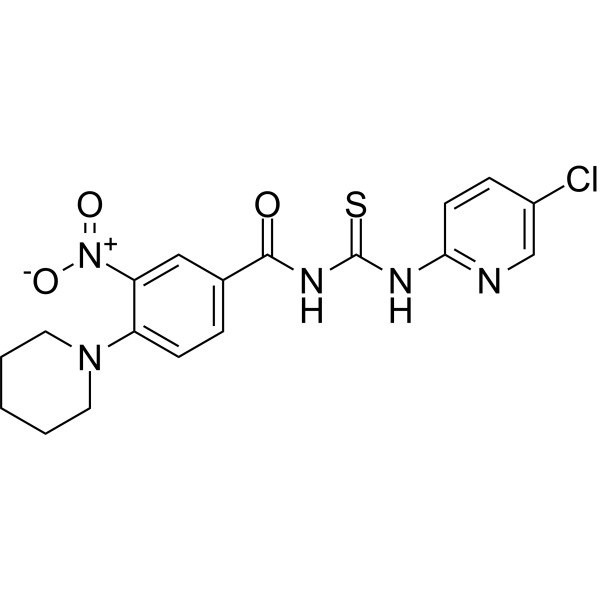
MAC-545496 is a nanomolar inhibitor of glycopeptide-resistance-associated protein R (GraR). MAC-545496 displays strong binding affinity to the full-length GraR protein (Kd ≤ 0.1 nM). MAC-545496 is an antivirulence agent that reverses β-lactam resistance in Methicillin-resistant strains (MRSA) .
|
-
-
- HY-B1831
-
|
LY 333328; Orbactiv
|
Antibiotic
Bacterial
|
Infection
Inflammation/Immunology
|
|
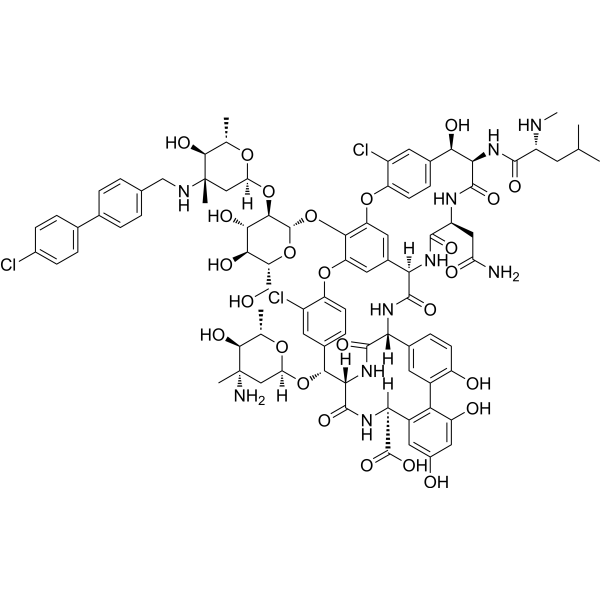
Oritavancin (LY 333328), a semisynthetic derivative of Vancomycin (HY-B0671), is an orally active glycopeptide antibiotic with bactericidal activity against gram-positive organisms. Oritavancin shows antibacterial effect against B. anthracis, such as Ames strain with a MIC value of 0.015 g/mL. Oritavancin inhibits cell wall synthesis and disrupts the membrane potential. Oritavancin inhibits ArlS kinase activity thereby interfering the signal transduction. Oritavancin enters cells by adsorptive endocytosis, which drives it to lysosomes, where it exerts antibiotic activity .
|
-
-
- HY-N13150
-
|
N-Demethylvancomycin; NVCM
|
Antibiotic
Bacterial
|
Infection
|
|
N-Demethylvancomycin is a glycopeptide antibiotic which can be extracted from Nocardia orientalis and active against several strains of S. aureus and S. epidermidis. N-Demethylvancomycin can be used for infection research .
|
-

-
- HY-P5309A
-
|
|
Biochemical Assay Reagents
|
Inflammation/Immunology
|
|
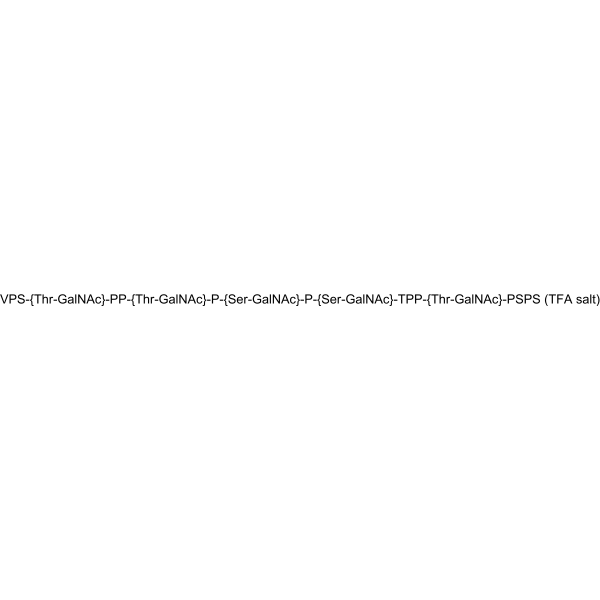
IgA1 Peptide GN5 (TFA) is a synthetic glycopeptide and can be used for detection of gender difference and epitope specificity of IgG antibody activity against IgA1 hinge portion in IgA nephropathy patients .
|
-
-
- HY-130337
-
|
|
Antibiotic
Bacterial
|
Infection
|
|
Teicoplanin A2-2 is a glycopeptide antibiotic. Teicoplanin A2-2 exhibits antibacterial activity, particularly against coagulase-negative staphylococci (CNS). Teicoplanin A2-2 inhibits bacterial cell wall synthesis by competitively binding to the terminal D-Ala-D-Ala peptide bonds in the cell wall synthesis process, leading to bacterial death. Teicoplanin A2-2 can be used for research into bacterial resistance mechanisms and the development of new antibiotics .
|
-

-
- HY-148209
-
|
|
Antibiotic
Bacterial
|
Infection
|
|
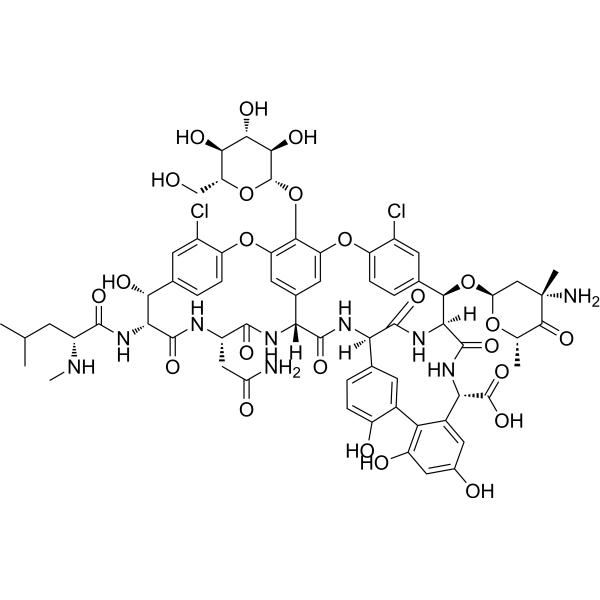
Balhimycin is a glycopeptide antibiotic, found from the fermentation broth of a Amycolatopsis sp. Balhimycin shows anti-bacterial activity against staphylococci and anaerobes .
|
-
-
- HY-100997R
-
|
A82846B (Standard); LY 264826 (Standard); PA 45052A (Standard)
|
Reference Standards
Antibiotic
Bacterial
|
Infection
|
|
Chloroorienticin A (Standard) is the analytical standard of Chloroorienticin A (HY-100997). This product is intended for research and analytical applications. Chloroorienticin A (A82846B) is a glycopeptide antibiotic. Chloroorienticin A exhibits excellent activity against staphylococci and streptococci .
|
-

-
- HY-E70159
-
|
EC:2.4.1.-; FUT11
|
Glycosyltransferase
|
Cancer
|
|
Fucosyltransferase 11 (EC:2.4.1.-, FUT11) links alpha-l-fucose onto conalbumin glycopeptides and biantennary N-glycan acceptors. Fucosyltransferase 11 plays an important role in cancer .
|
-

-
- HY-A0097A
-
|
Antibiotic MDL-507 sodium; MDL-507 sodium
|
Antibiotic
HIV
SARS-CoV
|
Infection
|
|
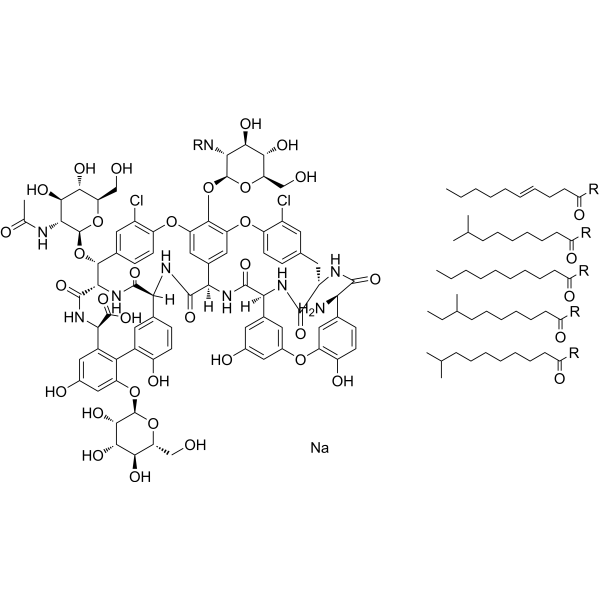
Teicoplanin sodium is a glycopeptide antibiotic indicated for use in serious infections caused by Gram-positive bacteria, including Methicillin-resistant Staphylococcus aureus and Enterococcus aureus.Teicoplanin sodium shows antiviral activity for HIV-1, SARS-CoV1 and SARS-CoV2. Teicoplanin sodium shows anti-MRSA activity .
|
-
-
- HY-E70375
-
|
Fructosyl-peptide: oxygen oxidoreductase
|
Others
|
Others
|
|
Fructosyl-peptide oxidase (FPOX-CE) (Fructosyl-peptide: oxygen oxidoreductase) is an enzyme that catalyzes the oxidation of glycopeptides. Fructosyl-peptide oxidase (FPOX-CE) shows high activity against small molecule glycated peptides, but no activity is detected against the glycated hexapeptide standard fVHLTPE used in the study. Fructosyl-peptide oxidase (FPOX-CE) can be used in the study of diabetes monitoring .
|
-

-
- HY-138560A
-
|
|
Biochemical Assay Reagents
|
Others
|
|
Cross-linked dextran G 50, medium is a gel filtration medium. Cross-linked dextran G 50, medium can be used in gel permeation chromatography for fractionation of the glycopeptide mixture (Sphere protein separation range: 1.5K-30K Da; Polysaccharide separation range: 500-10K Da). Cross-linked dextran G 50, medium are microspheres with an average particle size of D50 = 220-250 μm .
|
-

-
- HY-138560B
-
|
|
Biochemical Assay Reagents
|
Others
|
|
Cross-linked dextran G 50, fine is a gel filtration medium. Cross-linked dextran G 50, fine can be used in gel permeation chromatography for fractionation of the glycopeptide mixture (Sphere protein separation range: 1.5K-30K Da; Polysaccharide separation range: 500-10K Da). Cross-linked dextran G 50, fineThe average particle size is D50=110-130 μmof microspheres .
|
-

-
- HY-W033728
-
|
|
Bacterial
|
Infection
|
|
Platinum(COD)dichloride (Compound Pt1) is an Antibacterial agent. Platinum(COD)dichloride shows antibacterial activity against a panel of gram-positive bacteria including Vancomycin (HY-B0671) and Methicillin (HY-121544) resistant Staphylococcus aureus .
|
-

-
- HY-135520
-
|
Man3Lys2
|
Biochemical Assay Reagents
|
Others
|
|
Trimannosyldilysine (Man3Lys2) is a mannosyl glycopeptide that can be coupled to human placental p-glucocerebrosidase to enhance macrophage uptake .
|
-

-
- HY-148392
-
-
-
- HY-126800
-
-

-
- HY-100997
-
|
A82846B; LY 264826; PA 45052A
|
Antibiotic
Bacterial
|
Infection
|
|
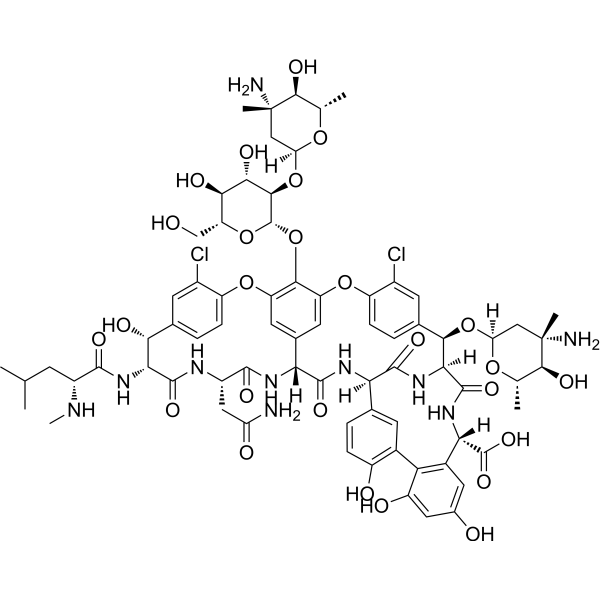
Chloroorienticin A (A82846B) is a glycopeptide antibiotic. Chloroorienticin A exhibits excellent activity against staphylococci and streptococci .
|
-
-
- HY-N14416
-
|
|
Antibiotic
Bacterial
|
Infection
|
|
Parvodicin A is a glycopeptide antibiotic. Parvodicin A has inhibitory effect on Staphylococcus aureus, Staphylococcus furfur, Staphylococcus hemolyticus and Enterococcus faecalis .
|
-

-
- HY-138083
-
|
|
Bacterial
Antibiotic
|
Infection
|
|
Parvodicin C2 is a glycopeptide antibiotic that can be isolated from parvosata. Parvodicin C2 has antibacterial activity .
|
-

-
- HY-N5181
-
|
|
Antibiotic
Bacterial
|
Infection
|
|
Parvodicin C3 is a glycopeptide antibiotic. Parvodicin C3 has inhibitory effect on Staphylococcus aureus, Staphylococcus furfur, Staphylococcus hemolyticus and Enterococcus faecalis .
|
-

-
- HY-N15040
-
|
|
Antibiotic
Bacterial
|
Infection
|
|
Parvodicin C4 is a glycopeptide antibiotic. Parvodicin C4 has inhibitory effect on Staphylococcus aureus, Staphylococcus furfur, Staphylococcus hemolyticus and Enterococcus faecalis .
|
-

-
- HY-N14420
-
|
|
Antibiotic
Bacterial
|
Infection
|
|
Parvodicin B2 is a glycopeptide antibiotic. Parvodicin B2 has inhibitory effect on Staphylococcus aureus, Staphylococcus furfur, Staphylococcus hemolyticus and Enterococcus faecalis. Parvodicin B2 acts by inhibiting the synthesis of bacterial cell wall .
|
-

-
- HY-N14418
-
|
|
Antibiotic
Bacterial
|
Infection
|
|
Parvodicin B1 is a glycopeptide antibiotic. Parvodicin B1 has inhibitory effect on Staphylococcus aureus, Staphylococcus furfur, Staphylococcus hemolyticus and Enterococcus faecalis. Parvodicin B1 acts by inhibiting the synthesis of bacterial cell wall .
|
-

- HY-130340
-
|
Teichomycin A3 factor 1; Antibiotic L 17054
|
Antibiotic
|
Infection
|
|
Teicoplanin A3-1 is a degradation product of teicoplanins A2-1 to 5 (Item Nos. 20187, 20188, 20189, 20192). Teicoplanins are glycopeptide antibiotics produced by A. teichomyceticus that are broadly effective against Gram-positive bacteria in vitro.
|
-

- HY-158463
-
|
|
Biochemical Assay Reagents
|
Others
|
|
A2G2S2-KVANKT glycopeptide is a N-polysaccharide protein and a multifunctional fluorescent linker. The resulting conjugates exhibit high sensitivity and specificity by mimicking the antennal elements of N-glycans .
|
-

- HY-E70882
-
|
EndoD N322Q
|
Glycosidase
|
Others
|
|
Endoglycosidase D (N322Q mutant) (EndoD N322Q) is a mutant endoglycosidase, which can be highly efficient to transfer Man5GlcNAc oxazoline to a similar cyclic glycopeptide carrying two free GlcNAc moieties to give a doubly glycosylated peptide .
|
-

- HY-158465
-
|
F(3)A2 glycan-KVANKT & F(6)A2 glycan-KVANKT
|
Biochemical Assay Reagents
|
Others
|
|
GPEP FA2-KVANKT glycopeptide (F(3)A2 glycan-KVANKT & F(6)A2 glycan-KVANKT) is a N-polysaccharide protein and a multifunctional fluorescent linker. The resulting conjugates exhibit high sensitivity and specificity by mimicking the antennal elements of N-glycans .
|
-

- HY-B1831AR
-
|
LY333328 diphosphate (Standard)
|
Reference Standards
Bacterial
Antibiotic
|
Infection
Inflammation/Immunology
|
|
Oritavancin (diphosphate) (Standard) is the analytical standard of Oritavancin (diphosphate). Oritavancin diphosphate (Standard), a semisynthetic derivative of Vancomycin (HY-B0671), is an orally active glycopeptide antibiotic with bactericidal activity against gram-positive organisms. Oritavancin diphosphate (Standard) shows antibacterial effect against B. anthracis, such as Ames strain with a MIC value of 0.015 g/mL. Oritavancin diphosphate (Standard) inhibits cell wall synthesis and disrupts the membrane potential. Oritavancin diphosphate (Standard) inhibits ArlS kinase activity thereby interfering the signal transduction. Oritavancin diphosphate (Standard) enters cells by adsorptive endocytosis, which drives it to lysosomes, where it exerts antibiotic activity .
|
-

- HY-E70880A
-
|
EndoCC
|
Glycosidase
|
Others
|
|
Endoglycosidase CC (EndoCC), an endoglycosidase, is a substrate of glycopeptide .
|
-

- HY-W034984
-
|
|
Bacterial
|
Infection
|
|
(1,5-Cyclooctadiene) dimethylplatinum (II) (Compound Pt3) is an Antibacterial agent. (1,5-Cyclooctadiene) dimethylplatinum (II) exhibits limited but selective activity against some Gram-positive Staphylococcus aureus strains, including methicillin-resistant Staphylococcus aureus (MRSA) and Glycopeptide-intermediate Staphylococcus aureus (GISA). (1,5-Cyclooctadiene) dimethylplatinum (II) shows no hemolytic activity .
|
-

- HY-E70921
-
|
|
Endogenous Metabolite
|
Metabolic Disease
|
|
N-Glycanase (EDTA-Free), Elizabethkingia meningoseptica is an enzyme that specifically cleaves the glycopeptide bonds between N-linked glycans and proteins.
|
-

- HY-W750726
-
|
|
Endogenous Metabolite
|
Others
|
|
7,8,7’,8’-Tetradehydroastaxanthin is a glycopeptide isolated from the carotenoid protein of red sea star (Asterias rubens) .
|
-

- HY-E71319
-
|
|
Biochemical Assay Reagents
|
Others
|
|
β-Methylphenylalanine transaminase (EC 2.6.1.107) requires pyridoxal phosphate. Isolated from the bacterium Streptomyces hygroscopicus NRRL3085. It is involved in the biosynthesis of the glycopeptide antibiotic mannopeptimycin.
|
-

- HY-E71111
-
|
|
Biochemical Assay Reagents
|
Others
|
|
(S)-3,5-Dihydroxyphenylglycine transaminase (EC 2.6.1.103) catalyses the reaction in the reverse direction as part of the biosynthesis of the (S)-3,5-Dihydroxyphenylglycine constituent of the glycopeptide antibiotic chloroeremomycin.
|
-

- HY-E71066
-
|
|
Biochemical Assay Reagents
|
Others
|
|
(3R,6E)-Nerolidol synthase (EC 1.13.11.80) , characterized from bacteria Streptomyces toyocaensis and Amycolatopsis orientalis, is involved in the biosynthesis of (3,5-dihydroxyphenyl) glycine, a component of the glycopeptide antibiotic vancomycin.
|
-

- HY-E71320
-
|
|
Biochemical Assay Reagents
|
Others
|
|
Terminal N-acetyl-β-D-glucosaminyl residues in polysaccharides, glycoproteins and glycopeptides can act as acceptor. High activity is shown towards such residues in branched-chain polysaccharides when these are linked by β-1,6-links to galactose residues; lower activity towards residues linked to galactose by β-1,3-links. A component of EC 2.4.1.22 (lactose synthase) .
|
-

- HY-E71264
-
|
|
Biochemical Assay Reagents
|
Others
|
|
β-Acetylglucosaminidase 18A, Bacteroides thetaiotaomicron (EC 3.2.1.96), is an enzyme from Bacteroides thetaiotaomicron that participates in the endohydrolysis of the diacetylchitobiosyl unit in high-mannose glycopeptides and glycoproteins containing the (Man (GlcNAc) (2) ) Asn-structure. One N-acetyl-D-glucosamine residue remains attached to the protein; the rest of the oligosaccharide is released intact. Recombinant BtAcp18A (GH18) , purified from Escherichia coli, is a single domain family 18 Glycoside Hydrolase (GH18) .
|
-

| Cat. No. |
Product Name |
Type |
-
- HY-138560
-
|
|
Biochemical Assay Reagents
|
|
Cross-linked dextran G 50 is a gel filtration medium. Cross-linked dextran G 50 can be used in gel permeation chromatography for fractionation of the glycopeptide mixture (Sphere protein separation range: 1.5K-30K Da; Polysaccharide separation range: 500-10K Da) .
|
-
- HY-W039917
-
|
|
Biochemical Assay Reagents
|
|
2-Azido-2-deoxy-D-galactose, 98% can be applied in glycobiology, can be glycosylated by glycopeptides, and can be used for the synthesis of glycoconjugates.
|
-
- HY-E70159
-
|
EC:2.4.1.-; FUT11
|
Biochemical Assay Reagents
|
|
Fucosyltransferase 11 (EC:2.4.1.-, FUT11) links alpha-l-fucose onto conalbumin glycopeptides and biantennary N-glycan acceptors. Fucosyltransferase 11 plays an important role in cancer .
|
-
- HY-138560A
-
|
|
Biochemical Assay Reagents
|
|
Cross-linked dextran G 50, medium is a gel filtration medium. Cross-linked dextran G 50, medium can be used in gel permeation chromatography for fractionation of the glycopeptide mixture (Sphere protein separation range: 1.5K-30K Da; Polysaccharide separation range: 500-10K Da). Cross-linked dextran G 50, medium are microspheres with an average particle size of D50 = 220-250 μm .
|
-
- HY-138560B
-
|
|
Biochemical Assay Reagents
|
|
Cross-linked dextran G 50, fine is a gel filtration medium. Cross-linked dextran G 50, fine can be used in gel permeation chromatography for fractionation of the glycopeptide mixture (Sphere protein separation range: 1.5K-30K Da; Polysaccharide separation range: 500-10K Da). Cross-linked dextran G 50, fineThe average particle size is D50=110-130 μmof microspheres .
|
-
- HY-158463
-
|
|
Biochemical Assay Reagents
|
|
A2G2S2-KVANKT glycopeptide is a N-polysaccharide protein and a multifunctional fluorescent linker. The resulting conjugates exhibit high sensitivity and specificity by mimicking the antennal elements of N-glycans .
|
-
- HY-158465
-
|
F(3)A2 glycan-KVANKT & F(6)A2 glycan-KVANKT
|
Biochemical Assay Reagents
|
|
GPEP FA2-KVANKT glycopeptide (F(3)A2 glycan-KVANKT & F(6)A2 glycan-KVANKT) is a N-polysaccharide protein and a multifunctional fluorescent linker. The resulting conjugates exhibit high sensitivity and specificity by mimicking the antennal elements of N-glycans .
|
| Cat. No. |
Product Name |
Target |
Research Area |
-
- HY-P0066
-
|
|
Neurotensin Receptor
|
Neurological Disease
|
|
Contulakin G is an O-glycosylated invertebrate neurotensin. Contulakin-G is a weaker agonist for the neurotensin receptor. Contulakin G is also a potent antinociceptive agent .
|
-
- HY-P3302
-
|
|
Bacterial
|
Infection
|
|
Sialylglycopeptide is an orally active glycopeptide found in egg yolk. Sialylglycopeptide inhibits the binding of Salmonella enteritidis and Escherichia coli to intestinal cells, and protects mice from Salmonella infection. Sialylglycopeptide can be used in the research of Salmonella infection .
|
-
- HY-P5309
-
|
|
Biochemical Assay Reagents
|
Inflammation/Immunology
|
|
IgA1 Peptide GN5 is a synthetic glycopeptide and can be used for detection of gender difference and epitope specificity of IgG antibody activity against IgA1 hinge portion in IgA nephropathy patients .
|
-
- HY-P10701
-
|
|
Biochemical Assay Reagents
|
Inflammation/Immunology
Cancer
|
|
Q11 peptide is a β-sheet-forming peptide that plays an important role in self-assembly and targeted applications. As a scaffold peptide, Q11 peptide can display immunogenic epitopes and is widely used in peptide-based immune vaccine research. Additionally, Q11 peptide can be conjugated with MUC1 glycopeptides for the study of self-assembling, adjuvant-free MUC1 glycopeptide vaccines. Q11 peptide holds great potential for research in the field of cancer immunology .
|
-
- HY-P5309A
-
|
|
Biochemical Assay Reagents
|
Inflammation/Immunology
|
|
IgA1 Peptide GN5 (TFA) is a synthetic glycopeptide and can be used for detection of gender difference and epitope specificity of IgG antibody activity against IgA1 hinge portion in IgA nephropathy patients .
|
-
- HY-148209
-
|
|
Antibiotic
Bacterial
|
Infection
|
|
Balhimycin is a glycopeptide antibiotic, found from the fermentation broth of a Amycolatopsis sp. Balhimycin shows anti-bacterial activity against staphylococci and anaerobes .
|
-
- HY-P5512
-
|
|
Peptides
|
Others
|
|
MUC5AC-3 is a biological active peptide. (glycopeptide transferase, ppGaNTase-T9 substrate)
|
-
- HY-P5511
-
|
|
Peptides
|
Others
|
|
MUC5AC-3/13 is a biological active peptide. (glycopeptide transferase, ppGaNTase-T9 substrate)
|
-
- HY-P5508
-
|
|
Peptides
|
Others
|
|
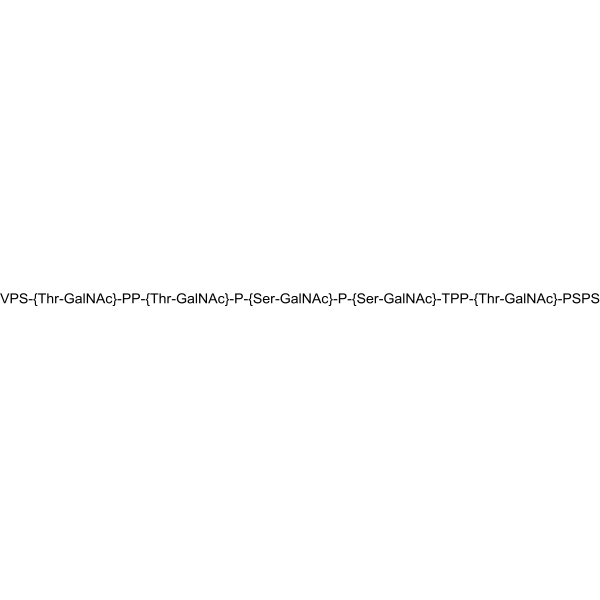
MUC5AC-13 is a biological active peptide. (This glycopeptide is an N-acetyl galactosamine (GalNAc)-modified MUC5AC mucin peptide containing the single site of threonine 13 labeled with GalNAc (T*). Polypeptide N-acetylgalactosaminyltransferase (ppGaNTase) catalyzes the transfer of GalNAc from the nucleotide sugar UDP-GalNAc to threonine. The MUC5AC gene is mainly expressed in gastric and tracheo-bronchial mucosae, and some tumors.)
|
-
- HY-KE7057
-
|
|
|
O-Glycosidase is highly specific and can release Galβ1-3GalNAc from serine, threonine residues or as part of a glycopeptide or glycoprotein. Applied to glycoprotein biosynthesis analysis, O-glycan bioactive protein O-glycosylation detection and binding site analysis.
|
| Cat. No. |
Product Name |
Category |
Target |
Chemical Structure |
| Cat. No. |
Product Name |
|
Classification |
-
- HY-W039917
-
|
|
|
Azide
|
|
2-Azido-2-deoxy-D-galactose, 98% can be applied in glycobiology, can be glycosylated by glycopeptides, and can be used for the synthesis of glycoconjugates.
|
Your information is safe with us. * Required Fields.
Inquiry Information
- Product Name:
- Cat. No.:
- Quantity:
- MCE Japan Authorized Agent:








