



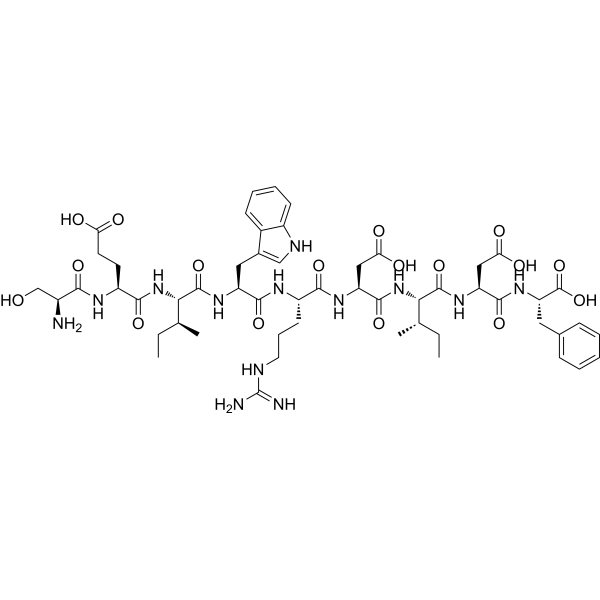

Search Result
Results for "
human T lymphocytes
" in MedChemExpress (MCE) Product Catalog:
| Cat. No. |
Product Name |
Target |
Research Areas |
Chemical Structure |
-
- HY-P9901
-
|
MDX-010; BMS-734016
|
CTLA-4
|
Cancer
|
|
Ipilimumab is a fully human monoclonal antibody IgG1κ that blocks the inhibitory receptor cytotoxic T lymphocyte antigen 4 (CTLA-4) on T cells. Ipilimumab can be used in unresectable or metastatic melanoma (MM) studies .
|
-
-
- HY-W107464
-
G6PDi-1
Maximum Cited Publications
6 Publications Verification
|
PDI
|
Metabolic Disease
Inflammation/Immunology
|
|
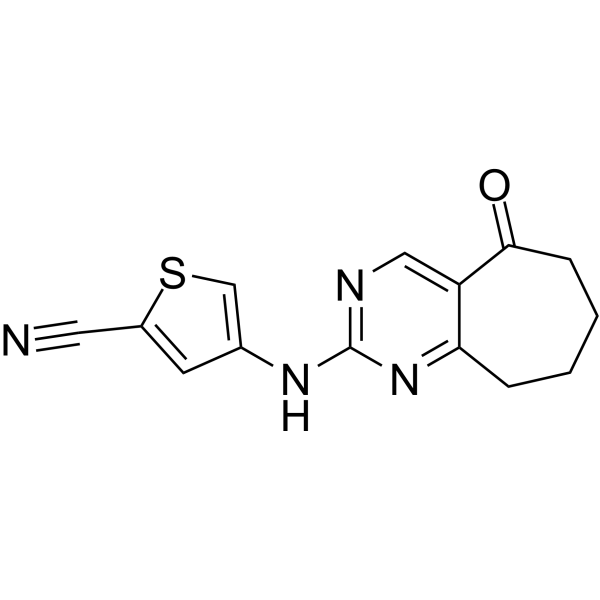
G6PDi-1 is a reversible and non-competitive glucose-6-phosphate dehydrogenase (G6PD) inhibitor with an IC50 of 0.07 μM for human G6PD. G6PDi-1 depletes NADPH most strongly in lymphocytes. G6PDi-1 markedly decreases inflammatory cytokine production in T cells .
|
-
-
- HY-P990876
-
|
PF-06480605; RVT-3101
|
TNF Receptor
NF-κB
IFNAR
|
Inflammation/Immunology
|
|
Afimkibart (PF-06480605; RVT-3101) is a fully human monoclonal antibody that selectively inhibits trimeric tumor necrosis factor-like ligand 1A (TL1A). Afimkibart neutralizes active trimeric TL1A, blocks TL1A-induced signaling pathways. Afimkibart inhibits NF-κB activation and IFN-γ production. Afimkibart can be used for the research of inflammatory bowel disease .
|
-
-
- HY-153084A
-
|
|
mRNA
CD19
|
Cancer
|
|
CD19 CAR mRNA (Human) expresses CAR protein that specifically targets human CD19. CD19 CAR mRNA can trigger transitory expression of CAR, allowing T cells to be targeted without permanent genetic modification. CD19 CAR mRNA targets CD19 which is a transmembrane glycoprotein primarily expressed on B lymphocytes and is important in B cell activation. CD19 CAR mRNA can be studied in cancer research such as lymphoma and leukemia .
|
-
-
- HY-P9918
-
|
Ticilimumab; CP-675206
|
CTLA-4
|
Inflammation/Immunology
Cancer
|
|
Tremelimumab (Ticilimumab) is a fully human monoclonal antibody specific for cytotoxic T-lymphocyte antigen-4 (CTLA-4) and can be used for metastatic melanoma research .
|
-
-
- HY-P99484
-
|
AGEN 1181
|
CTLA-4
|
Cancer
|
|
Botensilimab (AGEN 1181), a human anti-cytotoxic T-lymphocyte antigen 4 (CTLA-4) monoclonal antibody, is an innate and adaptive immune activator. Botensilimab can be used for the research of cancer .
|
-
-
- HY-P99152
-
|
Muromanab-CD3
|
CD3
Interleukin Related
IFNAR
|
Inflammation/Immunology
Cancer
|
|
Muromonab (Muromonab-CD3; OKT3) is a mouse monoclonal antibody targeting the CD3 antigen. Muromonab specifically binds to the CD3 antigen on the surface of human and higher primate T cells. Muromonab blocks the function of T cell receptors to recognize foreign antigens and inhibits T cell-mediated immune responses, including cell-mediated lymphocyte lysis and T cell proliferation responses. Muromonab can be used to study acute kidney, liver, heart and combined kidney-pancreas transplant rejection, and can also be used to study graft-versus-host disease in bone marrow transplant patients .
|
-
-
- HY-P1907
-
|
|
HPV
|
Cancer
|
|
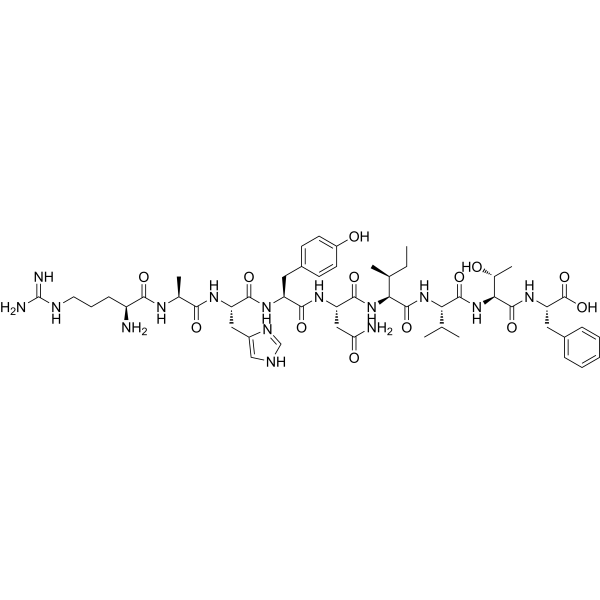
Human Papillomavirus (HPV) E7 protein (49-57) is a cytotoxic T lymphocyte (CTL) epitope peptide derived from HPV16 E7 protein (sequence: RAHYNIVTF). Human Papillomavirus (HPV) E7 protein (49-57) induces E749-57-specific CTL responses. Human Papillomavirus (HPV) E7 protein (49-57) can be used for the research of cervical cancer .
|
-
-
- HY-W014605
-
|
Diphencyprone
|
Interleukin Related
Apoptosis
p38 MAPK
IRE1
|
Inflammation/Immunology
Cancer
|
|
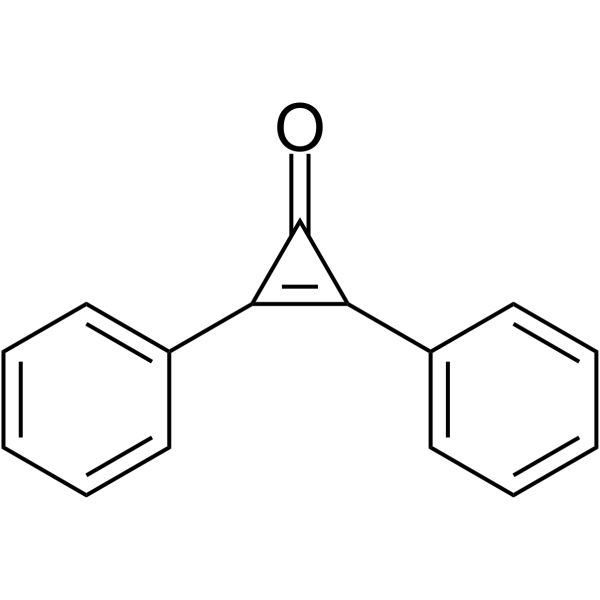
Diphenylcyclopropenone (Diphencyprone) is a potent hapten acting as a topical immunomodulatory agent, which induces an allergic contact dermatitis. Diphenylcyclopropenone induces an increase of cell-surface thiols in cells of a human monocytic cell line, THP-1. Diphenylcyclopropenone acts on the autoreactive T-lymphocytes within the follicular milieu to induce Apoptosis. Diphenylcyclopropenone can be used for alopecia areata research .
|
-
-
- HY-P990690
-
|
MEDI-5752
|
PD-1/PD-L1
CTLA-4
|
Cancer
|
|
Volrustomig (MEDI-5752) is a human IgG1 κ monoclonal antibody targeting CTLA4/PD1. The isotype control for Volrustomig is Human IgG1 kappa, Isotype Control (HY-P99001). Volrustomig anchors to the surface of T cells by binding PD-1, induces PD-1 internalization and degradation, and preferentially inhibits CTLA-4 on activated PD-1 + T cells. Volrustomig binds to tumor-infiltrating lymphocytes and a subset of PD-1 + B cells, enhances T cell function and IFNγ secretion. Volrustomig reduces the activation of non-tumor-infiltrating lymphocytes and exhibits manageable toxicity. Volrustomig can be used in research on various cancers, such as non-small cell lung cancer, gastric cancer, hepatobiliary cancer, and cervical cancer .
|
-
-
- HY-P11460
-
|
|
Drug Derivative
|
Infection
|
|
Vectofusin-1 is a histidine-rich cationic amphipathic peptide derived from the LAH4 (HY-P0311) peptide family, and also acts as a Viral entry enhancer. Vectofusin-1 promotes the adhesion and fusion of retroviral/lentiviral vectors with cell membranes during viral entry, thereby improving transduction efficiency. Vectofusin-1 potently enhances lentiviral transduction of cells .
|
-
-
- HY-173447
-
|
|
NTPDase
CD73
|
Cancer
|
|
8-BuS-AMP is a NTPDase1 inhibitor and a CD73/CD39 inhibitor, with an IC50 of 35 μM and a Ki value of 0.292 μM against human NTPDase1; its Ki values against human CD73 and CD39 are 1.19 μM and 0.847 μM, respectively. 8-BuS-AMP binds to the substrate-binding pockets of NTPDase1 and CD73 to effectively block the conversion of ATP and AMP to adenosine, thereby enhancing the activation and proliferation of human peripheral T lymphocytes. 8-BuS-AMP possesses excellent enzymatic hydrolysis resistance and metabolic stability, resists hydrolysis by multiple NTPDase subtypes, and shows no activity against P2Y1 and P2Y12 receptors. 8-BuS-AMP can be used in purinergic signaling pathway and cancer-related studies .
|
-
-
- HY-P3742
-
|
|
Tyrosinase
MHC
|
Cancer
|
|
Tyrosinase (192-200), human mouse is a HLA-B*4403-restricted tyrosinase epitope with affinity for HLA-B4403 and HLA-B4402. Tyrosinase (192-200), human mouse binds to HLA-B*4403 to form a complex, which is recognized by the autologous cytotoxic T lymphocyte clone 22/31 derived from melanoma. Tyrosinase (192-200), human mouse binds to HLA-B4402 to form a complex, which is recognized by the CTL clone 329B/5 derived from healthy HLA-B4402 donors. Tyrosinase (192-200), human mouse is applicable to melanoma-related research .
|
-
-
- HY-P990759
-
|
JNJ-75348780
|
CD22
CD3
|
Inflammation/Immunology
|
|
Rezetamig is a human bispecific antibody that recognizes the CD3 antigen on T-lymphocytes and the CD22 antigen on mature and malignant B-lymphocytes .
|
-
-
- HY-P99760
-
|
BCD-145
|
CTLA-4
|
Cancer
|
|
Nurulimab (BCD-145) is an anti-cytotoxic T lymphocyte antigen-4 (anti-CTLA-4) human monoclonal antibody. Nurulimab can be can be used in research of melanoma .
|
-
-
- HY-107091
-
|
DA-DKP
|
Endogenous Metabolite
|
Inflammation/Immunology
|
|
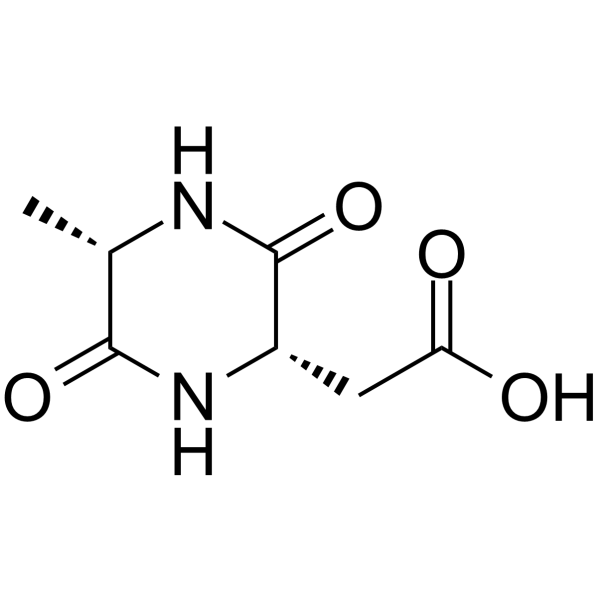
Aspartyl-alanyl-diketopiperazine (DA-DKP) is an immunomodulatory molecule generated by cleavage and cyclization from the N-terminus of human albumin and can modulate the inflammatory immune response through a molecular pathway implicated in T- lymphocyte anergy .
|
-
-
- HY-175087
-
|
Ins(1,2,4,5,6)P5 sodium salt; 1,2,4,5,6-IP5 sodium salt
|
Calcium Channel
|
Others
|
|
D-myo-Inositol-1,2,4,5,6-pentaphosphate (Ins(1,2,4,5,6)P5) sodium salt is one of several different inositol oligophosphate isomers involved in signal transduction. In human Jurkat T lymphocytes, Ins(1,2,4,5,6)P5 (sodium salt) is phosphorylated to InsP6 by 1/3 kinase. D-myo-Inositol-1,2,4,5,6-pentaphosphate sodium salt is involved in calcium signaling .
|
-
-
- HY-P99607
-
|
IDEC-151
|
HIV
|
Inflammation/Immunology
|
|
Clenoliximab (IDEC-151) is a macaque-human chimeric monoclonal antibody (immunoglobulin G4) specific for the CD4 molecule on the surface of T lymphocytes. Clenoliximab can be used for the research of rheumatoid arthritis .
|
-
-
- HY-P1855
-
|
|
EGFR
|
Cancer
|
|
HER2/neu (654-662) GP2 is a nine amino acid peptide derived from the human epidermal growth factor receptor 2 (HER2/nue, 654–662), induces HLA-A2-restricted cytotoxic T lymphocytes (CTL) reactive to various epithelial cancers .
|
-
-
- HY-P991543
-
|
|
CD2
|
Inflammation/Immunology
Cancer
|
|
BTI-322 is a human IgG1κ antibody directed against the CD2 antigen on T cells and NK cells. BTI-322 can block primary and memory alloantigen proliferative responses in vitro. BTI-322 recognizes over 90% of E-rosette-forming peripheral blood lymphocytes and T-cell leukemias. BTI-322 has immunosuppressive activity. BTI-322 effectively inhibits T cell responses in vitro to allogeneic cells. BTI-322 can be used as a T-cell deplting agent. BTI-322 can be studied in research for renal allograft rejection and steroid-refractory acute graft-versus-host disease .
|
-
-
- HY-118917
-
|
|
IMPDH
|
Inflammation/Immunology
|
|
VX-148 is an orally active immunosuppressant, which is a non-competitive inosine-5'-monophosphate dehydrogenase (IMPDH) inhibitor with Ki values for IMPDH Ⅱ and IMPDH Ⅰ of 6 and 14 nM respectively. VX-148 can significantly inhibit the proliferation of human peripheral blood mononuclear cells (PBMC) stimulated by T-cell mitogen (PHA) or B-cell mitogen (SPAS). VX-148 has high selectivity for lymphocytes (such as L1210, Jurkat T cells, and Raji B cells), but has no significant toxicity to non-lymphoid cells. VX-148 can inhibit antibody responses in mouse models and significantly prolong the survival time of transplanted skin in allogeneic skin transplantation models. VX-148 can be used in the research of autoimmune diseases (such as rheumatoid arthritis, psoriasis) and organ transplantation anti-rejection .
|
-
-
- HY-P3736
-
|
MP-2
|
Interleukin Related
|
Cancer
|
|
Myelopeptide-2 is a peptide originally isolated from the supernatant of porcine bone marrow cell cultures, can restore mitogenic reactivity of human T lymphocytes inhibited by HL-60 leukemia cells or measles virus conditions. Myelopeptide-2 also recover depressed interleukin-2 (IL-2) synthesis and interleukin-2 receptor (IL-2R) expression. Myelopeptide-2 involves in immunity homeostasis, is perspective to be applied in antitumor and antivirus research .
|
-
-
- HY-E70856
-
|
|
PKC
|
Inflammation/Immunology
|
|
PKCθ is a member of the Ca 2+-independent PKC subfamily. PKCθ plays an important role in T cell activation. PKCθ is also required for the survival of activated peripheral T lymphocytes. PKCθ Recombinant Human Active Protein Kinase is a recombinant PKCθ protein that can be used to study PKCθ-related functions .
|
-
-
- HY-108161
-
|
|
Interleukin Related
|
Others
|
|
LF 1695 is an immunomodulator. LF 1695 enhances the proliferative response of T cells by increasing the production of IL2 (interleukin-2) or the expression of the IL2 receptor. LF 1695 also increases CONA-induced inhibitory activity in human lymphocytes. LF 1695 can be used to study the proliferative and inhibitory activity of T cell subpopulations, as well as their role in immune regulation .
|
-
-
- HY-174761
-
|
|
mRNA
|
Inflammation/Immunology
|
|
Human CCL21 mRNA encodes the human C-C motif chemokine ligand 21 (CCL21) protein, a chemokine that can inhibit hemopoiesis and stimulate chemotaxis. CCL21 is chemotactic in vitro for thymocytes and activated T cells, but not for B cells, macrophages, or neutrophils. It may also play a role in mediating homing of lymphocytes to secondary lymphoid organs.
|
-
-
- HY-W013727
-
|
|
Potassium Channel
|
Inflammation/Immunology
|
|
UK-78282, a novel piperidine, potent and selective Kv1.3 blocker with an IC50 of 200 nM. UK-78,282 effectively suppresses human T-lymphocyte activation in vitro. UK-78,282 binds to residues at the inner surface of the channel overlapping the site of action of verapamil .
|
-
-
- HY-P1881
-
|
|
HPV
|
Cancer
|
|
HPV16-E711-20 epitope is a well-known HLA-A *0201-restricted human cytotoxic T lymphocyte (CTL) epitope of the HPV16 E7 protein that shows high-affinity binding to HLA-A2 in vitro. HPV16 CTL epitopes may be good candidates for the development of an effective peptide-based antitumor vaccine .
|
-
-
- HY-174760
-
|
|
mRNA
|
Inflammation/Immunology
|
|
Human CCL22 mRNA encodes the human C-C motif chemokine ligand 22 (CCL22) protein, a cytokine that displays chemotactic activity for monocytes, dendritic cells, natural killer cells and for chronically activated T lymphocytes. CCL22 also displays a mild activity for primary activated T lymphocytes and has no chemoattractant activity for neutrophils, eosinophils and resting T lymphocytes.
|
-
-
- HY-174759
-
|
|
mRNA
|
Inflammation/Immunology
|
|
Human CCL23 mRNA encodes the human C-C motif chemokine ligand 23 (CCL23) protein, a cytokine that displays chemotactic activity on resting T lymphocytes and monocytes, lower activity on neutrophils and no activity on activated T lymphocytes. CCL23 is also a strong suppressor of colony formation by a multipotential hematopoietic progenitor cell line.
|
-
-
- HY-174758
-
|
|
mRNA
|
Inflammation/Immunology
|
|
Human CCL24 mRNA encodes the human C-C motif chemokine ligand 24 (CCL24) protein, a cytokine that displays chemotactic activity on resting T lymphocytes, a minimal activity on neutrophils, and is negative on monocytes and activated T lymphocytes. CCL24 also has antimicrobial activity, displaying an antibacterial effect on S. pneumoniae, S. aureus, Non-typeable H. influenzae, and P. aeruginosa.
|
-
-
- HY-174755
-
|
|
mRNA
|
Inflammation/Immunology
|
|
Human CCL27 mRNA encodes the human C-C motif chemokine ligand 27 (CCL27) protein, a chemotactic for skin-associated memory T lymphocytes. CCL27 also plays a role in mediating homing of lymphocytes to cutaneous sites. It specifically binds to chemokine receptor 10 (CCR10).
|
-
-
- HY-174766
-
|
|
mRNA
|
Inflammation/Immunology
|
|
Human CCL17 mRNA encodes the human C-C motif chemokine ligand 17 (CCL17) protein, a cytokine that displays chemotactic activity for T lymphocytes, but not monocytes or granulocytes. CCL17 plays important roles in T cell development in thymus as well as in trafficking and activation of mature T cells.
|
-
-
- HY-174764
-
|
|
mRNA
|
Inflammation/Immunology
|
|
Human CCL19 mRNA encodes the human C-C motif chemokine ligand 19 (CCL19) protein, a cytokine that may play a role in normal lymphocyte recirculation and homing. CCL19 also plays an important role in trafficking of T cells in thymus, and in T cell and B cell migration to secondary lymphoid organs.
|
-
-
- HY-174765
-
|
|
mRNA
|
Inflammation/Immunology
|
|
Human CCL18 mRNA encodes the human C-C motif chemokine ligand 18 (CCL18) protein, a cytokine that displays chemotactic activity for naive T cells, CD4+ and CD8+ T cells and nonactivated lymphocytes, but not for monocytes or granulocytes. CCL18 may play a role in both humoral and cell-mediated immunity responses.
|
-
-
- HY-P991139
-
|
|
CTLA-4
|
Cancer
|
|
Futermestotug is a humanized immunoglobulin G1-κ monoclonal antibody targeting human cytotoxic T-lymphocyte associated protein 4 (CTLA4). Futermestotug is promising for research of various malignant tumors .
|
-
-
- HY-174713
-
|
|
mRNA
|
Inflammation/Immunology
|
|
Human FASLG mRNA encodes the human Fas ligand (FASLG) protein, a member of the tumor necrosis factor superfamily. The primary function of the FASLG is the induction of apoptosis triggered by binding to FAS. The FAS/FASLG signaling pathway is essential for immune system regulation, including activation-induced cell death (AICD) of T cells and cytotoxic T lymphocyte induced cell death. It has also been implicated in the progression of several cancers.
|
-
-
- HY-19143
-
|
|
HIV
|
Infection
|
|
L-697639 is an inhibitor for HIV-1 reverse transcriptase (HIV-1 RT) with IC50 of 20-400 nM (in a template-primer-dependent manner). L-697639 exhibits antiviral activity, that inhibits 95% HIV-1 infection at concentrations of 12-200 nM in human T lymphocyte cultures .
|
-
-
- HY-N6857R
-
|
|
Reference Standards
NF-κB
|
Inflammation/Immunology
|
|
Armepavine (Standard) is the analytical standard of Armepavine. This product is intended for research and analytical applications. Armepavine, an active compound from Nelumbo nucifera, exerts not only anti-inflammatory effects on human peripheral blood mononuclear cells, but also immunosuppressive effects on T lymphocytes and on lupus nephritic mice. Armepavine inhibits TNF-α-induced MAPK and NF-κB signaling cascades .
|
-
-
- HY-P991354
-
|
|
PD-1/PD-L1
|
Cancer
|
|
GR-1405 is a human monoclonal antibody (mAb) targeting B7-H1/PD-L1/CD274. GR-1405 enhances cytotoxic T lymphocyte (CTL)-mediated antitumor immune responses against PD-L1-expressing tumor cells. GR-1405 can be used in Lymphoma and Solid tumours research .
|
-
-
- HY-162264
-
|
|
Microtubule/Tubulin
Proton Pump
Apoptosis
|
Inflammation/Immunology
Cancer
|
|
Tubulin polymerization/V-ATPase-IN-1 (compound F10) is a Tubulin polymerization/V-ATPase inhibitor. Tubulin polymerization/V-ATPase-IN-1 shows robust antiproliferation activity against four human cancer cell lines, and exerts antiproliferative activity by inhibiting tubulin and V-ATPase. Tubulin polymerization/V-ATPase-IN-1 induces immunogenic cell death in addition to apoptosis, and inhibits tumor growth in an RM-1 homograft model with enhanced T lymphocyte infiltration .
|
-
-
- HY-P990848
-
|
|
CTLA-4
|
Infection
Inflammation/Immunology
|
|
Anti-CTLA-4/CD152 Antibody (BN13) is a kind of mouse IgG2a κ chimeric antibody inhibitor, targeting to human CTLA-4/CD152. Anti-CTLA-4/CD152 Antibody (BN13) can neutralize CTLA-4 (cytotoxic T lymphocyte antigen-4) also known as CD152. Anti-CTLA-4/CD152 Antibody (BN13) can be used for the researches of infection and immunology, such as human immunodeficiency virus (HIV) .
|
-
-
- HY-174625
-
|
|
mRNA
|
Inflammation/Immunology
|
|
Human IL2 mRNA encodes the human interleukin 2 (IL2) protein, a member of the interleukin 2 (IL2) cytokine subfamily. IL2 is produced by activated CD4+ and CD8+ T lymphocytes. It is important for the proliferation of T and B lymphocytes.
|
-
-
- HY-180323
-
|
|
RAR/RXR
|
Inflammation/Immunology
|
|
ER-38925 is a retinoid agonist with selevtivity to retinoic acid receptor subtype α (RAR-α). ER-38925 prolongs the lifespan of the recipient mice dose-dependently. ER-38925 potently inhibits alloantigenstimulated donor T lymphocyte prolifertion in vitro. ER-38925 can prevent the development of antiallogeneic cytotoxic T lymphocyte response in mice. ER-38925 inhibits serum anti-DNA autoantibody production in mouse model of human chronic GVHD .
|
-
-
- HY-P992178
-
|
|
NF-κB
|
Cancer
|
|
ALLO-647 is a human monoclonal antibody targeting CD52. ALLO-647 transiently and selectively depletes host lymphocytes to promote the proliferation of allogeneic CAR T-cell following infusion. ALLO-647 can be used for the research of B-cell lymphoma and follicular lymphoma .
|
-
-
- HY-107091A
-
|
(Rac)-DA-DKP
|
Others
|
Inflammation/Immunology
|
|
(Rac)-Aspartyl-alanyl-diketopiperazine ((Rac)-DA-DKP) is the racemic form of Aspartyl-alanyl-diketopiperazine (HY-107091). Aspartyl-alanyl-diketopiperazine is an immunomodulatory molecule generated by cleavage and cyclization from the N-terminus of human albumin and can modulate the inflammatory immune response through a molecular pathway implicated in T- lymphocyte anergy.
|
-
-
- HY-P992413
-
|
|
Integrin
|
Inflammation/Immunology
|
|
MOR102 is a fully human IgG4 monoclonal antibody and an ICAM-1 inhibitor, lacking cross-reactivity with ICAM-2 and ICAM-3. MOR102 binds to the LFA-1 binding site within ICAM-1 domain 1, blocks ICAM-1/LFA-1 interaction, binds human keratinocytes with increased binding to interferon-γ-stimulated keratinocytes. MOR102 inhibits lymphocyte adhesion, reduces lymphocyte proliferation, prevents local T-cell activation, reduces inflammatory infiltrate, restores orthokeratotic differentiation, and reduces epidermal thickness. MOR102 can be used for the research of psoriasis .
|
-
-
- HY-174723
-
|
|
mRNA
|
Inflammation/Immunology
|
|
Human CXCR6 mRNA encodes the human C-X-C motif chemokine receptor 6 (CXCR6) protein, a G protein-coupled receptor that belongs to the CXC chemokine receptor family. CXCR6 and its exclusive ligand, chemokine ligand 16 (CCL16), are part of a signalling pathway that regulates T lymphocyte migration to various peripheral tissues (the liver, spleen red pulp, intestine, lungs, and skin) and promotes cell-cell interaction with dendritic cells and fibroblastic reticular cells.
|
-
-
- HY-D3330
-
|
|
Fluorescent Dye
|
Others
|
|
APC-Cy7 is an APC-tandem fluorochrome (allophycocyanin-cyanine 7) and degradable fluorochrome, with maximum absorption at ~650 nm, peak emission at 767 nm when excited by a 633 nm red laser, and cell-dependent degradation. APC-Cy7 undergoes time-dependent degradation (decoupling) when bound to peripheral blood leukocytes, leading to nonspecific APC channel signal, with degradation cell type-dependent. APC-Cy7 shows reduced degradation when immunolabeled cells have inhibited metabolic activity or are incubated with vitamin C. APC-Cy7 serves as a tandem fluorochrome in multiparametric flow cytometry for detection of leukocyte surface proteins when conjugated to specific antibodies (Ex/Em = 650 nm/778 nm) .
|
-
-
- HY-181507
-
|
|
CD28
IFNAR
TNF Receptor
Interleukin Related
|
Cancer
|
|
CD28-IN-3 is a CD28 inhibitor with an IC50 of 7.80 μM and a Kd of 52.45 μM. CD28-IN-3 selectively blocks the CD28-B7 interaction, thereby inhibiting CD28-mediated costimulation. CD28-IN-3 suppresses the production of proinflammatory cytokines IFN-γ, IL-2 and TNF-α. CD28-IN-3 can be used in the research of checkpoint-resistant cancers .
|
-
-
- HY-P992448
-
|
|
PD-1/PD-L1
|
Cancer
|
|
RC98 is a monoclonal antibody targeting programmed cell death ligand 1 (PD-L1) and acts as a selective PD-L1 inhibitor. RC98 binds specifically to human and cynomolgus monkey PD-L1. RC98 blocks the interaction between PD-L1 and its receptor PD-1 to reverse T-cell inactivation mediated by PD-1/PD-L1 signaling. RC98 enhances the cytotoxic T-lymphocyte-mediated anti-tumor immune response against PD-L1-expressing tumor cells. RC98 can be used for the research of tumor immunity and solid tumors .
|
-
- HY-107091R
-
|
DA-DKP (Standard)
|
Reference Standards
MEK
p38 MAPK
IFNAR
TNF Receptor
Ras
JNK
|
Inflammation/Immunology
|
|
Aspartyl-alanyl-diketopiperazine (DA-DKP) (Standard) is the analytical standard of Aspartyl-alanyl-diketopiperazine (HY-107091). This product is intended for research and analytical applications. Aspartyl-alanyl-diketopiperazine is an immunomodulatory molecule and anti-inflammatory agent. Aspartyl-alanyl-diketopiperazine increases the level of active Rap1 in activated human T lymphocytes and reduces the phosphorylation levels of Ras, ATF-2, c-jun, MEK1, MEKK1, ERK1, JNK1,2,3, p38MAPK and MEF-2. Aspartyl-alanyl-diketopiperazine inhibits the production of pro-inflammatory cytokines, including the levels of IFN-γ and TNF-α. Aspartyl-alanyl-diketopiperazine can be used in studies of inflammatory immune responses .
|
-
- HY-182566
-
|
|
HIV
|
Infection
|
|
ITI-367 is a HIV-1 inhibitor that targets the nuclear localization signal 1 (NLS-1) of HIV-1 matrix protein and the interaction between HIV-1 pre-integration complex (PIC) and importin-β. ITI-367 inhibits HIV-1 replication at the pre-integration stage, reduces the formation of 2-LTR circles, and sequesters viral DNA in the cytoplasm. ITI-367 can be used for the research of HIV infection .
|
-
- HY-P991918
-
|
IgG2-AAS
|
Transmembrane Glycoprotein
Interleukin Related
|
Inflammation/Immunology
Cancer
|
|
KHK2840 is a potent CD40 agonist with a Kd value of 0.485 nM for hCD40. KHK2840 delivers agonistic signals in tumor-bearing hCD40 transgenic mice and human peripheral blood B cells. KHK2840 upregulates CD80, CD86, CD95 and IL-12p70 expression. KHK2840 enhances antitumor efficacy of anti-PD-1 antibody and Paclitaxel (HY-B0015). KHK2840 can be used for the research of cancer, such as colon cancer and melanoma .
|
-
- HY-112448
-
|
|
Src
Interleukin Related
|
Inflammation/Immunology
|
|
Lck-IN-6 (Compound 12g) is a Lck inhibitor with an IC50 of 3 nM. Lck-IN-6 inhibits the production of IL-2. Lck-IN-6 can be used in the research of rheumatoid arthritis and inflammatory bowel disease .
|
-
| Cat. No. |
Product Name |
Type |
-
- HY-D3330
-
|
|
Fluorescent Dyes
|
|
APC-Cy7 is an APC-tandem fluorochrome (allophycocyanin-cyanine 7) and degradable fluorochrome, with maximum absorption at ~650 nm, peak emission at 767 nm when excited by a 633 nm red laser, and cell-dependent degradation. APC-Cy7 undergoes time-dependent degradation (decoupling) when bound to peripheral blood leukocytes, leading to nonspecific APC channel signal, with degradation cell type-dependent. APC-Cy7 shows reduced degradation when immunolabeled cells have inhibited metabolic activity or are incubated with vitamin C. APC-Cy7 serves as a tandem fluorochrome in multiparametric flow cytometry for detection of leukocyte surface proteins when conjugated to specific antibodies (Ex/Em = 650 nm/778 nm) .
|
| Cat. No. |
Product Name |
Target |
Research Area |
-
- HY-P1907
-
|
|
HPV
|
Cancer
|
|
Human Papillomavirus (HPV) E7 protein (49-57) is a cytotoxic T lymphocyte (CTL) epitope peptide derived from HPV16 E7 protein (sequence: RAHYNIVTF). Human Papillomavirus (HPV) E7 protein (49-57) induces E749-57-specific CTL responses. Human Papillomavirus (HPV) E7 protein (49-57) can be used for the research of cervical cancer .
|
-
- HY-P11460
-
|
|
Drug Derivative
|
Infection
|
|
Vectofusin-1 is a histidine-rich cationic amphipathic peptide derived from the LAH4 (HY-P0311) peptide family, and also acts as a Viral entry enhancer. Vectofusin-1 promotes the adhesion and fusion of retroviral/lentiviral vectors with cell membranes during viral entry, thereby improving transduction efficiency. Vectofusin-1 potently enhances lentiviral transduction of cells .
|
-
- HY-P3742
-
|
|
Tyrosinase
MHC
|
Cancer
|
|
Tyrosinase (192-200), human mouse is a HLA-B*4403-restricted tyrosinase epitope with affinity for HLA-B4403 and HLA-B4402. Tyrosinase (192-200), human mouse binds to HLA-B*4403 to form a complex, which is recognized by the autologous cytotoxic T lymphocyte clone 22/31 derived from melanoma. Tyrosinase (192-200), human mouse binds to HLA-B4402 to form a complex, which is recognized by the CTL clone 329B/5 derived from healthy HLA-B4402 donors. Tyrosinase (192-200), human mouse is applicable to melanoma-related research .
|
-
- HY-P1855
-
|
|
EGFR
|
Cancer
|
|
HER2/neu (654-662) GP2 is a nine amino acid peptide derived from the human epidermal growth factor receptor 2 (HER2/nue, 654–662), induces HLA-A2-restricted cytotoxic T lymphocytes (CTL) reactive to various epithelial cancers .
|
-
- HY-P3736
-
|
MP-2
|
Interleukin Related
|
Cancer
|
|
Myelopeptide-2 is a peptide originally isolated from the supernatant of porcine bone marrow cell cultures, can restore mitogenic reactivity of human T lymphocytes inhibited by HL-60 leukemia cells or measles virus conditions. Myelopeptide-2 also recover depressed interleukin-2 (IL-2) synthesis and interleukin-2 receptor (IL-2R) expression. Myelopeptide-2 involves in immunity homeostasis, is perspective to be applied in antitumor and antivirus research .
|
-
- HY-P1881
-
|
|
HPV
|
Cancer
|
|
HPV16-E711-20 epitope is a well-known HLA-A *0201-restricted human cytotoxic T lymphocyte (CTL) epitope of the HPV16 E7 protein that shows high-affinity binding to HLA-A2 in vitro. HPV16 CTL epitopes may be good candidates for the development of an effective peptide-based antitumor vaccine .
|
-
- HY-P2665
-
|
|
Peptides
|
Others
|
|
Lymphocyte activating pentapeptide is a short peptide sequence found in the Fc region of human IgG1 that has the ability to activate lymphocytes. Lymphocyte activating pentapeptide can be used to study the activation mechanisms of B cells and T cells, and their role in immune responses .
|
-
- HY-P10264
-
|
MAGE-3(168-176), human
|
Peptides
|
Cancer
|
|
MAGE-3 peptide (MAGE-3 168-176, human) is a peptide encoded by human MAGE-3 gene, which is expressed in tumor cells, presented by HLA and recognized by cytolytic T lymphocytes (CTL) as tumor antigen .
|
-
- HY-P2524
-
|
|
Peptides
|
Cancer
|
|
MAGE-3 (271-279) is a 271-279 residue peptide derived from melanoma antigens encoded by MAGE-3. MAGE-3 is a cytolytic T lymphocyte (CTL)-defined MAGE-3 protein associated with the human leukocyte antigen (HLA)-A2 molecule. MAGE-3 is overexpressed in different human tumor types, including malignant melanoma, but not by normal tissues except for testis and placenta .
|
-
- HY-K3110
-
|
|
|
MCE T-Cell Expansion Medium (Serum-Free) is a specialized culture medium formulated for the in vitro cultivation and robust expansion of human T lymphocytes without the need for serum.
|
| Cat. No. |
Product Name |
Target |
Research Area |
Image |
-
- HY-P9901
-
|
MDX-010; BMS-734016
|
CTLA-4
|
Cancer
|
|
Ipilimumab is a fully human monoclonal antibody IgG1κ that blocks the inhibitory receptor cytotoxic T lymphocyte antigen 4 (CTLA-4) on T cells. Ipilimumab can be used in unresectable or metastatic melanoma (MM) studies .
|
-
(5)
-
- HY-P990876
-
|
PF-06480605; RVT-3101
|
TNF Receptor
NF-κB
IFNAR
|
Inflammation/Immunology
|
|
Afimkibart (PF-06480605; RVT-3101) is a fully human monoclonal antibody that selectively inhibits trimeric tumor necrosis factor-like ligand 1A (TL1A). Afimkibart neutralizes active trimeric TL1A, blocks TL1A-induced signaling pathways. Afimkibart inhibits NF-κB activation and IFN-γ production. Afimkibart can be used for the research of inflammatory bowel disease .
|
-
(5)
-
- HY-P9918
-
|
Ticilimumab; CP-675206
|
CTLA-4
|
Inflammation/Immunology
Cancer
|
|
Tremelimumab (Ticilimumab) is a fully human monoclonal antibody specific for cytotoxic T-lymphocyte antigen-4 (CTLA-4) and can be used for metastatic melanoma research .
|
-
(5)
-
- HY-P99484
-
|
AGEN 1181
|
CTLA-4
|
Cancer
|
|
Botensilimab (AGEN 1181), a human anti-cytotoxic T-lymphocyte antigen 4 (CTLA-4) monoclonal antibody, is an innate and adaptive immune activator. Botensilimab can be used for the research of cancer .
|
-
(5)
-
- HY-P99152
-
|
Muromanab-CD3
|
CD3
Interleukin Related
IFNAR
|
Inflammation/Immunology
Cancer
|
|
Muromonab (Muromonab-CD3; OKT3) is a mouse monoclonal antibody targeting the CD3 antigen. Muromonab specifically binds to the CD3 antigen on the surface of human and higher primate T cells. Muromonab blocks the function of T cell receptors to recognize foreign antigens and inhibits T cell-mediated immune responses, including cell-mediated lymphocyte lysis and T cell proliferation responses. Muromonab can be used to study acute kidney, liver, heart and combined kidney-pancreas transplant rejection, and can also be used to study graft-versus-host disease in bone marrow transplant patients .
|
-
(5)
-
- HY-P990690
-
|
MEDI-5752
|
PD-1/PD-L1
CTLA-4
|
Cancer
|
|
Volrustomig (MEDI-5752) is a human IgG1 κ monoclonal antibody targeting CTLA4/PD1. The isotype control for Volrustomig is Human IgG1 kappa, Isotype Control (HY-P99001). Volrustomig anchors to the surface of T cells by binding PD-1, induces PD-1 internalization and degradation, and preferentially inhibits CTLA-4 on activated PD-1 + T cells. Volrustomig binds to tumor-infiltrating lymphocytes and a subset of PD-1 + B cells, enhances T cell function and IFNγ secretion. Volrustomig reduces the activation of non-tumor-infiltrating lymphocytes and exhibits manageable toxicity. Volrustomig can be used in research on various cancers, such as non-small cell lung cancer, gastric cancer, hepatobiliary cancer, and cervical cancer .
|
-
(5)
-
- HY-P990759
-
|
JNJ-75348780
|
CD22
CD3
|
Inflammation/Immunology
|
|
Rezetamig is a human bispecific antibody that recognizes the CD3 antigen on T-lymphocytes and the CD22 antigen on mature and malignant B-lymphocytes .
|
-
(5)
-
- HY-P99760
-
|
BCD-145
|
CTLA-4
|
Cancer
|
|
Nurulimab (BCD-145) is an anti-cytotoxic T lymphocyte antigen-4 (anti-CTLA-4) human monoclonal antibody. Nurulimab can be can be used in research of melanoma .
|
-
(5)
-
- HY-P99607
-
|
IDEC-151
|
HIV
|
Inflammation/Immunology
|
|
Clenoliximab (IDEC-151) is a macaque-human chimeric monoclonal antibody (immunoglobulin G4) specific for the CD4 molecule on the surface of T lymphocytes. Clenoliximab can be used for the research of rheumatoid arthritis .
|
-
(5)
-
- HY-P991543
-
|
|
CD2
|
Inflammation/Immunology
Cancer
|
|
BTI-322 is a human IgG1κ antibody directed against the CD2 antigen on T cells and NK cells. BTI-322 can block primary and memory alloantigen proliferative responses in vitro. BTI-322 recognizes over 90% of E-rosette-forming peripheral blood lymphocytes and T-cell leukemias. BTI-322 has immunosuppressive activity. BTI-322 effectively inhibits T cell responses in vitro to allogeneic cells. BTI-322 can be used as a T-cell deplting agent. BTI-322 can be studied in research for renal allograft rejection and steroid-refractory acute graft-versus-host disease .
|
-
(5)
-
- HY-P991139
-
|
|
CTLA-4
|
Cancer
|
|
Futermestotug is a humanized immunoglobulin G1-κ monoclonal antibody targeting human cytotoxic T-lymphocyte associated protein 4 (CTLA4). Futermestotug is promising for research of various malignant tumors .
|
-
(5)
-
- HY-P991354
-
|
|
PD-1/PD-L1
|
Cancer
|
|
GR-1405 is a human monoclonal antibody (mAb) targeting B7-H1/PD-L1/CD274. GR-1405 enhances cytotoxic T lymphocyte (CTL)-mediated antitumor immune responses against PD-L1-expressing tumor cells. GR-1405 can be used in Lymphoma and Solid tumours research .
|
-
(5)
-
- HY-P990848
-
|
|
CTLA-4
|
Infection
Inflammation/Immunology
|
|
Anti-CTLA-4/CD152 Antibody (BN13) is a kind of mouse IgG2a κ chimeric antibody inhibitor, targeting to human CTLA-4/CD152. Anti-CTLA-4/CD152 Antibody (BN13) can neutralize CTLA-4 (cytotoxic T lymphocyte antigen-4) also known as CD152. Anti-CTLA-4/CD152 Antibody (BN13) can be used for the researches of infection and immunology, such as human immunodeficiency virus (HIV) .
|
-
(5)
-
- HY-P992178
-
|
|
NF-κB
|
Cancer
|
|
ALLO-647 is a human monoclonal antibody targeting CD52. ALLO-647 transiently and selectively depletes host lymphocytes to promote the proliferation of allogeneic CAR T-cell following infusion. ALLO-647 can be used for the research of B-cell lymphoma and follicular lymphoma .
|
-
(5)
-
- HY-P992413
-
|
|
Integrin
|
Inflammation/Immunology
|
|
MOR102 is a fully human IgG4 monoclonal antibody and an ICAM-1 inhibitor, lacking cross-reactivity with ICAM-2 and ICAM-3. MOR102 binds to the LFA-1 binding site within ICAM-1 domain 1, blocks ICAM-1/LFA-1 interaction, binds human keratinocytes with increased binding to interferon-γ-stimulated keratinocytes. MOR102 inhibits lymphocyte adhesion, reduces lymphocyte proliferation, prevents local T-cell activation, reduces inflammatory infiltrate, restores orthokeratotic differentiation, and reduces epidermal thickness. MOR102 can be used for the research of psoriasis .
|
-
(5)
-
- HY-P992448
-
|
|
PD-1/PD-L1
|
Cancer
|
|
RC98 is a monoclonal antibody targeting programmed cell death ligand 1 (PD-L1) and acts as a selective PD-L1 inhibitor. RC98 binds specifically to human and cynomolgus monkey PD-L1. RC98 blocks the interaction between PD-L1 and its receptor PD-1 to reverse T-cell inactivation mediated by PD-1/PD-L1 signaling. RC98 enhances the cytotoxic T-lymphocyte-mediated anti-tumor immune response against PD-L1-expressing tumor cells. RC98 can be used for the research of tumor immunity and solid tumors .
|
-
(5)
-
- HY-P991918
-
|
IgG2-AAS
|
Transmembrane Glycoprotein
Interleukin Related
|
Inflammation/Immunology
Cancer
|
|
KHK2840 is a potent CD40 agonist with a Kd value of 0.485 nM for hCD40. KHK2840 delivers agonistic signals in tumor-bearing hCD40 transgenic mice and human peripheral blood B cells. KHK2840 upregulates CD80, CD86, CD95 and IL-12p70 expression. KHK2840 enhances antitumor efficacy of anti-PD-1 antibody and Paclitaxel (HY-B0015). KHK2840 can be used for the research of cancer, such as colon cancer and melanoma .
|
-
(5)
| Cat. No. |
Product Name |
Category |
Target |
Chemical Structure |
| Cat. No. |
Product Name |
|
Classification |
-
- HY-153084A
-
|
|
|
mRNA
CAR-T
|
|
CD19 CAR mRNA (Human) expresses CAR protein that specifically targets human CD19. CD19 CAR mRNA can trigger transitory expression of CAR, allowing T cells to be targeted without permanent genetic modification. CD19 CAR mRNA targets CD19 which is a transmembrane glycoprotein primarily expressed on B lymphocytes and is important in B cell activation. CD19 CAR mRNA can be studied in cancer research such as lymphoma and leukemia .
|
-
- HY-174761
-
|
|
|
mRNA
Chemokine & Receptors
|
|
Human CCL21 mRNA encodes the human C-C motif chemokine ligand 21 (CCL21) protein, a chemokine that can inhibit hemopoiesis and stimulate chemotaxis. CCL21 is chemotactic in vitro for thymocytes and activated T cells, but not for B cells, macrophages, or neutrophils. It may also play a role in mediating homing of lymphocytes to secondary lymphoid organs.
|
-
- HY-174760
-
|
|
|
mRNA
Chemokine & Receptors
|
|
Human CCL22 mRNA encodes the human C-C motif chemokine ligand 22 (CCL22) protein, a cytokine that displays chemotactic activity for monocytes, dendritic cells, natural killer cells and for chronically activated T lymphocytes. CCL22 also displays a mild activity for primary activated T lymphocytes and has no chemoattractant activity for neutrophils, eosinophils and resting T lymphocytes.
|
-
- HY-174759
-
|
|
|
mRNA
Chemokine & Receptors
|
|
Human CCL23 mRNA encodes the human C-C motif chemokine ligand 23 (CCL23) protein, a cytokine that displays chemotactic activity on resting T lymphocytes and monocytes, lower activity on neutrophils and no activity on activated T lymphocytes. CCL23 is also a strong suppressor of colony formation by a multipotential hematopoietic progenitor cell line.
|
-
- HY-174758
-
|
|
|
mRNA
Chemokine & Receptors
|
|
Human CCL24 mRNA encodes the human C-C motif chemokine ligand 24 (CCL24) protein, a cytokine that displays chemotactic activity on resting T lymphocytes, a minimal activity on neutrophils, and is negative on monocytes and activated T lymphocytes. CCL24 also has antimicrobial activity, displaying an antibacterial effect on S. pneumoniae, S. aureus, Non-typeable H. influenzae, and P. aeruginosa.
|
-
- HY-174755
-
|
|
|
mRNA
Chemokine & Receptors
|
|
Human CCL27 mRNA encodes the human C-C motif chemokine ligand 27 (CCL27) protein, a chemotactic for skin-associated memory T lymphocytes. CCL27 also plays a role in mediating homing of lymphocytes to cutaneous sites. It specifically binds to chemokine receptor 10 (CCR10).
|
-
- HY-174766
-
|
|
|
mRNA
Chemokine & Receptors
|
|
Human CCL17 mRNA encodes the human C-C motif chemokine ligand 17 (CCL17) protein, a cytokine that displays chemotactic activity for T lymphocytes, but not monocytes or granulocytes. CCL17 plays important roles in T cell development in thymus as well as in trafficking and activation of mature T cells.
|
-
- HY-174764
-
|
|
|
mRNA
Chemokine & Receptors
|
|
Human CCL19 mRNA encodes the human C-C motif chemokine ligand 19 (CCL19) protein, a cytokine that may play a role in normal lymphocyte recirculation and homing. CCL19 also plays an important role in trafficking of T cells in thymus, and in T cell and B cell migration to secondary lymphoid organs.
|
-
- HY-174765
-
|
|
|
mRNA
Chemokine & Receptors
|
|
Human CCL18 mRNA encodes the human C-C motif chemokine ligand 18 (CCL18) protein, a cytokine that displays chemotactic activity for naive T cells, CD4+ and CD8+ T cells and nonactivated lymphocytes, but not for monocytes or granulocytes. CCL18 may play a role in both humoral and cell-mediated immunity responses.
|
-
- HY-174713
-
|
|
|
mRNA
|
|
Human FASLG mRNA encodes the human Fas ligand (FASLG) protein, a member of the tumor necrosis factor superfamily. The primary function of the FASLG is the induction of apoptosis triggered by binding to FAS. The FAS/FASLG signaling pathway is essential for immune system regulation, including activation-induced cell death (AICD) of T cells and cytotoxic T lymphocyte induced cell death. It has also been implicated in the progression of several cancers.
|
-
- HY-174625
-
|
|
|
mRNA
Interleukin & Receptors
|
|
Human IL2 mRNA encodes the human interleukin 2 (IL2) protein, a member of the interleukin 2 (IL2) cytokine subfamily. IL2 is produced by activated CD4+ and CD8+ T lymphocytes. It is important for the proliferation of T and B lymphocytes.
|
-
- HY-174723
-
|
|
|
mRNA
Chemokine & Receptors
|
|
Human CXCR6 mRNA encodes the human C-X-C motif chemokine receptor 6 (CXCR6) protein, a G protein-coupled receptor that belongs to the CXC chemokine receptor family. CXCR6 and its exclusive ligand, chemokine ligand 16 (CCL16), are part of a signalling pathway that regulates T lymphocyte migration to various peripheral tissues (the liver, spleen red pulp, intestine, lungs, and skin) and promotes cell-cell interaction with dendritic cells and fibroblastic reticular cells.
|
Your information is safe with us. * Required Fields.
Inquiry Information
- Product Name:
- Cat. No.:
- Quantity:
- MCE Japan Authorized Agent:

