1. Search Result
Search Result
Results for "

iNOS+expression

" in MedChemExpress (MCE) Product Catalog:

26

Inhibitors & Agonists

10

Natural
Products

2

Isotope-Labeled Compounds

Cat. No. Product Name Target Research Areas Chemical Structure
  • HY-N0158
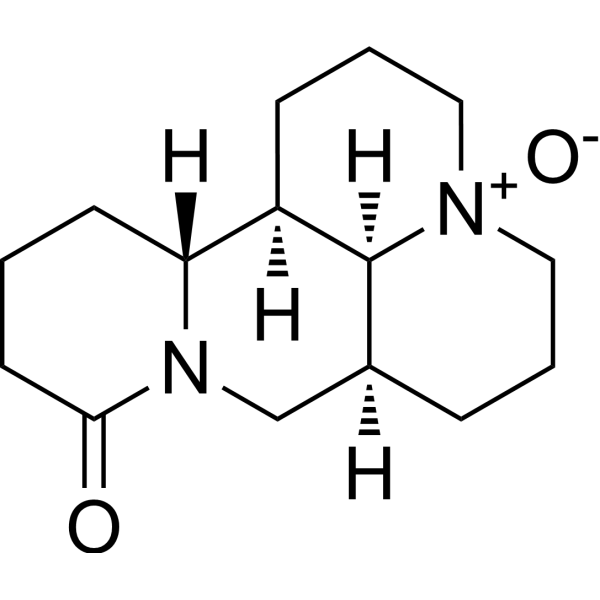
    Oxymatrine
    15+ Cited Publications

    TGF-beta/Smad Apoptosis Infection Inflammation/Immunology Cancer
    Oxymatrine, an alkaloid from Sophora flavescens Alt. with anti-inflammatory, antifibrosis, and antitumor effects, inhibits the iNOS expression and TGF-β/Smad pathway. Oxymatrine inhibits bocavirus minute virus of canines (MVC) replication, reduces viral gene expression and decreases apoptosis induced by viral infection .
    Oxymatrine
  • HY-N6968

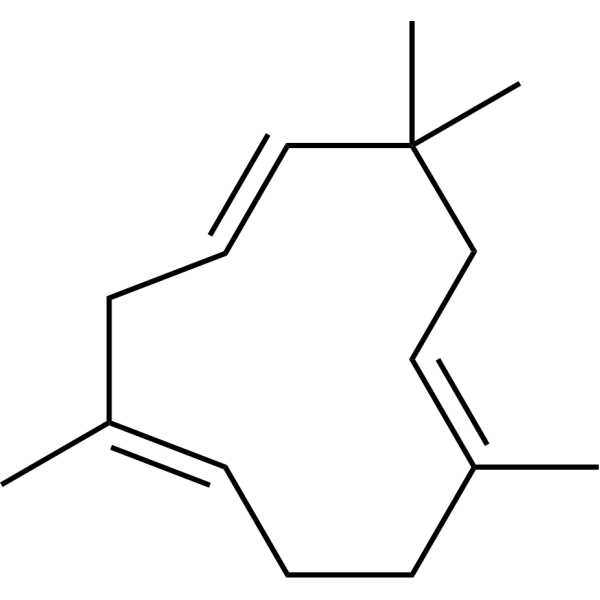
    Humulene; α-Caryophyllene

    NO Synthase COX Inflammation/Immunology
    α-Humulene is a main constituent of Tanacetum vulgare L. (Asteraceae) essential oil with anti-inflammation (IC50=15±2 μg/mL). α-Humulene inhibits COX-2 and iNOS expression .
    α-Humulene
  • HY-136341

    Apoptosis NO Synthase Endogenous Metabolite Neurological Disease Inflammation/Immunology
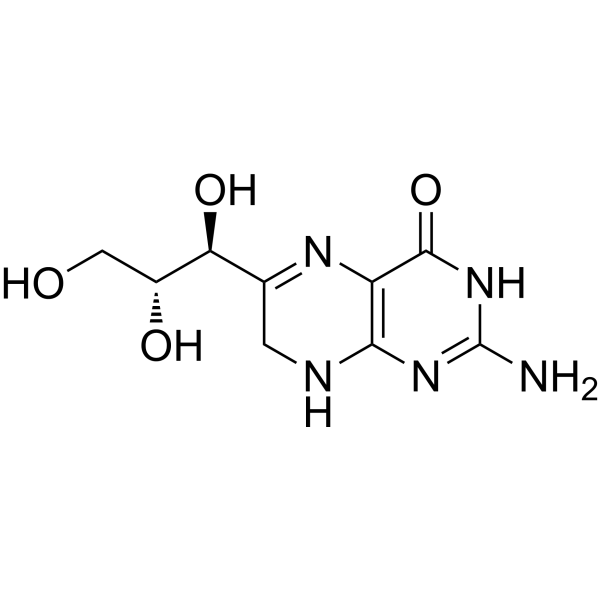
    7,8-Dihydroneopterin, an inflammation marker, induces cellular apoptosis in astrocytes and neurons via enhancement of nitric oxide synthase (iNOS) expression. 7,8-Dihydroneopterin can be used in the research of neurodegenerative diseases .
    7,8-Dihydroneopterin
  • HY-B0327
    Irsogladine
    3 Publications Verification

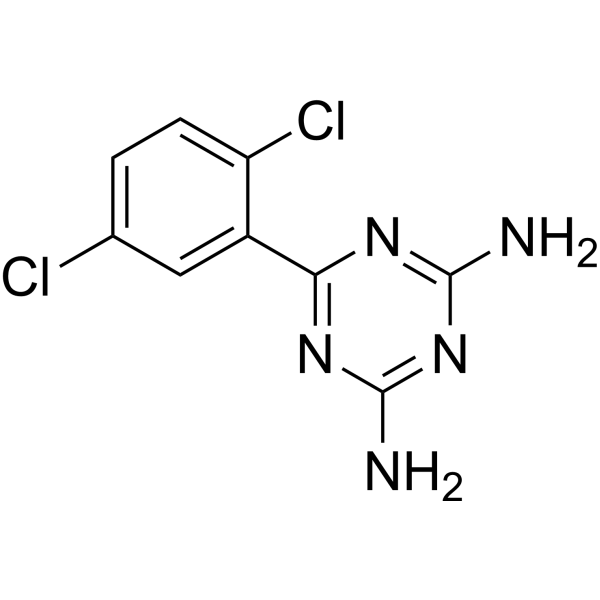
    Dicloguamine

    Phosphodiesterase (PDE) NF-κB AP-1 TRP Channel Interleukin Related Inflammation/Immunology Cancer
    Irsogladine (Dicloguamine) is an orally active gastric mucosal protective agent. Irsogladine inhibits breast cancer recurrence and lung metastasis in nude mice . Irsogladine inhibits the transcriptional activities of NF-κB and AP-1, suppresses the activities of PDE and PDE4 to elevate intracellular cAMP levels, and activates TRPV1 and KATP channels. Irsogladine enhances iNOS expression, NO production, and the activation of cAMP-responsive elements. Irsogladine inhibits the development and progression of intestinal polyps in Apc-mutant mice. Irsogladine alleviates oxidative stress, increases gastric mucosal blood flow, and stimulates the production of endogenous prostaglandins. Irsogladine promotes insulin secretion in MIN6 cells. Irsogladine inhibits tumor angiogenesis, cancer cell proliferation, and the production of proinflammatory cytokines. Irsogladine exerts protective effects on astrocytes in ethanol/hydrochloric acid-induced gastric ulcers in mice. Irsogladine prevents colitis in IL-10 gene-deficient mice by reducing the production of IL-12 and IL-23. Irsogladine upregulates gap junction intercellular communication in pancreatic cancer cells via the PKA pathway. Irsogladine is applicable to research related to breast cancer, intestinal polyposis, gastric ulcer, spontaneous colitis, glioma, liver cancer, and pancreatic cancer [5][6] .
    Irsogladine
  • HY-171705

    Keap1-Nrf2 AMPK JNK IKK p38 MAPK NO Synthase α-synuclein Interleukin Related Neurological Disease
    KMS99220 is an orally active, blood-brain barrier-permeable activator of the Nrf2 inhibitory protein Keap-1. KMS99220 enhances the activity of AMPK, activates the Nrf2 signaling pathway, and reduces the phosphorylation of IκB, nuclear translocation of NFκB, as well as the phosphorylation levels of JNK, IKK and p38 MAPK via HO-1. KMS99220 binds to Keap1 to trigger the nuclear translocation of Nrf2, induces the expression of HO-1, NQO1, GCLC, GCLM and proteasome subunits; enhances proteasomal enzymatic activity; inhibits iNOS expression, nitric oxide production and IL-1β generation; attenuates microglial activation; reduces α-synuclein aggregation; and prevents dopaminergic neuron degeneration and motor dysfunction. KMS99220 prevents the degeneration of dopaminergic neurons in the substantia nigra, induces the expression of Nrf2 downstream target genes, and effectively ameliorates associated motor dysfunction in a mouse model of Parkinson's disease. KMS99220 is applicable to research related to Parkinson's disease .
    KMS99220
  • HY-126241

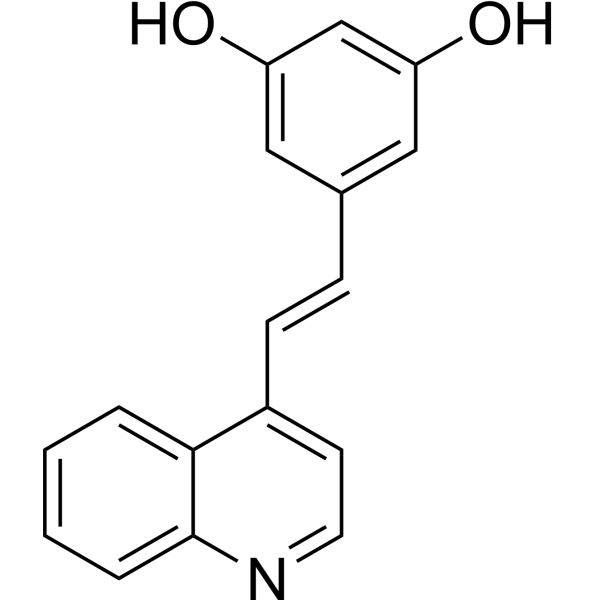
    Aldehyde Dehydrogenase (ALDH) Inflammation/Immunology
    RV01 is an analogue of resveratrol, inhibits DNA damage, reduces acetaldehyde dehydrogenase 2 (ALDH2) mRNA expression induced by ethanol, and exhibits hydroxyl radical scavenging activity . RV01 decreases iNOS expression, with anti-neuroinflammatory activity .
    RV01
  • HY-N7064

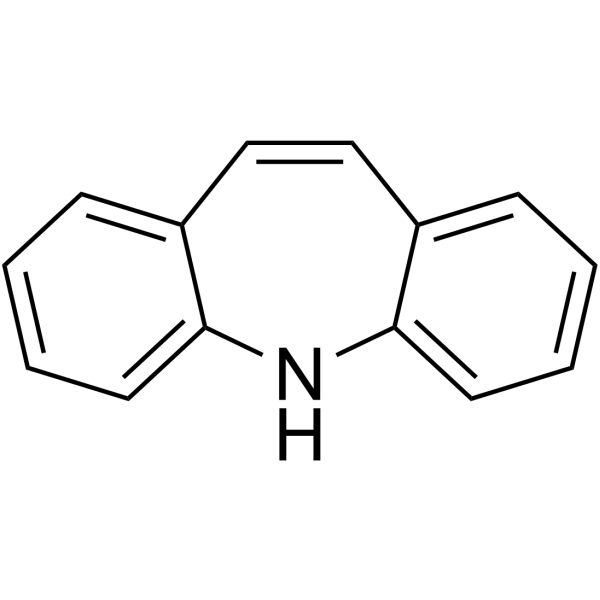
    Pyruvate Kinase COX STAT TNF Receptor NO Synthase Interleukin Related HIF/HIF Prolyl-Hydroxylase Cardiovascular Disease Inflammation/Immunology
    Iminostilbene is a chemical precursor of carbamazepine. Additionally, Iminostilbene is an orally active inhibitor of PKM2 (Pyruvate Kinase M2) and COX2 (Cyclooxygenase-2). Iminostilbene exerts its effects by inhibiting PKM2 and its interaction with HIF-1α and STAT3, reducing COX2 and iNOS expression, and decreasing LPS-induced release of IL-1β, IL-6, TNF-α, and MCP-1, thereby suppressing macrophage-mediated inflammatory responses and improving myocardial ischemia/reperfusion (MI/R) injury. Iminostilbene holds promise for research in inflammation regulation, cardiovascular diseases (such as MI/R injury), and macrophage-mediated immune-related diseases .
    Iminostilbene
  • HY-N11262

    Phosphodiesterase (PDE) Sirtuin PGC-1α p38 MAPK HSP TNF Receptor NO Synthase Apoptosis Metabolic Disease Inflammation/Immunology
    Sudachitin is an orally active compound that potently inhibits mouse PDE1C and human PDE4B, with IC50 values of 5.0 μM and 15.0 μM, respectively. Sudachitin upregulates Sirt1 and PGC‑1α expression in skeletal muscle to regulate energy metabolism and promote mitochondrial biogenesis. Sudachitin improves lipid metabolism, glucose tolerance, insulin sensitivity, energy expenditure, and fatty acid β‑oxidation. Sudachitin activates p38MAPK signaling, induces HSP27 phosphorylation and caspase‑dependent apoptosis, and blocks EGF‑driven keratinocyte migration and proliferation. Sudachitin suppresses LPS‑induced TNF‑α, NO, and iNOS expression in macrophages and shows potent anti‑inflammatory activity. Sudachitin can be used for the research of metabolic syndrome, type 2 diabetes, and psoriasis. .
    Sudachitin
  • HY-118160

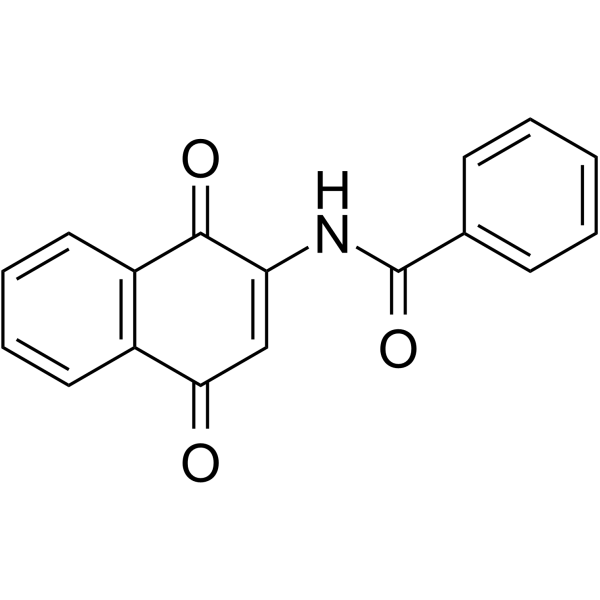
    NSC 73233

    NO Synthase Inflammation/Immunology Cancer
    PPM-18 (NSC 73233), a potent anti-inflammatory agent, inhibits nitric oxide synthase expression. PPM-18 is a potent inhibitor of iNOS expression by blocking the binding of NF-κB to promoter . PPM-18, an analog of Vitamin K, induces autophagy and apoptosis in bladder cancer cells through ROS and AMPK signaling pathways .
    PPM-18
  • HY-N2989

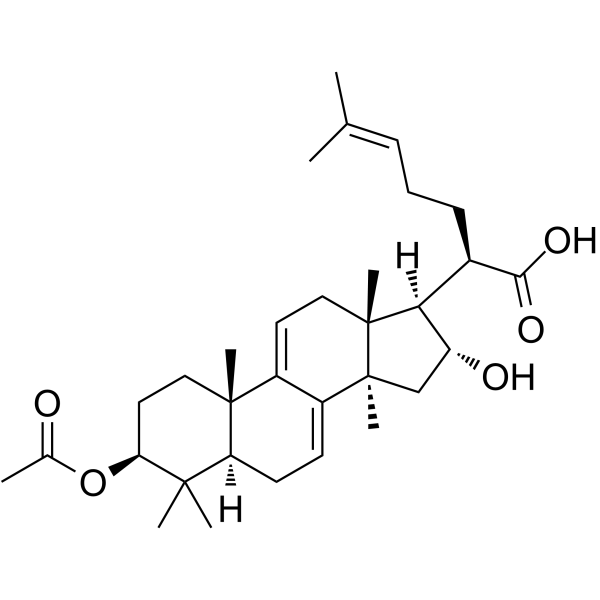
    NO Synthase Inflammation/Immunology
    3-O-Acetyl-16α-hydroxydehydrotrametenolic acid, an anti-inflammatory triterpenoid, inhibits NO production and iNOS expression in LPS-stimulated Raw264.7 cells .
    3-O-Acetyl-16α-hydroxydehydrotrametenolic acid
  • HY-W010270A

    TRP Channel NF-κB NO Synthase TREM receptor Arginase Metabolic Disease Inflammation/Immunology
    Aurothiomalate (disodium) is a TRPA1 inhibitor. Aurothiomalate (disodium) inhibits NF-κB activation and iNOS expression. Aurothiomalate (disodium) promotes M2 transformation of macrophages and increases the expression of TREM-2 and arginase-1. Aurothiomalate (disodium) can be used in the study of liver fibrosis/cirrhosis and arthritis .
    Aurothiomalate disodium
  • HY-N6968R

    Humulene (Standard); α-Caryophyllene (Standard)

    Reference Standards NO Synthase COX Inflammation/Immunology
    α-Humulene (Standard) is the analytical standard of α-Humulene. This product is intended for research and analytical applications. α-Humulene is a main constituent of Tanacetum vulgare L. (Asteraceae) essential oil with anti-inflammation (IC50=15±2 μg/mL). α-Humulene inhibits COX-2 and iNOS expression .
    α-Humulene (Standard)
  • HY-N15272

    Bacterial COX NO Synthase Reactive Oxygen Species (ROS) p38 MAPK Infection Cardiovascular Disease Inflammation/Immunology
    Artocarpesin is a flavonoid compound. Artocarpesin has inhibitory effects on methicillin-resistant Staphylococcus aureus (MRSA). Artocarpesin inhibits the production of NO, PGE2 and ROS by inhibiting COX-2 and iNOS expression, and plays an anti-inflammatory role. In addition, Artocarpesin inhibits platelet aggregation by inhibiting cyclic nucleotides and MAPKs, which can be used in the study of cardiovascular diseases .
    Artocarpesin
  • HY-N0577R

    Apigenin 7-O-apiosylglucoside (Standard); Apigenin 7-(2-O-apiosylglucoside) (Standard)

    Reference Standards NO Synthase Inflammation/Immunology
    Apiin (Standard) is the analytical standard of Apiin. This product is intended for research and analytical applications. Apiin, a major constituent of Apium graveolens leaves with anti-inflammatory properties. Apiin shows significant inhibitory activity on nitrite (NO) production (IC50 = 0.08 mg/mL) in-vitro and iNOS expression (IC50 = 0.049 mg/ mL) in LPS-activated J774.A1 cells .
    Apiin (Standard)
  • HY-144727

    Bacterial TNF Receptor Infection Inflammation/Immunology
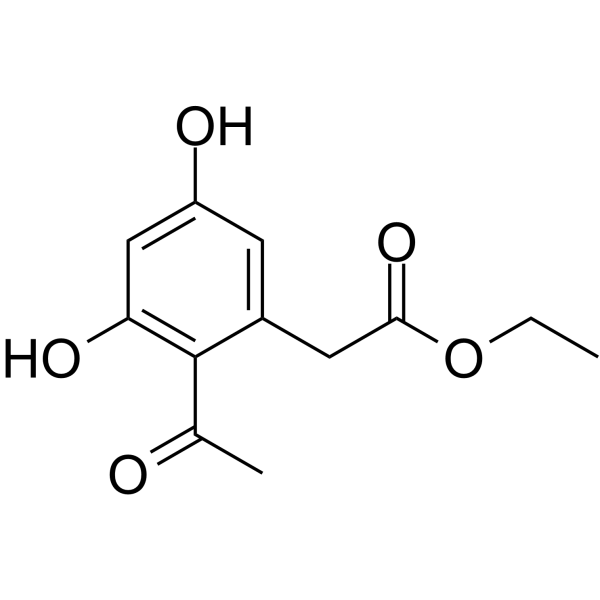
    Anti-inflammatory agent 11 (compound 16) is a potent antimycobacterial and anti-inflammatory agent. Anti-inflammatory agent 11 inhibits Mtb H37Rv and M299 growth, with MIC50 (minimum inhibitory concentration 50%) of 1.3 and 6.9 μM, respectively. Anti-inflammatory agent 11 inhibits NO through the suppression of iNOS expression, and also inhibited the production of TNF-α and IL-1β. Anti-inflammatory agent 11 can be used for tuberculosis (TB) research .
    Anti-inflammatory agent 11
  • HY-106981

    OR 1384

    NADPH Oxidase Reactive Oxygen Species (ROS) Apoptosis NF-κB NO Synthase STAT Inflammation/Immunology
    Orazipone (OR 1384) is a small molecule immunomodulator with strong anti-inflammatory properties. Orazipone exerts its immunomodulatory effect by forming reversible thiol complexes, which bind to intracellular signaling proteins and the thiol groups of glutathione. Orazipone exhibits potent anti-eosinophilic activity by inducing apoptosis. Orazipone inhibits activation of inflammatory transcription factors NF-kB and STAT 1 and decreases inducible iNOS expression and NO production in response to inflammatory stimuli. Orazipone reduces NADPH oxidase activity and thereby decreases ROS production. Orazipone has a protective effect in intestinal radiation injury .
    Orazipone
  • HY-149542

    Tau Protein Apoptosis GSK-3 Neurological Disease
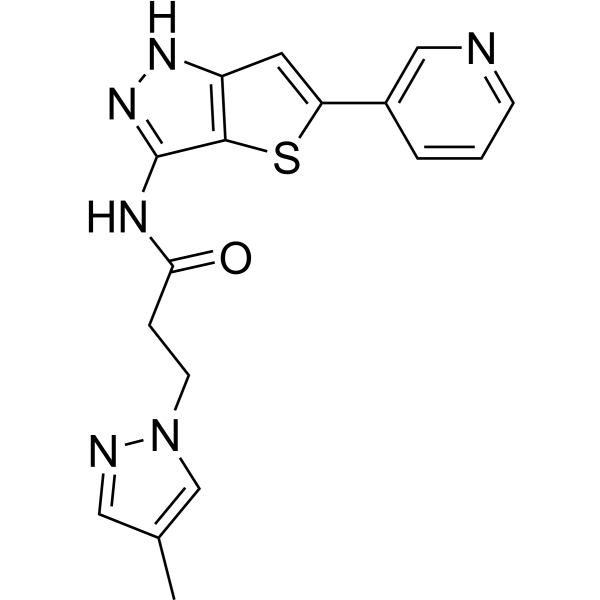
    GSK-3β inhibitor 15 (Compound 54) is a GSK-3β inhibitor (IC50: 3.4 nM). GSK-3β inhibitor 15 inhibits Aβ1-42-induced GSK-3β and tau protein phosphorylation. GSK-3β inhibitor 15 inhibits LPS-induced iNOS expression. GSK-3β inhibitor 15 has neuroprotective effects on Aβ1-42-induced neurotoxicity. GSK-3β inhibitor 15 can be used for research of Alzheimer’s disease (AD) .
    GSK-3β inhibitor 15
  • HY-119692

    Microtubule/Tubulin Others
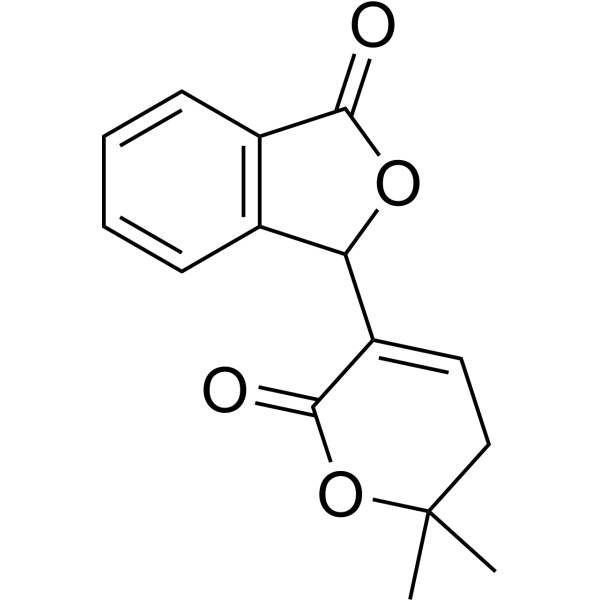
    Curvulin is a phytotoxin . Curvularin inhibits microtubule assembly and inhibits iNOS expression.
    Curvulin
  • HY-N3548

    NF-κB Inflammation/Immunology
    Catalpalactone has anti-inflammatory effect. Catalpalactone inhibits LPS-induced NO production and iNOS expression in RAW264.7 cells, and also inhibits IRF3, NF-κB, and IFN-β/STAT-1 activation. Catalpalactone also inhibits dopamine biosynthesis by reducing tyrosine hydroxylase (TH) and aromatic-l-amino acid decarboxylase (AADC) activities .
    Catalpalactone
  • HY-N0158R

    Reference Standards TGF-beta/Smad Apoptosis Infection Inflammation/Immunology Cancer
    Oxymatrine (Standard) is the analytical standard of Oxymatrine. This product is intended for research and analytical applications. Oxymatrine, an alkaloid from Sophora flavescens Alt. with anti-inflammatory, antifibrosis, and antitumor effects, inhibits the iNOS expression and TGF-β/Smad pathway. Oxymatrine inhibits bocavirus minute virus of canines (MVC) replication, reduces viral gene expression and decreases apoptosis induced by viral infection.
    Oxymatrine (Standard)
  • HY-171251

    RGS Protein Cancer
    RGS10 modulator-1 (compound 15) is a potent RGS10 modulator. RGS10 modulator-1 significantly reverses IFNγ-induced RGS10 protein and mRNA expression. RGS10 modulator-1 reverse the IFNγ-induced COX-2 mRNA and iNOS expression .
    RGS10 modulator-1
  • HY-172102

    NO Synthase NOD-like Receptor (NLR) Inflammation/Immunology
    NLRP3-IN-68 (Compound 2d) is a 1,3,4-oxadiazole derivative. NLRP3-IN-68 has strong anti-inflammatory and antioxidant activities, which can inhibit inflammatory cytokines secretion, iNOS expression and NLRP3 inflammasome activation. NLRP3-IN-68 can be used in the research of anti-inflammatory drugs .
    NLRP3-IN-68
  • HY-W750902

    Isotope-Labeled Compounds TGF-beta/Smad Apoptosis Infection Inflammation/Immunology Cancer
    Oxymatrine-d3 is the deuterium labeled Oxymatrine (HY-N0158). Oxymatrine, an alkaloid from Sophora flavescens Alt. with anti-inflammatory, antifibrosis, and antitumor effects, inhibits the iNOS expression and TGF-β/Smad pathway. Oxymatrine inhibits bocavirus minute virus of canines (MVC) replication, reduces viral gene expression and decreases apoptosis induced by viral infection .
    Oxymatrine-d3
  • HY-144737

    Bacterial TNF Receptor Infection Inflammation/Immunology
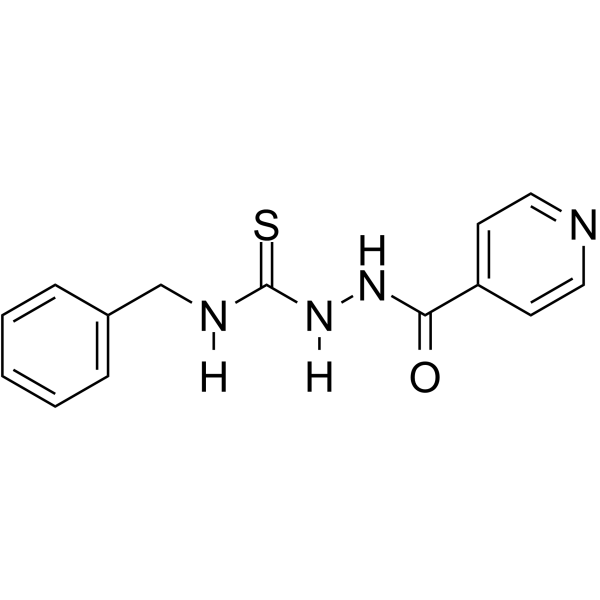
    Anti-inflammatory agent 15 (compound 29) is a potent antimycobacterial and anti-inflammatory agent. Anti-inflammatory agent 15 inhibits Mtb H37Rv and M299 growth, with MIC50 (minimum inhibitory concentration 50%) of 2.3 and 7.8 μM, respectively. Anti-inflammatory agent 15 inhibits NO through the suppression of iNOS expression, and also inhibited the production of TNF-α and IL-1β. Anti-inflammatory agent 15 can be used for tuberculosis (TB) research .
    Anti-inflammatory agent 15
  • HY-177050

    G protein-coupled Bile Acid Receptor 1 Metabolic Disease Inflammation/Immunology
    RG-239 is an orally active TGR5 agonist with an EC50 of 120 nM, significantly outperforming Betulinic acid (HY-10529) (EC50 = 1.04 μM). RG-239 demonstrates higher selectivity for TGR5 compared to the FXRα. RG-239 increases mitochondrial activity in adipocytes and promotes neurite outgrowth at higher concentrations. RG-239 inhibits LPS (HY-D1056)-induced iNOS expression and nitrite production in Raw264.7 and microglia cells. RG-239 can be used for the study of type 2 diabetes [1][2][3][4][5].
    RG-239
  • HY-W753956

    Isotope-Labeled Compounds Interleukin Related Pyruvate Kinase COX STAT TNF Receptor HIF/HIF Prolyl-Hydroxylase NO Synthase Inflammation/Immunology
    Iminostilbene-d10 is the deuterium labeled Iminostilbene (HY-N7064). Iminostilbene is a chemical precursor of carbamazepine. Additionally, Iminostilbene is an orally active inhibitor of PKM2 (Pyruvate Kinase M2) and COX2 (Cyclooxygenase-2). Iminostilbene exerts its effects by inhibiting PKM2 and its interaction with HIF-1α and STAT3, reducing COX2 and iNOS expression, and decreasing LPS-induced release of IL-1β, IL-6, TNF-α, and MCP-1, thereby suppressing macrophage-mediated inflammatory responses and improving myocardial ischemia/reperfusion (MI/R) injury. Iminostilbene holds promise for research in inflammation regulation, cardiovascular diseases (such as MI/R injury), and macrophage-mediated immune-related diseases .
    Iminostilbene-d10

Inquiry Online

Your information is safe with us. * Required Fields.

Salutation


Country or Region *

Applicant Name *


Organization Name *

Department *


Email Address *


Product Name *

Cat. No.


Requested quantity *

Phone Number *


Remarks

Inquiry Online

Inquiry Information

Product Name:
Cat. No.:
Quantity:
MCE Japan Authorized Agent: