



PPM-18

Based on 1 Customer Validation
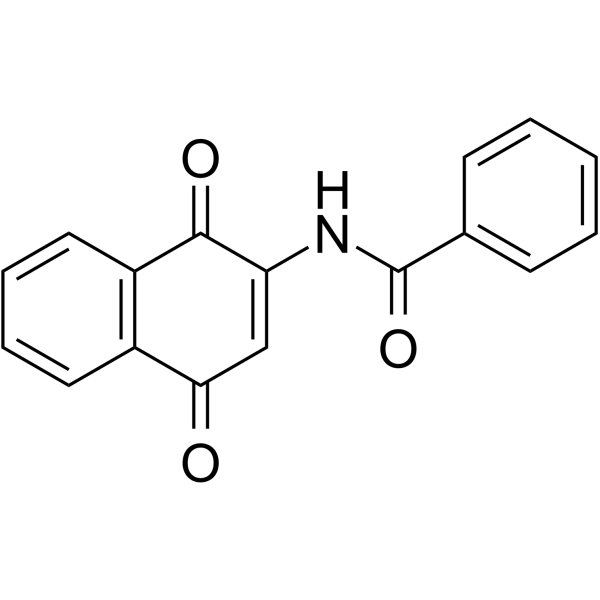
PPM-18 (NSC 73233) is a Vitamin K (HY-B2172) analog. PPM-18 prevents LPS-induced IκBα degradation, thereby inhibiting NF-κB activation and nuclear translocation of NF-κB. PPM-18 inhibits LPS-induced nitrite production and iNOS expression. PPM-18 inhibits HDAC6. PPM-18 induces ROS accumulation, activates AMPK, inhibits the mTORC1 and PI3K/AKT pathways, initiates Autophagy, and induces Apoptosis. PPM-18 suppresses seizures in zebrafish and mouse epilepsy models. PPM-18 prevents LPS-induced lethal toxicity and delayed hypotension. PPM-18 exhibits anticancer activity against leukemia and bladder cancer. PPM-18 can be used in research related to septic shock, bladder cancer and atherosclerosis.
For research use only. We do not sell to patients.
- Purity : 99.17%
- CAS No.: 65240-86-0
- Formula: C17H11NO3
- Molecular Weight:277.27
-
Storage:Powder -20°C, 3 years , 4°C, 2 years ; In solvent -80°C, 6 months , -20°C, 1 month

To place orders, for customer services and technical support, please contact: MedChemExpress USA
Tel: 609-228-6898 E-mail: [email protected] [email protected]


-
 Biological Activity
-
Chemical Information
- Protocols
- Purity & Documentation
- References
-
 Help & FAQs


-
HY-N0274
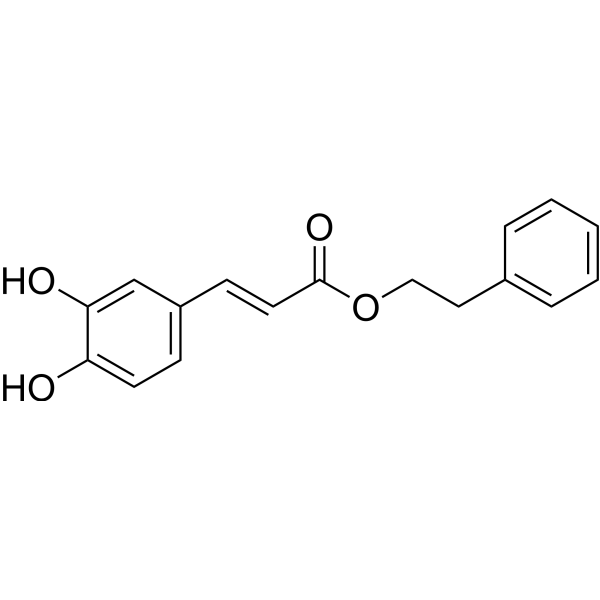
Caffeic acid phenethyl esterApoptosis Inducer -
HY-13982
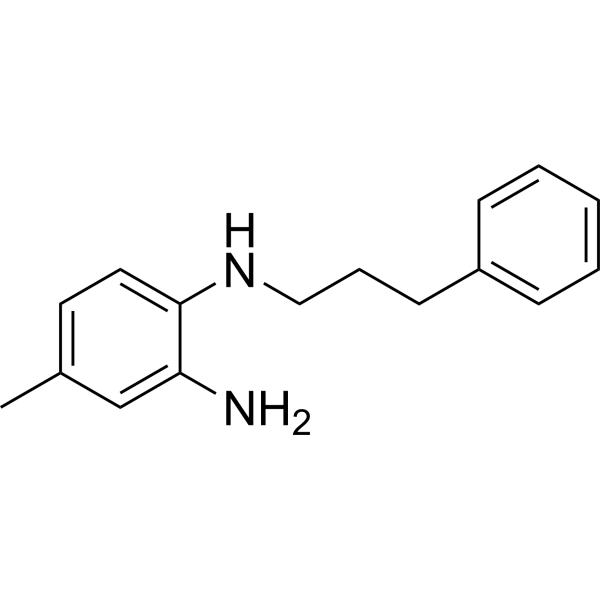
JSH-23NF-κB Inhibitor -

HY-N0274R
Caffeic acid phenethyl ester (Standard)Apoptosis Inducer -
HY-10496
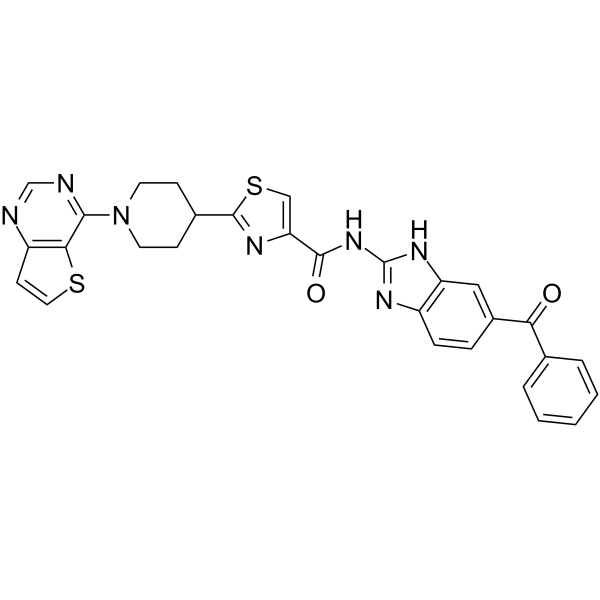
SC75741NF-κB Inhibitor -
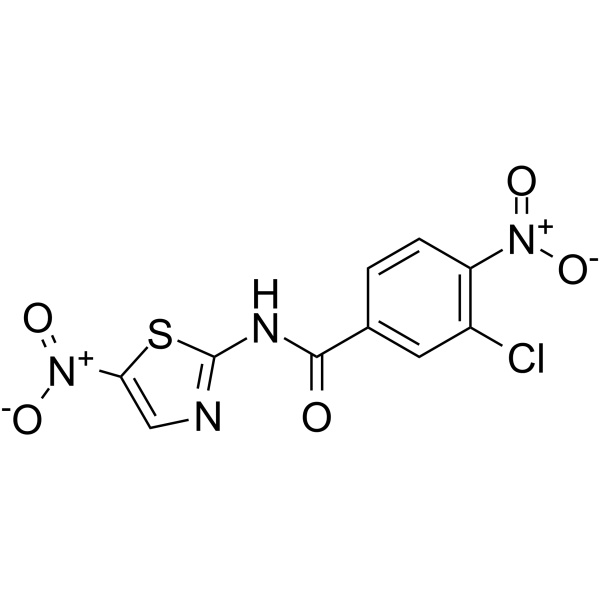
HY-116626
SM-7368NF-κB Inhibitor -
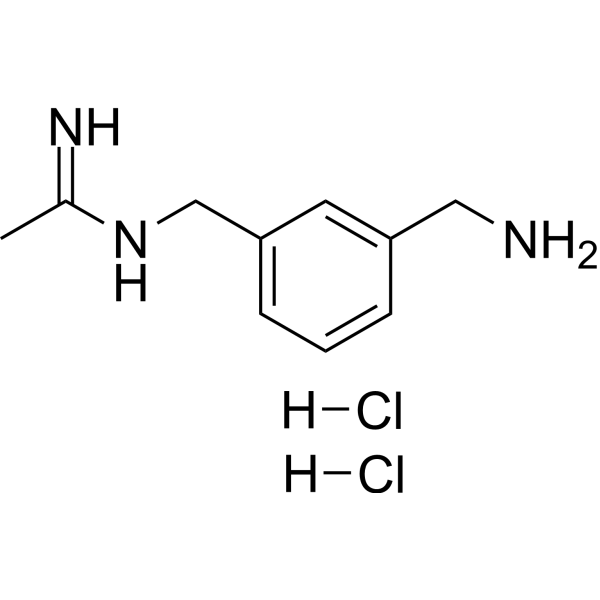
HY-18731
1400W DihydrochlorideNO Synthase Inhibitor -
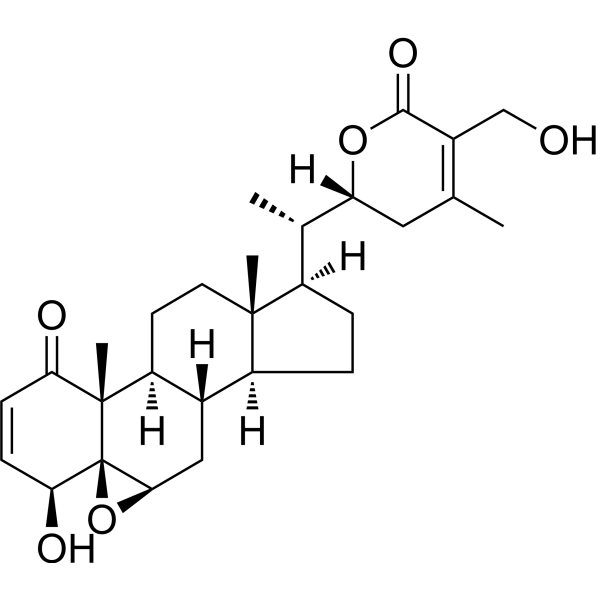
HY-N2065
Withaferin ANF-κB Inhibitor -
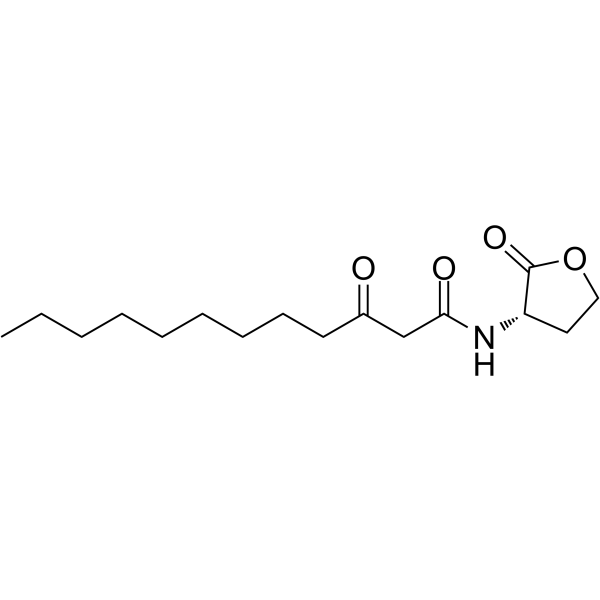
HY-114544A
N-3-oxo-dodecanoyl-L-homoserine lactoneBacterial Quorum-sensing Signaling Molecule -
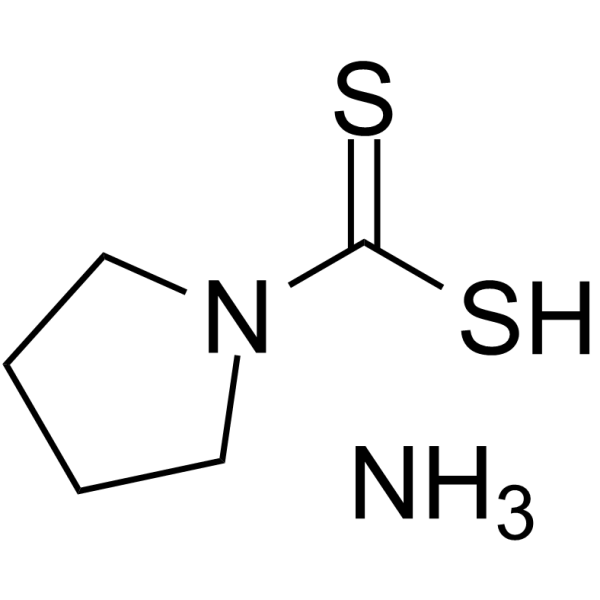
HY-18738
Pyrrolidinedithiocarbamate ammoniumSelective NF-κB Inhibitor -
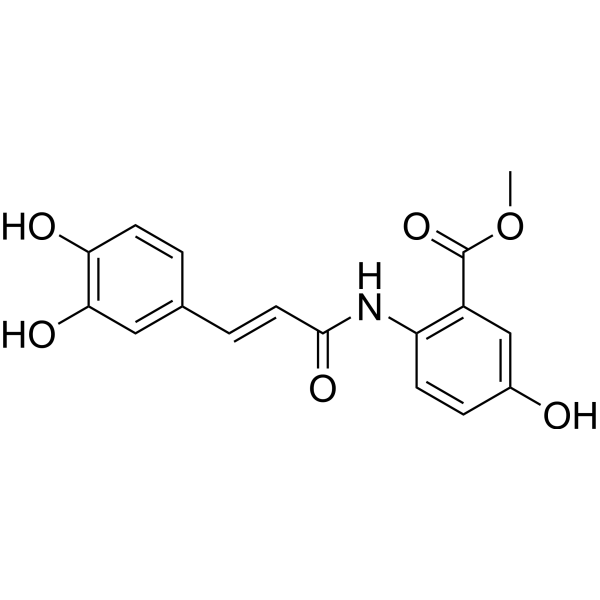
HY-138284
Avenanthramide-C methyl esterNF-κB Inhibitor -
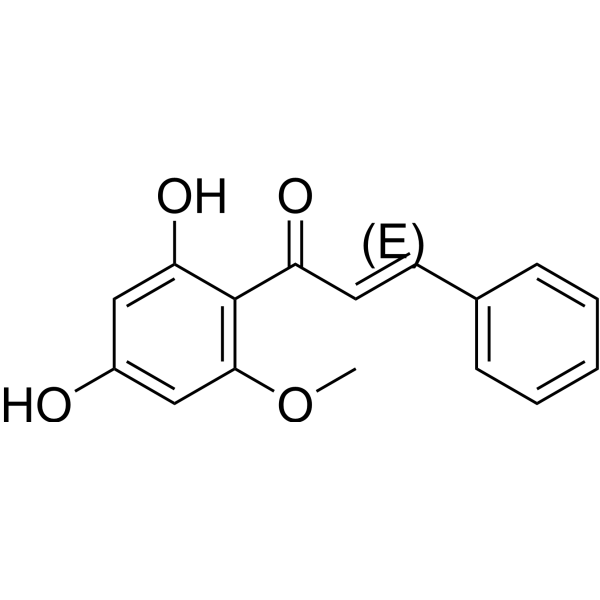
HY-N1378
(E)-CardamoninhTRPA1 Antagonist -
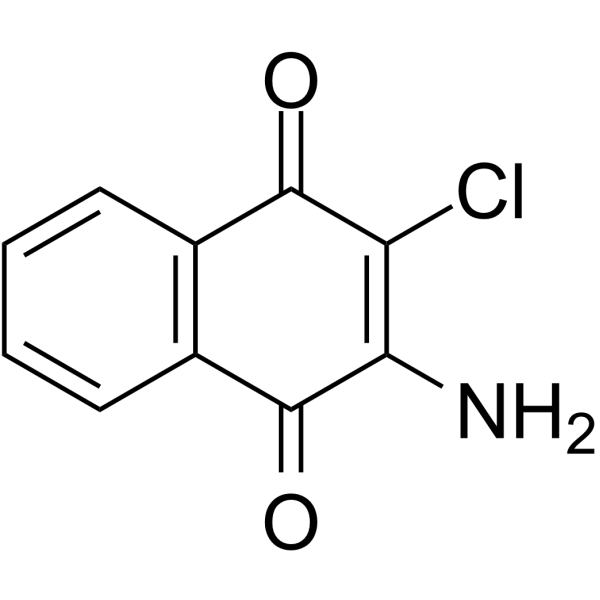
HY-121632
QuinoclamineNF-κB Inhibitor
All AMPK Isoforms
More

Biological Activity
Description
|
iNOS |
HDAC6 |
mTORC1 |
In Vitro
PPM-18 (0.1-10 µM; 24 h) inhibits lipopolysaccharide (LPS)-induced nitric oxide production (measured by nitrite content) in rat alveolar macrophages in a dose-dependent manner, with the maximal inhibitory effect observed at 10 µM[1].
PPM-18 (3-10 µM; 24 h) inhibits lipopolysaccharide (LPS)-induced iNOS protein expression in rat alveolar macrophages[1].
PPM-18 (3-10 µM; preincubated prior to 6 h LPS stimulation) inhibits lipopolysaccharide (LPS)-induced accumulation of iNOS mRNA in rat alveolar macrophages[1].
PPM-18 (10 µM; 60 min preincubation prior to 30 min LPS stimulation) inhibits lipopolysaccharide (LPS)-induced nuclear translocation of NF-κB p65 in rat alveolar macrophages[1].
PPM-18 (10-30 µM; 60 min preincubation prior to 30 min LPS stimulation for whole-cell assays) inhibits lipopolysaccharide (LPS)-induced NF-κB-DNA binding activity in intact rat alveolar macrophages, but does not directly interfere with NF-κB-DNA binding in isolated nuclear extracts[1].
PPM-18 (10 µM; 24 h) inhibits LPS-induced TNF-α release from rat alveolar macrophages[1].
PPM-18 (5-20 μM; 6-24 h) reduces the viability of bladder cancer T24 and EJ cells in a dose- and time-dependent manner[2].
PPM-18 (5-15 μM; 24 h) induces autophagy in bladder cancer T24 and EJ cells in a dose-dependent manner, and this effect can be detected by decreased p62 expression and increased LC3B II expression[2].
PPM-18 (10 μM; 1 h) completely inhibits shear-induced nuclear translocation of NF-κB subunits p50 and p65[3].
MedChemExpress (MCE) has not independently confirmed the accuracy of these methods. They are for reference only. Further protocols information, click here.
-
Cell Line:rat alveolar macrophages
-
Concentration:3-10 µM
-
Incubation Time:24 h
-
Result:Inhibited LPS-induced iNOS protein expression, with 10 µM showing a greater inhibitory effect than 3 µM.
-
Cell Line:rat alveolar macrophages
-
Concentration:3-10 µM
-
Incubation Time:preincubated prior to 6 h LPS stimulation
-
Result:Inhibited LPS-induced accumulation of iNOS mRNA, with 10 µM showing near-complete inhibition and 3 µM showing partial inhibition.
-
Cell Line:rat alveolar macrophages
-
Concentration:10 µM
-
Incubation Time:60 min preincubation prior to 30 min LPS stimulation
-
Result:Significantly inhibited LPS-induced nuclear accumulation of NF-κB p65.
-
Cell Line:rat alveolar macrophages
-
Concentration:10 µM
-
Incubation Time:24 h
-
Result:Inhibited LPS-induced TNF-α increase, reducing TNF-α levels from 2711 pg/mL (LPS alone) to 260 pg/mL (P < 0.001).
-
Cell Line:human bladder cancer T24 and EJ cells
-
Concentration:5-20 μM (dose-response); 15 μM (time-response)
-
Incubation Time:24 h (dose-response); 6-24 h (time-response)
-
Result:Reduced T24 and EJ cell viability in a dose- and time-dependent manner.
Significantly decreased viability at 10, 15, 20 μM (***p < 0.001 vs. control) for both cell lines at 24 h.
Reduced viability significantly at 18 and 24 h (***p < 0.001 vs. control) for both lines with 15 μM treatment.
In Vivo
PPM-18 (15 mg/kg; i.v.; single dose; 20 minutes prior to LPS) prevents delayed hypotension and inhibits LPS-induced increases in total plasma nitrite in a rat model of endotoxic shock[1].
PPM-18 (10 mg/kg; intratumoral injection; daily; 30 days) inhibits bladder cancer xenograft growth, increases tumor cell autophagy and apoptosis via ROS and AMPK pathways, improves mouse survival to 85.7%, and exhibits low in vivo toxicity[2].
MedChemExpress (MCE) has not independently confirmed the accuracy of these methods. They are for reference only.
-
Animal Model:Balb/c (20-25 g)[1]
-
Dosage:5 mg/kg; 15 mg/kg
-
Administration:i.p.; single dose; 2 hours prior to LPS
-
Result:Reduced LPS-induced mortality to 55% at 5 mg/kg.
Reduced LPS-induced mortality to 30% at 15 mg/kg.
Conferred 70% protection at 15 mg/kg.
-
Animal Model:Wistar (male, 300-350 g)[1]
-
Dosage:15 mg/kg
-
Administration:i.v.; single dose; 20 minutes prior to LPS
-
Result:Maintained mean arterial pressure at 100 mmHg at 3 hours post-LPS, a significant difference compared to LPS-only controls (P < 0.001).
Reduced total plasma nitrite levels to 10.5 μM at 360 minutes post-LPS, similar to sham-operated rats.
-
Animal Model:BALB/c nude (female, 4-5 weeks old, subcutaneous xenograft of human EJ bladder cancer cells)[2]
-
Dosage:10 mg/kg
-
Administration:intratumoral injection; daily; 30 days
-
Result:Significantly reduced tumor volume compared to controls.
Increased mouse survival rate to 85.7% vs. 14.3% in controls.
Increased tumor tissue expression of cleaved caspase-3, LC3B, and phospho-AMPK.
Reduced tumor tissue Ki67 expression.
Increased tumor cell apoptosis measured by TUNEL staining.
Increased tumor ROS production measured by DHE staining.
Caused no significant change in mouse body weight.
Showed no major organ toxicity observed via H&E staining of heart, liver, spleen, lung, and kidney.


Chemical Information
-
CAS No. 65240-86-0
-
Appearance Solid
-
Molecular Weight 277.27
-
Formula C17H11NO3
-
Color Orange to red
-
SMILES
O=C(NC(C1=O)=CC(C2=C1C=CC=C2)=O)C3=CC=CC=C3
-
Synonyms
NSC 73233
-
Shipping
Room temperature in continental US; may vary elsewhere.
-
Storage
Powder -20°C 3 years 4°C 2 years In solvent -80°C 6 months -20°C 1 month

Protocols
-
Cytoplasmic-Nuclear Fractionated Protein Extraction
Cytoplasmic-nuclear fractionated protein extraction separates soluble cytoplasmic proteins from nuclear-enriched proteins by mild plasma-membrane permeabilization, differential centrifugation, washing of nuclei, and extraction of nuclear proteins for downstream immunoblotting or related molecular analysis. The readout is the relative abundance of a protein in cytoplasmic and nuclear fractions, commonly assessed by western blotting together with compartment markers such as tubulin or pyruvate kinase for cytoplasm and lamin, nucleoporin, hnRNP, H2AX, or Lamin B for nuclear fractions.
-
RNA extraction experimental
By lysing cells, releasing RNA, and removing impurities such as proteins and DNA, high-purity RNA products are finally obtained. The commonly used traditional method is the guanidine isothiocyanate/phenol/chloroform method (Trizol), which is suitable for a variety of animal materials including animal tissues, microorganisms, cultured cells, etc., and most plant materials.
-
Detection of Apoptosis
Apoptosis, also called programmed cell death, is generally characterized by distinct morphological characteristics.
-
TUNEL staining for apoptotic DNA fragmentation
TUNEL staining detects DNA strand breaks by using terminal deoxynucleotidyl transferase to add labeled nucleotides to exposed 3′-OH DNA termini, generating either microscopic staining in fixed cells or tissue sections, or fluorescence/cytometric signal in cell suspensions. TUNEL positivity reflects DNA fragmentation but should not be interpreted alone as definitive apoptosis, because TUNEL can also label necrotic, autolytic, mechanically damaged, or DNA-repair-associated DNA breaks.
-
Annexin V plus membrane-impermeant dye apoptosis staining
Annexin V-based apoptosis assays rely on the detection of phosphatidylserine (PS) externalization from the inner leaflet of the plasma membrane to the outer leaflet, an early biochemical hallmark of apoptosis. Fluorescently labeled Annexin V binds PS in a calcium-dependent manner, enabling identification of early apoptotic cells by flow cytometry or fluorescence microscopy. When combined with a membrane-impermeant DNA-binding dye (e. g. , propidium iodide), this approach allows discrimination between viable (Annexin V−/dye−), early apoptotic (Annexin V+/dye−), and late apoptotic or necrotic (Annexin V+/dye+) cell populations by assessing membrane integrity and PS exposure.
-
ROS/oxidative-stress fluorescent staining
ROS/oxidative-stress fluorescent staining uses cell-permeant fluorogenic probes that become fluorescent after oxidation inside cells or tissues; commonly used examples include DCFH-DA/DCFDA for broad cellular oxidant detection, DHE for superoxide-related signal detection, MitoSOX for mitochondrial superoxide-related signal detection, and CellROX probes for oxidative-stress-associated fluorescence readouts. The assay detects probe oxidation rather than a single ROS species unless the probe and analysis method have been chemically validated for that species. DCFH-DA enters cells, is deacetylated by intracellular esterases to DCFH, and produces fluorescent DCF after oxidation, so the readout is used as an operational measure of total cellular oxidative stress rather than a species-specific ROS measurement. DHE and MitoSOX can report superoxide-related oxidation, but red fluorescence alone can include non-specific ethidium-like oxidation products; HPLC or optimized spectral approaches are
-
Autophagy
Autophagy is a process in which eukaryotic cells use lysosomes to degrade their own cytoplasmic proteins and damaged organelles under the regulation of autophagy related gene (Atg). Microtubule-associated proteins light chain 3 (LC3) is recognized as autophagy marker, which transfers from cytoplasmic LC3 (LC3-I) to membrane type (LC3-II). LC3-II/I ratio could be detected by Western Blot and fluorescence microscopy.
-
Apoptosis Solutions
Apoptosis is a regulated, generally non-lytic cell-death pathway that removes unwanted, damaged, infected, or abnormal cells through coordinated morphological changes, caspase activation, DNA fragmentation, and membrane remodeling. The intrinsic apoptosis pathway is controlled mainly by mitochondrial outer membrane permeabilization, BCL-2 family proteins, cytochrome c release, apoptosome formation, caspase-9 activation, and downstream executioner caspase-3/7 activation. The extrinsic apoptosis pathway is initiated by death receptors such as Fas, TNFR, and TRAIL receptors, which recruit adaptor proteins and activate caspase-8 before engaging executioner caspases or mitochondrial amplification through BID cleavage. Apoptosis is linked to many phenotypes, including cancer cell killing, tissue homeostasis, immune regulation, neurodegeneration, infection response, and treatment-induced cytotoxicity; unresolved questions include how apoptosis interacts with necroptosis, pyroptosis, ferroptos
-
Research Protocol for Cardiovascular Diseases
Cardiovascular disease can be modeled as maladaptive cardiac remodeling, where ischemic injury or pressure overload activates inflammatory signaling, fibroblast activation, extracellular-matrix deposition, cardiomyocyte hypertrophy, vascular remodeling, and progressive ventricular dysfunction. The TGF-β/SMAD axis is a central profibrotic pathway after myocardial injury and pressure overload, while innate immune and cytokine pathways regulate leukocyte recruitment, scar formation, and adverse remodeling. Key unresolved questions include which inflammatory signals are reparative versus harmful, when fibrosis is protective versus maladaptive, and whether pathway inhibition improves function without weakening necessary infarct healing or compensatory remodeling.
-
Research Protocol for Inflammation-related Diseases
The NLRP3 inflammasome is a cytosolic innate immune signaling platform that integrates priming signals and danger-signal activation to promote caspase-1 activation, maturation of IL-1β and IL-18, and gasdermin D-mediated pyroptotic cell death. The core experimental logic is to determine whether inflammatory disease phenotypes are driven by increased NLRP3 expression, ASC-containing inflammasome assembly, caspase-1 cleavage, GSDMD cleavage, and extracellular release of IL-1β/IL-18 rather than by nonspecific cell injury alone. The pathway is strongly linked to inflammation-related disease phenotypes because monosodium urate crystals activate NALP3/NLRP3 inflammasome signaling in gout-like crystal inflammation, cholesterol crystals activate NLRP3 inflammasomes in atherogenesis models, and DSS-induced intestinal inflammation has been reported to involve NLRP3 inflammasome activity. However, experimental colitis studies also show context-dependent protective effects of NLRP3 inflammasome co
-
Lysosome and acidic-vesicle live-cell staining
Lysosome and acidic-vesicle live-cell staining detects acidic intracellular compartments by using membrane-permeant acidotropic probes that accumulate in low-pH vesicles, including lysosomes, late endosomes, autolysosomes, and acidic phagosomes. LysoTracker staining is commonly used as an intensity-based readout of acidic lysosomal compartment abundance or enlargement, while acridine orange produces green fluorescence in less concentrated compartments and red fluorescence after concentration-dependent accumulation in acidic vesicular organelles. Loss or reduction of acridine-orange red signal can be used as a readout of lysosomal membrane permeabilization or reduced acidic-vesicle integrity. This protocol is designed for live cultured cells and can be adapted for fluorescence microscopy, high-content imaging, plate-reader readout, or flow cytometry when the selected literature supports the readout. Because these dyes report acidotropic accumulation rather than lysosome identity alone,
-
Macroautophagy Solutions
Macroautophagy is a conserved lysosome-dependent degradation pathway in which cytoplasmic material is sequestered into double-membrane autophagosomes and delivered to lysosomes for degradation and recycling. The pathway supports cellular homeostasis during nutrient limitation, organelle stress, protein-aggregate accumulation, infection, differentiation, and tissue remodeling by coupling cargo sequestration, autophagosome maturation, lysosomal fusion, and degradation of cargo-derived macromolecules. The core molecular sequence includes initiation by nutrient- and stress-regulated autophagy machinery, autophagosome nucleation, LC3/ATG8-family conjugation to autophagosomal membranes, cargo selection through receptors such as SQSTM1/p62, autophagosome-lysosome fusion, and lysosomal degradation. LC3 was identified as a mammalian homolog of yeast Atg8 that localizes to autophagosomal membranes after processing, and p62/SQSTM1 was shown to connect ubiquitinated cargo with autophagic degradati


Purity & Documentation
-
Data Sheet (283 KB)
-
SDS (254 KB)
- English - EN (254 KB)
- Français - FR (254 KB)
- Deutsch - DE (254 KB)
- Norwegian - NO (254 KB)
- Español - ES (254 KB)
- Swedish - SV (254 KB)
- Italian - IT (254 KB)
- Korean - KR (254 KB)
- Portuguese - PT (254 KB)
-
Handling Instructions (2659 KB)
References
[1]. Yu SM, et al. Inhibition of nitric oxide synthase expression by PPM-18, a novel anti-inflammatory agent, in vitro and in vivo. Biochem J. 1997;328 ( Pt 2)(Pt 2):363-369. [Content Brief]
[2]. Lu H, et al. PPM-18, an Analog of Vitamin K, Induces Autophagy and Apoptosis in Bladder Cancer Cells Through ROS and AMPK Signaling Pathways. Front Pharmacol. 2021;12:684915. Published 2021 Jul 9. [Content Brief]
[3]. Davis ME, et al. Shear stress regulates endothelial nitric-oxide synthase promoter activity through nuclear factor kappaB binding. J Biol Chem. 2004;279(1):163-168. [Content Brief]

Calculators
Concentration (start) × Volume (start) = Concentration (final) × Volume (final)


PPM-18 Related Classifications
HY-118160 Related Classifications
 Powered by Bioz