



HDAC
Histone deacetylases (HDACs) remove acetyl groups from lysine residues on histone and non-histone proteins, thereby regulating chromatin acetylation, gene transcription, and protein function[1]. Mechanistically, HDAC activity works opposite to histone acetyltransferases and controls chromatin conformation, with HDAC1/2 complexes also regulating histone crotonylation in vivo[2]. In disease research, altered HDAC expression or function is linked to cancer, neurological diseases, and immune disorders, making HDAC enzymes practical targets for cellular, animal, and translational models[3]. Compared with related isoforms, HDAC3 is distinguished by its dependence on SMRT/N-CoR corepressor complexes for enzymatic activity, whereas class II HDAC-associated deacetylase activity depends on multiprotein complexes containing HDAC3 and SMRT/N-CoR[4][5]. HDAC6 differs functionally because it localizes mainly in the cytoplasm, deacetylates α-tubulin, associates with microtubules, and regulates aggresome formation under misfolded-protein stress[6][7][8]. For experimental applications, HDAC inhibitors provide small-molecule tools to increase acetylation, induce p21-associated cell-cycle arrest, differentiation, or apoptosis, and interrogate isoform-selective HDAC biology in disease models[3][9][10].
References:
- [1]. Seto E, et al. Erasers of histone acetylation: the histone deacetylase enzymes. Cold Spring Harb Perspect Biol. 2014 Apr 1;6(4):a018713. [Content Brief]
- [2]. Kelly RDW, et al. Histone deacetylase (HDAC) 1 and 2 complexes regulate both histone acetylation and crotonylation in vivo. Sci Rep. 2018 Oct 2;8(1):14690. [Content Brief]
- [3]. Falkenberg KJ, et al. Histone deacetylases and their inhibitors in cancer, neurological diseases and immune disorders. Nat Rev Drug Discov. 2014 Sep;13(9):673-91. [Content Brief]
- [4]. Guenther MG, et al. The SMRT and N-CoR corepressors are activating cofactors for histone deacetylase 3. Mol Cell Biol. 2001 Sep;21(18):6091-101. [Content Brief]
- [5]. Fischle W, et al. Enzymatic activity associated with class II HDACs is dependent on a multiprotein complex containing HDAC3 and SMRT/N-CoR. Mol Cell. 2002 Jan;9(1):45-57. [Content Brief]
- [6]. Hubbert C, et al. HDAC6 is a microtubule-associated deacetylase. Nature. 2002 May 23;417(6887):455-8. [Content Brief]
- [7]. Zhang Y, et al. HDAC-6 interacts with and deacetylates tubulin and microtubules in vivo. EMBO J. 2003 Mar 3;22(5):1168-79. [Content Brief]
- [8]. Kawaguchi Y, et al. The deacetylase HDAC6 regulates aggresome formation and cell viability in response to misfolded protein stress. Cell. 2003 Dec 12;115(6):727-38. [Content Brief]
- [9]. Richon VM, et al. Histone deacetylase inhibitor selectively induces p21WAF1 expression and gene-associated histone acetylation. Proc Natl Acad Sci U S A. 2000 Aug 29;97(18):10014-9. [Content Brief]
- [10]. Delcuve GP, et al. Roles of histone deacetylases in epigenetic regulation: emerging paradigms from studies with inhibitors. Clin Epigenetics. 2012 Mar 12;4(1):5. [Content Brief]
All Product Categories
-
HDAC Related Products (393)
Related Products (393)

-
Trichostatin A
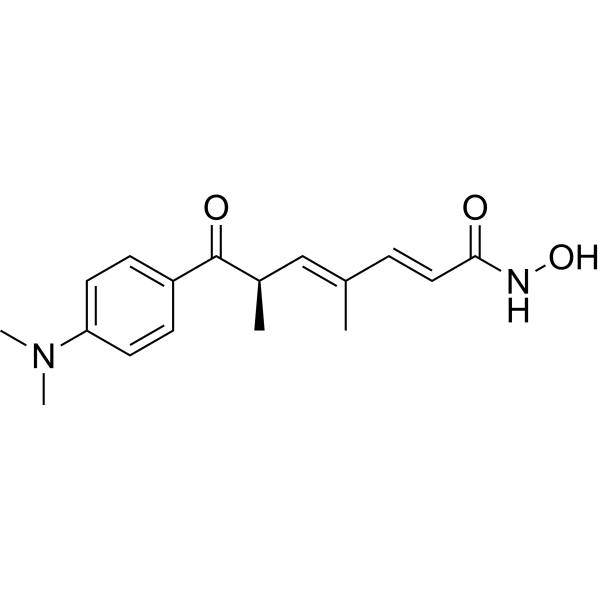 0 ImagesSynonyms: TSA
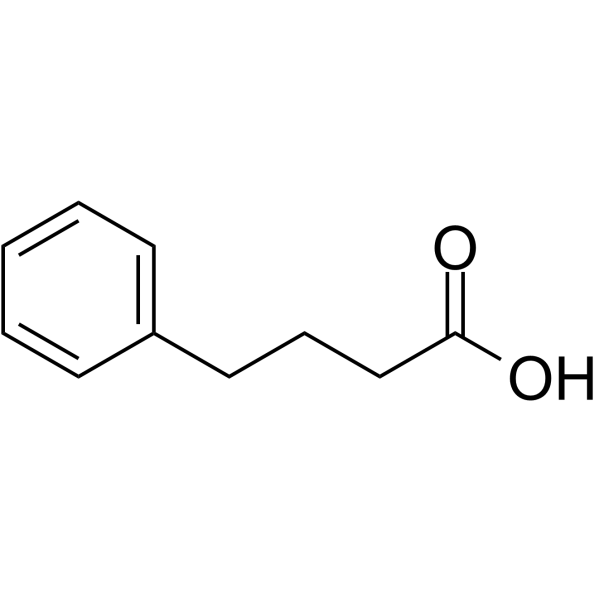
-
Valproic acid
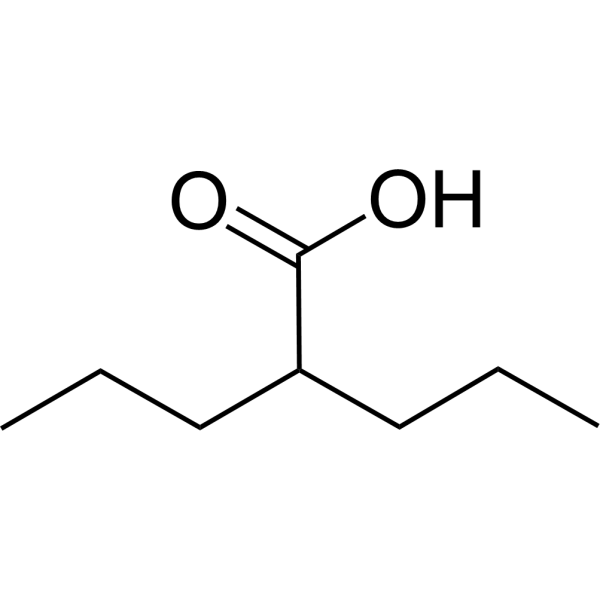 0 ImagesSynonyms: VPA; 2-Propylpentanoic acid; Dipropylacetic acidValproic acid (VPA) is an orally active HDAC inhibitor, with IC50 in the range of 0.5 and 2 mM. Valproic acid inhibits HDAC1 (IC50, 400 μM), and induces proteasomal degradation of HDAC2. Valproic acid activates Notch1 signaling and inhibits proliferation in small cell lung cancer (SCLC) cells. Valproic acid is used in the epilepsy, bipolar disorder, metabolic disease, HIV infection and prevention of migraine headaches.
-
Sulforaphane
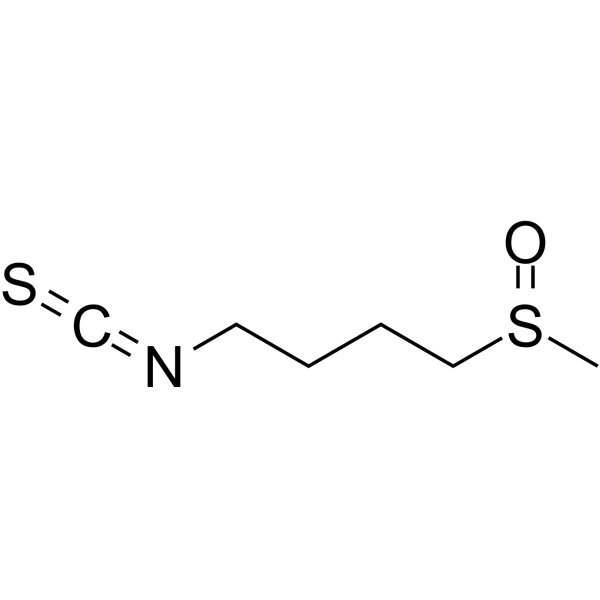 0 ImagesSulforaphane is an orally active inducer of the Keap1/Nrf2/ARE pathway. Sulforaphane promotes the transcription of tumor-suppressing proteins and effectively inhibits the activity of HDACs. Through the activation of the Keap1/Nrf2/ARE pathway and further induction of HO-1 expression, Sulforaphane protects the heart. Sulforaphane suppresses high glucose-induced pancreatic cancer through AMPK-dependent signal transmission. Sulforaphane exhibits both anticancer and anti-inflammatory properties.
-
Sodium butyrate
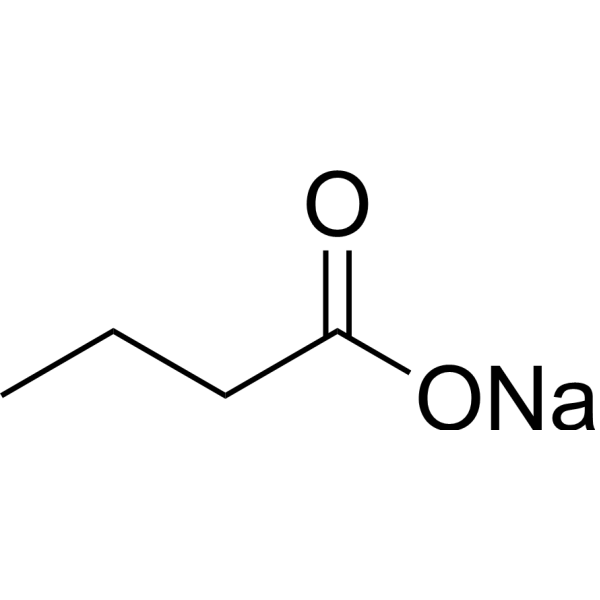 0 ImagesSynonyms: Butanoic acid sodium; Butyric acid sodiumSodium butyrate ((Butanoic acid; Butyric acid) sodium) is an orally active HDAC inhibitor. Sodium butyrate induces hyperacetylation of core histones and affects phosphorylation of H1/H2A, thereby altering chromatin structure and regulating gene expression. Sodium butyrate can be used in research related to various cancers, inflammatory bowel disease, and sickle cell anemia.
-
Panobinostat
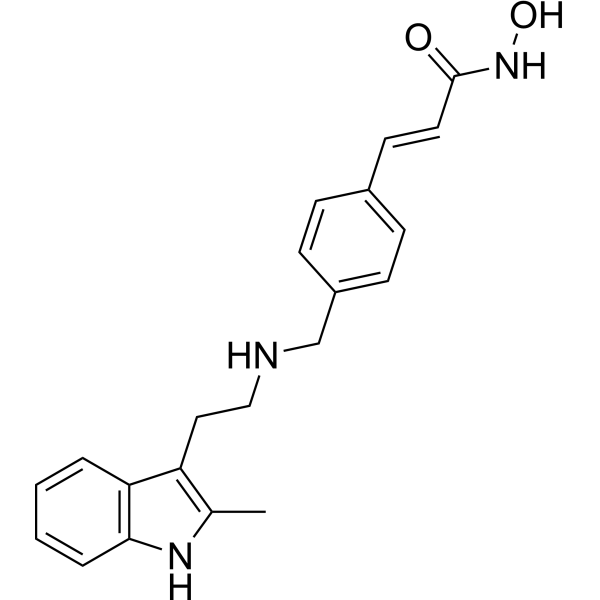 0 ImagesSynonyms: LBH589; NVP-LBH589; MTX 110Panobinostat (LBH589; NVP-LBH589) is a potent and orally active non-selective HDAC inhibitor, and has antineoplastic activities. Panobinostat induces HIV-1 virus production even at low concentration range 8-31 nM, stimulates HIV-1 expression in latently infected cells. Panobinostat induces cell apoptosis and autophagy. Panobinostat can be used for the study of refractory or relapsed multiple myeloma.
-
Valproic acid sodium
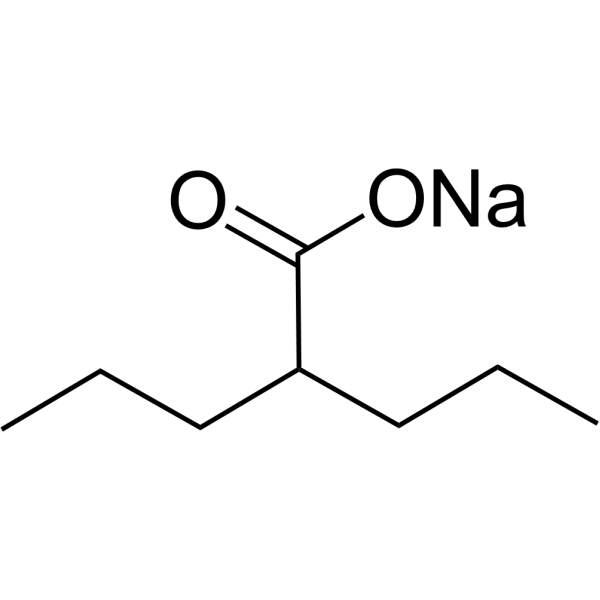 0 ImagesSynonyms: Sodium Valproate; VPA sodium; 2-Propylpentanoic acid sodiumValproic acid (Sodium Valproate) sodium is an orally active HDAC inhibitor, with IC50 in the range of 0.5 and 2 mM, also inhibits HDAC1 (IC50, 400 μM), and induces proteasomal degradation of HDAC2. Valproic acid sodium activates Notch1 signaling and inhibits proliferation in small cell lung cancer (SCLC) cells. Valproic acid sodium is used in the treatment of epilepsy, bipolar disorder, metabolic disease, HIV infection and prevention of migraine headaches.
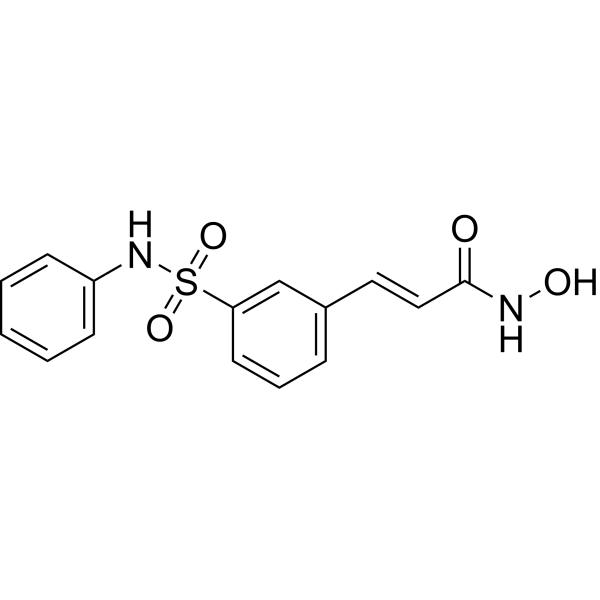
-
Carbamazepine
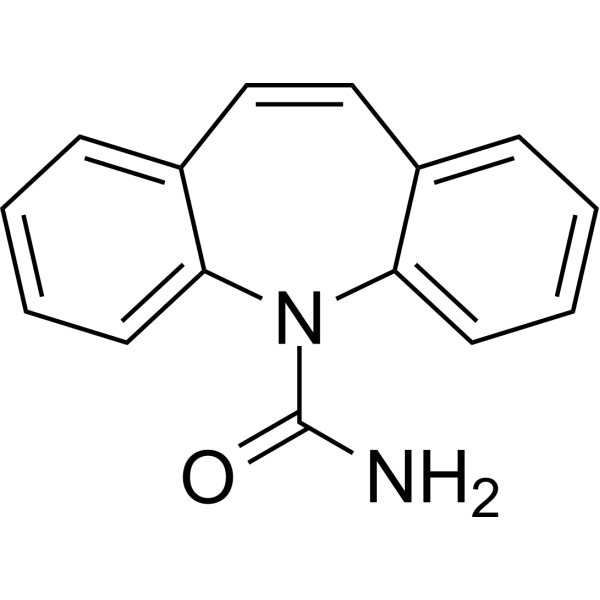 0 ImagesCarbamazepine is an orally active pressure-sensitive sodium ion channel blocker with an IC50 of 131 μM. Carbamazepine blocks voltage gated Na+, Ca2+, and K+ channels, and is also a HDAC inhibitor (IC50: 2 μM). Carbamazepine is an anticonvulsant and can be used for research of epilepsy and neuropathic pain.
-
Croconic acid disodium
 0 ImagesSynonyms: NacrCroconic acid disodium (Nacr) is a lysine crotonylation (Kcr) activator and electroactive material. Croconic acid disodium reduces the expression of HDAC2, HDAC3, SIRT1, and SIRT3, and increases the expression of EP300, CITED1, ACSS2, DPF2, CDYL, MLLT3, and YEATS2. Croconic acid disodium elevates intracellular crotonyl-CoA content and global histone lysine crotonylation levels. Croconic acid disodium promotes the growth of bovine fibroblasts, regulates cell cycle progression, and inhibits bovine fibroblast apoptosis (apoptosis). Croconic acid disodium improves the blastocyst development efficiency of bovine somatic cell nuclear transfer embryos. Croconic acid disodium undergoes reversible lithium intercalation/deintercalation reactions via sodium-lithium ion exchange. Croconic acid disodium is applicable to research related to cell growth promotion.
-
Manganese chloride tetrahydrate, molecular biology grade,≥99.0% (KT)
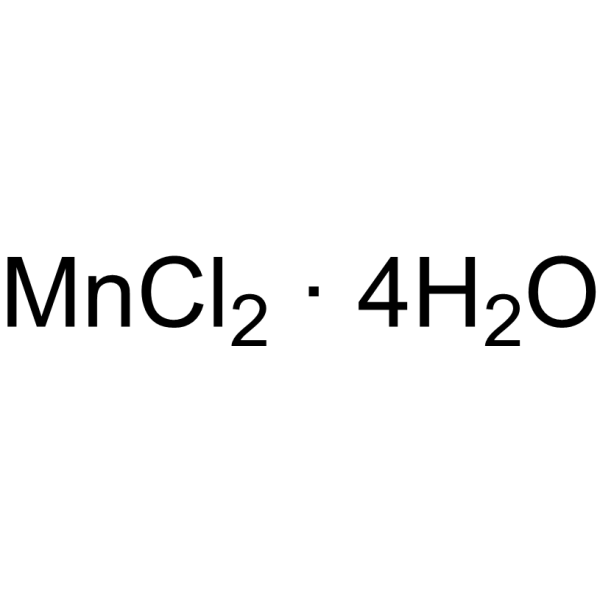 0 ImagesSynonyms: Manganese(Ⅱ) chloride tetrahydrate, molecular biology grade,≥99.0% (KT)Manganese chloride (tetrahydrate), molecular biology grade,≥99.0% (KT) is an orally active and a blood-brain barrier penetrant compound. It affects the activities of multiple enzymes in cells, such as regulating the activities of histone acetyltransferase (HAT) and histone deacetylase (HDAC), thereby affecting gene expression. It has multiple activities such as neurotoxicity, embryotoxicity, and reproductive toxicity. It is currently mainly used in neurodegenerative diseases and toxicology research.
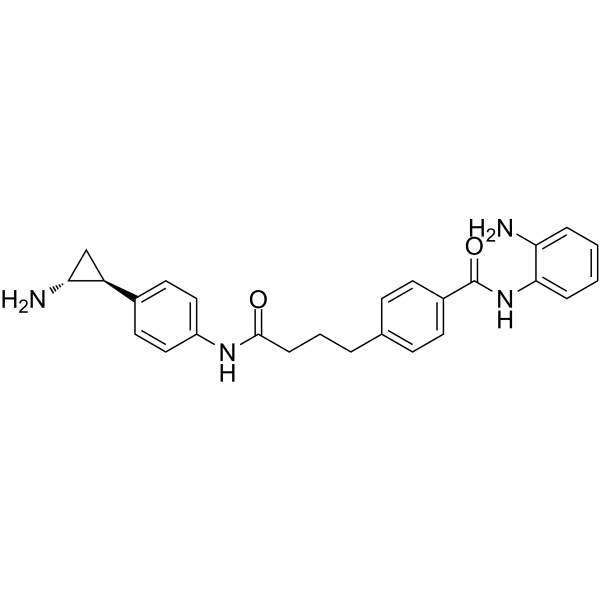
-
M344
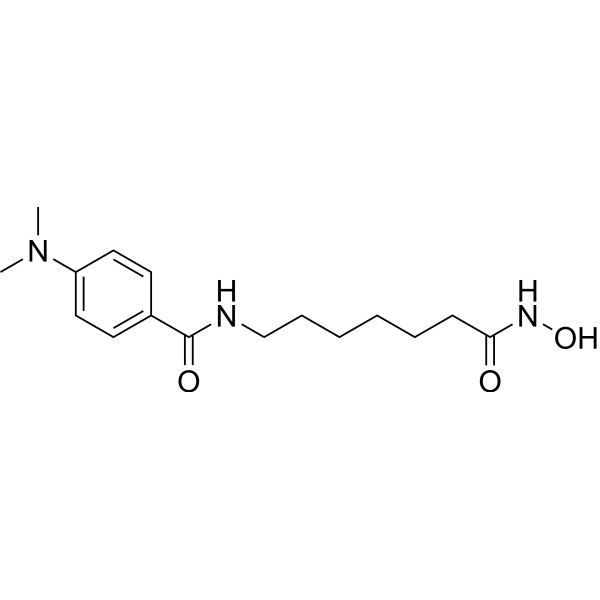 0 ImagesSynonyms: D 237; MS 344M344 (D 237) is an inhibitor of histone deacetylase (IC50=100 nM) and an inducer of terminal cell fifferentiation.
-
Sinapinic acid
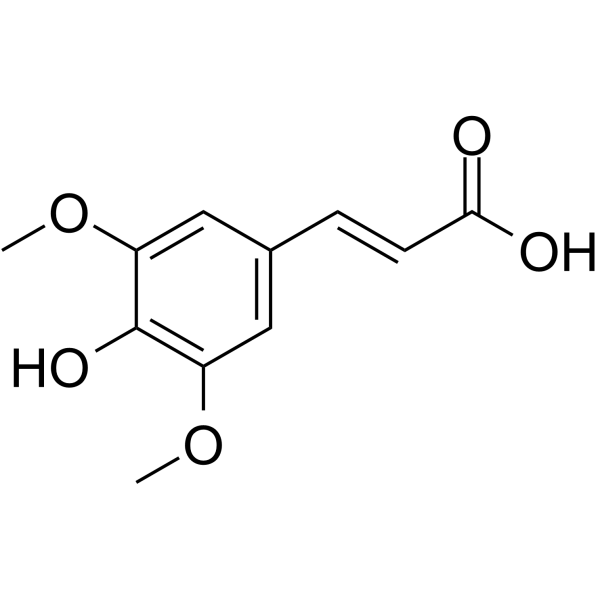 0 ImagesSynonyms: Sinapic acidSinapinic acid (Sinapic acid) is a phenolic compound isolated from Hydnophytum formicarum Jack. Rhizome, acts as an inhibitor of HDAC, with an IC50 of 2.27 mM, and also inhibits ACE-I activity. Sinapinic acid posssess potent anti-tumor activity, induces apoptosis of tumor cells. Sinapinic acid shows antioxidant and antidiabetic activities. Sinapinic acid reduces total cholesterol, triglyceride, and HOMA-IR index, and also normalizes some serum parameters of antioxidative abilities and oxidative damage in ovariectomized rats.
-
AR420626
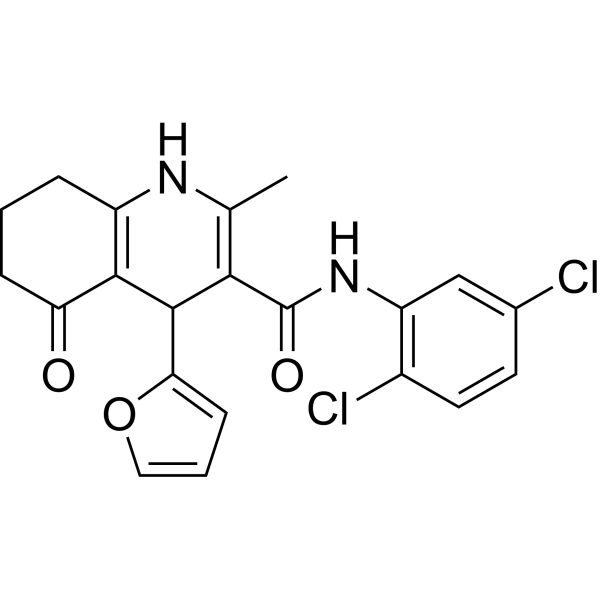 0 ImagesAR420626 is a selective agonist of free fatty acid receptor 3 (FFAR3) (IC50=117 nM). AR420626 has anti-inflammatory, anticancer and antidiabetic activities. AR420626 improves neurogenic diarrhea by inhibiting nAChR mediated neural pathways. AR420626 inhibits the growth of HepG2 xenografts and inhibits the proliferation of hepatoma cells by inducing apoptosis. AR420626 also suppresses allergic asthma and eczema and has the ability to activate GPR41 to increase Ca2+ signal-mediated glucose uptake and improve diabetes.
-
MC1568
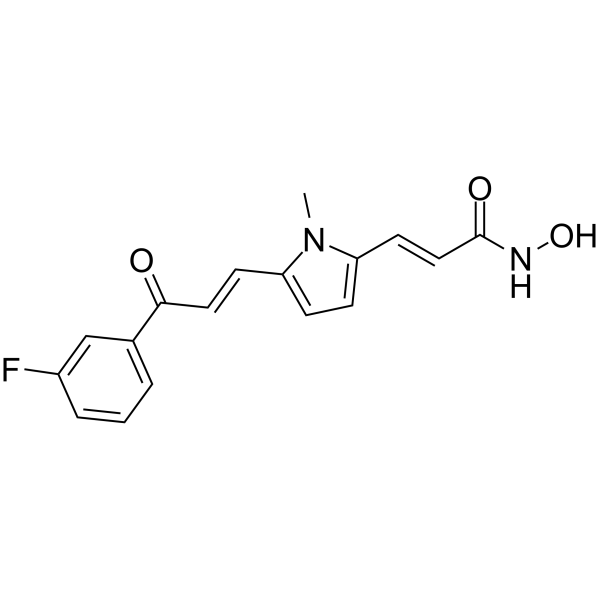 0 ImagesCat. No.: HY-16914CAS No.: 852475-26-4



