



IKK
The inhibitor of nuclear factor-κB (IκB) kinase (IKK) complex is a central regulator of the NF-κB signaling pathway, integrating diverse extracellular stimuli to control inflammation and immune responses[1]. IKKα specifically drives the non-canonical NF-κB pathway by phosphorylating p100, promoting p52/RelB-mediated transcription, whereas IKKβ primarily regulates the canonical pathway through IκBα phosphorylation[2][3][4]. Mechanistically, IKK activation involves isoform-specific interactions with regulatory proteins such as NEMO and ABIN-2, which selectively enhance IKKα kinase activity and NF-κB transcriptional output[5][6]. In disease models, IKK dysregulation contributes to inflammatory conditions, cardiomyopathy, retinal epithelial-mesenchymal transition, and cancer, underscoring its therapeutic relevance[7][8][9]. Compared with IKKβ, IKKα exhibits distinct substrate specificity and differential responses to small-molecule inhibitors, emphasizing the need for isoform-selective pharmacological tools[10][11][4]. Recent studies have developed potent IKKα-selective inhibitors capable of modulating non-canonical NF-κB signaling in cancer and inflammatory models without affecting IKKβ-dependent pathways[2][3][4]. These selective compounds enable experimental dissection of IKKα versus IKKβ functions and support rational drug design targeting specific pathological processes mediated by NF-κB[2][3][4].
References:
- [1]. Anthony NG, et al. Inhibitory Kappa B Kinase α (IKKα) Inhibitors That Recapitulate Their Selectivity in Cells against Isoform-Related Biomarkers. J Med Chem. 2017 Aug 24;60(16):7043-7066. [Content Brief]
- [2]. Riley C, et al. Design and Synthesis of Novel Aminoindazole-pyrrolo[2,3-b]pyridine Inhibitors of IKKα That Selectively Perturb Cellular Non-Canonical NF-κB Signalling. Molecules. 2024 Jul 26;29(15):3515. [Content Brief]
- [3]. Liu F, et al. IKK biology. Immunol Rev. 2012 Mar;246(1):239-53. [Content Brief]
- [4]. Tian F, et al. The small-molecule inhibitor selectivity between IKKα and IKKβ kinases in NF-κB signaling pathway. J Recept Signal Transduct Res. 2015;35(4):307-18. [Content Brief]
- [5]. Gamble C, et al. Inhibitory kappa B Kinases as targets for pharmacological regulation. Br J Pharmacol. 2012 Feb;165(4):802-19. [Content Brief]
- [6]. Leotoing L, et al. A20-binding inhibitor of nuclear factor-kappaB (NF-kappaB)-2 (ABIN-2) is an activator of inhibitor of NF-kappaB (IkappaB) kinase alpha (IKKalpha)-mediated NF-kappaB transcriptional activity. J Biol Chem. 2011 Sep 16;286(37):32277-88. [Content Brief]
- [7]. Maier HJ, et al. Cardiomyocyte-specific IκB kinase (IKK)/NF-κB activation induces reversible inflammatory cardiomyopathy and heart failure. Proc Natl Acad Sci U S A. 2012 Jul 17;109(29):11794-9. [Content Brief]
- [8]. Sripathi SR, et al. IKKβ Inhibition Attenuates Epithelial Mesenchymal Transition of Human Stem Cell-Derived Retinal Pigment Epithelium. Cells. 2023 Apr 13;12(8):1155. [Content Brief]
- [9]. Du Z, et al. Inhibition of type I interferon-mediated antiviral action in human glioma cells by the IKK inhibitors BMS-345541 and TPCA-1. J Interferon Cytokine Res. 2012 Aug;32(8):368-77. [Content Brief]
- [10]. Plevin R, et al. Novel selective inhibitors of inhibitory kappa B kinase alpha-new drugs for the treatment of Cancer[C]//Proceedings for Annual Meeting of The Japanese Pharmacological Society WCP2018 (The 18th World Congress of Basic and Clinical Pharmacology). Japanese Pharmacological Society, 2018: OR7-1.
- [11]. Barczewski AH, et al. The IKK-binding domain of NEMO is an irregular coiled coil with a dynamic binding interface. Sci Rep. 2019 Feb 27;9(1):2950. [Content Brief]
-
IKK Related Products (87)
Related Products (87)

-
Antibodies (2)
-
IKK 16
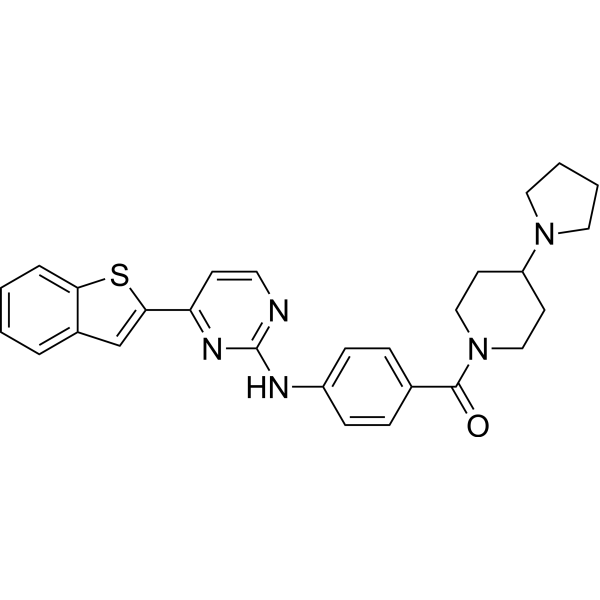 0 ImagesIKK 16 is an orally active IKK inhibitor. IKK 16 shows IC50s of 40 nM, 70 nM, 200 nM, and 50 nM for IKK2, IKK complex, IKK1, and LRRK 2, respectively. IKK 16 is also a pan-PKD inhibitor, inhibiting PKD1, PKD2, and PKD3 with IC50s of 153.9, 115, and 99.7 nM, respectively. IKK 16 is also an ABCB1 inhibitor, interfering with the binding of ABCB1 to its substrates. IKK 16 protects against LPS (HY-D1056)-induced multiple organ dysfunction by reducing the acute inflammatory response induced by endotoxin exposure. IKK 16 can restore renal function and alleviate fibrosis in acute kidney injury. IKK 16 attenuates cardiac dysfunction associated with polymicrobial sepsis in mice with type 2 diabetes mellitus (T2DM) by inhibiting the NF-κB pathway.
-
Vinpocetine
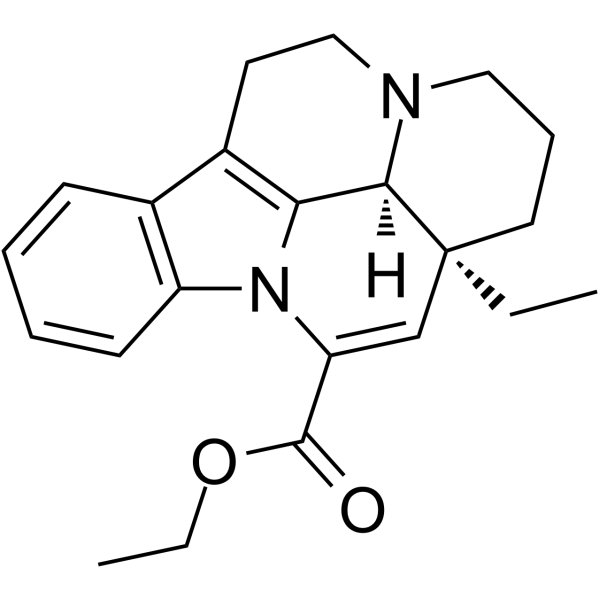 0 ImagesSynonyms: Ethyl apovincaminateVinpocetine (Ethyl apovincaminate) is a derivative of the alkaloid Vincamine that blocks voltage-gated Na+ channels. The IC50 value of Vinpocetine on direct IKK inhibition in the cell-free system is 17.17 μM. Vinpocetine is a phosphodiesterase (PDE) inhibitor and inhibits NF-κB-dependent inflammatory responses by directly targeting IκB kinase complex (IKK), and has been widely used for the treatment of cerebrovascular disorders.
-
WS6
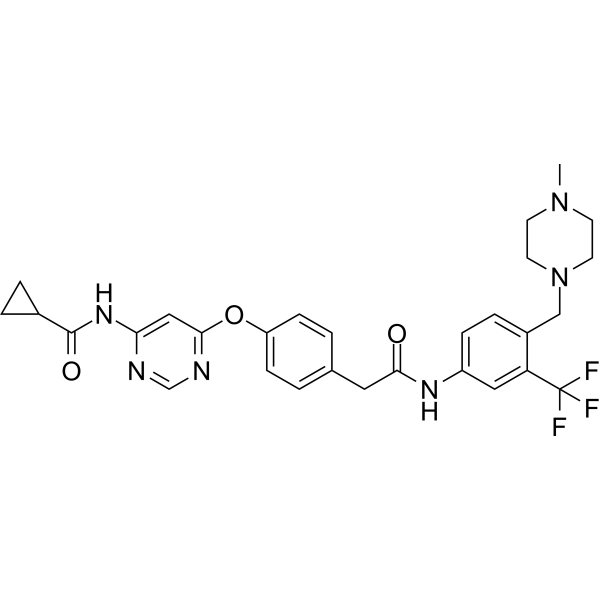 0 ImagesWS6 is an IkB kinase and EBP1 inhibitor, with IC50 values of 0.24 nM, 0.21 nM, and 40.48 nM in MV4-11, MOLM13, and K562 cells, respectively. WS6 promotes the proliferation of alpha and beta cells in the pancreas, has antioxidant and anti-inflammatory activities, and can alleviate depression like behavior in rats[1][2][4].
-
Oxaprozin
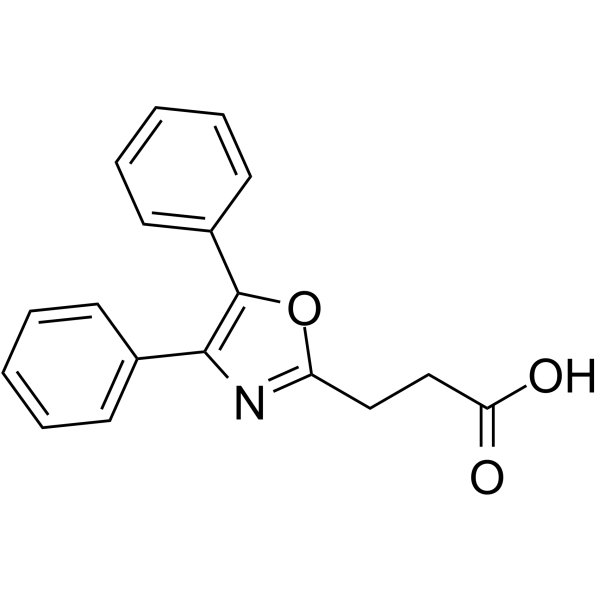 0 ImagesSynonyms: Oxaprozinum; Wy21743Oxaprozin is an orally active and potent COX inhibitor, with IC50 values of 2.2 μM for human platelet COX-1 and and 36 μM for IL-1-stimulated human synovial cell COX-2, respectively. Oxaprozin also inhibits the activation of NF-κB. Oxaprozin induces cell apoptosis. Oxaprozin shows anti-inflammatory activity. Oxaprozin-mediated inhibition of the Akt/IKK/NF-κB pathway contributes to its anti-inflammatory properties.
-
Abietic acid
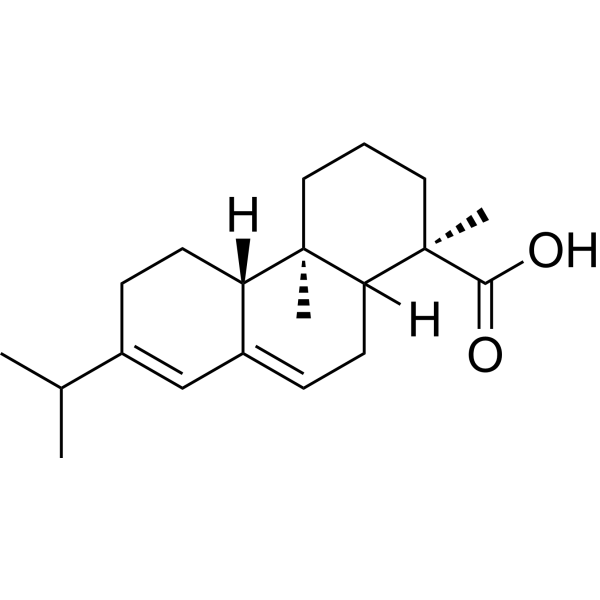 0 ImagesAbietic acid, an orally active diterpene isolated from Colophony, displays significant anti-proliferative, anti-inflammatory, anti-obesity effect, bacteriostatic, cell cycle arresting and pro-apoptotic activities. Abietic acid inhibits lipoxygenase activity for allergy. Abietic acid enhances cell migration and tube formation in HUVECs. Abietic acid induces significant angiogenic potential, which is associated with upregulation of extracellular signal-regulated kinase (ERK) and p38 expression. Abietic acid attenuates sepsis-induced lung injury by inhibiting nuclear factor kappa-light-chain-enhancer of activated B cells (NF-κB) pathway to inhibit M1 macrophage polarization. Abietic acid exhibits a positive effect against liver injury by attenuating inflammation and ferroptosis. Abietic acid shows accelerated wound closure in a mouse model of cutaneous wounds. Abietic acid significantly reduces the proliferation and growth of NSCLC cells by IKKβ inhibition.Additionally, Abietic acid ameliorates psoriasis-like inflammation and modulates gut microbiota in mice. Abietic acid is promising for research in non-small-cell lung cancer (NSCLC), liver injury-related deseases and psoriasis.
-
TBK1/IKKε-IN-5
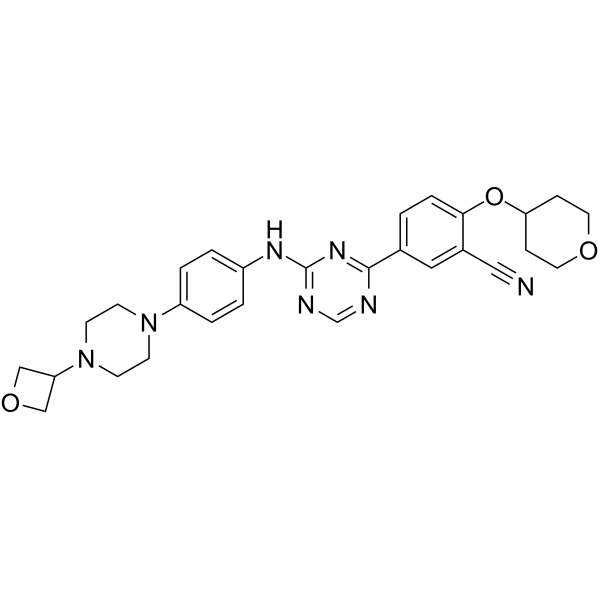 0 ImagesTBK1/IKKε-IN-5 (compound 1) is an orally active TBK1 and IKKε dual inhibitor, with IC50 values of 1 and 5.6 nM, respectively. TBK1/IKKε-IN-5 enhances the blockade response to PD-1 and induces immune memory in rats when combines with anti-PD-L1. TBK1/IKKε-IN-5 can be used in cancer research, especially in tumour immunity.
-
GS143
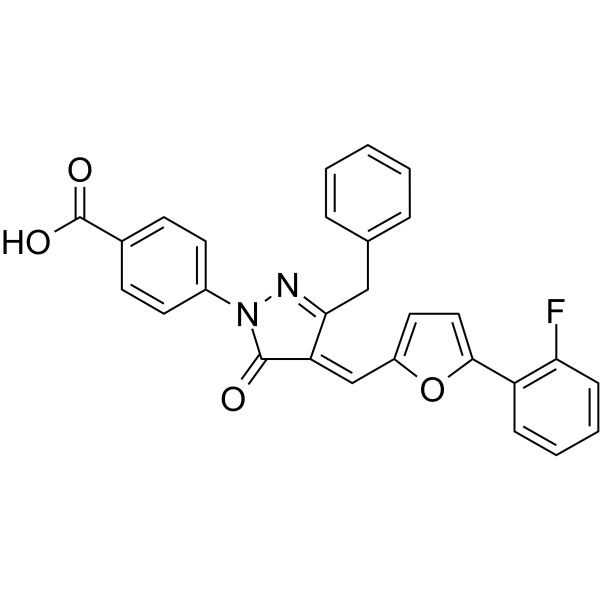 0 ImagesGS143 is a selective IκBα ubiquitination inhibitor with an IC50 of 5.2 μM for SCFβTrCP1-mediated IκBα ubiquitylation. GS143 suppresses NF-κB activation and transcription of target genes and does not inhibit proteasome activity. GS143 has anti-asthma effect.
-
Pam2CSK4 TFA
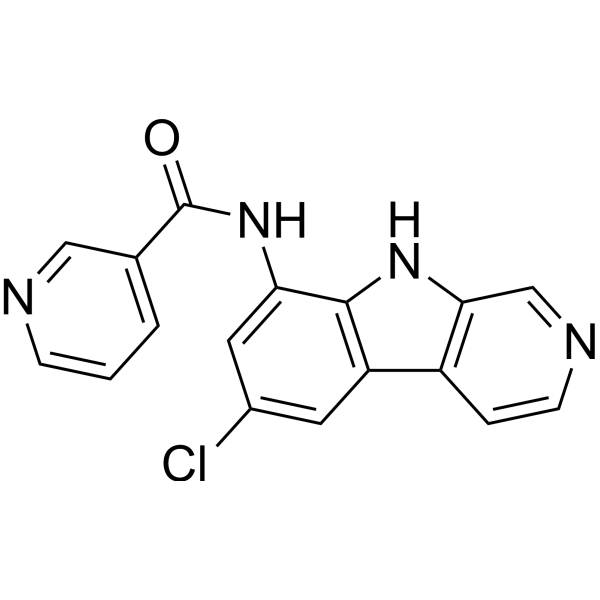
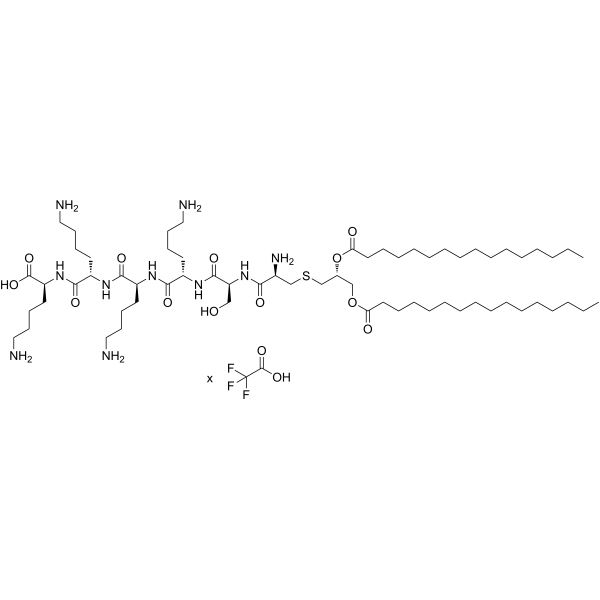 0 ImagesCat. No.: HY-P1181APurity: 99.46%Pam2CSK4 TFA is a TLR2 agonist. Pam2CSK4 TFA induces the expression of iNOS and NO in macrophage cell lines via TBK1 and MyD88 molecules. Pam2CSK4 TFA activates the NF-κB and Bruton's tyrosine kinase signaling pathways in platelets, and promotes platelet-endothelial cell interactions. TLR2 activation triggered by Pam2CSK4 TFA expands myeloid-derived suppressor cells (MDSCs) and suppresses anti-tumor immune responses in the tumor microenvironment. Pam2CSK4 TFA acts as a Th2-polarizing adjuvant in mouse vaccine models against Leishmania major and Brugia malayi. Pam2CSK4 TFA can be used in the research of various diseases, including thromboinflammatory diseases, sepsis, atherosclerosis, heart failure, influenza, lymphoma, melanoma, cutaneous leishmaniasis and lymphatic filariasis.
-
Peramivir trihydrate
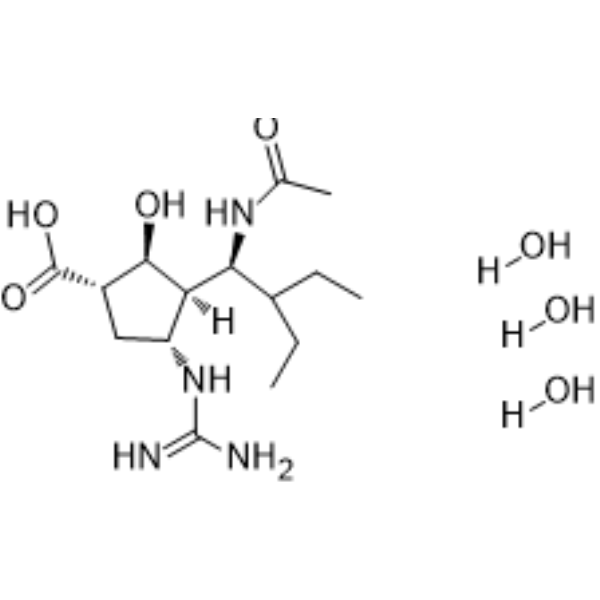 0 ImagesSynonyms: RWJ 270201 trihydrate; BCX 1812 trihydratePeramivir trihydrate (RWJ-270201 trihydrate) is a highly potent, selective and orally active influenza virus neuraminidase (NA) inhibitor, with IC50 values ranging from 0.9 to 4.3 nM for nine NA subtypes.
-
IKK 16 hydrochloride
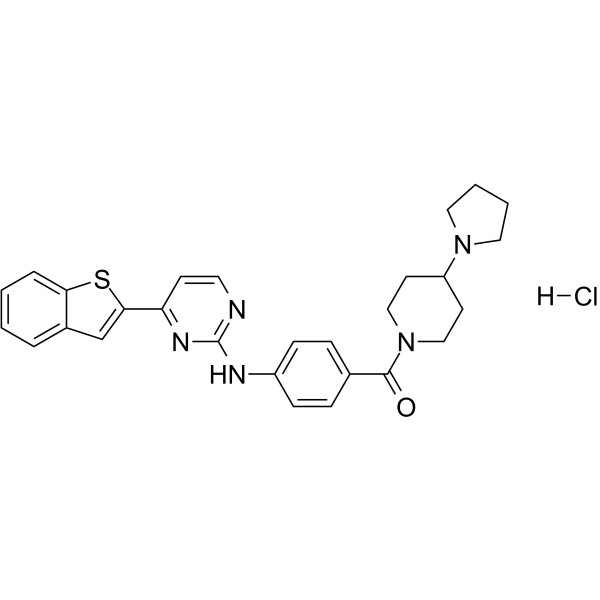 0 ImagesIKK 16 hydrochloride is an orally active IKK inhibitor. IKK 16 hydrochloride shows IC50s of 40 nM, 70 nM, 200 nM, and 50 nM for IKK2, IKK complex, IKK1, and LRRK 2, respectively. IKK 16 hydrochloride is also a pan-PKD inhibitor, inhibiting PKD1, PKD2, and PKD3 with IC50s of 153.9, 115, and 99.7 nM, respectively. IKK 16 hydrochloride is also an ABCB1 inhibitor, interfering with the binding of ABCB1 to its substrates. IKK 16 hydrochloride protects against LPS (HY-D1056)-induced multiple organ dysfunction by reducing the acute inflammatory response induced by endotoxin exposure. IKK 16 hydrochloride can restore renal function and alleviate fibrosis in acute kidney injury. IKK 16 hydrochloride attenuates cardiac dysfunction associated with polymicrobial sepsis in mice with type 2 diabetes mellitus (T2DM) by inhibiting the NF-κB pathway.
-
NF-κB-IN-1
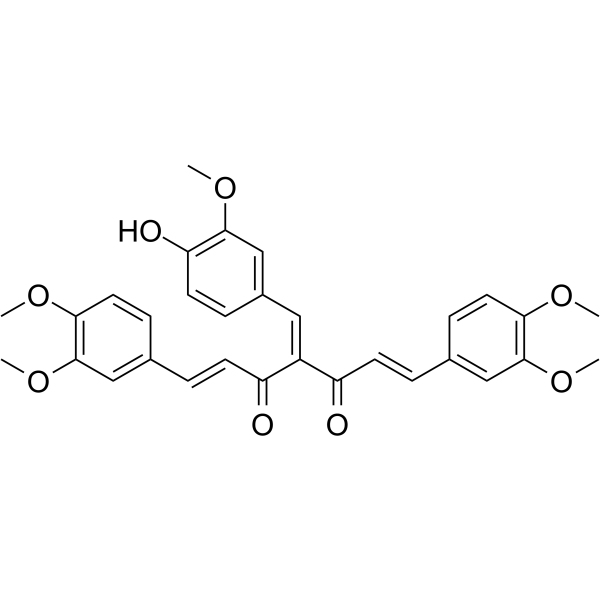 0 ImagesNF-κB-IN-1, a 4-arylidene crucumin analogue, is a potent NF-κB signaling pathway inhibitor. NF-κB-IN-1 directly inhibits IKK to block NF-κB activation. NF-κB-IN-1 effectively inhibits the viability of lung cancer cells and attenuates the clonogenic activity of A549 cells.

-
DC-SX029
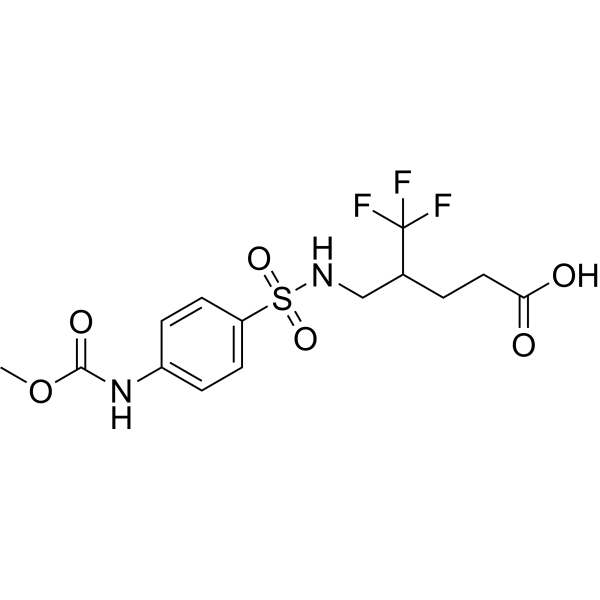 0 ImagesDC-SX029 is a potent SNX10 protein-protein interaction (PPI) inhibitor with oral activity with an estimated KD constant of ~0.935 μM by surface plasmon resonance (SPR). DC-SX029 blocks the SNX10-PIKfyve interaction, thereby decreased the TBK1/c-Rel signaling activation. DC-SX029 does not affect the protein level of SNX10. DC-SX029 has the potential for inflammatory bowel disease (IBD) research.
-
Resveratrol analog 1
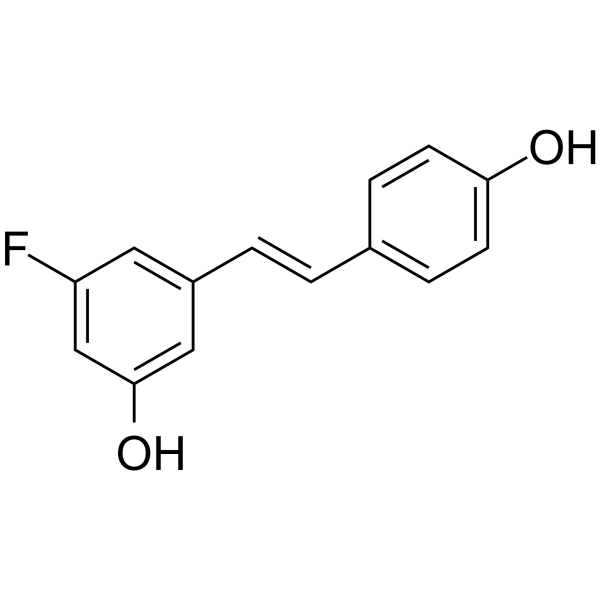 0 ImagesResveratrol analog 1 is an analog of Resveratrol (HY-16561), compound 48. Resveratrol is a natural polyphenolic phytoalexin that possesses anti-oxidant, anti-inflammatory, cardioprotective, and anti-cancer properties.
-
SR12343
 0 ImagesSR12343 is a IKK/NF-κB inhibitor and a mimetic of the NF-κB essential modulator (NEMO)-binding domain (NBD). SR12343 inhibits TNF-α- and LPS-induced NF-κB activation by blocking the interaction between IKKβ and NEMO. SR12343 suppresses LPS-induced acute pulmonary inflammation in mice. SR12343 extends the healthspan of naturally aged and accelerated aging mice. SR12343 can be used for research on inflammatory and degenerative diseases.
-
Ac2-26 ammonium
 0 ImagesCat. No.: HY-P1098BAc2-26 ammonium is the N-terminal peptide of annexin 1, and has anti-inflammatory activity. Ac2-26 ammonium induces a decrease in IKKβ protein in lysosomes by chaperone-mediated autophagy (CMA). Ac2-26 ammonium ameliorates lung ischemia-reperfusion injury. Ac2-26 ammonium also inhibits airway inflammation and hyperresponsiveness in an asthma rat model.
-
Murrayafoline A
 0 ImagesMurrayafoline A is a carbazole alkaloid that can be extracted from Murraya tetramera. Murrayafoline A directly targets Specificity protein 1 (Sp1), thereby inhibiting NF-κB and MAPK signaling pathways. Murrayafoline a induces a G0/G1-phase arrest in platelet-derived growth factor (PDGF)-stimulated vascular smooth muscle cells. Murrayafoline A attenuates the Wnt/β-catenin pathway by promoting the degradation of intracellular β-catenin proteins. Murrayafoline A enhances the contraction of rat ventricular myocytes and L-type calcium current by activating protein kinase C. Murrayafoline A inhibits LPS (HY-D1056)-induced neuroinflammation in vivo. Murrayafoline A can be used for the study of inflammation, vascular complications and colon cancer.
-
KMS99220
 0 ImagesKMS99220 is an orally active, blood-brain barrier-permeable activator of the Nrf2 inhibitory protein Keap-1. KMS99220 enhances the activity of AMPK, activates the Nrf2 signaling pathway, and reduces the phosphorylation of IκB, nuclear translocation of NFκB, as well as the phosphorylation levels of JNK, IKK and p38 MAPK via HO-1. KMS99220 binds to Keap1 to trigger the nuclear translocation of Nrf2, induces the expression of HO-1, NQO1, GCLC, GCLM and proteasome subunits; enhances proteasomal enzymatic activity; inhibits iNOS expression, nitric oxide production and IL-1β generation; attenuates microglial activation; reduces α-synuclein aggregation; and prevents dopaminergic neuron degeneration and motor dysfunction. KMS99220 prevents the degeneration of dopaminergic neurons in the substantia nigra, induces the expression of Nrf2 downstream target genes, and effectively ameliorates associated motor dysfunction in a mouse model of Parkinson's disease. KMS99220 is applicable to research related to Parkinson's disease.




