

1. Search Result
Search Result
Results for "

infant

" in MedChemExpress (MCE) Product Catalog:

46

Inhibitors & Agonists

1

Screening Libraries

2

Biochemical Assay Reagents

2

Inhibitory Antibodies

14

Natural
Products

5

Isotope-Labeled Compounds

1

Oligonucleotides

Cat. No. Product Name Target Research Areas Chemical Structure
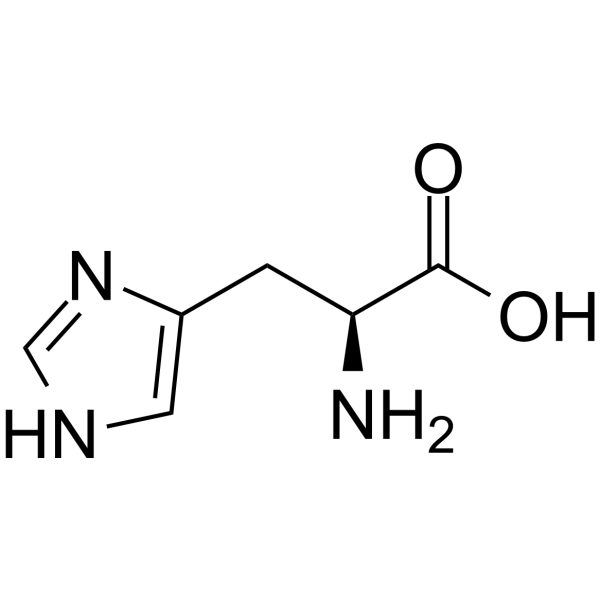
  • HY-N0832
    L-Histidine
    3 Publications Verification

    Mitochondrial Metabolism Endogenous Metabolite Ligands for E3 Ligase Neurological Disease Metabolic Disease Inflammation/Immunology
    L-Histidine is an essential amino acid for infants. L-Histidine is an inhibitor of mitochondrial glutamine transport.
    L-Histidine
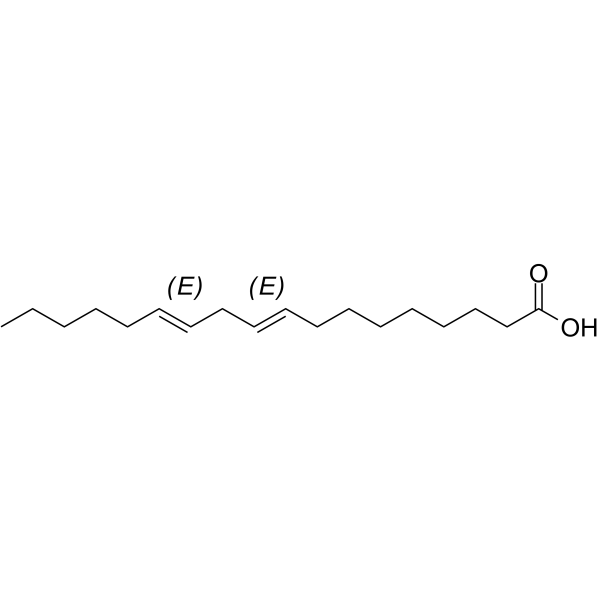
  • HY-W071746
    Linolelaidic acid
    1 Publications Verification

    Linoelaidic acid

    Endogenous Metabolite Parasite Apoptosis Infection Inflammation/Immunology
    Linolelaidic acid (Linoelaidic acid) is an omega-6 trans fatty acid (TFA) that is an essential nutrient with oral activity. Linolelaidic acid can be added to enteral nutrition (oral), parenteral nutrition (intravenous), and infant formula. Linolelaidic acid has anti-inflammatory and anti-parasitic ((Parasite)) activities, and can induce Apoptosis. Linolelaidic acid is useful for research in infections .
    Linolelaidic acid
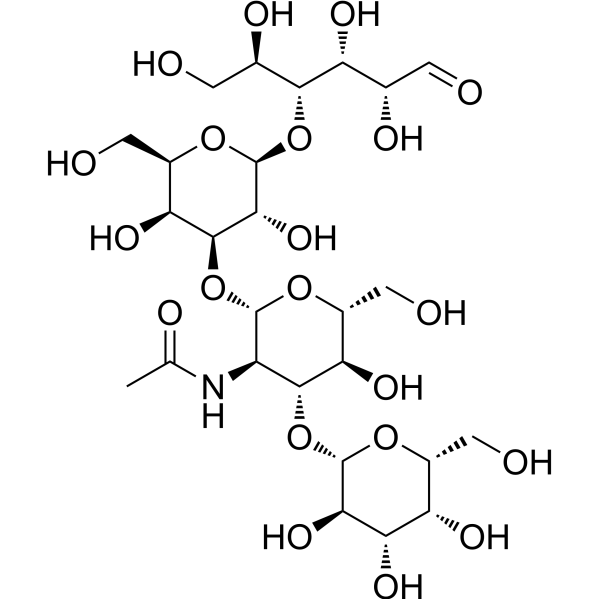
  • HY-N9448
    Lacto-N-tetraose
    1 Publications Verification

    Bacterial Infection Inflammation/Immunology
    Lacto-N-tetraose is the significant core structure of human milk oligosaccharides (HMOs) naturally existing in human milk. Lacto-N-tetraose is consist of galactose, N-acetylglucosamine, and glucose moieties. Lacto-N-tetraose has prebiotic effect, immune regulatory effect, anti-inflammatory effects, intestinal cell responses regulatory effect, antibacterial activity and antiviral activity. Lacto-N-tetraose has been widely added to infant formula .
    Lacto-N-tetraose
  • HY-W012734
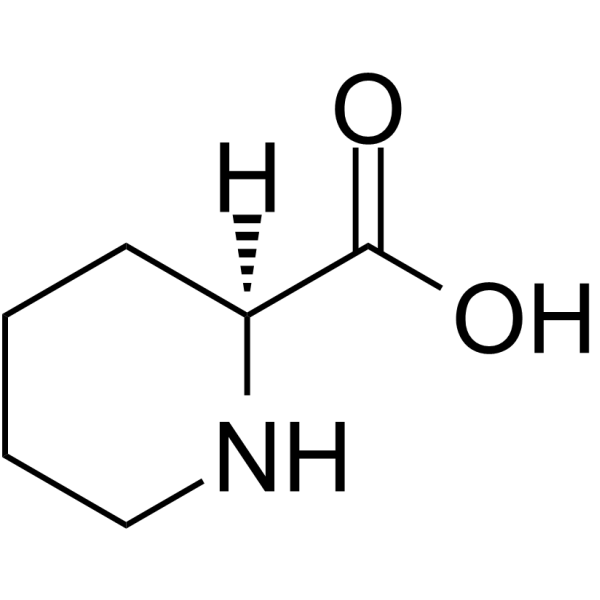
    L-Pipecolic acid
    1 Publications Verification

    H-HoPro-OH

    Endogenous Metabolite Metabolic Disease
    L-Pipecolic acid (H-HoPro-OH) is an oral active metabolite of Lysine and can accumulate in the bodily fluids of infants with autosomal inherited diseases, such as Zellweger syndrome and neonatal adrenal insufficiency. L-Pipecolic acid can promote muscle cell health and growth by enhancing protein synthesis, and plays a role in promoting gut health. L-Pipecolic acid holds promise for research in the fields of metabolic disorders, muscle growth disorders, and intestinal diseases .
    L-Pipecolic acid
  • HY-13707

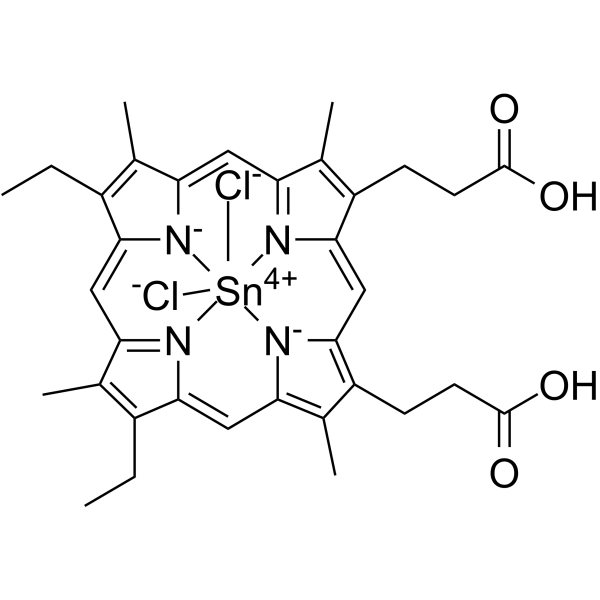
    Stannsoporfin; SnMP

    Heme Oxygenase (HO) Dengue Virus Bacterial Infection Metabolic Disease Cancer
    Tin(IV) mesoporphyrin IX dichloride (Stannsoporfin) is an orally active heme oxygenase (HO) inhibitor. Tin(IV) mesoporphyrin IX dichloride increases DENV RNA replication. Tin(IV) mesoporphyrin IX dichloride enhances the bactericidal activity of the SPaO regimen against chronic Mycobacterium tuberculosis (Mtb)-infected mice. Tin(IV) mesoporphyrin IX dichloride exhibits antitumor effects. Tin(IV) mesoporphyrin IX dichloride is being developed to prevent the development of jaundice in infants with hyperbilirubinemia .
    Tin(IV) mesoporphyrin IX dichloride
  • HY-B2167R

    DHA (Standard); Cervonic acid (Standard)

    Reference Standards Endogenous Metabolite Neurological Disease Cancer
    Docosahexaenoic acid (Standard) is the analytical standard of Docosahexaenoic acid. This product is intended for research and analytical applications. Docosahexaenoic Acid (DHA) is an omega-3 fatty acid abundantly present brain and retina. It can be obtained directly from fish oil and maternal milk. In Vitro: Docosahexaenoic acid (DHA) is essential for the growth and functional development of the brain in infants. DHA is also required for maintenance of normal brain function in adults. The inclusion of plentiful DHA in the diet improves learning ability and memory . DHA is an essential requirement in every step of brain development like neural cell proliferation, migration, differentiation, synaptogenesis. The multiple double bonds and unique structure allow DHA to impart special membrane characteristics for effective cell signaling. Many development disorders like dyslexia, autism spectrum disorder, attention deficit hyperactivity disorder, schizophrenia etc. are causally related to decreased level of DHA . DHA is a potent RXR ligand inducing robust RXR activation already at low micro molar concentrations. The EC50 for RXRα activation by DHA is about 5-10 μM fatty acid . In Vivo: Docosahexaenoic acid administration over 10 weeks significantly reduces the number of reference memory errors, without affecting the number of working memory errors, and significantly increases the docosahexaenoic acid content and the docosahexaenoic acid/arachidonic acid ratio in both the hippocampus and the cerebral cortex . DHA treatment exerts neuroprotective actions on an experimental mouse model of PD. There is a decrease tendency in brain lipid oxidation of MPTP mice but it does not significantly .
    Docosahexaenoic acid (Standard)
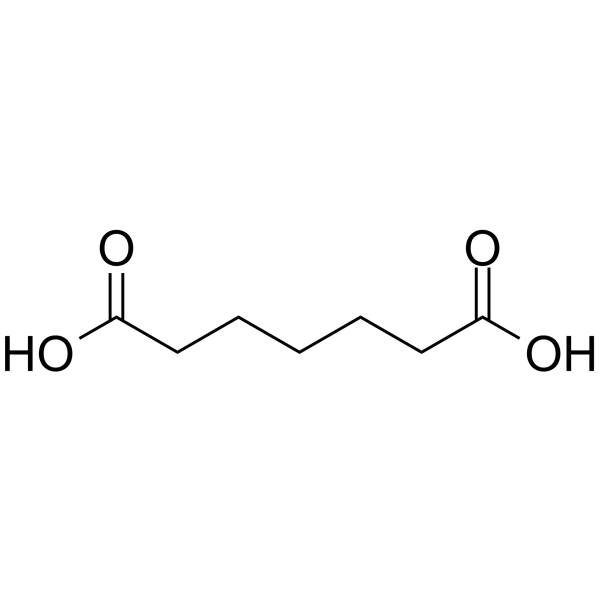
  • HY-Y1139
    Pimelic acid
    2 Publications Verification

    Heptanedioic acid; 1,5-Pentanedicarboxylic acid; 1,7-Heptanedioic acid

    Endogenous Metabolite PROTAC Linkers Metabolic Disease
    Pimelic acid (Heptanedioic acid; 1,5-Pentanedicarboxylic acid) is a seven-carbon α,ω-dicarboxylic acid and a downstream product of fatty acid synthesis. Pimelic acid is a key precursor in biotin biosynthesis. Pimelic acid can be converted to pimelic acid-CoA by the BioW enzyme, thereby bypassing exogenous biotin requirements to support growth in various biotinytrophic bacteria and fungi, and reversing antibiotic-induced inhibition of biotin synthesis. Furthermore, Pimelic acid has been proposed as a highly specific biomarker for oxygen-induced retinopathy in mice. Pimelic acid can be used to study retinopathy of preterm infants, oxygen-induced retinopathy, and microbial biotin metabolism .
    Pimelic acid
  • HY-107863

    Oligolevulose

    Biochemical Assay Reagents Bacterial Infection Metabolic Disease
    Fructooligosaccharides (Oligolevulose) are a class of orally active dietary fibers and prebiotics. Fructooligosaccharides exist in foods such as breast milk, wheat, honey, onions, garlic and bananas. Fructooligosaccharides resist hydrolysis by the body's digestive enzymes and stimulate the growth of beneficial intestinal bacteria through colonic fermentation. Fructooligosaccharides significantly prevent bone loss in the femur and lumbar spine .
    Fructooligosaccharides
  • HY-P99209

    MEDI-524

    RSV Infection
    Motavizumab (MEDI-524) is an anti-human RSV (respiratory syncytial virus) monoclonal antibody. Motavizumab can be used in respiratory syncytial virus infection in high-risk infants research .
    Motavizumab
  • HY-112076

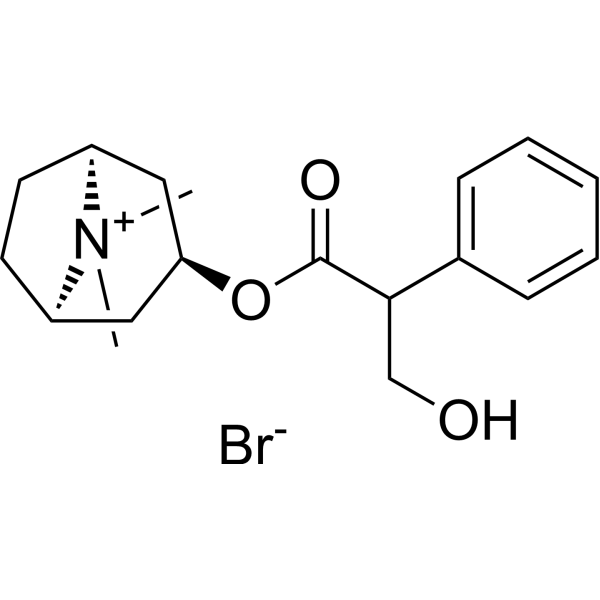
    Methylatropine bromide

    mAChR Neurological Disease
    Atropine methyl bromide, a muscarinic receptor (mAChR) antagonist, is a quaternary ammonium salt of atropine and a mydriatic for dilation of the pupil during ophthalmic examination. It is introduced for relieving pyloric spasm in infants for its highly polar nature. It penetrates less readily into the central nervous system than atropine .
    Atropine methyl bromide
  • HY-145519

    Fluorescent Dye Neurological Disease
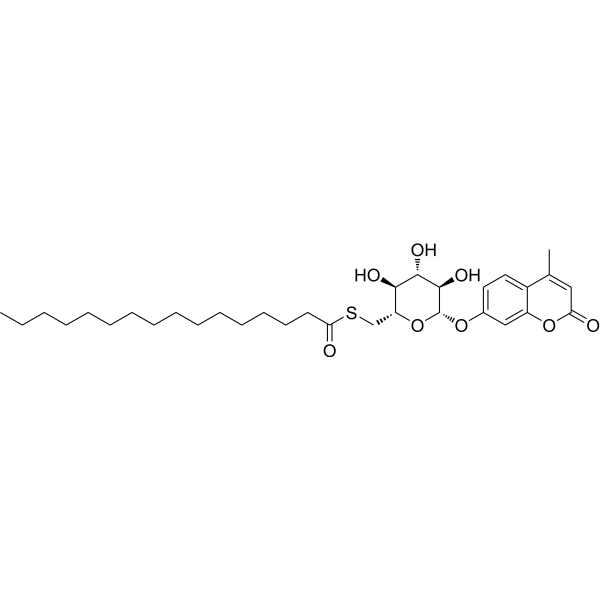
    Mu-6S-Palm-β-Glc is a fluorogenic substrate for palmitoyl-protein thioesterase (PPT). Mu-6S-Palm-β-Glc can be used for the research of neuronal ceroid lipofuscin disease in infants .
    Mu-6S-Palm-β-Glc
  • HY-137873

    4-Methylumbelliferyl-α-D-Glucose; 4-Methylumbelliferyl-α-D-Glucoside; 4-MU-α-D-Glucopyranoside

    Fluorescent Dye Glycosidase Others
    4-Methylumbelliferyl-α-D-Glucopyranoside (4-Methylumbelliferyl-α-D-Glucose) is a fluorescent substrate for α-glucosidase, which releases the fluorescent moiety 4-methylumbelliferyl (4-MU) upon cleavage. 4-MU has pH-dependent fluorescence excitation activity, with excitation wavelengths of 320 nm at low pH (1.97-6.72) and 360 nm at high pH (7.12-10.3), respectively. The emission wavelength of 4-Methylumbelliferyl-α-D-Glucopyranoside increases with decreasing pH, ranging from 445-455 nm. 4-Methylumbelliferyl-α-D-Glucopyranoside can be used as a biomarker for Fabry and Pompe diseases to quantify α-glucosidase activity in infant blood spot samples.
    4-Methylumbelliferyl-α-D-Glucopyranoside
  • HY-N10530

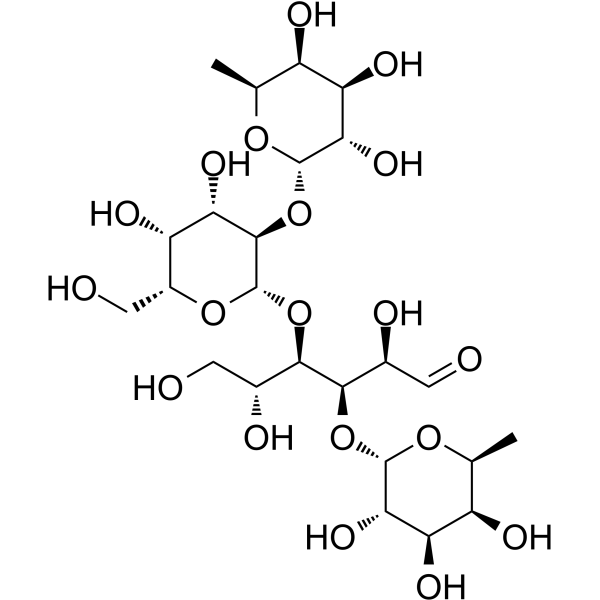
    Difucosyllactose ; 2′,3-Difucosyllactose

    Endogenous Metabolite Inflammation/Immunology
    Lactodifucotetraose is a difucosylated human milk oligosaccharide. Lactodifucotetraose inhibits platelet function and the release of inflammatory factors. Lactodifucotetraose can be used for the research of *Campylobacter jejuni*-associated diarrhea and platelet-induced inflammatory processes .
    Lactodifucotetraose
  • HY-N10372

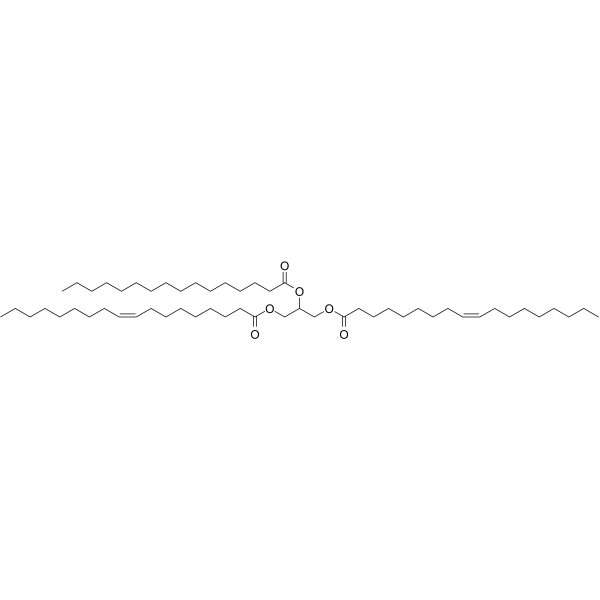
    Others Others
    1,3-Dioleoyl-2-palmitoylglycerol is an important triacylglycerol in infant formulas .
    1,3-Dioleoyl-2-palmitoylglycerol
  • HY-N0832R

    Reference Standards Mitochondrial Metabolism Endogenous Metabolite Neurological Disease Metabolic Disease Inflammation/Immunology
    L-Histidine (Standard) is the analytical standard of L-Histidine. This product is intended for research and analytical applications. L-Histidine is an essential amino acid for infants. L-Histidine is an inhibitor of mitochondrial glutamine transport.
    L-Histidine (Standard)
  • HY-N0832S1

    Isotope-Labeled Compounds Mitochondrial Metabolism Endogenous Metabolite Neurological Disease Metabolic Disease Inflammation/Immunology
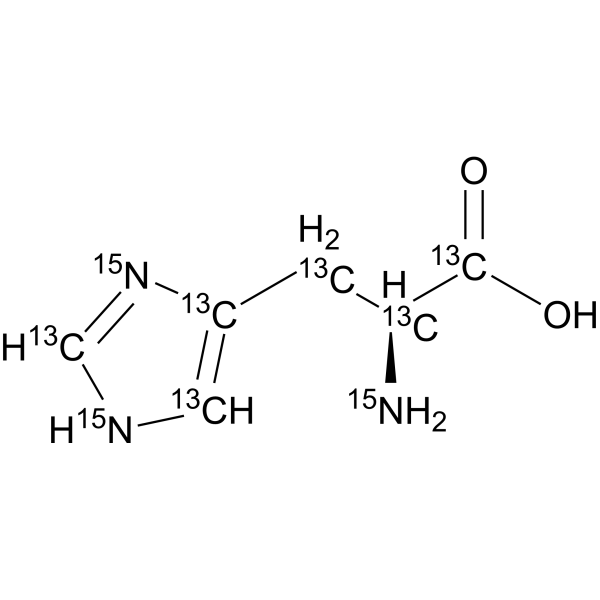
    L-Histidine- 13C6, 15N3 is 13C and 15N-labeled L-Histidine (HY-N0832). L-Histidine is an essential amino acid for infants. L-Histidine is an inhibitor of mitochondrial glutamine transport.
    L-Histidine-13C6,15N3
  • HY-112076A

    Methylatropine nitrate; Atropine methyl nitrate

    mAChR Neurological Disease
    Atropine methyl bromide, a muscarinic receptor (mAChR) antagonist, is a quaternary ammonium salt of atropine and a mydriatic for dilation of the pupil during ophthalmic examination. It is introduced for relieving pyloric spasm in infants for its highly polar nature. It penetrates less readily into the central nervous system than atropine .
    Atropine methyl nitrate
  • HY-W679754

    PFTrDA

    Biochemical Assay Reagents Cytochrome P450 Metabolic Disease
    Pentacosafluorotridecanoic Acid (PFTrDA) is a long-chain perfluoroalkyl carboxylic acid with strong endocrine-disrupting activity. Pentacosafluorotridecanoic Acid exhibits estrogenic effects and disrupts vtg1 transcription as well as sex hormone homeostasis in male Danio rerio. Pentacosafluorotridecanoic Acid disturbs steroidogenesis and HPG axis function in a sex-dependent pattern. Pentacosafluorotridecanoic Acid inhibits CYP17A and CYP11A1 to reduce testosterone and increase E2/T ratio in H295R cells. Pentacosafluorotridecanoic Acid triggers gender-specific immunomodulation after prenatal exposure. Pentacosafluorotridecanoic Acid correlates with lower eczema risk in female infants. Pentacosafluorotridecanoic Acid can be used for the research of endocrine disruption and eczema .
    Pentacosafluorotridecanoic Acid
  • HY-125139

    ω-3 Arachidonic acid ethyl ester, in ethanol, 98%; (all-Z)-8,11,14,17-Eicosatetraenoic acid ethyl ester, in ethanol, 98%

    Biochemical Assay Reagents Cardiovascular Disease Others
    omega-3 Arachidonic acid ethyl ester, in ethanol, 98% is a rare polyunsaturated fatty acid found in very small amounts in dietary sources. Omega-3 fatty acids are known to be essential for the growth and development of infants, and they protect against heart disease, blood clots, high blood pressure, and inflammatory and autoimmune diseases. In human platelet membranes, omega-3 arachidonic acid inhibits arachidonyl-CoA synthetase with a Ki of 14 μM. It also inhibits arachidonoyl-CoA synthetase in calf brain extract with an IC50 of approximately 5 μM. Omega-3 ethyl arachidonate is the more lipophilic form of the free acid.
    omega-3 Arachidonic acid ethyl ester, in ethanol, 98%
  • HY-N0833
    L-Hisidine (monohydrocholoride)
    3 Publications Verification

    Endogenous Metabolite Cardiovascular Disease Neurological Disease Inflammation/Immunology Cancer
    L-Hisidine is an essential amino acid for infants. L-Hisidine is an inhibitor of mitochondrial glutamine transport.
    L-Hisidine (monohydrocholoride)
  • HY-125140

    Endogenous Metabolite Others
    ω-3 Arachidonic acid is a poly fatty acid that is essential for growth and development in infants. ω-3 Arachidonic acid inhibits arachidenol-CoA synthetase with Ki values of 14 µM. It also inhibited arachidenol-CoA synthetase of calf brain extract with IC50 values of about 5 µM .
    ω-3 Arachidonic acid
  • HY-N0832S

    Isotope-Labeled Compounds Mitochondrial Metabolism Endogenous Metabolite Neurological Disease Metabolic Disease Inflammation/Immunology
    L-Histidine- 15N3 is the 15N-labeled L-Histidine. L-Histidine is an essential amino acid for infants. L-Histidine is an inhibitor of mitochondrial glutamine transport.
    L-Histidine-15N3
  • HY-W012734R

    H-HoPro-OH (Standard)

    Reference Standards Endogenous Metabolite Metabolic Disease
    L-Pipecolic acid (Standard) is an analytical standard of L-Pipecolic acid. This product is used for research and analytical applications. L-Pipecolic acid (H-HoPro-OH) is an oral active metabolite of Lysine and can accumulate in the bodily fluids of infants with autosomal inherited diseases, such as Zellweger syndrome and neonatal adrenal insufficiency. L-Pipecolic acid can promote muscle cell health and growth by enhancing protein synthesis, and plays a role in promoting gut health. L-Pipecolic acid holds promise for research in the fields of metabolic disorders, muscle growth disorders, and intestinal diseases .
    L-Pipecolic acid (Standard)
  • HY-N10510

    A-Tetrasaccharide

    Others Others
    Blood group A antigen tetraose type 5 (A-Tetrasaccharide) is a tetrasaccharide and a blood group specific oligosaccharide, inhibits the binding of anti-A antibody to blood group A substance. Blood group A antigen tetraose type 5 can be isolated from polar bear milk samples .
    Blood group A antigen tetraose type 5
  • HY-13570B

    Glucocorticoid Receptor Others
    Betamethasone acetate is a glucocorticoid with prenatal application for preventing respiratory distress syndrome (RDS) in premature infants. Betamethasone acetate exhibits dose-dependent effects on somatic and brain development in offspring when administered prenatally to pregnant rats. Betamethasone acetate can be used for the study of antenatal intervention .
    Betamethasone acetate
  • HY-W071746R

    Linoelaidic acid (Standard)

    Reference Standards Endogenous Metabolite Parasite Apoptosis Infection Inflammation/Immunology
    Linolelaidic acid (Standard) is the analytical standard of Linolelaidic acid. This product is intended for research and analytical applications. Linolelaidic acid (Linoelaidic acid) is an omega-6 trans fatty acid (TFA) that is an essential nutrient with oral activity. Linolelaidic acid can be added to enteral nutrition (oral), parenteral nutrition (intravenous), and infant formula. Linolelaidic acid has anti-inflammatory and anti-parasitic ((Parasite)) activities, and can induce Apoptosis. Linolelaidic acid is useful for research in infections[1][2][3].
    Linolelaidic acid (Standard)
  • HY-179875

    Endogenous Metabolite Metabolic Disease
    N-Cholyl-L-leucine is a bile acid-amino acid conjugate, mainly produced by intestinal microorganisms. N-Cholyl-L-leucine can be used as a biomarker for premature infants and is also employed in the study of bile acid metabolism .
    N-Cholyl-L-leucine
  • HY-129207

    GHSR Endocrinology
    Ghrelin is an endogenous ligand for the growth hormone secretagogue receptor that stimulates food intake and transduces signals to hypothalamic regulatory nuclei that control energy homeostasis. JMV3002 is a potent ghrelin receptor antagonist with an IC50 value of 1.1 nM in vitro. 80 μg/kg, JMV3002 inhibits hexarelin-stimulated food intake by as much as 98% in rats. JMV3002 alone does not elicit growth hormone release nor does it inhibit hexarelin-stimulated growth hormone secretion when tested in infant rats at a dose of 160 μg/kg.
    JMV 3002
  • HY-N10532

    LNDFH II ; Lacto-N-fucohexaose

    Others Others
    Lacto-N-difucohexaose II (LNDFH II) is one of the oligosaccharides in human milk, it is important for infant health .
    Lacto-N-difucohexaose II
  • HY-122698

    Apoptosis Cancer
    CCI-007 is a small molecule with cytotoxic activity against infant leukemia with MLL rearrangements, with IC50 values of 2.5-6.2 μM in sensitive cells .
    CCI-007
  • HY-N0832S1A

    Isotope-Labeled Compounds Metabolic Disease
    L-Histidine- 13C6, 15N3 hydrochloride is the 13C and 15N labled L-Histidine (HY-N0832). L-Histidine is an essential amino acid for infants. L-Histidine is an inhibitor of mitochondrial glutamine transport.
    L-Histidine-13C6,15N3 hydrochloride
  • HY-13570BS1

    Isotope-Labeled Compounds Others
    Betamethasone acetate-d5 is deuterium labeled Betamethasone acetate (HY-13570B). Betamethasone acetate is a glucocorticoid with prenatal application for preventing respiratory distress syndrome (RDS) in premature infants. Betamethasone acetate exhibits dose-dependent effects on somatic and brain development in offspring when administered prenatally to pregnant rats. Betamethasone acetate can be used for the study of antenatal intervention .
    Betamethasone acetate-d5
  • HY-13570BR

    Glucocorticoid Receptor Reference Standards Others
    Betamethasone acetate (Standard) is the analytical standard of Betamethasone acetate (HY-13570B). This product is intended for research and analytical applications. Betamethasone acetate is a glucocorticoid with prenatal application for preventing respiratory distress syndrome (RDS) in premature infants. Betamethasone acetate exhibits dose-dependent effects on somatic and brain development in offspring when administered prenatally to pregnant rats. Betamethasone acetate can be used for the study of antenatal intervention .
    Betamethasone acetate (Standard)
  • HY-112076R

    Methylatropine bromide (Standard)

    Reference Standards mAChR Neurological Disease
    Atropine methyl (bromide) (Standard) is the analytical standard of Atropine methyl (bromide). This product is intended for research and analytical applications. Atropine methyl bromide, a muscarinic receptor (mAChR) antagonist, is a quaternary ammonium salt of atropine and a mydriatic for dilation of the pupil during ophthalmic examination. It is introduced for relieving pyloric spasm in infants for its highly polar nature. It penetrates less readily into the central nervous system than atropine .
    Atropine methyl bromide (Standard)
  • HY-142971

    1-Myristin-2-Linolein-3-Olein; TG(14:0/18:2/18:1)

    Endogenous Metabolite Metabolic Disease
    1-Myristoyl-2-linoleoyl-3-oleoyl-rac-glycerol is a triacylglycerol that contains myristic acid (HY-N2041), linoleic acid (HY-N0729), and oleic acid (HY-N1446) at the sn-1, sn-2, and sn-3 positions, respectively. It has been found in mature human milk, infant formula fats, and butterfat.
    1-Myristoyl-2-Linoleoyl-3-Oleoyl-rac-glycerol
  • HY-151997S

    1,2-Olein-3-laurin-13C3; TG(18:1/18:1/12:0)-13C3

    Isotope-Labeled Compounds Others
    1,2-Dioleoyl-3-lauroyl-rac-glycerol- 13C3 is the 13C-labeled 1,2-Dioleoyl-3-lauroyl-rac-glycerol (HY-165089), 1,2-Dioleoyl-3-lauroyl-rac-glycerol (1,2-Olein-3-laurin) is a triglyceride identified by specific analytical methods in human milk, infant formula, other mammalian milk, and vegetable oils, with specific structural and distribution characteristics.
    1,2-Dioleoyl-3-lauroyl-rac-glycerol-13C3
  • HY-145504

    1,2-Palmitin-3-Linoelaidin

    Biochemical Assay Reagents Metabolic Disease
    12-Dipalmitoyl-3-Linoelaidoyl-rac-glycerol is a triacylglycerol containing palmitic acid (HY-N0830) at the sn-1 and sn-2 positions and linoelaidic acid (HY-W071746) at the sn-3 position. Palmitic acid is a long-chain saturated fatty acid commonly found in both animals and plants. Palmitic acid can induce the expression of glucose-regulated protein 78 (GRP78) and CCAAT/enhancer binding protein homologous protein (CHOP) in in mouse granulosa cells. Linolelaidic acid, an omega-6 trans fatty acid, acts as a source of energy. Linolelaidic acid is an essential nutrient, adding in enteral, parenteral, and infant formulas. Linolelaidic acid can be used for heart diseases research .
    12-Dipalmitoyl-3-Linoelaidoyl-rac-glycerol
  • HY-W679754R

    PFTrDA (Standard)

    Reference Standards Biochemical Assay Reagents Cytochrome P450 Metabolic Disease
    Pentacosafluorotridecanoic Acid (Standard) is the analytical standard of Pentacosafluorotridecanoic Acid (PFTrDA) (HY-W679754). This product is intended for research and analytical applications.Pentacosafluorotridecanoic Acid is a long-chain perfluoroalkyl carboxylic acid with strong endocrine-disrupting activity. Pentacosafluorotridecanoic Acid exhibits estrogenic effects and disrupts vtg1 transcription as well as sex hormone homeostasis in male Danio rerio. Pentacosafluorotridecanoic Acid disturbs steroidogenesis and HPG axis function in a sex-dependent pattern. Pentacosafluorotridecanoic Acid inhibits CYP17A and CYP11A1 to reduce testosterone and increase E2/T ratio in H295R cells. Pentacosafluorotridecanoic Acid triggers gender-specific immunomodulation after prenatal exposure. Pentacosafluorotridecanoic Acid correlates with lower eczema risk in female infants. Pentacosafluorotridecanoic Acid can be used for the research of endocrine disruption and eczema .
    Pentacosafluorotridecanoic Acid (Standard)
  • HY-165105

    TG(18:1/10:0/18:1); 1,3-Dioleoyl-2-caproyl glycerol; 1,3-Olein-2-caprin

    Others Others
    1,3-Dioleoyl-2-decanoyl glycerol (TG(18:1/10:0/18:1)) is a compound that was investigated in the study of triglyceride composition in human milk and infant formula. The analysis and comparison of the compound using a specific chromatography-mass spectrometry technique revealed differences in triglyceride content between human milk and infant formula.
    1,3-Dioleoyl-2-decanoyl glycerol
  • HY-165089

    1,2-Olein-3-laurin; TG(18:1/18:1/12:0)

    Endogenous Metabolite Others
    1,2-Dioleoyl-3-lauroyl-rac-glycerol (1,2-Olein-3-laurin) is a triglyceride identified by specific analytical methods in human milk, infant formula, other mammalian milk, and vegetable oils, with specific structural and distribution characteristics.
    1,2-Dioleoyl-3-lauroyl-rac-glycerol
  • HY-165092

    1-Arachidin-2-palmitin-3-olein; TG(20:0/16:0/18:1)

    Others Others
    1-Arachidoyl-2-palmitoyl-3-oleoyl-rac-glycerol (1-Arachidin-2-palmitin-3-olein) is a triglyceride with specific structural and distribution characteristics identified by specific analytical methods in human milk, infant formula, other mammalian milk, and vegetable oils.
    1-Arachidoyl-2-palmitoyl-3-oleoyl-rac-glycerol
  • HY-165094

    1-Myristin-2-linolein-3-palmitin; TG(14:0/18:2/16:0)

    Endogenous Metabolite Others
    1-Myristoyl-2-linoleoyl-3-palmitoyl-rac-glycerol (1-Myristin-2-linolein-3-palmitin) is a triglyceride with specific structural and distribution characteristics identified by specific analytical methods in human milk, infant formula, other mammalian milk, and vegetable oils.
    1-Myristoyl-2-linoleoyl-3-palmitoyl-rac-glycerol
  • HY-129146

    Potassium Channel Others
    Doxapram (hydrochloride) is a ventilatory stimulant. Doxapram (hydrochloride) inhibits TASK Tandem Pore (K2P) potassium channel function. Doxapram (hydrochloride) inhibits TASK-1 and TASK-3 with an EC50 values of 410 and 37 nM, respectively. Doxapram (hydrochloride) inhibits TASK-1/TASK-3 heterodimeric channel function with an EC50 value of 9 μM. Doxapram (hydrochloride) can be studied in research on apnea in preterm infants .
    Doxapram hydrochloride
  • HY-178049A

    STING Cardiovascular Disease
    UM-259 hydrochloride is a STING inhibitor with activity against both murine and human STING (including the STING R232 mutant). UM-259 hydrochloride inhibits STING-dependent signaling pathways, blocks STING oligomerization, and acts on human primary CD14 + monocytes. UM-259 hydrochloride can be used for research on amyotrophic lateral sclerosis, lupus erythematosus, Aicardi-Goutières syndrome, and infant-onset STING-associated vasculopathy .
    UM-259 hydrochloride
  • HY-165047

    1-Palmitin-2-linolein-3-stearin; 16:0/18:2/18:0-TG; TG(16:0/18:2/18:0)

    Others Others
    1-Palmitoyl-2-linoleoyl-3-stearoyl-rac-glycerol (1-Palmitin-2-linolein-3-stearin) is a compound that is being studied for lipid properties in human milk and infant formula. Although human milk has larger fat globules, it has a higher rate of gastrointestinal lipolysis, which may be related to the milk fat globule membrane (MFGM).
    1-Palmitoyl-2-linoleoyl-3-stearoyl-rac-glycerol
  • HY-P992174

    RSV Infection
    ADI-14359 is an antibody that binds to RSV postF, with a KD value of 387 nM, and exhibits non-neutralizing activity. ADI-14359 binds to antigenic site I on RSV postF through interactions of its conserved CDR H3 motif, germline-encoded IGKV1-39 light chain residues and heavy chain residues, where the light chain mediates preferential binding to postF by conflicting with the rearranged preF region. ADI-14359 can be used in studies related to respiratory syncytial virus (RSV) infection .
    ADI-14359

Inquiry Online

Your information is safe with us. * Required Fields.

Salutation


Country or Region *

Applicant Name *


Organization Name *

Department *


Email Address *


Product Name *

Cat. No.


Requested quantity *

Phone Number *


Remarks

Inquiry Online

Inquiry Information

Product Name:
Cat. No.:
Quantity:
MCE Japan Authorized Agent:

