Search Result
Results for "
insulin+release
" in MedChemExpress (MCE) Product Catalog:
2
Biochemical Assay Reagents
13
Isotope-Labeled Compounds
| Cat. No. |
Product Name |
Target |
Research Areas |
Chemical Structure |
-
- HY-W040329
-
|
|
Endogenous Metabolite
Nucleoside Antimetabolite/Analog
Caspase
Apoptosis
|
Metabolic Disease
Endocrinology
Cancer
|
|
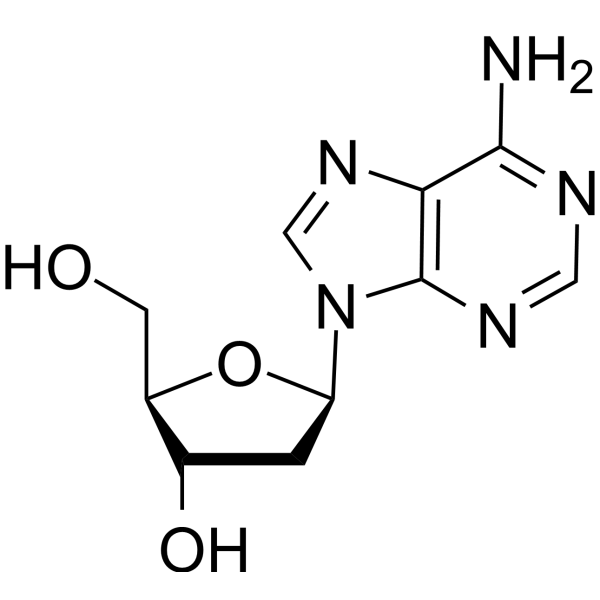
2′-Deoxyadenosine is an adenine nucleoside that inhibits glucose-stimulated insulin release. 2′-Deoxyadenosine inhibits glucose-stimulated increases seen in islet cyclic AMP (cAMP) accumulation. 2'-Deoxyadenosine activates caspase-3 and promotes apoptosis. 2'-Deoxyadenosine inhibits the activity of S-adenosyl-L-homocysteine hydrolase (SAHH). 2'-Deoxyadenosine inhibits the growth of various cells. 2'-Deoxyadenosine has an anticancer effect on colon cancer .
|
-
-
- HY-160734
-
|
GSBR-1290
|
GLP Receptor
|
Metabolic Disease
|
|
Aleniglipron (GSBR-1290) is an orally active glucagon-like peptide-1 receptor (GLP-1R) agonist, with an EC50 value of less than 0.1 nM in HDB cell lines in cAMP stimulation assays. Aleniglipron selectively activates the Gαs-cAMP signaling pathway of GLP-1R without β-arrestin recruitment. Aleniglipron induces insulin release, promotes glucose clearance, reduces food intake and decreases body weight. Aleniglipron is applicable to research related to type 2 diabetes and obesity .
|
-

-
- HY-119322
-
|
NN414
|
Potassium Channel
|
Metabolic Disease
|
|
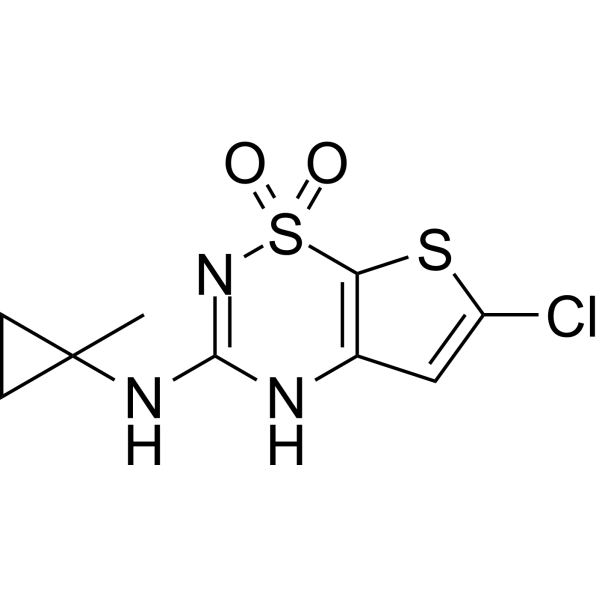
Tifenazoxide (NN414) is a potent, orally active and SUR1/Kir6.2 selective K ATP channels opener. Tifenazoxide has antidiabetic effect, can inhibit glucose stimulated insulin release in vitro and in vivo, and has a beneficial effect on glucose homeostasis .
|
-
-
- HY-101379A
-
|
|
Calcium Channel
|
Cardiovascular Disease
Neurological Disease
|
|
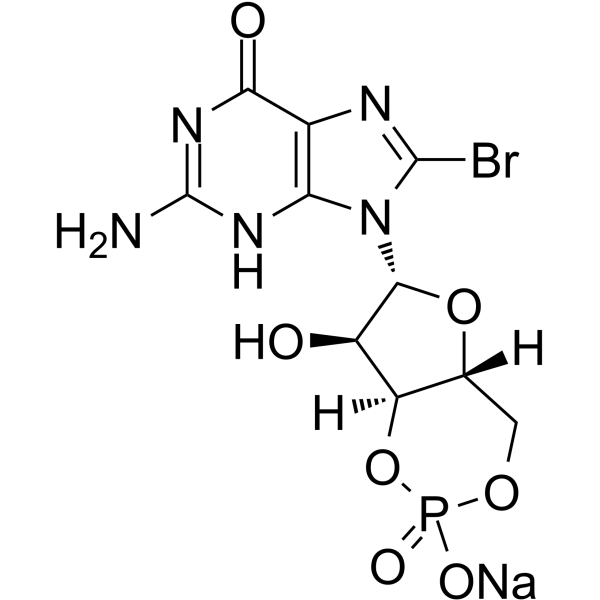
8-Bromo-cGMP sodium, a membrane-permeable analogue of cGMP, is a PKG (protein kinase G) activator. 8-Bromo-cGMP sodium significantly inhibits Ca 2+ macroscopic currents and impairs insulin release stimulated with high K + . 8-Bromo-cGMP sodium has antinociceptive effects and results in vasodilator responses .
|
-
-
- HY-19618
-
BRD3308
1 Publications Verification
|
HDAC
HIV
Apoptosis
|
Infection
Metabolic Disease
|
|
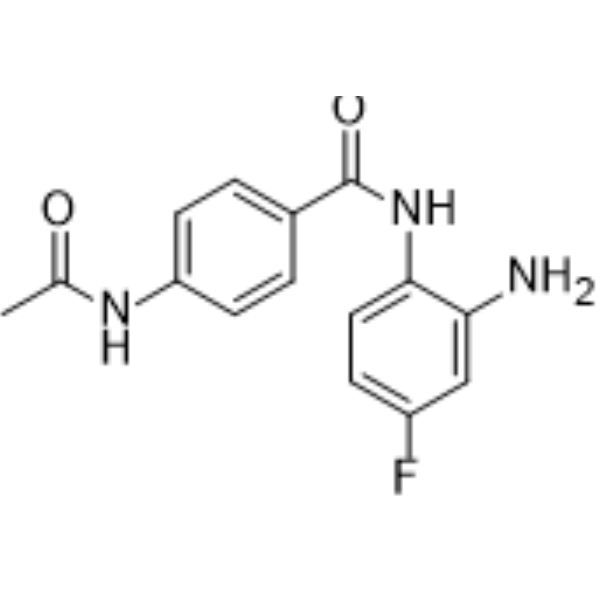
BRD3308 is a highly selective HDAC3 inhibitor with an IC50 of 54 nM. BRD3308 is 23-fold selectivity for HDAC3 over HDAC1 (IC50 of 1.26 μM) or HDAC2 (IC50 of 1.34 μM). BRD3308 suppresses pancreatic β-cell apoptosis induced by inflammatory cytokines or glucolipotoxic stress, and increases functional insulin release. BRD3308 activates HIV-1 transcription and disrupts HIV-1 latency .
|
-
-
- HY-B1114
-
|
AR-DF 26
|
Potassium Channel
ERK
STAT
NF-κB
COX
Interleukin Related
Reactive Oxygen Species (ROS)
|
Metabolic Disease
|
|
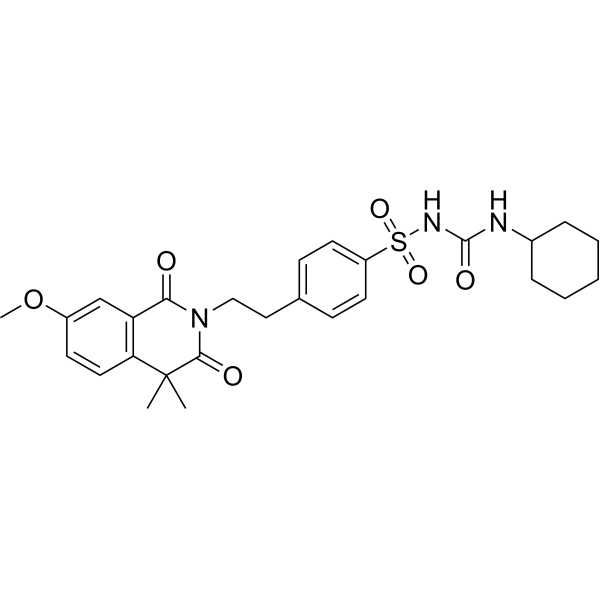
Gliquidone can bind to the pancreatic β-cells and increases insulin release to regulate blood glucose levels. Gliquidone significantly decreases LPS (HY-D1056)-induced proinflammatory responses and inhibits ERK/STAT3/NF-κB phosphorylation in BV2 microglial cells. Gliquidone can suppress microgliosis, microglial hypertrophy mediated by LPS, and proinflammatory cytokine COX-2 and IL-6 levels in murine model. Gliquidone also exhibits good anticancer activity in lung carcinoma cells. Gliquidone has antioxidant property. Gliquidone can be studied in research for type 2 diabetes and cancers .
|
-
-
- HY-P1782
-
|
|
Amylin Receptor
|
Metabolic Disease
|
|
Calcitonin (8-32), salmon is a highly selective Amylin receptor antagonist. Calcitonin (8-32), salmon reverses the Amylin-mediated inhibition of glucose-induced insulin release, but has no effect on either glucagon release or somatostatin release. Calcitonin (8-32), salmon can be used for studies related to β-cell amylin .
|
-

-
- HY-U00462
-
|
|
Hexokinase
|
Metabolic Disease
Cancer
|
|
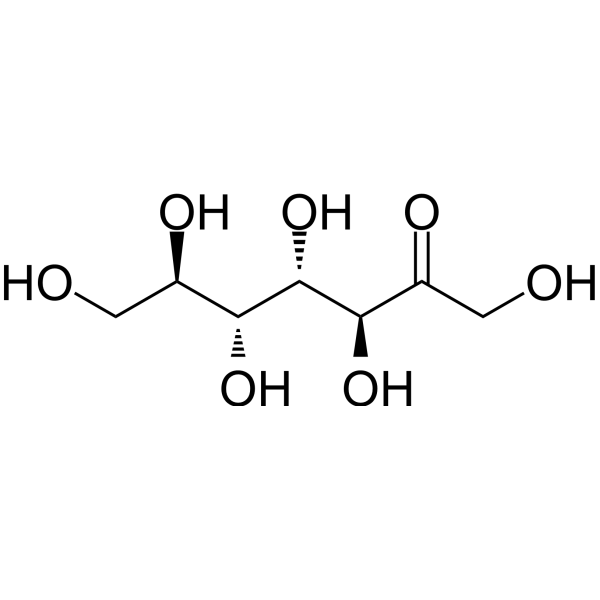
D-Mannoheptulose is a 7-carbon keto sugar found in avocado. D-mannoheptulose is a specific inhibitor of D-glucose phosphorylation by hexokinase isoenzymes. D-Mannoheptulose can block insulin release and utilization of carbohydrate in rat. D-Mannoheptulose has various functions as anti-oxidants, anticancer effects and energy sources .
|
-
-
- HY-15671
-
|
|
Glucokinase
|
Metabolic Disease
|
|
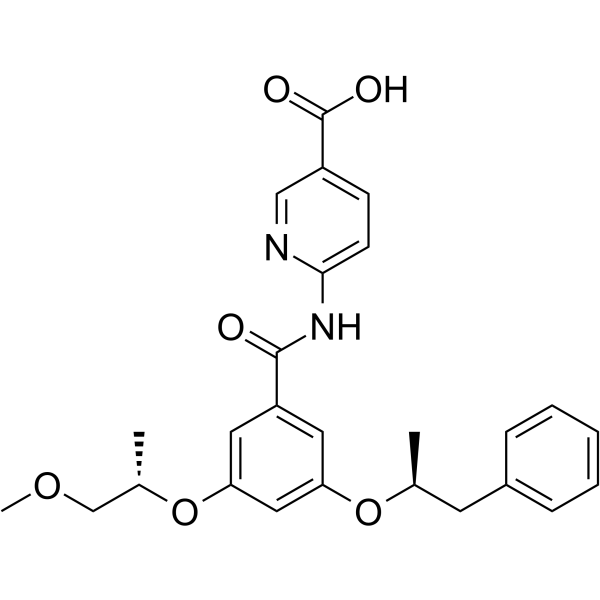
GKA50 is a potent glucokinase activator (EC50=33 nM at 5 mM glucose). GKA50 stimulates insulin release from mouse islets of Langerhans. GKA50 is a glucose-like activator of beta-cell metabolism in rodent and human islets and a Ca 2+-dependent modulator of insulin secretion. GKA50 shows significant glucose lowering in high fat fed female rats .
|
-
-
- HY-W011683
-
|
|
Endogenous Metabolite
Nucleoside Antimetabolite/Analog
Caspase
Apoptosis
|
Metabolic Disease
Endocrinology
Cancer
|
|
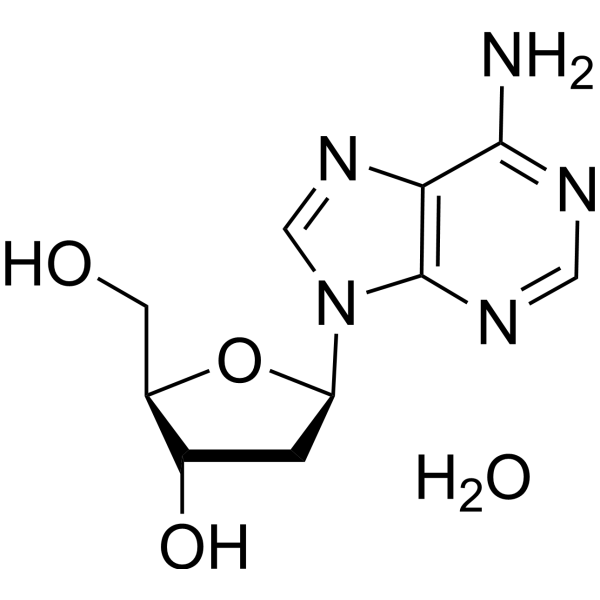
2′-Deoxyadenosine monohydrate is an adenine nucleoside that inhibits glucose-stimulated insulin release. 2′-Deoxyadenosine monohydrate inhibits glucose-stimulated increases seen in islet cyclic AMP (cAMP) accumulation. 2'-Deoxyadenosine monohydrate activates caspase-3 and promotes apoptosis. 2'-Deoxyadenosine monohydrate inhibits the activity of S-adenosyl-L-homocysteine hydrolase (SAHH). 2'-Deoxyadenosine monohydrate inhibits the growth of various cells. 2'-Deoxyadenosine monohydrate has an anticancer effect on colon cancer .
|
-
-
- HY-W012985
-
|
|
ATP Synthase
Apoptosis
|
Metabolic Disease
Cancer
|
|
Methyl pyruvate is a methyl ester derivative of pyruvic acid. Methyl pyruvate induces insulin release and membrane depolarization. Methyl pyruvate rescues proteasome damage and nuclear localization of TdP-43 caused by overexpression of σ1RE102Q by enhancing ATP synthesis. Methyl pyruvate selectively protects normal lung fibroblasts from cell death induced by Irinotecan (HY-16562). Methyl pyruvate promotes apoptosis and necrosis in cancer cells and downregulates angiogenesis and cell cycle pathways. Methyl pyruvate is an effective substrate for dihydrodihydrogen dehydrogenase.
|
-

-
- HY-E70397A
-
|
DPP-IV, Porcine Kidney
|
Dipeptidyl Peptidase
|
Metabolic Disease
|
|
Dipeptidyl Peptidase IV, Porcine Kidney (DPP-IV, Porcine Kidney) is a serine aminopeptidase with multiple physiological roles. Dipeptidyl Peptidase IV, Porcine Kidney hydrolyses gastric inhibitory peptide (GIP) and glucagon-like peptide 1 (GLP-1), the most important insulin-releasing hormones (incretins) of the enteroinsular axis .
|
-

-
- HY-P3863
-
|
|
Ser/Thr Protease
|
Inflammation/Immunology
|
|
Pancreastatin (swine) is a 49-residue peptide which strongly inhibits glucose-induced insulin release. Pancreastatin (swine) can be isolated and characterized from porcine pancreas .
|
-

-
- HY-W040329R
-
|
|
Reference Standards
Endogenous Metabolite
Nucleoside Antimetabolite/Analog
Caspase
Apoptosis
|
Metabolic Disease
Endocrinology
Cancer
|
|
2'-Deoxyadenosine (Standard) is the analytical standard of 2'-Deoxyadenosine (HY-W040329). This product is intended for research and analytical applications. 2′-Deoxyadenosine is an adenine nucleoside that inhibits glucose-stimulated insulin release. 2′-Deoxyadenosine inhibits glucose-stimulated increases seen in islet cyclic AMP (cAMP) accumulation. 2'-Deoxyadenosine activates caspase-3 and promotes apoptosis. 2'-Deoxyadenosine inhibits the activity of S-adenosyl-L-homocysteine hydrolase (SAHH). 2'-Deoxyadenosine inhibits the growth of various cells. 2'-Deoxyadenosine has an anticancer effect on colon cancer .
|
-

-
- HY-N9685
-
|
D-(+)-Digitoxose
|
Others
|
Metabolic Disease
|
|
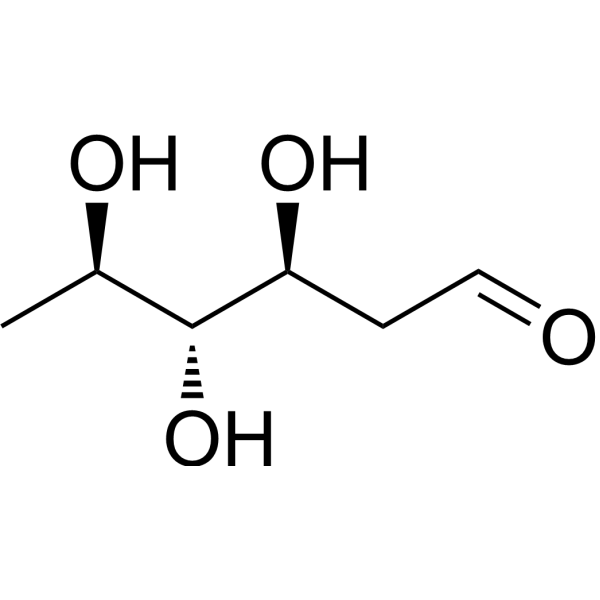
Digitoxose (D-(+)-Digitoxose), a natural product, specifically and competitively inhibits glucose-stimulated insulin release from islets in lean and obese mice. Digitoxose can be used in diabetes research .
|
-
-
- HY-W040329S1
-
|
|
Isotope-Labeled Compounds
Endogenous Metabolite
Nucleoside Antimetabolite/Analog
Caspase
Apoptosis
|
Metabolic Disease
Endocrinology
Cancer
|
|
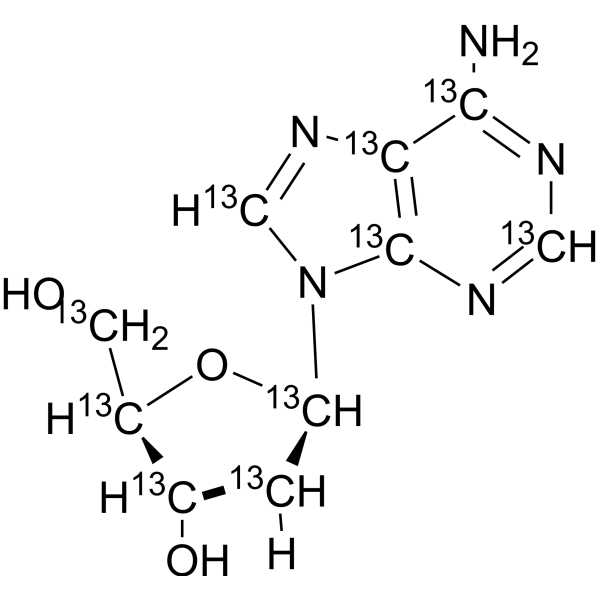
2'-Deoxyadenosine- 13C10 is 13C-labeled 2'-Deoxyadenosine (HY-W040329) . 2′-Deoxyadenosine is an adenine nucleoside that inhibits glucose-stimulated insulin release. 2′-Deoxyadenosine inhibits glucose-stimulated increases seen in islet cyclic AMP (cAMP) accumulation. 2'-Deoxyadenosine activates caspase-3 and promotes apoptosis. 2'-Deoxyadenosine inhibits the activity of S-adenosyl-L-homocysteine hydrolase (SAHH). 2'-Deoxyadenosine inhibits the growth of various cells. 2'-Deoxyadenosine has an anticancer effect on colon cancer .
|
-
-
- HY-W039923
-
|
|
Insulin Receptor
|
Endocrinology
|
|
β-D-Galactose pentaacetate is a negative regulator of insulin with plasma membrane penetrating ability and can be hydrolyzed by intracellular esterases. β-D-Galactose pentaacetate inhibits Leucine (HY-N0486)-induced insulin release in Wistar rat islets, potentially preventing excessive insulin release in pathological conditions .
|
-

-
- HY-14292
-
|
|
Dipeptidyl Peptidase
|
Metabolic Disease
|
|
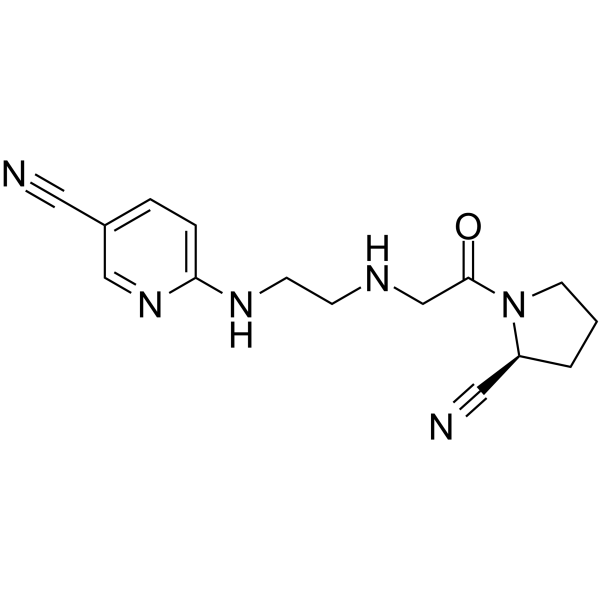
NVP-DPP728 is a potent, reversible and nitrile-dependent dipeptidyl peptidase IV (DPP-IV) inhibitor. NVP-DPP728 can inhibit human DPP-IV amidolytic activity with a Ki of 11 nM. NVP-DPP728 inhibits degradation of glucagon-like peptide-1 (GLP-1) and thereby potentiates insulin release in response to glucose intake. NVP-DPP728 can be used for researching diabetes .
|
-
-
- HY-159944
-
|
|
PPAR
|
Neurological Disease
Metabolic Disease
Inflammation/Immunology
|
|
PPARγ agonist 14 (compound 3) is a PPARy agonist (EC50=2.4 μM) with anti-diabetic activity. PPARγ agonist 14 can improve intracellular glucose uptake, promote insulin release, and lower blood sugar. In addition, PPARγ agonist 14 also improves mitochondrial function, reduces oxidative stress, and inhibits inflammatory factors. PPARγ agonist 14 can be used in the study of neurodegenerative diseases, neuroinflammatory diseases, and other diseases .
|
-

-
- HY-P10302
-
|
|
GLP Receptor
Insulin Receptor
|
Metabolic Disease
|
|
GLP-1R/GIPR AgonIST-1 is a double-receptor agonist for GLP-1 (glucagon-like peptide-1) and GIP (glucose-dependent insulin releasing peptide). GLP-1R/GIPR agonist-1 lowers blood sugar by mimicking the action of endogenous hormones GLP-1 and GIP, enhancing insulin secretion while inhibiting glucagon secretion. GLP-1R/GIPR agonist-1 can be used in the study of metabolic diseases such as diabetes, obesity, and non-alcoholic steatohepatitis (NASH) .
|
-

-
- HY-W011683S6
-
|
|
Isotope-Labeled Compounds
Endogenous Metabolite
Nucleoside Antimetabolite/Analog
Caspase
Apoptosis
|
Metabolic Disease
Endocrinology
Cancer
|
|
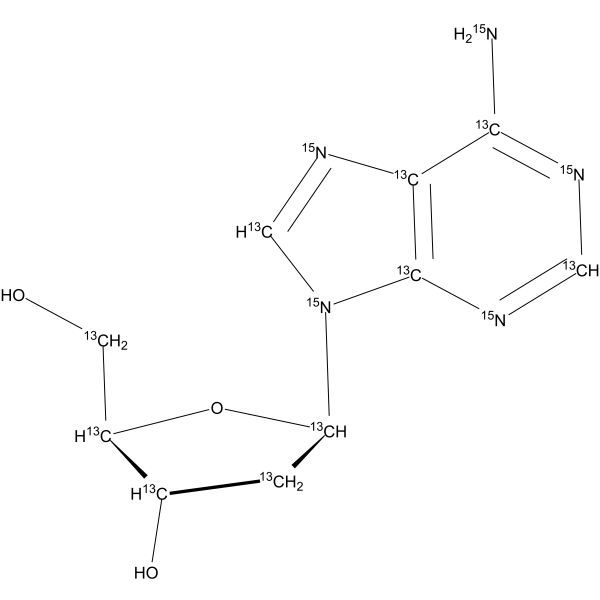
2'-Deoxyadenosine monohydrate- 13C10, 15N5 is the 13C and 15N labeled 2'-Deoxyadenosine monohydrate (HY-W011683) . 2′-Deoxyadenosine monohydrate is an adenine nucleoside that inhibits glucose-stimulated insulin release. 2′-Deoxyadenosine monohydrate inhibits glucose-stimulated increases seen in islet cyclic AMP (cAMP) accumulation. 2'-Deoxyadenosine monohydrate activates caspase-3 and promotes apoptosis. 2'-Deoxyadenosine monohydrate inhibits the activity of S-adenosyl-L-homocysteine hydrolase (SAHH). 2'-Deoxyadenosine monohydrate inhibits the growth of various cells. 2'-Deoxyadenosine monohydrate has an anticancer effect on colon cancer .
|
-
-
- HY-P5291
-
|
Caerulein precursor fragment
|
Insulin Receptor
|
Metabolic Disease
|
|
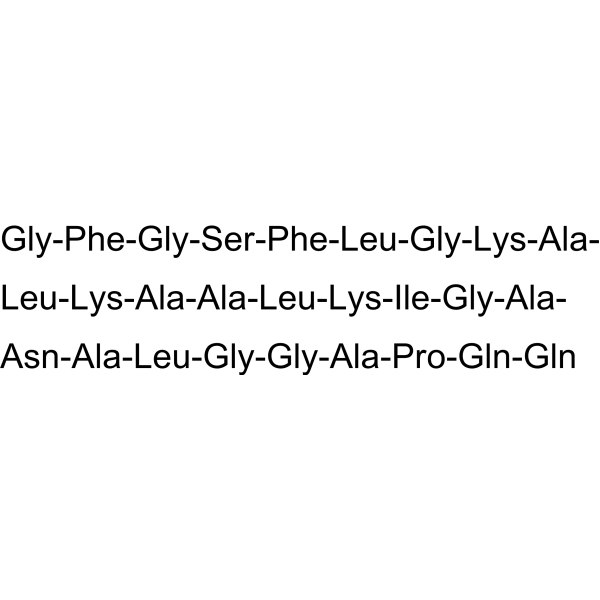
CPF-7 (Caerulein precursor fragment) is an insulin-releasing peptide that stimulates the release of insulin. CPF-7 can induce epithelial-mesenchymal transition by upregulating Snai1 expression in PANC-1 ductal cells. CPF-7 also induces exocrine plasticity by upregulating Ngn3 expression. CPF-7 can be used in the research of type 2 diabetes .
|
-
-
- HY-W102387
-
|
Pentaacetyl-D-galactopyranose
|
Insulin Receptor
|
Metabolic Disease
|
|
D-Galactose pentaacetate inhibits leucine-induced insulin release. D-Galactose pentaacetate can be used for the research of persistent hyperinsulinemia in childhood or insulinoma .
|
-

-
- HY-120287
-
|
|
Somatostatin Receptor
|
Endocrinology
|
|
L-054522 is an agonist for somatostatin receptor subtype 2 with Kd of 0.01 nM. L-054522 inhibits growth hormone release from rat primary pituitary cell (IC50=0.05 nM) and glucagon and insulin release from isolated mouse pancreatic islet cell (IC50=0.05 nM and 12 nM) .
|
-

-
- HY-W037817
-
|
Dimethyl glutamate
|
Potassium Channel
Bacterial
|
Infection
Metabolic Disease
|
|
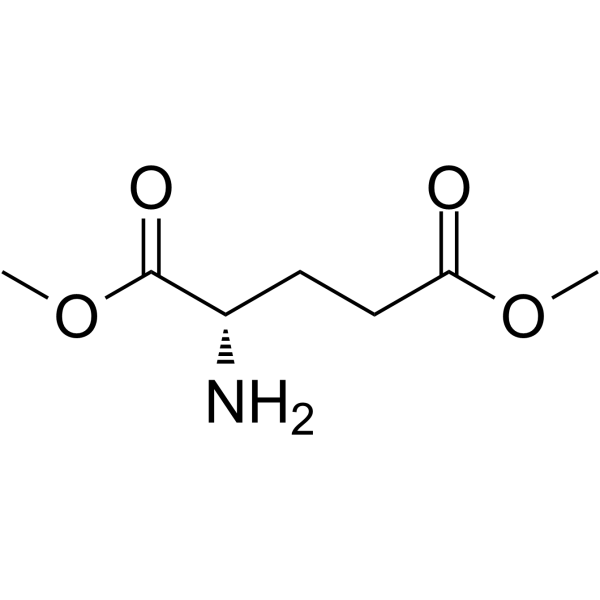
Dimethyl L-glutamate (Dimethyl glutamate), a membrane-permeable analog of Glutamate, can stimulate insulin release induced by Glucose. Dimethyl L-glutamate suppresses the KATP channel activities. Dimethyl L-glutamate inhibits E. gracilis growth and causes abnormal cell division. Dimethyl L-glutamate can be used in the research of diabetes, glucose transport, phosphorylation, and further metabolism .
|
-
-
- HY-W011683S3
-
|
|
Isotope-Labeled Compounds
Endogenous Metabolite
Nucleoside Antimetabolite/Analog
Caspase
Apoptosis
|
Metabolic Disease
Endocrinology
Cancer
|
|
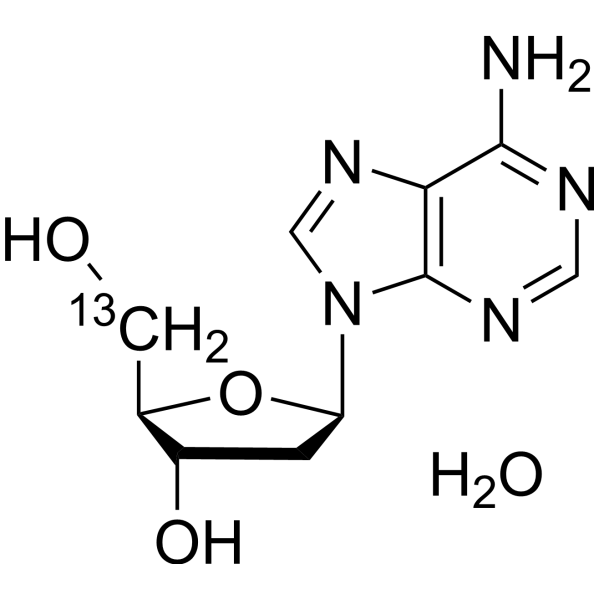
2'-Deoxyadenosine monohydrate-5′- 13C is the 13C labeled 2'-Deoxyadenosine monohydrate (HY-W011683) . 2′-Deoxyadenosine monohydrate is an adenine nucleoside that inhibits glucose-stimulated insulin release. 2′-Deoxyadenosine monohydrate inhibits glucose-stimulated increases seen in islet cyclic AMP (cAMP) accumulation. 2'-Deoxyadenosine monohydrate activates caspase-3 and promotes apoptosis. 2'-Deoxyadenosine monohydrate inhibits the activity of S-adenosyl-L-homocysteine hydrolase (SAHH). 2'-Deoxyadenosine monohydrate inhibits the growth of various cells. 2'-Deoxyadenosine monohydrate has an anticancer effect on colon cancer .
|
-
-
- HY-W011683S
-
|
|
Isotope-Labeled Compounds
Endogenous Metabolite
Nucleoside Antimetabolite/Analog
Caspase
Apoptosis
|
Metabolic Disease
Endocrinology
Cancer
|
|
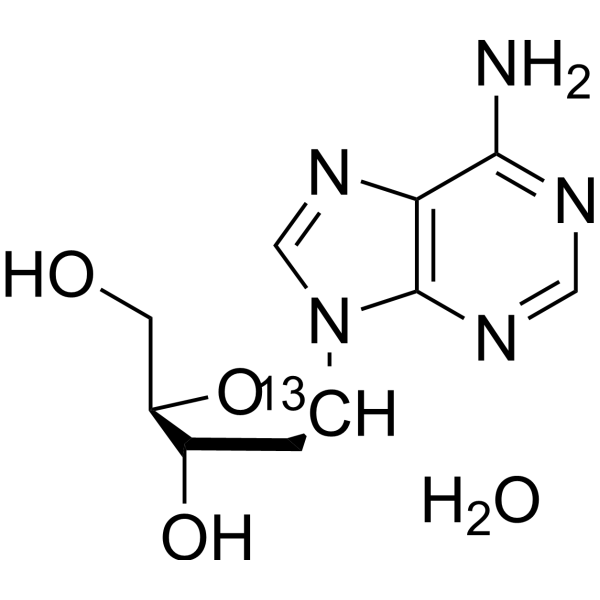
2'-Deoxyadenosine monohydrate-1′- 13C is the 13C labeled 2'-Deoxyadenosine monohydrate (HY-W011683) . 2′-Deoxyadenosine monohydrate is an adenine nucleoside that inhibits glucose-stimulated insulin release. 2′-Deoxyadenosine monohydrate inhibits glucose-stimulated increases seen in islet cyclic AMP (cAMP) accumulation. 2'-Deoxyadenosine monohydrate activates caspase-3 and promotes apoptosis. 2'-Deoxyadenosine monohydrate inhibits the activity of S-adenosyl-L-homocysteine hydrolase (SAHH). 2'-Deoxyadenosine monohydrate inhibits the growth of various cells. 2'-Deoxyadenosine monohydrate has an anticancer effect on colon cancer .
|
-
-
- HY-116844
-
|
Glidiazine
|
Drug Derivative
Insulin Receptor
|
Metabolic Disease
|
|
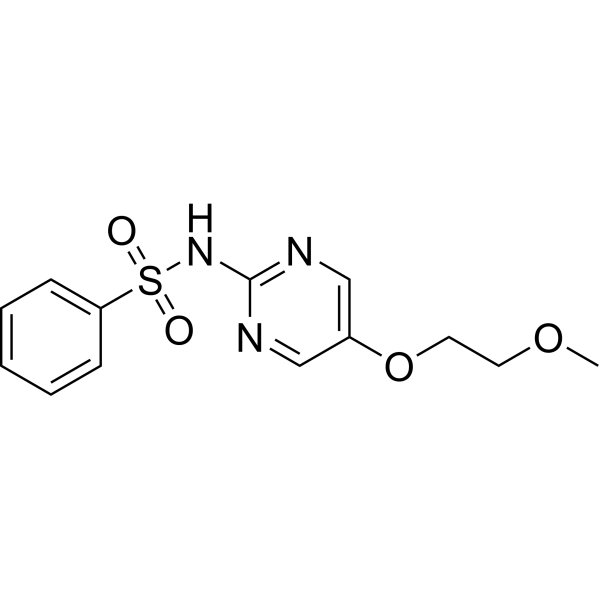
Glymidine (Glidiazine) is a hypoglycaemic agent. Glymidine is a lipid soluble sulphapyrimidine derivative. Glymidine appears to stimulate insulin release from pancreas. Glymidine is a possible alternative to the sulphonylureas and biguanides for the research of diabetes mellitus .
|
-
-
- HY-114813
-
|
|
Drug Derivative
|
Metabolic Disease
Inflammation/Immunology
|
|
KHG26693 is a thiazole derivative with anti-inflammatory and antioxidant properties. KHG26693 normalizes disturbed glucose metabolism by enhancing glucose utilization and decreasing liver glucose production via insulin release. KHG26693 is promising for research of diabetes .
|
-

-
- HY-120029
-
|
|
Phosphodiesterase (PDE)
|
Endocrinology
|
|
Org-9935 is a selective inhibitor of PDE3 with an IC50 of 50 nM. Org-9935 inhibits maturation of oocyte in naturally selected dominant follicle in rhesus macaques. Org-9935 can augment glucose-induced insulin release in isolated rat islets with an EC50 of 20 μM .
|
-

-
- HY-119322R
-
|
NN414 (Standard)
|
Potassium Channel
Reference Standards
|
Metabolic Disease
|
|
Tifenazoxide (Standard) is the analytical standard of Tifenazoxide. This product is intended for research and analytical applications. Tifenazoxide (NN414) is a potent, orally active and SUR1/Kir6.2 selective KATP channels opener. Tifenazoxide has antidiabetic effect, can inhibit glucose stimulated insulin release in vitro and in vivo, and has a beneficial effect on glucose homeostasis .
|
-

-
- HY-N7241
-
|
|
Others
|
Endocrinology
|
|
Saudin, derived from Clutia lanceolata, is a hypoglycemic compound that significantly enhances glucose-triggered insulin release from murine pancreatic islets. It belongs to a group of new diterpenoids with a distinct tetracyclic core, suggesting potential as a therapeutic agent for diabetes treatment. Proposed biosynthetic pathways outline alternative cyclization routes from a common precursor, with Lanceolide P (16) identified as a promising lead compound for further development in managing diabetes .
|
-

-
- HY-15671A
-
|
|
Glucokinase
|
Metabolic Disease
|
|
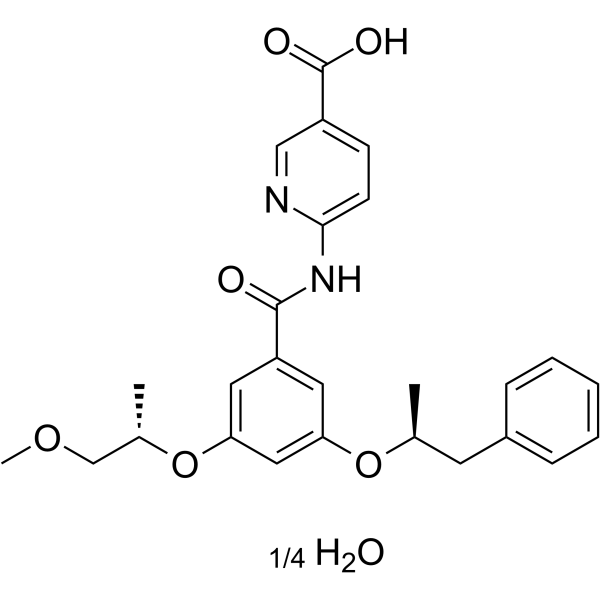
GKA50 quarterhydrate is a potent glucokinase activator (EC50=33 nM at 5 mM glucose) and stimulates insulin release from mouse islets of Langerhans. GKA50 quarterhydrate is a glucose-like activator of beta-cell metabolism in rodent and human islets and a Ca 2+-dependent modulator of insulin secretion. GKA50 quarterhydrate shows significant glucose lowering in high fat fed female rats .
|
-
-
- HY-W767186
-
|
|
Isotope-Labeled Compounds
Hexokinase
|
Metabolic Disease
Cancer
|
|
D-Mannoheptulose- 13C7 is the 13C-labeled D-Mannoheptulose. D-Mannoheptulose is a 7-carbon keto sugar found in avocado. D-mannoheptulose is a specific inhibitor of D-glucose phosphorylation by hexokinase isoenzymes. D-Mannoheptulose can block insulin release and utilization of carbohydrate in rat. D-Mannoheptulose has various functions as anti-oxidants, anticancer effects and energy sources .
|
-

-
- HY-137638
-
|
|
PKA
|
Metabolic Disease
|
|
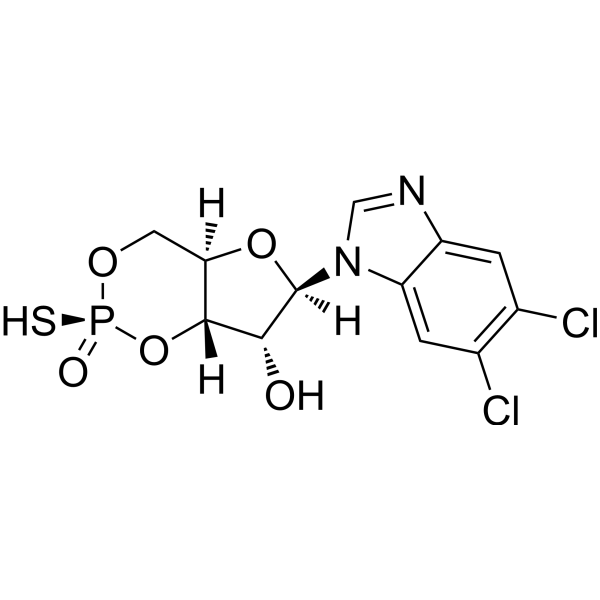
Sp-5,6-DCl-cBIMPS is a potent and specific cAMP-dependent protein kinases (cAMP-PK) activator. Sp-5,6-DCl-cBIMPS stimulates insulin release. Sp-5,6-DCl-cBIMPS inhibits U-46619 (HY-108566)-induced activation of Rho, Gq and G12/G13 in platelets .
|
-
-
- HY-137638A
-
|
Sp-5,6-DCI-cBIMPS
|
PKA
|
Metabolic Disease
|
|
Sp-5,6-DCl-cBIMPS sodium is a potent and specific cAMP-dependent protein kinases (cAMP-PK) activator. Sp-5,6-DCl-cBIMPS sodium stimulates insulin release. Sp-5,6-DCl-cBIMPS sodium inhibits U-46619 (HY-108566)-induced activation of Rho, Gq and G12/G13 in platelets .
|
-

-
- HY-U00462S
-
|
|
Isotope-Labeled Compounds
Hexokinase
|
Metabolic Disease
Cancer
|
|
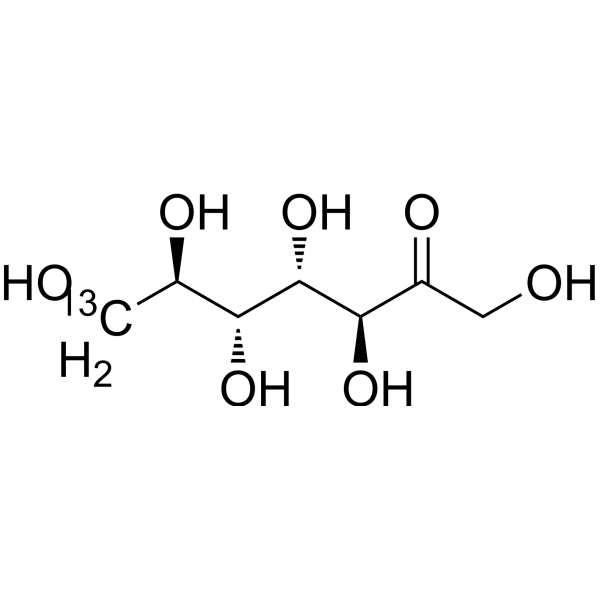
D-Mannoheptulose- 13C is the 13C labeled D-Mannoheptulose (HY-U00462) . D-Mannoheptulose is a 7-carbon keto sugar found in avocado. D-mannoheptulose is a specific inhibitor of D-glucose phosphorylation by hexokinase isoenzymes. D-Mannoheptulose can block insulin release and utilization of carbohydrate in rat. D-Mannoheptulose has various functions as anti-oxidants, anticancer effects and energy sources .
|
-
-
- HY-W778207
-
|
|
Isotope-Labeled Compounds
|
Others
|
|
2'-Deoxyadenosine- 13C5 monohydrate is the 13C labeled isotope of '-Deoxyadenosine monohydrate (HY-W040329). 2′-Deoxyadenosine is an adenine nucleoside that inhibits glucose-stimulated insulin release. 2′-Deoxyadenosine inhibits glucose-stimulated increases seen in islet cyclic AMP (cAMP) accumulation. 2'-Deoxyadenosine activates caspase-3 and promotes apoptosis. 2'-Deoxyadenosine inhibits the activity of S-adenosyl-L-homocysteine hydrolase (SAHH). 2'-Deoxyadenosine inhibits the growth of various cells. 2'-Deoxyadenosine has an anticancer effect on colon cancer .
|
-

-
- HY-W745905
-
|
|
Isotope-Labeled Compounds
Apoptosis
Nucleoside Antimetabolite/Analog
Caspase
Endogenous Metabolite
|
Metabolic Disease
Endocrinology
Cancer
|
|
2'-Deoxyadenosine- 15N1 is the 15N-labeled 2'-Deoxyadenosine (HY-W040329). 2′-Deoxyadenosine is an adenine nucleoside that inhibits glucose-stimulated insulin release. 2′-Deoxyadenosine inhibits glucose-stimulated increases seen in islet cyclic AMP (cAMP) accumulation. 2'-Deoxyadenosine activates caspase-3 and promotes apoptosis. 2'-Deoxyadenosine inhibits the activity of S-adenosyl-L-homocysteine hydrolase (SAHH). 2'-Deoxyadenosine inhibits the growth of various cells. 2'-Deoxyadenosine has an anticancer effect on colon cancer .
|
-

-
- HY-W011683S7
-
|
|
Isotope-Labeled Compounds
Endogenous Metabolite
Nucleoside Antimetabolite/Analog
Caspase
Apoptosis
|
Metabolic Disease
Endocrinology
Cancer
|
|
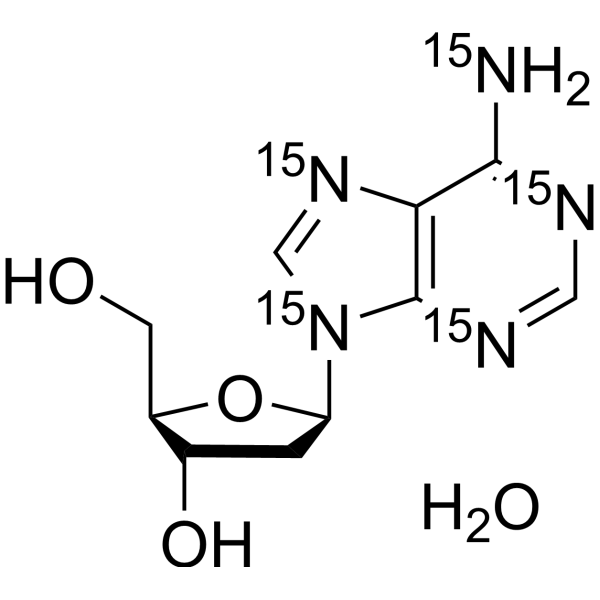
2'-Deoxyadenosine monohydrate- 15N5 is the 15N labeled 2'-Deoxyadenosine monohydrate (HY-W011683) . 2′-Deoxyadenosine monohydrate is an adenine nucleoside that inhibits glucose-stimulated insulin release. 2′-Deoxyadenosine monohydrate inhibits glucose-stimulated increases seen in islet cyclic AMP (cAMP) accumulation. 2'-Deoxyadenosine monohydrate activates caspase-3 and promotes apoptosis. 2'-Deoxyadenosine monohydrate inhibits the activity of S-adenosyl-L-homocysteine hydrolase (SAHH). 2'-Deoxyadenosine monohydrate inhibits the growth of various cells. 2'-Deoxyadenosine monohydrate has an anticancer effect on colon cancer .
|
-
-
- HY-W011683R
-
|
|
Reference Standards
Endogenous Metabolite
Nucleoside Antimetabolite/Analog
Caspase
Apoptosis
|
Metabolic Disease
Endocrinology
Cancer
|
|
2'-Deoxyadenosine monohydrate (Standard) is the analytical standard of 2'-Deoxyadenosine monohydrate ((HY-W011683). This product is intended for research and analytical applications. 2′-Deoxyadenosine monohydrate is an adenine nucleoside that inhibits glucose-stimulated insulin release. 2′-Deoxyadenosine monohydrate inhibits glucose-stimulated increases seen in islet cyclic AMP (cAMP) accumulation. 2'-Deoxyadenosine monohydrate activates caspase-3 and promotes apoptosis. 2'-Deoxyadenosine monohydrate inhibits the activity of S-adenosyl-L-homocysteine hydrolase (SAHH). 2'-Deoxyadenosine monohydrate inhibits the growth of various cells. 2'-Deoxyadenosine monohydrate has an anticancer effect on colon cancer .
|
-

-
- HY-W011683S1
-
|
|
Isotope-Labeled Compounds
Endogenous Metabolite
Nucleoside Antimetabolite/Analog
Caspase
Apoptosis
|
Metabolic Disease
Endocrinology
Cancer
|
|
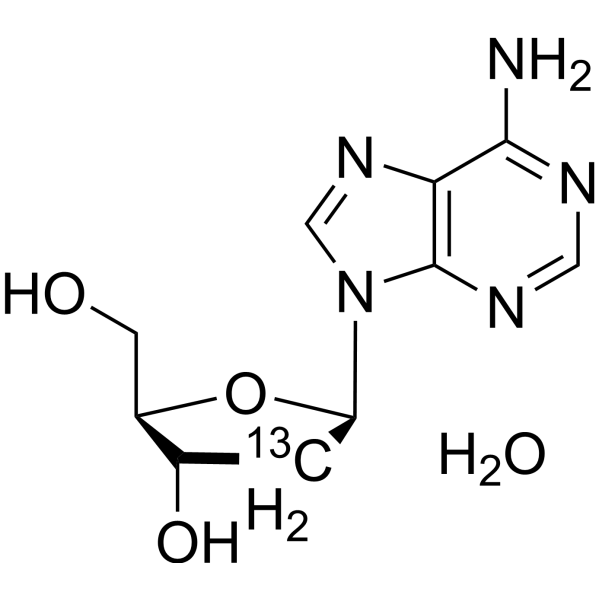
2'-Deoxyadenosine monohydrate-2′- 13C is the 13C labeled 2'-Deoxyadenosine monohydrate(HY-W011683) . 2′-Deoxyadenosine monohydrate is an adenine nucleoside that inhibits glucose-stimulated insulin release. 2′-Deoxyadenosine monohydrate inhibits glucose-stimulated increases seen in islet cyclic AMP (cAMP) accumulation. 2'-Deoxyadenosine monohydrate activates caspase-3 and promotes apoptosis. 2'-Deoxyadenosine monohydrate inhibits the activity of S-adenosyl-L-homocysteine hydrolase (SAHH). 2'-Deoxyadenosine monohydrate inhibits the growth of various cells. 2'-Deoxyadenosine monohydrate has an anticancer effect on colon cancer .
|
-
-
- HY-W040329S
-
|
|
Isotope-Labeled Compounds
Endogenous Metabolite
Nucleoside Antimetabolite/Analog
Caspase
Apoptosis
|
Metabolic Disease
Endocrinology
Cancer
|
|
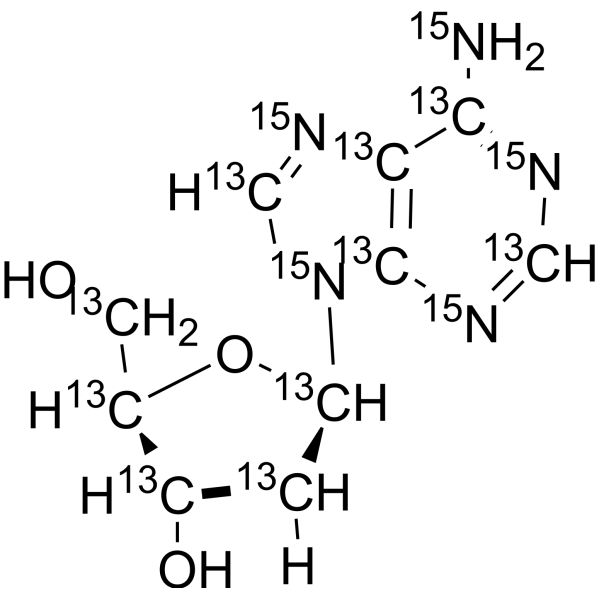
2'-Deoxyadenosine- 13C10, 15N5 is 13C and 15N-labeled 2'-Deoxyadenosine (HY-W040329) . 2′-Deoxyadenosine is an adenine nucleoside that inhibits glucose-stimulated insulin release. 2′-Deoxyadenosine inhibits glucose-stimulated increases seen in islet cyclic AMP (cAMP) accumulation. 2'-Deoxyadenosine activates caspase-3 and promotes apoptosis. 2'-Deoxyadenosine inhibits the activity of S-adenosyl-L-homocysteine hydrolase (SAHH). 2'-Deoxyadenosine inhibits the growth of various cells. 2'-Deoxyadenosine has an anticancer effect on colon cancer .
|
-
-
- HY-W011683S2
-
|
|
Isotope-Labeled Compounds
Endogenous Metabolite
Nucleoside Antimetabolite/Analog
Caspase
Apoptosis
|
Metabolic Disease
Endocrinology
Cancer
|
|
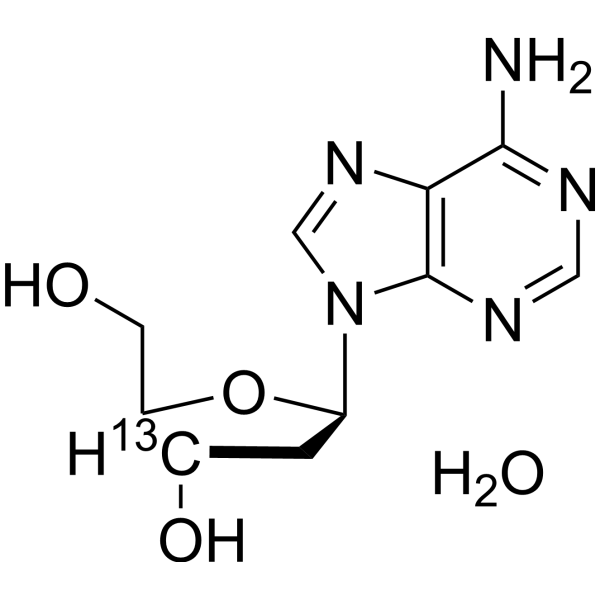
2'-Deoxyadenosine monohydrate-3′- 13C is the 13C labeled 2'-Deoxyadenosine monohydrate (HY-W011683) insulin release. 2′-Deoxyadenosine monohydrate inhibits glucose-stimulated increases seen in islet cyclic AMP (cAMP) accumulation. 2'-Deoxyadenosine monohydrate activates caspase-3 and promotes apoptosis. 2'-Deoxyadenosine monohydrate inhibits the activity of S-adenosyl-L-homocysteine hydrolase (SAHH). 2'-Deoxyadenosine monohydrate inhibits the growth of various cells. 2'-Deoxyadenosine monohydrate has an anticancer effect on colon cancer>
|
-
-
- HY-W040329S3
-
|
|
Isotope-Labeled Compounds
Endogenous Metabolite
Nucleoside Antimetabolite/Analog
Caspase
Apoptosis
|
Metabolic Disease
Endocrinology
Cancer
|
|
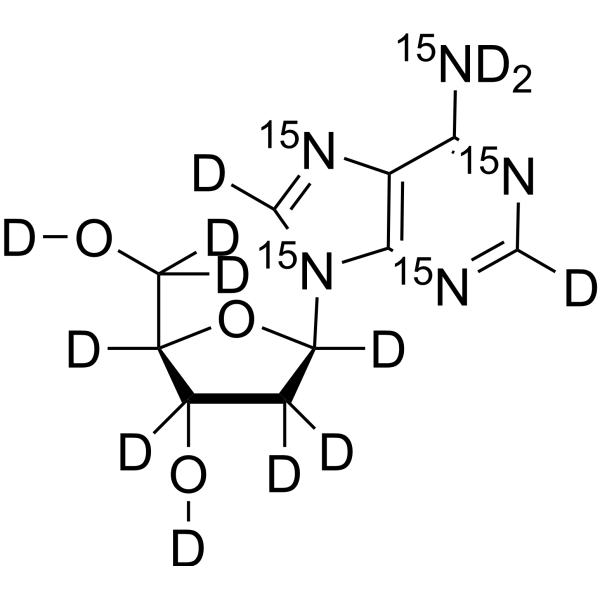
2'-Deoxyadenosine- 15N5,d13 is deuterium and 15N labeled 2'-Deoxyadenosine (HY-W040329) . 2′-Deoxyadenosine is an adenine nucleoside that inhibits glucose-stimulated insulin release. 2′-Deoxyadenosine inhibits glucose-stimulated increases seen in islet cyclic AMP (cAMP) accumulation. 2'-Deoxyadenosine activates caspase-3 and promotes apoptosis. 2'-Deoxyadenosine inhibits the activity of S-adenosyl-L-homocysteine hydrolase (SAHH). 2'-Deoxyadenosine inhibits the growth of various cells. 2'-Deoxyadenosine has an anticancer effect on colon cancer .
|
-
-
- HY-B1114R
-
|
AR-DF 26 (Standard)
|
Potassium Channel
Reference Standards
ERK
STAT
NF-κB
COX
Interleukin Related
|
Metabolic Disease
|
|
Gliquidone (Standard) is the analytical standard of Gliquidone. This product is intended for research and analytical applications. Gliquidone can bind to the pancreatic β-cells and increases insulin release to regulate blood glucose levels. Gliquidone significantly decreases LPS (HY-D1056)-induced proinflammatory responses and inhibits ERK/STAT3/NF-κB phosphorylation in BV2 microglial cells. Gliquidone can suppress microgliosis, microglial hypertrophy mediated by LPS, and proinflammatory cytokine COX-2 and IL-6 levels in murine model. Gliquidone also exhibits good anticancer activity in lung carcinoma cells. Gliquidone has antioxidant property. Gliquidone can be studied in research for type 2 diabetes and cancers .
|
-

-
- HY-165385
-
|
|
Insulin Receptor
Potassium Channel
Calcium Channel
|
Inflammation/Immunology
|
|
AZ-DF 265 is a hypoglycemic agent that stimulates insulin release. AZ-DF-265 inhibits ATP-sensitive potassium channels, activates voltage-dependent calcium channels, allows calcium ion influx, and ultimately promotes insulin secretion. AZ-DF 265 can be used in diabetes-related research .
|
-

-
- HY-19002
-
|
|
Adrenergic Receptor
|
Metabolic Disease
|
|
BRL-26830A is a β-adrenergic receptor agonist. BRL-26830A reduces body weight and increases metabolic rate in obese mouse models. BRL-26830A stimulates insulin release and significantly reduces blood glucose levels in ICR mouse models. BRL-26830A can be used to study endocrine and metabolic diseases such as obesity and diabetes .
|
-

-
- HY-101379AR
-
|
|
Calcium Channel
Reference Standards
|
Cardiovascular Disease
Neurological Disease
|
|
8-Bromo-cGMP (sodium) (Standard) is the analytical standard of 8-Bromo-cGMP (sodium) (HY-101379A). This product is intended for research and analytical applications. 8-Bromo-cGMP sodium, a membrane-permeable analogue of cGMP, is a PKG (protein kinase G) activator. 8-Bromo-cGMP sodium significantly inhibits Ca2+ macroscopic currents and impairs insulin release stimulated with high K+ . 8-Bromo-cGMP sodium has antinociceptive effects and results in vasodilator responses .
|
-

| Cat. No. |
Product Name |
Type |
-
- HY-W039923
-
|
|
Biochemical Assay Reagents
|
|
β-D-Galactose pentaacetate is a negative regulator of insulin with plasma membrane penetrating ability and can be hydrolyzed by intracellular esterases. β-D-Galactose pentaacetate inhibits Leucine (HY-N0486)-induced insulin release in Wistar rat islets, potentially preventing excessive insulin release in pathological conditions .
|
-
- HY-W102387
-
|
Pentaacetyl-D-galactopyranose
|
Biochemical Assay Reagents
|
|
D-Galactose pentaacetate inhibits leucine-induced insulin release. D-Galactose pentaacetate can be used for the research of persistent hyperinsulinemia in childhood or insulinoma .
|
| Cat. No. |
Product Name |
Target |
Research Area |
-
- HY-P1782
-
|
|
Amylin Receptor
|
Metabolic Disease
|
|
Calcitonin (8-32), salmon is a highly selective Amylin receptor antagonist. Calcitonin (8-32), salmon reverses the Amylin-mediated inhibition of glucose-induced insulin release, but has no effect on either glucagon release or somatostatin release. Calcitonin (8-32), salmon can be used for studies related to β-cell amylin .
|
-
- HY-P3863
-
|
|
Ser/Thr Protease
|
Inflammation/Immunology
|
|
Pancreastatin (swine) is a 49-residue peptide which strongly inhibits glucose-induced insulin release. Pancreastatin (swine) can be isolated and characterized from porcine pancreas .
|
-
- HY-P10302
-
|
|
GLP Receptor
Insulin Receptor
|
Metabolic Disease
|
|
GLP-1R/GIPR AgonIST-1 is a double-receptor agonist for GLP-1 (glucagon-like peptide-1) and GIP (glucose-dependent insulin releasing peptide). GLP-1R/GIPR agonist-1 lowers blood sugar by mimicking the action of endogenous hormones GLP-1 and GIP, enhancing insulin secretion while inhibiting glucagon secretion. GLP-1R/GIPR agonist-1 can be used in the study of metabolic diseases such as diabetes, obesity, and non-alcoholic steatohepatitis (NASH) .
|
-
- HY-P5291
-
|
Caerulein precursor fragment
|
Insulin Receptor
|
Metabolic Disease
|
|
CPF-7 (Caerulein precursor fragment) is an insulin-releasing peptide that stimulates the release of insulin. CPF-7 can induce epithelial-mesenchymal transition by upregulating Snai1 expression in PANC-1 ductal cells. CPF-7 also induces exocrine plasticity by upregulating Ngn3 expression. CPF-7 can be used in the research of type 2 diabetes .
|
-
- HY-W037817
-
|
Dimethyl glutamate
|
Potassium Channel
Bacterial
|
Infection
Metabolic Disease
|
|
Dimethyl L-glutamate (Dimethyl glutamate), a membrane-permeable analog of Glutamate, can stimulate insulin release induced by Glucose. Dimethyl L-glutamate suppresses the KATP channel activities. Dimethyl L-glutamate inhibits E. gracilis growth and causes abnormal cell division. Dimethyl L-glutamate can be used in the research of diabetes, glucose transport, phosphorylation, and further metabolism .
|
| Cat. No. |
Product Name |
Category |
Target |
Chemical Structure |
| Cat. No. |
Product Name |
Chemical Structure |
-
- HY-W040329S1
-
|
|
|
2'-Deoxyadenosine- 13C10 is 13C-labeled 2'-Deoxyadenosine (HY-W040329) . 2′-Deoxyadenosine is an adenine nucleoside that inhibits glucose-stimulated insulin release. 2′-Deoxyadenosine inhibits glucose-stimulated increases seen in islet cyclic AMP (cAMP) accumulation. 2'-Deoxyadenosine activates caspase-3 and promotes apoptosis. 2'-Deoxyadenosine inhibits the activity of S-adenosyl-L-homocysteine hydrolase (SAHH). 2'-Deoxyadenosine inhibits the growth of various cells. 2'-Deoxyadenosine has an anticancer effect on colon cancer .
|
-
-
- HY-W011683S6
-
|
|
|
2'-Deoxyadenosine monohydrate- 13C10, 15N5 is the 13C and 15N labeled 2'-Deoxyadenosine monohydrate (HY-W011683) . 2′-Deoxyadenosine monohydrate is an adenine nucleoside that inhibits glucose-stimulated insulin release. 2′-Deoxyadenosine monohydrate inhibits glucose-stimulated increases seen in islet cyclic AMP (cAMP) accumulation. 2'-Deoxyadenosine monohydrate activates caspase-3 and promotes apoptosis. 2'-Deoxyadenosine monohydrate inhibits the activity of S-adenosyl-L-homocysteine hydrolase (SAHH). 2'-Deoxyadenosine monohydrate inhibits the growth of various cells. 2'-Deoxyadenosine monohydrate has an anticancer effect on colon cancer .
|
-
-
- HY-W011683S3
-
|
|
|
2'-Deoxyadenosine monohydrate-5′- 13C is the 13C labeled 2'-Deoxyadenosine monohydrate (HY-W011683) . 2′-Deoxyadenosine monohydrate is an adenine nucleoside that inhibits glucose-stimulated insulin release. 2′-Deoxyadenosine monohydrate inhibits glucose-stimulated increases seen in islet cyclic AMP (cAMP) accumulation. 2'-Deoxyadenosine monohydrate activates caspase-3 and promotes apoptosis. 2'-Deoxyadenosine monohydrate inhibits the activity of S-adenosyl-L-homocysteine hydrolase (SAHH). 2'-Deoxyadenosine monohydrate inhibits the growth of various cells. 2'-Deoxyadenosine monohydrate has an anticancer effect on colon cancer .
|
-
-
- HY-W011683S
-
|
|
|
2'-Deoxyadenosine monohydrate-1′- 13C is the 13C labeled 2'-Deoxyadenosine monohydrate (HY-W011683) . 2′-Deoxyadenosine monohydrate is an adenine nucleoside that inhibits glucose-stimulated insulin release. 2′-Deoxyadenosine monohydrate inhibits glucose-stimulated increases seen in islet cyclic AMP (cAMP) accumulation. 2'-Deoxyadenosine monohydrate activates caspase-3 and promotes apoptosis. 2'-Deoxyadenosine monohydrate inhibits the activity of S-adenosyl-L-homocysteine hydrolase (SAHH). 2'-Deoxyadenosine monohydrate inhibits the growth of various cells. 2'-Deoxyadenosine monohydrate has an anticancer effect on colon cancer .
|
-
-
- HY-W767186
-
|
|
|
D-Mannoheptulose- 13C7 is the 13C-labeled D-Mannoheptulose. D-Mannoheptulose is a 7-carbon keto sugar found in avocado. D-mannoheptulose is a specific inhibitor of D-glucose phosphorylation by hexokinase isoenzymes. D-Mannoheptulose can block insulin release and utilization of carbohydrate in rat. D-Mannoheptulose has various functions as anti-oxidants, anticancer effects and energy sources .
|
-
-
- HY-U00462S
-
|
|
|
D-Mannoheptulose- 13C is the 13C labeled D-Mannoheptulose (HY-U00462) . D-Mannoheptulose is a 7-carbon keto sugar found in avocado. D-mannoheptulose is a specific inhibitor of D-glucose phosphorylation by hexokinase isoenzymes. D-Mannoheptulose can block insulin release and utilization of carbohydrate in rat. D-Mannoheptulose has various functions as anti-oxidants, anticancer effects and energy sources .
|
-
-
- HY-W778207
-
|
|
|
2'-Deoxyadenosine- 13C5 monohydrate is the 13C labeled isotope of '-Deoxyadenosine monohydrate (HY-W040329). 2′-Deoxyadenosine is an adenine nucleoside that inhibits glucose-stimulated insulin release. 2′-Deoxyadenosine inhibits glucose-stimulated increases seen in islet cyclic AMP (cAMP) accumulation. 2'-Deoxyadenosine activates caspase-3 and promotes apoptosis. 2'-Deoxyadenosine inhibits the activity of S-adenosyl-L-homocysteine hydrolase (SAHH). 2'-Deoxyadenosine inhibits the growth of various cells. 2'-Deoxyadenosine has an anticancer effect on colon cancer .
|
-
-
- HY-W745905
-
|
|
|
2'-Deoxyadenosine- 15N1 is the 15N-labeled 2'-Deoxyadenosine (HY-W040329). 2′-Deoxyadenosine is an adenine nucleoside that inhibits glucose-stimulated insulin release. 2′-Deoxyadenosine inhibits glucose-stimulated increases seen in islet cyclic AMP (cAMP) accumulation. 2'-Deoxyadenosine activates caspase-3 and promotes apoptosis. 2'-Deoxyadenosine inhibits the activity of S-adenosyl-L-homocysteine hydrolase (SAHH). 2'-Deoxyadenosine inhibits the growth of various cells. 2'-Deoxyadenosine has an anticancer effect on colon cancer .
|
-
-
- HY-W011683S7
-
|
|
|
2'-Deoxyadenosine monohydrate- 15N5 is the 15N labeled 2'-Deoxyadenosine monohydrate (HY-W011683) . 2′-Deoxyadenosine monohydrate is an adenine nucleoside that inhibits glucose-stimulated insulin release. 2′-Deoxyadenosine monohydrate inhibits glucose-stimulated increases seen in islet cyclic AMP (cAMP) accumulation. 2'-Deoxyadenosine monohydrate activates caspase-3 and promotes apoptosis. 2'-Deoxyadenosine monohydrate inhibits the activity of S-adenosyl-L-homocysteine hydrolase (SAHH). 2'-Deoxyadenosine monohydrate inhibits the growth of various cells. 2'-Deoxyadenosine monohydrate has an anticancer effect on colon cancer .
|
-
-
- HY-W011683S1
-
|
|
|
2'-Deoxyadenosine monohydrate-2′- 13C is the 13C labeled 2'-Deoxyadenosine monohydrate(HY-W011683) . 2′-Deoxyadenosine monohydrate is an adenine nucleoside that inhibits glucose-stimulated insulin release. 2′-Deoxyadenosine monohydrate inhibits glucose-stimulated increases seen in islet cyclic AMP (cAMP) accumulation. 2'-Deoxyadenosine monohydrate activates caspase-3 and promotes apoptosis. 2'-Deoxyadenosine monohydrate inhibits the activity of S-adenosyl-L-homocysteine hydrolase (SAHH). 2'-Deoxyadenosine monohydrate inhibits the growth of various cells. 2'-Deoxyadenosine monohydrate has an anticancer effect on colon cancer .
|
-
-
- HY-W040329S
-
|
|
|
2'-Deoxyadenosine- 13C10, 15N5 is 13C and 15N-labeled 2'-Deoxyadenosine (HY-W040329) . 2′-Deoxyadenosine is an adenine nucleoside that inhibits glucose-stimulated insulin release. 2′-Deoxyadenosine inhibits glucose-stimulated increases seen in islet cyclic AMP (cAMP) accumulation. 2'-Deoxyadenosine activates caspase-3 and promotes apoptosis. 2'-Deoxyadenosine inhibits the activity of S-adenosyl-L-homocysteine hydrolase (SAHH). 2'-Deoxyadenosine inhibits the growth of various cells. 2'-Deoxyadenosine has an anticancer effect on colon cancer .
|
-
-
- HY-W011683S2
-
|
|
|
2'-Deoxyadenosine monohydrate-3′- 13C is the 13C labeled 2'-Deoxyadenosine monohydrate (HY-W011683) insulin release. 2′-Deoxyadenosine monohydrate inhibits glucose-stimulated increases seen in islet cyclic AMP (cAMP) accumulation. 2'-Deoxyadenosine monohydrate activates caspase-3 and promotes apoptosis. 2'-Deoxyadenosine monohydrate inhibits the activity of S-adenosyl-L-homocysteine hydrolase (SAHH). 2'-Deoxyadenosine monohydrate inhibits the growth of various cells. 2'-Deoxyadenosine monohydrate has an anticancer effect on colon cancer>
|
-
-
- HY-W040329S3
-
|
|
|
2'-Deoxyadenosine- 15N5,d13 is deuterium and 15N labeled 2'-Deoxyadenosine (HY-W040329) . 2′-Deoxyadenosine is an adenine nucleoside that inhibits glucose-stimulated insulin release. 2′-Deoxyadenosine inhibits glucose-stimulated increases seen in islet cyclic AMP (cAMP) accumulation. 2'-Deoxyadenosine activates caspase-3 and promotes apoptosis. 2'-Deoxyadenosine inhibits the activity of S-adenosyl-L-homocysteine hydrolase (SAHH). 2'-Deoxyadenosine inhibits the growth of various cells. 2'-Deoxyadenosine has an anticancer effect on colon cancer .
|
-
| Cat. No. |
Product Name |
|
Classification |
-
- HY-W040329
-
|
|
|
Nucleoside Analogs
Adenosine
|
|
2′-Deoxyadenosine is an adenine nucleoside that inhibits glucose-stimulated insulin release. 2′-Deoxyadenosine inhibits glucose-stimulated increases seen in islet cyclic AMP (cAMP) accumulation. 2'-Deoxyadenosine activates caspase-3 and promotes apoptosis. 2'-Deoxyadenosine inhibits the activity of S-adenosyl-L-homocysteine hydrolase (SAHH). 2'-Deoxyadenosine inhibits the growth of various cells. 2'-Deoxyadenosine has an anticancer effect on colon cancer .
|
-
- HY-W011683
-
|
|
|
Nucleoside Analogs
Adenosine
|
|
2′-Deoxyadenosine monohydrate is an adenine nucleoside that inhibits glucose-stimulated insulin release. 2′-Deoxyadenosine monohydrate inhibits glucose-stimulated increases seen in islet cyclic AMP (cAMP) accumulation. 2'-Deoxyadenosine monohydrate activates caspase-3 and promotes apoptosis. 2'-Deoxyadenosine monohydrate inhibits the activity of S-adenosyl-L-homocysteine hydrolase (SAHH). 2'-Deoxyadenosine monohydrate inhibits the growth of various cells. 2'-Deoxyadenosine monohydrate has an anticancer effect on colon cancer .
|
Your information is safe with us. * Required Fields.
Inquiry Information
- Product Name:
- Cat. No.:
- Quantity:
- MCE Japan Authorized Agent:








