Search Result
Results for "
item/HY-17026
" in MedChemExpress (MCE) Product Catalog:
2
Isotope-Labeled Compounds
| Cat. No. |
상품명 |
Target |
연구분야 |
Chemical Structure |
-
- HY-17026
-
Gemcitabine
Maximum Cited Publications
266 Publications Verification
LY 188011
|
Nucleoside Antimetabolite/Analog
DNA/RNA Synthesis
Autophagy
Apoptosis
p38 MAPK
|
Infection
Inflammation/Immunology
Cancer
|
|
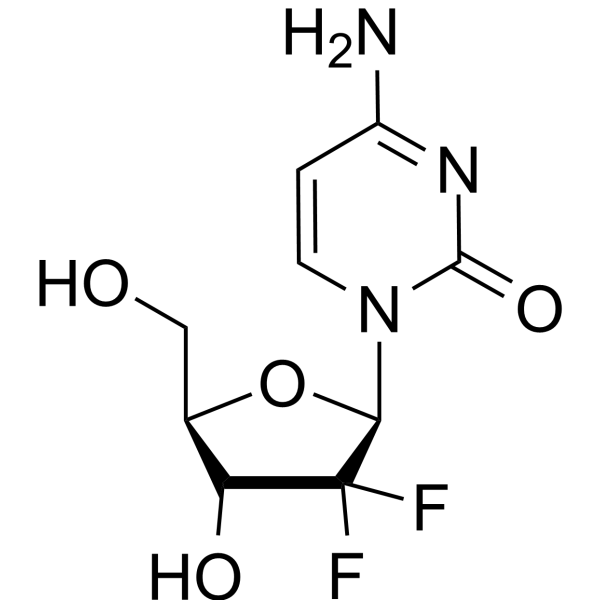
Gemcitabine (LY 188011) is a pyrimidine nucleoside analog antimetabolite and an antineoplastic agent. Gemcitabine inhibits DNA synthesis and repair, and can modulate autophagy. Gemcitabine induces apoptosis through the activation of p38 MAPK. Gemcitabine demonstrates efficacy in mouse models of pancreatic and breast cancer. Gemcitabine can be used for cancer research, such as pancreatic cancer, non-small cell lung cancer, and breast cancer .
|
-
-
- HY-160818
-
MC3138
2 Publications Verification
|
Sirtuin
|
Cancer
|
|
MC3138 is a selective SIRT5 activator. MC3138 has antitumor activity on human PDAC cells, with IC50 values of 25.4-236.9 μM. MC3138 combined with Gemcitabine (HY-17026) significantly inhibits tumor growth in mice .
|
-

-
- HY-138253
-
|
dFdU; 2',2'-Difluoro-2'-deoxyuridine
|
Drug Metabolite
Apoptosis
|
Cancer
|
|
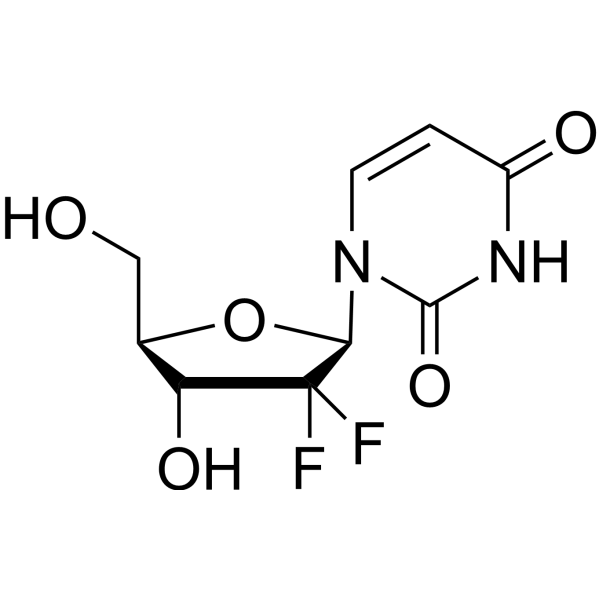
2’,2’-Difluorodeoxyuridine (dFdU) is the main metabolite of Gemcitabine (HY-17026). 2’,2’-Difluorodeoxyuridine causes a concentration- and schedule- dependent radiosensitising effect in vitro. 2’,2’-Difluorodeoxyuridine arrests cell cycle at the early S phase and induces apoptosis in cancer cells .
|
-
-
- HY-P9964
-
|
11F8; IMC-11F8; LY3012211
|
EGFR
|
Cancer
|
|
Necitumumab (11F8; IMC-11F8; LY3012211) is a human IgG monoclonal antibody directed against EGFR. Necitumumab binds to the EGF binding site of EGFR, blocks ligand binding, neutralizes ligand-induced EGFR phosphorylation and downstream signaling, induces EGFR internalization and degradation, and mediates antibody-dependent cellular cytotoxicity (ADCC) in EGFR-expressing cells. Necitumumab enhances antitumour activity in combination with Gemcitabine (HY-17026) and Cisplatin (HY-17394) in murine non-small-cell lung cancer xenograft models. Necitumumab can be used in research on cancers such as non-small cell lung cancer and colorectal cancer .
|
-

-
- HY-17026E
-
|
dFdCTP trisodium
|
Drug Metabolite
DNA/RNA Synthesis
Apoptosis
|
Cancer
|
|
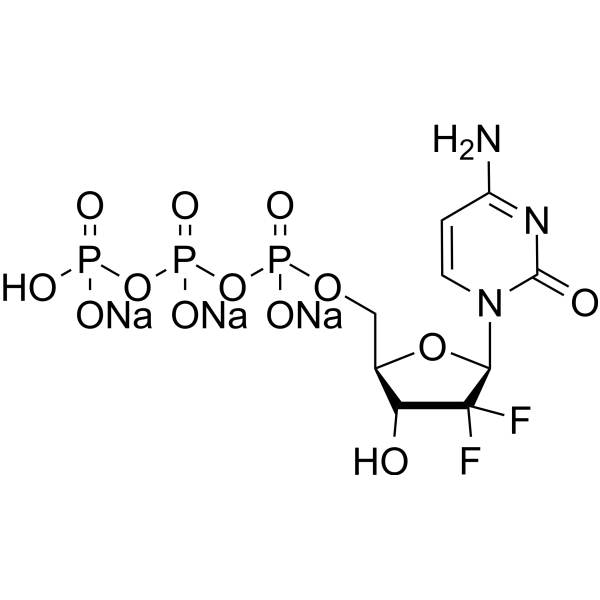
Gemcitabine triphosphate (dFdCTP) trisodium is the active metabolite of Gemcitabine (HY-17026). The mechanism of Gemcitabine triphosphate trisodium cell-killing is its competition with cytidine triphosphate during DNA replication, which results in the inhibition of chain elongation. Gemcitabine triphosphate trisodium shows a Ki of 11.2 μM against DNA polymerase α and 14.4 μM against DNA polymerase ε. Gemcitabine triphosphate trisodium partially inhibits dCMP deaminase and acts as a substrate for DNA synthesis to incorporate into cellular DNA and RNA. Gemcitabine triphosphate trisodium disrupts DNA and RNA synthesis, arrests cell cycle in G0/G1 and S phases, triggers apoptosis, reduces tumor cell proliferation. Gemcitabine triphosphate trisodium can be used for the research of pancreatic cancer and non-small cell lung cancer .
|
-
-
- HY-17026R
-
-

-
- HY-13561
-
|
M475271
|
Src
Apoptosis
|
Cancer
|
|
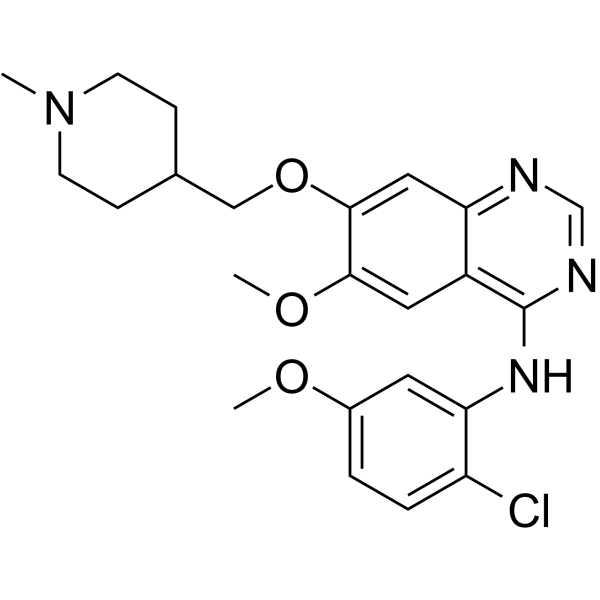
AZM475271 (M475271) is an orally active and selective Src kinase inhibitor. AZM475271 inhibits phosphorylation of c-Src kinase, Lck, c-yes (IC50s = 0.01, 0.03, 0.08 μM, respectively). AZM475271 induces apoptosis. AZM475271 reduces tumor cell proliferation and migration in vitro and in vivo, and reduces microvessel density (MVD). AZM475271 inhibits tumor growth and metastasis. AZM475271 sensitizes tumor cells to the cytotoxic effects of Gemcitabine (HY-17026) .
|
-
-
- HY-108932
-
|
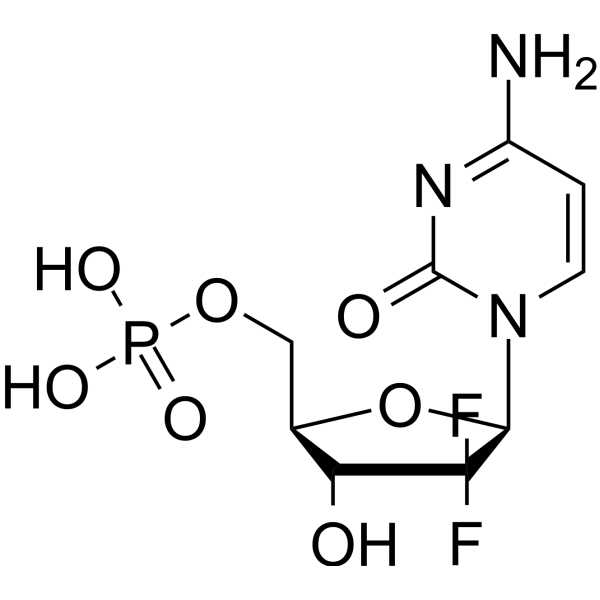
Gemcitabine 5′-phosphate
|
Apoptosis
|
Cancer
|
|
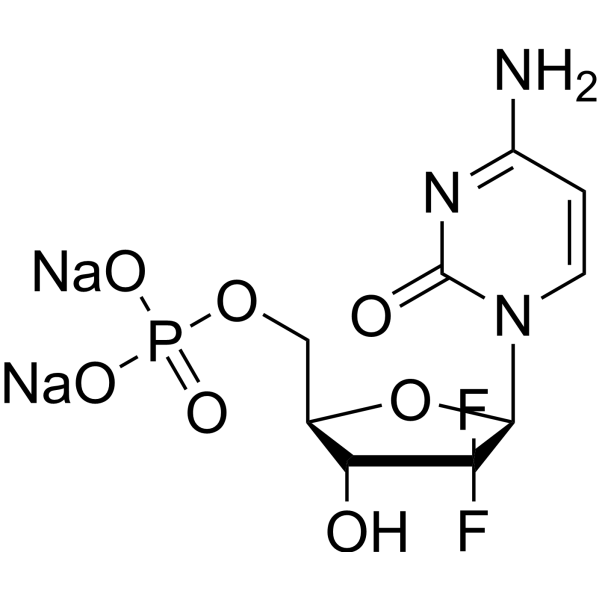
Gemcitabine monophosphate (Gemcitabine 5′-phosphate) is one of the active intermediates of Gemcitabine (HY-17026). Gemcitabine monophosphate has a synergistic anti-cancer effect and can be delivered by formulating it into nanoparticles .
|
-
-
- HY-17026A
-
|
dFdCTP
|
Drug Metabolite
DNA/RNA Synthesis
Apoptosis
|
Cancer
|
|
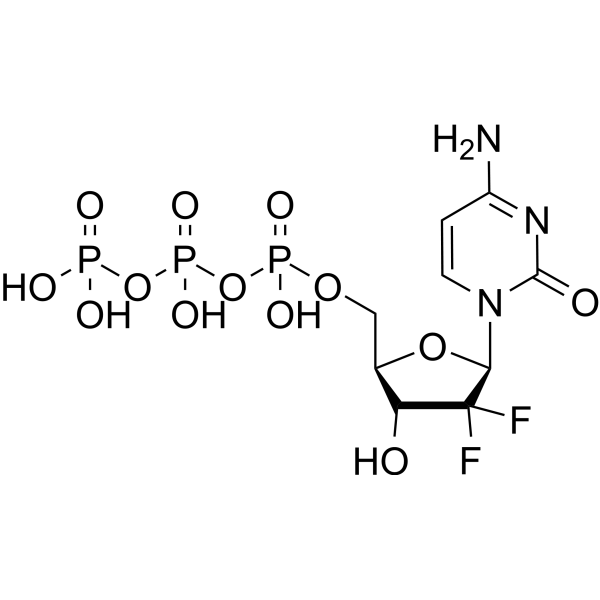
Gemcitabine triphosphate (dFdCTP) is the active metabolite of Gemcitabine (HY-17026). The mechanism of Gemcitabine triphosphate cell-killing is its competition with cytidine triphosphate during DNA replication, which results in the inhibition of chain elongation. Gemcitabine triphosphate shows a Ki of 11.2 μM against DNA polymerase α and 14.4 μM against DNA polymerase ε. Gemcitabine triphosphate partially inhibits dCMP deaminase and acts as a substrate for DNA synthesis to incorporate into cellular DNA and RNA. Gemcitabine triphosphate disrupts DNA and RNA synthesis, arrests cell cycle in G0/G1 and S phases, triggers apoptosis, reduces tumor cell proliferation. Gemcitabine triphosphate can be used for the research of pancreatic cancer and non-small cell lung cancer .
|
-
-
- HY-P99667
-
|
OMP-54F28; FZD8-Fc
|
Wnt
|
Cancer
|
|
Ipafricept (OMP-54F28; FZD8-Fc) is a first class recombinant fusion protein with the extracellular part of the human frizzled-8 receptor fused to a human IgG1 Fc fragment that binds Wnt ligands, which blocks Wnt signaling. Ipafricept reduces tumor growth and results in a decrease in both liver and lung metastases combined with Gemcitabine (HY-17026) in pancreatic cancer mouse models. Ipafricept shows solid tumor inhibition activity with well tolerance, such as desmoid tumor, germ cell cancer, ovarian cancer .
|
-

-
- HY-130812
-
|
|
Drug-Linker Conjugates for ADC
|
Cancer
|
|
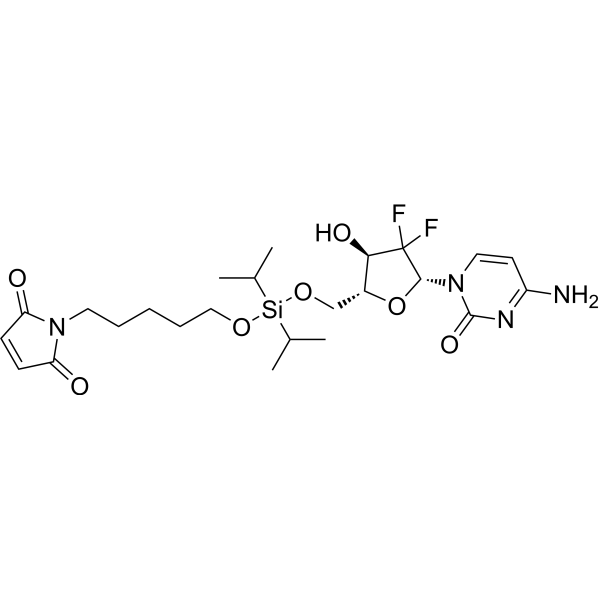
Gemcitabine-O-Si(di-iso)-O-Mc is a agent-linker conjugate for ADC with potent antitumor activity by using Gemcitabine (a pyrimidine nucleoside analog antimetabolite and an antineoplastic agent; HY-17026), linked via the ADC linker .
|
-
-
- HY-138253R
-
|
dFdU (Standard); 2',2'-Difluoro-2'-deoxyuridine (Standard)
|
Drug Metabolite
Reference Standards
Apoptosis
|
Cancer
|
|
2′,2′-Difluorodeoxyuridine (Standard) is the analytical standard of 2′,2′-Difluorodeoxyuridine. This product is intended for research and analytical applications. 2’,2’-Difluorodeoxyuridine (dFdU) is the main metabolite of Gemcitabine (HY-17026). 2’,2’-Difluorodeoxyuridine causes a concentration- and schedule- dependent radiosensitising effect in vitro. 2’,2’-Difluorodeoxyuridine arrests cell cycle at the early S phase and induces apoptosis in cancer cells.
|
-

-
- HY-138253S
-
|
dFdU-13C,15N2; 2',2'-Difluoro-2'-deoxyuridine-13C,15N2
|
Isotope-Labeled Compounds
Drug Metabolite
Apoptosis
|
Others
|
|
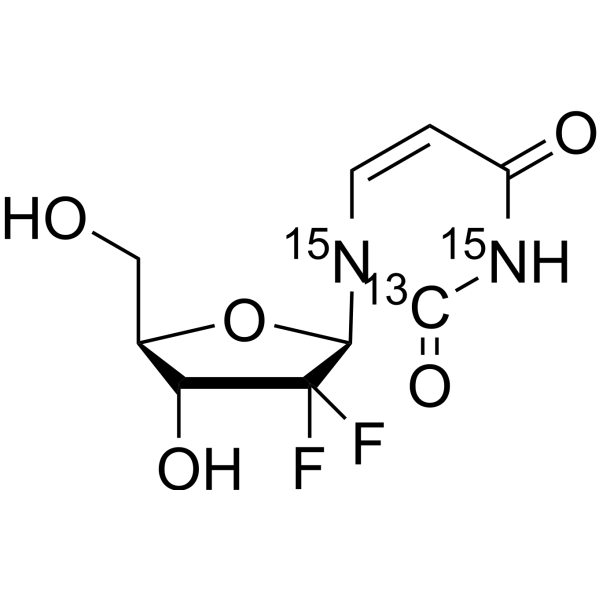
2′,2′-Difluorodeoxyuridine- 13C, 15N2 (dFdU- 13C, 15N2) is a 13C- and 15N-labeled compound. 2’,2’-Difluorodeoxyuridine (dFdU) is the main metabolite of Gemcitabine (HY-17026). 2’,2’-Difluorodeoxyuridine causes a concentration- and schedule- dependent radiosensitising effect in vitro. 2’,2’-Difluorodeoxyuridine arrests cell cycle at the early S phase and induces apoptosis in cancer cells .
|
-
-
- HY-171414
-
|
|
Antibiotic
Bacterial
|
Infection
|
|
MC-VC-PAB-O-Gemcitabine is a linker-antibiotic intermediate, which is part of the antibody-antibiotic conjugate (AAC) molecule. MC-VC-PAB-O-Gemcitabine is conjugated with the linker and the antibiotic Gemcitabine (HY-17026). MC-VC-PAB-O-Gemcitabine can be used to study the immunotherapy of bacterial infections and the development of new antibacterial drugs .
|
-

-
- HY-15883
-
|
|
Checkpoint Kinase (Chk)
Apoptosis
|
Cancer
|
|
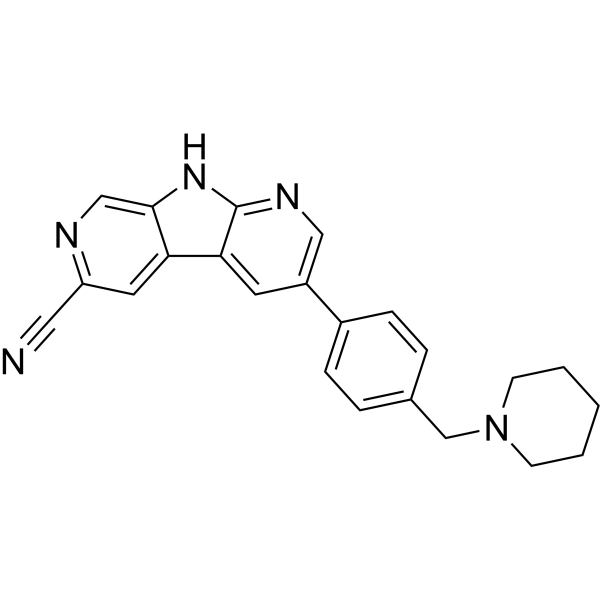
GNE-900 is a an ATP-competitive, selective, and orally active ChK1 inhibitor with IC50s of 0.0011, 1.5 μM for ChKl, ChK2, respectively. GNE-900 abrogates the G2-M checkpoint, enhances DNA damage, and induces Apoptosis. Gemcitabine (HY-17026) and GNE-900 administration shows anti-tumor activity .
|
-
-
- HY-156027
-
-
-
- HY-W105318
-
|
PBP
|
TGF-beta/Smad
Apoptosis
|
Cancer
|
|
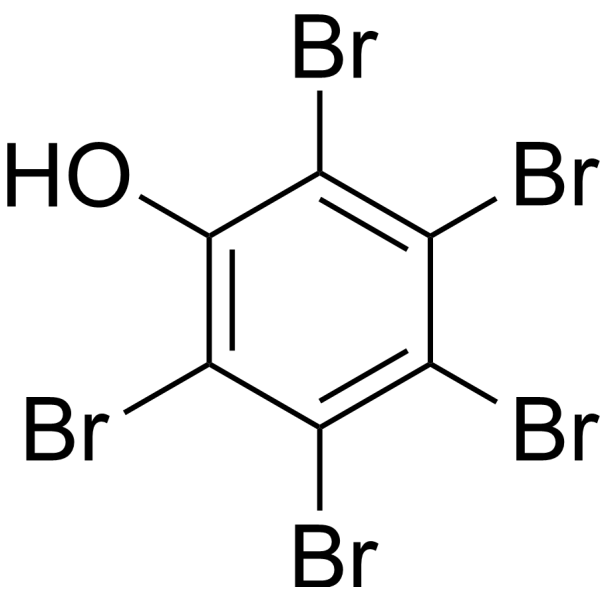
Pentabromophenol (PBP) is a brominated flame retardant (BFR) widely used in various consumer products to reduce the flammability of materials used in different utility items. Pentabromophenol can accelerate the degradation of transforming growth factor-β (TGF-β) receptors by promoting clathrin-mediated endocytosis, thereby inhibiting the TGF-β signaling pathway. Additionally, Pentabromophenol can also induce apoptosis in peripheral blood mononuclear cells (PBMCs) .
|
-
-
- HY-106777
-
|
CPEC; NSC 375575
|
DNA/RNA Synthesis
Nucleoside Antimetabolite/Analog
Apoptosis
Necroptosis
Influenza Virus
HSV
|
Infection
Cancer
|
|
Cyclopentenylcytosine (CPEC), a carbocyclic nucleoside analog of cytosine, is a potent inhibitor of CTP synthetase and causes depletion of CTP and dCTP pools. Cyclopentenylcytosine shows broad-spectrum (both DNA and RNA viruses) antiviral activity. Cyclopentenyl cytosine increases Gemcitabine (HY-17026) radiosensitisation in human pancreatic cancer cells. Cyclopentenylcytosine shows effective antiviral activity in the Ad5/NZW rabbit ocular replication model and shows anti-tumor activity in various tumor xenografts model. Cyclopentenylcytosine can be used for the study of infection and cancer .
|
-

-
- HY-139901
-
|
|
Checkpoint Kinase (Chk)
|
Cancer
|
|
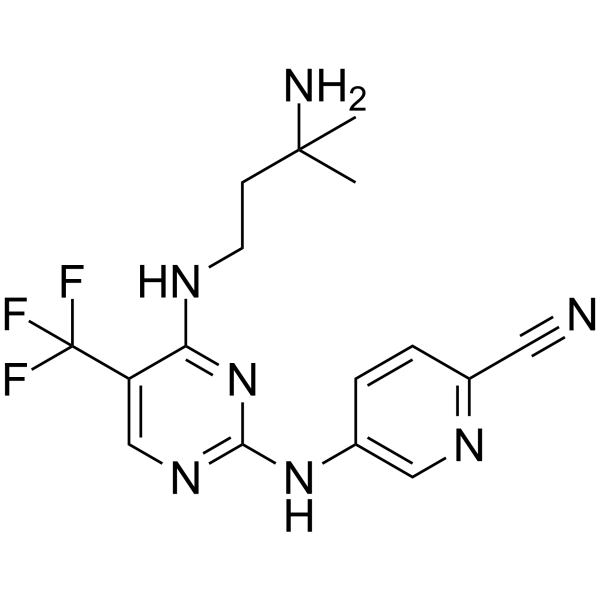
Chk1-IN-6 is a selective and orally active Chk1 inhibitor with an IC50 of 16.1 nM. Chk1-IN-6 shows antiproliferative activity of MV-4-11 cells. Chk1-IN-6 exerts effective response in the MV-4-11 xenograft mouse model. Chk1-IN-6 exhibits synergistic anticancer effect with Gemcitabine (HY-17026). Chk1-IN-6 can be used in the research of cancers such as acute myeloid leukemia and colorectal adenocarcinoma .
|
-
-
- HY-108932A
-
|
Gemcitabine 5′-phosphate disodium
|
Apoptosis
|
Cancer
|
|
Gemcitabine monophosphate (Gemcitabine 5′-phosphate) is one of the active intermediates of Gemcitabine (HY-17026). Gemcitabine monophosphate has a synergistic anti-cancer effect and can be delivered by formulating it into nanoparticles .
|
-
-
- HY-145525
-
|
CAR 18:2; C18:2 Carnitine; L-Carnitine linoleoyl ester
|
Endogenous Metabolite
|
Others
|
|
Linoleoyl-L-carnitine is a naturally occurring long-chain acylcarnitine. Hepatic levels of linoleoyl-L-carnitine are increased following high-dose (200 mg/kg) administration of Isoniazid (Item No. 20378) in mice.
|
-

-
- HY-103367
-
|
|
Checkpoint Kinase (Chk)
|
Cancer
|
|
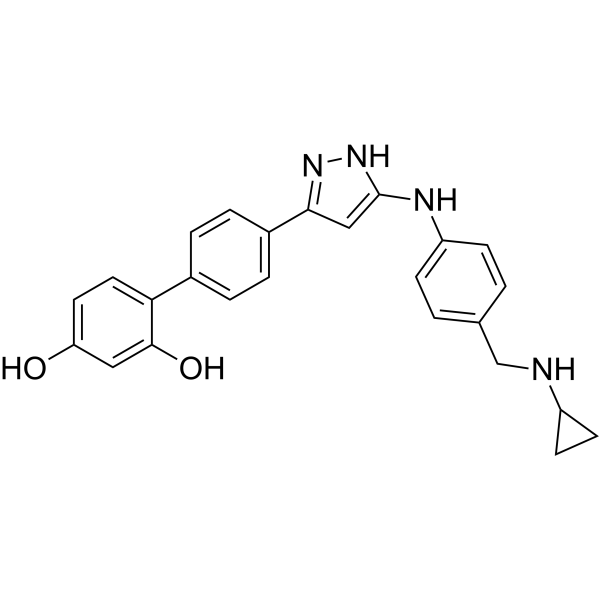
CHK1-IN-7 (Compound 10c) is a potent human CHK1 inhibitor. CHK1-IN-7 shows no single agent effect, potentiates the antiproliferative effect of Gemcitabine HY-17026 in both prostate and breast cancer cell lines. CHK1-IN-7 can be used for the research of cancer .
|
-
-
- HY-174448
-
|
|
Wee1
|
Cancer
|
|
WEE1-IN-12 (Compound 87) is a Wee1 kinase inhibitor with an IC50 of 2.0 nM. WEE1-IN-12 can inhibit the proliferation of HT29 cells (IC50: 1.07 μM), and when used in combination with Gemcitabine (HY-17026), the effect is better (IC50: 0.34 μM). WEE1-IN-12 can be used in the research of tumors such as colon cancer .
|
-

-
- HY-137555
-
|
11-deHYdro-2,3-dinor TXB2
|
Endogenous Metabolite
|
Metabolic Disease
|
|
11-dehydro-2,3-dinor Thromboxane B2 (11-dehydro-2,3-dinor TXB2) is a metabolite of the TXA2 inactive metabolite TXB2 (Item No. 19030). It is formed from TXB2 by cytosolic aldehyde dehydrogenase (ALDH) and β-oxidation. Levels of 11-dehydro-2,3-dinor TXB2 are increased 5.2-fold in a surgery-induced rat model of tendon overuse.
|
-

-
- HY-17026S
-
-

-
- HY-161383
-
|
|
Checkpoint Kinase (Chk)
|
Cancer
|
|
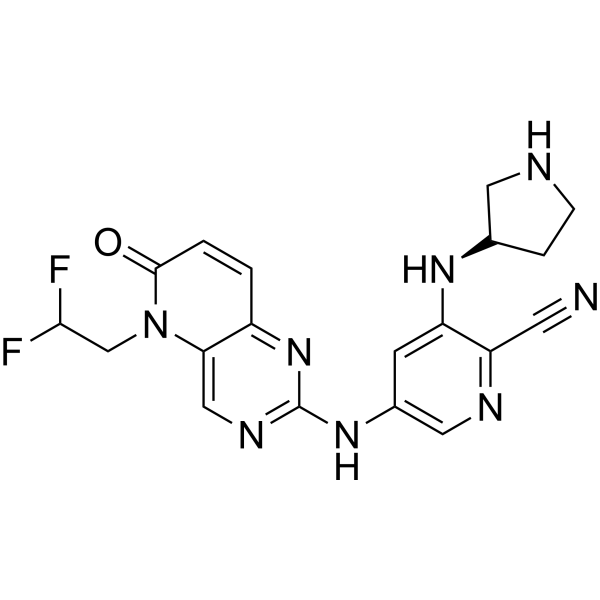
CHK1-IN-9 (compound 11) is an orally active CHK1 inhibitor with an IC50 value of 0.55 nM. CHK1-IN-9 can enhance the effect of DNA-damaging drugs on tumor cells. CHK1-IN-9 has synergistic anticancer effects with Gemcitabine (HY-17026) .
|
-
-
- HY-178021
-
|
|
HDAC
DNA/RNA Synthesis
Apoptosis
RAD51
Caspase
|
Cancer
|
|
HDAC1-IN-11 (Compound 6) is a HDAC1 inhibitor with an IC50 of 106.6 nM. HDAC1-IN-11 inhibits the expression of Sp1 and RAD51, thereby inducing Caspase-dependent apoptosis. HDAC1-IN-11 has antitumor activity and sensitizes Etoposide (HY-13629) and Gemcitabine (HY-17026), promoting synergistic death of NSCLC cells through the inhibition of homologous recombination and non-homologous end joining (NHEJ) pathways involved in DNA DSB repair. HDAC1-IN-11 can be used for chemotherapy of cancers like NSCLC research .
|
-

-
- HY-178022
-
|
|
HDAC
Apoptosis
Caspase
RAD51
DNA/RNA Synthesis
|
Cancer
|
|
HDAC6-IN-63 (Compound 7) is an orally active HDAC6 inhibitor with an IC50 of 145 nM. HDAC6-IN-63 inhibits the expression of Sp1 and RAD51, thereby inducing Caspase-dependent apoptosis. HDAC6-IN-63 has antitumor activity and sensitizes Etoposide (HY-13629) and Gemcitabine (HY-17026), promoting synergistic death of NSCLC cells through the inhibition of homologous recombination and non-homologous end joining (NHEJ) pathways involved in DNA DSB repair. HDAC6-IN-63 can be used for chemotherapy of cancers like NSCLC research .
|
-

-
- HY-155222
-
|
|
Epigenetic Reader Domain
HDAC
|
Cancer
|
|
TW9 is a potent dual inhibitor simultaneously targeting BET and HDAC proteins with KDs of 0.069 μM, 0.231 μM for BRD4(1), BRD4(2), and an IC50 of 0.29 μM for HDAC1, respectively. TW9 is a newly generated adduct of the BET inhibitor (+)-JQ1 (HY-13030) and class I HDAC inhibitor CI994 (HY-50934). TW9 shows high potency in suppressing tumor growth in pancreatic ductal adenocarcinoma (PDAC). TW9 improves the efficacy of the chemotherapeutic agent Gemcitabine (HY-17026) .
|
-

-
- HY-W114419
-
|
|
Estrogen Receptor/ERR
mTOR
|
Cardiovascular Disease
Metabolic Disease
|
|
Bisphenol C is an estrogen receptor-α (ERα) agonist and an ERβ antagonist, with IC50 values of 2.65 nM for ERα and 1.94 nM for ERβ. Bisphenol C is a material of manufacturing polyester polymers like polycarbonate, is widely used in daily items like water bottles, food packaging, textile and so on .
|
-

-
- HY-154842
-
-
-
- HY-116661
-
|
CBGV
|
Cannabinoid Receptor
|
Metabolic Disease
|
|
Cannabigerovarin (CRM) (Item No. 29117) is a certified reference material categorized as a phytocannabinoid.1 This product is intended for research and forensic applications.
|
-

-
- HY-149050
-
|
|
Influenza Virus
SARS-CoV
|
Infection
|
|
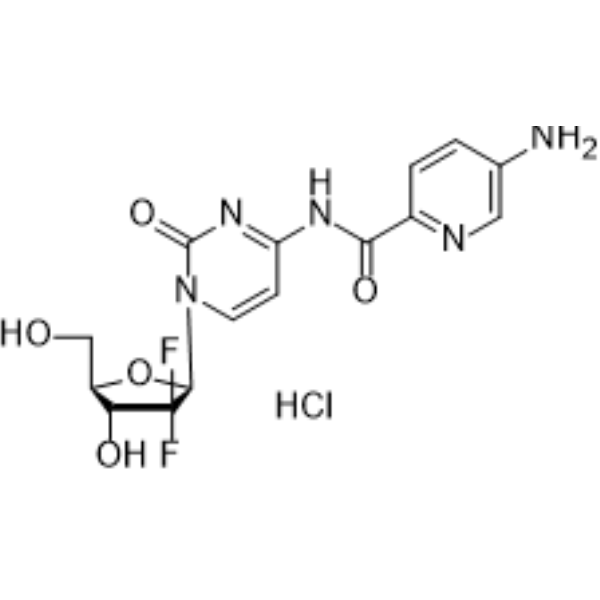
Viral polymerase-IN-1 hydrochloride, a Gemcitabine (HY-17026) derivative, potently inhibits influenza A and B viruses infection with IC90 values of 11.4-15.9 μM. Viral polymerase-IN-1 hydrochloride is active against SARS-CoV-2 infection. Viral polymerase-IN-1 hydrochloride suppresses influenza virus infection by affecting viral RNA replication/transcription in cells .
|
-
-
- HY-130340
-
|
Teichomycin A3 factor 1; Antibiotic L 17054
|
Antibiotic
|
Infection
|
|
Teicoplanin A3-1 is a degradation product of teicoplanins A2-1 to 5 (Item Nos. 20187, 20188, 20189, 20192). Teicoplanins are glycopeptide antibiotics produced by A. teichomyceticus that are broadly effective against Gram-positive bacteria in vitro.
|
-

-
- HY-178451
-
|
|
Apoptosis
|
Cancer
|
|
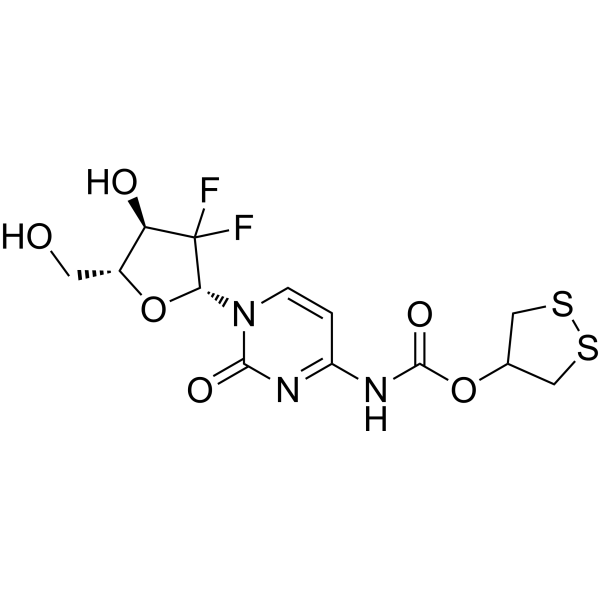
NQO1-responsive prodrug is a prodrug of Gemcitabine (dFdC) (HY-17026) with anti-cancer effect. NQO1-responsive prodrug remains stable in plasma and liver/intestinal S9 fractions, releasing dFdC in an NQO1-dependent manner. NQO1-responsive prodrug induces S-phase arrest and apoptosis. NQO1-responsive prodrug inhibits tumor growth in an A549 xenograft mouse model. NQO1-responsive prodrug can be used for breast and non-small cell lung cancer (NSCLC) research .
|
-

-
- HY-124200
-
|
|
Prostaglandin Receptor
|
Endocrinology
|
|
AL 8810 (Item No. 16735) is an 11β-fluoro analog of prostaglandin F2α which acts as a potent and selective antagonist at the FP receptor. AL 8810 isopropyl ester is a lipid soluble, esterified prodrug form of AL 8810 analogous to the commonly used therapeutic intraocular prostaglandin compounds such as Latanoprost (HY-B0577) and Travoprost (HY-B0584).
|
-

-
- HY-129303
-
|
|
Endogenous Metabolite
|
Metabolic Disease
|
|
AP39 (Item No. 17100) is a compound used to increase the levels of hydrogen sulfide (H2S) within mitochondria. It consists of a mitochondria-targeting motif (triphenylphosphonium) coupled to an H2S-donating moiety (dithiolethione) by an aliphatic linker. AP219 is a control compound for AP39, containing the triphenylphosphonium scaffold but lacking the H2S-releasing portion.
|
-

-
- HY-159577
-
|
|
PI3K
mTOR
Akt
|
Cancer
|
|
Nic-15 (compound 4n) is an anti-constrictive agent used to antagonize the hypovascularity of pancreatic tumors. The hypovascularity allows cancer cells to adapt to the nutrient-deficient tumor microenvironment and develop drug resistance. Nic-15 can regulate the PI3K/Akt/mTOR pathway and alleviate ER stress induced by Gemcitabine (HY-17026). Nic-15 can significantly inhibit the migration and colony formation of MIA PaCa-2 and PANC-1 pancreatic cancer cells. The combination of Nic-15 and Gemcitabine can effectively solve the problem of pancreatic tumor resistance. In an in vivo xenograft model, Nic-15 can significantly enhance the efficacy of Gemcitabine .
|
-

-
- HY-134123
-
|
LXB4 metHYl ester
|
Drug Intermediate
Leukotriene Receptor
|
Metabolic Disease
|
|
Lipoxin B4 (LXB4) methyl ester is a lipid soluble prodrug form of the transcellular metabolite LXB4. LXB4 is a positional isomer of LXA4 produced by the metabolism of 15-HETE or 15-HpETE by human leukocytes. At a concentration of 100 nM, LXB4 inhibits polymorphonuclear leukocyte (PMN) migration stimulated by leukotriene B4 (LTB4; Item No. 20110) and inhibits LTB4-induced adhesion of PMNs with an IC50 value of 0.3 nM.
|
-

-
- HY-108932R
-
|
Gemcitabine 5′-phosphate (Standard)
|
Reference Standards
Apoptosis
|
Cancer
|
|
Gemcitabine monophosphate (Standard) is the analytical standard of Gemcitabine monophosphate (HY-108932). This product is intended for research and analytical applications. Gemcitabine monophosphate (Gemcitabine 5′-phosphate) is one of the active intermediates of Gemcitabine (HY-17026). Gemcitabine monophosphate has a synergistic anti-cancer effect and can be delivered by formulating it into nanoparticles .
|
-

-
- HY-114563
-
|
dFdG
|
Drug Derivative
|
Cancer
|
|
LY 223592 (Compound I-a) is a Gemcitabine (HY-17026) derivative. LY 223592 has the biological activity of highly selective inhibition of lung cancer cell proliferation (IC50 = 5.6 nM in A549 cells) and low cytotoxicity to normal cells. LY 223592 can be used for the research of cancer, such as non-small cell lung cancer (NSCLC) .
|
-

-
- HY-185323
-
|
|
Drug Derivative
Apoptosis
DNA/RNA Synthesis
|
Neurological Disease
Cancer
|
|
Gem-C12 is a prodrug of Gemcitabine (HY-17026). Gem-C12 terminates DNA chain elongation, inhibits nucleic acid synthesis and induces Apoptosis. Gem-C12 inhibits the proliferation of glioma cells. Gem-C12 and Honokiol (HY-N0003) exhibit synergistic anti-glioblastoma activity. Gem-C12 can be used in research related to glioblastoma multiforme .
|
-

-
- HY-182898
-
|
|
Apoptosis
Glycosidase
|
Inflammation/Immunology
|
|
Gal-dMor-Gem is a selective senescent cell scavenger, Apoptosis inducer, and a prodrug of Gemcitabine (HY-17026). Gal-dMor-Gem releases Gemcitabine upon activation by Esterases and β-gal. Gal-dMor-Gem reduces SA-β-gal, preferentially induces apoptosis in senescent cells, regulates apoptosis-related proteins, accumulates in senescent tissues, and ameliorates senescence-related organ phenotypes. Gal-dMor-Gem is applicable to research on chemotherapy-induced senescence .
|
-

-
- HY-P991883
-
|
Licartin; Metuximab; Mehuzumab
|
Apoptosis
CDK
Caspase
Bcl-2 Family
|
Cancer
|
|
Metuzumab (Licartin) is a human-mouse chimeric IgG1 monoclonal antibody targeting CD147. Metuzumab induces Apoptosis, reduces levels of Cyclin D1, full-length Caspase-3, and Bcl-2, and increases Bax expression. Metuzumab enhances the sensitivity of non-small cell lung cancer (NSCLC) cells to Gemcitabine (HY-17026). Metuzumab is applicable for research on hepatocellular carcinoma and non-small cell lung cancer [1] [2].
|
-

-
- HY-176957
-
|
|
Wee1
|
Cancer
|
|
PKMYT1-IN-11 (Example 1) is a PKMYT1 inhibitor with an IC50 of 4.49 nM. PKMYT1-IN-11 inhibits the proliferation of HCC1569 cells. When combined with Gemcitabine (HY-17026), PKMYT1-IN-11 shows a significant anti-tumor effect in the OVCAR3 xenograft mouse model. PKMYT1-IN-11 can be used for the study of various cancers such as breast cancer and ovarian cancer .
|
-

-
- HY-RS17026
-
|
|
Small Interfering RNA (siRNA)
|
Others
|
|
Bach1 Mouse Pre-designed siRNA Set A contains three designed siRNAs for Bach1 gene (Mouse), as well as a negative control, a positive control, and a FAM-labeled negative control.
|
-
Bach1 Mouse Pre-designed siRNA Set A
Bach1 Mouse Pre-designed siRNA Set A
-
- HY-N17026
-
-

-
-
HY-L0096V
-
|
|
1,400,000 compounds
|
|
Vitas-M Screening Compounds Library (stock) contains about 1,400,000 chemical substances. They are synthetic small molecule organic compounds for biological screening and lead optimization. Select any number of items as a "cherry pick".
|
-
-
HY-L055
-
|
|
1,798 compounds
|
|
Medicine Food Homology (MFH) means that some food themselves are medicines and there is no absolute boundary between them. MFH theory combines the function of food and medicine together scientifically and MFH materials can be used both for food and medicine. Besides nutritional value, MFH materials also have the functions in the prevention and treatment of disease and many other healthcare effects. Food as medicines has many benefits because of their safety while taking drugs will bring inevitable side effect to people. In order to ensure the safe use of functional food, National Health Commission of People's Republic of China made specific provisions on MFH items. More than 100 kinds of widely used MFH materials have been released.
Based on MFH items released by National Health Commission, PRC, MCE carefully designs a unique collection of 1,798 Medicine Food Homology Compounds with high safety that can be used for high throughput and high content screening for drug discovery.
|
-
-
HY-L0088V
-
|
|
50,240 compounds
|
|
Life Chemicals presents a number of exclusive Pre-Plated Diversity Sets composed of 50,240 novel compounds with optimal physicochemical properties selected from Life Chemicals collection of newly synthesized items by dissimilarity search with an average Tanimoto threshold of 82%. These Diverse Screening Sets are ideal starting points for customers looking for a wide range of dissimilarity to screen against a number of targets from different classes or where little information is available on targeted protein structure.
|
| Cat. No. |
상품명 |
Target |
Research Area |
Image |
-
- HY-P9964
-
|
11F8; IMC-11F8; LY3012211
|
EGFR
|
Cancer
|
|
Necitumumab (11F8; IMC-11F8; LY3012211) is a human IgG monoclonal antibody directed against EGFR. Necitumumab binds to the EGF binding site of EGFR, blocks ligand binding, neutralizes ligand-induced EGFR phosphorylation and downstream signaling, induces EGFR internalization and degradation, and mediates antibody-dependent cellular cytotoxicity (ADCC) in EGFR-expressing cells. Necitumumab enhances antitumour activity in combination with Gemcitabine (HY-17026) and Cisplatin (HY-17394) in murine non-small-cell lung cancer xenograft models. Necitumumab can be used in research on cancers such as non-small cell lung cancer and colorectal cancer .
|
-

(5)
-
- HY-P99667
-
|
OMP-54F28; FZD8-Fc
|
Wnt
|
Cancer
|
|
Ipafricept (OMP-54F28; FZD8-Fc) is a first class recombinant fusion protein with the extracellular part of the human frizzled-8 receptor fused to a human IgG1 Fc fragment that binds Wnt ligands, which blocks Wnt signaling. Ipafricept reduces tumor growth and results in a decrease in both liver and lung metastases combined with Gemcitabine (HY-17026) in pancreatic cancer mouse models. Ipafricept shows solid tumor inhibition activity with well tolerance, such as desmoid tumor, germ cell cancer, ovarian cancer .
|
-
(5)
-
- HY-P991883
-
|
Licartin; Metuximab; Mehuzumab
|
Apoptosis
CDK
Caspase
Bcl-2 Family
|
Cancer
|
|
Metuzumab (Licartin) is a human-mouse chimeric IgG1 monoclonal antibody targeting CD147. Metuzumab induces Apoptosis, reduces levels of Cyclin D1, full-length Caspase-3, and Bcl-2, and increases Bax expression. Metuzumab enhances the sensitivity of non-small cell lung cancer (NSCLC) cells to Gemcitabine (HY-17026). Metuzumab is applicable for research on hepatocellular carcinoma and non-small cell lung cancer [1] [2].
|
-
(5)
| Cat. No. |
상품명 |
Category |
Target |
Chemical Structure |
-
- HY-17026E
-
|
dFdCTP trisodium
|
Structural Classification
Natural Products
Classification of Application Fields
Endogenous metabolite
Disease Research Fields
Source Classification
Cancer
|
Drug Metabolite
DNA/RNA Synthesis
Apoptosis
|
|
Gemcitabine triphosphate (dFdCTP) trisodium is the active metabolite of Gemcitabine (HY-17026). The mechanism of Gemcitabine triphosphate trisodium cell-killing is its competition with cytidine triphosphate during DNA replication, which results in the inhibition of chain elongation. Gemcitabine triphosphate trisodium shows a Ki of 11.2 μM against DNA polymerase α and 14.4 μM against DNA polymerase ε. Gemcitabine triphosphate trisodium partially inhibits dCMP deaminase and acts as a substrate for DNA synthesis to incorporate into cellular DNA and RNA. Gemcitabine triphosphate trisodium disrupts DNA and RNA synthesis, arrests cell cycle in G0/G1 and S phases, triggers apoptosis, reduces tumor cell proliferation. Gemcitabine triphosphate trisodium can be used for the research of pancreatic cancer and non-small cell lung cancer .
|
-
-
- HY-17026A
-
|
dFdCTP
|
Structural Classification
Natural Products
Classification of Application Fields
Endogenous metabolite
Disease Research Fields
Source Classification
Cancer
|
Drug Metabolite
DNA/RNA Synthesis
Apoptosis
|
|
Gemcitabine triphosphate (dFdCTP) is the active metabolite of Gemcitabine (HY-17026). The mechanism of Gemcitabine triphosphate cell-killing is its competition with cytidine triphosphate during DNA replication, which results in the inhibition of chain elongation. Gemcitabine triphosphate shows a Ki of 11.2 μM against DNA polymerase α and 14.4 μM against DNA polymerase ε. Gemcitabine triphosphate partially inhibits dCMP deaminase and acts as a substrate for DNA synthesis to incorporate into cellular DNA and RNA. Gemcitabine triphosphate disrupts DNA and RNA synthesis, arrests cell cycle in G0/G1 and S phases, triggers apoptosis, reduces tumor cell proliferation. Gemcitabine triphosphate can be used for the research of pancreatic cancer and non-small cell lung cancer .
|
-
-
- HY-N17026
-
-
| Cat. No. |
상품명 |
Chemical Structure |
-
- HY-138253S
-
|
|
|
2′,2′-Difluorodeoxyuridine- 13C, 15N2 (dFdU- 13C, 15N2) is a 13C- and 15N-labeled compound. 2’,2’-Difluorodeoxyuridine (dFdU) is the main metabolite of Gemcitabine (HY-17026). 2’,2’-Difluorodeoxyuridine causes a concentration- and schedule- dependent radiosensitising effect in vitro. 2’,2’-Difluorodeoxyuridine arrests cell cycle at the early S phase and induces apoptosis in cancer cells .
|
-
-
- HY-17026S
-
|
|
|
antimetabolite and an antineoplastic agent. Gemcitabine inhibits DNA synthesis and repair, resulting in autophagyand apoptosis .
|
-
| Cat. No. |
상품명 |
|
Classification |
-
- HY-RS17026
-
|
|
|
siRNAs
Mouse Pre-designed siRNA Sets
|
|
Bach1 Mouse Pre-designed siRNA Set A contains three designed siRNAs for Bach1 gene (Mouse), as well as a negative control, a positive control, and a FAM-labeled negative control.
|
Your information is safe with us. * Required Fields.
Inquiry Information
- 상품명:
- Cat. No.:
- 수량:
- MCE Japan Authorized Agent:








