


Search Result
Results for "
mobilizer
" in MedChemExpress (MCE) Product Catalog:
1
Biochemical Assay Reagents
7
Isotope-Labeled Compounds
| Cat. No. |
Product Name |
Target |
Research Areas |
Chemical Structure |
-
- HY-10046
-
Plerixafor
Maximum Cited Publications
102 Publications Verification
AMD 3100; JM3100; SID791
|
CXCR
HIV
|
Infection
Inflammation/Immunology
Endocrinology
Cancer
|
|
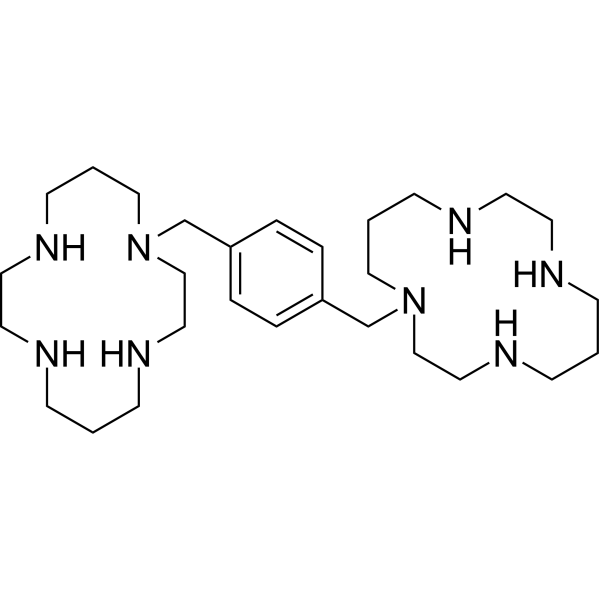
Plerixafor (AMD 3100) is a selective CXCR4 antagonist with an IC50 of 44 nM. Plerixafor, an immunostimulant and a hematopoietic stem cell (HSC) mobilizer, is an allosteric agonist of CXCR7. Plerixafor inhibits HIV-1 and HIV-2 replication with an EC50 of 1-10 nM .
|
-
-
- HY-108496
-
|
S1P
|
Endogenous Metabolite
LPL Receptor
|
Inflammation/Immunology
Endocrinology
Cancer
|
|
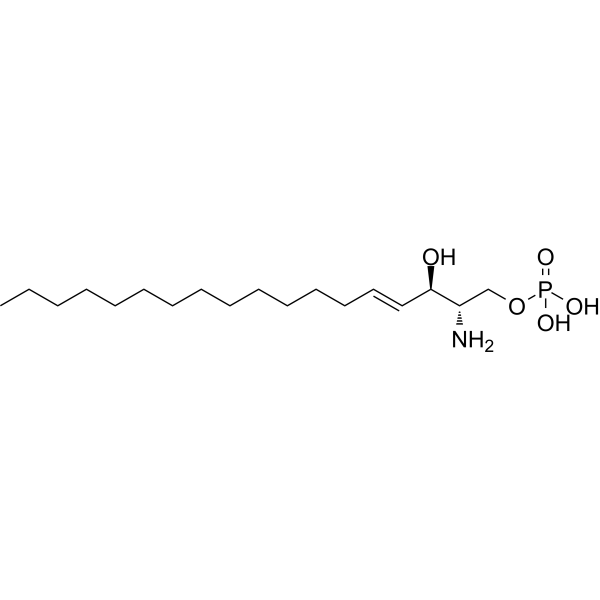
Sphingosine-1-phosphate (S1P) is an agonist of S1P1-5 receptors and a ligand of GPR3, GPR6 and GPR12. Sphingosine-1-phosphate is an intracellular second messenger and mobilizes Ca 2+ as an extracellular ligand for G protein-coupled receptors . Sphingosine-1-phosphate is an important lipid mediator generated from Sphingomyelin (HY-113498) or other membrane phospholipids . Sphingosine-1-phosphate stimulates the DNA synthesis, cell proliferation and migration .
|
-
-
- HY-113066A
-
|
GDP disodium salt
|
Hepcidin
Potassium Channel
Endogenous Metabolite
|
Neurological Disease
Inflammation/Immunology
Cancer
|
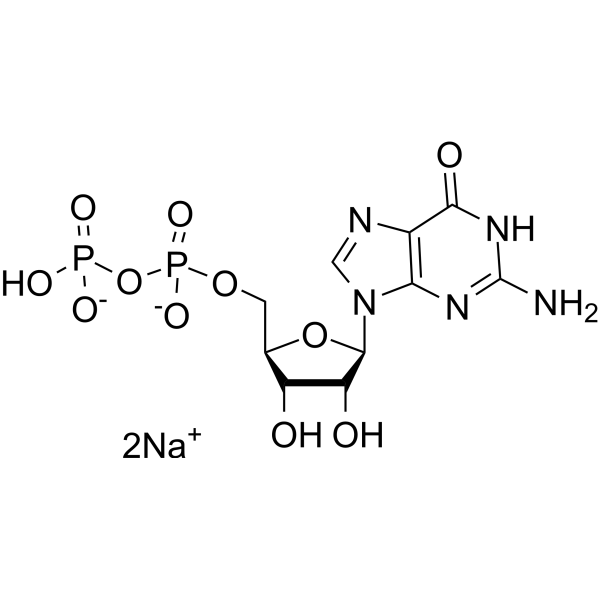
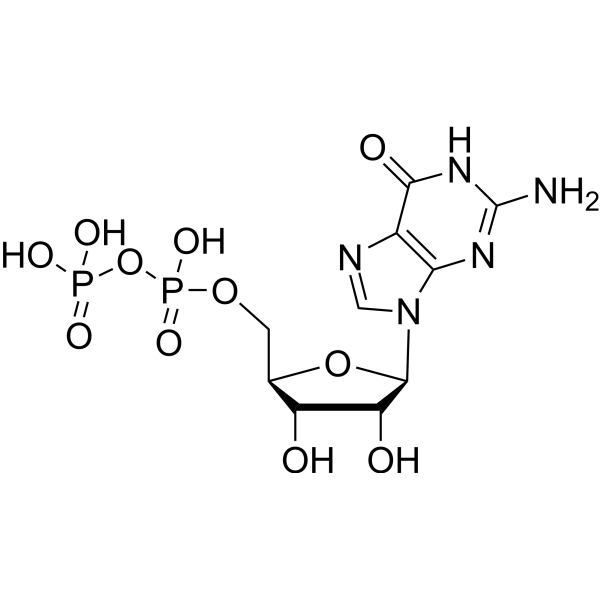
Guanosine 5'-diphosphate (GDP) disodium salt, a purine nucleoside diphosphate, is interconverted to guanosine by the action of exonucleotidase and phosphorylation of nucleoside to guanine. Guanosine 5'-diphosphate disodium salt activates adenosine 5'-triphosphate-sensitive K + channel and is used to study the kinetics and characteristics of GTPases such as those associated with G-protein coupled receptors (GPCR). Guanosine 5'-diphosphate disodium salt is a potential iron mobilizer, which prevents the Hepcidin (HY-P70400)-ferroportin interaction and modulates the interleukin-6 (IL-6)/stat-3 pathway. Elevated levels of guanosine 5’-diphosphate are associated with the pathogenesis of neurological diseases. Guanosine 5'-diphosphate disodium salt is promising for the research of inflammation, such as anemia of inflammation (AI) .
|
-
-
- HY-113066C
-
|
GDP sodium, Type I, 96% (HPLC)
|
Hepcidin
Potassium Channel
Endogenous Metabolite
Interleukin Related
STAT
|
Inflammation/Immunology
Cancer
|
|
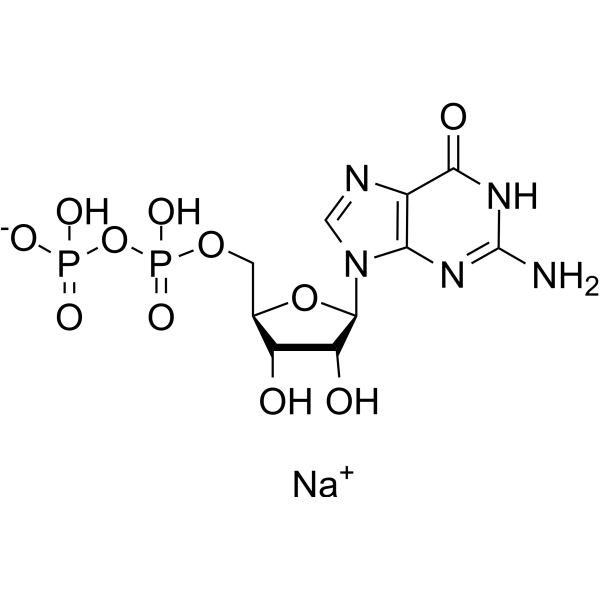
Guanosine 5'-diphosphate (GDP) sodium, 96% (HPLC) is a nucleoside diphosphate that activates adenosine 5'-triphosphate-sensitive K + channel. Guanosine 5'-diphosphate sodium, 96% (HPLC) is an iron mobilizer, which forms a complex with hepcidin to inhibit the hepcidin-ferroportin (FPN) interaction and modulates the IL-6/stat-3 pathway. Guanosine 5'-diphosphate sodium, 96% (HPLC) ameliorates the Turpentine-induced anemia of inflammation (AI) in mice when combined with FeSO4. Guanosine 5'-diphosphate sodium, 96% (HPLC) can be used in the research of AI .
|
-
-
- HY-P0172
-
|
|
CXCR
|
Inflammation/Immunology
Endocrinology
Cancer
|
|
ATI-2341 is a potent and functionally selective allosteric agonist of C-X-C chemokine receptor type 4 (CXCR4), which functions as a biased ligand, favoring Gαi activation over Gα13. ATI-2341 activates the inhibitory heterotrimeric G protein (Gi) to promote inhibition of cAMP production and induce calcium mobilization. ATI-2341 is a potent and efficacious mobilizer of bone marrow polymorphonuclear neutrophils (PMNs) and hematopoietic stem and progenitor cells (HSPCs) .
|
-
-
- HY-160041A
-
|
NOX-A12 sodium
|
CXCR
|
Cancer
|
|
Olaptesed pegol (NOX-A12) sodium is a L-oligoribonucleotide aptamer targeting CXCL12 based on a pegylated structure. Olaptesed pegol sodium neutralizes CXCL12, and CXCL12 inhibition mobilizes chronic lymphocytic leukemia cells into the circulation and prevents their homing into the protective microenvironment. Olaptesed pegol sodium can enhances the infiltration of human primary T cells and NK cells and inhibit tumor growth companied with anti-PD-1 antibody. Olaptesed pegol sodium can be used for researches of colon cancer and lymphocytic leukemia .
|
-
-
- HY-160041
-
|
NOX-A12
|
CXCR
|
Cancer
|
|
Olaptesed pegol (NOX-A12) is a L-oligoribonucleotide aptamer targeting CXCL12 based on a pegylated structure. Olaptesed pegol neutralizes CXCL12, and CXCL12 inhibition mobilizes chronic lymphocytic leukemia cells into the circulation and prevents their homing into the protective microenvironment. Olaptesed pegol can enhances the infiltration of human primary T cells and NK cells and inhibit tumor growth companied with anti-PD-1 antibody. Olaptesed pegol can be used for researches of colon cancer and lymphocytic leukemia .
|
-
-
- HY-113066
-
|
GDP
|
Hepcidin
Potassium Channel
Endogenous Metabolite
Interleukin Related
STAT
|
Inflammation/Immunology
Cancer
|
|
Guanosine 5'-diphosphate (GDP) is a nucleoside diphosphate that activates adenosine 5'-triphosphate-sensitive K + channel. Guanosine 5'-diphosphate is an iron mobilizer, which forms a complex with hepcidin to inhibit the hepcidin-ferroportin (FPN) interaction and modulates the IL-6/stat-3 pathway. Guanosine 5'-diphosphate ameliorates the Turpentine-induced anemia of inflammation (AI) in mice when combined with FeSO4. Guanosine 5'-diphosphate can be used in the research of AI .
|
-
-
- HY-P1682A
-
|
POL6326 TFA
|
CXCR
Arrestin
|
Cancer
|
|
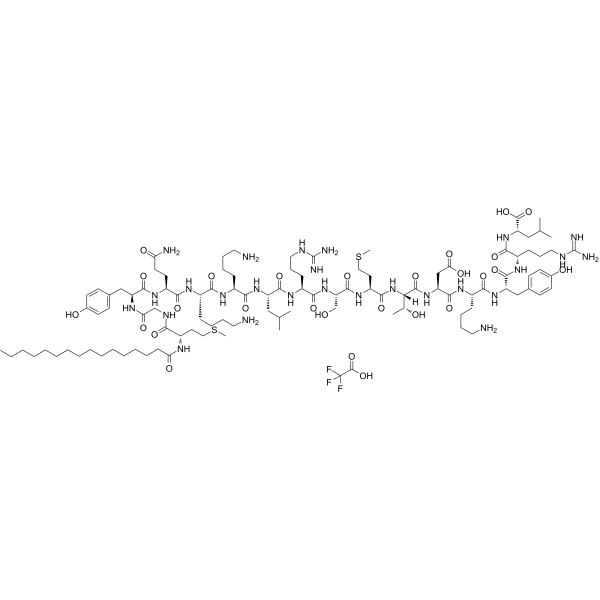
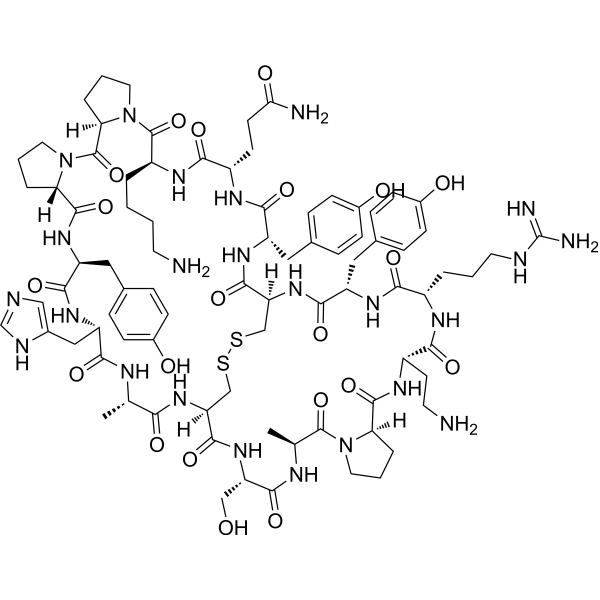
Balixafortide TFA (POL6326 TFA) is a potent, selective, well-tolerated peptidic CXCR4 antagonist with an IC50 < 10 nM. Balixafortide TFA shows 1000-fold selective for CXCR4 than a large panel of receptors including CXCR7. Balixafortide TFA blocks β-arrestin recruitment and calcium flux with IC50s < 10 nM. Balixafortide TFA is also a potent hematopoietic stem and progenitor cell (HSPC) mobilizing agent. Anti-cancer effects .
|
-
-
- HY-P0172A
-
|
|
CXCR
|
Inflammation/Immunology
Endocrinology
Cancer
|
|
ATI-2341 is a potent and functionally selective allosteric agonist of C-X-C chemokine receptor type 4 (CXCR4), which functions as a biased ligand, favoring Gαi activation over Gα13. ATI-2341 activates the inhibitory heterotrimeric G protein (Gi) to promote inhibition of cAMP production and induce calcium mobilization. ATI-2341 is a potent and efficacious mobilizer of bone marrow polymorphonuclear neutrophils (PMNs) and hematopoietic stem and progenitor cells (HSPCs) .
|
-
-
- HY-19867A
-
|
TG-0054 hydrobromide
|
CXCR
|
Cardiovascular Disease
Cancer
|
|
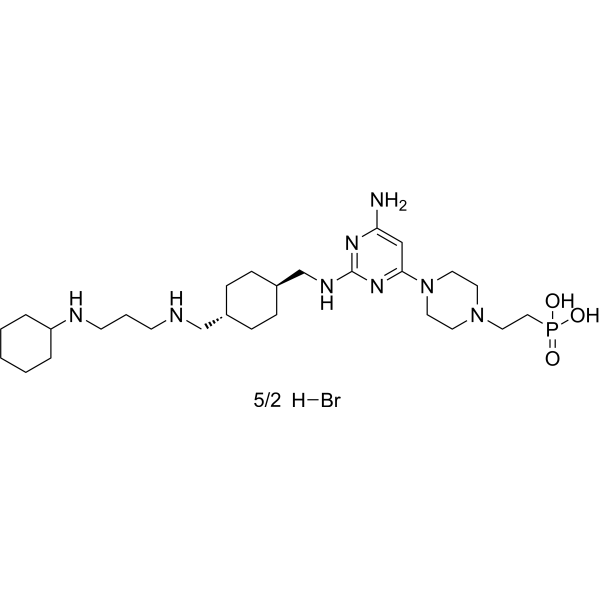
Burixafor (TG-0054) hydrobromide is a potent CXCR4 antagonist with a pIC50 of 7.4. Burixafor hydrobromide inhibits the binding of CXCL12 to CXCR4, antagonizes CXCL12-induced recruitment of Gαᵢ and β-arrestin2, and blocks the downstream Gαᵢ-mediated inhibitory effect on cAMP signal transduction. Burixafor hydrobromide mobilizes CD34 + hematopoietic stem/progenitor cells (HSPC) from the bone marrow to the peripheral blood. Burixafor hydrobromide can be used for research on autologous hematopoietic stem cell transplantation (ASCT) .
|
-
-
- HY-P1682
-
|
POL6326
|
CXCR
Arrestin
|
Cancer
|
|
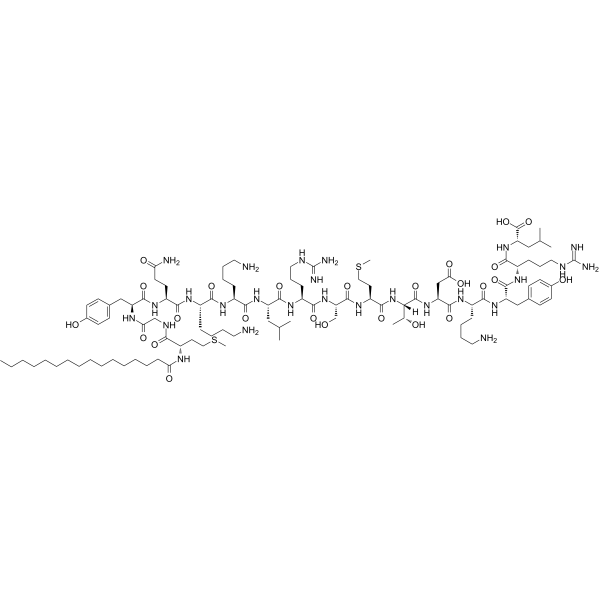
Balixafortide (POL6326) is a potent, selective, well-tolerated peptidic CXCR4 antagonist with an IC50 < 10 nM. Balixafortide shows 1000-fold selective for CXCR4 than a large panel of receptors including CXCR7. Balixafortide blocks β-arrestin recruitment and calcium flux with IC50s < 10 nM. Balixafortide is also a potent hematopoietic stem and progenitor cell (HSPC) mobilizing agent. Anti-cancer effects .
|
-
-
- HY-P1117
-
MMK1
1 Publications Verification
|
Formyl Peptide Receptor (FPR)
Calcium Channel
|
Neurological Disease
Inflammation/Immunology
|
|
MMK1 is a potent and selective human formyl peptide receptor like-1 (FPRL-1/FPR2) agonist with EC50s of <2 nM and >10000 nM for FPRL-1 and FPR1, respectively. MMK1 is a potent chemotactic and calcium-mobilizing agonist. MMK1 potently activates phagocytic leukocytes and enhances Pertussis Toxin-sensitive production by human monocytes of proinflammatory cytokines IL-1b and IL-6. MMK1 exerts anxiolytic-like activity .
|
-
-
- HY-108496S
-
|
S1P-d7
|
Endogenous Metabolite
LPL Receptor
|
Endocrinology
|
|
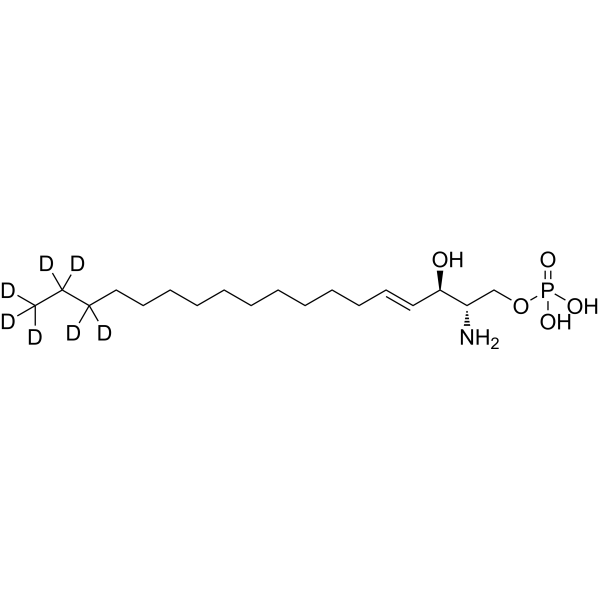
Sphingosine-1-phosphate-d7 is the deuterium labeled Sphingosine-1-phosphate. Sphingosine-1-phosphate (S1P) is an agonist of S1P1-5 receptors and a ligand of GPR3, GPR6 and GPR12.?Sphingosine-1-phosphate is an intracellular second messenger and mobilizes Ca2+ as an extracellular ligand for G protein-coupled receptors . Sphingosine-1-phosphate is an important lipid mediator generated from Sphingomyelin (HY-113498) or other membrane phospholipids .
|
-
-
- HY-P11460
-
|
|
Drug Derivative
|
Infection
|
|
Vectofusin-1 is a histidine-rich cationic amphipathic peptide derived from the LAH4 (HY-P0311) peptide family, and also acts as a Viral entry enhancer. Vectofusin-1 promotes the adhesion and fusion of retroviral/lentiviral vectors with cell membranes during viral entry, thereby improving transduction efficiency. Vectofusin-1 potently enhances lentiviral transduction of cells .
|
-
-
- HY-103317
-
-
-
- HY-B2153
-
|
|
Cuproptosis
Bacterial
|
Infection
|
|
Tetraethylenepentamine pentahydrochloride is an orally active copper chelator and copper mobilizer. Tetraethylenepentamine pentahydrochloride exhibits growth inhibitory and hypolipidemic properties. Tetraethylenepentamine pentahydrochloride significantly increases urinary copper excretion and reduces renal copper accumulation in copper overload models, but does not significantly alter hepatic copper levels. Tetraethylenepentamine pentahydrochloride exerts growth inhibitory effects on Candida albicans and Fluconazole (HY-B0101)-resistant strains, and can be widely used in studies related to Wilson's disease and Candida infections .
|
-
-
- HY-111054A
-
|
MDCG sodium
|
Endogenous Metabolite
|
Others
|
|
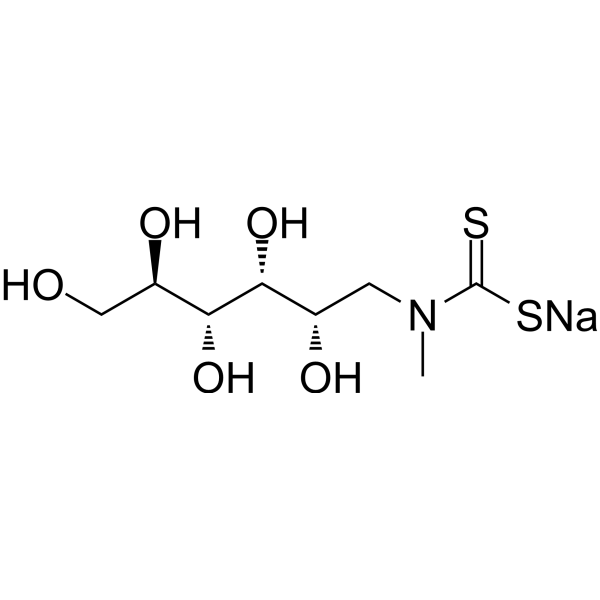
N-methyl-N-dithiocarboxyglucamine (MDCG) sodium mobilizes and promotes excretion of metallothionein-bound 109Cd in mouse model. N-methyl-N-dithiocarboxyglucamine significantly lowers the Cd content of both the liver and kidney, which is organs most susceptible to Cd-induced toxicity .
|
-
-
- HY-120937
-
|
|
Biochemical Assay Reagents
|
Others
|
|
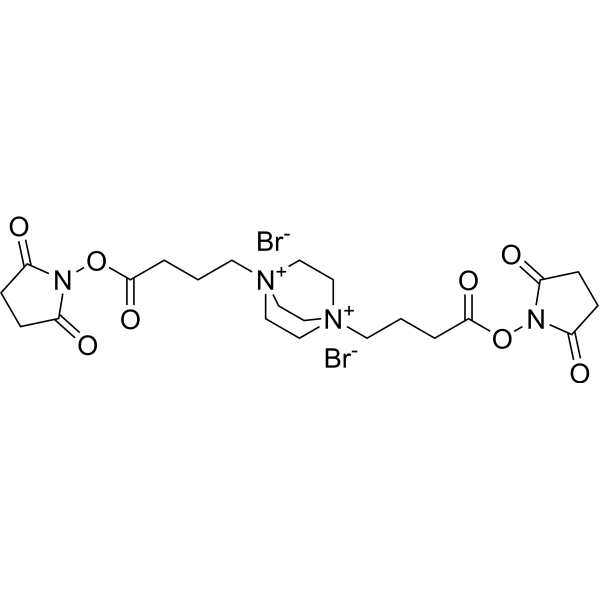
DC4 Crosslinker is a stable crosslinking reagent with improved activity and solubility. DC4 Crosslinker is labile cleavable with collision-induced dissociation (CID), that will be fragmented into four rearrange products containing mobilized protons .
|
-
-
- HY-113066S1
-
|
GDP-13C10 dilithium
|
Isotope-Labeled Compounds
Endogenous Metabolite
Potassium Channel
|
Inflammation/Immunology
|
|
Guanosine 5'-diphosphate- 13C10 (GDP- 13C10) dilithium is 13C-labeled Guanosine 5'-diphosphate (HY-113066). Guanosine 5'-diphosphate (GDP) is a nucleoside diphosphate that activates adenosine 5'-triphosphate-sensitive K + channel. Guanosine 5'-diphosphate is a potential iron mobilizer, which prevents the hepcidin-ferroportin interaction and modulates the interleukin-6 (IL-6)/stat-3 pathway. Guanosine 5'-diphosphate can be used in the research of inflammation, such as anemia of inflammation (AI).
|
-
-
- HY-A0287
-
|
Clomifene; (Z/E)-Enclomiphene; (Z/E)-Enclomifene
|
Estrogen Receptor/ERR
|
Metabolic Disease
Cancer
|
|
Clomiphene (Clomifene; (Z/E)-Enclomiphene; (Z/E)-Enclomifene) is an orally active ovulation-inducing agent. Clomiphene binds to hypothalamic estrogen receptors to elevate FSH levels, and exhibits antiestrogenic or estrogenic properties. Clomiphene can induce erturbations during meiotic maturation and cytogenetic abnormalities in mouse oocytes. Clomiphene ameliorates memory impairment in PCOS models. Clomiphene mobilizes cytosolic calcium and reduces viability in prostate cancer cells. Clomiphene can be used for the research of polycystic ovary syndrome (PCOS) and prostate cancer .
|
-
-
- HY-113066S
-
|
GDP-15N5 dilithium
|
Isotope-Labeled Compounds
Endogenous Metabolite
Potassium Channel
|
Inflammation/Immunology
|
|
Guanosine 5'-diphosphate- 15N5 (GDP- 15N5) dilithium is 15N labeled Guanosine 5'-diphosphate (HY-113066). Guanosine 5'-diphosphate (GDP) is a nucleoside diphosphate that activates adenosine 5'-triphosphate-sensitive K + channel. Guanosine 5'-diphosphate is a potential iron mobilizer, which prevents the hepcidin-ferroportin interaction and modulates the interleukin-6 (IL-6)/stat-3 pathway. Guanosine 5'-diphosphate can be used in the research of inflammation, such as anemia of inflammation (AI) .
|
-
-
- HY-113066AR
-
|
GDP disodium salt (Standard)
|
Hepcidin
Endogenous Metabolite
Potassium Channel
Reference Standards
|
Neurological Disease
Inflammation/Immunology
Cancer
|
Guanosine 5'-diphosphate (disodium salt) (Standard) is the analytical standard of Guanosine 5'-diphosphate (disodium salt). This product is intended for research and analytical applications. Guanosine 5'-diphosphate (GDP) disodium salt, a purine nucleoside diphosphate, is interconverted to guanosine by the action of exonucleotidase and phosphorylation of nucleoside to guanine. Guanosine 5'-diphosphate disodium salt activates adenosine 5'-triphosphate-sensitive K+ channel and is used to study the kinetics and characteristics of GTPases such as those associated with G-protein coupled receptors (GPCR). Guanosine 5'-diphosphate disodium salt is a potential iron mobilizer, which prevents the Hepcidin (HY-P70400)-ferroportin interaction and modulates the interleukin-6 (IL-6)/stat-3 pathway. Elevated levels of guanosine 5’-diphosphate are associated with the pathogenesis of neurological diseases. Guanosine 5'-diphosphate disodium salt is promising for the research of inflammation, such as anemia of inflammation (AI) .
|
-
-
- HY-10046S
-
-
-
- HY-A0287S
-
|
Clomifene-d5 hydrochloride; (Z/E)-Enclomiphene-d5 hydrochloride; (Z/E)-Enclomifene-d5 hydrochloride
|
Isotope-Labeled Compounds
Estrogen Receptor/ERR
|
Metabolic Disease
Cancer
|
|
Clomifene (Clomifene; (Z/E)-Enclomiphene; (Z/E)-Enclomifene)-d5 hydrochloride is a deuterium labeled Clomifene hydrochloride (HY-A0287A). Clomiphene hydrochloride is an orally active ovulation-inducing agent. Clomiphene hydrochloride binds to hypothalamic estrogen receptors to elevate FSH levels, and exhibits antiestrogenic or estrogenic properties. Clomiphene hydrochloride can induce erturbations during meiotic maturation and cytogenetic abnormalities in mouse oocytes. Clomiphene hydrochloride ameliorates memory impairment in PCOS models. Clomiphene hydrochloride mobilizes cytosolic calcium and reduces viability in prostate cancer cells. Clomiphene hydrochloride can be used for the research of polycystic ovary syndrome (PCOS) and prostate cancer .
|
-
-
- HY-10046R
-
|
AMD 3100 (Standard); JM3100 (Standard); SID791 (Standard)
|
Reference Standards
CXCR
HIV
|
Infection
Inflammation/Immunology
Endocrinology
Cancer
|
|
Plerixafor (Standard) is the analytical standard of Plerixafor. This product is intended for research and analytical applications. Plerixafor (AMD 3100) is a selective CXCR4 antagonist with an IC50 of 44 nM. Plerixafor, an immunostimulant and a hematopoietic stem cell (HSC) mobilizer, is an allosteric agonist of CXCR7. Plerixafor inhibits HIV-1 and HIV-2 replication with an EC50 of 1-10 nM .
|
-
-
- HY-111054
-
|
MDCG
|
Endogenous Metabolite
|
Inflammation/Immunology
|
|
N-methyl-N-dithiocarboxyglucamine (MDCG) mobilizes and promotes excretion of metallothione-bound 109Cd. N-methyl-N-dithiocarboxyglucamine shows effects on acute and chronic Cd intoxication .
|
-
-
- HY-A0287A
-
|
Clomifene hydrochloride; (Z/E)-Enclomiphene hydrochloride; (Z/E)-Enclomifene hydrochloride
|
Estrogen Receptor/ERR
|
Metabolic Disease
Cancer
|
|
Clomiphene (Clomifene; (Z/E)-Enclomiphene; (Z/E)-Enclomifene) hydrochloride is an orally active ovulation-inducing agent. Clomiphene hydrochloride binds to hypothalamic estrogen receptors to elevate FSH levels, and exhibits antiestrogenic or estrogenic properties. Clomiphene hydrochloride can induce erturbations during meiotic maturation and cytogenetic abnormalities in mouse oocytes. Clomiphene hydrochloride ameliorates memory impairment in PCOS models. Clomiphene hydrochloride mobilizes cytosolic calcium and reduces viability in prostate cancer cells. Clomiphene hydrochloride can be used for the research of polycystic ovary syndrome (PCOS) and prostate cancer .
|
-
-
- HY-182501
-
-
-
- HY-100329
-
|
|
Ferroptosis
|
Others
|
|
CGP 65015 is an oral iron chelator, which can mobilize iron deposits.
|
-
-
- HY-156776
-
|
|
Ferroptosis
|
Others
|
|
HAPSBC is an S-benzyl iron chelator that mobilizes intracellular 59Fe distribution .
|
-
-
- HY-123028
-
|
Arginylphenylalaninamide
|
Others
|
Others
|
|
RFamide (Arginylphenylalaninamide) is a neuropeptide that has contraction-inducing activity in gastropod muscles. Its contractile effect is additive with acetylcholine and is regulated by 5-hydroxytryptamine. It can also mobilize intracellular calcium to maintain tension.
|
-
-
- HY-113066B
-
|
GDP ditromethamine
|
Hepcidin
Potassium Channel
Endogenous Metabolite
|
Inflammation/Immunology
|
|
Guanosine 5'-diphosphate ditromethamine is a nucleoside diphosphate that activates adenosine 5'-triphosphate-sensitive K + channel. Guanosine 5'-diphosphate ditromethamine is a potential iron mobilizer, which prevents the hepcidin-ferroportin interaction and modulates the interleukin-6 (IL-6)/stat-3 pathway. Guanosine 5'-diphosphate ditromethamine can be used in the research of inflammation, such as anemia of inflammation (AI) .
|
-
-
- HY-174523
-
|
|
mRNA
|
Inflammation/Immunology
|
|
Human TLR5 mRNA encodes the human toll like receptor 5 (TLR5) protein, a member of the Toll-like receptor (TLR) family which plays a fundamental role in pathogen recognition and activation of innate immunity. TLR5 recognizes bacterial flagellin, the principal component of bacterial flagella and a virulence factor. The activation of this receptor mobilizes the nuclear factor NF-kappaB, which in turn activates a host of inflammatory-related target genes.
|
-
-
- HY-113066S2
-
|
GDP-d13 dilithium
|
Isotope-Labeled Compounds
Endogenous Metabolite
Potassium Channel
|
Inflammation/Immunology
|
|
Guanosine 5'-diphosphate-d13 (GDP-d13) dilithium is deuterium labeled Guanosine 5'-diphosphate (HY-113066). Guanosine 5'-diphosphate (GDP) is a nucleoside diphosphate that activates adenosine 5'-triphosphate-sensitive K + channel. Guanosine 5'-diphosphate is a potential iron mobilizer, which prevents the hepcidin-ferroportin interaction and modulates the interleukin-6 (IL-6)/stat-3 pathway. Guanosine 5'-diphosphate can be used in the research of inflammation, such as anemia of inflammation (AI).
|
-
-
- HY-P1117A
-
|
|
Formyl Peptide Receptor (FPR)
Calcium Channel
|
Neurological Disease
Inflammation/Immunology
|
|
MMK1 TFA is a potent and selective human formyl peptide receptor like-1 (FPRL-1/FPR2) agonist with EC50s of <2 nM and >10000 nM for FPRL-1 and FPR1, respectively. MMK1 TFA is a potent chemotactic and calcium-mobilizing agonist. MMK1 TFA potently activates phagocytic leukocytes and enhances Pertussis Toxin-sensitive production by human monocytes of proinflammatory cytokines IL-1b and IL-6. MMK1 TFA exerts anxiolytic-like activity .
|
-
-
- HY-113066S3
-
|
GDP-13C10,15N5 dilithium
|
Isotope-Labeled Compounds
Endogenous Metabolite
Potassium Channel
|
Inflammation/Immunology
|
|
Guanosine 5'-diphosphate- 13C10, 15N5 (GDP- 13C10, 15N5) dilithium is 13C and 15N-labeled Guanosine 5'-diphosphate (HY-113066). Guanosine 5'-diphosphate (GDP) is a nucleoside diphosphate that activates adenosine 5'-triphosphate-sensitive K + channel. Guanosine 5'-diphosphate is a potential iron mobilizer, which prevents the hepcidin-ferroportin interaction and modulates the interleukin-6 (IL-6)/stat-3 pathway. Guanosine 5'-diphosphate can be used in the research of inflammation, such as anemia of inflammation (AI).
|
-
-
- HY-19867
-
|
TG-0054
|
CXCR
|
Cancer
|
|
Burixafor (TG-0054) is a potent CXCR4 antagonist with a pIC50 of 7.4. Burixafor inhibits the binding of CXCL12 to CXCR4, antagonizes CXCL12-induced recruitment of Gαᵢ and β-arrestin2, and blocks the downstream Gαᵢ-mediated inhibitory effect on cAMP signal transduction. Burixafor mobilizes CD34 + hematopoietic stem/progenitor cells (HSPC) from the bone marrow to the peripheral blood. Burixafor can be used for research on autologous hematopoietic stem cell transplantation (ASCT) .
|
-
-
- HY-P991855
-
|
|
TGF-β Receptor
|
Metabolic Disease
|
|
RKER-216 is a human monoclonal IgG antibody inhibitor targeting ALK2 with a KD of 58.7 pM. RKER-216 reduces hepcidin transcription in Hep3B.RKER-216 competes with BMP ligands for binding to the extracellular domain of ALK2, thereby inhibiting BMP-SMAD signal. RKER-216 mobilizes tissue iron effectively in inflammatory conditions. RKER-216 improves microcytic anemia in a dose-dependent manner by inhibiting SMAD signaling to reduce hepcidin and promote iron absorption and utilization in vivo. RKER-216 can be used for research on anemia of inflammation .
|
-
-
-
HY-L031
-
|
|
783 compounds
|
|
Immuno-Oncology is a type of immunotherapy that has the specific purpose of treating cancer. It works by stimulating our immune system to fight back. Normally, our immune system is able to destroy cancer cells in our body, however sometimes cancer cells can adapt and mutate, effectively hiding from our immune system. This is when tumors can develop and become a threat to our health. Immuno-oncology involves mobilizing lymphocytes to recognize and eliminate cancer cells using the body’s immune system. There are several immuno-oncology treatments available, including Immune cell therapy (CAR-T), monoclonal antibodies (mABs) and checkpoint inhibitors, cytokines and cancer vaccines.
MCE Small Molecule Immuno-Oncology Compound Library offers 783 bioactive tumor immunology compounds that target some important checkpoints such as PD1/PD-L1, CXCR, Sting, IDO, TLR, etc. This library is a useful tool for Immuno-oncology research.
|
-
-
HY-L202
-
|
|
442 compounds
|
|
Flavor is an expression of smell and taste that is achieved through a variety of chemical processes triggered by molecules. Food flavor is an important attribute of food quality and in some cases determines consumers' food preferences. In addition to playing a key role in taste and smell, flavor molecules can also be involved in regulating metabolism and have an impact on health. In daily life, flavor molecules have absolute application value in food and spices. In scientific research, the study of flavor molecules is helpful to reveal the relationship between food intake and taste perception. Research on the combination behavior of flavor and food components can explore the retention, release and perception of flavor molecules. Most importantly, while exploring multi-sensory flavor perception, the food industry can fully mobilize the enthusiasm of researching new strategies for delicious and healthy food design.
Based on the FlavorDB database, collects and organizes 442 flavor molecules, which can be used in taste perception and other related studies.
|
| Cat. No. |
Product Name |
Type |
-
- HY-113066C
-
|
GDP sodium, Type I, 96% (HPLC)
|
Biochemical Assay Reagents
|
|
Guanosine 5'-diphosphate (GDP) sodium, 96% (HPLC) is a nucleoside diphosphate that activates adenosine 5'-triphosphate-sensitive K + channel. Guanosine 5'-diphosphate sodium, 96% (HPLC) is an iron mobilizer, which forms a complex with hepcidin to inhibit the hepcidin-ferroportin (FPN) interaction and modulates the IL-6/stat-3 pathway. Guanosine 5'-diphosphate sodium, 96% (HPLC) ameliorates the Turpentine-induced anemia of inflammation (AI) in mice when combined with FeSO4. Guanosine 5'-diphosphate sodium, 96% (HPLC) can be used in the research of AI .
|
| Cat. No. |
Product Name |
Target |
Research Area |
-
- HY-P0172
-
|
|
CXCR
|
Inflammation/Immunology
Endocrinology
Cancer
|
|
ATI-2341 is a potent and functionally selective allosteric agonist of C-X-C chemokine receptor type 4 (CXCR4), which functions as a biased ligand, favoring Gαi activation over Gα13. ATI-2341 activates the inhibitory heterotrimeric G protein (Gi) to promote inhibition of cAMP production and induce calcium mobilization. ATI-2341 is a potent and efficacious mobilizer of bone marrow polymorphonuclear neutrophils (PMNs) and hematopoietic stem and progenitor cells (HSPCs) .
|
-
- HY-P1682A
-
|
POL6326 TFA
|
CXCR
Arrestin
|
Cancer
|
|
Balixafortide TFA (POL6326 TFA) is a potent, selective, well-tolerated peptidic CXCR4 antagonist with an IC50 < 10 nM. Balixafortide TFA shows 1000-fold selective for CXCR4 than a large panel of receptors including CXCR7. Balixafortide TFA blocks β-arrestin recruitment and calcium flux with IC50s < 10 nM. Balixafortide TFA is also a potent hematopoietic stem and progenitor cell (HSPC) mobilizing agent. Anti-cancer effects .
|
-
- HY-P0172A
-
|
|
CXCR
|
Inflammation/Immunology
Endocrinology
Cancer
|
|
ATI-2341 is a potent and functionally selective allosteric agonist of C-X-C chemokine receptor type 4 (CXCR4), which functions as a biased ligand, favoring Gαi activation over Gα13. ATI-2341 activates the inhibitory heterotrimeric G protein (Gi) to promote inhibition of cAMP production and induce calcium mobilization. ATI-2341 is a potent and efficacious mobilizer of bone marrow polymorphonuclear neutrophils (PMNs) and hematopoietic stem and progenitor cells (HSPCs) .
|
-
- HY-P1682
-
|
POL6326
|
CXCR
Arrestin
|
Cancer
|
|
Balixafortide (POL6326) is a potent, selective, well-tolerated peptidic CXCR4 antagonist with an IC50 < 10 nM. Balixafortide shows 1000-fold selective for CXCR4 than a large panel of receptors including CXCR7. Balixafortide blocks β-arrestin recruitment and calcium flux with IC50s < 10 nM. Balixafortide is also a potent hematopoietic stem and progenitor cell (HSPC) mobilizing agent. Anti-cancer effects .
|
-
- HY-P1117
-
MMK1
1 Publications Verification
|
Formyl Peptide Receptor (FPR)
Calcium Channel
|
Neurological Disease
Inflammation/Immunology
|
|
MMK1 is a potent and selective human formyl peptide receptor like-1 (FPRL-1/FPR2) agonist with EC50s of <2 nM and >10000 nM for FPRL-1 and FPR1, respectively. MMK1 is a potent chemotactic and calcium-mobilizing agonist. MMK1 potently activates phagocytic leukocytes and enhances Pertussis Toxin-sensitive production by human monocytes of proinflammatory cytokines IL-1b and IL-6. MMK1 exerts anxiolytic-like activity .
|
-
- HY-P11460
-
|
|
Drug Derivative
|
Infection
|
|
Vectofusin-1 is a histidine-rich cationic amphipathic peptide derived from the LAH4 (HY-P0311) peptide family, and also acts as a Viral entry enhancer. Vectofusin-1 promotes the adhesion and fusion of retroviral/lentiviral vectors with cell membranes during viral entry, thereby improving transduction efficiency. Vectofusin-1 potently enhances lentiviral transduction of cells .
|
-
- HY-P4851
-
|
Manse-AKH
|
Peptides
|
Others
|
|
Adipokinetic Hormone (Apis mellifera ligustica, Bombyx mori, Heliothis zea, Manduca sexta) is a common peptide among various insects. Adipokinetic Hormone induces strong adipokinetic/hypertrehalosemic response. However Adipokinetic Hormone has no a glycogen-mobilizing function nor an adequate glycogen store in fat body for its effective utilization .
|
-
- HY-P3568
-
|
Grybi-AKH
|
Peptides
|
Metabolic Disease
|
|
Adipokinetic hormone Gryllus bimaculatus (Grybi-AKH) is an adipokinetic hormone that regulates energy homeostasis in insects by mobilizing lipid and carbohydrate from the fat body. Adipokinetic hormone Gryllus bimaculatus stimulates the locomotor activity of the two-spotted cricket. Adipokinetic hormone Gryllus bimaculatus can also be used in studies to regulate body weight, induce weight loss and alleviate glycogen storage disorders in humans .
|
-
- HY-P1117A
-
|
|
Formyl Peptide Receptor (FPR)
Calcium Channel
|
Neurological Disease
Inflammation/Immunology
|
|
MMK1 TFA is a potent and selective human formyl peptide receptor like-1 (FPRL-1/FPR2) agonist with EC50s of <2 nM and >10000 nM for FPRL-1 and FPR1, respectively. MMK1 TFA is a potent chemotactic and calcium-mobilizing agonist. MMK1 TFA potently activates phagocytic leukocytes and enhances Pertussis Toxin-sensitive production by human monocytes of proinflammatory cytokines IL-1b and IL-6. MMK1 TFA exerts anxiolytic-like activity .
|
| Cat. No. |
Product Name |
Target |
Research Area |
Image |
-
- HY-P99177
-
|
|
Inhibitory Antibodies
|
Cardiovascular Disease
Infection
|
|
Enibarcimab is a humanized, non-neutralizing monoclonal antibody targeting adrenomedullin (ADM). Enibarcimab binds to the N-terminus of ADM, retains ADM in the circulation, and mobilizes interstitial ADM to increase the level of active bio-ADM, ultimately stabilizing blood vessels. Enibarcimab can be used in research related to septic shock and acute heart failure .
|
-
(5)
-
- HY-P991855
-
|
|
TGF-β Receptor
|
Metabolic Disease
|
|
RKER-216 is a human monoclonal IgG antibody inhibitor targeting ALK2 with a KD of 58.7 pM. RKER-216 reduces hepcidin transcription in Hep3B.RKER-216 competes with BMP ligands for binding to the extracellular domain of ALK2, thereby inhibiting BMP-SMAD signal. RKER-216 mobilizes tissue iron effectively in inflammatory conditions. RKER-216 improves microcytic anemia in a dose-dependent manner by inhibiting SMAD signaling to reduce hepcidin and promote iron absorption and utilization in vivo. RKER-216 can be used for research on anemia of inflammation .
|
-
(5)
| Cat. No. |
Product Name |
Category |
Target |
Chemical Structure |
| Cat. No. |
Product Name |
Chemical Structure |
-
- HY-108496S
-
|
|
|
Sphingosine-1-phosphate-d7 is the deuterium labeled Sphingosine-1-phosphate. Sphingosine-1-phosphate (S1P) is an agonist of S1P1-5 receptors and a ligand of GPR3, GPR6 and GPR12.?Sphingosine-1-phosphate is an intracellular second messenger and mobilizes Ca2+ as an extracellular ligand for G protein-coupled receptors . Sphingosine-1-phosphate is an important lipid mediator generated from Sphingomyelin (HY-113498) or other membrane phospholipids .
|
-
-
- HY-113066S1
-
|
|
|
Guanosine 5'-diphosphate- 13C10 (GDP- 13C10) dilithium is 13C-labeled Guanosine 5'-diphosphate (HY-113066). Guanosine 5'-diphosphate (GDP) is a nucleoside diphosphate that activates adenosine 5'-triphosphate-sensitive K + channel. Guanosine 5'-diphosphate is a potential iron mobilizer, which prevents the hepcidin-ferroportin interaction and modulates the interleukin-6 (IL-6)/stat-3 pathway. Guanosine 5'-diphosphate can be used in the research of inflammation, such as anemia of inflammation (AI).
|
-
-
- HY-113066S
-
|
|
|
Guanosine 5'-diphosphate- 15N5 (GDP- 15N5) dilithium is 15N labeled Guanosine 5'-diphosphate (HY-113066). Guanosine 5'-diphosphate (GDP) is a nucleoside diphosphate that activates adenosine 5'-triphosphate-sensitive K + channel. Guanosine 5'-diphosphate is a potential iron mobilizer, which prevents the hepcidin-ferroportin interaction and modulates the interleukin-6 (IL-6)/stat-3 pathway. Guanosine 5'-diphosphate can be used in the research of inflammation, such as anemia of inflammation (AI) .
|
-
-
- HY-10046S
-
|
|
|
Plerixafor-d4 is the deuterium labeled Plerixafor. Plerixafor (AMD 3100) is a selective CXCR4 antagonist with an IC50 of 44 nM. Plerixafor, an immunostimulant and a hematopoietic stem cell (HSC) mobilizer, is an allosteric agonist of CXCR7. Plerixafor inhibits HIV-1 and HIV-2 replication with an EC50 of 1-10 nM .
|
-
-
- HY-A0287S
-
|
|
|
Clomifene (Clomifene; (Z/E)-Enclomiphene; (Z/E)-Enclomifene)-d5 hydrochloride is a deuterium labeled Clomifene hydrochloride (HY-A0287A). Clomiphene hydrochloride is an orally active ovulation-inducing agent. Clomiphene hydrochloride binds to hypothalamic estrogen receptors to elevate FSH levels, and exhibits antiestrogenic or estrogenic properties. Clomiphene hydrochloride can induce erturbations during meiotic maturation and cytogenetic abnormalities in mouse oocytes. Clomiphene hydrochloride ameliorates memory impairment in PCOS models. Clomiphene hydrochloride mobilizes cytosolic calcium and reduces viability in prostate cancer cells. Clomiphene hydrochloride can be used for the research of polycystic ovary syndrome (PCOS) and prostate cancer .
|
-
-
- HY-113066S2
-
|
|
|
Guanosine 5'-diphosphate-d13 (GDP-d13) dilithium is deuterium labeled Guanosine 5'-diphosphate (HY-113066). Guanosine 5'-diphosphate (GDP) is a nucleoside diphosphate that activates adenosine 5'-triphosphate-sensitive K + channel. Guanosine 5'-diphosphate is a potential iron mobilizer, which prevents the hepcidin-ferroportin interaction and modulates the interleukin-6 (IL-6)/stat-3 pathway. Guanosine 5'-diphosphate can be used in the research of inflammation, such as anemia of inflammation (AI).
|
-
-
- HY-113066S3
-
|
|
|
Guanosine 5'-diphosphate- 13C10, 15N5 (GDP- 13C10, 15N5) dilithium is 13C and 15N-labeled Guanosine 5'-diphosphate (HY-113066). Guanosine 5'-diphosphate (GDP) is a nucleoside diphosphate that activates adenosine 5'-triphosphate-sensitive K + channel. Guanosine 5'-diphosphate is a potential iron mobilizer, which prevents the hepcidin-ferroportin interaction and modulates the interleukin-6 (IL-6)/stat-3 pathway. Guanosine 5'-diphosphate can be used in the research of inflammation, such as anemia of inflammation (AI).
|
-
| Cat. No. |
Product Name |
|
Classification |
-
- HY-113066A
-
|
GDP disodium salt
|
|
Nucleotide Analogs
|
Guanosine 5'-diphosphate (GDP) disodium salt, a purine nucleoside diphosphate, is interconverted to guanosine by the action of exonucleotidase and phosphorylation of nucleoside to guanine. Guanosine 5'-diphosphate disodium salt activates adenosine 5'-triphosphate-sensitive K + channel and is used to study the kinetics and characteristics of GTPases such as those associated with G-protein coupled receptors (GPCR). Guanosine 5'-diphosphate disodium salt is a potential iron mobilizer, which prevents the Hepcidin (HY-P70400)-ferroportin interaction and modulates the interleukin-6 (IL-6)/stat-3 pathway. Elevated levels of guanosine 5’-diphosphate are associated with the pathogenesis of neurological diseases. Guanosine 5'-diphosphate disodium salt is promising for the research of inflammation, such as anemia of inflammation (AI) .
|
-
- HY-160041A
-
|
NOX-A12 sodium
|
|
Antisense Oligonucleotides
|
|
Olaptesed pegol (NOX-A12) sodium is a L-oligoribonucleotide aptamer targeting CXCL12 based on a pegylated structure. Olaptesed pegol sodium neutralizes CXCL12, and CXCL12 inhibition mobilizes chronic lymphocytic leukemia cells into the circulation and prevents their homing into the protective microenvironment. Olaptesed pegol sodium can enhances the infiltration of human primary T cells and NK cells and inhibit tumor growth companied with anti-PD-1 antibody. Olaptesed pegol sodium can be used for researches of colon cancer and lymphocytic leukemia .
|
-
- HY-160041
-
|
NOX-A12
|
|
Antisense Oligonucleotides
|
|
Olaptesed pegol (NOX-A12) is a L-oligoribonucleotide aptamer targeting CXCL12 based on a pegylated structure. Olaptesed pegol neutralizes CXCL12, and CXCL12 inhibition mobilizes chronic lymphocytic leukemia cells into the circulation and prevents their homing into the protective microenvironment. Olaptesed pegol can enhances the infiltration of human primary T cells and NK cells and inhibit tumor growth companied with anti-PD-1 antibody. Olaptesed pegol can be used for researches of colon cancer and lymphocytic leukemia .
|
-
- HY-113066
-
|
GDP
|
|
Nucleotide Analogs
|
|
Guanosine 5'-diphosphate (GDP) is a nucleoside diphosphate that activates adenosine 5'-triphosphate-sensitive K + channel. Guanosine 5'-diphosphate is an iron mobilizer, which forms a complex with hepcidin to inhibit the hepcidin-ferroportin (FPN) interaction and modulates the IL-6/stat-3 pathway. Guanosine 5'-diphosphate ameliorates the Turpentine-induced anemia of inflammation (AI) in mice when combined with FeSO4. Guanosine 5'-diphosphate can be used in the research of AI .
|
-
- HY-174523
-
|
|
|
mRNA
|
|
Human TLR5 mRNA encodes the human toll like receptor 5 (TLR5) protein, a member of the Toll-like receptor (TLR) family which plays a fundamental role in pathogen recognition and activation of innate immunity. TLR5 recognizes bacterial flagellin, the principal component of bacterial flagella and a virulence factor. The activation of this receptor mobilizes the nuclear factor NF-kappaB, which in turn activates a host of inflammatory-related target genes.
|
Your information is safe with us. * Required Fields.
Inquiry Information
- Product Name:
- Cat. No.:
- Quantity:
- MCE Japan Authorized Agent:

