Search Result
Results for "
molecular level
" in MedChemExpress (MCE) Product Catalog:
6
Biochemical Assay Reagents
1
Isotope-Labeled Compounds
| Cat. No. |
Product Name |
Target |
Research Areas |
Chemical Structure |
-
- HY-175749
-
|
|
Molecular Glues
Wee1
|
Inflammation/Immunology
Cancer
|
|
BMS-986463, a CRBN E3 ligase modulator (CELMoD), is a WEE1 kinase molecular glue degrader. BMS-986463 significantly inhibits tumor regression and reduces the level of phospho-CDK2. BMS-986463 can be used for advanced malignant solid tumors like non-small cell lung cancer (NSCLC) research .
|
-

-
- HY-114395
-
|
|
Ferroptosis
SLC39 (Zinc Transporter)
|
Inflammation/Immunology
|
|
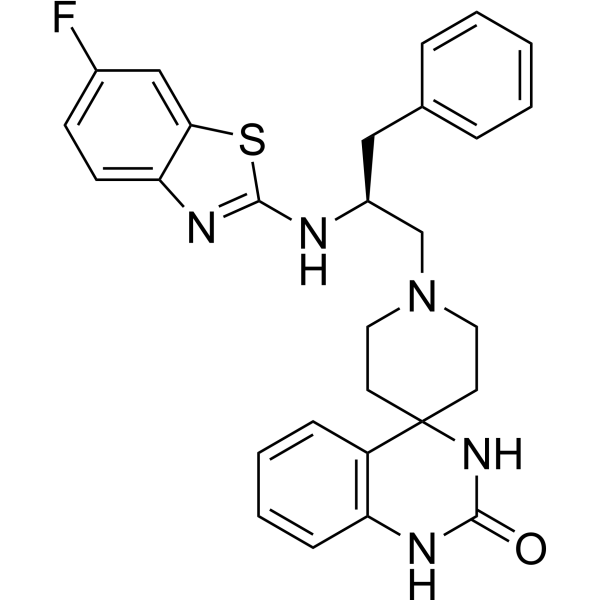
NVS-ZP7-4 is an inhibitor of the zinc transporter SLC39A7 (ZIP7) and indicates ER zinc levels. ZIP7 is an active molecular node in the Notch pathway and mediates ferroptosis. NVS-ZP7-4 induces ER stress and exerts a certain ferroptosis-inhibiting effect, reduces Erastin (HY-15763)-induced cell death .
|
-
-
- HY-B2243B
-
|
Sodium phosphate monobasic for molecular biology; Monosodium dihydrogen orthophosphate for molecular biology; Monosodium phosphate for molecular biology
|
Environmental Pollutants
Biochemical Assay Reagents
|
Others
|
|
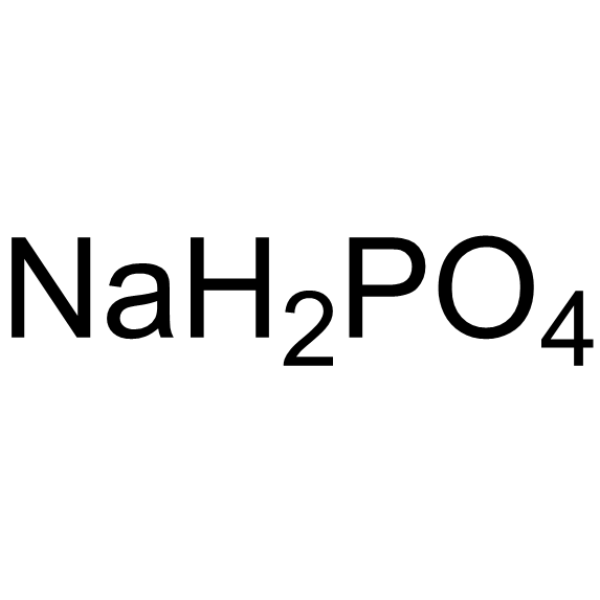
Anhydrous sodium dihydrogen phosphate, for molecular biology is an inorganic salt compound that can be used as a buffer and nutritional supplement. Anhydrous sodium dihydrogen phosphate, for molecular biology can be used in molecular biology experiments .
|
-
-
- HY-129046C
-
|
Ribonuclease B, Bovine Pancreas
|
Endonuclease
DNA/RNA Synthesis
|
Endocrinology
Cancer
|
|
RNase A (Bovine pancreatic RNase) is a widely used Endonuclease in DNA purification by specifically hydrolyzing cytosine or uracil residues of RNA. RNase A degrades the RNA in the RNA/DNA duplex. RNase A catalyses the breakdown of 3',5'-phosphodiester linkages of single stranded RNA. RNase A family members in organisms are tightly involved in various physiological and pathological processes including cell growth and development, proliferation, differentiation and migration. Dysregulation of RNase A activity or expression level is closely related to pancreatic, ovarian, bladder and thyroid cancer. RNase A has tumor cell-killing ability. RNase B, Bovine Pancreas (Ribonuclease B, Bovine Pancreas) is the N-glycosylated form of RNase A. RNase B, Bovine Pancreas can promote the folding of polypeptide chains and play a role similar to molecular chaperones .
|
-

-
- HY-B0633D
-
|
|
CD44
Endogenous Metabolite
Bacterial
Akt
PI3K
|
Neurological Disease
Metabolic Disease
Inflammation/Immunology
Cancer
|
|
Hyaluronic acid sodium (MW 200-1560) is a biopolymer composed of repeating disaccharide units, with a molecular weight of 200-1560. Hyaluronic acid sodium is a major component of the extracellular matrix (ECM). It is synthesized on the plasma membrane. Hyaluronic acid sodium exerts its effects by binding to receptors CD44 and RHAMM. Hyaluronic acid sodium activates PI3K-Akt signaling. Hyaluronic acid sodium also enhances cell invasion and angiogenesis by promoting or stimulating the binding of proteolytic MMP-9 to the cell surface. Elevated hyaluronic acid levels are associated with tumor cell growth, adhesion, migration, invasion, and angiogenesis in digestive system cancers. Hyaluronic acid sodium is involved in tissue remodeling and rapid cell proliferation in several physiological processes, including embryonic morphogenesis and wound healing. Hyaluronic acid sodium can be used as a regulator of cancer-associated lymphangiogenesis. Hyaluronic acid sodium can be used as a drug delivery carrier for sodium butyrate, enhancing its anti-proliferative activity against breast cancer cell lines. Hyaluronic acid sodium can lubricate the corneal endothelium. Hyaluronic acid sodium can improve tissue hydration and enhance the resistance of cells to mechanical damage. Hyaluronic acid sodium has been conjugated with antibodies to ensure that the active compound continues to exert its effects at the site of inflammation. Hyaluronic acid sodium can be used in research in the fields of osteoarthritis, ophthalmology, cosmetic dermatology, oncology, and liver diseases .
|
-

-
- HY-159099
-
|
|
Molecular Glues
Histone Acetyltransferase
|
Cardiovascular Disease
|
|
WIZ degrader 9 is an orally active molecular glue degrader of the WIZ transcription factor. As a molecular glue, WIZ degrader 9 recruits WIZ to the cereblon E3 ubiquitin ligase complex via its ZF7 domain, driving proteasome-dependent degradation of WIZ. WIZ degrader 9 induces hemoglobin production, reduces the level of H3K9 dimethylation across the whole genome and at the β-globin locus, upregulates the transcription of γ-globin and BGLT3, and increases the level of histone H3K9 acetylation in the promoter region of HBG1/2. WIZ degrader 9 effectively induces fetal hemoglobin production in both mice and cynomolgus monkeys. WIZ degrader 9 can be used for research on sickle cell disease .
|
-

-
- HY-Y1309
-
|
Furro ER; NSC 9586; Nako TRB
|
Environmental Pollutants
Endogenous Metabolite
|
Others
|
|
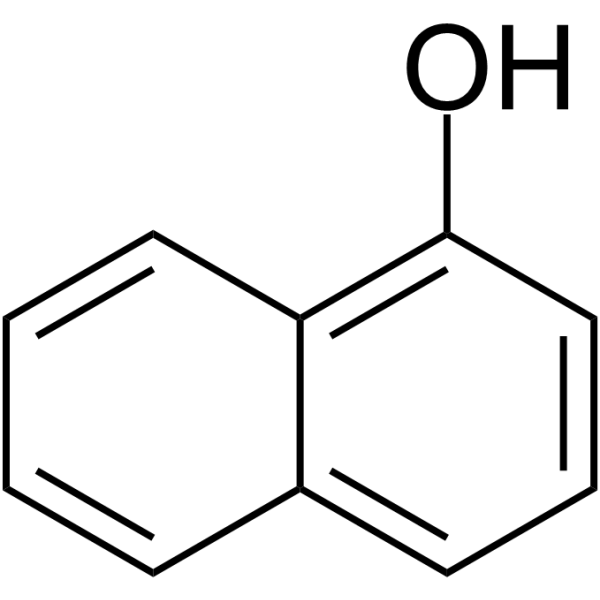
1-naphthol (Furro ER) is an excited state proton transfer (ESPT) fluorescent molecular probe. 1-naphthol can sense the hydrophobic domains in micellar aggregation and accurately sense the sol-gel transition. 1-naphthol can be used to study the thermally induced microenvironmental changes and hydration levels of Pluronic F127 (PF127) in different microenvironments in aqueous media .
|
-
-
- HY-153916
-
|
T417
|
HOXA
DNA/RNA Synthesis
NEKs
|
Neurological Disease
Inflammation/Immunology
Cancer
|
|
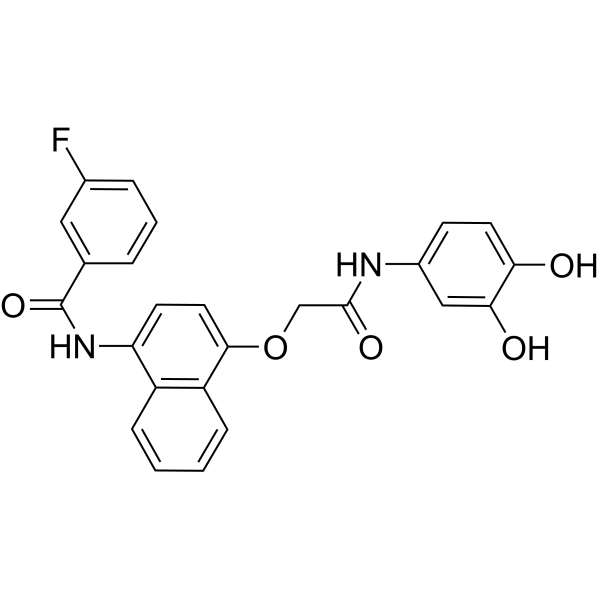
TCRS-417 (T417) is a small-molecular inhibitor for PBX1. TCRS-417 can directly block PBX1-binding to DNA (IC50 = 6.58 μM), and affects PBX1 transcription. TCRS-417 is able to hammer out the stemness traits of Carboplatin (HY-17393)-resistant (CR) cells to revert to a differentiated status through tacking PBX1 signaling cascade. TCRS-417 significantly suppresses self-renewal and proliferation of cancer cells expressing high levels of PBX1. TCRS-417 can decrease the mRNA levels of FOXM1, NEK2, and E2F2 in cancer cell lines. TCRS-417 is selectively toxic against chr1q-amp myeloma and solid tumor cells .
|
-
-
- HY-D1005A25
-
-

-
- HY-157334
-
DEG-77
1 Publications Verification
|
Molecular Glues
Casein Kinase
IKZF Family
Bcl-2 Family
CDK
Apoptosis
|
Cancer
|
|
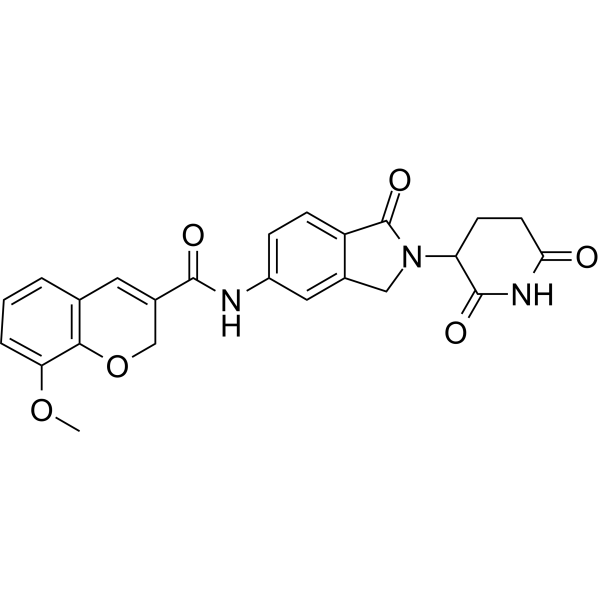
DEG-77 is a molecular glue targeting IKZF2 and CK1α, with DC50 values of 15.3 nM and 10 nM, respectively. DEG-77 exhibits significant anti-tumor activity, inducing increased transcriptional levels of the pro-apoptotic protein Bax and the cell cycle arrest protein p21. DEG-77 is applicable to the research of acute myeloid leukemia (AmL), diffuse large B-cell lymphoma and ovarian cancer.
|
-
-
- HY-159098
-
|
|
Molecular Glues
PROTACs
Histone Acetyltransferase
|
Cardiovascular Disease
|
|
dWIZ-1 is an orally active molecular glue and chemical probe targeting the WIZ transcription factor, which based on an IMiD backbone, binding to human WIZ with an affinity of 3.5 μM. dWIZ-1 recruits WIZ to the cereblon-DDB1 complex via its ZF7 domain, thereby triggering proteasome-dependent degradation of WIZ. dWIZ-1 significantly induces fetal hemoglobin expression in erythroblasts while reducing the level of inhibitory H3K9 dimethylation at WIZ binding sites such as the β-globin locus. Meanwhile, dWIZ-1 does not affect the proliferation and differentiation of erythroblasts, and no cytotoxicity is observed in in vitro cells or cynomolgus monkey models. dWIZ-1 serves as a critical tool molecule for investigating the mechanism and underlying pathways of sickle cell disease .
|
-

-
- HY-163944
-
|
|
DNA/RNA Synthesis
Molecular Glues
CDK
Apoptosis
RAD51
ATM/ATR
PARP
|
Cancer
|
LL-K12-18 is a CDK12 kinase inhibitor and a dual-site molecular glue. LL-K12-18 inhibits human CDK12 with an IC50 value of 283.9 nM, and selectively degrades cyclin K via the ubiquitin-proteasome system by stabilizing the CDK12-DDB1 complex. LL-K12-18 downregulates DNA damage response genes, reduces the phosphorylation level of CTD Ser2 in RNA polymerase II, and modulates biomarkers such as ATM, RAD51, γ-H2AX and cleaved PARP, thereby effectively inducing apoptosis and inhibiting proliferation of breast cancer cells. LL-K12-18 exhibits high target selectivity and serves as a research tool for studies on triple-negative breast cancer .
|
-

-
- HY-162566
-
|
|
Molecular Glues
Calcium Channel
Amyloid-β
Tau Protein
|
Neurological Disease
|
|
REM127 is an orally active, blood-brain barrier-penetrant septin 6/7 molecular glue degrader. REM127 binds to SEPT6 with high affinity and promotes the assembly of SEPT2/6/7 cortical filaments, thereby normalizing cytoplasmic calcium levels, cerebrospinal fluid hyperphosphorylated tau protein levels, synaptic function and cognitive function. REM127 can be used in research related to Alzheimer's disease .
|
-

-
- HY-W181530
-
|
|
Molecular Glues
CDK
Apoptosis
Ligands for E3 Ligase
|
Cancer
|
|
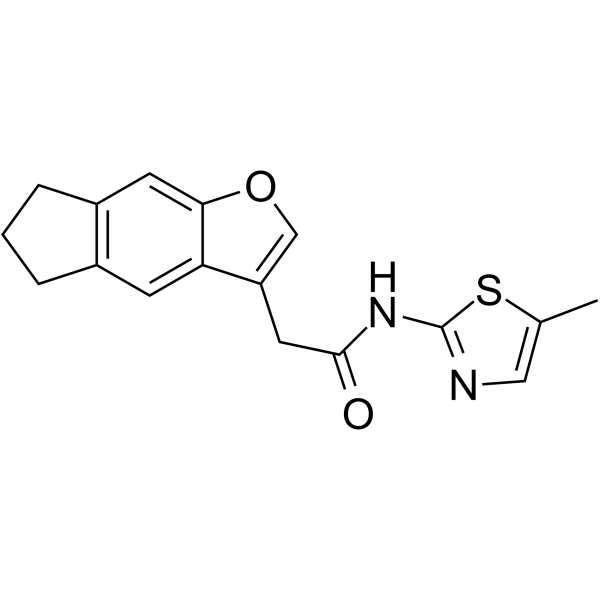
NCT02 is a molecular glue degrader based on the E3 ubiquitin ligase DDB1 that targets CDK12 and its binding partner CCNK. NCT02 triggers the ubiquitination and proteasomal degradation of CCNK, thereby downregulating CDK12 protein levels and inhibiting its downstream signaling pathways. NCT02 can induce tumor cell apoptosis, arrest the cell cycle, and selectively inhibit the proliferation of colorectal cancer cells carrying TP53 defects or belonging to the consensus molecular subtype CMS4. NCT02 has the potential to inhibit tumor growth in in vitro and in vivo models .
|
-
-
- HY-D1056E
-
|
LPS, from Pseudomonas aeruginosa (10)
|
Toll-like Receptor (TLR)
|
Inflammation/Immunology
|
Lipopolysaccharides from P. aeruginosa (Pseudomonas aeruginosa) 10 are lipopolysaccharide endotoxins and TLR4 activators derived from Pseudomonas aeruginosa 10, and are classified as S-type LPS. Lipopolysaccharides from P. aeruginosa 10 exhibit a typical three-part structure: O-antigen, core oligosaccharide, and lipid A. The lipopolysaccharides of P. aeruginosa 10 have a fatty acid composition distinct from common enterobacteria, an exceptionally high degree of phosphorylation (triphosphate residues have been detected), and a unique outer region of the core oligosaccharide. Additionally, their O-specific side chains are typically rich in novel aminosugars. Lipopolysaccharides from P. aeruginosa 10 demonstrate susceptibility to viruses, with the level of susceptibility determined by the content of high molecular weight polysaccharides in their composition. The absence of high molecular weight polysaccharides increases their sensitivity to bacteriophages .
It is recommended to prepare a solution with concentration ≥2 mg/mL. Vortex thoroughly for more than 10 minutes. Due to the adsorption characteristics of LPS, silanized container or low adsorption centrifuge tubes should be used for aliquoting and storage, and mix thoroughly before use.
|
-

-
- HY-400882
-
|
|
Drug Derivative
Drug Intermediate
TSPO
|
Neurological Disease
Inflammation/Immunology
|
|
Tosylate-DPA-714 is a GMP-grade precursor for the radiosynthesis of DPA-714 (HY-122607). It crosses the blood-brain barrier and exhibits steroidogenic activity. DPA-714 is a specific ligand for the 18 kDa translocator protein (TSPO) with a Ki of 7.0 nM. Tosylate-DPA-714 is safe and does not bind to central benzodiazepine receptors (benzodiazepine receptor). As a radiolabeling precursor, Tosylate-DPA-714 reacts with 18F via nucleophilic aliphatic substitution to form 18F-DPA-714, enabling specific targeted binding to TSPO. 18F-DPA-714 accurately reflects the level of neuroinflammation mediated by microglial activation, and is used for PET molecular imaging of neurological diseases such as Alzheimer's disease and multiple sclerosis .
|
-

-
- HY-Y1269D
-
|
Salmiac, for molecular biology
|
TGF-beta/Smad
Apoptosis
Chloride Channel
|
Neurological Disease
Cancer
|
|
Ammonium chloride (Salmiac), for molecular biology is an inhibitor of Slc26a4 and SMAD2. Ammonium chloride, for molecular biology reduces the protein expression level of Slc26a4 in lung tissue, and attenuates ozone-induced increases in proinflammatory cytokines, inflammatory cells, pulmonary resistance, goblet cell hyperplasia, peribronchial inflammation and thiocyanate levels in mouse tissues and bronchoalveolar lavage fluid. Ammonium chloride, for molecular biology decreases the level of phosphorylated SMAD2, inhibits autophagy by reducing autophagy-related proteins, and enhances Cisplatin (HY-17394)-induced cancer cell apoptosis and DNA double-strand breaks. Ammonium chloride, for molecular biology also inhibits the TCA cycle, reduces ATP production, increases glucose utilization, regulates the levels of lactic acid, glutamic acid and ATP, and induces morphological degeneration of neuroblastoma cells. Ammonium chloride, for molecular biology can be used in studies related to ozone-induced airway injury, hepatocellular carcinoma, human cervical cancer, hepatic encephalopathy, Reye syndrome, epilepsy and neurodegenerative diseases .
|
-

-
- HY-161767
-
|
|
Molecular Glues
Oxidative Phosphorylation
Ras
|
Cancer
|
JWJ-01-306 is a CRBN-recruiting ZBTB11 Molecular Glues degrader. JWJ-01-306 degrades ZBTB11 and reprograms cellular metabolism, thereby reducing the level of Oxidative Phosphorylation and the activity of the tricarboxylic acid cycle. JWJ-01-306 enhances the response of organoids to K-Ras inhibition. JWJ-01-306 inhibits the proliferation of pancreatic ductal adenocarcinoma cells and melanoma cells. JWJ-01-306 can be used in studies related to pancreatic ductal adenocarcinoma and melanoma .
|
-

-
- HY-169056
-
|
|
Reactive Oxygen Species (ROS)
|
Cancer
|
|
SLC7A11-IN-2 (Compound 1) is an SLC7A11/xCT inhibitor. SLC7A11-IN-2 induces cell death in HeLa cells by lowering intracellular glutathione levels and increasing oxidative stress, thereby disrupting the oxidative balance within the cells, with an IC50 value of 10.23 μM. Molecular dynamics simulation analysis indicates that SLC7A11-IN-2 has a stronger binding affinity to SLC7A11 compared to Erastin (HY-15763). SLC7A11-IN-2 can be utilized in research within the field of cervical cancer .
|
-

-
- HY-D1056C1
-
|
LPS, from Salmonella enterica (Serotype enteritidis)
|
Toll-like Receptor (TLR)
|
Inflammation/Immunology
|
Lipopolysaccharides, from S. enterica (Salmonella enterica) serotype enteritidis are lipopolysaccharide endotoxins and TLR-4 activators derived from the enteritidis serotype of S. enterica, classified as S-type LPS, which can activate pathogen-associated molecular patterns (PAMP) of the immune system and induce cellular secretion of migrasomes. Lipopolysaccharides, from S. enterica serotype enteritidis exhibit a typical three-part structure: O-antigen, core oligosaccharide, and lipid A. Lipopolysaccharides, from S. enterica serotype enteritidis can induce systemic inflammatory responses, increasing levels of TNF-α, IFN-γ, IL-6, IL-10, and nitrate in plasma .
It is recommended to prepare a solution with concentration ≥2 mg/mL. Vortex thoroughly for more than 10 minutes. Due to the adsorption characteristics of LPS, silanized container or low adsorption centrifuge tubes should be used for aliquoting and storage, and mix thoroughly before use.
|
-

-
- HY-W003371
-
|
|
Drug Metabolite
|
Others
|
|
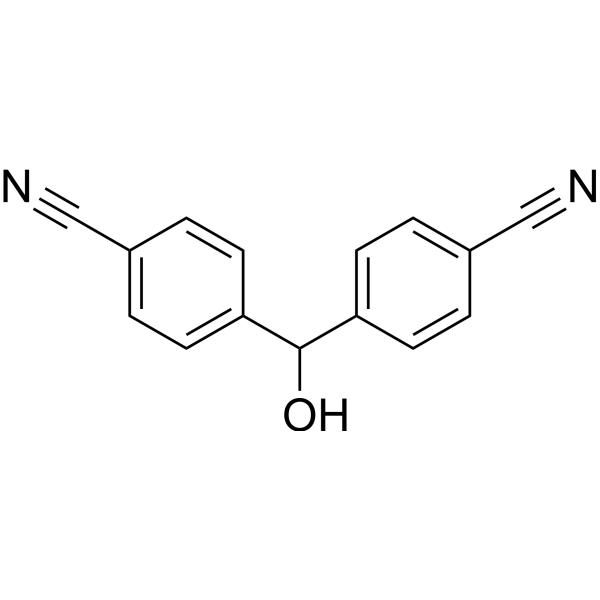
CGP 44 645 is the methanol metabolite of Letrozole (HY-14248) and is a molecular indicator for evaluating its metabolic kinetics in microsomes in vitro. Levels of CGP 44 645 in rat liver microsomes may be sex-specific .
|
-
-
- HY-178389
-
|
|
Molecular Glues
Glutathione Peroxidase
Ferroptosis
Reactive Oxygen Species (ROS)
|
Cancer
|
|
GPX4-IN-20, a Arctigenin (HY-N0035) derived, is a GPX4& molecular gluedegrader. GPX4-IN-20 induces ferroptosis by increasing lipid ROS levels and suppressing GSH levels. GPX4-IN-20 reduces the protein expression and enzyme activity of GPX4 in a dose-dependent manner without affecting other ferroptosis-related proteins. GPX4-IN-20 induces ubiquitination-dependent proteasomal degradation of GPX4. GPX4-IN-20 also increases the level of malondialdehyde (MDA) in HCT-116 cells. GPX4-IN-20 can be used for the research of colorectal cancer .
|
-

-
- HY-176255
-
|
|
Molecular Glues
Interleukin Related
CCR
|
Inflammation/Immunology
|
|
TBK1 degrader-4 (Compound 30) is a molecular glue degrader targeting TBK1. TBK1 degrader-4 effectively inhibits cyst growth, alleviates inflammation, and reduces the levels of pro-inflammatory factors such as Ccl2, IFNβ, and IL-6. TBK1 degrader-4 is promising for research of autosomal dominant polycystic kidney disease (ADPKD) .
|
-

-
- HY-115461
-
|
|
Insulin Receptor
|
Metabolic Disease
|
|
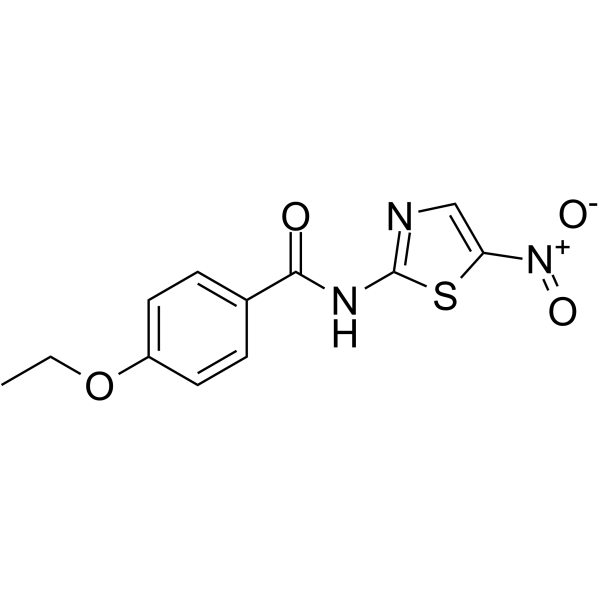
MID-1 is a disruptor of MG53-IRS-1 (Mitsugumin 53-insulin receptor substrate-1) interaction. MID-1 disrupts molecular association of MG53 with IRS-1 and abolishes MG53-induced IRS-1 ubiquitination and degradation in skeletal muscle, leading to elevated IRS-1 expression level and increased insulin signaling and glucose uptake .
|
-
-
- HY-177780
-
|
|
Molecular Glues
CDK
Apoptosis
|
Cancer
|
|
Cyclin K degrader 2 is a molecular glucose degrading agent that targets the cyclin K protein. Cyclin K degrader 2 has inhibitory activity against CDK1 and CDK9. Cyclin K degrader 2 causes a decrease in RNA polymerase II Ser2 phosphorylation levels, downregulation of DNA damage response gene expression, accumulation of DNA damage, G1 phase arrest of the cell cycle, and apoptosis. Cyclin K degrader 2 can be used for cancer research .
|
-

-
- HY-137294
-
|
Y6
|
Endogenous Metabolite
|
Others
|
|
BTPTT-4F (Y6) is a non-fullerene acceptor-donor-acceptor (A-D-A) type small molecular acceptor (SMA) characterized by its flexible alkyl chains and centrally fused ring structure. Featuring a ladder-type electron-deficient core, BTPTT-4F can be effectively blended with PM6, showcasing significant potential for enhancing the performance of organic photovoltaic applications. Its tailored optical properties and adjustable electronic energy levels contribute to improved thermal and photochemical stability, making it a promising candidate for next-generation high-performance organic solar cells.
|
-

-
- HY-161883
-
-

-
- HY-176828
-
|
|
Phosphodiesterase (PDE)
|
Cancer
|
|
Enpp-1-IN-28 is a ENPP1 inhibitor at the molecular and cellular levels, with IC50 values of 0.188 µM and 0.732 µM, respectively. Enpp-1-IN-28 upgrades the expression levels of IFN-β in vivo by preventing the ENPP1 from hydrolyzing the cGAMP to stimulate a more potent innate immune response. Enpp-1-IN-28 can be used for the study of metastatic breast cancer .
|
-

-
- HY-177782
-
|
|
Molecular Glues
MicroRNA
|
Cancer
|
|
SB1349 is a molecular glucose degrading agent that targets the Lin28 protein. SB1349 can effectively induce proteasome dependent degradation of Lin28A and Lin28B. SB1349 can increase the level of mature let-7 miRNA, downregulate the oncogenes targeted by let-7, and effectively induce the differentiation of neuroblastoma cells. SB1349 can be used for cancer research .
|
-

-
- HY-177731
-
|
|
Molecular Glues
MicroRNA
|
Cancer
|
|
MG-Lin1 is a molecular glucose degrading agent that targets the Lin28 protein. MG-Lin1 can significantly reduce the mRNA levels of let-7 targeting oncogenes. MG-Lin1 can significantly inhibit the migration ability of cancer cells. MG-Lin1 has no obvious cytotoxicity. MG-Lin1 can be used for cancer research .
|
-

-
- HY-178938
-
|
|
Molecular Glues
Androgen Receptor
Caspase
Apoptosis
|
Endocrinology
Cancer
|
AR Degrader-3 is an orally active molecular glue that targets AR/ARV7 and induces the degradation of AR and ARV7 through the ubiquitin-proteasome pathway (UPP). AR Degrader-3 directly interacts with the ligand-binding domain (LBD) and the N-terminal domain (NTD) of AR. AR Degrader-3 effectively suppresses the transcriptional activity of wild-type AR (AR-WT), AR mutants, and ARV7. AR Degrader-3 downregulates the mRNA and protein levels of downstream AR target genes, thereby overcoming antiandrogen resistance mediated by ARV7 and AR point mutations. AR Degrader-3 induces apoptosis in Enzalutamide (HY-70002) (ENZa)-resistant cells and increases cleaved caspase-3 protein levels. AR Degrader-3 can be used for the study of castration-resistant prostate cancer (CRPC) .
|
-

-
- HY-172533
-
|
|
STING
|
Cancer
|
|
3’,5’-DiOA-dC is a hydrophobic nucleotide lipid and a ligand for the STING agonist c-di-GMP (CDG). 3’,5’-DiOA-dC can assemble with CDG and form stable cyclic dinucleotide nanoparticles via various supramolecular forces driven by molecular recognition. 3’,5’-DiOA-dC can decrease tumor weight and volume, increase CD8 T cell, neutrophils as well as NK cell counts in tumor microenvironment in combination with CDG. 3’,5’-DiOA-dC also increases the levels of TNF-α and IFN-γ in murine melanoma model .
|
-

-
- HY-177580
-
|
|
Integrin
|
Cardiovascular Disease
|
|
GP1 precursor has high affinity to GPIIb/IIIa receptors of activated platelets. GP1 precursor can be radiolabeled with [ 18F] and used as a PET Tracer for visualizing active platelet aggregation at the molecular level. GP1 precursor can be used for the detection of Thrombi .
|
-

-
- HY-158439
-
|
|
JAK
STAT
|
Cancer
|
|
anti-TNBC agent-7 (Compound 13c) possesses anticancer activity, serving as a molecular probe to recognize and regulate the signal transduction of the USP21/JAK2/STAT3 axis, exhibiting nanomolar-level cytotoxicity against MDA-MB-231 and HCC-1806 cancer cells, effectively combating triple-negative breast cancer (TNBC) .
|
-

-
- HY-Y1309S1
-
|
Furro ER-d7; NSC 9586-d7; Nako TRB-d7
|
Isotope-Labeled Compounds
Endogenous Metabolite
|
Others
|
|
1-Naphthol-d7 (Furro ER-d7) is the deuterium labeled Naphthol (HY-Y1309). 1-Naphthol (Furro ER) is an excited state proton transfer (ESPT) fluorescent molecular probe. 1-naphthol can sense the hydrophobic domains in micellar aggregation and accurately sense the sol-gel transition. 1-naphthol can be used to study the thermally induced microenvironmental changes and hydration levels of Pluronic F127 (PF127) in different microenvironments in aqueous media .
|
-

-
- HY-W127461
-
|
Gangliotriosylceramide
|
Biochemical Assay Reagents
|
Others
|
|
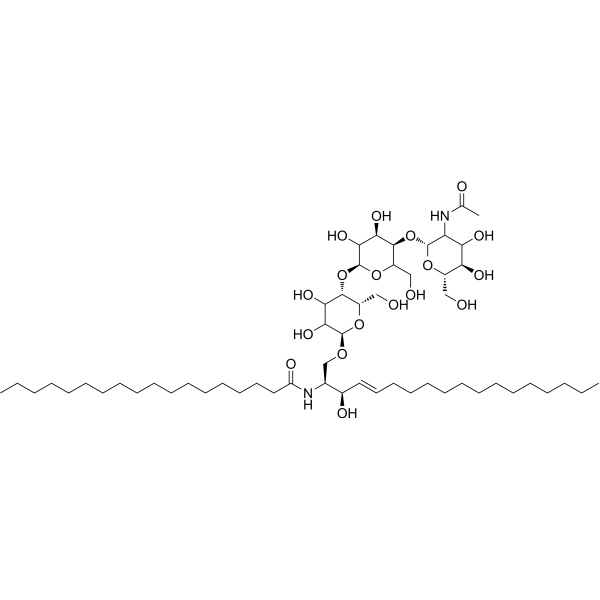
Ganglioside GM2 asialo (asialo-GM2) is a glycosphingolipid containing three monosaccharide residues and one fatty acid of variable chain length, but lacks the sialic acid residue present on ganglioside M2. Asialo-GM2 is found at low or undetectable levels in normal human brains, but it accumulates in the brains of patients with Tay-Sachs disease and Sandhoff disease, which are expressed as lysosomal β- A neurodegenerative disorder characterized by hexosaminidase A and B deficiency. It also binds to various bacteria, including Pseudomonas isolated from cystic fibrosis patients. The Asialo-GM2 mixture contains ganglioside GM2 asialo molecular species with fatty acyl chains of variable length.
|
-
-
- HY-145858
-
|
|
Ferroptosis
|
Cancer
|
|
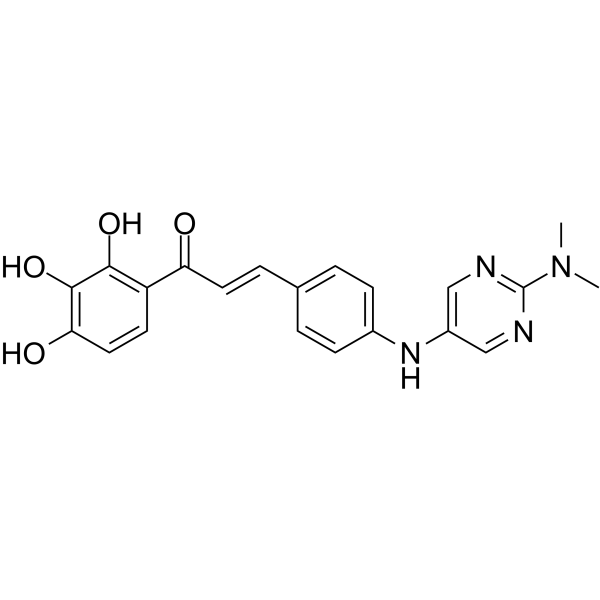
Chalcones A-N-5 is a trihydroxy chalcone derivative compound. Chalcones A-N-5 doesn’t show cytotoxicity at the concentration lower than 100 µM (with IC50 > 1 mM), but has a significant effect on promoting cell proliferation. Chalcones A-N-5 potentially promotes neuronal cell growth in the damaged brain tissue. Chalcones A-N-5 also inhibits ferroptosis induced by RSL or erastin and reduces the lipid peroxidation levels induced by Aβ1-42 protein aggregation. Chalcones A-N-5 is a promising molecular skeleton candidate for further development of lead compound for in vivo test to research AD .
|
-
-
- HY-126969
-
|
|
PPAR
|
Metabolic Disease
|
|
C333H is a selective PPARγ modulator with insulin-sensitizing and hypoglycemic activities. C333H exhibits similar insulin-sensitizing effects to thiazolidinediones (TZDs) in diabetic mouse models without significantly increasing body weight or adipose tissue weight. C333H increases circulating high molecular weight adiponectin isoform levels in diabetic db/db mice, reduces serine phosphorylation of PPARγ 273 in brown adipose tissue, and selectively modulates the expression of specific PPARγ target genes in adipose tissue. Express. C333H exhibits weak recruitment of co-activators and weak dissociation of co-repressors in vitro. These properties suggest that C333H may be a potential inhibitor of type 2 diabetes .
|
-

-
- HY-D2514
-
|
|
Fluorescent Dye
|
Others
|
|
Cy3-PEG1000-DSPE is a compound for the labeling and visualization of nanoparticles or other materials. Cy3-PEG1000-DSPE has a variety of applications including drug delivery, cellular imaging, tracing of bioprocesses, and the study of interactions at the molecular level.
|
-

-
- HY-D2518
-
|
|
Fluorescent Dye
|
Others
|
|
Cy3-PEG10000-DSPE is a compound for the labeling and visualization of nanoparticles or other materials. Cy3-PEG10000-DSPE has a variety of applications including drug delivery, cellular imaging, tracing of bioprocesses, and the study of interactions at the molecular level.
|
-

-
- HY-W003371R
-
|
|
Drug Metabolite
Reference Standards
|
Others
|
|
CGP 44 645 (Standard) is the analytical standard of CGP 44 645. This product is intended for research and analytical applications. CGP 44 645 is the methanol metabolite of Letrozole (HY-14248) and is a molecular indicator for evaluating its metabolic kinetics in microsomes in vitro. Levels of CGP 44 645 in rat liver microsomes may be sex-specific .
|
-

-
- HY-181656
-
|
|
Molecular Glues
Glutathione Peroxidase
Ferroptosis
Reactive Oxygen Species (ROS)
|
Cancer
|
|
GPX4 degrader-2 is a GPX4 molecular glue degrader and ferroptosis inducer. GPX4 degrader-2 suppresses GPX4 enzyme activity, promotes ubiquitination-dependent proteasomal degradation of GPX4 protein. GPX4 degrader-2 indues ferroptosis, increases lipid ROS and MDA levels, suppresses glutathione levels in cancer cells. GPX4 degrader-2 inhibits cancer cells proliferation and colony formation. GPX4 degrader-2 can be used for the research of colorectal cancer .
|
-

-
- HY-183115
-
|
|
Molecular Glues
|
Cancer
|
|
TNG961 is a selective and orally active CRBN-mediated HBS1L molecular glue degrader. TNG961 induces formation of an HBS1L-TNG961-CRBN ternary complex, leading to potent degradation of HBS1L and secondary destabilization of its binding partner PELO. TNG961 can reduce HBS1L protein levels, thereby disrupting the PELO region involved in ribosome rescue. TNG961 can be used for the study of FOCAD-deficient cancers, such as pancreatic cancer .
|
-

-
- HY-183115A
-
|
|
Drug Isomer
Molecular Glues
|
Cancer
|
|
(Rac)-TNG961 is the rac isomer of TNG961 (HY-183115). TNG961 is a selective and orally active CRBN-mediated HBS1L molecular glue degrader. TNG961 induces formation of an HBS1L-TNG961-CRBN ternary complex, leading to potent degradation of HBS1L and secondary destabilization of its binding partner PELO. TNG961 can reduce HBS1L protein levels, thereby disrupting the PELO region involved in ribosome rescue. TNG961 can be used for the study of FOCAD-deficient cancers, such as pancreatic cancer .
|
-

-
- HY-180836
-
|
|
Molecular Glues
IKZF Family
Apoptosis
|
Cancer
|
|
DIX-01 is a molecular gel degrader that can simultaneously induce the degradation of IKZF1/3 and GSPT1 mediated by CRBN. Its DC50 values are: IKZF1 (19.80 nM), IKZF3 (45.31 nM), and GSPT1 (120.1 nM). DIX-01 exhibits nanomolar-level potent anti-proliferative activity in various cancer cell lines. DIX-01 induces apoptosis in MV4-11 cells and significantly inhibits the growth of leukemia cells in zebrafish. DIX-01 can be used for the study of malignant hematological tumors .
|
-

-
- HY-D3231
-
|
|
Fluorescent Dye
|
Others
|
|
Ratio-Coppersensor-1 is a selective ratiometric copper ion Fluorescent reporter (excitation wavelength: 480 nm; emission peak central wavelengths at 505 nm and 570 nm, respectively). Ratio-Coppersensor-1 exhibits extremely high selectivity for Cu + at cellular concentrations, outperforming other competing metal ions, and shows an approximately 20-fold change in fluorescence ratio upon Cu + binding. Ratio-Coppersensor-1 is capable of reflecting changes in Cu levels .
|
-

| Cat. No. |
Product Name |
Type |
-
- HY-D2514
-
|
|
Fluorescent Dyes
|
|
Cy3-PEG1000-DSPE is a compound for the labeling and visualization of nanoparticles or other materials. Cy3-PEG1000-DSPE has a variety of applications including drug delivery, cellular imaging, tracing of bioprocesses, and the study of interactions at the molecular level.
|
-
- HY-D2518
-
|
|
Fluorescent Dyes
|
|
Cy3-PEG10000-DSPE is a compound for the labeling and visualization of nanoparticles or other materials. Cy3-PEG10000-DSPE has a variety of applications including drug delivery, cellular imaging, tracing of bioprocesses, and the study of interactions at the molecular level.
|
-
- HY-D3231
-
|
|
Fluorescent Dyes
|
|
Ratio-Coppersensor-1 is a selective ratiometric copper ion Fluorescent reporter (excitation wavelength: 480 nm; emission peak central wavelengths at 505 nm and 570 nm, respectively). Ratio-Coppersensor-1 exhibits extremely high selectivity for Cu + at cellular concentrations, outperforming other competing metal ions, and shows an approximately 20-fold change in fluorescence ratio upon Cu + binding. Ratio-Coppersensor-1 is capable of reflecting changes in Cu levels .
|
| Cat. No. |
Product Name |
Type |
-
- HY-B2243B
-
|
Sodium phosphate monobasic for molecular biology; Monosodium dihydrogen orthophosphate for molecular biology; Monosodium phosphate for molecular biology
|
Biochemical Assay Reagents
|
|
Anhydrous sodium dihydrogen phosphate, for molecular biology is an inorganic salt compound that can be used as a buffer and nutritional supplement. Anhydrous sodium dihydrogen phosphate, for molecular biology can be used in molecular biology experiments .
|
-
- HY-D1005A25
-
|
PEG-PPG-PEG, 5750 (Average)
|
Biochemical Assay Reagents
|
|
Poloxamer 403 P123 is a block copolymer of polyoxyethylene and polyoxypropylene with an average molecular weight of 5750. Poloxamer has the ability to inhibit P-gp. Poloxamer 403 increases creatine kinase levels. Poloxamer 403 is myotoxic .
|
-
- HY-D1056E
-
|
LPS, from Pseudomonas aeruginosa (10)
|
Biochemical Assay Reagents
|
Lipopolysaccharides from P. aeruginosa (Pseudomonas aeruginosa) 10 are lipopolysaccharide endotoxins and TLR4 activators derived from Pseudomonas aeruginosa 10, and are classified as S-type LPS. Lipopolysaccharides from P. aeruginosa 10 exhibit a typical three-part structure: O-antigen, core oligosaccharide, and lipid A. The lipopolysaccharides of P. aeruginosa 10 have a fatty acid composition distinct from common enterobacteria, an exceptionally high degree of phosphorylation (triphosphate residues have been detected), and a unique outer region of the core oligosaccharide. Additionally, their O-specific side chains are typically rich in novel aminosugars. Lipopolysaccharides from P. aeruginosa 10 demonstrate susceptibility to viruses, with the level of susceptibility determined by the content of high molecular weight polysaccharides in their composition. The absence of high molecular weight polysaccharides increases their sensitivity to bacteriophages .
It is recommended to prepare a solution with concentration ≥2 mg/mL. Vortex thoroughly for more than 10 minutes. Due to the adsorption characteristics of LPS, silanized container or low adsorption centrifuge tubes should be used for aliquoting and storage, and mix thoroughly before use.
|
-
- HY-Y1269D
-
|
Salmiac, for molecular biology
|
Biochemical Assay Reagents
|
|
Ammonium chloride (Salmiac), for molecular biology is an inhibitor of Slc26a4 and SMAD2. Ammonium chloride, for molecular biology reduces the protein expression level of Slc26a4 in lung tissue, and attenuates ozone-induced increases in proinflammatory cytokines, inflammatory cells, pulmonary resistance, goblet cell hyperplasia, peribronchial inflammation and thiocyanate levels in mouse tissues and bronchoalveolar lavage fluid. Ammonium chloride, for molecular biology decreases the level of phosphorylated SMAD2, inhibits autophagy by reducing autophagy-related proteins, and enhances Cisplatin (HY-17394)-induced cancer cell apoptosis and DNA double-strand breaks. Ammonium chloride, for molecular biology also inhibits the TCA cycle, reduces ATP production, increases glucose utilization, regulates the levels of lactic acid, glutamic acid and ATP, and induces morphological degeneration of neuroblastoma cells. Ammonium chloride, for molecular biology can be used in studies related to ozone-induced airway injury, hepatocellular carcinoma, human cervical cancer, hepatic encephalopathy, Reye syndrome, epilepsy and neurodegenerative diseases .
|
-
- HY-D1056C1
-
|
LPS, from Salmonella enterica (Serotype enteritidis)
|
Biochemical Assay Reagents
|
Lipopolysaccharides, from S. enterica (Salmonella enterica) serotype enteritidis are lipopolysaccharide endotoxins and TLR-4 activators derived from the enteritidis serotype of S. enterica, classified as S-type LPS, which can activate pathogen-associated molecular patterns (PAMP) of the immune system and induce cellular secretion of migrasomes. Lipopolysaccharides, from S. enterica serotype enteritidis exhibit a typical three-part structure: O-antigen, core oligosaccharide, and lipid A. Lipopolysaccharides, from S. enterica serotype enteritidis can induce systemic inflammatory responses, increasing levels of TNF-α, IFN-γ, IL-6, IL-10, and nitrate in plasma .
It is recommended to prepare a solution with concentration ≥2 mg/mL. Vortex thoroughly for more than 10 minutes. Due to the adsorption characteristics of LPS, silanized container or low adsorption centrifuge tubes should be used for aliquoting and storage, and mix thoroughly before use.
|
-
- HY-W127461
-
|
Gangliotriosylceramide
|
Biochemical Assay Reagents
|
|
Ganglioside GM2 asialo (asialo-GM2) is a glycosphingolipid containing three monosaccharide residues and one fatty acid of variable chain length, but lacks the sialic acid residue present on ganglioside M2. Asialo-GM2 is found at low or undetectable levels in normal human brains, but it accumulates in the brains of patients with Tay-Sachs disease and Sandhoff disease, which are expressed as lysosomal β- A neurodegenerative disorder characterized by hexosaminidase A and B deficiency. It also binds to various bacteria, including Pseudomonas isolated from cystic fibrosis patients. The Asialo-GM2 mixture contains ganglioside GM2 asialo molecular species with fatty acyl chains of variable length.
|
| Cat. No. |
Product Name |
Category |
Target |
Chemical Structure |
| Cat. No. |
Product Name |
Chemical Structure |
-
- HY-Y1309S1
-
|
|
|
1-Naphthol-d7 (Furro ER-d7) is the deuterium labeled Naphthol (HY-Y1309). 1-Naphthol (Furro ER) is an excited state proton transfer (ESPT) fluorescent molecular probe. 1-naphthol can sense the hydrophobic domains in micellar aggregation and accurately sense the sol-gel transition. 1-naphthol can be used to study the thermally induced microenvironmental changes and hydration levels of Pluronic F127 (PF127) in different microenvironments in aqueous media .
|
-
| Cat. No. |
Product Name |
|
Classification |
-
- HY-B2243B
-
|
Sodium phosphate monobasic for molecular biology; Monosodium dihydrogen orthophosphate for molecular biology; Monosodium phosphate for molecular biology
|
|
Others
|
|
Anhydrous sodium dihydrogen phosphate, for molecular biology is an inorganic salt compound that can be used as a buffer and nutritional supplement. Anhydrous sodium dihydrogen phosphate, for molecular biology can be used in molecular biology experiments .
|
Your information is safe with us. * Required Fields.
Inquiry Information
- Product Name:
- Cat. No.:
- Quantity:
- MCE Japan Authorized Agent:








