Search Result
Results for "
monoamine neurotransmitters
" in MedChemExpress (MCE) Product Catalog:
1
Bibliotecas de Screening
7
Isotope-Labeled Compounds
| Cat. No. |
Nombre del producto |
Target |
Áreas de investigación |
Chemical Structure |
-
- HY-B1473A
-
-
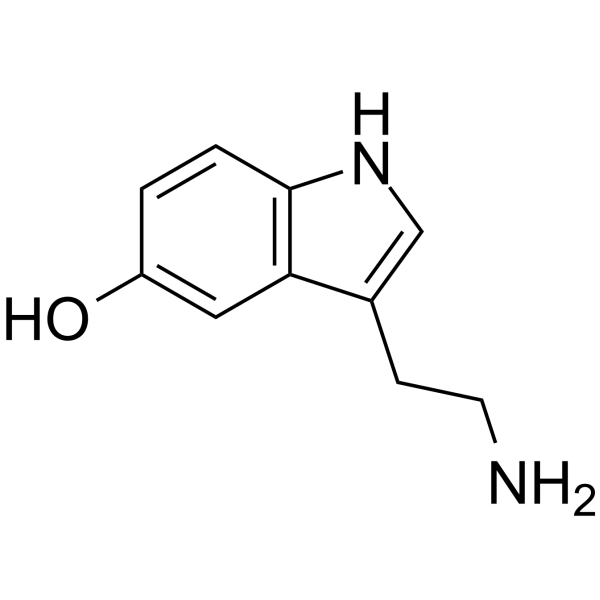
-
- HY-B1473
-
|
5-Hydroxytryptamine hydrochloride; 5-HT hydrochloride
|
5-HT Receptor
COMT
Endogenous Metabolite
|
Neurological Disease
|
|
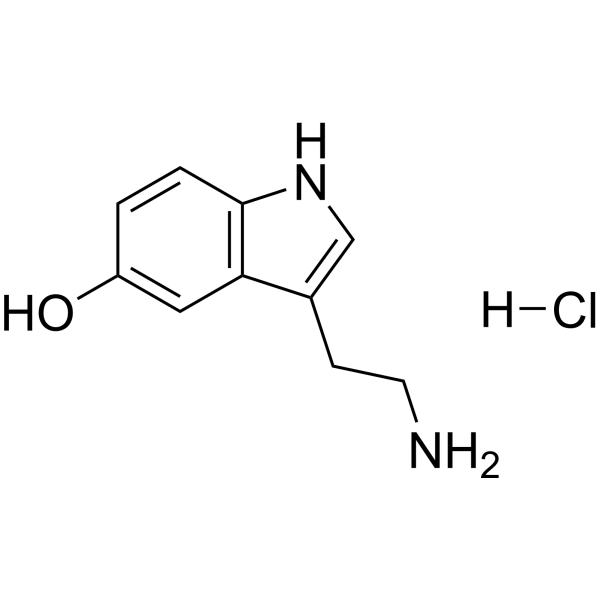
Serotonin (5-Hydroxytryptamine) hydrochloride is a monoamine neurotransmitter in the CNS and an endogenous 5-HT receptor agonist, with blood-brain barrier permeability. Serotonin hydrochloride is also a catechol O-methyltransferase (COMT) inhibitor with a Ki of 44 μM.
|
-
-
- HY-B1473AS
-
-
-
- HY-14472
-
|
NS-2330
|
Dopamine Transporter
Serotonin Transporter
|
Metabolic Disease
|
|
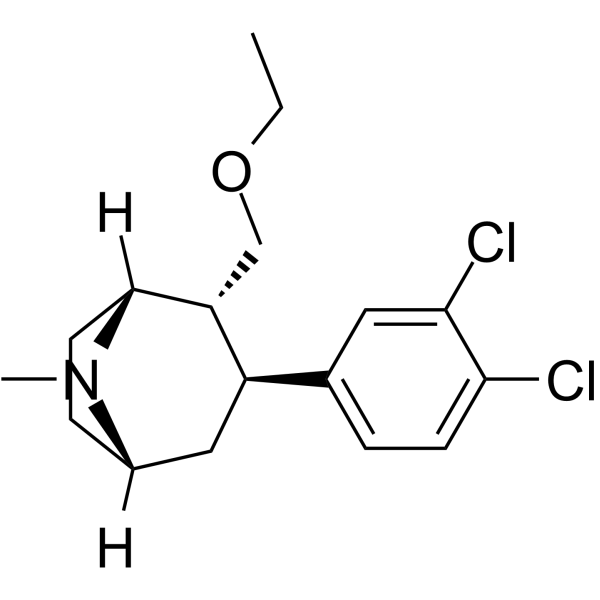
Tesofensine (NS-2330) is a triple monoamine reuptake inhibitor inducing a potent inhibition of the re-uptake process in the synaptic cleft of the neurotransmitters dopamine (DA; IC50=6.5 nM), norepinephrine (NE;IC50=1.7 nM), and serotonin (5-HT;IC50=11 nM), and with potentials as an anti-obesity agent . Tesofensine is a CNS acting anti-obesity agent .
|
-
-
- HY-B0528A
-
|
(±)-p-Octopamine hydrochloride
|
Adrenergic Receptor
Endogenous Metabolite
|
Neurological Disease
Endocrinology
|
|
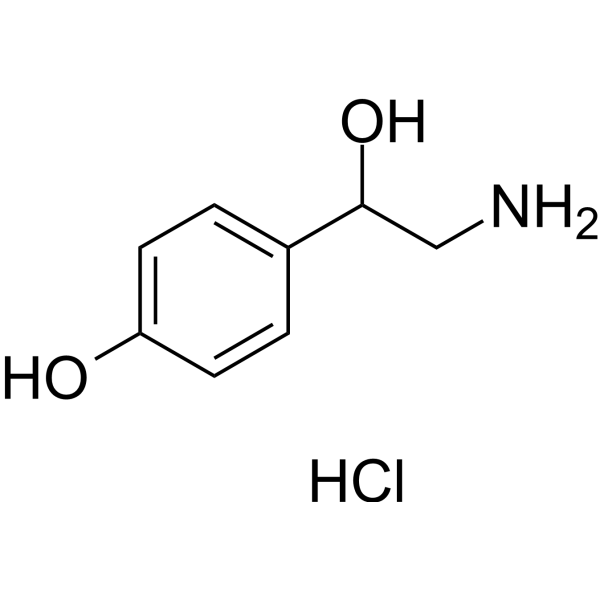
Octopamine ((±)-p-Octopamine) hydrochloride, a biogenic monoamine structurally related to noradrenaline, acts as a neurohormone, a neuromodulator and a neurotransmitter in invertebrates. Octopamine hydrochloride can stimulate alpha2-adrenoceptors (ARs) in Chinese hamster ovary cells transfected with human alpha2-ARs. Octopamine hydrochloride increased glycogenolysis, glycolysis, oxygen uptake, gluconeogenesis and the portal perfusion pressure .
|
-
-
- HY-B1018A
-
|
|
Monoamine Oxidase
GABA Receptor
Histone Demethylase
|
Cardiovascular Disease
Neurological Disease
Metabolic Disease
Inflammation/Immunology
Cancer
|
|
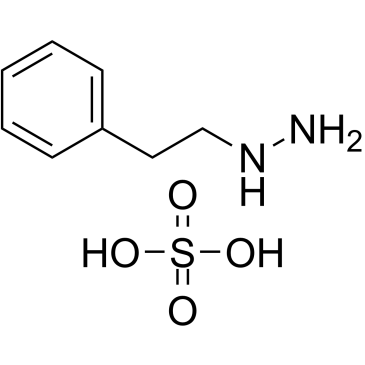
Phenelzine sulfate, an antidepressant agent, is an irreversible and orally active monoamine oxidase (MAO-A and MAO-B) inhibitor. Phenelzine sulfate inhibits GABA transaminase and primary amine oxidase (PrAO), and sequester reactive aldehydes. Phenelzine sulfate also inhibits LSD1 (Ki: 5.6 μM) and suppresses oxidative stress and lipogenesis. Phenelzine sulfate elevates neurotransmitters (serotonin, norepinephrine, dopamine). Phenelzine sulfate is studied in neurological, metabolic and cancer diseases for depression and anxiety disorders, stroke, spinal cord injury, traumatic brain injury, multiple sclerosis, Parkinson’s disease, Alzheimer’s disease, inflammatory pain, obesity and prostate cancer .
|
-
-
- HY-B0886A
-
|
|
Monoamine Oxidase
Apoptosis
|
Neurological Disease
Metabolic Disease
Endocrinology
|
|
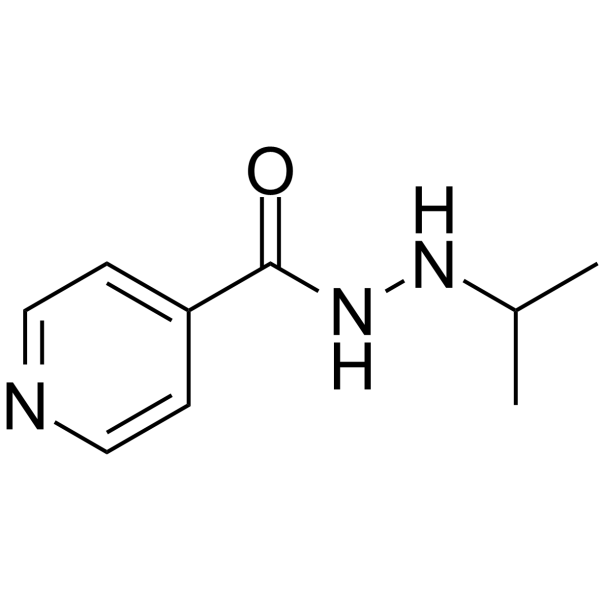
Iproniazid is an orally active, irreversible, non-selective monoamine oxidase (MAO) inhibitor. Iproniazid inhibits MAO activity and enhances Rotenone (HY-B1756)-induced Apoptosis. Iproniazid modulates neurotransmitter levels, affects neuronal function, induces hepatic necrosis, and interferes with the endocrine system. Iproniazid can be used in the research of depression, Parkinson's disease, and hepatotoxicity .
|
-
-
- HY-N2554
-
|
Ostenol
|
Monoamine Oxidase
PI3K
Akt
Apoptosis
|
Infection
Neurological Disease
Cancer
|
|
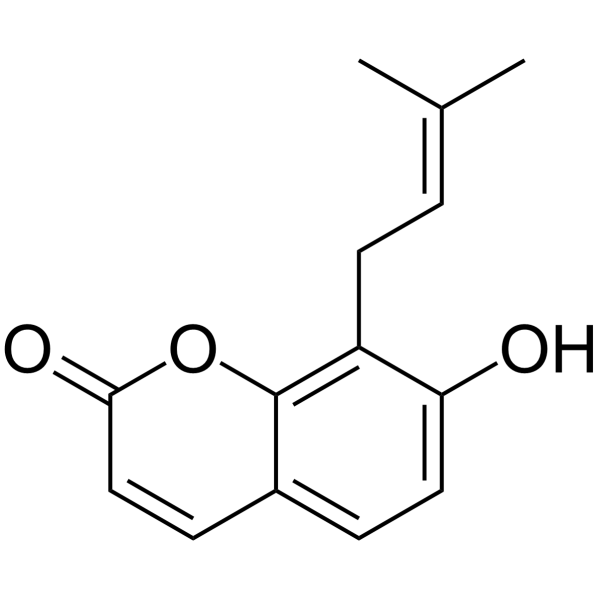
Osthenol (Ostenol) is a reversible, selective, competitive inhibitor of hMAO-A (IC50=0.74 μM, Ki=0.26 μM), with antifungal and antibacterial activity. Osthenol inhibits the oxidative deamination of hMAO-A and regulates the metabolism of monoamine neurotransmitters. Osthenol also inhibits the PI3K/AKT signaling pathway to induce apoptosis of colon cancer cells, arrest the cell cycle at the G1 phase, and inhibit cell proliferation. Osthenol is mainly used in the study of neurological diseases and cancer, especially depression-related MAO-A targeted intervention and colon cancer .
|
-
-
- HY-B1473S
-
|
5-Hydroxytryptamine-d4 hydrochloride; 5-HT-d4 hydrochloride
|
Isotope-Labeled Compounds
5-HT Receptor
Endogenous Metabolite
COMT
|
Others
|
|
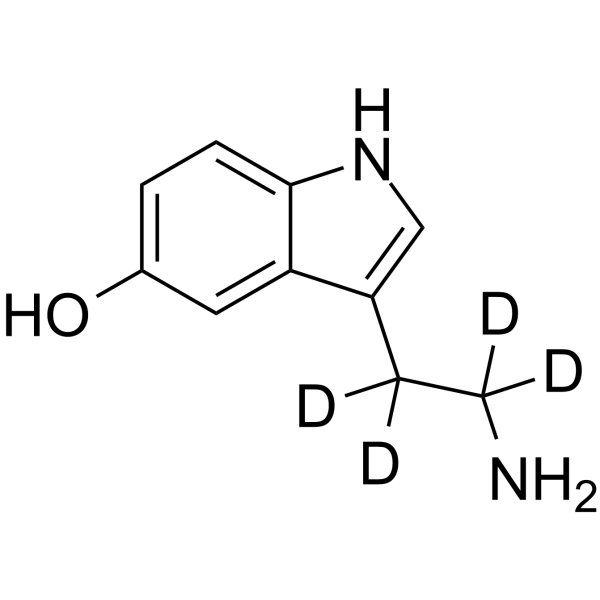
Serotonin-d4 (5-Hydroxytryptamine-d4) hydrochloride is the deuterium labeled Serotonin (hydrochloride) (HY-B1473) . Serotonin (5-Hydroxytryptamine) hydrochloride is a monoamine neurotransmitter in the CNS and an endogenous 5-HT receptor agonist. Serotonin hydrochloride is also a catechol O-methyltransferase (COMT) inhibitor with a Ki of 44 μM .
|
-

-
- HY-14197
-
|
M&B 9302
|
Monoamine Oxidase
|
Neurological Disease
|
|
Clorgyline (M&B 9302) is an orally active, blood-brain barrier permeable and selective monoamine oxidase A (MAO-A) inhibitor. Clorgyline's selective inhibition of MAO-A leads to reduced metabolism of neurotransmitters such as serotonin (5-hydroxytryptamine), which accumulates in the brain. Clorgyline can be used in the study of depression and neurodegenerative diseases .
|
-

-
- HY-B0886
-
|
|
Monoamine Oxidase
Apoptosis
|
Neurological Disease
Metabolic Disease
Endocrinology
|
|
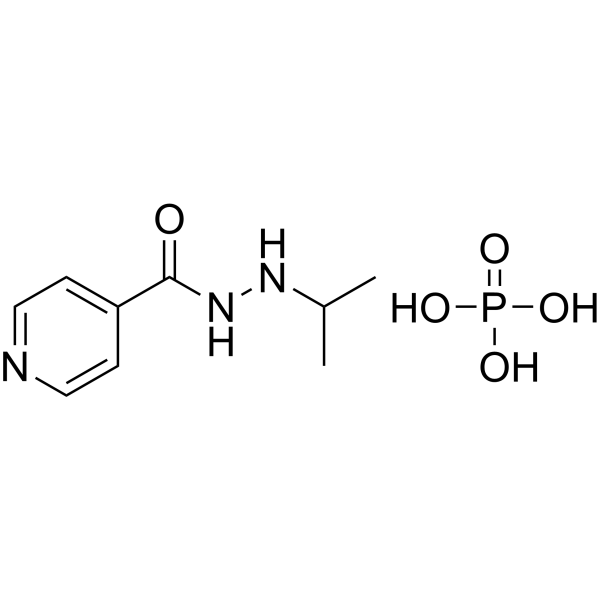
Iproniazid phosphate is an orally active, irreversible, non-selective monoamine oxidase (MAO) inhibitor. Iproniazid phosphate inhibits MAO activity and enhances Rotenone (HY-B1756)-induced Apoptosis. Iproniazid phosphate modulates neurotransmitter levels, affects neuronal function, induces hepatic necrosis, and interferes with the endocrine system. Iproniazid phosphate can be used in the research of depression, Parkinson's disease, and hepatotoxicity .
|
-
-
- HY-110019
-
|
Lu 19-005
|
Serotonin Transporter
Dopamine Transporter
|
Neurological Disease
|
|
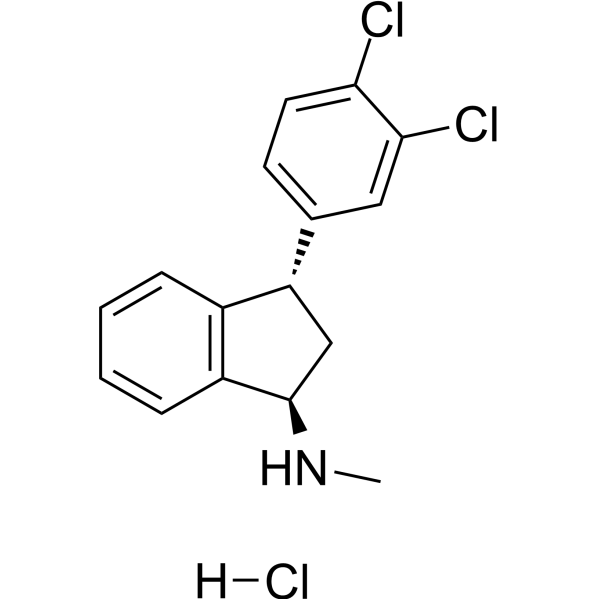
Indatraline hydrochloride (Lu 19-005) is a non-selective monoamine transporter inhibitor that blocks the reuptake of neurotransmitters (dopamine, serotonin, and norepinephrine). Indatraline hydrochloride can be used for the research of antidepressive. Indatraline hydrochloride induces autophagy while simultaneously inhibiting cell proliferation. Indatraline hydrochloride may also serve to direct the development of new agents for autophagy-related diseases such as atherosclerosis or restenosis .
|
-
-
- HY-B2132R
-
|
3-(2-Aminoethyl)indole~2-(3-Indolyl)ethylamine (Standard)
|
Endogenous Metabolite
|
Others
|
|
Tryptamine (Standard) is the analytical standard of Tryptamine. This product is intended for research and analytical applications. Tryptamine is a monoamine alkaloid, similar to other trace amines, is believed to play a role as a neuromodulator or neurotransmitter.
|
-

-
- HY-103465
-
|
|
Monoamine Transporter
|
Others
|
|
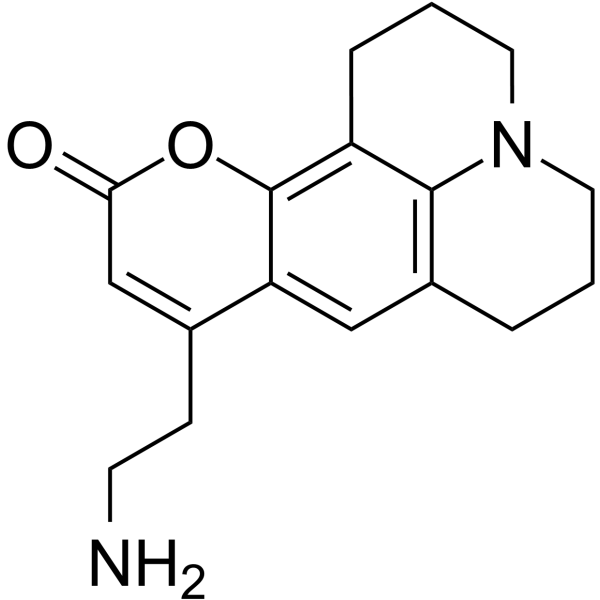
FFN511 is a potent fluorescent false neurotransmitters (FFNs) that targets neuronal vesicular monoamine transporter 2 (VMA T2). FFN511 inhibits serotonin binding to VMA T2-containing membranes with an IC50 of 1 µM. FFN511 directly images the dynamics of release during exocytosis, can be used to label dopamine terminals in live cortical-striatalacute slices .
|
-
-
- HY-B0528AR
-
|
(±)-p-Octopamine hydrochloride (Standard)
|
Reference Standards
Adrenergic Receptor
Endogenous Metabolite
|
Neurological Disease
Endocrinology
|
|
Octopamine (hydrochloride) (Standard) is the analytical standard of Octopamine (hydrochloride). This product is intended for research and analytical applications. Octopamine ((±)-p-Octopamine) hydrochloride, a biogenic monoamine structurally related to noradrenaline, acts as a neurohormone, a neuromodulator and a neurotransmitter in invertebrates. Octopamine hydrochloride can stimulate alpha2-adrenoceptors (ARs) in Chinese hamster ovary cells transfected with human alpha2-ARs. Octopamine hydrochloride increased glycogenolysis, glycolysis, oxygen uptake, gluconeogenesis and the portal perfusion pressure .
|
-

-
- HY-B0528
-
|
|
Adrenergic Receptor
Endogenous Metabolite
|
Neurological Disease
Endocrinology
|
|
Octopamine is a biogenic monoamine structurally related to noradrenaline, acts as a neurohormone, a neuromodulator and a neurotransmitter in invertebrates. Octopamine can stimulate alpha2-adrenoceptors (ARs) in Chinese hamster ovary cells transfected with human alpha2-ARs. Octopamine increased glycogenolysis, glycolysis, oxygen uptake, gluconeogenesis and the portal perfusion pressure .
|
-

-
- HY-158555
-
|
|
Monoamine Transporter
|
Neurological Disease
|
|
4-Ethyl-N,N-Dmc hydrochloride is an analog of Methedrone. Methedrone acts as a non-selective substrate for monoamine transporters, facilitating a neurotransmitter release .
|
-

-
- HY-14472R
-
|
NS-2330 (Standard)
|
Dopamine Transporter
Serotonin Transporter
Reference Standards
|
Metabolic Disease
|
|
Tesofensine (Standard) is the analytical standard of Tesofensine. This product is intended for research and analytical applications. Tesofensine (NS-2330) is a triple monoamine reuptake inhibitor inducing a potent inhibition of the re-uptake process in the synaptic cleft of the neurotransmitters dopamine (DA; IC50=6.5 nM), norepinephrine (NE;IC50=1.7 nM), and serotonin (5-HT;IC50=11 nM), and with potentials as an anti-obesity agent . Tesofensine is a CNS acting anti-obesity agent .
|
-

-
- HY-B1473R
-
|
5-Hydroxytryptamine hydrochloride (Standard); 5-HT hydrochloride (Standard)
|
5-HT Receptor
Reference Standards
COMT
Endogenous Metabolite
|
Neurological Disease
|
|
Serotonin (5-Hydroxytryptamine) (Standard) hydrochloride is the analytical standard of Serotonin hydrochloride (HY-B1473). This product is intended for research and analytical applications. Serotonin (5-Hydroxytryptamine) hydrochloride is a monoamine neurotransmitter in the CNS and an endogenous 5-HT receptor agonist. Serotonin hydrochloride is also a catechol O-methyltransferase (COMT) inhibitor with a Ki of 44 μM.
|
-

-
- HY-B1473S2
-
-

-
- HY-B1018AS
-
|
|
Isotope-Labeled Compounds
Monoamine Oxidase
GABA Receptor
Histone Demethylase
|
Cardiovascular Disease
Neurological Disease
Metabolic Disease
Inflammation/Immunology
Cancer
|
|
Phenelzine-d5 sulfate is the deuterium labeled Phenelzine sulfate (HY-B1018A). Phenelzine sulfate, an antidepressant agent, is an irreversible and orally active monoamine oxidase (MAO-A and MAO-B) inhibitor. Phenelzine sulfate inhibits GABA transaminase and primary amine oxidase (PrAO), and sequester reactive aldehydes. Phenelzine sulfate also inhibits LSD1 (Ki: 5.6 μM) and suppresses oxidative stress and lipogenesis. Phenelzine sulfate elevates neurotransmitters (serotonin, norepinephrine, dopamine). Phenelzine sulfate is studied in neurological, metabolic and cancer diseases for depression and anxiety disorders, stroke, spinal cord injury, traumatic brain injury, multiple sclerosis, Parkinson’s disease, Alzheimer’s disease, inflammatory pain, obesity and prostate cancer .
|
-

-
- HY-174833
-
|
|
Monoamine Oxidase
|
Neurological Disease
|
|
MAO-A-IN-2 (Compound 4l) is a selective monoamine oxidase A (MAO-A) inhibitor with an IC50 value of 0.4 μM. MAO-A-IN-2 reduces the degradation of monoamine neurotransmitters (e.g., serotonin, norepinephrine). MAO-A-IN-2 is promising for research of neurological diseases related to monoamine neurotransmitter imbalance such as depression and anxiety disorders .
|
-

-
- HY-18332B
-
|
|
Dopamine Transporter
Adrenergic Receptor
5-HT Receptor
|
Neurological Disease
|
|
DOV-102,677 is an orally sctive triple monoamine neurotransmitter reuptake inhibitor that simultaneously inhibits the dopamine (DAT) (IC50 = 129 nM; Ki = 222 nM), norepinephrine (NET) (IC50 = 103 nM; Ki = 1030 nM), and serotonin (SERT) (IC50 = 133 nM; Ki = 740 nM) transporters. DOV-102,677 demonstrated significant antidepressant-like activity and sensory-motor gating regulatory effects in mouse experiments. DOV-102,677 can be used for research on depression .
|
-

-
- HY-B2132S
-
|
|
Isotope-Labeled Compounds
|
Neurological Disease
|
|
Tryptamine-d2 (hydrochloride) is a deuterium labeled Tryptamine hydrochloride. Tryptamine hydrochloride is a monoamine alkaloid, similar to other trace amines, is believed to play a role as a neuromodulator or neurotransmitter .
|
-

-
- HY-136800
-
|
|
Thyroid Hormone Receptor
|
Endocrinology
|
|
Posatirelin, a TRH analog, increases monoamine metabolites in the cerebral cortex, nucleus accumbens,
and striatum, and possibly exerts CNS activating effects through a modification of several neurotransmitter systems .
|
-

-
- HY-169611
-
|
5-Hydroxytryptamine maleate; 5-HT maleate
|
5-HT Receptor
COMT
|
Neurological Disease
|
|
Serotonin hydrogen maleate is a monoamine neurotransmitter in the CNS and an endogenous 5-HT receptor agonist. Serotonin hydrogen maleate is also a catechol O-methyltransferase (COMT) inhibitor with a Ki of 44 μM .
|
-

-
- HY-129488
-
|
R-(-)-BPAP hydrochloride
|
Bcl-2 Family
|
Neurological Disease
|
|
FPFS-1169 (hydrochloride) is a proto-oncogene protein c-bcl-2 stimulant. FPFS-1169 (hydrochloride) can increase the impulse-evoked release of monoamine neurotransmitters. FPFS-1169 (hydrochloride) can be studied in research on Parkinson’s disease .
|
-

-
- HY-16731
-
|
EVT 302; RG1577; RO4602522
|
Monoamine Oxidase
Reactive Oxygen Species (ROS)
|
Neurological Disease
|
|
Sembragiline (EVT 302) is a potent, selective and reversible monoamine oxidase B (MAO-B) inhibitor. Sembragiline reduces the metabolism of dopamine and other amine neurotransmitters by inhibiting the activity of the MAO-B enzyme, thereby potentially increasing the concentration of these neurotransmitters in the brain. Inhibition of the MAO-B enzyme also reduces the formation of toxic reactive oxygen species (ROS) that play a role in the pathological process of AD. Sembragiline has good oral activity and blood-brain barrier permeability. Sembragiline can be used in studies of AD, especially in patients with AD who show increased MAO-B activity .
|
-

-
- HY-116062
-
|
|
Monoamine Transporter
Dopamine Transporter
Adrenergic Receptor
|
Others
|
|
JNJ-7925476 (hydrochloride) is a triple monoamine uptake inhibitor with the ability to regulate neurotransmitter levels and antidepressant activity. JNJ-7925476 (hydrochloride) can be rapidly absorbed into the plasma in rats, with a higher concentration in the brain than in plasma. It can induce an increase in the levels of extracellular serotonin, dopamine, and norepinephrine in the rat cerebral cortex, and exhibits antidepressant activity in the mouse tail suspension test.
|
-

-
- HY-141554A
-
|
(2S,3S,11bR)-DHTBZ
|
Monoamine Transporter
|
Neurological Disease
|
|
(2S,3S,11bR)-Dihydrotetrabenazine ((2S,3S,11bR)-DHTBZ) is a highly selective inhibitor of vesicular monoamine transporter 2 (VMAT2) with a Ki value of 593 nM. (2S,3S,11bR)-Dihydrotetrabenazine inhibits vesicular transport of monoamine neurotransmitters like dopamine and serotonin, reducing their synaptic release. (2S,3S,11bR)-Dihydrotetrabenazine is promising for research of Huntington's chorea and other hyperkinetic disorders .
|
-

-
- HY-103465B
-
|
|
Monoamine Transporter
|
Others
|
|
FFN511 (hydrochloride) is a potent fluorescent false neurotransmitters (FFNs) that targets neuronal vesicular monoamine transporter 2 (VMA T2). FFN511 (hydrochloride) inhibits serotonin binding to VMA T2-containing membranes with an IC50 of 1 µM. FFN511 (hydrochloride) directly images the dynamics of release during exocytosis, can be used to label dopamine terminals in live cortical-striatalacute slices .
|
-

-
- HY-B0528AS
-
|
(±)-p-Octopamine-d4 hydrochloride
|
Adrenergic Receptor
Endogenous Metabolite
|
Neurological Disease
Endocrinology
|
|
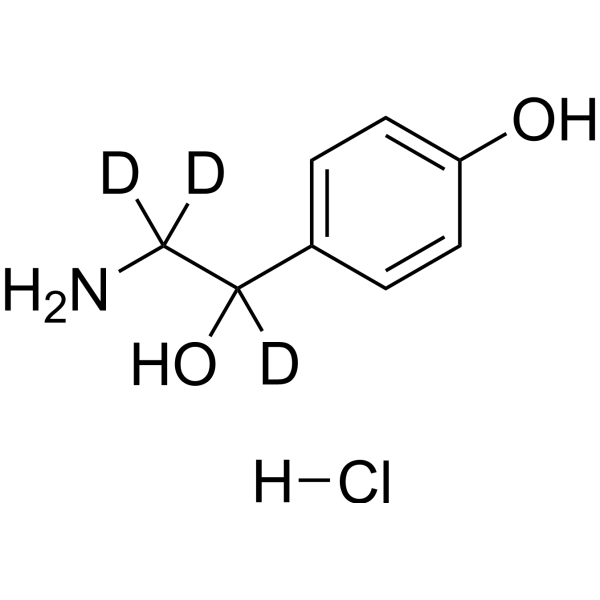
Octopamine-d4 (hydrochloride) is the deuterium labeled Octopamine hydrochloride. Octopamine ((±)-p-Octopamine) hydrochloride, a biogenic monoamine structurally related to noradrenaline, acts as a neurohormone, a neuromodulator and a neurotransmitter in invertebrates. Octopamine hydrochloride can stimulate alpha2-adrenoceptors (ARs) in Chinese hamster ovary cells transfected with human alpha2-ARs. Octopamine hydrochloride increased glycogenolysis, glycolysis, oxygen uptake, gluconeogenesis and the portal perfusion pressure .
|
-
-
- HY-117542
-
|
|
Histone Methyltransferase
|
Neurological Disease
|
|
D595 is a phenylethylamine calcium channel blocker with potent negative inotropic activity. D595 has shown significant efficacy in its corresponding pharmacological studies, especially in inhibiting the uptake of monoamine neurotransmitters. D595 has high affinity in binding to the dopamine transporter (DAT), serotonin transporter (SERT), and norepinephrine transporter (NET). Structural adjustments of D595, especially changes in the hydroxyl stereochemistry, significantly affect its interaction with the transporters, showing a specific preference for stereoisomers .
|
-

-
- HY-B0886AR
-
|
|
Reference Standards
Monoamine Oxidase
Apoptosis
|
Neurological Disease
Metabolic Disease
Endocrinology
|
|
Iproniazid (Standard) is the analytical standard of Iproniazid (HY-B0886A). This product is intended for research and analytical applications. Iproniazid is an orally active, irreversible, non-selective monoamine oxidase (MAO) inhibitor. Iproniazid inhibits MAO activity and enhances Rotenone (HY-B1756)-induced Apoptosis. Iproniazid modulates neurotransmitter levels, affects neuronal function, induces hepatic necrosis, and interferes with the endocrine system. Iproniazid can be used in the research of depression, Parkinson's disease, and hepatotoxicity .
|
-

-
- HY-122271
-
|
|
Endogenous Metabolite
|
Neurological Disease
|
|
Safrazine Hydrochloride is a monoamine oxidase inhibitor with irreversible activity. It is mainly used to inhibit depression and other mood disorders. As a compound, its mechanism is to increase the level of monoamine neurotransmitters in the body by blocking the activity of monoamine oxidase, thereby improving mood and psychological state .
|
-

-
- HY-173336
-
|
|
Monoamine Oxidase
|
Neurological Disease
|
|
MAO-B-IN-42 (Compound 4f) is a selective and reversible inhibitor of monoamine oxidase-B (MAO-B) with an IC50 value of 0.184 μM. MAO-B-IN-42 helps maintain the levels of neurotransmitters by blocking the oxidative deamination of monoamines catalyzed by MAO-B. MAO-B-IN-42 is promising for research of Parkinson's disease .
|
-

-
- HY-W680886
-
|
|
Monoamine Transporter
Serotonin Transporter
Dopamine Transporter
5-HT Receptor
|
Neurological Disease
|
|
6-APDB is a class of monoamine neurotransmitter releaser and Monoamine Transporter modulator that exerts selective effects on human monoamine transporters and acts as a partial agonist at 5-HT2 family receptors. For NET, 6-APDB has an IC50 of 0.56 μM and a Ki of 18 μM; for SERT, it has an IC50 of 2.3 μM and a Ki of 23 μM; for DAT, it has an IC50 of 33 μM and a Ki of >30 μM, and affinity for rat and mouse TAAR1, with Ki values of 1.0 μM and 0.21 μM, respectively. 6-APDB inhibits norepinephrine and 5-HT reuptake, mediates the release of three types of monoamine neurotransmitters, shows a dose-dependent biphasic locomotor effect in mice, and fully substitutes the discriminative stimulus effect of MDMA. 6-APDB shows no significant cytotoxicity at high concentrations, and possesses empathogenic psychoactivity, potential hallucinogenic effects, and behavioral effects associated with intermittent abuse .
|
-

-
- HY-174834
-
|
|
Monoamine Oxidase
|
Neurological Disease
|
|
MAO-B-IN-44 (Compound 4n) is a selective monoamine oxidase B (MAO-B) inhibitor targetin with an IC50 value of 1.01 μM, showing weak inhibition on MAO-A (IC50=14.4 μM). MAO-B-IN-44 reduces degradation of neurotransmitters like dopamine. MAO-B-IN-44 is promising for research of neurodegenerative diseases related to MAO-B abnormalities such as Parkinson’s disease .
|
-

-
- HY-103465R
-
|
|
Reference Standards
Monoamine Transporter
|
Others
|
|
FFN511 (Standard) is the analytical standard of FFN511 (HY-103465). This product is intended for research and analytical applications. FFN511 is a potent fluorescent false neurotransmitters (FFNs) that targets neuronal vesicular monoamine transporter 2 (VMA T2). FFN511 inhibits serotonin binding to VMA T2-containing membranes with an IC50 of 1 μM. FFN511 directly images the dynamics of release during exocytosis, can be used to label dopamine terminals in live cortical-striatalacute slices .
|
-

-
- HY-B0886R
-
|
|
Reference Standards
Monoamine Oxidase
Apoptosis
|
Neurological Disease
Metabolic Disease
Endocrinology
|
|
Iproniazid (phosphate) (Standard) is the analytical standard of Iproniazid phosphate (HY-B0886). This product is intended for research and analytical applications. Iproniazid phosphate is an orally active, irreversible, non-selective monoamine oxidase (MAO) inhibitor. Iproniazid phosphate inhibits MAO activity and enhances Rotenone (HY-B1756)-induced Apoptosis. Iproniazid phosphate modulates neurotransmitter levels, affects neuronal function, induces hepatic necrosis, and interferes with the endocrine system. Iproniazid phosphate can be used in the research of depression, Parkinson's disease, and hepatotoxicity .
|
-

| Cat. No. |
Nombre del producto |
|
-
-
HY-L186
-
|
|
58 compounds
|
|
Neurotransmitters are chemical messengers that allows a neuron's electrical signal to pass to a postsynaptic neuron or effect target. Neurotransmitters include amino acids, monoamines, and peptides, while other neurotransmitters are composed of metabolites such as nitric oxide and carbon monoxide. The function of neurotransmitters is closely related to the disease of life, helping to regulate the body's heartbeat, blood pressure, breathing, sleep, aging and muscle activity. Therefore, research based on neurotransmitters can help to increase human understanding of diseases.
MCE collects and organizes 58 neurotransmitters and is a tool library for drug screening and mechanism research.
|
| Cat. No. |
Nombre del producto |
Category |
Target |
Chemical Structure |
-
- HY-B1473A
-
-
-
- HY-B1473
-
-
-
- HY-B0528A
-
-
-
- HY-N2554
-
|
Ostenol
|
Coumarins
Phenols
Polyphenols
Phenylpropanoids
Kleinia odora (Forssk.) DC.
Umbelliferae
Plants
Source Classification
|
Monoamine Oxidase
PI3K
Akt
Apoptosis
|
|
Osthenol (Ostenol) is a reversible, selective, competitive inhibitor of hMAO-A (IC50=0.74 μM, Ki=0.26 μM), with antifungal and antibacterial activity. Osthenol inhibits the oxidative deamination of hMAO-A and regulates the metabolism of monoamine neurotransmitters. Osthenol also inhibits the PI3K/AKT signaling pathway to induce apoptosis of colon cancer cells, arrest the cell cycle at the G1 phase, and inhibit cell proliferation. Osthenol is mainly used in the study of neurological diseases and cancer, especially depression-related MAO-A targeted intervention and colon cancer .
|
-
-
- HY-B2132R
-
-
-
- HY-B0528AR
-
|
(±)-p-Octopamine hydrochloride (Standard)
|
Structural Classification
Monophenols
Phenols
Endogenous metabolite
Source Classification
|
Reference Standards
Adrenergic Receptor
Endogenous Metabolite
|
|
Octopamine (hydrochloride) (Standard) is the analytical standard of Octopamine (hydrochloride). This product is intended for research and analytical applications. Octopamine ((±)-p-Octopamine) hydrochloride, a biogenic monoamine structurally related to noradrenaline, acts as a neurohormone, a neuromodulator and a neurotransmitter in invertebrates. Octopamine hydrochloride can stimulate alpha2-adrenoceptors (ARs) in Chinese hamster ovary cells transfected with human alpha2-ARs. Octopamine hydrochloride increased glycogenolysis, glycolysis, oxygen uptake, gluconeogenesis and the portal perfusion pressure .
|
-
-
- HY-B0528
-
|
|
Monophenols
Microorganisms
Phenols
Source Classification
|
Adrenergic Receptor
Endogenous Metabolite
|
|
Octopamine is a biogenic monoamine structurally related to noradrenaline, acts as a neurohormone, a neuromodulator and a neurotransmitter in invertebrates. Octopamine can stimulate alpha2-adrenoceptors (ARs) in Chinese hamster ovary cells transfected with human alpha2-ARs. Octopamine increased glycogenolysis, glycolysis, oxygen uptake, gluconeogenesis and the portal perfusion pressure .
|
-
-
- HY-B1473R
-
-
| Cat. No. |
Nombre del producto |
Chemical Structure |
-
- HY-B1473AS
-
|
|
|
Serotonin-d4 is deuterium labeled Serotonin. Serotonin is a monoamine neurotransmitter in the CNS and an endogenous 5-HT receptor agonist. Serotonin is also a catechol O-methyltransferase (COMT) inhibitor with a Ki of 44 μM.
|
-
-
- HY-B2132S1
-
|
|
|
Tryptamine-d4 (hydrochloride) is the deuterium labeled Tryptamine hydrochloride. Tryptamine hydrochloride, a monoamine alkaloid, similar to other trace amines, is believed to play a role as a neuromodulator or neurotransmitter .
|
-

-
- HY-B1473S
-
|
|
|
Serotonin-d4 (5-Hydroxytryptamine-d4) hydrochloride is the deuterium labeled Serotonin (hydrochloride) (HY-B1473) . Serotonin (5-Hydroxytryptamine) hydrochloride is a monoamine neurotransmitter in the CNS and an endogenous 5-HT receptor agonist. Serotonin hydrochloride is also a catechol O-methyltransferase (COMT) inhibitor with a Ki of 44 μM .
|
-
-
- HY-B1473S2
-
|
|
|
Serotonin- 13C,D4 (5-Hydroxytryptamine-13C,D4) is a 13C- and deuterated labeled Serotonin (HY-B1473A). Serotonin is a monoamine neurotransmitter in the CNS and an endogenous 5-HT receptor agonist. Serotonin is also a catechol O-methyltransferase (COMT) inhibitor with a Ki of 44 μM .
|
-
-
- HY-B1018AS
-
|
|
|
Phenelzine-d5 sulfate is the deuterium labeled Phenelzine sulfate (HY-B1018A). Phenelzine sulfate, an antidepressant agent, is an irreversible and orally active monoamine oxidase (MAO-A and MAO-B) inhibitor. Phenelzine sulfate inhibits GABA transaminase and primary amine oxidase (PrAO), and sequester reactive aldehydes. Phenelzine sulfate also inhibits LSD1 (Ki: 5.6 μM) and suppresses oxidative stress and lipogenesis. Phenelzine sulfate elevates neurotransmitters (serotonin, norepinephrine, dopamine). Phenelzine sulfate is studied in neurological, metabolic and cancer diseases for depression and anxiety disorders, stroke, spinal cord injury, traumatic brain injury, multiple sclerosis, Parkinson’s disease, Alzheimer’s disease, inflammatory pain, obesity and prostate cancer .
|
-
-
- HY-B2132S
-
|
|
|
Tryptamine-d2 (hydrochloride) is a deuterium labeled Tryptamine hydrochloride. Tryptamine hydrochloride is a monoamine alkaloid, similar to other trace amines, is believed to play a role as a neuromodulator or neurotransmitter .
|
-
-
- HY-B0528AS
-
|
|
|
Octopamine-d4 (hydrochloride) is the deuterium labeled Octopamine hydrochloride. Octopamine ((±)-p-Octopamine) hydrochloride, a biogenic monoamine structurally related to noradrenaline, acts as a neurohormone, a neuromodulator and a neurotransmitter in invertebrates. Octopamine hydrochloride can stimulate alpha2-adrenoceptors (ARs) in Chinese hamster ovary cells transfected with human alpha2-ARs. Octopamine hydrochloride increased glycogenolysis, glycolysis, oxygen uptake, gluconeogenesis and the portal perfusion pressure .
|
-
Your information is safe with us. * Required Fields.
Inquiry Information
- Nombre del producto:
- Cat. No.:
- Cantidad:
- MCE Japan Authorized Agent:








