Search Result
Results for "
monoamine transporters
" in MedChemExpress (MCE) Product Catalog:
4
Isotope-Labeled Compounds
| Cat. No. |
상품명 |
Target |
연구분야 |
Chemical Structure |
-
- HY-N0480
-
-
-
- HY-16771
-
-
-
- HY-B0168A
-
|
|
Serotonin Transporter
PERK
|
Neurological Disease
|
|
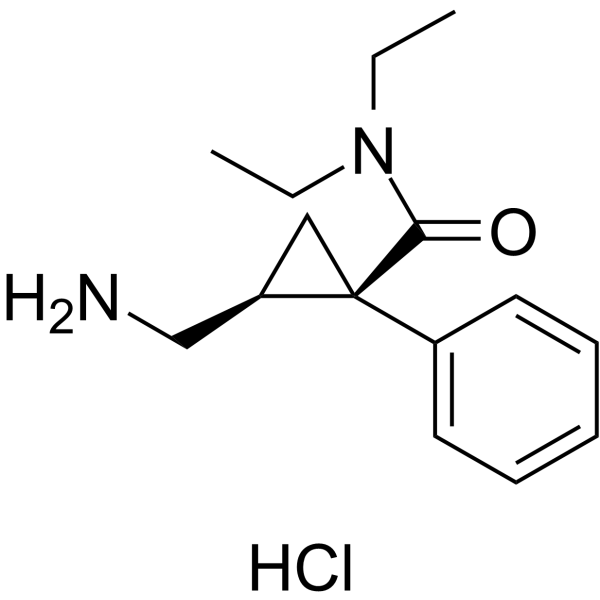
Milnacipran hydrochloride is an orally active Serotonin (HY-B1473A) and Norepinephrine (HY-13715) reuptake inhibitor. Milnacipran hydrochloride inhibits monoamine transporters, especially the norepinephrine transporter and the serotonin transporter (Ki values of 31 and 8.5 nM, respectively). Milnacipran hydrochloride inhibits pERK1/2 activation. Milnacipran hydrochloride has antidepressant, anxiolytic and analgesic properties. Milnacipran hydrochloride inhibits biting behavior in mice. Milnacipran hydrochloride can be used in the study of major depressive disorder, anxiety disorders, and neuropathic pain (e.g., fibromyalgia) .
|
-
-
- HY-15793
-
|
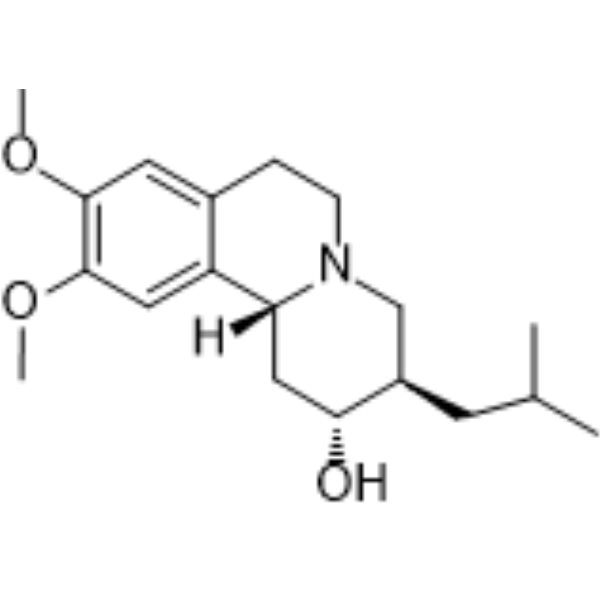
(+)-DTBZ; (+)-α-Dihydrotetrabenazine; (+)-α-DHTBZ
|
Monoamine Transporter
|
Neurological Disease
|
|
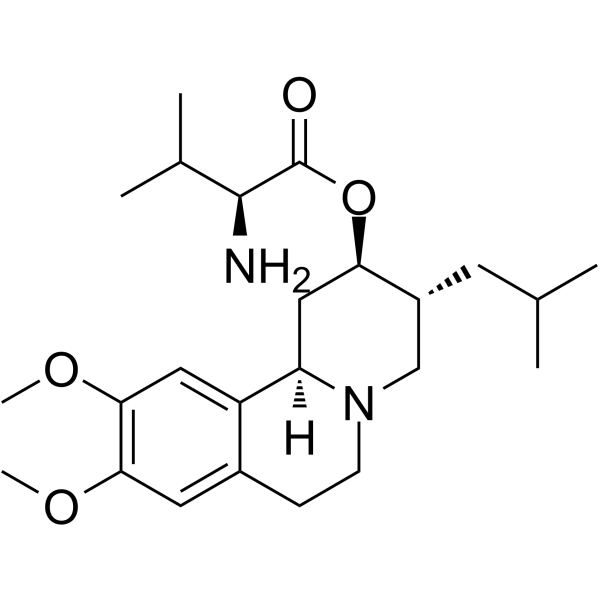
NBI-98782 is a high affinity and selectivity vesicular monoamine transporter 2 (VMAT2) inhibitor with a Ki of 3 nM. NBI-98782 has antipsychotic activity .
|
-
-
- HY-107740
-
|
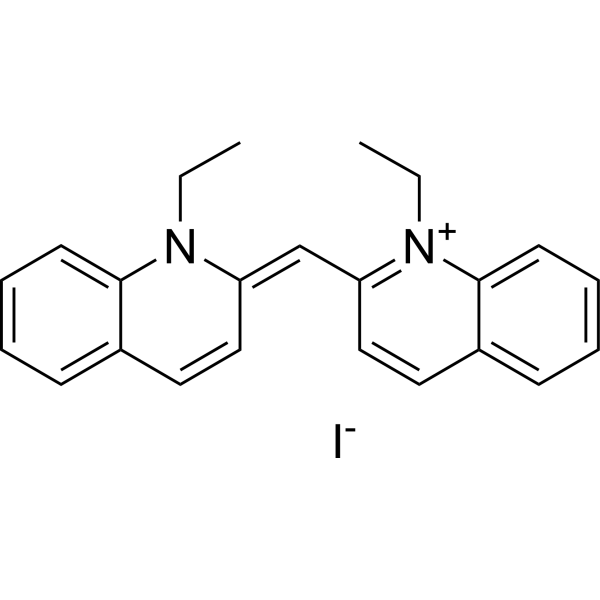
1,1'-Diethyl-2,2'-cyanine iodide; Decynium 22; Diethylcyanine iodide; Eastman 7851
|
Monoamine Transporter
Serotonin Transporter
|
Neurological Disease
|
|
Pseudoisocyanine iodide (1,1'-Diethyl-2,2'-cyanine iodide) is an inhibitor of organic cation transporters (OCT1, OCT2, OCT3) and plasma membrane monoamine transporter (PMAT). Pseudoisocyanine iodide has antidepressant activity .
|
-
-
- HY-13779
-
|
|
Monoamine Oxidase
Dopamine Transporter
|
Neurological Disease
|
|
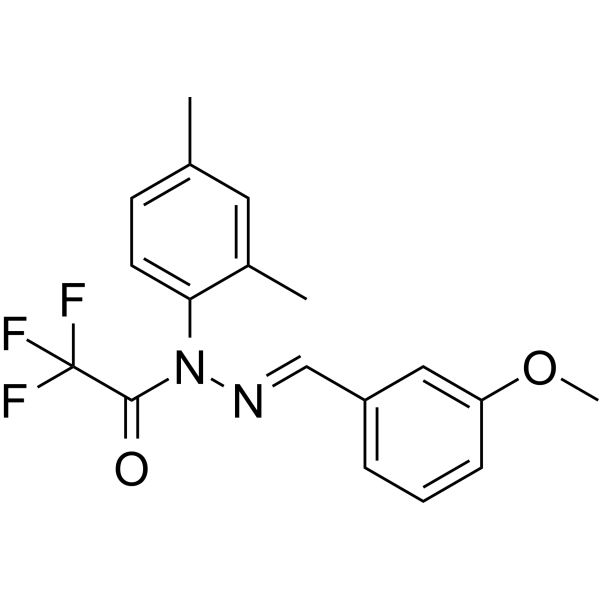
(E/Z)-J147 is an exceptionally potent, orally active, neuroprotective agent for cognitive enhancement. (E/Z)-J147 can readily pass the blood brain barrier (BBB). (E/Z)-J147 can inhibit monoamine oxidase B (MAO B) and the dopamine transporter with EC50 values of 1.88 μM and 0.649 μM, respectively. (E/Z)-J147 has potential for the study of Alzheimer’s disease (AD) .
|
-
-
- HY-N0480A
-
-
-
- HY-15084A
-
|
(-)-MK-801 maleate
|
iGluR
|
Neurological Disease
|
|
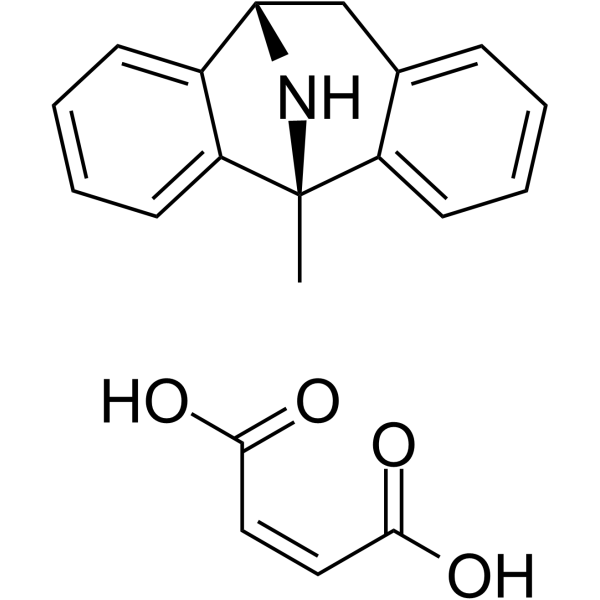
(-)-Dizocilpine maleate ((-)-MK-801 maleate) is a less active (-)-enantiomer of Dizocilpine. (-)-Dizocilpine maleate is a selective and non-competitive N-methyl-D-aspartate (NMDA) receptor antagonist with a Ki of 211.7 nM. (-)-Dizocilpine maleate has antidepressant effects .
|
-
-
- HY-149170
-
|
|
5-HT Receptor
Monoamine Transporter
|
Neurological Disease
|
|
FFN246 is a fluorescent, dual substrate of serotonin transporter (SERT) probe and vesicular monoamine transporter 2 (VMAT2) with excitation and emission spectra 392/427 nm. FFN246 can be used for labeling serotonergic neurons in mouse brain tissue through SERT-dependent accumulation .
|
-
-
- HY-13779A
-
|
|
Monoamine Oxidase
Dopamine Transporter
|
Neurological Disease
|
|
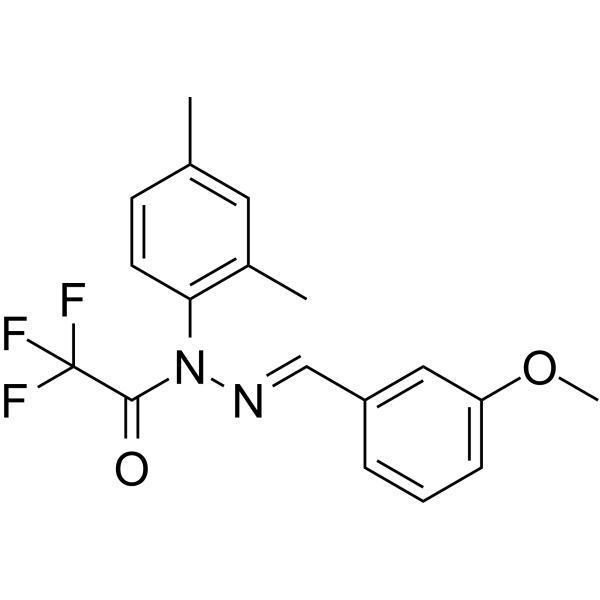
J147 is an exceptionally potent, orally active, neuroprotective agent for cognitive enhancement. J147 can pass the blood brain barrier (BBB). J147 can inhibit monoamine oxidase B (MAO B) and the dopamine transporter. J147 plays an impotant role in Alzheimer’s disease (AD) .
|
-
-
- HY-16771A
-
-
-
- HY-N7506
-
|
Delta3,2-Hydroxylbakuchiol
|
Monoamine Transporter
Dopamine Transporter
|
Neurological Disease
|
|
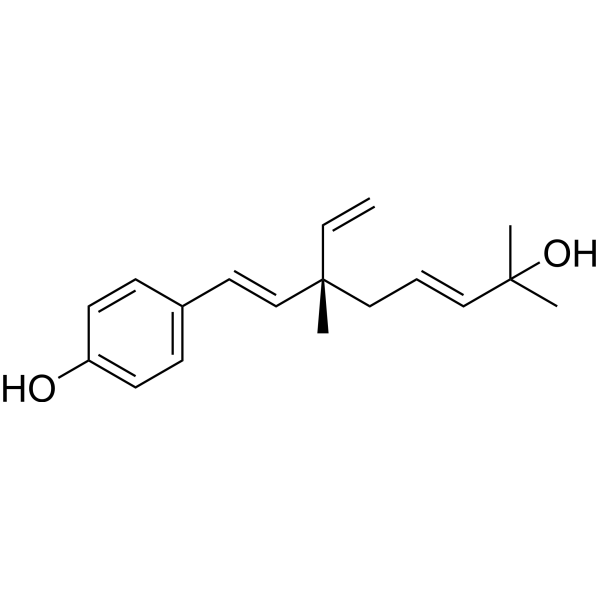
13-Hydroxyisobakuchiol (Delta3,2-Hydroxylbakuchiol), an analog of Bakuchiol (HY-N0235) that can be isolated from Psoralea corylifolia (L.), is a potent selective monoamine transporter inhibitor. 13-Hydroxyisobakuchiol is more selective for the dopamine transporter (DAT) (IC50 = 0.58 μM) and norepinephrine transporter (NET) (IC50 = 0.69 μM) than for the serotonin transporter (SERT) (IC50 = 312.02 μM). 13-Hydroxyisobakuchiol increases the activity of intact mice and improves the decreased activity of reserpinized mice in vivo. 13-Hydroxyisobakuchiol can be used for the research of disorders such as Parkinson's disease and depression .
|
-
-
- HY-110019
-
|
Lu 19-005
|
Serotonin Transporter
Dopamine Transporter
|
Neurological Disease
|
|
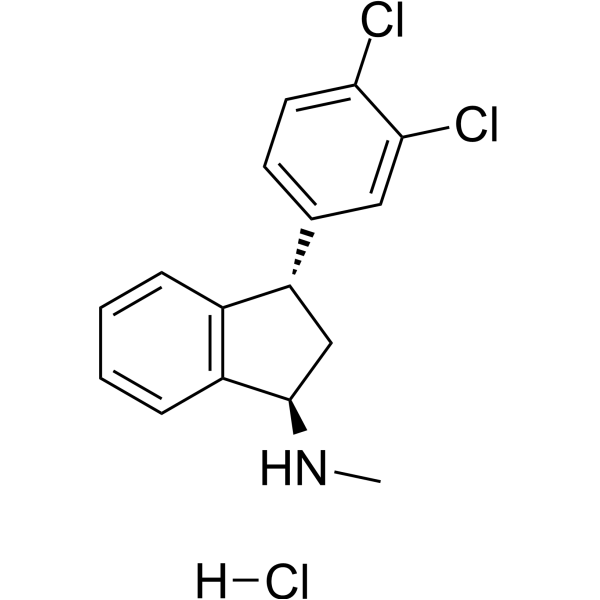
Indatraline hydrochloride (Lu 19-005) is a non-selective monoamine transporter inhibitor that blocks the reuptake of neurotransmitters (dopamine, serotonin, and norepinephrine). Indatraline hydrochloride can be used for the research of antidepressive. Indatraline hydrochloride induces autophagy while simultaneously inhibiting cell proliferation. Indatraline hydrochloride may also serve to direct the development of new agents for autophagy-related diseases such as atherosclerosis or restenosis .
|
-
-
- HY-110334
-
|
|
Fluorescent Dye
|
Others
|
|
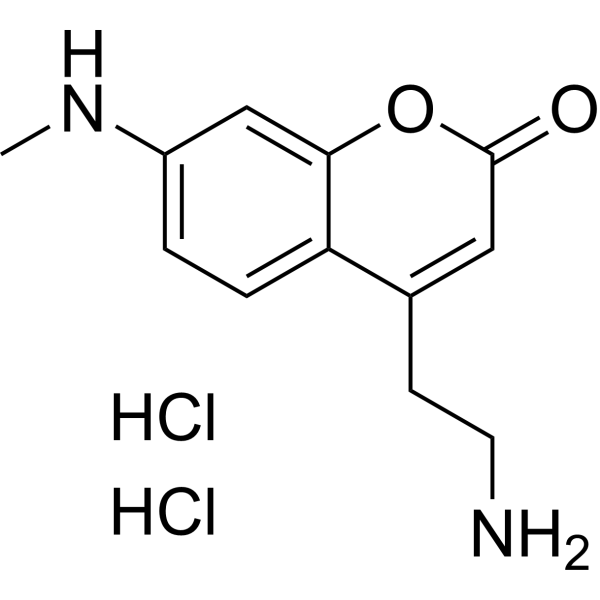
FFN 206 dihydrochloride, a fluorescent probe, is used as an excellent Vesicular Monoamine Transporter 2 (VMAT2) substrate with an apparent Km of 1.16 μM. FFN 206 dihydrochloride is capable of detecting VMAT2 activity in intact cells using fluorescence microscopy, with subcellular localization to VMAT2-expressing acidic compartments without apparent labeling of other organelles .
|
-
-
- HY-N0480S
-
-
-
- HY-N0480R
-
-
-
- HY-B0168
-
|
|
Serotonin Transporter
PERK
|
Neurological Disease
|
|
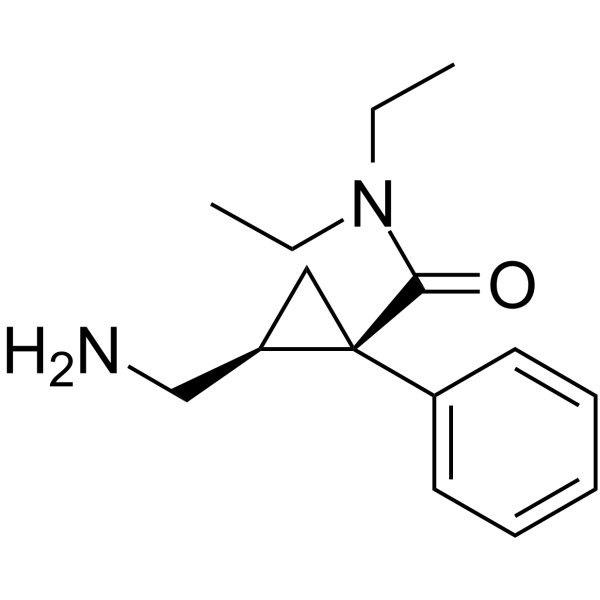
Milnacipran is an orally active Serotonin (HY-B1473A) and Norepinephrine (HY-13715) reuptake inhibitor. Milnacipran inhibits monoamine transporters, especially the norepinephrine transporter and the serotonin transporter (Ki values of 31 and 8.5 nM, respectively). Milnacipran inhibits pERK1/2 activation. Milnacipran has antidepressant, anxiolytic and analgesic properties. Milnacipran inhibits biting behavior in mice. Milnacipran can be used in the study of major depressive disorder, anxiety disorders, and neuropathic pain (e.g., fibromyalgia) .
|
-
-
- HY-B0590B
-
|
(+)-TBZ; (3R,11bR)-TBZ; (3R,11bR)-Tetrabenazine
|
Monoamine Transporter
|
Cancer
|
|
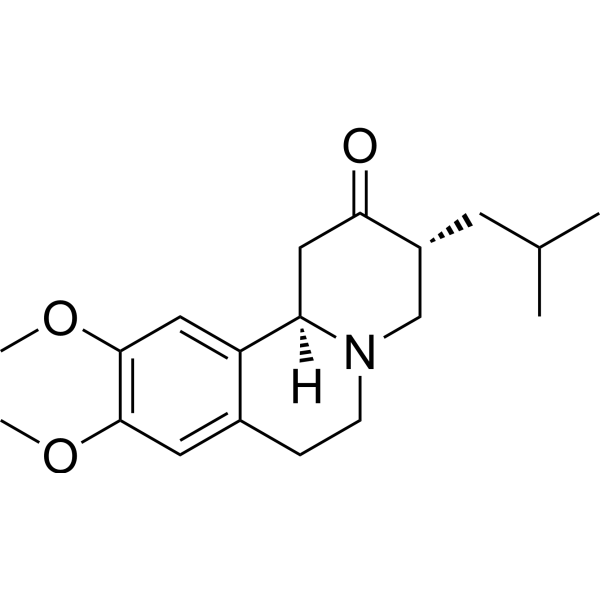
(+)-Tetrabenazine ((+)-TBZ; (3R,11bR)-TBZ; (3R,11bR)-Tetrabenazine) is a reversible inhibitor of vesicular monoamine transporter 2 (VMAT-2), inhibits transport by VMAT2 with 10-fold greater potency than transport by VMAT1.
|
-
-
- HY-103465
-
|
|
Monoamine Transporter
|
Others
|
|
FFN511 is a potent fluorescent false neurotransmitters (FFNs) that targets neuronal vesicular monoamine transporter 2 (VMA T2). FFN511 inhibits serotonin binding to VMA T2-containing membranes with an IC50 of 1 µM. FFN511 directly images the dynamics of release during exocytosis, can be used to label dopamine terminals in live cortical-striatalacute slices .
|
-
-
- HY-G0025
-
|
(-)-β-Dihydrotetrabenazine; (-)-β-HTBZ
|
Monoamine Transporter
Drug Metabolite
|
Neurological Disease
|
|
Tetrabenazine Metabolite is an active metabolite of Tetrabenazine. Tetrabenazine Metabolite is a vesicular monoamine transporter 2 (VMAT2) inhibitor with a high affinity (Ki=13.4 nM) . Tetrabenazine Metabolite is be developed for the treatment of chorea associated with Huntington’s disease and other hyperkinetic disorders .
|
-
-
- HY-131007
-
|
|
Adrenergic Receptor
|
Metabolic Disease
|
|
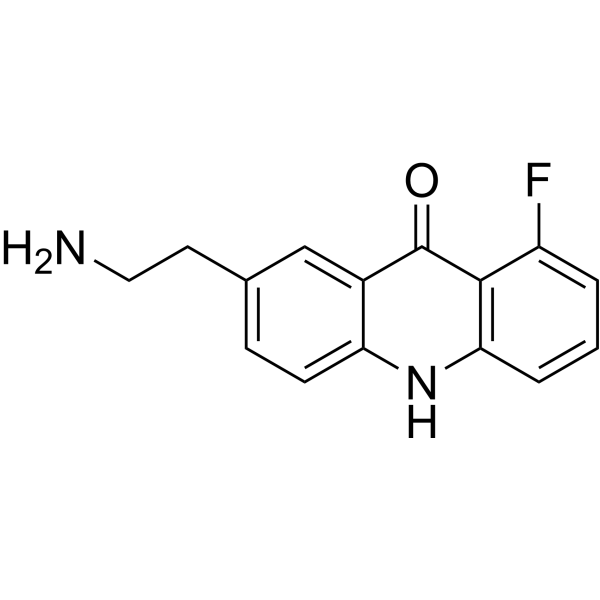
FFN270 hydrochloride, a fluorescent tracer of norepinephrine, is a fluorescent substrate of the norepinephrine and vesicular monoamine transporters. FFN270 hydrochloride exhibits two resolved absorption/excitation maxima depending on solvent pH (FFN270 ex: 320 nm or 365 nm, em: 475 nm) and can function as ratiometric fluorescent pH-sensors .
|
-
-
- HY-158555
-
|
|
Monoamine Transporter
|
Neurological Disease
|
|
4-Ethyl-N,N-Dmc hydrochloride is an analog of Methedrone. Methedrone acts as a non-selective substrate for monoamine transporters, facilitating a neurotransmitter release .
|
-
-
- HY-119468
-
|
|
Dopamine Transporter
|
Neurological Disease
|
|
Medifoxamine is an orally active monoamine reuptake inhibitor and antidepressant. Medifoxamine preferentially inhibits presynaptic dopamine reuptake. Medifoxamine acts as an intraocular pressure-lowering agent to reduce intraocular pressure, and also functions as a miotic agent to decrease pupil diameter. Medifoxamine exhibits characteristic properties of antidepressant compounds, including preventing hypothermia induced by Reserpine (HY-N0480) or Apomorphine (HY-12723), potentiating the toxic effects of Yohimbine (HY-N0127) in mice, and reducing immobility behavior in mice and rats in the "behavioral despair" model. Medifoxamine has no anticholinergic activity. Medifoxamine can be used in research related to depression .
|
-
-
- HY-B0590D
-
|
(-)-TBZ; (3S,11bS)-TBZ; (3S,11bS)-Tetrabenazine
|
Monoamine Transporter
|
Neurological Disease
|
|
(-)-Tetrabenazine ((-)-TBZ; compound 13) is an enantiomer of Tetrabenazine (HY-B0590). (+)-Tetrabenazine proves 3-fold more active than (-)-Tetrabenazine in inhibiting vesicular monoamine transporter 2 (VMAT2) .
|
-
-
- HY-141554
-
|
DHTBZ
|
Monoamine Transporter
|
Neurological Disease
|
|
Dihydrotetrabenazine (DHTBZ) is the active metabolite of Tetrabenazine (HY-B0590). Dihydrotetrabenazine is the inhibitor for human vesicular monoamine transporter 2 (VMAT2), that reduces monoamine content in presynaptic neurons, and can be used in movement disorder research .
|
-
-
- HY-W703376
-
-
-
- HY-172421
-
-
-
- HY-117883
-
|
|
Monoamine Transporter
|
Neurological Disease
|
|
GZ-793A is an orally active and selective vesicular monoamine transporter-2 (VMAT2) inhibitor, with an Ki of 0.029 µM. GZ-793A inhibits the neurochemical effects of methamphetamine (METH)-induced dopamine release. GZ-793A can be used for research of METH addiction .
|
-
-
- HY-15793A
-
|
(2R,3R,11bR)-rel-Dihydrotetrabenazine; (2R,3R,11bR)-rel-DHTBZ
|
Drug Metabolite
Monoamine Transporter
|
Neurological Disease
|
|
Trans (2,3)-Dihydrotetrabenazine ((2R,3R,11bR)-rel-Dihydrotetrabenazine), a metabolite of Tetrabenazine, shows remarkable inhibition activity on vesicular monoamine transporter (VMAT2) .
|
-
-
- HY-B0168S
-
|
|
Isotope-Labeled Compounds
Serotonin Transporter
PERK
|
Neurological Disease
|
|
Milnacipran-d10 (hydrochloride) is the deuterium labeled Milnacipran hydrochloride (HY-B0168A). Milnacipran hydrochloride is an orally active Serotonin (HY-B1473A) and Norepinephrine (HY-13715) reuptake inhibitor. Milnacipran hydrochloride inhibits monoamine transporters, especially the norepinephrine transporter and the serotonin transporter (Ki values of 31 and 8.5 nM, respectively). Milnacipran hydrochloride inhibits pERK1/2 activation. Milnacipran hydrochloride has antidepressant, anxiolytic and analgesic properties. Milnacipran hydrochloride inhibits biting behavior in mice. Milnacipran hydrochloride can be used in the study of major depressive disorder, anxiety disorders, and neuropathic pain (e.g., fibromyalgia) .
|
-
-
- HY-18332B
-
|
|
Dopamine Transporter
Adrenergic Receptor
5-HT Receptor
|
Neurological Disease
|
|
DOV-102,677 is an orally sctive triple monoamine neurotransmitter reuptake inhibitor that simultaneously inhibits the dopamine (DAT) (IC50 = 129 nM; Ki = 222 nM), norepinephrine (NET) (IC50 = 103 nM; Ki = 1030 nM), and serotonin (SERT) (IC50 = 133 nM; Ki = 740 nM) transporters. DOV-102,677 demonstrated significant antidepressant-like activity and sensory-motor gating regulatory effects in mouse experiments. DOV-102,677 can be used for research on depression .
|
-
-
- HY-16771R
-
|
NBI-98854 (Standard)
|
Monoamine Transporter
Reference Standards
|
Neurological Disease
|
|
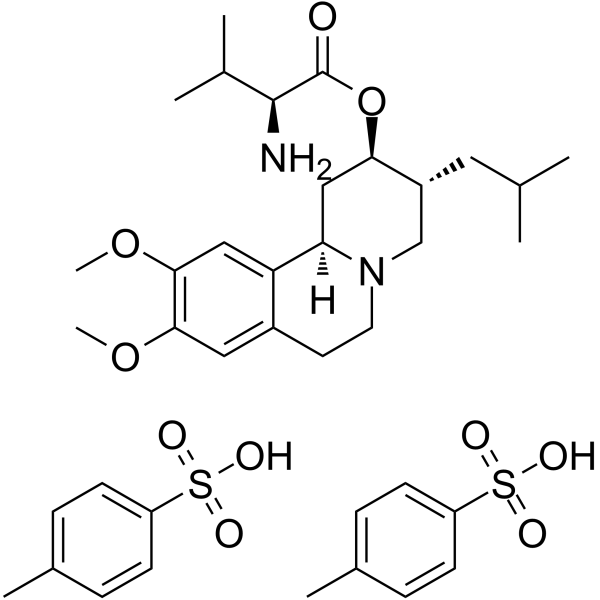
Valbenazine (Standard) is the analytical standard of Valbenazine. This product is intended for research and analytical applications. Valbenazine (NBI-98854) is a vesicular monoamine transporter 2 (VMAT2) inhibitor with the Ki of 110-190 nM .
|
-
-
- HY-147333
-
|
|
Drug Metabolite
|
Neurological Disease
|
|
Trimipramine N-oxide is an active metabolite of the tricyclic antidepressant trimipramine. Trimipramine N-oxide inhibits the human monoamine transporters for noradrenaline (hNAT), serotonin (hSERT), dopamine (hDAT) and the human organic cation transporters (hOCT1 and hOCT2) with IC50s of 11.7, 3.59, 9.4, 9.35 and 27.4 nM, respectively. Trimipramine N-oxide can be used for the research of depression and anxiety .
|
-
-
- HY-B0590S1
-
-
-
- HY-N0480AR
-
-
-
- HY-161433
-
|
|
Monoamine Transporter
|
Neurological Disease
|
|
VMAT2-IN-3 (compound 10) is a potent vesicular monoamine transporter-2 (VMAT2) inhibitor with a Ki of 0.71 nM. VMAT2-IN-3 has the potential for neurological or psychiatric disease research .
|
-
-
- HY-117542
-
|
|
Histone Methyltransferase
|
Neurological Disease
|
|
D595 is a phenylethylamine calcium channel blocker with potent negative inotropic activity. D595 has shown significant efficacy in its corresponding pharmacological studies, especially in inhibiting the uptake of monoamine neurotransmitters. D595 has high affinity in binding to the dopamine transporter (DAT), serotonin transporter (SERT), and norepinephrine transporter (NET). Structural adjustments of D595, especially changes in the hydroxyl stereochemistry, significantly affect its interaction with the transporters, showing a specific preference for stereoisomers .
|
-
-
- HY-173398
-
|
|
iGluR
Monoamine Transporter
Serotonin Transporter
Dopamine Transporter
|
Neurological Disease
|
|
NMDAR antagonist 5 (Compound A17) is a multi-target antagonist against NMDAR and monoamine transporters (SERT、DAT and NET). NMDAR antagonist 5 shows good NMDAR antagonistic potency (IC50 = 0.3 μM) and monoamine transporter activities (SERT IC50 = 1.1 μM、DAT IC50 = 0.7 μM、NET IC50 = 2.7 μM). NMDAR antagonist 5 is highly safe and has low toxicity (hepatotoxicity and nephrotoxicity (IC50 > 100 μM); cardiotoxicity (IC50 = 24.5 μM)). NMDAR antagonist 5 has antidepressant effects and can be used in the study of depression .
|
-
-
- HY-152171
-
|
|
Monoamine Transporter
|
Neurological Disease
|
|
GZ-11608 is a potent and selective vesicular monoamine transporter-2 (VMAT2) inhibitor with high affinity (Ki = 25 nM). GZ-11608 decreases methamphetamine-induced dopamine release from isolated synaptic vesicles from brain dopaminergic neurons. GZ-11608 exhibits rapid brain penetration and without neurotoxicity. GZ-11608 can be used for the research of methamphetamine use disorder .
|
-
-
- HY-120788
-
|
|
Monoamine Transporter
|
Others
|
|
VMAT2-IN-4 (compound 11) is a vesicular monoamine transporter-2 (VMAT2) inhibitor. VMAT2-IN-4 inhibits [ 3H]-DTBZ binding (Ki = 560 nM). VMAT2-IN-4 inhibits [ 3H]-DA (Ki = 45 nM) from entering vesicles and being taken up by cells. VMAT2-IN-4 can be used in methamphetamine addiction research .
|
-
-
- HY-B0168AS
-
|
|
Isotope-Labeled Compounds
Serotonin Transporter
PERK
|
Neurological Disease
|
|
Milnacipran-d5 hydrochloride is deuterium labeled Milnacipran hydrochloride (HY-B0168A). Milnacipran hydrochloride is an orally active Serotonin (HY-B1473A) and Norepinephrine (HY-13715) reuptake inhibitor. Milnacipran hydrochloride inhibits monoamine transporters, especially the norepinephrine transporter and the serotonin transporter (Ki values of 31 and 8.5 nM, respectively). Milnacipran hydrochloride inhibits pERK1/2 activation. Milnacipran hydrochloride has antidepressant, anxiolytic and analgesic properties. Milnacipran hydrochloride inhibits biting behavior in mice. Milnacipran hydrochloride can be used in the study of major depressive disorder, anxiety disorders, and neuropathic pain (e.g., fibromyalgia) .
|
-
-
- HY-B0168AR
-
|
|
Reference Standards
Serotonin Transporter
PERK
|
Neurological Disease
|
|
Milnacipran (hydrochloride) (Standard) is the analytical standard of Milnacipran hydrochloride (HY-B0168A). This product is intended for research and analytical applications. Milnacipran hydrochloride is an orally active Serotonin (HY-B1473A) and Norepinephrine (HY-13715) reuptake inhibitor. Milnacipran hydrochloride inhibits monoamine transporters, especially the norepinephrine transporter and the serotonin transporter (Ki values of 31 and 8.5 nM, respectively). Milnacipran hydrochloride inhibits pERK1/2 activation. Milnacipran hydrochloride has antidepressant, anxiolytic and analgesic properties. Milnacipran hydrochloride inhibits biting behavior in mice. Milnacipran hydrochloride can be used in the study of major depressive disorder, anxiety disorders, and neuropathic pain (e.g., fibromyalgia) .
|
-
-
- HY-141554A
-
|
(2S,3S,11bR)-DHTBZ
|
Monoamine Transporter
|
Neurological Disease
|
|
(2S,3S,11bR)-Dihydrotetrabenazine ((2S,3S,11bR)-DHTBZ) is a highly selective inhibitor of vesicular monoamine transporter 2 (VMAT2) with a Ki value of 593 nM. (2S,3S,11bR)-Dihydrotetrabenazine inhibits vesicular transport of monoamine neurotransmitters like dopamine and serotonin, reducing their synaptic release. (2S,3S,11bR)-Dihydrotetrabenazine is promising for research of Huntington's chorea and other hyperkinetic disorders .
|
-
-
- HY-118990
-
|
|
Histone Methyltransferase
|
Neurological Disease
|
|
Lobelane hydrochloride is a biologically active compound that has the activity of inhibiting vesicular monoamine transporter-2 (VMAT2). Lobelane hydrochloride has a low affinity for nicotinic acetylcholine receptors (nAChR), thereby enhancing its selectivity for VMAT2. Synthetic structural changes of lobelane hydrochloride have led to some related analogs that show mild changes in affinity for VMAT2. The most potent synthetic lobelane hydrochloride obtained after structural modification has a K(i) value of 630 nM, showing significant VMAT2 selectivity. The biological activity of lobelane hydrochloride suggests that it has the potential to be used in the development of compounds to inhibit methamphetamine abuse .
|
-
-
- HY-103465B
-
|
|
Monoamine Transporter
|
Others
|
|
FFN511 (hydrochloride) is a potent fluorescent false neurotransmitters (FFNs) that targets neuronal vesicular monoamine transporter 2 (VMA T2). FFN511 (hydrochloride) inhibits serotonin binding to VMA T2-containing membranes with an IC50 of 1 µM. FFN511 (hydrochloride) directly images the dynamics of release during exocytosis, can be used to label dopamine terminals in live cortical-striatalacute slices .
|
-
-
- HY-153127
-
|
AV-133
|
Biochemical Assay Reagents
|
Neurological Disease
|
|
Florbenazine (AV-133) is a diagnostic imaging agent targeting the central nervous system monoamine transporter VMAT2, and its F-18 labeled form can be used for PET scanning. The biodistribution of [18F]Florbenazine in mice shows a high striatum/cerebellum ratio (0.48), which can be used for the diagnostic research of neurodegenerative diseases (including dementia with Lewy bodies and Parkinson's disease) .
|
-
-
- HY-W569115
-
|
|
Tau Protein
|
Neurological Disease
|
|
JNJ-64326067 is an aggregated tau-binding agent with blood-brain barrier permeability, with a Ki of 2.4 nM. JNJ-64326067 selectively binds to aggregated tau protein but does not bind to aggregated β-amyloid protein, and shows no significant off-target binding to the tested receptors, ion channels, transporters, kinases or monoamine oxidases. JNJ-64326067 is applicable to the research of Alzheimer's disease .
|
-
-
- HY-W680886
-
|
|
Monoamine Transporter
Serotonin Transporter
Dopamine Transporter
5-HT Receptor
|
Neurological Disease
|
|
6-APDB is a class of monoamine neurotransmitter releaser and Monoamine Transporter modulator that exerts selective effects on human monoamine transporters and acts as a partial agonist at 5-HT2 family receptors. For NET, 6-APDB has an IC50 of 0.56 μM and a Ki of 18 μM; for SERT, it has an IC50 of 2.3 μM and a Ki of 23 μM; for DAT, it has an IC50 of 33 μM and a Ki of >30 μM, and affinity for rat and mouse TAAR1, with Ki values of 1.0 μM and 0.21 μM, respectively. 6-APDB inhibits norepinephrine and 5-HT reuptake, mediates the release of three types of monoamine neurotransmitters, shows a dose-dependent biphasic locomotor effect in mice, and fully substitutes the discriminative stimulus effect of MDMA. 6-APDB shows no significant cytotoxicity at high concentrations, and possesses empathogenic psychoactivity, potential hallucinogenic effects, and behavioral effects associated with intermittent abuse .
|
-
-
- HY-107740R
-
|
1,1'-Diethyl-2,2'-cyanine iodide (Standard); Decynium 22 (Standard); Diethylcyanine iodide (Standard); Eastman 7851 (Standard)
|
Reference Standards
Monoamine Transporter
Serotonin Transporter
|
Neurological Disease
|
|
Pseudoisocyanine iodide (Standard) is the analytical standard of Pseudoisocyanine (iodide) (HY-107740). This product is intended for research and analytical applications. Pseudoisocyanine iodide (1,1'-Diethyl-2,2'-cyanine iodide) is an inhibitor of organic cation transporters (OCT1, OCT2, OCT3) and plasma membrane monoamine transporter (PMAT). Pseudoisocyanine iodide has antidepressant activity .
|
-
-
- HY-103465R
-
|
|
Reference Standards
Monoamine Transporter
|
Others
|
|
FFN511 (Standard) is the analytical standard of FFN511 (HY-103465). This product is intended for research and analytical applications. FFN511 is a potent fluorescent false neurotransmitters (FFNs) that targets neuronal vesicular monoamine transporter 2 (VMA T2). FFN511 inhibits serotonin binding to VMA T2-containing membranes with an IC50 of 1 μM. FFN511 directly images the dynamics of release during exocytosis, can be used to label dopamine terminals in live cortical-striatalacute slices .
|
-
- HY-N18471
-
|
5,7-DHP
|
Monoamine Oxidase
5-HT Receptor
|
Cardiovascular Disease
Neurological Disease
|
|
5,7-Dihydroxytryptamine (5,7-DHP) is an autofluorescent (λex≈365 nm), selective neurotoxin and a transport substrate for MAO-A and 5-HT. 5,7-Dihydroxytryptamine can specifically target and damage central and peripheral 5-HTergic neurons, while affecting 5-HT-related pathways and neurotransmitter balance. 5,7-Dihydroxytryptamine can be used to establish 5-HTergic neuron injury models for studies on neural development, neurodegenerative diseases, as well as mechanisms related to platelet function and retinal neurons .
|
-
-
-
HY-L906
-
|
|
647 compounds
|
|
On May 15, 2024, "Dimerization and antidepressant recognition at noradrenaline transporter" was published online by Nature. The research findings were an effort from Shanghai Institute of Materia Medica, Chinese Academy of Sciences. This study unraveled the important neural system target - the noradrenaline transporter (NET), obtaining the binding modes of human NET homodimers with the natural substrate norepinephrine (NE) and six selective antidepressants. It laid an important theoretical foundation for understanding the physiological regulation mechanisms of NET and other monoamine transporters.
The Norepinephrine Transporter (NET) Compound Library is obtained by computer-aided virtual screening based on the HY-L901 compound library . The specific screening process includes molecular docking screening, key pharmacophore screening, and CNS-MPO screening, which can be used for new drug discovery targeting the noradrenaline transporter.
|
| Cat. No. |
상품명 |
Category |
Target |
Chemical Structure |
-
- HY-N0480
-
-
-
- HY-N0480A
-
-
-
- HY-N7506
-
|
Delta3,2-Hydroxylbakuchiol
|
Structural Classification
Monophenols
Leguminosae
Phenols
Psoralea corylifolia L.
Plants
Source Classification
|
Monoamine Transporter
Dopamine Transporter
|
|
13-Hydroxyisobakuchiol (Delta3,2-Hydroxylbakuchiol), an analog of Bakuchiol (HY-N0235) that can be isolated from Psoralea corylifolia (L.), is a potent selective monoamine transporter inhibitor. 13-Hydroxyisobakuchiol is more selective for the dopamine transporter (DAT) (IC50 = 0.58 μM) and norepinephrine transporter (NET) (IC50 = 0.69 μM) than for the serotonin transporter (SERT) (IC50 = 312.02 μM). 13-Hydroxyisobakuchiol increases the activity of intact mice and improves the decreased activity of reserpinized mice in vivo. 13-Hydroxyisobakuchiol can be used for the research of disorders such as Parkinson's disease and depression .
|
-
-
- HY-N0480R
-
-
-
- HY-N0480AR
-
-
-
- HY-N18471
-
|
5,7-DHP
|
Structural Classification
Alkaloids
Animals
Indole Alkaloids
Source Classification
|
Monoamine Oxidase
5-HT Receptor
|
|
5,7-Dihydroxytryptamine (5,7-DHP) is an autofluorescent (λex≈365 nm), selective neurotoxin and a transport substrate for MAO-A and 5-HT. 5,7-Dihydroxytryptamine can specifically target and damage central and peripheral 5-HTergic neurons, while affecting 5-HT-related pathways and neurotransmitter balance. 5,7-Dihydroxytryptamine can be used to establish 5-HTergic neuron injury models for studies on neural development, neurodegenerative diseases, as well as mechanisms related to platelet function and retinal neurons .
|
-
| Cat. No. |
상품명 |
Chemical Structure |
-
- HY-N0480S
-
|
|
|
Reserpine-d9 is the deuterium labeled Reserpine. Reserpine is an inhibitor of the vesicular monoamine transporter 2 (VMAT2).
|
-
-
- HY-B0168S
-
|
|
|
Milnacipran-d10 (hydrochloride) is the deuterium labeled Milnacipran hydrochloride (HY-B0168A). Milnacipran hydrochloride is an orally active Serotonin (HY-B1473A) and Norepinephrine (HY-13715) reuptake inhibitor. Milnacipran hydrochloride inhibits monoamine transporters, especially the norepinephrine transporter and the serotonin transporter (Ki values of 31 and 8.5 nM, respectively). Milnacipran hydrochloride inhibits pERK1/2 activation. Milnacipran hydrochloride has antidepressant, anxiolytic and analgesic properties. Milnacipran hydrochloride inhibits biting behavior in mice. Milnacipran hydrochloride can be used in the study of major depressive disorder, anxiety disorders, and neuropathic pain (e.g., fibromyalgia) .
|
-
-
- HY-B0590S1
-
|
|
|
(+)-Tetrabenazine-d6 is the deuterium labeled (+)-Tetrabenazine. (+)-Tetrabenazine is a reversible inhibitor of vesicular monoamine transporter 2 (VMAT-2).
|
-
-
- HY-B0168AS
-
|
|
|
Milnacipran-d5 hydrochloride is deuterium labeled Milnacipran hydrochloride (HY-B0168A). Milnacipran hydrochloride is an orally active Serotonin (HY-B1473A) and Norepinephrine (HY-13715) reuptake inhibitor. Milnacipran hydrochloride inhibits monoamine transporters, especially the norepinephrine transporter and the serotonin transporter (Ki values of 31 and 8.5 nM, respectively). Milnacipran hydrochloride inhibits pERK1/2 activation. Milnacipran hydrochloride has antidepressant, anxiolytic and analgesic properties. Milnacipran hydrochloride inhibits biting behavior in mice. Milnacipran hydrochloride can be used in the study of major depressive disorder, anxiety disorders, and neuropathic pain (e.g., fibromyalgia) .
|
-
Your information is safe with us. * Required Fields.
Inquiry Information
- 상품명:
- Cat. No.:
- 수량:
- MCE Japan Authorized Agent:

