1. Search Result
Search Result
Results for "

mouse cortex

" in MedChemExpress (MCE) Product Catalog:

31

Inhibitors & Agonists

4

Peptides

1

Inhibitory Antibodies

2

Natural
Products

Cat. No. Product Name Target Research Areas Chemical Structure
  • HY-15498
    Rimegepant
    Maximum Cited Publications
    10 Publications Verification

    BMS-927711; BHV-3000

    CGRP Receptor Neurological Disease
    Rimegepant (BMS-927711; BHV-3000) is an orally bioavailable and blood-brain barrier permeable antagonist of CGRP and AMY1 receptors, with a pIC50 of 8.01 and a Ki of 0.027 nM for human CGRP receptors. Rimegepant antagonizes cAMP production induced by αCGRP, βCGRP and amylin at CGRP and AMY1 receptors in humans, rats and mice, as well as at rat AMY3 receptors. Rimegepant can be used in research related to migraine .
    Rimegepant
  • HY-B0267A

    mAChR Potassium Channel Neurological Disease Cancer
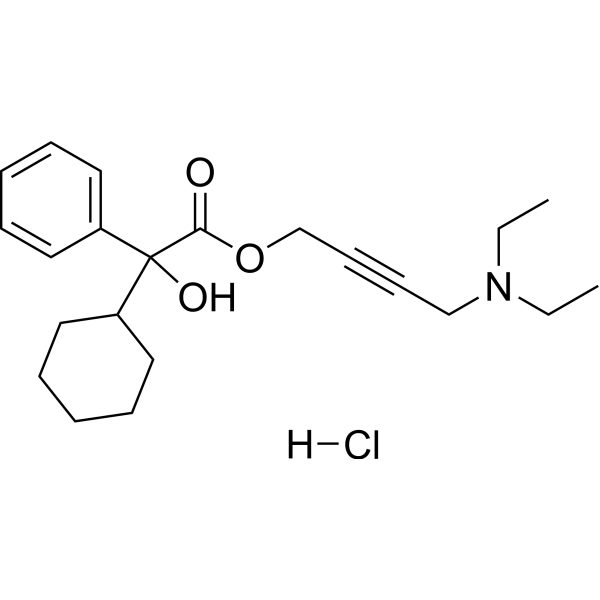
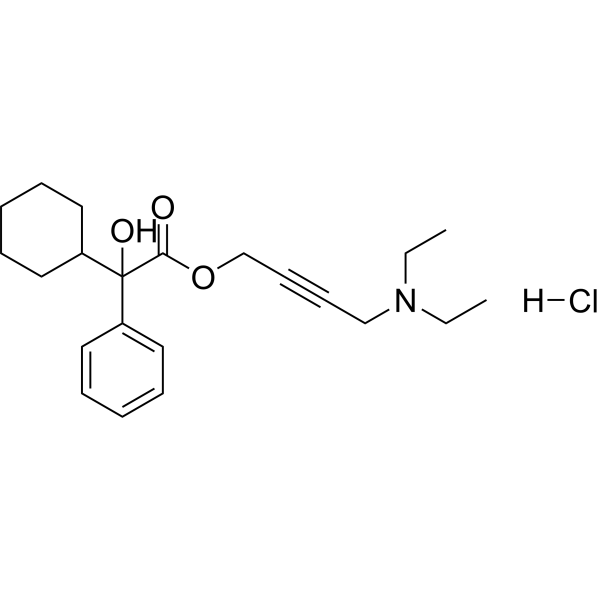
    Oxybutynin chloride is an oral active and competitive mAChR antagonist with Kis of 14.3 and 5.55 nM for specific [ 3H]NMS binding in the mouse bladder and cerebral cortex, respectively. Oxybutynin chloride inhibits vascular Kv channels in a manner independent of anticholinergic effect, with an IC50 value of 11.51 μM. Oxybutynin chloride reduces muscle spasm in the bladder and urinary tract, can be used in study of overactive bladder syndrome (OAB) . Oxybutynin (chloride) is a click chemistry reagent, it contains an Alkyne group and can undergo copper-catalyzed azide-alkyne cycloaddition (CuAAc) with molecules containing Azide groups.
    Oxybutynin chloride
  • HY-B2167R

    DHA (Standard); Cervonic acid (Standard)

    Reference Standards Endogenous Metabolite Neurological Disease Cancer
    Docosahexaenoic acid (Standard) is the analytical standard of Docosahexaenoic acid. This product is intended for research and analytical applications. Docosahexaenoic Acid (DHA) is an omega-3 fatty acid abundantly present brain and retina. It can be obtained directly from fish oil and maternal milk. In Vitro: Docosahexaenoic acid (DHA) is essential for the growth and functional development of the brain in infants. DHA is also required for maintenance of normal brain function in adults. The inclusion of plentiful DHA in the diet improves learning ability and memory . DHA is an essential requirement in every step of brain development like neural cell proliferation, migration, differentiation, synaptogenesis. The multiple double bonds and unique structure allow DHA to impart special membrane characteristics for effective cell signaling. Many development disorders like dyslexia, autism spectrum disorder, attention deficit hyperactivity disorder, schizophrenia etc. are causally related to decreased level of DHA . DHA is a potent RXR ligand inducing robust RXR activation already at low micro molar concentrations. The EC50 for RXRα activation by DHA is about 5-10 μM fatty acid . In Vivo: Docosahexaenoic acid administration over 10 weeks significantly reduces the number of reference memory errors, without affecting the number of working memory errors, and significantly increases the docosahexaenoic acid content and the docosahexaenoic acid/arachidonic acid ratio in both the hippocampus and the cerebral cortex . DHA treatment exerts neuroprotective actions on an experimental mouse model of PD. There is a decrease tendency in brain lipid oxidation of MPTP mice but it does not significantly .
    Docosahexaenoic acid (Standard)
  • HY-101075
    L-690330
    1 Publications Verification

    Phosphatase Others
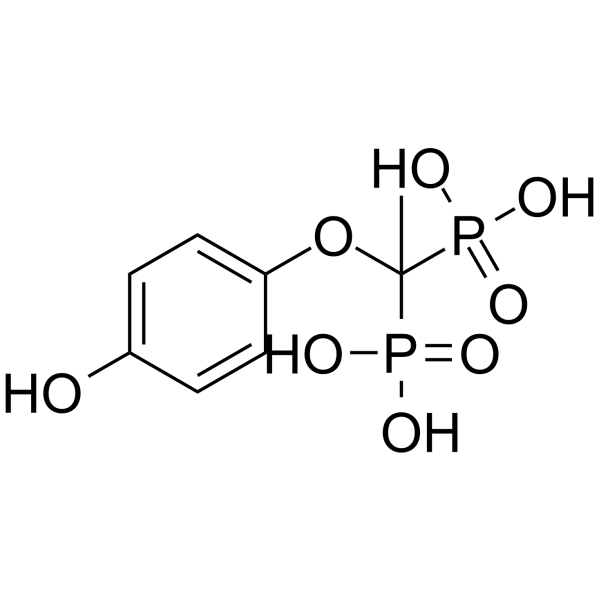
    L-690330 is a competitive inhibitor of inositol monophosphatase (IMPase) with Kis of 0.27 and 0.19 μM for recombinant human and bovine IMPase, 0.30 and 0.42 μM for human and bovine frontal cortex IMPase, respectively. L-690330 exhibits 10-fold more sensitive than mouse and rat IMPase .
    L-690330
  • HY-120380

    MOFs PARP Neurological Disease
    FeTMPyP is an orally active poly (ADP-ribose) polymerase (PARP) inhibitor. FeTMPyP inhibits cell death, nitrotyrosine formation, and depolarization of mitochondrial transmembrane potential. FeTMPyP reduces homocysteine-induced nitrosative stress and partially restores TFEB protein and mRNA levels. FeTMPyP improves functional and behavioral deficits caused by chronic constriction injury in rats. FeTMPyP alleviates acute cerebral infarction in a rat model of middle cerebral artery occlusion with mild hyperglycemia. FeTMPyP can be used in studies related to neuropathic pain, renal aging, ischemic penumbra, and hyperglycemic stroke .
    FeTMPyP
  • HY-176533

    LPL Receptor Neurological Disease
    S1PR5-IN-1 (Compound 7a) is a highly selective S1PR5 antagonist and orally bioavailable inhibitor with a human S1PR5 IC50 of 85.4 nM and human S1PR5 Kd of 2.173 nM.S1PR5-IN-1 binds to S1PR5 and inhibits natural killer cell migration toward sphingosine-1-phosphate.S1PR5-IN-1 can be used for the research of multiple sclerosis .
    S1PR5-IN-1
  • HY-P2602

    GABA Receptor Neurological Disease
    α-Casozepine is an orally effective anxiolytic that binds to the benzodiazepine site of the GABAA receptor in bovine samples with an IC50 of 88 μM. α-Casozepine exerts anxiolytic and anti-stress effects on cats exposed to unfamiliar environments and dogs undergoing road transport . α-Casozepine exhibits significant anxiolytic activity in rats. α-Casozepine can be used in studies related to fear, anxiety and stress .
    α-Casozepine
  • HY-100991

    ZK 39106; LSU-65

    GABA Receptor Neurological Disease
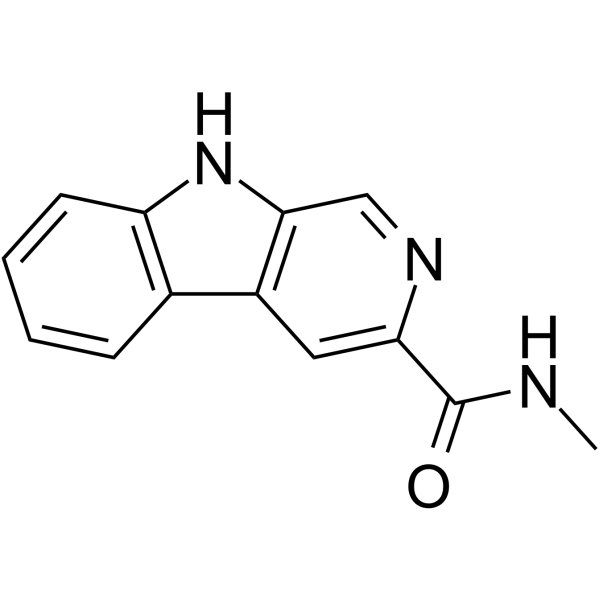
    FG 7142 (ZK 39106; LSU-65), a non-selectively benzodiazepine inverse agonist, has high affinity for the α1 subunit-containing GABAA receptor (Ki=91 nM). FG 7142 (ZK 39106; LSU-65) also modulates GABA-induced chloride flux at GABAA receptors expressing the α1 subunit (EC50= 137 nM). FG 7142 (ZK 39106; LSU-65) can increase tyrosine hydroxylation and cause upregulation of β-adrenoceptors in mouse cerebral cortex .
    FG 7142
  • HY-135115

    3,4-DHPEA-EA

    α-synuclein HDAC Adrenergic Receptor Inflammation/Immunology
    Oleuropein Aglycone (3,4-DHPEA-EA) is a polyphenol and the aglycone form of oleuropein (HY-N0292), formed by enzymatic, acidic or acetylated hydrolysis of oleuropein. Dietary intake of oleuropein Aglycone (50 mg/kg diet) increases the number of neuronal autophagic vesicles, reverses cognitive deficits in the TgCRND8 transgenic mouse model of Alzheimer's disease, and reduces the levels of histone deacetylase 2 (HDAC2) in the cortex and hippocampus. Oleuropein Aglycone increases urinary norepinephrine, interscapular brown adipose tissue epinephrine, and UCP1 protein levels, and reduced plasma leptin levels and total abdominal adipose tissue weight in a rat model of high-fat diet-induced obesity. Oleuropein Aglycone also reduced lung neutrophil infiltration, lipid peroxidation, and IL-1β levels in a mouse model of carrageenan-induced pleurisy.
    Oleuropein Aglycone
  • HY-P6292

    PACAP Receptor PKA ERK PI3K Akt GSK-3 Neurological Disease Cancer
    KS-133 is a bicyclic peptide with VIPR2 antagonistic activity that can cross the blood-brain barrier. KS-133 selectively blocks VIPR2-mediated Gq/Ca, Gs/cAMP, cAMP/PKA/ERK and PI3K/AKT/GSK3β signaling pathways. KS-133 inhibits VIPR2 agonist-induced CREB phosphorylation in the prefrontal cortex of mice. KS-133 shifts the polarization direction of macrophages toward M1. KS-133 attenuates cancer cell proliferation and reduces the cell cycle distribution level at the S-M phase. KS-133 exerts antitumor effects in a mouse model of colorectal cancer. KS-133 reverses cognitive decline in mouse models of psychiatric disorders. KS-133 can be used for research related to schizophrenia, colorectal cancer and breast cancer .
    KS-133
  • HY-15157

    1α, 24, 25-Trihydroxy VD3

    VD/VDR Drug Metabolite Infection
    Calcitetrol (1α, 24, 25-Trihydroxy VD3), a Vitamin D3 (HY-15398) metabolite, is the hormonally active form of vitamin D. Calcitetrol participates in regulation of Treg cells. Calcitetrol can be used for the research of Toxoplasma gondii infection .
    Calcitetrol
  • HY-14840

    Carphedon

    nAChR Dopamine Transporter GABA Receptor iGluR Neurological Disease
    Phenylpiracetam (Carphedon) is a positive allosteric modulator of nicotinic acetylcholine receptors (nAChR) with an IC50 of 5.86 μM. Phenylpiracetam is applicable to studies on scopolamine (Scopolamine) (HY-N0296)-induced amnesia, depression and immune stress .
    Phenylpiracetam
  • HY-P1212

    CST-14 (mouse, rat)

    Somatostatin Receptor Neurological Disease
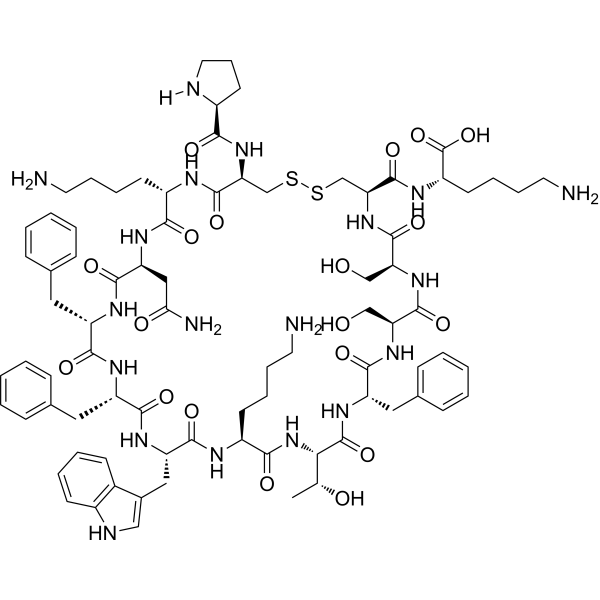
    Cortistatin 14, mouse, rat (CST-14, human, rat), a neuropeptide with neuronal depressant and sleep modulating properties, can bind to all five cloned somatostatin receptors (SSTRs) and ghrelin receptor to exert its biological activities and co-exists with GABA within the cortex and hippocampus .
    Cortistatin 14 (mouse, rat)
  • HY-12143

    GR 205171A

    Neurokinin Receptor Neurological Disease
    Vofopitant dihydrochloride (GR 205171A) is a blood-brain barrier-permeable NK1 receptor inhibitor with a pKi of 9.02 in mice. Vofopitant dihydrochloride blocks vomiting-related responses and inhibits pseudoptyalism. Vofopitant dihydrochloride exerts anxiolytic effects, regulates 5-HT receptor function and increases central 5-HT release. Vofopitant dihydrochloride improves hyperarousal symptoms of post-traumatic stress disorder. Vofopitant dihydrochloride can be used in research related to depression, anxiety, vomiting and postoperative nausea and vomiting .
    Vofopitant dihydrochloride
  • HY-105226

    PD134308

    Cholecystokinin Receptor Neurological Disease Cancer
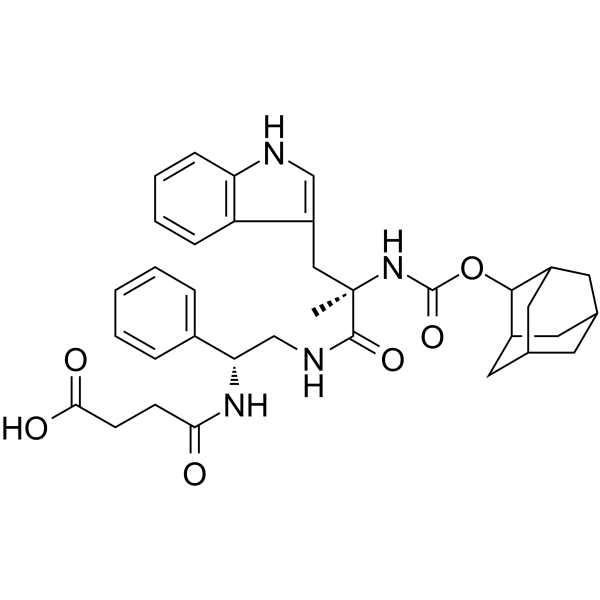
    CI-988 (PD134308) is a potent, selective and orally active CCK2R (cholecystokinin 2 receptor) antagonist with an IC50 of 1.7 nM for mouse cortex CCK2. CI-988 shows >1600-fold selectivity for CCK2 over CCK1 receptor. CI-988 has anxiolytic and anti-tumor effects .
    CI-988
  • HY-170409

    Trk Receptor Apoptosis Neurological Disease Inflammation/Immunology
    BNN27 is the agonist for TrkA receptor and p75NTR receptor, that exhibits neurotrophic and anti-apoptotic effects. BNN27 increases the levels of glutamate, GABA, and glutamine in the rat hippocampus and prefrontal cortex, improves glutamate turnover. BNN27 exhibits neuroprotective efficacy in mouse amyotrophic lateral sclerosis (ALS) model, exhibits anti-inflammatory efficacy in experimental autoimmune encephalomyelitis (EAE) model, exhibits retinal protective efficacy in rat diabete models. BNN27 is blood-brain barrier penetrable .
    BNN27
  • HY-129810

    CAM 1028

    Cholecystokinin Receptor Neurological Disease
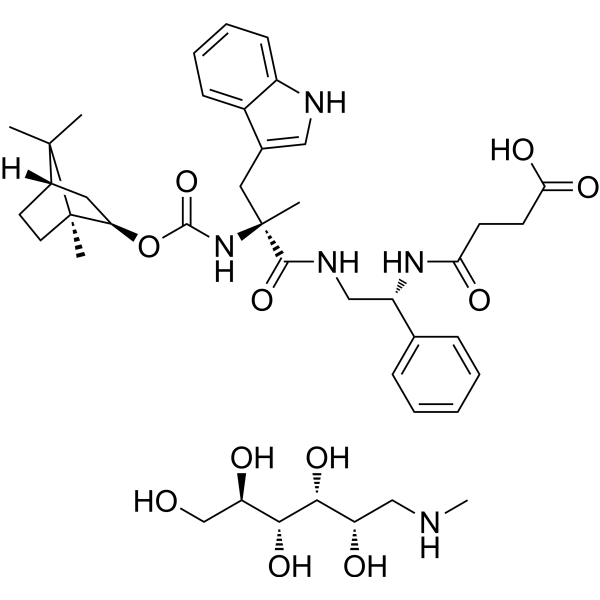
    PD 135158 (CAM 1028) is a selective CCKB receptor antagonist with an IC50 of 2.8 nM against mouse cortex CCKB. PD 135158 shows anxiolytic activity .
    PD 135158
  • HY-100481

    RPR101048

    Cholecystokinin Receptor Neurological Disease
    RP 72540 is a selective CCK-B receptor antagonist, with IC50 values of 2.4, 1.2, and 3.8 nM for CCK-B receptors in the guinea pig cerebral cortex, rat cerebral cortex, and mouse brain, respectively. RP 72540 effectively inhibits CCK-8-induced neuronal firing and dose-dependently inhibits gastric acid secretion, making it potentially valuable in studies of acid secretion. RP 72540 is an important tool for investigating the physiological functions of CCK B receptors .
    RP 72540
  • HY-P10435

    Dopamine Receptor Neurological Disease
    KEMPFPKYPVEP is a 12-amino acids neuropeptide, which upregulates levels of dopamine (DA) and norepinephrine (NE) in the prefrontal cortex, exhibits spatial and object recognition memory promoting ability in Scopolamine (HY-N0296)-induced amnesia mouse model .
    KEMPFPKYPVEP
  • HY-101075A
    L-690330 hydrate
    1 Publications Verification

    Phosphatase Others
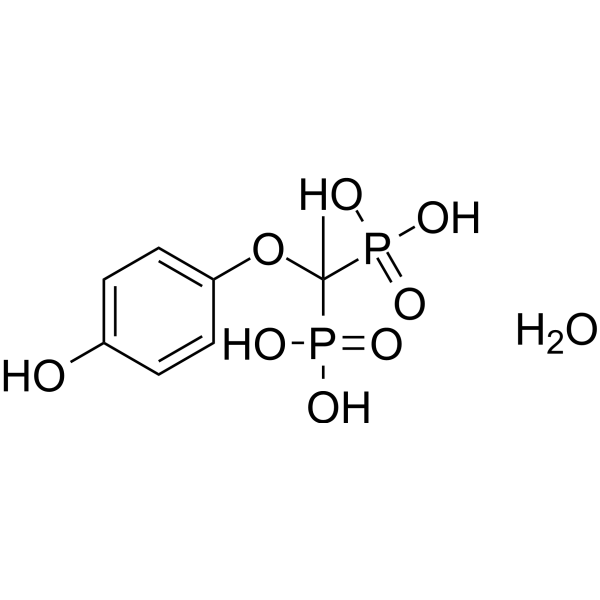
    L-690330 hydrate is a competitive inhibitor of inositol monophosphatase (IMPase) with Kis of 0.27 and 0.19 μM for recombinant human and bovine IMPase, 0.30 and 0.42 μM for human and bovine frontal cortex IMPase, respectively. L-690330 hydrate exhibits 10-fold more sensitive than mouse and rat IMPase .
    L-690330 hydrate
  • HY-117839

    Cholecystokinin Receptor Neurological Disease
    PD-135666 is a dipeptide inhibitor of cholecystokinin B (CCK B) receptors, binding to CCK B receptors in mouse cerebral cortex with IC50 of 0.1 nM. Its enantiomer, PD-140548, preferentially binds to CCK A receptors with IC50 of 2.8 nM in rat pancreas. PD-135666 exhibits anxiolytic effects in animal models .
    PD-135666
  • HY-116062

    Monoamine Transporter Dopamine Transporter Adrenergic Receptor Others
    JNJ-7925476 (hydrochloride) is a triple monoamine uptake inhibitor with the ability to regulate neurotransmitter levels and antidepressant activity. JNJ-7925476 (hydrochloride) can be rapidly absorbed into the plasma in rats, with a higher concentration in the brain than in plasma. It can induce an increase in the levels of extracellular serotonin, dopamine, and norepinephrine in the rat cerebral cortex, and exhibits antidepressant activity in the mouse tail suspension test.
    JNJ-7925476 hydrochloride
  • HY-111066

    Dopamine Receptor Others
    JNJ-37822681 is a fast dissociating D2 antagonist with activity in inhibiting schizophrenia. JNJ-37822681 has high specificity for D2 receptors and is effective in animal models, inducing increased levels of extracellular serotonin, dopamine, and norepinephrine in the rat cerebral cortex, and exhibiting antidepressant activity in the mouse tail suspension test, while having a good brain distribution and lower prolactin release.
    JNJ-37822681
  • HY-105226B

    PD134308 hemihydrate

    Cholecystokinin Receptor Neurological Disease Cancer
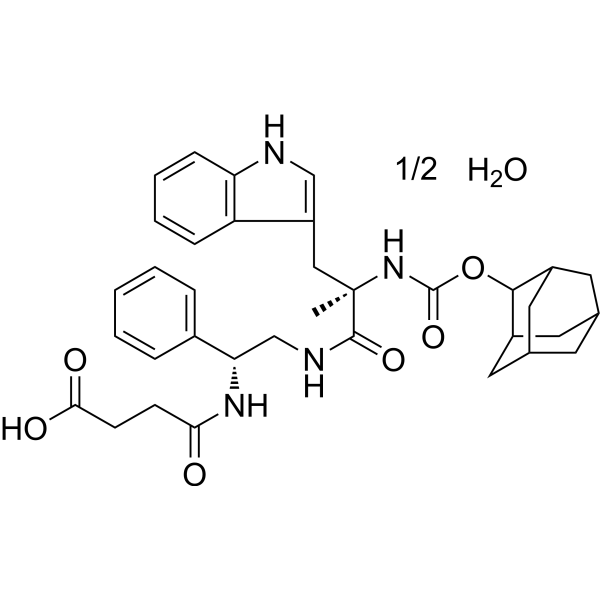
    CI-988 hemihydrate (PD134308) is a potent, selective and orally active CCK2R (cholecystokinin 2 receptor) antagonist with an IC50 of 1.7 nM for mouse cortex CCK2. CI-988 hemihydrate shows >1600-fold selectivity for CCK2 over CCK1 receptor. CI-988 hemihydrate has anxiolytic and anti-tumor effects .
    CI-988 hemihydrate
  • HY-100991R

    ZK 39106 (Standard); LSU-65 (Standard)

    Reference Standards GABA Receptor Neurological Disease
    FG 7142 (Standard) is the analytical standard of FG 7142. This product is intended for research and analytical applications. FG 7142 (ZK 39106; LSU-65), a non-selectively benzodiazepine inverse agonist, has high affinity for the α1 subunit-containing GABAA receptor (Ki=91 nM). FG 7142 (ZK 39106; LSU-65) also modulates GABA-induced chloride flux at GABAA receptors expressing the α1 subunit (EC50= 137 nM). FG 7142 (ZK 39106; LSU-65) can increase tyrosine hydroxylation and cause upregulation of?β-adrenoceptors in mouse cerebral cortex .
    FG 7142 (Standard)
  • HY-B0267AR

    Reference Standards mAChR Potassium Channel Neurological Disease
    Oxybutynin (chloride) (Standard) is the analytical standard of Oxybutynin (chloride). This product is intended for research and analytical applications. Oxybutynin chloride is an oral active and competitive mAChR antagonist with Kis of 14.3 and 5.55 nM for specific [ 3H]NMS binding in the mouse bladder and cerebral cortex, respectively. Oxybutynin chloride inhibits vascular Kv channels in a manner independent of anticholinergic effect, with an IC50 value of 11.51 μM. Oxybutynin chloride reduces muscle spasm in the bladder and urinary tract, can be used in study of overactive bladder syndrome (OAB) . Oxybutynin (chloride) is a click chemistry reagent, it contains an Alkyne group and can undergo copper-catalyzed azide-alkyne cycloaddition (CuAAc) with molecules containing Azide groups.
    Oxybutynin chloride (Standard)
  • HY-116062A

    Histone Methyltransferase Neurological Disease
    JNJ-7925476 is a triple reuptake inhibitor that selectively and potently inhibits the activity of the serotonin transporter (SERT), norepinephrine transporter (NET), and dopamine transporter (DAT). JNJ-7925476 is rapidly absorbed into the blood and its concentration in the brain is 7-fold higher than that in plasma. The occupancy ED(50) values of JNJ-7925476 for SERT, NET, and DAT in the rat brain are 0.18, 0.09, and 2.4 mg/kg, respectively. JNJ-7925476 rapidly induces a significant increase in the levels of extracellular serotonin, dopamine, and norepinephrine in the rat cerebral cortex in a dose-dependent manner. JNJ-7925476 exhibits potent antidepressant-like activity in the mouse tail suspension test. These results suggest that JNJ-7925476 has in vivo efficacy in biochemical and behavioral models of depression .
    JNJ-7925476
  • HY-183166

    Cathepsin Neurological Disease
    Z-Arg-Lys-AOMK is a cathepsin B inhibitor that can cross the blood-brain barrier. Z-Arg-Lys-AOMK reduces cytosolic cathepsin B activity in homogenates of mouse cerebral cortex and hippocampal tissues, and alleviates motor dysfunction associated with CCI-TBI. Z-Arg-Lys-AOMK can be used in the research of traumatic brain injury .
    Z-Arg-Lys-AOMK
  • HY-P992426

    Tau Protein Neurological Disease
    NS101 is an anti-FAM19A5 antibody with an IC50 of 0.2 nM and a Kd of 111 pM, as well as blood-brain barrier permeability. NS101 binds to key amino acid residues of FAM19A5, thereby blocking the interaction of LRRC4B and disrupting the FAM19A5-LRRC4B complex. NS101 increases the dendritic spine density in hippocampal neurons and the prefrontal cortex, normalizes the dendritic spine elimination rate, elevates the frequencies of mEPSC and fEPSP, and promotes the transport of brain-derived FAM19A5 into the peripheral circulation. NS101 improves cognitive function in mouse models of Alzheimer's disease. NS101 can be used for research on Alzheimer's disease. The recommended isotype control is human IgG1 kappa (HY-P99001) .
    NS101
  • HY-N17562

    NO Synthase Interleukin Related IKK NF-κB Inflammation/Immunology
    Acutissimalignan B is a natural product. Acutissimalignan B can be isolated from Daphne kiusiana var. atrocaulis (Rehd.) F. Maekawa. Acutissimalignan B can reduce the mRNA expression of inflammatory cytokines (iNOS, TNF-α, IL-1β, and IL-6), inhibit the phosphorylation of IκBα, and inhibit the nuclear translocation of NK-κB p65. Acutissimalignan B shows anti-neuroinflammatory effects .
    Acutissimalignan B
  • HY-183944

    NO Synthase Reactive Oxygen Species (ROS) Cardiovascular Disease Neurological Disease
    BN80933 is a selective neuronal nitric oxide synthase (nNOS) inhibitor with a rat Ki of 0.92 μM. BN80933 inhibits lipid peroxidation, and blocks hypoxia-induced lactate dehydrogenase elevation and delayed 8-epiprostaglandin F2α elevation. BN80933 can be used for the research of stroke, and traumatic brain injury .
    BN80933

Inquiry Online

Your information is safe with us. * Required Fields.

Salutation


Country or Region *

Applicant Name *


Organization Name *

Department *


Email Address *


Product Name *

Cat. No.


Requested quantity *

Phone Number *


Remarks

Inquiry Online

Inquiry Information

Product Name:
Cat. No.:
Quantity:
MCE Japan Authorized Agent:

