Search Result
Results for "
ocular diseases
" in MedChemExpress (MCE) Product Catalog:
1
Biochemical Assay Reagents
| Cat. No. |
Product Name |
Target |
Research Areas |
Chemical Structure |
-
- HY-D0214
-
|
|
Influenza Virus
Photosensitizer
Amyloid-β
|
Infection
Neurological Disease
Cancer
|
|
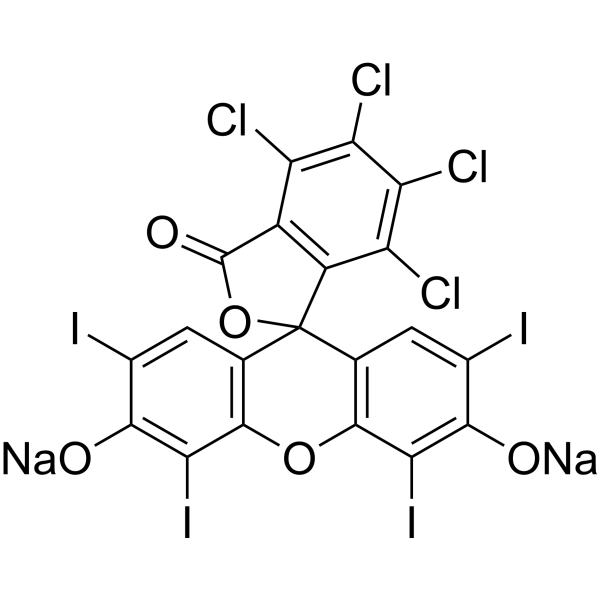
Acid Red 94 sodium, a synthetic fluorescein derivative, is a deep red dye primarily composed of 4,5,6,7-tetrachloro-2,4,5,7-tetraiodo fluorescein. It is widely used as an ophthalmic diagnostic agent to detect dry or damaged cells on the ocular surface. Acid Red 94 sodium exhibits antitumor activity and can inhibit Friend Leukemia Virus (FLV) infection through photodynamic action. Additionally, Acid Red 94 sodium can inhibit Aβ aggregation through light irradiation. Acid Red 94 sodium holds potential for use in cancer, viral infections, and neurodegenerative disease research .
|
-
-
- HY-B0328
-
-
-
- HY-B0606
-
|
INS365
|
P2Y Receptor
|
Inflammation/Immunology
|
|
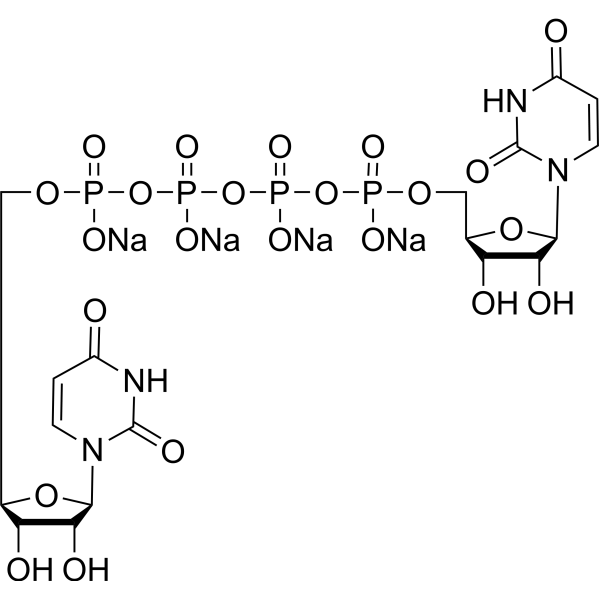
Diquafosol tetrasodium is a P2Y2 receptor agonist that stimulates fluid and mucin secretion on the ocular surface, as a topical treatment of dry eye disease.
|
-
-
- HY-172435
-
|
AGN-232411; AG-80308; AGN-411
|
Formyl Peptide Receptor (FPR)
|
Neurological Disease
|
|
Rezuforimod (AGN-232411; AG-80308) is an ophthalmic solution targeting the formyl peptide receptor (FPR) pathway. Rezuforimod exerts anti-inflammatory effects by targeting the formyl peptide receptor pathway. Administered topically, Rezuforimod significantly reduces the corneal conjunctival staining score and improves ocular discomfort symptoms, with no serious adverse events reported and favorable overall safety profile. Rezuforimod shows remarkable potential to serve as a novel therapeutic option for dry eye disease .
|
-

-
- HY-132596A
-
|
SYL1001 sodium
|
Small Interfering RNA (siRNA)
TRP Channel
|
Neurological Disease
|
|
Tivanisiran sodium (SYL1001 sodium) is a small interfering RNA (siRNA) targeting TRPV1 . Tivanisiran sodium induces the degradation of TRPV1 mRNA, thereby inhibiting protein synthesis. Tivanisiran sodium alleviates ocular discomfort and pain, and improves ocular hyperemia and tear quality. Tivanisiran sodium is applicable to research related to dry eye disease .
|
-
-
- HY-P99546
-
|
2xCon4C; AMG 386
|
Tie
|
Cardiovascular Disease
Cancer
|
|
Trebananib (2xCon4C) is an Fc fusion peptibody. Trebananib exerts its effects by blocking the binding of angiopoietin 1 (Ang1) and angiopoietin 2 (Ang2) to the TIE2 receptor. Trebananib has anti-angiogenic and anti-tumor activities .
|
-

-
- HY-106449
-
|
DA-6034 free acid
|
NF-κB
COX
Apoptosis
ERK
Calcium Channel
|
Inflammation/Immunology
Cancer
|
|
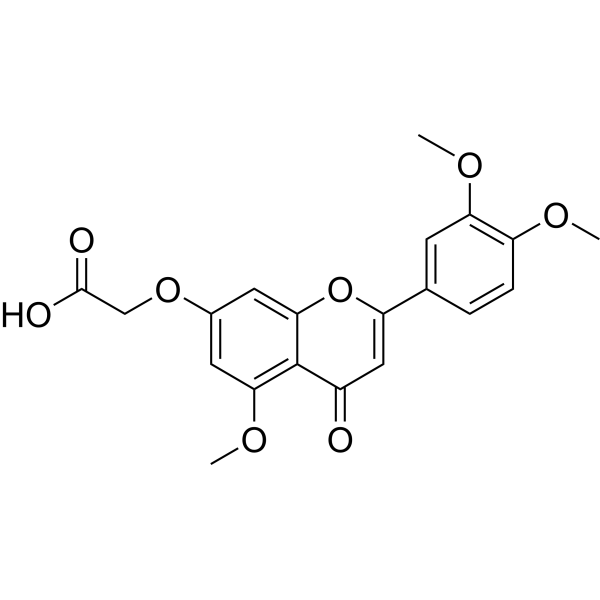
Recoflavone (DA-6034 (free acid)), a synthetic derivative of the flavonoid Eupatilin (HY-N0783), is orally active. Recoflavone can inhibit the NF-κB pathway and induce [Ca( 2+)]i increase in epithelial cells. Recoflavone exhibits activities such as anti-inflammation, anti-tumor effects, protection of gastric and intestinal mucosa, and promotion of secretion in the ocular surface and salivary glands. Recoflavone can be used for the research of diseases such as dry eye, gastric injury, and intestinal injury .
|
-
-
- HY-109561
-
|
EYE001; NX1838
|
VEGFR
|
Metabolic Disease
Inflammation/Immunology
|
|
Pegaptanib sodium is an RNA aptamer with polyethylene glycol modifications, which is directed against vascular endothelial growth factor (VEGF)-165. Pegaptanib could be used for the study of neovascular age-related macular degeneration (AMD) .
|
-
-
- HY-NP0147
-
|
WGA (Fluorescein)
|
Fluorescent Dye
|
Infection
Neurological Disease
|
|
Wheat Germ Agglutinin (WGA) Fluorescein is a classic fluorescent label that specifically binds to sugar residues such as N-acetylglucosamine, N-acetylneuraminic acid and sialic acid. Wheat Germ Agglutinin Fluorescein performs regionally differential fluorescent staining of the ocular surface epithelial glycocalyx to assess its integrity, and causes no damage to the eye at safe concentrations. Wheat Germ Agglutinin Fluorescein is also used for staining structures including red blood cells, cultured cells, bacteria and pine wood nematodes, and facilitates the isolation of wheat-associated plant-growth-promoting rhizobacterial strains. Wheat Germ Agglutinin Fluorescein can be applied to the detection of ocular glycocalyx integrity and the research of related diseases such as pine wilt disease .
|
-

-
- HY-P10904
-
|
ST-100
|
Collagen
|
Others
|
|
Vezocolmitide (ST-100) is a collagen mimetic peptide. Vezocolmitide can rapidly repair damaged collagen triple helix structures, thereby quickly reversing damage to the ocular surface and extracellular matrix, and restoring corneal nerve function while repairing the epithelium. Vezocolmitide can be used for research of dry eye disease (DED) .
|
-

-
- HY-P3369
-
|
AXT-107
|
VEGFR
Tie
Akt
|
Cardiovascular Disease
Metabolic Disease
Inflammation/Immunology
|
|
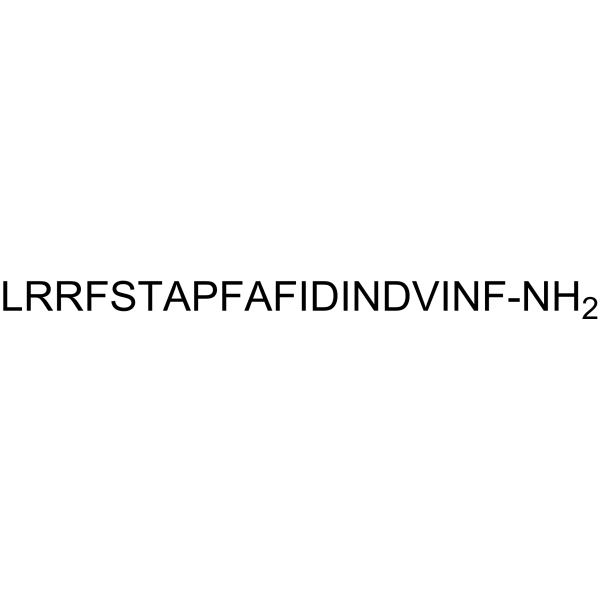
Gersizangitide (AXT107) is an anti-angiogenic peptide consisting of 20 amino acids, derived from collagen IV. Gersizangitide is an inhibitor of VEGF-A and VEGF-C and an activator of Tie2. Gersizangitide can block VEGF receptor signaling, inhibit vascular leakage, neovascularization and inflammation. Gersizangitide can be used in the research of diseases related to ocular neovascularization and angiogenesis .
|
-
-
- HY-153569
-
|
|
ROCK
|
Others
|
|
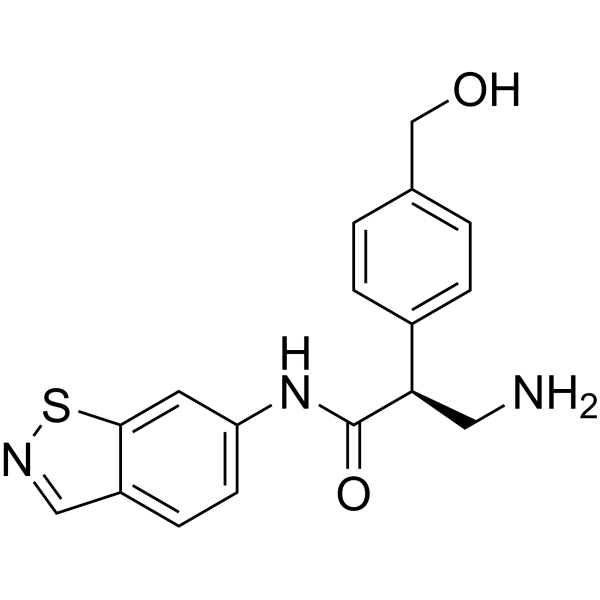
ROCK-IN-7 (compound 9) is a ROCK kinase inhibitor. ROCK-IN-7 can be used for research in ocular diseases (such as glaucoma and retinal diseases) .
|
-
-
- HY-P10019
-
|
NLY01
|
GCGR
|
Neurological Disease
Inflammation/Immunology
|
|
Pegsebrenatide (NLY01) is a blood-brain barrier-penetrant GLP-1R agonist. Pegsebrenatide alleviates retinal inflammation and neuronal death secondary to ocular hypertension . Pegsebrenatide significantly delays onset and reduces disease severity in experimental autoimmune encephalomyelitis . Pegsebrenatide inhibits the formation of A1 reactive astrocytes in nerve cells and reduces the loss of retinal ganglion cells and dopaminergic neurons. Pegsebrenatide exerts neuroprotective effects in a mouse model of Parkinson's disease by directly preventing microglia-mediated conversion of astrocytes to the A1 neurotoxic phenotype. Pegsebrenatide can be used for research on glaucoma, Parkinson's disease, and multiple sclerosis .
|
-

-
- HY-176886
-
|
|
Large Tumor Suppressor (LATS)
YAP
|
Others
|
LATS-IN-2 is an efficiently acting LATS (large tumor suppressor kinase) inhibitor. LATS-IN-2 shows potent inhibitory activity against LATS1 with an IC50 value of 1.3 nM. LATS-IN-2 suppresses the phosphorylation of YAP by inhibiting LATS kinase activity. LATS-IN-2 increases the thickness of the epidermis in mice. LATS-IN-2 can be used for the study of ocular diseases such as limbal stem cell deficiency and corneal endothelial dysfunction .
|
-

-
- HY-P5840
-
|
|
Biochemical Assay Reagents
|
Cancer
|
|
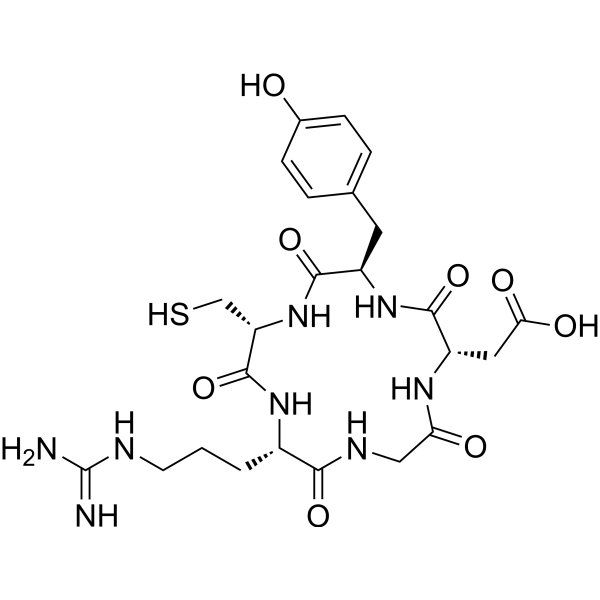
Cyclo(RGDyC) is a cyclic pentapeptide with anti-angiogenic abilities. Cyclo(RGDyC) can be combined with liposome delivery systems for research on ocular neovascular diseases and cancer .
|
-
-
- HY-P10831
-
|
|
VEGFR
|
Cardiovascular Disease
Cancer
|
|
GNQWFI, an anti-Flt1 peptide, is a VEGFR1-specific antagonist. GNQWFI blocks the interaction of VEGFR1 with various VEGFR1 ligands, such as VEGFA, VEGFB, and placental growth factor (PIGF) and inhibits VEGF-induced endothelial cell migration and tube formation. GNQWFI is promising for research of cancer, asthma, and other ocular diseases .
|
-

-
- HY-116868
-
|
Anecortave
|
PAI-1
|
Cardiovascular Disease
|
|
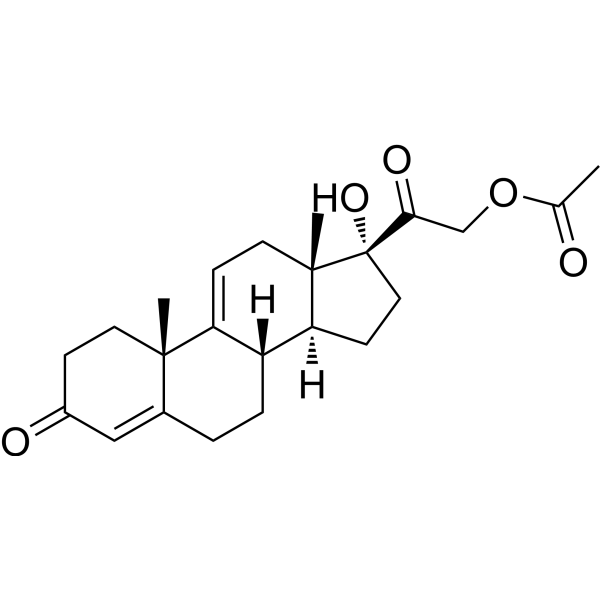
Anecortave acetate is a potent ocular angiostatic agent. Anecortave acetate inhibits neovascularization which is induced by many different angiogenic factors, and increases plasminogen activator inhibitor-1 (PAI-1) mRNA expression. Anecortave acetate can be used to research ocular neovascular diseases .
|
-
-
- HY-136081A
-
|
|
Insecticide
|
Infection
|
|
Hexamidine diisethionate is an antimicrobial agent targeting Acanthamoeba protozoa. Hexamidine diisethionate is promising for research of ocular infectious diseases such as Acanthamoeba keratitis .
|
-

-
- HY-124404
-
|
|
Aryl Hydrocarbon Receptor
Na+/K+ ATPase
Prostaglandin Receptor
|
Inflammation/Immunology
|
|
12(R)-HETE is a CYP-dependent arachidonic acid metabolite that acts as a proinflammatory lipid mediator. 12 (R)-HETE widely exists in various tissues including the eye, skin and liver. In the cornea, 12(R)-HETE is metabolized via pathways such as β-oxidation into the precursor of 12(R)-HETrE. Without direct receptor binding, 12(R)-HETE indirectly activates AHR-mediated target gene transcription, while inhibiting the enzymatic activity of Na+,K+-ATPase and the intracellular calcium elevation induced by TP agonists. 12(R)-HETE also possesses multiple physiological effects such as chemotaxis, proangiogenesis, vasodilation, natriuresis, diuresis and intraocular pressure reduction, and can be widely used in studies related to psoriasis, inflammatory skin diseases and ocular inflammation .
|
-

-
- HY-178231
-
|
|
TGF-β Receptor
|
Inflammation/Immunology
Cancer
|
|
ALK5-IN-85 (Compound 19) is a TGFβRI (ALK5) inhibitor with an IC50 < 100 ?nM. ALK5-IN-85 can be used for respiratory diseases including idiopathic pulmonary fibrosis, asthma, COPD and lumg cancer, and dermal and ocular fibrotic conditions research .
|
-

-
- HY-178122
-
|
|
LIM Kinase (LIMK)
|
Cancer
|
|
THNAN69 is a potent chemical probe degrader targeting LIMK2, with a DC50 value of 1 nM. THNAN69 can be used for the study of diseases driven by LIMK2 overexpression or dysregulation, such as cancers and ocular diseases .
|
-

-
- HY-135808
-
|
|
NF-κB
|
Inflammation/Immunology
|
|
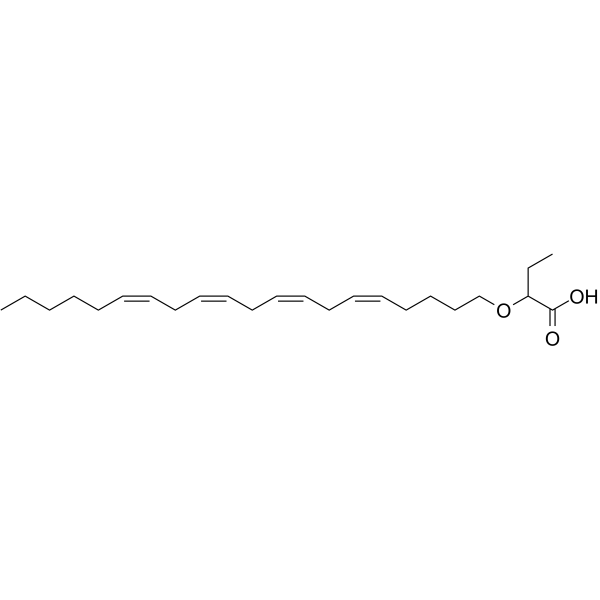
BIZ 114 (Example 11) is a fatty acid derivative and potent inhibits the TNF-α activated NF-κΒ pathway. BIZ 114 has the potential to prevent and / or treat ophthalmic disorders such as retinal degenerative disorders and ocular inflammatory diseases .
|
-
-
- HY-158821A
-
|
|
TGF-beta/Smad
|
Neurological Disease
|
|
ISTH0036 sodium is a phosphorothioate LNA-modified antisense oligonucleotide gapmer that selectively targets and downregulates TGF-β2 mRNA. ISTH0036 sodium suppresses TGF-β2 expression, reduces choroidal neovascularization and vascular leakage, inhibits fibrosis, blocks epithelial-to-mesenchymal transition, and inhibits angiogenesis while promoting bleb survival. ISTH0036 sodium exhibits long-lasting, dose-dependent ocular tissue distribution and target engagement in rabbit and non-human primate eyes. ISTH0036 sodium can be used for the study of various ocular disorders, such as glaucoma and neovascular retinal diseases .
|
-

-
- HY-P11126
-
|
|
Bacterial
|
Infection
|
|
Mel4 is an antimicrobial peptide, exhibiting broad-spectrum antimicrobial activity. Mel4 can neutralize bacterial lipopolysaccharide in a dose-dependent manner. Mel4 can be used in the research and prevention of related bacterial infectious diseases (such as ocular infections) .
|
-

-
- HY-158821
-
|
|
TGF-beta/Smad
|
Neurological Disease
|
|
ISTH0036 is a phosphorothioate LNA-modified antisense oligonucleotide gapmer that selectively targets and downregulates TGF-β2 mRNA. ISTH0036 suppresses TGF-β2 expression, reduces choroidal neovascularization and vascular leakage, inhibits fibrosis, blocks epithelial-to-mesenchymal transition, and inhibits angiogenesis while promoting bleb survival. ISTH0036 exhibits long-lasting, dose-dependent ocular tissue distribution and target engagement in rabbit and non-human primate eyes. ISTH0036 can be used for the study of various ocular disorders, such as glaucoma and neovascular retinal diseases .
|
-

-
- HY-144058
-
|
|
JAK
|
Inflammation/Immunology
|
|
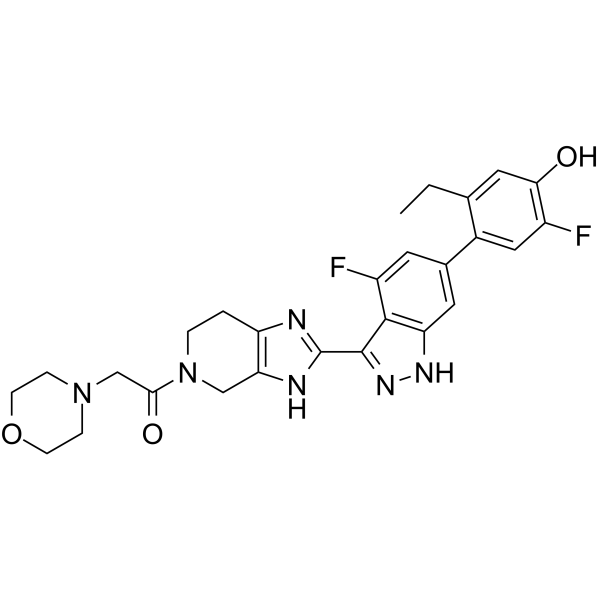
JAK-IN-18 is a potent inhibitor of JAK. JAK-IN-18 is useful for the research of multiple diseases, particularly ocular, skin, and respiratory diseases (extracted from patent WO2018204238A1, compound 1) .
|
-
-
- HY-144057
-
|
|
JAK
|
Inflammation/Immunology
|
|
JAK-IN-17 is a potent inhibitor of JAK. JAK-IN-17 is useful for the research of multiple diseases, particularly ocular, skin, and respiratory diseases (extracted from patent WO2021185305A1, compound 9-1) .
|
-
-
- HY-156667
-
-
-
- HY-B1035C
-
|
(R)-Bunolol hydrochloride
|
Adrenergic Receptor
|
Cardiovascular Disease
|
|
ent-Levobunolol ((R)-Bunolol) hydrochloride is a competitive β-adrenergic receptor blocker. ent-Levobunolol hydrochloride inhibits the transmission of sympathetic nerve impulses, reduces the production of aqueous humor, and constricts blood vessels in the eye, thereby reducing intraocular pressure. ent-Levobunolol hydrochloride is promising for research of ocular hypertension diseases such as glaucoma .
|
-

-
- HY-19495
-
-

-
- HY-169315
-
|
|
Keap1-Nrf2
|
Cancer
|
|
Nrf2 activator 17 (compound 10) is an Nrf2 activator that inhibits the interaction between Keap1 and Nrf2 with an IC50 of < 0.1 pM. Additionally, Nrf2 activator 17 has an EC50 of < 10 μM in HepG2 cells .
|
-

-
- HY-P2749
-
|
|
Biochemical Assay Reagents
|
Cardiovascular Disease
Cancer
|
|
Glutamine synthetase is an enzyme that converts glutamate and ammonia into glutamine. Glutamine synthetase can inhibit angiogenesis in ocular and inflammatory skin diseases. Glutamine synthetase can also palmitoylate RHOJ, thereby inhibiting endothelial cell migration. Glutamine synthetase can be used in research on various diseases, including cardiovascular and cerebrovascular diseases and cancer .
|
-
-
- HY-105210
-
|
|
Drug Derivative
|
Infection
|
|
Mipragoside is a ganglioside derivative. Mipragoside can be studied in research on ocular inflammatory diseases such as keratoconjunctivitis .
|
-

-
- HY-171925
-
|
|
Cathepsin
|
Neurological Disease
|
|
BI-1124 is a cathepsin S inhibitor that exhibits simulated sufficient ocular pharmacokinetic-pharmacodynamic coverage in rabbit models via topical ocular administration. BI-1124 can be used for the research of age-related dry eye disease .
|
-

-
- HY-183905
-
|
|
11β-HSD
Glucocorticoid Receptor
Reactive Oxygen Species (ROS)
Keap1-Nrf2
|
Neurological Disease
|
|
KR-67607 is a selective 11β-HSD1 inhibitor, with an IC50 value of 4.8 nM against h11β-HSD1 and 7.1 nM against mouse 11β-HSD1. KR-67607 inhibits stress-induced Glucocorticoid receptor nuclear translocation, reduces cortisol levels, suppresses the expression of ROS and proinflammatory cytokines, and enhances Nrf-2-mediated antioxidant gene transcription. KR-67607 maintains trabecular meshwork structure and reverses elevated intraocular pressure. KR-67607 improves ocular antioxidant activity and mucus secretion, reverses ocular surface damage, and prevents ischemia-reperfusion induced ocular injury. KR-67607 can be used in research related to glaucoma and dry eye disease .
|
-

-
- HY-158821B
-
|
|
TGF-beta/Smad
|
Neurological Disease
|
|
ISTH0036 sodium scrambled negative control is the sequence scrambled negative control of ISTH0036 sodium (HY-158821A). ISTH0036 sodium is a phosphorothioate LNA-modified antisense oligonucleotide gapmer that selectively targets and downregulates TGF-β2 mRNA. ISTH0036 sodium suppresses TGF-β2 expression, reduces choroidal neovascularization and vascular leakage, inhibits fibrosis, blocks epithelial-to-mesenchymal transition, and inhibits angiogenesis while promoting bleb survival. ISTH0036 sodium exhibits long-lasting, dose-dependent ocular tissue distribution and target engagement in rabbit and non-human primate eyes. ISTH0036 sodium can be used for the study of various ocular disorders, such as glaucoma and neovascular retinal diseases.
|
-

-
- HY-158821D
-
|
|
Fluorescent Dye
TGF-beta/Smad
|
Neurological Disease
|
|
Cy3 labled ISTH0036 sodium is a Cy3 labled ISTH0036 sodium (HY-158821A). ISTH0036 sodium is a phosphorothioate LNA-modified antisense oligonucleotide gapmer that selectively targets and downregulates TGF-β2 mRNA. ISTH0036 sodium suppresses TGF-β2 expression, reduces choroidal neovascularization and vascular leakage, inhibits fibrosis, blocks epithelial-to-mesenchymal transition, and inhibits angiogenesis while promoting bleb survival. ISTH0036 sodium exhibits long-lasting, dose-dependent ocular tissue distribution and target engagement in rabbit and non-human primate eyes. ISTH0036 sodium can be used for the study of various ocular disorders, such as glaucoma and neovascular retinal diseases.
|
-

-
- HY-158821C
-
|
|
Fluorescent Dye
TGF-beta/Smad
|
Neurological Disease
|
|
FAM labled ISTH0036 sodiumis a FAM labled ISTH0036 sodium (HY-158821A). ISTH0036 sodium is a phosphorothioate LNA-modified antisense oligonucleotide gapmer that selectively targets and downregulates TGF-β2 mRNA. ISTH0036 sodium suppresses TGF-β2 expression, reduces choroidal neovascularization and vascular leakage, inhibits fibrosis, blocks epithelial-to-mesenchymal transition, and inhibits angiogenesis while promoting bleb survival. ISTH0036 sodium exhibits long-lasting, dose-dependent ocular tissue distribution and target engagement in rabbit and non-human primate eyes. ISTH0036 sodium can be used for the study of various ocular disorders, such as glaucoma and neovascular retinal diseases.
|
-

-
- HY-183289
-
|
|
Ferroptosis
Reactive Oxygen Species (ROS)
Drug Derivative
|
Neurological Disease
|
|
Ferroptosis-IN-25, Trolox (HY-101445) derivative, is a selective ferroptosis inhibitor. Ferroptosis-IN-25 selectively inhibits ferroptosis by scavenging ROS and suppressing lipid peroxidation independently of glutathion. Ferroptosis-IN-25 reduces corneal neovascularization and edema in murine corneal alkali burn models via topical administration.Ferroptosis-IN-25 can be used for the research of ocular surface diseases .
|
-

-
- HY-106449R
-
|
DA-6034 free acid (Standard)
|
Reference Standards
NF-κB
COX
Apoptosis
ERK
Calcium Channel
|
Inflammation/Immunology
Cancer
|
|
Recoflavone (Standard) is the analytical standard of Recoflavone (HY-106449). This product is intended for research and analytical applications. Recoflavone (DA-6034 (free acid)), a synthetic derivative of the flavonoid Eupatilin (HY-N0783), is orally active. Recoflavone can inhibit the NF-κB pathway and induce [Ca(2+)]i increase in epithelial cells. Recoflavone exhibits activities such as anti-inflammation, anti-tumor effects, protection of gastric and intestinal mucosa, and promotion of secretion in the ocular surface and salivary glands. Recoflavone can be used for the research of diseases such as dry eye, gastric injury, and intestinal injury .
|
-

-
- HY-D0214E
-
|
|
Influenza Virus
Photosensitizer
Amyloid-β
|
Infection
Neurological Disease
Cancer
|
|
Acid Red 94 sodium (80%), a synthetic fluorescein derivative, is a deep red dye primarily composed of 4,5,6,7-tetrachloro-2,4,5,7-tetraiodo fluorescein. Acid Red 94 sodium (80%) is widely used as an ophthalmic diagnostic agent to detect dry or damaged cells on the ocular surface. Acid Red 94 sodium (80%) exhibits antitumor activity and can inhibit Friend Leukemia Virus (FLV) infection through photodynamic action. Additionally, Acid Red 94 sodium (80%) can inhibit Aβ aggregation through light irradiation. Acid Red 94 sodium (80%) holds potential for use in cancer, viral infections, and neurodegenerative disease research .
|
-

| Cat. No. |
Product Name |
Type |
-
- HY-D0214
-
|
|
Fluorescent Dyes
|
|
Acid Red 94 sodium, a synthetic fluorescein derivative, is a deep red dye primarily composed of 4,5,6,7-tetrachloro-2,4,5,7-tetraiodo fluorescein. It is widely used as an ophthalmic diagnostic agent to detect dry or damaged cells on the ocular surface. Acid Red 94 sodium exhibits antitumor activity and can inhibit Friend Leukemia Virus (FLV) infection through photodynamic action. Additionally, Acid Red 94 sodium can inhibit Aβ aggregation through light irradiation. Acid Red 94 sodium holds potential for use in cancer, viral infections, and neurodegenerative disease research .
|
-
- HY-D0214E
-
|
|
Fluorescent Dyes
|
|
Acid Red 94 sodium (80%), a synthetic fluorescein derivative, is a deep red dye primarily composed of 4,5,6,7-tetrachloro-2,4,5,7-tetraiodo fluorescein. Acid Red 94 sodium (80%) is widely used as an ophthalmic diagnostic agent to detect dry or damaged cells on the ocular surface. Acid Red 94 sodium (80%) exhibits antitumor activity and can inhibit Friend Leukemia Virus (FLV) infection through photodynamic action. Additionally, Acid Red 94 sodium (80%) can inhibit Aβ aggregation through light irradiation. Acid Red 94 sodium (80%) holds potential for use in cancer, viral infections, and neurodegenerative disease research .
|
| Cat. No. |
Product Name |
Type |
-
- HY-NP0147
-
|
WGA (Fluorescein)
|
Biochemical Assay Reagents
|
|
Wheat Germ Agglutinin (WGA) Fluorescein is a classic fluorescent label that specifically binds to sugar residues such as N-acetylglucosamine, N-acetylneuraminic acid and sialic acid. Wheat Germ Agglutinin Fluorescein performs regionally differential fluorescent staining of the ocular surface epithelial glycocalyx to assess its integrity, and causes no damage to the eye at safe concentrations. Wheat Germ Agglutinin Fluorescein is also used for staining structures including red blood cells, cultured cells, bacteria and pine wood nematodes, and facilitates the isolation of wheat-associated plant-growth-promoting rhizobacterial strains. Wheat Germ Agglutinin Fluorescein can be applied to the detection of ocular glycocalyx integrity and the research of related diseases such as pine wilt disease .
|
| Cat. No. |
Product Name |
Target |
Research Area |
-
- HY-P10904
-
|
ST-100
|
Collagen
|
Others
|
|
Vezocolmitide (ST-100) is a collagen mimetic peptide. Vezocolmitide can rapidly repair damaged collagen triple helix structures, thereby quickly reversing damage to the ocular surface and extracellular matrix, and restoring corneal nerve function while repairing the epithelium. Vezocolmitide can be used for research of dry eye disease (DED) .
|
-
- HY-P3369
-
|
AXT-107
|
VEGFR
Tie
Akt
|
Cardiovascular Disease
Metabolic Disease
Inflammation/Immunology
|
|
Gersizangitide (AXT107) is an anti-angiogenic peptide consisting of 20 amino acids, derived from collagen IV. Gersizangitide is an inhibitor of VEGF-A and VEGF-C and an activator of Tie2. Gersizangitide can block VEGF receptor signaling, inhibit vascular leakage, neovascularization and inflammation. Gersizangitide can be used in the research of diseases related to ocular neovascularization and angiogenesis .
|
-
- HY-P10019
-
|
NLY01
|
GCGR
|
Neurological Disease
Inflammation/Immunology
|
|
Pegsebrenatide (NLY01) is a blood-brain barrier-penetrant GLP-1R agonist. Pegsebrenatide alleviates retinal inflammation and neuronal death secondary to ocular hypertension . Pegsebrenatide significantly delays onset and reduces disease severity in experimental autoimmune encephalomyelitis . Pegsebrenatide inhibits the formation of A1 reactive astrocytes in nerve cells and reduces the loss of retinal ganglion cells and dopaminergic neurons. Pegsebrenatide exerts neuroprotective effects in a mouse model of Parkinson's disease by directly preventing microglia-mediated conversion of astrocytes to the A1 neurotoxic phenotype. Pegsebrenatide can be used for research on glaucoma, Parkinson's disease, and multiple sclerosis .
|
-
- HY-P5840
-
|
|
Biochemical Assay Reagents
|
Cancer
|
|
Cyclo(RGDyC) is a cyclic pentapeptide with anti-angiogenic abilities. Cyclo(RGDyC) can be combined with liposome delivery systems for research on ocular neovascular diseases and cancer .
|
-
- HY-P10831
-
|
|
VEGFR
|
Cardiovascular Disease
Cancer
|
|
GNQWFI, an anti-Flt1 peptide, is a VEGFR1-specific antagonist. GNQWFI blocks the interaction of VEGFR1 with various VEGFR1 ligands, such as VEGFA, VEGFB, and placental growth factor (PIGF) and inhibits VEGF-induced endothelial cell migration and tube formation. GNQWFI is promising for research of cancer, asthma, and other ocular diseases .
|
-
- HY-P11126
-
|
|
Bacterial
|
Infection
|
|
Mel4 is an antimicrobial peptide, exhibiting broad-spectrum antimicrobial activity. Mel4 can neutralize bacterial lipopolysaccharide in a dose-dependent manner. Mel4 can be used in the research and prevention of related bacterial infectious diseases (such as ocular infections) .
|
-
- HY-P5840A
-
|
|
Peptides
|
Cancer
|
|
Cyclo(RGDyC) TFA is a cyclic pentapeptide with anti-angiogenic abilities. Cyclo(RGDyC) TFA can be combined with liposome delivery systems for research on ocular neovascular diseases and cancer .
|
-
- HY-P3549
-
|
|
Peptides
|
Neurological Disease
|
|
[D-Ala2] Leu-Enkephalinamide is an enkephalin analog. [D-Ala2] Leu-Enkephalinamide has great corneal permeability and analgesic effect. [D-Ala2] Leu-Enkephalinamide can be used for the research of ocular diseases .
|
| Cat. No. |
Product Name |
Target |
Research Area |
Image |
-
- HY-P99546
-
|
2xCon4C; AMG 386
|
Tie
|
Cardiovascular Disease
Cancer
|
|
Trebananib (2xCon4C) is an Fc fusion peptibody. Trebananib exerts its effects by blocking the binding of angiopoietin 1 (Ang1) and angiopoietin 2 (Ang2) to the TIE2 receptor. Trebananib has anti-angiogenic and anti-tumor activities .
|
-

(5)
| Cat. No. |
Product Name |
Category |
Target |
Chemical Structure |
| Cat. No. |
Product Name |
|
Classification |
-
- HY-132596A
-
|
SYL1001 sodium
|
|
siRNAs
siRNA drugs
|
|
Tivanisiran sodium (SYL1001 sodium) is a small interfering RNA (siRNA) targeting TRPV1 . Tivanisiran sodium induces the degradation of TRPV1 mRNA, thereby inhibiting protein synthesis. Tivanisiran sodium alleviates ocular discomfort and pain, and improves ocular hyperemia and tear quality. Tivanisiran sodium is applicable to research related to dry eye disease .
|
-
- HY-109561
-
|
EYE001; NX1838
|
|
Aptamers
|
|
Pegaptanib sodium is an RNA aptamer with polyethylene glycol modifications, which is directed against vascular endothelial growth factor (VEGF)-165. Pegaptanib could be used for the study of neovascular age-related macular degeneration (AMD) .
|
-
- HY-158821A
-
|
|
|
Antisense Oligonucleotides
|
|
ISTH0036 sodium is a phosphorothioate LNA-modified antisense oligonucleotide gapmer that selectively targets and downregulates TGF-β2 mRNA. ISTH0036 sodium suppresses TGF-β2 expression, reduces choroidal neovascularization and vascular leakage, inhibits fibrosis, blocks epithelial-to-mesenchymal transition, and inhibits angiogenesis while promoting bleb survival. ISTH0036 sodium exhibits long-lasting, dose-dependent ocular tissue distribution and target engagement in rabbit and non-human primate eyes. ISTH0036 sodium can be used for the study of various ocular disorders, such as glaucoma and neovascular retinal diseases .
|
-
- HY-158821
-
|
|
|
Antisense Oligonucleotides
|
|
ISTH0036 is a phosphorothioate LNA-modified antisense oligonucleotide gapmer that selectively targets and downregulates TGF-β2 mRNA. ISTH0036 suppresses TGF-β2 expression, reduces choroidal neovascularization and vascular leakage, inhibits fibrosis, blocks epithelial-to-mesenchymal transition, and inhibits angiogenesis while promoting bleb survival. ISTH0036 exhibits long-lasting, dose-dependent ocular tissue distribution and target engagement in rabbit and non-human primate eyes. ISTH0036 can be used for the study of various ocular disorders, such as glaucoma and neovascular retinal diseases .
|
-
- HY-158821B
-
|
|
|
Antisense Oligonucleotides
|
|
ISTH0036 sodium scrambled negative control is the sequence scrambled negative control of ISTH0036 sodium (HY-158821A). ISTH0036 sodium is a phosphorothioate LNA-modified antisense oligonucleotide gapmer that selectively targets and downregulates TGF-β2 mRNA. ISTH0036 sodium suppresses TGF-β2 expression, reduces choroidal neovascularization and vascular leakage, inhibits fibrosis, blocks epithelial-to-mesenchymal transition, and inhibits angiogenesis while promoting bleb survival. ISTH0036 sodium exhibits long-lasting, dose-dependent ocular tissue distribution and target engagement in rabbit and non-human primate eyes. ISTH0036 sodium can be used for the study of various ocular disorders, such as glaucoma and neovascular retinal diseases.
|
-
- HY-158821D
-
|
|
|
Antisense Oligonucleotides
|
|
Cy3 labled ISTH0036 sodium is a Cy3 labled ISTH0036 sodium (HY-158821A). ISTH0036 sodium is a phosphorothioate LNA-modified antisense oligonucleotide gapmer that selectively targets and downregulates TGF-β2 mRNA. ISTH0036 sodium suppresses TGF-β2 expression, reduces choroidal neovascularization and vascular leakage, inhibits fibrosis, blocks epithelial-to-mesenchymal transition, and inhibits angiogenesis while promoting bleb survival. ISTH0036 sodium exhibits long-lasting, dose-dependent ocular tissue distribution and target engagement in rabbit and non-human primate eyes. ISTH0036 sodium can be used for the study of various ocular disorders, such as glaucoma and neovascular retinal diseases.
|
-
- HY-158821C
-
|
|
|
Antisense Oligonucleotides
|
|
FAM labled ISTH0036 sodiumis a FAM labled ISTH0036 sodium (HY-158821A). ISTH0036 sodium is a phosphorothioate LNA-modified antisense oligonucleotide gapmer that selectively targets and downregulates TGF-β2 mRNA. ISTH0036 sodium suppresses TGF-β2 expression, reduces choroidal neovascularization and vascular leakage, inhibits fibrosis, blocks epithelial-to-mesenchymal transition, and inhibits angiogenesis while promoting bleb survival. ISTH0036 sodium exhibits long-lasting, dose-dependent ocular tissue distribution and target engagement in rabbit and non-human primate eyes. ISTH0036 sodium can be used for the study of various ocular disorders, such as glaucoma and neovascular retinal diseases.
|
Your information is safe with us. * Required Fields.
Inquiry Information
- Product Name:
- Cat. No.:
- Quantity:
- MCE Japan Authorized Agent:








