1. Search Result
Search Result
Results for "

organic molecules

" in MedChemExpress (MCE) Product Catalog:

93

Inhibitors & Agonists

4

Screening Libraries

4

Fluorescent Dyes

49

Biochemical Assay Reagents

6

Natural
Products

2

Isotope-Labeled Compounds

20

Click Chemistry

1

Oligonucleotides

Targets Recommended:
Cat. No. Product Name Target Research Areas Chemical Structure
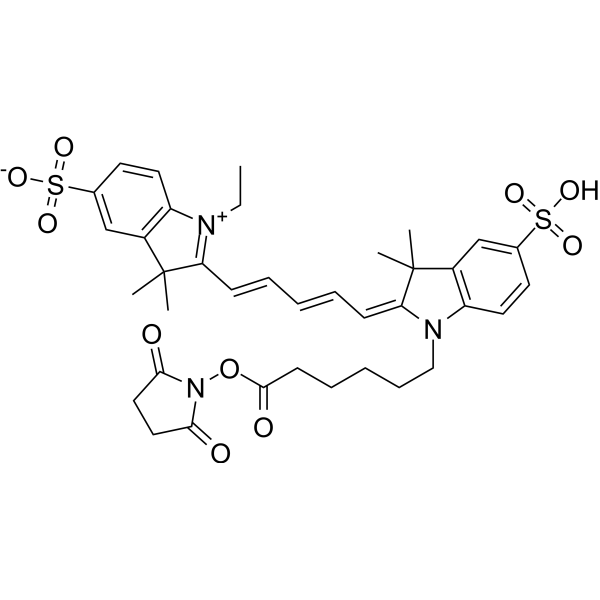
  • HY-D0819
    CY5-SE
    35+ Cited Publications

    Cy5 NHS Ester; Sulfo-Cyanine5 Succinimidyl Ester

    Fluorescent Dye Others
    Cy5-SE (Cy5 NHS Ester) is a reactive dye for the labeling of amino-groups in peptides, proteins, and oligonucleotides. This dye requires small amount of organic co-solvent (such as DMF or DMSO) to be used in labeling reaction. This reagent is ideal for very cost-efficient labeling of soluble proteins, as well as all kinds of peptides and oligonucleotides. This reagent also works well in organic solvents for small molecule labeling. Excitation (nm):649, Emission (nm): 670.
    CY5-SE
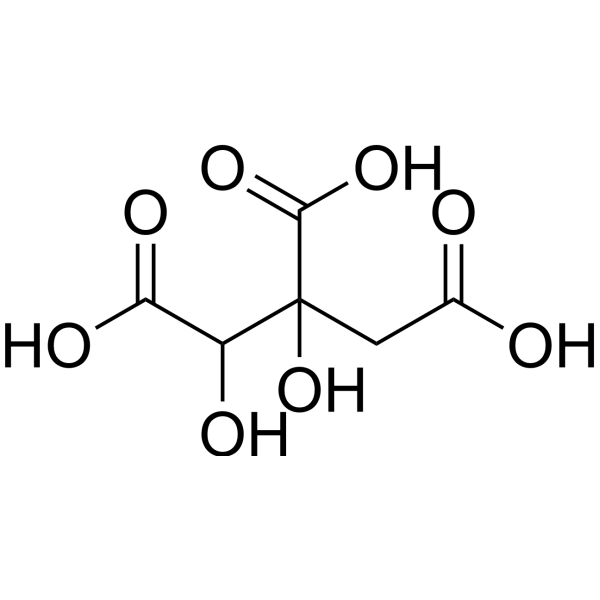
  • HY-N1437
    Hydroxycitric acid
    1 Publications Verification

    Apoptosis Ferroptosis mTOR DNA/RNA Synthesis Keap1-Nrf2 Ribosomal S6 Kinase (RSK) NF-κB ATP Citrate Lyase AMPK Cardiovascular Disease Metabolic Disease Cancer
    Hydroxycitric acid is an orally active, multi-target, multi-bioactive organic acid. activates Nrf2 and its downstream molecule GPX4, increases glutathione levels, and thereby inhibits ferroptosis. Hydroxycitric acid activates the Nrf2/Keap1 and ACLY/NF-κB signaling pathways, upregulates the activities of antioxidant enzymes such as superoxide dismutase, reduces MDA content, thereby alleviating oxidative stress and renal tubular epithelial cell apoptosis, and improves pulmonary vascular and right ventricular remodeling. Hydroxycitric acid activates both the AMPK and mTORC1/S6K pathways, triggers the unfolded protein response, arrests the cancer cell cycle, and induces DNA fragmentation .
    Hydroxycitric acid
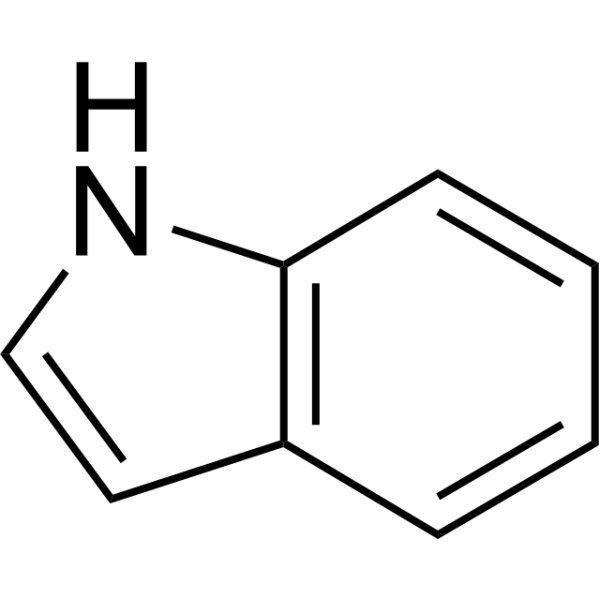
  • HY-W001132
    Indole
    2 Publications Verification

    Environmental Pollutants Endogenous Metabolite Infection
    Indole is an aromatic, heterocyclic, organic compound which widely distributed in the natural environment and can be produced by a variety of bacteria. Indole regulates various aspects of bacterial physiology, including spore formation, plasmid stability, resistance to drugs, biofilm formation, and virulence as an intercellular signal molecule .
    Indole
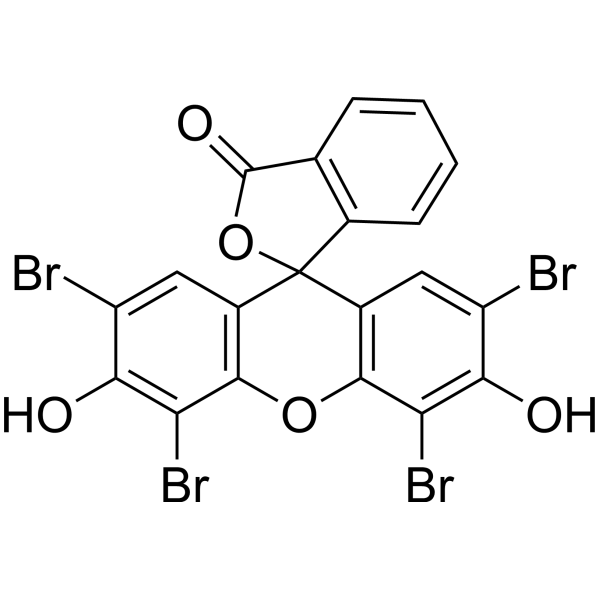
  • HY-D0505
    Eosin Y
    3 Publications Verification

    Acid Red 87 free base

    Fluorescent Dye Others
    Eosin Y (Acid Red 87 free base) is a soluble acid red dye molecule. Eosin Y has a wide application in organic synthesis as a photoredox catalyst .
    Eosin Y
  • HY-104086
    Cucurbit[7]uril
    2 Publications Verification

    CB7; Carrier CB7

    Biochemical Assay Reagents Others
    Cucurbit[7]uril is a cyclic organic molecule consisting of seven glycoluril units linked by methylene bridges. It has a rigid barrel-like structure with two identical inlets at both ends to selectively encapsulate guest molecules of appropriate size, shape, and polarity. Cucurbit[7]uril is known for its high binding affinity for a variety of organic and inorganic guests, including drugs, amino acids, peptides, and metal ions. This property makes them promising candidates for various applications in areas such as drug delivery, catalysis, and sensing.
    Cucurbit[7]uril
  • HY-Y0338

    Environmental Pollutants Others
    Ethylene glycol is an organic compound that is often used as an antifreeze agent and coolant. Ethylene glycol lowers the freezing point by forming hydrogen bonds with water molecules, exerting antifreeze activity. Ethylene glycol is also used as a raw material in the synthesis of polymers such as polyester fibers and polyurethanes .
    Ethylene glycol,98%
  • HY-B1431
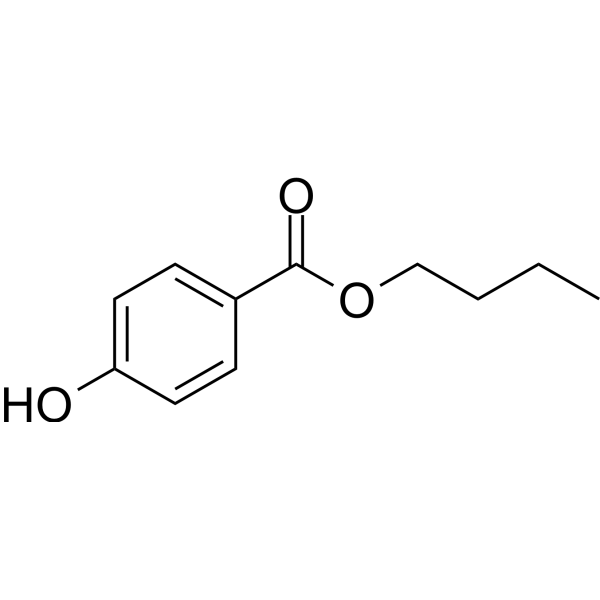
    Butylparaben
    2 Publications Verification

    Butyl parahydroxybenzoate; Butyl paraben; Butyl 4-hydroxybenzoate

    Environmental Pollutants Endogenous Metabolite Bacterial DNA/RNA Synthesis Infection
    Butylparaben is an organic compound that has proven to be a very successful antimicrobial preservative in cosmetics, can also be used in active molecule suspensions, and as a food flavoring additive .
    Butylparaben
  • HY-D0505A
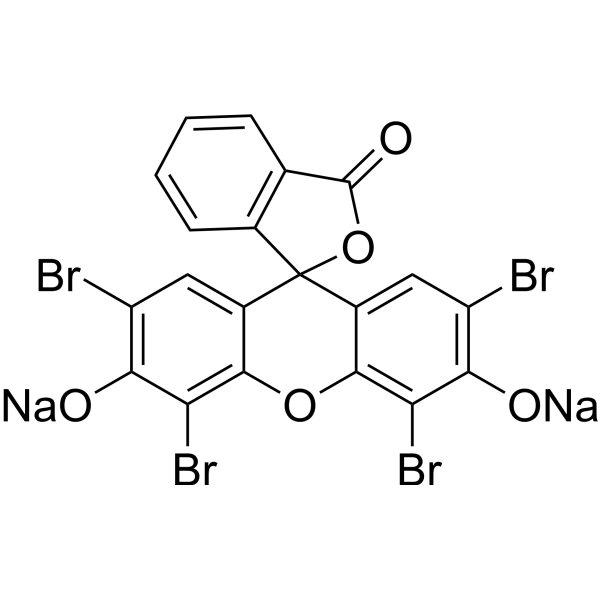
    Eosin Y disodium
    3 Publications Verification

    Acid Red 87

    Fluorescent Dye Others
    Eosin Y disodium (Acid Red 87) is a soluble acid red dye molecule. Eosin Y disodium has a wide application in organic synthesis as a photoredox catalyst .
    Eosin Y disodium
  • HY-Y1045

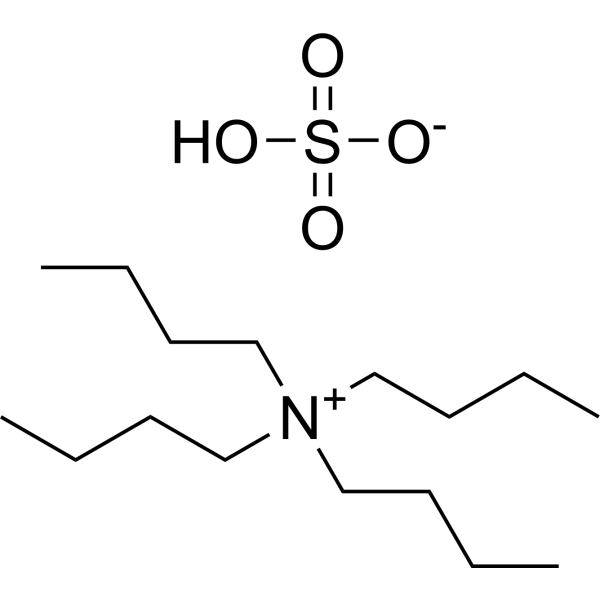
    TBAHS-MB

    Biochemical Assay Reagents Others
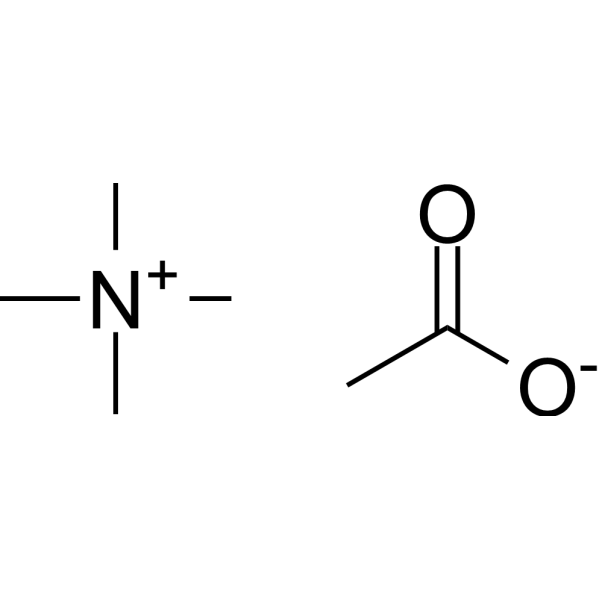
    Tetrabutylammonium hydrosulfate is a quaternary ammonium salt that is commonly used as a phase transfer catalyst, acid catalyst and reagent in various chemical reactions, especially in organic synthesis. Tetrabutylammonium hydrosulfate has unique chemical properties that allow it to facilitate the transfer of ions or molecules from one phase to another, making it an important ingredient in a variety of industrial processes.
    Tetrabutylammonium hydrogensulfate
  • HY-W073080

    MOFs Others
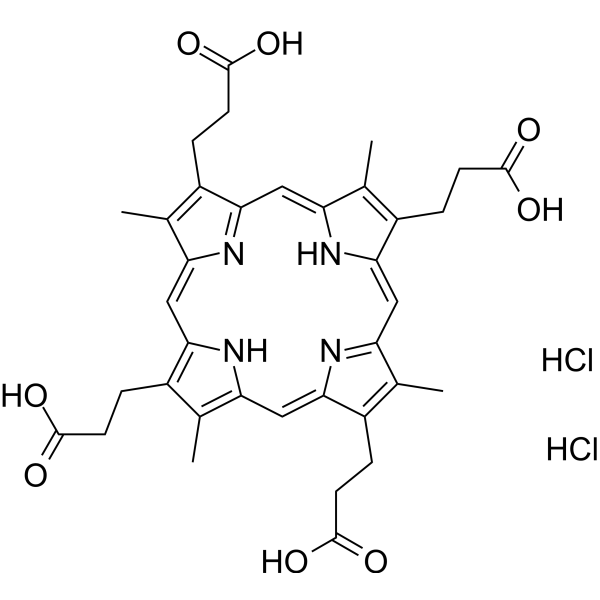
    Coproporphyrin I dihydrochlorideIt is an organic compound belonging to the class of porphyrins. It is a derivative of heme, an iron-containing molecule found in hemoglobin and other proteins. Coproporphyrin I dihydrochlorideOften used as a biomarker in the assessment of certain liver and metabolic diseases, especially those related to bile synthesis and transport. It can also be used as a reference standard for analytical chemistry and pharmacological research.
    Coproporphyrin I dihydrochloride
  • HY-118159

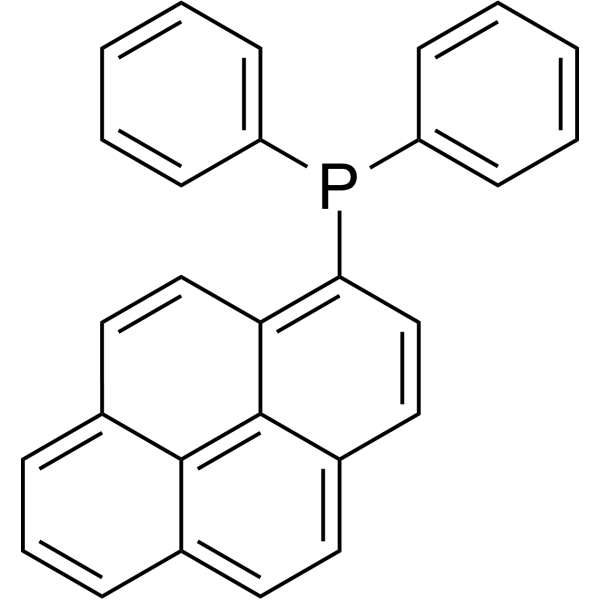
    DPPP

    Fluorescent Dye Others
    Diphenyl-1-pyrenylphosphine (DPPP) is a functional organic molecule with both fluorescent properties and metal coordination ability, which is commonly used in materials and coordination chemistry research. Upon exposure to ultraviolet light, Diphenyl-1-pyrenylphosphine undergoes photoinduced phosphorus atom oxidation to form O-DPPP, triggering a transition from aggregation-induced emission (AIE) to aggregation-caused quenching (ACQ). Diphenyl-1-pyrenylphosphine reacts stoichiometrically with lipid hydroperoxides to produce fluorescent diphenyl-1-pyrenylphosphine oxide. Diphenyl-1-pyrenylphosphine can insert into cell membranes to monitor lipid peroxidation processes in living cells .
    Diphenyl-1-pyrenylphosphine
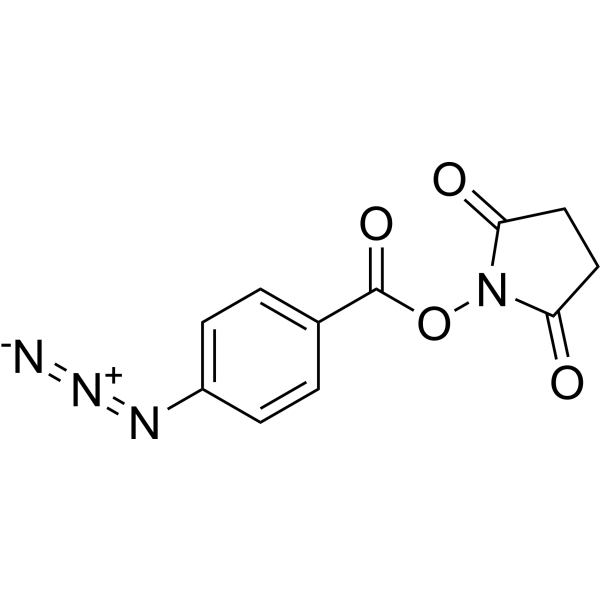
  • HY-126524

    ADC Linker Cancer
    N3-Ph-NHS ester (compound 133) is an organic synthesis intermediate and ADC linker used for the synthesis of antibody-drug conjugate (ADC) molecules .
    N3-Ph-NHS ester
  • HY-34515

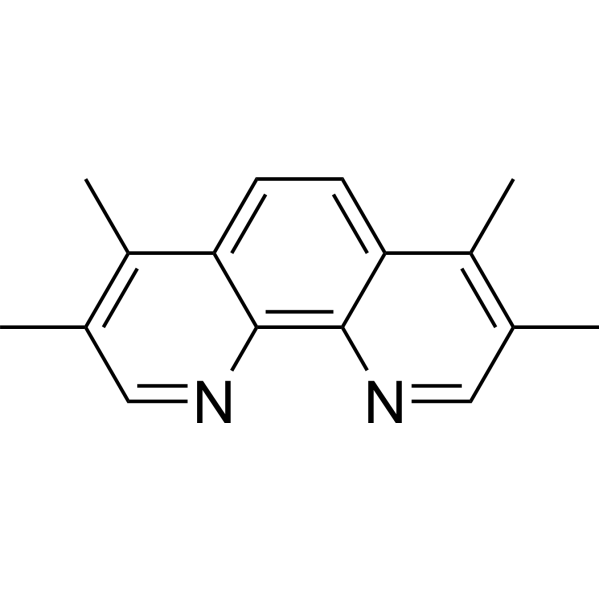
    TMPhen; 3,4,7,8-Tetramethyl-1,10-phenanthroline

    Biochemical Assay Reagents Others
    3,4,7,8-Tetramethyl-1,10-phenanthroline (TMPhen) is an organic molecule commonly used as a ligand or catalyst. It has a wide range of applications in different fields, such as organometallic chemical reactions, electrochemical detection, and organic optoelectronic devices. Due to its excellent performance in fluorescent probes, biosensors and photocatalytic reactions, it has been widely used in research in the fields of chemistry and life sciences.
    3,4,7,8-Tetramethyl-1,10-phenanthroline
  • HY-W127534

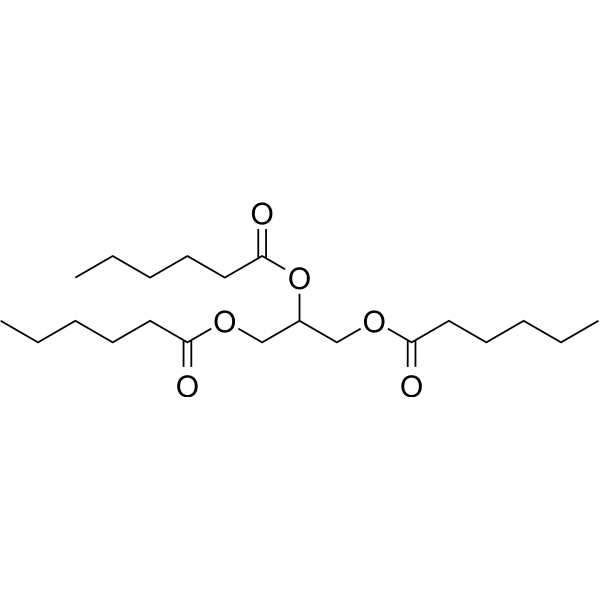
    Trihexanoin

    Biochemical Assay Reagents Others
    TricaproinIt is an organic compound belonging to the class of triacylglycerols. It consists of three molecules of caproic acid esterified to the glycerin backbone, with a mild fatty smell. TricaproinIt has a variety of applications in the cosmetic and personal care industries, especially as an emollient and conditioning agent in skin and hair care products. Additionally, it is used as a lubricant and surfactant in industrial settings.
    Tricaproin
  • HY-W001947

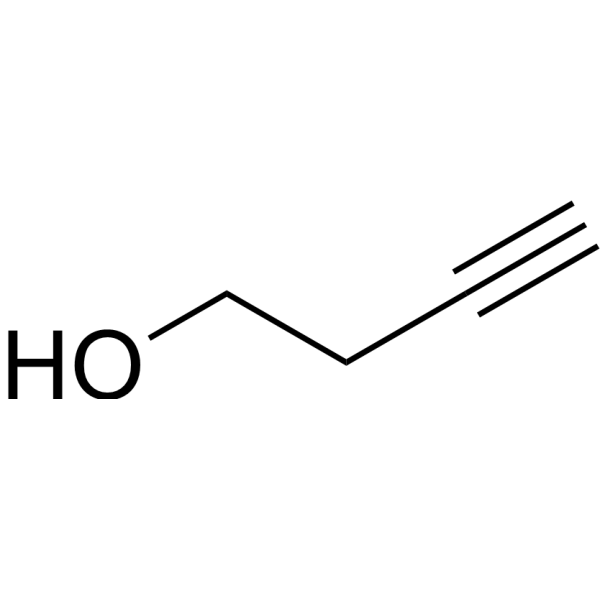
    Biochemical Assay Reagents Others
    3-Butyn-1-ol is a biochemical reagent that can be used as a biological material or organic compound for life science related research. 3-Butyn-1-ol is a click chemistry reagent, it contains an Alkyne group and can undergo copper-catalyzed azide-alkyne cycloaddition (CuAAc) with molecules containing Azide groups.
    3-Butyn-1-ol
  • HY-W061674

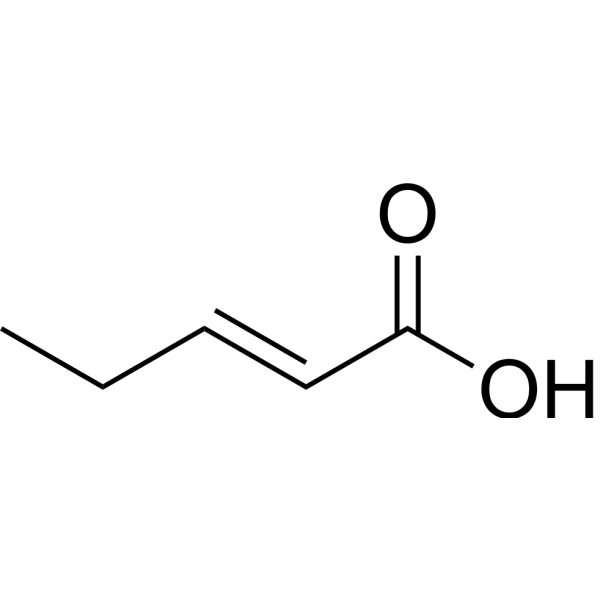
    (E)-Pent-2-enoic acid

    Biochemical Assay Reagents Others
    (2E)-Pent-2-enoic acid is an unsaturated carboxylic acid, it is also known as 2-pentenoic acid or crotonic acid, the "2E" designation indicates that the molecule has a trans double bond configuration, where the double bond The two carbon atoms on both sides are located on opposite sides, (2E)-Pent-2-enoic acid has a pungent odor, is miscible with water and most organic solvents, it is commonly used in organic synthesis as a variety of chemical reactions, including esterification, oxidation, and reduction, and in addition, its potential use as a flavoring agent in the food industry was investigated.
    trans-2-Pentenoic acid
  • HY-W338584
    Hydroxycitric acid tripotassium
    1 Publications Verification

    Keap1-Nrf2 Ferroptosis Apoptosis mTOR NF-κB ATP Citrate Lyase AMPK Ribosomal S6 Kinase (RSK) DNA/RNA Synthesis Cardiovascular Disease Metabolic Disease Endocrinology Cancer
    Tripotassium hydroxycitrate is an orally active, multi-target, multi-bioactive organic acid. Tripotassium hydroxycitrate activates Nrf2 and its downstream molecule GPX4, increases glutathione levels, and thereby inhibits ferroptosis. Tripotassium hydroxycitrate activates the Nrf2/Keap1 and ACLY/NF-κB signaling pathways, upregulates the activities of antioxidant enzymes such as superoxide dismutase, reduces MDA content, thereby alleviating oxidative stress and renal tubular epithelial cell apoptosis, and improves pulmonary vascular and right ventricular remodeling. Tripotassium hydroxycitrate activates both the AMPK and mTORC1/S6K pathways, triggers the unfolded protein response, arrests the cancer cell cycle, and induces DNA fragmentation .
    Hydroxycitric acid tripotassium
  • HY-W093183

    Palmitic acid anhydride

    Biochemical Assay Reagents Others
    Palmitic anhydride, a saturated fatty acid found in many natural sources such as animal fats and vegetable oils, is commonly used as a reagent in organic synthesis to introduce palmitoyl(hexadecanoyl) functional groups into other organic molecules, moreover, Palmitic anhydride has been Used in the production of surfactants, lubricants and plasticizers, as well as in the preparation of cosmetics and pharmaceuticals.
    Palmitic anhydride
  • HY-75970

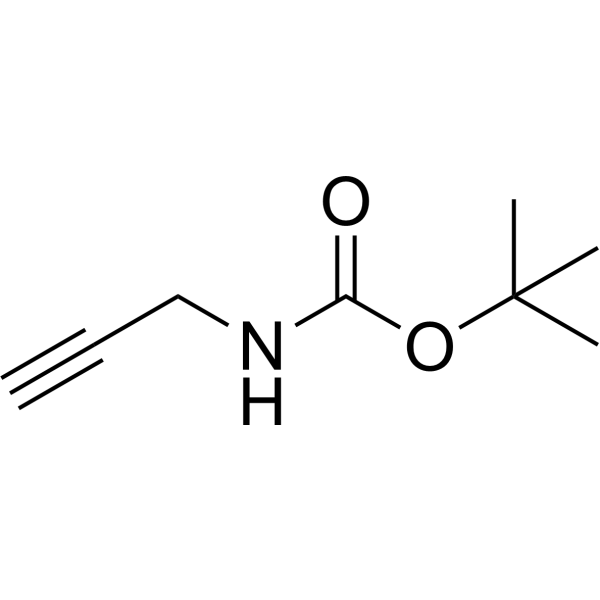
    N-Boc-Propargylamine

    Biochemical Assay Reagents Others
    N-Boc-Propargylamine is a biochemical reagent that can be used as a biological material or organic compound for life science related research. Boc-Propargylamine is a click chemistry reagent, it contains an Alkyne group and can undergo copper-catalyzed azide-alkyne cycloaddition (CuAAc) with molecules containing Azide groups.
    Boc-Propargylamine
  • HY-W007423

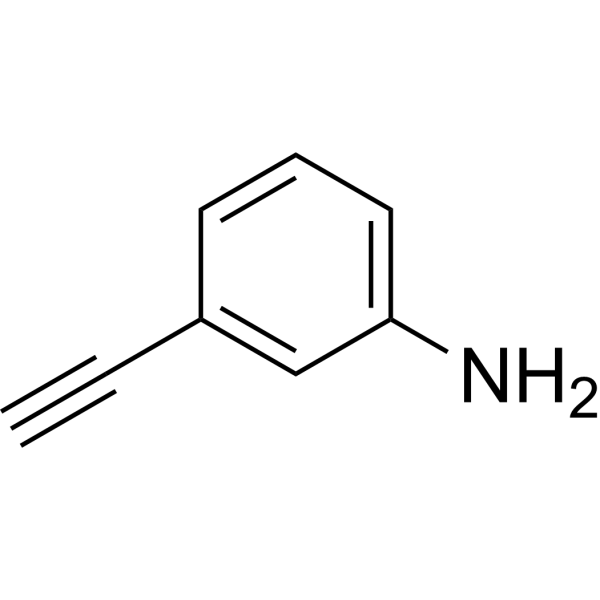
    Biochemical Assay Reagents Others
    3-Ethynylaniline is a biochemical reagent that can be used as a biological material or organic compound for life science related research. 3-Ethynylaniline is a click chemistry reagent, it contains an Alkyne group and can undergo copper-catalyzed azide-alkyne cycloaddition (CuAAc) with molecules containing Azide groups.
    3-Ethynylaniline
  • HY-Y0080

    Environmental Pollutants Biochemical Assay Reagents Others
    Methyl trioctyl ammonium chloride is a quaternary ammonium salt commonly used as a surfactant, stabilizer and phase transfer catalyst in various chemical reactions, especially in organic synthesis. Methyl trioctyl ammonium chloride has unique chemical properties that facilitate the transfer of ions or molecules from one phase to another, making it an important ingredient in a variety of industrial processes.
    Methyl trioctyl ammonium chloride
  • HY-W001132R
    Indole (standard)
    2 Publications Verification

    Reference Standards Endogenous Metabolite Infection
    Indole (Standard) is the analytical standard of Indole. This product is intended for research and analytical applications. Indole is an aromatic, heterocyclic, organic compound which widely distributed in the natural environment and can be produced by a variety of bacteria. Indole regulates various aspects of bacterial physiology, including spore formation, plasmid stability, resistance to drugs, biofilm formation, and virulence as an intercellular signal molecule .
    Indole (standard)
  • HY-W011009

    Fluorescent Dye Others
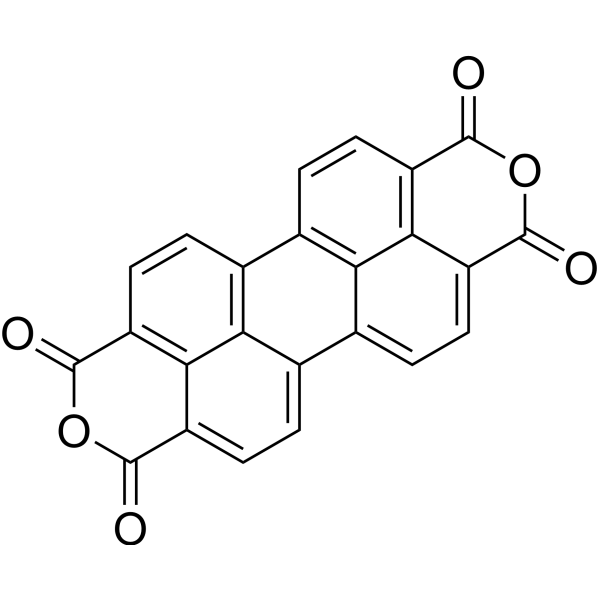
    PTCDA is an organic dye molecule and an organic semiconductor .
    PTCDA
  • HY-W004547

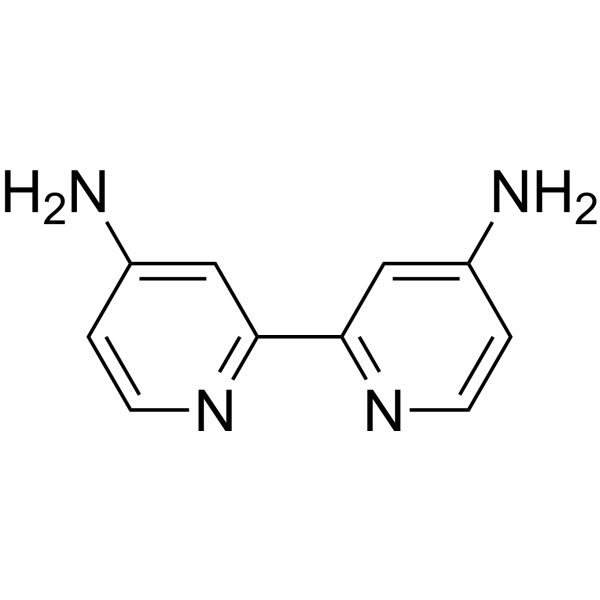
    4,4'-Diamino-2,2'-bipyridine

    Biochemical Assay Reagents Others
    (NH2)2bpy (4,4'-Diamino-2,2'-bipyridine) is an organic compound commonly used as a catalyst and complexing reagent. It can form complexes with other metal ions or organic molecules, and can play a catalytic role in some organic synthesis reactions. In addition, this compound is also widely used in some chemical analysis and detection methods, such as in biological analysis and electrochemical analysis
    (NH2)2bpy
  • HY-W035133

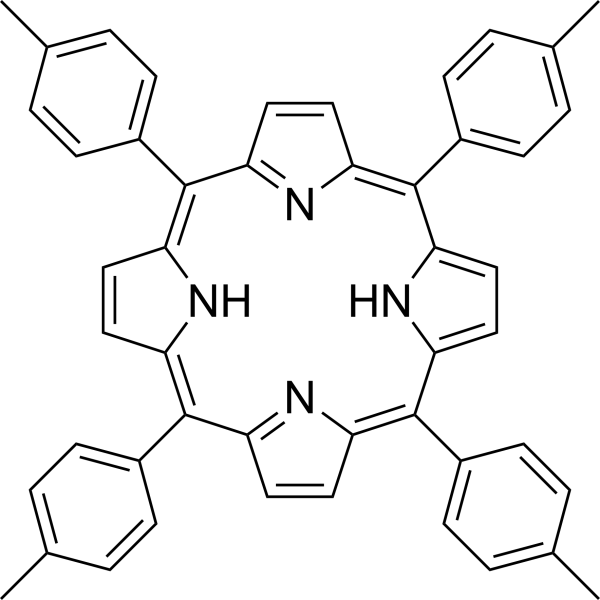
    5,10,15,20-Tetra-p-tolyl-21H,23H-porphine

    MOFs Others
    5,10,15,20-Tetrakis(p-tolyl)porphyrin (TTP) is an organic compound belonging to the class of porphyrins, a cyclic molecule composed of four pyrrole rings linked together. TTP is a synthetic porphyrin commonly used as a sensitizer for dye-sensitized solar cells and a catalyst for organic reactions. Due to its unique structure, TTP has a series of interesting properties, including at specific wavelengths and its potential as a catalyst for various chemical reactions. In dye-sensitized solar cells, TTPs help convert sunlight into electricity by absorbing photons and transferring electrons to the semiconductor layer of the device. In organic chemistry, TTP is often used as a catalyst for various organic compounds in reactions such as oxidation and reduction. Its ability to selectively bind certain substrates makes it a useful tool for synthesizing complex molecules and studying their properties.
    5,10,15,20-Tetrakis(p-tolyl)porphyrin
  • HY-66029

    Biochemical Assay Reagents Others
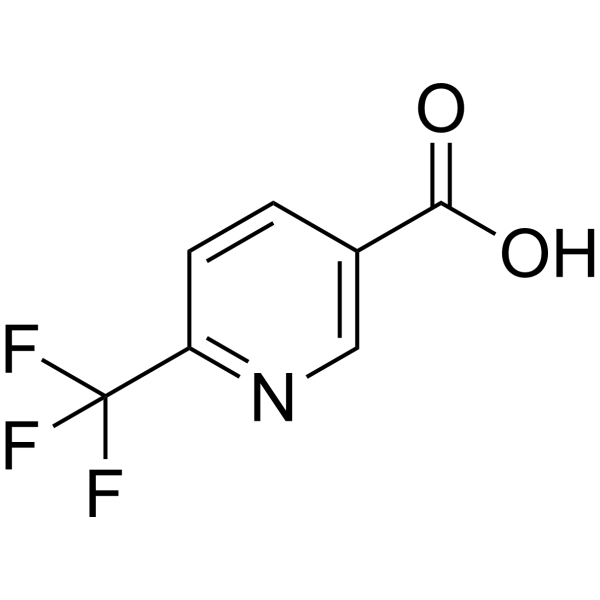
    6-(Trifluoromethyl)nicotinic acid is a biochemical reagent that can be used as a biological material or organic compound for life science related research. 6-(Trifluoromethyl)nicotinic acid is a small heterocyclic molecule containing carboxylic acid and trifluoromethyl groups, which can be used as a multifunctional additive .
    6-(Trifluoromethyl)nicotinic acid
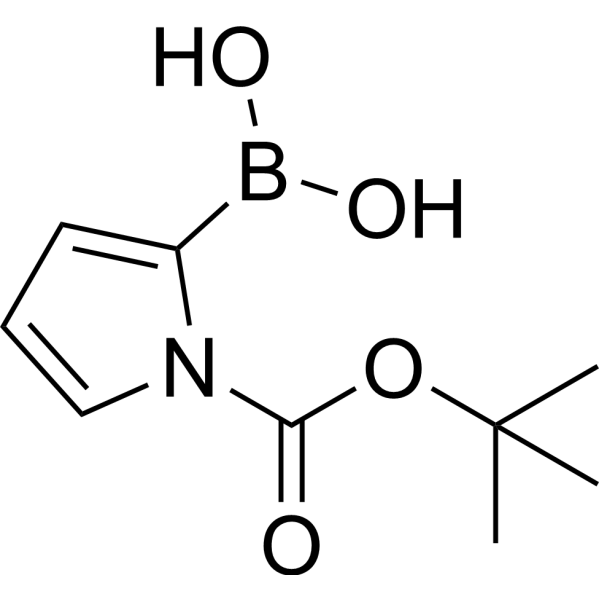
  • HY-32959

    Biochemical Assay Reagents Others
    N-Boc-2-pyrroleboronic acid is an organic synthesis intermediate used primarily in the synthesis of chiral pharmaceutical molecules and biologically active molecules. The boronic acid on the pyrrole ring can participate in Suzuki coupling reactions. The boronic acid can be oxidized to a hydroxyl group under the action of nitrogen oxides, and after tautomerization, it can be further transformed into 2-oxo-2,5-dihydro-1-pyrrolecarboxylic acid tert-butyl ester .
    N-Boc-2-pyrroleboronic acid
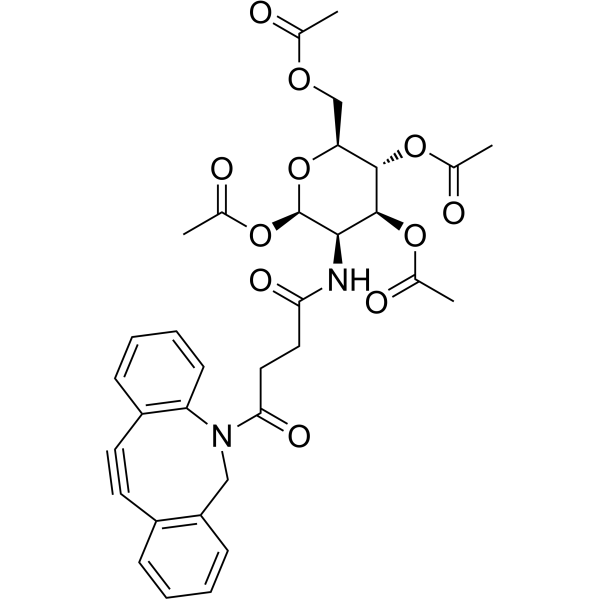
  • HY-W588717

    Biochemical Assay Reagents Others
    DBCO-Tetraacetyl mannosamine is an organic compound commonly used for chemical alteration and modification in biological research. It can be used to modify glycoproteins, cell surface molecules, and other biomolecules, and is widely used in biomarking and purification techniques. In addition, this compound is used as a carrier for drugs in certain drug controlled release systems. DBCO-Tetraacetyl mannosamine is a click chemistry reagent, it contains a DBCO group that can undergo strain-promoted alkyne-azide cycloaddition (SPAAC) with molecules containing Azide groups.
    DBCO-Tetraacetyl mannosamine
  • HY-DY1063

    Fluorescent Dye Others
    Cy5-SE (Cy5 NHS Ester) (solution) is a reactive dye for the labeling of amino-groups in peptides, proteins, and oligonucleotides. This dye requires small amount of organic co-solvent (such as DMF or DMSO) to be used in labeling reaction. This reagent is ideal for very cost-efficient labeling of soluble proteins, as well as all kinds of peptides and oligonucleotides. This reagent also works well in organic solvents for small molecule labeling. Excitation (nm) :649, Emission (nm) : 670.
    Solvent and concentration: DMSO: 10 mM
    CY5-SE (solution)
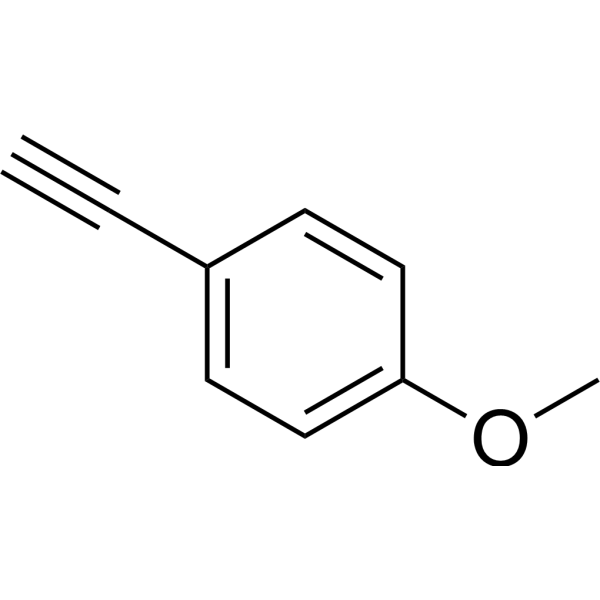
  • HY-W004104

    Biochemical Assay Reagents Others
    4-Ethynylanisole is a biochemical reagent that can be used as a biological material or organic compound for life science related research. 4-Ethynylanisole is a click chemistry reagent, it contains an Alkyne group and can undergo copper-catalyzed azide-alkyne cycloaddition (CuAAc) with molecules containing Azide groups.
    4-Ethynylanisole
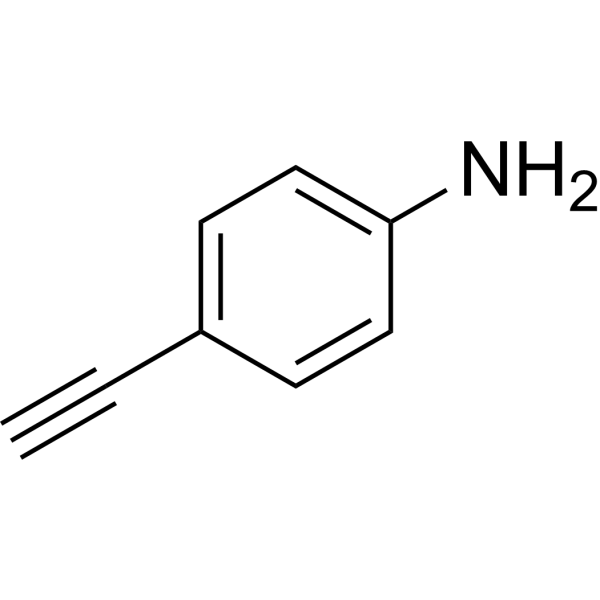
  • HY-W004660

    Biochemical Assay Reagents Others
    4-Ethynylaniline is a biochemical reagent that can be used as a biological material or organic compound for life science related research. 4-Ethynylaniline is a click chemistry reagent, it contains an Alkyne group and can undergo copper-catalyzed azide-alkyne cycloaddition (CuAAc) with molecules containing Azide groups.
    4-Ethynylaniline
  • HY-W007533

    Biochemical Assay Reagents Others
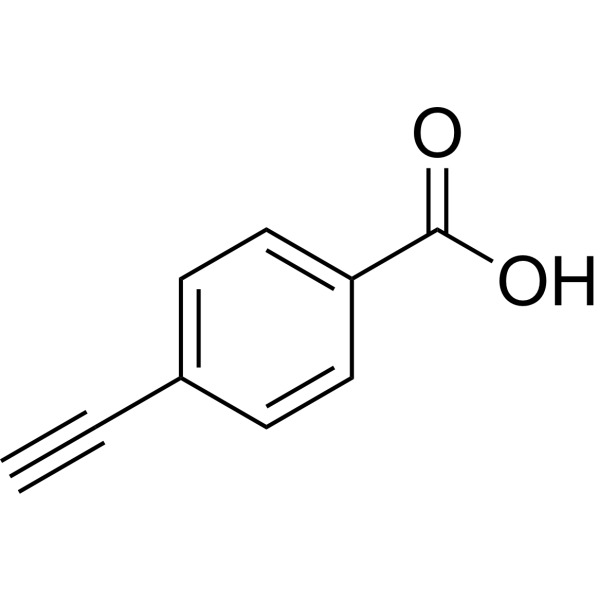
    4-Ethynylbenzoic acid is a biochemical reagent that can be used as a biological material or organic compound for life science related research. 4-Ethynylbenzoic acid is a click chemistry reagent, it contains an Alkyne group and can undergo copper-catalyzed azide-alkyne cycloaddition (CuAAc) with molecules containing Azide groups.
    4-Ethynylbenzoic acid
  • HY-34604

    Biochemical Assay Reagents Others
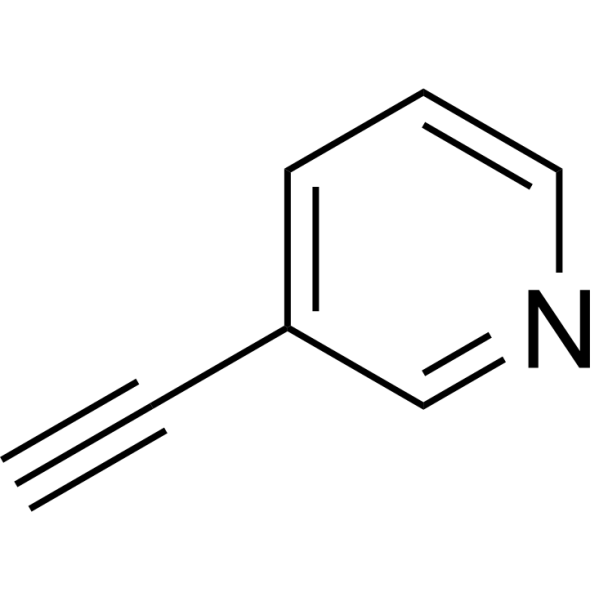
    3-Ethynylpyridine is a biochemical reagent that can be used as a biological material or organic compound for life science related research. 3-Ethynylpyridine is a click chemistry reagent, it contains an Alkyne group and can undergo copper-catalyzed azide-alkyne cycloaddition (CuAAc) with molecules containing Azide groups.
    3-Ethynylpyridine
  • HY-75102

    Biochemical Assay Reagents Cancer
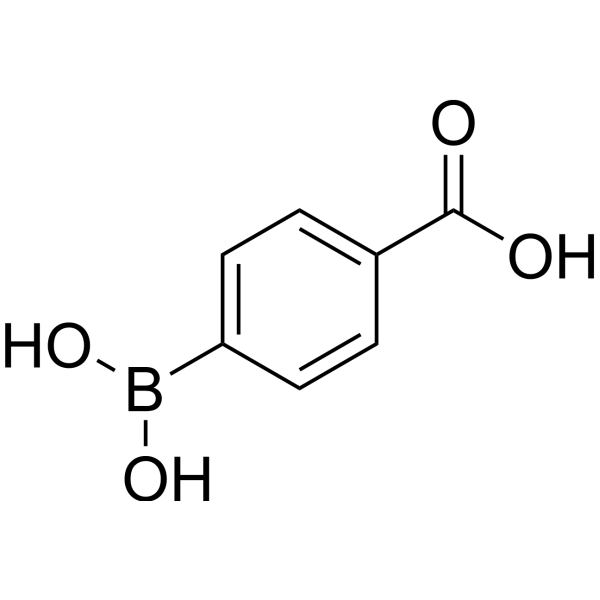
    4-Boronobenzoic acid is an organic compound. 4-Boronobenzoic acid forms reversible cyclic boronate esters with molecules containing cis-vicinal diol structures (such as sialic acid) through the boron atom, achieving molecular recognition and binding. 4-Boronobenzoic acid can be used in research of breast cancer .
    4-Boronobenzoic acid
  • HY-W003601

    Biochemical Assay Reagents Others
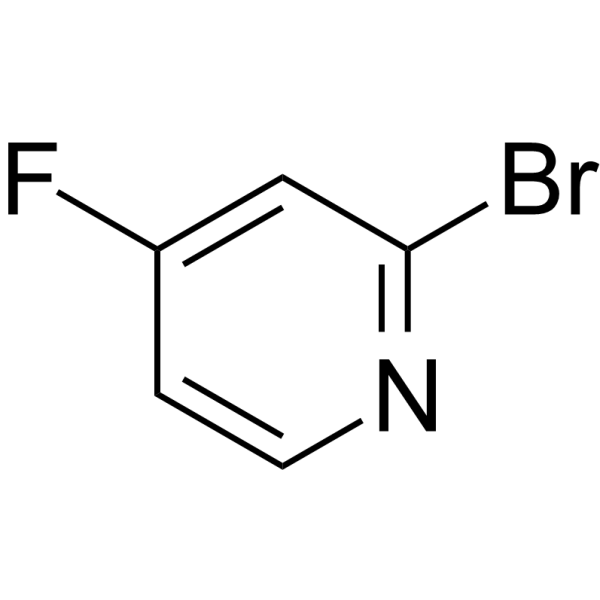
    2-Bromo-4-fluoropyridine is a synthetic halogenated heterocyclic organic compound and a key intermediate in the pharmaceutical and agrochemical industries. 2-Bromo-4-fluoropyridine can be used to synthesize bioactive molecules through cross-coupling reactions, such as Suzuki coupling or Buchwald-Hartwig amination.
    2-Bromo-4-fluoropyridine
  • HY-W007542

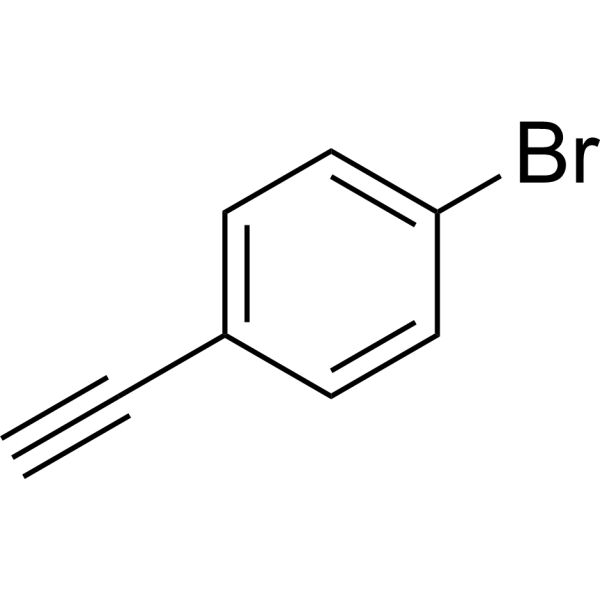
    1-Bromo-4-ethynylbenzene

    Biochemical Assay Reagents Others
    1-Bromo-4-ethynylbenzene is a biochemical reagent that can be used as a biological material or organic compound for life science related research. 4-Bromophenylacetylene is a click chemistry reagent, it contains an Alkyne group and can undergo copper-catalyzed azide-alkyne cycloaddition (CuAAc) with molecules containing Azide groups.
    4-Bromophenylacetylene
  • HY-I0606B

    Drug Intermediate Endogenous Metabolite
    (R)-(+)-2,2-Dimethyl-1,3-dioxolane-4-carboxaldehyde is a chiral molecule with potential chiral catalytic activity. It can be used as an intermediate in organic synthesis and plays a key role in the construction of complex molecular systems. This compound has also been used to develop new compound carriers and exhibits good biocompatibility.
    (R)-(+)-2,2-Dimethyl-1,3-dioxolane-4-carboxaldehyde
  • HY-W708309

    Drug Derivative Others
    2-Methoxy ketamine hydrochloride is an organic synthesis intermediate used for the synthesis of active molecules.
    2-Methoxy ketamine hydrochloride
  • HY-W097994

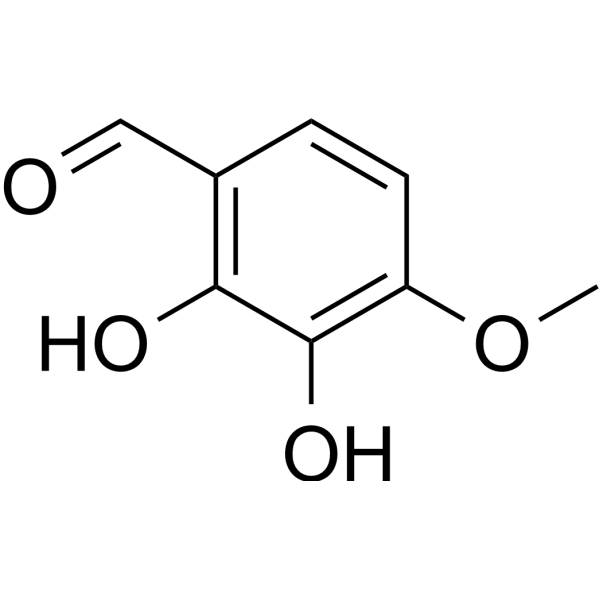
    2,3-Dihydroxy-4-methoxybenzaldehyde

    Fungal Infection Inflammation/Immunology
    DHMB (2,3-Dihydroxy-4-methoxybenzaldehyde) is a small organic molecule with anti-fungal and anti-inflammatory activity. DHMB has protective effect on intestinal epithelial cells .
    DHMB
  • HY-B1431R

    Butyl parahydroxybenzoate (Standard); Butyl paraben (Standard); Butyl 4-hydroxybenzoate (Standard)

    Reference Standards Bacterial Endogenous Metabolite DNA/RNA Synthesis Infection
    Butylparaben (Standard) is the analytical standard of Butylparaben. This product is intended for research and analytical applications. Butylparaben is an organic compound that has proven to be a very successful antimicrobial preservative in cosmetics, can also be used in active molecule suspensions, and as a food flavoring additive .
    Butylparaben (Standard)
  • HY-W127601

    Biochemical Assay Reagents Others
    Lard oil is a biochemical reagent that can be used as a biological material or organic compound for life science related research. Lard oil is a click chemistry reagent, it contains an Azide group and can undergo copper-catalyzed azide-alkyne cycloaddition reaction (CuAAc) with molecules containing Alkyne groups. It can also undergo strain-promoted alkyne-azide cycloaddition (SPAAC) reactions with molecules containing DBCO or BCN groups.
    Lard oil
  • HY-44087

    Drug Intermediate Others
    Ethyl (E)-3-(1-pyrrolidinyl)crotonate is an organic synthetic intermediate of the enamine ester type. Ethyl (E)-3-(1-pyrrolidinyl)crotonate has a stable structure and strong reactivity, and is mainly used for the construction of heterocyclic compounds and drug molecules.
    Ethyl (E)-3-(1-pyrrolidinyl)crotonate
  • HY-W127678

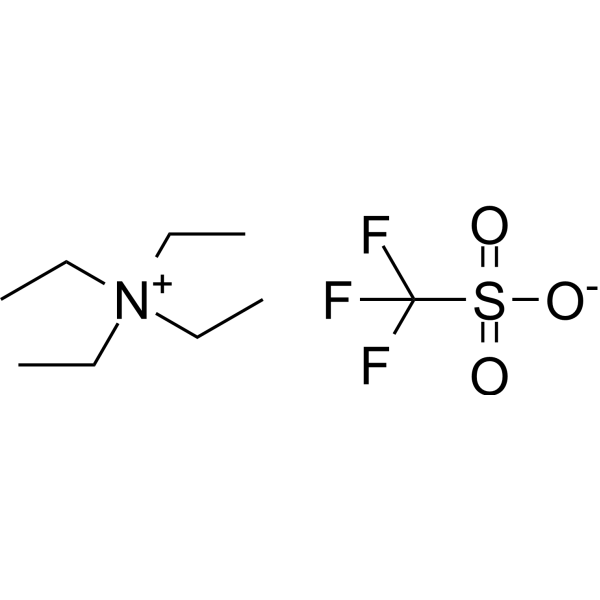
    Tetraethylammonium (trifluoromethanesulphonate)

    Biochemical Assay Reagents Others
    Tetraethylammonium trifluoromethanesulfonate is a quaternary ammonium salt commonly used as a phase transfer catalyst in various chemical reactions, especially in organic synthesis. Tetraethylammonium trifluoromethanesulfonate has unique chemical properties that allow it to facilitate the transfer of ions or molecules from one phase to another, making it an important ingredient in a variety of industrial processes.
    Tetraethylammonium trifluoromethanesulfonate
  • HY-NP187

    PWM

    Biochemical Assay Reagents Mitosis
    Phytolacca americana Lectin (PWM) is a lectin that specific for N-acetylglucosamine-containing saccharides. Phytolacca americana Lectin stimulates peripheral lymphocytes to undergo mitosis by binding to their cell surfaces. Phytolacca americana Lectin can be used as a probe to specifically bind to biological molecules. Phytolacca americana Lectin is a biomaterial or organic compound that can be used in life science research .
    Phytolacca americana Lectin
  • HY-W145647

    Biochemical Assay Reagents Others
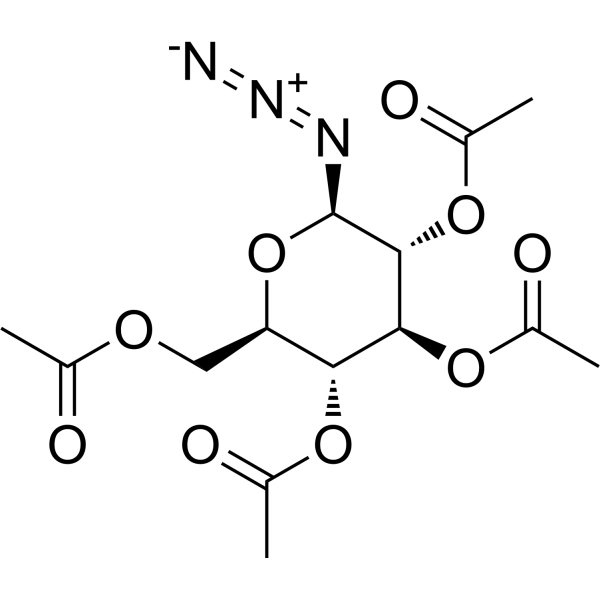
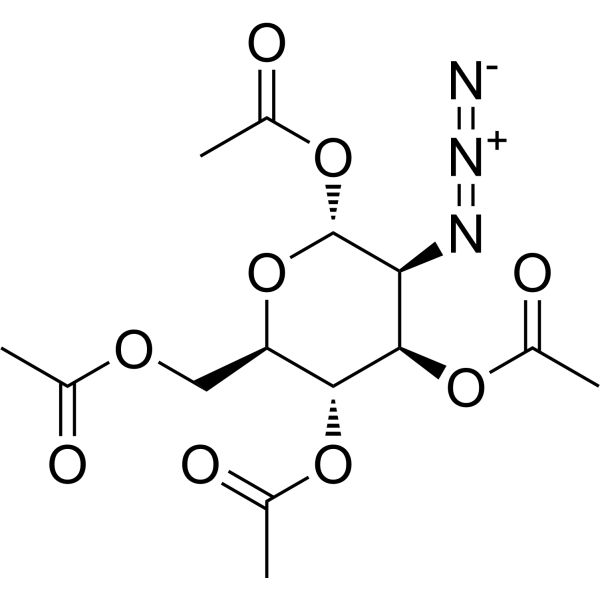
    2,3,4,6-Tetra-O-acetyl-β-D-galactopyranosyl Azide is a biochemical reagent that can be used as a biological material or organic compound for life science related research. 2,3,4,6-Tetra-O-acetyl-β-D-galactopyranosyl azide is a click chemistry reagent, it contains an Azide group and can undergo copper-catalyzed azide-alkyne cycloaddition reaction (CuAAc) with molecules containing Alkyne groups. It can also undergo strain-promoted alkyne-azide cycloaddition (SPAAC) reactions with molecules containing DBCO or BCN groups.
    2,3,4,6-Tetra-O-acetyl-β-D-galactopyranosyl azide
  • HY-W002586

    Biochemical Assay Reagents Others
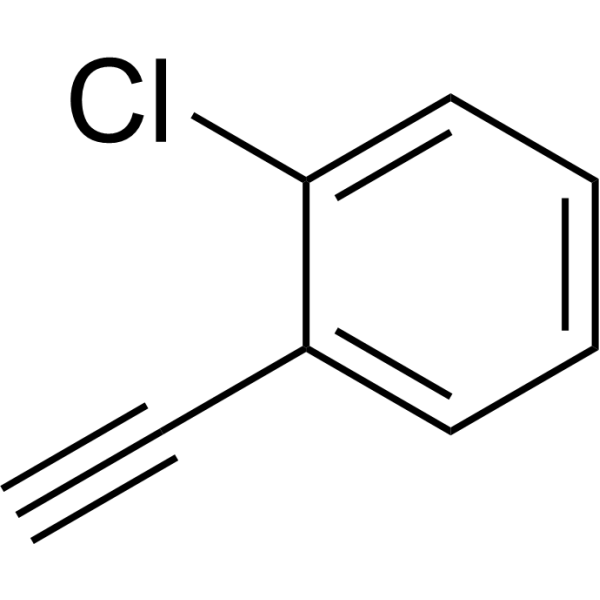
    1-Chloro-2-ethynylbenzene is a biochemical reagent that can be used as a biological material or organic compound for life science related research. 1-Chloro-2-ethynylbenzene is a click chemistry reagent, it contains an Alkyne group and can undergo copper-catalyzed azide-alkyne cycloaddition (CuAAc) with molecules containing Azide groups.
    1-Chloro-2-ethynylbenzene
  • HY-W145549

    Biochemical Assay Reagents Others
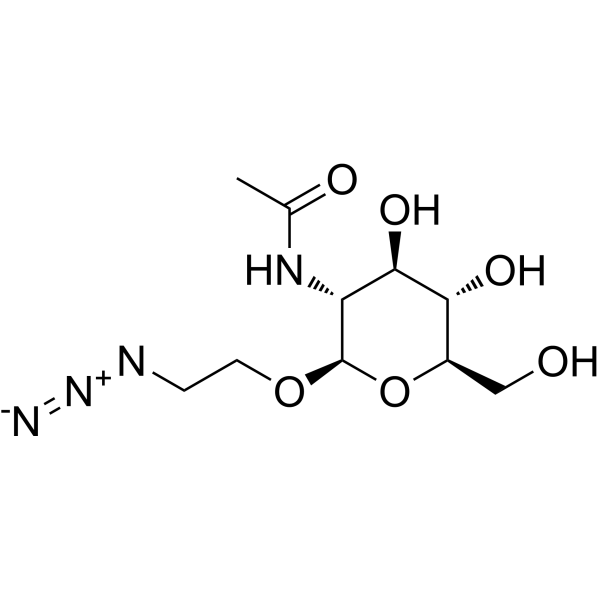
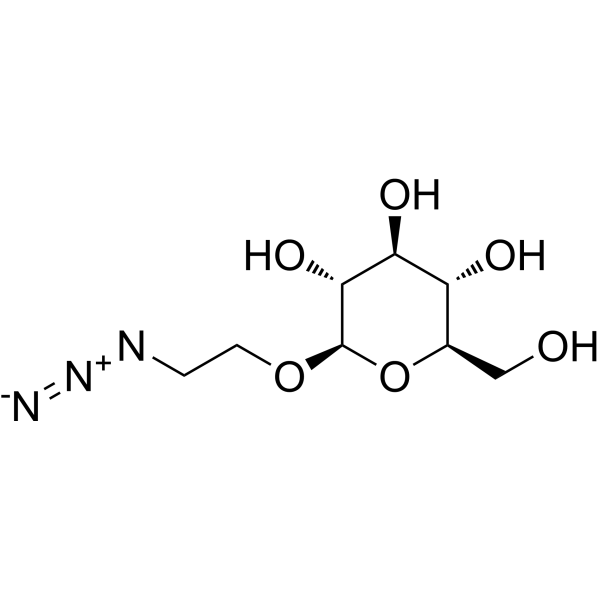
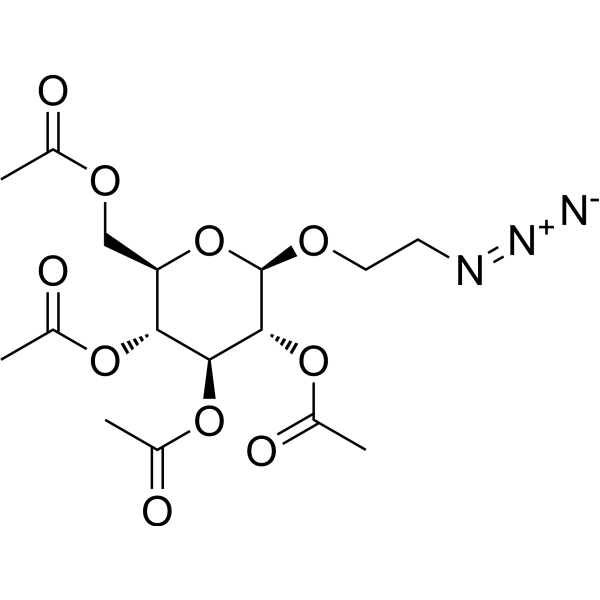
    2-Azidoethyl 2-Acetamido-2-deoxy-β-D-glucopyranoside is a biochemical reagent that can be used as a biological material or organic compound for life science related research. 2-Azidoethyl 2-Acetamido-2-deoxy-β-D-glucopyranoside is a click chemistry reagent, it contains an Azide group and can undergo copper-catalyzed azide-alkyne cycloaddition reaction (CuAAc) with molecules containing Alkyne groups. It can also undergo strain-promoted alkyne-azide cycloaddition (SPAAC) reactions with molecules containing DBCO or BCN groups.
    2-Azidoethyl 2-Acetamido-2-deoxy-β-D-glucopyranoside
  • HY-W014159

    Biochemical Assay Reagents Others
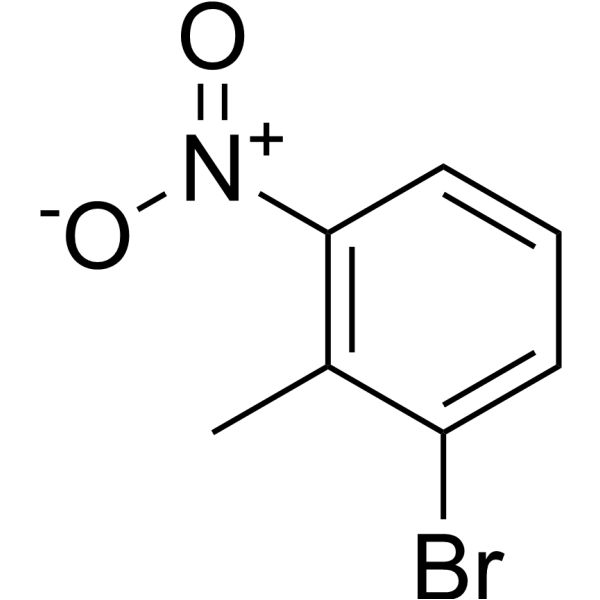
    1-Bromo-2-methyl-3-nitrobenzene is an organic synthesis intermediate. 1-Bromo-2-methyl-3-nitrobenzene participates in chemical reactions such as electrophilic substitution and coupling through the bromine atom and nitro group in the molecule, and acts as a synthetic precursor. 1-Bromo-2-methyl-3-nitrobenzene can construct complex molecular structures by relying on the leaving property of bromine and the electron-withdrawing property of nitro group, and can be used in the synthesis of benzimidazole VISTA inhibitors in medicinal chemistry .
    1-Bromo-2-methyl-3-nitrobenzene
  • HY-W016779

    Endogenous Metabolite Others
    Cyclopentyl phenyl ketone is an organic synthesis intermediate used for the synthesis of active molecules .
    Cyclopentyl phenyl ketone
  • HY-149039

    Biochemical Assay Reagents Others
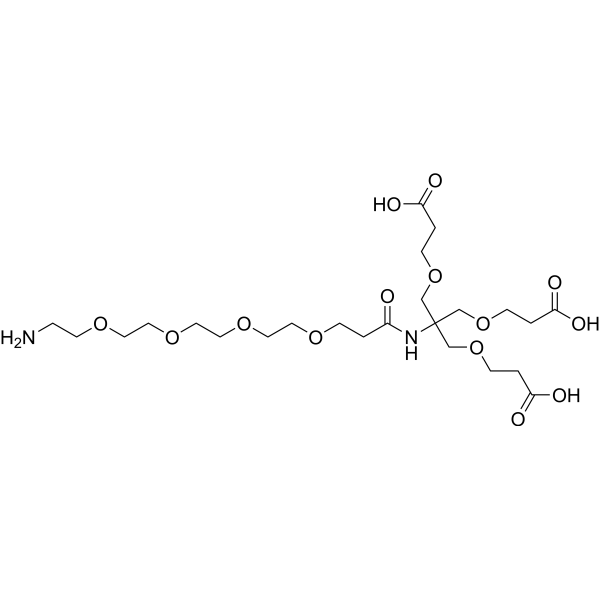
    Amine-PEG4-amido-tri-(carboxyethoxymethyl)-methane is a organic compounds, acts as a linker used to synthesize multifunctional molecules.
    Amine-PEG4-amido-tri-(carboxyethoxymethyl)-methane

Inquiry Online

Your information is safe with us. * Required Fields.

Salutation


Country or Region *

Applicant Name *


Organization Name *

Department *


Email Address *


Product Name *

Cat. No.


Requested quantity *

Phone Number *


Remarks

Inquiry Online

Inquiry Information

Product Name:
Cat. No.:
Quantity:
MCE Japan Authorized Agent: