

Search Result
Results for "
pH degradation
" in MedChemExpress (MCE) Product Catalog:
7
Biochemical Assay Reagents
1
Isotope-Labeled Compounds
| Cat. No. |
Product Name |
Target |
Research Areas |
Chemical Structure |
-
- HY-D0856
-
|
|
Biochemical Assay Reagents
|
Others
|
|
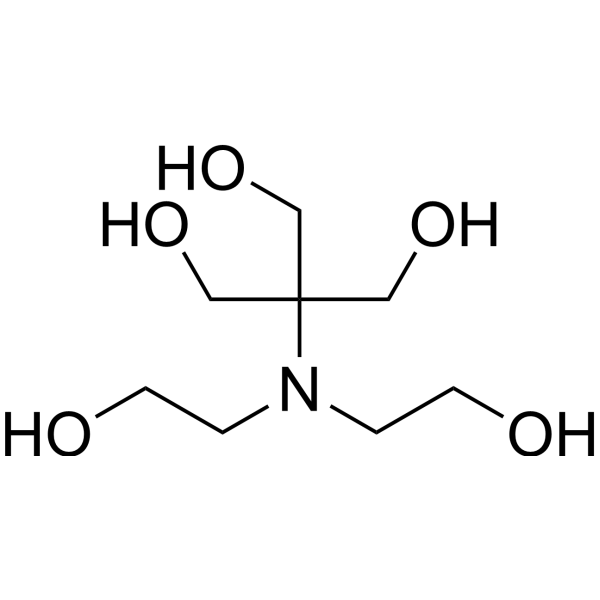
Bis-Tris is an amine buffer suitable for protein and nucleic acid systems with a pH buffer range of 5.8-7.2. Bis-Tris can also be mixed with HEPES and cacodylic acid buffer to create a pH 8 environment and monitor fluorescence emission intensity at 305 nm. Gels formulated with Bis-Tris also avoid protein degradation in samples prepared at higher pH (pH 8.5) .
|
-
-
- HY-128144
-
|
|
Lipase
|
Metabolic Disease
|
|
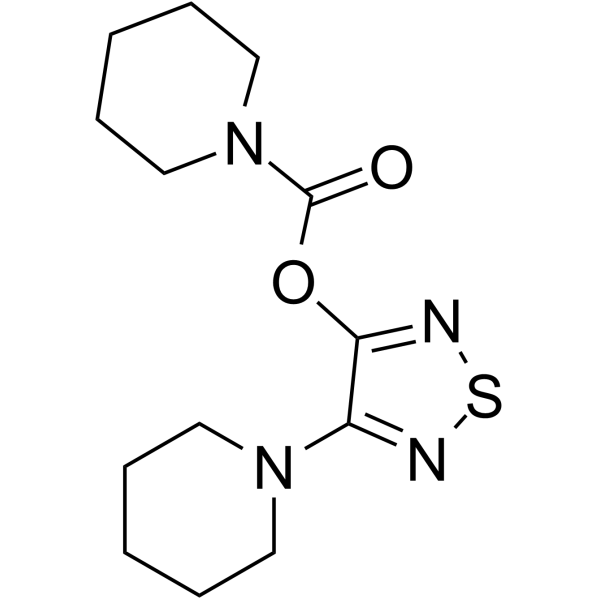
Lalistat 2 is an inhibitor of many lipases especially Lysosomal acid lipase (LAL, IC50 = 152 nM), which is a key enzyme that degrades neutral lipids at an acidic pH in lysosomes. Lalistat 2 is commonly used to investigate the cell-specific functions of LAL and LAL deficiency in vitro, as well as specifically measure LAL activity in human blood samples or cells .
|
-
-
- HY-B2228
-
|
|
Biochemical Assay Reagents
|
Cancer
|
|
Proteinase, Aspergillus oryzae is a serine protease that hydrolyzes peptide bonds in protein substrates, preferring alkaline conditions (optimal pH 10.5). It efficiently degrades casein, poly-L-glutamic acid, and poly-L-lysine, with activity irreversibly inhibited by diisopropylfluorophosphate (DFP) and potato inhibitor. This enzyme catalyzes proteolysis via serine residues in its active site, finding applications in food processing (e.g., soy sauce fermentation), detergents, and leather industries due to its high yield in solid-state fermentation and cost-effective production.
|
-
-
- HY-148530
-
|
|
PROTACs
CDK
|
Cancer
|
|
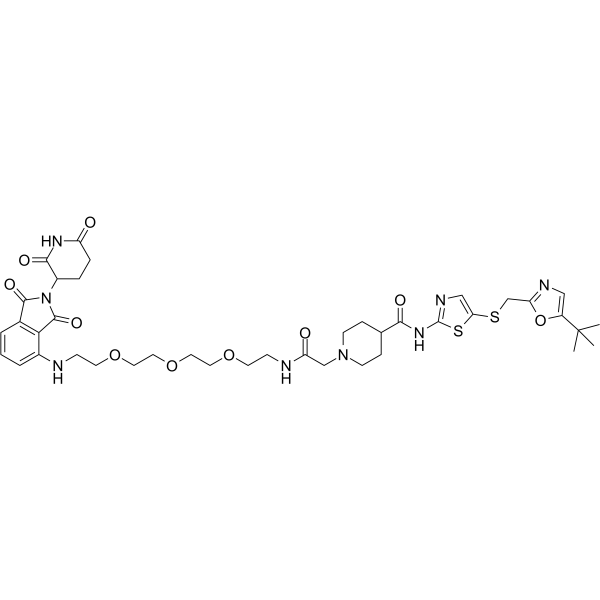
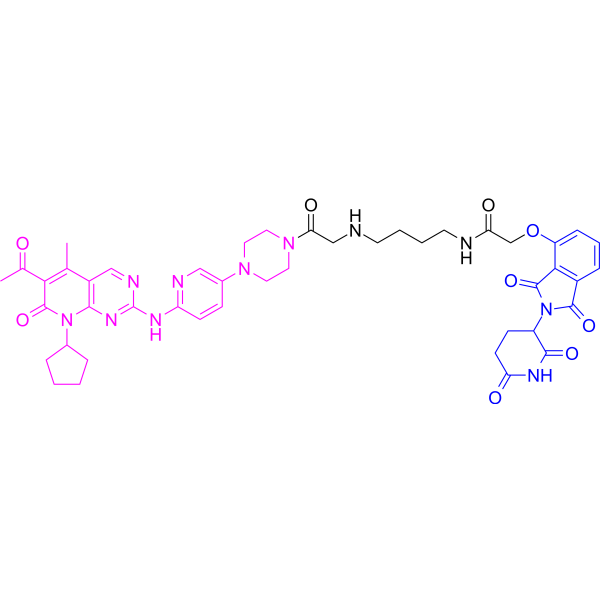
YX-2-107 is a PROTAC (IC50= 4.4 nM) that selectively degrades CDK6. YX-2-107 effectively inhibits RB phosphorylation and FOXM1 expression in vitro and inhibits the development of Ph + ALL in rats. YX-2-107 can be used in the study of Ph chromosome-positive (Ph +) acute lymphoblastic leukemia (ALL) .
|
-
-
- HY-W105681
-
|
|
Biochemical Assay Reagents
|
Others
|
|
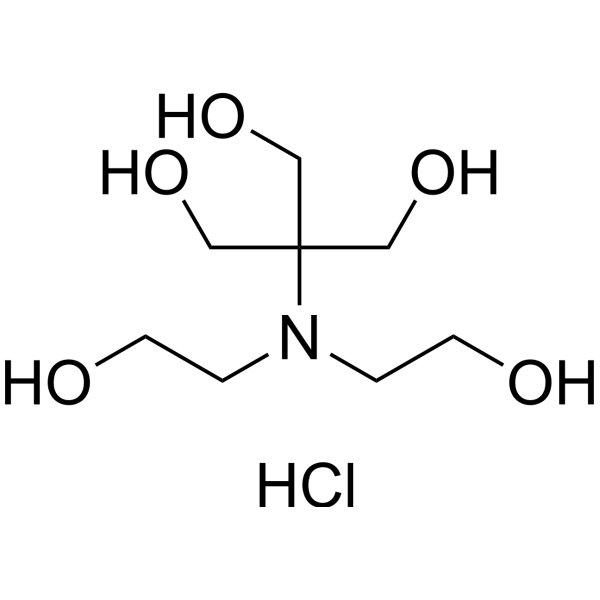
Bis-Tris hydrochloride is an amine buffer suitable for protein and nucleic acid systems with a pH buffer range of 5.8-7.2. Bis-Tris hydrochloride can also be mixed with HEPES and cacodylic acid buffer to create a pH 8 environment and monitor fluorescence emission intensity at 305 nm. Gels formulated with Bis-Tris also avoid protein degradation in samples prepared at higher pH (pH 8.5) .
|
-
-
- HY-W105423
-
|
NHS-MA
|
Biochemical Assay Reagents
|
Others
|
|
Methacrylic acid N-hydroxysuccinimide ester (NHS-MA) is a polymer that serves as a monomer to prepare degradable amphiphilic block copolymer microparticles via RAFT polymerization for low pH-triggered drug delivery. Methacrylic acid N-hydroxysuccinimide ester is used for the synthesis of nanogels .
|
-
-
- HY-110077
-
API-1
1 Publications Verification
|
Akt
Apoptosis
Caspase
PARP
|
Cancer
|
|
API-1 is a potent selective Akt/PKB inhibitor that reduces the level of phosphorylated Akt (IC50 = 0.8 μM). API-1 binds to the PH domain and inhibits Akt membrane translocation. API-1 induces c-FLIP degradation. API-1 reduces cell proliferation and induces apoptosis. API-1 decreases tumor growth in mouse xenograft model .
|
-
-
- HY-105028
-
|
CP-66248
|
COX
Lipoxygenase
Potassium Channel
MMP
|
Inflammation/Immunology
|
|
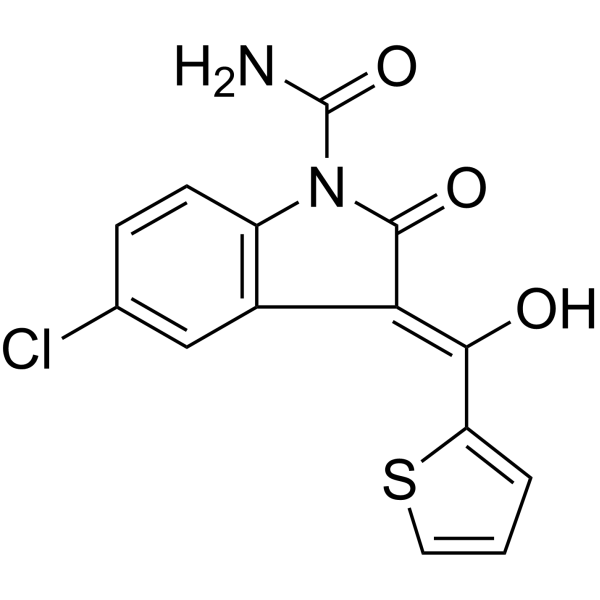
Tenidap (CP-66248) is an orally active dual inhibitor of 5-LOX and COX with anti-inflammatory and immunomodulatory properties. Tenidap downregulates the expression of IL-1 receptors in chondrocytes, reduces the release of pro-inflammatory cytokines such as IL-1, IL-6 and TNF-α, and inhibits MMP production and cartilage degradation. Tenidap also blocks bone resorption and leukocyte adhesion to vascular endothelium, interferes with ion and pH changes associated with mouse sperm capacitation, and selectively enhances the activity of hKir2.3 channels (EC50=1.3 μM). Tenidap is applicable to research related to rheumatoid arthritis .
|
-
-
- HY-112624H
-
|
Dextran 2; Dextran D2; Dextran T2(MW 1600-2400)
|
Biochemical Assay Reagents
|
Others
|
|
Dextran T2 (Dextran 2; Dextran T2(MW 1600-2400)) is a natural high molecular weight polysaccharide, the glycosidic bonds in its structure can be recognized by endo-dextranase and exo-dextranase. Dextran T2 (MW 2,000) breaks the glycosidic bonds in the enzymatic hydrolysis mechanism, releasing products such as D-glucose, Isomaltose (IM2), and Isomaltotriose (IM3). Dextran T2 (MW 2,000) can be used as a model substrate to characterize the catalytic properties of dextranase (such as optimal pH, temperature and product specificity), and to study enzymatic mechanism research and polysaccharide degradation pathways in glycobiology. The Dextran series of compounds are also a natural polysaccharide drug carrier, which can be connected to drugs through covalent bonding methods such as ester bonds, amide bonds or click chemistry, or self-assembled to form carriers such as nanoparticles and hydrogels. Dextran is biodegradable and biocompatible, and can achieve targeted delivery and controlled release of drugs. Dextran derivatives can prolong drug half-life, increase local concentration and reduce immune clearance activity .
|
-
-
- HY-141894
-
|
|
Histone Acetyltransferase
|
Metabolic Disease
|
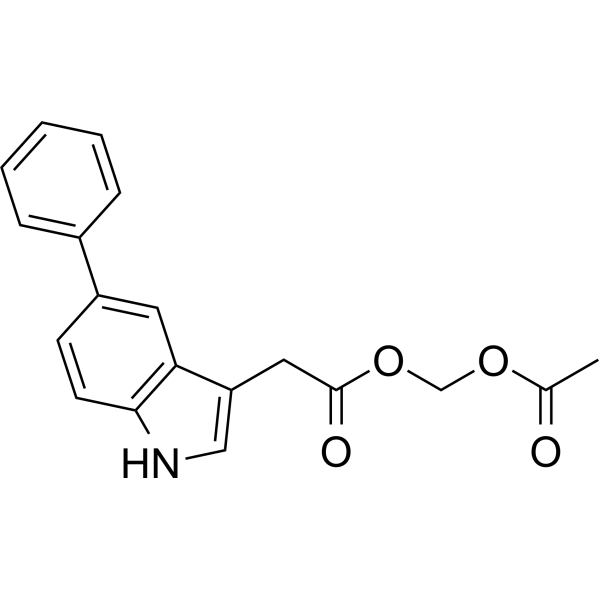
5-Ph-IAA-AM is an eggshell-permeable 5-Ph-IAA (HY-134653) analog which contains an acetoxymethyl (AM) group. 5-Ph-IAA-AM affords an enhanced protein degradation in laid embryos. 5-Ph-IAA-AM can be used to disclosure the roles of proteins in C. elegans, in particular those that are involved in embryogenesis and development, through temporally controlled protein degradation .
|
-
-
- HY-115062
-
|
|
Phospholipase
NADPH Oxidase
p38 MAPK
Akt
NF-κB
AP-1
Reactive Oxygen Species (ROS)
|
Cardiovascular Disease
Inflammation/Immunology
Cancer
|
|
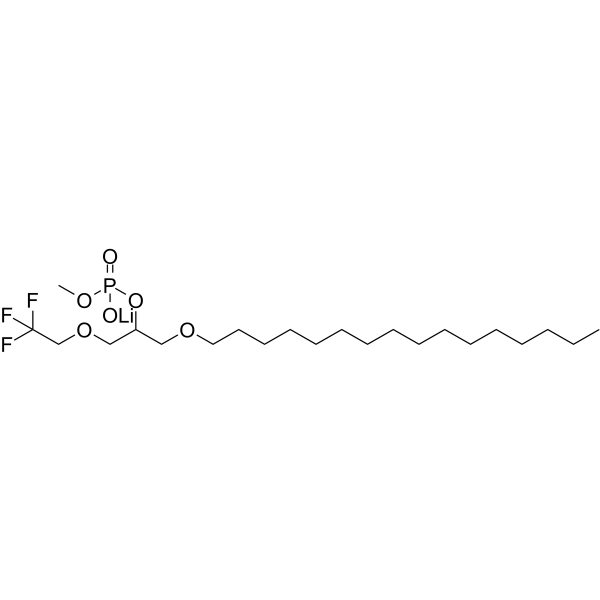
MJ-33 lithium salt is a competitive phospholipase A2 (PLA2) inhibitor with an IC50 of 0.3 μM. MJ-33 lithium salt inhibits NOX2 activation and reduces ROS production by blocking the PLA2 activity of Prdx6. MJ-33 lithium salt effectively inhibits the activity of acidic PLA2 (pH 4.0) and reduces the degradation of alveolar surfactant phosphatidylcholine (PC), but exerts no effect on alkaline PLA2 (pH 8.5). MJ-33 lithium salt significantly alleviates lung oxidative injury induced by ischemia-reperfusion (I/R). MJ-33 lithium salt significantly inhibits the invasion, migration and adhesion abilities of prostate cancer cells by suppressing the MAPK, AKT, NF-κB and AP-1 signaling pathways. MJ-33 lithium salt can be used for the research of ROS-related diseases and prostate cancer .
|
-
-
- HY-148124
-
|
|
Drug Isomer
Parasite
Bacterial
MMP
|
Others
|
|
6-Epi-doxycycline is the C-6 epimer of Doxycycline (HY-N0565), formed as a degradation impurity through epimerization of Doxycycline under abnormal conditions (e.g., high temperature, pH changes, or humidity). 6-Epi-doxycycline is commonly used for the detection and analysis of impurity levels in pharmaceutical formulations .
|
-
-
- HY-130816
-
|
VH032-O-pH-PEG1-NH2
|
E3 Ligase Ligand-Linker Conjugates
|
Cancer
|
|
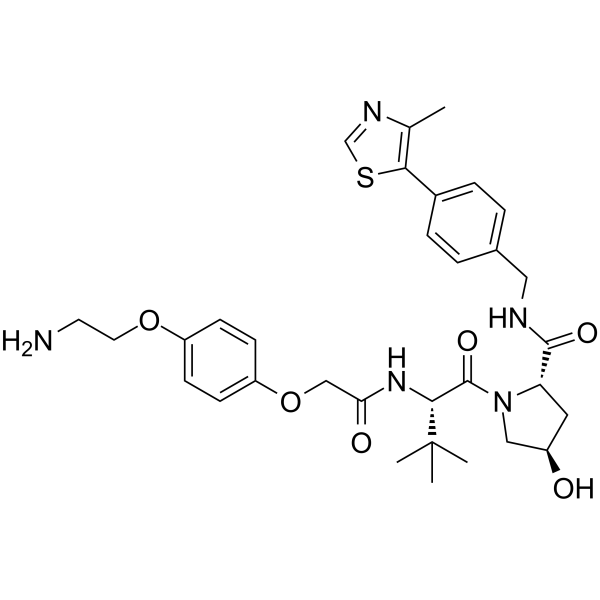
(S,R,S)-AHPC-O-Ph-PEG1-NH2 (VH032-O-Ph-PEG1-NH2) is E3 ligase ligand-linker conjugate and incorporates a VHL ligand for the E3 ubiquitin ligase, and a PROTAC linker. (S,R,S)-AHPC-O-Ph-PEG1-NH2 is used in PROTAC EED degrader-1 (HY-130614). PROTAC EED degrader-1 is a PROTAC targeting EED with a pKD of 9.02 .
|
-
-
- HY-W761300
-
|
|
Ligands for E3 Ligase
|
Others
|
|
1-(4-Pip-Ph)-DHP-dione is an E3 ligase ligand. 1-(4-Pip-Ph)-DHP-dione can be used for synthesis of PROTAC HPK1 Degrader-2 (HY-162544) .
|
-
-
- HY-133044
-
|
|
PROTAC Linkers
|
Cancer
|
|
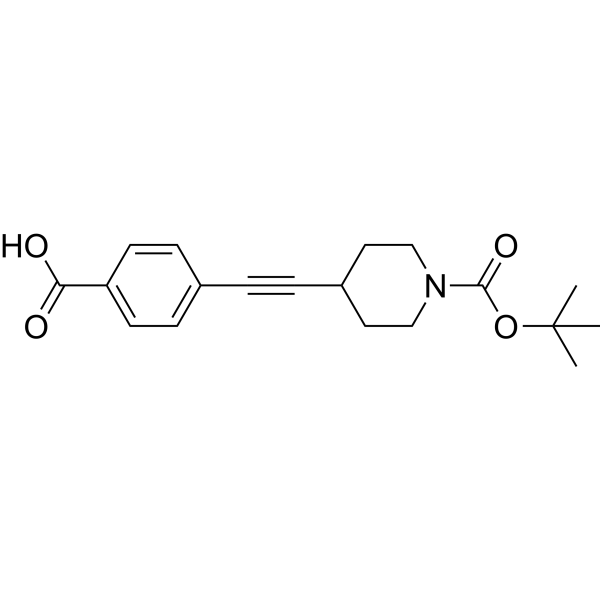
Boc-Pip-alkyne-Ph-COOH is a PROTAC linker, which refers to the alkyl/ether composition. Boc-Pip-alkyne-Ph-COOH can be used in the synthesis of a series of PROTACs, such as ARD-266 (HY-133020). ARD-266 effectively induces degradation of androgen receptor (AR) protein in AR-positive LNCaP, VCaP, and 22Rv1 prostate cancer cell lines with DC50 values of 0.2-1 nM . Boc-Pip-alkyne-Ph-COOH is a click chemistry reagent, it contains an Alkyne group and can undergo copper-catalyzed azide-alkyne cycloaddition (CuAAc) with molecules containing Azide groups.
|
-
-
- HY-136271
-
|
|
Phospholipase
NADPH Oxidase
p38 MAPK
Akt
NF-κB
AP-1
Reactive Oxygen Species (ROS)
|
Cardiovascular Disease
Inflammation/Immunology
Cancer
|
|
MJ-33 is a competitive phospholipase A₂ (PLA₂) inhibitor with an IC50 of 0.3 μM. MJ-33 inhibits the activation of NOX2 by blocking the PLA₂ activity of Prdx6, thereby reducing the production of ROS. MJ-33 effectively inhibits the activity of acidic PLA₂ (pH 4.0), reduces the degradation of pulmonary surfactant phosphatidylcholine (PC), but has no effect on alkaline PLA₂ (pH 8.5). MJ-33 significantly alleviates lung oxidative damage induced by ischemia-reperfusion (I/R). MJ-33 significantly inhibits the invasive, migratory and adhesive abilities of prostate cancer cells by suppressing the MAPK, AKT, NF-κB and AP-1 signaling pathways. MJ-33 can be used to study ROS-related diseases and prostate cancer .
|
-
-
- HY-122457
-
|
|
Antibiotic
|
Infection
|
|
Δ2,3-Doramectin is the primary pH degradation products of doramectin (HY-17035). Doramectin is a antiparasitic antibiotic .
|
-
-
- HY-159575
-
|
|
PROTAC Linkers
|
Cancer
|
|
COOEt-cyclohexane-C-Ph-pyrimidine-diazabicyclo is a PROTAC linker. COOEt-cyclohexane-C-Ph-pyrimidine-diazabicyclo can be used in the synthesis of PROTAC SMARCA2/4-degrader-5 (HY-159456) .
|
-
-
- HY-163960
-
|
|
PROTAC Linkers
|
Cancer
|
|
NH2-Ph-NH-cyclohexane-NH-Boc is a PROTAC linker. NH2-Ph-NH-cyclohexane-NH-Boc can be used in synthesis PROTAC erf3a Degrader-1 (HY-163938) .
|
-
-
- HY-125374A
-
|
XRP9881 dihydrate
|
Microtubule/Tubulin
|
Cancer
|
|
Larotaxel (dihydrate) (XRP9881 (dihydrate)), a new taxane compound prepared by partial synthesis from 10-deacetyl baccatin III, is active against tumors .
|
-
-
- HY-163961A
-
|
|
E3 Ligase Ligand-Linker Conjugates
|
Cancer
|
|
Thalidomide-NH-cyclohexane-NH-Ph-NH2 is an E3 Ligase Ligand-Linker Conjugate. Thalidomide-NH-cyclohexane-NH-Ph-NH2 can be used to synthesize PROTAC erf3a Degrader-2 (HY-163938A) .
|
-
-
- HY-169365
-
|
|
PD-1/PD-L1
|
Others
|
|
2-Methylbiphenyl-oxadiazole-NH-Ph-CHO is the PD-L1 ligand part of AUTAC PD-L1 degrader-3 (HY-169363). 2-Methylbiphenyl-oxadiazole-NH-Ph-CHO can be utilized in AUTAC synthesis .
|
-
-
- HY-D0856R
-
|
|
Biochemical Assay Reagents
Reference Standards
|
Others
|
|
Bis-Tris (Standard) is the analytical standard of Bis-Tris. This product is intended for research and analytical applications. Bis-Tris is an amine buffer suitable for protein and nucleic acid systems with a pH buffer range of 5.8-7.2. Bis-Tris can also be mixed with HEPES and cacodylic acid buffer to create a pH 8 environment and monitor fluorescence emission intensity at 305 nm. Gels formulated with Bis-Tris also avoid protein degradation in samples prepared at higher pH (pH 8.5) .
|
-
-
- HY-D0856S1
-
|
|
Isotope-Labeled Compounds
Biochemical Assay Reagents
|
Others
|
|
Bis-Tris-d14 is the deuterium labeled Bis-Tris (HY-D0856). Bis-Tris is an amine buffer suitable for protein and nucleic acid systems with a pH buffer range of 5.8-7.2. Bis-Tris can also be mixed with HEPES and cacodylic acid buffer to create a pH 8 environment and monitor fluorescence emission intensity at 305 nm. Gels formulated with Bis-Tris also avoid protein degradation in samples prepared at higher pH (pH 8.5) .
|
-
-
- HY-161652
-
|
|
E3 Ligase Ligand-Linker Conjugates
|
Cancer
|
|
Thalidomide-NH-C3-O-Ph(NO2)-methylester-O-pyrrolidine-2,5-dione is the conjugate of a linker and a ligand for E3 ligase. Thalidomide-NH-C3-O-Ph(NO2)-methylester-O-pyrrolidine-2,5-dione can be used for synthesis of PROTAC BRD4 Degrader-26 (HY-161650) .
|
-
-
- HY-169364
-
|
|
PD-1/PD-L1
|
Others
|
|
2-Methylbiphenyl-oxadiazole-NH-Ph-NH-PEG3-C2-NH-Boc is the PD-L1 ligand-linker conjugate part of AUTAC PD-L1 degrader-3 (HY-169363). 2-Methylbiphenyl-oxadiazole-NH-Ph-NH-PEG3-C2-NH-Boc can be utilized in AUTAC synthesis .
|
-
-
- HY-159077
-
|
|
PROTAC Linkers
|
Cancer
|
|
H2N-C6-NH-CO-CH2-O-Ph-CH2-NH-Boc is a linker. H2N-C6-NH-CO-CH2-O-Ph-CH2-NH-Boc can be utilized for synthesis of PROTAC BET Degrader-12 (HY-158764) .
|
-
-
- HY-168244
-
|
|
PROTAC Linkers
|
Cancer
|
|
TsO-C2-Piperidine-O-azetidine-CO-Ph-C2-OH is a PROTAC linker, and can be used for PROTAC synthesis, such as PROTAC BRM/BRG1 degrader-1 (HY-168242) .
|
-
-
- HY-161653
-
|
|
PROTAC Linkers
|
Cancer
|
|
Boc-NH-C3-O-Ph(NO2)-methylester-O-pyrrolidine-2,5-dione is a linker of PROTAC BRD4 Degrader-26 (HY-161650), and can be used for synthesis of PROTACs .
|
-
-
- HY-179236
-
|
|
PROTAC Linkers
|
Cancer
|
|
Pip-Py-alkynyl-Ph-COOH is a PROTAC linker that can be used for the synthesis of PROTACs, such as LD5097 (HY-179234). LD5097 is a potent RIPK1 PROTAC degrader with anti-tumor activity .
|
-
-
- HY-179197
-
|
|
Ligands for E3 Ligase
|
Cancer
|
|
Dihydrouracil-Ph-2-Me-piperidine is an E3 ligase ligand. Dihydrouracil-Ph-2-Me-piperidine can be used to synthesize PROTAC HPK1 Degrader-6 (HY-178459)
|
-
-
- HY-168239
-
|
|
E3 Ligase Ligand-Linker Conjugates
|
Cancer
|
|
Thalidomide-piperidine-CO-piperazine-C-3-Br-Ph is an E3 ligase ligand-linker conjugate (E3 Ligase Ligand-Linker Conjugates). Thalidomide-piperidine-CO-piperazine-C-3-Br-Ph can be used for the synthesis of PROTAC SMARCA2 degrader-28 (HY-168236) .
|
-
-
- HY-168203
-
|
|
E3 Ligase Ligand-Linker Conjugates
|
Cancer
|
|
Thalidomide-piperidine-O-Ph-NH2 is the conjugate of E3 ligase and linker. Thalidomide-piperidine-O-Ph-NH2 can be used for synthesis of PROTAC degrader MJP6412 (HY-168201) .
|
-
-
- HY-W879795
-
|
|
Ligands for E3 Ligase
|
Others
|
|
NH2-MeO-Ph-amide-(2,6-Dioxo-3-Pip) is a CRBN ligand. NH2-MeO-Ph-amide-(2,6-Dioxo-3-Pip) can be used to synthesize PROTAC BRD4 Degrader-22 (HY-155393) .
|
-
-
- HY-182018
-
|
|
Target Protein Ligand-Linker Conjugates
ATM/ATR
|
Others
|
|
ATR ligand 2-CO-Ph-COOH (Compound 39) is a Target Protein Ligand-Linker Conjugate that incorporates a ligand for ATR (HY-182017) and a PROTAC linker, which recruits E3 ligases. can be used for synthesis of PROTAC ATR degrader-3 (HY-182016) .
|
-
-
- HY-180984
-
|
|
E3 Ligase Ligand-Linker Conjugates
|
Cancer
|
|
Trans-Lenalidomide-CO-Ph-N2-Ph-O-C4-Cl is a synthetic target E3 ligase ligand-conjugate linker, which can be used to synthesize Azo-PROTAC-4C-trans (HY-180983). Azo-PROTAC-4C-trans is a BCR-ABL PROTAC degrader with anti-tumor activity .
|
-
-
- HY-W583729
-
|
|
Biochemical Assay Reagents
|
Others
|
|
DL-Poly (lactic acid) is a biodegradable poly (α-hydroxy acid) matrix and a coating material for controlled drug release. DL-Poly (lactic acid) is classified as a drug release retardant, which degrades into natural lactic acid monomers, an intermediate product of carbohydrate metabolism, enabling complete drug delivery that lasts for several weeks. Its drug release rate is affected by the pH of the surrounding environment .
|
-
-
- HY-119417A
-
|
|
Herbicide
|
Others
|
|
Chloramben sodium is a herbicide with anti-growth activity against plants. Chloramben sodium can be effectively removed by photo-Fenton reaction under natural pH conditions, showing good degradation performance. The removal rate of chloramben sodium is consistent with different electrodes, mainly due to the oxidation mediated by the hydroxyl ions formed in the Fenton reaction. Chloramben sodium is almost completely mineralized using IrO2-based electrodes at high current density, indicating that it can be effectively degraded under light. Chloramben sodium leads to the formation of persistent chlorine derivatives in chlorine-containing environments, so the removal rate and mineralization rate are slightly reduced. Chloramben sodium can form intermediates with a variety of aromatic compounds and organic acids, reflecting the complexity of its transformation in the environment .
|
-
-
- HY-149151
-
|
|
Endogenous Metabolite
PKC
Glycosidase
TNF Receptor
Reactive Oxygen Species (ROS)
|
Infection
Inflammation/Immunology
|
|
Variegatic acid is a secondary metabolite derived from basidiomycete fungi. Variegatic acid is a PKCβ1 inhibitor with an IC₅₀ of 36.2 μM. Variegatic acid inhibits antigen- or calcium ionophore-induced β-hexosaminidase release (IC₅₀ values of 10.4 μM and 22.2 μM, respectively) and TNF-α secretion (IC₅₀ values of 16.8 μM and 20.1 μM, respectively). Variegatic acid suppresses the enzymatic activity of calcium-activated PKCβ1 and reduces Fe(III) to Fe(II) in a pH-dependent manner, enabling the generation of hydroxyl radicals (·OH) through reaction with H₂O₂, which facilitates the degradation of lignocellulose. Variegatic acid is useful for studying biological degradation and allergic responses.
|
-
| Cat. No. |
Product Name |
Type |
-
- HY-D0856
-
|
|
Biochemical Assay Reagents
|
|
Bis-Tris is an amine buffer suitable for protein and nucleic acid systems with a pH buffer range of 5.8-7.2. Bis-Tris can also be mixed with HEPES and cacodylic acid buffer to create a pH 8 environment and monitor fluorescence emission intensity at 305 nm. Gels formulated with Bis-Tris also avoid protein degradation in samples prepared at higher pH (pH 8.5) .
|
-
- HY-B2228
-
|
|
Biochemical Assay Reagents
|
|
Proteinase, Aspergillus oryzae is a serine protease that hydrolyzes peptide bonds in protein substrates, preferring alkaline conditions (optimal pH 10.5). It efficiently degrades casein, poly-L-glutamic acid, and poly-L-lysine, with activity irreversibly inhibited by diisopropylfluorophosphate (DFP) and potato inhibitor. This enzyme catalyzes proteolysis via serine residues in its active site, finding applications in food processing (e.g., soy sauce fermentation), detergents, and leather industries due to its high yield in solid-state fermentation and cost-effective production.
|
-
- HY-W105681
-
|
|
Biochemical Assay Reagents
|
|
Bis-Tris hydrochloride is an amine buffer suitable for protein and nucleic acid systems with a pH buffer range of 5.8-7.2. Bis-Tris hydrochloride can also be mixed with HEPES and cacodylic acid buffer to create a pH 8 environment and monitor fluorescence emission intensity at 305 nm. Gels formulated with Bis-Tris also avoid protein degradation in samples prepared at higher pH (pH 8.5) .
|
-
- HY-W105423
-
|
NHS-MA
|
Biochemical Assay Reagents
|
|
Methacrylic acid N-hydroxysuccinimide ester (NHS-MA) is a polymer that serves as a monomer to prepare degradable amphiphilic block copolymer microparticles via RAFT polymerization for low pH-triggered drug delivery. Methacrylic acid N-hydroxysuccinimide ester is used for the synthesis of nanogels .
|
-
- HY-112624H
-
|
Dextran 2; Dextran D2; Dextran T2(MW 1600-2400)
|
Biochemical Assay Reagents
|
|
Dextran T2 (Dextran 2; Dextran T2(MW 1600-2400)) is a natural high molecular weight polysaccharide, the glycosidic bonds in its structure can be recognized by endo-dextranase and exo-dextranase. Dextran T2 (MW 2,000) breaks the glycosidic bonds in the enzymatic hydrolysis mechanism, releasing products such as D-glucose, Isomaltose (IM2), and Isomaltotriose (IM3). Dextran T2 (MW 2,000) can be used as a model substrate to characterize the catalytic properties of dextranase (such as optimal pH, temperature and product specificity), and to study enzymatic mechanism research and polysaccharide degradation pathways in glycobiology. The Dextran series of compounds are also a natural polysaccharide drug carrier, which can be connected to drugs through covalent bonding methods such as ester bonds, amide bonds or click chemistry, or self-assembled to form carriers such as nanoparticles and hydrogels. Dextran is biodegradable and biocompatible, and can achieve targeted delivery and controlled release of drugs. Dextran derivatives can prolong drug half-life, increase local concentration and reduce immune clearance activity .
|
-
- HY-W782399
-
|
Sodium boranocarbonate
|
Biochemical Assay Reagents
|
|
CORM-A1 (Sodium boranocarbonate) is a water-soluble carbon monoxide (CO) releasing molecule that facilitates the investigation of CO's impact on cellular systems. As CO is generated from heme degradation by the enzyme heme oxygenase, it serves as a crucial gaseous signaling mediator in mammalian cells. CORM-A1 not only exhibits anti-oxidant and anti-inflammatory properties but also regulates CO release in a manner dependent on pH and temperature, promoting mild vasorelaxation and hypotension. Furthermore, CORM-A1 has been shown to provide cytoprotection in primary cultures of astrocytes under oxidative stress while also enhancing autophagy due to its boron-containing composition.
|
-
- HY-D0856R
-
|
|
Biochemical Assay Reagents
|
|
Bis-Tris (Standard) is the analytical standard of Bis-Tris. This product is intended for research and analytical applications. Bis-Tris is an amine buffer suitable for protein and nucleic acid systems with a pH buffer range of 5.8-7.2. Bis-Tris can also be mixed with HEPES and cacodylic acid buffer to create a pH 8 environment and monitor fluorescence emission intensity at 305 nm. Gels formulated with Bis-Tris also avoid protein degradation in samples prepared at higher pH (pH 8.5) .
|
| Cat. No. |
Product Name |
Category |
Target |
Chemical Structure |
-
- HY-149151
-
|
|
Structural Classification
Microorganisms
Ketones, Aldehydes, Acids
Source Classification
|
Endogenous Metabolite
PKC
Glycosidase
TNF Receptor
Reactive Oxygen Species (ROS)
|
|
Variegatic acid is a secondary metabolite derived from basidiomycete fungi. Variegatic acid is a PKCβ1 inhibitor with an IC₅₀ of 36.2 μM. Variegatic acid inhibits antigen- or calcium ionophore-induced β-hexosaminidase release (IC₅₀ values of 10.4 μM and 22.2 μM, respectively) and TNF-α secretion (IC₅₀ values of 16.8 μM and 20.1 μM, respectively). Variegatic acid suppresses the enzymatic activity of calcium-activated PKCβ1 and reduces Fe(III) to Fe(II) in a pH-dependent manner, enabling the generation of hydroxyl radicals (·OH) through reaction with H₂O₂, which facilitates the degradation of lignocellulose. Variegatic acid is useful for studying biological degradation and allergic responses.
|
-
| Cat. No. |
Product Name |
Chemical Structure |
-
- HY-D0856S1
-
|
|
|
Bis-Tris-d14 is the deuterium labeled Bis-Tris (HY-D0856). Bis-Tris is an amine buffer suitable for protein and nucleic acid systems with a pH buffer range of 5.8-7.2. Bis-Tris can also be mixed with HEPES and cacodylic acid buffer to create a pH 8 environment and monitor fluorescence emission intensity at 305 nm. Gels formulated with Bis-Tris also avoid protein degradation in samples prepared at higher pH (pH 8.5) .
|
-
Your information is safe with us. * Required Fields.
Inquiry Information
- Product Name:
- Cat. No.:
- Quantity:
- MCE Japan Authorized Agent:

