1. Search Result
Search Result
Results for "

peroxisome proliferator-activated receptor α

" in MedChemExpress (MCE) Product Catalog:

35

Inhibitors & Agonists

7

Natural
Products

3

Isotope-Labeled Compounds

6

Antibodies

Targets Recommended:
Cat. No. Product Name Target Research Areas Chemical Structure
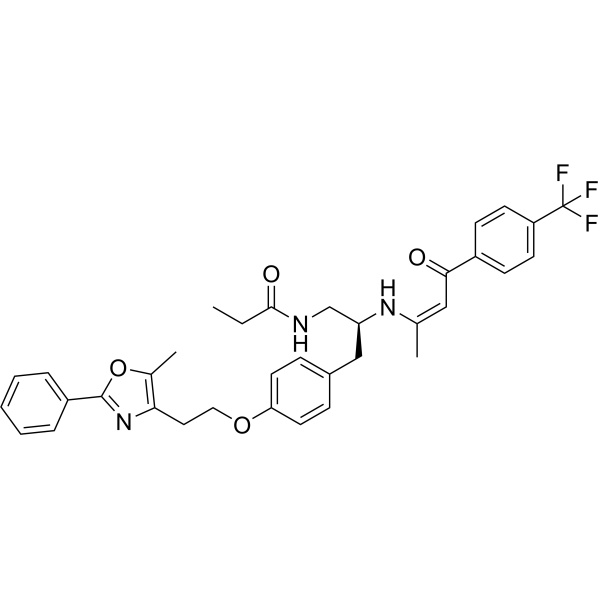
  • HY-15372
    GW6471
    Maximum Cited Publications
    70 Publications Verification

    PPAR Apoptosis Cancer
    GW6471 is a selective peroxisome proliferator-activated receptor α (PPARα) antagonist. GW6471 reduces cancer stem cell viability, proliferation, and spheroid formation. GW6471 induces apoptosis and causes metabolic impairment including energy imbalance. GW6471 can be used for the research of paragangliomas and triple-negative breast cancer .
    GW6471
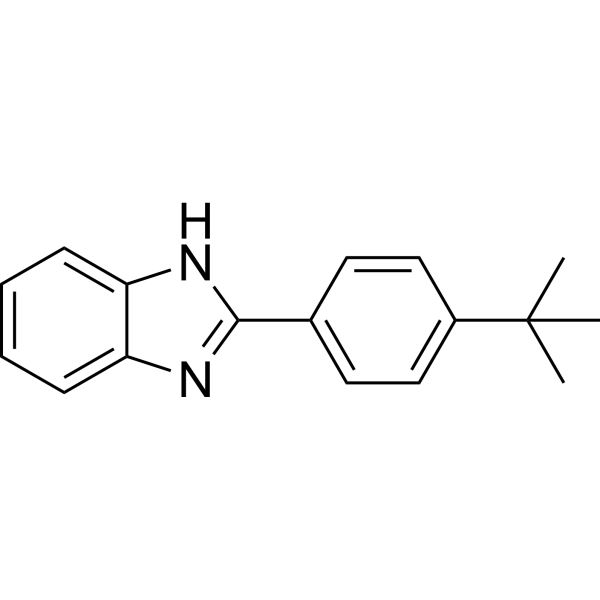
  • HY-17538
    ZLN005
    45+ Cited Publications

    PGC-1α Autophagy Metabolic Disease
    ZLN005 is a potent activator of peroxisome proliferator-activated receptorcoactivator-1α (PGC-1α) .
    ZLN005
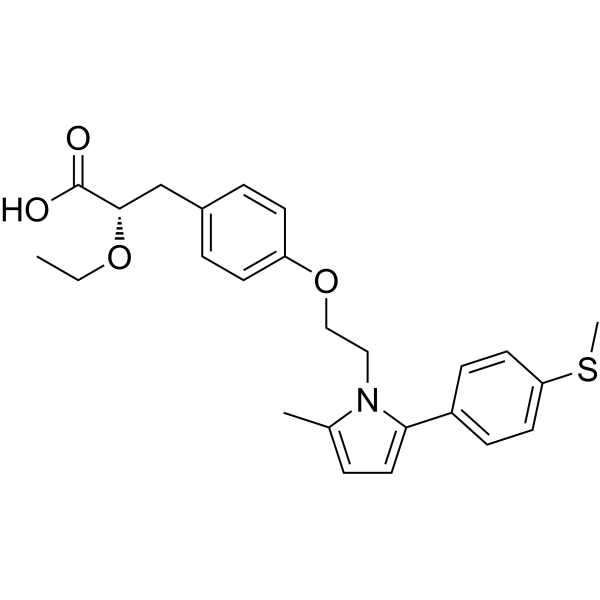
  • HY-19937
    Saroglitazar
    5+ Cited Publications

    PPAR Metabolic Disease
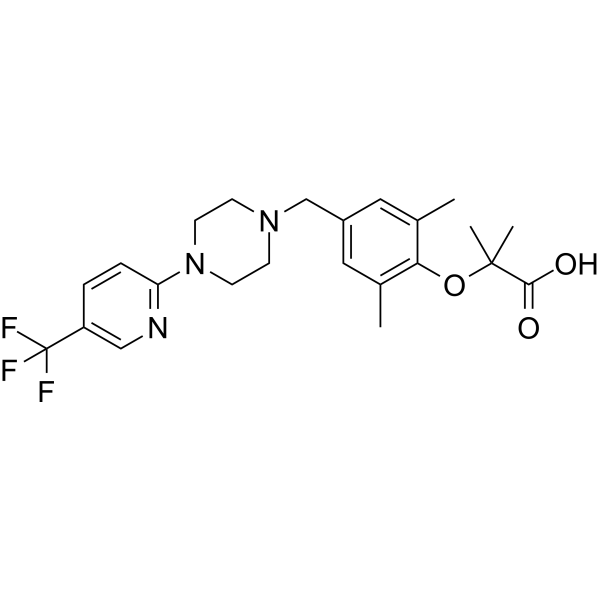
    Saroglitazar is a novel peroxisome proliferator-activated receptor (PPAR) agonist with predominant PPARα and moderate PPARγ activity with EC50 values of 0.65 pM and 3 nM in HepG2 cells, respectively.
    Saroglitazar
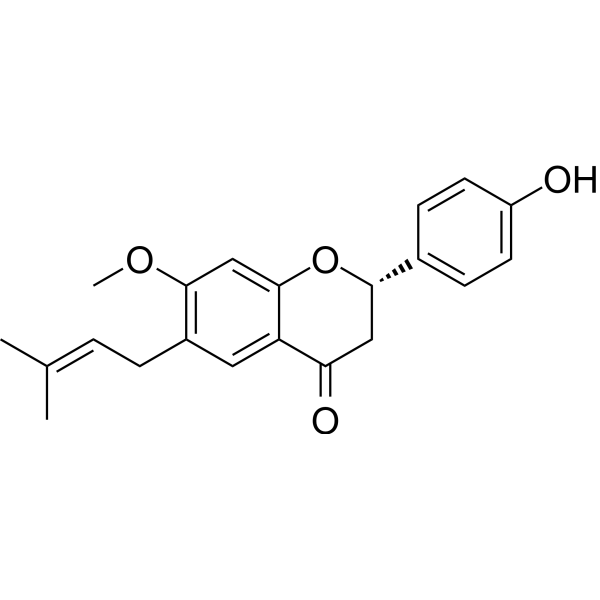
  • HY-N0234
    Bavachinin
    5+ Cited Publications

    7-O-Methylbavachin; Bavachinin A

    Amyloid-β PPAR HIF/HIF Prolyl-Hydroxylase Inflammation/Immunology Cancer
    Bavachinin is agonist of pan-peroxisome proliferator-activated receptor (PPAR), with the IC50 value of 21.043 μM, 12.819 μM, and 0.622 μM to PPAR-α, RRAR-β/δ, and PPAR-γ, respectively. Bavachinin is an inhibitor of HIF-1α. Bavachinin exhibits antitumor activity against non-small cell lung cancer by targeting RRAR-γ. Bavachinin is a natural compound with anti-inflammatory and anti-angiogenic activities. Bavachinin has orally bioactivity. .
    Bavachinin
  • HY-19937A
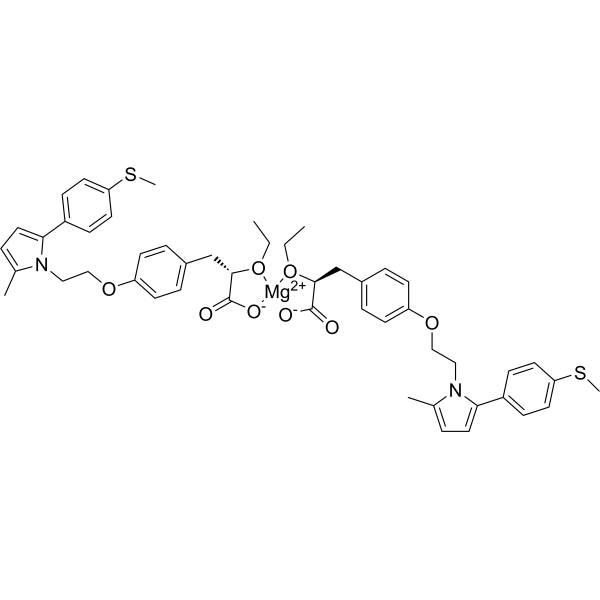
    Saroglitazar magnesium
    5+ Cited Publications

    PPAR Metabolic Disease
    Saroglitazar magnesium is a novel peroxisome proliferator-activated receptor (PPAR) agonist with predominant PPARα and moderate PPARγ activity with EC50 values of 0.65 pM and 3 nM in HepG2 cells, respectively.
    Saroglitazar magnesium
  • HY-N15574

    LXR Bacterial PPAR Infection Neurological Disease Metabolic Disease Inflammation/Immunology
    Saringosterol is an orally active steroid found in Sargassum muticum. Saringosterol is a LXR agonist. Saringosterol can lower cholesterol levels and inhibit the mRNA and protein expression of peroxisome proliferator-activated receptor γ (PPARγ) and CCAAT enhancer-binding protein α (C/EBPα). Saringosterol has anti-obesity, anti-atherosclerosis, anti-Mycobacterium tuberculosis and anti-depressant activities .
    Saringosterol
  • HY-N1472
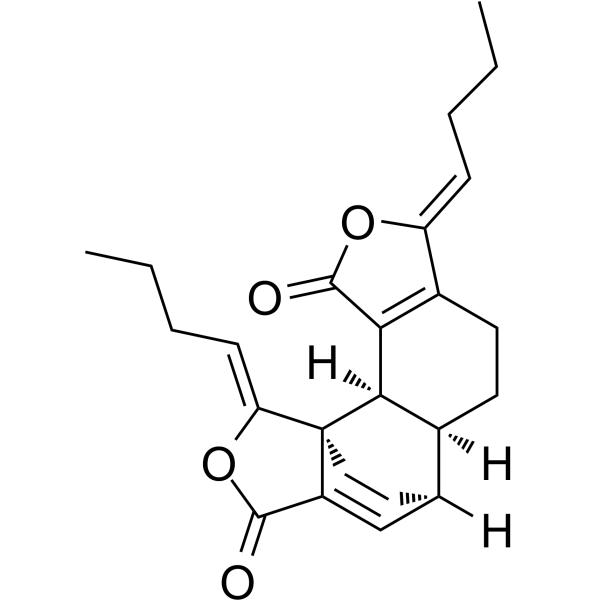
    Levistolide A
    5 Publications Verification

    Apoptosis Reactive Oxygen Species (ROS) PPAR GSK-3 Tau Protein Ras TGF-β Receptor Infection Neurological Disease Inflammation/Immunology
    Levistolide A is an apoptosis inducer and a PEDV virus inhibitor. Levistolide A can induce apoptosis in colon cancer cells and suppress the replication of porcine epidemic diarrhea virus (PEDV) by promoting ROS generation. Levistolide A activates peroxisome proliferator-activated receptor γ (PPARγ) in N2a/APP695swe cells and reduces excessive phosphorylation of tau through the GSK3α/β pathway, improving symptoms in Alzheimer’s mice. Levistolide A improves kidney damage in 5/6 nephrectomy (Nx) mice by inhibiting the RAS,TGF-β1/Smad, and MAPK pathways .
    Levistolide A
  • HY-121538
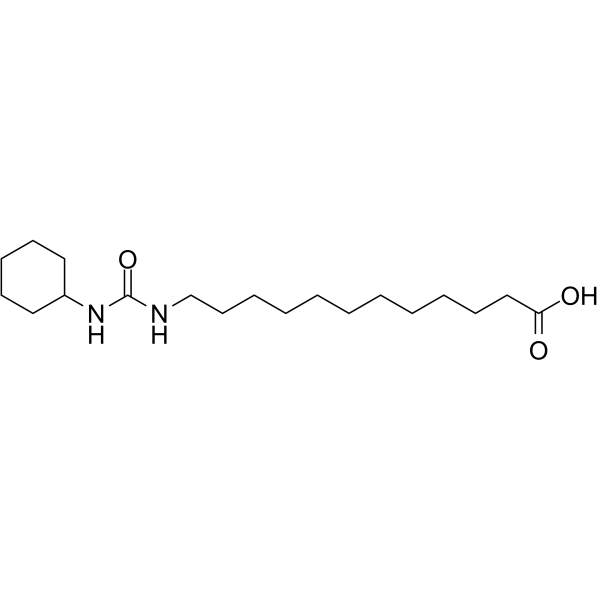
    CUDA
    1 Publications Verification

    Epoxide Hydrolase PPAR Cardiovascular Disease
    CUDA is a potent inhibitor of soluble epoxide hydrolase (sEH), with IC50s of 11.1 nM and 112 nM for mouse sEH and human sEH, respectively . CUDA selectively increases peroxisome proliferator-activated receptor (PPAR) alpha activity. CUDA may be valuable for the research of cardiovascular disease .
    CUDA
  • HY-130479

    Adiponectin Receptor PPAR PGC-1α Sirtuin AMPK Metabolic Disease
    AdipoR agonist 1 (Compound 112254) is an agonist for adiponectin receptor (AdipoR), which activates the transcriptional regulators like peroxisome proliferator-activated receptors (PPARs), peroxisome proliferator-activated receptor gamma coactivator 1α (PGC-1α), sirtuin 1 (SIRT1), and adenylate-activated protein kinase (AMPK). AdipoR agonist 1 is utilized in preventive doping research .
    AdipoR agonist 1
  • HY-77278

    VD/VDR Aryl Hydrocarbon Receptor LXR PPAR Others
    25-Hydroxytachysterol3 is the metabolite of Vitamin D3 (HY-15398). 25-Hydroxytachysterol3 inhibits the proliferation of epidermal keratinocytes and dermal fibroblasts, stimulates the expression of differentiation- and antioxidant-related genes in keratinocytes. 25-Hydroxytachysterol3 activates vitamin D receptor (VDR) and aryl hydrocarbon receptor (AhR), liver X receptor α/β (LXR α/β) and peroxisome proliferator-activated receptor γ (PPARγ), stimulates the expression of CYP24A1 .
    25-Hydroxytachysterol3
  • HY-113820

    PPAR Metabolic Disease
    AZD4619 is an orally active, selective peroxisome proliferator-activated receptor α (PPARα) agonist. AZD4619 increases alanine aminotransferase 1 (ALT1) protein expression in a dose-dependent manner in human, but not in rat primary hepatocytes. AZD4619 is a lipid-lowering drug .
    AZD4619
  • HY-U00036A

    LY519818

    PPAR Metabolic Disease
    Naveglitazar (LY519818) is a nonthiozolidinedione peroxisome proliferator-activated receptor (PPAR) α-γ dual, γ-dominant agonist that has shown glucose-lowering potential in animal models .
    Naveglitazar
  • HY-17538S

    PGC-1α Autophagy Metabolic Disease
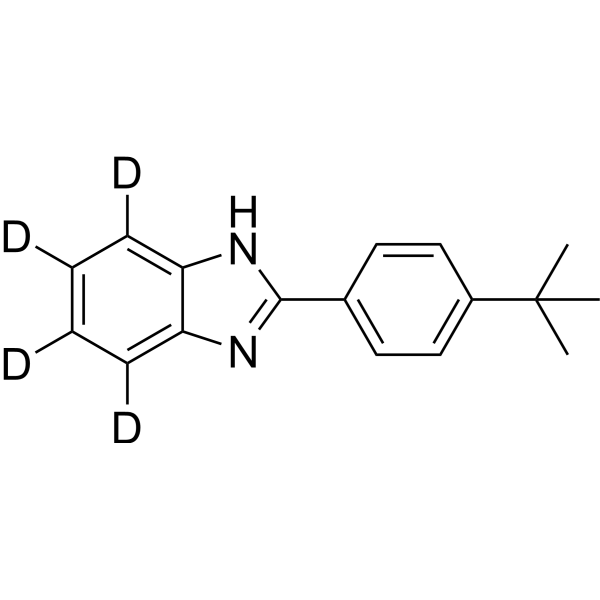
    ZLN005-d4 is deuterium labeled ZLN005. ZLN005 is a potent activator of peroxisome proliferator-activated receptorcoactivator-1α (PGC-1α) .
    ZLN005-d4
  • HY-121538A
    CUDA disodium
    1 Publications Verification

    Epoxide Hydrolase PPAR Cardiovascular Disease
    CUDA disodium is a potent inhibitor of soluble epoxide hydrolase (sEH), with IC50s of 11.1 nM and 112 nM for mouse sEH and human sEH, respectively . CUDA disodium selectively increases peroxisome proliferator-activated receptor (PPAR) alpha activity. CUDA disodium may be valuable for the research of cardiovascular disease .
    CUDA disodium
  • HY-17538A

    PGC-1α Metabolic Disease
    ZLN005 (hydrochloride) is a peroxisome proliferator-activated receptor-g coactivator-1a (PGC-1α) activator. ZLN005 (hydrochloride) can stimulate the expression of PGC-1α and downstream genes in skeletal muscle cells, improve glucose utilization and fatty acid oxidation. ZLN005 (hydrochloride) can increase the transcription of PGC-1α and downstream genes in skeletal muscle of diabetic db/db mice, increase fat oxidation and improve glucose tolerance, pyruvate tolerance and insulin sensitivity .
    ZLN005 hydrochloride
  • HY-101637

    JT 501

    PPAR Metabolic Disease
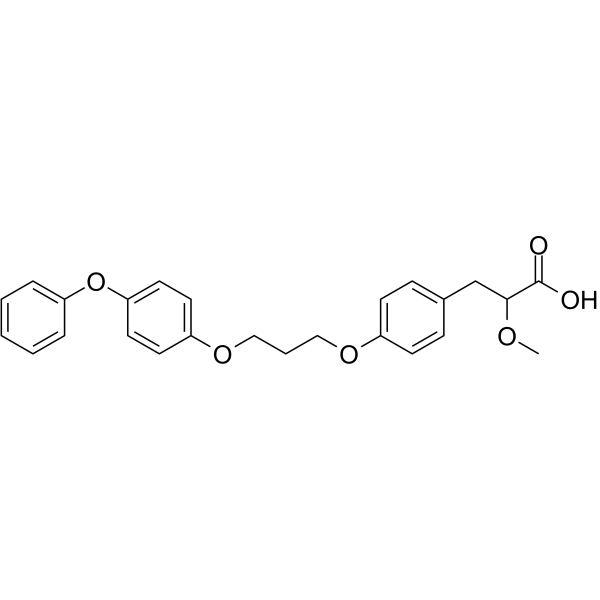
    Reglitazar is an agonist for peroxisome proliferator-activated receptor α and β (PPAR α and PPAR β), which enhances insulin sensitivity, lowers blood glucose and regulates blood lipid levels .
    Reglitazar
  • HY-118514

    PPAR Metabolic Disease
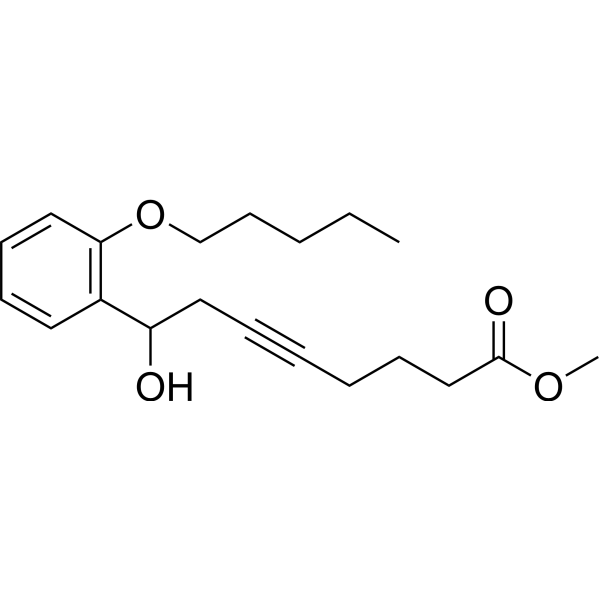
    CAY10514 is an aromatic of 8(S)-HETE. CAY10514 acts as a dual agonist of peroxisome proliferator-activated receptor α (PPARα) and PPARγ with IC50 of 0.173 and 0.642 μM, respectively .
    CAY10514
  • HY-U00036

    LY519818 racemate

    PPAR Metabolic Disease
    Naveglitazar racemate (LY519818 racemate) is the racemate of Naveglitazar. Naveglitazar is a nonthiozolidinedione peroxisome proliferator-activated receptor (PPAR) α-γ dual, γ-dominant agonist that has shown glucose-lowering potential in animal models .
    Naveglitazar racemate
  • HY-115357

    PPAR Metabolic Disease
    BMS711939 is a selective agonist for peroxisome proliferator-activated receptor α (PPAR α), with EC50 of 4 nM and 4.5 μM, for human PPARα and human PPARγ. BMS711939 exhibits good pharmacokinetic characters in rats models. BMS711939 increases HDL cholesterol, reduces LDL cholesterol and triglycerides .
    BMS711939
  • HY-19937S1

    Isotope-Labeled Compounds Others
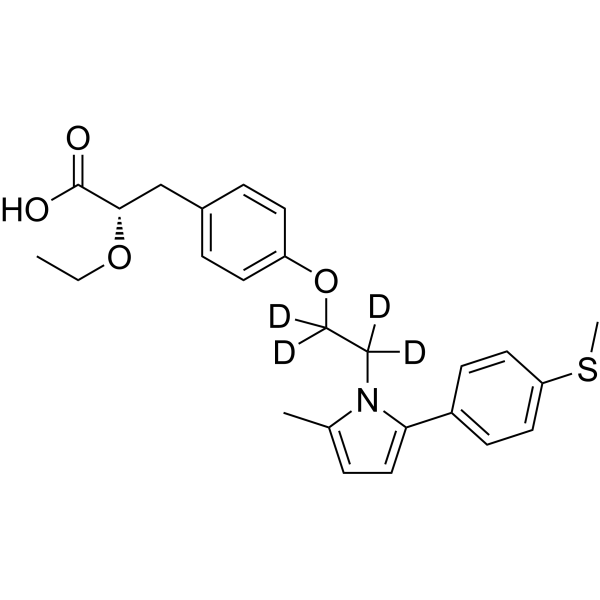
    Saroglitazar-d4 is the deuterium-labeled Saroglitazar (HY-19937). Saroglitazar-d4 is a novel peroxisome proliferator-activated receptor (PPAR) agonist with predominant PPARα and moderate PPARγ activity with EC50 values of 0.65 pM and 3 nM in HepG2 cells, respectively.
    Saroglitazar-d4
  • HY-163443

    PPAR Others
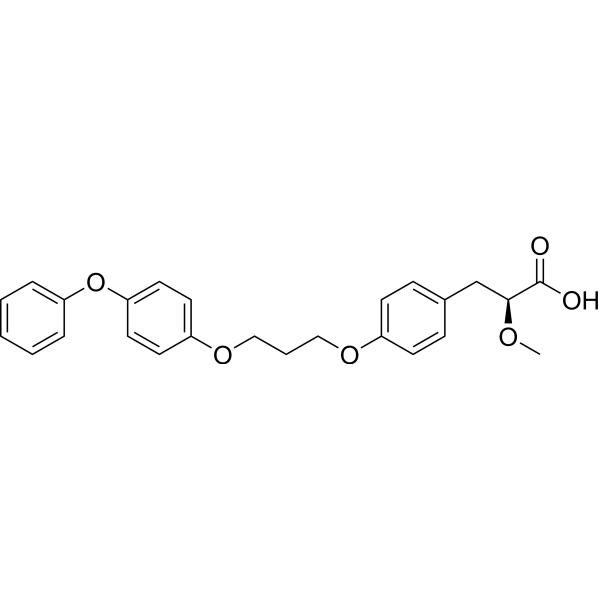
    PPAR agonist 4 (Compound 12) is an orally active agonist for peroxisome proliferator-activated receptor (PPAR), which activates PPARα, PPARδ and PPARγ with EC50s of 0.7, 0.7 and 1.8 μM, respectively. PPAR agonist 4 exhibits anti-liver fibrosis efficacy .
    PPAR agonist 4
  • HY-121538S

    Isotope-Labeled Compounds Epoxide Hydrolase PPAR Cardiovascular Disease
    CUDA-d11 is deuterium labeled CUDA (HY-121538). CUDA is a potent inhibitor of soluble epoxide hydrolase (sEH), with IC50s of 11.1 nM and 112 nM for mouse sEH and human sEH, respectively . CUDA selectively increases peroxisome proliferator-activated receptor (PPAR) alpha activity. CUDA may be valuable for the research of cardiovascular disease .
    CUDA-d11
  • HY-N1990R

    Reference Standards PPAR Cardiovascular Disease Inflammation/Immunology
    Gypenoside XLIX (Standard) is the analytical standard of Gypenoside XLIX. This product is intended for research and analytical applications. Gypenoside XLIX, a dammarane-type glycoside, is a prominent component of G. pentaphyllum. Gypenoside XLIX is a selective peroxisome proliferator-activated receptor (PPAR)-alpha activator and inhibits cytokine-induced vascular cell adhesion molecule-1 (VCAM-1) overexpression and hyperactivity in human endothelial cells .
    Gypenoside XLIX (Standard)
  • HY-W027751R

    Drug Intermediate Reference Standards Others
    Gypenoside XLIX (Standard) is the analytical standard of Gypenoside XLIX. This product is intended for research and analytical applications. Gypenoside XLIX, a dammarane-type glycoside, is a prominent component of G. pentaphyllum. Gypenoside XLIX is a selective peroxisome proliferator-activated receptor (PPAR)-alpha activator and inhibits cytokine-induced vascular cell adhesion molecule-1 (VCAM-1) overexpression and hyperactivity in human endothelial cells .
    2-Methylanisole (Standard)
  • HY-121888

    PPAR Metabolic Disease
    20-HEPE is a metabolite of eicosapentaenoic acid formed by ω-oxidation of EPA by cytochrome P450 (CYP) ω-oxidases, including human CYP4F3B. At 10 μM, it activates peroxisome proliferator-activated receptor α (PPARα) in COS-7 cells expressing a luciferase reporter gene. 20-HEPE also activates mouse transient receptor potential vanilloid receptor 1 (mTRPV1) in vitro but lacks analgesic activity in rats.
    20-HEPE
  • HY-114700

    PPAR Metabolic Disease Inflammation/Immunology
    ZINC08438472 is a potent and selective peroxisome proliferator activated receptors-α (PPAR-α) agonist with an EC50 value of 12.1 nM. ZINC08438472 is promising for research of diabetes, hyperlipidaemia and inflammatory disorders .
    ZINC08438472
  • HY-117459

    PPAR Metabolic Disease
    E-3030 free acid is a potent dual activator of peroxisome proliferator-activated receptor (PPAR) alpha and PPARgamma, exhibiting significant antidiabetic and lipid-modulating effects. E-3030 decreases blood glucose, triglyceride, non-esterified fatty acids, and insulin levels, while increasing blood adiponectin levels. E-3030 improves glucose tolerance and shows remarkable triglyceride- and non-high-density lipoprotein cholesterol-lowering effects in animal models.
    E-3030 free acid
  • HY-N0234R

    7-O-Methylbavachin (Standard); Bavachinin A (Standard)

    Amyloid-β Reference Standards PPAR HIF/HIF Prolyl-Hydroxylase Inflammation/Immunology
    Bavachinin (Standard) is the analytical standard of Bavachinin. This product is intended for research and analytical applications. Bavachinin is agonist of pan-peroxisome proliferator-activated receptor (PPAR), with the IC50 value of 21.043 μM, 12.819 μM, and 0.622 μM to PPAR-α, RRAR-β/δ, and PPAR-γ, respectively. Bavachinin is an inhibitor of HIF-1α. Bavachinin exhibits antitumor activity against non-small cell lung cancer by targeting RRAR-γ. Bavachinin is a natural compound with anti-inflammatory and anti-angiogenic activities. Bavachinin has orally bioactivity. .
    Bavachinin (Standard)
  • HY-N11507

    TKV

    PPAR Metabolic Disease
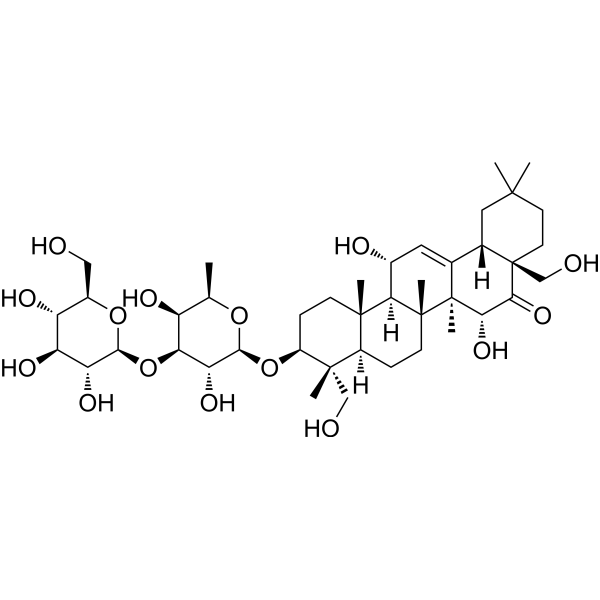
    Tibesaikosaponin V (TKV) is a triterpene diglycoside, which can be isolated from the methanol extract of the roots of Bupleurum chinense DC.. Tibesaikosaponin V inhibits lipid accumulation and triacylglycerol content occurred without cytotoxicity to adipocytes. Tibesaikosaponin V suppresses the mRNA expression of nuclear transcription factors, such as peroxisome proliferator-activated receptor γ (PPARγ) and CCAAT/enhancer binding protein α (C/EBPα). Tibesaikosaponin V inhibits 3T3-L1 preadipocyte differentiation. Tibesaikosaponin V can be used fro research of obesity and its associated metabolic disorders .
    Tibesaikosaponin V
  • HY-124399

    Endogenous Metabolite PPAR Metabolic Disease
    Peroxisome proliferator-activated receptors (PPARs) play an important role in regulating lipid and glucose metabolism, and oleoylethanolamide (OEA) is a natural ligand for PPARα. N-Octadecyl-N'-propyl-sulfamide is an analog of OEA and a potent activator of PPARα, with selective binding affinity for PPARα (EC50=100 nM, compared to 120 nM for OEA). N-Octadecyl-N'-propyl-sulfamide (10 mg/kg; ip) inhibits food intake and reduces body weight gain in rats. At a dose of 1 mg/kg, N-Octadecyl-N'-propyl-sulfamide induces satiety, thereby reducing food intake, body weight, and plasma triglyceride concentrations in free-feeding Wistar rats and obese Zucker (fa/fa) rats.
    N-Octadecyl-N'-propyl-sulfamide
  • HY-171895

    12-Nitro-9-cis,12-cis-octadecadienoic acid

    PPAR Interleukin Related NF-κB TNF Receptor Inflammation/Immunology
    12-Nitrolinoleate (12-Nitro-9-cis,12-cis-octadecadienoic acid) is an activator for peroxisome proliferator-activated receptor γ (PPARγ). 12-Nitrolinoleate is a nitrated form of linoleic acid. 12-Nitrolinoleate can be formed upon exposure to acidified nitrate and found in human red blood cells and plasma. 12-Nitrolinoleate can activate PPARγ-dependent gene expression in MCF-7 cells expressing PPARγ with an EC50 = 0.045 μM. 12-Nitrolinoleate is able to inhibit LPS (HY-D1056)-induced NF-κB transcription in RAW 264.7 cells. 12-Nitrolinoleate can inhibit IL-6, TNF-α and CCL2 induced by LPS .
    12-Nitrolinoleate
  • HY-176029

    NAPE(16:0/16:0/18:1); N-Oleoyl-1,2-dipalmitoyl-3-PE

    Drug Intermediate Neurological Disease Inflammation/Immunology
    N-Oleoyl-DPPE ammonium is an N-acylphosphatidylethanolamine (NAPE). N-Oleoyl-DPPE ammonium is a biosynthetic precursor of oleoylethanolamide (OEA), an endocannabinoid derivative and peroxisome proliferator-activated receptor α (PPARα) agonist. N-Oleoyl-DPPE ammonium can be used in the study of neuroinflammation and alcohol abuse .
    N-Oleoyl-DPPE ammonium
  • HY-183318

    PPAR Metabolic Disease
    PPARα/δ agonist 4 is a potent orally active and selective dual peroxisome proliferator-activated receptor (PPAR) α/δ agonist with EC50s of 0.36 and 1.31 nM, respectively. PPARα/δ agonist 4 exhibits >123-fold selectivity over PPARγ (EC50 = 160.84 nM). PPARα/δ agonist 4 upregulates expression of downstream fatty acid oxidation genes PDK4, CPT1A, and ACADVL. PPARα/δ agonist 4 can be used for the research of metabolic dysfunction-associated steatohepatitis .
    PPARα/δ agonist 4
  • HY-181894

    PPAR Cardiovascular Disease Metabolic Disease
    XYQ3-B11 is a potent PPARα agonist with an EC50 of 8.33 μM. XYQ3-B11 activates PPARα. XYQ3-B11 can be used for the research of dyslipidemia .
    XYQ3-B11
  • HY-N18066

    Drug Derivative Acyltransferase NF-κB PPAR Fatty Acid Synthase (FASN) Keap1-Nrf2 Cardiovascular Disease Metabolic Disease Inflammation/Immunology
    Esculeogenin A is the sapogenol of tomato saponin Esculeoside A (HY-N18067). Esculeogenin A is an orally active hepatoprotective, hypolipidemic, and antioxidant agent. Esculeogenin A regulates molecular targets like PPARα, SREBP1, Nrf2, NF-κB, ACAT1/ACAT2 to promote hepatic fatty acid oxidation, suppress de novo lipogenesis, enhance antioxidant defense, and inhibit inflammation. Esculeogenin A improves liver function, alleviates hyperlipidemia, and inhibits hepatic steatosis and foam cell formation, preventing nonalcoholic fatty liver disease in high-fat-diet-fed rats and reducing atherosclerotic lesions in apoE-deficient mice. Esculeogenin A can be used for the research of nonalcoholic fatty liver disease, atherosclerosis, and hyperlipidemia .
    Esculeogenin A

Inquiry Online

Your information is safe with us. * Required Fields.

Salutation


Country or Region *

Applicant Name *


Organization Name *

Department *


Email Address *


Product Name *

Cat. No.


Requested quantity *

Phone Number *


Remarks

Inquiry Online

Inquiry Information

Product Name:
Cat. No.:
Quantity:
MCE Japan Authorized Agent: