From 11:00 pm to 12:00 pm EST ( 8:00 pm to 9:00 pm PST ) on January 6th, the website will be under maintenance. We are sorry for the inconvenience. Please arrange your schedule properly.
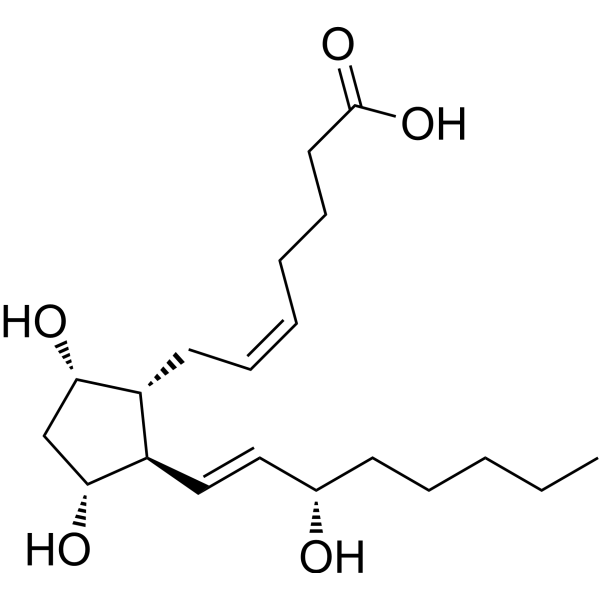
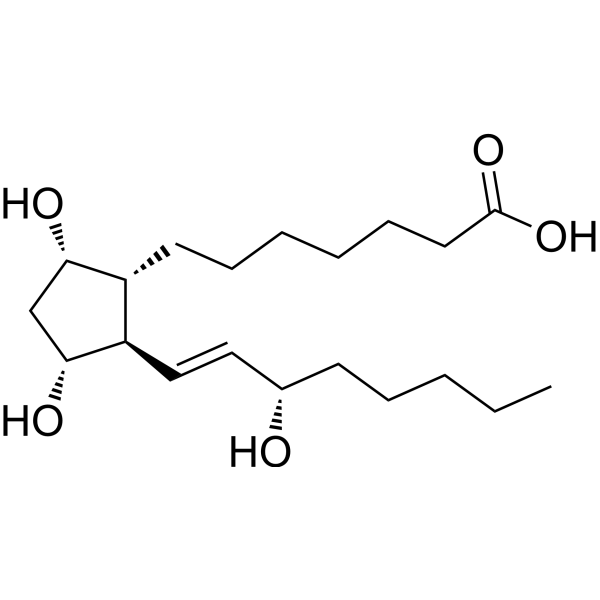
Dinoprost (ProstaglandinF2α) is an orally active, potent prostaglandinF (PGF) receptor (FP receptor) agonist. Dinoprost is a luteolytic hormone produced locally in the endometrial luminal epithelium and corpus luteum (CL). Dinoprost plays a key role in the onset and progression of labour .
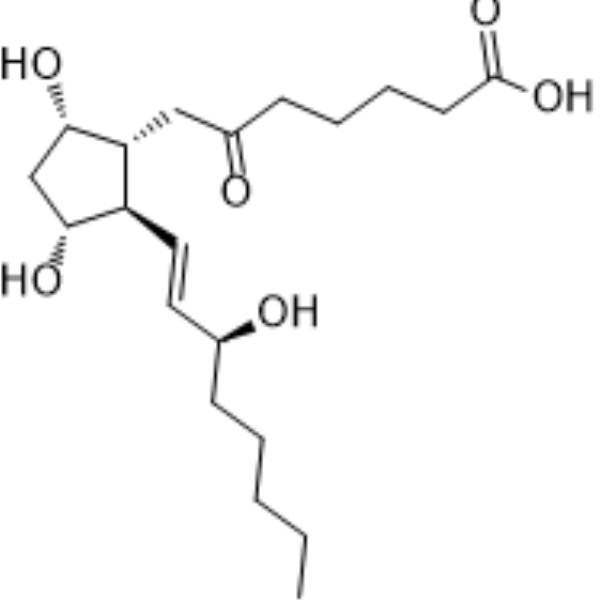
6-keto ProstaglandinF1α is an endogenous metabolite present in Cerebrospinal_Fluid, Urine and Blood that can be used for the research of Meningitis, Rheumatoid Arthritis and Cardiopulmonary Resuscitation .
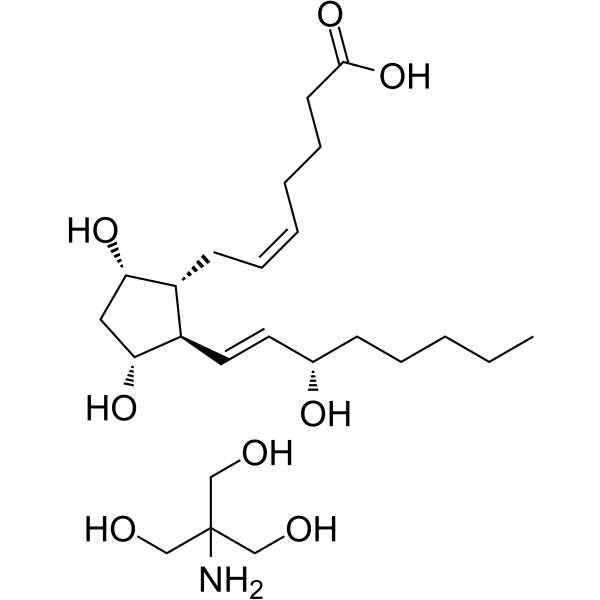
Dinoprost tromethamine salt (ProstaglandinF2α tromethamine salt) is an orally active, potent prostaglandinF (PGF) receptor (FP receptor) agonist. Dinoprost tromethamine salt is a luteolytic hormone produced locally in the endometrial luminal epithelium and corpus luteum (CL). Dinoprost tromethamine salt plays a key role in the onset and progression of labour .
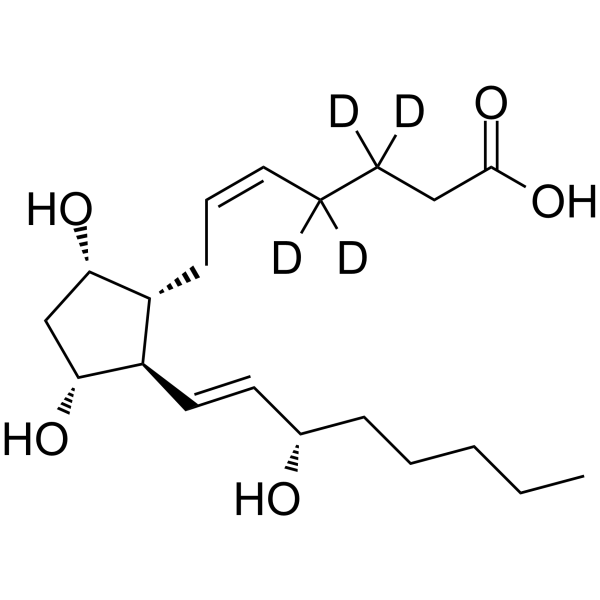
Dinoprost-d4 is the deuterium labeled Dinoprost. Dinoprost (ProstaglandinF2α) is an orally active, potent prostaglandinF (PGF) receptor (FP receptor) agonist. Dinoprost is a luteolytic hormone produced locally in the endometrial luminal epithelium and corpus luteum (CL). Dinoprost plays a key role in the onset and progression of labour .
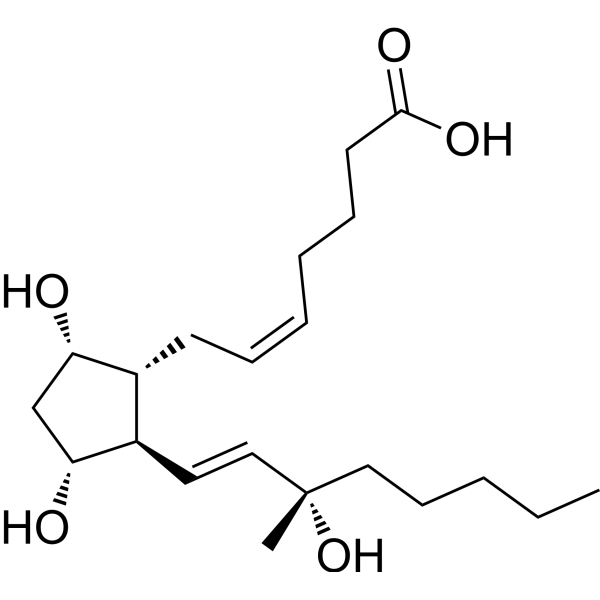
Carboprost (15(S)-15-Methyl ProstaglandinF2α) is a metabolically stable synthetic analog of prostaglandinF2α. Carboprost stimulates uterine contractions and induces abortion. Carboprost is used for postpartum hemorrhage due to uterine atony and for the termination of pregnancy in the second trimester .
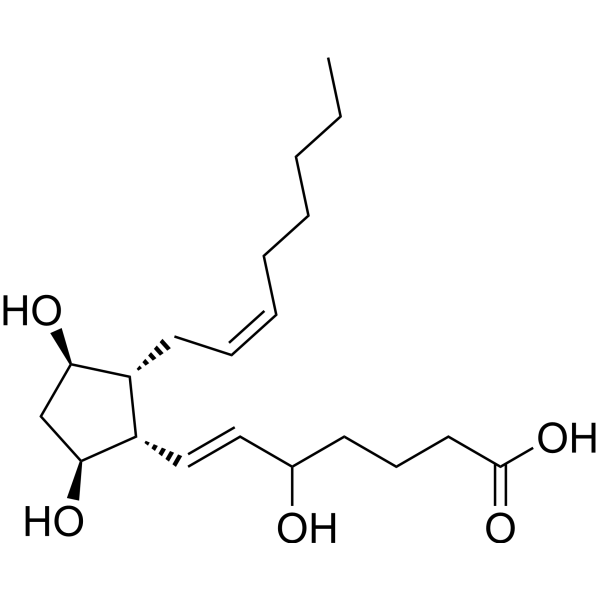
(±)5-iPF2α-VI (5-iso ProstaglandinF2α-VI) is the racemate of 5-iPF2α-VI. 5-iPF2α-VI is a regioisomeric isoprostane formed from arachidonic acid (AA) and is a biomarker of oxidative stress .
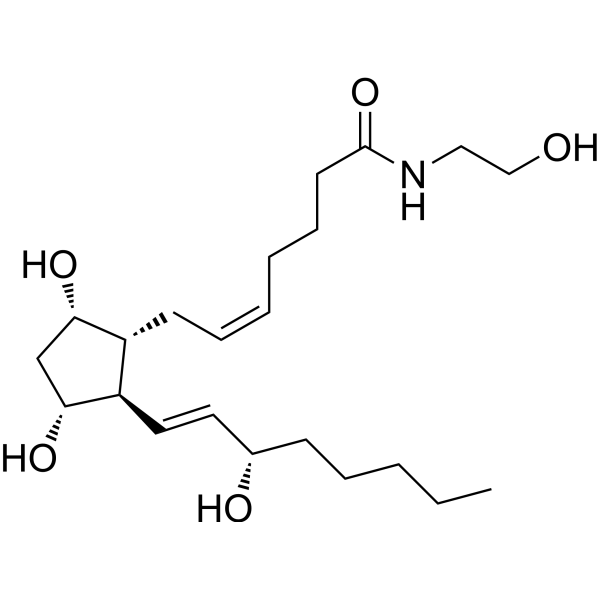
ProstaglandinF2α ethanolamide (Prostamide F2α) is an ethanolamide-like G protein-coupled receptor. ProstaglandinF2α is also a luteinizing hormone in sheep and may be a nociceptive mediator in the spinal cord .
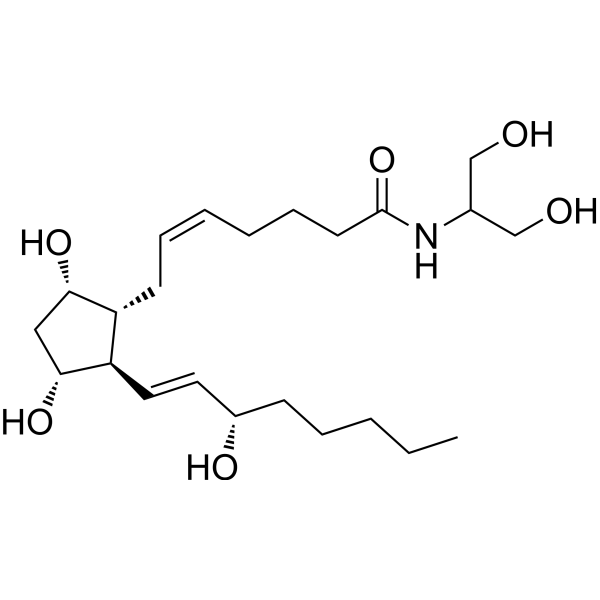
ProstaglandinF2α serinol amide is a serinolamide G protein-coupled receptor that increases calcium levels in human non-small cell lung cancer cells. ProstaglandinF2α is also a luteinizing hormone in sheep and may be a nociceptive mediator in the spinal cord .
ProstaglandinF2α-biotin (PGF2α-biotin) is a biotinylated form of ProstaglandinF2α (HY-12956). ProstaglandinF2α-biotin can be used in the study of the mechanism of action of prostaglandins. In addition, ProstaglandinF2α-biotin can be detected in the ethanolic extract of Hawm Gra Dang Ngah rice .
TGI-15 is a highly selective prostaglandinF receptor antagonist. TGI-15 inhibits downstream signaling pathways by blocking the binding of PGF2 α to FP receptors. TGI-15 can be used for research on fibrotic and inflammatory conditions .
15-keto-ProstaglandinF2α (15-keto-PGF2α) is a metabolite of ProstaglandinF2α. ProstaglandinF2α. ProstaglandinF2α is an orally active, potent prostaglandinF (PGF) receptor (FP receptor) agonist and plays a key role in the onset and progression of labour .
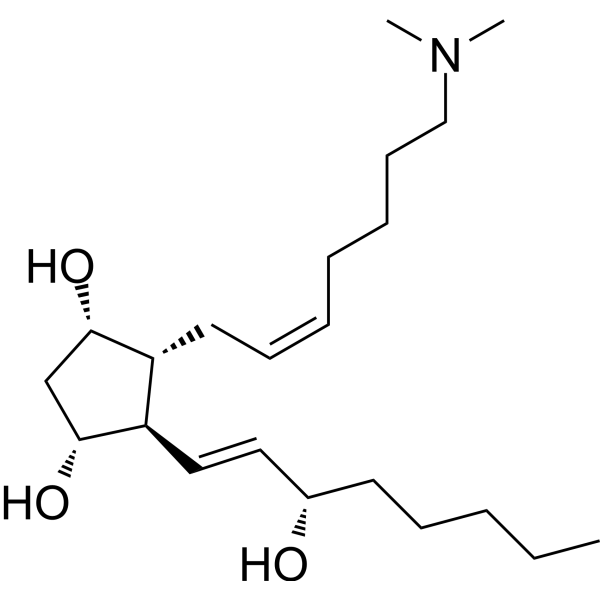
ProstaglandinF2α dimethyl amine is a ProstaglandinF2α (HY-12956) derivative. ProstaglandinF2α dimethyl amine is an antagonist for ProstaglandinF receptor (FP) . ProstaglandinF2α dimethyl amine blocks the cardiovascular responses induced by orexin and Arachidonic acid (HY-109590) .
ProstaglandinF2α ethyl amide is an analog of ProstaglandinF2α (HY-12956). ProstaglandinF2α ethyl amide is supposed to be potent lowering intraocular pressure (IOP) for its N-ethyl amide group, like Bimatoprost (HY-B0191) .
ProstaglandinF3α (PGF3α) is an eicosapentaenoic acid (EPA)-derived bioactive lipid mediator that has anti-cancer and anti-inflammatory effects. ProstaglandinF3α is a substrate of ABCC4 with a Km of 12.1 μM. ProstaglandinF3α can be used for the research of diabetes .
ProstaglandinF2α alcohol (PGF2α alcohol) is an analog of PGF2α. Dinoprost (ProstaglandinF2α) is an orally active, potent prostaglandinF (PGF) receptor (FP receptor) agonist .
ProstaglandinF2α dimethyl amide is an antagonist for ProstaglandinF2α (HY-12956), which blocks 50% contraction on gerbilMeriones unguiculatus colon induced by PGF2α at 3.2 μg/mL .
16-Phenoxy tetranor ProstaglandinF2α methyl ester is a metabolically stable form of ProstaglandinF2α that can binds to FP receptor. 16-Phenoxy tetranor ProstaglandinF2α methyl ester serves as prodrug that can be hydrolyzed to generate bioactive free acid .
ProstaglandinF2a/BSA is an antigen-adjuvant conjugate formed by the conjugation of ProstaglandinF2a with Bovine Serum Albumin (BSA). By conjugating the antigen with a protein adjuvant, the production of antigen-specific antibodies in vaccine models can be enhanced. The conjugate does not affect protein folding or disrupt major epitopes and can enhance cross-presentation as well as the generation of antigen-specific T cells.
ProstaglandinF2α alcohol methyl ether is an alcohol methyl ether G protein-coupled receptor. ProstaglandinF2α is also a luteinizing hormone in sheep and may be a nociceptive mediator in the spinal cord .
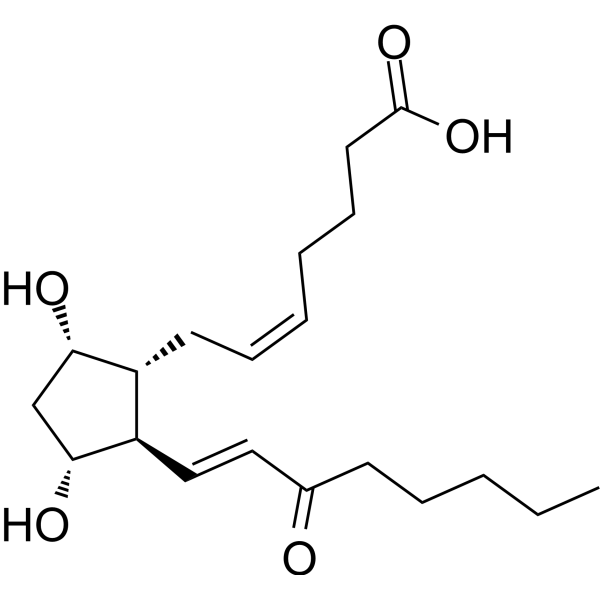
15-keto ProstaglandinF1α (15-keto PGF1α) is a prostaglandinF1α metabolite. 15-keto ProstaglandinF1α (15-keto PGF1α) is an effective substrate for PGR-2. 15-keto ProstaglandinF1α (15-keto PGF1α) can be used to study physiological processes such as prostaglandin metabolism and lipogenesis .
ProstaglandinF2α 1,11-lactone is a prostaglandin. ProstaglandinF2α 1,11-lactone is absorbed by the eye. ProstaglandinF2α 1,11-Lactone has metabolic stability on the corneal surface and conjunctiva. ProstaglandinF2α 1,11-lactone can be used in the treatment of glaucoma .
8-iso ProstaglandinF1β is an isoprostane, that exhibits vasoconstrictive effect in neonatal porcine pulmonary arteries, pulmonary veins, and mesenteric arteries. 8-iso ProstaglandinF1β targets TXA2 receptor and exhibits the blood vessel contractile efficacy under the influence of tyrosine kinase and Rho kinase .
11-deoxy ProstaglandinF1α (11-deoxy PGF1α) is an analog of prostaglandinF1α, exhibits side effects on intestines and causes the uterine contraction. 11-deoxy ProstaglandinF1α exhibits activity as vasopressor and bronchoconstrictor .
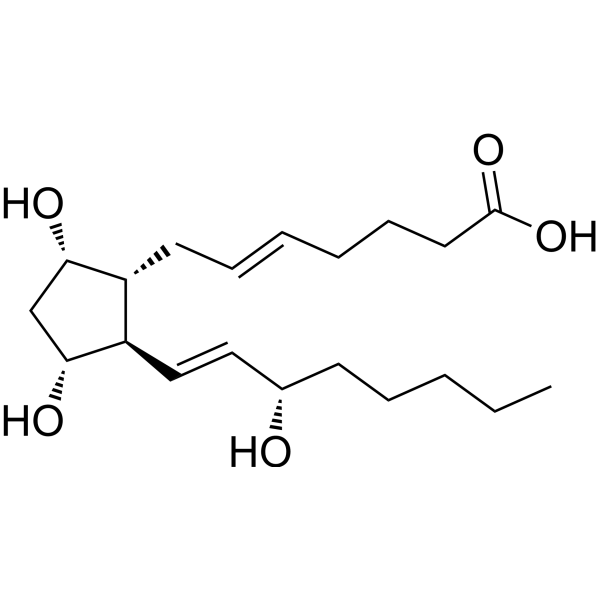
15(R)-ProstaglandinF2α is the isomer of 9α,11β-ProstaglandinF2α (HY-129953). 9α,11β-ProstaglandinF2α is an endogenous metabolite present in Urine that can be used for the research of Asthma .
(17E)-ProstaglandinF3α (17-trans-PGF3α) is a double bond isomer of ProstaglandinF3α (HY-129764) and a potential metabolite of trans dietary fatty acids. (17E)-ProstaglandinF3α has anti-inflammatory activity .
ProstaglandinF2α methyl ester (PGF2α methyl ester; Dinoprost methyl) is a PGF2α analog with more lipid solubility. ProstaglandinF2α methyl ester exhibits efficacy in maintaining the ocular hypotensive .
17-Trifluoromethylphenyl-13,14-dihydro trinor prostaglandinF1α (Compound 8) is a saturated prostaglandin analogue. 17-Trifluoromethylphenyl-13,14-dihydro trinor prostaglandinF1α has good affinity and receptor selectivity for human prostaglandinF receptor (hFP receptor) witn an EC50 of 85 nM .
Dinoprost (tromethamine salt) (Standard) is the analytical standard of Dinoprost (tromethamine salt). This product is intended for research and analytical applications. Dinoprost tromethamine salt (ProstaglandinF2α tromethamine salt) is an orally active, potent prostaglandinF (PGF) receptor (FP receptor) agonist. Dinoprost tromethamine salt is a luteolytic hormone produced locally in the endometrial luminal epithelium and corpus luteum (CL). Dinoprost tromethamine salt plays a key role in the onset and progression of labour .
ent-8-iso ProstaglandinF2α (ent-15-F2t-IsoP) is a potent vasoconstrictor of porcine retina and cerebral microvessels with EC50 values of 30.6 and 53.5 nM, respectively .
3-Methoxy prostaglandinF1α is an analog of PGF1α that can be metabolized by naturally occurring extracellular antibiotic resistance genes (eARGs) that enter the intestine via the food chain .
17-Phenyl trinor prostaglandinF2α glycinamide methyl ester is a derivative of Bimatoprost (HY-B0191) and a prostaglandin analog. 17-Phenyl trinor prostaglandinF2α glycinamide methyl ester is a human prostaglandinFP receptor agonist. 17-Phenyl trinor prostaglandinF2α glycinamide methyl ester has an ocular hypotensive effect and can be used in the study of ocular hypertension and glaucoma .
Ent-8-Iso-15(S)-prostaglandinF2α is an isomer of 8-Isoprostaglandin F2α, with a better inhibiting activity in the whole blood platelet aggregation inhibition assay .
2,3-Dinor-8-iso prostaglandinF₂α (2,3-Dinor-8-isoPGF2α) is the major β-oxidation metabolite of 8-iso-prostaglandinF₂α. 2,3-Dinor-8-iso prostaglandinF₂α serves as a biomarker to evaluate the in vivo production of 8-iso-prostaglandinF₂α and the level of lipid peroxidation. 2,3-Dinor-8-iso prostaglandinF₂α is promising for research of oxidative stress-related diseases such as arteriosclerosis and diabetes .
17-Phenoxy trinor prostaglandinF2α ethyl amide (17-Phenoxy trinor PGF2α ethyl amide) is an analog of Bimatoprost (HY-12956). 17-Phenoxy trinor prostaglandinF2α ethyl amide is an agonist for ProstaglandinF2α Receptor (FP receptor). 17-Phenoxy trinor prostaglandinF2α ethyl amide is potent to reduce the intraocular pressure and attenuate the glaucoma .
Dinoprost (Standard) is the analytical standard of Dinoprost. This product is intended for research and analytical applications. Dinoprost (ProstaglandinF2α) is an orally active, potent prostaglandinF (PGF) receptor (FP receptor) agonist. Dinoprost is a luteolytic hormone produced locally in the endometrial luminal epithelium and corpus luteum (CL). Dinoprost plays a key role in the onset and progression of labour .
17-Phenyl trinor ProstaglandinF2α dimethyl amide (Bimatoprost dimethyl amide), a 1-OH cyclopentane heptanoic acid, 2-(cycloalkyl or arylalkyl) derivative, is a smooth muscle relaxant. 17-Phenyl trinor ProstaglandinF2α dimethyl amide has the potential for glaucoma research .
1α-Monohomo-17-phenyl trinor ProstaglandinF2α (1α-Monohomo-17-phenyl trinor PGF2α) is a derivative of 17-phenyl trinor prostaglandinF2α ethyl amide. 1α-Monohomo-17-phenyl trinor ProstaglandinF2α is also an isomer of 17-phenyl trinor prostaglandinF2α methyl ester.
15(R),19(R)-Hydroxy prostaglandinF2α (15(R),19(R)-Hydroxy PGF2α) is an analog of 19(R)-Hydroxy-prostaglandinF2α. 19(R)-Hydroxy-prostaglandinF2α (HY-N7857) is an ω-1 hydroxylase metabolite of PGF2α found in human semen .
19(R)-Hydroxy-prostaglandinF2α (19(R)-hydroxy PGF2α) is an ω-1 hydroxylase metabolite of PGF2α found in human semen. The concentration of 19(R)-Hydroxy-PGFs compounds (F2α and F1α together) in fresh human semen is about 20 μg/mL. 19(R)-Hydroxy-prostaglandinF2α exhibits no activity at the FP receptor of the cat iris sphincter muscle at concentrations up to 1 μM.
N-Cyclopropyl methyl bimatoprost (17-Phenyl trinor prostaglandinF2α cyclopropyl methyl amide) is an analog of Bimatoprost (HY-12956). N-Cyclopropyl methyl bimatoprost is an agonist for ProstaglandinF2α Receptor (FP receptor). N-Cyclopropyl methyl bimatoprost is potent to reduce the intraocular pressure and attenuate the glaucoma .
9α,11β-ProstaglandinF2α-d4 is a deuterated labeled 9α,11β-ProstaglandinF2α . 9α,11β-ProstaglandinF2α is an endogenous metabolite present in Urine that can be used for the research of Asthma .
(5R)-Dinoprost is a metabolite produced by cyclooxygenase metabolism of arachidonic acid. (5R)-Dinoprost (ProstaglandinF2β) induces dose-dependent release of hexose containing mucin .
15-keto-17-phenyl trinor ProstaglandinF2α (15-keto-17-phenyl trinor PGF2α) is an F-series prostaglandin (PG) analog. The potential metabolite of 15-keto-17-phenyl trinor ProstaglandinF2α in animals is 15-keto PG. 15-keto PG can slightly reduce the intraocular pressure (1 mm Hg) in normal cynomolgus monkeys when administered at a dose of 1 μg/eye. 15-keto-17-phenyl trinor ProstaglandinF2α is a miotic agent in cats, reducing the pupil diameter by 8 mm at a dose of 5 μg/eye.
8-iso ProstaglandinF2β (8-iso PGF2β) is a biomarker for assessing oxidative stress, and its content in serum can indirectly reflect the level of oxidative stress .
8-Iso-17-phenyl trinor prostaglandinF2β is an isomer of Bimatoprost (HY-B0191). Bimatoprost is a prostaglandin analog. Bimatoprost lowers intraocular pressure by regulating scleral and trabecular outflow.
8-ISo-15-keto prostaglandinF2β is a potential metabolite of 8-Iso PGF2β via the 15-hydroxy-PG dehydrogenase pathway. 8-iso PGF2β constricts pulmonary veins in dogs and pigs .
15(R)-17-Phenyl trinor ProstaglandinF2α (15-epi Bimatoprost free acid) is a prostaglandinF (FP) analog that acts as an ocular hypotensive agent. The free acid 17-Phenyl trinor ProstaglandinF2α is a potent FP receptor agonist. 15(R)-17-Phenyl trinor ProstaglandinF2α is the 15-epi or "unnatural" isomer of this active free acid metabolite and has reduced FP receptor agonist activity.
Dinoprost-d9 is the deuterium labeled Dinoprost. Dinoprost (ProstaglandinF2α) is an orally active, potent prostaglandinF (PGF) receptor (FP receptor) agonist. Dinoprost is a luteolytic hormone produced locally in the endometrial luminal epithelium and corpus luteum (CL). Dinoprost plays a key role in the onset and progression of labour .
8-iso-15-keto ProstaglandinF2α (8-iso-15-keto PGF2α) is a partial agonist for Thromboxane receptor (TP), which exhibits a vasoconstrictor efficacy with a pD2 of 5.8. 8-iso-15-keto ProstaglandinF2α mediates a weak relaxation of rats aorta rings at high concentration .
Carboprost (Standard) is the analytical standard of Carboprost. This product is intended for research and analytical applications. Carboprost (15(S)-15-Methyl ProstaglandinF2α) is a metabolically stable synthetic analog of prostaglandinF2α. Carboprost stimulates uterine contractions and induces abortion. Carboprost is used for postpartum hemorrhage due to uterine atony and for the termination of pregnancy in the second trimester .
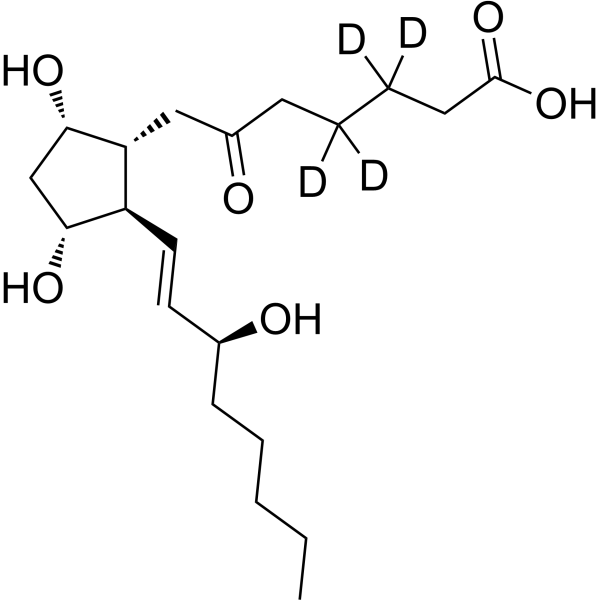
13,14-Dihydro-15-keto ProstaglandinF2α-d4 (13,14-Dihydro-15-keto-PGF2α-d4) is a deuterated labeled 13,14-Dihydro-15-keto ProstaglandinF2α (HY-113208). 13,14-Dihydro-15-keto ProstaglandinF2α-d4 is an endogenous metabolite present in Blood that can be used for the research of Pregnancy .
Dinoprost methoxyamine is an orally active, potent prostaglandinF (PGF) receptor (FP receptor) agonist. Dinoprost methoxyamine is a luteolytic hormone produced locally in the endometrial luminal epithelium and corpus luteum (CL). Dinoprost methoxyamine plays a key role in the onset and progression of labour .
(5R)-Dinoprost tromethamine (ProstaglandinF2β tromethamine) is a metabolite produced by the metabolism of arachidonic acid cyclooxygenase. (5R)-Dinoprost tromethamine induces dose-dependent release of hexosaccharide containing mucin .
15(R)-15-Methyl ProstaglandinF2α (15(R)-Carboprost; 15(R)-15-methyl PGF2α) is a metabolically stable analog of PGF2α. 15(R)-15-Methyl ProstaglandinF2α is an inactive, prodrug PGF agonist designed for activation by gastric acid after oral administration. Acid-catalyzed epimerization of 15(R)-15-Methyl ProstaglandinF2α converts it into the active 15(S)-isomer. The 15(S)-isomer induces luteolysis when injected in rhesus monkeys at a dose of about 12 mg/animal, while the 15(R)-isomer does not.
6,15-Diketo-13,14-dihydro prostaglandinF1α (6,15-Diketo-13,14-dihydro-PGF1α) is a metabolite of prostacyclin (PGI2). 6,15-Diketo-13,14-dihydro prostaglandinF1α enhances intracellular cAMP and cholesterol metabolism in bovine arterial smooth muscle cells .
Dinoprost- 13C5 is 13C labeled Dinoprost (HY-12956). Dinoprost (ProstaglandinF2α) is an orally active, potent prostaglandinF (PGF) receptor (FP receptor) agonist. Dinoprost is a luteolytic hormone produced locally in the endometrial luminal epithelium and corpus luteum (CL). Dinoprost plays a key role in the onset and progression of labour .
PGF2α 1,15-lactone (ProstaglandinF2α 1,15-lactone) is a lipid-soluble internal ester of PGF2α. PGF2α 1,15-lactone decreases menstrual cycle lengths in non-pregnant rhesus monkeys. PGF2α 1,15-lactone terminates early pregnancy in the monkey .
11-Deoxy prostaglandinF1β is a synthetic analog of PGF1β. 11-Deoxy prostaglandinF1β exhibits vasodepressor and bronchodilator activities in guinea pigs .
15(S)-15-Methyl ProstaglandinF2α ethyl amide (15-Methyl ProstaglandinF2α ethyl amide) is a synthetic ProstaglandinF2α (HY-12956) analogue that stimulates uterine contractions. 15(S)-15-Methyl ProstaglandinF2α ethyl amide can be used for the research of second-trimester pregnancy loss .
5-trans ProstaglandinF2α tromethamine is a derivative of 5-trans ProstaglandinF2α (HY-129953A). 5-trans ProstaglandinF2α is an endogenous metabolite present in blood that can be used for the research of myocardial infarction .
8-iso-13,14-dihydro-15-keto ProstaglandinF2α is an oxidative metabolite of 8-iso-prostaglandinF2α (HY-113209). 8-iso-13,14-dihydro-15-keto ProstaglandinF2α can be used in the study of oxidative stress-related diseases .
17-Phenyl trinor prostaglandinF2α 1,15-lactone (17-Phenyl trinor PGF2α 1,15-lactone) is a 1,15 lactone of 17-Phenyl trinor prostaglandinF2α. 17-Phenyl trinor prostaglandinF2α is a metabolite of Dinoprost (HY-12956) .
Bimatoprost cyclohexyl amide (N-Cyclohexyl-desamethyl bimatoprost; 17-Phenyl trinor prostaglandinF2α cyclohexyl amide) is an analog of bimatoprost (HY-B0191). Bimatoprost cyclohexyl amide is an agonist of the prostaglandinF2α receptor. Bimatoprost cyclohexyl amide is used in research on reducing intraocular pressure and glaucoma .
2,3-Dinor-6-keto-prostaglandinF1α (2,3-Dinor-6-keto-PGF1α) is the major urinary metabolite of Prostaglandin I2 (HY-A0126A). 2,3-Dinor-6-keto-prostaglandinF1α is applicable to the research of coronary heart disease .
16-Phenoxy tetranor ProstaglandinF2α methyl amide (16-phenoxy-17,18,19,20-tetranor-PGF2α) is a structural analog of PGF2α (HY-12956), and its binding affinity for the PGF2α (FP) receptor in sheep luteal cells reaches approximately 440% of that of PGF2α .
16-phenoxy tetranor ProstaglandinF2α (16-phenoxy tetranor PGF2α) is a metabolically stable analog of PGF2α. It binds to the FP receptor on ovine luteal cells with much greater affinity (440%) than PGF2α.
15(R)-15-Methyl prostaglandinF2α methyl ester (15(R)-Methyl carboprost) (compound 15R) is a 15-methyl substituted prostaglandin analog, a member of the prostaglandin family, with potential biological activities in a variety of biological systems, but its specific activity mechanism and application details are not described in detail from the existing information.
17-Phenoxy trinor prostaglandinF2α isopropyl ester is a PGF2α (HY-12956) analog. PGF2α is an orally active agonist of the PGF receptor (FP receptor). PGF2α plays a key role in labor and delivery.
16-phenyl tetranor ProstaglandinF2α (16-phenyl tetranor PGF2α) is a metabolically stable analog of PGF2α. The affinity of 16-phenyl tetranor PGF2α at the FP receptor of ovine luteal cells is poor (8.7%) compared to PGF2α.
17-Trifluoromethylphenyl trinor prostaglandinF2α ethyl amide (compound 17-CF3PTPG2α EA) is a lipophilic analog of 17-trifluoromethylphenyl trinor PGF2α .
2,3-Dinor-11beta-prostaglandinF2alpha (2,3-Dinor-11β-PGF2α) is a metabolite of PGD2. Urinary excretion of 2,3-Dinor-11beta-prostaglandinF2alpha is increased in patients with mast cell activation disease (MCAD) and has been used as a marker of increased PGD2 levels. 2,3-Dinor-11beta-prostaglandinF2alpha levels are also increased in the urine of patients with asthma and are positively correlated with impaired lung function.
13,14-Dihydro-15-keto ProstaglandinF2α (13,14-Dihydro-15-keto-PGF2α) is an endogenous metabolite present in Blood that can be used for the research of Pregnancy .
8-Iso-17-phenyl trinor prostaglandinF2α (8-Iso-17-phenyl trinor PGF2), the C-8 epimer of Bimatoprost (HY-B0191), is a PGF2α (HY-12956) analog. Bimatoprost can be used in the research of glaucoma and high intraocular pressure.
A number of 17-phenyl trinor prostaglandinF2α (17-phenyl trinor PGF2α) derivatives have been approved for glaucoma. Of these, the unsubstituted or meta-substituted aromatic derivatives are the most potent FP receptor agonists.4 17-trifluoromethylphenyl trinor PGF2α bears an aromatic ring which is reminiscent of the trifluoromethyl-phenoxy ring of travoprost ((+)-fluprostenol isopropyl ester). As an ocular hypotensive agent, it would be expected that 17-trifluoromethylphenyl trinor PGF2α would act very much like the free acid of travoprost. 17-phenyl trinor PGF2α is a potent luteolytic, with a potency equal to or greater than fluprostenol and cloprostenol.
11β-ProstaglandinF2α ethanolamide (11β-PGF2α-EA) is the theoretical hepatic metabolite of PGD2-EA, produced during COX-2 metabolism of the endogenous cannabinoid AEA which is found in brain, liver, and other mammalian tissues.1 AEA can be used directly by COX-2 and specific PG synthase to produce ethanolamide congeners of the classical PGs. PGD2-EA is formed in activated RAW 264.7 cells treated with AEA.
Δ17-6-keto ProstaglandinF1α (Δ17-6-keto PGF1α) is a cyclooxygenase (COX) product of eicosapentaenoic acid (EPA) in various tissues such as seminal vesicles, lung, Polymorphonuclear leukocytes, and ocular tissues. Δ17-6-keto PGF1α and other 3-series COX products from EPA, such as PGF3α, PGE3, and thromboxane B3, may be involved in the reduced incidence of glaucoma in patients on a marine-rich (EPA-rich) diet.
11β-13,14-Dihydro-15-keto ProstaglandinF2α is the deviative of 13,14-Dihydro-15-keto PGF2a (HY-113208), which is an endogenous metabolite present in Blood that can be used for the research of Pregnancy .
Latanoprostene bunod (NCX116; LBN) is a nitric oxide-releasing prostaglandinF2α analog. Latanoprostene bunod is a prodrug that, upon instillation into the eye, is hydrolyzed by corneal esterases into two active metabolites: Latanoprost (HY-B0577) and NO. Latanoprost activates the prostaglandin FP receptor to increase the outflow of aqueous humor through the uveoscleral pathway. NO increases aqueous humor drainage through the trabecular meshwork pathway, achieving synergistic enhancement targeting the dual pathways of aqueous humor outflow. Latanoprostene bunod can be used in research related to open-angle glaucoma and ocular hypertension .
AL 8810 methyl ester is a prostaglandinF(2α) analog and a prostaglandinF(2α) receptor agonist. Can competitively antagonize the effects of the FP receptor agonist Fluprostenol (HY-108560). AL 8810 methyl ester has no significant potency against TP, DP, EP(2), EP(4) receptor subtypes in cell lines .
F092 is an inhibitor of hematopoietic prostaglandin D synthase (H-PGDS) with a KD value of 0.14 nM. F092 can be used in the study of allergic and inflammatory responses .
(+)-Cloprostenol (Standard) is the analytical standard of (+)-Cloprostenol. This product is intended for research and analytical applications. (+)-Cloprostenol is a prostaglandinF2α (PGF2α) analogue, and shows selective agonistic activity at the prostaglandin receptor.
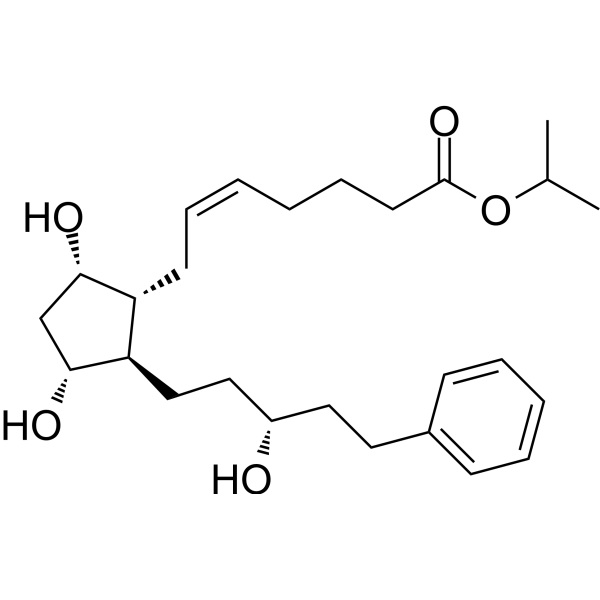
Latanoprost (PHXA41) is a prostaglandinF2α analogue and can be used for glaucoma research. Latanoprost can effectively pass through cornea and be hydrolyzed by esterase to latanoprost acid. latanoprost acid is an F-prostaglandin (FP) receptor agonist, and can effectively reduce intraocular pressure (IOP) by increasing the outflow of aqueous humor through uvea .
Tafluprost ethyl ester (AFP-175) is a derivative of ProstaglandinF2α (PGF2α) (HY-12956). Tafluprost ethyl ester is an agonist for prostaglandin FP receptor, and exhibits miotic effect .
Sepetaprost (ONO-9054) is a dual agonist of the prostaglandin E3 receptor and prostaglandinF receptor. Sepetaprost reduces intraocular pressure in animal models. Sepetaprost is applicable for research on ocular hypertension and open-angle glaucoma .
AL-3138 (11-Deoxy-16-fluoro PGF2α) is a prostaglandinF2 alpha (PGF2alpha) analogue that antagonises FP prostaglandin receptor-mediated inositol phosphate production .
Cloprostenol is a prostaglandinF-2α (PGF2α (HY-12956)) analogue. Cloprostenol induces luteolysis in marmoset monkeys. Cloprostenol can be used for the research of open-cervix pyometra .
Cloprostenol isopropyl ester, a prostaglandinF2α analogs, is the intermediate of (+)-Cloprostenol (HY-107381). Cloprostenol isopropyl ester is a FP receptor agonist with a Ki value of 28 nM .
8-iso ProstaglandinF2α-d9 is the deuterium labeled 8-Isoprostaglandin F2α. 8-Isoprostaglandin F2α is an isoprostane produced by the non-enzymatic peroxidation of arachidonic acid in membrane phospholipids. 8-Isoprostaglandin F2α is present in human plasma in two distinct forms - esterified in phospholipids and as the free acid. 8-Isoprostaglandin F2α is a weak TP receptor agonist in vascular smooth muscle.
Ebopiprant (OBE022) is an oral and selective prostaglandinF2α (PGF2α) receptor antagonist, with Kis of 1 nM, 26 nM for human and rat FP receptors, respectively.
Ebopiprant (OBE022) hydrochloride is an oral and selective prostaglandinF2α (PGF2α) receptor antagonist, with Kis of 1 nM, 26 nM for human and rat FP receptors, respectively.
Latanoprost tris(triethylsilyl) ether is a precursor in the synthesis of the prostaglandinF2α (PGF2α) receptor (FP receptor) agonist Latanoprost (HY-B0577).
Latanoprost-d4 is the deuterium labeled Latanoprost. Latanoprost (PHXA41) is a prostaglandinF2α analogue and an agonist for the FP prostanoid receptor, and lowers intraocular-pressure (IOP).
(+)-5-trans Cloprostenol isopropyl ester is a more lipid-soluble form of (+)-5-trans cloprostenol (HY-120955), which is a synthetic derivative of prostaglandinF2α .
AS604872 is an orally active, potent and selective prostaglandinF2α receptor (FP) antagonist with a Ki of 35 nM in humans, 158 nM in rats and 323 nM in mice. AS604872 inhibits contractions and delays labour .
Latanoprost (Standard) is the analytical standard of Latanoprost. This product is intended for research and analytical applications. Latanoprost (PHXA41) is a prostaglandinF2α analogue and an agonist for the FP prostanoid receptor, and lowers intraocular-pressure (IOP).
AL 8810 (Item No. 16735) is an 11β-fluoro analog of prostaglandinF2α which acts as a potent and selective antagonist at the FP receptor. AL 8810 isopropyl ester is a lipid soluble, esterified prodrug form of AL 8810 analogous to the commonly used therapeutic intraocular prostaglandin compounds such as Latanoprost (HY-B0577) and Travoprost (HY-B0584).
Cloprostol, a synthetic derivative of prostaglandinF2α, is used as an ossified in veterinary medicine and the research of reproductive disorders in cattle, pigs and horses. (+)-5-trans Cloprostenol is a secondary impurity produced during the synthesis of (+) -cloprostenol .
Carboprost tromethamine is the synthetic 15-methyl analogue of prostaglandinF2α. Carboprost tromethamine can effectively promote law contraction of the uterus and significantly reduce the amount of bleeding during and after delivery .
5,7-Dihydroxy-11-ketotetranorprostanoic acid is a urinary metabolite of prostaglandinF2α and precursor to tetranor-PGF metabolites, exhibits hardly activity in blood pressure assay and smooth muscle stiumulation assay .
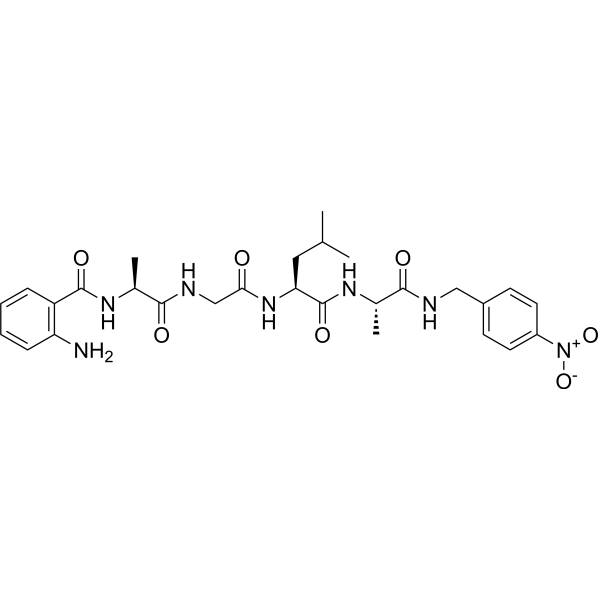
Abz-AGLA-Nba is a fluorogenic substrate for the determination of protease activity. Abz-AGLA-Nba is hydrolyzed to release aminoacyl benzimide (Abz-AGLA) and 2-naphthylaminoacyl (Nba). The product Abz-AGLA produced by this hydrolysis reaction is fluorescent under ultraviolet light and can emit a fluorescent signal .
Abz-AGLA-Nba TFA is a fluorogenic substrate for the determination of protease activity. Abz-AGLA-Nba TFA is hydrolyzed to release aminoacyl benzimide (Abz-AGLA) and 2-naphthylaminoacyl (Nba). The product Abz-AGLA produced by this hydrolysis reaction is fluorescent under ultraviolet light and can emit a fluorescent signal .
15-Keto-PGA1 is a metabolite of PGA1 and has significant vasoconstrictive effects. PGA1 is also a vasoconstrictor and is more potent than equivalent doses of prostaglandinF2α (PGF2α) and angiotensin II .
15-Keto Bimatoprost-d5 is the deuterium labeled 15-Keto Bimatoprost. 15-Keto Bimatoprost is a prostaglandinF2α (PGF2α) analog that can be used for the research of ocular hypotensive .
Fluprostenol (ICI 81008) is a synthetic prostaglandinF2α (PGF2α) derivative. Fluprostenol, as a luteolytic agent, can cause luteal degeneration and regulate reproductive cycle. Fluprostenol can be used in the study of infertility in animals and the control of the reproductive cycle of domestic animals .
13,14-epoxy Travoprost (13,14-epoxy Fluprostenol isopropyl ester) is a mixture of diastereomeric epoxides generated during production of Travoprost (HY-B0584). Travoprost is a selective agonist for prostaglandinF receptor, which exhibits an ocular hypotensive efficacy .
Carboprost (tromethamine) (Standard) is the analytical standard of Carboprost (tromethamine). This product is intended for research and analytical applications. Carboprost tromethamine is the synthetic 15-methyl analogue of prostaglandinF2α. Carboprost tromethamine can effectively promote law contraction of the uterus and significantly reduce the amount of bleeding during and after delivery .
PGF2α-isopropyl ester is a ProstaglandinF2α (HY-12956) derivative, which is active in lowering the intraocular pressure (IOP) through increased uveoscleral outflow of aqueous humor. PGF2α-isopropyl ester causes side effects of conjunctival hyperemia and ocular irritation .
15-keto Latanoprost is a potential metabolite of latanoprost (HY-B0577) when administered to animals. 15-keto Latanoprost is also one of the common minor impurities found in commercial preparations of the bulk drug compound. Although much less potent that the parent compound latanoprost, 15-keto latanoprost still retains the ability to produce a small but measurable decrease (1 mm Hg) in the intraocular pressure of normal cynomolgus monkeys when administered at a dose of 1 μg/eye.1 15-keto Latanoprost is also a miotic in the normal cat eye, causing an 8 mm Hg reduction in pupillary diameter at 5 μg/eye. Again, this is not as potent as many other F-type prostaglandins; for example, prostaglandinF2α will produce this degree of miosis at a dose of less than 1 μg/eye.
8-iso PGF3α is an isoprostane produced from the free-radical peroxidation of EPA. Little is known about the biological activity of 8-iso PGF3α. There is one report that it is inactive in a TP receptor mediated assay of human platelet shape change, where 8-iso PGF2α has an ED50 value of 1 μM.
Flocoumafen (WL 108366) is an orally active vitamin K epoxide reductase inhibitor and a multi-target ligand, which includes prostaglandinF synthase, serum albumin, glucocorticoid receptor 2, and MMP-9. Flocoumafen is a second-generation anticoagulant rodenticide (ARs) with a half-life of 177.4 hours and has deadly anticoagulant effects .
Unoprostone, a prostaglandinF2α analog, is a large conductance Ca 2+-activated K + (BK) channels and ClC-2 type chloride channels activator. Unoprostone reduces oxidative stress- and light-induced retinal cell death, and phagocytotic dysfunction. Unoprostone reduces intraocular pressure and can be used for the study of glaucoma, ocular hypertension and retinitis pigmentosa .
Latanoprost acid, an analog of prostaglandin (PG) F2α, is an selective prostanoid receptor (FP) agonist that specifically activates the FP-PG receptor . Latanoprost acid inhibits RANKL-induced osteoclastgenesis and function by inhibiting ERK, AKT, JNK, and p38 cascade, following by the c-fos/NFATc1 pathway. Latanoprost acid is a medication which works to lower pressure inside the eyes .
Cloprostenol is a synthetic prostaglandinF2α (PGF2α) analog and a potent FP receptor agonist. (+)-15-epi Cloprostenol is the 15(S), or 15β-hydroxy enantiomer of (+)-cloprostenol. This epimer is less active by several orders of magnitude as an FP receptor ligand when compared to 15(R)-cloprostenol. However, the specific activity of this isomer has not been well studied.
Latanoprostene bunod (NCX116; LBN) (Standard) is the analytical standard of Latanoprostene bunod. This product is intended for research and analytical applications. Latanoprostene bunod is a nitric oxide-releasing prostaglandinF2α analog. Latanoprostene bunod is a prodrug that, upon instillation into the eye, is hydrolyzed by corneal esterases into two active metabolites: Latanoprost (HY-B0577) and NO. Latanoprost activates the prostaglandin FP receptor to increase the outflow of aqueous humor through the uveoscleral pathway. NO increases aqueous humor drainage through the trabecular meshwork pathway, achieving synergistic enhancement targeting the dual pathways of aqueous humor outflow. Latanoprostene bunod can be used in research related to open-angle glaucoma and ocular hypertension.
Lotifazole (F 1686) is a non-steroidal anti-inflammatory agent. Lotifazole exhibits specific inhibition of delayed-type hypersensitivity and does not rely on the prostaglandin synthesis inhibition pathway at low doses. Lotifazole shows significant efficacy in treating paw edema induced by carrageenan in rats, erythema induced by ultraviolet radiation in guinea pigs, and pleurisy at high doses. Lotifazole can be used for the study of T-cell-mediated diseases .
Pronqodine A is an Indoleamine 2,3-Dioxygenase (IDO) inhibitor, with an IC50 of 131.5 nM. Pronqodine A inhibits bradykinin-induced release of PGE2, 6-keto-prostaglandinF1α, PGD2 and induces the production of reactive oxygen species (ROS) in human synovial sarcoma SW982 cells. Pronqodine A is a good substrate for human quinone reductase NQO1. Pronqodine A can be used for the study of inflammation .
Flocoumafen (Standard) is the analytical standard of Flocoumafen. This product is intended for research and analytical applications. Flocoumafen (WL 108366) is an orally active vitamin K epoxide reductase inhibitor and a multi-target ligand, which includes prostaglandinF synthase, serum albumin, glucocorticoid receptor 2, and MMP-9. Flocoumafen is a second-generation anticoagulant rodenticide (ARs) with a half-life of 177.4 hours and has deadly anticoagulant effects .
13,14-dihydro ProstaglandinF2α (13,14-dihydro PGF2α) is the analog of PGF2α which has no unsaturation in the lower side chain. It causes luteolysis in hamsters with a potency five times higher than PGF2α. The ED50 value for 13,14-dihydro PGF2α as a luteolytic agent in hamsters is 1.5 μg/100 g.
15(S)-15-methyl ProstaglandinF2α methyl ester (15(S)-15-methyl PGF2α methyl ester) is a derivative of 15(S)-15-methyl PGF2α with increased membrane permeability. Hydrolysis of the methyl ester in vivo releases the biologically active 15(S)-15-methyl PGF2α, which is a potent uterine stimulant and abortifacient.
Latanoprost acid (Standard) is the analytical standard of Latanoprost acid. This product is intended for research and analytical applications. Latanoprost acid, an analog of prostaglandin (PG) F2α, is an selective prostanoid receptor (FP) agonist that specifically activates the FP-PG receptor . Latanoprost acid inhibits RANKL-induced osteoclastgenesis and function by inhibiting ERK, AKT, JNK, and p38 cascade, following by the c-fos/NFATc1 pathway. Latanoprost acid is a medication which works to lower pressure inside the eyes .
rel-Latanoprost acid is a relative configuration of Latanoprost acid (HY-113756A). Latanoprost acid, an analog of prostaglandin (PG) F2α, is an selective prostanoid receptor (FP) agonist that specifically activates the FP-PG receptor . Latanoprost acid inhibits RANKL-induced osteoclastgenesis and function by inhibiting ERK, AKT, JNK, and p38 cascade, following by the c-fos/NFATc1 pathway. Latanoprost acid is a medication which works to lower pressure inside the eyes .
Latanoprost lactone diol is a small organic molecule derived from ProstaglandinF2α (HY-12956), serving as a key synthetic intermediate and inactive metabolism-related form of Latanoprost (HY-B0577). Latanoprost lactone diol is significantly upregulated in hypothyroid rats, and its level can be reversed by crude polysaccharide, lactone and oligosaccharide fractions from the rhizome of Atractylodis macrocephalae. Latanoprost lactone diol can be used in studies related to hypothyroidism .
8-isoprostaglandin F2α ethanolamide (iPF2α-III ethanolamide; 8-Isoprostane ethanolamide; 8-iso PGF2α ethanolamide) is an isoprostanol ethanolamide derivative derived from anandamide (AEA) via non-enzymatic free radical oxidation. 8-isoprostaglandin F2α ethanolamide is commonly used as a marker of oxidative stress, distinguishing non-enzymatic degradation products from "prostamides" generated by enzymatic pathways such as COX-2 .
NP-1815-PX sodium is an orally active dual inhibitor of P2X4 and prostaglandinTP receptors, with an IC50 of 0.26 μM against human P2X4 receptors. NP-1815-PX sodium specifically inhibits ATP-mediated prostaglandin production, TP receptor-induced calcium elevation, and the canonical/non-canonical NLRP3 inflammasome signaling pathway. NP-1815-PX sodium selectively blocks smooth muscle contractions induced by ATP, U46619 (HY-108566) and prostaglandinF2α. NP-1815-PX sodium not only produces anti-allodynic effects in vivo, but also significantly alleviates symptoms of DNBS (HY-W324435)-induced colitis (such as weight loss and tissue damage). NP-1815-PX sodium exerts anti-inflammatory effects by downregulating IL-1β levels and Caspase-1 activity. NP-1815-PX sodium is used in studies related to asthma and inflammatory bowel disease (colitis) .
NP-1815-PX is an orally active dual inhibitor of P2X4 and prostaglandinTP receptors, with an IC50 of 0.26 μM against human P2X4 receptors. NP-1815-PX specifically inhibits ATP-mediated prostaglandin production, TP receptor-induced calcium elevation, and the canonical/non-canonical NLRP3 inflammasome signaling pathway. NP-1815-PX selectively blocks smooth muscle contractions induced by ATP, U46619 (HY-108566) and prostaglandinF2α. NP-1815-PX not only produces anti-allodynic effects in vivo, but also significantly alleviates symptoms of DNBS (HY-W324435)-induced colitis (such as weight loss and tissue damage). NP-1815-PX exerts anti-inflammatory effects by downregulating IL-1β levels and Caspase-1 activity. NP-1815-PX is used in studies related to asthma and inflammatory bowel disease (colitis) .
20-hydroxy ProstaglandinF2α (20-hydroxy PGF2α) is the ω-oxidation product of PGF2α. Cultured type II alveolar cells from pregnant rabbits metabolize exogenous PGF2α via microsomal cytochrome P450 ω-oxidation, producing 20-hydroxy PGF2α and its 15-hydroxy PGDH metabolites. Cells from male rabbits exhibit only the 15-hydroxy PGDH pathway.
Latanoprost lactone diol (Standard) is the analytical standard of Latanoprost lactone diol (HY-125946). This product is intended for research and analytical applications. Latanoprost lactone diol is a small organic molecule derived from ProstaglandinF2α (HY-12956), and is a key synthetic intermediate and inactive metabolically related form of Latanoprost (HY-B0577). Latanoprost lactone diol is significantly upregulated in hypothyroid rats, and its levels can be reversed by the crude polysaccharide, lactone, and oligosaccharide components of the rhizome of Atractylodis macrocephalae. Latanoprost lactone diol can be used for research related to hypothyroidism.
15(R)-17-phenyl trinor ProstaglandinF2α isopropyl ester (15(R)-17-phenyl trinor PGF2α isopropyl ester) is the latanoprost-related isomer containing both a double bond at 13,14 and an inverted (β) hydroxyl group at C-15. Similar to 15(S)-latanoprost, 15(R)-17-phenyl trinor PGF2α isopropyl ester is a potential impurity in most commercial preparations of the latanoprost bulk drug product. The IC50 values for the free acid forms of 15(S)-17-phenyl trinor PGF2α and 15(R)-17-phenyl trinor PGF2α were determined to be 0.71 nM and 30 nM, respectively, in a FP receptor binding assay using the cat iris sphincter muscle.1 A 3 μg dose of 15(R)-17-phenyl trinor PGF2α caused a 1.9 mmHg reduction of IOP in normotensive cynomolgus monkeys.
ProstaglandinF2α-biotin (PGF2α-biotin) is a biotinylated form of ProstaglandinF2α (HY-12956). ProstaglandinF2α-biotin can be used in the study of the mechanism of action of prostaglandins. In addition, ProstaglandinF2α-biotin can be detected in the ethanolic extract of Hawm Gra Dang Ngah rice .
ProstaglandinF2a/BSA is an antigen-adjuvant conjugate formed by the conjugation of ProstaglandinF2a with Bovine Serum Albumin (BSA). By conjugating the antigen with a protein adjuvant, the production of antigen-specific antibodies in vaccine models can be enhanced. The conjugate does not affect protein folding or disrupt major epitopes and can enhance cross-presentation as well as the generation of antigen-specific T cells.
Abz-AGLA-Nba is a fluorogenic substrate for the determination of protease activity. Abz-AGLA-Nba is hydrolyzed to release aminoacyl benzimide (Abz-AGLA) and 2-naphthylaminoacyl (Nba). The product Abz-AGLA produced by this hydrolysis reaction is fluorescent under ultraviolet light and can emit a fluorescent signal .
Abz-AGLA-Nba TFA is a fluorogenic substrate for the determination of protease activity. Abz-AGLA-Nba TFA is hydrolyzed to release aminoacyl benzimide (Abz-AGLA) and 2-naphthylaminoacyl (Nba). The product Abz-AGLA produced by this hydrolysis reaction is fluorescent under ultraviolet light and can emit a fluorescent signal .
Dinoprost (ProstaglandinF2α) is an orally active, potent prostaglandinF (PGF) receptor (FP receptor) agonist. Dinoprost is a luteolytic hormone produced locally in the endometrial luminal epithelium and corpus luteum (CL). Dinoprost plays a key role in the onset and progression of labour .
6-keto ProstaglandinF1α is an endogenous metabolite present in Cerebrospinal_Fluid, Urine and Blood that can be used for the research of Meningitis, Rheumatoid Arthritis and Cardiopulmonary Resuscitation .
Dinoprost tromethamine salt (ProstaglandinF2α tromethamine salt) is an orally active, potent prostaglandinF (PGF) receptor (FP receptor) agonist. Dinoprost tromethamine salt is a luteolytic hormone produced locally in the endometrial luminal epithelium and corpus luteum (CL). Dinoprost tromethamine salt plays a key role in the onset and progression of labour .
13,14-Dihydro-15-keto ProstaglandinF2α (13,14-Dihydro-15-keto-PGF2α) is an endogenous metabolite present in Blood that can be used for the research of Pregnancy .
AL-3138 (11-Deoxy-16-fluoro PGF2α) is a prostaglandinF2 alpha (PGF2alpha) analogue that antagonises FP prostaglandin receptor-mediated inositol phosphate production .
15-keto-ProstaglandinF2α (15-keto-PGF2α) is a metabolite of ProstaglandinF2α. ProstaglandinF2α. ProstaglandinF2α is an orally active, potent prostaglandinF (PGF) receptor (FP receptor) agonist and plays a key role in the onset and progression of labour .
Pronqodine A is an Indoleamine 2,3-Dioxygenase (IDO) inhibitor, with an IC50 of 131.5 nM. Pronqodine A inhibits bradykinin-induced release of PGE2, 6-keto-prostaglandinF1α, PGD2 and induces the production of reactive oxygen species (ROS) in human synovial sarcoma SW982 cells. Pronqodine A is a good substrate for human quinone reductase NQO1. Pronqodine A can be used for the study of inflammation .
Dinoprost (tromethamine salt) (Standard) is the analytical standard of Dinoprost (tromethamine salt). This product is intended for research and analytical applications. Dinoprost tromethamine salt (ProstaglandinF2α tromethamine salt) is an orally active, potent prostaglandinF (PGF) receptor (FP receptor) agonist. Dinoprost tromethamine salt is a luteolytic hormone produced locally in the endometrial luminal epithelium and corpus luteum (CL). Dinoprost tromethamine salt plays a key role in the onset and progression of labour .
Dinoprost (Standard) is the analytical standard of Dinoprost. This product is intended for research and analytical applications. Dinoprost (ProstaglandinF2α) is an orally active, potent prostaglandinF (PGF) receptor (FP receptor) agonist. Dinoprost is a luteolytic hormone produced locally in the endometrial luminal epithelium and corpus luteum (CL). Dinoprost plays a key role in the onset and progression of labour .
(5R)-Dinoprost is a metabolite produced by cyclooxygenase metabolism of arachidonic acid. (5R)-Dinoprost (ProstaglandinF2β) induces dose-dependent release of hexose containing mucin .
2,3-Dinor-6-keto-prostaglandinF1α (2,3-Dinor-6-keto-PGF1α) is the major urinary metabolite of Prostaglandin I2 (HY-A0126A). 2,3-Dinor-6-keto-prostaglandinF1α is applicable to the research of coronary heart disease .
FPRP/PTGFRN protein plays a key role in regulating prostaglandin F2-α (PGF2-α) signaling by inhibiting the binding of PGF2-α to its FP receptor. This inhibition reduces receptor number without changing the affinity constant, revealing subtle mechanisms. FPRP/PTGFRN Protein, Human (HEK293, His) is the recombinant human-derived FPRP/PTGFRN protein, expressed by HEK293 , with C-His labeled tag.
The FPRP/PTGFRN Protein inhibits PGF2-alpha binding to its FP receptor, mainly by reducing receptor numbers.It interacts with CD9 and CD81, preventing myotube fusion in myoblasts during muscle regeneration.It also forms a complex with CD9, CD81, and IGSF8, potentially interacting with other tetraspanins like CD63, CD82, and CD151.These interactions highlight its regulatory role in prostaglandin signaling and muscle regeneration.FPRP/PTGFRN Protein, Mouse (HEK293, His) is the recombinant mouse-derived FPRP/PTGFRN protein, expressed by HEK293 , with C-His labeled tag.
Prostaglandin F2 receptor inhibitor (PTGFRN) is a type I transmembrane Ig superfamily cell adhesion molecule. PTGFRN is overexpressed in glioblastoma and promotes cell growth and radiation resistance through the PI3K-AKT signaling pathway. PTGFRN is involved in adipocyte maturation, muscle regeneration, tumor angiogenesis, metastasis, inhibition of follicle-stimulating hormone and luteinizing hormone secretion, and plasmodium infection. FPRP/PTGFRN Protein, Cynomolgus (HEK293, His) is the recombinant cynomolgus-derived FPRP/PTGFRN protein, expressed by HEK293 , with C-His labeled tag.
AKR1C3 Protein, Human (HEK293, His) expresses in HEK293 cells with a His tag. Aldo-keto reductase family 1 member C3 (AKR1C3) is a steroidogenic enzyme that plays a crucial role in the conversion of adrenal androgen dehydroepiandrosterone (DHEA) into high-affinity ligands for the androgen receptor (testosterone [T] and dihydrotestosterone [DHT]).
Dinoprost-d4 is the deuterium labeled Dinoprost. Dinoprost (ProstaglandinF2α) is an orally active, potent prostaglandinF (PGF) receptor (FP receptor) agonist. Dinoprost is a luteolytic hormone produced locally in the endometrial luminal epithelium and corpus luteum (CL). Dinoprost plays a key role in the onset and progression of labour .
9α,11β-ProstaglandinF2α-d4 is a deuterated labeled 9α,11β-ProstaglandinF2α . 9α,11β-ProstaglandinF2α is an endogenous metabolite present in Urine that can be used for the research of Asthma .
Dinoprost-d9 is the deuterium labeled Dinoprost. Dinoprost (ProstaglandinF2α) is an orally active, potent prostaglandinF (PGF) receptor (FP receptor) agonist. Dinoprost is a luteolytic hormone produced locally in the endometrial luminal epithelium and corpus luteum (CL). Dinoprost plays a key role in the onset and progression of labour .
13,14-Dihydro-15-keto ProstaglandinF2α-d4 (13,14-Dihydro-15-keto-PGF2α-d4) is a deuterated labeled 13,14-Dihydro-15-keto ProstaglandinF2α (HY-113208). 13,14-Dihydro-15-keto ProstaglandinF2α-d4 is an endogenous metabolite present in Blood that can be used for the research of Pregnancy .
Dinoprost- 13C5 is 13C labeled Dinoprost (HY-12956). Dinoprost (ProstaglandinF2α) is an orally active, potent prostaglandinF (PGF) receptor (FP receptor) agonist. Dinoprost is a luteolytic hormone produced locally in the endometrial luminal epithelium and corpus luteum (CL). Dinoprost plays a key role in the onset and progression of labour .
8-iso ProstaglandinF2α-d9 is the deuterium labeled 8-Isoprostaglandin F2α. 8-Isoprostaglandin F2α is an isoprostane produced by the non-enzymatic peroxidation of arachidonic acid in membrane phospholipids. 8-Isoprostaglandin F2α is present in human plasma in two distinct forms - esterified in phospholipids and as the free acid. 8-Isoprostaglandin F2α is a weak TP receptor agonist in vascular smooth muscle.
Latanoprost-d4 is the deuterium labeled Latanoprost. Latanoprost (PHXA41) is a prostaglandinF2α analogue and an agonist for the FP prostanoid receptor, and lowers intraocular-pressure (IOP).
15-Keto Bimatoprost-d5 is the deuterium labeled 15-Keto Bimatoprost. 15-Keto Bimatoprost is a prostaglandinF2α (PGF2α) analog that can be used for the research of ocular hypotensive .
Inquiry Online
Your information is safe with us. * Required Fields.
Western blot analysis of extracts from THP-1(lane 2(20μg), Jurkat (lane 3(20μg) and NIH3T3(lane 4(20μg) using FOXO1A (HY-P80132) Rabbit mAb. Proteins were transferred
to a PVDF membrane and blocked with 5% non-fat milk in TBST for 2 hour at room temperature. The primary antibody (1/1000) and Loading control antibody (Beta Actin, HY-P80438, 1/10000) was
used in 5% non-fat milk in TBST at 4°C overnight. Goat Anti-Mouse/Rabbit IgG-HRP Secondary Antibody (1/10000) was used for 1 hour at room temperature.
Western blot analysis of extracts from THP-1(lane 2(20μg), Jurkat (lane 3(20μg) and NIH3T3(lane 4(20μg) using FOXO1A (HY-P80132) Rabbit mAb. Proteins were transferred
to a PVDF membrane and blocked with 5% non-fat milk in TBST for 2 hour at room temperature. The primary antibody (1/1000) and Loading control antibody (Beta Actin, HY-P80438, 1/10000) was
used in 5% non-fat milk in TBST at 4°C overnight. Goat Anti-Mouse/Rabbit IgG-HRP Secondary Antibody (1/10000) was used for 1 hour at room temperature.
Western blot analysis of extracts from THP-1(lane 2(20μg), Jurkat (lane 3(20μg) and NIH3T3(lane 4(20μg) using FOXO1A (HY-P80132) Rabbit mAb. Proteins were transferred
to a PVDF membrane and blocked with 5% non-fat milk in TBST for 2 hour at room temperature. The primary antibody (1/1000) and Loading control antibody (Beta Actin, HY-P80438, 1/10000) was
used in 5% non-fat milk in TBST at 4°C overnight. Goat Anti-Mouse/Rabbit IgG-HRP Secondary Antibody (1/10000) was used for 1 hour at room temperature.
Western blot analysis of extracts from THP-1(lane 2(20μg), Jurkat (lane 3(20μg) and NIH3T3(lane 4(20μg) using FOXO1A (HY-P80132) Rabbit mAb. Proteins were transferred
to a PVDF membrane and blocked with 5% non-fat milk in TBST for 2 hour at room temperature. The primary antibody (1/1000) and Loading control antibody (Beta Actin, HY-P80438, 1/10000) was
MedchemExpress Validation 03
Western blot analysis of extracts from THP-1(lane 2(20μg), Jurkat (lane 3(20μg) and NIH3T3(lane 4(20μg) using FOXO1A (HY-P80132) Rabbit mAb. Proteins were transferred
MedchemExpress Validation 04
Western blot analysis of extracts from THP-1(lane 2(20μg), Jurkat (lane 3(20μg) and NIH3T3(lane 4(20μg) using FOXO1A (HY-P80132) Rabbit mAb. Proteins were transferred
to a PVDF membrane and blocked with 5% non-fat milk in TBST for 2 hour at room temperature. The primary antibody (1/1000) and Loading control antibody (Beta Actin, HY-P80438, 1/10000) was
used in 5% non-fat milk in TBST at 4°C overnight. Goat Anti-Mouse/Rabbit IgG-HRP Secondary Antibody (1/10000) was used for 1 hour at room temperature.
MedchemExpress Validation
Western blot analysis of extracts from THP-1(lane 2(20μg), Jurkat (lane 3(20μg) and NIH3T3(lane 4(20μg) using FOXO1A (HY-P80132) Rabbit mAb. Proteins were transferred
to a PVDF membrane and blocked with 5% non-fat milk in TBST for 2 hour at room temperature. The primary antibody (1/1000) and Loading control antibody (Beta Actin, HY-P80438, 1/10000) was
used in 5% non-fat milk in TBST at 4°C overnight. Goat Anti-Mouse/Rabbit IgG-HRP Secondary Antibody (1/10000) was used for 1 hour at room temperature.
Western blot analysis of extracts from THP-1(lane 2(20μg), Jurkat (lane 3(20μg) and NIH3T3(lane 4(20μg) using FOXO1A (HY-P80132) Rabbit mAb. Proteins were transferred
to a PVDF membrane and blocked with 5% non-fat milk in TBST for 2 hour at room temperature. The primary antibody (1/1000) and Loading control antibody (Beta Actin, HY-P80438, 1/10000) was
used in 5% non-fat milk in TBST at 4°C overnight. Goat Anti-Mouse/Rabbit IgG-HRP Secondary Antibody (1/10000) was used for 1 hour at room temperature.
MedchemExpress Validation
Western blot analysis of extracts from THP-1(lane 2(20μg), Jurkat (lane 3(20μg) and NIH3T3(lane 4(20μg) using FOXO1A (HY-P80132) Rabbit mAb. Proteins were transferred
to a PVDF membrane and blocked with 5% non-fat milk in TBST for 2 hour at room temperature. The primary antibody (1/1000) and Loading control antibody (Beta Actin, HY-P80438, 1/10000) was
used in 5% non-fat milk in TBST at 4°C overnight. Goat Anti-Mouse/Rabbit IgG-HRP Secondary Antibody (1/10000) was used for 1 hour at room temperature.
MedchemExpress Validation
Western blot analysis of extracts from THP-1(lane 2(20μg), Jurkat (lane 3(20μg) and NIH3T3(lane 4(20μg) using FOXO1A (HY-P80132) Rabbit mAb. Proteins were transferred
to a PVDF membrane and blocked with 5% non-fat milk in TBST for 2 hour at room temperature. The primary antibody (1/1000) and Loading control antibody (Beta Actin, HY-P80438, 1/10000) was
used in 5% non-fat milk in TBST at 4°C overnight. Goat Anti-Mouse/Rabbit IgG-HRP Secondary Antibody (1/10000) was used for 1 hour at room temperature.
MedchemExpress Validation
Western blot analysis of extracts from THP-1(lane 2(20μg), Jurkat (lane 3(20μg) and NIH3T3(lane 4(20μg) using FOXO1A (HY-P80132) Rabbit mAb. Proteins were transferred
to a PVDF membrane and blocked with 5% non-fat milk in TBST for 2 hour at room temperature. The primary antibody (1/1000) and Loading control antibody (Beta Actin, HY-P80438, 1/10000) was
used in 5% non-fat milk in TBST at 4°C overnight. Goat Anti-Mouse/Rabbit IgG-HRP Secondary Antibody (1/10000) was used for 1 hour at room temperature.
MedchemExpress Validation
Western blot analysis of extracts from THP-1(lane 2(20μg), Jurkat (lane 3(20μg) and NIH3T3(lane 4(20μg) using FOXO1A (HY-P80132) Rabbit mAb. Proteins were transferred
to a PVDF membrane and blocked with 5% non-fat milk in TBST for 2 hour at room temperature. The primary antibody (1/1000) and Loading control antibody (Beta Actin, HY-P80438, 1/10000) was
used in 5% non-fat milk in TBST at 4°C overnight. Goat Anti-Mouse/Rabbit IgG-HRP Secondary Antibody (1/10000) was used for 1 hour at room temperature.
MedchemExpress Validation
Western blot analysis of extracts from THP-1(lane 2(20μg), Jurkat (lane 3(20μg) and NIH3T3(lane 4(20μg) using FOXO1A (HY-P80132) Rabbit mAb. Proteins were transferred
to a PVDF membrane and blocked with 5% non-fat milk in TBST for 2 hour at room temperature. The primary antibody (1/1000) and Loading control antibody (Beta Actin, HY-P80438, 1/10000) was
used in 5% non-fat milk in TBST at 4°C overnight. Goat Anti-Mouse/Rabbit IgG-HRP Secondary Antibody (1/10000) was used for 1 hour at room temperature.
MedchemExpress Validation
Western blot analysis of extracts from THP-1(lane 2(20μg), Jurkat (lane 3(20μg) and NIH3T3(lane 4(20μg) using FOXO1A (HY-P80132) Rabbit mAb. Proteins were transferred
to a PVDF membrane and blocked with 5% non-fat milk in TBST for 2 hour at room temperature. The primary antibody (1/1000) and Loading control antibody (Beta Actin, HY-P80438, 1/10000) was
used in 5% non-fat milk in TBST at 4°C overnight. Goat Anti-Mouse/Rabbit IgG-HRP Secondary Antibody (1/10000) was used for 1 hour at room temperature.
MedChemExpress values your privacy and your trust is important to us. We use cookies to enhance your website experience. Some cookies are necessary to run the website.
Privacy and Cookie Policy

