1. Search Result
Search Result
Results for "

protein adducts

" in MedChemExpress (MCE) Product Catalog:

37

Inhibitors & Agonists

1

Screening Libraries

6

Fluorescent Dyes

3

Biochemical Assay Reagents

2

Peptides

5

Natural
Products

6

Isotope-Labeled Compounds

1

Click Chemistry

Cat. No. Product Name Target Research Areas Chemical Structure
  • HY-113466
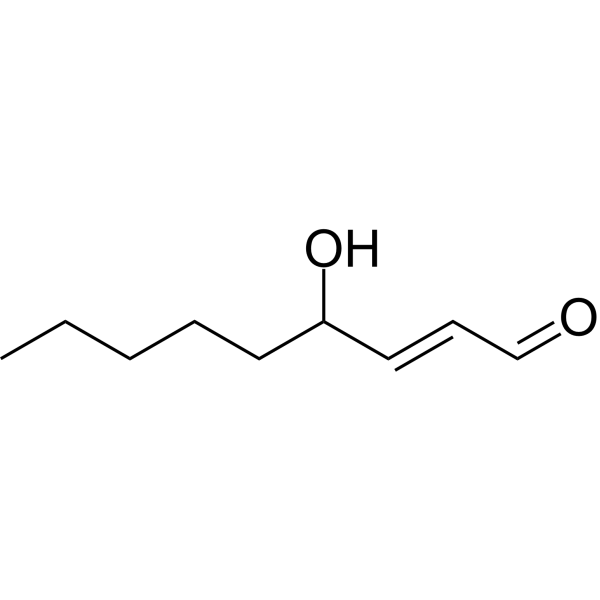
    4-Hydroxynonenal
    15+ Cited Publications

    4-HNE

    Aldehyde Dehydrogenase (ALDH) Endogenous Metabolite Cardiovascular Disease Neurological Disease Cancer
    4-Hydroxynonenal (4-HNE) is an α,β unsaturated hydroxyalkenal and an oxidative/nitrosative stress biomarker. 4-Hydroxynonenal is a substrate and an inhibitor of acetaldehyde dehydrogenase 2 (ALDH2). 4-Hydroxynonenal can modulate a number of signaling processes mainly through forming covalent adducts with nucleophilic functional groups in proteins, nucleic acids, and membrane lipids. 4-Hydroxynonenal plays an important role in cancer through mitochondria .
    4-Hydroxynonenal
  • HY-D0017

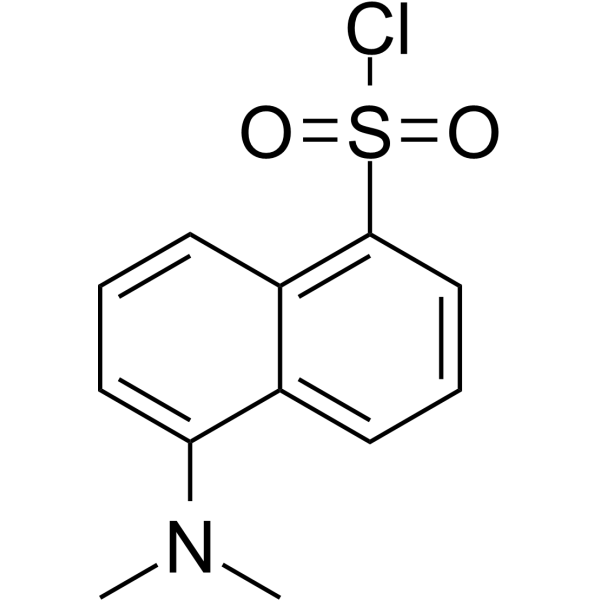
    DNSCl

    Fluorescent Dye Others
    Dansyl chloride is a reagent that produces stable blue or blue-green fluorescent sulfonamide adducts in the reaction of aliphatic and aromatic amines with primary amino groups, and is widely used for modified amino acids, protein sequencing and amino acid analysis .
    Dansyl chloride
  • HY-13509
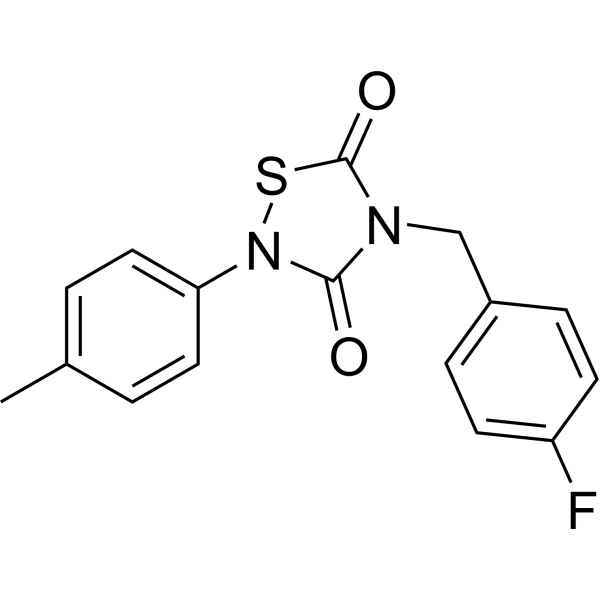
    CCG-50014
    2 Publications Verification

    RGS Protein Inflammation/Immunology
    CCG-50014 is the most potent against the regulator of G-protein signaling protein type 4 (RGS4) (IC50 =30 nM) and is >20-fold selective for RGS4 over other RGS proteins. CCG-50014 binds covalently to the RGS, forming an adduct on two cysteine residues located in an allosteric regulatory site . CCG50014, reduces nociceptive responses and enhances opioid-mediated analgesic effects in the mouse formalin test .
    CCG-50014
  • HY-124171
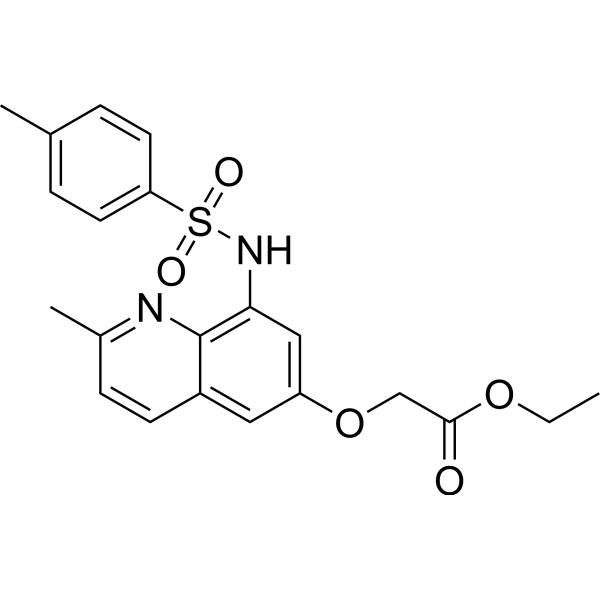
    Zinquin ethyl ester
    1 Publications Verification

    Fluorescent Dye Drug Derivative Others
    Zinquin ethyl ester is a cell-permeable and lipophilic fluorescent derivative of Zinquin (HY-D0982). Zinquin ethyl ester reacts with protein-bound Zn 2+ in cells and forms fluorescent ternary adducts. Zinquin ethyl ester undergoes hydrolysis by intracellular esterases impeding its efflux across the plasma membrane (Ex/Em = 370/470 nm) .
    Zinquin ethyl ester
  • HY-13568

    LRCL 3794

    Cytochrome P450 COX Lipoxygenase PGE synthase Inflammation/Immunology
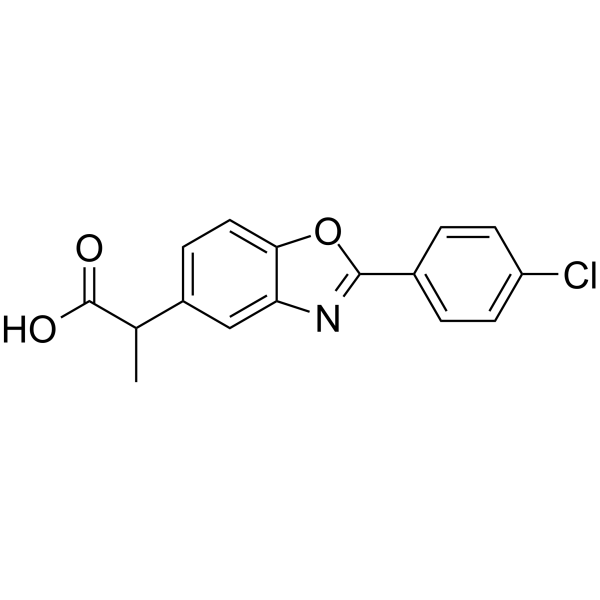
    Benoxaprofen (LRCL 3794) is a nonsteroidal anti-inflammatory agent that blocks the biosynthesis of inflammatory mediators such as leukotrienes and prostaglandins by inhibiting 5-LOX, PGH2 synthase and cytochrome P-450. Benoxaprofen exhibits significant toxicity: it not only alters cellular redox status, uncouples oxidative phosphorylation and disrupts calcium ion homeostasis, but also causes liver injury through the formation of covalent adducts between its active metabolites and hepatic proteins. Benoxaprofen shows strong phototoxicity under ultraviolet irradiation, and induces erythrocyte lysis, mast cell degranulation and histamine release. Benoxaprofen is widely used in studies of urticaria and related phototoxic mechanisms .
    Benoxaprofen
  • HY-W273413

    NBD-H

    Fluorescent Dye Cancer
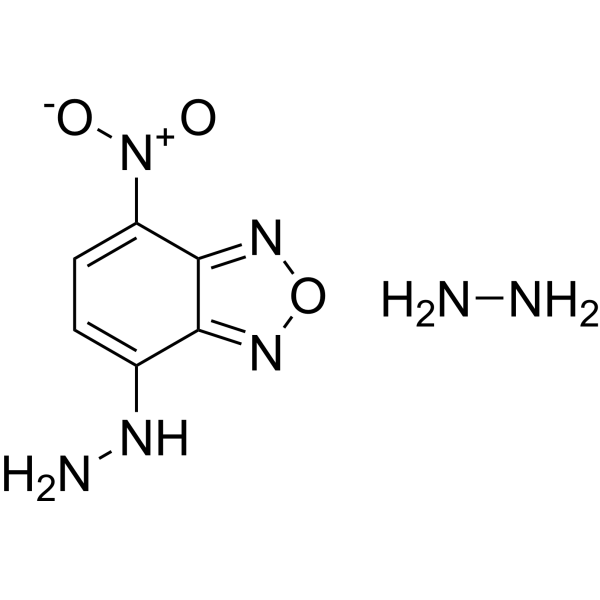
    4-Hydrazino-7-nitro-benzofurazan hydrazine adduct (NBD-H) is a fluorescent reagent used for protein labeling .
    4-Hydrazino-7-nitro-benzofurazan hydrazine adduct
  • HY-B1309

    AMAP

    Drug Derivative Mitochondrial Metabolism Infection Cancer
    Metacetamol (AMAP) is an analog of Acetaminophen (HY-66005). Metacetamol induces dose-dependent necrosis in primary hepatocytes via glutathione depletion, mitochondrial damage, and formation of mitochondrial protein adducts. Metacetamol derivatives act as anticancer and antibacterial agents. Metacetamol can be used in studies related to breast cancer, bacterial infections, and fungal infections (candidiasis) .
    Metacetamol
  • HY-141452

    Malondialdehyde

    Endogenous Metabolite Neurological Disease
    Propanedial (Malondialdehyde) (13.88 mM in water) is one of the final products of lipid peroxidation. Propanedial causes protein inactivation, DNA damage and cross-linking by forming stable covalent adducts with biological macromolecules, which is the main mechanism for its cytotoxicity and genotoxicity. Propanedial production increases with the elevation of free radicals. Propanedial is a key biomarker for evaluating the level of cellular oxidative stress [1][2][3].
    Propanedial (13.88 mM in water)
  • HY-W089800

    trans-2-Nonen-1-al

    COX Lipoxygenase Apoptosis Cardiovascular Disease Inflammation/Immunology
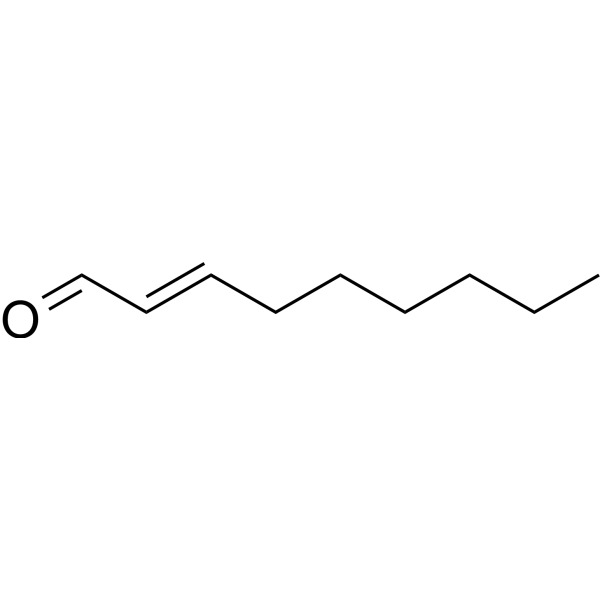
    trans-2-Nonenal (trans-2-Nonen-1-al) is an endogenous peroxidation product of polyunsaturated fatty acids, acting as an inhibitor of COX and 12-LOX, as well as an inducer of apoptosis. trans-2-Nonenal is also a malodorous compound secreted by the human body, and its content gradually increases with aging. trans-2-Nonenal inhibits the activities of multiple enzymes such as platelet membrane-bound PTPase, preferentially covalently modifies proteins at lysine residues to form immunogenic adducts, and regulates platelet Arachidonic acid (HY-109590) metabolism. trans-2-Nonenal also exhibits significant cytotoxicity, reduces the viability of keratinocytes, promotes their apoptosis, and effectively decreases the thickness of epidermal models and the number of proliferating cells. trans-2-Nonenal is commonly used in studies of thrombotic, atherosclerotic diseases, renal adenocarcinoma, etc. .
    trans-2-Nonenal
  • HY-124211

    Environmental Pollutants MDM-2/p53 Aryl Hydrocarbon Receptor Cancer
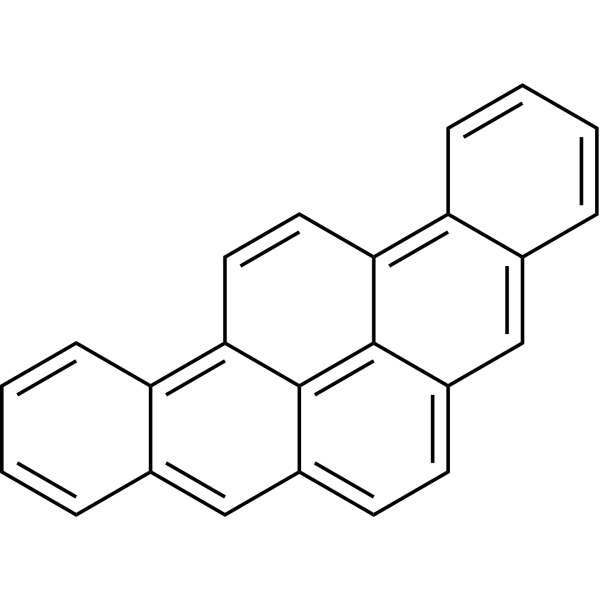
    Dibenzo (a,i) pyrene is a polycyclic aromatic hydrocarbon and also a carcinogenic ligand of the TCDD (Ah) receptor. Dibenzo (a,i) pyrene binds to the TCDD (Ah) receptor in rat liver. Dibenzo (a,i) pyrene induces DNA adduct formation and upregulates the protein levels of p53 and p21 WAF1 in diploid lung fibroblasts. Dibenzo (a,i) pyrene alters the cell cycle distribution of diploid lung fibroblasts, increasing the proportion of cells in the S phase, decreasing the proportions of cells in the G0/G1 and G2/M phases, and causing S phase delay/arrest. Dibenzo (a,i) pyrene is applicable for cancer research .
    Dibenzo(a,i)pyrene
  • HY-139093A
    Paracetamol-cysteine TFA
    1 Publications Verification

    APAP-Cys TFA

    Drug Derivative Others
    Paracetamol-cysteine (TFA) is an acetaminophen-protein adduct formed during the metabolism of acetaminophen (HY-66005) .
    Paracetamol-cysteine TFA
  • HY-D0017S

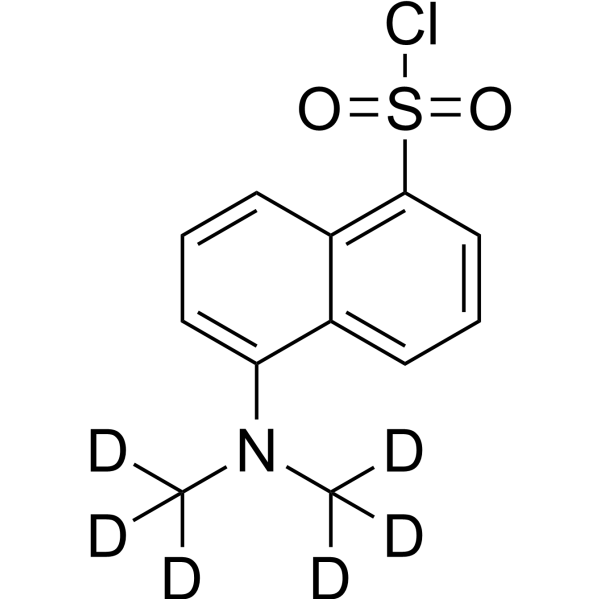
    DNSCl-d6

    Biochemical Assay Reagents Others
    Dansyl chloride-d6 is the deuterium labeled Dansyl chloride (HY-D0017). Dansyl chloride is a reagent that produces stable blue or blue-green fluorescent sulfonamide adducts in the reaction of aliphatic and aromatic amines with primary amino groups, and is widely used for modified amino acids, protein sequencing and amino acid analysis .
    Dansyl chloride-d6
  • HY-N1282

    Glutathione S-transferase Cytochrome P450 Cancer
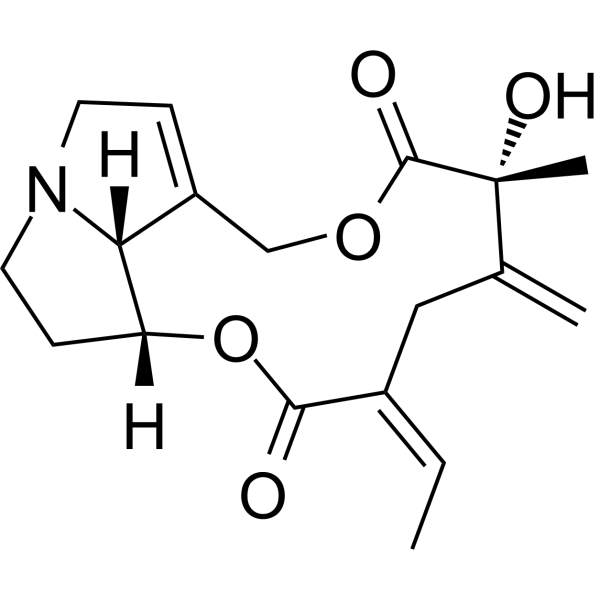
    Seneciphylline is an orally effective hepatotoxic inducer. Seneciphylline is metabolized by CYP450 enzymes into active intermediates, which covalently bind to intracellular biomacromolecules such as proteins and DNA to form adducts, which in turn trigger a series of toxic reactions, such as inducing cell apoptosis and damaging mitochondrial function. Seneciphylline can be used in hepatotoxicity research[1][2].
    Seneciphylline
  • HY-113466S

    4-HNE-d3

    Isotope-Labeled Compounds Aldehyde Dehydrogenase (ALDH) Endogenous Metabolite Cardiovascular Disease Neurological Disease Cancer
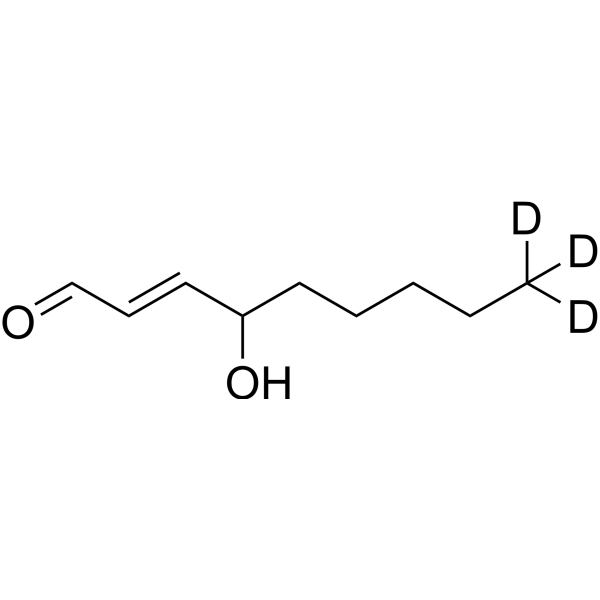
    4-Hydroxynonenal-d3 is the deuterium labeled 4-Hydroxynonenal. 4-Hydroxynonenal (4-HNE) is an α,β unsaturated hydroxyalkenal and an oxidative/nitrosative stress biomarker. 4-Hydroxynonenal is a substrate and an inhibitor of acetaldehyde dehydrogenase 2 (ALDH2). 4-Hydroxynonenal can modulate a number of signaling processes mainly through forming covalent adducts with nucleophilic functional groups in proteins, nucleic acids, and membrane lipids. 4-Hydroxynonenal plays an important role in cancer through mitochondria .
    4-Hydroxynonenal-d3
  • HY-126256A

    Histone Methyltransferase Cancer
    PRMT5 IN-1 hydrochloride (compound 9), a hemiaminal, is a potent, selective protein arginine methyltransferase 5 (PRMT5) inhibitor with an IC50 of 11 nM for PRMT5/MEP50. PRMT5 IN-1 hydrochloride can be converted to aldehydes and react with C449 to form covalent adducts under physiological conditions .
    PRMT5-IN-1 hydrochloride
  • HY-W591393

    Biochemical Assay Reagents Cancer
    Biotin Azide Plus is an oxazolidine reagent that integrates azide-biotin click chemistry and a photocleavable linker arm. Biotin Azide Plus not only reacts with biotin thioether to form stable sulfinimide products, but also enables bioconjugation of proteins and DNA through biotin redox-activated chemical labeling technology. Taking advantage of the streptavidin capture and photo-release properties, Biotin Azide Plus effectively facilitates the isolation of lipid-derived electrophile-protein adducts, thus finding wide application in scientific research related to fields such as SKBR3 cancer .
    Biotin Azide Plus
  • HY-W141077

    Biochemical Assay Reagents Others
    1-Nitrosopyrrolidine is a molecule that primarily interacts with DNA and proteins, leading to the formation of DNA adducts and protein adducts.
    1-Nitrosopyrrolidine
  • HY-W587780

    SMX-NO

    Biochemical Assay Reagents Inflammation/Immunology
    Sulfamethoxazole-NO (SMX-NO) is the major immunogen in sulfonamide allergy, producing modest ascorbic acid depletion and hemoglobin adduct formation. Sulfamethoxazole-NO haptens tissue proteins and is immunogenic in rodents .
    Sulfamethoxazole-NO
  • HY-D2871

    Biochemical Assay Reagents Neurological Disease
    DAyne is a Dopamine (DA)-mimetic probe. DAyne covalently binds to proteins modified by dopamine oxidation products (e.g., dopaquinone, DQ) to form adducts. DAyne is promising for research of Parkinson’s disease (PD), particularly neurotoxicity, protein modification, and related pathways (e.g., endoplasmic reticulum stress, cytoskeletal instability) caused by dopamine dysregulation .
    DAyne
  • HY-162238

    Parasite Infection
    OSM-S-106 is a pro-inhibitor and that inhibition of PfAsnRS occurs via enzyme-mediated production of an Asn-OSM-S-106 adduct. OSM-S-106 inhibits protein translation and activates the amino acid starvation response. OSM-S-106 exhibits selective activity against Plasmodium blood and liver stages and low intrinsic clearance by human microsomes .
    OSM-S-106
  • HY-139093

    APAP-Cys

    Drug Derivative Others
    Paracetamol-cysteine is a Paracetamol (HY-66005)-cysteine Paracetamol protein (HY-139093A) adduct (PPA), which is formed when Paracetamol is oxidized to the reactive metabolite N-acetyl-p-benzoquinoneimine (NAPQI) .
    Paracetamol-cysteine
  • HY-126256

    Histone Methyltransferase Cancer
    PRMT5 IN-1, a hemiaminal, is a potent, selective protein arginine methyltransferase 5 (PRMT5) inhibitor with an IC50 of 11 nM for PRMT5/MEP50. PRMT5 IN-1 can be converted to aldehydes and react with C449 to form covalent adducts under physiological conditions .
    PRMT5-IN-1
  • HY-W702826

    Isotope-Labeled Compounds Biochemical Assay Reagents Others
    1-Nitrosopyrrolidine-d4 is the deuterium labeled 1-Nitrosopyrrolidine (HY-W141077). 1-Nitrosopyrrolidine is a molecule that primarily interacts with DNA and proteins, leading to the formation of DNA adducts and protein adducts.
    1-Nitrosopyrrolidine-d4
  • HY-134314

    Autophagy Endogenous Metabolite Nucleoside Antimetabolite/Analog Cardiovascular Disease Metabolic Disease Inflammation/Immunology
    8-Nitro-cGMP is an electrophilic second messenger of redox signaling that can form a protein-S-cGMP adduct in s-guanylation process. 8-Nitro-cGMP is an autophagy inducer. 8-Nitro-cGMP promotes RANKL-induced osteoclast differentiation from macrophages. 8-Nitro-cGMP has vasodilator effect, and ameliorates the vascular endothelial dysfunction in diabetic mice .
    8-Nitro-cGMP
  • HY-176960

    Biochemical Assay Reagents Others
    3-Amino-2-hydroxypropyl dihydrogen phosphate is a chemical modification complex of the DNA phosphate backbone, which can be used to study the interaction between HIV integrase (IN) and DNA .
    3-Amino-2-hydroxypropyl dihydrogen phosphate
  • HY-155222

    Epigenetic Reader Domain HDAC Cancer
    TW9 is a potent dual inhibitor simultaneously targeting BET and HDAC proteins with KDs of 0.069 μM, 0.231 μM for BRD4(1), BRD4(2), and an IC50 of 0.29 μM for HDAC1, respectively. TW9 is a newly generated adduct of the BET inhibitor (+)-JQ1 (HY-13030) and class I HDAC inhibitor CI994 (HY-50934). TW9 shows high potency in suppressing tumor growth in pancreatic ductal adenocarcinoma (PDAC). TW9 improves the efficacy of the chemotherapeutic agent Gemcitabine (HY-17026) .
    TW9
  • HY-159103

    Aminoacyl-tRNA Synthetase Infection
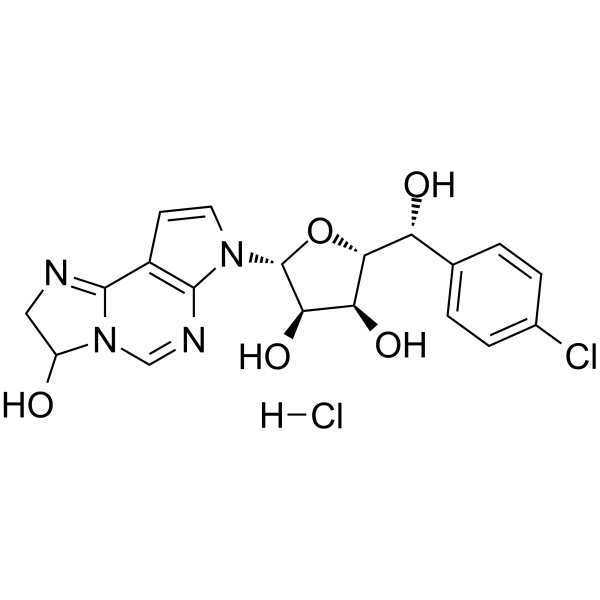
    LeuRS-IN-2 (Compound 9) is a Wolbachia leucyl-tRNA synthetase (LeuRS) inhibitor in the presence of adenosine monophosphate (AMP) with an EC50 value of 6 nM, efficiently arresting the growth of pathogenic host. LeuRS-IN-2 forms adenosine-based adducts inhibiting protein synthesis, which is promising for research of new antimicrobials with disrupting microbiota .
    LeuRS-IN-2
  • HY-157174

    Others Inflammation/Immunology
    Mannosamine-desthiobiotin adduct (compound MDTBA) is a carrier immunogenicity-reducing hapten that reduces the immunogenicity of protein carriers upon conjugation to available free amines on the carrier protein surface. Conjugation of Mannosamine-desthiobiotin adduct to hsIgG significantly (>1-fold) reduced the immunogenicity of hsIgG. Mannosamine-desthiobiotin adduct can be used in antigen design research .
    Mannosamine–desthiobiotin adduct
  • HY-W141077R

    Biochemical Assay Reagents Reference Standards Others
    1-Nitrosopyrrolidine (Standard) is the analytical standard of 1-Nitrosopyrrolidine. This product is intended for research and analytical applications. 1-Nitrosopyrrolidine is a molecule that primarily interacts with DNA and proteins, leading to the formation of DNA adducts and protein adducts.
    1-Nitrosopyrrolidine (Standard)
  • HY-129846

    Biochemical Assay Reagents Others
    IBTP iodide is a lipophilic cation and can be accumulated by mitochondria and yields stable thioether adducts in a thiol-specific reaction. IBTP iodide can be used for specific labeling of mitochondrial protein thiols .
    IBTP iodide
  • HY-W739619

    Isotope-Labeled Compounds Drug Derivative Others
    Paracetamol-cysteine-d5 TFA is the deuterium labeled Paracetamol-cysteine TFA (HY-139093A). Paracetamol-cysteine TFA is an acetaminophen-protein adduct formed during the metabolism of acetaminophen (HY-66005) .
    Paracetamol-cysteine-d5 TFA
  • HY-13509R

    RGS Protein Inflammation/Immunology
    CCG-50014 (Standard) is the analytical standard of CCG-50014. This product is intended for research and analytical applications. CCG-50014 is the most potent against the regulator of G-protein signaling protein type 4 (RGS4) (IC50 =30 nM) and is >20-fold selective for RGS4 over other RGS proteins. CCG-50014 binds covalently to the RGS, forming an adduct on two cysteine residues located in an allosteric regulatory site . CCG50014, reduces nociceptive responses and enhances opioid-mediated analgesic effects in the mouse formalin test .
    CCG-50014 (Standard)
  • HY-113466R

    4-HNE (Standard)

    Aldehyde Dehydrogenase (ALDH) Endogenous Metabolite Reference Standards Cardiovascular Disease Neurological Disease Cancer
    4-Hydroxynonenal (Standard) is the analytical standard of 4-Hydroxynonenal. This product is intended for research and analytical applications. 4-Hydroxynonenal (4-HNE) is an α,β unsaturated hydroxyalkenal and an oxidative/nitrosative stress biomarker. 4-Hydroxynonenal is a substrate and an inhibitor of acetaldehyde dehydrogenase 2 (ALDH2). 4-Hydroxynonenal can modulate a number of signaling processes mainly through forming covalent adducts with nucleophilic functional groups in proteins, nucleic acids, and membrane lipids. 4-Hydroxynonenal plays an important role in cancer through mitochondria .
    4-Hydroxynonenal (Standard)
  • HY-W778179

    LRCL 3794-13C,d3

    Isotope-Labeled Compounds COX Cytochrome P450 Lipoxygenase PGE synthase Inflammation/Immunology
    Benoxaprofen- 13C, d3 is the 13C-labeled Benoxaprofen (HY-13568). Benoxaprofen (LRCL 3794) is a nonsteroidal anti-inflammatory agent that blocks the biosynthesis of inflammatory mediators such as leukotrienes and prostaglandins by inhibiting 5-LOX, PGH2 synthase and cytochrome P-450. Benoxaprofen exhibits significant toxicity: it not only alters cellular redox status, uncouples oxidative phosphorylation and disrupts calcium ion homeostasis, but also causes liver injury through the formation of covalent adducts between its active metabolites and hepatic proteins. Benoxaprofen shows strong phototoxicity under ultraviolet irradiation, and induces erythrocyte lysis, mast cell degranulation and histamine release. Benoxaprofen is widely used in studies of urticaria and related phototoxic mechanisms .
    Benoxaprofen-13C,d3
  • HY-13568R

    LRCL 3794 (Standard)

    Reference Standards COX Cytochrome P450 Lipoxygenase PGE synthase Inflammation/Immunology
    Benoxaprofen (Standard) is the analytical standard of Benoxaprofen. This product is intended for research and analytical applications. Benoxaprofen (LRCL 3794) is a nonsteroidal anti-inflammatory agent that blocks the biosynthesis of inflammatory mediators such as leukotrienes and prostaglandins by inhibiting 5-LOX, PGH2 synthase and cytochrome P-450. Benoxaprofen exhibits significant toxicity: it not only alters cellular redox status, uncouples oxidative phosphorylation and disrupts calcium ion homeostasis, but also causes liver injury through the formation of covalent adducts between its active metabolites and hepatic proteins. Benoxaprofen shows strong phototoxicity under ultraviolet irradiation, and induces erythrocyte lysis, mast cell degranulation and histamine release. Benoxaprofen is widely used in studies of urticaria and related phototoxic mechanisms .
    Benoxaprofen (Standard)
  • HY-D0017S1

    DNSCl-13C2

    Fluorescent Dye Isotope-Labeled Compounds Others
    Dansyl chloride- 13C2 is the 13C labeled Dansyl chloride (HY-D0017) . Dansyl chloride is a reagent that produces stable blue or blue-green fluorescent sulfonamide adducts in the reaction of aliphatic and aromatic amines with primary amino groups, and is widely used for modified amino acids, protein sequencing and amino acid analysis.
    Dansyl chloride-13C2
  • HY-D3240

    Fluorescent Dye Others
    Photoactive NTR probe (Compound 1) is a covalent crosslinker and Fluorescent indicator targeting Nitroreductase. The Photoactive NTR probe undergoes a sequential activation process: it is first activated via nitroreductase-mediated nitro-to-amino conversion, and then forms a fluorescent product upon photoactivation. The Photoactive NTR probe can form covalent adducts with the side chains of cysteine, tyrosine, lysine and histidine in adjacent proteins to reduce fluorophore diffusion. The Photoactive NTR probe enables super-resolution (STORM) imaging of active mitochondrial nitroreductase microdomains in living cells .
    Photoactive NTR probe

Inquiry Online

Your information is safe with us. * Required Fields.

Salutation


Country or Region *

Applicant Name *


Organization Name *

Department *


Email Address *


Product Name *

Cat. No.


Requested quantity *

Phone Number *


Remarks

Inquiry Online

Inquiry Information

Product Name:
Cat. No.:
Quantity:
MCE Japan Authorized Agent:

