1. Search Result
Search Result
Results for "

rap1

" in MedChemExpress (MCE) Product Catalog:

49

Inhibitors & Agonists

2

Peptides

2

Inhibitory Antibodies

2

Natural
Products

2

Isotope-Labeled Compounds

8

Antibodies

13

Oligonucleotides

Cat. No. Product Name Target Research Areas Chemical Structure
  • HY-B0627
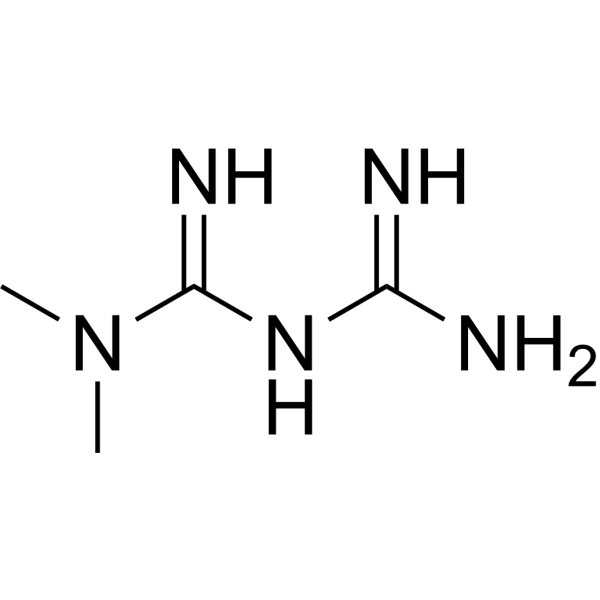
    Metformin
    Maximum Cited Publications
    196 Publications Verification

    1,1-Dimethylbiguanide

    AMPK Autophagy Mitophagy Apoptosis mTOR Cardiovascular Disease Infection Neurological Disease Metabolic Disease Inflammation/Immunology Cancer
    Metformin (1,1-Dimethylbiguanide) inhibits the mitochondrial respiratory chain in the liver, leading to AMPK activation and enhancing insulin sensitivity, and can be used in the study of type 2 diabetes. Metformin exerts central glucose-lowering effects by inhibiting Ras-related protein 1 (Rap1) in SF1 hypothalamic neurons. Metformin also inhibits liver oxidative stress, nitrosative stress, inflammation, and apoptosis caused by liver ischemia/reperfusion injury. In addition, Metformin regulates the expression of autophagy-related proteins by activating AMPK and inhibiting the mTOR signaling pathway, thereby inducing tumor cell autophagy and inhibiting the growth of renal cell carcinoma in vitro and in vivo [1] .
    Metformin
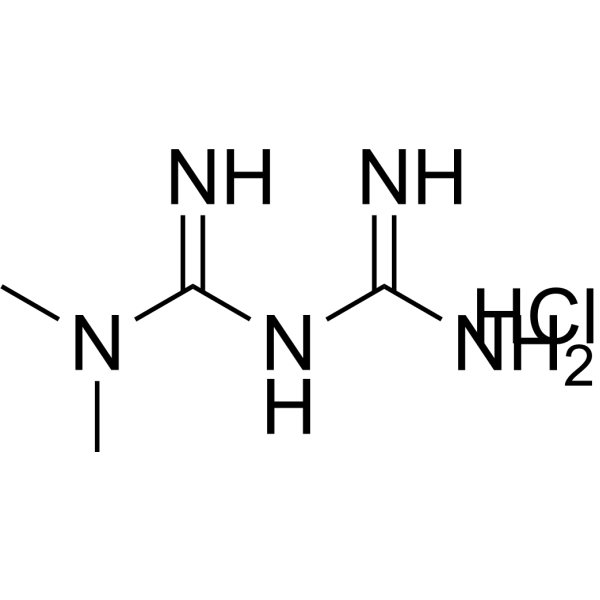
  • HY-17471A
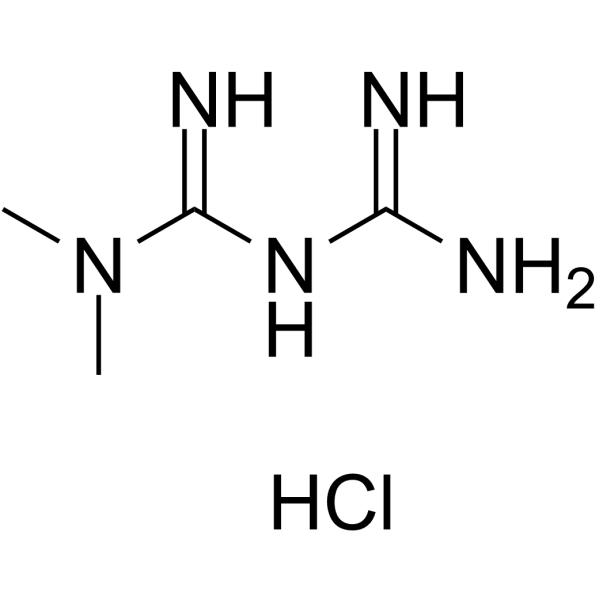
    Metformin hydrochloride
    Maximum Cited Publications
    196 Publications Verification

    1,1-Dimethylbiguanide hydrochloride

    AMPK Autophagy Mitophagy Apoptosis mTOR Cardiovascular Disease Infection Neurological Disease Metabolic Disease Inflammation/Immunology Cancer
    Metformin (1,1-Dimethylbiguanide) hydrochloride inhibits the mitochondrial respiratory chain in the liver, leading to AMPK activation and enhancing insulin sensitivity, and can be used in the study of type 2 diabetes. Metformin hydrochloride exerts central glucose-lowering effects by inhibiting Ras-related protein 1 (Rap1) in SF1 hypothalamic neurons. Metformin hydrochloride also inhibits liver oxidative stress, nitrosative stress, inflammation, and apoptosis caused by liver ischemia/reperfusion injury. In addition, Metformin hydrochloride regulates the expression of autophagy-related proteins by activating AMPK and inhibiting the mTOR signaling pathway, thereby inducing tumor cell autophagy and inhibiting the growth of renal cell carcinoma in vitro and in vivo [1] .
    Metformin hydrochloride
  • HY-15871
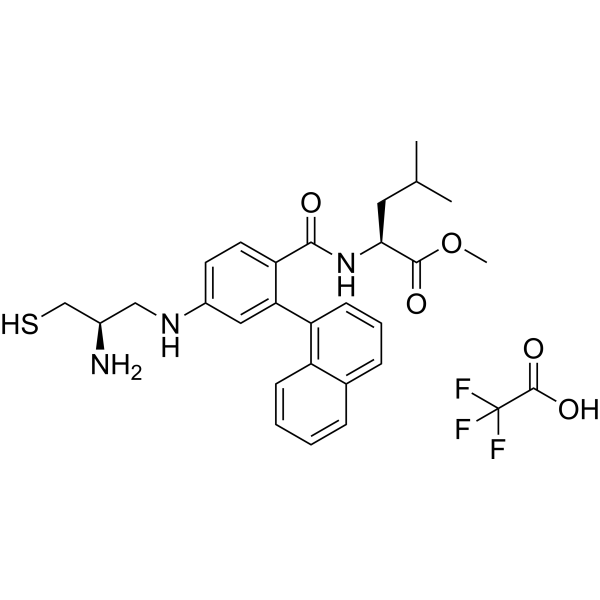
    GGTI298 Trifluoroacetate
    5+ Cited Publications

    Apoptosis Cancer
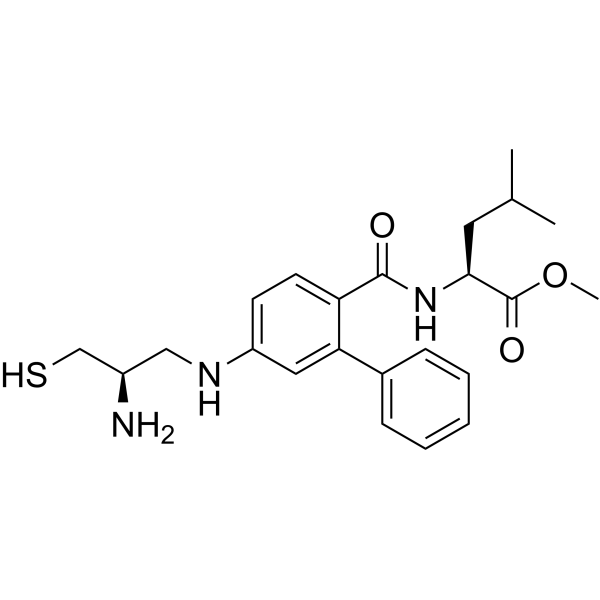
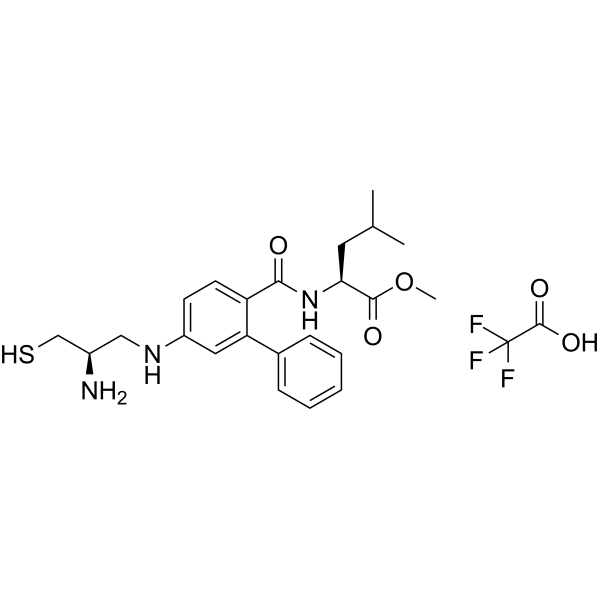
    GGTI298 Trifluoroacetate is a CAAZ peptidomimetic geranylgeranyltransferase I (GGTase I) inhibitor, which can inhibit Rap1A with IC50 of 3 μM; little effect on Ha-Ras with IC50 of >20 μM.
    GGTI298 Trifluoroacetate
  • HY-107543
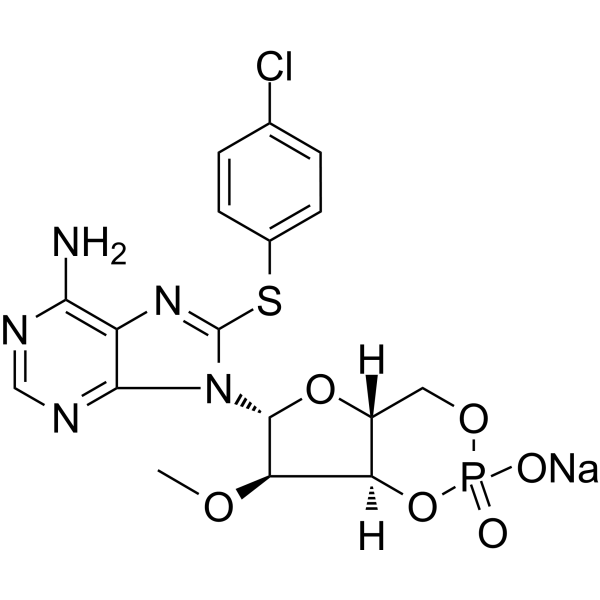
    8-pCPT-2′-O-Me-cAMP sodium
    1 Publications Verification

    8-CPT-2'-O-Me-cAMP sodium

    Ras Cardiovascular Disease
    8-pCPT-2′-O-Me-cAMP (8-CPT-2'-O-Me-cAMP) sodium, an analog of cAMP, is an activator of exchange proteins activated by cAMP (Epac). 8-pCPT-2′-O-Me-cAMP sodium activates Epac1 (EC50 = 2.2 μM), but not PKA (EC50 >10 μM). 8-pCPT-2′-O-Me-cAMP sodium stimulates Epac-mediated Ca 2+ release in pancreatic β-cells in vitro. 8-pCPT-2′-O-Me-cAMP sodium is a Rap1 activator. 8-pCPT-2′-O-Me-cAMP sodium enhances the retinal pigment epithelium barrier against the pathological choroidal endothelial cell invasion that occurs in macular degeneration [1] .
    8-pCPT-2′-O-Me-cAMP sodium
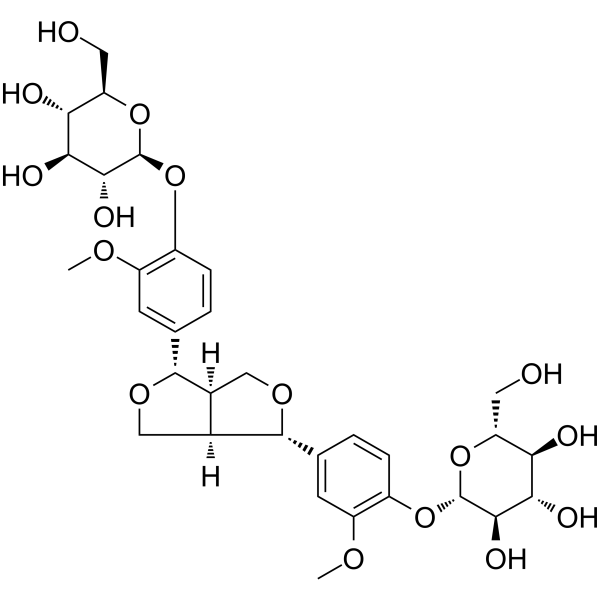
  • HY-N0657
    Pinoresinol Diglucoside
    1 Publications Verification

    NF-κB Keap1-Nrf2 Heme Oxygenase (HO) TGF-beta/Smad Akt mTOR PI3K Cardiovascular Disease Neurological Disease Metabolic Disease Inflammation/Immunology
    Pinoresinol Diglucoside is an orally active lignan with multifunctional bioactivity. Pinoresinol Diglucoside interacts with targets including ALB, HIF1A, GSK3B, BCL2, MARK3, IL6, NF-κB p65, Nrf2, HO-1, and TLR4, and modulates pathways including PI3K-Akt, estrogen, MAPK, Rap1, AKT/mTOR/NF-κB, and TGF-β1/Smads. Pinoresinol Diglucoside regulates osteogenesis, bone resorption, oxidative stress, inflammation, apoptosis, ferroptosis, ferritinophagy, cardiac fibrosis, and vasorelaxation. Pinoresinol Diglucoside can be used for the research of osteoporosis, ischemia/reperfusion-induced brain injury, Alzheimer’s disease, myocardial ischemia-reperfusion injury, chondrodysplasia, diabetic cardiomyopathy, cardiac hypertrophy, hypertension, cisplatin-induced hearing loss, atherosclerotic cardiovascular diseases, and disuse osteoporosis [1] .
    Pinoresinol Diglucoside
  • HY-17471AR

    1,1-Dimethylbiguanide hydrochloride (Standard)

    Reference Standards AMPK Autophagy Mitophagy Apoptosis mTOR Cardiovascular Disease Metabolic Disease Cancer
    Metformin hydrochloride (Standard) is the analytical standard of Metformin hydrochloride (HY-17471A). This product is intended for research and analytical applications. Metformin (1,1-Dimethylbiguanide) hydrochloride inhibits the mitochondrial respiratory chain in the liver, leading to AMPK activation and enhancing insulin sensitivity, and can be used in the study of type 2 diabetes. Metformin hydrochloride exerts central glucose-lowering effects by inhibiting Ras-related protein 1 (Rap1) in SF1 hypothalamic neurons. Metformin hydrochloride also inhibits liver oxidative stress, nitrosative stress, inflammation, and apoptosis caused by liver ischemia/reperfusion injury. In addition, Metformin hydrochloride regulates the expression of autophagy-related proteins by activating AMPK and inhibiting the mTOR signaling pathway, thereby inducing tumor cell autophagy and inhibiting the growth of renal cell carcinoma in vitro and in vivo [1] .
    Metformin hydrochloride (Standard)
  • HY-117958
    HJC0197
    1 Publications Verification

    Ras Cardiovascular Disease Metabolic Disease Cancer
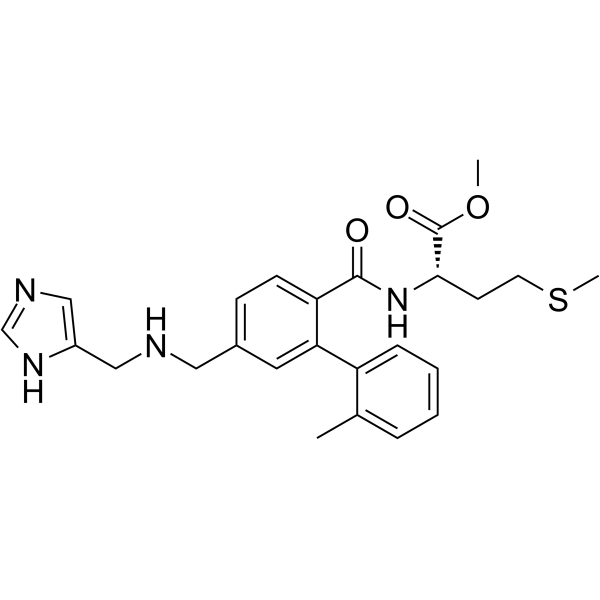
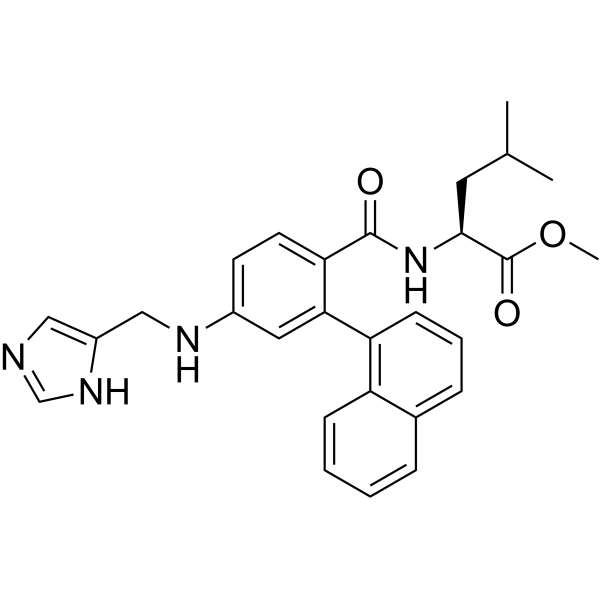
    HJC0197 is a potent Epac1 (exchange protein directly activated by cAMP 1) and Epac2 (IC50=5.9 μM for Epac2) antagonist. HJC0197 selectively blocks cAMP-induced Epac activation. HJC0197 inhibits Epac1-mediated Rap1-GDP exchange activity at 25 μM in the presence of equal concentration of cAMP [1].
    HJC0197
  • HY-100876

    Apoptosis Cancer
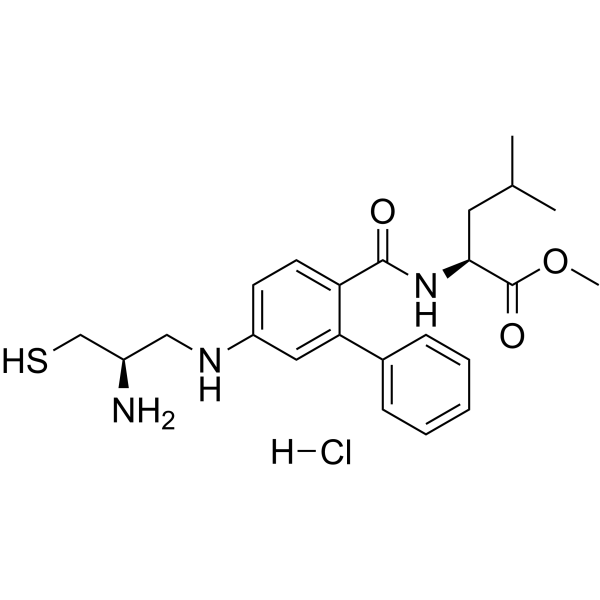
    GGTI298 is a CAAZ peptidomimetic geranylgeranyltransferase I (GGTase I) inhibitor, strongly inhibiting the processing of geranylgeranylated Rap1A with little effect on processing of farnesylated Ha-Ras, with IC50 values of 3 and > 20 μM in vivo, respectively.
    GGTI298
  • HY-123242

    Farnesyl Transferase Cancer
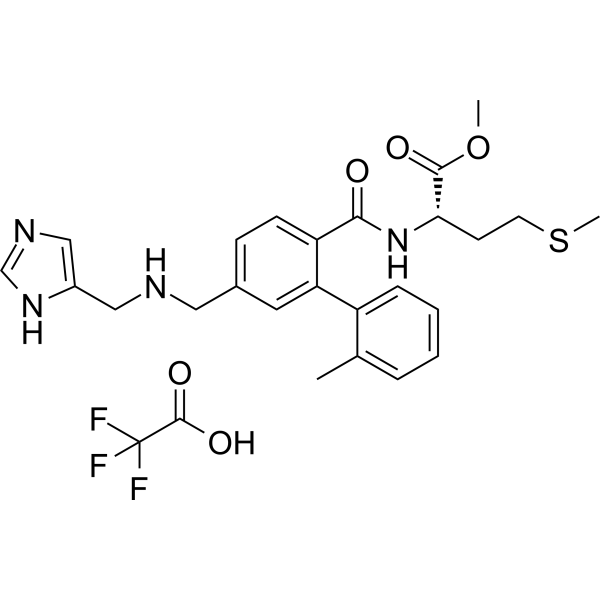
    FTI-2153 is a potent and highly selective inhibitor of farnesyltransferase (FTase), with an IC50 of 1.4 nM. FTI-2153 is >3000-fold more potent at blocking H-Ras (IC50, 10 nM) than Rap1A processing. Anti-cancer activity [1].
    FTI-2153
  • HY-126133

    Ras Cardiovascular Disease Others
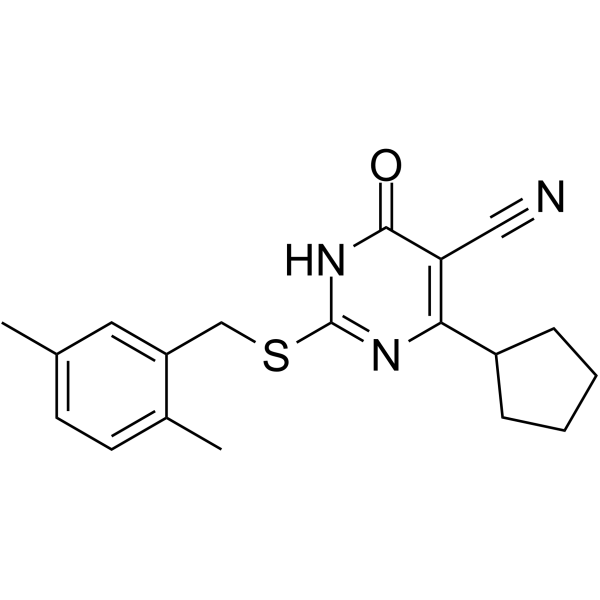
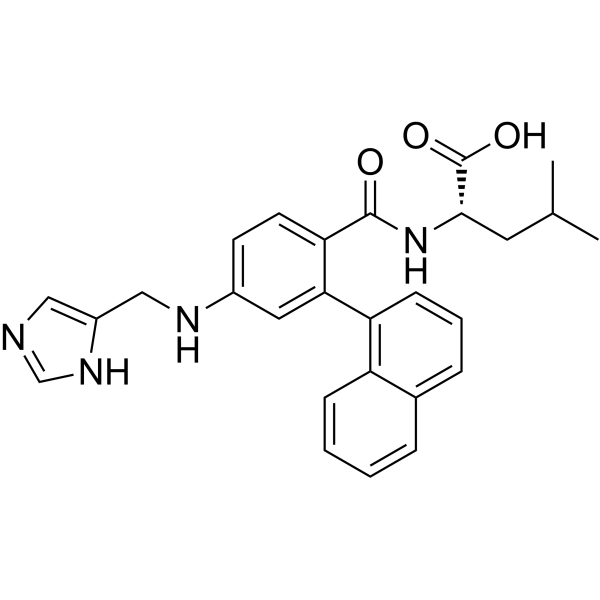
    AM-001 is a non-competitive inhibitor of Epac1 that blocks the activation of Rap1, a downstream effector of Epac1, in cultured cells. AM-001 can be used in heart disease-related research [1].
    AM-001
  • HY-B0627S

    1,1-Dimethylbiguanide-d6

    Isotope-Labeled Compounds AMPK Autophagy Mitophagy Apoptosis mTOR Cardiovascular Disease Cancer
    Metformin-d6 (1,1-Dimethylbiguanide-d6) is a deuterated labeled Metformin (HY-B0627). Metformin (1,1-Dimethylbiguanide) inhibits the mitochondrial respiratory chain in the liver, leading to AMPK activation and enhancing insulin sensitivity, and can be used in the study of type 2 diabetes. Metformin exerts central glucose-lowering effects by inhibiting Ras-related protein 1 (Rap1) in SF1 hypothalamic neurons. Metformin also inhibits liver oxidative stress, nitrosative stress, inflammation, and apoptosis caused by liver ischemia/reperfusion injury. In addition, Metformin regulates the expression of autophagy-related proteins by activating AMPK and inhibiting the mTOR signaling pathway, thereby inducing tumor cell autophagy and inhibiting the growth of renal cell carcinoma in vitro and in vivo [1] .
    Metformin-d6
  • HY-107544

    PKA Metabolic Disease
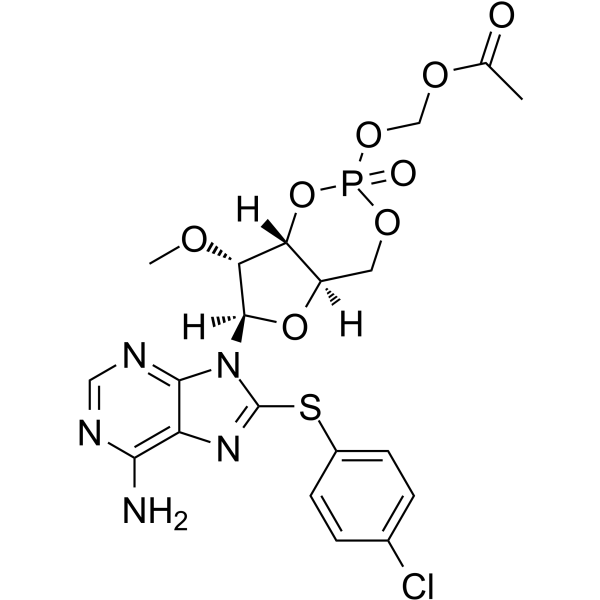
    8-pCPT-2'-O-Me-cAMP-AM is a cyclic AMP analogue, selectively activates Epac-Rap signaling pathway. 8-pCPT-2'-O-Me-cAMP-AM protects renal function by activating Epac from ischemia injury. 8-pCPT-2'-O-Me-cAMP-AM also stimulates insulin secretion by interaction with PKA pathway [1] .
    8-pCPT-2'-O-Me-cAMP-AM
  • HY-132276

    Phosphatase Others
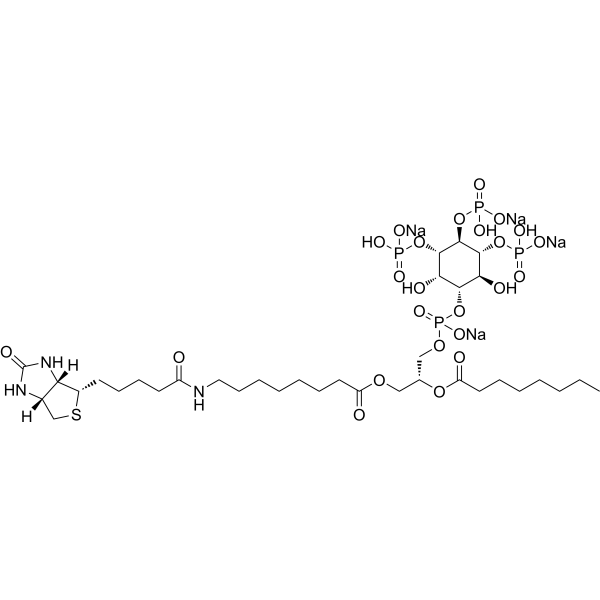
    PtdIns-(3,4,5)-P3-biotin sodium is a Biotin-labeled PtdIns-(3,4,5)-P3 (PI(3,4,5)P3). PI(3,4,5)P3 is a substrate of nuclear phosphatidylinositol 5-phosphatase (PIP5Pase). PI(3,4,5)P3 binds to the N-terminus of RAP1 (repressor activator protein 1) and controls its DNA binding activity [1].
    PtdIns-(3,4,5)-P3-biotin sodium
  • HY-12369
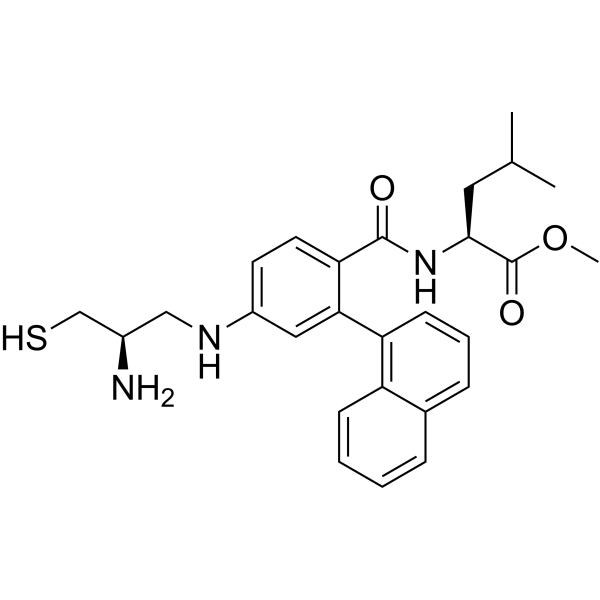
    GGTI-2133
    1 Publications Verification

    GGTase Inflammation/Immunology
    GGTI-2133, a peptidomimetic, is a selective geranylgeranyltransferase I (GGTase-I) inhibitor with an IC50 of 38 nM. GGTI-2133 shows 140-fold selectivity over farnesyltransferase (FTase) (IC50 of 5.4 μM). GGTI-2133 inhibits the geranylation of Rap-1A with an IC50 of 10 μM. GGTI-2133 can be used for the study of eosinophilic airway inflammation such as asthma [1] .
    GGTI-2133
  • HY-P10038A

    Myr-FEEERA-OH TFA

    Integrin Infection
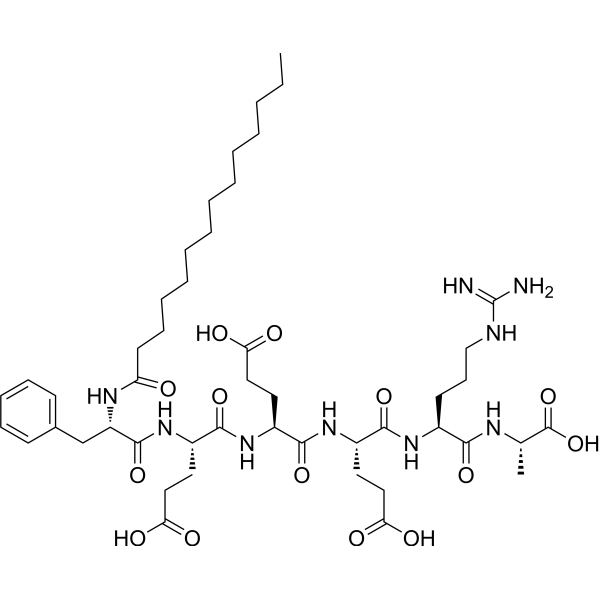
    mP6 (Myr-FEEERA-OH) TFA is a myristoylated peptide. mP6 TFA inhibits the interaction of Gα13 with integrin β3 without disrupting talin-dependent integrin function. mP6 TFA can block the GTP usage of Rac1, Rap1, and Rab7, effectively inhibiting the infection of CHO-A24 cells [1].
    mP6 TFA
  • HY-115489

    Ras Cancer
    GGTI-286, a potent and cell-permeable GGTase I inhibitor, is 25-fold more potent (IC50=2 μM) than the corresponding methyl ester of FTI-276 (HY-15873A). GGTI-286 selectively inhibits geranylgeranylation of Rap1A over farnesylation of H-Ras in NIH3T3 cells (IC50s=2 and >30 μM, respectively). GGTI-286 also potently inhibits oncogenic K-Ras4B stimulation with an IC50 of 1 μM [1] .
    GGTI-286
  • HY-115489A

    Protein Prenyltransferase Cancer
    GGTI-286 TFA, a potent and cell-permeable GGTase I inhibitor, is 25-fold more potent (IC50=2 μM) than the corresponding methyl ester of FTI-276 (HY-15873A). GGTI-286 TFA selectively inhibits geranylgeranylation of Rap1A over farnesylation of H-Ras in NIH3T3 cells (IC50s=2 and >30 μM, respectively). GGTI-286 TFA also potently inhibits oncogenic K-Ras4B stimulation with an IC50 of 1 μM [1] .
    GGTI-286 TFA
  • HY-116312

    8-CPT-2'-O-Me-cAMP

    Ras Cardiovascular Disease
    8-pCPT-2′-O-Me-cAMP (8-CPT-2'-O-Me-cAMP), an analog of cAMP, is an activator of exchange proteins activated by cAMP (Epac). 8-pCPT-2′-O-Me-cAMP activates Epac1 (EC50 = 2.2 μM), but not PKA (EC50 >10 μM). 8-pCPT-2′-O-Me-cAMP stimulates Epac-mediated Ca 2+ release in pancreatic β-cells in vitro. 8-pCPT-2′-O-Me-cAMP is a Rap1 activator. 8-pCPT-2′-O-Me-cAMP enhances the retinal pigment epithelium barrier against the pathological choroidal endothelial cell invasion that occurs in macular degeneration [1] .
    8-pCPT-2′-O-Me-cAMP
  • HY-169295

    Biochemical Assay Reagents Others
    RAP 1 is a reactive affinity probe (RAP) that selectively labels SLC6A8 in the presence of guanine alanine (GPA). RAP 1 can be used as a chemical probe for identifying and studying potential drug binding sites on SLC6A8 [1].
    RAP 1
  • HY-12369A

    GGTase Inflammation/Immunology
    GGTI-2133 TFA, a peptidomimetic, is a selective geranylgeranyltransferase I (GGTase-I) inhibitor with an IC50 of 38 nM. GGTI-2133 TFA shows 140-fold selectivity over farnesyltransferase (FTase) (IC50 of 5.4 μM). GGTI-2133 TFA inhibits the geranylation of Rap-1A with an IC50 of 10 μM. GGTI-2133 TFA can be used for the study of eosinophilic airway inflammation such as asthma [1] .
    GGTI-2133 TFA
  • HY-B0627A

    1,1-Dimethylbiguanide (glycinate)

    AMPK Autophagy Mitophagy Apoptosis mTOR Cardiovascular Disease Metabolic Disease Cancer
    Metformin (1,1-Dimethylbiguanide) glycinate inhibits the mitochondrial respiratory chain in the liver, leading to AMPK activation and enhancing insulin sensitivity, and can be used in the study of type 2 diabetes. Metformin glycinate exerts central glucose-lowering effects by inhibiting Ras-related protein 1 (Rap1) in SF1 hypothalamic neurons. Metformin glycinate also inhibits liver oxidative stress, nitrosative stress, inflammation, and apoptosis caused by liver ischemia/reperfusion injury. In addition, Metformin glycinate regulates the expression of autophagy-related proteins by activating AMPK and inhibiting the mTOR signaling pathway, thereby inducing tumor cell autophagy and inhibiting the growth of renal cell carcinoma in vitro and in vivo [1] .
    Metformin (glycinate)
  • HY-B0627S1

    1,1-Dimethylbiguanide-13C2 hydrochloride

    Isotope-Labeled Compounds AMPK Autophagy Mitophagy Apoptosis mTOR Cardiovascular Disease Metabolic Disease Cancer
    Metformin- 13C2 (1,1-Dimethylbiguanide- 13C2) hydrochloride is the 13C-labeled Metformin hydrochloride (HY-17471A). Metformin (1,1-Dimethylbiguanide) hydrochloride inhibits the mitochondrial respiratory chain in the liver, leading to AMPK activation and enhancing insulin sensitivity, and can be used in the study of type 2 diabetes. Metformin hydrochloride exerts central glucose-lowering effects by inhibiting Ras-related protein 1 (Rap1) in SF1 hypothalamic neurons. Metformin hydrochloride also inhibits liver oxidative stress, nitrosative stress, inflammation, and apoptosis caused by liver ischemia/reperfusion injury. In addition, Metformin hydrochloride regulates the expression of autophagy-related proteins by activating AMPK and inhibiting the mTOR signaling pathway, thereby inducing tumor cell autophagy and inhibiting the growth of renal cell carcinoma in vitro and in vivo [1] .
    Metformin-13C2 hydrochloride
  • HY-RS16300

    Small Interfering RNA (siRNA) Cancer

    Rap1a Mouse Pre-designed siRNA Set A contains three designed siRNAs for Rap1a gene (Mouse), as well as a negative control, a positive control, and a FAM-labeled negative control.

    Rap1a Mouse Pre-designed siRNA Set A
    Rap1a Mouse Pre-designed siRNA Set A
  • HY-RS11652

    Small Interfering RNA (siRNA) Others

    RAP1A Human Pre-designed siRNA Set A contains three designed siRNAs for RAP1A gene (Human), as well as a negative control, a positive control, and a FAM-labeled negative control.

    RAP1A Human Pre-designed siRNA Set A
    RAP1A Human Pre-designed siRNA Set A
  • HY-186198

    Salirasib methoxymethyl ester

    Ras Others
    FTS-MOM (Salirasib methoxymethyl ester), a Salirasib (FTS) (HY-14754) derivative, is a selective Rap1 inhibitor with selectivity over Ras. FTS-MOM inhibits GTP loading of Rap1 in quiescent and activated T cells. FTS-MOM inhibits Rap1-dependent T cell adhesion to ICAM-1 [1].
    FTS-MOM
  • HY-P10038

    Myr-FEEERA-OH

    Integrin Infection
    mP6 (Myr-FEEERA-OH) is a myristoylated peptide. mP6 inhibits the interaction of Gα13 with integrin β3 without disrupting talin-dependent integrin function. mP6 can block the GTP usage of Rac1, Rap1, and Rab7, effectively inhibiting the infection of CHO-A24 cells [1].
    mP6
  • HY-123242A

    Farnesyl Transferase Cancer
    FTI-2153 TFA is a potent and highly selective inhibitor of farnesyltransferase (FTase), with an IC50 of 1.4 nM. FTI-2153 TFA is >3000-fold more potent at blocking H-Ras (IC50, 10 nM) than Rap1A processing. Anti-cancer activity [1].
    FTI-2153 TFA
  • HY-120271

    Ras Cancer
    GGTI-297 is a geranylgeranyl transferase I (GGTase-1) inhibitor with IC50 values of 56 nM and 203 nM for GGTase-1 and fanesyl transferase (FTase), respectively. GGTI-297 inhibits the processing of the geranylgeranylated protein Rap1A without affecting the farnesylated protein H-Ras [1] .
    GGTI-297
  • HY-RS11654

    Small Interfering RNA (siRNA) Others

    RAP1GAP Human Pre-designed siRNA Set A contains three designed siRNAs for RAP1GAP gene (Human), as well as a negative control, a positive control, and a FAM-labeled negative control.

    RAP1GAP Human Pre-designed siRNA Set A
    RAP1GAP Human Pre-designed siRNA Set A
  • HY-RS16301

    Small Interfering RNA (siRNA) Cancer

    Rap1b Mouse Pre-designed siRNA Set A contains three designed siRNAs for Rap1b gene (Mouse), as well as a negative control, a positive control, and a FAM-labeled negative control.

    Rap1b Mouse Pre-designed siRNA Set A
    Rap1b Mouse Pre-designed siRNA Set A
  • HY-RS11653

    Small Interfering RNA (siRNA) Others

    RAP1B Human Pre-designed siRNA Set A contains three designed siRNAs for RAP1B gene (Human), as well as a negative control, a positive control, and a FAM-labeled negative control.

    RAP1B Human Pre-designed siRNA Set A
    RAP1B Human Pre-designed siRNA Set A
  • HY-RS11655

    Small Interfering RNA (siRNA) Others

    RAP1GAP2 Human Pre-designed siRNA Set A contains three designed siRNAs for RAP1GAP2 gene (Human), as well as a negative control, a positive control, and a FAM-labeled negative control.

    RAP1GAP2 Human Pre-designed siRNA Set A
    RAP1GAP2 Human Pre-designed siRNA Set A
  • HY-RS11656

    Small Interfering RNA (siRNA) Others

    RAP1GDS1 Human Pre-designed siRNA Set A contains three designed siRNAs for RAP1GDS1 gene (Human), as well as a negative control, a positive control, and a FAM-labeled negative control.

    RAP1GDS1 Human Pre-designed siRNA Set A
    RAP1GDS1 Human Pre-designed siRNA Set A
  • HY-RS02389

    Small Interfering RNA (siRNA) Others

    CDK5RAP1 Human Pre-designed siRNA Set A contains three designed siRNAs for CDK5RAP1 gene (Human), as well as a negative control, a positive control, and a FAM-labeled negative control.

    CDK5RAP1 Human Pre-designed siRNA Set A
    CDK5RAP1 Human Pre-designed siRNA Set A
  • HY-N0657R

    Reference Standards NF-κB Keap1-Nrf2 Heme Oxygenase (HO) TGF-beta/Smad Akt mTOR PI3K Cardiovascular Disease Neurological Disease Metabolic Disease Inflammation/Immunology
    Pinoresinol Diglucoside (Standard) is the analytical standard of Pinoresinol Diglucoside (HY-N0657). This product is intended for research and analytical applications. Pinoresinol Diglucoside is an orally active lignan with multifunctional bioactivity. Pinoresinol Diglucoside interacts with targets including ALB, HIF1A, GSK3B, BCL2, MARK3, IL6, NF-κB p65, Nrf2, HO-1, and TLR4, and modulates pathways including PI3K-Akt, estrogen, MAPK, Rap1, AKT/mTOR/NF-κB, and TGF-β1/Smads. Pinoresinol Diglucoside regulates osteogenesis, bone resorption, oxidative stress, inflammation, apoptosis, ferroptosis, ferritinophagy, cardiac fibrosis, and vasorelaxation. Pinoresinol Diglucoside can be used for the research of osteoporosis, ischemia/reperfusion-induced brain injury, Alzheimer’s disease, myocardial ischemia-reperfusion injury, chondrodysplasia, diabetic cardiomyopathy, cardiac hypertrophy, hypertension, cisplatin-induced hearing loss, atherosclerotic cardiovascular diseases, and disuse osteoporosis.
    Pinoresinol Diglucoside (Standard)
  • HY-RS14374

    Small Interfering RNA (siRNA) Others

    TERF2IP Human Pre-designed siRNA Set A contains three designed siRNAs for TERF2IP gene (Human), as well as a negative control, a positive control, and a FAM-labeled negative control.

    TERF2IP Human Pre-designed siRNA Set A
    TERF2IP Human Pre-designed siRNA Set A
  • HY-RS11586

    Small Interfering RNA (siRNA) Others

    RABGEF1 Human Pre-designed siRNA Set A contains three designed siRNAs for RABGEF1 gene (Human), as well as a negative control, a positive control, and a FAM-labeled negative control.

    RABGEF1 Human Pre-designed siRNA Set A
    RABGEF1 Human Pre-designed siRNA Set A
  • HY-182273

    STAT Acyltransferase Others
    DM243 is an EPAC1 activator and STAT3 modulator with an pIC50 of 4.769 for EPAC1. DM243 increases GTP-bound Rap1 levels in EPAC1-expressing cells. DM243 reduces IL-6/IL-6Rα-evoked STAT3 phosphorylation in endothelial cells. DM243 suppresses TGF-β1-induced fibroblast-to-myofibroblast transition, reducing α-smooth muscle actin and Collagen I levels in lung fibroblasts. DM243 exhibits minimal cytotoxicity in normal human lung fibroblasts [1].
    DM243
  • HY-120229

    Protein Prenyltransferase Neurological Disease
    GGTI-2147 is a potent GGTase I inhibitor. GGTI-2147 blocks geranyl-geranylation of Rap1A and reduces the activity of Rac1 (one of substrates for GGTI) and ameliorates the OGD/R-induced neuronal apoptosis.GGTI-2147 can be used for neurodevelopmental disorders research, such as autism, depression, and schizophrenia [1].
    GGTI-2147
  • HY-182274

    Acyltransferase STAT Others
    DM245 is an EPAC1 activator and STAT3 phosphorylation inhibitor with a target pIC50 of 4.801. DM245 activates EPAC1 to increase Rap1-GTP levels, with no activation of EPAC2 or PKA. DM245 reduces IL-6/IL-6Rα-evoked STAT3 phosphorylation in endothelial cells. DM245 suppresses TGF-β1-induced fibroblast-to-myofibroblast transition, reducing αSMA and Collagen I levels. DM245 exhibits minimal cytotoxicity in normal human lung fibroblasts, with negligible loss of intact nuclei after 72 h exposure [1].

    DM245
  • HY-117935

    Ras Cancer
    GGTI-286 hydrochloride, a potent GGTase I inhibitor, is 25-fold more potent (IC50=2 μM) than the corresponding methyl ester of FTI-276 (HY-15873A). GGTI-286 hydrochloride selectively inhibits geranylgeranylation of Rap1A over farnesylation of H-Ras in NIH3T3 cells (IC50s =2 and >30 μM, respectively). GGTI-286 hydrochloride also potently inhibits oncogenic K-Ras4B stimulation with an IC50 of 1 μM [1] .
    GGTI-286 hydrochloride
  • HY-107091R

    DA-DKP (Standard)

    Reference Standards MEK p38 MAPK IFNAR TNF Receptor Ras JNK Inflammation/Immunology
    Aspartyl-alanyl-diketopiperazine (DA-DKP) (Standard) is the analytical standard of Aspartyl-alanyl-diketopiperazine (HY-107091). This product is intended for research and analytical applications. Aspartyl-alanyl-diketopiperazine is an immunomodulatory molecule and anti-inflammatory agent. Aspartyl-alanyl-diketopiperazine increases the level of active Rap1 in activated human T lymphocytes and reduces the phosphorylation levels of Ras, ATF-2, c-jun, MEK1, MEKK1, ERK1, JNK1,2,3, p38MAPK and MEF-2. Aspartyl-alanyl-diketopiperazine inhibits the production of pro-inflammatory cytokines, including the levels of IFN-γ and TNF-α. Aspartyl-alanyl-diketopiperazine can be used in studies of inflammatory immune responses [1] .
    Aspartyl-alanyl-diketopiperazine (Standard)
  • HY-RS29280

    Small Interfering RNA (siRNA) Others
    Rap1b Rat Pre-designed siRNA Set A contains three designed siRNAs for Rap1b gene (Rat), as well as a negative control, a positive control, and a FAM-labeled negative control.
    Rap1b Rat Pre-designed siRNA Set A
    Rap1b Rat Pre-designed siRNA Set A
  • HY-RS22068

    Small Interfering RNA (siRNA) Others

    Rap1gap2 Mouse Pre-designed siRNA Set A contains three designed siRNAs for Rap1gap2 gene (Mouse), as well as a negative control, a positive control, and a FAM-labeled negative control.

    Rap1gap2 Mouse Pre-designed siRNA Set A
    Rap1gap2 Mouse Pre-designed siRNA Set A
  • HY-RS28586

    Small Interfering RNA (siRNA) Others
    Rap1gap2 Rat Pre-designed siRNA Set A contains three designed siRNAs for Rap1gap2 gene (Rat), as well as a negative control, a positive control, and a FAM-labeled negative control.
    Rap1gap2 Rat Pre-designed siRNA Set A
    Rap1gap2 Rat Pre-designed siRNA Set A
  • HY-107543R

    8-CPT-2'-O-Me-cAMP sodium (Standard)

    Reference Standards Ras Cardiovascular Disease
    8-pCPT-2′-O-Me-cAMP sodium (Standard) is the analytical standard of 8-pCPT-2′-O-Me-cAMP (sodium) (HY-107543). This product is intended for research and analytical applications. 8-pCPT-2′-O-Me-cAMP (8-CPT-2'-O-Me-cAMP) sodium, an analog of cAMP, is an activator of exchange proteins activated by cAMP (Epac). 8-pCPT-2′-O-Me-cAMP sodium activates Epac1 (EC50 = 2.2 μM), but not PKA (EC50 >10 μM). 8-pCPT-2′-O-Me-cAMP sodium stimulates Epac-mediated Ca2+ release in pancreatic β-cells in vitro. 8-pCPT-2′-O-Me-cAMP sodium is a Rap1 activator. 8-pCPT-2′-O-Me-cAMP sodium enhances the retinal pigment epithelium barrier against the pathological choroidal endothelial cell invasion that occurs in macular degeneration [1] .
    8-pCPT-2′-O-Me-cAMP sodium (Standard)
  • HY-180801

    PDGFR Ras Metabolic Disease
    E8431 is a DCSTAMP antagonist. DCSTAMP is a key fusion protein that coordinates cell-cell fusion during osteoclastogenesis. E8431 inhibits the cytoskeleton reorganization mediated by the RAP1B-RAC1 signaling pathway. E8431 has the ability to inhibit pre-fusion of osteoclasts and, while inhibiting bone resorption, stimulates the secretion of PDGFBB, thereby stimulating the process of bone and blood vessel formation. E8431 effectively reduces bone loss in a mouse model caused by ovariectomy. E8431 can be used for the study of osteoporosis [1].
    E8431
  • HY-P992027

    ADC Antibody Cancer
    CSC012 Antibody is a monoclonal antibody inhibitor targeting IL-1RAP. CSC012 Antibody can be used to synthesize the antibody-drug conjugate (ADC) CSC012. ADV-101 Antibody can be used to research related to acute myeloid leukemia [1].
    CSC012 Antibidy
  • HY-P992026

    ADC Antibody Cancer
    ADV-101 Antibody is a monoclonal antibody inhibitor targeting IL-1RAP. ADV-101 Antibody can be used to synthesize the antibody-drug conjugate (ADC) ADV-101. ADV-101 Antibody can be used to research related to cancer [1].
    ADV-101 Antibody

Inquiry Online

Your information is safe with us. * Required Fields.

Salutation


Country or Region *

Applicant Name *


Organization Name *

Department *


Email Address *


Product Name *

Cat. No.


Requested quantity *

Phone Number *


Remarks

Inquiry Online

Inquiry Information

Product Name:
Cat. No.:
Quantity:
MCE Japan Authorized Agent: