

Search Result
Results for "
rate limiting enzyme
" in MedChemExpress (MCE) Product Catalog:
1
Isotope-Labeled Compounds
| Cat. No. |
Product Name |
Target |
Research Areas |
Chemical Structure |
-
- HY-B1368
-
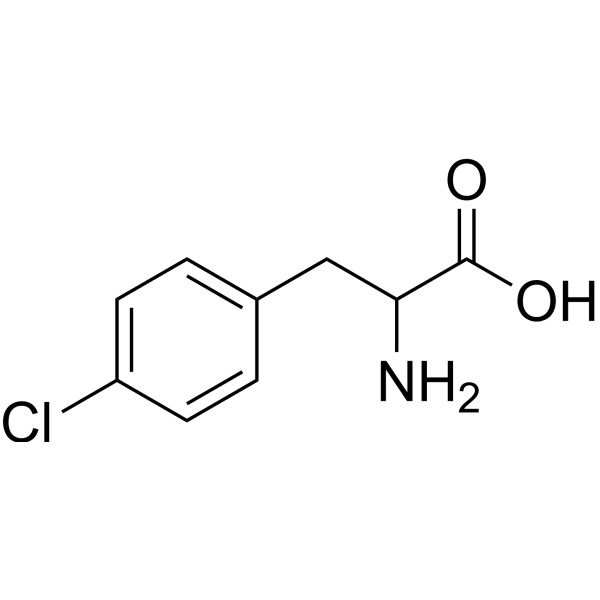
Fenclonine
Maximum Cited Publications
23 Publications Verification
4-Chloro-DL-phenylalanine; PCPA; CP-10188
|
Tryptophan Hydroxylase
|
Neurological Disease
Cancer
|
|
Fenclonine is a selective and irreversible tryptophan hydroxylase inhibitor, which is a rate-limiting enzyme in the biosynthesis of serotonin. Fenclonine can be used in carcinoid syndrome research .
|
-
-
- HY-125860
-
|
Polyphenol oxidase
|
Tyrosinase
|
Neurological Disease
Endocrinology
Cancer
|
|
Tyrosinase (EC 1.14.18.1) (Polyphenol oxidase) is a rate-limiting enzyme that controls the production of melanin. Tyrosinase is mainly found in melanosomes synthesized by skin melanocytes. Tyrosinase can be used in research on Parkinson's disease, melanoma and pigmentation .
|
-
-
- HY-W142119
-
|
|
Ser/Thr Protease
|
Neurological Disease
|
|
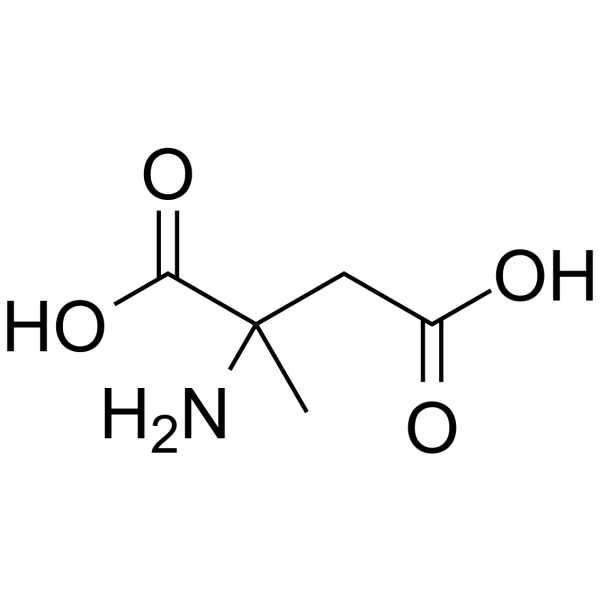
α-Methyl-DL-aspartic acid is a specific inhibitor of argininosuccinate synthase (ASS), and also is the rate-limiting enzyme for the recycling of 1-citrulline to 1-arginine .
|
-
-
- HY-P2775
-
|
|
Glycosidase
|
Others
|
|
β-Glucosidase, almond is the rate-limiting enzyme in cellulose degradation. β-Glucosidase is a major group among glycoside hydrolases. β-Glucosidase is involved in the degradation of cellulose in soils and has potential for monitoring soil quality .
|
-
-
- HY-113342
-
|
|
Endogenous Metabolite
p38 MAPK
|
Cardiovascular Disease
Metabolic Disease
|
|
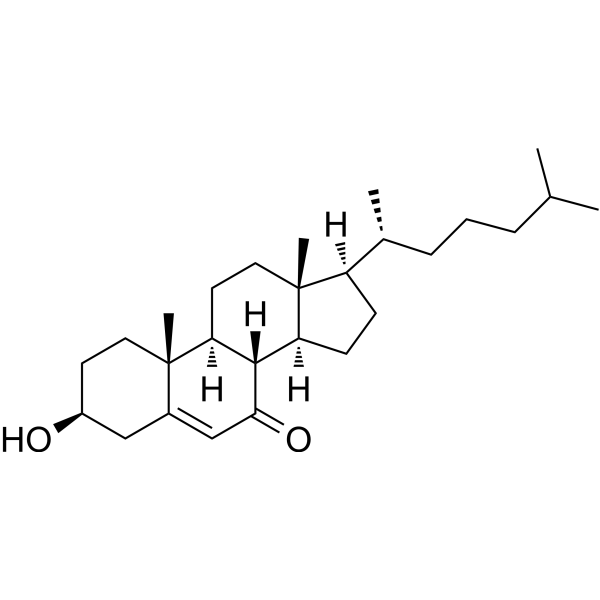
7-Ketocholesterol is an oxidation product of cholesterol, widely present in atherosclerotic plaques, and has a stronger atherogenic effect than cholesterol. 7-Ketocholesterol can inhibit the rate-limiting enzymes involved in bile acid and cholesterol synthesis, such as cholesterol 7α-hydroxylase and HMG-CoA reductase. 7-Ketocholesterol exhibits pro-inflammatory effects both in vivo and in vitro and can induce cell apoptosis (apoptosis) .
|
-
-
- HY-13560
-
AVN-944
5 Publications Verification
VX-944
|
Arenavirus
DNA/RNA Synthesis
Apoptosis
Caspase
Bcl-2 Family
|
Infection
Cancer
|
|
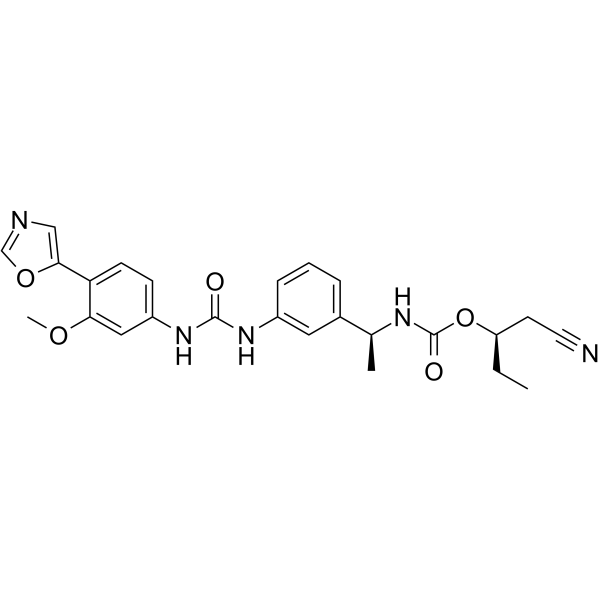
AVN-944 (VX-944) is an orally active, potent, selective, noncompetitive and specific inhibitor of IMPDH (inosine monophosphate dehydrogenase). AVN-944 is an essential rate-limiting enzyme in de novo guanine nucleotide synthesis. AVN-944 is also an inhibitor of arenavirus RNA synthesis, and blocks arenavirus infection. AVN-944 has broad anti-cancer activities, and can be used for multiple myeloma (MM) and acute myeloid leukemia (AML) research .
|
-
-
- HY-N0240
-
|
|
Ornithine decarboxylase (ODC)
|
Cancer
|
|
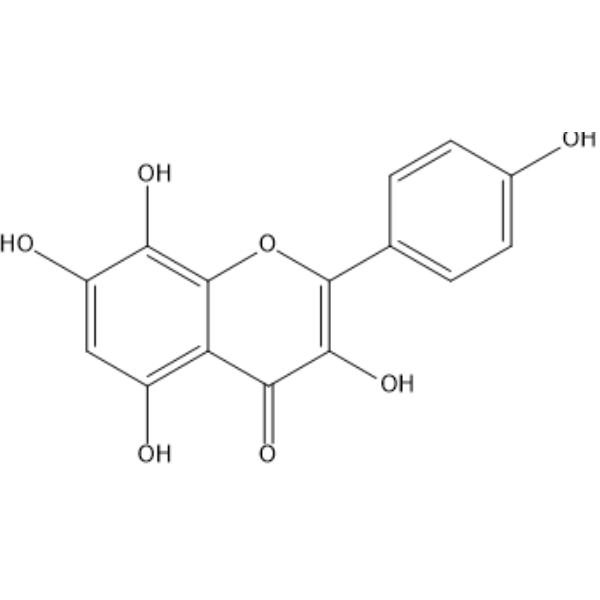
Herbacetin is a natural flavonoid from flaxseed, exerts various pharmacological activities, including antioxidant, anti-inflammatory and anticancer effects . Herbacetin is an Ornithine decarboxylase (ODC) allosteric inhibitor, directly binds to Asp44, Asp243, and Glu384 on ODC. Ornithine decarboxylase (ODC) is a rate-limiting enzyme in the first step of polyamine biosynthesis .
|
-
-
- HY-E70009
-
|
ACO
|
Glutathione Peroxidase
|
Others
|
|
Acyl-CoA oxidase (ACO) is a peroxisomal catalyst. Acyl-CoA oxidase acts as a key rate-limiting enzyme in the process of peroxisomal fatty acid β-oxidation. Acyl-CoA oxidase participates in lipid catabolism and phytohormone biosynthesis pathways .
|
-
-
- HY-125863
-
|
G6PD
|
Endogenous Metabolite
|
Metabolic Disease
Cancer
|
|
Glucose-6-phosphate dehydrogenase, Microorganism (G6PD) is the rate-limiting enzyme of the pentose phosphate pathway. Glucose-6-phosphate dehydrogenase, Microorganism is a primary source of NADPH in antioxidant pathways, nitric oxide synthase, NADPH oxidase, cytochrome p450 systems, and others. Glucose-6-phosphate dehydrogenase, Microorganism is applicable in research related to diabetes, endothelial dysfunction, cancer, and cardiomyopathy .
|
-
-
- HY-126255
-
|
|
NAMPT
|
Metabolic Disease
|
|
SBI-797812 is an orally active nicotinamide phosphoribosyltransferase (NAMPT) activator. SBI-797812 shifts NAMPT to NMN formation, increases NAMPT affinity for ATP, stabilizes phosphorylated NAMPT, promotes consumption of the pyrophosphate by-product, and blunts feedback inhibition by NAD +. SBI-797812 increases intracellular nicotinamide mononucleotide (NMN) and elevates liver NAD + in mice .
|
-
-
- HY-N0466
-
|
|
Glycosidase
HMG-CoA Reductase (HMGCR)
Fatty Acid Synthase (FASN)
LDLR
|
Others
|
|
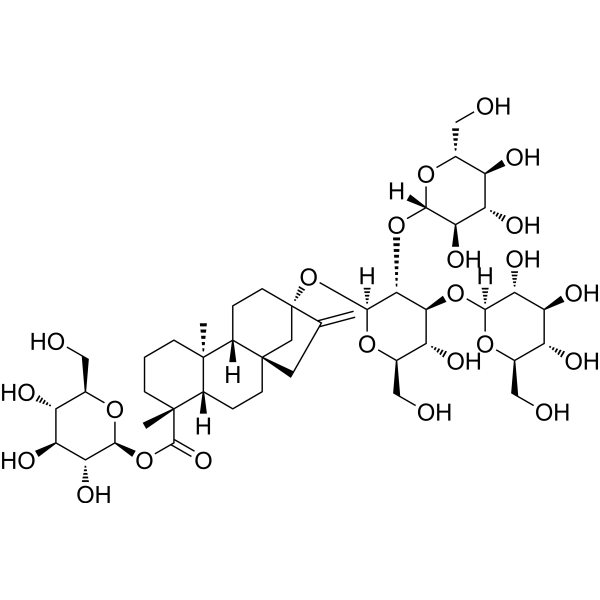
Rebaudioside A is an orally effective steviol glycoside with high sweetness. Rebaudioside A acts as an inhibitor of α-glucosidase with an IC50 value of 35.01 μg/mL. Rebaudioside A increases the ATP/ADP ratio in β cells in a glucose-dependent manner, thereby inhibiting KATP channels, leading to membrane depolarization, calcium influx, and ultimately stimulating insulin secretion. Rebaudioside A activates the SREBP signaling pathway by inhibiting HMGCR, the rate-limiting enzyme in cholesterol synthesis, resulting in increased expression of LDLR on the cell surface, thus promoting the uptake of LDL-C in the blood. Rebaudioside A can be used for studies on blood glucose and lipid regulation as well as anti-obesity .
|
-
-
- HY-144776
-
NAT
4 Publications Verification
|
NAMPT
|
Cancer
|
|
NAT is an initial hit of NAMPT activator with an EC50 of 5.7 μM and a KD of 379 nM. NAMPT is the rate-limiting enzyme in the NAD salvage pathway, which makes it an attractive target for the research of many diseases associated with NAD exhaustion such as neurodegenerative diseases .
|
-
-
- HY-100954
-
|
|
NO Synthase
|
Inflammation/Immunology
|
|
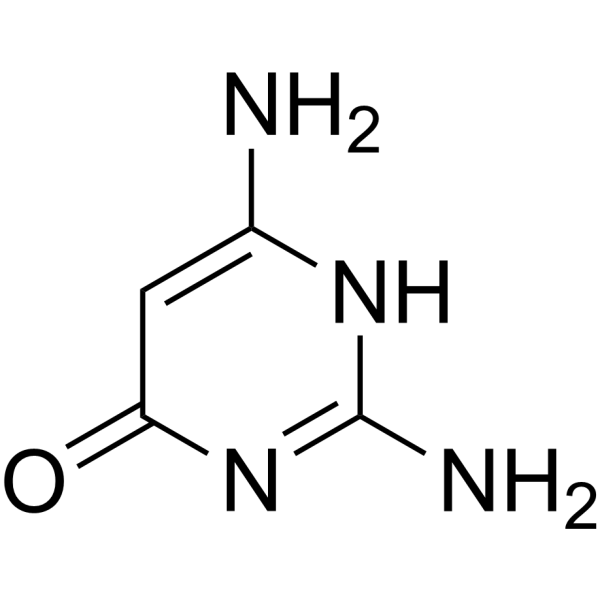
2,4-Diamino-6-hydroxypyrimidine is a specific GTP cyclohydrolase I inhibitor (the rate-limiting enzyme in de novo pterin synthesis). 2,4-Diamino-6-hydroxypyrimidine blocks Tetrahydrobiopterin (BH4) synthesis and suppresses NO production .
|
-
-
- HY-157783
-
|
|
DNA/RNA Synthesis
|
Cancer
|
|
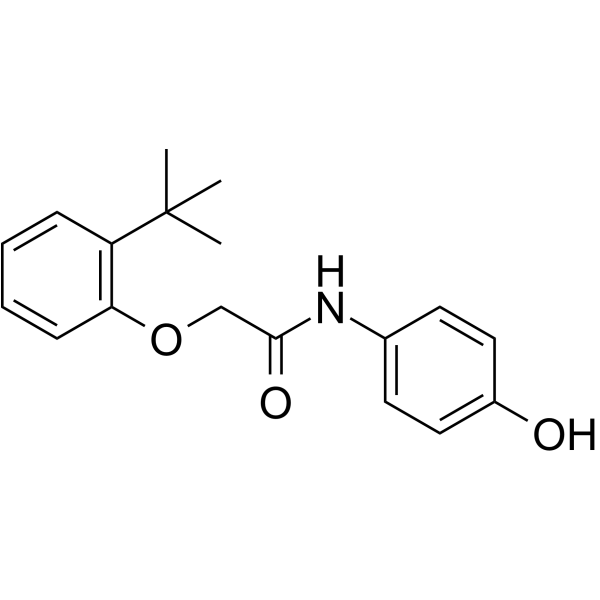
Dencatistat is a CTP synthetase 1 (b) inhibitor. CTPS1 is a key rate-limiting enzyme that catalyzes the conversion of UTP to CTP. Dencatistat can be used for research on lymphoma .
|
-
-
- HY-B1189
-
|
Dicrotalic acid; 3-Hydroxy-3-methylglutaric acid
|
HMG-CoA Reductase (HMGCR)
Autophagy
Endogenous Metabolite
|
Cardiovascular Disease
Metabolic Disease
|
|
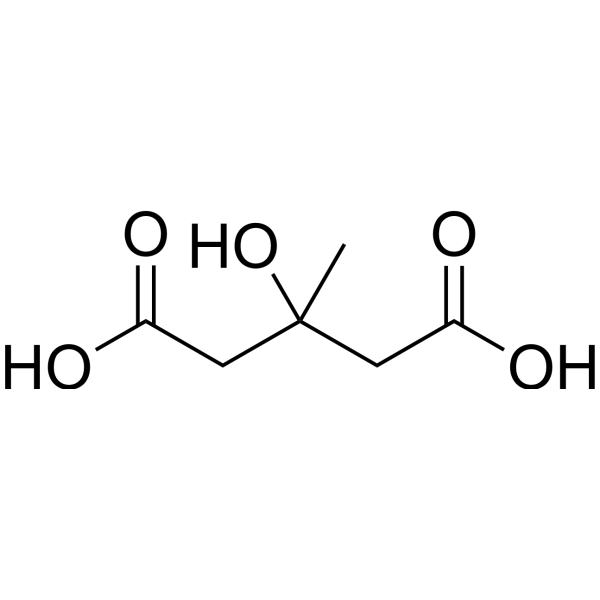
Meglutol is a lipid-lowering agent. Meglutol can reduces cholesterol, triglycerides, serum β-lipoprotein, and phospholipids, and inhibits the activity of HMG-CoA reductase (a rate-limiting enzyme in cholesterol biosynthesis). Meglutol can induce significant lipid oxidative damage in brain tissue. It is promising for research in the field of cardiovascular diseases and metabolic diseases .
|
-
-
- HY-P2752
-
|
LPL
|
Endogenous Metabolite
|
Metabolic Disease
Cancer
|
|
Lipoprotein lipase, Pseudomonas sp (LPL) is a multifunctional enzyme from adipose tissue, heart and skeletal muscle, islets and macrophages. Lipoprotein lipase promotes normal lipoprotein metabolism, delivery and utilization of tissue-specific substrates. Lipoprotein lipase catalyzes the rate-limiting step of lipids in blood circulation .
|
-
-
- HY-P2893A
-
|
Creatine amidinohydrolase
|
Endogenous Metabolite
|
Metabolic Disease
|
|
Creatinase (Recombinant) is a hydrolase responsible for catalyzing the hydrolysis of creatine (HY-W010388) into sarcosine (HY-101037) and urea (HY-Y0271). Creatinase (Recombinant) can be used in conjunction with creatinine deiminase (HY-P2838) and sarcosine oxidase (HY-P2861) in an enzyme cascade reaction to measure creatinine (HY-B0504) levels in blood and urine. Creatinase (Recombinant) is the rate-limiting enzyme in this enzymatic cascade, and the enzymatic quantification of creatinine is an important method for evaluating kidney function .
|
-
-
- HY-149987
-
|
KHK-IN-3
|
Ketohexokinase
|
Cardiovascular Disease
Metabolic Disease
Inflammation/Immunology
|
|
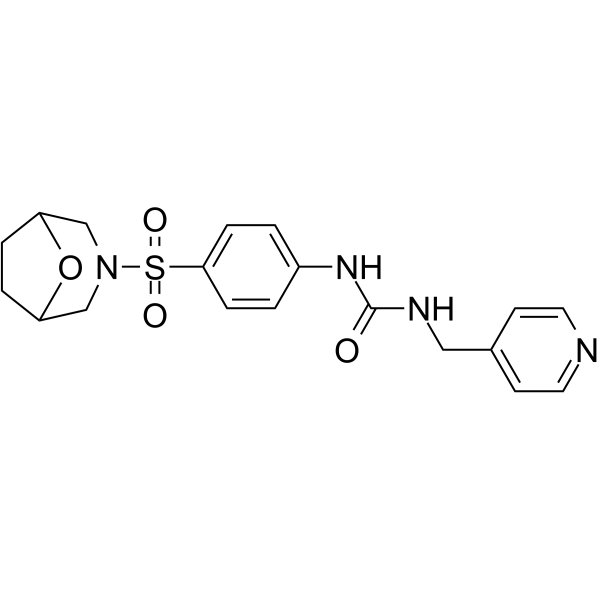
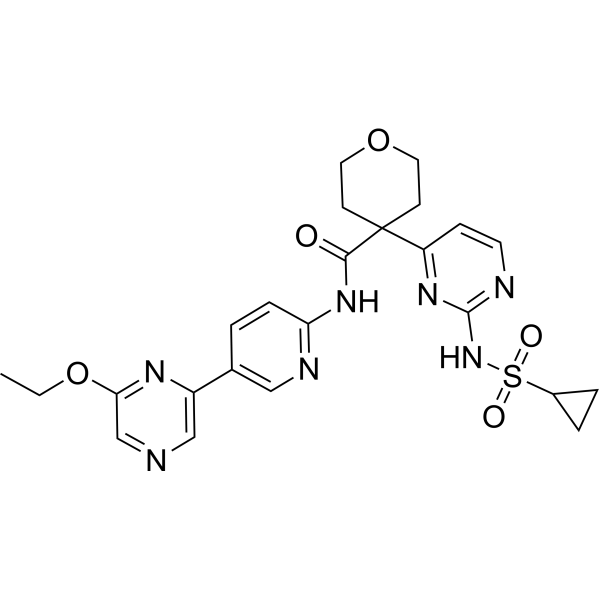
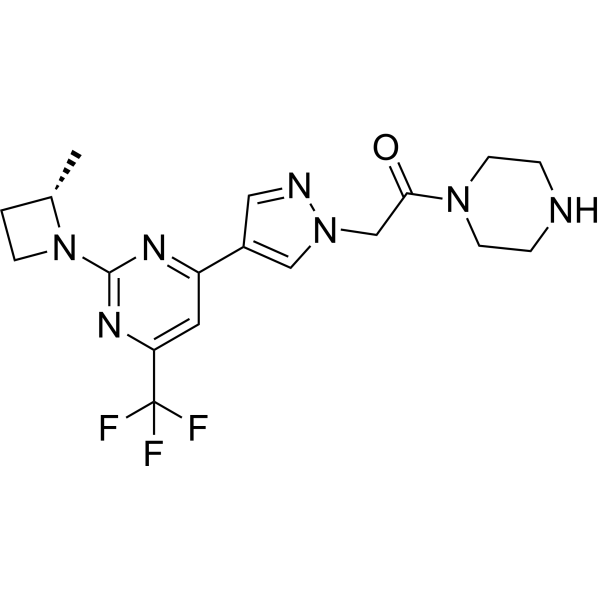
KHK-IN-3 (Example 1) is a ketohexokinase (KHK) inhibitor. KHK-IN-3 can be used in the study of kidney disease, nonalcoholic steatohepatitis (NASH), diabetes and heart failure. KHK is a rate-limiting enzyme and fructokinase involved in fructose metabolism. KHK catalyzes the phosphorylation of fructose to fructose-1-phosphate (FIP) at the expense of ATP. The lack of feedback inhibition of fructose metabolism triggers the accumulation of downstream intermediates such as lipogenesis, gluconeogenesis, and oxidative phosphorylation .
|
-
-
- HY-W772850
-
|
4-Chloro-DL-phenylalanine hydrochloride; PCPA hydrochloride; CP-10188 hydrochloride
|
Tryptophan Hydroxylase
|
Neurological Disease
Cancer
|
|
Fenclonine hydrochloride is a selective and irreversible tryptophan hydroxylase inhibitor, which is a rate-limiting enzyme in the biosynthesis of serotonin. Fenclonine hydrochloride can be used in carcinoid syndrome research .
|
-
-
- HY-125863B
-
|
G6PD (yeast, recombinant)
|
Endogenous Metabolite
|
Cardiovascular Disease
Metabolic Disease
Cancer
|
|
Glucose 6-phosphate dehydrogenase (yeast, recombinant) is the rate-limiting enzyme of the pentose phosphate pathway and a major source of NADPH in antioxidant pathways, nitric oxide synthase, NADPH oxidase, and cytochrome P450 systems. Glucose 6-phosphate dehydrogenase helps cells resist oxidative stress and regulates metabolic rates. It holds potential for research in fields such as diabetes, endothelial dysfunction, cancer, and cardiomyopathy .
|
-
-
- HY-E70059
-
|
|
Glucosylceramide Synthase (GCS)
|
Cancer
|
|
alpha-1,2-Fucosyltransferase (α1,2FucT), i.e., alpha 1, 2-fucosyltransferase, is often used in biochemical studies. alpha-1,2-Fucosyltransferase is a rate-limiting enzyme, can catalyze the synthesis of Lewis y (a cell membrane-associated carbohydrate antigen) .
|
-
-
- HY-162269
-
|
|
NAMPT
|
Inflammation/Immunology
|
|
Nampt activator-5 is a NAMPT activator with a KD value of 6.19 μM. Nampt activator-5 activates the rate-limiting enzyme in NAD + biosynthesis and promotes NAD + production. Nampt activator-5 delays the senescence process of senescent hepatocytes, extends the lifespan of *Caenorhabditis elegans*, and alleviates age-related dysfunction and abnormal biomarkers in naturally aged mice. Nampt activator-5 can be used in aging research .
|
-
-
- HY-W854721
-
|
Manganese(III) Protoporphyrin IX Chloride
|
Heme Oxygenase (HO)
|
Metabolic Disease
|
|
Mn(III) protoporphyrin IX chloride is a metalloporphyrin. It induces mRNA expression of the genes encoding δ-aminolevulinate synthase and heme oxygenase (HO), enzymes that catalyze the rate-limiting steps of heme biosynthesis and degradation, respectively, in chick embryo liver cells when used at a concentration of 10 μM. Mn(III) protoporphyrin IX chloride-containing nanobialys have been used in magnetic resonance imaging (MRI) of fibrin clots in vitro. It has also been used in the synthesis of Mn(III) protoporphyrin IX-6(7)-glycyl-glycyl-L-histidine methyl ester (MnGGH), a metalloporphyrin conjugate with microperoxidase activity.
|
-
-
- HY-B1189S
-
|
Dicrotalic acid-d3; 3-Hydroxy-3-methylglutaric acid-d3
|
Autophagy
HMG-CoA Reductase (HMGCR)
Endogenous Metabolite
|
Cardiovascular Disease
|
|
Meglutol-d3 is the deuterium labeled Meglutol . Meglutol is an antilipemic agent which lowers cholesterol, triglycerides, serum beta-lipoproteins and phospholipids, and inhibits the activity of hydroxymethylglutarryl CoA reductases, which is the rate limiting enzyme in the biosynthesis of cholesterol.
|
-
-
- HY-N0466R
-
|
|
Reference Standards
Glycosidase
HMG-CoA Reductase (HMGCR)
Fatty Acid Synthase (FASN)
LDLR
|
Others
|
|
Rebaudioside A (Standard) is the analytical standard of Rebaudioside A. This product is intended for research and analytical applications. Rebaudioside A is an orally effective steviol glycoside with high sweetness. Rebaudioside A acts as an inhibitor of α-glucosidase with an IC50 value of 35.01 μg/mL. Rebaudioside A increases the ATP/ADP ratio in β cells in a glucose-dependent manner, thereby inhibiting KATP channels, leading to membrane depolarization, calcium influx, and ultimately stimulating insulin secretion. Rebaudioside A activates the SREBP signaling pathway by inhibiting HMGCR, the rate-limiting enzyme in cholesterol synthesis, resulting in increased expression of LDLR on the cell surface, thus promoting the uptake of LDL-C in the blood. Rebaudioside A can be used for studies on blood glucose and lipid regulation as well as anti-obesity.
|
-
-
- HY-150100
-
|
Tyrosine hydroxylase
|
Tyrosine Hydroxylase
|
Neurological Disease
|
|
Tyrosine 3-monooxygenase (Tyrosine hydroxylase) is a rate-limiting enzyme in catecholamine biosynthesis and belongs to the family of aromatic amino acid hydroxylases. Tyrosine 3-monooxygenase catalyzes the initial and rate-limiting step in the biosynthetic pathway of catecholamines, including dopamine, noradrenaline, and adrenaline .
|
-
-
- HY-B1368R
-
|
4-Chloro-DL-phenylalanine (Standard); PCPA (Standard); CP-10188 (Standard)
|
Tryptophan Hydroxylase
Reference Standards
|
Neurological Disease
Cancer
|
|
Fenclonine (Standard) is the analytical standard of Fenclonine. This product is intended for research and analytical applications. Fenclonine is a selective and irreversible tryptophan hydroxylase inhibitor, which is a rate-limiting enzyme in the biosynthesis of serotonin. Fenclonine can be used in carcinoid syndrome research .
|
-
-
- HY-149877
-
|
|
DNA/RNA Synthesis
Dihydroorotate Dehydrogenase
|
Cancer
|
|
hDHODH-IN-12 is a potent DHODH inhibitor with an IC50 value of 0.421 μM. DHODH is the rate-limiting enzyme in the de novo synthesis of pyrimidine which is essential in DNA/RNA Synthesis. hDHODH-IN-12 is present in the inner membrane of human mitochondria.hDHODH-IN-12 can be used for the research of lung cancer .
|
-
-
- HY-B1189R
-
|
Dicrotalic acid (Standard); 3-Hydroxy-3-methylglutaric acid (Standard)
|
HMG-CoA Reductase (HMGCR)
Autophagy
Endogenous Metabolite
Reference Standards
|
Cardiovascular Disease
Metabolic Disease
|
|
Meglutol (Standard) is the analytical standard of Meglutol. This product is intended for research and analytical applications. Meglutol is a lipid-lowering agent. Meglutol can reduces cholesterol, triglycerides, serum β-lipoprotein, and phospholipids, and inhibits the activity of HMG-CoA reductase (a rate-limiting enzyme in cholesterol biosynthesis). Meglutol can induce significant lipid oxidative damage in brain tissue. It is promising for research in the field of cardiovascular diseases and metabolic diseases .
|
-
-
- HY-N0240R
-
|
|
Reference Standards
Others
|
Cancer
|
|
Herbacetin (Standard) is the analytical standard of Herbacetin. This product is intended for research and analytical applications. Herbacetin is a natural flavonoid from flaxseed, exerts various pharmacological activities, including antioxidant, anti-inflammatory and anticancer effects . Herbacetin is an Ornithine decarboxylase (ODC) allosteric inhibitor, directly binds to Asp44, Asp243, and Glu384 on ODC. Ornithine decarboxylase (ODC) is a rate-limiting enzyme in the first step of polyamine biosynthesis .
|
-
-
- HY-100954R
-
|
|
Reference Standards
NO Synthase
|
Inflammation/Immunology
|
|
2,4-Diamino-6-hydroxypyrimidine (Standard) is the analytical standard of 2,4-Diamino-6-hydroxypyrimidine. This product is intended for research and analytical applications. 2,4-Diamino-6-hydroxypyrimidine is a specific GTP cyclohydrolase I inhibitor (the rate-limiting enzyme in de novo pterin synthesis). 2,4-Diamino-6-hydroxypyrimidine blocks Tetrahydrobiopterin (BH4) synthesis and suppresses NO production .
|
-
-
- HY-113342R
-
|
|
Endogenous Metabolite
p38 MAPK
Reference Standards
|
Cardiovascular Disease
Metabolic Disease
|
|
7-Ketocholesterol (Standard) is the analytical standard of 7-Ketocholesterol. This product is intended for research and analytical applications. 7-Ketocholesterol is an oxidation product of cholesterol, widely present in atherosclerotic plaques, and has a stronger atherogenic effect than cholesterol. 7-Ketocholesterol can inhibit the rate-limiting enzymes involved in bile acid and cholesterol synthesis, such as cholesterol 7α-hydroxylase and HMG-CoA reductase. 7-Ketocholesterol exhibits pro-inflammatory effects both in vivo and in vitro and can induce cell apoptosis (apoptosis) .
|
-
-
- HY-E70936A
-
|
|
Biochemical Assay Reagents
|
Metabolic Disease
|
|
Glycerokinase, Bacillus stearothermophilus (EC 2.7.1.30) is a phosphotransferase enzyme involved in triglycerides and glycerophospholipids synthesis. Glycerokinase catalyzes tge MgATP-dependent phosphorylation of glycerol to produce sn-glycerol-3-phosphate and is the rate limiting enzyme in the utilization of glycerol.
|
-
-
- HY-E70936B
-
|
|
Biochemical Assay Reagents
|
Metabolic Disease
|
|
Glycerokinase, Cellulomonas sp. (EC 2.7.1.30) is a phosphotransferase enzyme involved in triglycerides and glycerophospholipids synthesis. Glycerokinase catalyzes tge MgATP-dependent phosphorylation of glycerol to produce sn-glycerol-3-phosphate and is the rate limiting enzyme in the utilization of glycerol.
|
-
-
- HY-E70936C
-
|
|
Biochemical Assay Reagents
|
Metabolic Disease
|
|
Glycerokinase, Escherichia coli (EC 2.7.1.30) is a phosphotransferase enzyme involved in triglycerides and glycerophospholipids synthesis. Glycerokinase catalyzes tge MgATP-dependent phosphorylation of glycerol to produce sn-glycerol-3-phosphate and is the rate limiting enzyme in the utilization of glycerol.
|
-
-
- HY-E70936
-
|
|
Endogenous Metabolite
|
Metabolic Disease
|
|
Glycerokinase, Streptomyces canus (EC 2.7.1.30) is a phosphotransferase enzyme involved in triglycerides and glycerophospholipids synthesis. Glycerol kinase catalyzes tge MgATP-dependent phosphorylation of glycerol to produce sn-glycerol-3-phosphate and is the rate limiting enzyme in the utilization of glycerol.
|
-
-
- HY-B1713
-
|
(±)-Ornithine
|
Endogenous Metabolite
Ornithine decarboxylase (ODC)
Drug Intermediate
|
Metabolic Disease
Cancer
|
|
Ornithine ((±)-Ornithine) is a non-essential amino acid. Ornithine is an intermediate in urea cycle and acts as a substrate for these rate limiting enzymes ornithine transcarbomylase, ornithine aminotransferase and ornithine decarboxylase producing citrulline, proline and polyamines, respectively. Ornithine can be used in the research of hyperornithinemia, hyperammonemia, and cancer .
|
-
-
- HY-E70630
-
|
|
Endogenous Metabolite
|
Inflammation/Immunology
|
|
Deoxycytidine Kinase, Human (EC 2.7.1.74) is a rate-limiting enzyme in the de novo pathway. Deoxycytidine Kinase, Human captures extracellular deoxyribonucleosides for use in intracellular deoxyribonucleotide metabolism. Deoxycytidine Kinase, Human functions as a dimer in cells to phosphorylate deoxycytidine as its major substrate as well as deoxyadenosine and deoxyguanosine and can activate various nucleoside analogue therapeutics .
|
-
-
- HY-E70417
-
|
GPDH, Saccharomyces cerevisiae
|
Endogenous Metabolite
|
Others
|
|
Glycerol-3-phosphate dehydrogenase, Saccharomyces cerevisiae, is an enzyme involved in glycerol metabolism and energy production, responsible for catalyzing the oxidation of glycerol-3-phosphate (G3P) to dihydroxyacetone phosphate (DHAP). Glycerol-3-phosphate dehydrogenase, Saccharomyces cerevisiae, is the rate-limiting enzyme in glycerol production in Saccharomyces cerevisiae, and helps Saccharomyces cerevisiae adapt to high osmotic environments by regulating glycerol production and accumulation. Glycerol-3-phosphate dehydrogenase, Saccharomyces cerevisiae, can be used in research within the field of metabolic engineering .
|
-
-
- HY-183148
-
|
|
NAMPT
ATP Synthase
|
Neurological Disease
|
|
NAMPT activator-10 (Compound B11) is an orally active NAMPT activator with a target Kd value of 0.64 μM. NAMPT activator-10 activates the rate-limiting enzyme in NAD + biosynthesis and promotes intracellular NAD + synthesis. NAMPT activator-10 reduces lactate accumulation, enhances glycogen storage in the liver and muscle, increases tissue ATP production, improves exercise endurance and muscle strength, and exerts a protective effect against fatigue-induced muscle damage in mouse fatigue models. NAMPT activator-10 can be used in studies related to muscle fatigue .
|
-
| Cat. No. |
Product Name |
Target |
Research Area |
| Cat. No. |
Product Name |
Category |
Target |
Chemical Structure |
-
- HY-113342
-
|
|
Triterpenes
Terpenoids
Endogenous metabolite
Source Classification
|
Endogenous Metabolite
p38 MAPK
|
|
7-Ketocholesterol is an oxidation product of cholesterol, widely present in atherosclerotic plaques, and has a stronger atherogenic effect than cholesterol. 7-Ketocholesterol can inhibit the rate-limiting enzymes involved in bile acid and cholesterol synthesis, such as cholesterol 7α-hydroxylase and HMG-CoA reductase. 7-Ketocholesterol exhibits pro-inflammatory effects both in vivo and in vitro and can induce cell apoptosis (apoptosis) .
|
-
-
- HY-N0240
-
-
-
- HY-125863
-
|
G6PD
|
Structural Classification
Natural Products
Classification of Application Fields
Metabolic Disease
Endogenous metabolite
Disease Research Fields
Source Classification
Cancer
|
Endogenous Metabolite
|
|
Glucose-6-phosphate dehydrogenase, Microorganism (G6PD) is the rate-limiting enzyme of the pentose phosphate pathway. Glucose-6-phosphate dehydrogenase, Microorganism is a primary source of NADPH in antioxidant pathways, nitric oxide synthase, NADPH oxidase, cytochrome p450 systems, and others. Glucose-6-phosphate dehydrogenase, Microorganism is applicable in research related to diabetes, endothelial dysfunction, cancer, and cardiomyopathy .
|
-
-
- HY-N0466
-
-
-
- HY-B1189
-
-
-
- HY-N0466R
-
|
|
Structural Classification
Trifolium hybridum L.
Terpenoids
Diterpenoids
Plants
Compositae
Endogenous metabolite
Source Classification
|
Reference Standards
Glycosidase
HMG-CoA Reductase (HMGCR)
Fatty Acid Synthase (FASN)
LDLR
|
|
Rebaudioside A (Standard) is the analytical standard of Rebaudioside A. This product is intended for research and analytical applications. Rebaudioside A is an orally effective steviol glycoside with high sweetness. Rebaudioside A acts as an inhibitor of α-glucosidase with an IC50 value of 35.01 μg/mL. Rebaudioside A increases the ATP/ADP ratio in β cells in a glucose-dependent manner, thereby inhibiting KATP channels, leading to membrane depolarization, calcium influx, and ultimately stimulating insulin secretion. Rebaudioside A activates the SREBP signaling pathway by inhibiting HMGCR, the rate-limiting enzyme in cholesterol synthesis, resulting in increased expression of LDLR on the cell surface, thus promoting the uptake of LDL-C in the blood. Rebaudioside A can be used for studies on blood glucose and lipid regulation as well as anti-obesity.
|
-
-
- HY-B1189R
-
-
-
- HY-N0240R
-
-
-
- HY-113342R
-
|
|
Triterpenes
Structural Classification
Terpenoids
Endogenous metabolite
Source Classification
|
Endogenous Metabolite
p38 MAPK
Reference Standards
|
|
7-Ketocholesterol (Standard) is the analytical standard of 7-Ketocholesterol. This product is intended for research and analytical applications. 7-Ketocholesterol is an oxidation product of cholesterol, widely present in atherosclerotic plaques, and has a stronger atherogenic effect than cholesterol. 7-Ketocholesterol can inhibit the rate-limiting enzymes involved in bile acid and cholesterol synthesis, such as cholesterol 7α-hydroxylase and HMG-CoA reductase. 7-Ketocholesterol exhibits pro-inflammatory effects both in vivo and in vitro and can induce cell apoptosis (apoptosis) .
|
-
-
- HY-B1713
-
-
| Cat. No. |
Product Name |
Chemical Structure |
-
- HY-B1189S
-
|
|
|
Meglutol-d3 is the deuterium labeled Meglutol . Meglutol is an antilipemic agent which lowers cholesterol, triglycerides, serum beta-lipoproteins and phospholipids, and inhibits the activity of hydroxymethylglutarryl CoA reductases, which is the rate limiting enzyme in the biosynthesis of cholesterol.
|
-
Your information is safe with us. * Required Fields.
Inquiry Information
- Product Name:
- Cat. No.:
- Quantity:
- MCE Japan Authorized Agent:

