



Arenavirus
Arenavirus genome includes two ambisense RNA segments that encode only four viral proteins: the envelope glycoprotein precursor, nucle-ocapsid protein, matrix zinc-binding (Z) protein and the large (L) RNA-dependent RNA polymerase (RdRp). The L protein is a multi-domain machinery with both transcription and replication activities. Similar to other segmented negative-sense RNA viruses (sNSVs), the replication of arenavirus genome is de novo initiated and involves a complementary RNA (cRNA) intermediate, whereas the transcription process presumably requires a host mRNA-derived primer captured by the viral polymerase through cap snatching.
Arenaviruses can cause severe haemorrhagic fever and neurological diseases in humans and other animals, exemplified by Lassa mammarenavirus, Machupo mammarenavirus and lymphocytic choriomeningitis virus, posing great threats to public health. These viruses encode a large multi-domain RNA-dependent RNA polymerase for transcription and replication of the viral genome. Viral polymerases are one of the leading antiviral therapeutic targets.
All Product Categories
-
Arenavirus Related Products (34)
Related Products (34)

- 1
- 2
-
Tecovirimat
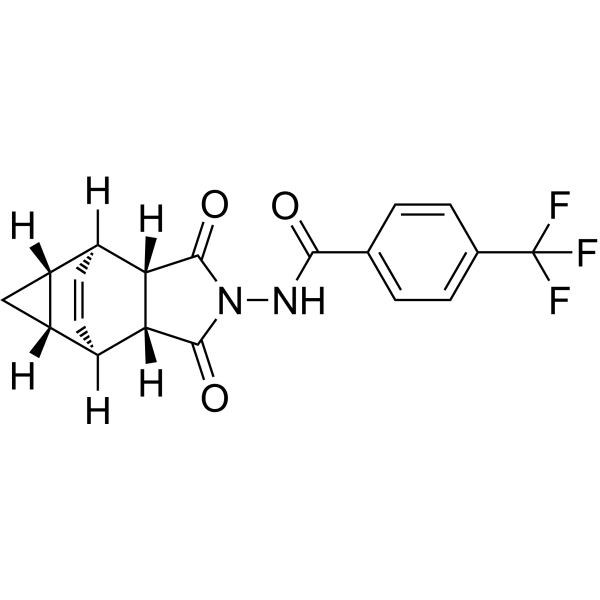 0 ImagesSynonyms: ST-246Tecovirimat (ST-246) is an orally bioavailable and selective compound against orthopoxviruses including vaccinia, monkeypox, camelpox, cowpox, ectromelia (mousepox), smallpox and variola viruses. Tecovirimat is evaluated against vaccinia, cowpox virus, ectromelia virus with EC50 values of 0.01 μM, 0.48 μM and 0.05 μM, respectively. Tecovirimat targets the orthopoxvirus protein VP37 which is necessary for membrane envelopment of intracellular mature virus particles to form enveloped virus. Tecovirimat exerts antiviral activity on the target of the cowpox virus V061 gene, which is homologous to vaccinia virus F13L, encoding a major envelope protein (p37) required for production of extracellular virus.
-
Losmapimod
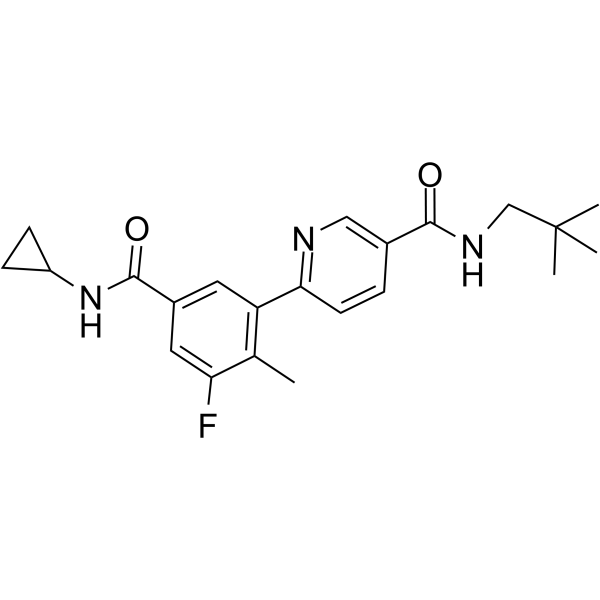 0 ImagesSynonyms: GSK-AHAB; GW856553X; SB856553Losmapimod (GSK-AHAB; GW856553X) is an orally active p38α/β MAPK inhibitor, with pKi values of 8.1 and 7.6 for p38α and p38β, respectively. Losmapimod reduces DUX4 expression, thus exerting efficacy in facioscapulohumeral muscular dystrophy. By inhibiting MAPK/NF-κB, Losmapimod reduces apoptosis of epileptiform hippocampal neurons, and exhibits anti-allodynia and anti-hyperalgesic activities. Losmapimod blocks the entry and fusion of Lassa fever virus (LASV). Losmapimod overcomes tyrosine kinase inhibitor resistance in non-small cell lung cancer (NSCLC). Losmapimod inhibits myocardial senescence and inflammation, and possesses cardioprotective activity against cardiotoxicity.

-
AVN-944
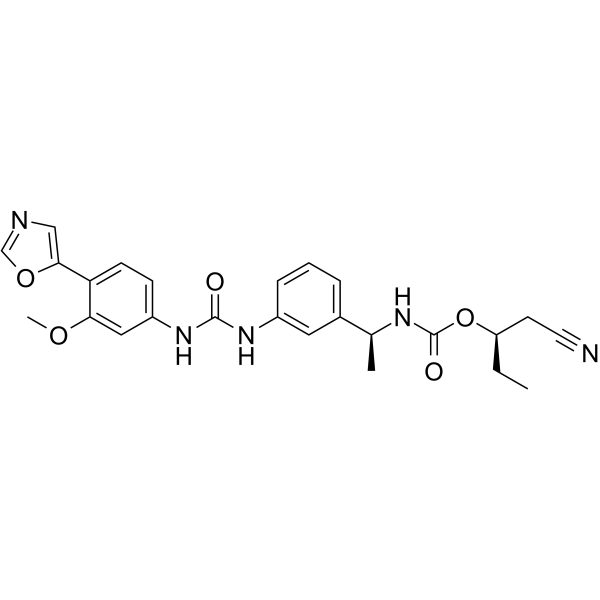 0 ImagesSynonyms: VX-944AVN-944 (VX-944) is an orally active, potent, selective, noncompetitive and specific inhibitor of IMPDH (inosine monophosphate dehydrogenase). AVN-944 is an essential rate-limiting enzyme in de novo guanine nucleotide synthesis. AVN-944 is also an inhibitor of arenavirus RNA synthesis, and blocks arenavirus infection. AVN-944 has broad anti-cancer activities, and can be used for multiple myeloma (MM) and acute myeloid leukemia (AML) research.
-
LCMV GP (61-80)
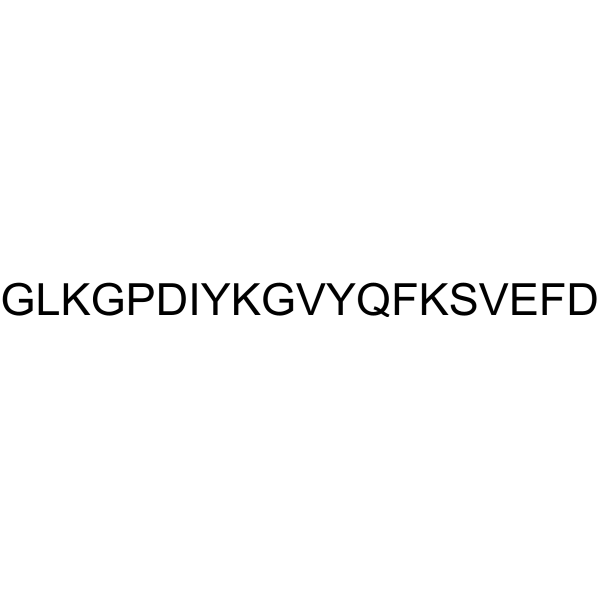 0 ImagesLCMV GP (61-80) is a peptide fragment derived from lymphocytic choriomeningitis virus (LCMV) glycoprotein (GP), and corresponds to amino acids 61-80. LCMV GP (61-80) is a specific epitope which can induce CD4+ T-cell response.
-
ARN-75039
 0 ImagesARN-75039 is an orally active arenavirus inhibitor. ARN-75039 binds to sites on the GP2 subunit of the mammarenavirus glycoprotein complex, stabilizes prefusion conformation, and blocks viral entry and endosomal membrane fusion to inhibit viral replication and spread. ARN-75039 can be used for the research of lassa fever, arenaviral hemorrhagic fever, and lethal Junín virus infection.
-
Procumbenoside I
 0 ImagesCat. No.: HY-N21657CAS No.: 2243471-10-3Procumbenoside I is a naturally derived broad-spectrum antiviral agent targeting the SFTSV glycoprotein Gn. Procumbenoside I binds to the conserved B domain of SFTSV Gn, blocking the binding and internalization steps during viral entry. Procumbenoside I inhibits the entry of VSV, H5N1, and SARS-CoV-2 pseudoviral particles, while exhibiting antiviral activity against bunyaviruses such as LCMV and WELV. Procumbenoside I protects mice against lethal SFTSV challenge, reducing mortality and alleviating pathological damage. Procumbenoside I is useful for research related to viral infections.
-
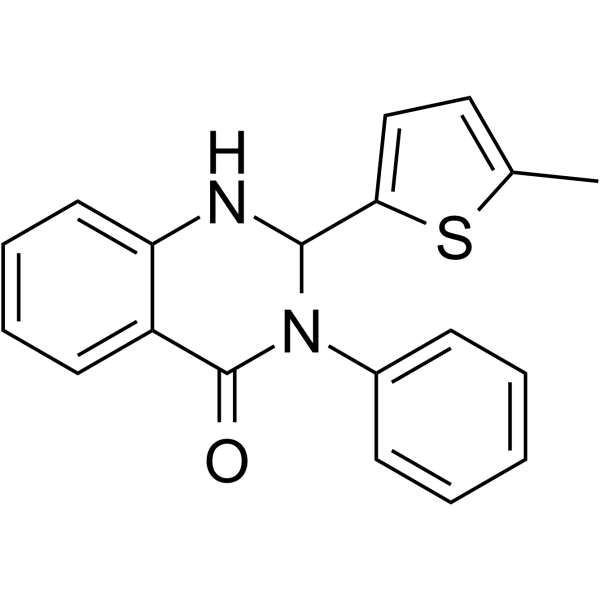
ZCL278
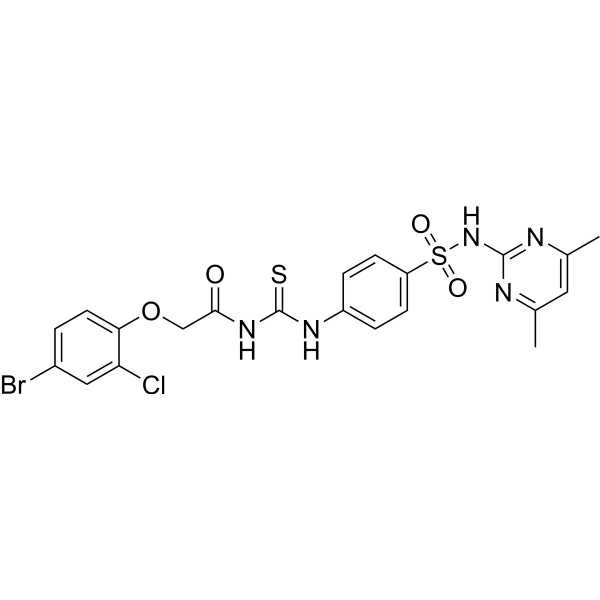 0 ImagesZCL278 is a selective Cdc42 inhibitor with Kds of 6.4 μM in fluorescence titration and 11.4 μM in surface plasmon resonance (SPR) measurement. ZCL278 is able to disrupt the Cdc42-ITSN interaction as well as GTP/GDP binding. ZCL278 has inhibitory effects on various enveloped viruses, but is ineffective against non-enveloped viruses. ZCL278 can be used for the studies of arsenic neurotoxicity and HER2-positive gastric cancer (GC).
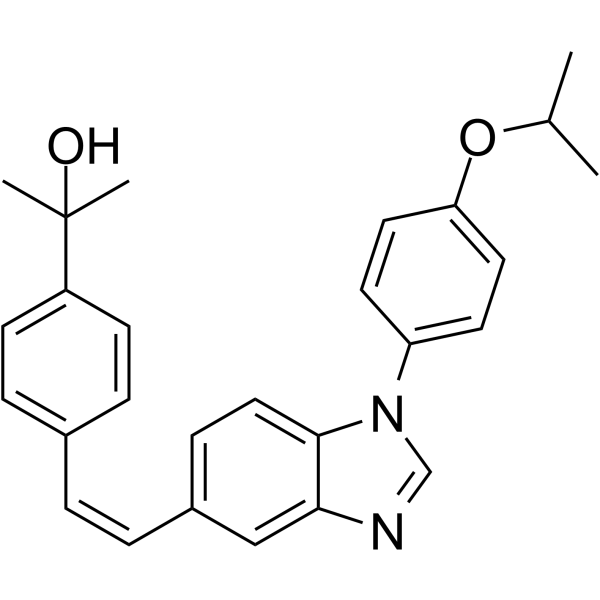
-
ST-193
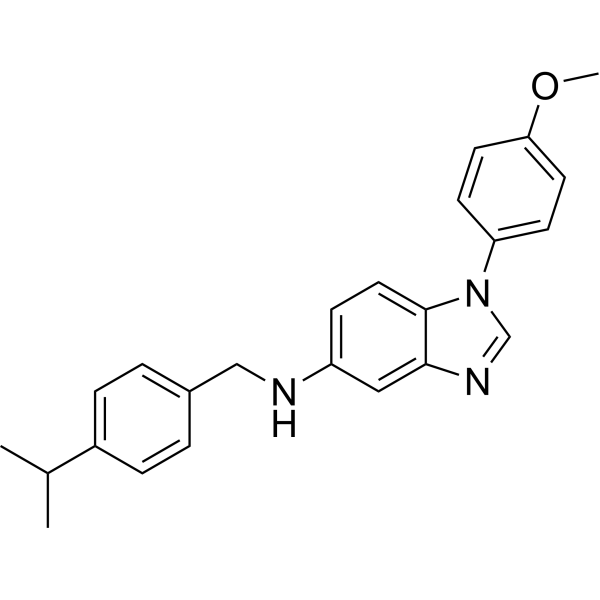 0 ImagesST-193 is a potent broad-spectrum arenavirus inhibitor; inhibits Guanarito, Junin, Lassa and Machupo virus with IC50 values of 0.44, 0.62, 1.4 and 3.1 nM, respectively.
-
GP(33-41) TFA
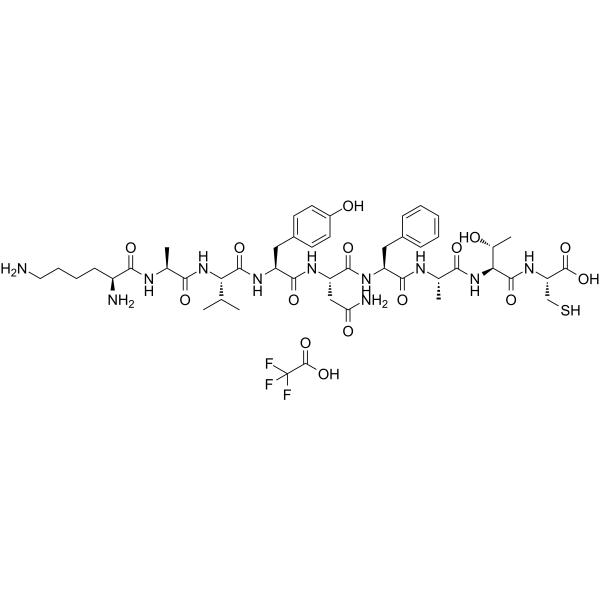 0 ImagesCat. No.: HY-P0323APurity: 99.62%Synonyms: LCMV GP(33-41) C-peptide TFAGP(33-41) TFA, a 9-aa-long peptide, is the optimal sequence of the GP1 epitope of lymphocytic choriomeningitis virus. GP(33-41) TFA can upregulate H-2Db molecules at the RMA-S (Db Kb) cell surface with a SC50 of 344 nM.
-
Nucleoprotein (396-404)
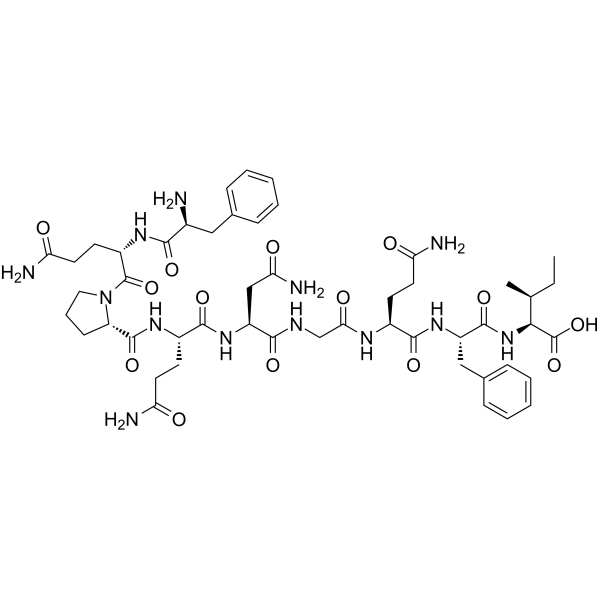 0 ImagesSynonyms: NP 396Nucleoprotein (396-404) is the 396 to 404 fragment of lymphocytic choriomeningitis virus (LCMV). Nucleoprotein (396-404) is the H-2D(b)-restricted immunodominant epitope and can be used as a molecular model of viral antigen .

-
Verrucarin J
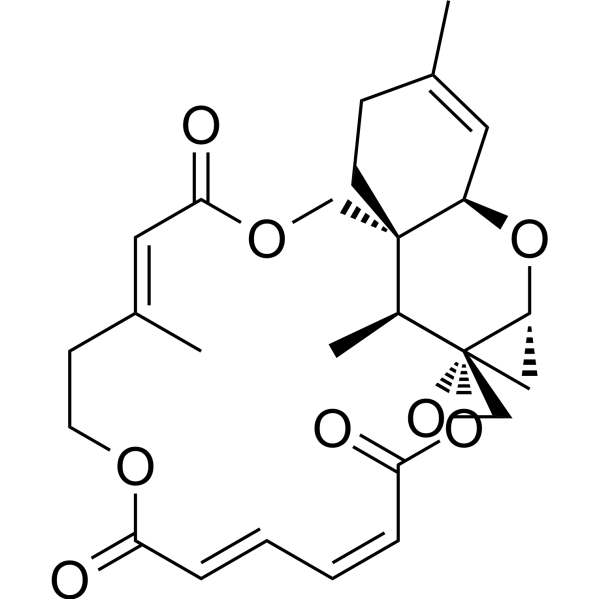 0 ImagesVerrucarin J (Muconomycin B) is a metabolite of the Myrothecium fungus family. Verrucarin J generates reactive oxygen species (ROS) and induces apoptosis of cancer cell lines, such as A549, HCT 116 and SW-620 cells. Verrucarin J shows activities against Candida albicans and Mucor miehei. Verrucarin J inhibits arenavirus Junin (JUNV) yield with an IC50 of 1.2 ng/mL.
-
Anti-Mouse PSGL-1/CD162 Antibody (4RA10)
 0 ImagesCat. No.: HY-P990166Anti-Mouse PSGL-1/CD162 Antibody (4RA10) is a rat-derived IgG1 κ type antibody inhibitor, targeting to mouse PSGL-1/CD162. Anti-Mouse PSGL-1/CD162 Antibody (4RA10) blocks PSGL signaling and inhibits leukocyte rolling. Anti-Mouse PSGL-1/CD162 Antibody (4RA10) can be used for the researches of inflammation, immunology and infection, such as pneumonia and lymphocytic choriomeningitis virus infection.
-
Tecovirimat monohydrate
 0 ImagesSynonyms: ST-246 monohydrateTecovirimat (ST-246) monohydrate is the monohydrate form of Tecovirimat (HY-14805). Tecovirimat monohydrate is an orally bioavailable and selective compound against orthopoxviruses [including vaccinia, monkeypox, camelpox, cowpox, ectromelia (mousepox), smallpox and variola viruses]. Tecovirimat monohydrate is evaluated against vaccinia, cowpox virus, ectromelia virus with EC50 values of 0.01 μM, 0.48 μM and 0.05 μM, respectively. Tecovirimat monohydrate targets the orthopoxvirus protein VP37 which is necessary for membrane envelopment of intracellular mature virus particles to form enveloped virus. Tecovirimat monohydrate exerts antiviral activity on the target of the cowpox virus V061 gene, which is homologous to vaccinia virus F13L, encoding a major envelope protein (p37) required for production of extracellular virus. Tecovirimat monohydrate could be used in the study for orthopoxvirus-induced diseases.
-
(E)-LHF-535
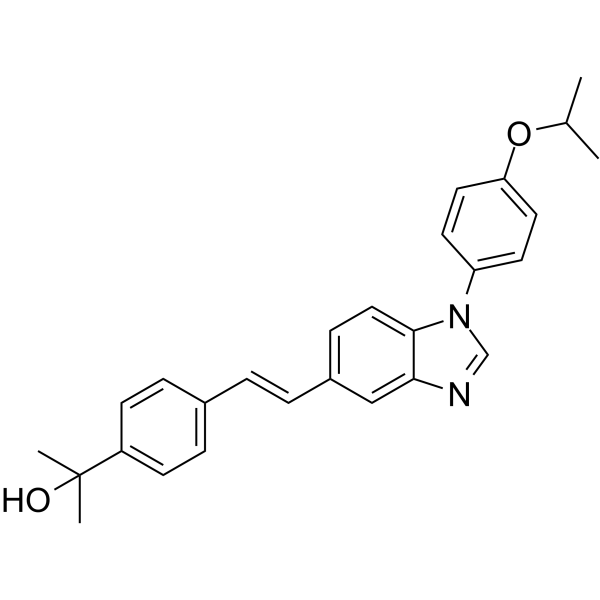 0 ImagesCat. No.: HY-112762APurity: 99.21%(E)-LHF-535 is the E-isomer of LHF-535. LHF-535 is an antiviral agent extracted from patent WO2013123215A2, Compound 38, has EC50s of <1 μM, <1 μM, <1 μM, and 1-10 μM for Lassa, Machupo, Junin, and VSVg virus, respectively.
-
LASV-IN-1
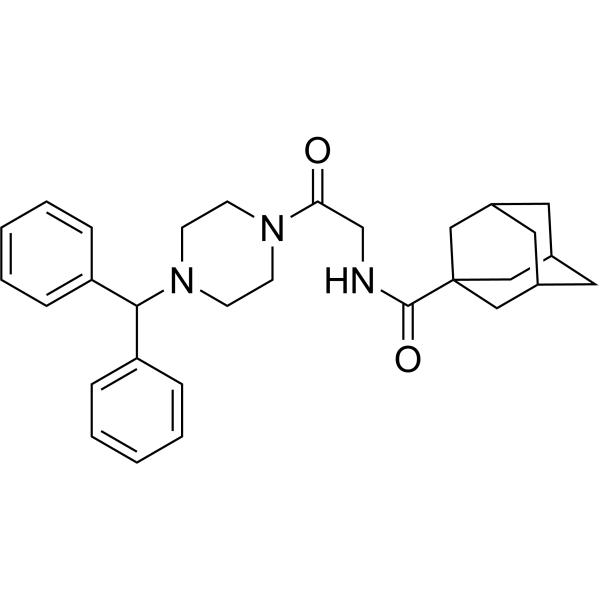 0 ImagesLASV-IN-1 is a Lassa fever virus (LASV) inhibitor. LASV-IN-1 binds with LASV glycoprotein (GP) and promotes virus membrane fusion and infection. LASV-IN-1 can be used for LASV infection research.
- 1
- 2



