Search Result
Results for "
reabsorption
" in MedChemExpress (MCE) Product Catalog:
| Cat. No. |
Product Name |
Target |
Research Areas |
Chemical Structure |
-
- HY-A0080
-
|
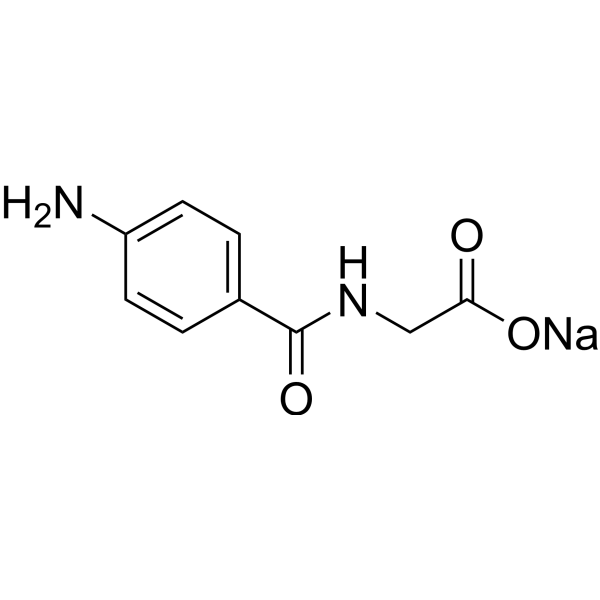
Sodium p-aminohippurate; p-Aminohippuric acid sodium salt
|
Biochemical Assay Reagents
|
|
|
Aminohippurate sodium is a renal tubular transport inhibitor and a substrate for organic anion transporters. Aminohippurate sodium inhibits renal tubular reabsorption of phosphate and promotes increased urinary phosphate excretion. Aminohippurate sodium inhibits renal tubular reabsorption of vitamin C as well as the transport of glucose .
|
-
-
- HY-A0118A
-
|
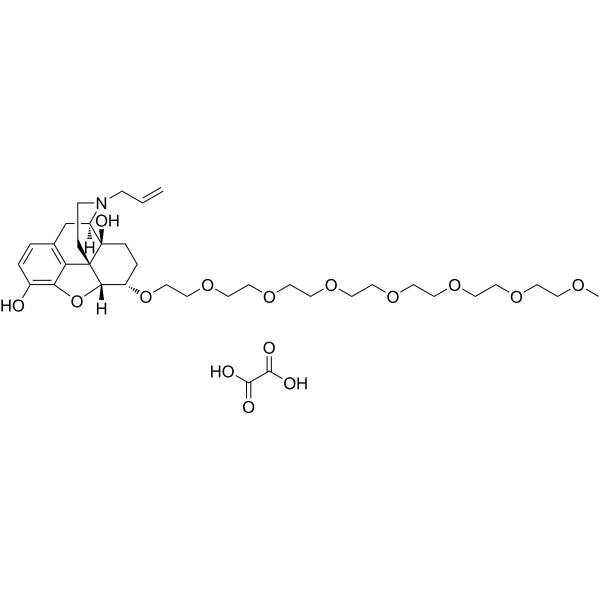
NKTR-118 oxalate; AZ-13337019 oxalate
|
Opioid Receptor
|
Metabolic Disease
|
|
Naloxegol oxalate (NKTR-118 oxalate; AZ-13337019 oxalate) is an orally active peripherally acting μ-opioid receptor antagonist with a target Ki of 7.42 nM. Naloxegol oxalate inhibits the binding of opioids to μ-opioid receptors in the gastrointestinal tract, and alleviates opioid-induced gastrointestinal hypomotility, delayed transit, hypertonicity, and increased fluid reabsorption. Naloxegol oxalate is applicable to research related to opioid-induced constipation .
|
-
-
- HY-B0908
-
-
-
- HY-W042301
-
|
|
Anion Exchangers
Carbonic Anhydrase
Endothelin Receptor
|
Cardiovascular Disease
|
|
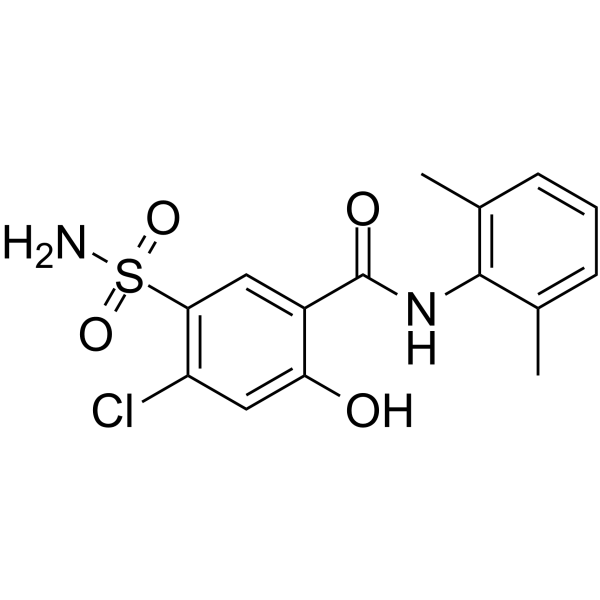
Xipamide is an orally active carbonic anhydrase (CA) inhibitor and Na +/Cl --potassium transporter inhibitor with diuretic and antihypertensive effects. Xipamide reduces NaCl reabsorption by inhibiting the Cl -/NaCO3 - anion exchanger, and increases calcium reabsorption while promoting potassium and magnesium excretion. Xipamide is mainly cleared via the renal pathway and causes a temporary decrease in glomerular filtration rate under specific conditions. Xipamide does not affect Ca 2+ signaling induced by endothelin-1 and other factors, nor does it inhibit various ion cotransport or pump activities in red blood cells. Xipamide can be used in researches related to cardiovascular diseases, hypertension (especially with left ventricular hypertrophy), advanced renal failure, and liver cirrhosis with ascites .
|
-
-
- HY-N15135
-
|
|
Interleukin Related
Toll-like Receptor (TLR)
Fungal
|
Metabolic Disease
|
|
Arabinoxylan Medium viscosity is an orally active Dectin-1 splice variant modulator, glucose absorption inhibitor, and chyme viscosity enhancer. Arabinoxylan Medium viscosity inhibits particulate β-glucan-induced Dectin-1A activation and mildly suppresses Dectin-1B activation. In human dendritic cells stimulated with particulate β-glucan, Arabinoxylan Medium viscosity reduces the production of IL-10 and TNF-α, and increases the production of IL-4 and IL-23. Arabinoxylan Medium viscosity also supports antifungal immune responses without activating TLR2, TLR4 or TLR5, and does not induce cytokine production when used to stimulate human dendritic cells alone. Arabinoxylan Medium viscosity increases small intestinal chyme viscosity, gets degraded in the large intestine to produce short-chain fatty acids, reduces glucose absorption and insulin response, and improves glucose homeostasis. Arabinoxylan Medium viscosity supports microbial fermentation and the growth of beneficial microbiota in the gastrointestinal tract, prevents bile acid reabsorption, and delays starch digestion. Arabinoxylan Medium viscosity can be used in research related to type 2 diabetes, impaired glucose tolerance, and metabolic syndrome .
|
-

-
- HY-156696
-
|
|
Na+/H+ Exchanger (NHE)
|
Metabolic Disease
|
|
S3226 is a highly selective NHE-3 inhibitor (IC50<1 μM) that specifically blocks NHE-3-mediated sodium transport. S3226 significantly inhibits blastocyst formation and expansion in mouse embryos, and reduces fluid and electrolyte reabsorption in rat proximal tubules in a dose-dependent manner. S3226 effectively alleviates ischemia-induced acute renal failure by improving renal function parameters, reducing renal tubular injury and restoring intracellular pH homeostasis, without interfering with the normal tubuloglomerular feedback response. S3226 is widely used in studies of acute renal failure and related pathological mechanisms .
|
-

-
- HY-162864
-
|
|
Amino acid Transporter
|
Metabolic Disease
|
JX237 is an inhibitor of the epithelial neutral amino acid transporter B 0AT1 (SLC6A19) with an IC50 value of 31 nM. SLC6A19 is the main transporter for the absorption of neutral amino acids in the intestines and their reabsorption in the kidneys. By inhibiting B 0AT1, JX237 can be used for the study of disorders of amino acid metabolism .
|
-

-
- HY-148795
-
|
|
Apical Sodium-Dependent Bile Acid Transporter
|
Metabolic Disease
|
|
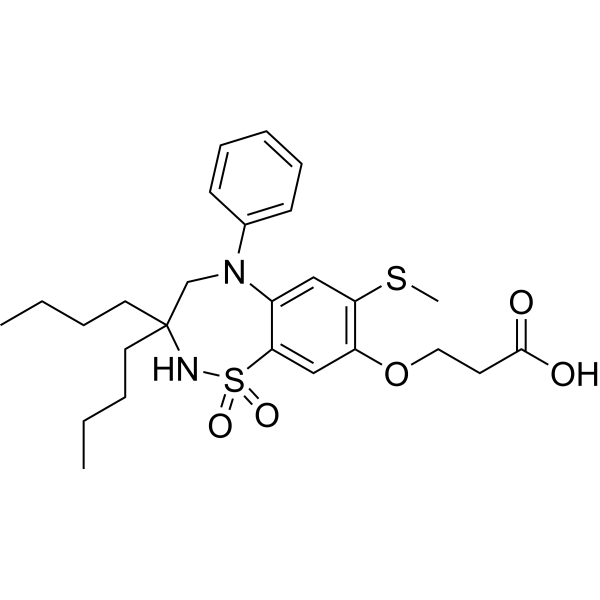
Ritivixibat is an apical sodium-dependent bile acid transporter (ASBT/IBAT) inhibitor. Ritivixibat blocks ASBT/IBAT function, thereby reducing bile acid reabsorption, regulating bile acid homeostasis and alleviating liver injury. Ritivixibat protects cholangiocytes from damage caused by cytotoxic bile acids. Ritivixibat is applicable to research related to primary sclerosing cholangitis .
|
-
-
- HY-W013266
-
-
-
- HY-N0394R
-
|
|
Reference Standards
Endogenous Metabolite
Ferroptosis
ROS Kinase
Keap1-Nrf2
|
Metabolic Disease
Inflammation/Immunology
Cancer
|
|
L-Cystine (Standard) is the analytical standard of L-Cystine. This product is intended for research and analytical applications. L-Cystine, the extracellular form of L-Cysteine (HY-Y0337), is a nutritionally dispensable semiessential sulfur-containing amino acid, occurring in proteins of plants and animals. L-Cystine induces Nrf2 protein elevation in a Keap1 (HY-P75897)-dependent manner and activates Nrf2 transcription factor. L-cystine can elicit cytoprotection by reducing ROS generation and protecting against oxidant- or doxorubicin-induced apoptosis. The reduced reabsorption of L-Cystine in renal tubules and its poor solubility in urine are the important causes of cystine precipitation and cystine crystal formation eventually leading to kidney stones. L-Cystine combined with L-theanine (HY-15121) enhances the production of antigen-specific IgG by increasing glutathione (GSH) levels and T helper 2 (Th2) mediated responses in mice. L-Cystine is promising for research of cystinuria and cystinosis
|
-

-
- HY-109542
-
|
|
Biochemical Assay Reagents
|
Metabolic Disease
|
|
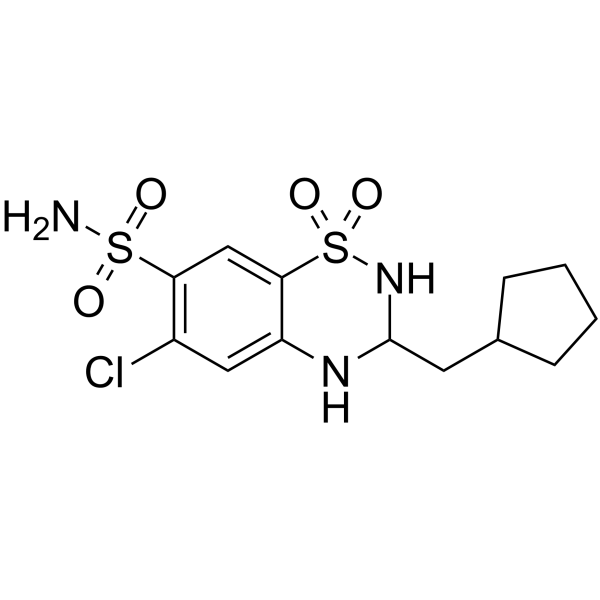
Cyclopenthiazide is a benzothiadiazine diuretic with antihypertensive properties. Cyclopenthiazide exerts a diuretic effect by inhibiting the reabsorption of sodium chloride and water at the distal renal tubules. Cyclopenthiazide increases the excretory capacity of the rat kidney .
|
-
-
- HY-109018B
-
|
|
SGLT
|
Metabolic Disease
|
|
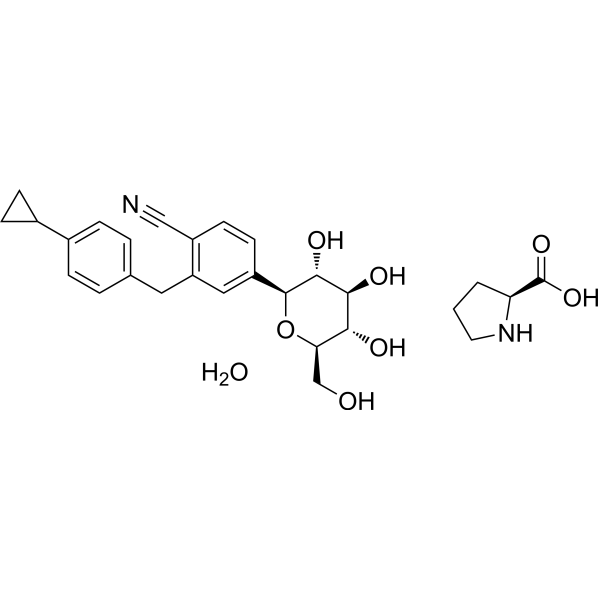
Velagliflozin proline hydrate is the clinical form of Velagliflozin (HY-109018). Velagliflozin is an oral sodium-glucose cotransporter 2 (SGLT2) inhibitor with antidiabetic activity. Velagliflozin reduces renal glucose reabsorption and stimulates glycosuria, which lowers blood sugar and insulin concentrations .
|
-
-
- HY-179107
-
|
|
Amino acid Transporter
|
Metabolic Disease
|
|
SLC6A19-IN-3 (Compound 83-P1-P2) is a potent, selective and orally active SLC6A19 inhibitor with an IC50 of 28 nM. SLC6A19-IN-3 can block SLC6A19-mediated transmembrane transport of phenylalanine, reducing intestinal absorption of phenylalanine from food and renal tubular reabsorption of phenylalanine. SLC6A19-IN-3 can be used for the research of metabolic disease, such as phenylketonuria .
|
-

-
- HY-A0118
-
|
NKTR-118; AZ-13337019
|
Opioid Receptor
|
Neurological Disease
Cancer
|
|
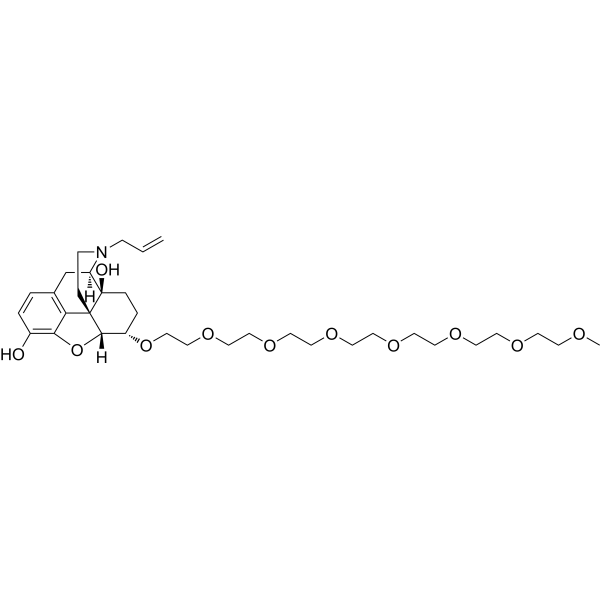
Naloxegol (NKTR-118; AZ-13337019) is an orally active peripherally acting μ-opioid receptor antagonist with a target Ki of 7.42 nM. Naloxegol inhibits the binding of opioids to μ-opioid receptors in the gastrointestinal tract, and alleviates opioid-induced gastrointestinal hypomotility, delayed transit, hypertonicity, and increased fluid reabsorption. Naloxegol is applicable to research related to opioid-induced constipation .
|
-
-
- HY-109018A
-
|
|
SGLT
|
Metabolic Disease
|
|
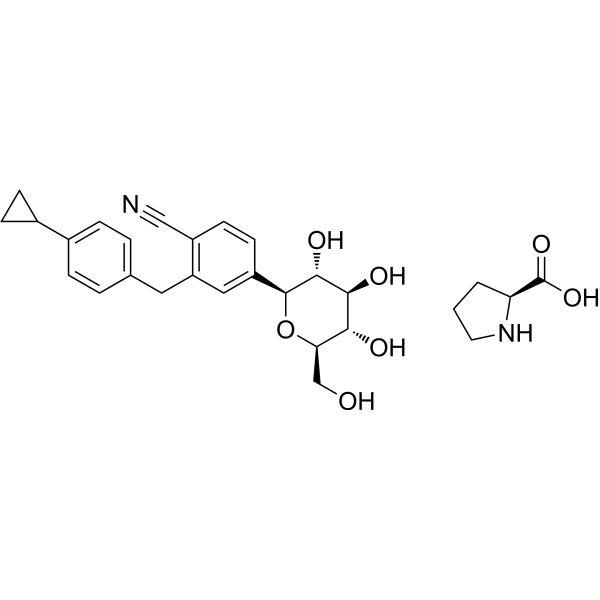
Velagliflozin proline is an oral sodium-glucose cotransporter 2 (SGLT2) inhibitor with antidiabetic activity. Velagliflozin proline reduces renal glucose reabsorption and stimulates glycosuria, which lowers blood sugar and insulin concentrations .
|
-
-
- HY-B2081
-
|
W-2900A
|
Others
|
Cardiovascular Disease
Metabolic Disease
|
|
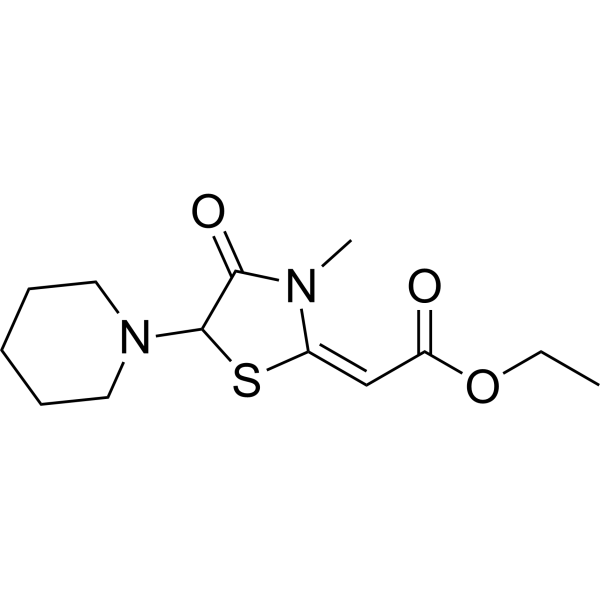
Etozolin (W-2900A) is a diuretic agent. Etozolin inhibits fluid and electrolyte reabsorption in the loop of Henle. Etozolin can be used in research of congestive heart failure, hypertension and edema .
|
-
-
- HY-137364
-
|
|
Carbonic Anhydrase
|
Cardiovascular Disease
Metabolic Disease
|
|
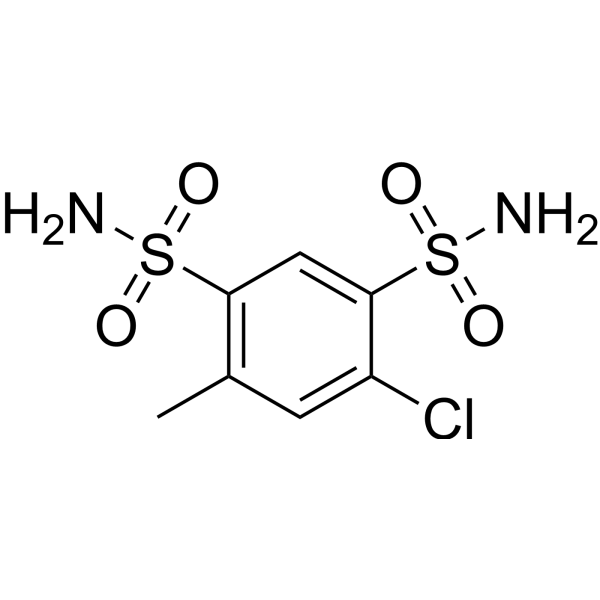
Disulfamide, an orally active diuretic, is a carbonic anhydrase inhibitor with the IC50 value of 0.07 μM. Disulfamide leads to diuresis by inhibiting carbonic anhydrase and preventing the reabsorption of sodium and bicarbonate in the proximal tubule .
|
-
-
- HY-B0908R
-
|
|
Reference Standards
Sodium Channel
Chloride Channel
|
Cardiovascular Disease
|
|
Meticrane (Standard) is the analytical standard of Meticrane. This product is intended for research and analytical applications. Meticrane is a diuretic. Meticrane inhibits the reabsorption of sodium and chloride ions in the distal convoluted tubule. Meticrane is used to treat essential hypertension.
|
-

-
- HY-120147
-
|
|
Natriuretic Peptide Receptor (NPR)
|
Cardiovascular Disease
|
|
Ethiazide is a thiazole diuretic which inhibits renal reabsorption of sodium and water, thereby increasing urine excretion, reducing fluid retention, and lowering blood volume and blood pressure. Ethiazide can be used for cardiovascular research .
|
-

-
- HY-109542R
-
|
|
Biochemical Assay Reagents
Reference Standards
|
Metabolic Disease
|
|
Cyclopenthiazide (Standard) is the analytical standard of Cyclopenthiazide. This product is intended for research and analytical applications. Cyclopenthiazide is a benzothiadiazine diuretic with antihypertensive properties. Cyclopenthiazide exerts a diuretic effect by inhibiting the reabsorption of sodium chloride and water at the distal renal tubules. Cyclopenthiazide increases the excretory capacity of the rat kidney .
|
-

-
- HY-165423
-
|
|
Vasopressin Receptor
Drug Metabolite
|
Cardiovascular Disease
|
|
DM-4111, one of the major monohydroxyl metabolites of Tolvaptan (HY-17000), is a potent vasopressin V2 receptor inhibitor. DM-4111 inhibits water reabsorption in the renal tubules, thereby promoting the excretion of electrolyte-free water. DM-4111 is promising for research of cardiovascular diseases .
|
-

-
- HY-N13218
-
|
|
Others
|
Cardiovascular Disease
|
|
Pueraria Extract is a kudzu extract, and its components include: Isoflavones. Pueraria Extract (ethanol extract) can significantly improve cardiac damage in rats with acute myocardial infarction. Pueraria Extract improves bile acid levels by increasing the expression of CYP7A1 and restoring the diversity of intestinal microbiota. Pueraria Extract can also inhibit the FXR-FGF15 signaling pathway and increase the expression of OST-α to increase bile acid reabsorption and fecal excretion. .
|
-

-
- HY-134043
-
|
Chlorthalidone EP Impurity G
|
Carbonic Anhydrase
|
Cardiovascular Disease
|
|
Chlorthalidone Impurity G (Chlorthalidone EP Impurity G) is a potential impurity found in commercial preparations of chlorthalidone with moderate antihypertensive effects. Chlorthalidone is a thiazide diuretic that inhibits the Na+/Cl- cotransporter in the distal tubule of the kidney, thereby preventing sodium and chloride reabsorption, resulting in decreased plasma volume and cardiac output. It also inhibits carbonic anhydrase (CA), including isoenzymes CAVB, VII, IX, XII, and XIII (Kis=2.8-23 nM) and to a lesser extent CAI, CAII, IV, VA, and VI (Ki=138-1,347 nM), mediating vasodilatory activity.
|
-

-
- HY-109018AR
-
|
|
Reference Standards
SGLT
|
Metabolic Disease
|
|
Velagliflozin proline (Standard) is the analytical standard of Velagliflozin (proline) (HY-109018A). This product is intended for research and analytical applications. Velagliflozin proline is an oral sodium-glucose cotransporter 2 (SGLT2) inhibitor with antidiabetic activity. Velagliflozin proline reduces renal glucose reabsorption and stimulates glycosuria, which lowers blood sugar and insulin concentrations .
|
-

-
- HY-B2081A
-
|
W-2900A hydrochloride
|
Endogenous Metabolite
|
Cardiovascular Disease
Metabolic Disease
|
|
Etozolin hydrochloride is a diuretic agent. Etozolin hydrochloride inhibits fluid and electrolyte reabsorption in the loop of Henle. Etozolin hydrochloride can be used in research of congestive heart failure, hypertension and edema .
|
-

-
- HY-183658
-
|
|
URAT1
GLUT
|
Metabolic Disease
Inflammation/Immunology
|
|
URAT1/GLUT9-IN-3 is an orally active URAT1/GLUT9 dual inhibitor with IC50 values of 4.01 and 1.60 μM. URAT1/GLUT9-IN-3 inhibits URAT1-mediated uric acid uptake and GLUT9-mediated uric acid transport, reducing renal urate reabsorption. URAT1/GLUT9-IN-3 reduces serum uric acid levels in hyperuricemic mice. URAT1/GLUT9-IN-3 can be used for the researches of gout and hyperuricemia .
|
-

-
- HY-Y0282
-
|
NSC 77384; Sanibrom 40
|
Environmental Pollutants
|
Neurological Disease
|
|
Sodium bromide (NSC 77384; Sanibrom 40) is a GABA-ergic system modulator that crosses the blood-brain barrier, and it effectively reduces and blocks epileptiform discharges. Sodium bromide exerts significant anticonvulsant effects by enhancing GABA-ergic inhibitory functions, such as increasing the amplitude of inhibitory postsynaptic currents and paired-pulse inhibition. Sodium bromide specifically enhances stimulation-induced extracellular alkalosis without affecting baseline pH or subsequent acidosis processes. Sodium bromide exhibits species-specific pharmacokinetic characteristics, competes with chloride ions for renal tubular reabsorption sites, and serves as a marker for extracellular fluid volume. Sodium bromide can be used in the research of epilepsy and related neurological diseases .
|
-

-
- HY-130301
-
-

-
- HY-E70892
-
|
|
Endogenous Metabolite
|
Metabolic Disease
|
|
β-D-Glucuronidase, Bacteria (EC 3.2.1.31) catalyzes the breakdown of complex carbohydrates. β-D-Glucuronidase, Bacteria (EC 3.2.1.31) converts conjugated bilirubin into the unconjugated form, making bilirubin suitable for reabsorption.
|
-

-
- HY-W587755
-
|
|
Sodium Channel
|
Cardiovascular Disease
|
|
Benzylhydrochlorothiazide is an orally active thiazide diuretic. Benzylhydrochlorothiazide acts on the distal convoluted tubules of the kidneys, inhibiting the reabsorption of sodium chloride, thereby increasing urine output and reducing the body's fluid volume. Benzylhydrochlorothiazide has phototoxicity and a potential risk of skin reactions. Benzylhydrochlorothiazide can cause cell death when exposed to UVA radiation. Benzylhydrochlorothiazide is used in research on hypertension and edema .
|
-

-
- HY-109018BR
-
|
|
Reference Standards
SGLT
|
Metabolic Disease
|
|
Velagliflozin proline hydrate (Standard) is the analytical standard of Velagliflozin (proline hydrate) (HY-109018B). This product is intended for research and analytical applications. Velagliflozin proline hydrate is the clinical form of Velagliflozin (HY-109018). Velagliflozin is an oral sodium-glucose cotransporter 2 (SGLT2) inhibitor with antidiabetic activity. Velagliflozin reduces renal glucose reabsorption and stimulates glycosuria, which lowers blood sugar and insulin concentrations .
|
-

-
- HY-178734
-
|
|
SGLT
|
Metabolic Disease
|
|
Janagliflozin is orally active and highly selective sodium-glucose cotransporter 2 (SGLT2) inhibitor (IC50=0.0058 μM for SGLT2 and 4.802 μM for SGLT1). Janagliflozin inhibits SGLT2 in the proximal renal tubules, reducing glucose reabsorption and promoting urinary glucose excretion (UGE) to lower blood glucose levels. Janagliflozin is promising for research of type 2 diabetes mellitus .
|
-

-
- HY-W343043
-
|
PZG
|
Drug Derivative
|
Cardiovascular Disease
Metabolic Disease
|
|
Pyrazinoylguanidine (PZG) is an analogue of the potassium sparing diuretic, Amiloride (HY-B0285). Pyrazinoylguanidine can lower the systolic and diastolic blood pressure of patients with primary hypertension, has a certain effect on reducing heart rate, and does not affect the concentrations of electrolytes such as sodium, potassium, and chloride in the blood serum. Pyrazinoylguanidine can reduce the hyperglycemia and hyperinsulinemia in type 2 diabetes, reduce the levels of triglycerides, cholesterol, and free fatty acids, and reverse the hyperglycemia and hyperlipidemia induced by thiazide diuretics, such as Hydrochlorothiazide (HY-B0252). Pyrazinoylguanidine ican nhibit the reabsorption of urea by the renal tubules, thereby increasing the clearance rate and excretion volume of urea, reducing the serum urea concentration, and minimizing its toxic accumulation .
|
-

| Cat. No. |
Product Name |
Target |
Research Area |
-
- HY-P10299
-
|
|
Peptides
|
Others
|
|
Calcitonin, porcine inhibits 1,25 (OH)2D3-stimulated porcine osteoclast differentiation. Calcitonin is a polypeptide hormone that can lower serum calcium by decreasing calcium reabsorption in the kidney and inhibiting osteoclastic bone resorption. Calcitonin, porcine can be used for research of hypercalcemia .
|
| Cat. No. |
Product Name |
Target |
Research Area |
Image |
-
- HY-P9939
-
|
KRN23; N5KG1_C10_LH; UX-023
|
Inhibitory Antibodies
|
Metabolic Disease
Cancer
|
|
Burosumab (KRN23) is a humanized FGF23-neutralizing antibody. By neutralizing FGF23, Burosumab blocks its inhibitory effect on renal phosphate reabsorption, thereby increasing serum phosphate levels and improving abnormal bone mineralization. Burosumab can be used in the research of diseases such as X-linked hypophosphatemia (XLH) and osteomalacia .
|
-


(5)
| Cat. No. |
Product Name |
Category |
Target |
Chemical Structure |
-
- HY-N15135
-
|
|
Structural Classification
Polysaccharides
Antibiotics
Leguminosae
Pisum sativum Linn
Plants
Saccharides
Other Antibiotics
Source Classification
|
Interleukin Related
Toll-like Receptor (TLR)
Fungal
|
|
Arabinoxylan Medium viscosity is an orally active Dectin-1 splice variant modulator, glucose absorption inhibitor, and chyme viscosity enhancer. Arabinoxylan Medium viscosity inhibits particulate β-glucan-induced Dectin-1A activation and mildly suppresses Dectin-1B activation. In human dendritic cells stimulated with particulate β-glucan, Arabinoxylan Medium viscosity reduces the production of IL-10 and TNF-α, and increases the production of IL-4 and IL-23. Arabinoxylan Medium viscosity also supports antifungal immune responses without activating TLR2, TLR4 or TLR5, and does not induce cytokine production when used to stimulate human dendritic cells alone. Arabinoxylan Medium viscosity increases small intestinal chyme viscosity, gets degraded in the large intestine to produce short-chain fatty acids, reduces glucose absorption and insulin response, and improves glucose homeostasis. Arabinoxylan Medium viscosity supports microbial fermentation and the growth of beneficial microbiota in the gastrointestinal tract, prevents bile acid reabsorption, and delays starch digestion. Arabinoxylan Medium viscosity can be used in research related to type 2 diabetes, impaired glucose tolerance, and metabolic syndrome .
|
-
-
- HY-N0394R
-
|
|
Structural Classification
Human Gut Microbiota Metabolites
Microorganisms
Amino acids
Endogenous metabolite
Source Classification
|
Reference Standards
Endogenous Metabolite
Ferroptosis
ROS Kinase
Keap1-Nrf2
|
|
L-Cystine (Standard) is the analytical standard of L-Cystine. This product is intended for research and analytical applications. L-Cystine, the extracellular form of L-Cysteine (HY-Y0337), is a nutritionally dispensable semiessential sulfur-containing amino acid, occurring in proteins of plants and animals. L-Cystine induces Nrf2 protein elevation in a Keap1 (HY-P75897)-dependent manner and activates Nrf2 transcription factor. L-cystine can elicit cytoprotection by reducing ROS generation and protecting against oxidant- or doxorubicin-induced apoptosis. The reduced reabsorption of L-Cystine in renal tubules and its poor solubility in urine are the important causes of cystine precipitation and cystine crystal formation eventually leading to kidney stones. L-Cystine combined with L-theanine (HY-15121) enhances the production of antigen-specific IgG by increasing glutathione (GSH) levels and T helper 2 (Th2) mediated responses in mice. L-Cystine is promising for research of cystinuria and cystinosis
|
-
Your information is safe with us. * Required Fields.
Inquiry Information
- Product Name:
- Cat. No.:
- Quantity:
- MCE Japan Authorized Agent:








