
1. Search Result
Search Result
Results for "

signal-regulating

" in MedChemExpress (MCE) Product Catalog:

43

Inhibitors & Agonists

1

Biochemical Assay Reagents

1

Peptides

1

Natural
Products

1

Recombinant Proteins

4

Antibodies

Targets Recommended:
Cat. No. Product Name Target Research Areas Chemical Structure
  • HY-N6871
    Abietic acid
    3 Publications Verification

    Bacterial IKK Ferroptosis Infection Metabolic Disease Inflammation/Immunology Cancer
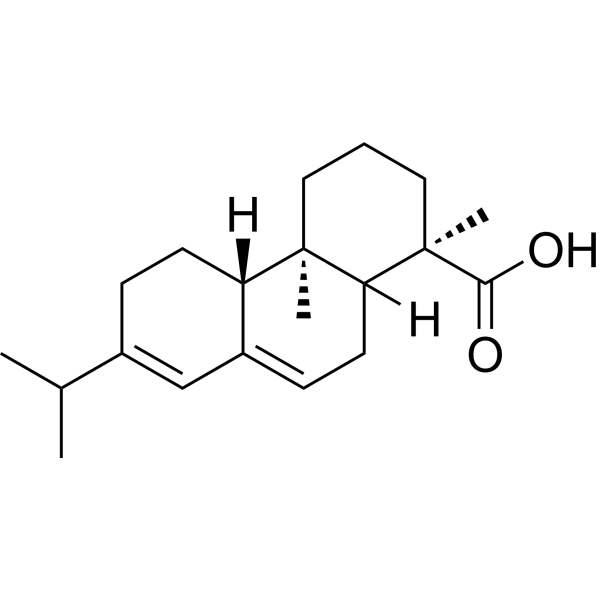
    Abietic acid, an orally active diterpene isolated from Colophony, displays significant anti-proliferative, anti-inflammatory, anti-obesity effect, bacteriostatic, cell cycle arresting and pro-apoptotic activities. Abietic acid inhibits lipoxygenase activity for allergy. Abietic acid enhances cell migration and tube formation in HUVECs. Abietic acid induces significant angiogenic potential, which is associated with upregulation of extracellular signal-regulated kinase (ERK) and p38 expression. Abietic acid attenuates sepsis-induced lung injury by inhibiting nuclear factor kappa-light-chain-enhancer of activated B cells (NF-κB) pathway to inhibit M1 macrophage polarization. Abietic acid exhibits a positive effect against liver injury by attenuating inflammation and ferroptosis. Abietic acid shows accelerated wound closure in a mouse model of cutaneous wounds. Abietic acid significantly reduces the proliferation and growth of NSCLC cells by IKKβ inhibition.Additionally, Abietic acid ameliorates psoriasis-like inflammation and modulates gut microbiota in mice. Abietic acid is promising for research in non-small-cell lung cancer (NSCLC), liver injury-related deseases and psoriasis .
    Abietic acid
  • HY-18938
    Selonsertib
    Maximum Cited Publications
    23 Publications Verification

    GS-4997

    MAP3K Apoptosis Cancer
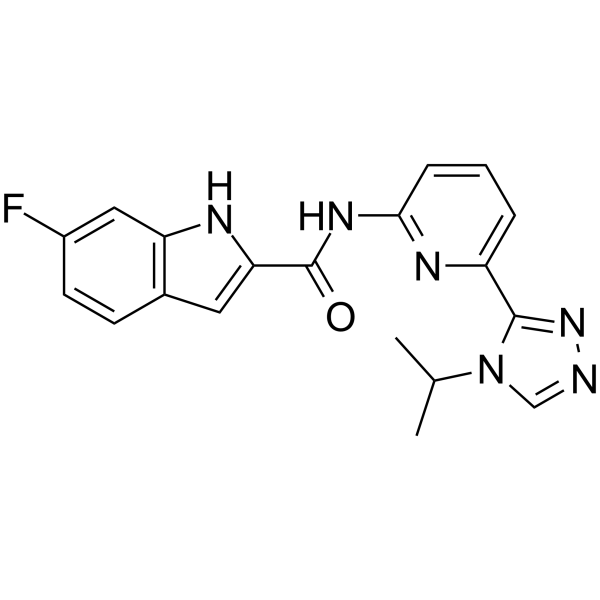
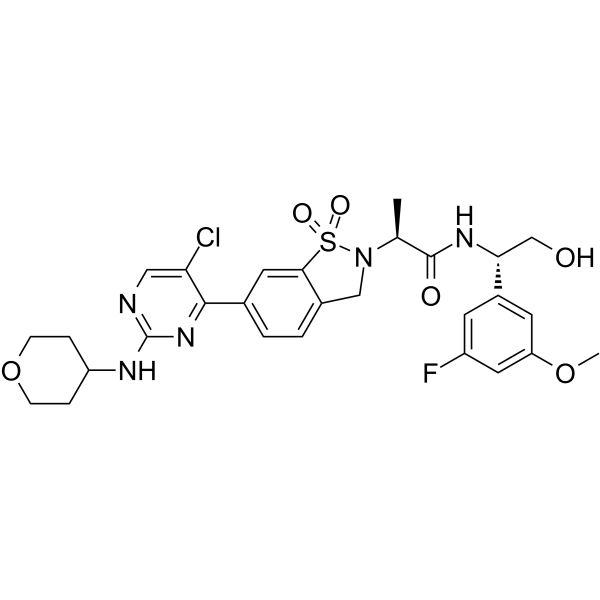
    Selonsertib (GS-4997), an orally bioavailable, selective apoptosis signal-regulating kinase 1 (ASK1) inhibitor with a pIC50 of 8.3, has been evaluated as an experimental treatment for diabetic nephropathy and kidney fibrosis.
    Selonsertib
  • HY-100844
    GS-444217
    5+ Cited Publications

    MAP3K Apoptosis Cancer
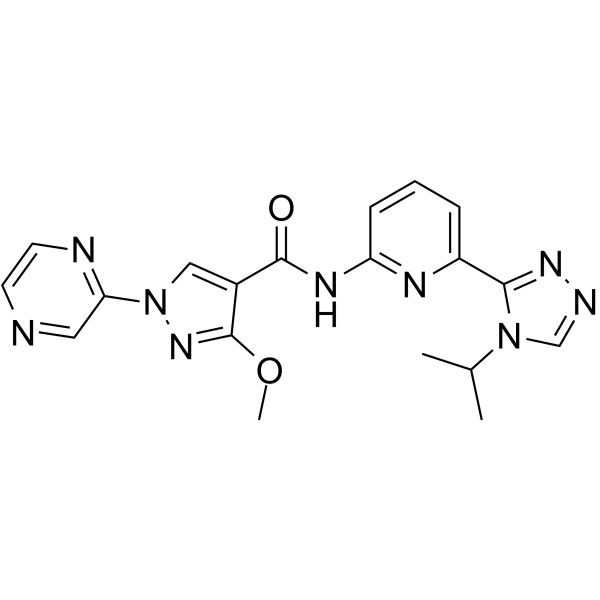
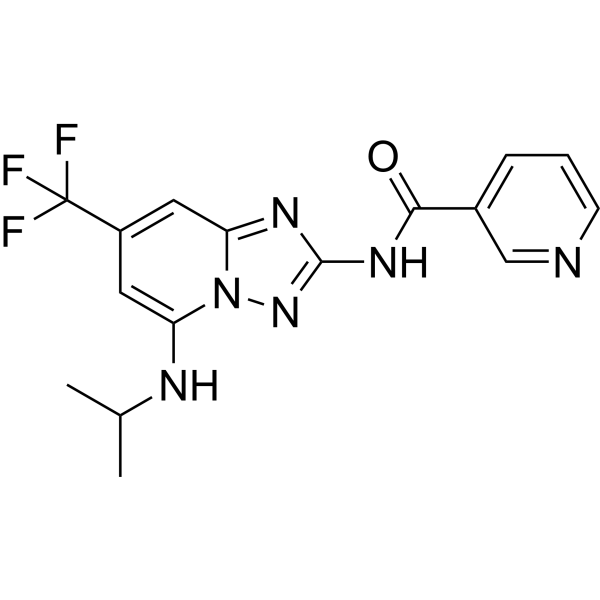
    GS-444217 is a potent, orally available and selective ATP-competitive inhibitor of apoptosis signal-regulating kinase 1 (ASK1) with an IC50 of 2.87 nM .
    GS-444217
  • HY-109556

    Akt ERK Metabolic Disease
    Insulin Detemir is an artificial insulin, shows effect on controlling blood sugar levels. Insulin Detemir stimulates GLP-1 secretion as a consequence of enhanced Gcg expression by a mechanism involving activation of Akt- and/or extracellular signal-regulated kinase (ERK)-dependent-cat and CREB signaling pathways. Insulin Detemir can be used for type 2 diabetes research .
    Insulin Detemir
  • HY-128200
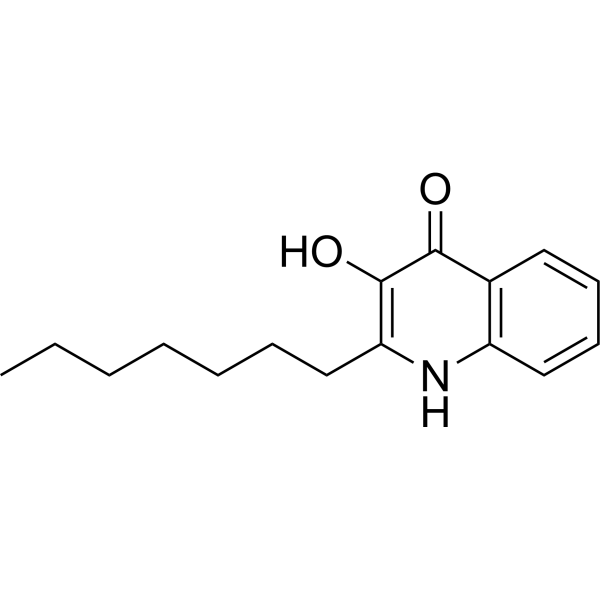
    Pseudomonas quinolone signal
    2 Publications Verification

    PQS

    Bacterial Infection Inflammation/Immunology
    Pseudomonas quinolone signal (PQS) is a quorum-sensing signaling molecule produced by Pseudomonas aeruginosa. The synthesis of Pseudomonas quinolone signal relies on the las quorum-sensing system, and its biological activity is associated with the rhl system. Pseudomonas quinolone signal regulates the expression of the virulence gene lasB. Additionally, Pseudomonas quinolone signal plays roles in iron acquisition, cytotoxicity, outer-membrane vesicle biogenesis, and host immune modulation .
    Pseudomonas quinolone signal
  • HY-19566
    NQDI-1
    5+ Cited Publications

    MAP3K Apoptosis Cancer
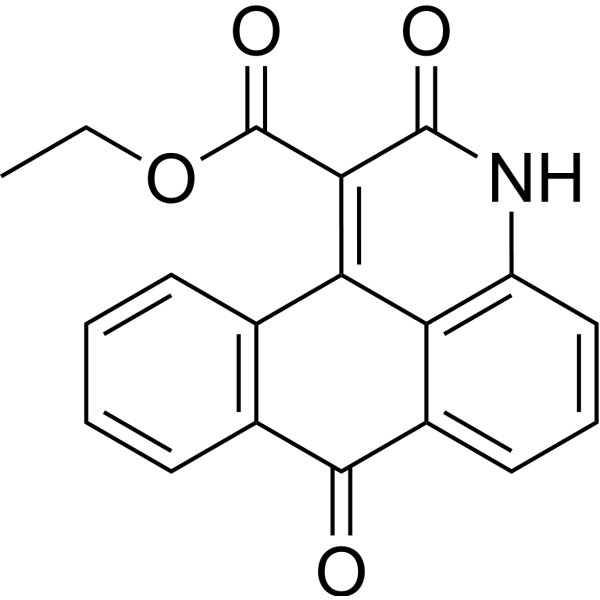
    NQDI-1 inhibits apoptosis signal-regulating kinase 1 (ASK1) with a Ki of 500 nM and an IC50 of 3 μM.
    NQDI-1
  • HY-103258

    MAP3K Apoptosis Cancer
    TC ASK 10 (Compound 10) is a potent, selective and orally active apoptosis signal-regulating kinase 1 (ASK1) inhibitor with an IC50 of 14 nM. The inhibitory activities of TC ASK 10 towards other representative panel of kinases are less than 50%, except for ASK2 (IC50 of 0.51 μM) .
    TC ASK 10
  • HY-164795

    Neurotensin Receptor Arrestin iGluR ERK Sodium Channel Neurological Disease
    SBI-810 is a blood-brain barrier-permeable NTSR1 modulator. SBI-810 promotes the recruitment of β-arrestin-2 to NTSR1 and antagonizes NTSR1-mediated Gq activation. SBI-810 inhibits excitatory synaptic transmission, NMDA receptor and extracellular signal-regulated kinase (ERK) signaling in spinal nociceptive neurons, reduces surface expression of Nav1.7 and action potential firing in primary sensory neurons, and attenuates C-fiber responses. SBI-810 effectively alleviates acute and chronic pain in various rodent models through peripheral and central modulation. SBI-810 is applicable to research related to multiple pain disorders .
    SBI-810
  • HY-164795A

    Neurotensin Receptor Arrestin iGluR ERK Sodium Channel Neurological Disease
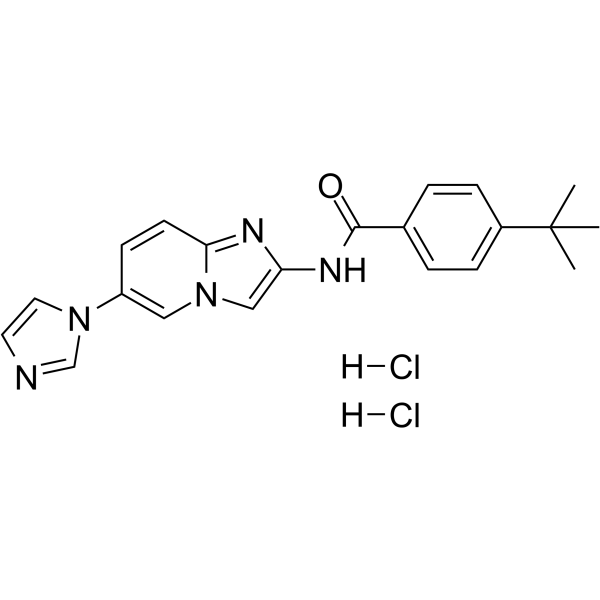
    SBI-810 hydrochloride is a blood-brain barrier-permeable NTSR1 modulator. SBI-810 hydrochloride promotes the recruitment of β-arrestin-2 to NTSR1 and antagonizes NTSR1-mediated Gq activation. SBI-810 hydrochloride inhibits excitatory synaptic transmission, NMDA receptor and extracellular signal-regulated kinase (ERK) signaling in spinal nociceptive neurons, reduces surface expression of Nav1.7 and action potential firing in primary sensory neurons, and attenuates C-fiber responses. SBI-810 hydrochloride effectively alleviates acute and chronic pain in various rodent models through peripheral and central modulation. SBI-810 hydrochloride is applicable to research related to multiple pain disorders .
    SBI-810 hydrochloride
  • HY-131969

    ASK1 MAP3K Apoptosis Inflammation/Immunology
    ASK1-IN-2 is a potent and orally active inhibitor of apoptosis signal-regulating kinase 1 (ASK1), with an IC50 of 32.8 nM. ASK1-IN-2 can be used for the research of ulcerative colitis .
    ASK1-IN-2
  • HY-133554

    ASK1 MAP3K p38 MAPK Inflammation/Immunology
    ASK1-IN-1 is a CNS-penetrant ASK1 (apoptosis signal-regulating kinase 1) inhibitor, with good potency (cell IC50=138 nM; Biochemical IC50=21 nM) .
    ASK1-IN-1
  • HY-NP019

    Sirtuin Caspase Apoptosis Neurological Disease
    Agkistrodon halys batroxobin is a thrombin-like serine protease. Agkistrodon halys batroxobin reduces the expression of Sirt1 and extracellular signal-regulated kinase activation in brain tissue. Agkistrodon halys batroxobin reduces cleaved caspase-3 expression and inhibits neuronal apoptosis in rat .
    Agkistrodon halys batroxobin
  • HY-177132

    WX001

    ERK Cancer
    Sonvuterkib (WX001) is a potent and orally active extracellular signal-regulated kinases (ERK) inhibitor with IC50 values of 1.4, 0.54 nM for ERK1, ERK2, respectively. Sonvuterkib inhibits cell proliferation. Sonvuterkib shows anticancer activity .
    Sonvuterkib
  • HY-120505

    ERK p38 MAPK Inflammation/Immunology
    ITZ-1 is an orally active and selective extracellular signal-regulated kinase (ERK)-mitogen-activated protein kinase (MAPK) pathway inhibitor with an IC50 of 0.51 μM for inhibiting interleukin-1β (IL-1β)-induced matrix metalloproteinase-13 (MMP-13) production. ITZ-1 reduces MMP-13 expression and suppresses nitric oxide (NO)-induced chondrocyte apoptosi. ITZ-1 is promising for research of osteoarticular diseases .
    ITZ-1
  • HY-145025

    ERK Inflammation/Immunology Cancer
    ERK1/2 inhibitor 3 is a potent inhibitor of ERK1/2. Mitogen-activated protein kinase (MAPK) plays an extremely important role in the signal transduction pathway, and extracellular signal regulated kinase (ERK) is a member of the MAPK family. ERK1/2 inhibitor 3 has the potential for the research or prevention of cancer, inflammation or other proliferative diseases (extracted from patent WO2021218912A1, compound 1) .
    ERK1/2 inhibitor 3
  • HY-174862

    PROTACs ASK1 Inflammation/Immunology
    dASK1 is a selective and cereblon (CRBN)-based PROTAC degrader of apoptosis signal-regulating kinase 1 (ASK1). dASK1 forms a stable ternary complex with ASK1, facilitating ASK1 rapid and sustained degradation via the ubiquitin-proteasome pathway. dASK1 demonstrates potent ASK1 degradation. dASK1 can be used for the research of steatohepatitis . (Structure Note: Pink: ASK1 ligand (HY-174860); Blue: CRBN ligand (HY-10984); Black: linker; E3-linker (HY-174863))
    dASK1
  • HY-18297

    MAP3K ASK1 Apoptosis Neurological Disease Inflammation/Immunology
    ASK1-IN-5 (S-99) is an inhibitor of apoptosis signal-regulated kinase 1 (ASK1) and is useful in the study of autoimmune and neurodegenerative diseases .
    ASK1-IN-5
  • HY-152247

    MAP3K Cancer
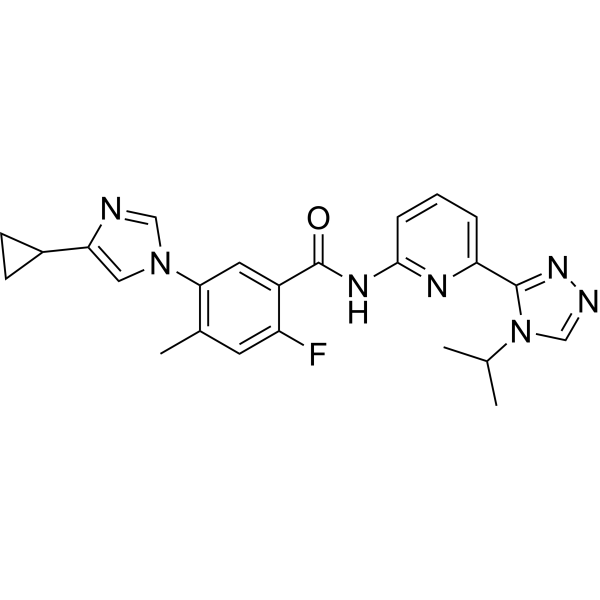
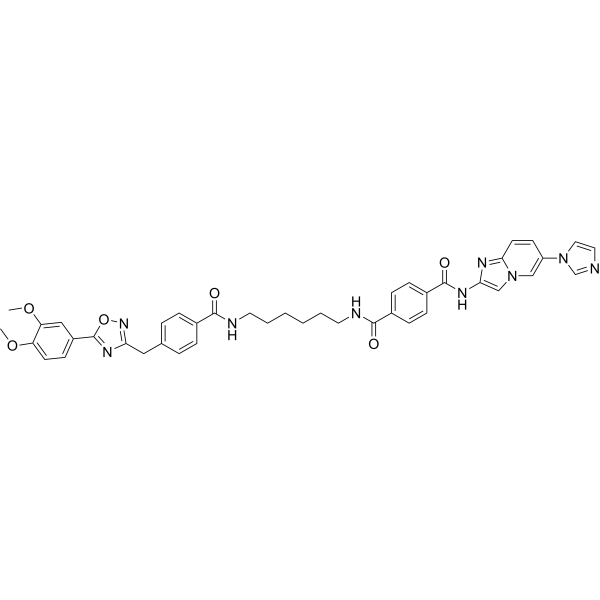
    DDO3711, a PP5-recruiting phosphatase recruitment chimeras (PHORCs), is formed by connecting a small molecular apoptosis signal-regulated kinase 1 (ASK1) inhibitor to a PP5 activator through a chemical linker. DDO3711 specifically inhibits ASK1 (IC50 =164.1 nM) not ASK2 (IC50>20 μM). DDO3711 significantly dephosphorylates p-ASK1 T838 by recruiting PP5 and shows the ASK1-dependent antiproliferative activity. DDO3711 has anti-cancer activity and has the potential for abnormally phosphorylated oncoproteins research .
    DDO3711
  • HY-147235

    RIP kinase PROTACs Infection
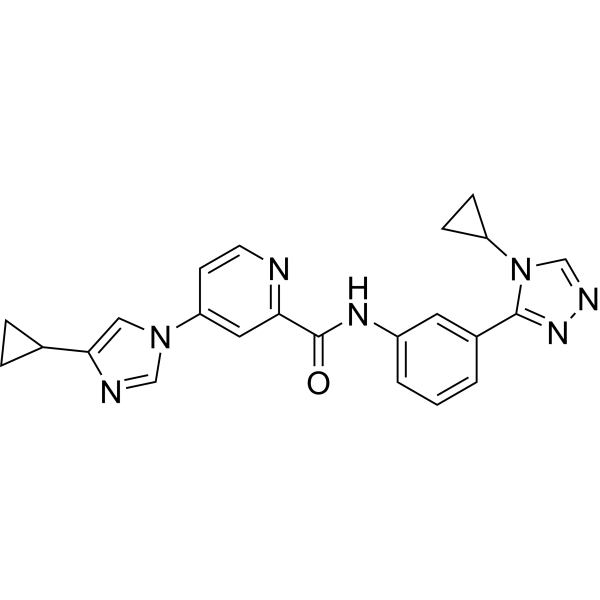
    RIPK2-IN-2 (example 25) is a RIP2 kinase PROTAC inhibitor. RIPK2-IN-2 can block RIP2-dependent proinflammatory signaling, regulated RIP2 kinase activity in auto inflammatory diseases .
    RIPK2-IN-2
  • HY-176880

    ASK1 Inflammation/Immunology
    ASK1-IN-9 (Compound 3) is an apoptosis signal-regulating kinase 1 (ASK1) inhibitor with an IC50 <200 nM. ASK1-IN-9 can be used for the research of inflammation .
    ASK1-IN-9
  • HY-145026

    ERK Inflammation/Immunology Cancer
    ERK1/2 inhibitor 5 is a potent inhibitor of ERK1/2. Mitogen-activated protein kinase (MAPK) plays an extremely important role in the signal transduction pathway, and extracellular signal regulated kinase (ERK) is a member of the MAPK family. ERK1/2 inhibitor 5 has the potential for the research or prevention of cancer, inflammation or other proliferative diseases (extracted from patent WO2020238776A1) .
    ERK1/2 inhibitor 4
  • HY-145027

    ERK Cancer
    ERK1/2 inhibitor 5 is a potent inhibitor of ERK1/2. Mitogen-activated protein kinase (MAPK) plays an extremely important role in the signal transduction pathway, and extracellular signal regulated kinase (ERK) is a member of the MAPK family. ERK1/2 inhibitor 5 has the potential for the research or prevention of cancer, inflammation or other proliferative diseases (extracted from patent WO2020238776A1) .
    ERK1/2 inhibitor 5
  • HY-120200

    VEGFR Cardiovascular Disease Cancer
    YF-452 is a potent inhibitor of vascular endothelial growth factor receptor 2 (VEGFR2). YF-452 remarkably inhibits the migration, invasion and tube-like structure formation of human umbilical vein endothelial cells (HUVECs) with little toxicity. YF-452 inhibits VEGF-induced phosphorylation of VEGFR2 kinase and the downstream protein kinases including extracellular signal regulated kinase (ERK), focal adhesion kinase (FAK) and Src. YF-452 is a potential antiangiogenic agent candidate for cancer research .
    YF-452
  • HY-176881

    ASK1 Inflammation/Immunology
    ASK1-IN-10 (Compound 27) is an apoptosis signal-regulating kinase 1 (ASK1) inhibitor with an IC50 <200 nM. ASK1-IN-10 also shows inhibitory activity to hERG potassium channels. ASK1-IN-10 can be used for the research of inflammation .
    ASK1-IN-10
  • HY-176882

    ASK1 TNF Receptor Inflammation/Immunology
    ASK1-IN-11 (Compound 7) is an apoptosis signal-regulating kinase 1 (ASK1) inhibitor with an IC50 <200 nM. ASK1-IN-11 also shows inhibitory activities to TNF-α, MYLK/MLCK Kinase and hERG potassium channels . ASK1-IN-11 can be used for the research of inflammation .
    ASK1-IN-11
  • HY-139571

    ERK Cancer
    Edaxeterkib is a potent extracellular signal-​regulated kinase (ERK) inhibitor for the research of cancer .
    Edaxeterkib
  • HY-161283

    MAP3K Others
    JT21-25 (compound 9h) is a potent and selective inhibitor of apoptosis signal-regulating kinase 1 (ASK1), with IC50 of 5.1 nM .
    JT21-25
  • HY-112469

    ERK Insulin Receptor Metabolic Disease
    ERK Inhibitor II (Negative control) is an effective inhibitor of extracellular signal-regulated kinase (ERK). ERK Inhibitor II (Negative control) inhibits the activation of insulin receptor, which can be used in the study of diabetes .
    ERK Inhibitor II (Negative control)
  • HY-110262

    MAP3K p38 MAPK Inflammation/Immunology
    MSC 2032964A is an orally active, selective inhibitor for apoptosis signal-regulating kinase 1(ASK1) with IC50 of 96 nM. MSC 2032964A preserves the visual responses in EAE mice model and exhibits potency in ameliorating the neuroinflammation .
    MSC 2032964A
  • HY-112384B

    ERK Inflammation/Immunology
    DL-threo-Dihydrosphingosine is a extracellular signal-regulated kinase(ERK) signalling cassette inhibitor and is effective against both growth factor- and G-protein-dependent activation of ERK. DL-threo-Dihydrosphingosine inhibits smooth muscle cell proliferation and can be used for study of asthma .
    DL-threo-Dihydrosphingosine
  • HY-137350

    Leukotriene Receptor Inflammation/Immunology
    12-epi-LTB4 is an agonist for BLT1 and BLT2. 12-epi LTB4 exhibits a partial agonistic activity against mBLT1 and mBLT2, and induces phosphorylation of extracellular signal-regulated kinase in primary mouse keratinocytes .
    12-epi-LTB4
  • HY-111125

    Parasite Reactive Oxygen Species (ROS) Apoptosis Infection Cancer
    AMRI-59 is a potent inhibitor of PrxI used for parasitic infections. AMRI-59 can increase cellular ROS, leading to activation of signaling pathways mediated by mitochondria and apoptosis signal-regulated kinase 1, thereby leading to apoptosis in A549 human lung adenocarcinoma. AMRI-59 exhibits significant antitumor activity without apparent acute toxicity .
    AMRI-59
  • HY-101798

    PI3K Cancer
    MDVN1003 is a Bruton's tyrosine kinase (BTK) and phosphatidylinositol-3-kinase delta (PI3Kδ) dual inhibitor which prevents the activation of B cells and inhibits the phosphorylation of protein kinase B (AKT) and extracellular signal-regulated kinase 1/2 (ERK 1/2). MDVN1003 can be used for non-Hodgkin’s lymphoma (NHL) research .
    MDVN1003
  • HY-173293

    ASK1 Inflammation/Immunology
    ASK1-IN-8 (Compound 35) is an orally active inhibitor of apoptosis signal-regulating kinase 1 (ASK1) with an IC50 value of 1.8 nM . In an experimental mouse model of liver injury induced by Acetaminophen (HY-66005), ASK1-IN-8 can significantly reduce the plasma alanine transaminase (ALT) level, protecting the liver . ASK1-IN-8 can be used in research related to liver diseases .
    ASK1-IN-8
  • HY-12031B

    MEK Inflammation/Immunology
    (2Z,3Z)-U0126 is a selective inhibitor of MEK1 and MEK2, demonstrating potent antiinflammatory effects by noncompetitively inhibiting AP-1 transcriptional activity with IC50 values of 72 nM for MEK1 and 58 nM for MEK2. (2Z,3Z)-U0126 also inhibits anchorage-independent growth of Ki-ras-transformed rat fibroblasts by blocking both the extracellular signal-regulated kinase and mammalian target of rapamycin pathways. Additionally, (2Z,3Z)-U0126 can undergo isomerization and cyclization, resulting in various products that show reduced affinity for MEK and diminished AP-1 inhibition compared to the parent compound.
    (2Z,3Z)-U0126
  • HY-158736

    Psychosine 3′-O-sulfate ammonium; Psychosine 3′-sulfate ammonium

    Phospholipase Cancer
    Lyso-sulfatide (bovine) ammonium, a derivative of the glycosphingolipid sulfatide, acts as an extracellular signal regulating the migration of a neural precursor cell line (B35 neuroblastoma cells) by rapidly promoting process retraction and cell rounding .
    Lyso-sulfatide (bovine) ammonium
  • HY-145028

    ERK Inflammation/Immunology Cancer
    ERK1/2 inhibitor 6 is a potent inhibitor of ERK1/2. Mitogen-activated protein kinase (MAPK) plays an extremely important role in the signal transduction pathway, and extracellular signal regulated kinase (ERK) is a member of the MAPK family. ERK1/2 inhibitor 6 has the potential for the research or prevention of cancer, inflammation or other proliferative diseases (extracted from patent WO2021063335A1, compound 1) .
    ERK1/2 inhibitor 6
  • HY-183960

    ASK1 Metabolic Disease Inflammation/Immunology Cancer
    BPyO-34 is a selective inhibitor of apoptosis signal-regulating kinase 1 (ASK1), with an IC50 of 0.52 μM against human targets. BPyO-34 inhibits the activity of ASK1 in in vitro kinase assays. BPyO-34 can be used in research related to various diseases such as diabetes and cancer .
    BPyO-34
  • HY-183766

    ASK1 Neurological Disease
    HYF038 is a blood-brain barrier-penetrant ligand of apoptosis signal-regulating kinase 1 (ASK1). When labeled with 11C, HYF038 can be used for ASK1 neuroimaging studies .
    HYF038
  • HY-100844R

    MAP3K Reference Standards Apoptosis Cancer
    GS-444217 (Standard) is the analytical standard of GS-444217 (HY-100844). This product is intended for research and analytical applications. GS-444217 is a potent, orally available and selective ATP-competitive inhibitor of apoptosis signal-regulating kinase 1 (ASK1) with an IC50 of 2.87 nM .
    GS-444217 (Standard)
  • HY-103258R

    Reference Standards MAP3K Apoptosis Cancer
    TC ASK 10 (Standard) is the analytical standard of TC ASK 10 (HY-103258). This product is intended for research and analytical applications. TC ASK 10 (Compound 10) is a potent, selective and orally active apoptosis signal-regulating kinase 1 (ASK1) inhibitor with an IC50 of 14 nM. The inhibitory activities of TC ASK 10 towards other representative panel of kinases are less than 50%, except for ASK2 (IC50 of 0.51 μM) .
    TC ASK 10 (Standard)
  • HY-183079

    Toll-like Receptor (TLR) IFNAR Interleukin Related Infection Inflammation/Immunology
    ENDO12 is an inhibitor of the Munc13-4-STX7 protein complex, with a Kd value of 2.7 µM for STX7. ENDO12 blocks the interaction of Munc13-4-STX7. ENDO12 inhibits endolysosomal flux, endolysosomal cargo degradation, the extracellular signal-regulated kinase signaling pathway in neutrophils, the IFN regulatory factor signaling pathway in plasmacytoid dendritic cells, and the responses of primary dendritic cells to TLR3, TLR7, and TLR9. ENDO12 alleviates CpG-induced systemic inflammation by reducing the levels of myeloperoxidase, IL-6 and IFNγ. ENDO12 does not interfere with the host's antiviral response to lymphocytic choriomeningitis virus infection.\nENDO12 can be used in studies related to systemic inflammation .
    ENDO12
  • HY-182071

    Drug Derivative Apoptosis CDK ASK1 Cancer
    MG16 is a prodrug of 10-Methoxycamptothecin (HY-N0446). MG16 downregulates CDK6 and upregulates ASK1. MG16 induces cell cycle arrest and Apoptosis. MG16 exhibits anticancer activity against Lewis lung carcinoma, small cell lung cancer, and non-small cell lung cancer .
    MG16

Inquiry Online

Your information is safe with us. * Required Fields.

Salutation


Country or Region *

Applicant Name *


Organization Name *

Department *


Email Address *


Product Name *

Cat. No.


Requested quantity *

Phone Number *


Remarks

Inquiry Online

Inquiry Information

Product Name:
Cat. No.:
Quantity:
MCE Japan Authorized Agent:

