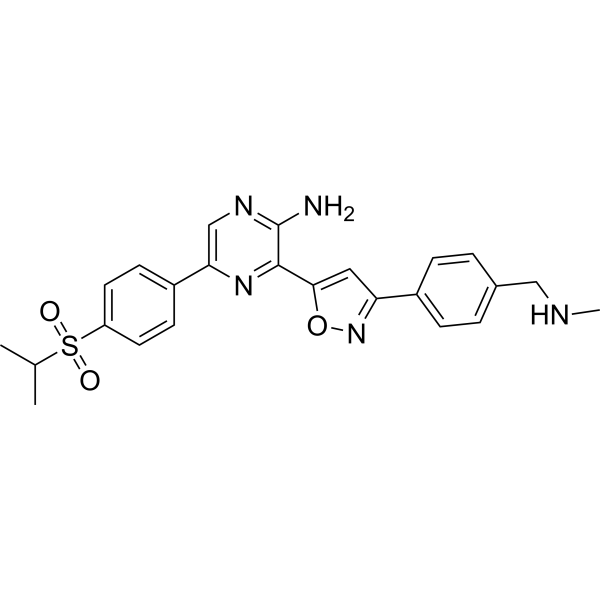
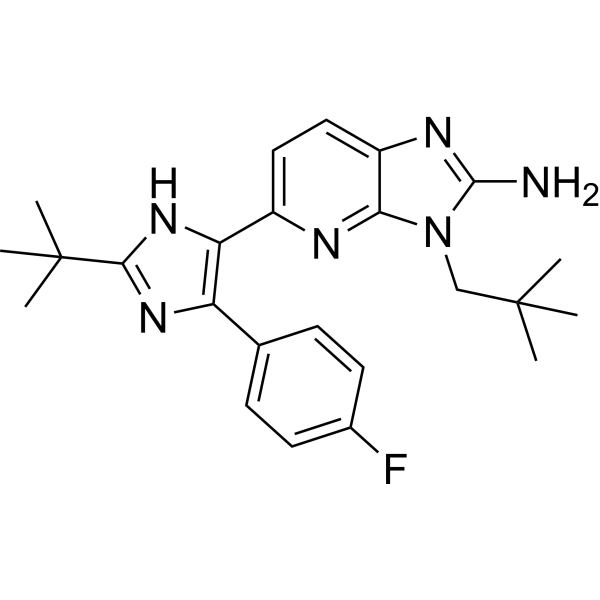

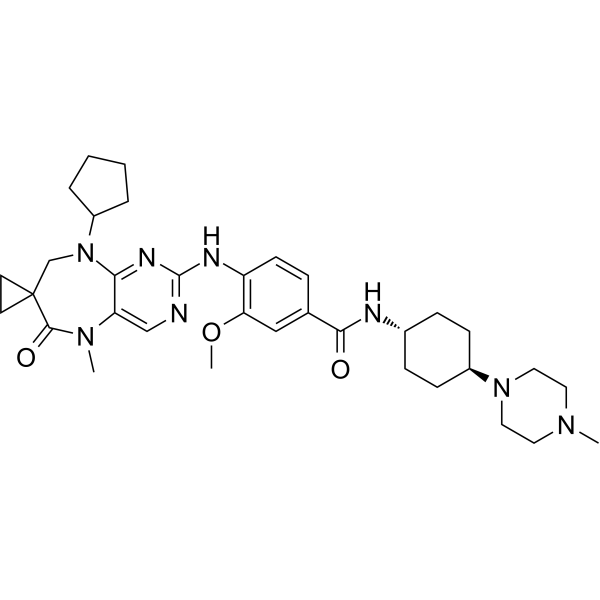

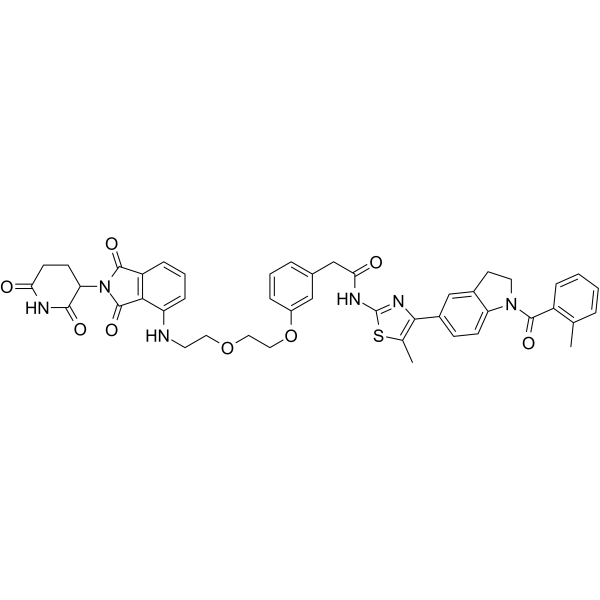



1. Search Result
Search Result
Pathways Recommended: Stem Cell/Wnt Cell Cycle/DNA Damage
Results for "

squamous non-small cell lung cancer

" in MedChemExpress (MCE) Product Catalog:

38

Inhibitors & Agonists

1

Fluorescent Dyes

10

Inhibitory Antibodies

1

Oligonucleotides

Cat. No. Product Name Target Research Areas Chemical Structure
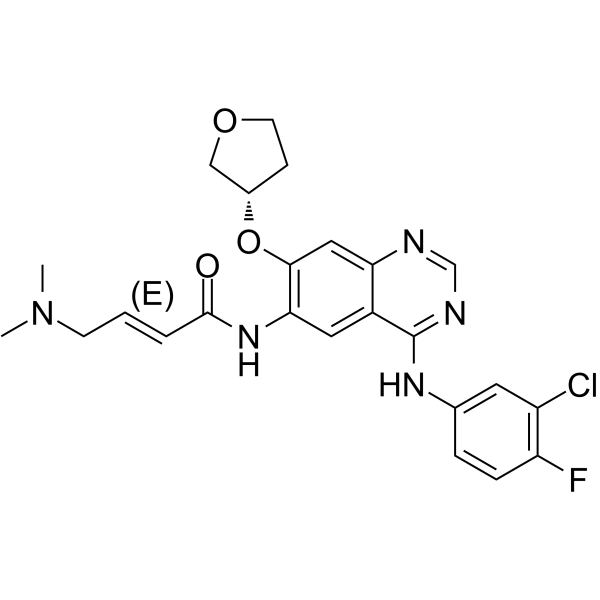
  • HY-10261
    Afatinib
    Maximum Cited Publications
    103 Publications Verification

    BIBW 2992

    EGFR Autophagy Apoptosis c-Met/HGFR Akt p38 MAPK Cancer
    Afatinib (BIBW 2992) is an orally active, potent and irreversible dual specificity inhibitor of ErbB family (EGFR and HER2), with IC50 values of 0.5 nM, 0.4 nM, 10 nM and 14 nM for EGFR wt, EGFR L858R, EGFR L858R/T790M and HER2, respectively. Afatinib can be used for the research of esophageal squamous cell carcinoma (ESCC), non-small cell lung cancer (NSCLC) and gastric cancer .
    Afatinib
  • HY-13902
    Berzosertib
    20+ Cited Publications

    VE-822; VX-970; M6620

    ATM/ATR Apoptosis STING Caspase Infection Metabolic Disease Cancer
    Berzosertib (VE-822) is an orally active, CNS-penetrant, and selective ATR kinase inhibitor. Berzosertib blocks ATR kinase activity, abrogates G2/M cell cycle checkpoint, impairs DNA damage repair. Berzosertib induces apoptosis, inhibnits conlony migration, inhibits cell proliferation, and activates cGAS-STING axes in cancer cells. Berzosertib can be used for the research of cancers, such as head and neck squamous cell carcinoma, and colorectal cancer .
    Berzosertib
  • HY-112288
    C188-9
    30+ Cited Publications

    TTI-101

    STAT Apoptosis DNA Methyltransferase Metabolic Disease Inflammation/Immunology Cancer
    C188-9 (TTI-101) is a STAT3 inhibitor with a Kd value of 4.7 nM. C188-9 targets the SH2 domain of STAT3, blocks the processes of STAT3 ligand binding, receptor recruitment, homodimerization and phosphorylation, and regulates STAT3-mediated genes associated with tumorigenesis and radioresistance. C188-9 regulates STAT1-mediated genes related to radioresistance and reduces the activation level of STAT1. C188-9 downregulates the expression of DNMT1, enhances DAC-induced demethylation and re-expression of RASSF1A, and simultaneously potentiates the anti-tumor effect of DAC on pancreatic cancer cells. C188-9 inhibits both anchorage-dependent and anchorage-independent growth of cancer cells, induces Apoptosis, blocks the growth of tumor xenografts, and suppresses muscle atrophy. C188-9 maintains muscle mass, increases body weight and improves grip strength in tumor-bearing mice. C188-9 can be used in research related to head and neck squamous cell carcinoma, pancreatic cancer, sepsis-related skeletal muscle wasting, non-small cell lung cancer, acute myeloid leukemia and cancer cachexia .
    C188-9
  • HY-P99675
    Ivonescimab
    1 Publications Verification

    AK112

    PD-1/PD-L1 VEGFR Cancer
    Ivonescimab (AK112) is a PD-1/VEGF bispecific antibody. Ivonescimab competitively inhibiting PD-1/PD-L1 interaction, reversing the immunosuppression mediated by it, and blocks the binding of VEGF-A to VEGFR2, inhibiting tumour angiogenesis in the tumour microenvironment. Ivonescimab also has significantly anticancer activity against EGFR-mutated locally advanced or metastatic non-squamous non-small cell lung cancer (NSCL) .
    Ivonescimab
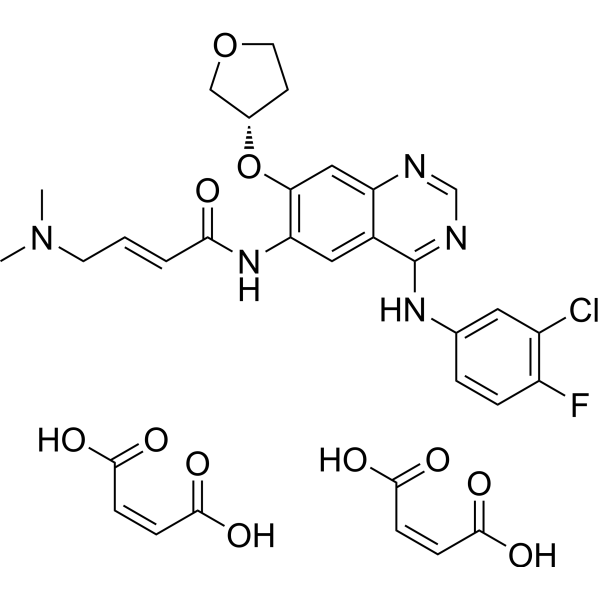
  • HY-10261A
    Afatinib dimaleate
    Maximum Cited Publications
    103 Publications Verification

    BIBW 2992MA2

    EGFR Autophagy Apoptosis c-Met/HGFR Akt p38 MAPK Cancer
    Afatinib (BIBW 2992) dimaleate is an orally active, potent and irreversible dual specificity inhibitor of ErbB family (EGFR and HER2), with IC50 values of 0.5 nM, 0.4 nM, 10 nM and 14 nM for EGFR wt, EGFR L858R, EGFR L858R/T790M and HER2, respectively. Afatinib dimaleate can be used for the research of esophageal squamous cell carcinoma (ESCC), non-small cell lung cancer (NSCLC) and gastric cancer .
    Afatinib dimaleate
  • HY-162307

    PROTACs Keap1-Nrf2 Cancer
    Nrf2 degrader 1 (compound 1) is a PROTAC Nrf2 degrader with a DC50 of 0.1-1 μM in huH1 cells. Nrf2 degrader 1 inhibits cancer cells growth for A549 and LK-2 cells with IC50 values of 100 nM and 40 nM, respectively. Nrf2 degrader 1 can be used for the study of liver cancer, non-small cell lung cancer (NSCLC) and squamous cell carcinoma of lung cancer .
    Nrf2 degrader 1
  • HY-177439

    Antibody-Drug Conjugates (ADCs) PD-1/PD-L1 Cancer
    HLX43 is an antibody-drug conjugate (ADC) targeting PD-L1. HLX43 consists of a human monoclonal antibody anti-PD-L1 antibody Opucolimab (HY-P99785) with the drug-linker conjugate being DL-01 (HY-155870A). HLX43 exerts superior anticancer efficacy with safety profile in vivo. HLX43 can be used for non-small cell lung cancer (NSCLC), head and neck squamous cell carcinoma (HNSCC), esophageal squamous cell carcinoma (ESCC), melanoma (MEL), ovarian cancer (Ovc) research .
    HLX43
  • HY-171124

    AZD9592

    Antibody-Drug Conjugates (ADCs) EGFR c-Met/HGFR Topoisomerase DNA/RNA Synthesis Cancer
    Tilatamig samrotecan (AZD9592) is an anti-EGFR/c-MET antibody-drug conjugate (ADC). Tilatamig samrotecan consists of an anti-EGFR/c-MET antibody with the drug-linker conjugate being AZ14170133 (HY-145399) (a topoisomerase I (TOP1i) inhibitor payload). Tilatamig samrotecan induces multiple DNA damage response pathway markers (like ATM, ATR, γH2AX). Tilatamig samrotecan selectively binds to EGFR and c-MET, delivering the cytotoxic payload. Tilatamig samrotecan exerts anti-tumor activity in vivo. Tilatamig samrotecan can be used for non-small cell lung cancer (NSCLC) and head and neck squamous cell carcinoma (HNSCC) research .
    Tilatamig samrotecan
  • HY-P990957

    BCA-101; FMAB2

    EGFR TGF-beta/Smad Inflammation/Immunology Cancer
    Ficerafusp alfa (BCA-101) is a bispecific antibody targeting EGFR and TGFβ, with a Kd of 2.58 nM against EGFR and a Kd of 61.3 nM against TGFβ1. Ficerafusp alfa binds to EGFR, inhibits EGFR phosphorylation, blocks EGF-dependent cell proliferation, and mediates antibody-dependent cellular cytotoxicity against EGFR-positive tumor cells. Ficerafusp alfa sequesters TGFβ via its TGFβRII ECD domain, neutralizes the activity of TGFβ and TGFβ1, and blocks TGFβ-dependent processes, including epithelial-mesenchymal transition, cell invasion, and differentiation of inducible regulatory T cells. Ficerafusp alfa is applicable to research related to head and neck squamous cell carcinoma, advanced solid tumors, squamous non-small cell lung cancer, anal squamous cell carcinoma, colorectal cancer, and pancreatic cancer .
    Ficerafusp alfa
  • HY-171821

    SGN-PDL1V

    Antibody-Drug Conjugates (ADCs) PD-1/PD-L1 Cancer
    PF-08046054 (SGN-PDL1V) is a PD-L1-directed Antibody-drug conjugate (ADC), which is comprised of an anti-PD-L1 antibody conjugated to VcMMAE (HY-15575). PF-08046054 is direct cytotoxicity to PD-L1-expressing tumor cells via the intracellular delivery of MMAE. PF-08046054 can be used for the study of solid tumors
    PF-08046054
  • HY-147298
    Plogosertib
    1 Publications Verification

    CYC140

    Polo-like Kinase (PLK) Cancer
    Plogosertib (CYC140) is a selective, potent, and orally active ATP-competitive PLK1 inhibitor (IC50: 3 nM). Plogosertib is an anti-cancer agent with anti-proliferative activity. Plogosertib can be used in the research of several tumors, including esophageal, gastric, leukemia, non–small cell lung cancer, ovarian, and squamous cell cancers .
    Plogosertib
  • HY-13241A
    Ralimetinib
    10+ Cited Publications

    LY2228820

    p38 MAPK Autophagy Cancer
    Ralimetinib is an ATP-competitive p38α and p38β MAPK inhibitor with an IC50 of 5.3 nmol/L against human p38α and an IC50 of 3.2 nmol/L against human p38β. Ralimetinib slows tumor growth in preclinical in vivo cancer models, exhibits oral bioavailability in mice, and achieves sustained target inhibition for 4 to 8 h. Ralimetinib is applicable for research on melanoma, non-small cell lung cancer, ovarian cancer, glioma, multiple myeloma, breast cancer, renal cancer, and head and neck squamous cell carcinoma .
    Ralimetinib
  • HY-132259
    Depatuxizumab mafodotin
    1 Publications Verification

    ABT-414

    Antibody-Drug Conjugates (ADCs) EGFR Cancer
    Depatuxizumab mafodotin (ABT-414) is an antibody-drug conjugate (ADC). Depatuxizumab mafodotin specifically targets the epidermal growth factor receptor (EGFR). Depatuxizumab mafodotin can be used in the study of glioma, head and neck squamous cell carcinoma, non-small cell lung cancer, epidermoid carcinoma of the skin, and squamous cell carcinoma of the tongue .
    Depatuxizumab mafodotin
  • HY-P99866

    MEHD-7945A; RG 7597

    EGFR Akt p38 MAPK Apoptosis Cancer
    Duligotuzumab (MEHD-7945A; RG 7597) is a humanized IgG-κ monoclonal antibody targeting EGFR. Duligotuzumab blocks the binding of ligands to these two receptors, inhibits downstream HER/ErbB, AKT and MAPK signaling pathways, induces antibody-dependent cellular cytotoxicity, reduces the proliferation and migration abilities of cancer cells, promotes apoptosis, exerts radiosensitizing effects, and reverses EGFR resistance in cancer cells. Duligotuzumab can be used in tumor-related research .
    Duligotuzumab
  • HY-P99961

    JS004; Icatolimab

    CD28 Cancer
    Tifcemalimab (JS004; Icatolimab) is a humanized IgG4 monoclonal antibody against BTLA (B and T lymphocyte attenuator). By binding to BTLA, tifcemalimab blocks the interaction of HVEM-BTLA, thereby inhibiting the BTLA-mediated inhibitory signaling pathway. Tifcemalimab can be used in research related to squamous cell non-small cell lung cancer .
    Tifcemalimab
  • HY-P99785

    HLX20; HLX43 antibody

    PD-1/PD-L1 ADC Antibody Cancer
    Opucolimab (HLX20) is an engineered anti-PD-L1 humanised IgG1 antibody. Opucolimab, when conjugated with camptothecin toxoid, yields the PD-L1-targeting ADC, HLX43 (HY-177439). HLX43 can be used for non-small cell lung cancer (NSCLC), head and neck squamous cell carcinoma (HNSCC), esophageal squamous cell carcinoma (ESCC), melanoma (MEL), ovarian cancer (Ovc) research .
    Opucolimab
  • HY-168878

    METTL3 Cancer
    EP652 is a METTL3 inhibitor and antitumor agent with IC50 values of 2 nM, <10 nM, and 37 nM in SPA, intracellular, and ATPlite assays, respectively. EP652 exhibits high selectivity against 40 other methyltransferases and FTO, and possesses favorable pharmacokinetic parameters. EP652 reduces intracellular N 6-methyladenosine (m 6A) levels in mRNA. EP652 inhibits tumor growth and progression of both hematologic malignancies and solid tumors. EP652 can be used for the research of acute myeloid leukemia, ovarian cancer, non-small cell lung cancer, and hypopharyngeal squamous cell carcinoma .
    EP652
  • HY-148511

    CMP-001

    Toll-like Receptor (TLR) IFNAR PD-1/PD-L1 Indoleamine 2,3-Dioxygenase (IDO) Cancer
    Vidutolimod (CMP-001) is a virus-like particle containing a TLR9 activator . Vidutolimod induces human peripheral blood mononuclear cells to secrete IFNα, and upregulates the gene expression of CXCL10, PDL1, IDO and CD80. Vidutolimod activates TLR9, which in turn triggers plasmacytoid dendritic cell activation, production of IFNγ and TNFα, induction of CXCL10, and recruitment of antitumor T cells. Vidutolimod causes influenza-like symptoms, hypotension and tumor regression, and its activity depends on the presence of anti- antibodies. Vidutolimod modulates monocyte function, promotes CD4 T cell proliferation, and activates multiple immune cell types in an environment with anti-Qβ antibodies. Vidutolimod prolongs the survival of tumor-bearing mice. Vidutolimod is used in research related to advanced melanoma, head and neck squamous cell carcinoma, and advanced non-small cell lung cancer .
    Vidutolimod
  • HY-P990947

    AZD9592 Antibody

    ADC Antibody EGFR Cancer
    Tilatamig (AZD9592 Antibody) is a human antibody of the Ig (G1-κ_G1-λ2) subtype that targets EGFR/MET. Tilatamig conjugates with the Top1 inhibitor AZ14170133 (HY-145399) to form the antibody-drug conjugate (ADC) Tilatamig samrotecan (HY-171124) (AZD9592). Tilatamig accurately targets NSCLC models including EGFR-mutant, EGFR-wildtype, and EGFR tyrosine kinase inhibitor-treated ones, and its activity correlates with high expression of EGFR, c-MET and SLFN11. Tilatamig is available for in vivo anti-tumor studies in patient-derived xenograft models of non-small cell lung cancer (NSCLC) and head and neck squamous cell carcinoma (HNSCC) .
    Tilatamig
  • HY-176774

    Toll-like Receptor (TLR) NF-κB Cancer
    L07-2 is a TLR7/8 agonist. L07-2 is a linker-toxin building block that can be used to synthesize immunostimulatory antibody conjugates (ISACs) for cancer research. L07-2 can be used to studies related to tumors such as non-small cell lung cancer .
    L07-2
  • HY-10261R

    BIBW 2992 (Standard)

    Reference Standards EGFR Autophagy Apoptosis c-Met/HGFR Akt p38 MAPK Cancer
    Afatinib (Standard) is the analytical standard of Afatinib. This product is intended for research and analytical applications. Afatinib (BIBW 2992) is an orally active, potent and irreversible dual specificity inhibitor of ErbB family (EGFR and HER2), with IC50 values of 0.5 nM, 0.4 nM, 10 nM and 14 nM for EGFRwt, EGFRL858R, EGFRL858R/T790M and HER2, respectively. Afatinib can be used for the research of esophageal squamous cell carcinoma (ESCC), non-small cell lung cancer (NSCLC) and gastric cancer .
    Afatinib (Standard)
  • HY-13554

    Antibiotic Cancer
    Annamycin is an anthracycline antibiotic with antitumor activity. Annamycin interacts with topoisomerase II, induces double-strand DNA breaks, triggers cell death, and exerts cytotoxic effects. In mice, Annamycin inhibits the growth of advanced subcutaneous melanoma and subcutaneous squamous cell carcinoma, and prolongs the survival of mice with subcutaneous reticulosarcoma and in lung cancer lung metastasis models. Annamycin can be used in research related to melanoma, reticulum cell sarcoma, lung cancer, non-small cell lung cancer, small cell lung cancer .
    Annamycin
  • HY-P991244

    EGFR Cancer
    REGN-1400 is a humanized monoclonal antibody inhibitor targeting ErbB3. REGN-1400 reduces tumor cell proliferation by inhibiting ErbB3 and blocking related signaling pathways. REGN-1400 is promising for research of solid tumors such as non-small cell lung cancer (NSCLC), colorectal cancer (CRC), and squamous cell carcinoma of the head and neck (SCCHN) .
    REGN-1400
  • HY-10261D

    BIBW 2992 oxalate

    EGFR Autophagy Apoptosis c-Met/HGFR Akt Cancer
    Afatinib (BIBW 2992) oxalate is an orally active, potent and irreversible dual specificity inhibitor of ErbB family (EGFR and HER2), with IC50 values of 0.5 nM, 0.4 nM, 10 nM and 14 nM for EGFR wt, EGFR L858R, EGFR L858R/T790M and HER2, respectively. Afatinib oxalate can be used for the research of esophageal squamous cell carcinoma (ESCC), non-small cell lung cancer (NSCLC) and gastric cancer .
    Afatinib oxalate
  • HY-10261E

    (R)-BIBW 2992

    EGFR c-Met/HGFR p38 MAPK Cancer
    (R)-Afatinib ((R)-BIBW 2992) is the Afatinib isomer. Afatinib (HY-10261) is an orally active, potent and irreversible dual specificity inhibitor of?ErbB?family (EGFR?and?HER2), with?IC50?values of 0.5 nM, 0.4 nM, 10 nM and 14 nM for?EGFR wt, EGFR L858R,?EGFR L858R/T790M?and HER2, respectively. Afatinib can be used for the research of esophageal squamous cell carcinoma (ESCC), non-small cell lung?cancer?(NSCLC) and gastric?cancer .
    (R)-Afatinib
  • HY-126830

    Antifolate Apoptosis Cancer
    Antifolate C2 is an anti-folate compound that has inhibitory effects on the proliferation of non-squamous non-small cell lung cancer (NS-NSCLC). Antifolate C2 achieves tumor selectivity by targeting proton-coupled folate transporter (PCFT), which is more selective to PCFT than the commonly used anti-folate drug Pemetrexed (HY-10820). Antifolate C2 blocks the biosynthesis of deoxypurine nucleotides by inhibiting glycinamide ribonucleotide formyltransferase (GARFTase), ultimately inhibiting the proliferation of tumor cells. Antifolate C2 can be used in studies of NS-NSCLC, especially in patients who do not respond well to Pemetrexed .
    Antifolate C2
  • HY-175011

    EGFR Apoptosis Cancer
    EGFR-IN-165 is a potent EGFR inhibitor. EGFR-IN-165 demonstrates superior potency with IC50s of 17.18 and 64.74 nM against EGFR L858R/T790M and EGFR WT; 2.17 and 6.2 μM against NCI-H1975 cells and A431 cells. EGFR-IN-165 significantly inhibits the migration and induces G1 phase cell cycle arrest and cell apoptosis. EGFR-IN-165 can be used for the study of cancers such as non-small cell lung cancer, colorectal cancer, and head and neck squamous cell carcinoma .
    EGFR-IN-165
  • HY-10261AR

    BIBW 2992MA2 (Standard)

    Reference Standards EGFR Autophagy Apoptosis c-Met/HGFR Akt p38 MAPK Cancer
    Afatinib (dimaleate) (Standard) is the analytical standard of Afatinib (dimaleate). This product is intended for research and analytical applications. Afatinib (BIBW 2992) dimaleate is an orally active, potent and irreversible dual specificity inhibitor of ErbB family (EGFR and HER2), with IC50 values of 0.5 nM, 0.4 nM, 10 nM and 14 nM for EGFRwt, EGFRL858R, EGFRL858R/T790M and HER2, respectively. Afatinib dimaleate can be used for the research of esophageal squamous cell carcinoma (ESCC), non-small cell lung cancer (NSCLC) and gastric cancer .
    Afatinib dimaleate (Standard)
  • HY-P991968

    Halozyme patent anti-EGFR

    EGFR Cancer
    HTI-1511 Antibody (Halozyme patent anti-EGFR) is a monoclonal antibody inhibitor targeting EGFR. HTI-1511 Antibody can be used to synthesize a novel anti-EGFR-ADC, HTI-1511. HTI-1511 Antibody can be used in the research of head and neck squamous cell carcinoma, non-small cell lung cancer, pancreatic cancer, colorectal cancer, renal cell carcinoma, and epidermoid carcinoma .
    HTI-1511 Antibody
  • HY-P992360

    GABA Receptor Neurological Disease Cancer
    GT-002 is a partial positive allosteric modulator targeting the α3 subtype of GABAA receptors, as well as a specific binder of tumor-associated TF-glycosylated LYPD3. GT-002 mildly enhances GABA-induced chloride currents by binding to the benzodiazepine site of GABAA receptors, thereby alleviating prefrontal hypofunction and improving cognitive, memory and social interaction abilities. GT-002 can be used in research related to schizophrenia spectrum disorders, various squamous cell carcinomas, colorectal cancer, non-small cell lung cancer, and aromatic L-amino acid decarboxylase deficiency .
    GT-002
  • HY-181567

    METTL3 Cancer
    METTL3-IN-13 is a METTL3 inhibitor. METTL3-IN-13 is applicable to the research of multiple cancers such as hypopharyngeal squamous cell carcinoma and non-small cell lung cancer .
    METTL3-IN-13
  • HY-185561

    RC88

    Mesothelin Cancer
    Misitatug blivedotin (RC88) is an antibody-drug conjugate (ADC) targeting mesothelin (MSLN). Misitatug blivedotin binds to mesothelin and exhibits dose‐dependent antitumor activity. Misitatug blivedotin can be used for the research of ovarian cancer, non-squamous non-small-cell lung carcinoma, cervical cancer .
    Misitatug blivedotin
  • HY-P991984

    EGFR PI3K Akt Cancer
    SIBP-03 is a specifical anti-HER3 antibody. SIBP-03 binds strongly and specifically to recombinant HER3 protein. SIBP-03 inhibits HER3 activation, as well as the downstream PI3K/AKT signaling pathway. SIBP-03 exhibits anticancer activity against squamous cell carcinoma, non-small cell lung cancer, gastric cancer, and breast cancer. SIBP-03 synergistically enhances the antitumor activity of DS-8201 (HY-138298A) and Cetuximab (HY-P9905) .
    SIBP-03
  • HY-183912

    Topoisomerase ADC Payload Cancer
    PY-4Car2 is a Camptothecin (HY-16560) derivative and a topoisomerase I inhibitor. PY-4Car2 functions as a warhead conjugated via a cleavable linker to the bispecific ADC TJ101. PY-4Car2 can be used as an ADC payload for the research of cancers .
    PY-4Car2
  • HY-181681

    CCR CXCR Cancer
    CXCR2 antagonist 10 (Compound 10b) is a CCR2 antagonist with an IC50 of 0.48 μM. CXCR2 antagonist 10 also exhibits antagonistic activity against CXCR2/CCR7, with IC50 values of 4.18 μM and 2.07 μM, respectively. CXCR2 antagonist 10 is applicable for cancer research .
    CXCR2 antagonist 10
  • HY-181989

    Glucosylceramide Synthase (GCS) Cancer
    CAIF is an irreversible, selective allosteric covalent inhibitor of ucosyltransferase 8 (FUT8) with an IC50 of 5.7 μM. CAIF inhibits core fucosylation modification in cancer cells, and suppresses the invasion and migration of cancer cells. CAIF is applicable for cancer research .
    CAIF
  • HY-13902A
    Berzosertib hydrochloride
    20+ Cited Publications

    VE-822 hydrochloride; VX-970 hydrochloride; M6620 hydrochloride

    ATM/ATR Apoptosis STING Caspase Neurological Disease Cancer
    Berzosertib (VE-822) hydrochloride is an orally active, CNS-penetrant, and selective ATR kinase inhibitor. Berzosertib hydrochloride blocks ATR kinase activity, abrogates G2/M cell cycle checkpoint, impairs DNA damage repair. Berzosertib hydrochloride induces apoptosis, inhibnits conlony migration, inhibits cell proliferation, and activates cGAS-STING axes in cancer cells. Berzosertib hydrochloride can be used for the research of cancers, such as head and neck squamous cell carcinoma, and colorectal cancer .
    Berzosertib hydrochloride
  • HY-185683

    DB-1311; BNT324

    Antibody-Drug Conjugates (ADCs) Topoisomerase CD276/B7-H3 Cancer
    Elfetabart drozuntecan (DB-1311; BNT324) is an antibody-drug conjugate (ADC) targeting B7H3. Elfetabart drozuntecan conjugates a humanized anti-B7H3 IgG1 monoclonal antibody with a topoisomerase I inhibitor via a cleavable linker. Elfetabart drozuntecan exerts antitumor activity in solid tumors. Elfetabart drozuntecan can be used for the research of advanced/metastatic solid tumors .
    Elfetabart drozuntecan

Inquiry Online

Your information is safe with us. * Required Fields.

Salutation


Country or Region *

Applicant Name *


Organization Name *

Department *


Email Address *


Product Name *

Cat. No.


Requested quantity *

Phone Number *


Remarks

Inquiry Online

Inquiry Information

Product Name:
Cat. No.:
Quantity:
MCE Japan Authorized Agent:

