1. Search Result
Search Result
Results for "

synthetic+analogue

" in MedChemExpress (MCE) Product Catalog:

33

Inhibitors & Agonists

11

Peptides

2

Natural
Products

3

Isotope-Labeled Compounds

1

Click Chemistry

Cat. No. Product Name Target Research Areas Chemical Structure
  • HY-15640
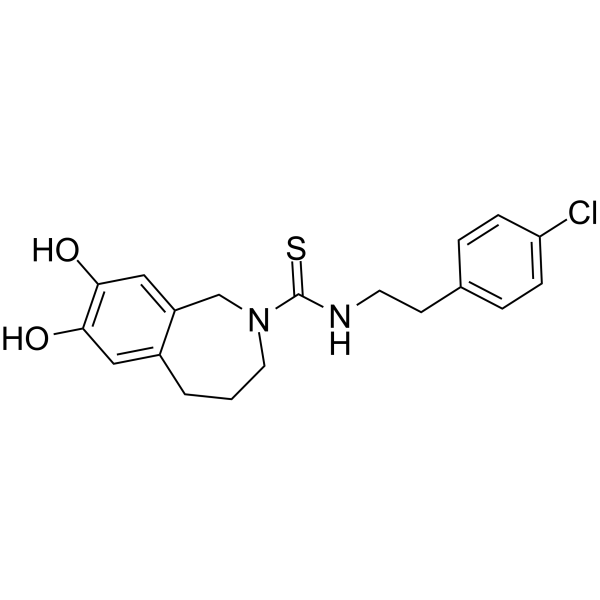
    Capsazepine
    Maximum Cited Publications
    56 Publications Verification

    TRP Channel Apoptosis Cancer
    Capsazepine is a synthetic analogue of the sensory neurone excitotoxin, and an antagonist of TRPV1 receptor with an IC50 of 562 nM.
    Capsazepine
  • HY-15582

    Microtubule/Tubulin ADC Payload Cancer
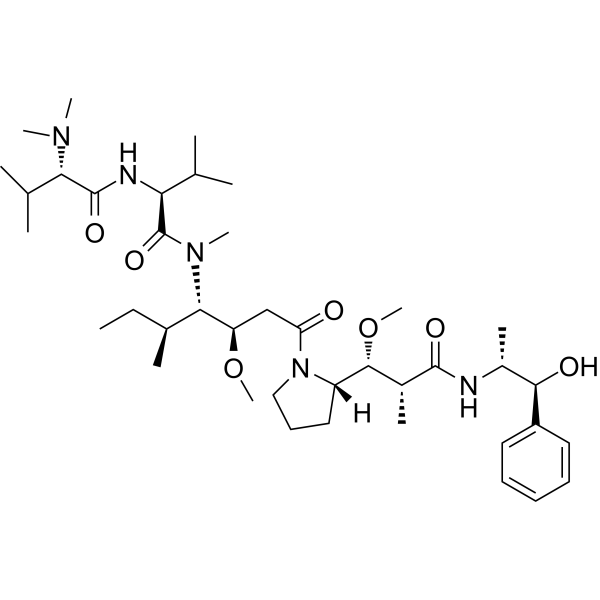
    Auristatin E is a cytotoxic microtubule polymerization inhibitor with potent and selective antitumor activity. Auristatin E is a cytotoxin in antibody-drug conjugates (ADC). Auristatin E inhibits cell division by blocking the polymerisation of tubulin, promising for research in B-cell malignancies. Auristatin E, a synthetic analogue of the Dolastatin 10 (HY-15580), is linear peptides comprised of four amino acids .
    Auristatin E
  • HY-N2466
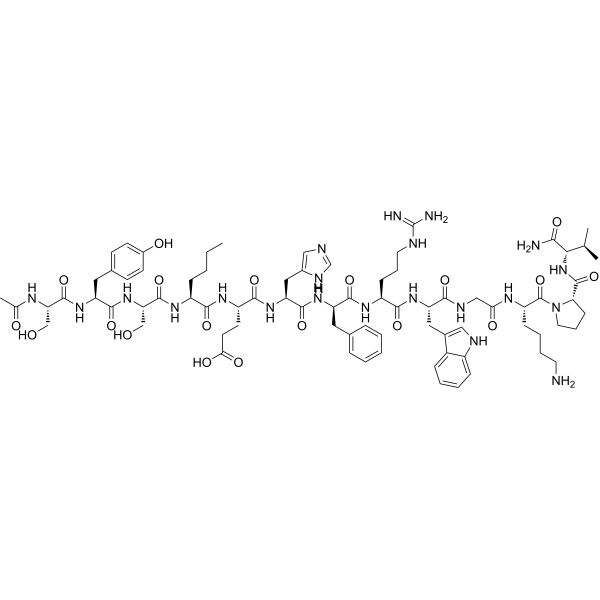
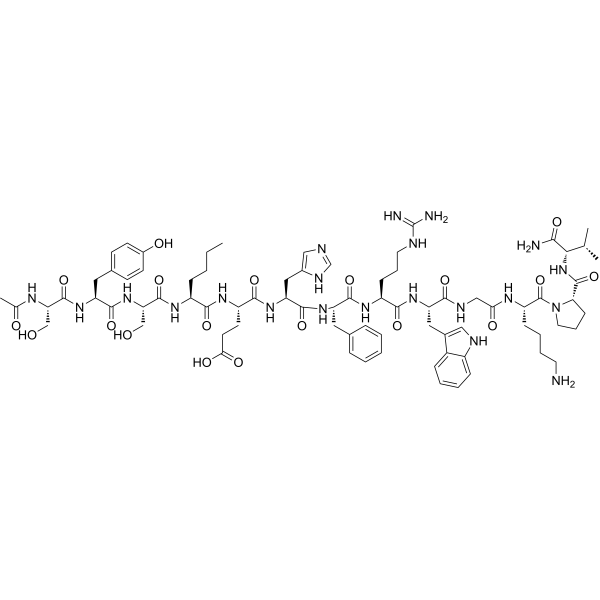
    Melanotan I
    1 Publications Verification

    MT-I; [Nle4,D-Phe7]-α-MSH

    Melanocortin Receptor Neurological Disease Cancer
    Melanotan I is a potent non-selective melanocortin receptor (MCR) agonist. Melanotan I is a synthetic analogue of α-melanocyte stimulating hormone (α-MSH) that stimulates melanogenesis. Melanotan I can induce skin tanning by mimicking the actions of a-MSH on the melanocortin type 1 receptors (MC1R) of melanocytes. Melanotan I can be used for the research of sun-induced skin cancer, melanoma, inflammation and male erectile dysfunction .
    Melanotan I
  • HY-16757
    Trofinetide
    2 Publications Verification

    NNZ-2566

    iGluR Neurological Disease
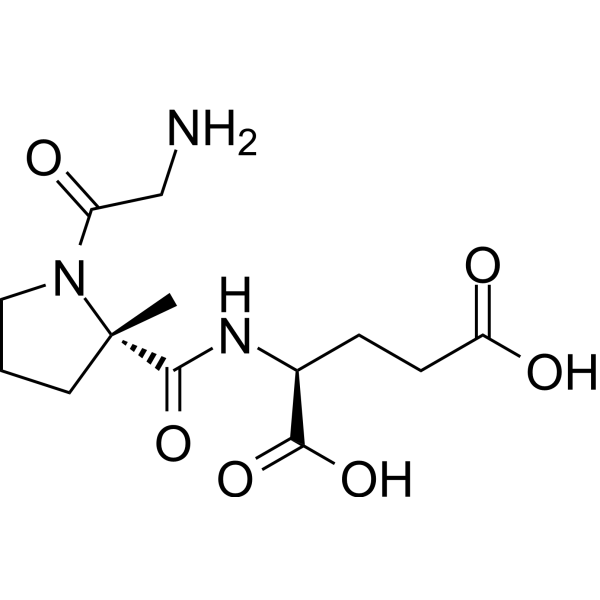
    Trofinetide (NNZ-2566), a synthetic analogue of the endogenous N-terminus tripeptide, Glycine-Proline-Glutamate (GPE), has been shown to be neuroprotective in animal models of brain injury.
    Trofinetide
  • HY-15584
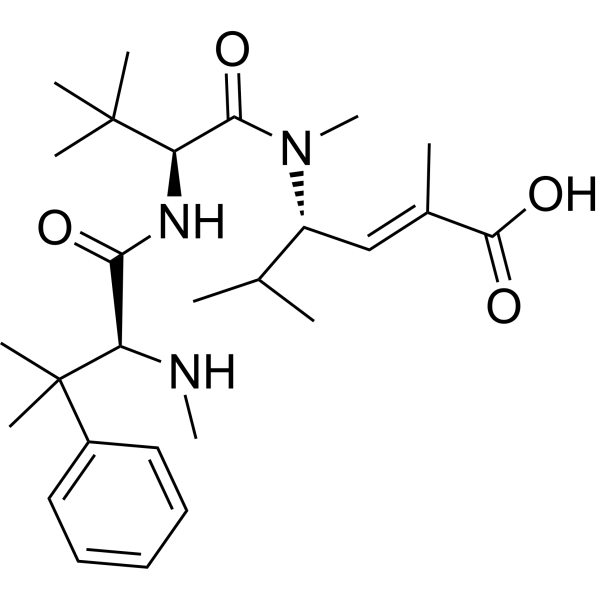
    Taltobulin
    3 Publications Verification

    HTI-286; SPA-110

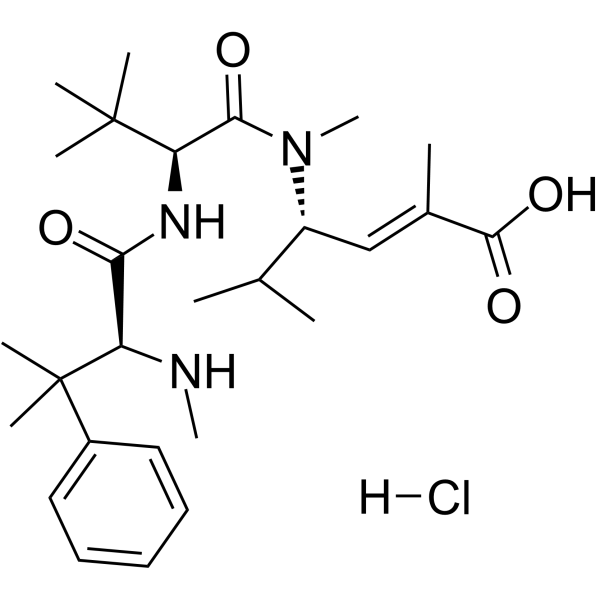
    Microtubule/Tubulin ADC Payload Apoptosis Cancer
    Taltobulin (HTI-286), a synthetic analogue of the tripeptide hemiasterlin, is a potent antimicrotubule agent that circumvents P-glycoprotein-mediated resistance in vitro and in vivo. Taltobulin inhibits the polymerization of purified tubulin, disrupts microtubule organization in cells, and induces mitotic arrest, as well as apoptosis .
    Taltobulin
  • HY-148195

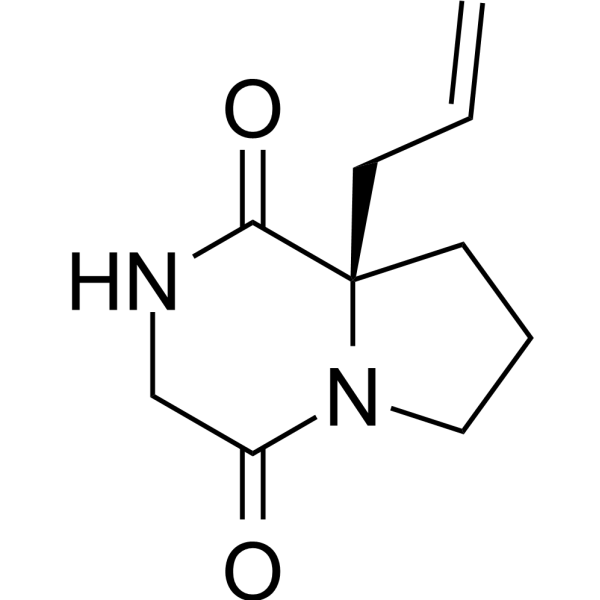
    NNZ-2591

    Biochemical Assay Reagents Neurological Disease
    Ercanetide (NNZ 2591) is a synthetic analogue of a small peptide of cyclic glycine proline (cGP). Ercanetide shows orally active and cross the blood-brain barrier. Ercanetide shows neuroprotective after ischemic brain injury. NNZ 2591 improves motor function in a rat model of Parkinson's disease. Ercanetide has the potential for the research of ischemic brain injury and angelman syndrome .
    Ercanetide
  • HY-B2229

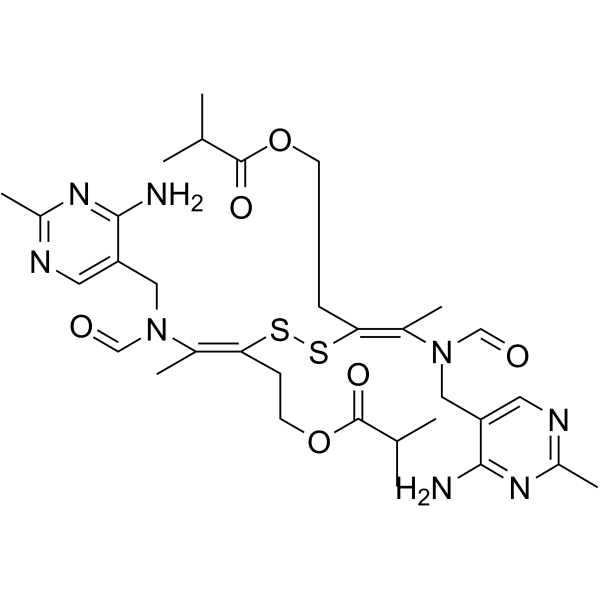
    Bisibuthiamine

    Endogenous Metabolite Neurological Disease
    Sulbutiamine is a synthetic analogue of vitamin B1 used for the treatment of asthenia.
    Sulbutiamine
  • HY-109520
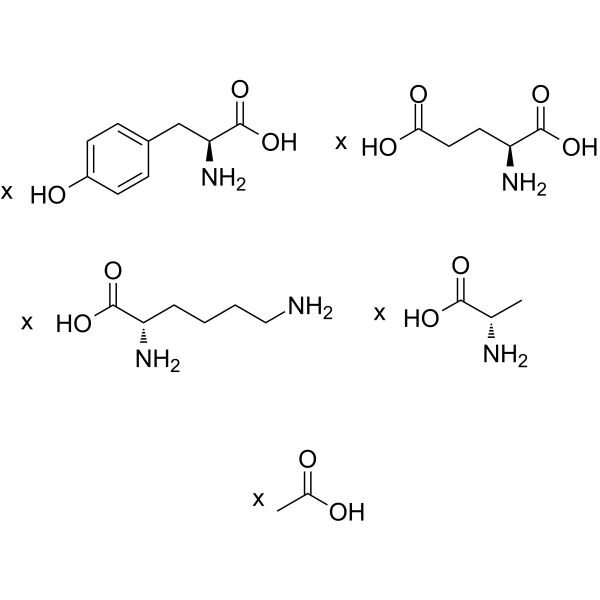
    Glatiramer acetate
    2 Publications Verification

    MHC Inflammation/Immunology Cancer
    Glatiramer acetate, a synthetic analogue of myelin basic protein and an immunomodulating agent, inhibits Experimental autoimmune encephalomyelitis (EAE), and can be used for the research of multiple sclerosis. Glatiramer acetate exhibits strong and promiscuous binding to MHC molecules and consequent competition with various myelin antigens for their presentation to T cells. A further aspect of its action is potent induction of specific suppressor cells of the T helper 2 (Th2) type that migrate to the brain and lead to in situ bystander suppression .
    Glatiramer acetate
  • HY-12506A
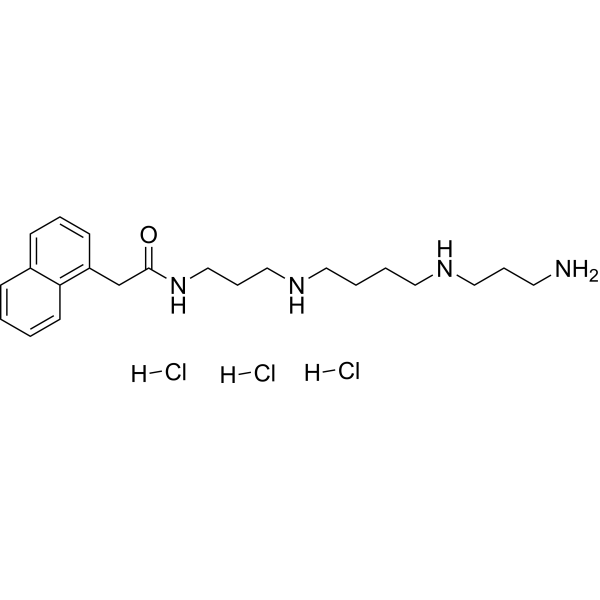
    Naspm trihydrochloride
    5+ Cited Publications

    1-Naphthylacetyl spermine trihydrochloride

    iGluR Neurological Disease
    Naspm trihydrochloride (1-Naphthylacetyl spermine trihydrochloride), a synthetic analogue of Joro spider toxin, is a calcium permeable AMPA (CP-AMPA) receptors antagonist.
    Naspm trihydrochloride
  • HY-12506
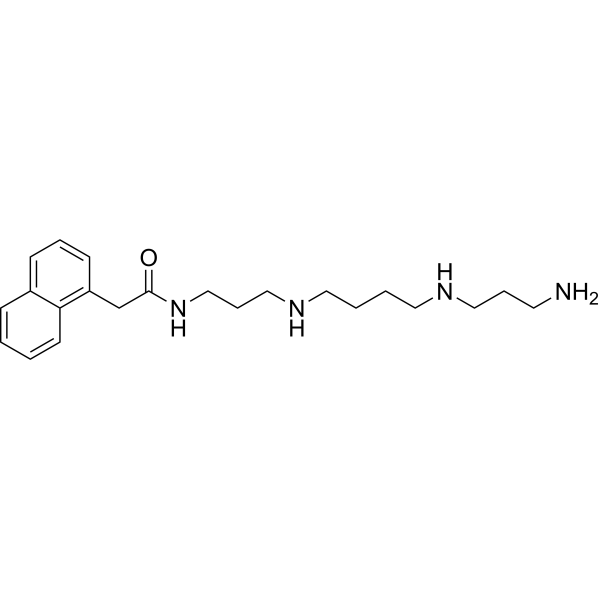
    Naspm
    5+ Cited Publications

    1-Naphthylacetyl spermine

    iGluR Neurological Disease
    Naspm (1-Naphthyl acetyl spermine), a synthetic analogue of Joro spider toxin, is a calcium permeable AMPA (CP-AMPA) receptors antagonist.
    Naspm
  • HY-118189
    Misoprostol acid
    1 Publications Verification

    Prostaglandin Receptor Inflammation/Immunology
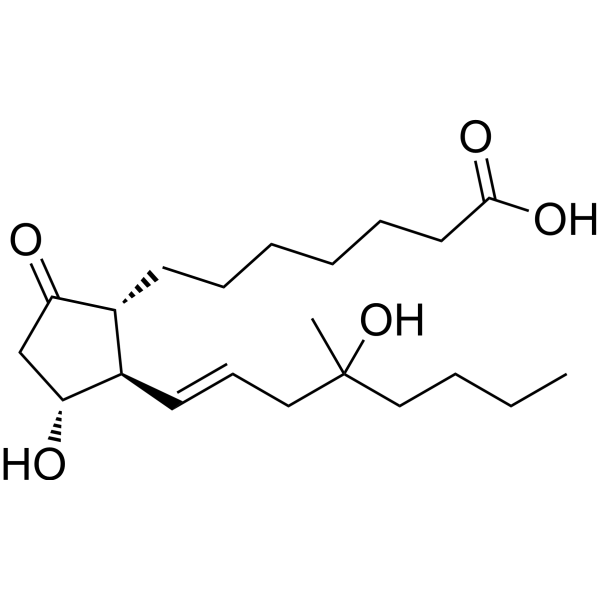
    Misoprostol acid is an active metabolite of Misoprostol. Misoprostol is a synthetic analogue of prostaglandin E1 (PGE1), extensively absorbed, and undergoes rapid de-esterification to Misoprostol acid in the gastrointestinal tract after oral administration. Misoprostol can be used for non-steroidal anti-inflammatory drug-induced (NSAID) gastric ulcers . Misoprostol is an oral agent used to induce labor .
    Misoprostol acid
  • HY-15582S

    Isotope-Labeled Compounds Microtubule/Tubulin ADC Payload Cancer
    Auristatin E-d8 is the deuterium labeled Auristatin E (HY-15582). Auristatin E is a cytotoxic microtubule polymerization inhibitor with potent and selective antitumor activity. Auristatin E is a cytotoxin in antibody-drug conjugates (ADC). Auristatin E inhibits cell division by blocking the polymerisation of tubulin, promising for research in B-cell malignancies. Auristatin E, a synthetic analogue of the Dolastatin 10 (HY-15580), is linear peptides comprised of four amino acids .
    Auristatin E-d8
  • HY-P11107

    Apoptosis TNF Receptor Inflammation/Immunology Cancer
    RP-832c is a synthetic analogue of host defense peptides (HDP), targeting the mannose receptor CD206 on the surface of M2 polarized macrophages (Kd = 3.5 μM). RP-832c binding to CD206 induces a significant conformational change in the receptor, activating signaling pathways that lead to rapid apoptosis and repolarization of CD206-positive M2 macrophages to an M1 phenotype. RP-832c treatment significantly reduces CD206 gene expression in M2 macrophages while transiently increasing expression of TNF-α, a marker for M1 macrophages. RP-832c is used for the studies of T-cell lymphoma (CTCL) and idiopathic pulmonary fibrosis (IPF) .
    RP-832c
  • HY-P1640

    Complement System Inflammation/Immunology
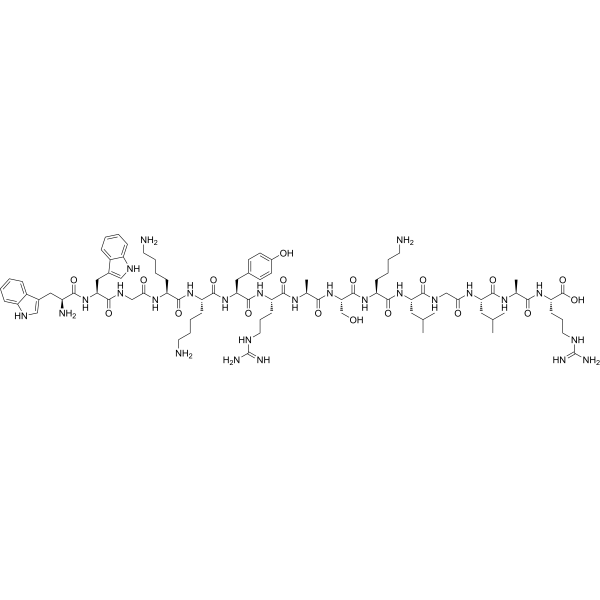
    (Trp63,Trp64)​-​C3a(63-77) is a C3a synthetic analogue peptide, which exhibits Ca 2+ stimulating efficacy in human neutrophils and hC3aR or mC3aR expressing RBL-2H3 cells with EC50 of 9.5, 2.0 and 0.8 nM, respectively .
    (Trp63,Trp64)​-​C3a(63-77)
  • HY-N2466A
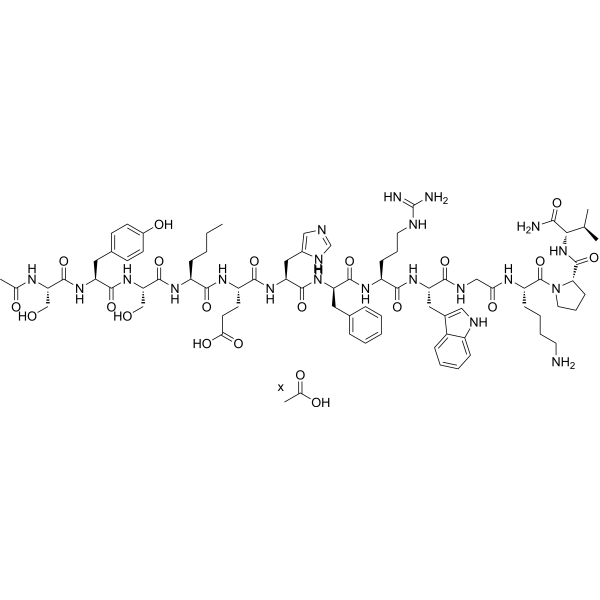
    Melanotan I acetate
    1 Publications Verification

    MT-I acetate; [Nle4,D-Phe7]-α-MSH acetate

    Melanocortin Receptor Cancer
    Melanotan I acetate is a potent non-selective melanocortin receptor (MCR) agonist. Melanotan I acetate is a synthetic analogue of α-melanocyte stimulating hormone (α-MSH) that stimulates melanogenesis. Melanotan I acetate can induce skin tanning by mimicking the actions of a-MSH on the melanocortin type 1 receptors (MC1R) of melanocytes. Melanotan I acetate can be used for sunlight-induced skin cancers research .
    Melanotan I acetate
  • HY-15584A
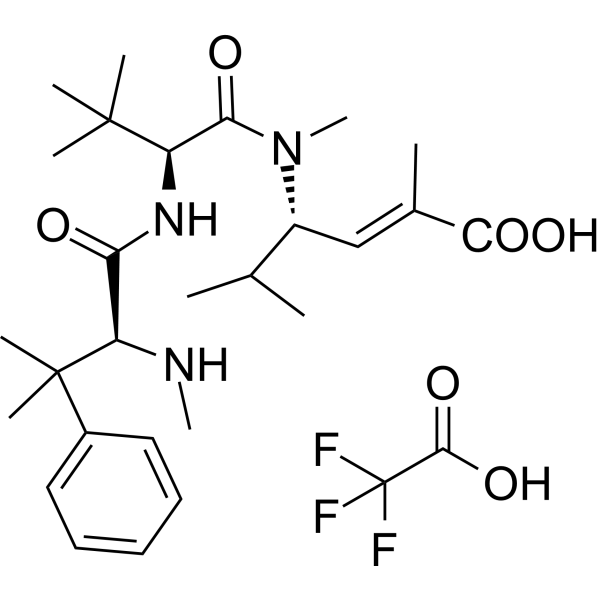
    Taltobulin trifluoroacetate
    3 Publications Verification

    HTI-286 trifluoroacetate; SPA-110 trifluoroacetate

    Microtubule/Tubulin ADC Payload Apoptosis Cancer
    Taltobulin trifluoroacetate (HTI-286 trifluoroacetate), a synthetic analogue of the tripeptide hemiasterlin, is a potent antimicrotubule agent that circumvents P-glycoprotein-mediated resistance in vitro and in vivo. Taltobulin trifluoroacetate inhibits the polymerization of purified tubulin, disrupts microtubule organization in cells, and induces mitotic arrest, as well as apoptosis .
    Taltobulin trifluoroacetate
  • HY-P3645

    Melanocortin Receptor Others
    (Nle4)-α-MSH is a synthetic analogue of α-MSH (HY-P0252), a melanocyte-stimulating hormone. (Nle4)-α-MSH reversibly darkens frog skins and also exhibits prolonged activity after heat-alkali treatment .
    (Nle4)-α-MSH
  • HY-P2018

    Opioid Receptor Cardiovascular Disease
    FK 33-824, a synthetic analogue of Met-enkephalin, is a selective agonist of the μ-opioid receptor (μ-OR) .
    FK 33-824
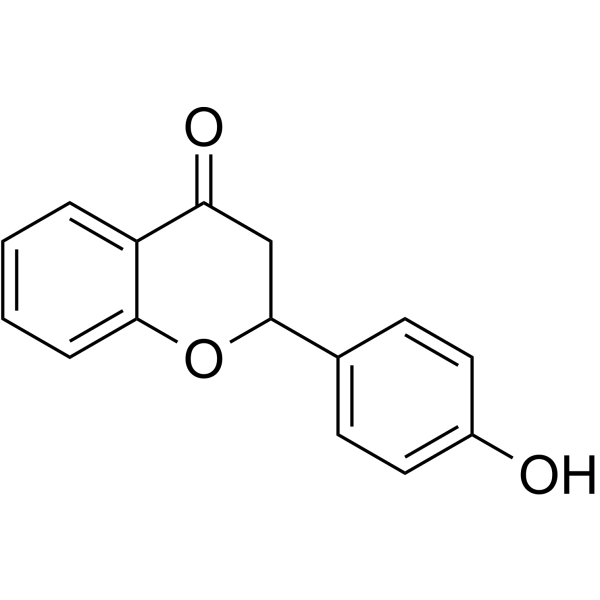
  • HY-N8495

    Others Metabolic Disease
    4'-Hydroxyflavanone is an inhibitor of SREBP maturation and lipid synthesis. 4'-Hydroxyflavanone is a synthetic analogue of flavanone, has potential for hepatic steatosis and dyslipidemia research .
    4'-Hydroxyflavanone
  • HY-A0096S

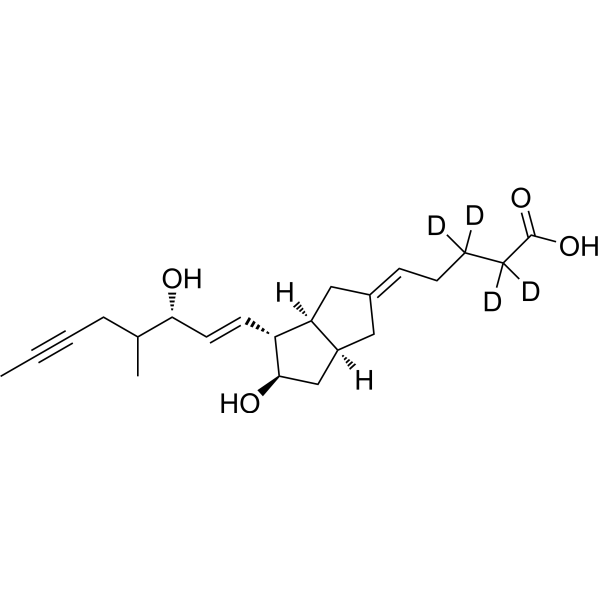
    Isotope-Labeled Compounds Prostaglandin Receptor Endocrinology
    Iloprost-d4 (Ciloprost-d4) is the deuterium labeled Iloprost. Iloprost (ZK 36374) is a synthetic analogue of prostacyclin PGI2 .
    Iloprost-d4
  • HY-P3952

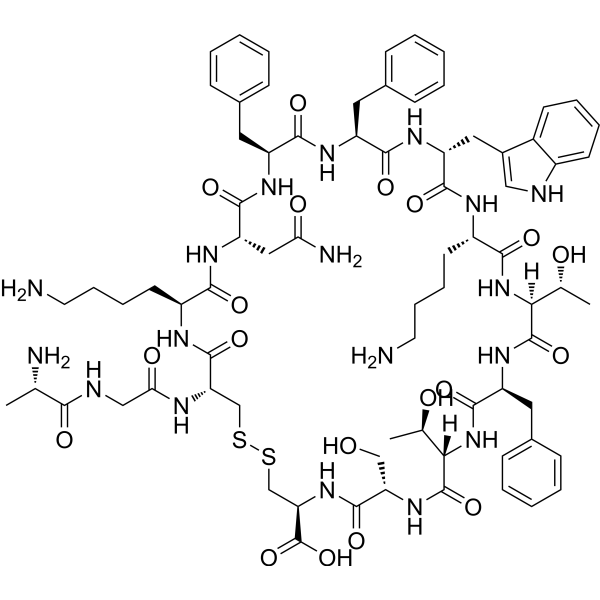
    Somatostatin Receptor Metabolic Disease
    (D-Trp8,D-Cys14)-Somatostatin-14 is a Somatostatin synthetic analogue. (D-Trp8,D-Cys14)-Somatostatin-14 can be used for the research of metabolic related diseases .
    (D-Trp8,D-Cys14)-Somatostatin-14
  • HY-13589

    LU103793 free base

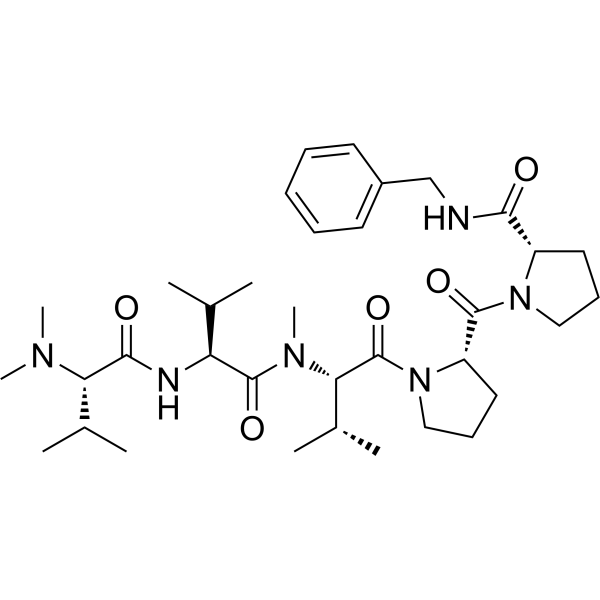
    Microtubule/Tubulin Mitosis Cancer
    Cemadotin (LU103793) is a water-soluble synthetic analogue of Dolastatin 15 (HY-P1126) that inhibits cell proliferation in vitro and the growth of tumor xenografts in mice. Cemadotin blocks cells at mitosis, and exhibits Ki value of 1 μM for inhibiting tubulin. Cemadotin can be used to research anticancer .
    Cemadotin
  • HY-B2229R

    Bisibuthiamine (Standard)

    Endogenous Metabolite Reference Standards Neurological Disease
    Sulbutiamine (Standard) is the analytical standard of Sulbutiamine. This product is intended for research and analytical applications. Sulbutiamine is a synthetic analogue of vitamin B1 used for the treatment of asthenia.
    Sulbutiamine (Standard)
  • HY-126800

    Transmembrane Glycoprotein Drug Derivative Inflammation/Immunology
    Glycotriosyl glutamine is a synthetic analogue of the Glycopeptide. Glycotriosyl glutamine induces focal glomerulonephritis (FGN) and the appearance of myeloid bodies in the epithelial cells of the podocytes in rats with nephritogenic activity .
    Glycotriosyl glutamine
  • HY-15640R

    TRP Channel Apoptosis Reference Standards Cancer
    Capsazepine (Standard) is the analytical standard of Capsazepine. This product is intended for research and analytical applications. Capsazepine is a synthetic analogue of the sensory neurone excitotoxin, and an antagonist of TRPV1 receptor with an IC50 of 562 nM.
    Capsazepine (Standard)
  • HY-15584B
    Taltobulin hydrochloride
    3 Publications Verification

    HTI-286 hydrochloride; SPA-110 hydrochloride

    Microtubule/Tubulin ADC Payload Apoptosis Cancer
    Taltobulin hydrochloride (HTI-286 hydrochloride), a synthetic analogue of the tripeptide hemiasterlin, is a potent antimicrotubule agent that circumvents P-glycoprotein-mediated resistance in vitro and in vivo. Taltobulin hydrochloride inhibits the polymerization of purified tubulin, disrupts microtubule organization in cells, and induces mitotic arrest, as well as apoptosis .
    Taltobulin hydrochloride
  • HY-N8495R

    Fatty Acid Synthase (FASN) Reference Standards Metabolic Disease
    4'-Hydroxyflavanone (Standard) is the analytical standard of 4'-Hydroxyflavanone. This product is intended for research and analytical applications. 4'-Hydroxyflavanone is an inhibitor of SREBP maturation and lipid synthesis. 4'-Hydroxyflavanone is a synthetic analogue of flavanone, has potential for hepatic steatosis and dyslipidemia research[1].
    4'-Hydroxyflavanone (Standard)
  • HY-13589A

    LU103793 hydrochloride

    Microtubule/Tubulin Mitosis Cancer
    Cemadotin (LU103793) hydrochloride is a water-soluble synthetic analogue of Dolastatin 15 (HY-P1126) that inhibits cell proliferation in vitro and the growth of tumor xenografts in mice. Cemadotin hydrochloride blocks cells at mitosis, and exhibits Ki value of 1 μM for inhibiting tubulin. Cemadotin hydrochloride can be used to research anticancer .
    Cemadotin hydrochloride
  • HY-118189S

    Isotope-Labeled Compounds Prostaglandin Receptor Inflammation/Immunology
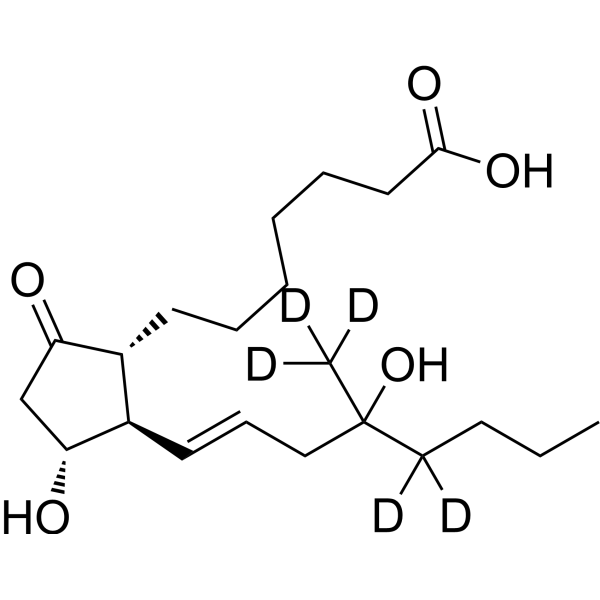
    Misoprostol acid-d5 is deuterium labeled Misoprostol acid. Misoprostol acid is an active metabolite of Misoprostol. Misoprostol is a synthetic analogue of prostaglandin E1 (PGE1), extensively absorbed, and undergoes rapid de-esterification to Misoprostol acid in the gastrointestinal tract after oral administration. Misoprostol can be used for non-steroidal anti-inflammatory drug-induced (NSAID) gastric ulcers . Misoprostol is an oral agent used to induce labor .
    Misoprostol acid-d5
  • HY-144585

    Microtubule/Tubulin ADC Payload Others
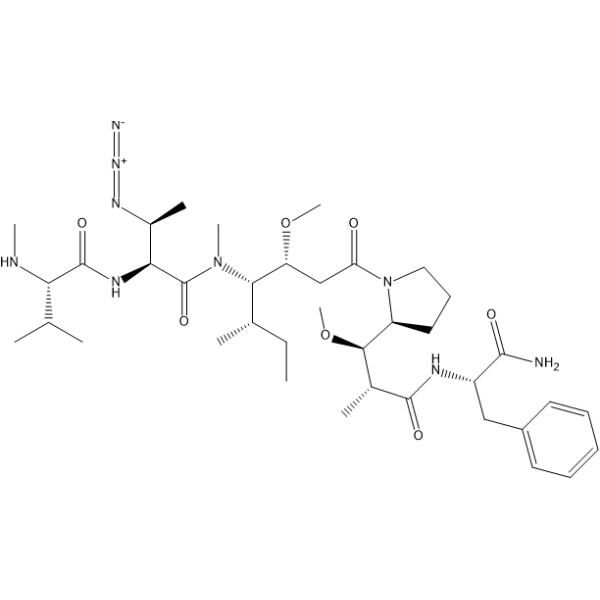
    AGD-0182 is a microtubule disrupting agent. AGD-0182 is a synthetic analogue of the naturally occurring tubulin-binding molecule Dolastatin 10 . AGD-0182 is a click chemistry reagent, it contains an Azide group and can undergo copper-catalyzed azide-alkyne cycloaddition reaction (CuAAc) with molecules containing Alkyne groups. It can also undergo strain-promoted alkyne-azide cycloaddition (SPAAC) reactions with molecules containing DBCO or BCN groups.
    AGD-0182
  • HY-186194

    Drug Derivative Infection
    6-Methoxy-γ-mangostin is a synthetic analogue of prenylated xanthone. 6-Methoxy-γ-mangostin can be used for research on bacterial infection .
    6-Methoxy-γ-mangostin
  • HY-W071685

    Endogenous Metabolite Others
    6, 7-dimethyl-5,6,7, 8-Tetrahydropterin hydrochloride is a synthetic analogue of tetrahydro-L-bioterin and is used as a cofactor required for the NOS isoforms, phenylalanine, tyrosine and tryptophan hydroxylases, and other enzymes .
    6,7-Dimethyl-5,6,7,8-tetrahydropterin hydrochloride
  • HY-106074

    MDL 646

    Drug Derivative Inflammation/Immunology
    Mexiprostil (MDL 646) is an orally active gastric protectant, being a synthetic analogue of Prostaglandin E1 (HY-B0131). Mexiprostil exhibits significant inhibition of gastric acid secretion caused by Histamine (HY-B1204) and Bethanechol (HY-B0406) in rats, dogs, and cats. Mexiprostil can also inhibit the increase in gastric acid secretion caused by Pentagastrin (HY-A0261) in cats, while it does not have this effect in dogs and rats. Mexiprostil does not cause pregnancy termination. Mexiprostil can be used for research on gastric ulcers .
    Mexiprostil

Inquiry Online

Your information is safe with us. * Required Fields.

Salutation


Country or Region *

Applicant Name *


Organization Name *

Department *


Email Address *


Product Name *

Cat. No.


Requested quantity *

Phone Number *


Remarks

Inquiry Online

Inquiry Information

Product Name:
Cat. No.:
Quantity:
MCE Japan Authorized Agent: