

1. Search Result
Search Result
Results for "

thrombotic diseases

" in MedChemExpress (MCE) Product Catalog:

44

Inhibitors & Agonists

1

Biochemical Assay Reagents

6

Peptides

2

Inhibitory Antibodies

9

Natural
Products

5

Isotope-Labeled Compounds

Cat. No. Product Name Target Research Areas Chemical Structure
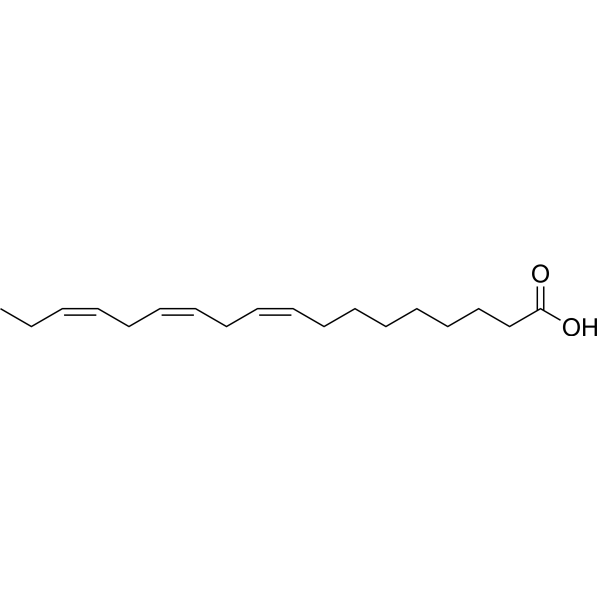
  • HY-N0728
    α-Linolenic acid
    Maximum Cited Publications
    11 Publications Verification

    ALA free base; C18:3 (9Z,12Z,15Z) free base; C18:3 n-3 free base

    Environmental Pollutants Akt PI3K Cardiovascular Disease Cancer
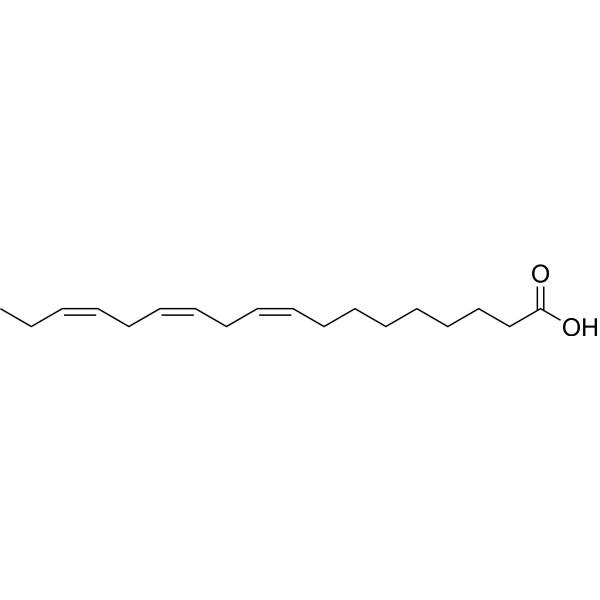
    α-Linolenic acid (ALA (free base); C18:3 (9Z,12Z,15Z) (free base); C18:3 n-3 (free base)) is an essential fatty acid that cannot be synthesized by humans. α-Linolenic acid can affect the process of thrombotic through the modulation of PI3K/Akt signaling. α-Linolenic acid possess the anti-arrhythmic properties and is related to cardiovascular disease and cancer .
    α-Linolenic acid
  • HY-P1929
    Bivalirudin
    Maximum Cited Publications
    9 Publications Verification

    Thrombin Interleukin Related RSV Infection Cardiovascular Disease Inflammation/Immunology
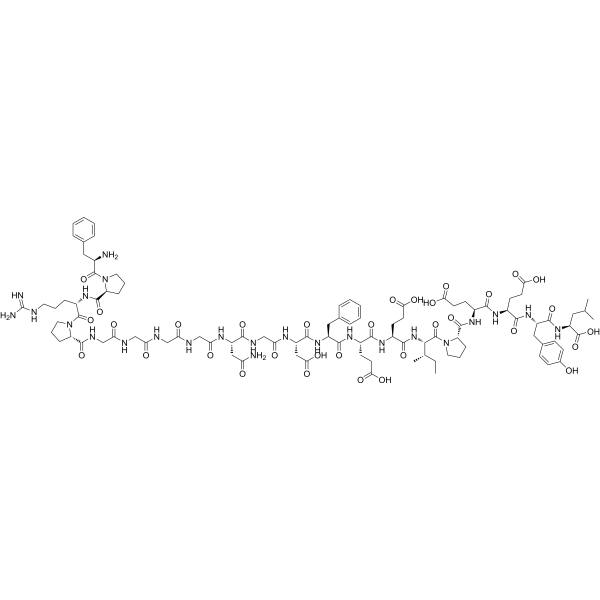
    Bivalirudin, a hirudin analog and anticoagulant, is a direct thrombin inhibitor. Bivalirudin inhibits thrombin-mediated fibrinogen cleavage, coagulation factor activation, and platelet activation by reversibly binding to thrombin. In addition, Bivalirudin also has certain effects of anti-virus, anti-inflammation, and vascular endothelial barrier function protection. Bivalirudin can be used for the research of thrombotic diseases and others .
    Bivalirudin
  • HY-15468
    IOX2
    Maximum Cited Publications
    18 Publications Verification

    HIF/HIF Prolyl-Hydroxylase Cancer
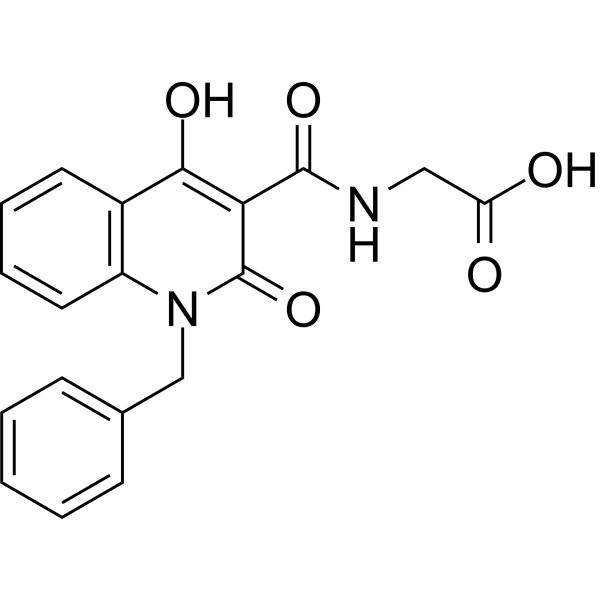
    IOX2, a chemical probe, is a specific prolyl hydroxylase-2 (PHD2) inhibitor with IC50 of 22 nM. IOX2 regulates platelet function and arterial thrombosis by upregulating HIF-1α expression and inhibiting ROS production. IOX2 can be used in the study of thrombotic diseases .
    IOX2
  • HY-N0728S3

    Isotope-Labeled Compounds PI3K Akt Cardiovascular Disease Cancer
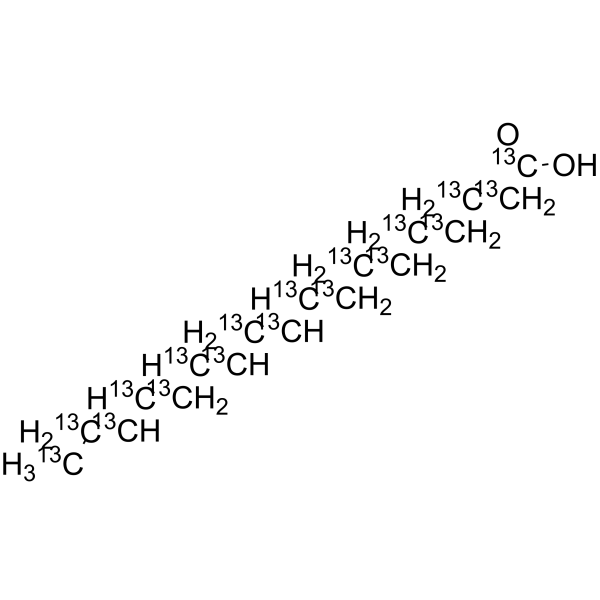
    α-Linolenic acid- 13C18 is the 13C labeled α-Linolenic acid. α-Linolenic acid, isolated from seed oils, is an essential fatty acid that cannot be synthesized by humans. α-Linolenic acid can affect the process of thrombotic through the modulation of PI3K/Akt signaling. α-Linolenic acid possess the anti-arrhythmic properties and is related to cardiovascular disease and cancer .
    α-Linolenic acid-13C18
  • HY-P0074
    GPRP
    3 Publications Verification

    Gly-Pro-Arg-Pro; Pefa 6003

    Thrombin Cardiovascular Disease
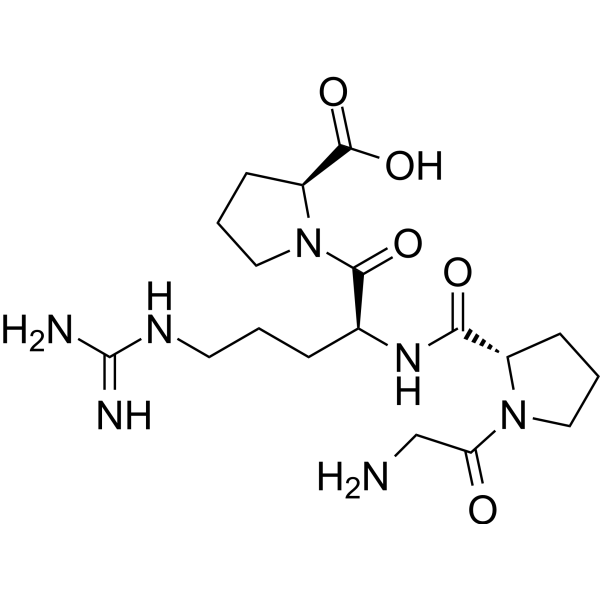
    GPRP (Gly-Pro-Arg-Pro; Pefa 6003) is a fibrin polymerization inhibitor that inhibits the interaction between fibrinogen and the platelet membrane glycoprotein Ⅱb/IIIa complex (glycoprotein IIb/IIIa receptor) . GPRP increases the level of free thrombin in activated platelet-rich plasma by reducing the adsorption of thrombin onto fibrin. GPRP inhibits platelet aggregation and prolongs the thrombin-initiated clotting time in plasma. GPRP is applicable for research related to thrombosis and thrombotic diseases .
    GPRP
  • HY-P99505

    COR-001; MEDI-5117; MEDI-5117; NN-6018; WBP-216

    Interleukin Related LDLR Inflammation/Immunology Endocrinology
    Ziltivekimab (COR-001) is a fully human monoclonal antibody and also an IL-6 inhibitor. Ziltivekimab significantly reduces inflammatory biomarkers and Lipoprotein (a) in chronic kidney disease patients with systemic inflammation. Ziltivekimab does not increase pro-atherosclerotic lipid levels. Ziltivekimab is used in studies related to atherosclerotic thrombotic diseases and chronic kidney disease .
    Ziltivekimab
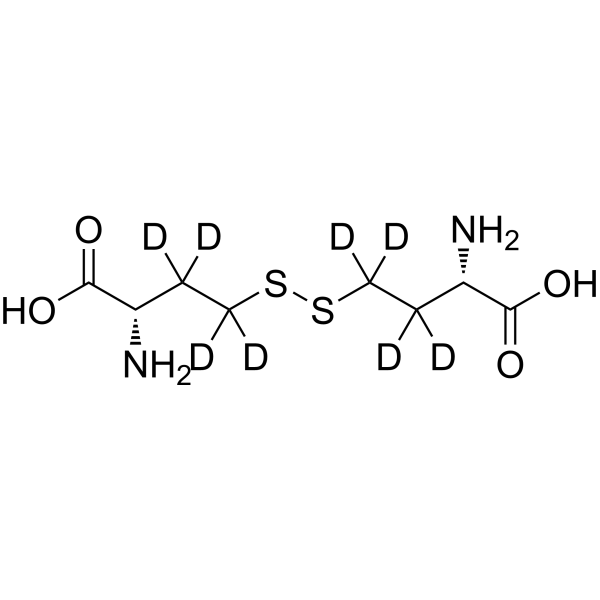
  • HY-W011690

    Endogenous Metabolite Cardiovascular Disease Metabolic Disease Inflammation/Immunology
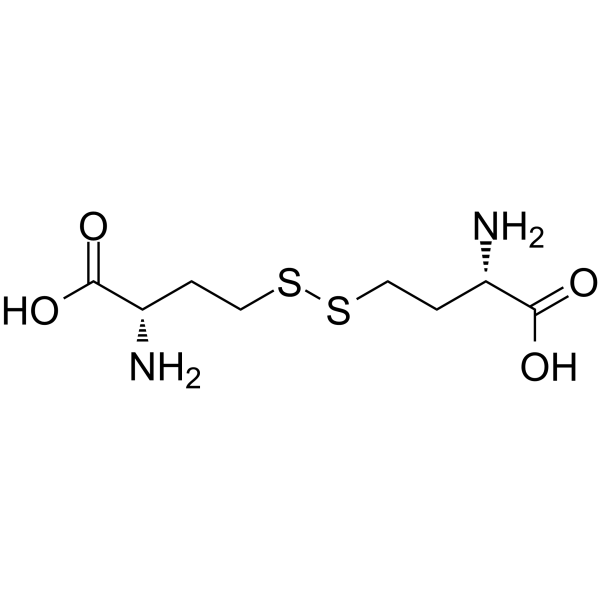
    L-Homocystine is the oxidized member of the L-homocysteine. Homocysteine is a pro-thrombotic factor, vasodilation impairing agent, pro-inflammatory factor and endoplasmatic reticulum-stress inducer used to study cardiovascular disease mechanisms.
    L-Homocystine
  • HY-15664
    Bivalirudin TFA
    Maximum Cited Publications
    9 Publications Verification

    Thrombin Interleukin Related RSV Infection Cardiovascular Disease Inflammation/Immunology
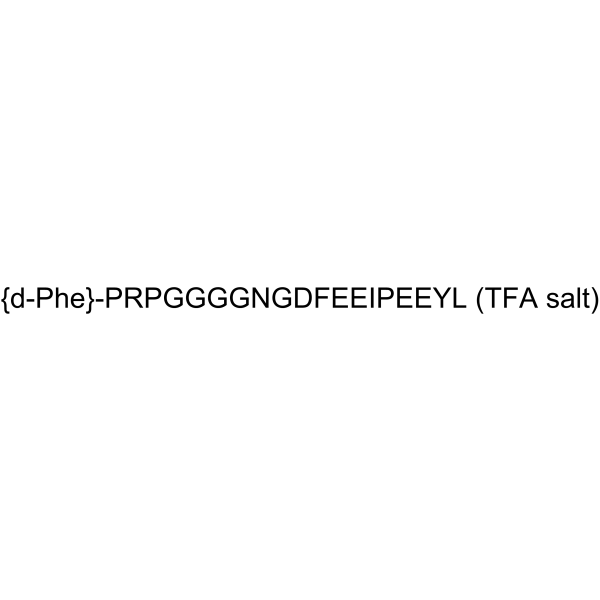
    Bivalirudin TFA, a hirudin analog and anticoagulant, is a direct thrombin inhibitor. Bivalirudin TFA inhibits thrombin-mediated fibrinogen cleavage, coagulation factor activation, and platelet activation by reversibly binding to thrombin. In addition, Bivalirudin TFA also has certain effects of anti-virus, anti-inflammation, and vascular endothelial barrier function protection. Bivalirudin TFA can be used for the research of thrombotic diseases and others .
    Bivalirudin TFA
  • HY-126356

    Liposome Cardiovascular Disease
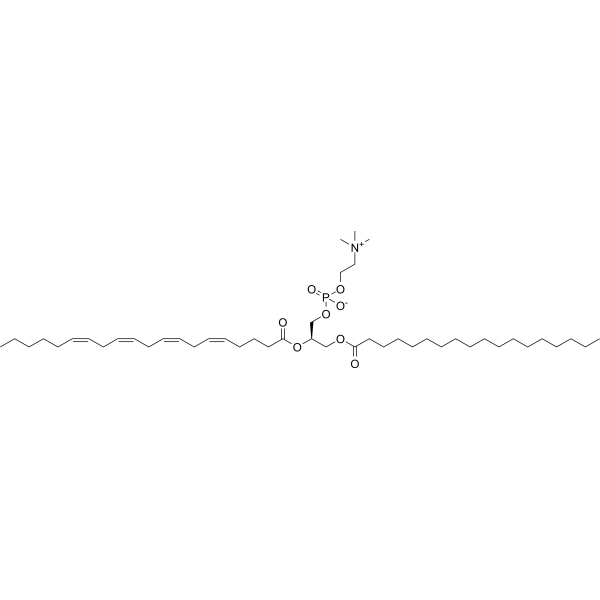
    1-Stearoyl-2-arachidonoyl-sn-glycero-3-phosphocholine is a major phospholipid in low-density lipoprotein and belongs to the group of 1-acyl phosphatidylcholines. 1-Stearoyl-2-arachidonoyl-sn-glycero-3-phosphocholine does not induce morphological changes in washed human platelets. 1-Stearoyl-2-arachidonoyl-sn-glycero-3-phosphocholine can be used for the research of atherosclerosis and thrombotic diseases .
    1-Stearoyl-2-arachidonoyl-sn-glycero-3-phosphocholine
  • HY-W089800

    trans-2-Nonen-1-al

    COX Lipoxygenase Apoptosis Cardiovascular Disease Inflammation/Immunology
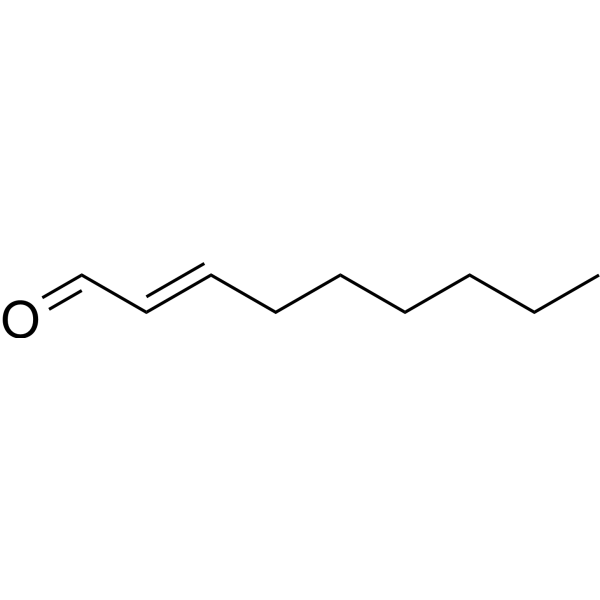
    trans-2-Nonenal (trans-2-Nonen-1-al) is an endogenous peroxidation product of polyunsaturated fatty acids, acting as an inhibitor of COX and 12-LOX, as well as an inducer of apoptosis. trans-2-Nonenal is also a malodorous compound secreted by the human body, and its content gradually increases with aging. trans-2-Nonenal inhibits the activities of multiple enzymes such as platelet membrane-bound PTPase, preferentially covalently modifies proteins at lysine residues to form immunogenic adducts, and regulates platelet Arachidonic acid (HY-109590) metabolism. trans-2-Nonenal also exhibits significant cytotoxicity, reduces the viability of keratinocytes, promotes their apoptosis, and effectively decreases the thickness of epidermal models and the number of proliferating cells. trans-2-Nonenal is commonly used in studies of thrombotic, atherosclerotic diseases, renal adenocarcinoma, etc. .
    trans-2-Nonenal
  • HY-N2082
    Isorhamnetin 3-O-galactoside
    1 Publications Verification

    Cacticin

    Thrombin COX ERK JNK Factor Xa Cardiovascular Disease Inflammation/Immunology
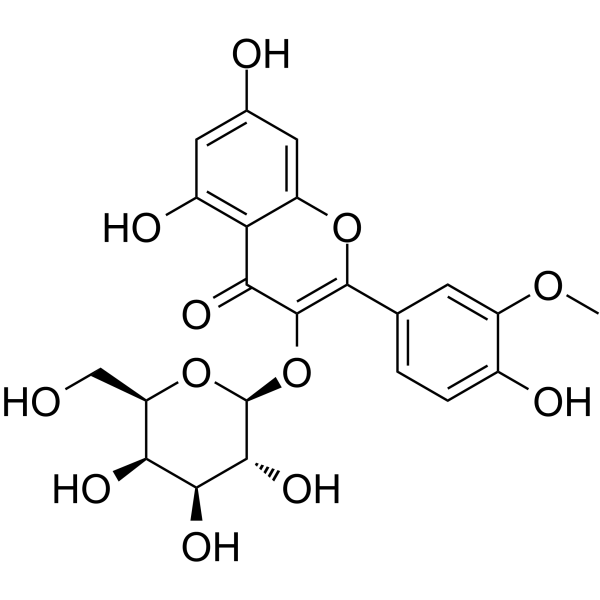
    Isorhamnetin 3-O-galactoside (Cacticin) is a flavonoid glycoside that can be isolated from Oenanthe javanica, with antithrombotic and profibrinolytic activities. Isorhamnetin 3-O-galactoside inhibits the activities of thrombin and factor Xa (FXa) and reduces thrombin-catalyzed fibrin polymerization maximum rate. Isorhamnetin 3-O-galactoside suppresses TNF-α-induced PAI-1 secretion, decreases the PAI-1/tissue-type plasminogen activator (t-PA) ratio, and inhibits FXa production and FVa/FXa-mediated thrombin generation. Isorhamnetin 3-O-galactoside exerts protective effects against Carbon tetrachloride (CCl4) (HY-Y0298)-induced hepatic injury in mice. Isorhamnetin 3-O-galactoside can be used for the study of liver injury-related diseases and thrombotic vascular diseases .
    Isorhamnetin 3-O-galactoside
  • HY-N0728S

    Isotope-Labeled Compounds PI3K Akt Cardiovascular Disease Cancer
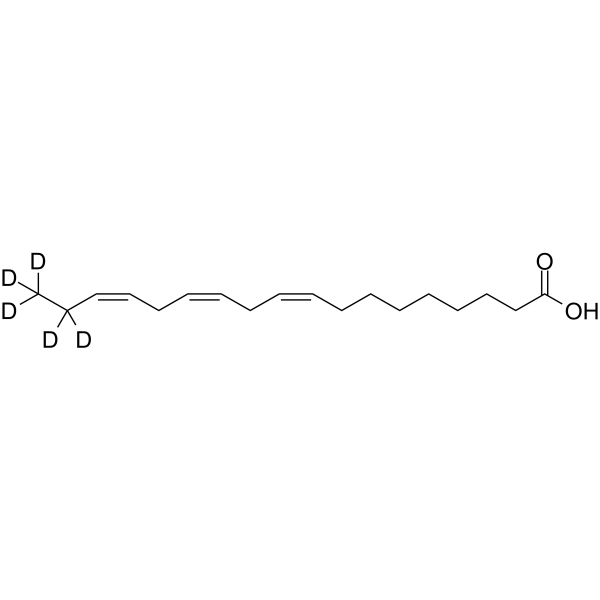
    α-Linolenic acid-d5 is the deuterium labeled α-Linolenic acid. α-Linolenic acid, isolated from seed oils, is an essential fatty acid that cannot be synthesized by humans. α-Linolenic acid can affect the process of thrombotic through the modulation of PI3K/Akt signaling. α-Linolenic acid possess the anti-arrhythmic properties and is related to cardiovascular disease and cancer .
    α-Linolenic acid-d5
  • HY-P3012

    Cathepsin ERK p38 MAPK PKC Protease Activated Receptor (PAR) MMP Inflammation/Immunology
    Cathepsin G is a pH-dependent serine protease. Cathepsin G hydrolyzes diverse synthetic and protein substrates and remodels extracellular matrix. Cathepsin G exerts immunomodulatory effects via recruiting phagocytes, enhancing T cell motility, activating ERK1/2 and p38 MAPK signaling, and mediating PKCζ membrane translocation. Cathepsin G regulates inflammatory responses by cleaving inflammatory mediators. Cathepsin G participates in vascular regulation by converting angiotensin I to angiotensin II. Cathepsin G induces PAR4-dependent platelet activation, facilitates platelet-neutrophil aggregation, and mediates VITT-related NETosis, thrombus formation. Cathepsin G can be used for the research of immune thrombotic thrombocytopenia, cardiovascular disease, and select autoimmune and inflammatory diseases .
    Cathepsin G
  • HY-N2452

    GLP Receptor Cardiovascular Disease Infection Metabolic Disease
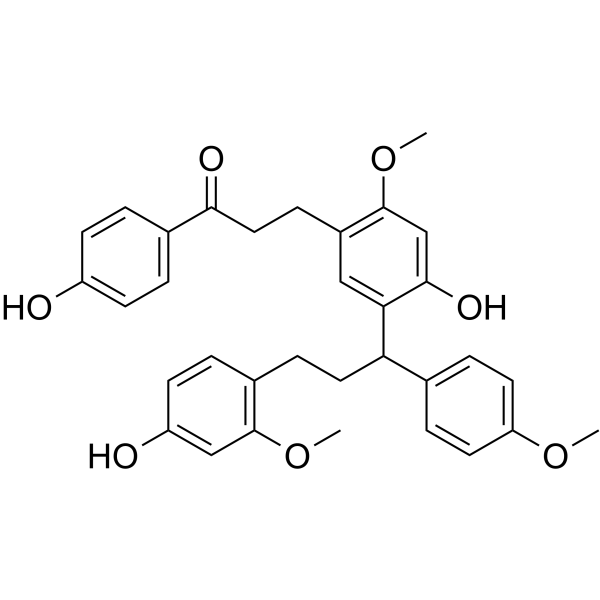
    Cochinchinenin C is a GLP-1R agonist that binds to the extracellular domain of the receptor via hydrophobic interactions and hydrogen bonds, and promotes glucose-dependent insulin secretion from pancreatic β-cells. Cochinchinenin C also increases intracellular cAMP and ATP levels. At low concentrations, Cochinchinenin C binds to human serum albumin, alters its microenvironment, and induces dominant static fluorescence quenching. Cochinchinenin C shows almost no cytotoxicity to pancreatic β-cells, and exerts a synergistic effect with Loureirin A (HY-N1505) when binding to human serum albumin. Cochinchinenin C has been widely used in studies of type 2 diabetes, Helicobacter pylori infection, thrombotic diseases, and other conditions .
    Cochinchinenin C
  • HY-N0728R
    α-Linolenic acid (Standard)
    Maximum Cited Publications
    11 Publications Verification

    Reference Standards PI3K Akt Cardiovascular Disease Cancer
    α-Linolenic acid (Standard) is the analytical standard of α-Linolenic acid. This product is intended for research and analytical applications. α-Linolenic acid, isolated from Perilla frutescens, is an essential fatty acid that cannot be synthesized by humans. α-Linolenic acid can affect the process of thrombotic through the modulation of PI3K/Akt signaling. α-Linolenic acid possess the anti-arrhythmic properties and is related to cardiovascular disease and cancer .
    α-Linolenic acid (Standard)
  • HY-W004283R

    Reference Standards Endogenous Metabolite JAK STAT PPAR p38 MAPK JNK ERK Caspase Apoptosis Metabolic Disease Cancer
    α-Linolenic acid (Standard) is the analytical standard of α-Linolenic acid. This product is intended for research and analytical applications. α-Linolenic acid, isolated from Perilla frutescens, is an essential fatty acid that cannot be synthesized by humans. α-Linolenic acid can affect the process of thrombotic through the modulation of PI3K/Akt signaling. α-Linolenic acid possess the anti-arrhythmic properties and is related to cardiovascular disease and cancer .
    Pentadecanoic acid (Standard)
  • HY-W011690S

    Endogenous Metabolite Metabolic Disease
    L-Homocystine-d8 is the deuterium labeled L-Homocystine. L-Homocystine is the oxidized member of the L-homocysteine. Homocysteine is a pro-thrombotic factor, vasodilation impairing agent, pro-inflammatory factor and endoplasmatic reticulum-stress inducer used to study cardiovascular disease mechanisms.
    L-Homocystine-d8
  • HY-N0728A
    α-Linolenic acid sodium
    10+ Cited Publications

    ALA; C18:3 (9Z,12Z,15Z); C18:3 n-3

    Environmental Pollutants Akt PI3K Cardiovascular Disease Cancer
    α-Linolenic acid sodium (ALA; C18:3 (9Z,12Z,15Z); C18:3 n-3) is an essential fatty acid that cannot be synthesized by humans. α-Linolenic acid sodium can affect the process of thrombotic through the modulation of PI3K/Akt signaling. α-Linolenic acid sodium possess the anti-arrhythmic properties and is related to cardiovascular disease and cancer .
    α-Linolenic acid sodium
  • HY-19660

    H-314-27

    Thrombin Cardiovascular Disease
    Inogatran (H-314-27) is a synthetic thrombin inhibitor, developed for the possible treatment and prophylaxis of arterial and venous thrombotic diseases.
    Inogatran
  • HY-P991124

    REGN-7508

    Factor XI Cardiovascular Disease
    Cenvacibart is a monoclonal antibody with anticoagulant activity, targeting human coagulation factor XI (F11). Cenvacibart blocks the role of coagulation factor XI in the coagulation cascade, reducing thrombus formation. Cenvacibart is promising for research of thrombotic diseases .
    Cenvacibart
  • HY-105866

    Calcium Channel Prostaglandin Receptor Cardiovascular Disease
    Wy 27569 is an orally active vascular selective calcium channel blocker that can effectively lower blood pressure. Wy 27569 is a thromboxane synthase inhibitor that can reshape prostaglandin balance, reduce pro thrombotic TXA2, and increase anti thrombotic PGI2. Wy 27569 can be used for research on cardiovascular diseases such as hypertension and angina .
    Wy 27569
  • HY-10594

    TAK-442

    Factor Xa Cardiovascular Disease Inflammation/Immunology
    Letaxaban (TAK-442) is an orally active and selective direct FXa inhibitor. Letaxaban is a drug with dual anticoagulant and anti-inflammatory activity that works by directly inhibiting FXa and by intervening in the PAR1 signaling pathway. Letaxaban can be used in the study of thrombotic diseases, cardiovascular diseases and inflammation-related diseases .
    Letaxaban
  • HY-172905

    Others Cardiovascular Disease
    BCX-3607 is an orally active tissue factor/factor VIIa (TF-FVIIa) inhibitor (IC50: 4 nM). BCX-3607 blocks the extrinsic coagulation pathway by inhibiting the TF-FVIIa complex and significantly prolongs the prothrombin time (PT). BCX-3607 has a higher selectivity for TF-FVIIa than other serine proteases (such as thrombin, FXa, etc.). BCX-3607 can reduce thrombus weight and inflammatory response, and has both anti-thrombotic and anti-inflammatory effects. BCX-3607 can be used in the study of thrombosis-related diseases .
    BCX-3607
  • HY-19229

    Integrin Cardiovascular Disease
    TAK-029 is a potent GP IIb/IIIa antagonist. TAK-029 has potent antithrombotic effects with bleeding time (BT) prolongation in arterial thrombosis models. TAK-029 can be used for the research of various arterial thrombotic diseases .
    TAK-029
  • HY-129786

    Prostaglandin Receptor Cardiovascular Disease
    LG 82-4-00 is a thromboxane (TX) synthase inhibitor with an IC50 value of 1.1 μM. LG 82-4-00 can inhibit collagen-induced TXB2 formation and platelet aggregation in plasma. LG 82-4-00 can be used in studies related to thrombotic diseases .
    LG 82-4-00
  • HY-143313

    Protease Activated Receptor (PAR) Cardiovascular Disease
    Protease-Activated Receptor-1 antagonist 1 (Compound 13) is a protease-activated receptor-1 (PAR-1) antagonist with the IC50 of 3 nM by FLIPR technology. Protease-Activated Receptor-1 antagonist 1 can be used for the research of thrombotic cardiovascular, myocardial infarction, and peripheral arterial disease .
    Protease-Activated Receptor-1 antagonist 1
  • HY-163685

    EN-1661

    Others Others
    Bisobrin (EN-1661) is a synthetic compound that may affect the thrombolytic system to promote thrombolysis and thereby play a role in inhibiting thrombotic diseases .
    Bisobrin
  • HY-10725

    Factor Xa Cardiovascular Disease
    Tanogitran is a dual inhibitor targeting Factor Xa and thrombin (thrombin), with Ki values of 26 and 2.7 nM, respectively. Tanogitran exhibits anticoagulant activity and can be used for research in thrombotic diseases .
    Tanogitran
  • HY-169836

    Integrin Cardiovascular Disease
    Des-ethyl-carafiban (Compound 44) is a fibrinogen receptor antagonist that can effectively inhibit platelet aggregation induced by multiple agonists. Des-ethyl-carafiban can be used in the research of thrombotic diseases .
    Des-ethyl-carafiban
  • HY-W091734

    Amino Acid Derivatives Cardiovascular Disease Neurological Disease
    Methyl 4-iodo-L-phenylalaninate hydrochloride is a Phenylalaninate derivative. Methyl 4-iodo-L-phenylalaninate hydrochloride can be used for the preparation of factor XI modulators used in the research of thrombotic and thromboembolic. Methyl 4-iodo-L-phenylalaninate hydrochloride can also be used for the synthesis of compounds for the research of amyloid-related diseases, such as Alzheimer’s disease .
    Methyl 4-iodo-L-phenylalaninate hydrochloride
  • HY-162109

    Thrombin Cardiovascular Disease
    Thrombin inhibitor 11 is an orally active, competitive and selective α-Thrombin inhibitor, with a Ki value of 65 nM against h-αThrombin and a Ki value of 10.3 nM against rat-derived α-thrombin. Thrombin inhibitor 11 can be used for the research of thrombotic diseases .
    Thrombin inhibitor 11
  • HY-15468A

    HIF/HIF Prolyl-Hydroxylase Cardiovascular Disease Cancer
    IOX2 sodium is a specific prolyl hydroxylase-2 (PHD2) inhibitor with IC50 of 22 nM. IOX2 sodium regulates platelet function and arterial thrombosis by upregulating HIF-1α expression and inhibiting ROS production. IOX2 sodium can be used in the study of thrombotic diseases .
    IOX2 sodium
  • HY-P2830

    Ser/Thr Protease Inflammation/Immunology
    Complement factor D is a serine protease. Complement factor D activates C3 convertase by specifically cleaving complement Factor B. Complement factor D is promising for research of autoimmune diseases (e.g., paroxysmal nocturnal hemoglobinuria, C3 glomerulopathy), age-related macular degeneration, and thrombotic microangiopathies .
    Complement factor D
  • HY-117537

    PAI-1 Cardiovascular Disease Cancer
    XR 5118 hydrochloride is an inhibitor of plasminogen activator inhibitor 1 (PAI-1) (IC50: 12 µM). XR5118 binds to PAI-1 and reduces plasma PAI-1 activity levels. XR5118 hydrochloride promotes endogenous thrombolysis and inhibits thrombus accretion. XR 5118 hydrochloride can be used for research of cancer and thrombotic disease .
    XR 5118 hydrochloride
  • HY-N0728S2

    Isotope-Labeled Compounds PI3K Akt Cardiovascular Disease Cancer
    α-Linolenic acid-d14 is the deuterium labeled α-Linolenic acid. α-Linolenic acid, isolated from seed oils, is an essential fatty acid that cannot be synthesized by humans. α-Linolenic acid can affect the process of thrombotic through the modulation of PI3K/Akt signaling. α-Linolenic acid possess the anti-arrhythmic properties and is related to cardiovascular disease and cancer .
    α-Linolenic acid-d14
  • HY-126356S

    Isotope-Labeled Compounds Liposome Cardiovascular Disease
    1-Stearoyl-2-arachidonoyl-sn-glycero-3-phosphocholine-d11 is the deuterium labeled 1-Stearoyl-2-arachidonoyl-sn-glycero-3-phosphocholine (HY-126356). 1-Stearoyl-2-arachidonoyl-sn-glycero-3-phosphocholine is a major phospholipid in low-density lipoprotein and belongs to the group of 1-acyl phosphatidylcholines. 1-Stearoyl-2-arachidonoyl-sn-glycero-3-phosphocholine does not induce morphological changes in washed human platelets. 1-Stearoyl-2-arachidonoyl-sn-glycero-3-phosphocholine can be used for the research of atherosclerosis and thrombotic diseases .
    1-Stearoyl-2-arachidonoyl-sn-glycero-3-phosphocholine-d11
  • HY-113769

    PAI-1 Cardiovascular Disease
    WB 3559 A is a fibrinolytic plasminogen activator. WB 3559 A accelerates the conversion of plasminogen to plasmin and directly degrades fibrin in thrombi. WB 3559 A is promising for research of acute thrombotic diseases (e.g., myocardial infarction, pulmonary embolism) .
    WB 3559 A
  • HY-10312

    Integrin Cardiovascular Disease
    UR-12947 is a platelet glycoprotein (GP) IIb-IIIa antagonist. UR-12947 exhibits potent inhibitory activity against platelet aggregation in human platelet-rich plasma, with an IC50 value of 3.5 nM. UR-12947 can be used in the research of arterial thrombotic diseases .
    UR-12947
  • HY-105514

    Drug Derivative Cardiovascular Disease
    KP-10614 is a potent, orally active platelet aggregation inhibitor. KP-10614 inhibits platelet aggregation induced by ADP with IC50 of 1 nM. KP-10614 causes dose-dependent inhibition of ex vivo platelet aggregation in rats. KP-10614 shows antithrombotic effects in various thrombosis models. KP-10614 can be used for thrombotic diseases research .
    KP-10614
  • HY-W011690R

    Endogenous Metabolite Reference Standards Cardiovascular Disease Metabolic Disease Inflammation/Immunology
    L-Homocystine (Standard) is the analytical standard of L-Homocystine (HY-W011690). This product is intended for research and analytical applications. L-Homocystine is the oxidized member of the L-homocysteine. Homocysteine is a pro-thrombotic factor, vasodilation impairing agent, pro-inflammatory factor and endoplasmatic reticulum-stress inducer used to study cardiovascular disease mechanisms.
    L-Homocystine (Standard)
  • HY-105363

    Others Cardiovascular Disease
    RGH-1962 is an orally active antithrombotic agent. RGH-1962 prevents endotoxin-induced decreases in fibrinogen level and platelet count, reduces the level of fibrin degradation products and inhibits the endotoxin-induced enhancement of fibrinolytic activity in a rabbit model of endotoxin-induced disseminated intravascular coagulation. RGH-1962 can be used for the study of thrombotic diseases .
    RGH-1962
  • HY-165360

    Thrombin Cardiovascular Disease
    JJ1 is a selective α-thrombin inhibitor with a Ki of 0.019 μM. JJ1 directly binds to the active site of α-thrombin to block its catalytic activity. JJ1 exhibits antithrombotic effects and prolongs activated partial thromboplastin time, prothrombin time, and tail bleeding time in mice. JJ1 can be used for the research of thrombotic diseases .
    JJ1
  • HY-105364

    GYKI 39521 hydriodide

    Others Cardiovascular Disease
    RGH-1875 (GYKI 39521) hydriodide is the hydriodide of RGH-1875. RGH-1875 is an orally active antithrombotic agent. RGH-1875 prevents endotoxin-induced decreases in fibrinogen level and platelet count, reduces the level of fibrin degradation products and inhibits the endotoxin-induced enhancement of fibrinolytic activity in a rabbit model of endotoxin-induced disseminated intravascular coagulation. RGH-1875 can be used for the study of thrombotic diseases .
    RGH-1875 hydriodide
  • HY-182573

    Protease Activated Receptor (PAR) Cardiovascular Disease
    RWJ-58259 is a selective PAR-1 inhibitor with an IC50 value of 0.15 μM. RWJ-58259 binds selectively to PAR-1, blocks the binding of tethered ligands, interferes with calcium mobilization and PAR-1-related cellular functions, and exhibits no PAR-1 agonist activity or thrombin proteolytic inhibitory activity. RWJ-58259 inhibits thrombin-induced platelet aggregation, calcium signaling and vascular smooth muscle cell proliferation, reduces neointimal thickness and arterial stenosis, and alleviates vascular occlusion and platelet deposition. RWJ-58259 can be used in the research of thrombotic diseases and vascular injury associated with acute coronary intervention .
    RWJ-58259

Inquiry Online

Your information is safe with us. * Required Fields.

Salutation


Country or Region *

Applicant Name *


Organization Name *

Department *


Email Address *


Product Name *

Cat. No.


Requested quantity *

Phone Number *


Remarks

Inquiry Online

Inquiry Information

Product Name:
Cat. No.:
Quantity:
MCE Japan Authorized Agent:

