1. Search Result
Search Result
Results for "

toxins B

" in MedChemExpress (MCE) Product Catalog:

34

Inhibitors & Agonists

1

Screening Libraries

1

Fluorescent Dyes

1

Biochemical Assay Reagents

13

Peptides

4

Inhibitory Antibodies

4

Natural
Products

Cat. No. Product Name Target Research Areas Chemical Structure
  • HY-120501
    B022
    Maximum Cited Publications
    17 Publications Verification

    NF-κB Inflammation/Immunology
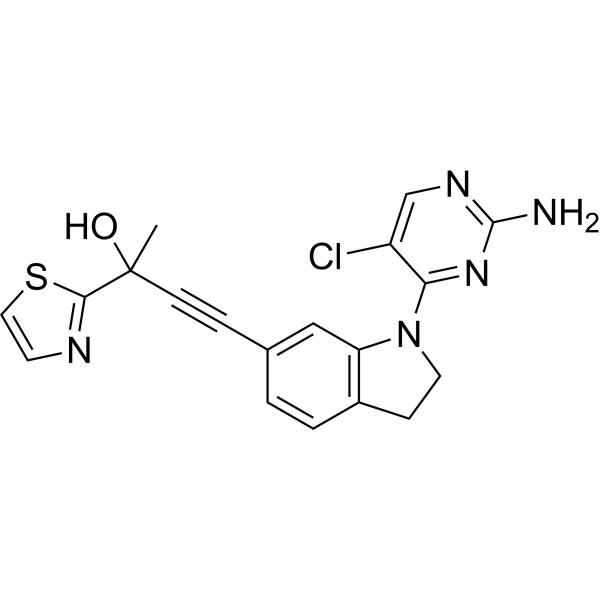
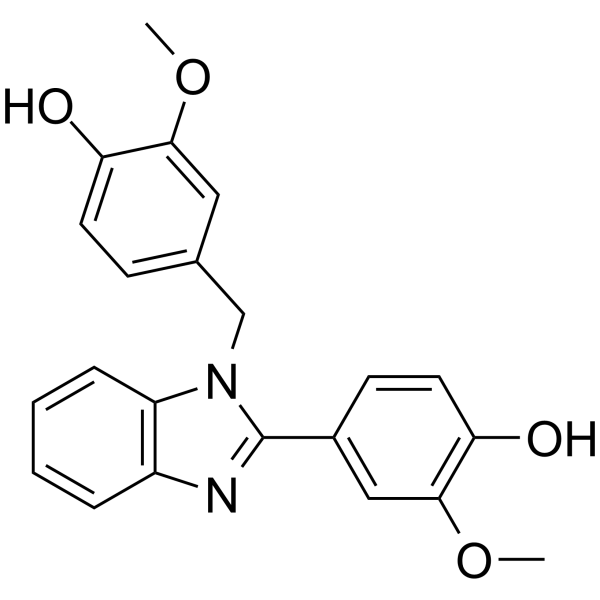
    B022 is a potent and selective NF-κB-inducing kinase (NIK) inhibitor (Ki of 4.2 nM; IC50=15.1 nM). B022 protects liver from toxin-induced inflammation, oxidative stress, and injury . B022 is a click chemistry reagent, it contains an Alkyne group and can undergo copper-catalyzed azide-alkyne cycloaddition (CuAAc) with molecules containing Azide groups.
    B022
  • HY-164702

    Izalontamab Brengitecan

    Antibody-Drug Conjugates (ADCs) EGFR Cancer
    BL-B01D1 is a bispecific ADC, which targets EGFR and HER3 through bispecific antibody Izalontamab (HY-P99676), and exhibits cytotoxicity against various cancer cells via inhibition of DNA replication and DNA synthesis by its ADC toxin ED04 (HY-153891). BL-B01D1 can be used in the study of cancer .
    BL-B01D1
  • HY-12546

    Brevetoxin-2; PbTx-2

    Sodium Channel Apoptosis Calcium Channel Potassium Channel Caspase Neurological Disease Cancer
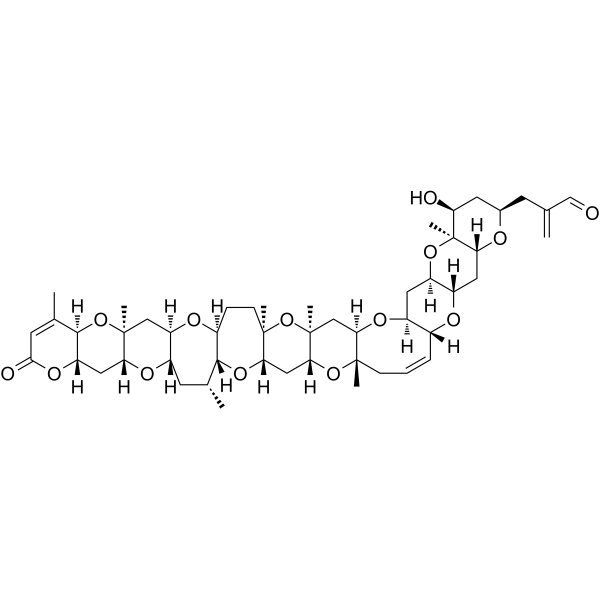
    Brevetoxin B (Brevetoxin-2) is a red tide toxin. Brevetoxin B affects sodium, potassium and calcium currents in nerve terminals. Brevetoxin B also modulates the metabolic activity of Jurkat cells, reduces cell viability and induces apoptosis. Brevetoxin B can be used in research on synaptic transmission and tumors .
    Brevetoxin B
  • HY-P3394

    CTB, from vibrio cholerae

    Biochemical Assay Reagents Others
    Cholera toxin B subunit, from vibrio cholerae (CTB, from vibrio cholerae) is non-toxic to cells and possesses no intrinsic adenylate cyclase activity. Cholera toxin B subunit, from vibrio cholerae attaches to cells by binding to ganglioside GM1.8 CTB has been shown to be a good label for microglial cells (due to the enrichment of ganglioside GM1 on their cell surface), but not for oligodendrocytes or astrocytes. Cholera toxin B subunit, from vibrio cholerae has been reported to be an excellent tracer for the study of axonal transport using immunohistochemical methods. Cholera toxin B subunit, from vibrio cholerae has been widely used as a marker of membrane lipid rafts .
    Cholera toxin B subunit, from vibrio cholerae
  • HY-P99583

    MEDI4893

    Bacterial Infection Inflammation/Immunology
    Suvratoxumab (MEDI4893) is a long-acting, high-affinity human anti-α-toxin monoclonal antibody (IgG1κ type). Suvratoxumab potently neutralizes α-toxin, a key S. aureus virulence factor. Suvratoxumab improves survival and reduces lung injury in an immunocompromised mice model of pneumonia. Suvratoxumab also enhances the antibacterial activity of Vancomycin (HY-B0671) or Linezolid (HY-10394) .
    Suvratoxumab
  • HY-107830

    Endogenous Metabolite Collagen Infection Metabolic Disease
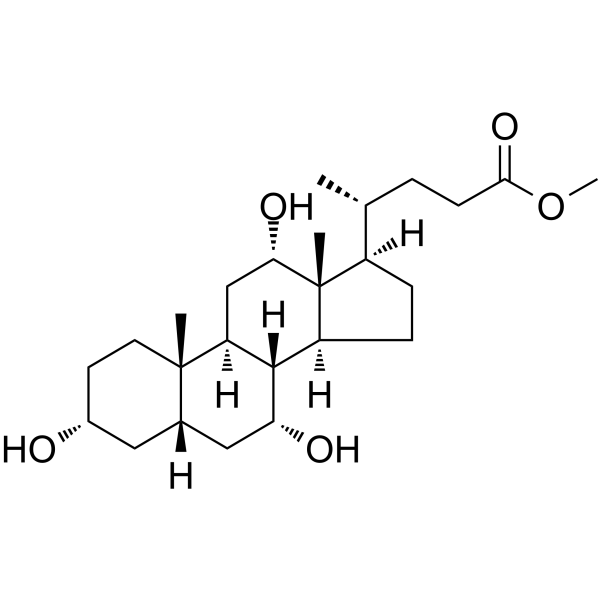
    Methyl cholate is a bile acid analog and a specific inhibitor of TcdB toxin from Clostridioides difficile. Methyl cholate exerts a stronger selective inhibitory effect on TcdB than on TcdA. Methyl cholate induces conformational stabilization by binding to a unique site of TcdB, thereby blocking the binding of the toxin to host receptors and its self-processing process. Methyl cholate effectively protects human fibroblasts from TcdB-induced cytopathic effects. Methyl cholate exhibits dose-dependent anti-hepatic fibrosis activity in both cellular and zebrafish models, and significantly reduces the expression levels of α-SMA and COL-I. Methyl cholate is suitable for in-depth research in the fields of Clostridioides difficile infection and hepatic fibrosis .
    Methyl cholate
  • HY-P9929
    Bezlotoxumab
    1 Publications Verification

    BLA761046; MBL-CDB1; MDX-1388

    Bacterial Infection
    Bezlotoxumab (BLA761046; MBL-CDB1; MDX-1388) is a fully humanized IgG1/kappa monoclonal antibody directed against Clostridium difficile toxin B. Bezlotoxumab mediates the early reconstitution of gut microbiota to reduce the risk of recurrent Clostridium difficile infection (CDI). Bezlotoxumab can be used for the study of recurrent Clostridium difficile infection prevention .
    Bezlotoxumab
  • HY-P1108
    Astressin 2B
    1 Publications Verification

    CRFR Neurological Disease Inflammation/Immunology
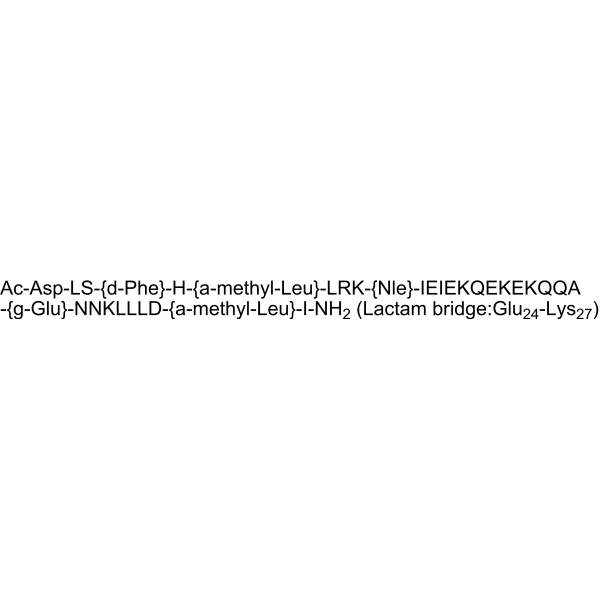
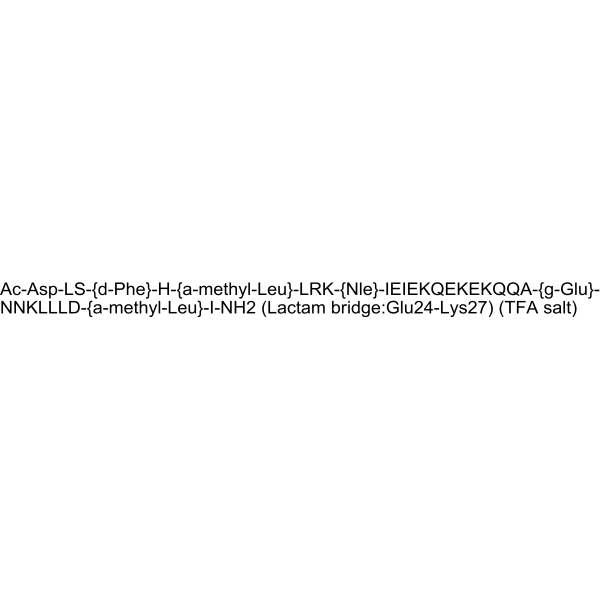
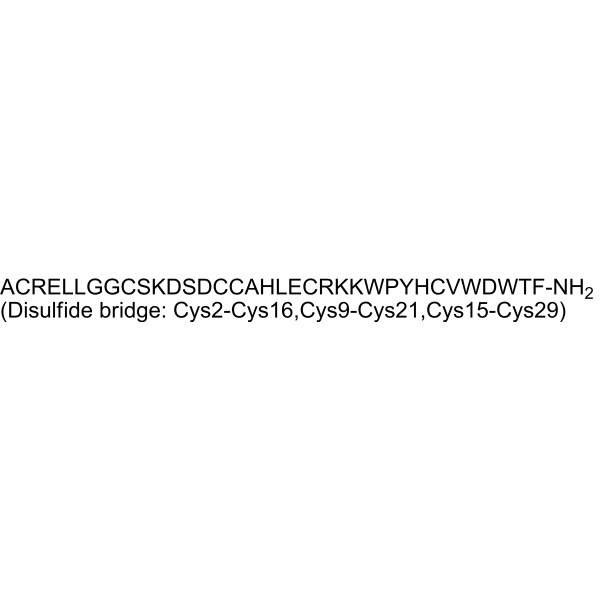
    Astressin 2B is a blood-brain barrier-impermeable, highly selective CRFR2 antagonist (rCRFR2, IC50=0.57 nM). Astressin 2B blocks the protective effects mediated by CRFR2, thereby exacerbating indomethacin (HY-14397)-induced hemorrhagic intestinal injury in rats. Astressin 2B reverses the protective effects of Urocortin 1 against intestinal hypermotility, bacterial invasion and upregulation of inflammatory mediators. Astressin 2B also blocks the anxiogenic effect of Urocortin 2 and attenuates stress-induced anxiety-related behaviors. In the Clostridioides difficile toxin A (C. difficile toxin A)-mediated enteritis model, Astressin 2B mimics the phenotype of CRFR2-deficient mice, significantly exacerbating intestinal epithelial damage, edema, neutrophil migration and the expression of multiple proinflammatory cytokines. Astressin 2B is an important tool molecule for investigating the intestinal protective mechanisms of CRFR2 .
    Astressin 2B
  • HY-P1108A
    Astressin 2B TFA
    1 Publications Verification

    CRFR Neurological Disease Inflammation/Immunology
    Astressin 2B TFA is a blood-brain barrier-impermeable, highly selective CRFR2 antagonist (rCRFR2, IC50=0.57 nM). Astressin 2B TFA blocks the protective effects mediated by CRFR2, thereby exacerbating indomethacin (HY-14397)-induced hemorrhagic intestinal injury in rats. Astressin 2B TFA reverses the protective effects of Urocortin 1 against intestinal hypermotility, bacterial invasion and upregulation of inflammatory mediators. Astressin 2B TFA also blocks the anxiogenic effect of Urocortin 2 and attenuates stress-induced anxiety-related behaviors. In the Clostridioides difficile toxin A (C. difficile toxin A)-mediated enteritis model, Astressin 2B TFA mimics the phenotype of CRFR2-deficient mice, significantly exacerbating intestinal epithelial damage, edema, neutrophil migration and the expression of multiple proinflammatory cytokines. Astressin 2B TFA is an important tool molecule for investigating the intestinal protective mechanisms of CRFR2 .
    Astressin 2B TFA
  • HY-P1117
    MMK1
    1 Publications Verification

    Formyl Peptide Receptor (FPR) Calcium Channel Neurological Disease Inflammation/Immunology
    MMK1 is a potent and selective human formyl peptide receptor like-1 (FPRL-1/FPR2) agonist with EC50s of <2 nM and >10000 nM for FPRL-1 and FPR1, respectively. MMK1 is a potent chemotactic and calcium-mobilizing agonist. MMK1 potently activates phagocytic leukocytes and enhances Pertussis Toxin-sensitive production by human monocytes of proinflammatory cytokines IL-1b and IL-6. MMK1 exerts anxiolytic-like activity .
    MMK1
  • HY-N6773

    HIV Protease Fungal Infection
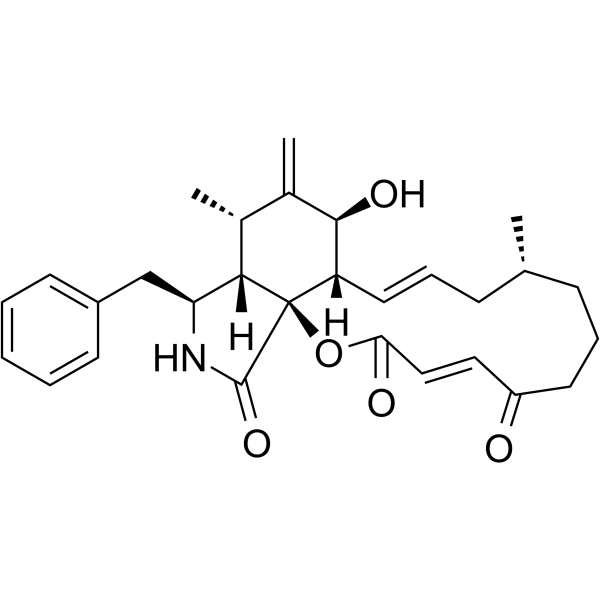
    Cytochalasin A is a cell-permeable fungal toxin that is an oxidized derivative of cytochalasin B. Cytochalasin A is an inhibitor of HIV-1 protease (IC50=3 μM) and inhibits actin polymerization and interferes with microtubule assembly by reacting with sulfhydryl groups. Antibiotic and fungicidal activitives .
    Cytochalasin A
  • HY-P10998

    TET Protein Neurological Disease
    Tet1 peptide is a peptide that specifically binds to neurons. Tet1 peptide binds to GT1B ganglioside and trisialoganglioside clostridial toxin receptor on the surface of neuronal cells, and can be used in peptide conjugation and drug delivery research .
    Tet1 peptide
  • HY-148041

    ATP Synthase Others
    ATPase-IN-2 is an ATPase inhibitor with an IC50 value of 0.9 μM. ATPase-IN-2 inhibits C. difficile toxin B (TcdB) glycohydrolase activity with an AC50 value of 30.91 μM. ATPase-IN-2 can be used for the research of ATP-related .
    ATPase-IN-2
  • HY-126484

    Fungal Others
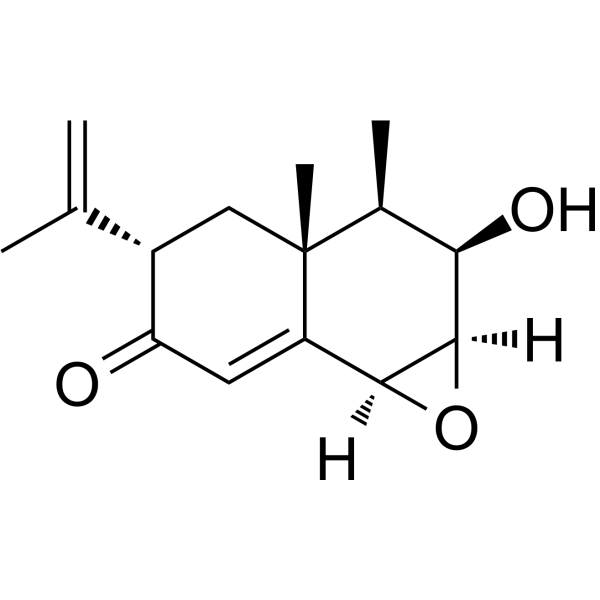
    Eremofortin B is a sesquiterpenoid compound synthesized by penicillium roqueforti PR Toxin (PRT) .
    Eremofortin B
  • HY-122306

    Mycotrienin II

    Antibiotic Bacterial Infection Cancer
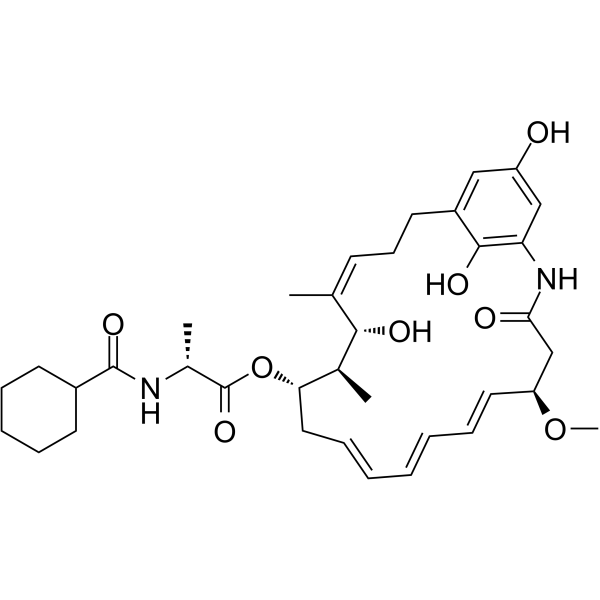
    Ansatrienin B (Mycotrienin II) is an ansamycin antibiotic isolated from Streptomyces. Ansatrienin B is active against fungi and yeasts, but inactive against bacteria.Ansatrienin B displays antitumor antibiotic activity and can be used as an ADC Toxin .
    Ansatrienin B
  • HY-P10204

    Wnt Cancer
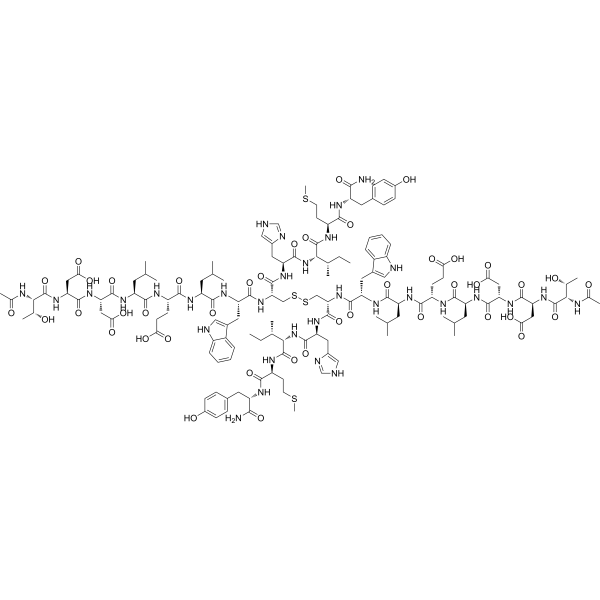
    FZD7 antagonist 1 (peptide 34) is a dFz7-21 analogue. FZD7 antagonist 1 is an FZD7 antagonist that inhibits the wnt3a with IC50 value of 9.2 nM. FZD7 antagonist 1 blocks TcdB−FZD interaction via targeting FZD receptors .
    FZD7 antagonist 1
  • HY-157084

    ROS Kinase Bacterial Infection
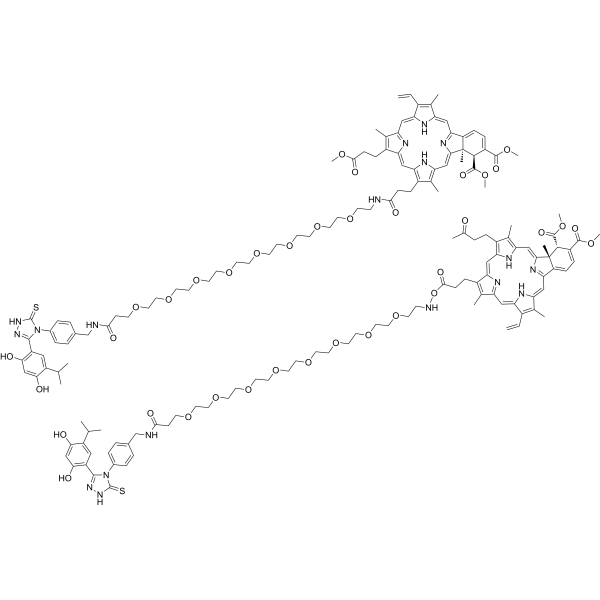
    HS-291 is a HtpG inhibitor of Borrelia burgdorferi (Bb). HS-291 contains BX-2819 (high affinity for Bb HtpG), PEG linker, and Verteporfin (HY-B0146) (a photoactive toxin).HS-291 produces reactive oxygen species under light activation to oxidize HtpG and a discrete protein subset near chaperone proteins and can quickly and irreversibly inactivate Bb .
    HS-291
  • HY-P3444

    PECAM-1

    SHP2 Bacterial Metabolic Disease Inflammation/Immunology
    CD31 (PECAM-1) is platelet endothelial cell adhesion molecule-1, serves as the endothelial cell-specific receptor of clostridium perfringens b-Toxin (CPB). CD31 is also an ER-MP12 antigen, acts as a linker between mechanical stress, metabolism and inflammation. CD31 peptide is able to sustain phosphorylation of the CD31 ITIM686 and of SHP2 and to inhibit TCR-induced T-cell activation - .
    CD31
  • HY-P10593

    Transmembrane Glycoprotein Influenza Virus Cancer
    Influenza A NP (383-391) (HLA-B27) is a peptide sequence derived from tetanus toxin. Influenza A NP (383-391) (HLA-B27) is a broadly immunogenic CD4+ T helper cell epitope that enhances CD8+ cytotoxic T lymphocyte (CTL) responses. Influenza A NP (383-391) (HLA-B27) can be used in breast cancer research .
    Influenza A NP (383-391) (HLA-B27)
  • HY-P5800

    μ-TrTx-Phlo1b

    Sodium Channel Neurological Disease
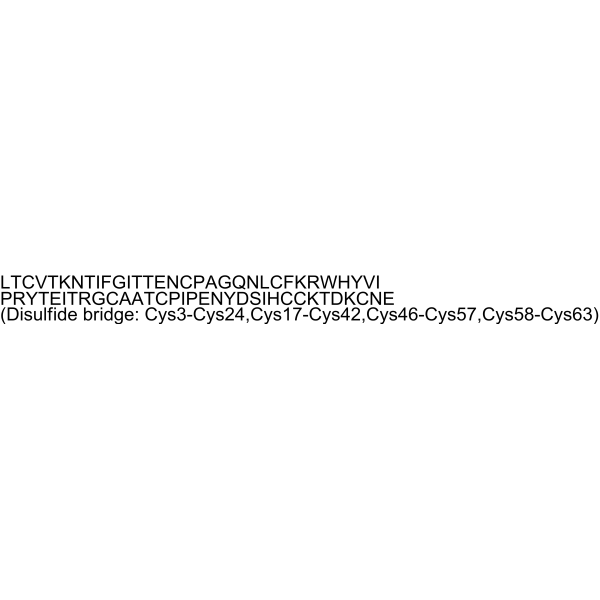
    Phlo1b (μ-TrTx-Phlo1b) is a peptide toxin contains 35-amino acid residues. Phlo1b is a selective Nav1.7 inhibitor. Phlo1b has a weak inhibitory effect on Nav1.2 and Nav1.5 .
    Phlo1b
  • HY-P5846

    MT3

    mAChR Adrenergic Receptor Neurological Disease
    Muscarinic toxin 3 (MT3) is a potent and non-competitive mAChR and adrenoceptors antagonist with pIC50s of 6.71, 8.79, 8.86, 7.57, 8.13, 8.49, <6.5, 7.29 against M1, M4, α1A, α1B, α1D2A2B and α2C receptors, respectively. Muscarinic toxin 3 displays prominent adrenoceptor activity .
    Muscarinic toxin 3
  • HY-134372A

    Adenylate Cyclase Bacterial Infection
    Bis-Br-ANT-ATP (tetrasodium) is a fluorescent derivative of adenosine-5’-triphosphate (ATP) (HY-B2176). Bis-Br-ANT-ATP (tetrasodium) selectively inhibits B. pertussis adenylyl cyclase toxin CyaA (Ki: 12.6 nM). Bis-Br-ANT-ATP (tetrasodium) can be used in Whooping cough research .
    Bis-Br-ANT-ATP tetrasodium
  • HY-P5801

    μ-TrTx-Phlo1a

    Sodium Channel Neurological Disease
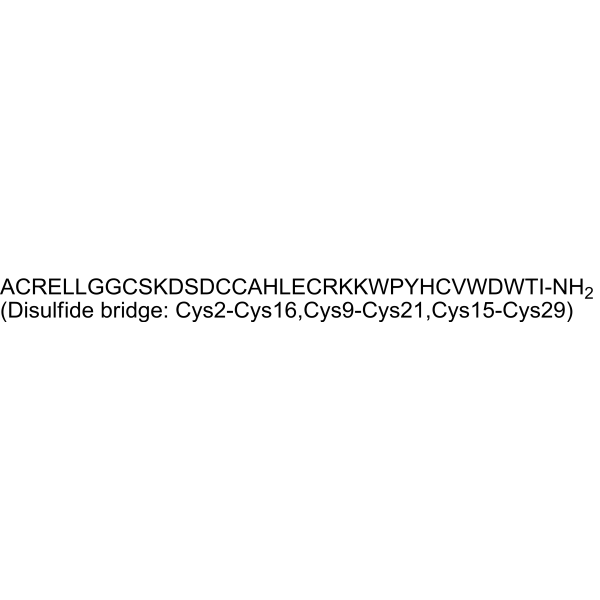
    Phlo1a (μ-TrTx-Phlo1a) is a peptide toxin contains 35-amino acid residues. Phlo1b is a selective Nav1.7 inhibitor. Phlo1a has a weak inhibitory effect on Nav1.2 and Nav1.5 .
    Phlo1a
  • HY-134373A

    Adenylate Cyclase Bacterial Infection
    Bis-Cl-ANT-ATP (tetrasodium) is a fluorescent ATP derivative, which undergo spontaneous isomerization. Bis-Cl-ANT-ATP (tetrasodium) selectively inhibits B. pertussis Adenylyl Cyclase (AC) toxin CyaA over mammalian AC1, AC2, and AC5 (Kis = 16, 1,700, 2,400, and 1,600 nM, respectively). Bis-Br-ANT-ATP (tetrasodium) can be used in the study of whooping cough .
    Bis-Cl-ANT-ATP tetrasodium
  • HY-P1117A

    Formyl Peptide Receptor (FPR) Calcium Channel Neurological Disease Inflammation/Immunology
    MMK1 TFA is a potent and selective human formyl peptide receptor like-1 (FPRL-1/FPR2) agonist with EC50s of <2 nM and >10000 nM for FPRL-1 and FPR1, respectively. MMK1 TFA is a potent chemotactic and calcium-mobilizing agonist. MMK1 TFA potently activates phagocytic leukocytes and enhances Pertussis Toxin-sensitive production by human monocytes of proinflammatory cytokines IL-1b and IL-6. MMK1 TFA exerts anxiolytic-like activity .
    MMK1 TFA
  • HY-P3565

    STX-b

    Calcium Channel Cardiovascular Disease
    Sarafotoxin S6d (STX-b) is a polypeptide toxin isolated from the venom of the Israeli sand boa constrictor. Sarafotoxin S6d induces multiple electrocardiogram (ECG) changes including myocardial ischemia and hyperkalemia. Sarafotoxin S6d induces strong extracellular calcium-dependent vasoconstriction in rat aorta and exhibits positive inotropic effects in rat atria. Sarafotoxin S6d can be used in the study of cardiovascular diseases .
    Sarafotoxin S6d
  • HY-P3444A

    PECAM-1 TFA

    SHP2 Bacterial Metabolic Disease Inflammation/Immunology
    CD31 (PECAM-1) TFA is platelet endothelial cell adhesion molecule-1, serves as the endothelial cell-specific receptor of clostridium perfringens b-Toxin (CPB). CD31 TFA is also an ER-MP12 antigen, acts as a linker between mechanical stress, metabolism and inflammation. CD31 TFA peptide is able to sustain phosphorylation of the CD31 ITIM686 and of SHP2 and to inhibit TCR-induced T-cell activation - .
    CD31 TFA
  • HY-181824

    Bacterial Infection
    Cholera toxin-IN-1 is a potent competitive inhibitor of cholera toxin B subunit (CTB) with an IC50 value of 11.78 μM. Cholera toxin-IN-1 forms stable hydrogen bonds and hydrophobic interactions. Cholera toxin-IN-1 competitively blocks the binding of CTB to GM1 ganglioside. Cholera toxin-IN-1 can be used for the research of cholera .
    Cholera toxin-IN-1
  • HY-P992123

    AZD-5148

    Bacterial Infection
    Ombetoxabart is a humanized IgG1-κ monoclonal antibody targeting TcdB (Clostridioides difficile toxin B), which exerts its function by neutralizing the toxicity of TcdB. Ombetoxabart can be used for the study of Clostridioides difficile infection .
    Ombetoxabart
  • HY-175073

    Toll-like Receptor (TLR) Interleukin Related Neurological Disease Inflammation/Immunology
    Ganglioside GT1b bovine trisodium is a trisialic acid ganglioside. Ganglioside GT1b bovine trisodium binds to botulinum toxin type A (BTxA), BTxA heavy chain, and tetanus toxin with IC50 values of 11, 0.74, and 7.2 μM, respectively. Ganglioside GT1b bovine trisodium acts as a TLR2 agonist, leading to microglial activation, increased expression of pro-inflammatory factors, and increased pain sensitivity in spinal microglia. Ganglioside GT1b bovine trisodium also reduces the production of IL-6, IL-10, IgG, IgM, and IgA in human peripheral blood mononuclear cells (PBMCs). Ganglioside GT1b bovine trisodium increases extracellular glutamate levels in neural cell models. Ganglioside GT1b bovine trisodium has potential applications in research on immune system diseases and nervous system diseases .
    Ganglioside GT1b (bovine) trisodium
  • HY-185294

    Antibody-Drug Conjugates (ADCs) Others
    ADC Control human IgG1-ED04 is an ADC control composed of Human IgG1 kappa, Isotype Control (HY-P99001) and ADC toxin ED04 (HY-153891). It can be used as an isotype control for BL-B01D1 (HY-164702).
    ADC Control Human IgG1-ED04
  • HY-P992417

    CD20 Apoptosis Cancer
    MT-3724 is a CD20-targeted endotoxin B. MT-3724 binds to CD20, triggers receptor internalization, traffics to the endoplasmic reticulum, and induces permanent ribosomal inactivation to mediate cell killing. MT-3724 can inhibit protein synthesis and promote tumor cell apoptosis. MT-3724 can be used for the research of relapsed or refractory B-cell non-Hodgkin’s lymphomas and diffuse large B-cell lymphoma .
    MT-3724
  • HY-165650

    C16-GM1; N-Hexadecaoyl (13,13,14,14,15,15,16,16,16)-moosialogaglioside GM1

    Others Infection
    C16 Ganglioside GM1 (d18:1/16:0) (C16-GM1) is a member of the ganglioside family containing saturated C16:0 acyl chains. C16 Ganglioside GM1 (d18:1/16:0) serves as a functional receptor for Cholera toxin (HY-P1446) B subunit, while showing reduced efficiency in both transcytosis and retrograde pathways. C16 Ganglioside GM1 (d18:1/16:0) can be used for diarrheal diseases research .
    C16 Ganglioside GM1 (d18:1/16:0)
  • HY-165650A

    C16-GM1 ammonium; N-Hexadecaoyl (13,13,14,14,15,15,16,16,16)-moosialogaglioside GM1 ammonium

    Endogenous Metabolite Infection
    C16 Ganglioside GM1 (d18:1/16:0) (C16-GM1) ammonium is a member of the ganglioside family containing saturated C16:0 acyl chains. C16 Ganglioside GM1 (d18:1/16:0) ammonium serves as a functional receptor for Cholera toxin (HY-P1446) B subunit, while showing reduced efficiency in both transcytosis and retrograde pathways. C16 Ganglioside GM1 (d18:1/16:0) ammonium can be used for diarrheal diseases research .
    C16 Ganglioside GM1 (d18:1/16:0) ammonium

Inquiry Online

Your information is safe with us. * Required Fields.

Salutation


Country or Region *

Applicant Name *


Organization Name *

Department *


Email Address *


Product Name *

Cat. No.


Requested quantity *

Phone Number *


Remarks

Inquiry Online

Inquiry Information

Product Name:
Cat. No.:
Quantity:
MCE Japan Authorized Agent: