1. Search Result
Search Result
Pathways Recommended: Stem Cell/Wnt Cell Cycle/DNA Damage
Results for "

triple-negative breast cancer cell lines

" in MedChemExpress (MCE) Product Catalog:

29

Inhibitors & Agonists

1

Biochemical Assay Reagents

1

Inhibitory Antibodies

Cat. No. 상품명 Target 연구분야 Chemical Structure
  • HY-136420

    PROTACs Raf Apoptosis Inflammation/Immunology Cancer
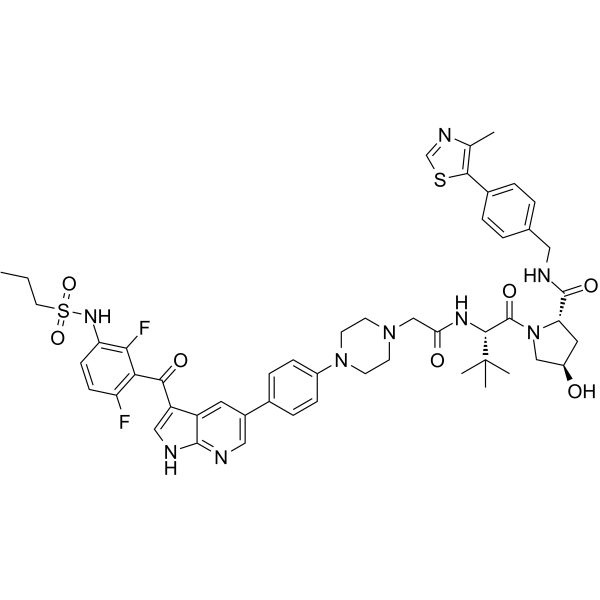
    SJF-0628 is a RAF PROTAC degrader. SJF-0628 induces targeted degradation of BRAF in various cancer cell lines (colorectal cancer cell lines (Colo-205, LS-411N, HT-29, RKO) and triple-negative breast cancer cell line DU-4475). SJF-0628 decreases pMEK and pErk levels in DU-4475 cells. SJF-0628 has anti-tumor activity. SJF-0628 can be used for research of colorectal cancer and triple-negative breast cancer. (Pink: RAF ligand (HY-12057), Blue: VHL Ligand ( HY-125845), Black: Linker (HY-B0912)) .
    SJF-0628
  • HY-120929
    BI8622
    4 Publications Verification

    E1/E2/E3 Enzyme c-Myc Inflammation/Immunology Cancer
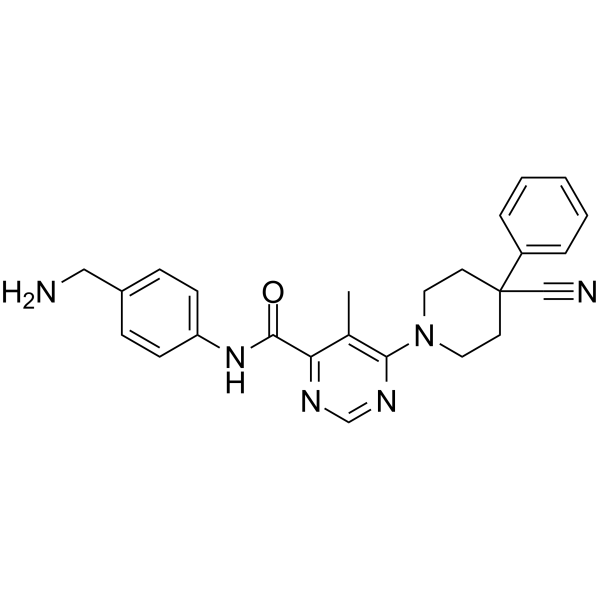
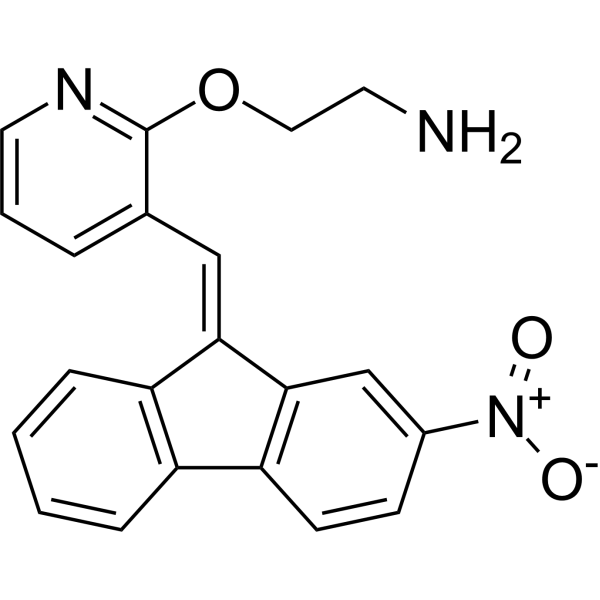
    BI8622 is a specific inhibitor of the ubiquitin ligase HUWE1 with an IC50 of 3.1 μM. BI8622 can decrease the protein expression levels of c-myc and glycolytic markers as well as immune modulatory markers after HUWE1 inhibition in triple-negative breast cancer (TNBC) cell lines. BI8622 significantly protects against cisplatin (HY-17394)-induced acute kidney injury (AKI). BI8622 significantly reduces the growth of multiple myeloma (MM) cell lines and induces cell cycle arrest. BI8622 can prevent HUWE1-dependent TTBK2 ubiquitination. BI8622 can be studied in research for various diseases including medulloblastoma, acute kidney injury, breast cancer and MM .
    BI8622
  • HY-162250

    PROTACs Histone Methyltransferase Cancer
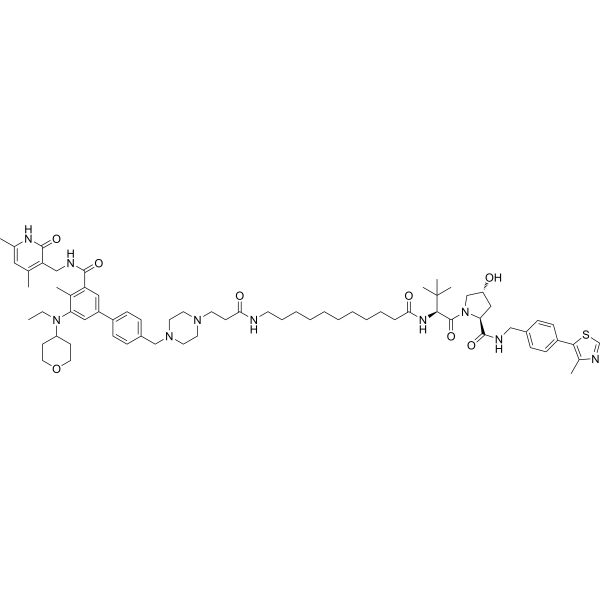
    MS8847 is a PROTAC degrader and antiproliferative agent targeting EZH2 (DC50=34.4 nM in EOL-1 MLL-rAML cells). MS8847 recruits the E3 ligase von Hippel-Lindau (VHL) to mediate the degradation of EZH2 via the ubiquitin-proteasome system. MS8847 induces antiproliferative effects in MLL-rearranged acute myeloid leukemia cells and inhibits the growth of triple-negative breast cancer cell lines or 3D triple-negative breast cancer models. MS8847 is applicable to research related to MLL-rearranged acute myeloid leukemia and triple-negative breast cancer .
    MS8847
  • HY-P991372

    RN927C antibody

    TROP2 Cancer
    Anti-TROP2 Antibody (RN927C antibody) is a human monoclonal antibody targeting Trop-2. Anti-TROP2 Antibody exerts in vitro inhibitory effects on a variety of tumor cell lines. Anti-TROP2 Antibody exhibits anti-tumor activity in mouse pancreatic PDX, ovarian PDX, lung PDX and triple-negative breast cancer (TNB) PDX models. Anti-TROP2 Antibody can be used for research on pancreatic cancer, ovarian cancer, lung cancer and triple-negative breast cancer .
    Anti-TROP2 Antibody
  • HY-157396

    Aurora Kinase Apoptosis Caspase Cancer
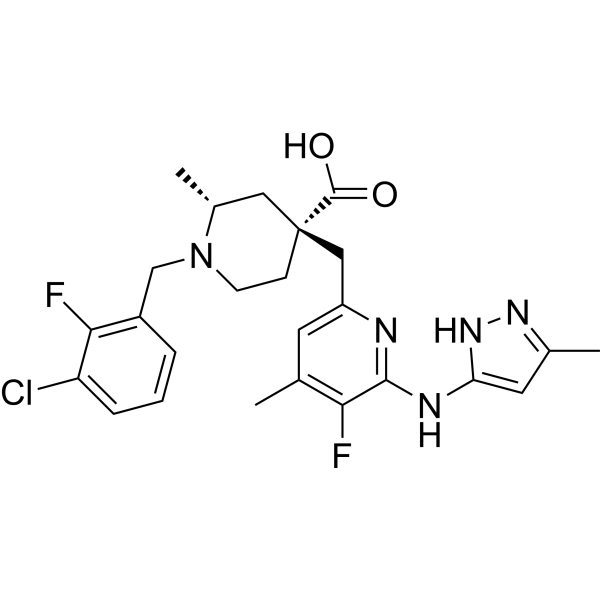
    JAB-2485 is an orally active and selective Aurora kinase A (AURKA) inhibitor with an IC50 value of 0.327 nM. JAB-2485 exhibits inhibitory activity against various tumor cell lines such as neuroblastoma, triple-negative breast cancer, small cell lung cancer, and epithelial ovarian cancer. JAB-2485 can induce cell cycle arrest and apoptosis in tumor cells. JAB-2485 has antitumor activity .
    JAB-2485
  • HY-171955

    Lipoxygenase Apoptosis Reactive Oxygen Species (ROS) FAK Cancer
    LXG6403 is an orally active and irreversible LOX inhibitor (IC50 = 1.3 μM). LXG6403 is ~3.5-fold more specific for LOX than LOXL2 and does not inhibit LOXL1. LXG6403 inhibits FAK signaling and induces ROS generation and DNA damage, leading to G1 arrest and apoptosis in chemoresistant triple-negative breast cancer (TNBC) cell lines. LXG6403 alters the extracellular matrix (ECM) and collagen structure, reducing collagen cross-linking and deposition, thereby increasing drug penetration and reducing tumor stiffness. LXG6403 overcomes Doxorubicin (HY-15142) resistance in chemoresistant TNBC PDX in vivo and can be used to study high-stiffness resistant tumors .
    LXG6403
  • HY-NP163A

    WGA-AF488

    Fluorescent Dye Cancer
    Wheat germ agglutinin-AF488 (WGA-AF488) is a cell membrane-specific staining agent prepared by conjugating wheat germ agglutinin with the Alexa Fluor 488 (HY-D1304) fluorescent dye, and it binds to cell surface glycoproteins with high affinity. Wheat germ agglutinin-AF488 is applied in fluorescence microscopy and confocal imaging techniques, and it can clearly label the membrane structures of various cells including breast cancer cells, enabling high-resolution visual observation. Wheat germ agglutinin-AF488 is used in studies of breast cancer and triple-negative breast cancer to observe cell morphology and membrane dynamic changes .
    Wheat germ agglutinin-AF488
  • HY-165245

    Transmembrane Glycoprotein Cancer
    SBI-183 is an orally active inhibitor of QSOX1 (Kd: 20 μM). SBI-183 suppresses the proliferative and invasive phenotype of renal cancer cell lines, including triple negative breast cancer cell line, lung adenocarcinoma cell line and pancreatic ductal adenocarcinoma. SBI-183 inhibits tumor growth in two human xenograft mouse models of renal cell carcinoma in vivo .
    SBI-183
  • HY-148368

    Bcl-2 Family Apoptosis Cancer
    CYD-4-61 is a novel Bax activator used for breast cancer research. CYD-4-61 inhibits triple-negative breast cancer MDA-MB-231 and ER-positive breast cancer MCF-7 cell lines proliferation. CYD-4-61 activates Bax protein to induce cytochrome c release and regulate apoptotic biomarkers, leading to cancer cell apoptosis .
    CYD-4-61
  • HY-125209A

    Apoptosis PARP DNA/RNA Synthesis Cancer
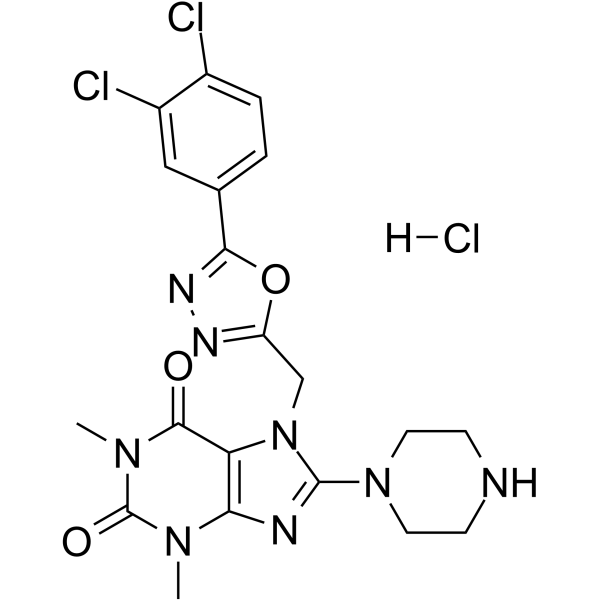
    TH5427 hydrochloride is a NUDT5 inhibitor with a human target IC50 of 29 nM, ~690-fold selectivity over MTH1 in vitro, and selective functional inhibition over other NUDIX hydrolases including NUDT9 .TH5427 hydrochloride binds to the active site of NUDT5, blocking enzymatic activity related to ADP-ribose metabolism and PAR-derived ATP synthesis .TH5427 hydrochloride blocks progestin-dependent nuclear ATP synthesis, impairs progestin-induced chromatin remodeling, inhibits histone H1 displacement, disrupts progestin-dependent gene regulation, and abrogates progestin-dependent proliferation in breast cancer cells .TH5427 hydrochloride functions as a versatile probe to study nuclear ATP dynamics and ADP-ribose-related metabolism in cells .TH5427 hydrochloride engages NUDT5 at physiological temperatures, as demonstrated by Drug Affinity Responsive Target Stability (DARTS) assay .TH5427 hydrochloride stabilizes NUDT5 against thermal denaturation in cell lysates and intact cells, as shown by cellular thermal shift assay (CETSA) .TH5427 hydrochloride functionally inhibits NUDT5 activity, leading to downstream effects on oxidative DNA damage and DNA replication in triple-negative breast cancer (TNBC) cells .TH5427 hydrochloride suppresses proliferation of TNBC cells without inducing cell death or apoptosis, slows DNA replication in TNBC cells, promotes accumulation of oxidative DNA lesions, and triggers DNA damage response in TNBC cells .TH5427 hydrochloride suppresses growth of TNBC cells in vitro, inhibits growth of TNBC xenograft tumors in nude mice in vivo, and shows greater potency against TNBC cell lines compared to ER-positive and normal-like breast cell lines .TH5427 hydrochloride can be used for the research of breast cancer and triple-negative breast cancer .
    TH5427 hydrochloride
  • HY-175975

    PROTACs Akt Cancer
    PROTAC Akt3 Degrader-1 is a highly efficient and selective PROTAC degrader targeting Akt3. PROTAC Akt3 Degrader-1 shows weak antiproliferative activity in 36 cell lines. PROTAC Akt3 Degrader-1 can be used for the study of Triple-negative breast cancer and melanoma .
    PROTAC Akt3 Degrader-1
  • HY-119377

    Glutaminase Cancer
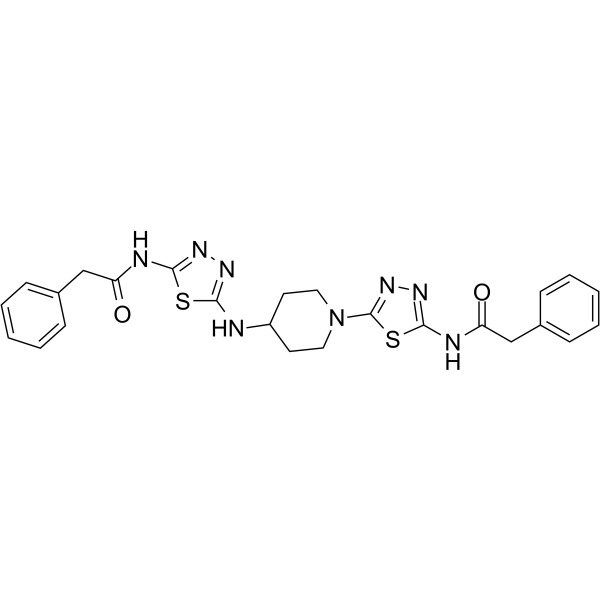
    UPGL00004 is a potent allosteric glutaminase C (GAC) inhibitor (IC50=29 nM; Kd=27 nM). UPGL00004 strongly inhibits the proliferation of highly aggressive triple-negative breast cancer cell lines .
    UPGL00004
  • HY-122703

    Epigenetic Reader Domain Cancer
    BETi-211 is an orally active BET inhibitor (Ki: <1 nM). BETi-211 inhibits growth of triple-negative breast cancers (TNBC) cell lines with IC50 < 1 μM. BETi-211 degrades BET proteins and suppress tumor growth in xenograft breast tumors .
    BETi-211
  • HY-168043

    STAT Cancer
    STAT3-IN-35 is a STAT3 inhibitor that binds to SH2 domain. STAT3-IN-35 inhibits the phosphorylation of STAT3 and possesses antiproliferative activities against triple-negative breast cancer (TNBC) cell lines. STAT3-IN-35 also has a toxicity and potent antitumor activity in a TNBC xenograft model .
    STAT3-IN-35
  • HY-175221

    Apoptosis Autophagy Cancer
    WHN-11 is an amino-Artemisinin (HY-B0094) derivative with anti-cancer activity against various cancer cell lines. WHN-11 deprives the cell of ATP, activates autophagy, and causes subsequent cell death by apoptosis. WHN-11 alters cellular protein homeostasis pathways to induce mitochondrial fission and dysfunction. WHN-11's anti-cancer activity is independent of substantive ROS production. WHN-11 can be used for the study of triple-negative breast cancer (TNBC) .
    WHN-11
  • HY-150609

    SHP2 Phosphatase CDK Cancer
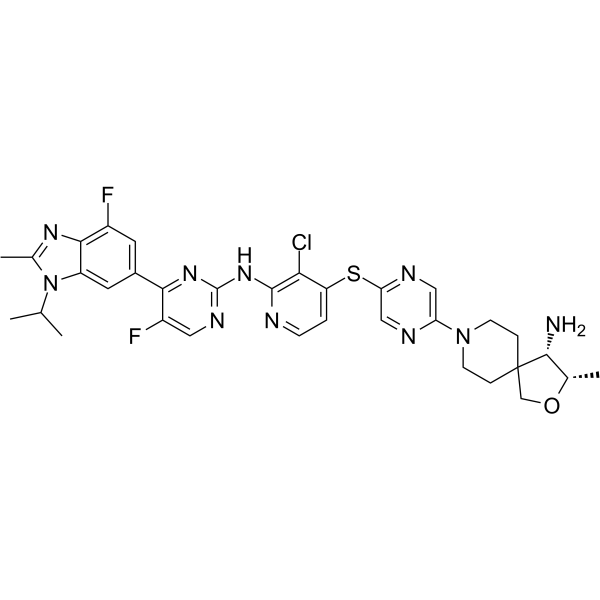
    SHP2/CDK4-IN-1 (compound 10) is an orally active and potent SHP2 and CDK4 dual inhibitor, with IC50 values of 4.3 and 18.2 nM, respectively. SHP2/CDK4-IN-1 effectively induces G0/G1 arrest to prevent the proliferation of TNBC cell lines. SHP2/CDK4-IN-1 shows significant antitumor efficacy in the EMT6 syngeneic mouse model. SHP2/CDK4-IN-1 can be used for triple-negative breast cancer (TNBC) research .
    SHP2/CDK4-IN-1
  • HY-146452

    Apoptosis Cancer
    Anticancer agent 57 (compound 14) potently inhibits MDA-MB-231, MDA-MB-468, and MCF-7 cell lines, with IC50s of 6.43 ~ 8.00 μM. Anticancer agent 57 induces cell cycle arrest and significantly promotes apoptosis. Anticancer agent 57 inhibits tumor growth in nude mice xenografted with MADMB-231 cells. Anticancer agent 57 can be used for researching triple negative breast cancer (TNBC) .
    Anticancer agent 57
  • HY-164530

    Src VEGFR Raf p38 MAPK Cancer
    SKLB646 is an orally active multi-target kinase inhibitor. SKLB646 shows significant inhibitory effects on SRC and VEGFR2 with IC50 values ??of 0.002 μmol/L and 0.012 μmol/L, respectively. SKLB646 also shows significant inhibitory effects on B-Raf and C-Raf with IC50 values ??of 0.022 μmol/L and 0.019 μmol/L, respectively. SKLB646 inhibits the activation of the SRC signaling pathway and blocks the MAPK signaling pathway by inhibiting Raf kinase. In addition, SKLB646 can inhibit the proliferation, migration and invasion of human umbilical vein endothelial cells (HUVEC) to inhibit tumor-induced angiopoietic formation. SKLB646 shows significant anti-proliferative and anti-survival activities against triple-negative breast cancer (TNBC) cell lines .
    SKLB646
  • HY-134997

    4-oxo DHA

    PPAR Cancer
    4-oxo Docosahexaenoic acid (4-oxo DHA) is a putative metabolite of Docosahexaenoic acid (HY-B2167) with antiproliferative and PPARγ agonist activity. It inhibits the growth of several triple negative breast cancer cell lines (MCF-10F, trMCF, bsMCF, MDA-MB-231, and BT549) at 50-100 μM, however it increased proliferation of MCF-7 cells. 4-oxo DHA binds covalently to PPARγ and activates gene transcription in luciferase reporter assays and in dendritic cells with EC50 values of approximately 8-16 μM.
    4-Oxo Docosahexaenoic Acid
  • HY-181756

    PROTACs Epigenetic Reader Domain Cancer
    LGF308 is a PROTAC degrader of BRD4 that exhibits selective cytotoxicity toward cancer cells over normal cells. LGF308 mediates the formation of a ternary complex between BRD4 and DCAF11 to achieve BRD4 degradation. LGF308 induces tumor cell apoptosis by upregulating apoptosis-related proteins. LGF308 inhibits tumor cell proliferation and migration in breast cancer and triple-negative breast cancer cell lines. LGF308 can be used for the research of breast cancer .
    LGF308
  • HY-117435

    mTOR Cancer
    CIDD-0067106 is a selective mTORC1 pathway inhibitor targeting androgen receptor-positive (AR+) triple-negative breast cancer (TNBC). CIDD-0067106 demonstrates potent inhibition of AR+ TNBC cell lines with an GI50 value of 0.8 μM. CIDD-0067106 is promising for research of AR+ TNBC .
    CIDD 0067106
  • HY-181687

    HSP CDK Cancer
    Hsp90-IN-46 is a Hsp90 inhibitor. Hsp90-IN-46 exhibits broad-spectrum antiproliferative activity against tumor cell lines. Hsp90-IN-46 inhibits breast cancer cell proliferation by reducing colony formation and downregulating the proliferation marker Ki-67. Hsp90-IN-46 inhibits Hsp90 and its ATPase activity, downregulates the downstream substrate oncoproteins HER2 and CDK4, and moderately induces the heat shock response. Hsp90-IN-46 shows significant antitumor activity in a mouse model of triple-negative breast cancer tumor xenografts. Hsp90-IN-46 can be used for research on various cancers including triple-negative breast cancer, leukemia, non-small cell lung cancer, colon cancer, ovarian cancer, renal cancer, prostate cancer .
    Hsp90-IN-46
  • HY-179480

    Drug Derivative G-quadruplex Apoptosis Telomerase Ras Bcl-2 Family Cancer
    G-quadruplex ligand 4 is a chromenone derivative and is a human telomerase reverse transcriptase (hTERT) G4 ligand. G-quadruplex ligand 4 downregulates hTERT expression and exhibits notable cytotoxicity towards triple-negative breast cancer (TNBC) cell lines. G-quadruplex ligand 4 can cause S/G2 cell cycle arrest and induce apoptosis. G-quadruplex ligand 4 downregulates the expression of hTERT, KRAS, and BCL-2. G-quadruplex ligand 4 can be used for the research of TNBC .
    G-quadruplex ligand 4
  • HY-180535

    Cytochrome P450 Cancer
    Aromatase-IN-8 is a selective Aromatase inhibitor against an IC50 of 0.05 µM. Aromatase-IN-8 exhibits selective antiproliferative effects against estrogen receptor-positive breast cancer cell lines, while showing no toxicity toward non-tumoral cells. Aromatase-IN-8 suppresses estrogen active, increases testosterone levels, and downregulates estrogen receptor expression and phosphorylation. Aromatase-IN-8 can be used for triple negative breast cancer research .
    Aromatase-IN-8
  • HY-181842

    PARP ERK Apoptosis Cancer
    PARP1/ERK IN-1 is a dual PARP1/ERK inhibitor, with a PARP1 IC50 of 0.9 nM and an ERK2 IC50 of 1.8 nM. PARP1/ERK IN-1 inhibits proliferation and migration of various cancer cell lines, and induces apoptosis and DNA damage. PARP1/ERK IN-1 suppresses tumor growth in mouse models of colorectal cancer, and reduces the expression of Ki‑67, BRCA1 and Rad51. PARP1/ERK IN-1 can be used in the research of colorectal cancer, triple-negative breast cancer and pancreatic cancer .
    PARP1/ERK IN-1
  • HY-183765

    PARP Pyruvate Kinase Cancer
    PARP1/PKM2-IN-1 is a dual PARP1/PKM2 inhibitor, with an IC50 of 39.5 nM against PARP1, and IC50 values of 261 nM (recombinant PKM2) and 50 nM (dimeric PKM2) against PKM2. PARP1/PKM2-IN-1 reduces the dimerization of PKM2 and decreases its nuclear accumulation level. PARP1/PKM2-IN-1 also selectively downregulates PKM2 mRNA and impairs poly (ADP-ribose)-mediated nuclear retention of PKM2. PARP1/PKM2-IN-1 exhibits antiproliferative activity and inhibits the formation of 3D cancer spheroids. PARP1/PKM2-IN-1 can be used in research related to mammary adenocarcinoma, triple-negative breast cancer, BRCA1-mutant triple-negative breast cancer, and prostate adenocarcinoma .
    PARP1/PKM2-IN-1
  • HY-181460

    HyT PARP Cancer
    PARP1 degrader-2 (Compound 11e) is a potent, selective PARP1 HYT degrader (DC50: 2.16 μM). PARP1 degrader-2 selectively binds to and degrades PARP1 but not PARP2. PARP1 degrader-2 mediates the degradation of PARP1 via the ubiquitin-proteasome system (UPS). PARP1 degrader-2 exhibits anticancer activity against triple-negative breast cancer and colon cancer (hydrophobic tag: (HY-W022007); PARP1 ligand: (HY-75706); Linker: (HY-W015300)) .
    PARP1 degrader-2
  • HY-181947

    Indoleamine 2,3-Dioxygenase (IDO) Cancer
    IDO1-IN-33 (Compound YC-16) is a IDO1 inhibitor (with an IC50 of 0.18 μM for IDO1 in HeLa cells). IDO1-IN-33 acts as an apo-IDO1 inhibitor by slowly and competitively displacing heme from mature holo-IDO1 and rapidly binding to the heme-binding site of immature apo-IDO1, without altering the expression level of IDO1. IDO1-IN-33 can be used for the research of hepatocellular carcinoma, non-small cell lung cancer, triple-negative breast cancer, and cervical cancer .
    IDO1-IN-33
  • HY-182285A

    5-HT Receptor DNA/RNA Synthesis Cancer
    FOXM1-IN-4 hydrochloride is a selective 5-HT7 receptor inhibitor with a Ki of 92 nM. FOXM1-IN-4 hydrochloride blocks 5-HT7 receptor signaling to reduce FOXM1, p-FOXM1, cyclin B1, and cdc25B levels. FOXM1-IN-4 hydrochloride acts as an antiproliferative, clonogenic inhibitor, and cell cycle inhibitor that induces G2/M arrest, reduces G0/G1 population. FOXM1-IN-4 hydrochloride can be used for the research of triple-negative breast cancer .
    FOXM1-IN-4 hydrochloride

온라인 문의

Your information is safe with us. * Required Fields.

호칭


Country or Region *

고객명 *


회사명 *

Department *


메일주소 *


상품명 *

Cat. No.


Requested quantity *

전화번호 *


비고

온라인 문의

Inquiry Information

상품명:
Cat. No.:
수량:
MCE Japan Authorized Agent: