1. Search Result
Search Result
Results for "

succinyl-

" in MedChemExpress (MCE) Product Catalog:

42

Inhibitors & Agonists

1

Fluorescent Dye

1

Biochemical Assay Reagents

6

Peptides

11

Natural
Products

3

Recombinant Proteins

2

Isotope-Labeled Compounds

4

Oligonucleotides

Cat. No. Product Name Target Research Areas Chemical Structure
  • HY-137808
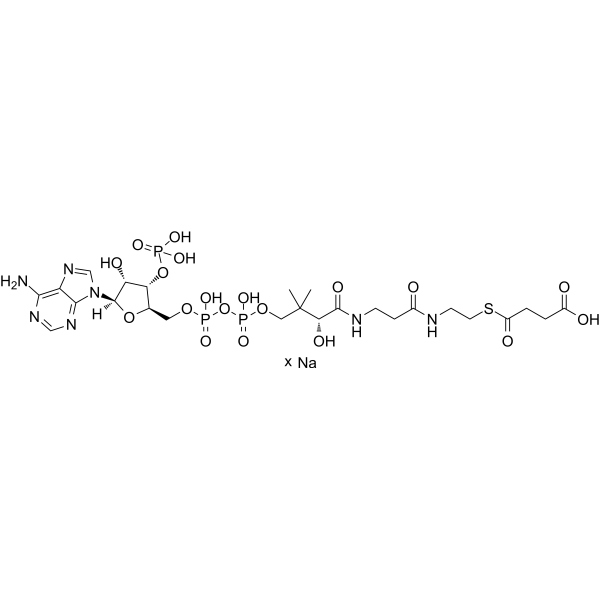
    Succinyl-Coenzyme A sodium
    3 Publications Verification

    succinyl-CoA sodium

    Endogenous Metabolite Neurological Disease Metabolic Disease
    Succinyl CoA (Succinyl-coenzyme A) sodium is a pivotal intermediate metabolite in the tricarboxylic acid cycle and a key coenzyme A metabolite. Succinyl CoA sodium is biosynthesized from α-ketoglutarate or propionyl-CoA. Succinyl CoA sodium acts as a critical precursor and substrate for heme biosynthesis and gluconeogenesis. Succinyl CoA sodium insufficiency caused by cobalamin deficiency is directly linked to growth retardation, impaired heme synthesis, tissue glycine accumulation and neurological abnormalities. Succinyl CoA sodium can be used in research on metabolic, neurological, and hematological abnormalities (such as porphyria) caused by nutritional vitamin B12 deficiency (leading to a lack of Succinyl-Coenzyme A synthesis) .
    Succinyl-Coenzyme A sodium
  • HY-12688A
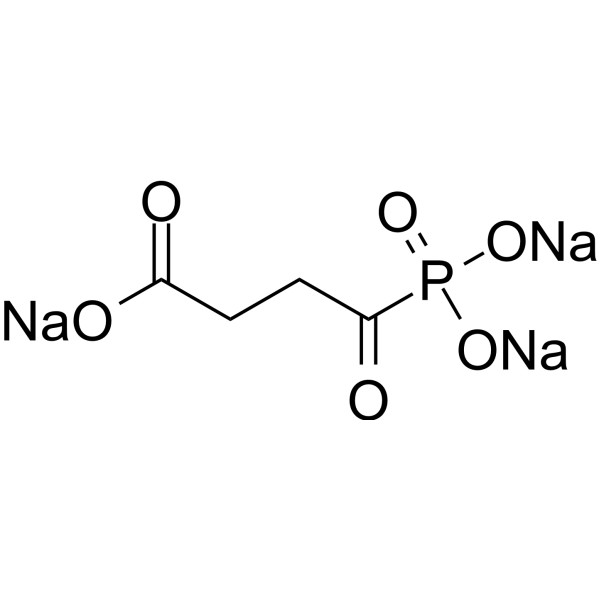
    Succinyl phosphonate trisodium salt
    Maximum Cited Publications
    13 Publications Verification

    Mitochondrial Metabolism Reactive Oxygen Species (ROS) Amyloid-β Neurological Disease Inflammation/Immunology
    Succinyl phosphonate trisodium salt is a α-Ketoglutarate Dehydrogenase Complex (KGDHC) modulator with neuroprotective activity. Succinyl phosphonate trisodium salt protects this complex, reduces cellular succinyl-CoA concentration, downregulates protein succinylation levels, and inhibits the activity of the α-ketoglutarate dehydrogenase complex. Succinyl phosphonate trisodium salt corrects hypoxic or ethanol-induced behavioral impairments, modulates exploratory behavior and emotional stress responses, and improves hypoxia tolerance. Succinyl phosphonate trisodium salt reduces glutamate excitotoxicity, restores the activity of the α-ketoglutarate dehydrogenase complex, reverses the changes in glutamate dehydrogenase and glutamine synthetase activities induced by β-amyloid (Amyloid-β), modulates cognitive function, and prevents β-amyloid-induced neuronal damage. Succinyl phosphonate trisodium salt improves microglial senescence, alleviates neuroinflammation, reactive oxygen species (ROS) production, lipid peroxidation, and the expression of proinflammatory cytokines. Succinyl phosphonate trisodium salt can be used in the research of Alzheimer's disease, aging-related neuroinflammation, and Parkinson's disease .
    Succinyl phosphonate trisodium salt
  • HY-113284
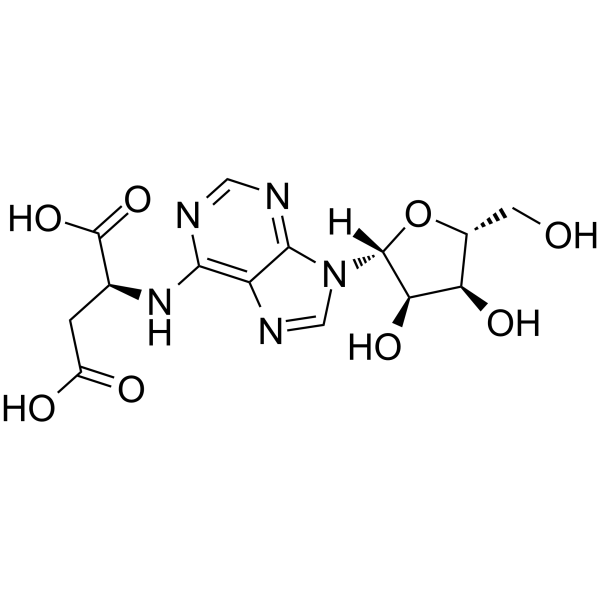
    Succinyladenosine
    1 Publications Verification

    N6-succinyl adenosine

    Endogenous Metabolite Metabolic Disease
    Succinyladenosine, the metabolic product of dephosphorylation of intracellular adenylosuccinic acid (S-AMP) by cytosolic 5-nucleotidase, is a biochemical marker of adenylosuccinase (ASL) deficiency .
    Succinyladenosine
  • HY-148285

    succinyl-coenzyme A; S-(Hydrogen succinyl)coenzyme A

    Endogenous Metabolite Metabolic Disease
    Succinyl CoA (Succinyl-coenzyme A) is a pivotal intermediate metabolite in the tricarboxylic acid cycle and a key coenzyme A metabolite. Succinyl CoA is biosynthesized from α-ketoglutarate or propionyl-CoA. Succinyl CoA acts as a critical precursor and substrate for heme biosynthesis and gluconeogenesis. Succinyl CoA insufficiency caused by cobalamin deficiency is directly linked to growth retardation, impaired heme synthesis, tissue glycine accumulation and neurological abnormalities. Succinyl CoA can be used in research on metabolic, neurological, and hematological abnormalities (such as porphyria) caused by nutritional vitamin B12 deficiency (leading to a lack of Succinyl-Coenzyme A synthesis) .
    Succinyl CoA
  • HY-173527

    Mitochondrial Metabolism Metabolic Disease
    PSSI-51 is an orally active, peripherally selective inhibitor of succinyl-CoA:3-ketoacid-CoA transferase (SCOT). PSSI-51 inhibits SCOT activity in peripheral tissues (such as muscle and kidney) but does not affect SCOT activity in brain tissue. PSSI-51 reduces ketone body oxidation by inhibiting SCOT, thereby improving obesity-related hyperglycemia. PSSI-51 can be used in the study of type 2 diabetes (T2D) and has the potential to improve obesity-related metabolic disorders .
    PSSI-51
  • HY-119543

    Amino Acid Derivatives Others
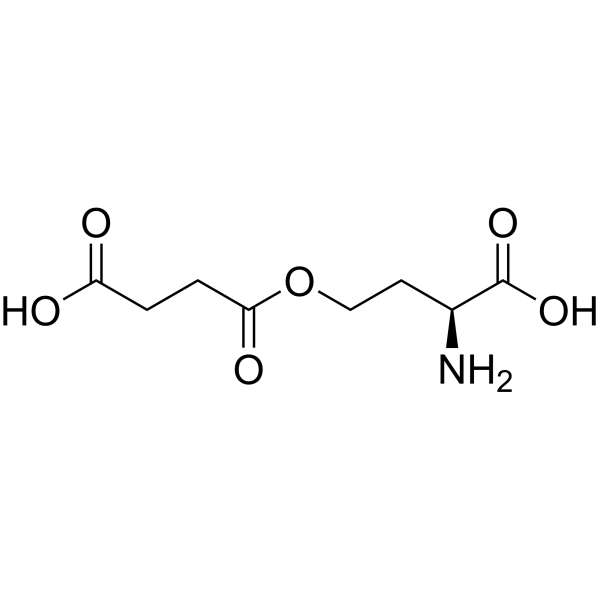
    O-Succinyl-L-homoserine is a homoserine derivative. O-Succinyl-L-homoserine is an intermediate in the biosynthesis of methionine in Escherichia coli and Salmonella typhimurium .
    O-Succinyl-L-homoserine
  • HY-126791A

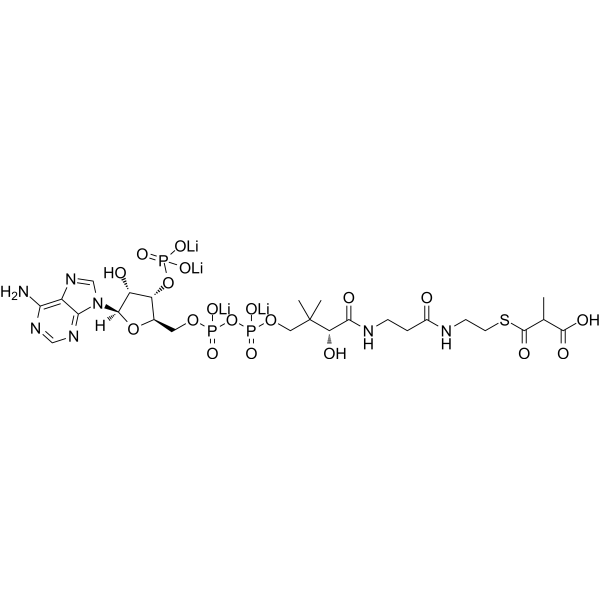
    Isosuccinyl coenzyme A tetralithium; Methylmalonyl coenzyme tetralithium

    Endogenous Metabolite Others
    Methylmalonyl-CoA (Methylmalonyl coenzyme A) tetralithium is a catabolite of valine, isoleucine, methionine, threonine, odd-chain fatty acids, and cholesterol. Methylmalonyl-CoA tetralithium is converted to succinyl-CoA by enzymatic reaction of methylmalonyl-CoA mutase (MCM) with coenzyme vitamin B12 .
    Methylmalonyl-CoA tetralithium
  • HY-12688

    Mitochondrial Metabolism Reactive Oxygen Species (ROS) Amyloid-β Neurological Disease Inflammation/Immunology
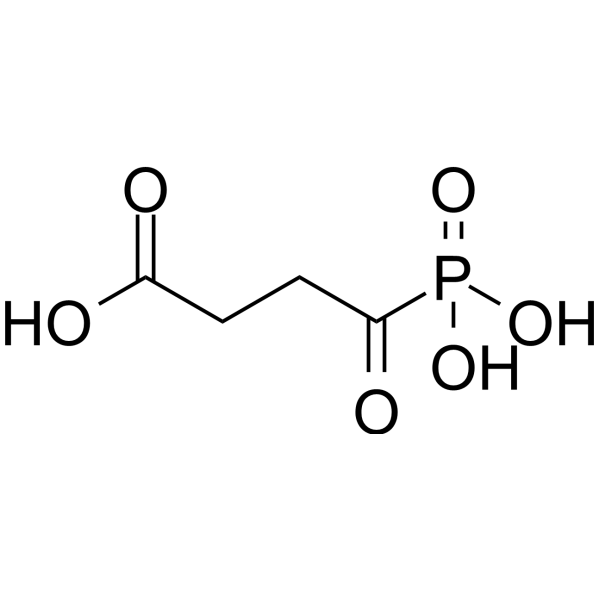
    Succinyl phosphonate is a α-Ketoglutarate Dehydrogenase Complex (KGDHC) modulator with neuroprotective activity. Succinyl phosphonate protects this complex, reduces cellular succinyl-CoA concentration, downregulates protein succinylation levels, and inhibits the activity of the α-ketoglutarate dehydrogenase complex. Succinyl phosphonate corrects hypoxic or ethanol-induced behavioral impairments, modulates exploratory behavior and emotional stress responses, and improves hypoxia tolerance. Succinyl phosphonate reduces glutamate excitotoxicity, restores the activity of the α-ketoglutarate dehydrogenase complex, reverses the changes in glutamate dehydrogenase and glutamine synthetase activities induced by β-amyloid (Amyloid-β), modulates cognitive function, and prevents β-amyloid-induced neuronal damage. Succinyl phosphonate improves microglial senescence, alleviates neuroinflammation, reactive oxygen species (ROS) production, lipid peroxidation, and the expression of proinflammatory cytokines. Succinyl phosphonate can be used in the research of Alzheimer's disease, aging-related neuroinflammation, and Parkinson's disease .
    Succinyl phosphonate
  • HY-E70121

    Endogenous Metabolite Mitochondrial Metabolism Others
    Succinyl-CoA synthetase catalyzes the only substrate-level phosphoryl-ation step in the tricarboxylic acid cycle. Succinyl-CoA synthetase is a phosphate target for the activation of mitochondrial metabolism .
    Succinyl-CoA synthetase
  • HY-W800793

    1,2-dipalmitoyl-sn-glycero-3-phosphoethanolamine-N-(succinyl)

    Liposome Cancer
    16:0 Succinyl PE is a carboxylic acid-functionalized lipid with a two carbon linker to a phosphoethanolamine bound to two palmitic acid tails.
    16:0 Succinyl PE
  • HY-131768

    Cholinesterase (ChE) Others
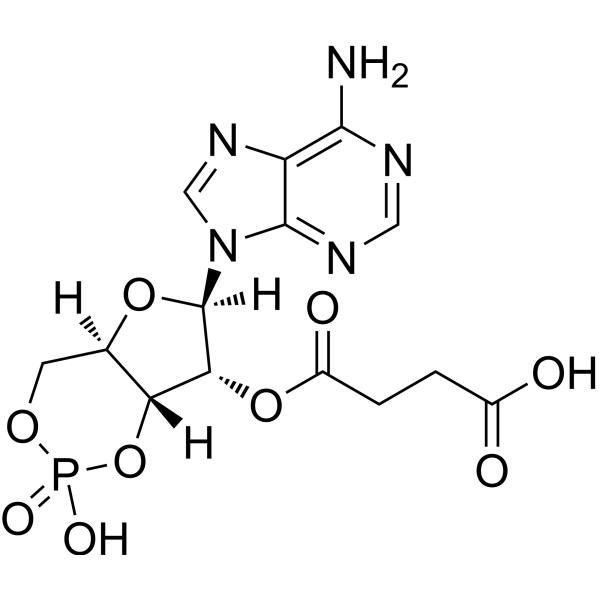
    2'-O-Succinyl-cAMP is a cAMP analog that can be covalently coupled to acetylcholinesterase. 2'-O-Succinyl-cAMP conjugate has been used as tracers in a classical heterogeneous competitive enzyme immunoassay allowing the determination of cAMP .
    2'-O-Succinyl-cAMP
  • HY-N15971
    DSPE-PEG(2000) Succinyl ammonium
    2 Publications Verification

    Liposome Others
    DSPE-PEG(2000) Succinyl ammonium is functionalized PEG lipid that can be used to synthesize lipid nanoparticles for drug delivery.
    DSPE-PEG(2000) Succinyl ammonium
  • HY-P2648

    N-succinyl-AAPL-p-nitroanilide

    Aminopeptidase Endocrinology
    Suc-Ala-Ala-Pro-Leu-pNA (N-Succinyl-AAPL-p-nitroanilide) is a tripeptidyl p-nitroanilide substrate that can be catalytically hydrolyzed by acyl amidase-like leucine aminopeptidase in seminal plasma. Amastatin (HY-129298) and Actinonin (HY-113952) exert potent inhibitory effects on this hydrolytic activity. Suc-Ala-Ala-Pro-Leu-pNA can be used for the research of diseases such as azoospermia .
    Suc-Ala-Ala-Pro-Leu-pNA
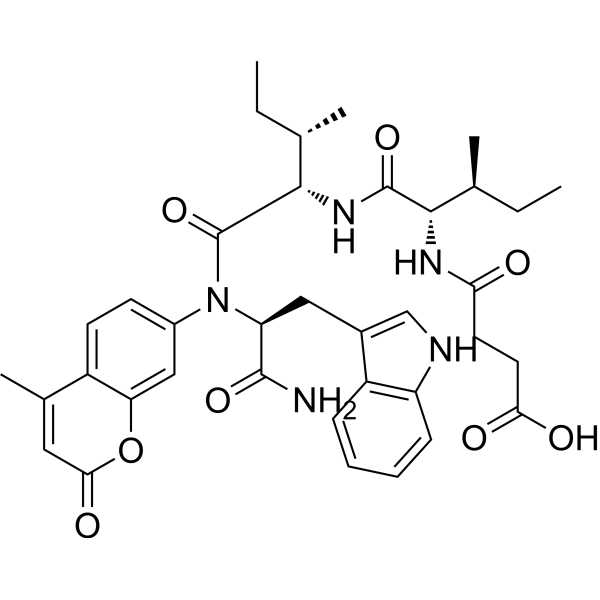
  • HY-P3791

    Fluorescent Dye Others
    N-Succinyl-Ile-Ile-Trp-AMC is a peptide-based fluorescent substrate or probe for carboxypeptidase Y (CPY) .
    N-Succinyl-Ile-Ile-Trp-AMC
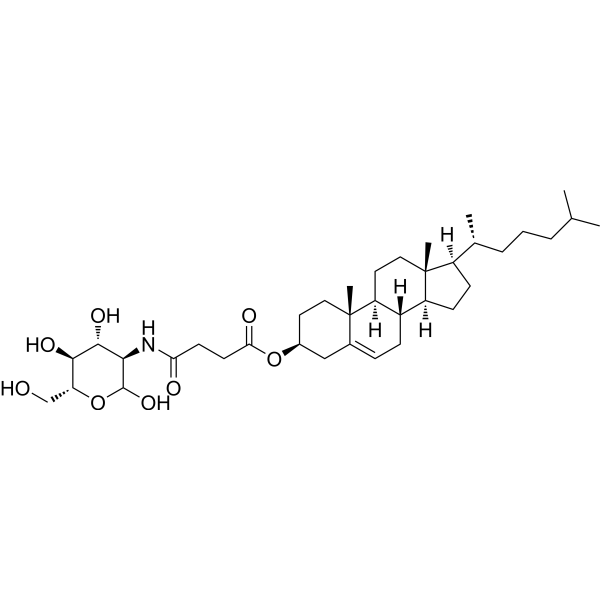
  • HY-160578

    N-Cholesteryl succinyl glucosamine

    Liposome Others
    Glucosamine Cholesterol (N-Cholesteryl succinyl glucosamine) is a glucosamine-based lipid conjugate, and can be used in the formation of lipid nanoparticles (LNPs) .
    Glucosamine Cholesterol
  • HY-W973644

    Mitochondrial Metabolism Parasite Infection
    LY-266500 is a succinyl CoA synthetase (SCS) specific inhibitor. LY-266500 has inhibitory effects on various parasites, such as Trypanosoma brucei brucei (IC50 =0.6 μM) and Leishmania donovani (IC50 =2.86 μM). LY-266500 can be used for research on parasitic infections .
    LY-266500
  • HY-CE00006

    (1-Methylpentyl)succinyl-coenzyme A

    Biochemical Assay Reagents Others
    (1-Methylpentyl)succinyl-CoA ((1-Methylpentyl)succinyl-coenzyme A) is a a higher alkylsuccinyl-CoA .
    (1-Methylpentyl)succinyl-CoA
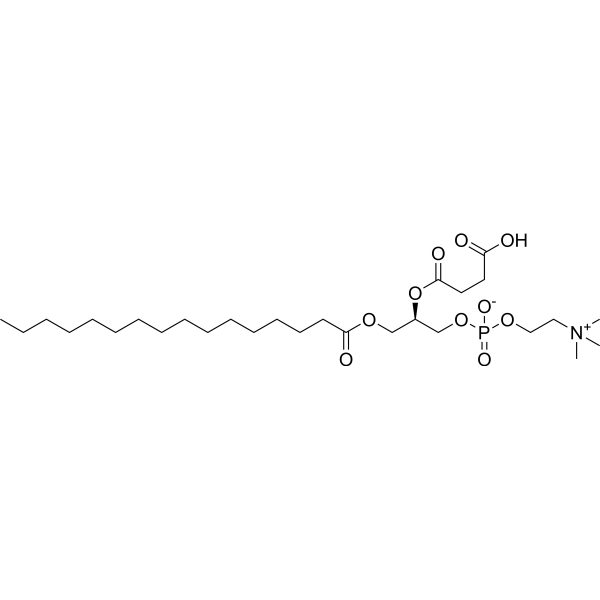
  • HY-154857

    Scavenger Receptor Class B type I (SR-BI) Cancer
    1-Palmitoyl-2-succinyl-sn-glycerophosphorylcholine is a glycerophosphorylcholine, consisting of glycerol phosphate, choline and palmitic acid. It accumulates in vivo at sites of oxidative stress. 1-Palmitoyl-2-succinyl-sn-glycerophosphorylcholine may be a ligand of scavenger receptors class B, while oxidized phospholipids oxPC(CD36) are potent ligands of scavenger receptors class B (CD36 and SR-BI). Oxidized phospholipids (oxPLs) also play an important role in tumor apoptosis, may be elevated in malignant biliary strictures .
    1-Palmitoyl-2-succinyl-sn-glycerophosphorylcholine
  • HY-17664

    2’-Sulfo-NHS-succinyl-paclitaxel

    Drug Derivative Microtubule/Tubulin Cancer
    Paclitaxel succinate sulfo-NHS ester is a derivative of Paclitaxel (HY-B0015). Paclitaxel succinate sulfo-NHS ester can be used for the research of cancer .
    Paclitaxel succinate sulfo-NHS ester
  • HY-148285A

    succinyl-coenzyme A disodium; S-(Hydrogen succinyl)coenzyme A disodium

    Endogenous Metabolite Metabolic Disease
    Succinyl CoA (Succinyl-coenzyme A) disodium is a pivotal intermediate metabolite in the tricarboxylic acid cycle and a key coenzyme A metabolite. Succinyl CoA disodium is biosynthesized from α-ketoglutarate or propionyl-CoA. Succinyl CoA disodium acts as a critical precursor and substrate for heme biosynthesis and gluconeogenesis. Succinyl CoA disodium insufficiency caused by cobalamin deficiency is directly linked to growth retardation, impaired heme synthesis, tissue glycine accumulation and neurological abnormalities. Succinyl-Coenzyme A sodium can be used in research on metabolic, neurological, and hematological abnormalities (such as porphyria) caused by nutritional vitamin B12 deficiency (leading to a lack of Succinyl-Coenzyme A synthesis) .
    Succinyl CoA disodium
  • HY-CE01911

    [Hydroxy(phenyl)methyl]succinyl-coenzyme A

    Biochemical Assay Reagents Metabolic Disease
    [Hydroxy(phenyl)methyl]succinyl-CoA ([Hydroxy(phenyl)methyl]succinyl-coenzyme A) is a coenzyme A derivative .
    [Hydroxy(phenyl)methyl]succinyl-CoA
  • HY-CE00290

    (2S)-2-((R)-Hydroxybenzyl)succinyl-coenzyme A

    Biochemical Assay Reagents Metabolic Disease
    (R,S)-(Hydroxy(phenyl)methyl)succinyl-CoA ((2S)-2-((R)-Hydroxybenzyl)succinyl-coenzyme A) is a [hydroxy(phenyl)methyl]succinyl-CoA.
    (R,S)-(Hydroxy(phenyl)methyl)succinyl-CoA
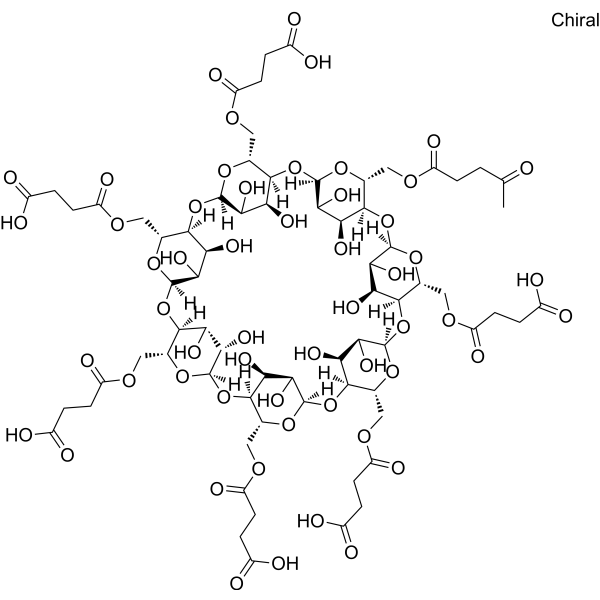
  • HY-134924

    Biochemical Assay Reagents Others
    Succinyl-β-cycloaltrin is a modified cyclodextrin with unique chemical properties that make it an effective solubilizer and stabilizer for various compounds, especially in the pharmaceutical industry. Succinyl-β-cycloaltrin has a hydrophobic interior and a hydrophilic exterior, enabling it to form stable clathrates with hydrophobic molecules such as drugs and nutrients. This increases their solubility and bioavailability, making them more effective for recreational or nutritional purposes.
    Succinyl-β-cycloaltrin
  • HY-W800792

    1,2-dioleoyl-sn-glycero-3-phosphoethanolamine-N-(succinyl)

    Liposome Cancer
    18:1 Succinyl PE is a carboxylic acid-functionalized lipid with a two carbon linker to a phosphoethanolamine bound to two oleic acid tails.
    18:1 Succinyl PE
  • HY-P4721

    Thrombin Cardiovascular Disease
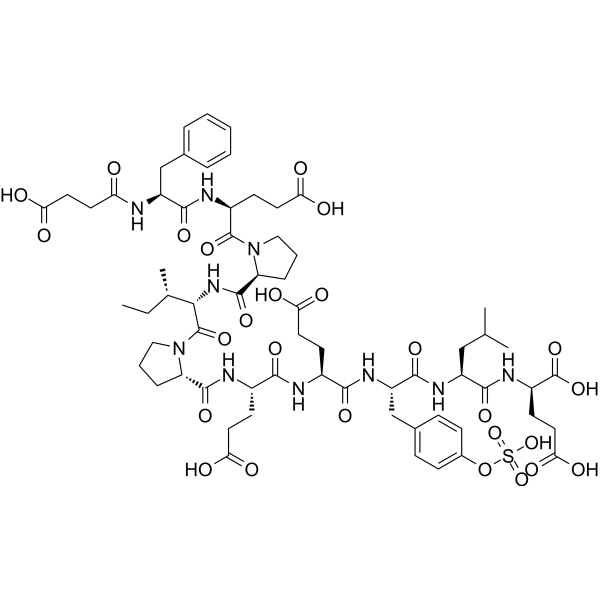
    Succinyl-(Pro58,D-Glu65)-Hirudin (56-65) (sulfated) is a hirugen-like peptide, and has high affnity for thrombin than Hirugen, with a KD < 100 nM. Succinyl-(Pro58,D-Glu65)-Hirudin (56-65) (sulfated) is an antithrombotic agent. Succinyl-(Pro58,D-Glu65)-Hirudin (56-65) (sulfated) inhibits the thrombin-induced fibrin clot formation with an IC50 value of 0.087 μM .
    Succinyl-(Pro58,D-Glu65)-Hirudin (56-65) sulfated
  • HY-W752476

    N6-succinyl adenosine-13C4

    Isotope-Labeled Compounds Endogenous Metabolite Metabolic Disease
    Succinyladenosine- 13C4 (N6-Succinyl adenosine- 13C4) is the 13C-labeled Succinyladenosine (HY-113284). Succinyladenosine, the metabolic product of dephosphorylation of intracellular adenylosuccinic acid (S-AMP) by cytosolic 5-nucleotidase, is a biochemical marker of adenylosuccinase (ASL) deficiency .
    Succinyladenosine-13C4
  • HY-155444

    Histamine Receptor Cancer
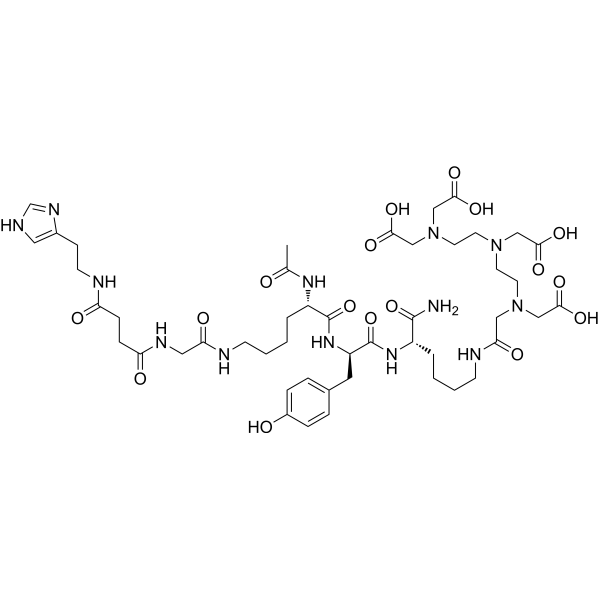
    AG5.0 is a bivalent hapten contains one HSG (histamine-succinyl-glycyl) group and one DTPA-indium group .
    AG5.0
  • HY-P4583

    Cathepsin Others
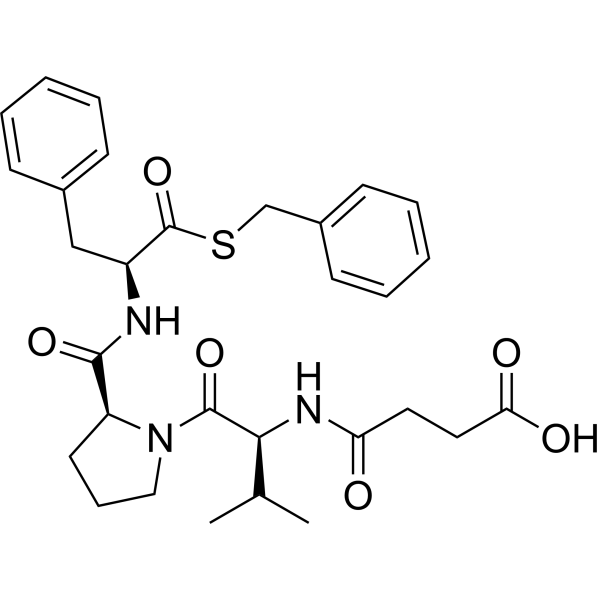
    Suc-Val-Pro-Phe-SBzl (succinyl-valine-proline-phenylalanine thiobenzyl ester) is an inhibitor of CatG enzymes with IC50 values of 111-225 mM.
    Suc-Val-Pro-Phe-SBzl
  • HY-W752879

    Isotope-Labeled Compounds Others
    Succinyl(choline-1,1,1',1',2,2,2',2') Bromide-d8 is the deuterium labeled Succinylcholine bromide (HY-B1778B).
    Succinylcholine-1,1,1',1',2,2,2',2' Bromide-d8
  • HY-155470

    Biochemical Assay Reagents Cancer
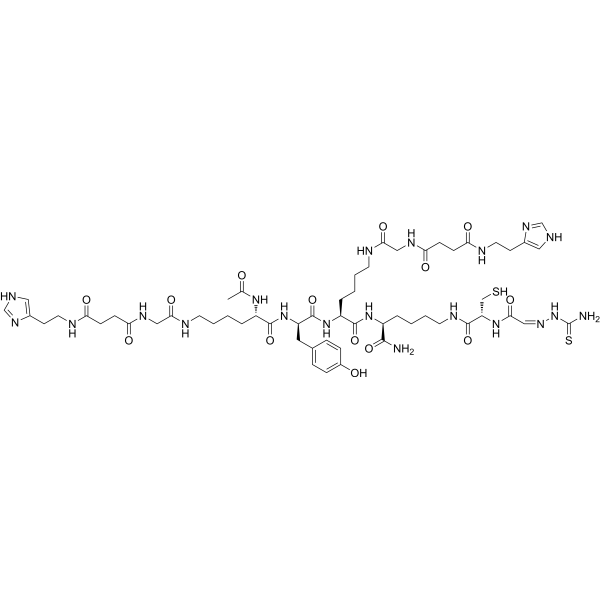
    IMP 243 is a symmetric di-HSG (histamine-succinyl-glycine) bivalent hapten containing a Tscg-Cys ligand and two HSG groups. IMP 243 can be radiolabeled with 99mTc-pertechnetate. IMP 243 can be conjugated to other peptides to design bispecific antibodies (bsMAbs) for cancer research .
    IMP 243
  • HY-16707

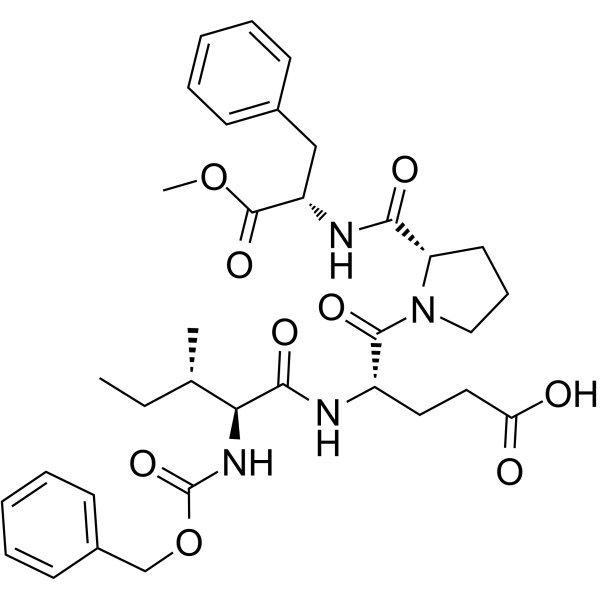
    Z-Ile-Glu-Pro-Phe-Ome

    Proteasome Inflammation/Immunology
    CH 5450 (Z-Ile-Glu-Pro-Phe-Ome) is a selective short peptide human cardiac chymase inhibitor. CH-5450 inhibits the action of rat MAB elastase 2 on substrate Ang I with an IC50 value of 49 µM and N-succinyl-Ala-Ala-Pro-Phe-p-nitroanilide with an IC50 value of 4.8 µM .
    CH 5450
  • HY-CE01600

    N-succinyl methionine-coenzyme A

    Biochemical Assay Reagents Metabolic Disease
    N-Succinyl-methionine-CoA (N-Succinyl methionine-coenzyme A) is a coenzyme A derivative .
    N-Succinyl-methionine-CoA
  • HY-CE01601

    N-succinyl phenylglycine-coenzyme A

    Biochemical Assay Reagents Metabolic Disease
    N-Succinyl-phenylglycine-CoA (N-Succinyl phenylglycine-coenzyme A) is a coenzyme A derivative .
    N-Succinyl-phenylglycine-CoA
  • HY-CE00712

    Naphthyl-2-methyl-succinyl-CoA

    Biochemical Assay Reagents Metabolic Disease
    2-(2-Naphthylmethyl)succinyl-CoA (Naphthyl-2-methyl-succinyl-CoA) is a coenzyme A derivative.
    2-(2-Naphthylmethyl)succinyl-CoA
  • HY-CE01613

    Naphthyl-2-methylene-succinyl-coenzyme A

    Biochemical Assay Reagents Metabolic Disease
    Naphthyl-2-methylene-succinyl-CoA (Naphthyl-2-methylene-succinyl-coenzyme A) is a coenzyme A derivative .
    Naphthyl-2-methylene-succinyl-CoA
  • HY-CE01614

    Naphthyl-2-oxomethyl-succinyl-coenzyme A

    Biochemical Assay Reagents Metabolic Disease
    Naphthyl-2-oxomethyl-succinyl-CoA (Naphthyl-2-oxomethyl-succinyl-coenzyme A) is a coenzyme A derivative .
    Naphthyl-2-oxomethyl-succinyl-CoA
  • HY-W674286

    Nucleoside Antimetabolite/Analog Metabolic Disease
    N2-Succinyl-L-arginine is a nucleoside metabolite.
    N2-Succinyl-L-arginine
  • HY-180706

    Nucleoside Antimetabolite/Analog Metabolic Disease
    N2-Succinyl-L-ornithine is a nucleoside metabolite.
    N2-Succinyl-L-ornithine
  • HY-180502

    Drug Derivative Infection
    N-Succinyl-D-alanine, a natural cell wall precursor analogue, is a peptide ligand of antibiotic Ristocetin A .
    N-Succinyl-D-alanine
  • HY-180635

    Endogenous Metabolite Metabolic Disease
    N-Succinyl-L-glutamate 5-semialdehyde is a metabolite in the glutamate metabolic pathway .
    N-Succinyl-L-glutamate 5-semialdehyde
  • HY-180692

    Nucleoside Antimetabolite/Analog Others
    (S)-2-Acetamido-6-oxopimelic acid (compound 1b) is a substrate of N-Succinyl-ll-diaminopimelate aminotransferase (DAP-AT) .
    (S)-2-Acetamido-6-oxopimelic acid
  • HY-180786

    Nuclear Hormone Receptor 4A/NR4A Pyroptosis Reactive Oxygen Species (ROS) PERK Caspase Cancer
    DdBIC is a pyroptosis inducer. DdBIC binds to Nur77 and triggers its translocation to mitochondria, activates SDHA to deplete succinyl-CoA, disrupts heme homeostasis, induces electron leakage, and elicits mitochondrial ROS production. DdBIC induces mitochondrial ROS that oxidatively activates OMA1, promotes OPA1 cleavage and its release into the cytoplasm, activates the integrated stress response via PERK, and ultimately activates granzyme B to cleave GSDMC. DdBIC can be used for the study of melanoma .
    DdBIC

Inquiry Online

Your information is safe with us. * Required Fields.

Salutation


Country or Region *

Applicant Name *


Organization Name *

Department *


Email Address *


Product Name *

Cat. No.


Requested quantity *

Phone Number *


Remarks

Inquiry Online

Inquiry Information

Product Name:
Cat. No.:
Quantity:
MCE Japan Authorized Agent: