Search Result
Results for "
5-Amino-
" in MedChemExpress (MCE) Product Catalog:
11
Biochemical Assay Reagents
13
Isotope-Labeled Compounds
| Cat. No. |
Product Name |
Target |
Research Areas |
Chemical Structure |
-
- HY-N0305
-
|
5-ALA hydrochloride; δ-Aminolevulinic acid hydrochloride; 5-Amino-4-oxopentanoic acid hydrochloride
|
Reactive Oxygen Species (ROS)
|
Neurological Disease
Metabolic Disease
Inflammation/Immunology
Cancer
|
|
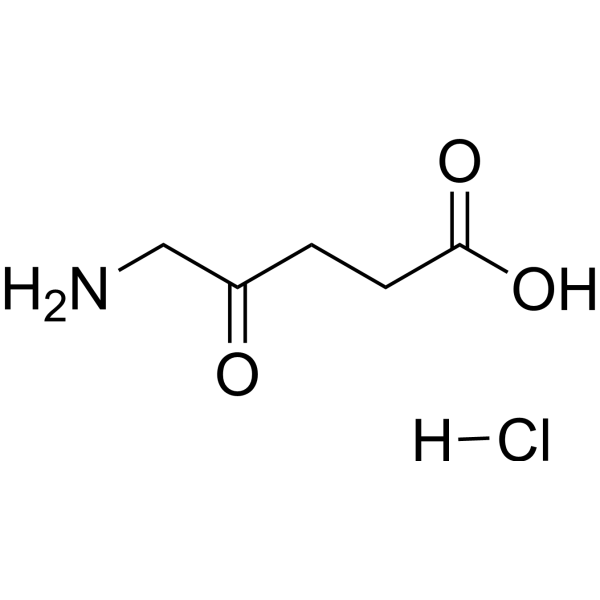
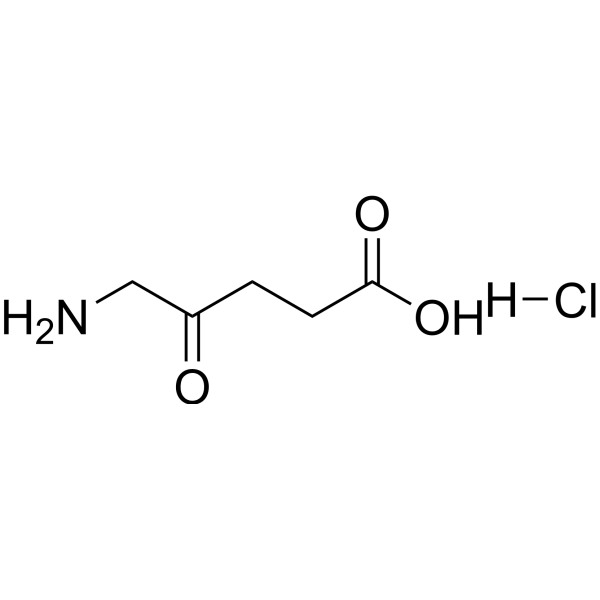
5-Aminolevulinic acid (5-ALA; δ-Aminolevulinic acid; 5-Amino-4-oxopentanoic acid) hydrochloride is an orally active heme precursor. 5-Aminolevulinic acid hydrochloride promotes aerobic energy metabolism and increases ATP levels by enhancing the activity of cytochrome c oxidase. 5-Aminolevulinic acid hydrochloride enhances LPS-induced proinflammatory cytokine production and gene activation, and restores the phagocytic activity and ROS generation capacity of neutrophils. 5-Aminolevulinic acid hydrochloride selectively accumulates protoporphyrin IX in tumor cells; as a photosensitizer and radiosensitizer, it induces ROS burst upon light or X-ray irradiation to inhibit tumor growth. 5-Aminolevulinic acid hydrochloride can be applied to the research of septic shock, melanoma, and cancer radiotherapy .
|
-
-
- HY-W000450
-
|
5-ALA; δ-Aminolevulinic acid; 5-Amino-4-oxopentanoic acid
|
Reactive Oxygen Species (ROS)
|
Cardiovascular Disease
Cancer
|
|
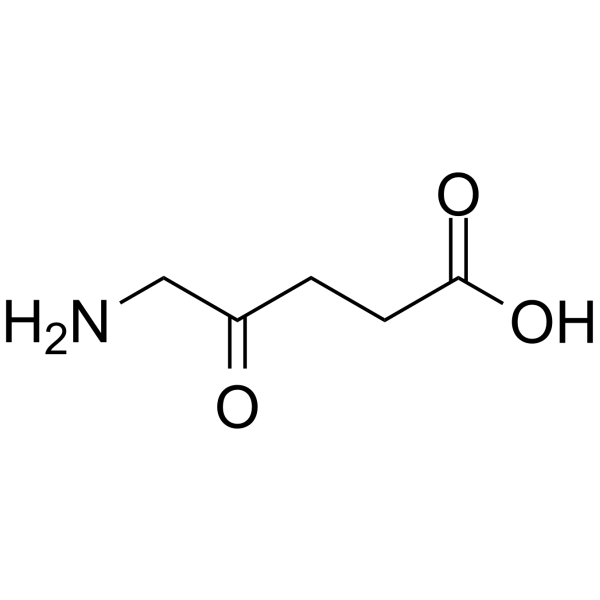
5-Aminolevulinic acid (5-ALA; δ-Aminolevulinic acid; 5-Amino-4-oxopentanoic acid) is an orally active heme precursor. 5-Aminolevulinic acid promotes aerobic energy metabolism and increases ATP levels by enhancing the activity of cytochrome c oxidase. 5-Aminolevulinic acid enhances LPS-induced proinflammatory cytokine production and gene activation, and restores the phagocytic activity and ROS generation capacity of neutrophils. 5-Aminolevulinic acid selectively accumulates protoporphyrin IX in tumor cells; as a photosensitizer and radiosensitizer, it induces ROS burst upon light or X-ray irradiation to inhibit tumor growth. 5-Aminolevulinic acid can be applied to the research of septic shock, melanoma, and cancer radiotherapy .
|
-
-
- HY-41461
-
|
5-Aminoimidazole-4-carboxamide; AICA
|
Endogenous Metabolite
|
Others
|
|
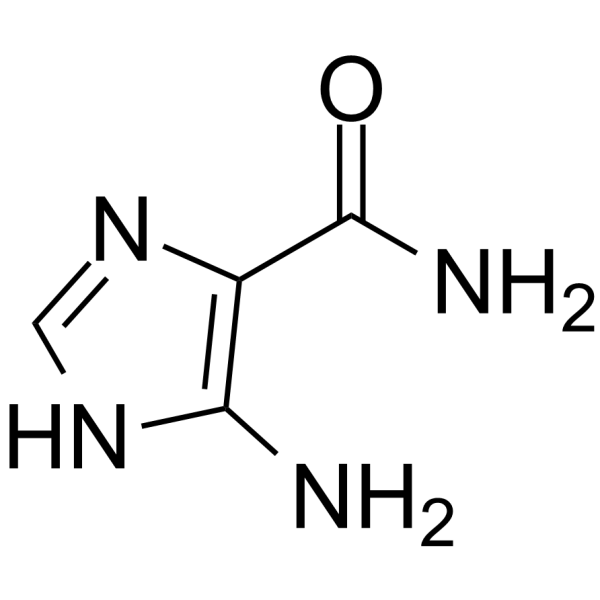
5-Amino-3H-imidazole-4-Carboxamide (5-Aminoimidazole-4-carboxamide; AICA) is an important precursor for the synthesis of purines in general and of the nucleobases adenine and guanine in particular .
|
-
-
- HY-132248
-
-
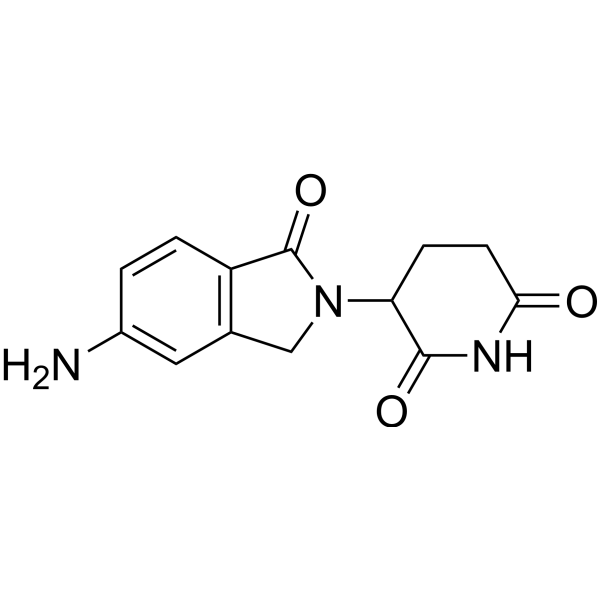
-
- HY-W001023
-
|
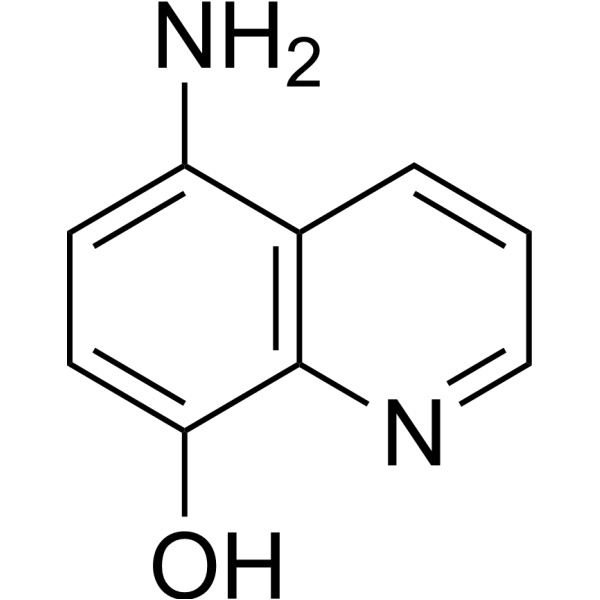
5A8HQ; 5AHQ
|
Proteasome
NF-κB
|
Cancer
|
|
5-Amino-8-hydroxyquinoline (5A8HQ; 5AHQ) is an orally active non-competitive 20S proteasome inhibitor. 5-Amino-8-hydroxyquinoline can inhibit NF-κB activity and induce cancer cells death and shows low cytotoxicity towards normal hematopoietic cells. 5-Amino-8-hydroxyquinoline can be used for the research of cancer, such as leukemia .
|
-
-
- HY-P2336A
-
|
|
Melanocortin Receptor
|
Cancer
|
|
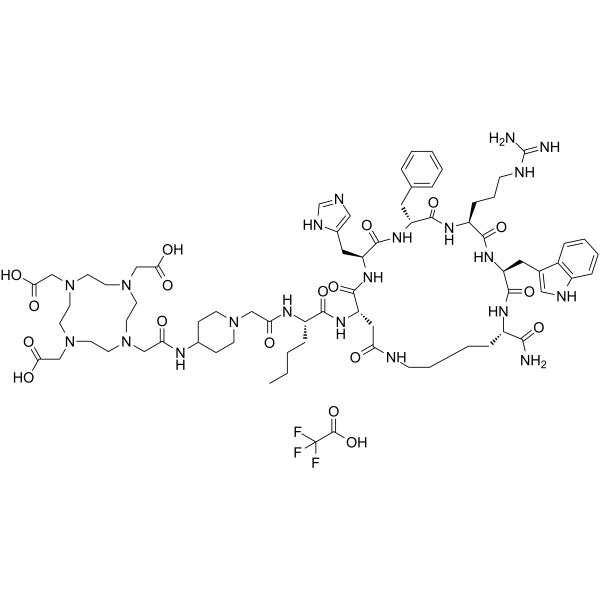
CCZ01048 TFA, a α-MSH analogue, exhibits high binding affinity to melanocortin 1 receptor (MC1R) with a Ki of 0.31 nM. CCZ01048 TFA shows rapid internalization into B16F10 melanoma cells and high in vivo stability. CCZ01048 TFA is a promising candidate for PET imaging of malignant melanoma .
|
-
-
- HY-W012971
-
|
|
Biochemical Assay Reagents
|
Others
|
|
5-Amino-1-pentanol is a linker containing a hydroxyl group and amine group. The hydroxyl group enables further derivatization or replacement with other reactive functional groups. The amine group is reactive with carboxylic acids, activated NHS esters, carbonyls (ketone, aldehyde) etc.
|
-

-
- HY-41461A
-
|
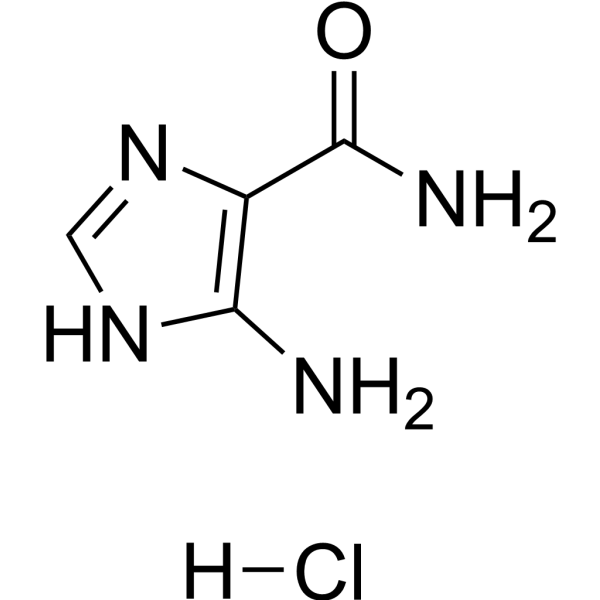
5-Aminoimidazole-4-carboxamide hydrochloride; AICA hydrochloride
|
Endogenous Metabolite
|
Others
|
|
5-Amino-3H-imidazole-4-Carboxamide (AICA) hydrochloride is an important precursor for the synthesis of purines in general and of the nucleobases adenine and guanine in particular .
|
-
-
- HY-131818
-
|
NH2dAdo; Nsc 238990
|
Nucleoside Antimetabolite/Analog
|
Cancer
|
|
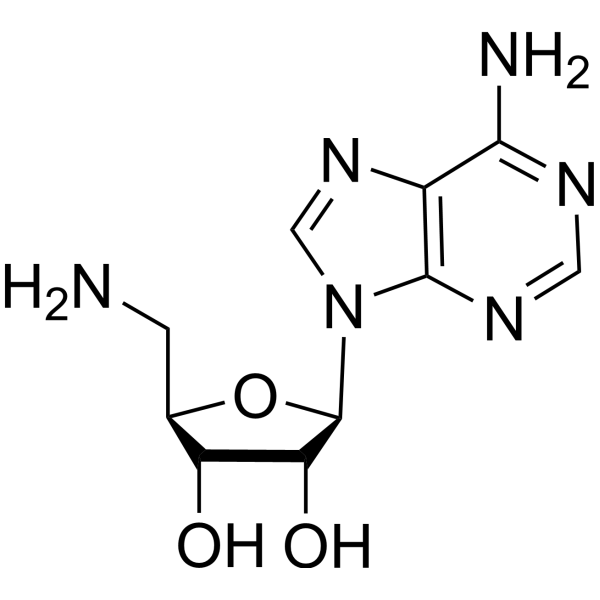
5'-Amino-5'-deoxyadenosine (NH2dAdo; Nsc 238990) is a purine nucleoside analog. Purine nucleoside analogs have broad antitumor activity targeting indolent lymphoid malignancies. Anticancer mechanisms in this process rely on inhibition of DNA synthesis, induction of apoptosis, etc .
|
-
-
- HY-W011203
-
|
|
Amino Acid Derivatives
|
Others
|
|
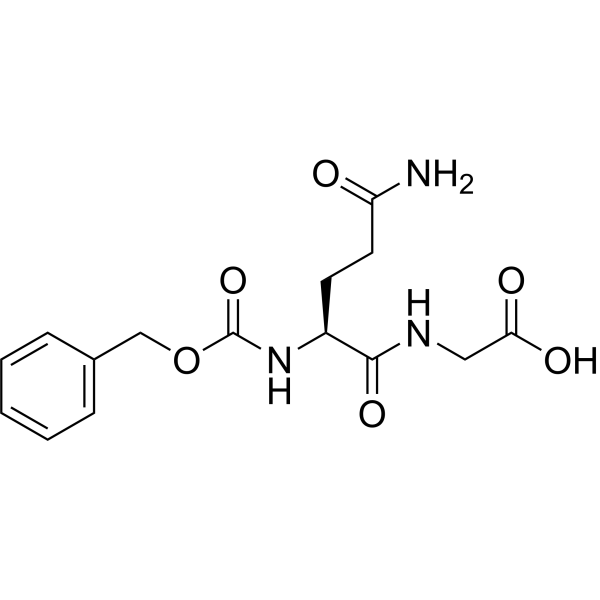
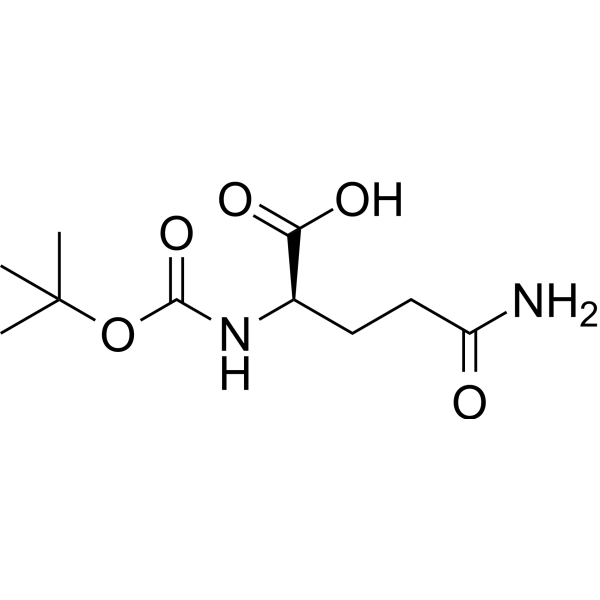
(S)-2-(5-Amino-2-(((benzyloxy)carbonyl)amino)-5-oxopentanamido)acetic acid is a Glycine (HY-Y0966) derivative .
|
-
-
- HY-W074975
-
|
5-Amino-1,3,4-thiadiazole-2-sulfonamide
|
Carbonic Anhydrase
|
Cancer
|
|
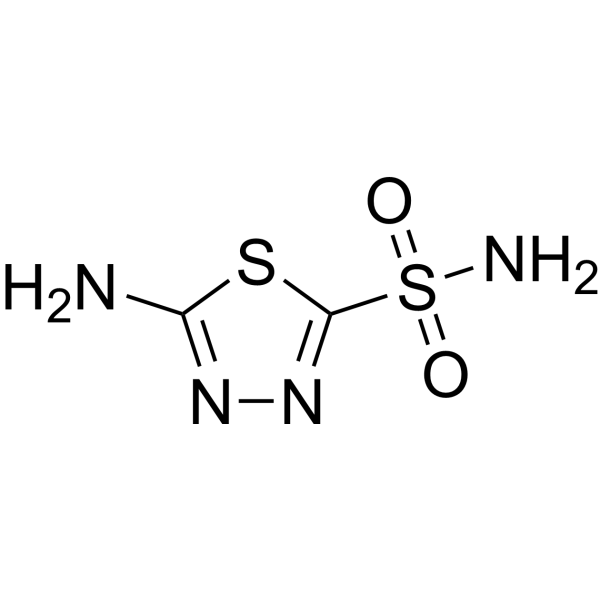
CL 5343 (5-Amino-1,3,4-thiadiazole-2-sulfonamide) is a selective inhibitor of carbonic anhydrase B (HCA-B) and isoforms I, II, IV, and VII. CL 5343 has a Ki of 7.9 nM for hCA II. CL 5343 acts as a CA9 ligand to achieve targeted delivery of maytansine to the cell membrane of SKRC52 renal cancer cells. CL 5343 is useful in the development of therapeutics for diseases associated with CA overactivity, such as glaucoma, epilepsy, and cancer .
|
-
-
- HY-66048
-
|
5-Amino-2-methylpyridine
|
Biochemical Assay Reagents
Drug Intermediate
|
Others
|
|
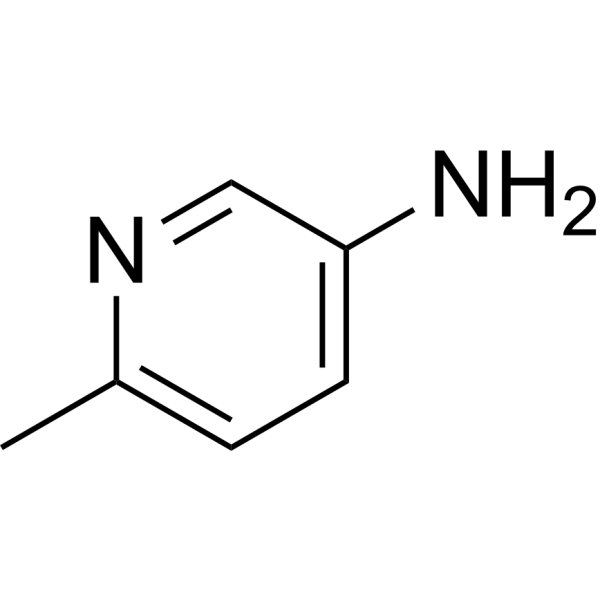
5-Amino-2-picoline (5-Amino-2-methylpyridine) is a biochemical reagent that can be used as a biological material or organic compound for life science related research. 5-Amino-2-picoline is also an important intermediate and can be used in the synthesis of other active compounds .
|
-
-
- HY-W057815
-
|
|
PROTAC Linkers
|
Cancer
|
|
cis-5-Amino-2-Boc-hexahydro-cyclopenta[c]pyrrole is a PROTAC linker that can be used in the synthesis of PROTACs.
|
-
![cis-5-Amino-2-Boc-hexahydro-cyclopenta[c]pyrrole](//file.medchemexpress.com/product_pic/hy-w057815.gif)
-
- HY-78055
-
|
|
Drug Intermediate
|
Others
|
|
2-(((3aR,4S,6R,6aS)-6-((5-Amino-6-chloro-2-(propylthio)pyrimidin-4-yl)amino)-2,2-dimethyltetrahydro-3aH-cyclopenta[d][1,3]dioxol-4-yl)oxy)ethanol is a drug intermediate for synthesis of various active compounds.
|
-
![2-(((3aR,4S,6R,6aS)-6-((5-Amino-6-chloro-2-(propylthio)pyrimidin-4-yl)amino)-2,2-dimethyltetrahydro-3aH-cyclopenta[d][1,3]dioxol-4-yl)oxy)ethanol](//file.medchemexpress.com/product_pic/hy-78055.gif)
-
- HY-140194
-
|
|
PROTAC Linkers
|
Cancer
|
|
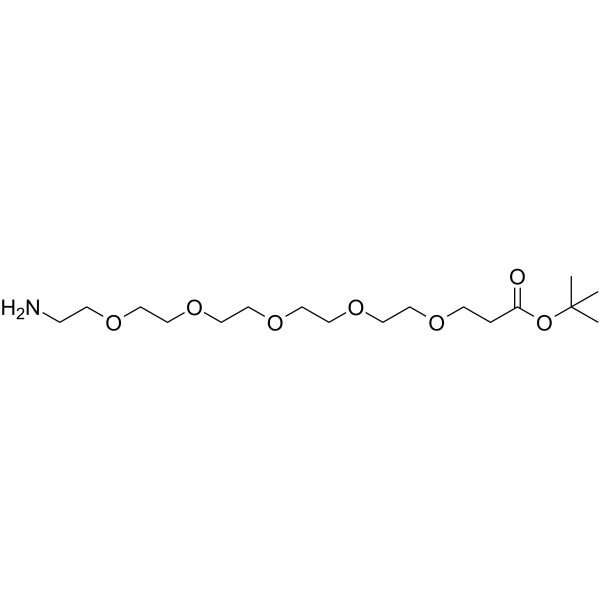
Amino-PEG5-Boc is a PEG-based PROTAC linker that can be used in the synthesis of PROTACs .
|
-
-
- HY-130447
-
|
|
PROTAC Linkers
|
Cancer
|
|
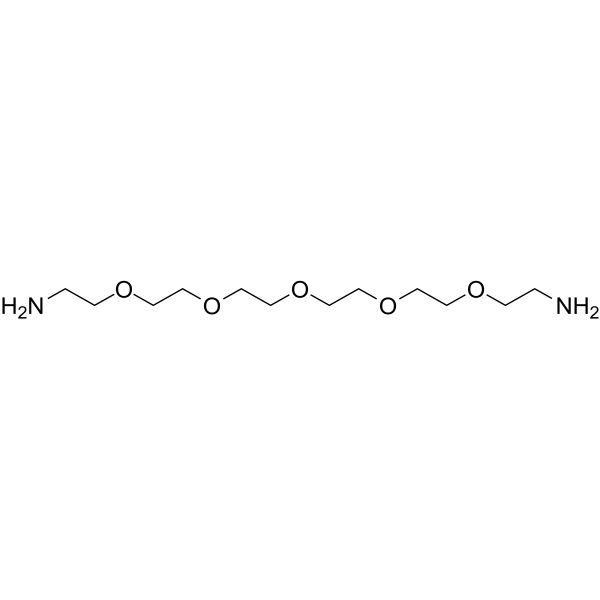
Amino-PEG5-amine is a PEG-based (5 units) PROTAC linker can be used in the synthesis of PROTACs.
|
-
-
- HY-N0305R
-
-
-
- HY-P10341
-
|
|
GCGR
|
Metabolic Disease
|
|
ZP3022 is a dual agonist of glucagon-like peptide-1 (GLP-1) and gastrin that has the ability to sustainably improve glycemic control. Additionally, ZP3022 can effectively increase β-cell mass, promote β-cell proliferation, and enhance the function of pancreatic islets. ZP3022 can be used in anti-diabetic research .
|
-

-
- HY-W001994
-
|
|
Biochemical Assay Reagents
|
Others
|
|
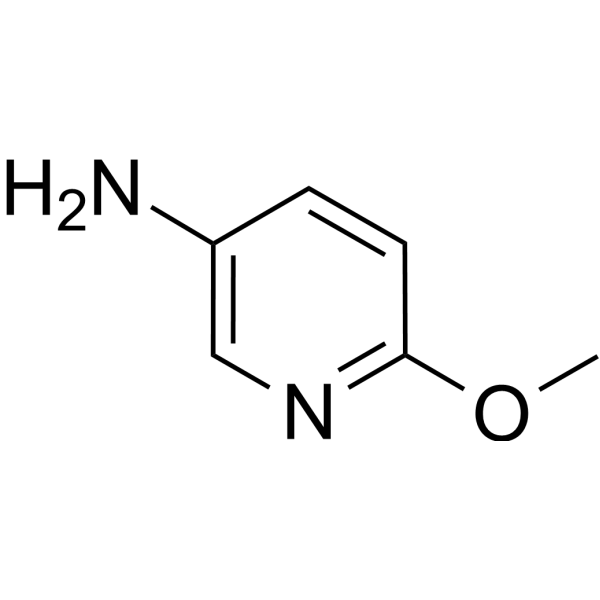
5-Amino-2-methoxypyridine is a biochemical reagent that can be used as a biological material or organic compound for life science related research.
|
-
-
- HY-77822
-
|
|
Biochemical Assay Reagents
|
Others
|
|
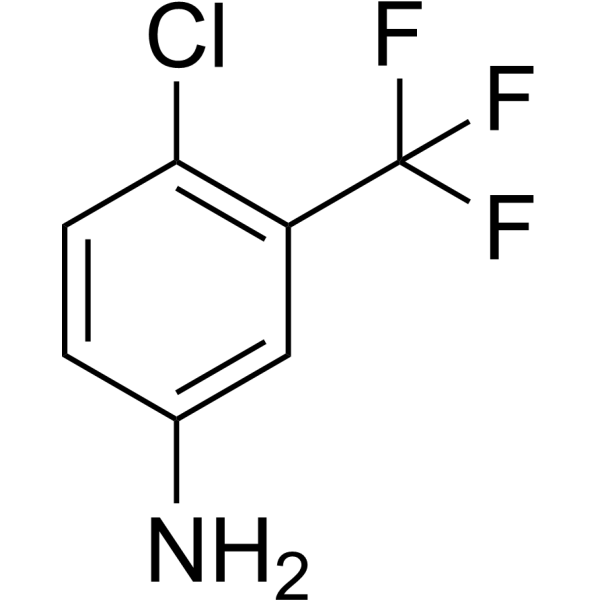
5-Amino-2-chlorobenzotrifluoride is a biochemical reagent that can be used as a biological material or organic compound for life science related research.
|
-
-
- HY-W011983
-
-
-
- HY-154945
-
-
-
- HY-32854
-
-

-
- HY-75318
-
|
Dronedarone impurity A
|
Drug Intermediate
|
Others
|
|
(5-Amino-2-butylbenzofuran-3-yl)(4-(3-(dibutylamino)propoxy)phenyl)methanone (Dronedarone impurity A) is a drug intermediate for synthesis of various active compounds.
|
-

-
- HY-W613598
-
|
|
E3 Ligase Ligand-Linker Conjugates
|
Cancer
|
|
tert-Butyl (S)-5-amino-4-(4-hydroxy-1-oxoisoindolin-2-yl)-5-oxopentanoate is an E3 ligase ligand-linker conjugate containing a CRBN-based ligand and linker, which can be used to synthesize PROTAC.
|
-

-
- HY-N0305S
-
-
-
- HY-W749251
-
|
5-ALA-13C2,15N hydrochloride; δ-Aminolevulinic acid-13C2,15N hydrochloride; 5-Amino-4-oxopentanoic acid-13C2,15N hydrochloride
|
Endogenous Metabolite
Isotope-Labeled Compounds
|
Others
|
|
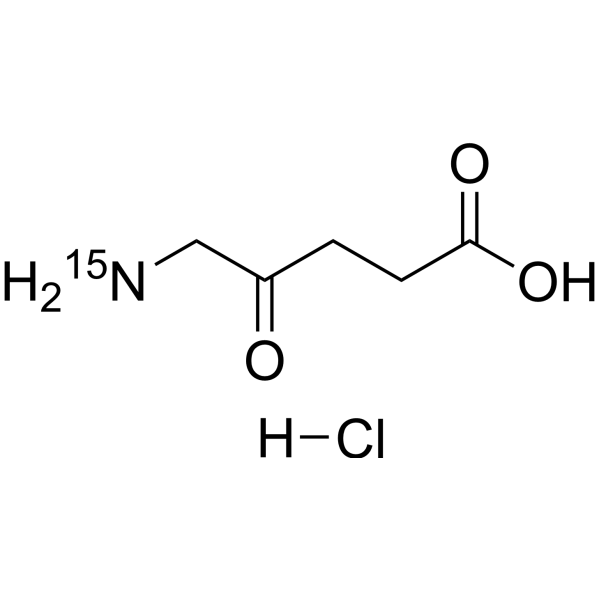
5-Aminolevulinic acid- 13C2, 15N (5-ALA- 13C2, 15N; δ-Aminolevulinic acid- 13C2, 15N) is 13C- and 15N-labeled 5-Aminolevulinic acid (HY-W000450) .
|
-

-
- HY-W007272
-
|
|
Drug Intermediate
|
Others
|
|
5-Amino-2,4-difluorophenol is a drug intermediate for synthesis of various active compounds.
|
-

-
- HY-I0147
-
|
|
Drug Intermediate
|
Others
|
|
5-Amino-2,4-di-tert-butylphenyl methyl carbonate is a drug intermediate for synthesis of various active compounds.
|
-

-
- HY-W702789
-
-

-
- HY-W106292
-
|
|
MOFs
|
Others
|
|
5'-Amino-[1,1':3',1''-terphenyl]-4,4''-dicarboxylic acid is a metal-organic framework (MOF).
|
-
![5'-Amino-[1,1':3',1''-terphenyl]-4,4''-dicarboxylic acid](//file.medchemexpress.com/product_pic/hy-w106292.gif)
-
- HY-70065
-
|
5-Amino-4-chloro-3-methylisoxazole
|
Drug Intermediate
|
Others
|
|
4-Chloro-3-methylisoxazol-5-amine (5-Amino-4-chloro-3-methylisoxazole) is a drug intermediate for synthesis of various active compounds.
|
-

-
- HY-43367
-
|
|
Drug Intermediate
|
Others
|
|
5-Amino-1,3-dimethyl-6-(3-propoxyphenoxy)-1H-benzo[d]imidazol-2(3H)-one is a drug intermediate for synthesis of various active compounds.
|
-
![5-Amino-1,3-dimethyl-6-(3-propoxyphenoxy)-1H-benzo[d]imidazol-2(3H)-one](//file.medchemexpress.com/product_pic/hy-43367.gif)
-
- HY-77931
-
|
VX-661 intermediate
|
Drug Intermediate
|
Others
|
|
(R)-1-[5-Amino-2-(2-benzyloxy-1,1-dimethyl-ethyl)-6-fluoro-indol-1-yl]-3-benzyloxy-propan-2-ol (VX-661 intermediate) is a drug intermediate for synthesis of various active compounds.
|
-
![(R)-1-[5-Amino-2-(2-benzyloxy-1,1-dimethyl-ethyl)-6-fluoro-indol-1-yl]-3-benzyloxy-propan-2-ol](//file.medchemexpress.com/product_pic/hy-77931.gif)
-
- HY-135916
-
|
|
PROTAC Linkers
|
Cancer
|
|
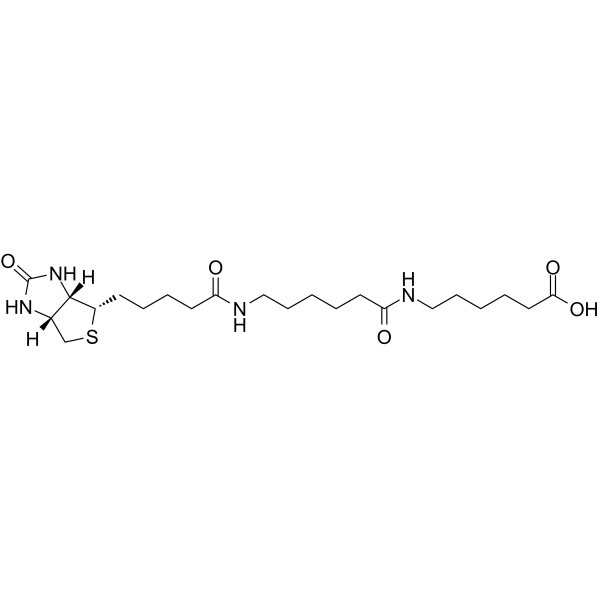
Biotin-C5-amino-C5-amino is an alkyl chain-based PROTAC linker that can be used in the synthesis of PROTACs .
|
-
-
- HY-W025736
-
|
|
Drug Isomer
|
Neurological Disease
Inflammation/Immunology
|
|
5-Amino-2-methoxyphenol is a phenolic regioisomer. 5-Amino-2-methoxyphenol produces dose-dependent antinociception in the mouse formalin test, with its second-phase effect being mechanistically dependent on both FAAH and TRPV1. 5-Amino-2-methoxyphenol can be used for antinociception research .
|
-

-
- HY-65254
-
-
-
- HY-33849
-
|
|
Biochemical Assay Reagents
|
Others
|
|
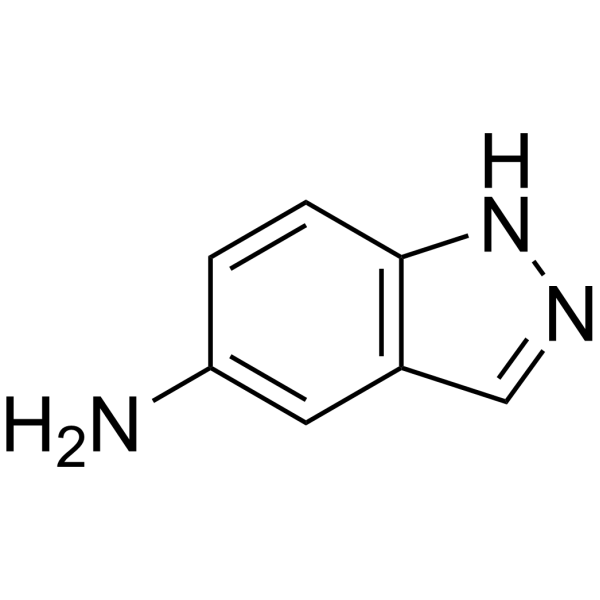
5-Amino-1H-indazole is a biochemical reagent that can be used as a biological material or organic compound for life science related research.
|
-
-
- HY-P11004
-
|
|
Bacterial
Antibiotic
|
Infection
|
|
A3-APO is an antimicrobial peptide. A3-APO has a significant antimicrobial activity by a dual mode of action with both membrane disintegration and intracellular target inhibition. A3-APO can deactivate bacterial toxins and increase the expression of anti-inflammatory cytokines (such as IL-4 and IL-10), without antimicrobial resistance. A3-APO accelerates burn wounds healing in mice infection model of Acinetobacter baumannii and Staphylococcus aureus .
|
-

-
- HY-19844
-
|
|
Drug Derivative
Aldehyde Oxidase (AO)
|
Infection
|
|
ANA975, 5-amino-3-β -D-ribofuranosyl-3H-thiazolo[4,5-d]pyrimidin-2-one derivative, is an oral prodrug of the TLR-7 agonist Isatoribine (HY-13655A). ANA975 is converted to Isatoribine via a combined mechanism of hydrolysis by esterases and oxidation by aldehyde oxidase. ANA975 can be used in the research of hepatitis C virus infection .
|
-

-
- HY-P10472
-
|
|
GnRH Receptor
|
Endocrinology
|
|
Azaline B is an antagonist for gonadotropin-releasing hormone (GnRH) with IC50 of 1.37 nM, Azaline B can be used in research of sex hormone-related pathological states, ovulation induction and male contraception .
|
-

-
- HY-P4757
-
|
|
Parasite
|
Others
|
|
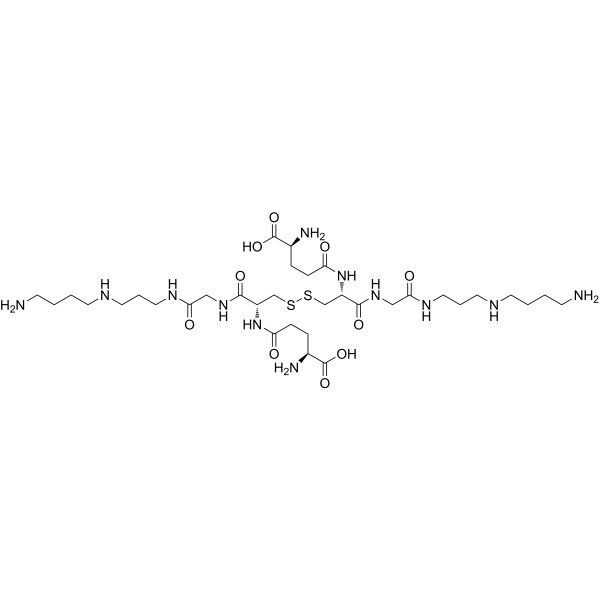
N1-Glutathionyl-spermidine disulfide is a substrate of trypanothione reductase .
|
-
-
- HY-N0305S1
-
-
-
- HY-N0305S3
-
|
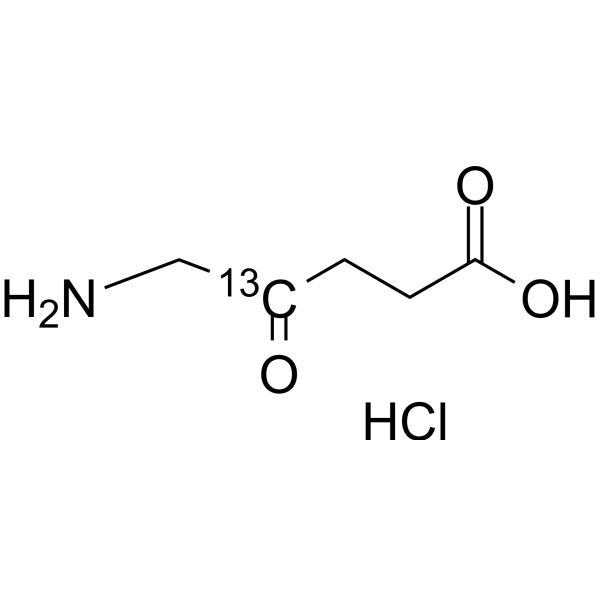
5-ALA-13C-1 hydrochloride; δ-Aminolevulinic acid-13C-1 hydrochloride; 5-Amino-4-oxopentanoic acid-13C-1 hydrochloride
|
Apoptosis
Autophagy
Mitophagy
Endogenous Metabolite
|
Metabolic Disease
|
|
5-Aminolevulinic acid- 13C-1 (5-ALA- 13C-1) hydrochloride is the 13C labeled 5-Aminolevulinic acid hydrochloride . 5-Aminolevulinic acid hydrochloride (5-ALA hydrochloride) is an intermediate in heme biosynthesis in the body and the universal precursor of tetrapyrroles .
|
-
-
- HY-W000450S
-
-
-
- HY-156291
-
|
|
DNA/RNA Synthesis
Influenza Virus
|
Infection
|
|
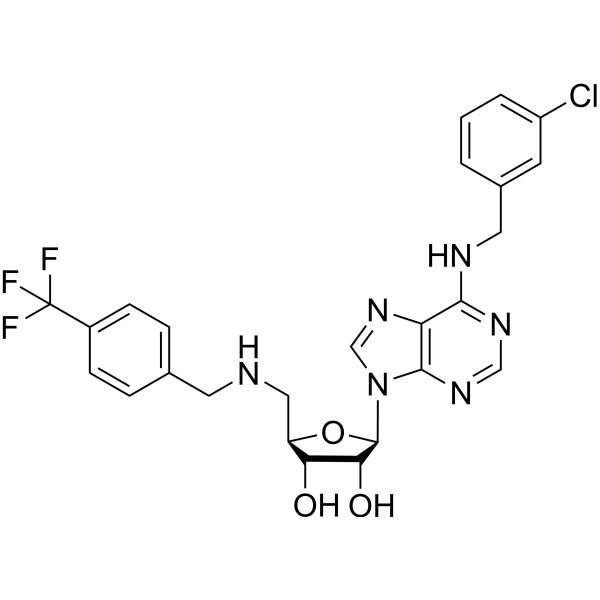
XSJ2-46, 5'-amino NI analog, is an antiviral agent. XSJ2-46 has anti-Zika virus activity. XSJ2-46 exhibits reasonable inhibition of RNA-dependent RNA polymerases (RdRp) with an IC50 value of 8.78 μM .
|
-
-
- HY-77822R
-
|
|
Biochemical Assay Reagents
Reference Standards
|
Others
|
|
5-Amino-2-chlorobenzotrifluoride (Standard) is the analytical standard of 5-Amino-2-chlorobenzotrifluoride. This product is intended for research and analytical applications. 5-Amino-2-chlorobenzotrifluoride is a biochemical reagent that can be used as a biological material or organic compound for life science related research.
|
-

-
- HY-171832
-
-

-
- HY-149160
-
|
|
Nucleoside Antimetabolite/Analog
|
Cancer
|
|
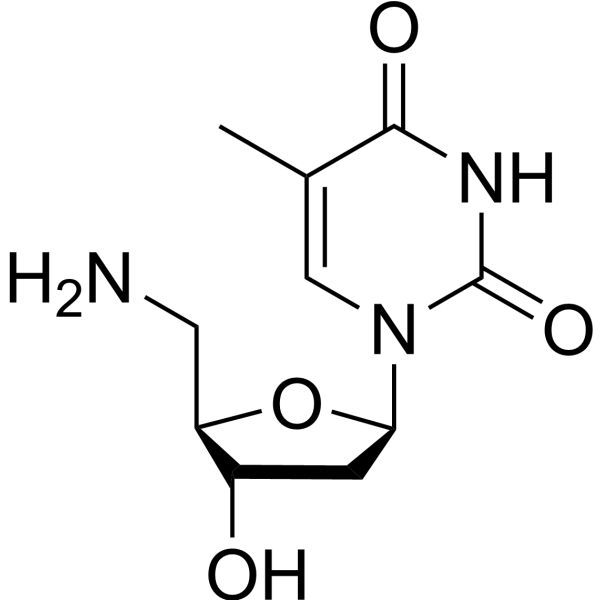
5′-Amino-5′-deoxythymidine is a purine nucleoside analog. Purine nucleoside analogs have broad antitumor activity targeting indolent lymphoid malignancies. Anticancer mechanisms in this process rely on inhibition of DNA synthesis, induction of apoptosis, etc .
|
-
-
- HY-W015858R
-
|
3-Hydroxy-4-methylaniline (Standard)
|
Reference Standards
|
|
|
5-Amino-2-methylphenol (Standard) is the analytical standard of 5-Amino-2-methylphenol. This product is intended for research and analytical applications.
|
-

- HY-154026
-
|
|
Nucleoside Antimetabolite/Analog
|
Cancer
|
|
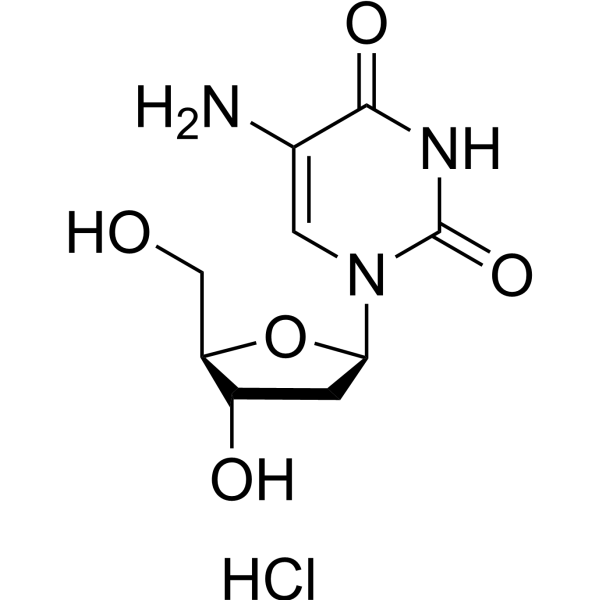
5-Amino-2'-deoxyuridine (monohydrochloride) is a purine nucleoside analog. Purine nucleoside analogs have broad antitumor activity targeting indolent lymphoid malignancies. Anticancer mechanisms in this process rely on inhibition of DNA synthesis, induction of apoptosis, etc .
|
-
- HY-154052
-
|
|
Nucleoside Antimetabolite/Analog
|
Cancer
|
|
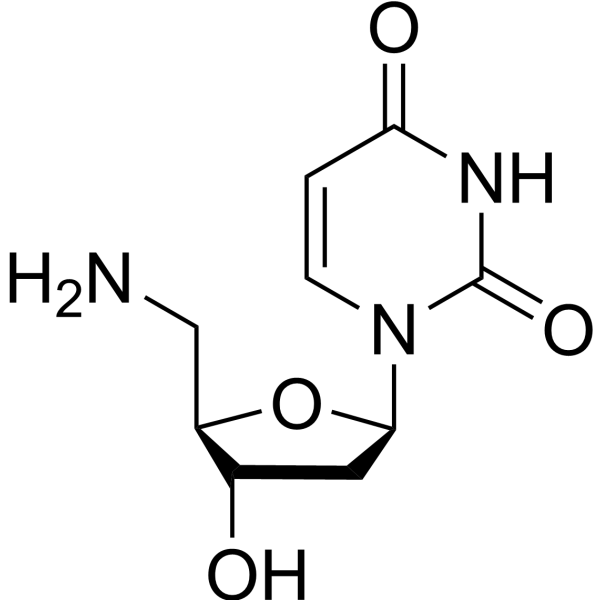
5′-Amino-2′,5′-dideoxyuridine is a purine nucleoside analog. Purine nucleoside analogs have broad antitumor activity targeting indolent lymphoid malignancies. Anticancer mechanisms in this process rely on inhibition of DNA synthesis, induction of apoptosis, etc .
|
-
- HY-138732
-
|
|
PROTAC Linkers
|
Cancer
|
|
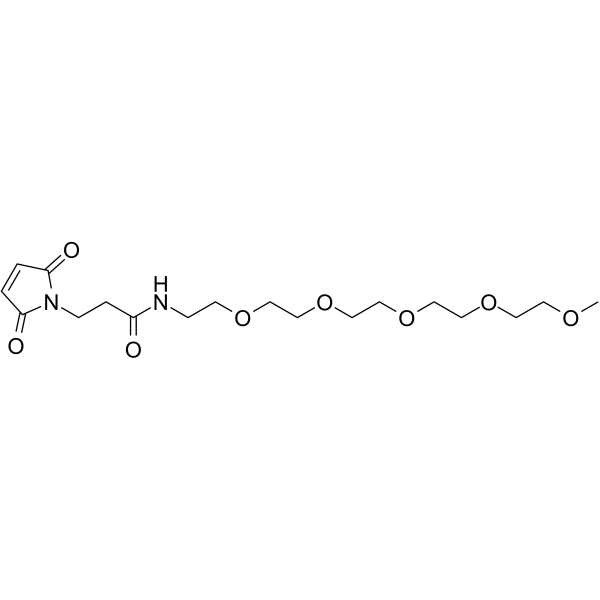
m-PEG5-amino-Mal is a PEG-based PROTAC linker that can be used in the synthesis of PROTACs .
|
-
- HY-152574
-
|
|
Nucleoside Antimetabolite/Analog
|
Others
|
|
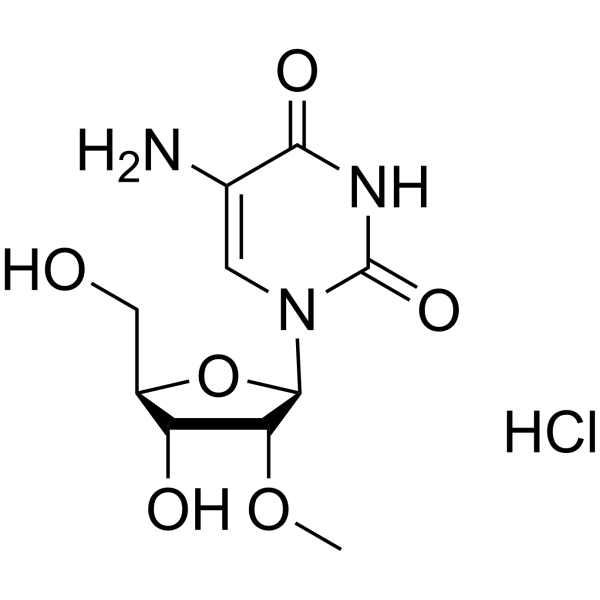
5-Amino-2’-deoxy-2’-O-methyluridine hydrochloride is a uridine analogue. Uridine has potential antiepileptic effects, and its analogs can be used to study anticonvulsant and anxiolytic activities, as well as to develop new antihypertensive agents .
|
-
- HY-41461R
-
|
5-Aminoimidazole-4-carboxamide (Standard); AICA (Standard)
|
Reference Standards
Endogenous Metabolite
|
Others
|
|
5-Amino-3H-imidazole-4-Carboxamide (Standard) is the analytical standard of 5-Amino-3H-imidazole-4-Carboxamide. This product is intended for research and analytical applications. 5-Amino-3H-imidazole-4-Carboxamide (AICA) is an important precursor for the synthesis of purines in general and of the nucleobases adenine and guanine in particular.
|
-

- HY-41461AR
-
|
5-Aminoimidazole-4-carboxamide hydrochloride (Standard); AICA hydrochloride (Standard)
|
Reference Standards
Endogenous Metabolite
|
Others
|
|
5-Amino-3H-imidazole-4-carboxamide (hydrochloride) (Standard) is the analytical standard of 5-Amino-3H-imidazole-4-carboxamide hydrochloride (HY-41461A). This product is intended for research and analytical applications. 5-Amino-3H-imidazole-4-Carboxamide (AICA) hydrochloride is an important precursor for the synthesis of purines in general and of the nucleobases adenine and guanine in particular .
|
-

- HY-168193
-
|
|
PROTAC Linkers
|
Cancer
|
|
5-Amino-N-(3-bromopropyl)pentanamide is a PROTAC linker used in the synthesis of PROTAC TBL1X degrader-1 (HY-168190) .
|
-

- HY-W777089
-
|
|
Biochemical Assay Reagents
|
Others
|
|
Benzyl 5-amino-5-deoxy-2,3-O-isopropyl-α-D-mannofuranoside is a class of biochemical reagents used in glycobiology research. Glycobiology studies the structure, synthesis, biology, and evolution of sugars. It involves carbohydrate chemistry, enzymology of glycan formation and degradation, protein-glycan recognition, and the role of glycans in biological systems. This field is closely related to basic research, biomedicine, and biotechnology .
|
-

- HY-W074975R
-
|
5-Amino-1,3,4-thiadiazole-2-sulfonamide (Standard)
|
Carbonic Anhydrase
Reference Standards
|
Cancer
|
|
CL 5343 (Standard) is the analytical standard of CL 5343. This product is intended for research and analytical applications. CL 5343 (5-Amino-1,3,4-thiadiazole-2-sulfonamide) is an inhibitor of human carbonic anhydrase B (HCA-B). CL 5343 can serve as a CA9 ligand to achieve the targeted delivery of maytansinoid to the cell membrane of SKRC52 renal cancer cells .
|
-

- HY-I0998
-
|
|
CDK
|
Cancer
|
|
1,1-Dimethylethyl 4-(5-amino-3-pyridinyl)-1-piperazinecarboxylate is the impurity of Palbociclib (HY-50767). Palbociclib is an orally active selective CDK4 and CDK6 inhibitor with IC50 values of 11 and 16 nM, respectively .
|
-

- HY-W777090
-
|
|
Biochemical Assay Reagents
|
Others
|
|
Benzyl 5-amino-5-deoxy-2,3-O-isopropylidene-6-O-trityl-α-D-mannofuranoside is a class of biochemical reagents used in glycobiology research. Glycobiology studies the structure, synthesis, biology, and evolution of sugars. It involves carbohydrate chemistry, enzymology of glycan formation and degradation, protein-glycan recognition, and the role of glycans in biological systems. This field is closely related to basic research, biomedicine, and biotechnology .
|
-

- HY-W185208S
-
|
Methyldesphenylchloridazon-d3;
5-Amino-4-chloro-2-methyl-d3-3(2H)-pyridazinone
|
Isotope-Labeled Compounds
|
Others
|
|
Chloridazon metabolite B1-d3 (Methyldesphenylchloridazon-d3) is deuterium labeled 5-Amino-4-chloro-2-methyl-2,3-dihydropyridazin-3-one .
|
-

- HY-W654191
-
|
|
Isotope-Labeled Compounds
|
Others
|
|
Fipronil detrifluoromethylsulfinyl- 13C2, 15N2 is 13C and 15N labeled 5-Amino-1-(2,6-dichloro-4-(trifluoromethyl)phenyl)-1H-pyrazole-3-carbonitrile .
|
-

- HY-P2075
-
|
|
Renin
|
Endocrinology
|
|
EMD 55068 is a renin antagonist. EMD 55068 inhibits the uptake of taurocholate .
|
-

- HY-W103488S
-
-
- HY-N0305S2
-
|
5-ALA-13C hydrochloride; δ-Aminolevulinic acid-13C hydrochloride; 5-Amino-4-oxopentanoic acid-13C hydrochloride
|
Apoptosis
Autophagy
Mitophagy
Endogenous Metabolite
|
Metabolic Disease
|
|
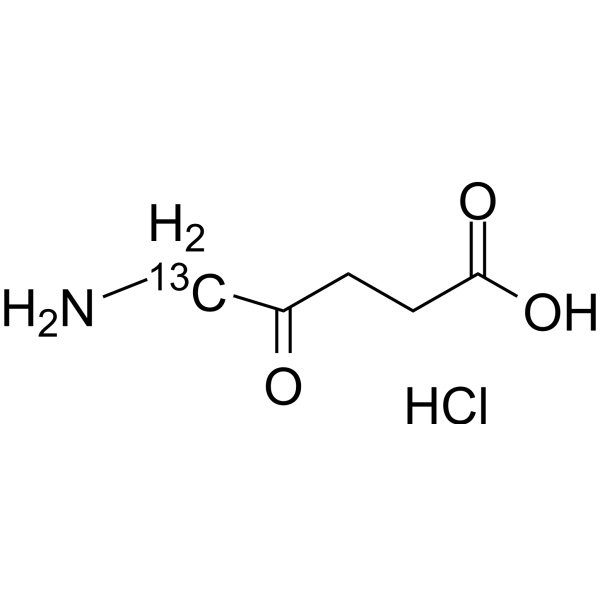
5-Aminolevulinic acid- 13C (hydrochloride) is the 13C labeled 5-Aminolevulinic acid hydrochloride . 5-Aminolevulinic acid hydrochloride (5-ALA hydrochloride) is an intermediate in heme biosynthesis in the body and the universal precursor of tetrapyrroles .
|
-
- HY-180366
-
|
|
Nucleoside Antimetabolite/Analog
|
Others
|
|
5-Amino-2'-deoxyuridine is a thymidine analogue and substrate for chemical reaction. 5-Amino-2'-deoxyuridine can be use in the preparation of labeled probes for DNA microarray analysis .
|
-

- HY-180757
-
-

- HY-182219
-
-

- HY-W041547R
-
|
|
Reference Standards
|
|
|
5-Amino-2,4,6-triiodoisophthalic acid (Standard) is the analytical standard of 5-Amino-2,4,6-triiodoisophthalic acid. This product is intended for research and analytical applications.
|
-

- HY-180377
-
|
|
Drug Derivative
|
Others
|
|
5-Amino-2-(octyloxy)benzoic acid (compound 77) is a Benzoic acid (HY-N0216) derivative .
|
-

- HY-W041547
-
|
|
MOFs
|
Others
|
|
5-Amino-2,4,6-triiodoisophthalic acid is a metal-organic framework (MOF).
|
-

- HY-W782567
-
|
|
Oxidative Phosphorylation
Mitochondrial Metabolism
|
Metabolic Disease
Cancer
|
|
5-Amino-6-(5-phospho-D-ribitylamino)uracil is a substance that enhances oxidative phosphorylation or mitochondrial respiration. 5-Amino-6-(5-phospho-D-ribitylamino)uracil can enhance mitochondrial oxidative function. 5-Amino-6-(5-phospho-D-ribitylamino)uracil can be used in the research of cancer .
|
-

- HY-W341825
-
-

- HY-180315
-
|
|
Others
|
Others
|
|
N-(5-Amino-2-(octyloxy)benzyl)benzamide is a bioactive chemical substance .
|
-

- HY-W586972
-
|
|
MOFs
|
Others
|
|
5-Amino[1,1′-biphenyl]-3,4′-dicarboxylic acid is a metal-organic framework (MOF).
|
-
![5-Amino[1,1′-biphenyl]-3,4′-dicarboxylic acid](//file.medchemexpress.com/product_pic/hy-w586972.gif)
- HY-W144984
-
|
|
MOFs
|
Others
|
|
5-Amino-1,10-phenanthroline-2,9-dicarboxylic acid is a metal-organic framework (MOF).
|
-

- HY-W001023A
-
|
5A8HQ dihydrochloride; 5AHQ dihydrochloride
|
Proteasome
NF-κB
|
Cancer
|
|
5-Amino-8-hydroxyquinoline (5A8HQ; 5AHQ) dihydrochloride is an orally active non-competitive 20S proteasome inhibitor. 5-Amino-8-hydroxyquinoline dihydrochloride can inhibit NF-κB activity and induce cancer cells death and shows low cytotoxicity towards normal hematopoietic cells. 5-Amino-8-hydroxyquinoline dihydrochloride can be used for the research of cancer, such as leukemia .
|
-

- HY-182166
-
|
|
Phosphoramidites
|
|
|
5'-Amino-dT-CE phosphoramidite is a phosphoramidite that can be used in the synthesis of oligonucleotides.
|
-

- HY-182220
-
-

- HY-W586878
-
|
|
MOFs
|
Others
|
|
5′-Amino[1,1′-biphenyl]-3,3′,5-tricarboxylic acid is a metal-organic framework (MOF).
|
-
![5′-Amino[1,1′-biphenyl]-3,3′,5-tricarboxylic acid](//file.medchemexpress.com/product_pic/hy-w586878.gif)
- HY-W1121802
-
-

- HY-182221
-
-

- HY-182222
-
|
|
DNA/RNA Synthesis
|
Others
|
|
5'-Amino-modifier C3-TFA is a phosphoramidite that can be used in the synthesis of oligonucleotides.
|
-

- HY-182223
-
-

- HY-140810
-
|
|
Biochemical Assay Reagents
|
Others
|
|
3-(Azido-PEG5-amino)propanol is a PEG linker which contains an azide moiety and a hydroxyl group. 3-(Azido-PEG5-amino)propanol is a click chemistry reagent. It contains an azide group and can undergo copper-catalyzed azide-alkyne cycloaddition (CuAAc) with molecules containing alkyne groups.
|
-

- HY-W907070
-
|
|
Glycosidase
|
Others
|
|
5-Amino-1-(pyridin-3-yl)-1H-imidazole-4-carboxamide is a riboswitch ligand. 5-Amino-1-(pyridin-3-yl)-1H-imidazole-4-carboxamide effectively activates riboswitches during in vitro transcription and induces β-galactosidase expression .
|
-

- HY-23097R
-
|
H-Gly-Gln-OH Monohydrate (Standard)
|
Reference Standards
|
|
|
(S)-5-Amino-2-(2-aminoacetamido)-5-oxopentanoic acid hydrate (Standard) is the analytical standard of (S)-5-Amino-2-(2-aminoacetamido)-5-oxopentanoic acid hydrate. This product is intended for research and analytical applications.
|
-

- HY-W112997
-
|
|
MOFs
|
Others
|
|
5'-Amino-[1,1':3',1''-terphenyl]-3,3'',5,5''-tetracarboxylicacid is a metal-organic framework (MOF).
|
-
![5'-Amino-[1,1':3',1''-terphenyl]-3,3'',5,5''-tetracarboxylicacid](//file.medchemexpress.com/product_pic/hy-w112997.gif)
- HY-75318R
-
|
Dronedarone impurity A (Standard)
|
Reference Standards
|
|
|
(5-Amino-2-butylbenzofuran-3-yl)(4-(3-(dibutylamino)propoxy)phenyl)methanone (Standard) is the analytical standard of (5-Amino-2-butylbenzofuran-3-yl)(4-(3-(dibutylamino)propoxy)phenyl)methanone. This product is intended for research and analytical applications.
|
-

- HY-W856211
-
|
|
MOFs
|
Others
|
|
5-(5-Amino-4-cyano-1H-pyrazol-1-yl)isophthalic acid is a metal-organic framework (MOF).
|
-

- HY-178759
-
|
|
E3 Ligase Ligand-Linker Conjugates
|
Infection
|
|
DHFR-IN-5-amino-PEG3-C2-azido is a synthesized E3 ligase ligand-linker conjugate that can be used to synthesize BION106 (HY-178728). BION106 is a potent DHFR-TS PROTAC degrader with anti-malarial activity .
|
-

- HY-W249550
-
|
Cobalt, bis[5-Amino-1,3-benzenedicarboxylato(2-)-κO1,κO′1]diaqua[μ-4,4′-bipyridine-κN1:κN1′]di-, hydrate (1:4)
|
MOFs
|
Others
|
|
Co(AIP)(BPY)(Cobalt, bis[5-amino-1,3-benzenedicarboxylato(2-)-κO1,κO′1]diaqua[μ-(4,4′-bipyridine-κN1:κN1′)]di-, hydrate (1:4)) is a metal-organic framework (MOF).
|
-

- HY-169879
-
|
|
DNA/RNA Synthesis
Phosphoramidites
|
Others
|
|
2-Cyanoethyl (1-(2-(methylcarbamoyl)phenyl)-1-oxo-5,8,11-trioxa-2-azatridecan-13-yl) diisopropylphosphoramidite is a phosphoramidite that can be used in the synthesis of oligonucleotides.
|
-

- HY-402301
-
|
|
DNA/RNA Synthesis
Phosphoramidites
|
Others
|
|
2-Cyanoethyl (6-(((4-methoxyphenyl)diphenylmethyl)(methyl)amino)hexyl) diisopropylphosphoramidite is a phosphoramidite that can be used in the synthesis of oligonucleotides.
|
-

- HY-402409
-
|
|
DNA/RNA Synthesis
Phosphoramidites
|
Others
|
|
2-Cyanoethyl (2-(2-(2-(2,2,2-trifluoroacetamido)ethoxy)ethoxy)ethyl) diisopropylphosphoramidite is a phosphoramidite that can be used in the synthesis of oligonucleotides.
|
-

- HY-154794
-
|
|
HIV
|
Cardiovascular Disease
Infection
Cancer
|
|
Antiviral agent 29 (one of the Example I), a 2-mercapto-N-(5-amino-1,2,4-triazol-3-yl) benzenesulfonamide derivative, is an antiviral agent exhibiting anti-HIV, antitumor and antiarrhythmic activities .
|
-

- HY-77785S
-
-
- HY-B2120S
-
-

- HY-W150365R
-
|
6-Chloro-5-Amino-o-cresol (Standard)
|
Reference Standards
|
|
|
2-Chloro-4-methyl-3-hydroxyaniline (Standard) is the analytical standard of 2-Chloro-4-methyl-3-hydroxyaniline. This product is intended for research and analytical applications.
|
-

- HY-W005394S
-
-
- HY-P10876
-
|
|
Amyloid-β
|
Neurological Disease
|
|
mcK6A1 is an inhibitor for the aggregation of amyloid-β (Aβ), that selectively binds to the 16KLVFFA21 segment of Aβ42, forms an extended β-folded structure, and inhibits the formation of Aβ42 oligomers. mcK6A1 can be used in research of Alzheimer's disease and other amyloid-related diseases .
|
-

- HY-I0463R
-
|
|
Reference Standards
|
|
|
6-(4-((5-Amino-5-oxopentyl)amino)phenyl)-1-(4-methoxyphenyl)-7-oxo-4,5,6,7-tetrahydro-1H-pyrazolo[3,4-c]pyridine-3-carboxamide (Standard) is the analytical standard of 6-(4-((5-Amino-5-oxopentyl)amino)phenyl)-1-(4-methoxyphenyl)-7-oxo-4,5,6,7-tetrahydro-1H-pyrazolo[3,4-c]pyridine-3-carboxamide. This product is intended for research and analytical applications.
|
-

- HY-W738480
-
|
(R)-Tert-Butyl 2-Amino-3-phenylpropanoate-d5
|
Isotope-Labeled Compounds
|
Others
|
|
L-Phenylalanine tert-butyl ester-d5 ((R)-Tert-Butyl 2-amino-3-phenylpropanoate-d5) is the deuterium labeled (S)-tert-Butyl 2-amino-3-phenylpropanoate (HY-W108426).
|
-

- HY-P11243
-
|
|
Ephrin Receptor
|
Neurological Disease
|
|
EphA4 agonist compound 23 is a novel EphA4 agonist peptide mimic. EphA4 agonist compound 23 exhibits high affinity, high selectivity, and significant receptor activation ability. EphA4 agonist compound 23 is commonly used in the study of neurodegenerative diseases .
|
-

- HY-P2434
-
|
|
Somatostatin Receptor
|
Neurological Disease
Metabolic Disease
Cancer
|
|
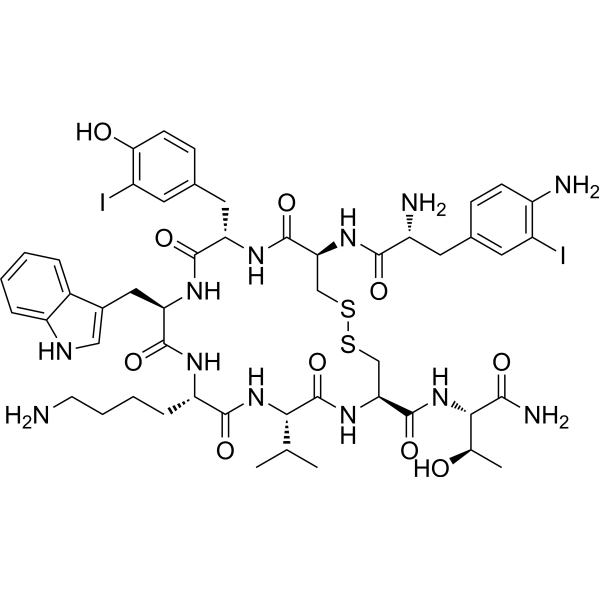
AP102 is a dual SSTR2/SSTR5-specific somatostatin analog (SSA). AP102 is a disulfide-bridged octapeptide SSA containing synthetic iodinated amino acids. AP102 binds with subnanomolar affinity to SSTR2 and SSTR5 (IC50: 0.63 and 0.65 nM, respectively). AP102 does not bind to SSTR1 or SSTR3. AP102 can be used for acromegaly and neuroendocrine tumors research .
|
-
- HY-P5362A
-
|
|
Radionuclide-Drug Conjugates (RDCs)
Somatostatin Receptor
|
Cancer
|
|
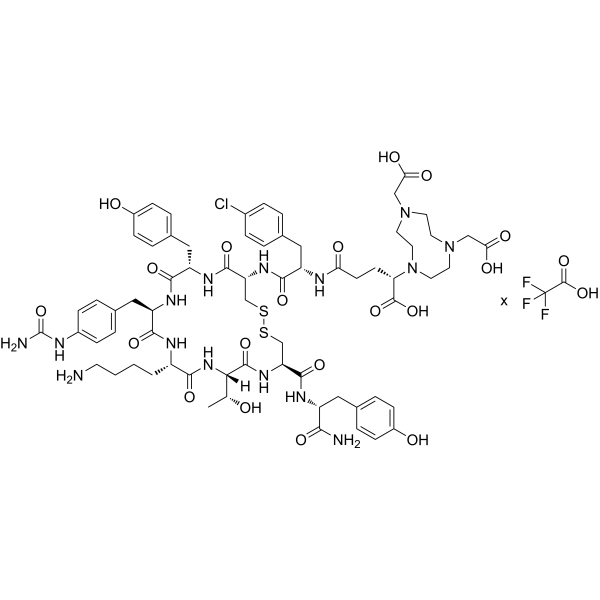
NODAGA-LM3 TFA is a ligand that can cross the blood-brain barrier and targets somatostatin receptor SSTR2 with high affinity (IC50 = 1.3 nM). NODAGA-LM3 TFA does not trigger the internalization of SSTR2 and can inhibit agonist-induced internalization processes. NODAGA-LM3 TFA shows low uptake in normal tissues such as the liver and spleen, but high uptake in the lungs and blood pool. 68Ga-labeled NODAGA-LM3 TFA can serve as a PET imaging agent for well-differentiated neuroendocrine tumors, and is applied in studies related to small cell lung cancer and well-differentiated neuroendocrine tumors .
|
-
- HY-P5362
-
|
|
Radionuclide-Drug Conjugates (RDCs)
Somatostatin Receptor
|
Neurological Disease
Cancer
|
|
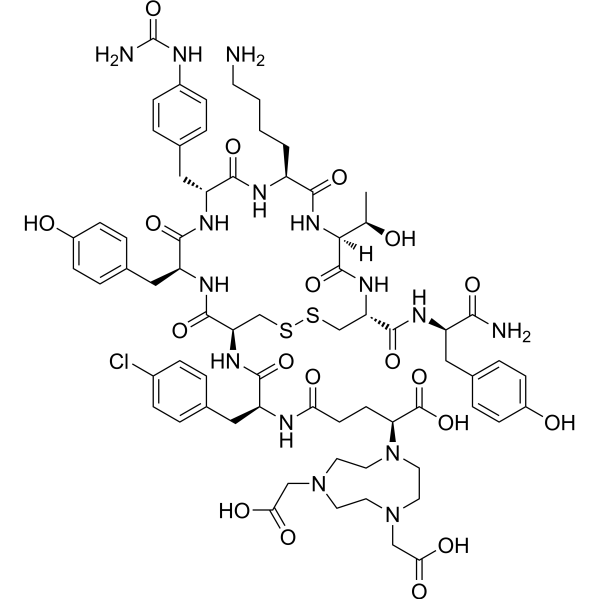
NODAGA-LM3 is a ligand that can cross the blood-brain barrier and targets somatostatin receptor SSTR2 with high affinity (IC50 = 1.3 nM). NODAGA-LM3 does not trigger the internalization of SSTR2 and can inhibit agonist-induced internalization processes. NODAGA-LM3 shows low uptake in normal tissues such as the liver and spleen, but high uptake in the lungs and blood pool. 68Ga-labeled NODAGA-LM3 can serve as a PET imaging agent for well-differentiated neuroendocrine tumors, and is applied in studies related to small cell lung cancer and well-differentiated neuroendocrine tumors .
|
-
- HY-105168
-
|
|
Endothelin Receptor
|
Cardiovascular Disease
|
|
TAK 044 is an antagonist of Endothelin Receptor. TAK 044 strongly inhibits ET-induced deterioration in various animal models. TAK 044 can be used in study ET-related diseases such as acute myocardial infarction,acute renal failure, acute hepatic malfunction, and subarachnoid hemorrhage .
|
-
- HY-P11488
-
|
|
Radionuclide-Drug Conjugates (RDCs)
Somatostatin Receptor
PSMA
|
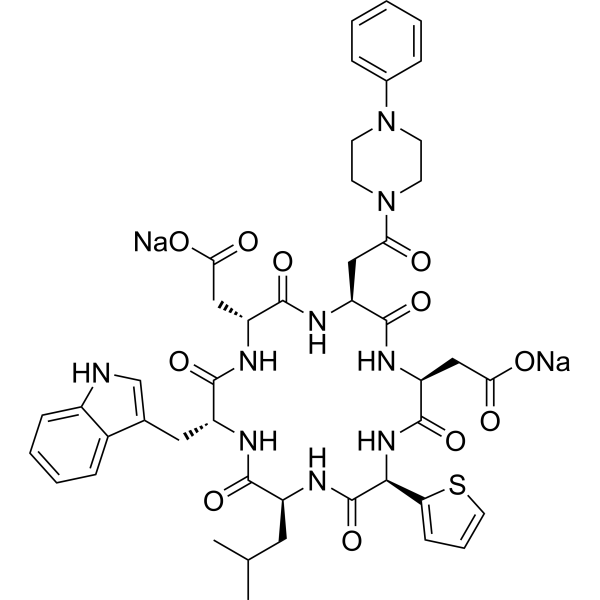
Cancer
|
|
JR11-PEG3-DOTA-PSMA-03 (Compound 2) is an RDC-related compound containing the chelating agent DOTA (HY-W053583), the JR11 peptide (SSTR2 antagonist), and the PSMA ligand. JR11-PEG3-DOTA-PSMA-03 shows SSTR2-binding affinities and PSMA-binding affinities, with IC50 s of 94.0 nM, 81.8 nM, respectively. JR11-PEG3-DOTA-PSMA-03 can be radiolabeled with [ 68Ga]. [ 68Ga] radiolabeled JR11-PEG3-DOTA-PSMA-03 can be used in diagnostic studies of neuroendocrine differentiated prostate cancer .
|
-

- HY-P11485
-
|
|
Radionuclide-Drug Conjugates (RDCs)
Somatostatin Receptor
PSMA
|
Cancer
|
|
JR11-PEG3-HBED-CC-PSMA-03 (Compound 1) is an RDC-related compound containing the chelating agent HBED-CC, the JR11 peptide (SSTR2 antagonist), and the PSMA ligand. JR11-PEG3-HBED-CC-PSMA-03 shows SSTR2-binding affinities and PSMA-binding affinities, with IC50 s of 59.2 nM, 57.0 nM, respectively. JR11-PEG3-HBED-CC-PSMA-03 can be radiolabeled with [ 68Ga]. [ 68Ga] radiolabeled JR11-PEG3-HBED-CC-PSMA-03 can be used in diagnostic studies of neuroendocrine differentiated prostate cancer .
|
-

- HY-P4070
-
|
|
Insulin Receptor
|
Metabolic Disease
|
|
Insulin icodec is an Insulin (HY-P0035) analog that strongly but reversibly binds to albumin. Insulin icodec has long plasma half-life. Insulin icodec modulates insulin receptor activity, controls blood glucose levels, reduces HbA1c levels, and binds reversibly to human serum albumin. Insulin icodec can be used for the research of type 2 diabetes mellitus .
|
-

| Cat. No. |
Product Name |
Type |
-
- HY-41461A
-
|
5-Aminoimidazole-4-carboxamide hydrochloride; AICA hydrochloride
|
Biochemical Assay Reagents
|
|
5-Amino-3H-imidazole-4-Carboxamide (AICA) hydrochloride is an important precursor for the synthesis of purines in general and of the nucleobases adenine and guanine in particular .
|
-
- HY-66048
-
|
5-Amino-2-methylpyridine
|
Biochemical Assay Reagents
|
|
5-Amino-2-picoline (5-Amino-2-methylpyridine) is a biochemical reagent that can be used as a biological material or organic compound for life science related research. 5-Amino-2-picoline is also an important intermediate and can be used in the synthesis of other active compounds .
|
-
- HY-W001994
-
|
|
Biochemical Assay Reagents
|
|
5-Amino-2-methoxypyridine is a biochemical reagent that can be used as a biological material or organic compound for life science related research.
|
-
- HY-77822
-
|
|
Biochemical Assay Reagents
|
|
5-Amino-2-chlorobenzotrifluoride is a biochemical reagent that can be used as a biological material or organic compound for life science related research.
|
-
- HY-W025736
-
|
|
Biochemical Assay Reagents
|
|
5-Amino-2-methoxyphenol is a phenolic regioisomer. 5-Amino-2-methoxyphenol produces dose-dependent antinociception in the mouse formalin test, with its second-phase effect being mechanistically dependent on both FAAH and TRPV1. 5-Amino-2-methoxyphenol can be used for antinociception research .
|
-
- HY-65254
-
|
|
Biochemical Assay Reagents
|
|
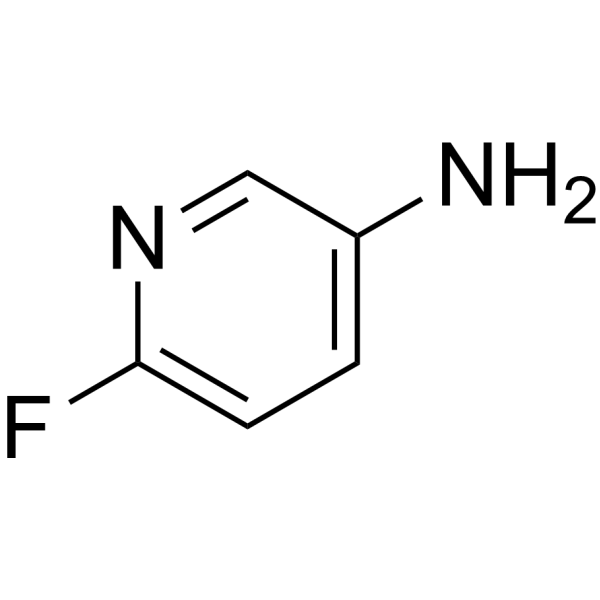
5-Amino-2-fluoropyridine is a fluorinated heterocyclic compound, which can be used for the synthesis of other active compounds .
|
-
- HY-33849
-
|
|
Biochemical Assay Reagents
|
|
5-Amino-1H-indazole is a biochemical reagent that can be used as a biological material or organic compound for life science related research.
|
-
- HY-77822R
-
|
|
Biochemical Assay Reagents
|
|
5-Amino-2-chlorobenzotrifluoride (Standard) is the analytical standard of 5-Amino-2-chlorobenzotrifluoride. This product is intended for research and analytical applications. 5-Amino-2-chlorobenzotrifluoride is a biochemical reagent that can be used as a biological material or organic compound for life science related research.
|
-
- HY-41461AR
-
|
5-Aminoimidazole-4-carboxamide hydrochloride (Standard); AICA hydrochloride (Standard)
|
Biochemical Assay Reagents
|
|
5-Amino-3H-imidazole-4-carboxamide (hydrochloride) (Standard) is the analytical standard of 5-Amino-3H-imidazole-4-carboxamide hydrochloride (HY-41461A). This product is intended for research and analytical applications. 5-Amino-3H-imidazole-4-Carboxamide (AICA) hydrochloride is an important precursor for the synthesis of purines in general and of the nucleobases adenine and guanine in particular .
|
-
- HY-W777089
-
|
|
Biochemical Assay Reagents
|
|
Benzyl 5-amino-5-deoxy-2,3-O-isopropyl-α-D-mannofuranoside is a class of biochemical reagents used in glycobiology research. Glycobiology studies the structure, synthesis, biology, and evolution of sugars. It involves carbohydrate chemistry, enzymology of glycan formation and degradation, protein-glycan recognition, and the role of glycans in biological systems. This field is closely related to basic research, biomedicine, and biotechnology .
|
-
- HY-W777090
-
|
|
Biochemical Assay Reagents
|
|
Benzyl 5-amino-5-deoxy-2,3-O-isopropylidene-6-O-trityl-α-D-mannofuranoside is a class of biochemical reagents used in glycobiology research. Glycobiology studies the structure, synthesis, biology, and evolution of sugars. It involves carbohydrate chemistry, enzymology of glycan formation and degradation, protein-glycan recognition, and the role of glycans in biological systems. This field is closely related to basic research, biomedicine, and biotechnology .
|
| Cat. No. |
Product Name |
Target |
Research Area |
-
- HY-P4070
-
|
|
Insulin Receptor
|
Metabolic Disease
|
|
Insulin icodec is an Insulin (HY-P0035) analog that strongly but reversibly binds to albumin. Insulin icodec has long plasma half-life. Insulin icodec modulates insulin receptor activity, controls blood glucose levels, reduces HbA1c levels, and binds reversibly to human serum albumin. Insulin icodec can be used for the research of type 2 diabetes mellitus .
|
-
- HY-105055
-
|
|
Peptides
|
Cancer
|
|
Didemnin B is a depsipeptide extracted from the marine tunicate Trididemnin cyanophorum. Didemnin B can be used for the research of cancer .
|
-
- HY-P5362
-
|
|
Radionuclide-Drug Conjugates (RDCs)
Somatostatin Receptor
|
Neurological Disease
Cancer
|
|
NODAGA-LM3 is a ligand that can cross the blood-brain barrier and targets somatostatin receptor SSTR2 with high affinity (IC50 = 1.3 nM). NODAGA-LM3 does not trigger the internalization of SSTR2 and can inhibit agonist-induced internalization processes. NODAGA-LM3 shows low uptake in normal tissues such as the liver and spleen, but high uptake in the lungs and blood pool. 68Ga-labeled NODAGA-LM3 can serve as a PET imaging agent for well-differentiated neuroendocrine tumors, and is applied in studies related to small cell lung cancer and well-differentiated neuroendocrine tumors .
|
-
- HY-P2336A
-
|
|
Melanocortin Receptor
|
Cancer
|
|
CCZ01048 TFA, a α-MSH analogue, exhibits high binding affinity to melanocortin 1 receptor (MC1R) with a Ki of 0.31 nM. CCZ01048 TFA shows rapid internalization into B16F10 melanoma cells and high in vivo stability. CCZ01048 TFA is a promising candidate for PET imaging of malignant melanoma .
|
-
- HY-P5481
-
|
|
Peptides
|
Others
|
|
DABCYL-LPETG-EDANS is a biological active peptide. (This 5-amino acid peptide is a sortase substrate, C-terminal sorting signal. Sortase cleaves surface proteins at the LPXTG motif and catalyzes the formation of an amide bond between the carboxyl group of threonine and the amino group of cell-wall crossbridges. Sortases are a family of Gram-positive transpeptidases responsible for anchoring surface protein virulence factors to the peptidoglycan cell wall layer. Cleavage of this FRET substrate by sortase reveals the fluorescent signal, Abs/Em = 340/490 nm.)
|
-
- HY-W011203
-
|
|
Amino Acid Derivatives
|
Others
|
|
(S)-2-(5-Amino-2-(((benzyloxy)carbonyl)amino)-5-oxopentanamido)acetic acid is a Glycine (HY-Y0966) derivative .
|
-
- HY-P10341
-
|
|
GCGR
|
Metabolic Disease
|
|
ZP3022 is a dual agonist of glucagon-like peptide-1 (GLP-1) and gastrin that has the ability to sustainably improve glycemic control. Additionally, ZP3022 can effectively increase β-cell mass, promote β-cell proliferation, and enhance the function of pancreatic islets. ZP3022 can be used in anti-diabetic research .
|
-
- HY-W011983
-
-
- HY-P11004
-
|
|
Bacterial
Antibiotic
|
Infection
|
|
A3-APO is an antimicrobial peptide. A3-APO has a significant antimicrobial activity by a dual mode of action with both membrane disintegration and intracellular target inhibition. A3-APO can deactivate bacterial toxins and increase the expression of anti-inflammatory cytokines (such as IL-4 and IL-10), without antimicrobial resistance. A3-APO accelerates burn wounds healing in mice infection model of Acinetobacter baumannii and Staphylococcus aureus .
|
-
- HY-P10472
-
|
|
GnRH Receptor
|
Endocrinology
|
|
Azaline B is an antagonist for gonadotropin-releasing hormone (GnRH) with IC50 of 1.37 nM, Azaline B can be used in research of sex hormone-related pathological states, ovulation induction and male contraception .
|
-
- HY-P4757
-
|
|
Parasite
|
Others
|
|
N1-Glutathionyl-spermidine disulfide is a substrate of trypanothione reductase .
|
-
- HY-P11243
-
|
|
Ephrin Receptor
|
Neurological Disease
|
|
EphA4 agonist compound 23 is a novel EphA4 agonist peptide mimic. EphA4 agonist compound 23 exhibits high affinity, high selectivity, and significant receptor activation ability. EphA4 agonist compound 23 is commonly used in the study of neurodegenerative diseases .
|
-
- HY-P2434
-
|
|
Somatostatin Receptor
|
Neurological Disease
Metabolic Disease
Cancer
|
|
AP102 is a dual SSTR2/SSTR5-specific somatostatin analog (SSA). AP102 is a disulfide-bridged octapeptide SSA containing synthetic iodinated amino acids. AP102 binds with subnanomolar affinity to SSTR2 and SSTR5 (IC50: 0.63 and 0.65 nM, respectively). AP102 does not bind to SSTR1 or SSTR3. AP102 can be used for acromegaly and neuroendocrine tumors research .
|
-
- HY-P5362A
-
|
|
Radionuclide-Drug Conjugates (RDCs)
Somatostatin Receptor
|
Cancer
|
|
NODAGA-LM3 TFA is a ligand that can cross the blood-brain barrier and targets somatostatin receptor SSTR2 with high affinity (IC50 = 1.3 nM). NODAGA-LM3 TFA does not trigger the internalization of SSTR2 and can inhibit agonist-induced internalization processes. NODAGA-LM3 TFA shows low uptake in normal tissues such as the liver and spleen, but high uptake in the lungs and blood pool. 68Ga-labeled NODAGA-LM3 TFA can serve as a PET imaging agent for well-differentiated neuroendocrine tumors, and is applied in studies related to small cell lung cancer and well-differentiated neuroendocrine tumors .
|
-
- HY-105168
-
|
|
Endothelin Receptor
|
Cardiovascular Disease
|
|
TAK 044 is an antagonist of Endothelin Receptor. TAK 044 strongly inhibits ET-induced deterioration in various animal models. TAK 044 can be used in study ET-related diseases such as acute myocardial infarction,acute renal failure, acute hepatic malfunction, and subarachnoid hemorrhage .
|
-
- HY-P2075
-
|
|
Renin
|
Endocrinology
|
|
EMD 55068 is a renin antagonist. EMD 55068 inhibits the uptake of taurocholate .
|
-
- HY-P10876
-
|
|
Amyloid-β
|
Neurological Disease
|
|
mcK6A1 is an inhibitor for the aggregation of amyloid-β (Aβ), that selectively binds to the 16KLVFFA21 segment of Aβ42, forms an extended β-folded structure, and inhibits the formation of Aβ42 oligomers. mcK6A1 can be used in research of Alzheimer's disease and other amyloid-related diseases .
|
-
- HY-P11488
-
|
|
Radionuclide-Drug Conjugates (RDCs)
Somatostatin Receptor
PSMA
|
Cancer
|
|
JR11-PEG3-DOTA-PSMA-03 (Compound 2) is an RDC-related compound containing the chelating agent DOTA (HY-W053583), the JR11 peptide (SSTR2 antagonist), and the PSMA ligand. JR11-PEG3-DOTA-PSMA-03 shows SSTR2-binding affinities and PSMA-binding affinities, with IC50 s of 94.0 nM, 81.8 nM, respectively. JR11-PEG3-DOTA-PSMA-03 can be radiolabeled with [ 68Ga]. [ 68Ga] radiolabeled JR11-PEG3-DOTA-PSMA-03 can be used in diagnostic studies of neuroendocrine differentiated prostate cancer .
|
-
- HY-P11485
-
|
|
Radionuclide-Drug Conjugates (RDCs)
Somatostatin Receptor
PSMA
|
Cancer
|
|
JR11-PEG3-HBED-CC-PSMA-03 (Compound 1) is an RDC-related compound containing the chelating agent HBED-CC, the JR11 peptide (SSTR2 antagonist), and the PSMA ligand. JR11-PEG3-HBED-CC-PSMA-03 shows SSTR2-binding affinities and PSMA-binding affinities, with IC50 s of 59.2 nM, 57.0 nM, respectively. JR11-PEG3-HBED-CC-PSMA-03 can be radiolabeled with [ 68Ga]. [ 68Ga] radiolabeled JR11-PEG3-HBED-CC-PSMA-03 can be used in diagnostic studies of neuroendocrine differentiated prostate cancer .
|
| Cat. No. |
Product Name |
Category |
Target |
Chemical Structure |
| Cat. No. |
Product Name |
Chemical Structure |
-
- HY-N0305S
-
|
|
|
5-Aminolevulinic acid- 15N (hydrochloride) is the 15N-labeled 5-Aminolevulinic acid (hydrochloride). 5-Aminolevulinic acid hydrochloride (5-ALA hydrochloride) is an intermediate in heme biosynthesis in the body and the universal precursor of tetrapyrroles.
|
-
-
- HY-W749251
-
|
|
|
5-Aminolevulinic acid- 13C2, 15N (5-ALA- 13C2, 15N; δ-Aminolevulinic acid- 13C2, 15N) is 13C- and 15N-labeled 5-Aminolevulinic acid (HY-W000450) .
|
-
-
- HY-N0305S1
-
|
|
|
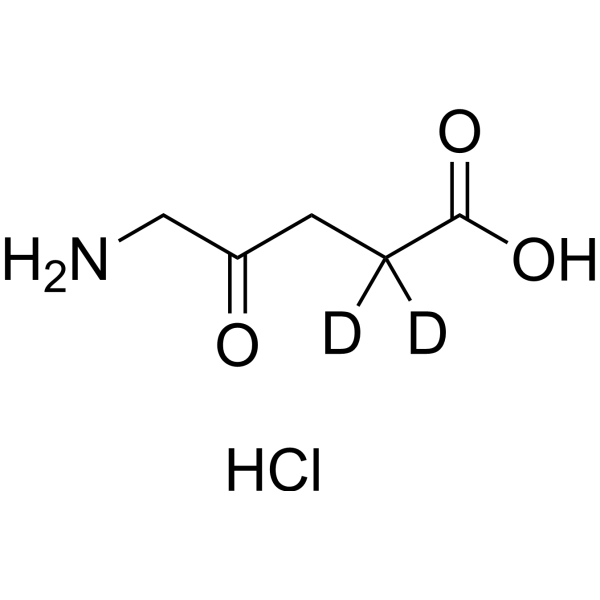
5-Aminolevulinic acid-d2 (hydrochloride) is deuterium labeled 5-Aminolevulinic acid (hydrochloride).
|
-
-
- HY-N0305S3
-
|
|
|
5-Aminolevulinic acid- 13C-1 (5-ALA- 13C-1) hydrochloride is the 13C labeled 5-Aminolevulinic acid hydrochloride . 5-Aminolevulinic acid hydrochloride (5-ALA hydrochloride) is an intermediate in heme biosynthesis in the body and the universal precursor of tetrapyrroles .
|
-
-
- HY-W000450S
-
|
|
|
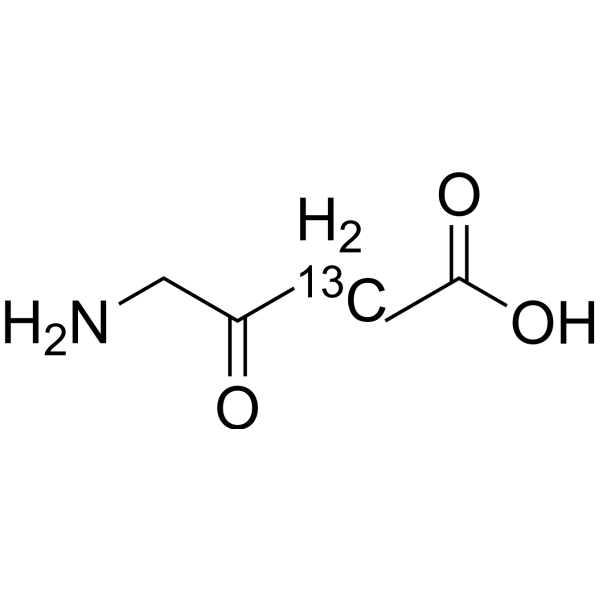
5-Aminolevulinic acid- 13C is the 13C-labeled 5-Aminolevulinic acid. 5-Aminolevulinic acid (5-ALA) is a non-protein amino acid that plays a rate-limiting role in heme biosynthesis.
|
-
-
- HY-W185208S
-
|
|
|
Chloridazon metabolite B1-d3 (Methyldesphenylchloridazon-d3) is deuterium labeled 5-Amino-4-chloro-2-methyl-2,3-dihydropyridazin-3-one .
|
-
-
- HY-W654191
-
|
|
|
Fipronil detrifluoromethylsulfinyl- 13C2, 15N2 is 13C and 15N labeled 5-Amino-1-(2,6-dichloro-4-(trifluoromethyl)phenyl)-1H-pyrazole-3-carbonitrile .
|
-
-
- HY-W005394S
-
|
|
|
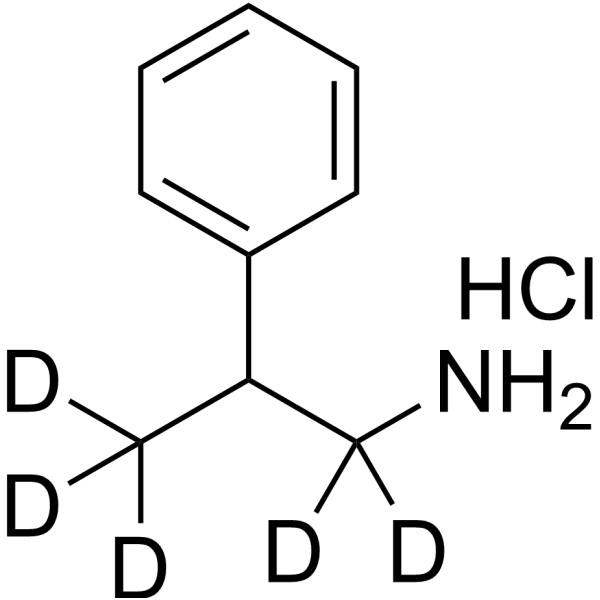
(±)-1-Amino-2-phenylpropane-1,1,3,3,3-d5 (hydrochloride) is the deuterium labeled 2-Phenylpropan-1-amine hydrochloride .
|
-
-
- HY-W103488S
-
|
|
|
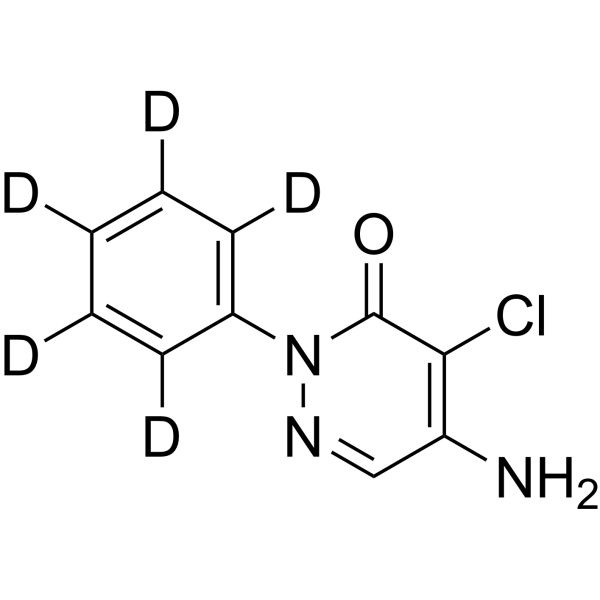
Chloridazon-d5 is the deuterium labeled Chloridazon .
|
-
-
- HY-W738480
-
|
|
|
L-Phenylalanine tert-butyl ester-d5 ((R)-Tert-Butyl 2-amino-3-phenylpropanoate-d5) is the deuterium labeled (S)-tert-Butyl 2-amino-3-phenylpropanoate (HY-W108426).
|
-
-
- HY-N0305S2
-
|
|
|
5-Aminolevulinic acid- 13C (hydrochloride) is the 13C labeled 5-Aminolevulinic acid hydrochloride . 5-Aminolevulinic acid hydrochloride (5-ALA hydrochloride) is an intermediate in heme biosynthesis in the body and the universal precursor of tetrapyrroles .
|
-
-
- HY-77785S
-
|
|
|
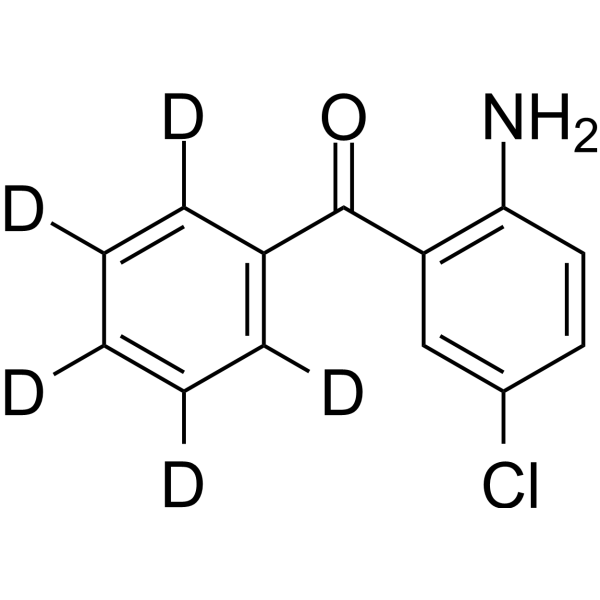
2-Amino-5-Chlorobenzophenone-d5 is the deuterium labeled 2-Amino-5-Chlorobenzophenone .
|
-
-
- HY-B2120S
-
|
|
|
2-Amino-5-nitrobenzophenone-d5 is the deuterium labeled 2-Amino-5-nitrobenzophenone .
|
-
| Cat. No. |
Product Name |
|
Classification |
-
- HY-140810
-
|
|
|
Azide
|
|
3-(Azido-PEG5-amino)propanol is a PEG linker which contains an azide moiety and a hydroxyl group. 3-(Azido-PEG5-amino)propanol is a click chemistry reagent. It contains an azide group and can undergo copper-catalyzed azide-alkyne cycloaddition (CuAAc) with molecules containing alkyne groups.
|
| Cat. No. |
Product Name |
|
Classification |
-
- HY-131818
-
|
NH2dAdo; Nsc 238990
|
|
Nucleoside Analogs
Adenosine
|
|
5'-Amino-5'-deoxyadenosine (NH2dAdo; Nsc 238990) is a purine nucleoside analog. Purine nucleoside analogs have broad antitumor activity targeting indolent lymphoid malignancies. Anticancer mechanisms in this process rely on inhibition of DNA synthesis, induction of apoptosis, etc .
|
-
- HY-149160
-
|
|
|
Nucleoside Analogs
Thymidine
|
|
5′-Amino-5′-deoxythymidine is a purine nucleoside analog. Purine nucleoside analogs have broad antitumor activity targeting indolent lymphoid malignancies. Anticancer mechanisms in this process rely on inhibition of DNA synthesis, induction of apoptosis, etc .
|
-
- HY-154026
-
|
|
|
Nucleoside Analogs
Uridine
|
|
5-Amino-2'-deoxyuridine (monohydrochloride) is a purine nucleoside analog. Purine nucleoside analogs have broad antitumor activity targeting indolent lymphoid malignancies. Anticancer mechanisms in this process rely on inhibition of DNA synthesis, induction of apoptosis, etc .
|
-
- HY-154052
-
|
|
|
Nucleoside Analogs
Uridine
|
|
5′-Amino-2′,5′-dideoxyuridine is a purine nucleoside analog. Purine nucleoside analogs have broad antitumor activity targeting indolent lymphoid malignancies. Anticancer mechanisms in this process rely on inhibition of DNA synthesis, induction of apoptosis, etc .
|
-
- HY-152574
-
|
|
|
Nucleoside Analogs
Uridine
|
|
5-Amino-2’-deoxy-2’-O-methyluridine hydrochloride is a uridine analogue. Uridine has potential antiepileptic effects, and its analogs can be used to study anticonvulsant and anxiolytic activities, as well as to develop new antihypertensive agents .
|
-
- HY-182219
-
-
- HY-182166
-
|
|
|
Phosphoramidites
Uracil
|
|
5'-Amino-dT-CE phosphoramidite is a phosphoramidite that can be used in the synthesis of oligonucleotides.
|
-
- HY-182220
-
-
- HY-W1121802
-
-
- HY-182221
-
-
- HY-182222
-
-
- HY-182223
-
-
- HY-169879
-
|
|
|
Phosphoramidites
Other Phosphoramidite
|
|
2-Cyanoethyl (1-(2-(methylcarbamoyl)phenyl)-1-oxo-5,8,11-trioxa-2-azatridecan-13-yl) diisopropylphosphoramidite is a phosphoramidite that can be used in the synthesis of oligonucleotides.
|
-
- HY-402301
-
|
|
|
Phosphoramidites
Other Phosphoramidite
|
|
2-Cyanoethyl (6-(((4-methoxyphenyl)diphenylmethyl)(methyl)amino)hexyl) diisopropylphosphoramidite is a phosphoramidite that can be used in the synthesis of oligonucleotides.
|
-
- HY-402409
-
|
|
|
Phosphoramidites
Other Phosphoramidite
|
|
2-Cyanoethyl (2-(2-(2-(2,2,2-trifluoroacetamido)ethoxy)ethoxy)ethyl) diisopropylphosphoramidite is a phosphoramidite that can be used in the synthesis of oligonucleotides.
|
Your information is safe with us. * Required Fields.
Inquiry Information
- Product Name:
- Cat. No.:
- Quantity:
- MCE Japan Authorized Agent:





![cis-5-Amino-2-Boc-hexahydro-cyclopenta[c]pyrrole](http://file.medchemexpress.com/product_pic/hy-w057815.gif)
![2-(((3aR,4S,6R,6aS)-6-((5-Amino-6-chloro-2-(propylthio)pyrimidin-4-yl)amino)-2,2-dimethyltetrahydro-3aH-cyclopenta[d][1,3]dioxol-4-yl)oxy)ethanol](http://file.medchemexpress.com/product_pic/hy-78055.gif)


![5'-Amino-[1,1':3',1''-terphenyl]-4,4''-dicarboxylic acid](http://file.medchemexpress.com/product_pic/hy-w106292.gif)

![5-Amino-1,3-dimethyl-6-(3-propoxyphenoxy)-1H-benzo[d]imidazol-2(3H)-one](http://file.medchemexpress.com/product_pic/hy-43367.gif)
![(R)-1-[5-Amino-2-(2-benzyloxy-1,1-dimethyl-ethyl)-6-fluoro-indol-1-yl]-3-benzyloxy-propan-2-ol](http://file.medchemexpress.com/product_pic/hy-77931.gif)


![5-Amino[1,1′-biphenyl]-3,4′-dicarboxylic acid](http://file.medchemexpress.com/product_pic/hy-w586972.gif)


![5′-Amino[1,1′-biphenyl]-3,3′,5-tricarboxylic acid](http://file.medchemexpress.com/product_pic/hy-w586878.gif)


![5'-Amino-[1,1':3',1''-terphenyl]-3,3'',5,5''-tetracarboxylicacid](http://file.medchemexpress.com/product_pic/hy-w112997.gif)