Endocrinology
-
Endocrinology Related Products (3764)
Related Products (3764)

-
Antibodies (4)
-
Related Compound Screening Libraries (1)
-
β-D-Galactose pentaacetate
 0 Images
β-D-Galactose pentaacetate is a negative regulator of insulin with plasma membrane penetrating ability and can be hydrolyzed by intracellular esterases. β-D-Galactose pentaacetate inhibits Leucine (HY-N0486)-induced insulin release in Wistar rat islets, potentially preventing excessive insulin release in pathological conditions.
-
Bisphenol A-d6
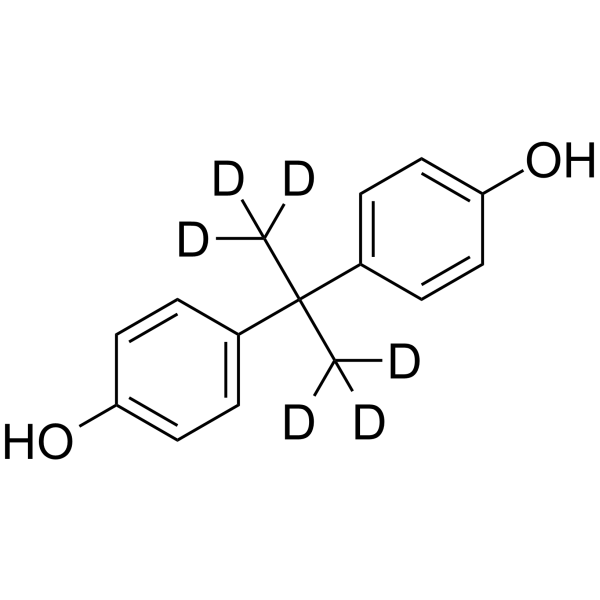 0 Images
Bisphenol A-d6 is the deuterium labeled Bisphenol A. Bisphenol A is a phenolic, organic synthetic compound widely used in the production of polycarbonate plastics and epoxy resins. Bisphenol A is a reproductive, developmental, and systemic toxicant, often classified as an endocrine-disrupting compound (EDC). Bisphenol A is associated with many diseases, including cardiovascular diseases, respiratory diseases, diabetes, kidney diseases, obesity, and reproductivedisorders.
-
Adriforant hydrochloride
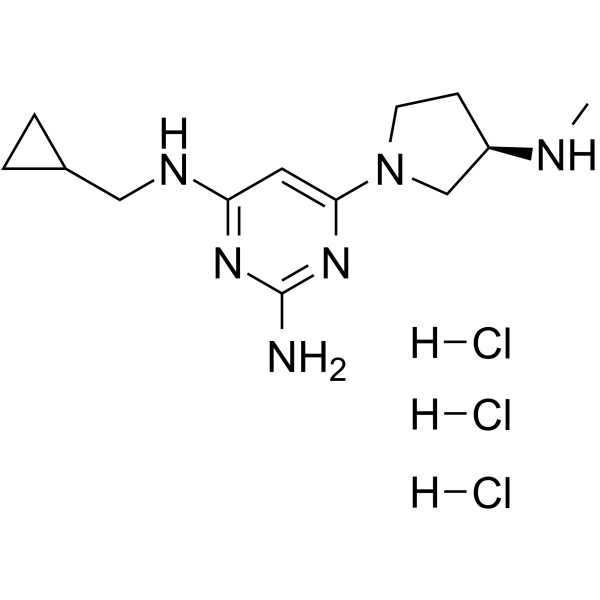 0 ImagesSynonyms: PF-3893787 hydrochloride
Adriforant hydrochloride (PF-3893787 hydrochloride) is a novel histamine H4 receptor antagonist binding affinity (Ki=2.4 nM) and is also a functional (Ki=1.56 nM) antagonist.
-
APX-115 free base
 0 ImagesSynonyms: Ewha-18278 free base; Isuzinaxib free base
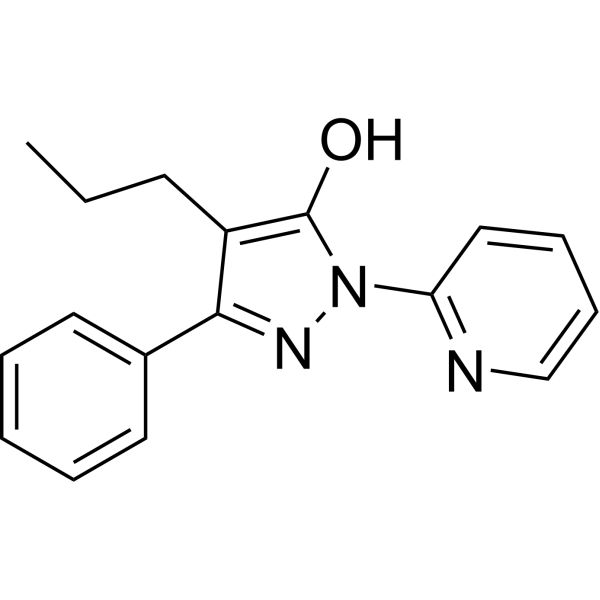
APX-115 free base (Ewha-18278 free base) is a potent, orally active pan NADPH oxidase (Nox) inhibitor with Ki values of 1.08 μM, 0.57 μM, and 0.63 μM for Nox1, Nox2 and Nox4, respectively. APX-115 free base effectively prevents kidney injury.
-
SB-334867 free base
 0 ImagesSynonyms: SB334867A free base
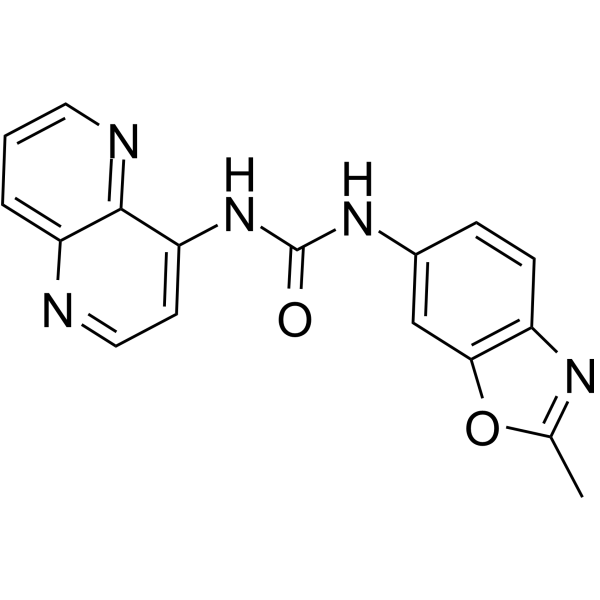
SB-334867 free base (SB334867A free base) is an excellent, selective and blood–brain barrier permeable orexin-1 (OX1) receptor antagonist, shows selectivity over OX2 (pKb=7.4), 100-fold over 5-HT2B, 5-HT2C with pKi values of 5.4 and 5.3, respectively. SB-334867 reduces ethanol consumption and inhibits the acquisition of morphine-induced sensitization to locomotor activity in vivo.
-
Dexamethasone (GMP)
 0 Images
Dexamethasone (Hexadecadrol) (GMP) is Dexamethasone (HY-14648) produced by using GMP guidelines. GMP small molecules works appropriately as an auxiliary reagent for cell therapy manufacture. Dexamethasone is an agonist of glucocorticoid receptor.
-
Ivaltinostat formic
 0 ImagesSynonyms: CG-200745 formic
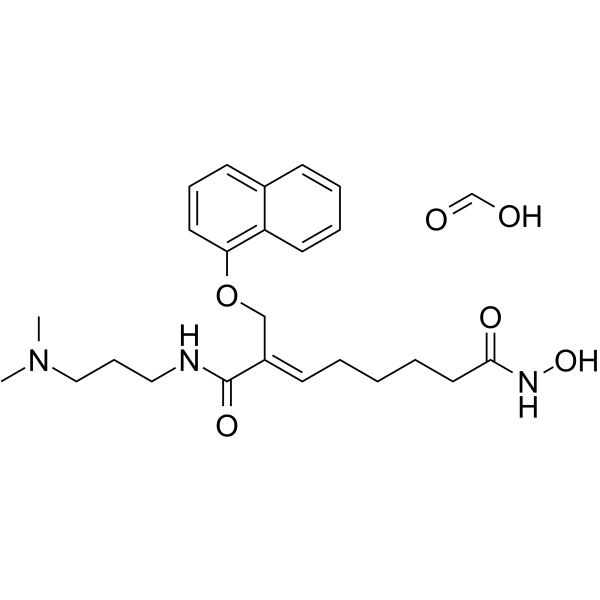
Ivaltinostat (CG-200745) formic is an orally active, potent pan-HDAC inhibitor which has the hydroxamic acid moiety to bind zinc at the bottom of catalytic pocket. Ivaltinostat formic inhibits deacetylation of histone H3 and tubulin. Ivaltinostat formic induces the accumulation of p53, promotes p53-dependent transactivation, and enhances the expression of MDM2 and p21 (Waf1/Cip1) proteins. Ivaltinostat formic enhances the sensitivity of Gemcitabine-resistant cells to Gemcitabine (HY-16138) and 5-Fluorouracil (5-FU; HY-90006). Ivaltinostat formic induces apoptosis and has anti-tumour effects.
-
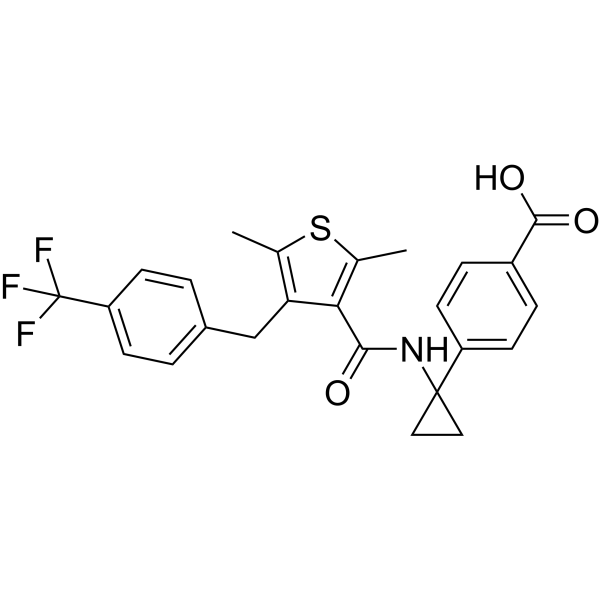
MK-2894
 0 Images
MK-2894 is a potent, selective, orally active and high affinity (Ki=0.56 nM) full antagonist against E prostanoid receptor 4 (EP4 receptor) (IC50=2.5 nM). MK-2894 possesses potent anti-inflammatory activity in animal models of pain/inflammation and can be used for the research of arthritis.
-
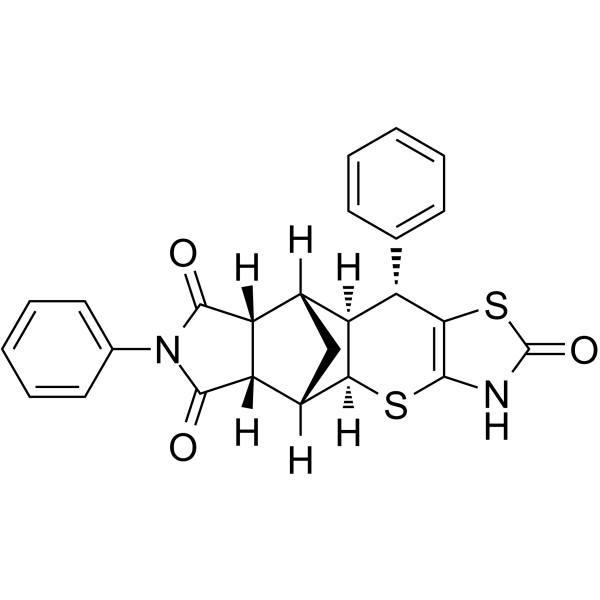
TSHR antagonist S37a
 0 Images
TSHR antagonist S37a is a highly selective thyrotropin receptor (TSHR) antagonist, with potential for the treatment of Graves' orbitopathy.
-
γ-1-Melanocyte Stimulating Hormone (MSH), amide
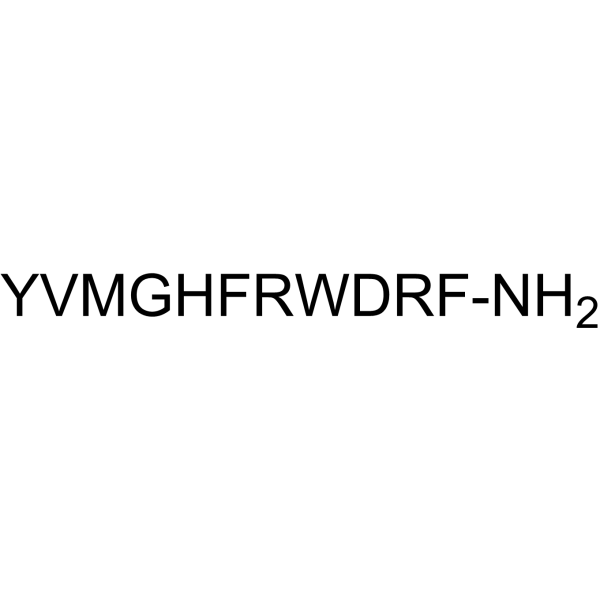 0 ImagesCat. No.: HY-P1531CAS No.: 72629-65-3
γ-1-Melanocyte Stimulating Hormone (MSH), amide is a 11-amino acid peptide. γ-1-Melanocyte Stimulating Hormone (MSH) regulates sodium (Na+) balance and blood pressure through activation of the melanocortin receptor 3 (MC3-R).
-
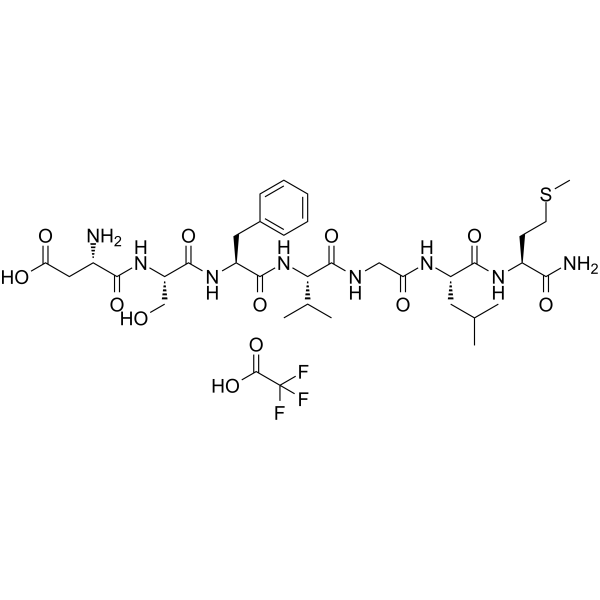
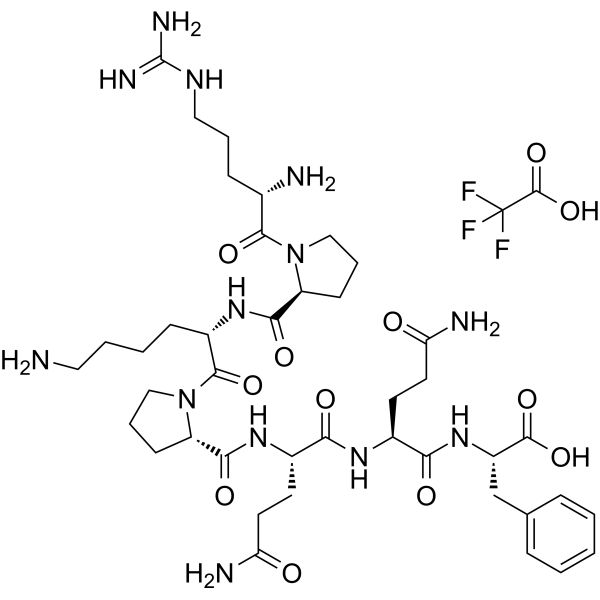
Substance P(1-7) TFA
 0 Images
Substance P(1-7) TFA is a fragment of the neuropeptide, substance P (SP). Substance P(1-7) TFA gives depressor and bradycardic effects when applied to the nucleus tractus solitarius.
-
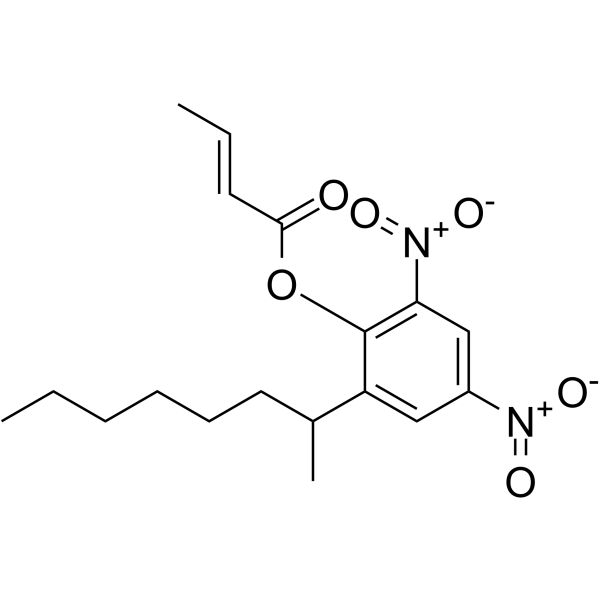
Meptyldinocap
 0 Images
Meptyldinocap (2,4-DNOPC) is a fungicide and cytotoxic agent that acts against powdery mildew. Meptyldinocap upregulates the phosphorylation levels of ERK1/2, JNK and p38. Meptyldinocap induces apoptosis and endoplasmic reticulum stress, disrupts calcium homeostasis, inhibits cell proliferation and migration, downregulates the expression of proliferation- and pregnancy-related genes, and triggers mitochondrial dysfunction. Meptyldinocap can be used in studies related to powdery mildew and implantation failure.
-
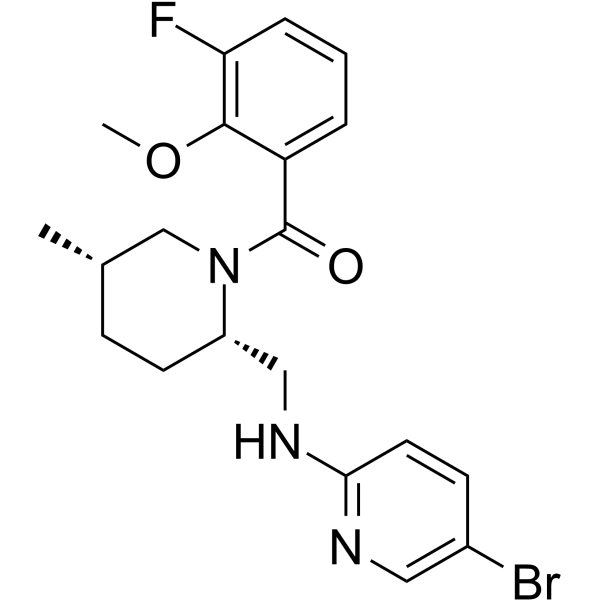
GSK1059865
 0 Images
GSK1059865 is a potent orexin 1 receptor antagonist.
-
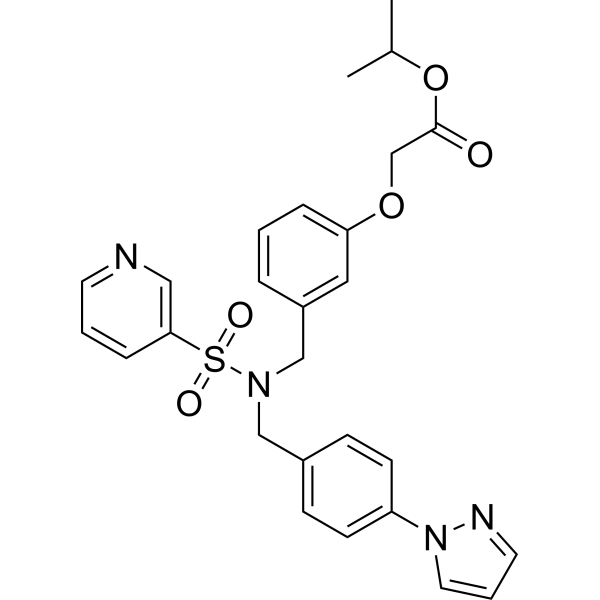
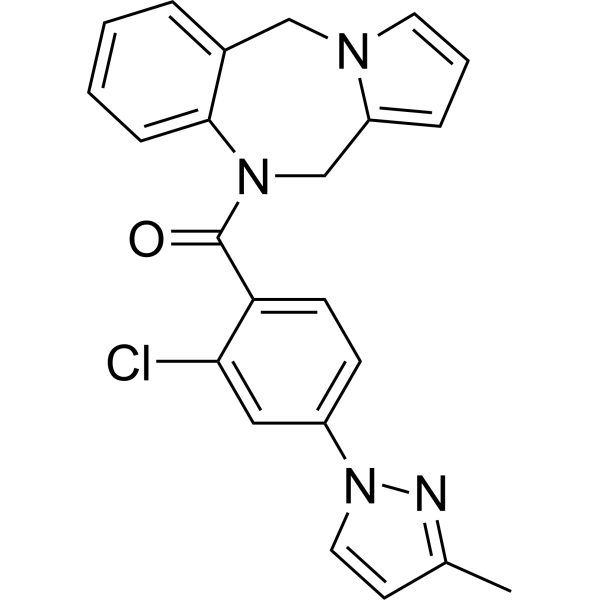
WAY-151932
 0 ImagesSynonyms: VNA-932; WAY-VNA 932
WAY-151932 is a vasopressin V2-receptor agonist with IC50 of 80.3 nM and 778 nM in human-V2 binding and V1a binding assay.