Inflammation/Immunology
-
Inflammation/Immunology Related Products (20637)
Related Products (20637)

-
Antibodies (115)
-
Related Compound Screening Libraries (4)
-
Timolol
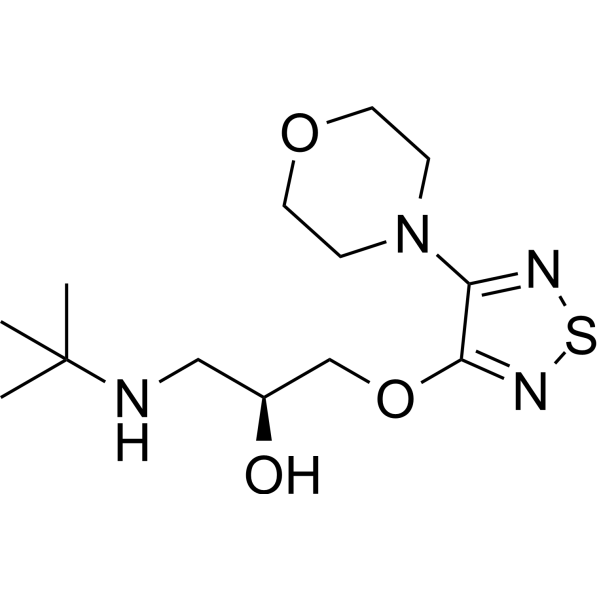 0 ImagesSynonyms: (S)-L-714,465; MK 950 free base
Timolol is a β-blocker available for both topical and systemic administration. Topical Timolol is primarily used to reduce intraocular pressure with open-angle glaucoma and ocular hypertension. Timolol can also be used for the research of infantile hemangiomas, hypertension, myocardial infarction, migraine prophylaxis, and atrial fibrillation.Timolol also has cardioprotective effect.
-
Imeroprubart
 0 ImagesSynonyms: IMVT-1402
HY-P990999 is an FCGRT-targeting IgG1λ2 type human antibody, the recommed isotype control is Human IgG1 lambda2, Isotype Control (HY-P990096).
-
Racotumomab
 0 ImagesSynonyms: 1E10
Racotumomab (Anti-Human NGcGM3 Recombinant Antibody) is an anti-idiotype monoclonal antibody (MAb). Racotumomab reacts to Neu-glycolyl (NeuGc)-containing gangliosides, sulfatides, and other antigens expressed in tumors. Racotumomab is an active anticancer agent for lung cancer.
-
PSB 0777 ammonium hydrate
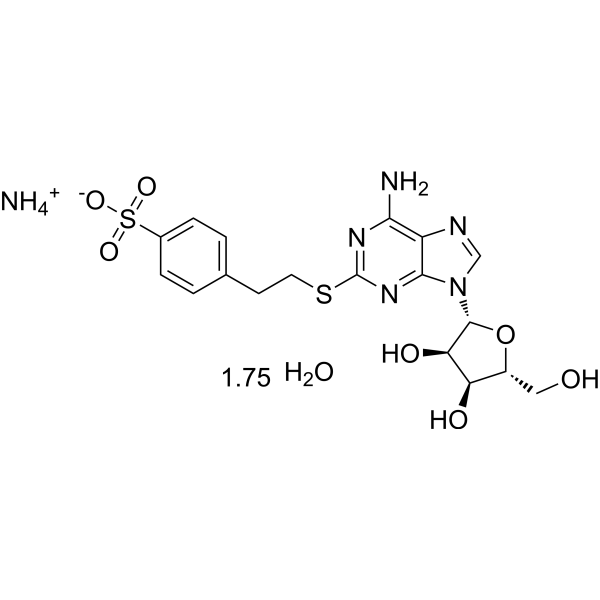 0 ImagesCat. No.: HY-136233APurity: 99.68%
PSB 0777 ammonium hydrate is a potent and selective adenosine A2A receptor full agonist with Ki values of 44.4 nM, 360 nM for rat and human A2A receptors, respectively. PSB 0777 ammonium hydrate has Ki values of ≥10000 nM, 541 nM for rat and human A1 receptors, respectively. PSB 0777 ammonium hydrate shows poor brain penetrant and perorally non-absorbable effect. PSB 0777 ammonium hydrate has the potential for inflammatory bowel disease (IBS) research research.
-
CL-197
 0 Images
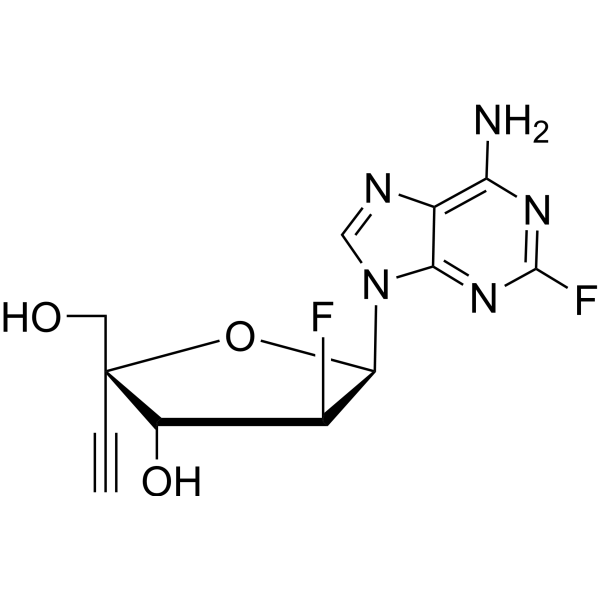
CL-197 is an orally active and long-acting purine anti-HIV nucleoside reverse transcriptase inhibitor (NRTI). CL-197 has potential effect on the research of viral, oncological and cerebrovascular diseases. CL-197 is a click chemistry reagent, it contains an Alkyne group and can undergo copper-catalyzed azide-alkyne cycloaddition (CuAAc) with molecules containing Azide groups.
-
9-cis-Retinoic acid-d5
 0 ImagesCat. No.: HY-132334SPurity: 99.24%
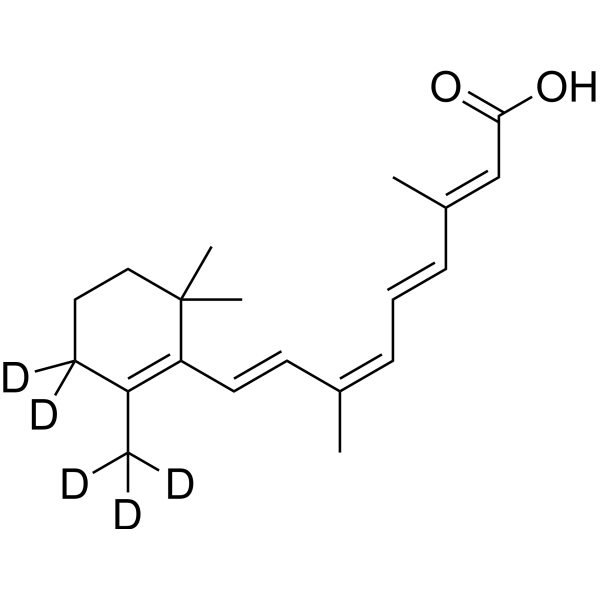
9-cis-Retinoic acid-d5 is the deuterium labeled 9-cis-Retinoic acid. 9-cis-Retinoic acid (ALRT1057), a vitamin A derivative, is a potent RAR/RXR agonist. 9-cis-Retinoic acid induces apoptosis, regulates cell cycle and has anticancer, anti-inflammatory and neuroprotection activities.
-
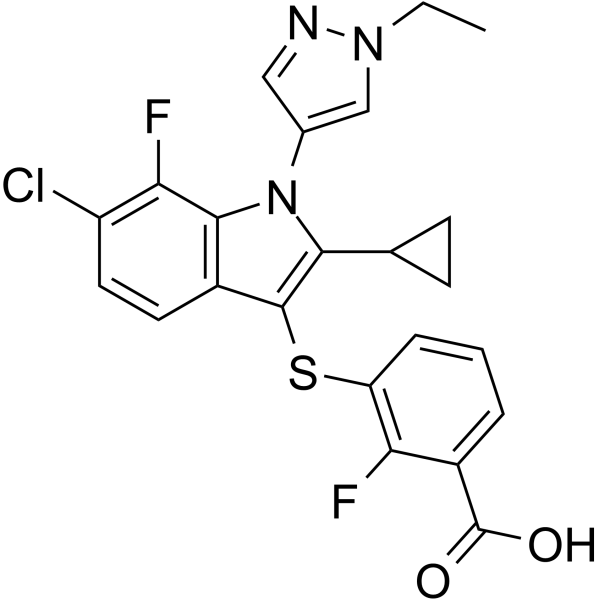
GPR4 antagonist 1
 0 Images
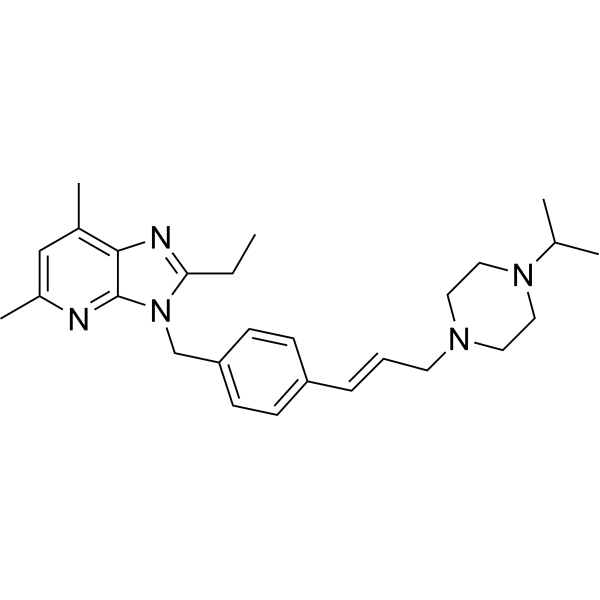
GPR4 antagonist 1 is a GPR4 antagonist, with an IC50 of 189 nM.
-
Dagrocorat
 0 ImagesSynonyms: PF-00251802
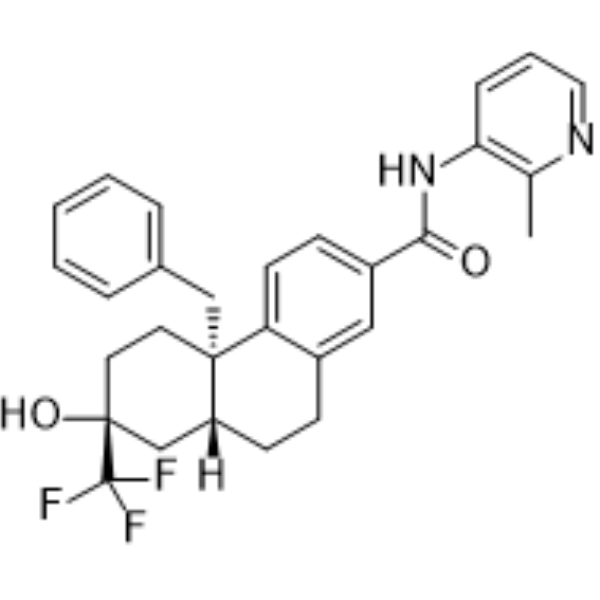
Dagrocorat (PF-00251802) is an orally active and selective high-affinity partial agonist of the glucocorticoid receptor. Dagrocorat is also a time-dependent reversible inhibitor of CYP3A (IC50=1.3 μM in human liver microsomes) and CYP2D6 (Ki=0.57 μM in human liver microsomes). Dagrocorat can be used for the research of rheumatoid arthritis.
-
Enlimomab
 0 ImagesCat. No.: HY-P99336CAS No.: 142864-19-5Synonyms: BI-RR 0001; Anti-Human IL6 Recombinant Antibody
Enlimomab (BI-RR 0001), a murine IgG2a monoclonal antibody to the human ICAM-1, inhibits leukocyte adhesion to the vascular endothelium, thereby decreasing leukocyte extravasation and inflammatory tissue injury. Enlimomab has anti-inflammatory effects, and can be used for stroke research .
-
Lumistobart
 0 ImagesSynonyms: BR-105
-
SGK1-IN-2
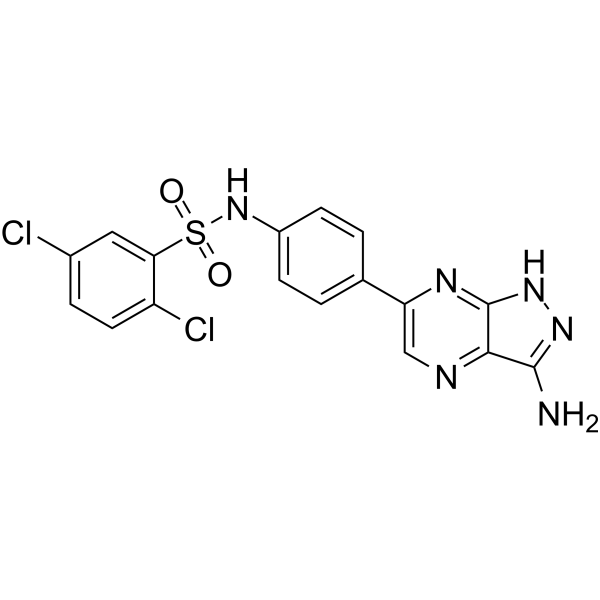 0 Images
SGK1-IN-2 (Compound 14h) is a selective, ATP-competitive SGK1 inhibitor, with an IC50 of 0.005 μM at 10 μM ATP and an IC50 of 0.025 μM at 500 μM ATP. SGK1-IN-2 can be used in studies of cancer, hypertension and diabetes.
-
Izilendustat
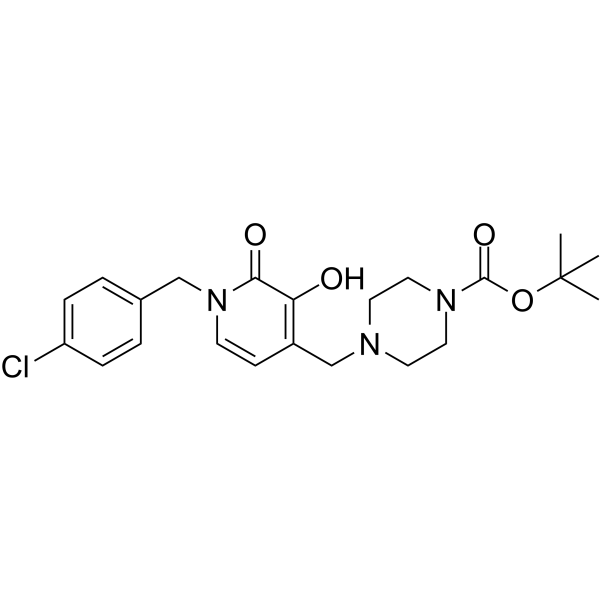 0 Images
Izilendustat is a potent prolyl hydroxylase inhibitor. Izilendustat competitively inhibits HIFPH2 activity, blocks HIF-1α degradation, stabilizes HIF-1α and HIF-2α proteins, and upregulates downstream target gene expression. Izilendustat can reduce intestinal inflammation and damage, enhance the ability of phagocytes to clear pathogens, and improve ischemia-related pathological phenotypes. Izilendustat can be used for the research of inflammatory bowel disease, ischemic vascular disease and anemia.
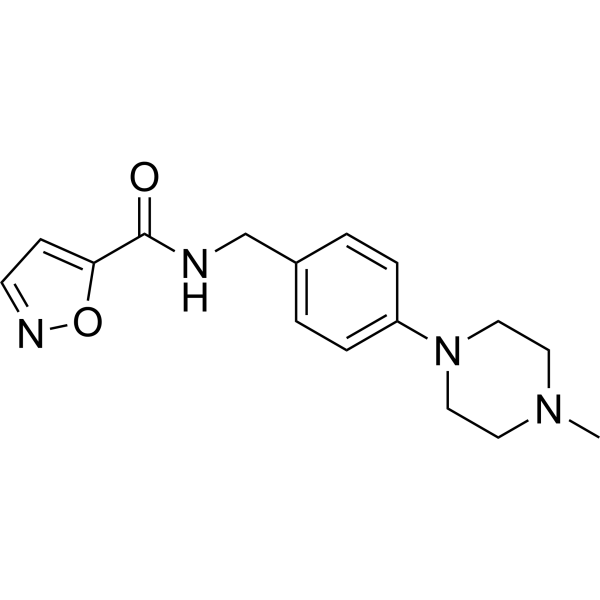
-
Timapiprant sodium
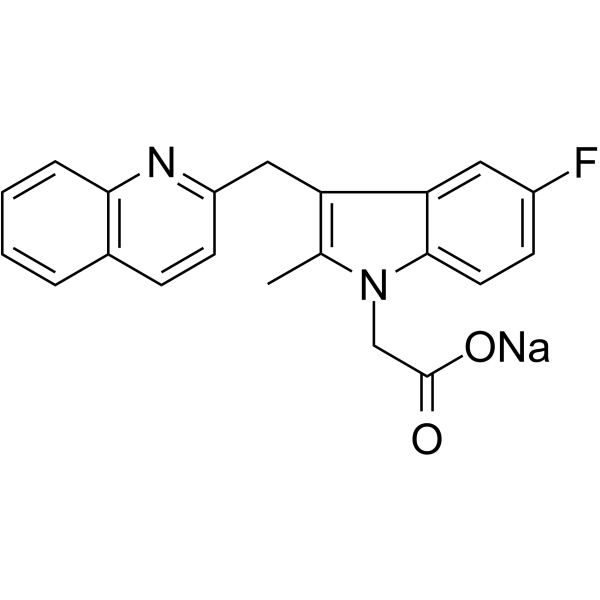 0 ImagesSynonyms: OC000459 sodium
Timapiprant sodium (OC000459 sodium) is a potent, selective, and orally active D prostanoid receptor 2 (DP2, also known as CRTH2) antagonist. Timapiprant sodium (OC000459 sodium) potently displaces [3H] PGD2 from human recombinant DP2 (Ki=13 nM), rat recombinant DP2 (Ki=3 nM), and human native DP2 (Ki=4 nM). Timapiprant sodium (OC000459 sodium) inhibits mast cell activation of Th2 lymphocytes and eosinophils.
-
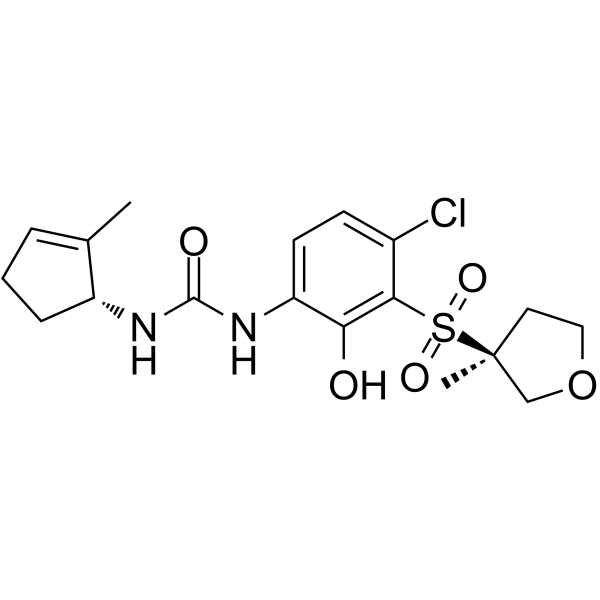
CXCR2-IN-2
 0 Images
CXCR2-IN-2 is a selective, brain penetrant, and orally bioavailable CXCR2 antagonist (IC50=5.2 nM/1 nM in β-arrestin assay/CXCR2 Tango assay, respectively). CXCR2-IN-2 displays ~730-fold selectivity over CXCR1 and >1900-fold selectivity over all other chemokine receptors. CXCR2-IN-2 inhibits human whole blood Gro-α induced CD11b expression with an IC50 of 0.04 μM.
-
PELP1-IN-1
 0 Images
PELP1-IN-1 is a PELP1 inhibitor and an apoptosis inducer with no cytotoxic activity against non-cancer cell lines. PELP1-IN-1 targets wild-type, mutant and drug-resistant ER+ breast cancer, and promotes PELP1 degradation through the proteasome pathway. As an analog of SMIP34 (HY-169903), PELP1-IN-1 is applicable to the research of estrogen receptor α-positive breast cancer.
-
Flobufen
 0 ImagesCat. No.: HY-106835CAS No.: 112344-52-2Synonyms: VUFB 16066
Flobufen (VUFB 16066) is a non-steroidal anti-inflammatory agent and cyclooxygenase (COX) and 5-lipoxygenase (5-LOX) inhibitor agent. Flobufen inhibits alloantigen-driven cellular immune responses and stimulates phagocytosis of peritoneal cells. Flobufen can improve immunopathological disorders and has an inhibitory effect on rheumatoid arthritis.
-
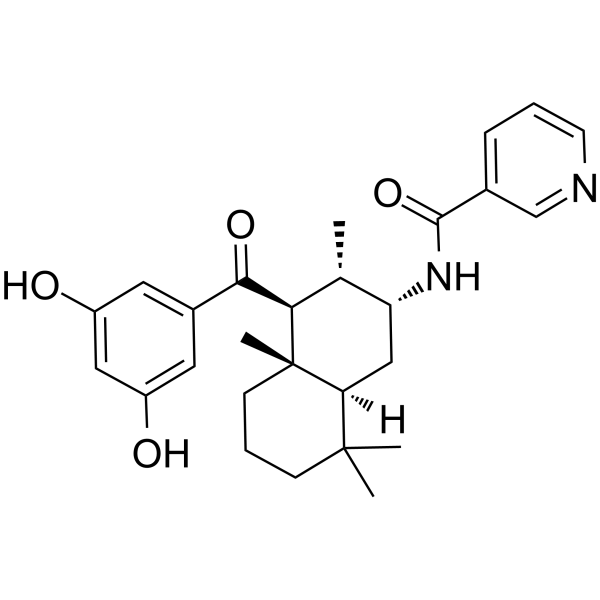
AQX-435
 0 Images
AQX-435 is a potent SHIP1 phosphatase activator. AQX-435 reduces PI3K activation downstream of the B-cell receptor (BCR) and induces apoptosis of malignant B cells, and reduces lymphoma growth.
-
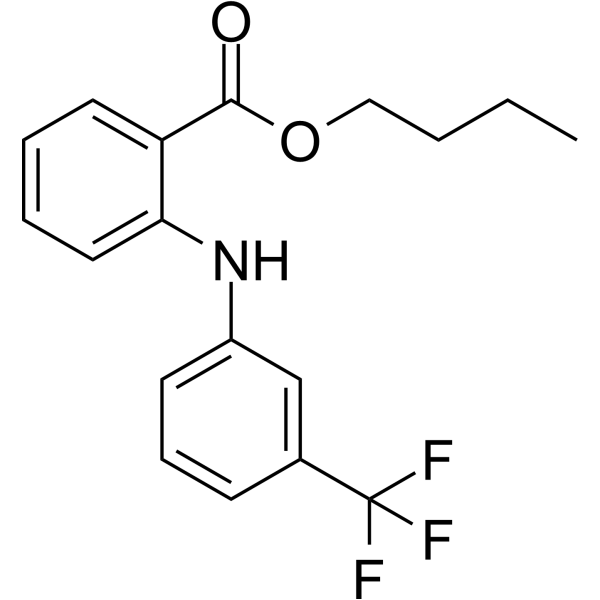
Ufenamate
 0 ImagesSynonyms: Flufenamic acid butyl ester; Butyl flufenamate
Ufenamate (Flufenamic acid butyl ester) is an anthranilic acid-based anti-inflammatory drug that can be used in the study of skin diseases such as acute and chronic eczema, contact dermatitis, diaper dermatitis, miliary rashes and atopic dermatitis. Ufenamate has a certain photoprotective effect, reduces the degree of skin erythema and swelling in the photoaging model, downregulates the expression level of COX-2 and can promote the healing of mouse skull defects by secreting BMP2.