



Inflammation/Immunology
-
Productos relacionados con Inflammation/Immunology (20498)
Productos relacionados con (20498)

-
Antibodies (115)
-
Related Compound Screening Libraries (4)

-
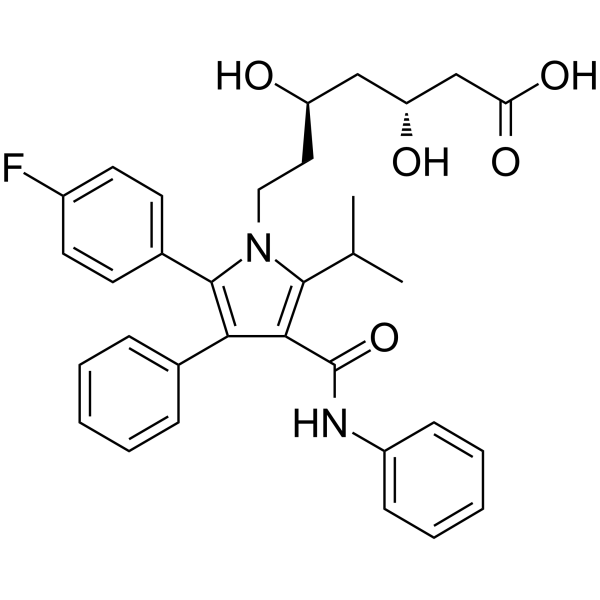
Atorvastatin
 0 Images
Atorvastatin is an orally active HMG-CoA reductase inhibitor, has the ability to effectively decrease blood lipids. Atorvastatin inhibits human SV-SMC proliferation and invasion with IC50s of 0.39 μM and 2.39 μM, respectively.
-
Tofacitinib
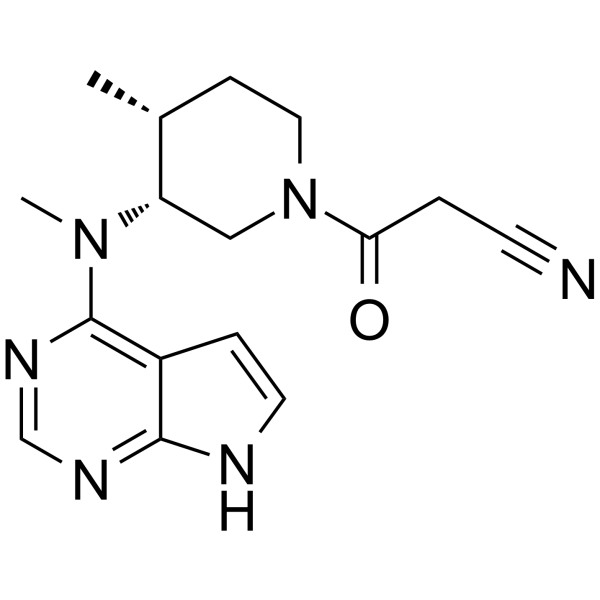 0 ImagesSynonyms: Tasocitinib; CP-690550
Tofacitinib is an orally available JAK3/2/1 inhibitor with IC50s of 1, 20, and 112 nM, respectively.
-
Methotrexate
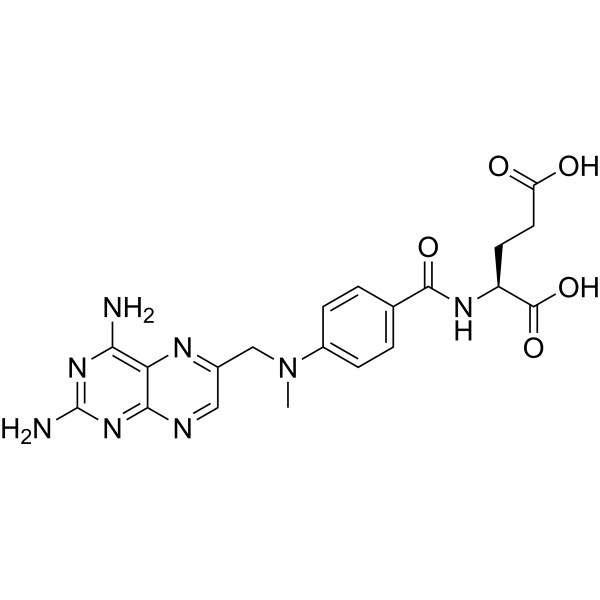 0 ImagesSynonyms: Amethopterin; CL14377; WR19039
Methotrexate (Amethopterin; CL14377; WR19039) is an orally active antifolate (Antifolate). Methotrexate inhibits dihydrofolate reductase (DHFR), blocks tetrahydrofolate production, suppresses purine/pyrimidine synthesis and transmethylation, and causes intracellular accumulation of AICAR. Methotrexate promotes extracellular adenosine release, regulates the cytokine network, and inhibits the alarmin function of HMGB1. Methotrexate induces apoptosis and cytotoxicity, upregulates the expression of iNOS and COX-2, suppresses hippocampal neurogenesis, and induces pulmonary fibrosis. Methotrexate is used in the research of various immune and inflammation-related diseases such as arthritis, psoriasis, systemic lupus erythematosus, as well as pulmonary fibrosis and breast cancer.
-
Caerulein
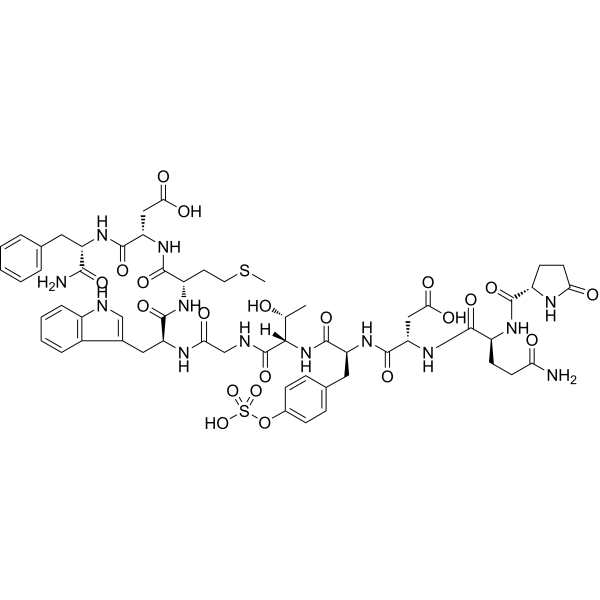 0 ImagesSynonyms: Ceruletide; Cerulein; FI-6934
Caerulein is a decapeptide and a potent cholecystokinin receptor agonist. Caerulein is a safe and effective cholecystokinetic agent with a direct spasmogenic effect on the gallbladder muscle and bile ducts.
-
Pirfenidone
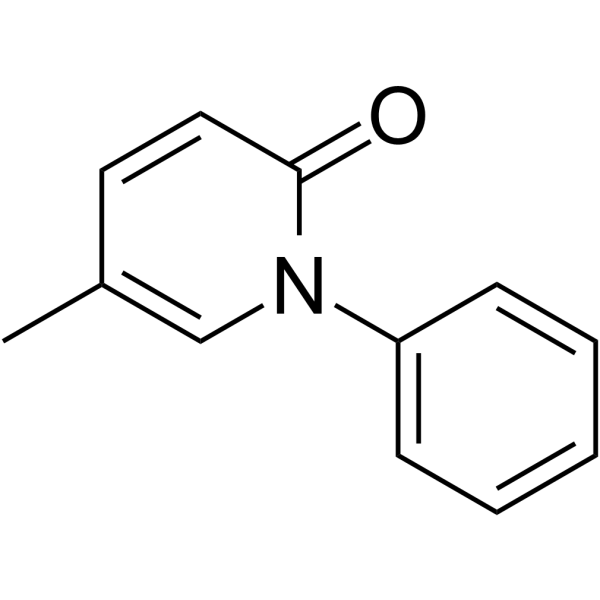 0 ImagesSynonyms: AMR69
-
Acetaminophen
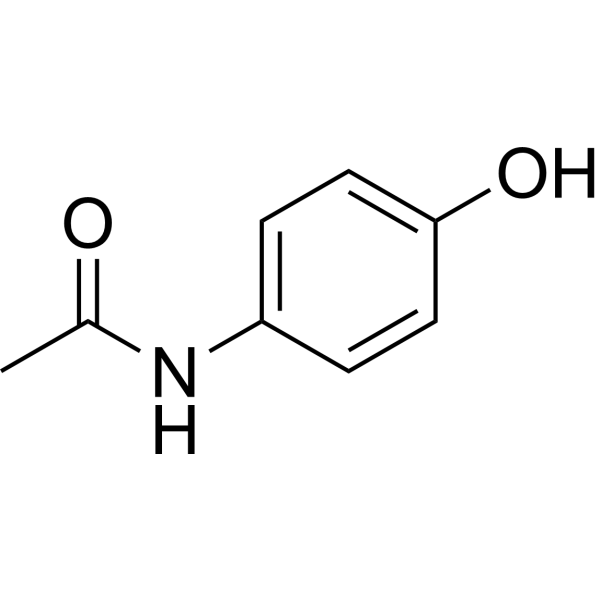 0 ImagesSynonyms: Paracetamol; 4-Acetamidophenol; 4'-Hydroxyacetanilide
Acetaminophen (Paracetamol) is a selective cyclooxygenase-2 (COX-2) inhibitor with an IC50 of 25.8 μM; is a widely used antipyretic and analgesic agent.. Acetaminophen is a potent hepatic N-acetyltransferase 2 (NAT2) inhibitor. Acetaminophen induces ferroptosis and leads to acute liver injury in mice model.
-
Everolimus
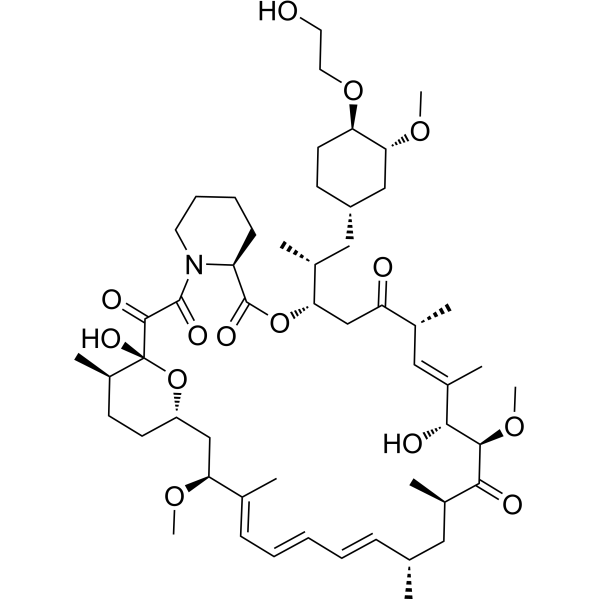 0 ImagesSynonyms: RAD001; SDZ-RAD
Everolimus (RAD001) is a Rapamycin (HY-10219) derivative and a potent, selective, orally active, blood-brain barrier-permeable mTOR1 inhibitor. Everolimus binds to FKBP-12 to generate an immunosuppressive complex. Everolimus inhibits tumor cells proliferation and induces cell apoptosis and autophagy. Everolimus has potent immunosuppressive and anticancer activities.
-
Capsaicin
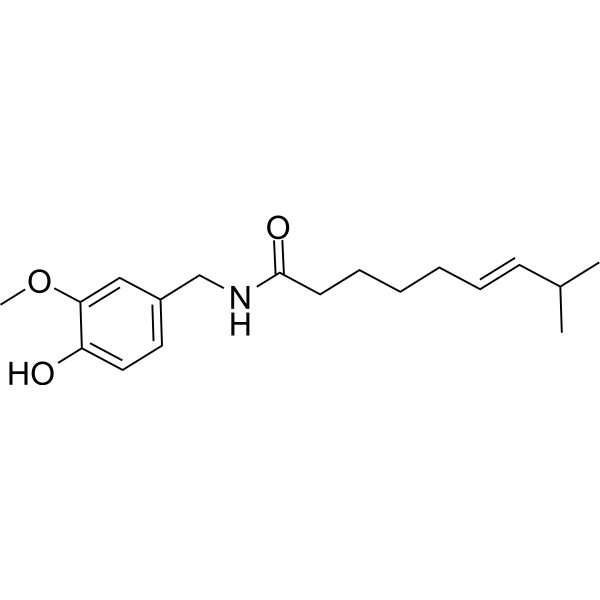 0 Images
Capsaicin ((E)-Capsaicin), an active component of chili peppers, is a TRPV1 agonist. Capsaicin induces a nociceptive response by binding to its receptors. Capsaicin has analgesic effects on neurological disorders. Capsaicin has antioxidant, anti-inflammatory, anti-cancer effects.
-
Doxycycline hyclate
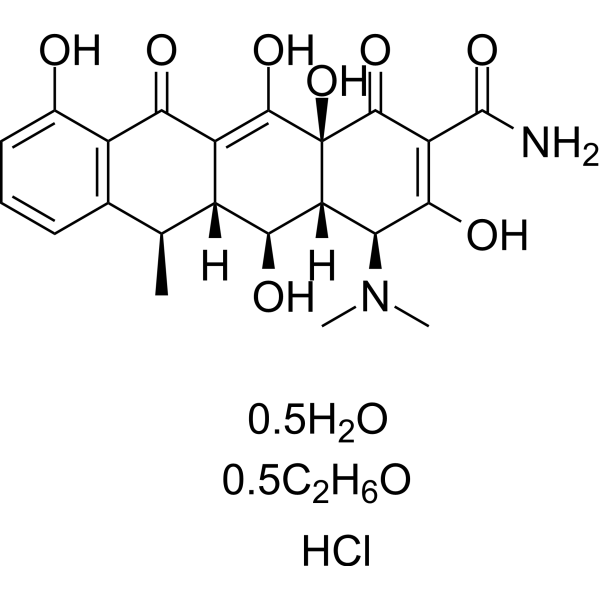 0 ImagesSynonyms: Doxycycline hydrochloride hemiethanolate hemihydrate; WC2031
Doxycycline hyclate, an antibiotic, is an orally active and broad-spectrum metalloproteinase (MMP) inhibitor. Doxycycline hyclate shows antibacterial activity and anti-cancer cell proliferation activity. Doxycycline hyclate can be used to construct gene expression regulation models.
-
Curcumin
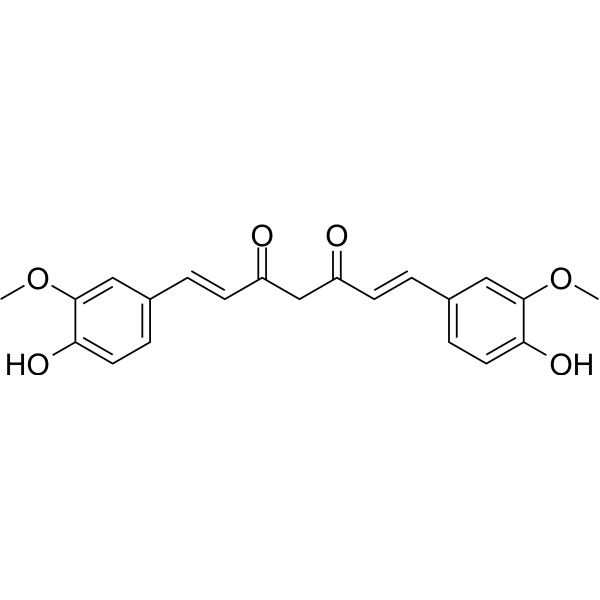 0 ImagesSynonyms: Diferuloylmethane; Natural Yellow 3; Turmeric yellow
Curcumin (Diferuloylmethane), a natural phenolic compound, is a p300/CREB-binding protein-specific inhibitor of acetyltransferase, represses the acetylation of histone/nonhistone proteins and histone acetyltransferase-dependent chromatin transcription. Curcumin is a photosensitizer against microorganisms. Curcumin shows inhibitory effects on NF-κB and MAPKs, and has diverse pharmacologic effects including anti-inflammatory, antioxidant, antiproliferative and antiangiogenic activities. Curcumin induces stabilization of Nrf2 protein through Keap1 cysteine modification.
-
Selisistat
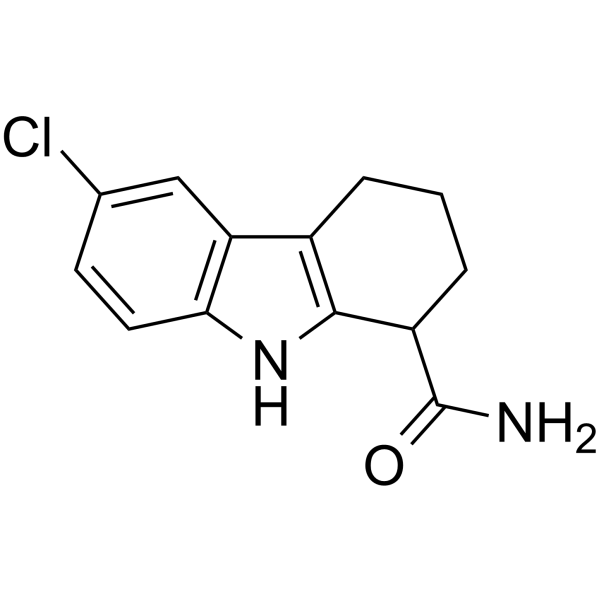 0 ImagesSynonyms: EX-527
-
DHEA
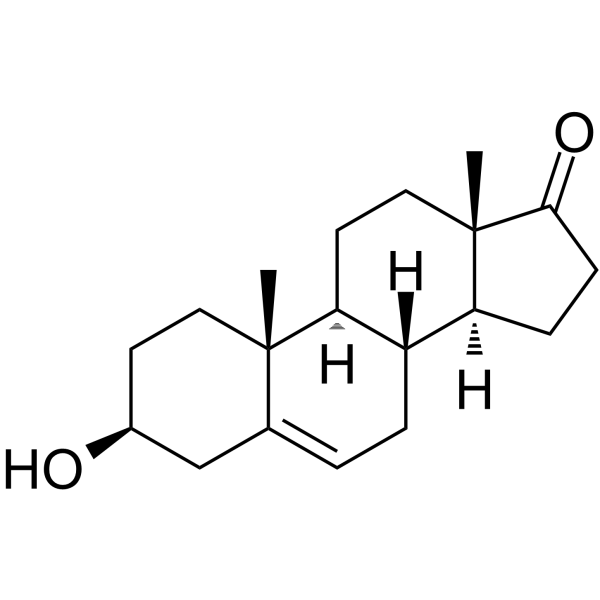 0 ImagesSynonyms: Prasterone; Dehydroisoandrosterone; Dehydroepiandrosterone
DHEA (Prasterone) is one of the most abundant steroid hormones. DHEA (Prasterone) mediates its action via multiple signaling pathways involving specific membrane receptors and via transformation into androgen and estrogen derivatives (e.g., androgens, estrogens, 7α and 7β DHEA, and 7α and 7β epiandrosterone derivatives) acting through their specific receptors.
-
Bevacizumab
 0 ImagesSynonyms: Anti-Human VEGF, Humanized Antibody
Bevacizumab (Anti-Human VEGF, Humanized Antibody) is a humanized monoclonal antibody against VEGF-A and an angiogenesis inhibitor. Bevacizumab blocks the interaction between VEGF-A and VEGF receptors. Bevacizumab possesses immunomodulatory properties. Bevacizumab can be used in research on metastatic colorectal cancer, metastatic breast cancer, and non-small cell lung cancer.
-
Valproic acid
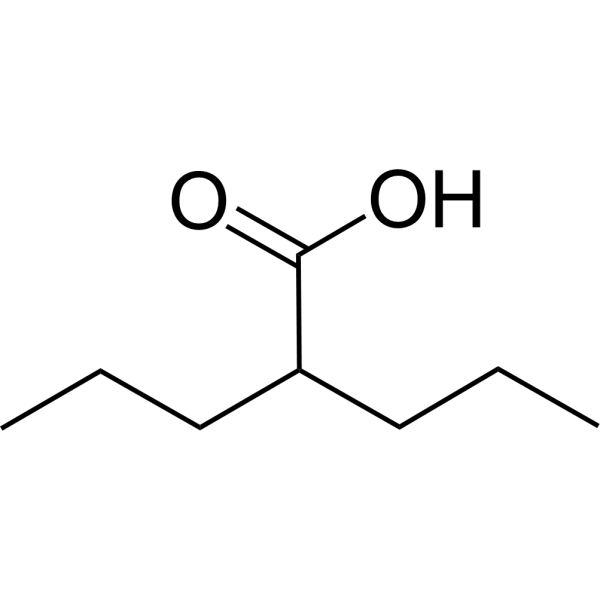 0 ImagesSynonyms: VPA; 2-Propylpentanoic acid; Dipropylacetic acid
Valproic acid (VPA) is an orally active HDAC inhibitor, with IC50 in the range of 0.5 and 2 mM. Valproic acid inhibits HDAC1 (IC50, 400 μM), and induces proteasomal degradation of HDAC2. Valproic acid activates Notch1 signaling and inhibits proliferation in small cell lung cancer (SCLC) cells. Valproic acid is used in the epilepsy, bipolar disorder, metabolic disease, HIV infection and prevention of migraine headaches.
-
EIPA
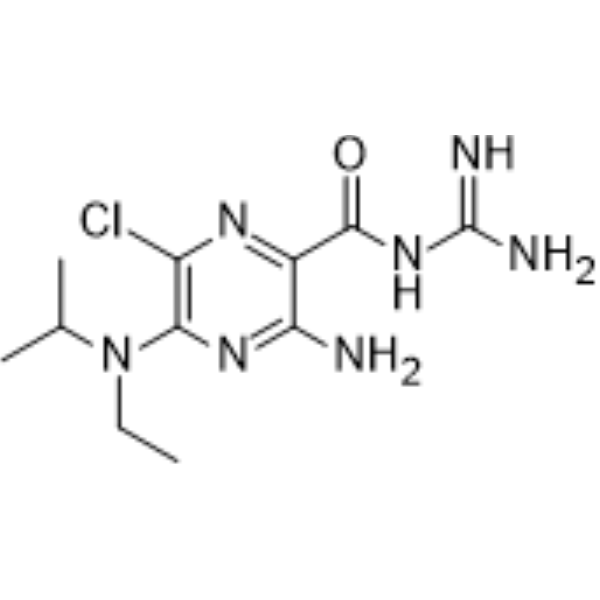 0 ImagesSynonyms: L593754; MH 12-43; Ethylisopropylamiloride
EIPA (L593754) is an orally active TRPP3 channel inhibitor with an IC50 of 10.5 μM. EIPA also enhances autophagy by inhibiting Na+/H+-exchanger 3 (NHE3). EIPA inhibits macropinocytosis as well. EIPA can be used in the research of inflammation and cancers, such as gastric cancer, colon carcinoma, pancreatic carcinoma.
-
PX-478
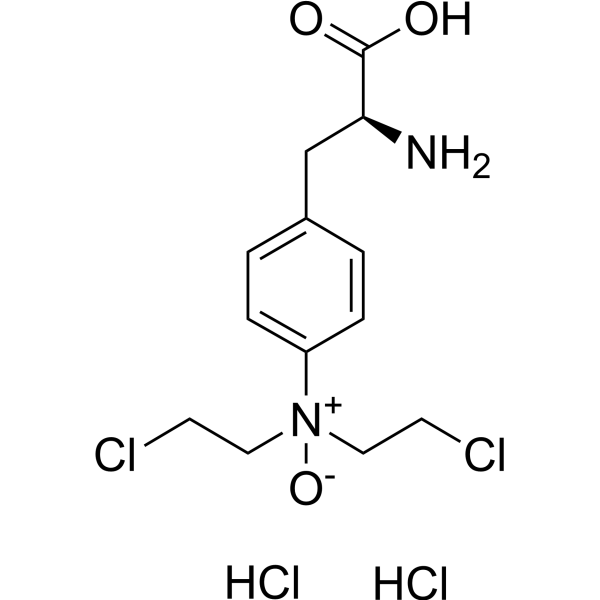 0 Images
PX-478 is a multifunctional HIF-1α inhibitor with properties including radiosensitization, autophagy activation, and lipid accumulation inhibition. PX-478 also blocks hypoxia-induced VEGF production and regulates β-cell phenotypes under hypoxic conditions. PX-478 induces cell cycle arrest and DNA damage, restores autophagic function, reduces foam cell formation, and maintains glucose homeostasis. PX-478 is widely used in research on related diseases such as human tumors (e.g., prostate cancer), type 2 diabetes, and atherosclerosis.
-
Melatonin
 0 Images
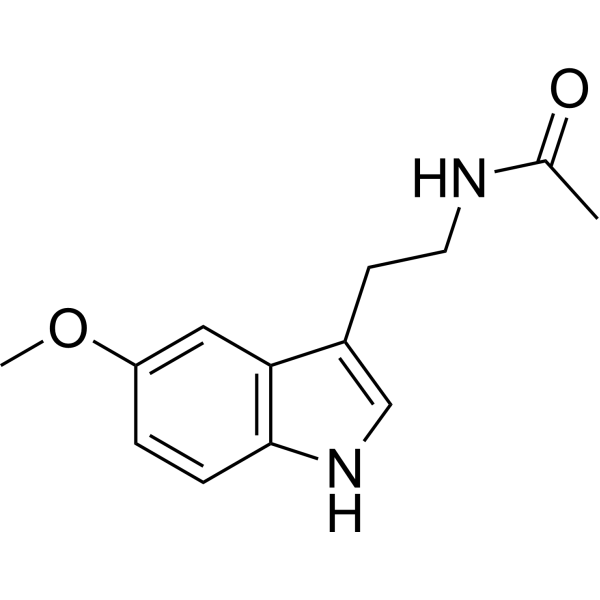
Melatonin is a hormone made by the pineal gland that can activate melatonin receptor and inhibit PANoptosis. Melatonin plays a role in sleep and possesses important antioxidative and anti-inflammatory properties. Melatonin is a novel selective ATF-6 inhibitor and induces human hepatoma cell apoptosis through COX-2 downregulation. Melatonin attenuates palmitic acid-induced (HY-N0830) mouse granulosa cells apoptosis via endoplasmic reticulum stress.
-
T-5224
 0 Images
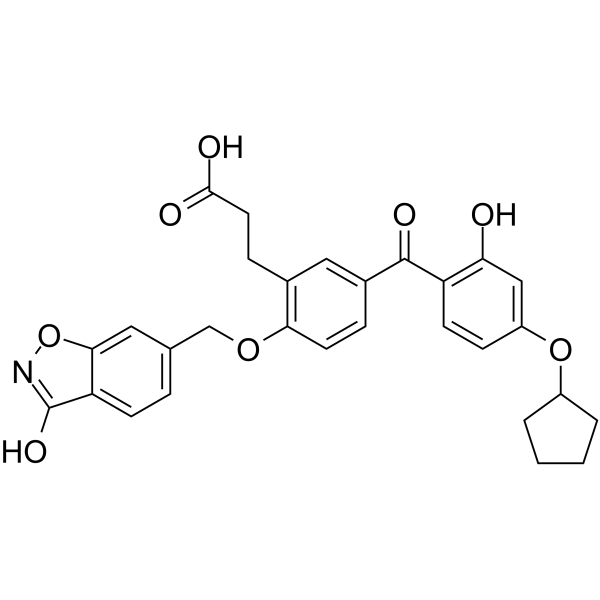
T-5224 is a transcription factor c-Fos/activator protein (AP)-1 inhibitor with anti-inflammatory effects, which specifically inhibits the DNA binding activity of c-Fos/c-Jun without affecting other transcription factors. T-5224 inhibits the IL-1β-induced up-regulation of Mmp-3, Mmp-13 and Adamts-5 transcription.




