



Apoptosis
Apoptosis
Apoptosis is a distinctive form of cell death exhibiting specific morphological and biochemical characteristics, including cell membrane blebbing, chromatin condensation, genomic DNA fragmentation, and exposure of specific phagocytosis signaling molecules on the cell surface. Cells undergoing apoptosis differ from those dying through necrosis. Necrotic cells are usually recognized by the immune system as a danger signal and, thus, resulting in inflammation; in contrast, apoptotic death is quiet and orderly.
There are two major pathways of apoptotic cell death induction: The intrinsic pathway, also called the Bcl-2-regulated or mitochondrial pathway, is activated by various developmental cues or cytotoxic insults, such as viral infection, DNA damage and growth-factor deprivation, and is strictly controlled by the BCL-2 family of proteins. The extrinsic or death-receptor pathway is triggered by ligation of death receptors (members of the tumor necrosis factor (TNF) receptor family, such as Fas or TNF receptor-1 (TNFR1)) that contain an intracellular death domain, which can recruit and activate caspase-8 through the adaptor protein Fas-associated death domain (FADD; also known as MORT1) at the cell surface. This recruitment causes subsequent activation of downstream (effector) caspases, such as caspase-3, -6 or -7, without any involvement of the BCL-2 family.
Studies suggest that alterations in cell survival contribute to the pathogenesis of a number of human diseases, including cancer, viral infections, autoimmune diseases, neurodegenerative disorders, and AIDS (acquired immunodeficiency syndrome). Treatments designed to specifically alter the apoptotic threshold may have the potential to change the natural progression of some of these diseases.
All Product Categories
-
Apoptosis Inhibitors
(905)
View all products
-
Apoptosis Agonists
(7)
View all products
-
Apoptosis Antagonists
(9)
View all products
-
Apoptosis Activators
(363)
View all products
-
Apoptosis Modulators
(60)
View all products
-
Apoptosis Inducers
(7928)
View all products
-
Apoptosis Degrader
(1)
View all products
-
Apoptosis Controls
(33)
View all products
-
Apoptosis Related Products (9874)
Related Products (9874)

-
Antibodies (120)
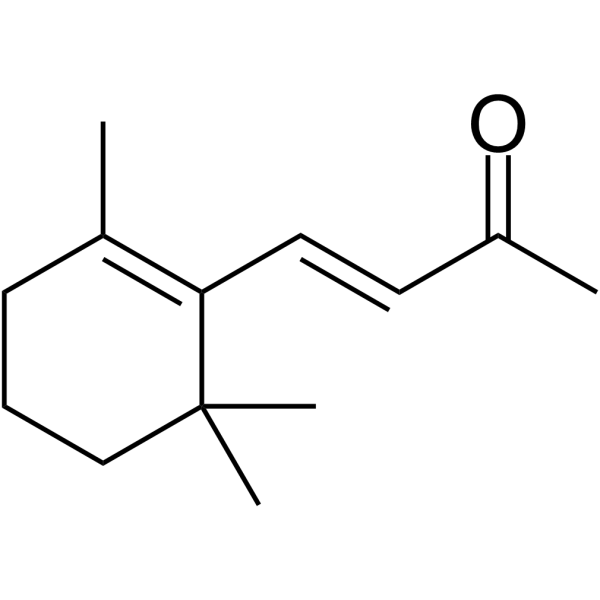
-
Oxychlororaphine
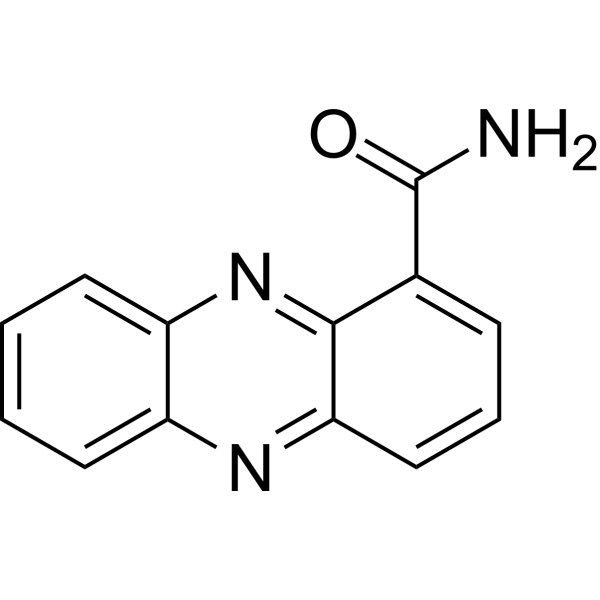 0 ImagesOxychloroaphine could be isolated from the bacterium Pantoea agglomerans naturally present in soil. Oxychloroaphine has broad-spectrum antifungal activity. Oxychloroaphine has cytotoxicity in a dose-dependent manner and induces apoptosis. Oxychloroaphine can be used in research of cancer.
-
DuP-697
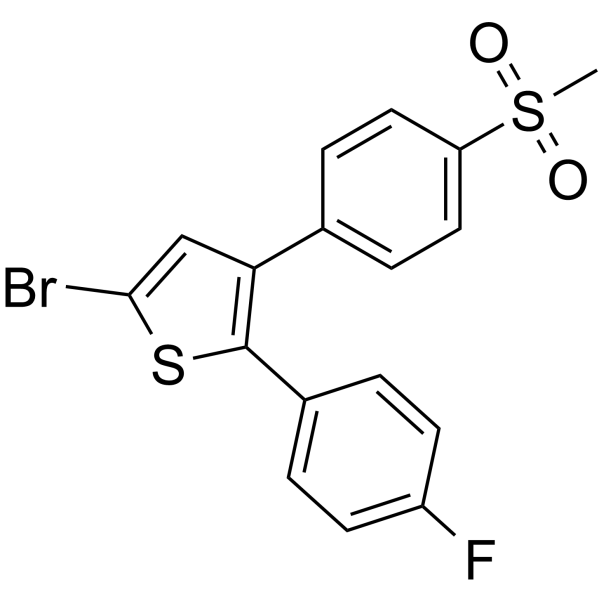 0 ImagesDuP-697 is a member of the vicinal diaryl heterocycles and a potent, irreversible, selective and orally active COX-2 inhibitor (IC50 of 10 nM and 800 nM for human COX-2 and COX-1, respectively). DuP-697 exerts antiproliferative (IC50 of 42.8 nM), antiangiogenic and apoptotic effects on HT29 colorectal cancer cells. DuP-697 inhibits prostaglandin synthesis and has anti-inflammatory, anticancer and antipyretic effects.
-
BpV(phen) trihydrate
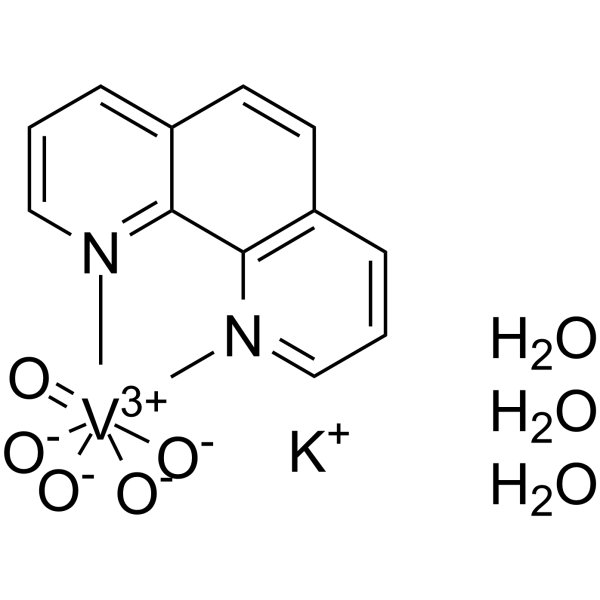 0 ImagesSynonyms: Bisperoxovanadium(phen) trihydrateBpV(phen) trihydrate, a insulin-mimetic agent, is a potent protein tyrosine phosphatase (PTP) and PTEN inhibitor with IC50s of 38 nM, 343 nM and 920 nM for PTEN, PTP-β and PTP-1B, respectively. BpV(phen) trihydrate inhibits proliferation of the protozoan parasite Leishmania in vitro. bpV(phen) trihydrate strongly induces the secretion of a large number of chemokines and pro-inflammatory cytokines, and it activates a Th1-type pathway (IL-12, IFNγ). BpV(phen) trihydrate can also induce cell apoptosis, and has anti-angiogenic and anti-tumor activity.
-
BAY 61-3606 hydrochloride
 0 ImagesBAY 61-3606 hydrochloride is an orally available, ATP-competitive, reversible and highly selective Syk inhibitor with a Ki of 7.5 nM and an IC50 of 10 nM . BAY 61-3606 hydrochloride reduces ERK1/2 and Akt phosphorylation in neuroblastoma cell. BAY 61-3606 hydrochloride induces a large decrease of Syk phosphorylation in K-rn cell lysates. BAY 61-3606 hydrochloride sensitizes TRAIL-induced apoptosis by downregulating Mcl-1 in breast cancer cells.
-
Octahydrocurcumin
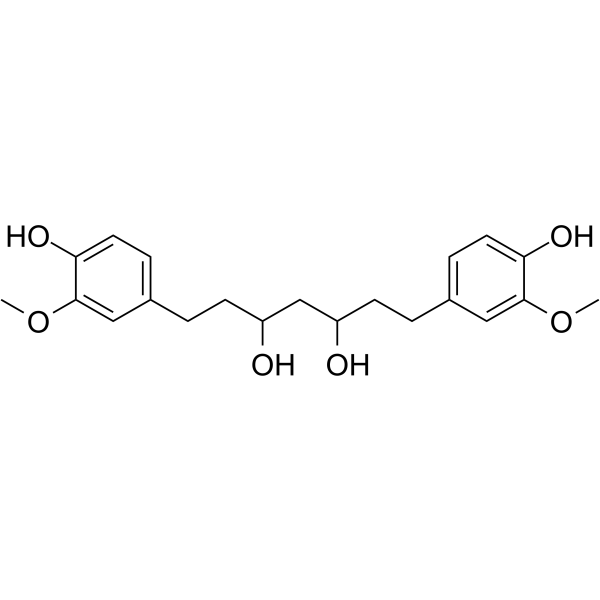 0 ImagesSynonyms: HexahydrobisdemethoxycurcuminOctahydrocurcumin (Hexahydrobisdemethoxycurcumin) is an orally active anticancer and anti-inflammatory agent, and is the final hydrogenated metabolite of Curcumin (HY-N0005) in vivo. Octahydrocurcumin exerts its anti-tumor and anti-inflammatory effects by inducing the mitochondrial apoptosis pathway and inhibiting the TAK1-NF-κB-COX-2 pathway, respectively.
-
Aspirin-d3
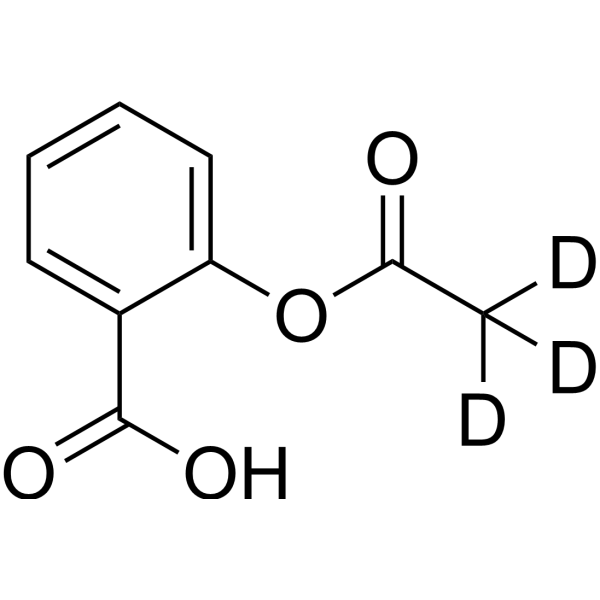 0 ImagesSynonyms: Acetylsalicylic acid-d3; ASA-d3Aspirin-d3 is the deuterium labeled Aspirin (HY-14654). Aspirin (Acetylsalicylic acid) is an orally active, potent and irreversible inhibitor of cyclooxygenase COX-1 and COX-2, with IC50 values of 5 and 210 μg/mL, respectively. Aspirin induces apoptosis. Aspirin inhibits the activation of NF-κB. Aspirin also inhibits platelet prostaglandin synthetase, and can prevent coronary artery and cerebrovascular thrombosis.
-
SKI-178
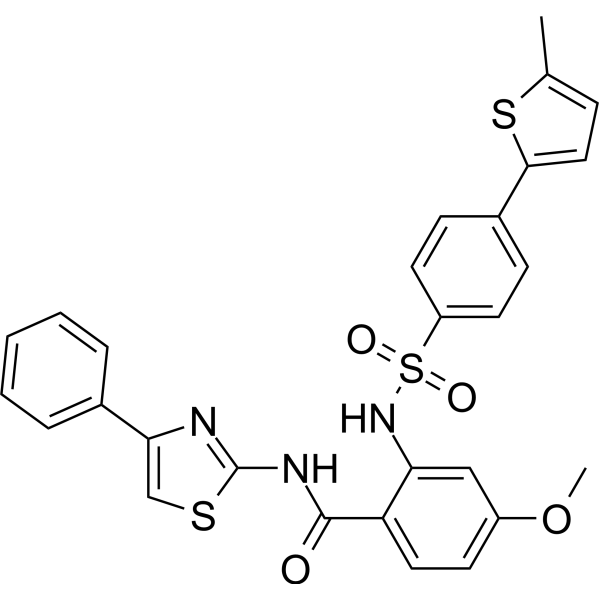
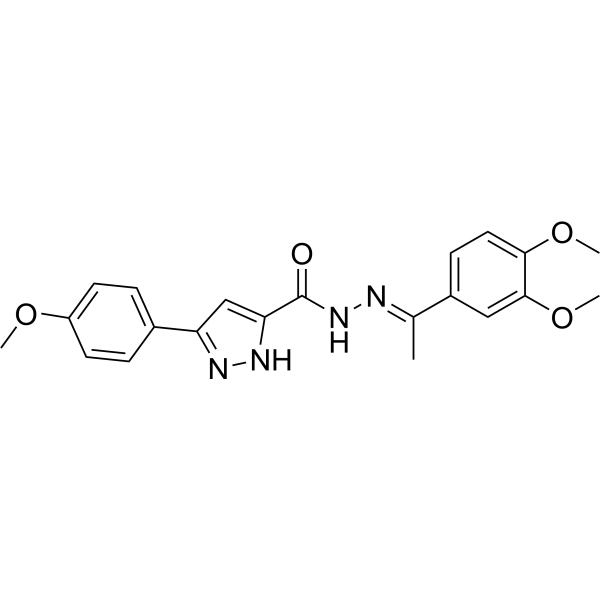 0 ImagesSKI-178 is a potent sphingosine kinase-1 (SphK1) and SphK2 inhibitor. SKI-178 is cytotoxic at IC50 concentrations ranging from 1.8 to 0.1 μM in both agent sensitive and multi-agent resistant cancer cell lines (i.e., MTR3, NCI-ADR and HL60/VCR cells). SKI-178 induces apoptosis in a CDK1-dependent manner in human acute myeloid leukemia cell lines.
-
Biotin-Thalidomide
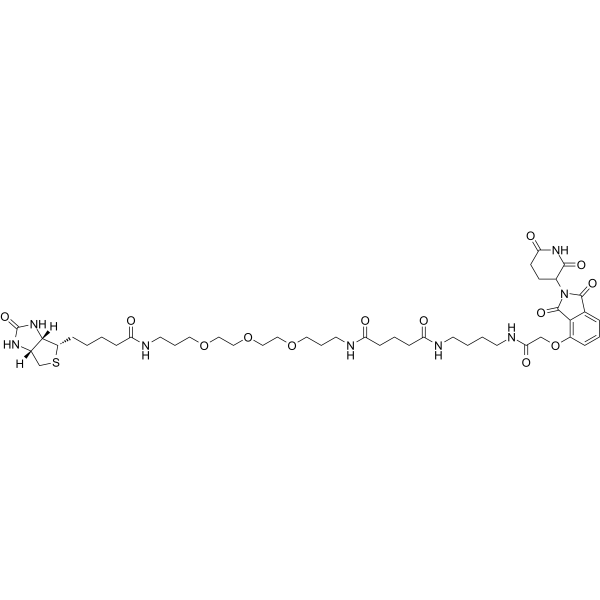 0 ImagesBiotin-Thalidomide is a biotin-conjugated Thalidomide (HY-14658) for binding to CRBN. Biotin-Thalidomide can be used to synthesize PROTAC .
-
Estragole
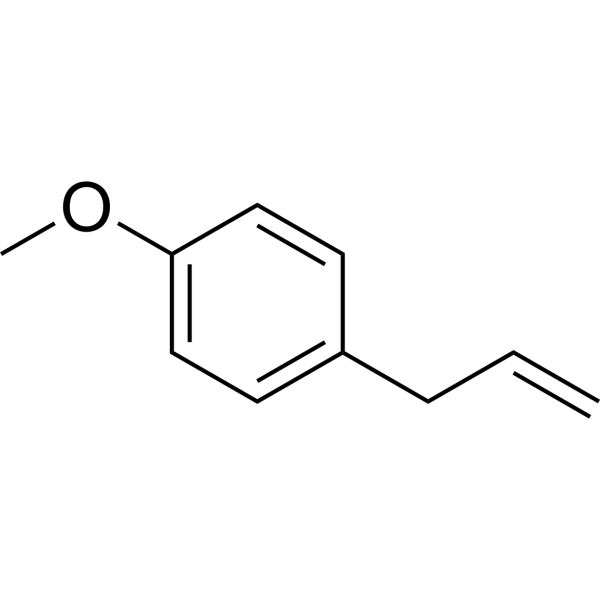 0 ImagesEstragole (4-Allylanisole) is a relatively nontoxic volatile terpenoid ether and major component of the essential oil from many plants. Estragole significantly triggers Apoptosis, suppresses LPS-induced intracellular ROS production. Estragole activats Nrf-2 and regulates NF-κB. Estragole has anti-toxoplasma, anti-inflammatory, anti-edema, antioxidant and immunomodulatory properties. Estragole blocks DRG neuron excitability. Estragole has improves gastric ulcer activity.
-
Soyasaponin Bb
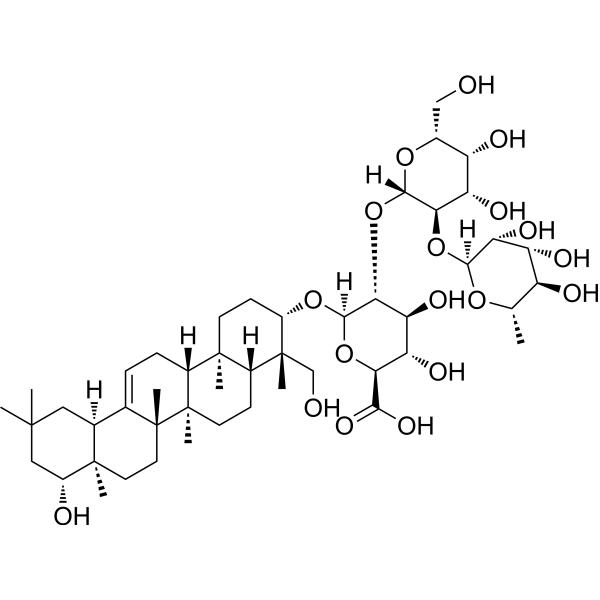 0 ImagesSoyasaponin Bb is an orally active, covalent inducer of heme oxygenase HO-1 and an inhibitor of aldose reductase AKR1B1. Soyasaponin Bb can regulate oxidative stress pathways, enhance antioxidant capacity, reduce reactive oxygen species (ROS) generation, and inhibit lipid peroxidation and hepatocyte apoptosis. Soyasaponin Bb improves alcohol-induced hepatocyte membrane damage and liver function abnormalities, and improves Scopolamine (HY-N0296)-induced memory impairment. Soyasaponin Bb has antioxidant, hepatoprotective, and neuroprotective activities.
-
Trifloxystrobin
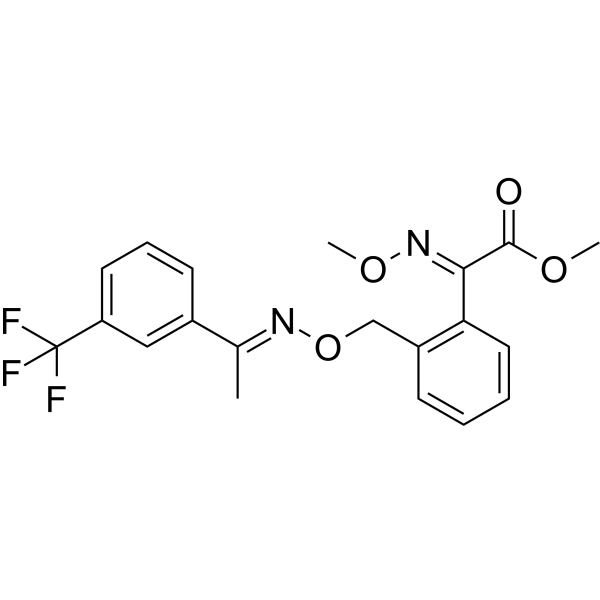 0 ImagesSynonyms: CGA 279202
-
Z-LLY-FMK
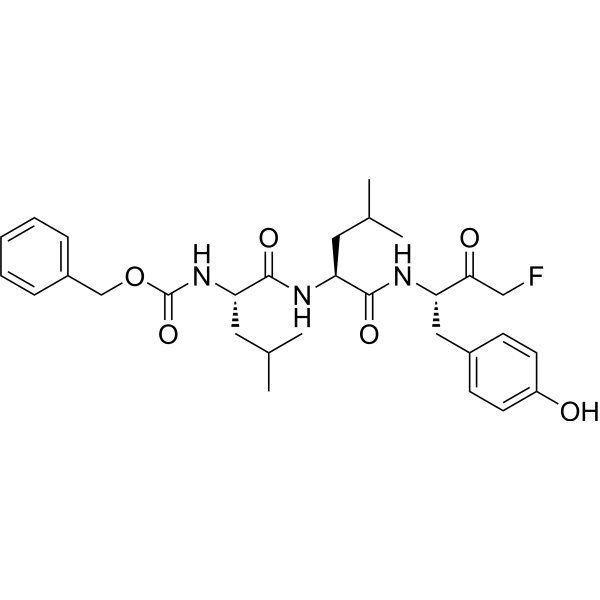 0 ImagesSynonyms: Calpain Inhibitor IVZ-LLY-FMK (Calpain Inhibitor IV) is a calpain inhibitor, involved in apoptosis of many cell systems. Z-LLY-FMK inhibits the intestine apoptosis after common bile duct ligation. Z-LLY-FMK reduces parasite burden in mice challenged with Taenia crassiceps cysts. Z-LLY-FMK can be used for the study of cysticercosis.
-
BIO-acetoxime
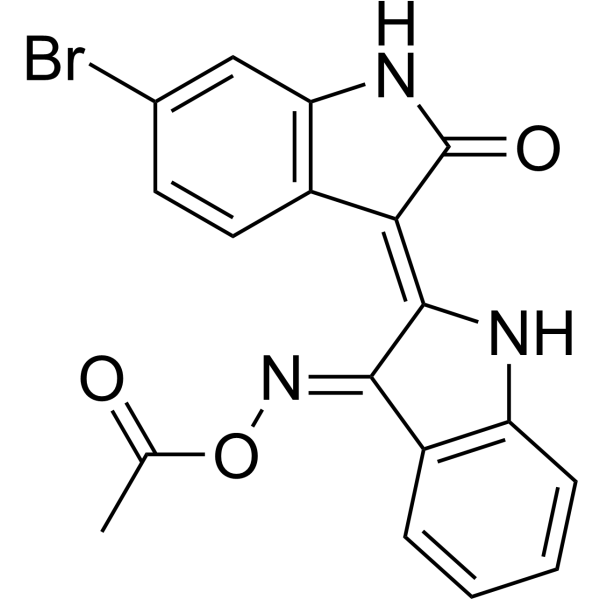 0 ImagesSynonyms: BIABIO-acetoxime (BIA) is a potent and selective GSK-3 inhibitor, with IC50s of both 10 nM for GSK-3α/β. BIO-acetoxime has anticonvulsant and anti-infection activity.
-
NSC194598
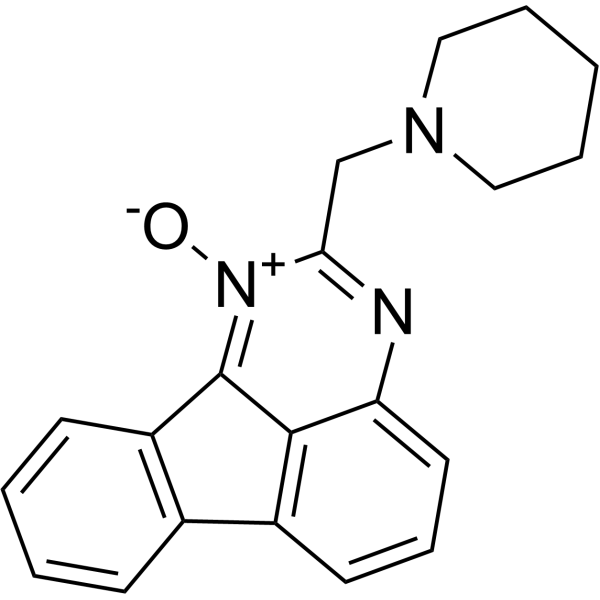 0 ImagesNSC194598 is a p53 DNA-binding inhibitor with an IC50 value of 180 nM. NSC194598 inhibits p53 DNA binding and induction of target genesn when p53 is stabilized and activated by irradiation or chemotherapy. NSC194598 can interfere with transcriptional activation of mutated rearranged during transfection (RET) gene, induce apoptosis and G0/G1 phase arrest. NSC194598 can be used for the researches of acute radiation toxicity and medullary thyroid carcinoma.
-
3-Hydroxypyridine
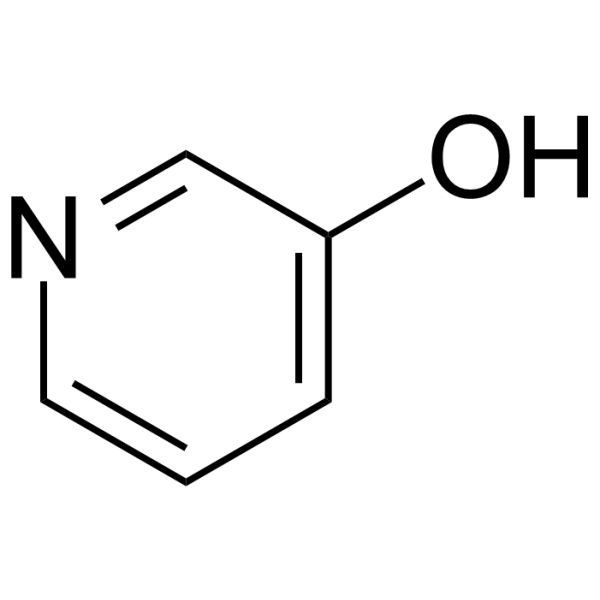 0 Images3-Hydroxypyridine is a compound that can be isolated from bamboo grass. As an endogenous photosensitizer present in human skin, 3-hydroxypyridine can mediate oxidative stress, proliferation inhibition and apoptosis of skin cells through UVA/UVB excitation.
-
Tauroursodeoxycholate dihydrate
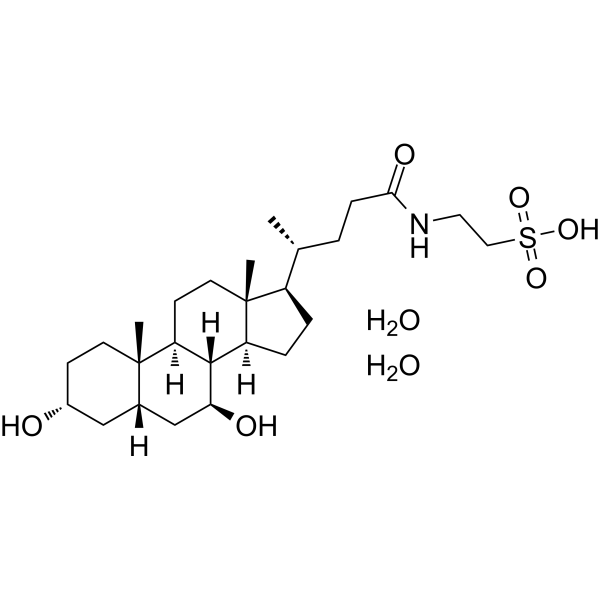 0 ImagesSynonyms: Tauroursodeoxycholic acid dihydrate; TUDCA dihydrate; UR 906 dihydrateTauroursodeoxycholate dehydrate is an orally active taurine conjugate of Ursodeoxycholic acid (HY-13771). Tauroursodeoxycholate dehydrate inhibits caspase-3/7, Apoptosis, IRE1α/TRAF2/NF-κB, prevents JNK phosphorylation, inhibits ROS generation, and activates Akt signaling. Tauroursodeoxycholate dehydrate prevents cataract formation, reduces renal tubular damage in type 2 diabetic mice, reduces I/R injury in liver, and inhibits intestinal inflammation and barrier disruption in nonalcoholic fatty liver disease.
-
TC11
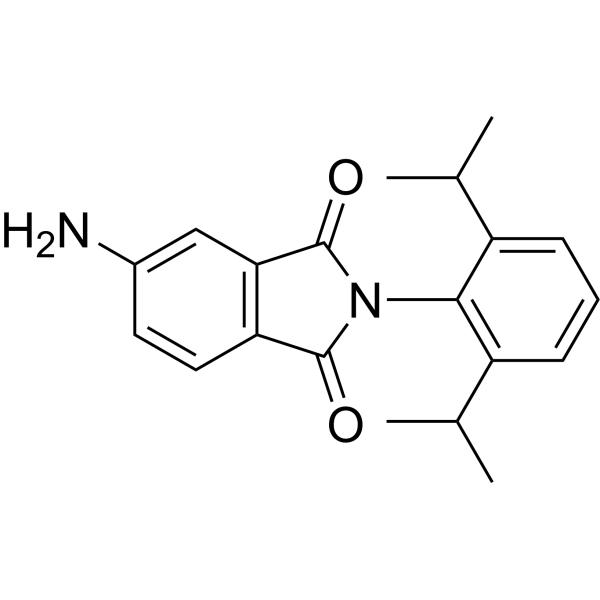 0 ImagesTC11 is a MCL1 degrader and apoptosis inducer. TC11 induces sustained CDK1 activation to phosphorylate and degrade MCL1, activates caspase-3, -8, and -9, inhibits centrosomal-regulatory NPM function to block centrosomal clustering, and triggers apoptosis independent of the cereblon pathway. TC11 blocks tumor cell proliferation in vitro and acts against tumor xenografts in vivo. TC11 can be used for the research of multiple myeloma.




